irishdexters

Tips for milking cows By Deanna Clark from Simple Pulse

Photo from Deanna Clark, Lane’s End Iggy

There are over 270 million cows producing milk across the world with about 10 million in North America alone and now you own one or more of those milk cows, congratulations! I bet you spent lots of time considering age, breed, reproductive status and temperament before you got your precious new cow and now I’m here to offer you a general rundown of a basic milking procedure.

Everything starts with routine. Cows are very much creatures of habit and will do best with a set time schedule for milkings. A good routine starts well before its time to actually milk, especially for 1st time heifers. Begin by setting up your milking area and bringing the heifer or cow into the area at least once a day before she calves and feeding grain or brushing her. Once she does calve, it is important to stick to that routing, milking every 12 hours is the industry standard for time between milkings.

Cleanliness is next to Godliness. Making sure your udder is clean before attaching the milk machine is a must! Start with a warm damp rag or dairy towel and vigorously clean each teat and the udder around it to remove any manure or debris. The key here is to not be shy about really getting in there. This action is the first thing that will trigger a cows let down. Unlike some animals, cows seem to have a will of their own and if they don’t want to give you their milk, they wont! Only happy cows give milk is a true statement. You will notice her teats turn from small prunes to a plump shape as you are cleaning her off. Sometimes they even begin to stream milk on their own. This is the sign she has let down her milk.

After she is all clean it is time to apply the pre-dip. Iodine or chlorhexidine

are the two most common used. Both sanitizes the teats before the machine goes on. When you apply it, make sure to let it sit on for the recommend amount of time so it can do its work, don’t rush this step. Use a clean paper towel,1 per cow, to wipe off the disinfectant. Next you should milk out a small amount of milk from each teat into a container or strip cup. Pay special attention to its color, smell, and consistency; checking for any lumps or strings which can be a first sign of mastitis. If all looks good you are now you are ready to attach your claws/inflations. 

Milking with a good machine like the SimplePulseshould only take 6-10 min from start to finish. Any longer than this and you have a settings or pressure issue. Cows liked to be milked at around 60 pulses per minute of the pulsator. When you first get a machine from SimplePulsethe pulsator is set for goats which is slightly higher at 90 pulses. To adjust this down, turn the set screw on the back of the pulsator using a flat head screwdriver until you hear the clicks start to get further apart and it times to 60 pulses in 1 minute. 

When attaching the inflations to the udder align the entrance of the inflation with the teat opening and then depress the bottom claw button. This will suck the teat into the inflation shell to the proper depth and begin milking instantly. Repeat with the other 3 inflations. Continue allowing the machine to milk until you notice milk no longer flowing. At the point you think she is done milking, her udder should look noticeably deflated and you no longer see milk flowing into the claws, go ahead and pull down gently on each inflation in turn. This will open the milk canal and allow that last bit of milk to come out which is the highest in butterfat. Continue to apply slight downward traction until you don’t see a steady stream of milk anymore before turning the machine off. 

After milking, a cows teat canals stay open for around 30 minutes after so be sure to apply a good post-milking teat dip like iodine or if its below freezing, Winterset powder, to coat the teat ends and prevent bacteria from entering once you turn her out. 

Having a good routine, sanitation practice and procedure in place by following these simple steps will set you and your cows up for a successful milking journey.

Tips for milking cows By Deanna Clark from Simple Pulse Read More »

Milking & Dairy
Have you taken advantage of the Dex50 coupon?

Here is a testimonial from someone who paid to get access to the Irish Dexter Cattlemen Gazette!

Yes. This is a big need. I believe there are a lot of people like us out there but the world is so commercialized that breeds like dexters don’t have as much information to learn from. This is gonna be a great tool for us and I’m sure it will help us grow more into what we’re wanting to accomplish on our farm in the future. Carrie Ann Bowers

Have you taken advantage of the Dex50 coupon? Read More »

General

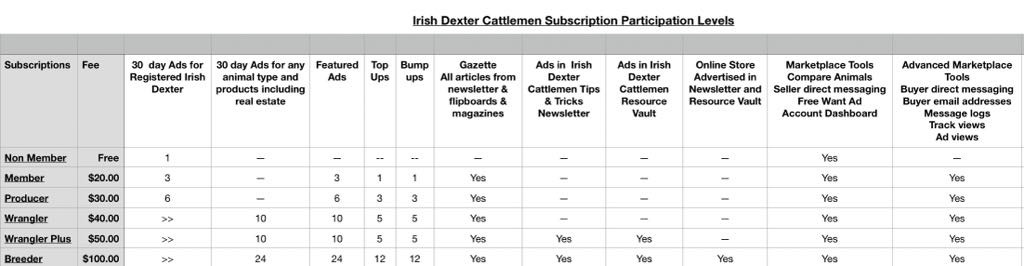
Do you want to subscribe, but you don’t know at what level?

Hope this simple spreadsheet shows you the different levels that you can participate.
An example of an entry level participation is … access to our gazette and all the past articles in the Tips and Tricks Newsletter, many magazines , the ADCA, PDCA and Legacy publications in clipboard formats with an easy to use search feature…you will need to spend $20. This feature has allowed me to help so many when they have a specific question about a topic we have already covered.

You will need decide your level of participation, register and then enjoy your subscription benefits.

We are always looking for people to help. If you want to join an exciting and dynamic team…reach out!

Do you want to subscribe, but you don’t know at what level? Read More »

General Selling

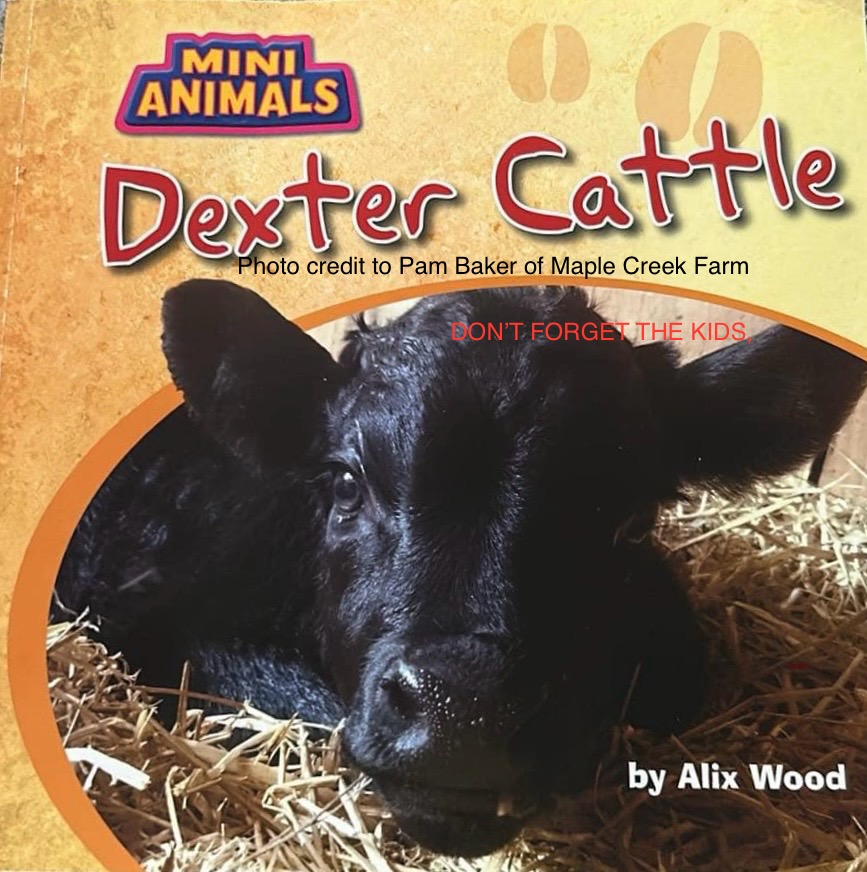
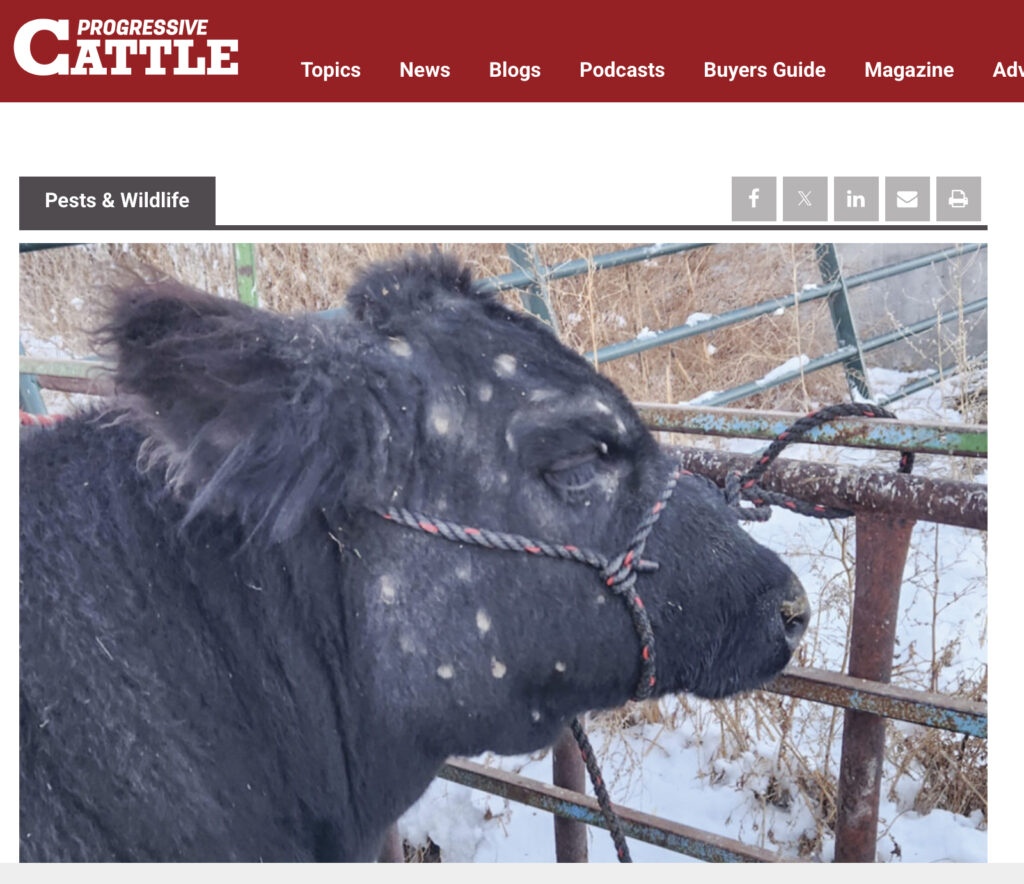
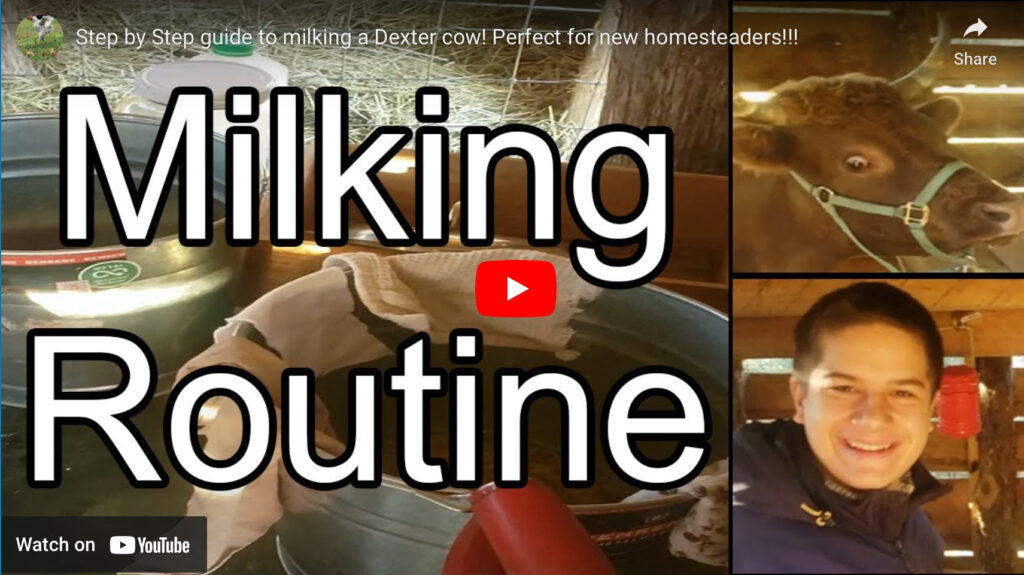
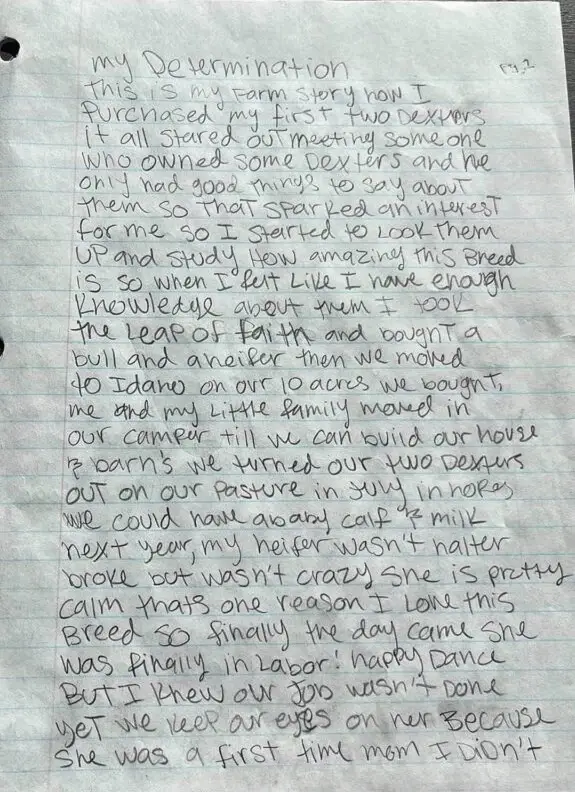
Buyer BEWARE of AI Generated Dexter Cattle Books!

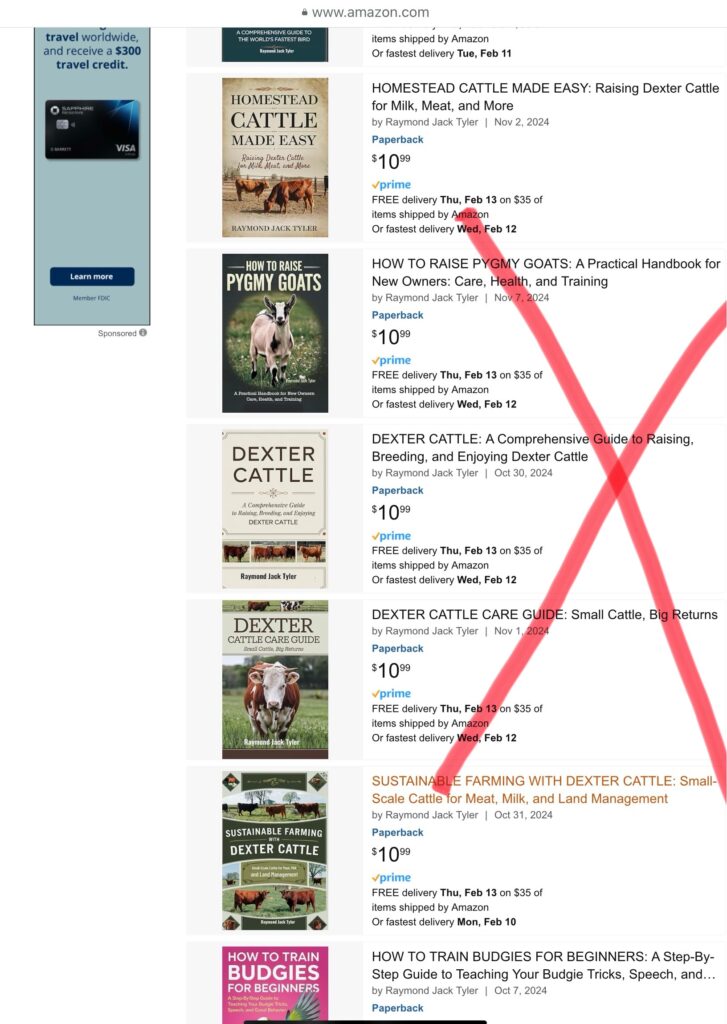
Some of these are not like the others!

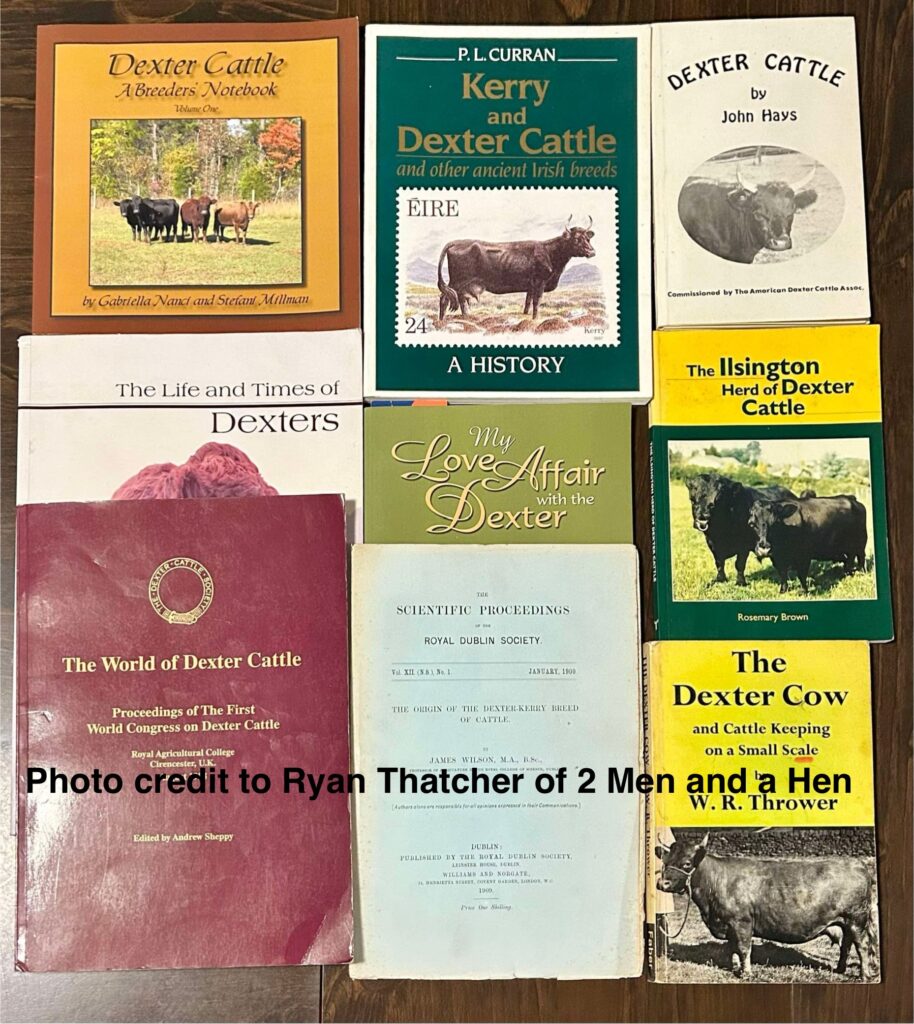
Danielle Lowther of Byrn Mawr Dexter farm sounded the alarms this month. She found a bunch of books listed on Amazon that must be AI generated with little to no knowledge of what a Dexter looks like, let alone how to care for them.

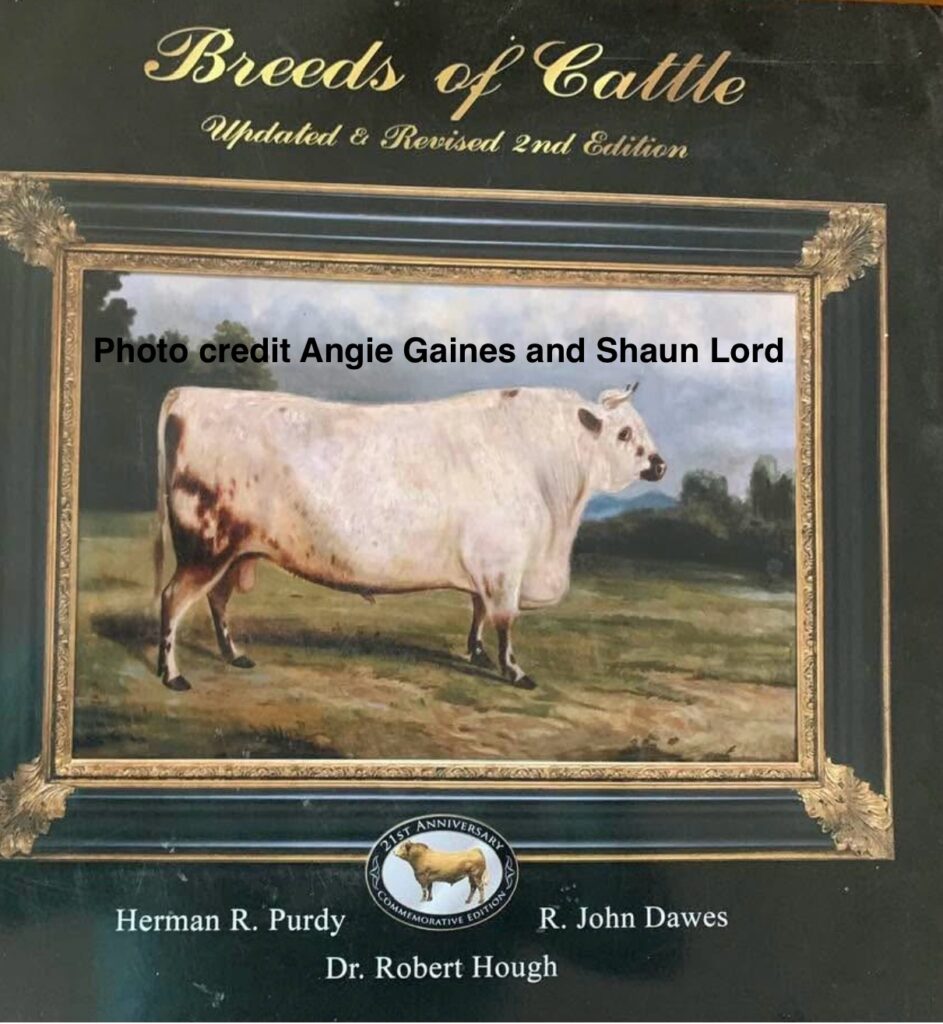
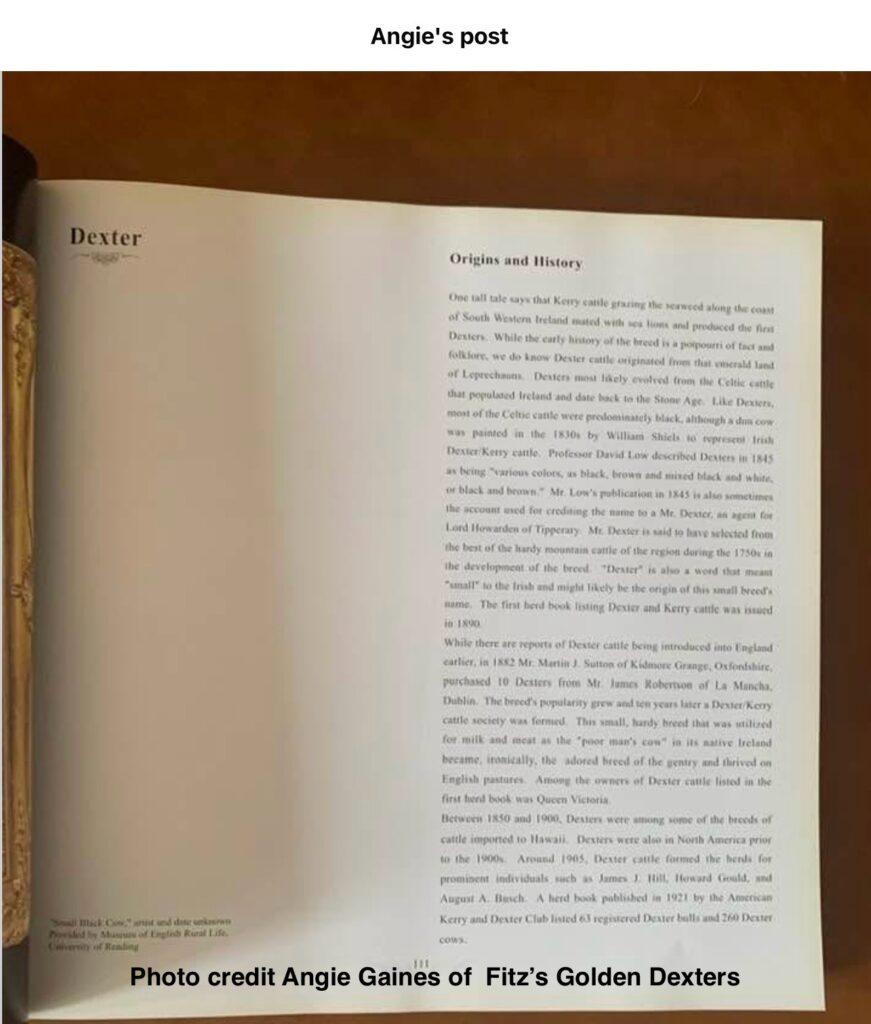
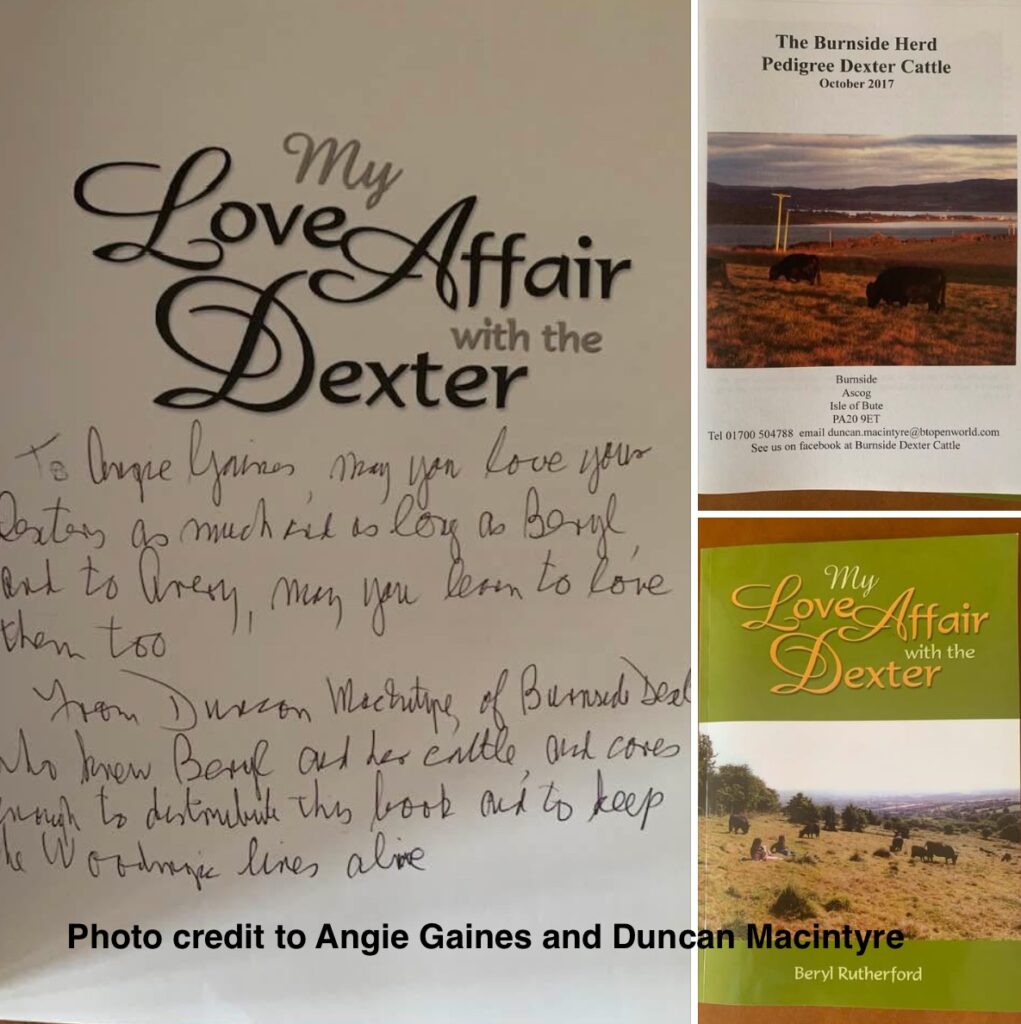
She posted these on a Facebook group she created called the Horned Dexter Cattle and called for Dexter owners and breeders to show what books they had in their libraries. This sparked several breeders to chime in and post on their sites. Dexter owners are very protective of this breed! Below are photos from several Dexter folks with their cherished books. Included are their names and farm names, incase you want to reach out to them. The imposters are the featured image here.

‘But, if you are looking for REAL information on Dexters, the breed and how to care for them, please consider supporting Irish Dexter Cattlemen by subscribing to one of our many membership levels.

Consider spending your money with a team that is working for you, with hundreds of vetted articles, podcasts and videos, stored in an easy to use, farmer designed, Multimedia Relational Database System that you can search thru with just a word or phase. An example: type in “minerals” and 9 different vetted articles show up for you! What’s in this Multimedia Relational Database System which we call the Gazette?
● Links to articles all over the Internet
● Educational, informative videos every farmer should see.
● Agricultural magazines
● Books in an online flip style format you can read on any of your devices.
● Journals produced by your favorite registry in online flip style format.
● Links to interesting podcasts for listening while working or driving.
● Blogs produced by experts in agriculture
● Historical material and Registry Herdbooks.
All of it organized by your particular area of interest, like Farm Management, or Herd Health, or Milk & Dairy, or Historical, or Selling & Marketing, or Homesteading, or New to Farming, or Farming Technology. Because it’s a Relational System, it’s also organized by topic, like grazing, milking, organic, regenerative, fencing, irrigation, breeding, and many more.
Use the code DEX50 for our March special 50% Membership Discount on any membership level!

But you may want to check out our Classified Listing System and all of our levels of membership and find an even better option for you and your farm. At the Breeder level…you can sell anything off your farm…heck even the farm!

Buyer BEWARE of AI Generated Dexter Cattle Books! Read More »

General

Where can I get raw milk or get help to sell mine?

There is definitely a faction of the population trying to get raw milk for their pets and family. There are also many folks trying to provide this to their community and both are struggling to make the connections.

Here are two links that can help you get to the source or get listed as a source.

https://getrawmilk.com

I would also have you check with your local and state laws to make sure that you are in compliance with them. Each state is different, with more and more changes coming down the pike. Be prepared if you are providing it for folks to just show up, for many phone calls and emails..the movement is in full swing.

Dexters provide a rich and creamy milk preferred by many! Happy milking!

Where can I get raw milk or get help to sell mine? Read More »

Milking & Dairy
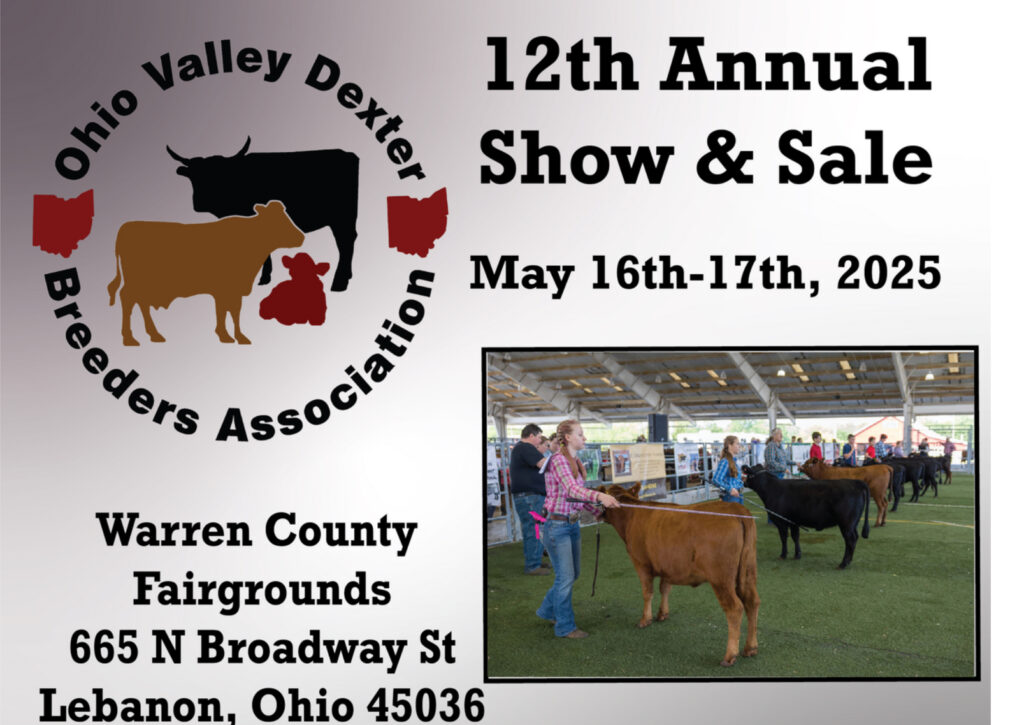
Dexter Milk

Written by Riley Wohlgemuth of Bar Dubya Ranch

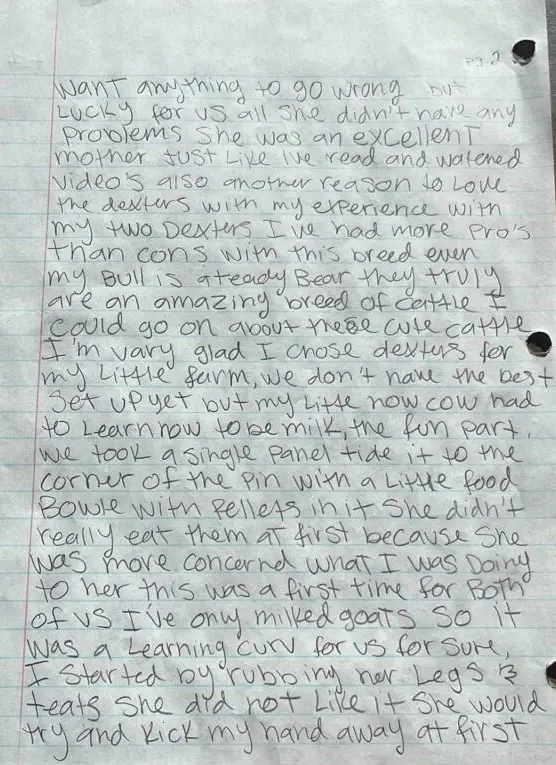
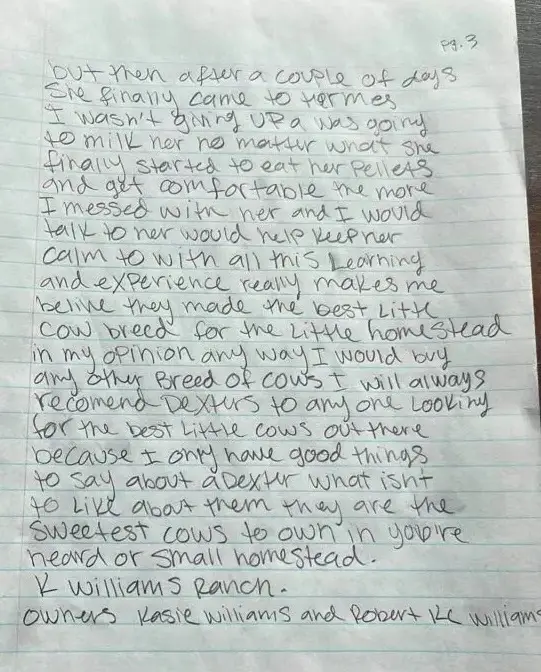
Over the last week, I’ve dedicated part of my daily life to training Marieke to milk… We weaned her 10 month old bull calf and separated them so that she could begin to recover some condition. For the previous two months, I have been casually working on her haltering and handling in preparation for this moment…

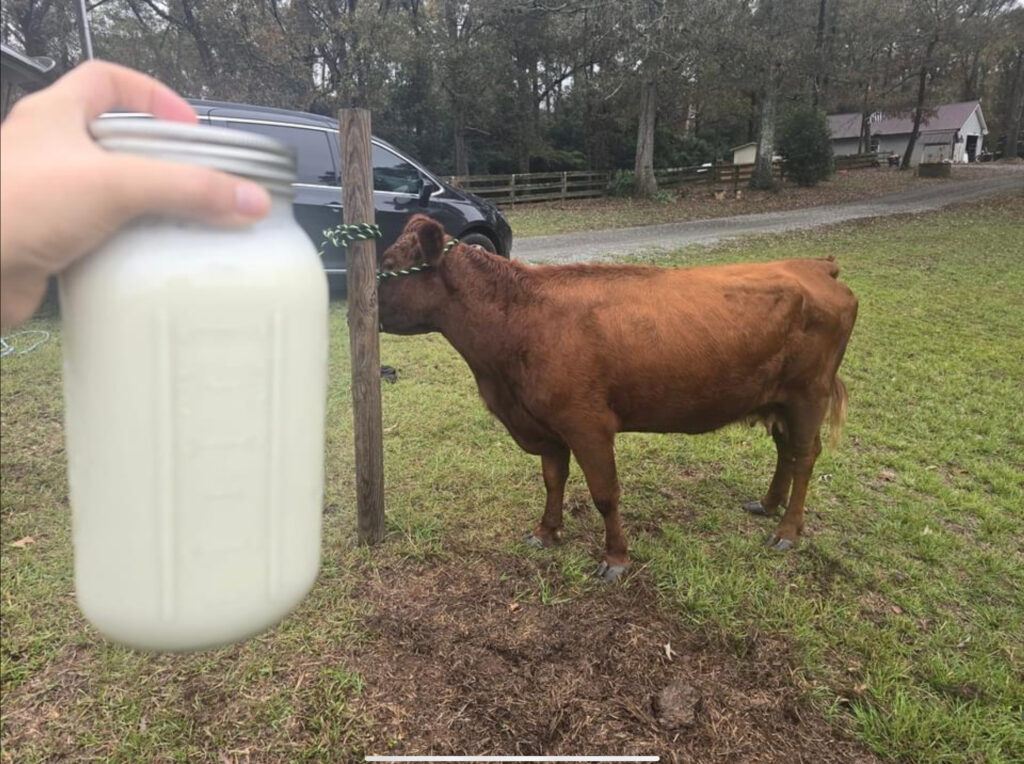
As always, it takes some adjustment and determination to get into a routine, to be mindful of my actions and responses when training a cow, and just overall persistence despite the odds. Once separated from Connor, Marieke became a little waspy with milking while standing freely, so I quickly decided to start tying her up while I milked for both of our safety.

Milking is not easy. It’s a chore. It requires consistency (after the calf is weaned), determination, patience, and a lot of grace.

But… it’s amazing. To work with a cow and receive raw milk. It is an amazing thing to be able to provide your own milk… to know exactly what goes onto it, where it’s coming from, and get the cow kisses while you’re at it.

The other thing apart from feeding ourselves that brings me so much joy… is the connection to the community, providing the connection to their food that so many are craving. We don’t currently sell our milk as we are still trying to find our own rhythm, a place to purchase, and some other variables which just make that out of reach right now…

A couple of days ago, a neighbor requested to try some of our milk. Her toddler absolutely cannot have cow milk (not even the lactose-free), a sip of it will send her into tummy aches and throwing up within 30 minutes. Her little girl could drink our Dexter milk! Absolutely zero issues. So neat!!

Then, today, we milked Marieke this morning. Getting a full, creamy half gallon jar of delicious raw milk to take home. We decided to stop at a Christmas tree farm on the way home and one of the employees pointed out our lariat rope, which turned into conversation about roping, and then cattle… did we raise any, what do we use them for, etc. We raise our cattle for milk and beef. My husband pulled out the jar of raw milk to show them and they were so fascinated and intrigued! So we offered for them to have a little sip. We have so much at home that it wasn’t too terrible a loss to sacrifice some milk for the sake of curiosity.

They were amazed! At the flavor, the texture, remarking on its creamy sweetness and how the flavor lingered on their tongues. Then there were immediate questions about did we sell, could they buy, etc. The excitement, the chattering. It made me so happy to provide that experience and connection to them!

Farming is difficult, but so rewarding… for ourselves, for the connections we cultivate with friends and strangers, to nature and God’s provision for us… We are feeling extra grateful this season.

God bless and happy holidays!! 🥰❤️

Dexter Milk Read More »

Milking & Dairy
Getting Dexters is like eating chips, you can’t just have one!!! Written By Shelley Hatfield Whippoorwill Pines Farm

I kinda want to go back to the beginning.  We are getting several new Dexter owners and several people asking questions.  So I will post some articles on getting started.   These articles aren’t necessarily directed to Dexter cattle in particular, but the basics are the same.  
 First of all, you do need to decide what you are wanting to do with your Dexters.  Since they are a dual purpose breed,  you need to decide the most important thing you are wanting out of these cattle.  I’m not saying this has to be forever, but you do need to decide what your main goal is for raising these cattle.  Then you can go from there later on.  Secondly, you need to decide what your property will hold.  This is VERY important.  In this you need to decide which direction your farm is going,  grass fed, mostly grass fed with some grain, or grain fed.  It may seem overwhelming at first, but just take one thing at a time.  You can change your mind as you go and see what works for your farm and what doesn’t.  Don’t get overwhelmed!! 
 Next a good water source will be needed.  Either by running lines, running hoses, putting in automatic waterers.  Cows need a good grass source and good clean water.  Some people let their cows use their ponds.  That is fine as long as the pond doesn’t have a run off.  Cows can also damage a pond by pushing in the dirt as they stand in it and filling it back up.  Unless you have a deep pond.  
 Another thing that I have found to be very important is to have ample equipment for holding them.  You need a good chute.  It doesn’t always have to be a fancy set up.  If you can afford one that is great, but you need a good head chute. You can make an alley way to it with panels or fencing.  A good head chute is vital to being able to inspect or service your cattle.  
 A good mentor is very very helpful!!!  Find someone who has raised cattle, particularly Dexters and learn everything you can from them.  Our website will be very helpful in that area.  You can find other Dexter owners.  We also have lots of information that is helpful, in several different areas.  

Getting Dexters is like eating chips, you can’t just have one!!! Written By Shelley Hatfield Whippoorwill Pines Farm Read More »

Beef

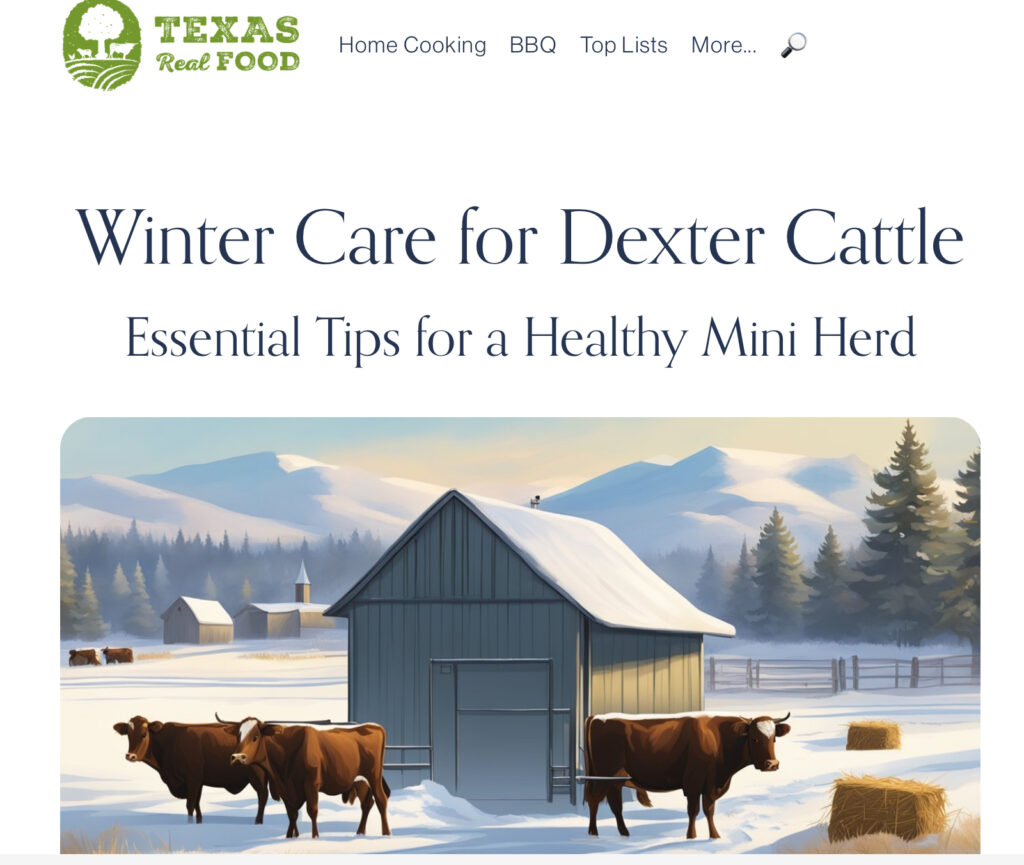
Keeping Cows in the Winter Part #2 – By Shelley HatField Of Whippoorwill Pines Farm

Keeping Cows in the Winter Part #2
 
I’m going to write about the second part of this series of keeping cows in the winter.  The first one was about making sure they have adequate water.  I’m going to talk about shelter in the winter.  This will once again depend on where you are in this great United States.  We have such diverse weather conditions.

I think that this could end up being a great debate, but I’m not wanting that.  I know some people think that the cows need a 5 Star barn and others think a few trees are plenty.  I’m just going to do a basic all around article on what the cows should have.  Then you can go from there and do what you feel is necessary. 

Starting with the milder states, you still should have at least a covering for them to get out of the sun in the summer and wind in the winter.  If you live in the colder states you will at least need a wind block.  It is also good for you to have at least a 3 sided building.  It doesn’t have to be fancy.  It just needs to be something that they can get in out of the wind and rain/snow.  Now if you have had cows very long you will know that they will just stand outside in the weather.  They have grown coats for the weather that you have in your area.  
 
You will notice cows standing out in the winter weather and have their backs covered in snow.  That is a good sign.  That means that they are well insulated!!  Dexters in particular were created to weather more difficult situations. 

Each person knows what they want for their herd.  This is just some basic advice on what to have.  Happy Winter!!!

Keeping Cows in the Winter Part #2 – By Shelley HatField Of Whippoorwill Pines Farm Read More »

Beef

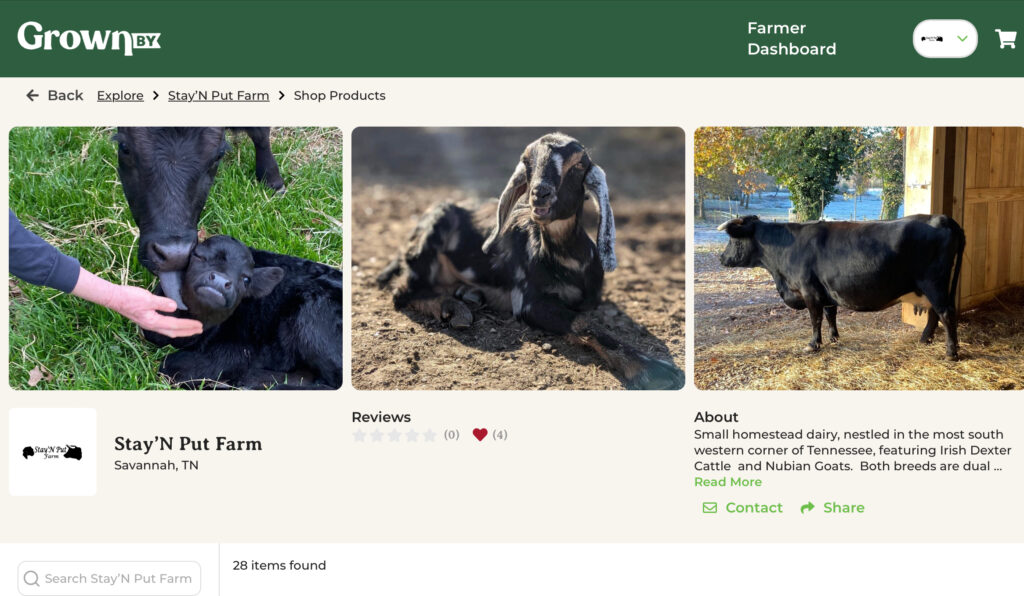
Growing my business with GrownBY

Growing my business with GrownBY Read More »

Selling

Selling Dexters by Sue Pollington

There is this thing that happens when you have Dexter cattle and really any kind of cows. It’s called cow math. The cows just keep multiplying and it’s all your fault.

In my Dexter journey this happens 2 ways. I got my fist Dexter cow, she had her yearling steer by her side and was pregnant. I thought cool, 3 for the price of one. Who doesn’t love a sale?

The new calf was born, another steer (not at birth but after a bit (was removed)). I know I’d have 3, but I didn’t know how much I would love being a milkmaid. I loved milking, processing the milk, and making all the fabulous dairy products. When the calf was weaned, my avocation as a milkmaid did too. No more dairy goodies and now I knew what real dairy was and I couldn’t bear to buy the junk stores have and call dairy.
I bought a second Dexter Milk Cow, with a steer by her side so I could milk year round with Spring and Fall calves. Now there were 5 cows. One steer went to freezer came and I was down to 4. Good for me. But then the new heifer calf was born and we were back up to 5.

Here I became foolish and bought a 3rd Dexter milkcow for emotional reasons. ( I did not need a 3rd Dexter Milk cow) She did not come with a calf at her side hooray. So, we were up to 6, I sold the heifer calf and we were down to 5. The new cow had a heifer calf and we were back up to 6.

It’s all my fault. I bred the cows, bought the cows. I will sell the new heifer calf and be back down to 5 but I have 2 calves due this Spring, but I will send another steer to freezer camp next month so I will stay at 6 until the 2025 Fall calf will make it 7 unless I sell 1 or both Spring calves.

Cow Math is real. So you will have to consider how you want to manage your herd size.

Sue Pollington

Selling Dexters by Sue Pollington Read More »

Farm Management Selling

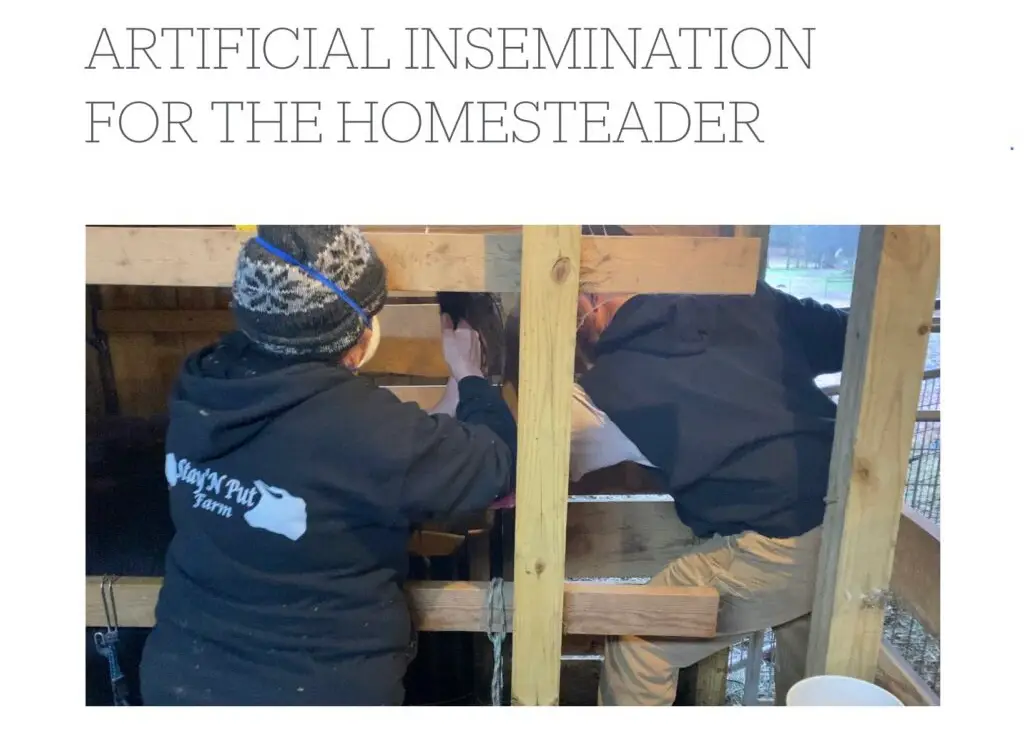
Artificial Insemination at Stay’N Put Farm

By Eliena Bodtke, Stay’N Put Farm

AI tech Whit Ashe

Whit Ashe of Circle A Ranch in Savannah, Tennessee , has been our cowboy, AI tech and friend for over ten years now. Our nick names for him, include Man With The Golden Arm, Mr. One And Done and My Favorite Cowboy to name a few. But, wouldn’t you use those names to describe a perfect heifer record and he only had to come back twice for redos in 10 years. We recommend him for anyone in the area. But after several conversations, it appears that much of our success as team, is not just his technique.

Minerals

For both Circle A Ranch and our little homestead, Stay’N Put Farm, it started with the management program. We both use Vitaferm Concept aid minerals. Whit recommended these right from the beginning, including when we were doing live cover on and off. It is set out free choice for them to utilize at their pleasure. With the success rate like ours, proper nutrients to help them take with one attempt has to be one of the key components . Seeing others succeed when switching to it, seems to us to be part of one of the keys to success. But this is just one of components to this success.

Timing

Timing is very crucial as well. Each Dexter will have its own cycle. Ours are between 18 and 21 days. Signs of coming into heat differ from cow to cow. Some of the signs we look for are loose poops, change in behavior…extra sweet or standoffish behaviors. You will often times see the cows standing close to each other, one appears to be more affectionate than the others. These for us are the start of of the heat cycle and duly noted.

Next we watch for jumping or restless behavior. This could include a nursing calf, jumping on mom or behaving weirdly with mom. If you’re milking, you may see an appreciable drop in milk, we do.

This is when your observation skills are most important. Cows will jump cows. Cows will jump bulls. This behavior is referred to as bulling. If you only have one cow in your herd and no other Dexter or bovine friend, this can be troublesome.

It can help you know that a cow is in heat, but it can’t tell you whether it is in a standing heat.

Telephone conversations and texts happen with Whit Ashe when we see behavior changes, poops getting loose or a milk drop and then we keep in close contact until we are sure that we are in standing heat.

Standing heat

Standing heat is when the cow stands for anyone to mount her. It is at this point you should be ready. We try to AI within the next 12 hours…and close to the 12 hour mark.

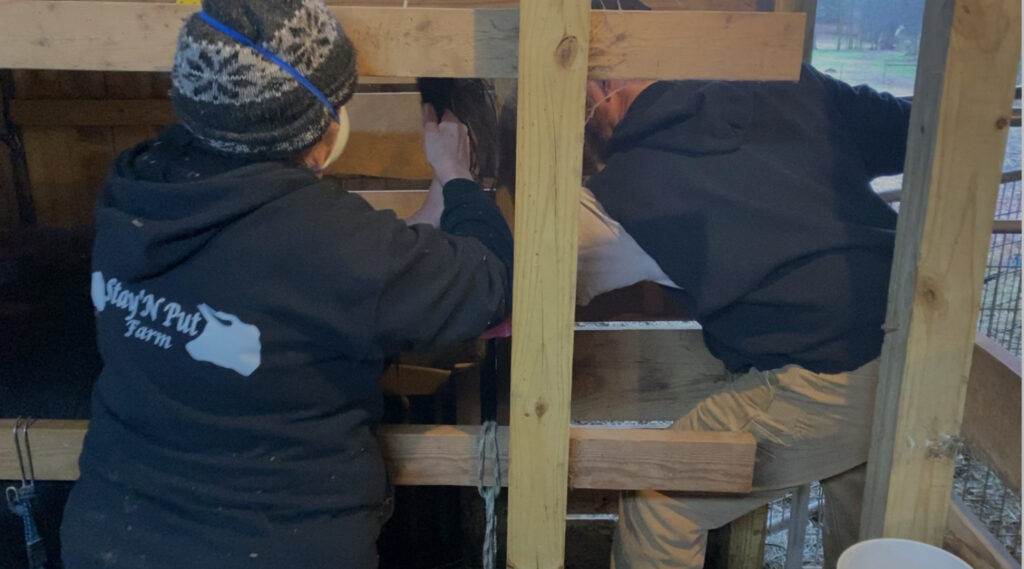
When your tech arrives, you should have your cow either in the barn or in the milking stanchion or shoot. You will need to have your straw selected that you want to use. The tech will warm the insertion device, by placing close to their body…down their shirt. The straw will be warmed in a special straw warmer. Once it is thawed, the device will let you know and the fun begins. The attached video will show you what it typically looks like.

Whit Ashe has only had to make two trips back in 10 years, and I would have to say one was probably the semen , which is rare to have a problem with it and the other was my timing. We chased it…knowing it would probably result in a bull, but we were unsuccessful. As of the time writing this article we have only received two bulls by AI, and that was from another AI tech, Weston Williams. Whit Ashe has a perfect heifer record here, very hard to believe, but true.

Here is a video of it

Artificial insemination of a Dexter cow

Artificial Insemination at Stay’N Put Farm Read More »

Farm Management Herd Health
Enable Notifications OK No thanks