irishdexters

Embracing Chondrodysplasia in Dexter Cattle: A Compelling Choice for Small Farms

Article written by Dara Dixon as well as photos!
Dexter cattle, with their compact size and delightful appearance, are a top choice for small-scale farmers and homesteaders. The chondrodysplasia trait, resulting in shorter legs and a stout build, is a defining feature often criticized but offers significant benefits when managed responsibly. This article counters negative sentiments about chondrodysplasia by highlighting its advantages—calm temperament, successful calving, efficient pasture use, and aesthetic appeal—using research from agricultural universities and practical insights. Written for those eager to raise charming Dexter cattle but hesitant due to concerns about chondrodysplasia, it provides a clear, evidence-based case for the trait’s value.

Calm and Approachable Nature

Chondrodysplastic Dexters are celebrated for their gentle demeanor, ideal for farmers new to livestock. Oklahoma State University’s Department of Animal and Food Sciences notes that smaller cattle breeds, like Dexters, are typically less intimidating and easier to handle due to their reduced size (Oklahoma State University, Breeds of Livestock, breeds.okstate.edu). The short stature of chondrodysplastic Dexters simplifies tasks like herding, milking, or veterinary care, reducing stress for both the farmer and the cattle. Their docile behavior fosters a safer farm environment, making them a practical choice for hobbyists or families. This temperament aligns with sustainable, low-stress farming practices, enhancing the appeal of chondrodysplastic Dexters for beginners.

Successful and Safe Calving

Critics of chondrodysplasia often cite the risk of bulldog calves, a lethal condition caused by inheriting two copies of the chondrodysplasia gene. However, modern genetic management eliminates this concern, ensuring healthy calving outcomes. Research from the University of Sydney, cited by UC Davis’s Veterinary Genetics Laboratory, demonstrates that breeding a chondrodysplasia carrier with a non-carrier produces healthy offspring with a 50% chance of inheriting the short-legged trait, avoiding bulldog calves entirely (UC Davis VGL, Bulldog Dwarfism in Dexter Cattle, vgl.ucdavis.edu). Dexters’ small size further reduces calving difficulties, with lower dystocia rates compared to larger breeds. A study from Kansas State University’s Agricultural Experiment Station highlights that smaller cattle breeds have fewer birthing complications, supporting Dexter’s reliability in producing healthy calves (K-State Research and Extension, k-state.edu). Responsible breeding ensures chondrodysplastic Dexters thrive as a productive herd.

Optimized Pasture Efficiency

Chondrodysplastic Dexters are exceptionally suited for small farms due to their low land requirements. Their compact size allows for higher stocking rates, maximizing productivity on limited acreage. Oklahoma State University’s Beef Cattle Manual indicates that Dexters can be sustained on 0.5 to 1 acre per cow, compared to 1.5 to 2 acres for standard breeds, making them ideal for resource-conscious farmers (OSU Extension, extension.okstate.edu). Research published in Animal Production Science confirms that smaller cattle breeds like Dexters exert less pressure on pastures, supporting sustainable grazing practices (Anim. Prod. Sci., 2020, doi:10.1071/AN19432). This efficiency lowers feed costs and environmental impact, allowing farmers to maintain more animals without compromising land health—a key advantage for those with small plots.

Charming and Marketable Appearance

The aesthetic allure of chondrodysplastic Dexters is a standout feature. Their short legs, robust bodies, and expressive faces create a “cute” look that captivates farmers and consumers alike. The American Dexter Cattle Association notes that chondrodysplastic Dexters are often “proportionally balanced and visually appealing,” making them a draw for agritourism, farm visits, or niche markets like specialty beef or dairy (American Dexter Cattle Association, Chondrodysplasia Overview, dextercattle.org). Social media posts from groups like “Dexter Cattle – Chondro Cuties” highlight the enthusiasm for their unique appearance, which boosts their marketability (Facebook, Dexter Cattle – Chondro Cuties, facebook.com). This charm translates into economic benefits, as their distinctive look attracts attention and adds value to small-scale operations.
Countering Negative Perceptions

Negative views on chondrodysplasia, such as claims of it being a “painful genetic disease” or calls for its eradication, often stem from misinformation or outdated concerns (Facebook, Dexter Cattle Breeders, facebook.com). These critiques overemphasize the bulldog calf risk while ignoring modern solutions. Genetic testing, available through institutions like Texas A&M University, allows farmers to identify carriers and breed strategically, eliminating the risk of lethal outcomes (American Dexter Cattle Association, Chondrodysplasia Overview, dextercattle.org). A 2007 study in Mammalian Genome from the University of Sydney confirms that heterozygous chondrodysplasia carriers exhibit no health detriments, displaying robust growth and adaptability (Mammalian Genome, 2007, doi:10.1007/s00335-007-9066-9). Posts on platforms like Facebook also clarify that chondrodysplasia is a manageable trait integral to the Dexter breed’s identity, not a flaw to eliminate (Facebook, Dexter Cattle Enthusiasts, facebook.com). With proper management, the trait’s benefits far outweigh any perceived drawbacks.

Conclusion

Chondrodysplastic Dexter cattle are a valuable asset for small-scale farmers. Their gentle nature simplifies management, reliable calving ensures herd vitality, efficient land use maximizes resources, and charming appearance enhances market appeal. Supported by research from Oklahoma State University, Kansas State University, and the University of Sydney, chondrodysplasia is a manageable trait that adds unique value to Dexters. For farmers seeking cute, productive cattle, chondrodysplastic Dexters are an excellent choice when paired with responsible breeding practices.

Featured image

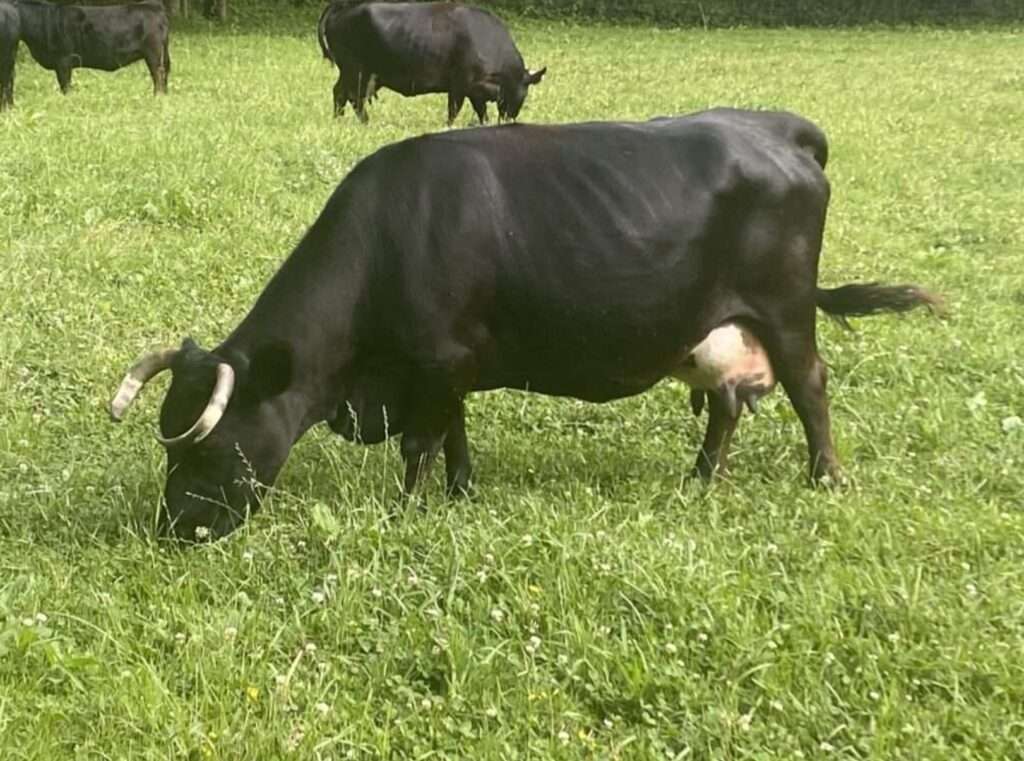
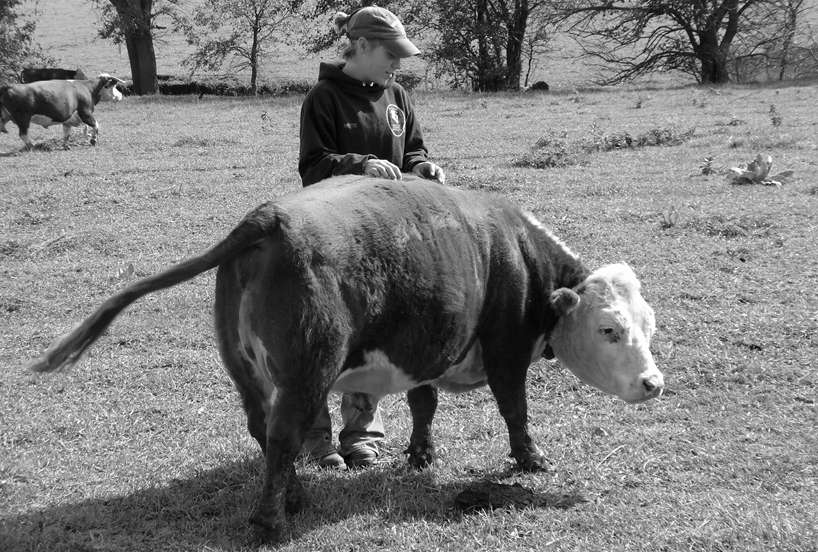
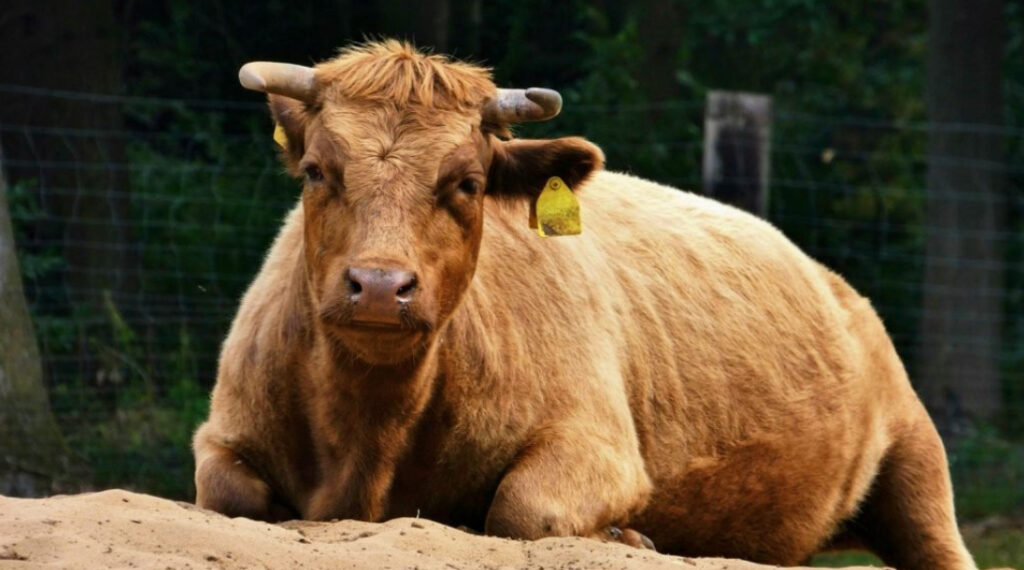
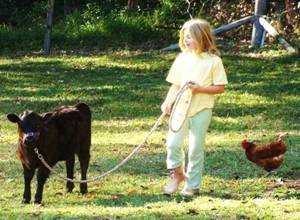
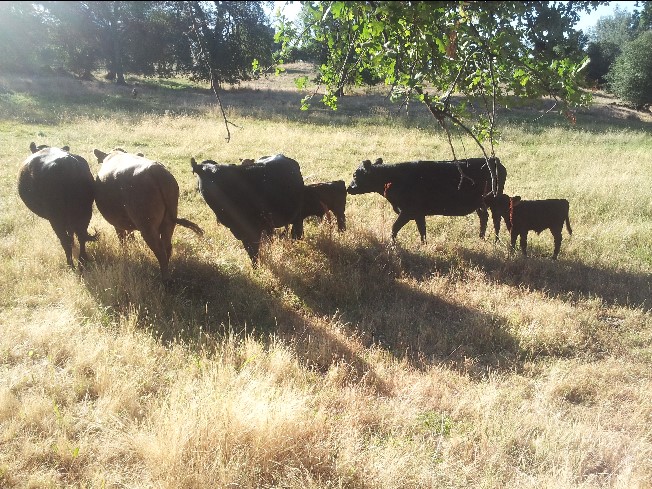
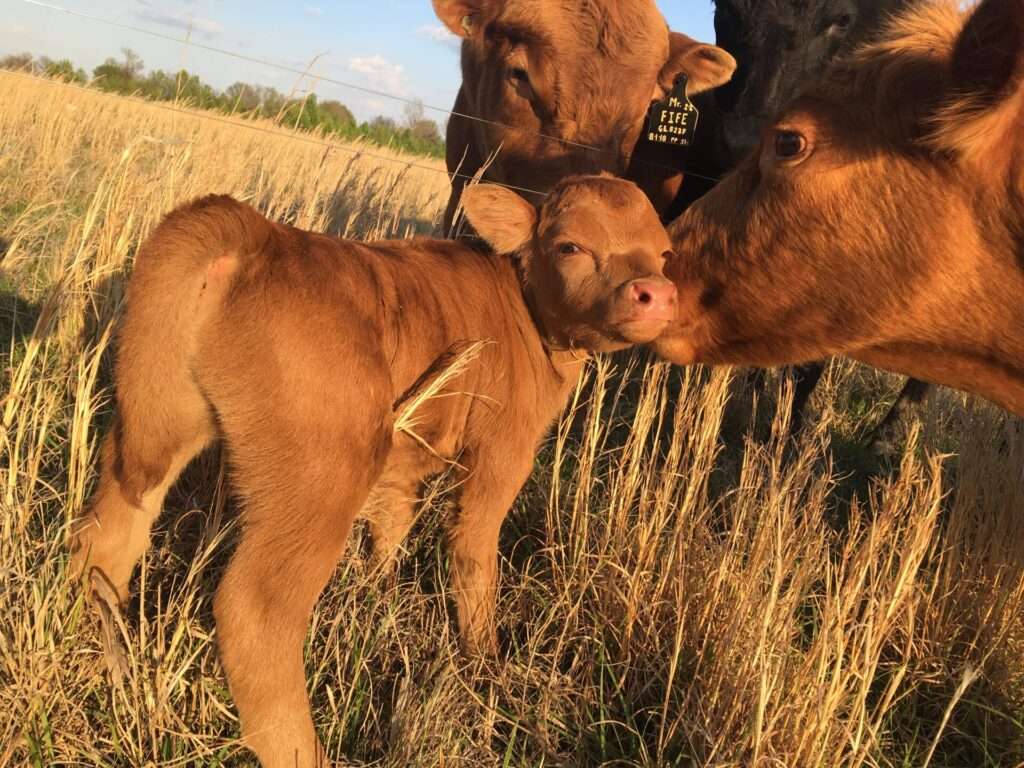
Family picture with herd sire Mr. Fife: 3797

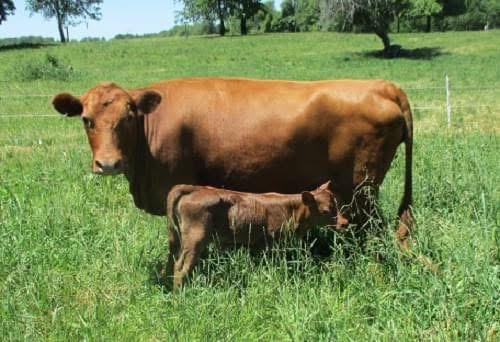
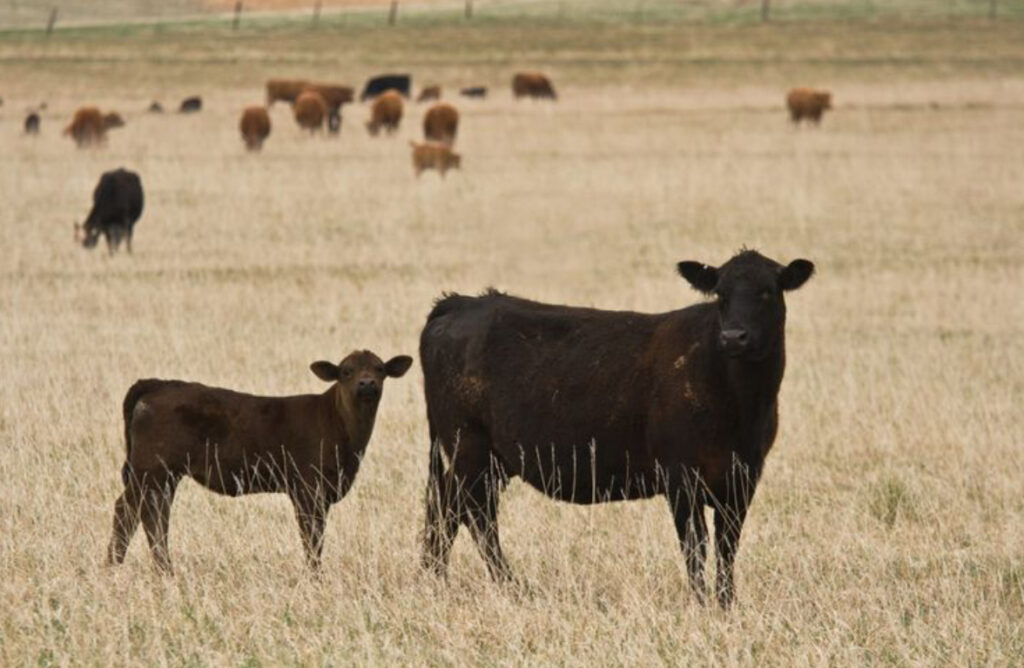
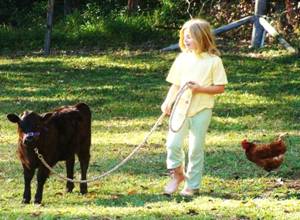
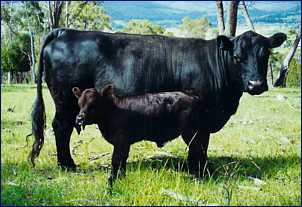
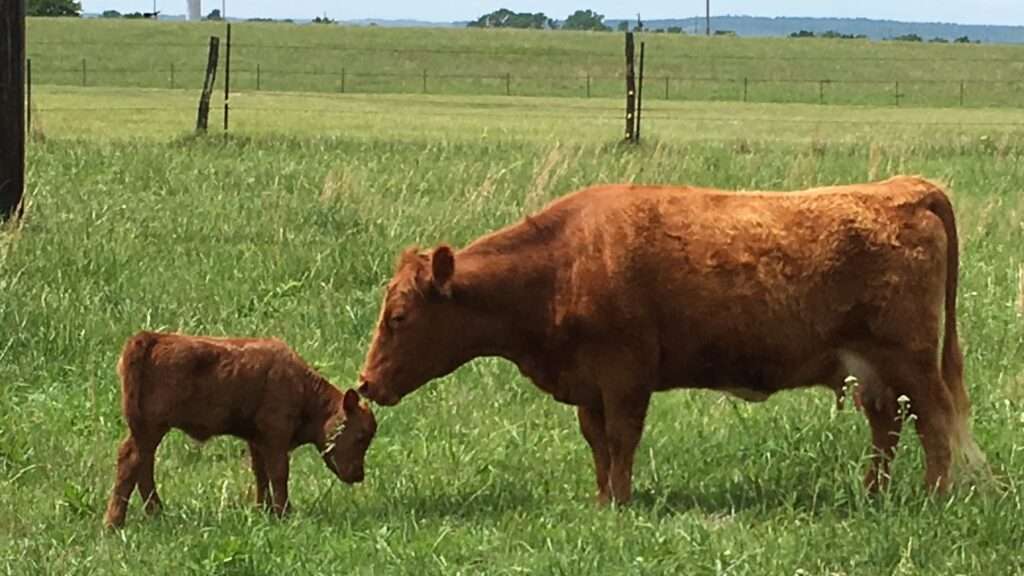
Cow named Butter Diary’s Rosebud ADCA 045563 and her calf Butter Diary’s Lil Bit 049867.
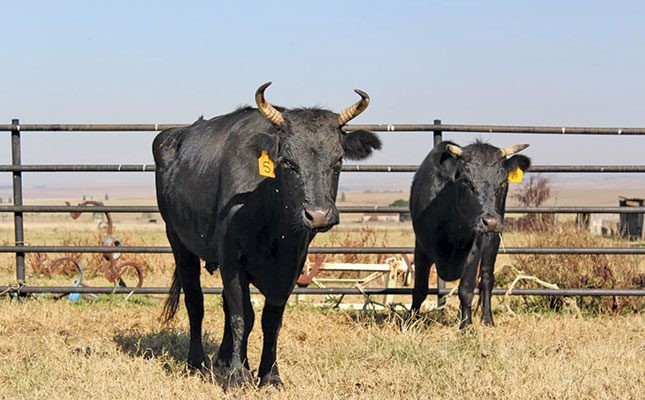
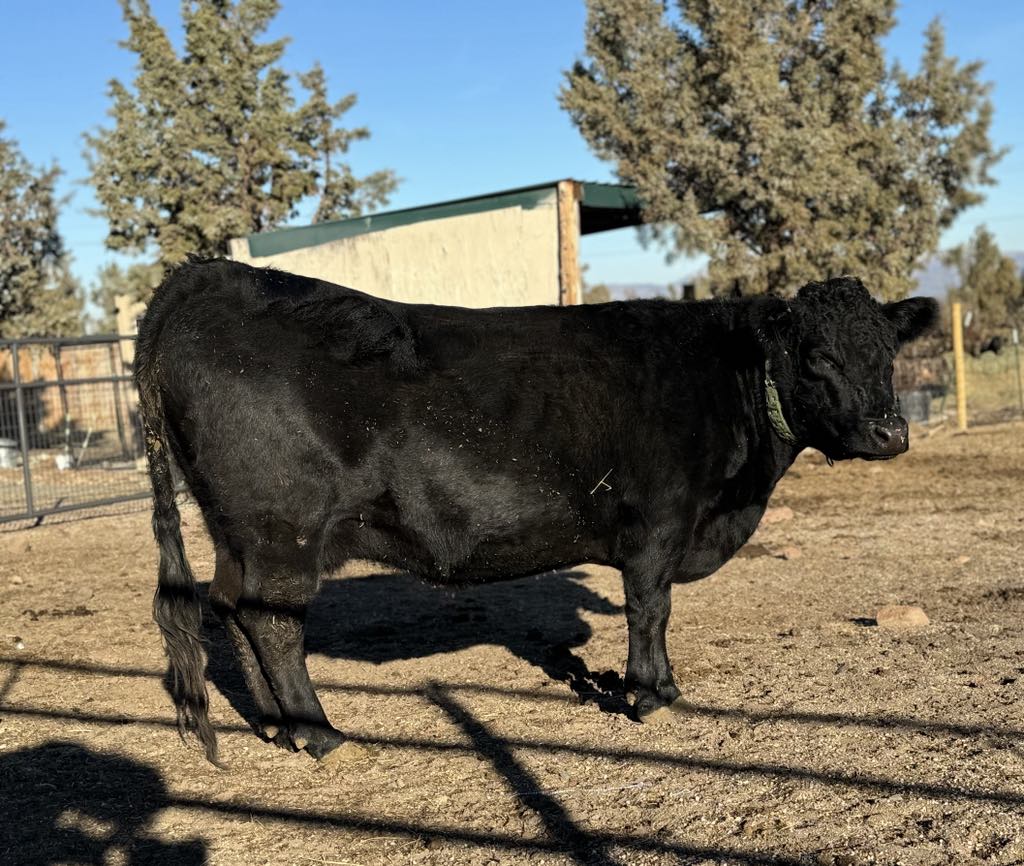
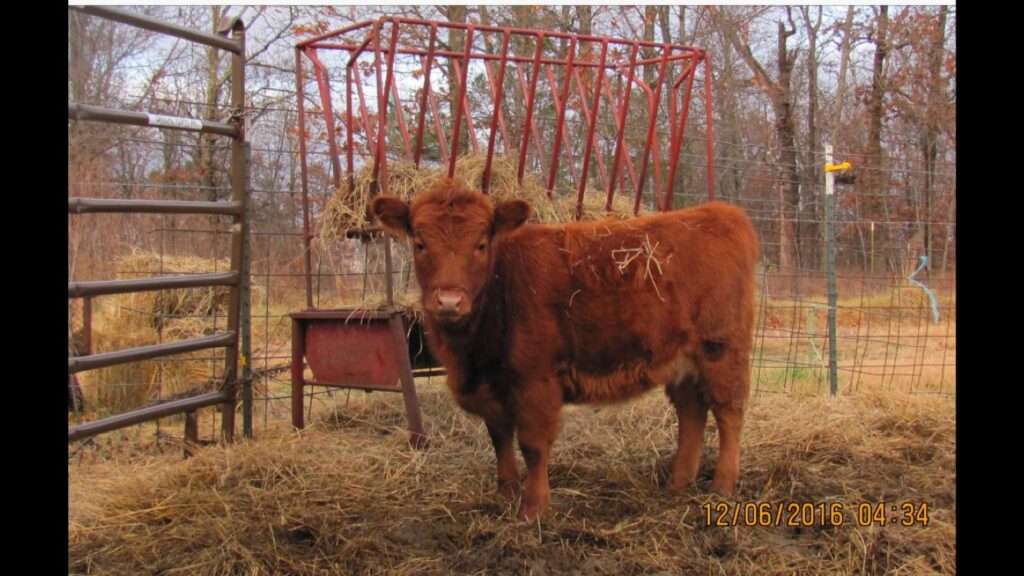
5008 and 2698 (calf in these pictures is Lil Bit)

References

  1. American Dexter Cattle Association. “Chondrodysplasia Overview.” dextercattle.org. Accessed August 11, 2025.
  2. Oklahoma State University. “Breeds of Livestock – Dexter Cattle.” breeds.okstate.edu. Accessed August 11, 2025.
  3. Oklahoma State University Extension. “Beef Cattle Manual.” extension.okstate.edu. Accessed August 11, 2025.
  4. UC Davis Veterinary Genetics Laboratory. “Bulldog Dwarfism in Dexter Cattle.” vgl.ucdavis.edu. Accessed August 11, 2025.
  5. Kansas State University Research and Extension. “Cattle Breeding and Management.” k-state.edu. Accessed August 11, 2025.
  6. Cavanagh, J.A., et al. “Genetic Basis of Bulldog Dwarfism in Dexter Cattle.” Mammalian Genome, 2007, 18, 808-814. doi:10.1007/s00335-007-9066-9.
  7. Animal Production Science. “Grazing Efficiency of Small Cattle Breeds.” 2020. doi:10.1071/AN19432.
  8. Facebook. “Dexter Cattle – Chondro Cuties.” facebook.com. Accessed August 11, 2025.
  9. Facebook. “Dexter Cattle Breeders.” facebook.com. Accessed August 11, 2025.
  10. Facebook. “Dexter Cattle Enthusiasts.” facebook.com. Accessed August 11, 2025.

Embracing Chondrodysplasia in Dexter Cattle: A Compelling Choice for Small Farms Read More »

General

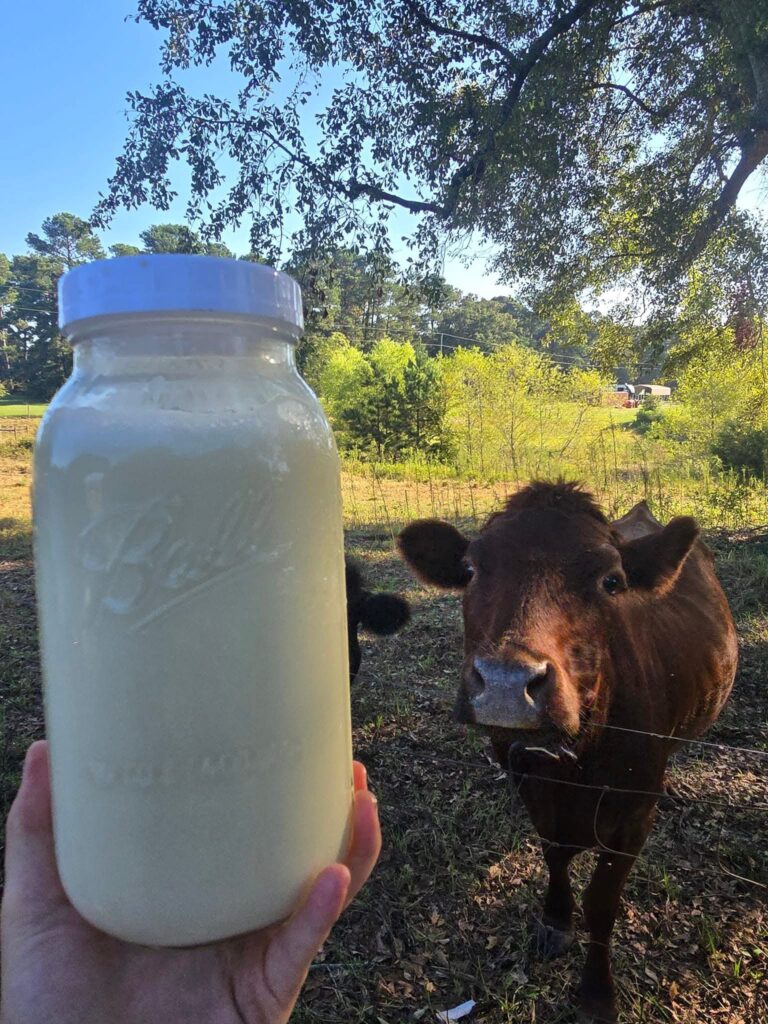
Perceived value ….true for dexter milk, beef and breeding stock

A CONVERSATION ABOUT PERCEIVED VALUE:

A customer asked me how much it would cost for a gallon of raw milk .

I gave them a price of $15/gallon.

The customer responded: That’s seems really high.

I asked: What do you think is a reasonable price for this?

The customer answered: $4 maximum

I responded: Ok, then I invite you to do it yourself.

The customer answered: I don’t know how to.

I responded: Alright, then how about for $4/gallon, I’ll teach you how to. So besides saving you $11, you’ll learn valuable skills that will benefit you in the future.

The customer answered: Sounds good! Let’s do it!

I responded: Great! To get started, you are going to need some things. You will need a cow (≈$3000), 45# of dry matter quality feed A DAY, feeders, waterers, an area to let her be a cow, a shelter, a clean area to milk, a milking machine or supplies to hand milk into, preferably electricity for this indoor area and heated water, countless gallons of water, fencing to contain this cow, etc.
Not to mention, there is a very real possibility that your single cow gets sick and doesn’t produce, a bull or someone to AI her because no pregnancy, no milk. Injury, illness, and unexpected weather conditions are always present. Now, you are back to square 1 if she doesn’t breed, dries up, get sick, or dies.

The customer answered: But I don’t have any of those things and I can’t justify buying all of these for a gallon of milk.

I responded: Ok. Well then for an additional $11/gallon, I can rent my supplies, building, and supply hay/grain/minerals/pasture to you.

The customer answered: Okay. That’s fair.

I responded: Great! We will start the project on Monday.

The customer answered: I work Monday through Friday. I’m only available on the weekends.

I responded: If you want to learn from me then you will need to work when I work. We milk everyday, 2x day, so you will need to be here at least 2 hours every morning and every night year round.

The customer answered: That means I’m going to have to sacrifice a lot of my time!

I responded: That’s true. Remember, when you do a job yourself you need to account for unproductive factors.

The customer answered: What do you mean by that?

I responded: Milking a cow doesnt just take a couple hours morning and night. It takes time to muck out her area, town trips to pick up cleaning supplies/teat dip, trucking for hay. It takes time to bottle the milk cleanly, it takes jars, it takes more cleaning of equipment and facility, it takes wear and tear on your milking equipment and feeding equipment. And thats all on top of your other chores/responsibilities.
So we will see you Monday morning, 6 am.

The customer answered: At 6am?!! My work day doesn’t usually start until 8am!

I responded: A cow thrives on a set schedule, milking 2x day should be as close to 12 hours apart as can be, so if you want to start later, that’s ok. But you will need to come back in the evening after your full day of work and milk again at that time, so if you want to start at 8 am, you will milk again at 8 pm. After clean up and bottling milk… you can head home around 10 pm. Saturday and Sunday included. Blizzards or 100 F. No days off here.

The customer answered: You know, I’m realizing that a lot more goes in to quality food than what a customer sees in the finished project. Your proposal of $15/gallon is very reasonable. I would like you to milk and have it ready for me to just pick up..

CONCLUSION:

When you pay for a job, especially a custom job, (whether it’s a physical project or digital project or GROWING AND RAISING FOOD) you pay not only for the material and the work to be completed. You also pay for:

✔️ Knowledge
✔️ Experience
✔️ Custom Skills
✔️ Tools
✔️ Time to plan
✔️ Time to prepare
✔️ Professionalism
✔️ Work Ethic
✔️ Excellence
✔️ Discipline
✔️ Commitment
✔️ Integrity
✔️ Taxes
✔️ Licenses
✔️ Sacrifices
✔️ Liabilities
✔️ Insurance

If you desire fresh, healthy, locally grown food, please don’t disrespect a farmer by trying to get them to lower their prices.

If their proposal exceeds your budget, there’s nothing wrong with going elsewhere.

Just remember.. you get what you pay for.

👉🏼 FARMERS: Know your worth and be confident in it.

👉🏼 CONSUMERS: Recognize their worth and be respectful of it.

Sharing this to support all my friends, family and clients who are Farmers, Entrepreneurs, Business Owners and Tradesman.

-Unknown and edited

Perceived value ….true for dexter milk, beef and breeding stock Read More »

Selling

Summer Heat Podcast- How It Affects Our Dexters and Other Livestock

Summer heat this seems endless. We hope that this podcast will help you recognize and help your Dexters deal with this heat. 

This podcast is brought to you by Irish Dexter Cattlemen, whose purpose is to promote the Irish Dexter breed by guiding farmers, ranchers, and homesteaders on how to become more sustainable. You can access all our podcasts of interviews with other farmers and ranchers and discussions on typical subject matters by becoming a member. This includes our entry level membership of $20 per year. Podcasts are stored in our relational multimedia database system and are searchable by topic by members. Members also gain access to a vast array of valuable articles on topics to assist you with your farm, ranch, or homestead. For anyone looking to take it to the next level, Irish Dexter Cattlemen provides breeder, services, and affiliate memberships that include an online branding dashboard where you can tell your story and develop your brand. Thank you for listening to this Irish Dexter Cattlemen podcast.

Brought to you by these Breeders, Affiliates, & Sponsors

Summer Heat Podcast- How It Affects Our Dexters and Other Livestock Read More »

Podcasts

Miniature Cattle: For Real, For Pets, For Production

Near Seattle, Washington, Richard and Arlene Gradwohl were seeing the effects of urban sprawl, as housing developments started
to sprout up around their property. Arlene, having grown up on a farm, wished to maintain a rural lifestyle. Richard, a community college business professor, investigated the possibilities with an entrepreneurial eye. He soon saw the potential smaller cattle could have on their smaller property. Always stressing new product development, Richard soon was educating himself on miniature and small cattle breeds, acquiring breeding stock, and utilizing linebreeding techniques. Beginning with Dexter cattle and keeping some of their smallest Herefords, his new product focus became developing new breeds of miniature cattle. To date he has developed 18—yes 18—new breeds of miniature cattle and is enjoying his working retirement as a Professor Emeritus (Gradwohl interview 2007).

Miniature Cattle: For Real, For Pets, For Production Read More »

Homesteading

Building history opportunity and a chance to win a copy of a signed book!

Do you have an amazing photo of a heritage breed animal? Share your best shot and help The Livestock Conservancy grow its photo library to support vital conservation messaging!

You could win a signed copy of “Practical Color Genetics for Livestock Breeders.”

Contest Rules:

  • To enter, send your high-resolution photo (300 dpi +) to lo****@******************cy.org by July 31.
  • By entering, you grant The Livestock Conservancy full royalty-free, perpetual and nonexclusive rights to use, display, edit, publish or archive the image in whole or in part online or in print.

(This photo is Florida Cracker cattle; credit Steve Howell Jr.)

Building history opportunity and a chance to win a copy of a signed book! Read More »

Historical

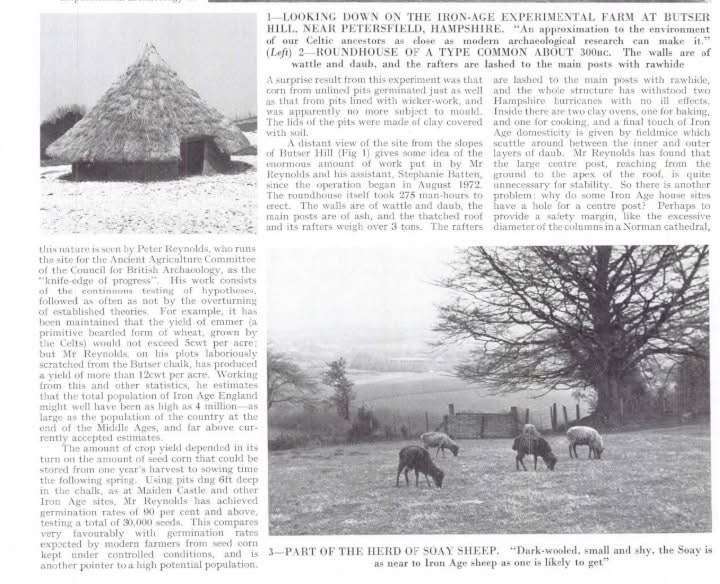
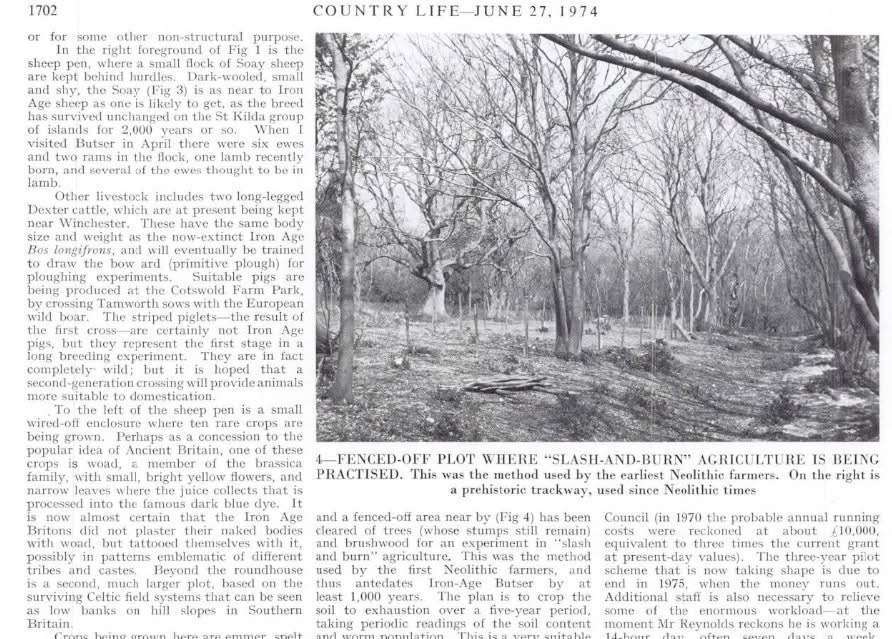
Interesting, Dexters were used to replicate a farm in 300 B.C.

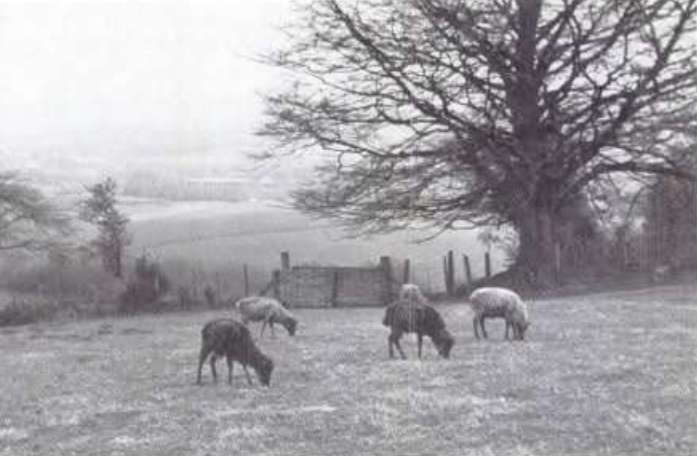
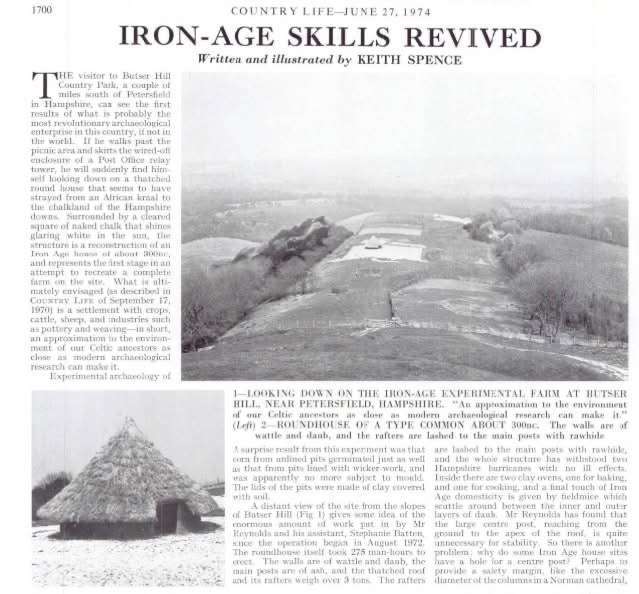
Two long legged Dexters were kept at an Iron Age site to replicate a farm in 300 B.C. The attempt was to recreate what some of our Celtic ancestors would have experienced in their environment as close to what archaeological evidence in 1974 could validate. A round wattle and daub building was constructed with a thatched roof on site, and it withstood two Hampshire hurricanes with no ill effect. A man named Peter Reynolds was testing hypotheses to establish or to refute established theories during his era. He researched to establish accurate theories on the livestock and crops that would have been grown at that time. He wanted to establish facts and create a representation of the time as accurately as he could.
The dark wooled small breed of Soay sheep were kept, as it is commonly believed they are as close as possible to the Iron age sheep genetically, because they remained isolated on St. Kilda for thousands of years. Then there are the two long legged Dexter cattle being kept that are believed to be the same body size and weight as the extinct Bos longifrons. This seems to be what was considered the best match for the time. When researching the subject, I found that McKenny Hughes says “that Bos longifrons was a very small animal; probably not larger than a Kerry cow.” It was likewise believed that the color of the British and Celtic Bos longifrons was black but with a shorter horn shape than is seen in Kerry and Dexter cattle. With those considerations it is understandable that long legged Dexters that have often been called Dexters of the Kerry type would have been used as the best choice for the day. Newspaper article: Country Life 27 June 1974

Interesting, Dexters were used to replicate a farm in 300 B.C. Read More »

Historical

COUPON EXPIRES END OF MONTH…DON’T MISS OUT! Why I use the Irish Dexter Cattlemen to help me market my homestead.

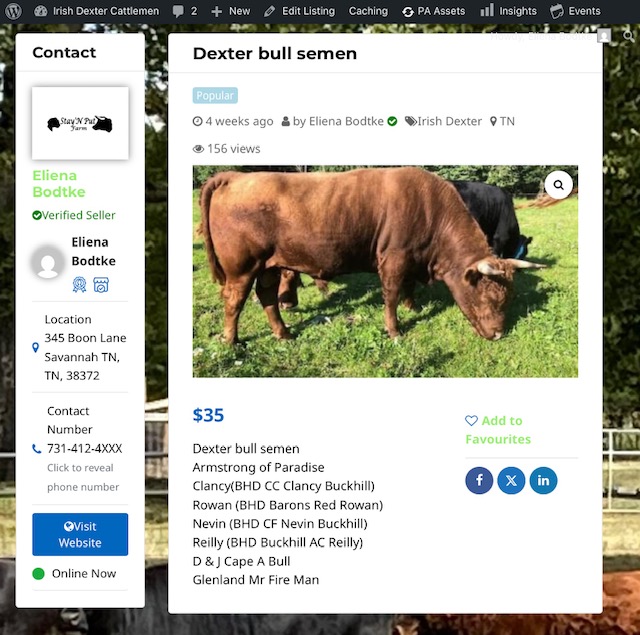
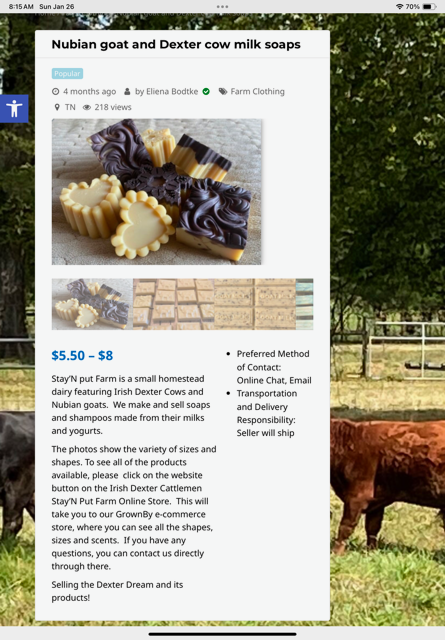
I wanted to share the great experiences I am having using the Irish Dexter Cattlemen (IDC) to sell Dexter semen, Nubian goats, soaps and shampoos…I don’t have any Dexter stock available, or I would be using the site for them too.

I love using the site to write my ad once.  Load pictures once.  And then just copy and paste the link to what ever social media or other site I choose to use as a form of advertising what I currently have available.  The link sends them to the IDC marketplace, they see all the items I have for sale. While they maybe responding to one thing…they see all our homestead has available.

They can choose to respond to me thru the site or my other contact forms.  The nice part about them contacting me thru the site is….it filters our scammers and lets me talk with the buyer.

Here are a few examples of things that have been selling well for me.

Also note…WE HAVE A COUPON FOR 50% off for new members.  So if you haven’t joined yet, we would like to encourage you to.  All levels of membership, allow you access to the  gem of gem stones…our gazette.  Loaded with articles, podcasts and videos that have been reviewed by long term Dexter breeders, ranches and homesteaders.  Join the community and see what we have to offer….you won’t be sorry!


COUPON EXPIRES END OF MONTH…DON’T MISS OUT! Why I use the Irish Dexter Cattlemen to help me market my homestead. Read More »

Selling

Tips for milking cows By Deanna Clark from Simple Pulse

Photo from Deanna Clark, Lane’s End Iggy

There are over 270 million cows producing milk across the world with about 10 million in North America alone and now you own one or more of those milk cows, congratulations! I bet you spent lots of time considering age, breed, reproductive status and temperament before you got your precious new cow and now I’m here to offer you a general rundown of a basic milking procedure.

Everything starts with routine. Cows are very much creatures of habit and will do best with a set time schedule for milkings. A good routine starts well before its time to actually milk, especially for 1st time heifers. Begin by setting up your milking area and bringing the heifer or cow into the area at least once a day before she calves and feeding grain or brushing her. Once she does calve, it is important to stick to that routing, milking every 12 hours is the industry standard for time between milkings.

Cleanliness is next to Godliness. Making sure your udder is clean before attaching the milk machine is a must! Start with a warm damp rag or dairy towel and vigorously clean each teat and the udder around it to remove any manure or debris. The key here is to not be shy about really getting in there. This action is the first thing that will trigger a cows let down. Unlike some animals, cows seem to have a will of their own and if they don’t want to give you their milk, they wont! Only happy cows give milk is a true statement. You will notice her teats turn from small prunes to a plump shape as you are cleaning her off. Sometimes they even begin to stream milk on their own. This is the sign she has let down her milk.

After she is all clean it is time to apply the pre-dip. Iodine or chlorhexidine

are the two most common used. Both sanitizes the teats before the machine goes on. When you apply it, make sure to let it sit on for the recommend amount of time so it can do its work, don’t rush this step. Use a clean paper towel,1 per cow, to wipe off the disinfectant. Next you should milk out a small amount of milk from each teat into a container or strip cup. Pay special attention to its color, smell, and consistency; checking for any lumps or strings which can be a first sign of mastitis. If all looks good you are now you are ready to attach your claws/inflations. 

Milking with a good machine like the SimplePulseshould only take 6-10 min from start to finish. Any longer than this and you have a settings or pressure issue. Cows liked to be milked at around 60 pulses per minute of the pulsator. When you first get a machine from SimplePulsethe pulsator is set for goats which is slightly higher at 90 pulses. To adjust this down, turn the set screw on the back of the pulsator using a flat head screwdriver until you hear the clicks start to get further apart and it times to 60 pulses in 1 minute. 

When attaching the inflations to the udder align the entrance of the inflation with the teat opening and then depress the bottom claw button. This will suck the teat into the inflation shell to the proper depth and begin milking instantly. Repeat with the other 3 inflations. Continue allowing the machine to milk until you notice milk no longer flowing. At the point you think she is done milking, her udder should look noticeably deflated and you no longer see milk flowing into the claws, go ahead and pull down gently on each inflation in turn. This will open the milk canal and allow that last bit of milk to come out which is the highest in butterfat. Continue to apply slight downward traction until you don’t see a steady stream of milk anymore before turning the machine off. 

After milking, a cows teat canals stay open for around 30 minutes after so be sure to apply a good post-milking teat dip like iodine or if its below freezing, Winterset powder, to coat the teat ends and prevent bacteria from entering once you turn her out. 

Having a good routine, sanitation practice and procedure in place by following these simple steps will set you and your cows up for a successful milking journey.

Tips for milking cows By Deanna Clark from Simple Pulse Read More »

Milking

Have you taken advantage of the Dex50 coupon?

Here is a testimonial from someone who paid to get access to the Irish Dexter Cattlemen Gazette!

Yes. This is a big need. I believe there are a lot of people like us out there but the world is so commercialized that breeds like dexters don’t have as much information to learn from. This is gonna be a great tool for us and I’m sure it will help us grow more into what we’re wanting to accomplish on our farm in the future. Carrie Ann Bowers

Have you taken advantage of the Dex50 coupon? Read More »

General

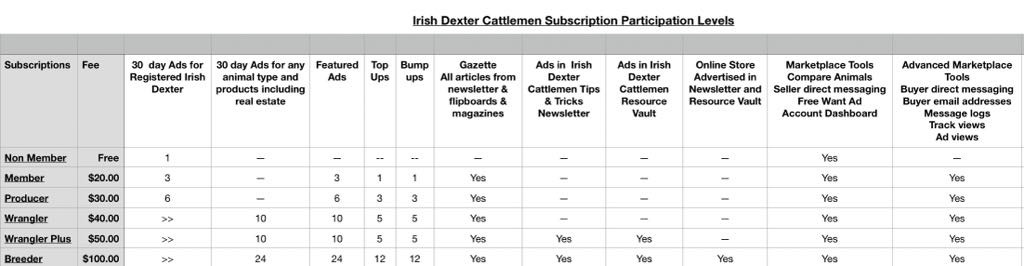
Do you want to subscribe, but you don’t know at what level?

Hope this simple spreadsheet shows you the different levels that you can participate.
An example of an entry level participation is … access to our gazette and all the past articles in the Tips and Tricks Newsletter, many magazines , the ADCA, PDCA and Legacy publications in clipboard formats with an easy to use search feature…you will need to spend $20. This feature has allowed me to help so many when they have a specific question about a topic we have already covered.

You will need decide your level of participation, register and then enjoy your subscription benefits.

We are always looking for people to help. If you want to join an exciting and dynamic team…reach out!

Do you want to subscribe, but you don’t know at what level? Read More »

General Selling