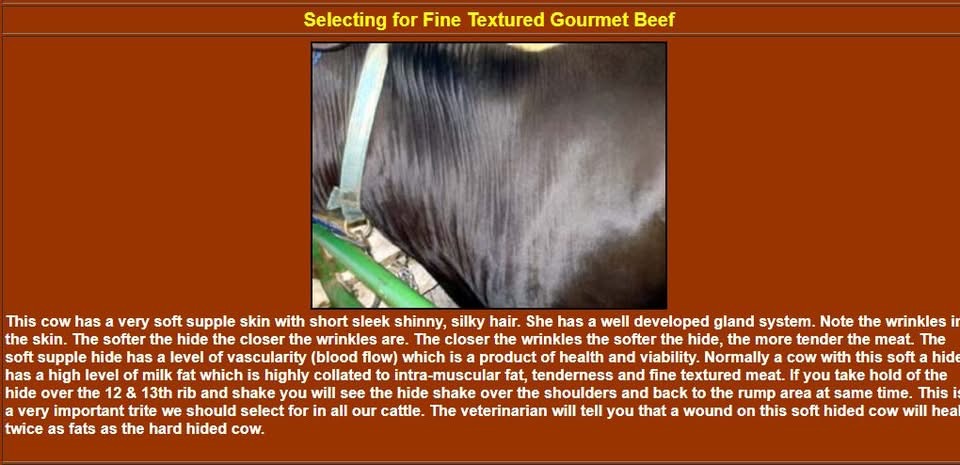
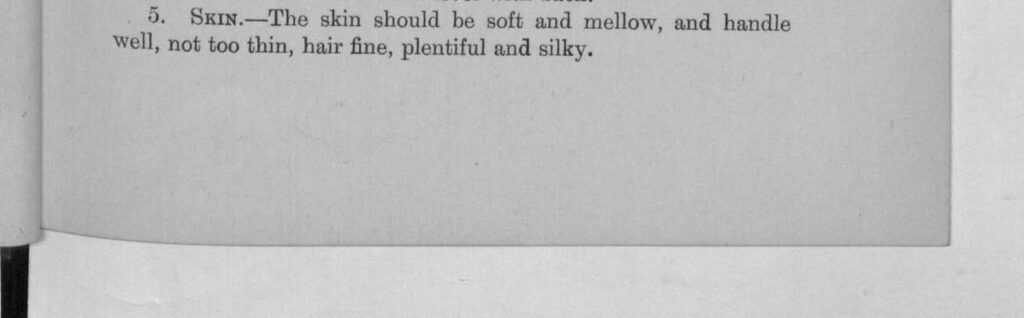
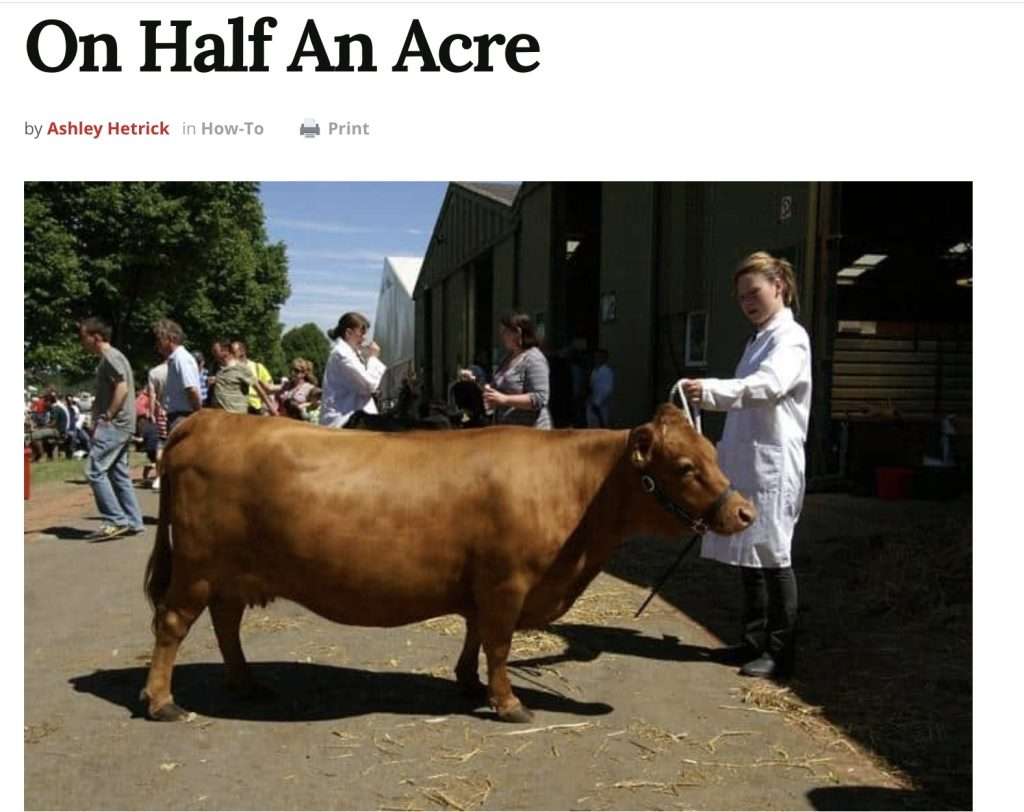
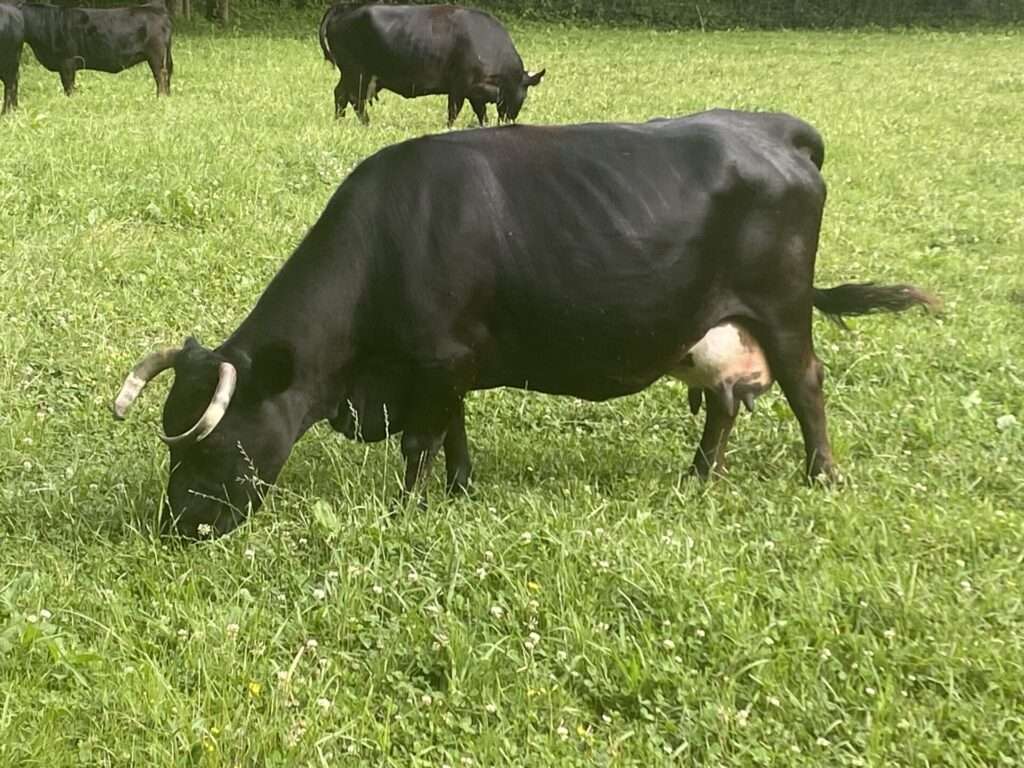
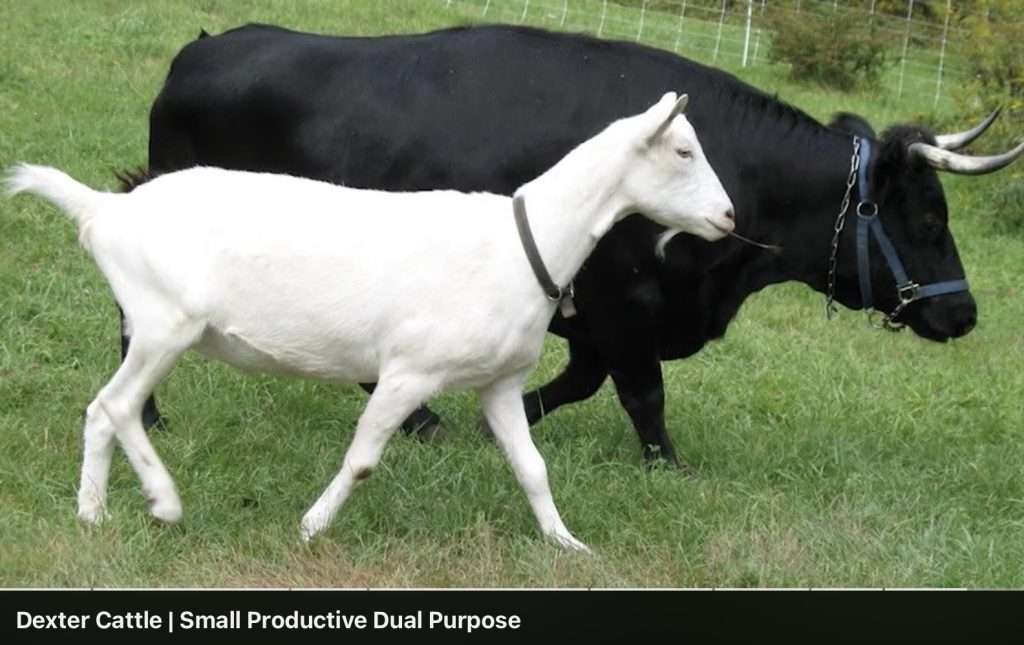
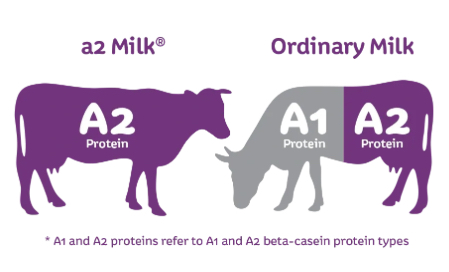
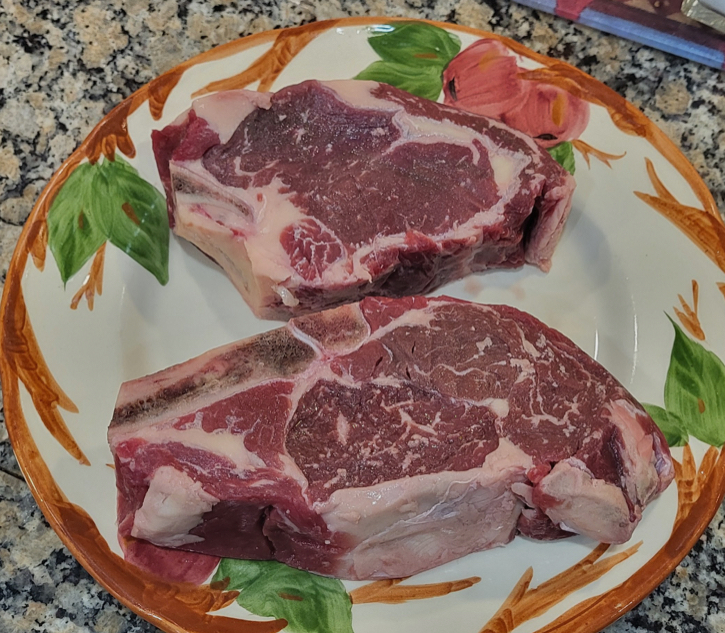
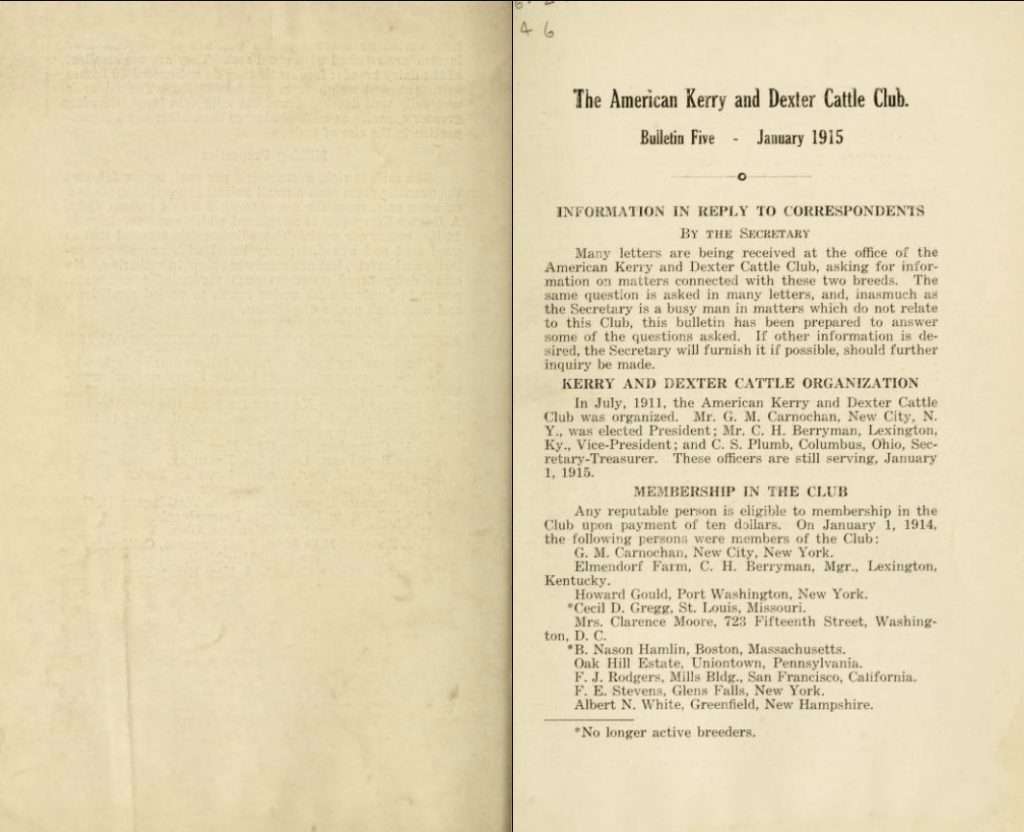
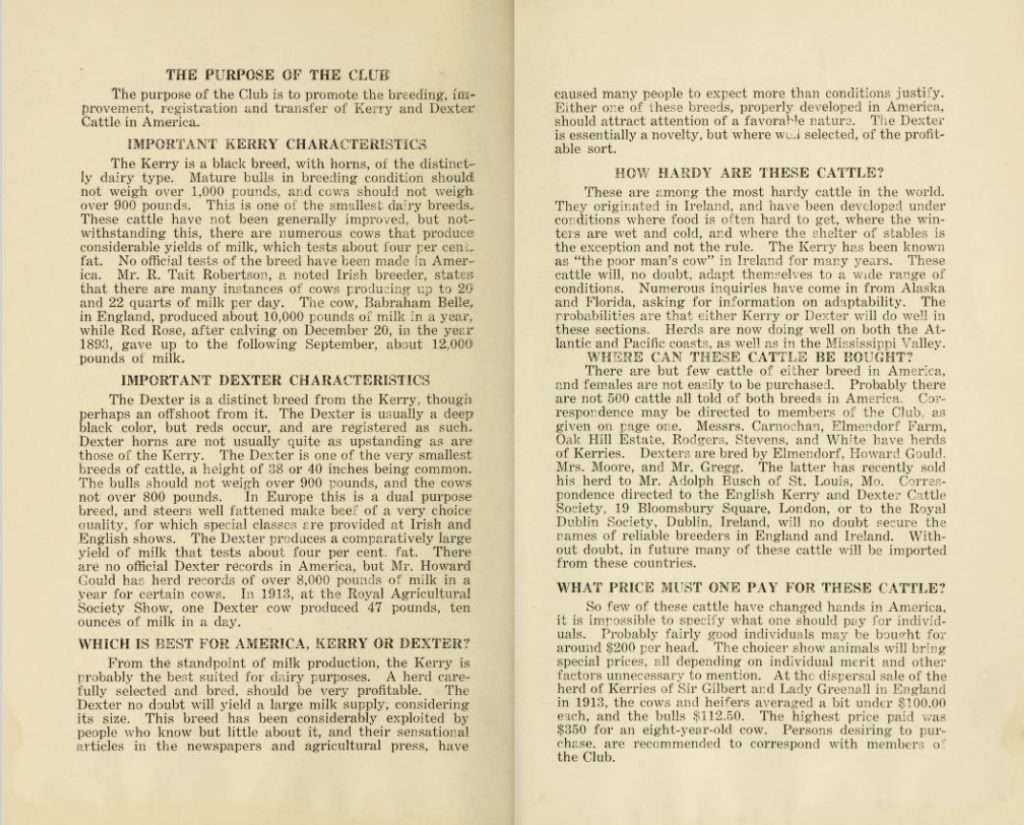
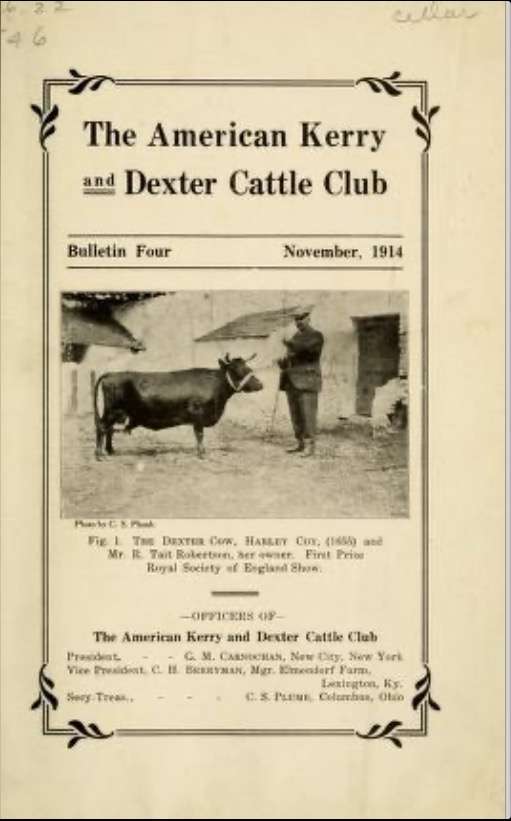
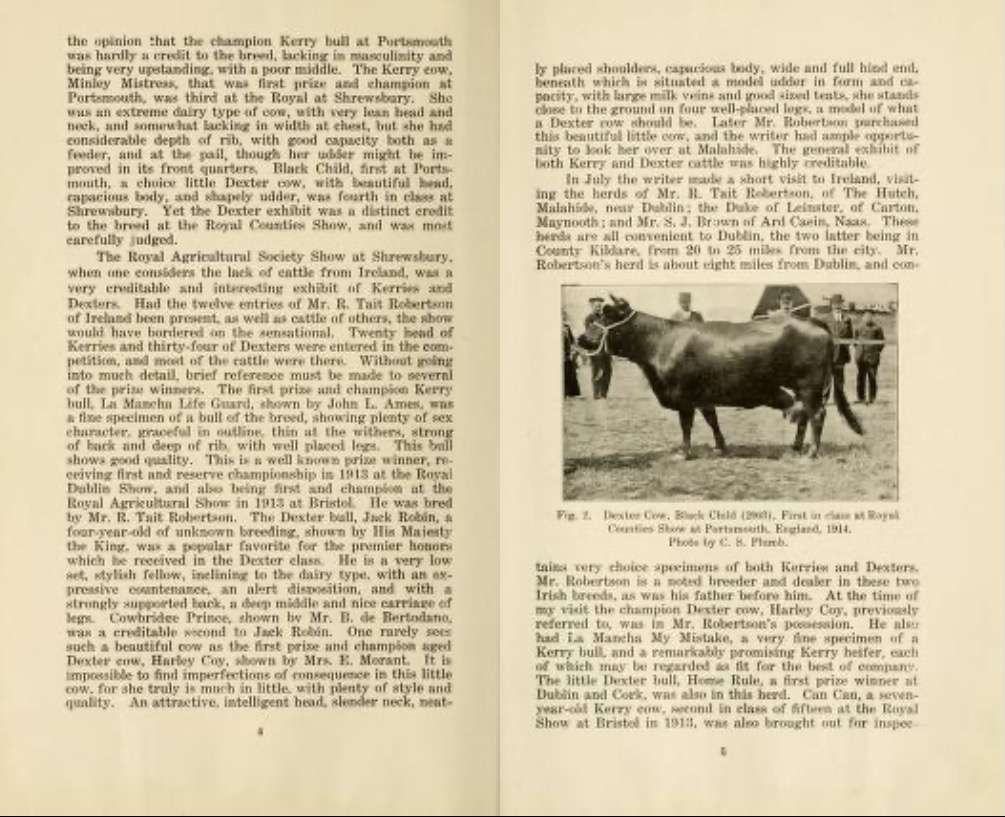
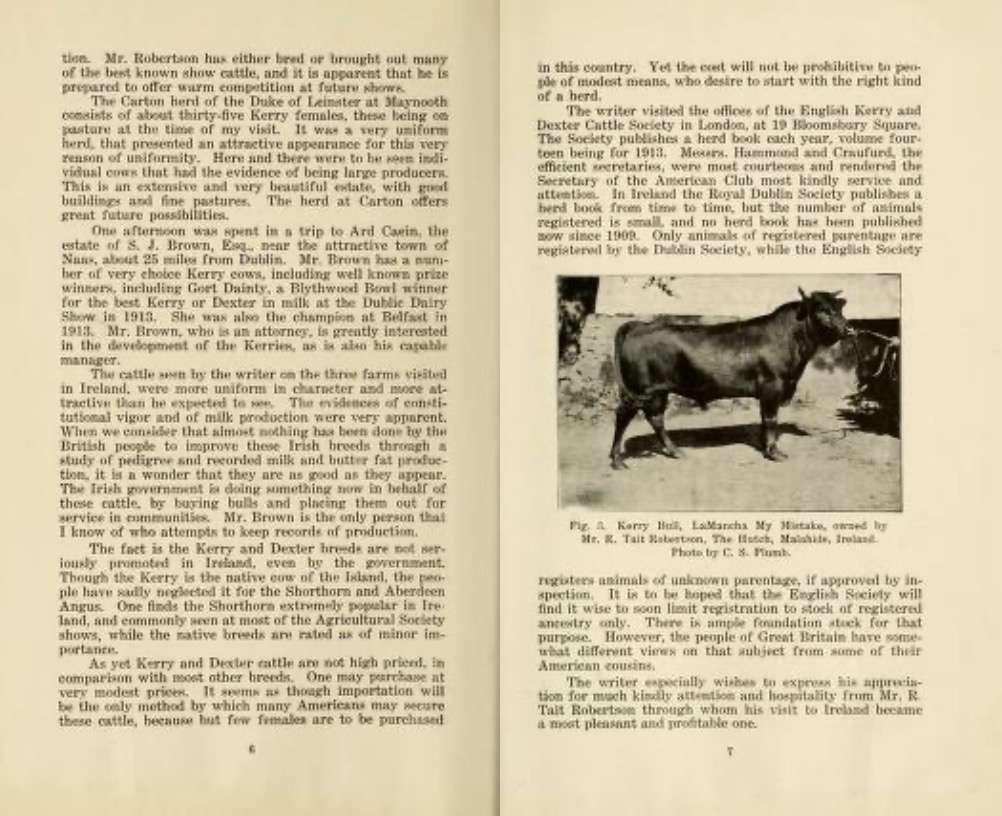
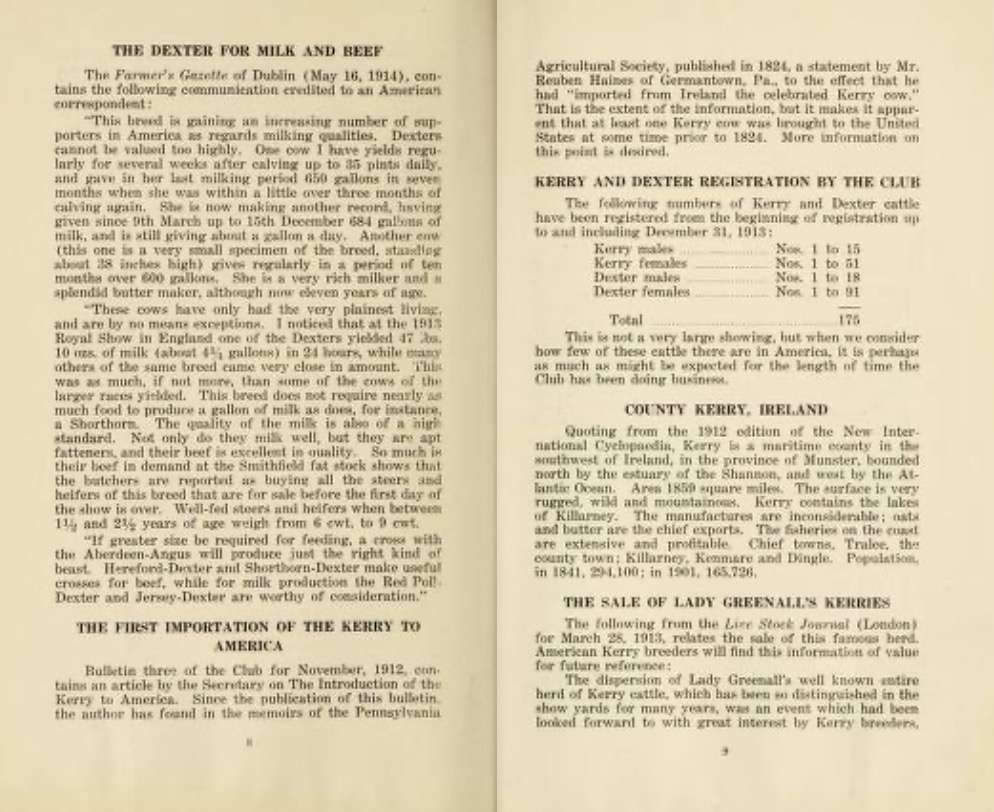
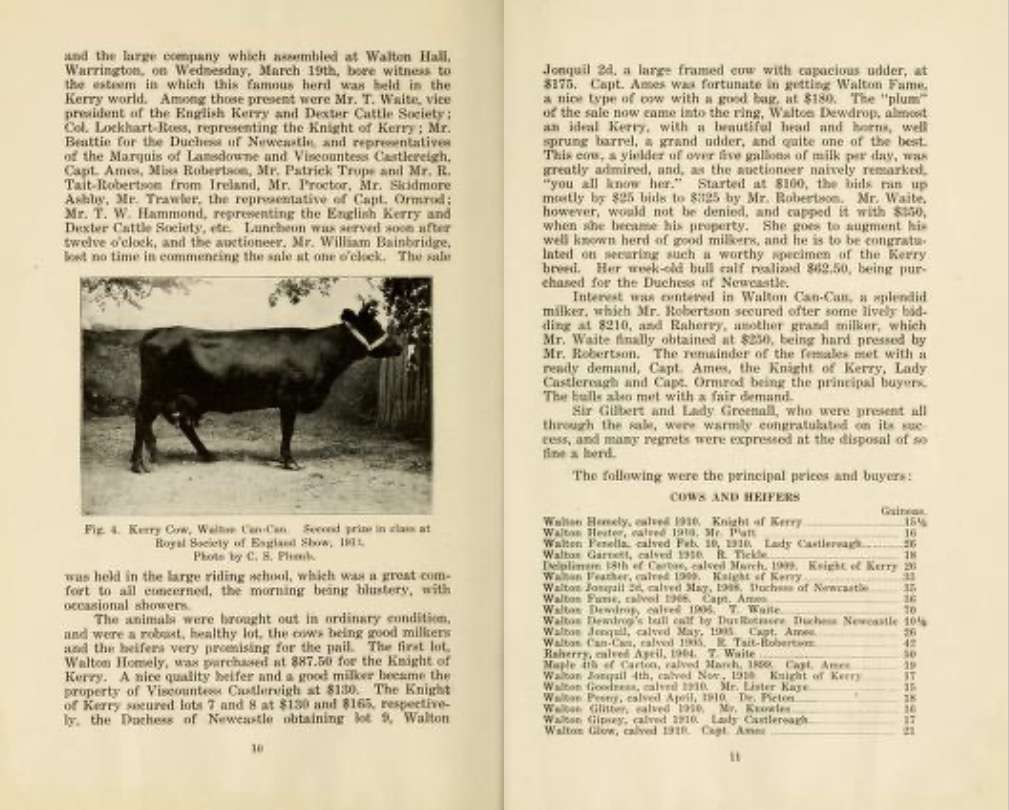
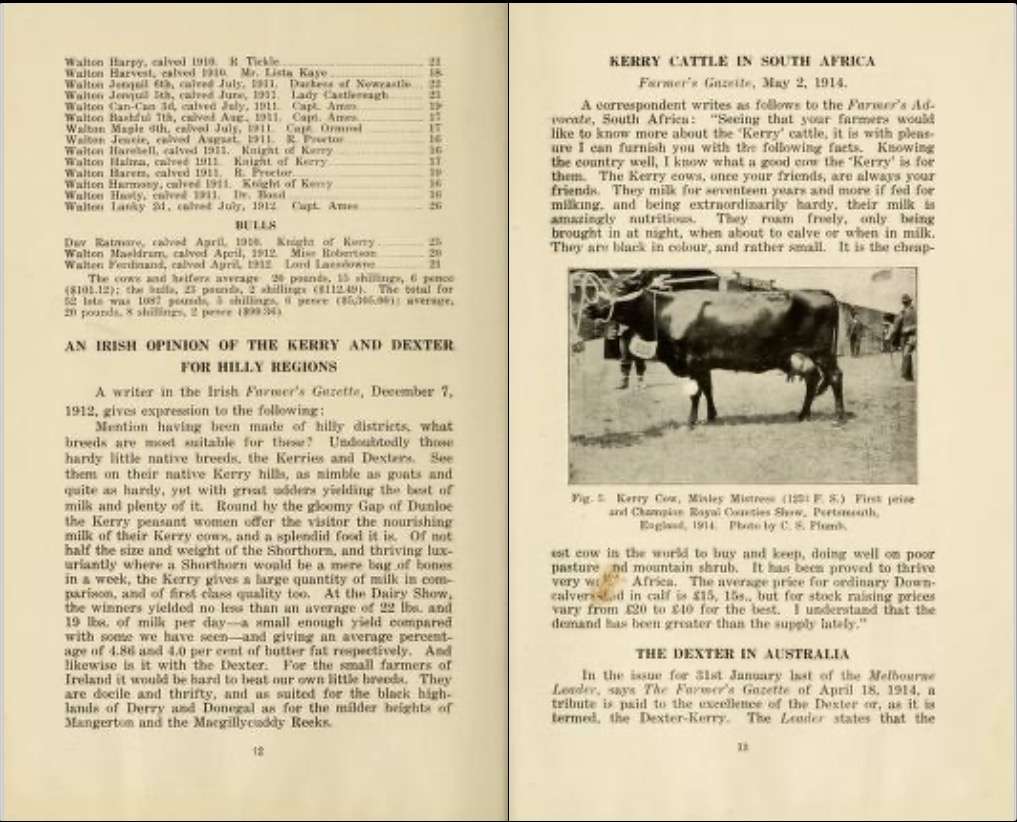
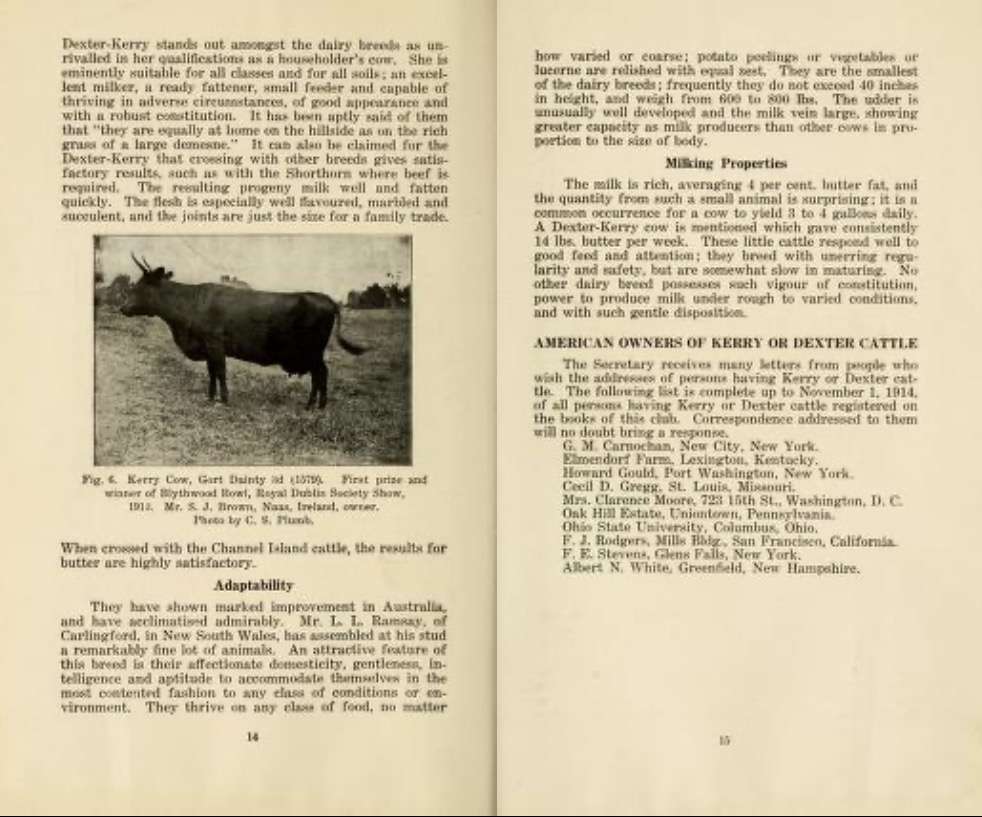
Breed Standards define breeds so that people know what unique traits the breed possess. Dexters were known to have extremely fine quality beef, it turns out that the original genetics Dexters process may actually help them to have finer quality beef because they have “skin that should be soft and mellow, and handle well, not too thin, hair fine, plentiful and silky”. Consider this quote from the first screen shot “This cow has a very soft supple skin with short sleek shiny, silky hair. She has a well developed gland system. Note the wrinkles in the skin. The softer the hide the closer the wrinkles are.” This well describes Dexters, they have both good overall butterfat and fine textured meat, and they are wearing the signs, if properly bred on their backs. Another good reason to not deviate away from the original Dexter breed standard.
Check us out! Click on the button at the bottom. Feel free to submit some of your videos to wrangler@irishdextercattlem. We are looking for contributors!
Our channel is growing with over 50 videos! Love to see some yours there!
A Deep Dive Podcast, brought to you by Irish Dexter Cattlemen, on topics of interest to all farmers and ranchers. Subscribe to the free, monthly Irish Dexter Cattlemen Tips & Tricks Guide to get early access.
Brought to You by These Breeders, Affiliates, & Sponsors
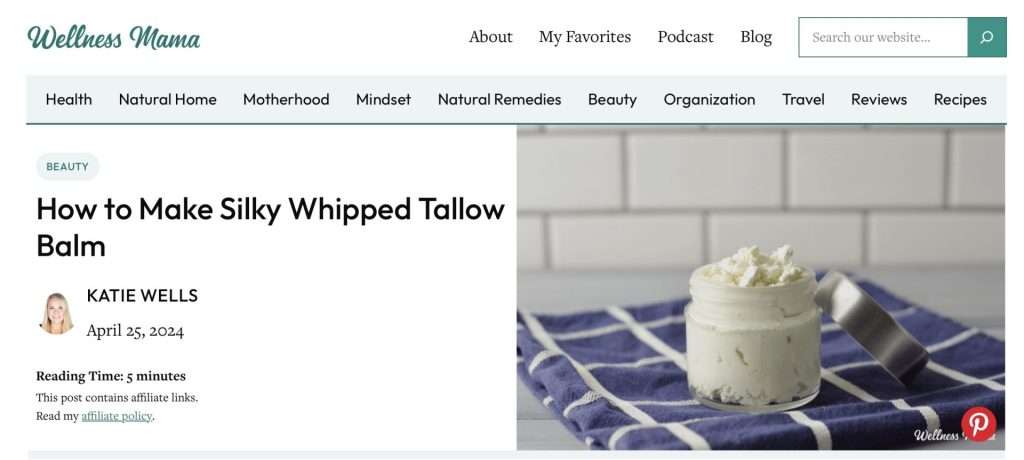
Products like these are easily made from our superior Dexter beef tallow. Give it a whirl! You know we have the best beef…I bet we have the best tallow products too!
While many of us are not fans of the term “mini cow” being used to describe our beloved breed, it does catch many new to the breed’s eyes. As homesteading becomes more popular, so does the Dexter.
The article below was written by Matt McCollum, a concerned Dexter breeder. The numbers are a collaboration of a few folks from the three registries. While there maybe duplicates and possibly a few triplicates in the numbers w are working on identifying those animals that were dual or triple registered, but it will take some time to get these all identified.
The point is the numbers are in decline. Another important point is there is only ONE facebook site that does not support or welcome accurate discussions about a foundation trait of the Dexter.
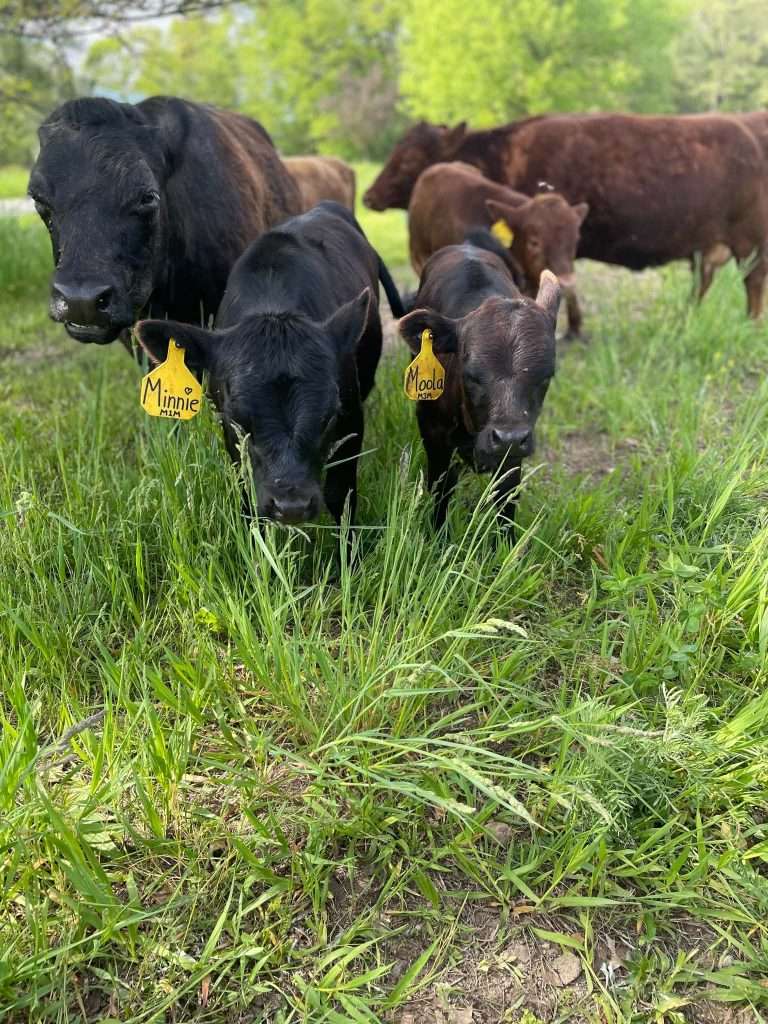
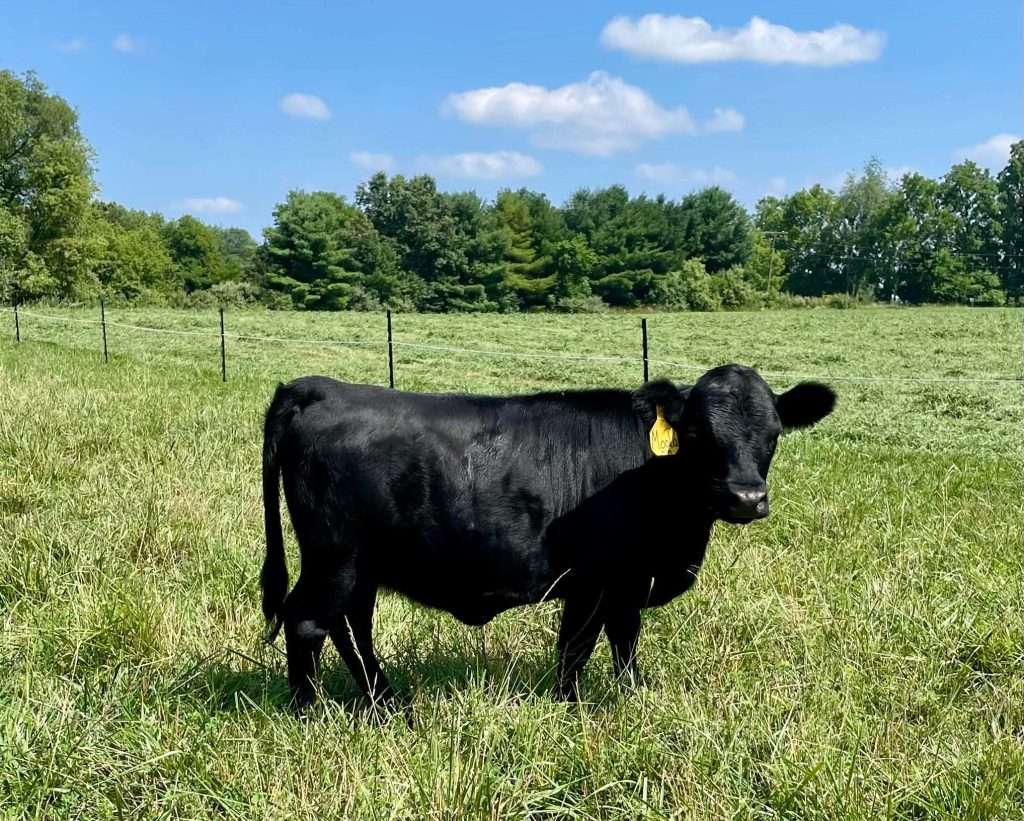
Thank you to Matt McCollum for addressing the concerns of the dwindling numbers and for some photos of your dwarf dexters.
======≠=========
In 2016 a Dexter Facebook group was created to spread awareness and propaganda about the Dexters that carry Chondrodysplasia. The creator of this group was also banned from many other online Dexter Forums prior to the creation of this group. This Facebook group also promotes the elimination or culling of Dexters that carry this genetic mutation to is 45,000+ followers. This group is also a Public Dexter Facebook group, so Google will scrub this site for data on questions searched about Dexters. Newcomers searching for Google answers are now getting inaccurate information that fits an Anti Chondro narrative. The fear based propaganda is filled with misinformation sprinkled with some 1/2 truths.
Chondro+ dexters carry a genetic mutation which makes leg bones shorter. Many people call Chondro+ dexters their short legged cattle. These short legged dexters fit the dexter breed description and were apart of the original breed in the early 1900’s. Prior to genetic testing breeding two Chondro+ Dexters together created a Bull dog calf that would be delivered pre-term, deformed and deceased 25% of the time. Today we easily test for the gene mutation and can breed a Chondro+ cow with a Non Chondro Bull. This recommended breeding results in a 50% chance of a non Chondro calf and 50% chance of Chondro+ calf. One thing to note is that every living creature carries some sort of a gene mutation other than this specific gene mutation that we are discussing. Sometimes a gene mutation doesn’t show up or isn’t noticed in breedings.
Chondrodysplasia in particular was noticed due to the deformed dead calves being born. They are also commonly identified by visual appearance of being short and stockier.
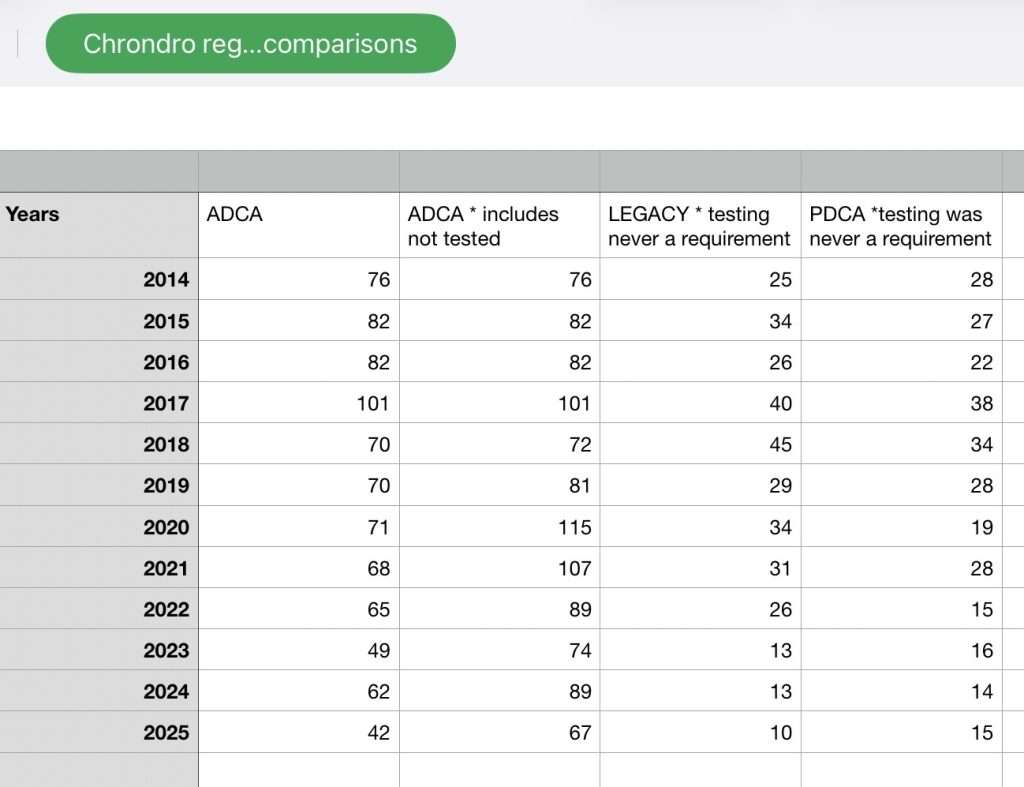
So back to the original question. Are short legged registered ADCA, Legacy and PDCA Dexters in decline over the last 10 years? And does this 2016 Dexter Facebook group have any influence from its efforts in the elimination of Chondro+ dexters? I’ll let you be the judge.
I’m not sure but it’s definitely time to hit the alarm bells before it’s too late. So we know that Chondro+ Bull calves probably won’t get registered and will end up mostly going to beef. And it’s a 50/50 chance of a boy or girl and this will affect the total number of registered Dexters we see today. Also we know that only 50% of the time when proper or advised breeding is done we can get a Chondro+ calf. We also know that testing for Chondro+ isn’t required for ADCA, Legacy or PDCA registration, only required if you want to have it listed on the animals certificate. Some people will register their Dexter cattle and NOT share the Chondro test data results with ADCA, Legacy and PDCA. This could be for a number of different reasons such as privacy of data. All three registries view all forms of dexters to be deemed of equal value when registering including Chondro+ dexters. The only requirement to register is parental verification of the calfs Sire and Dam. Since the advent of testing I believe more breeders are shying away from using a Chondro+ Bull because they want bigger steer beef carcasses and avoid having to deal with testing each individual offspring. Also the ADCA has software that is currently being updated to provide more accurate information on each registered Dexter. Breeders may also be behind on paperwork or just decided against registration due to higher beef prices and quicker sales. We can definitely make many more possible assumptions as to why we are seeing less Chondro+ dexter being registered with the registries. Feel free to add your thoughts or comments.
Below is a 10 year history of Chondro+ ADCA, Legacy and PDCA registered Dexters calves born.
This morning I just received my package from Callipyge Genetics Lab in Selah, Washington. This is very exciting because it could be a game changer.
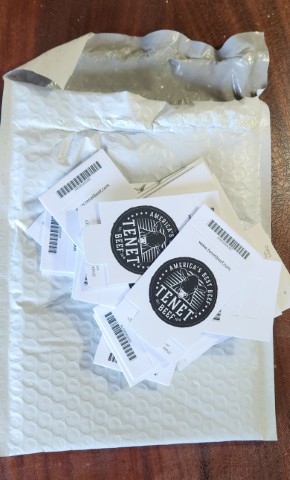
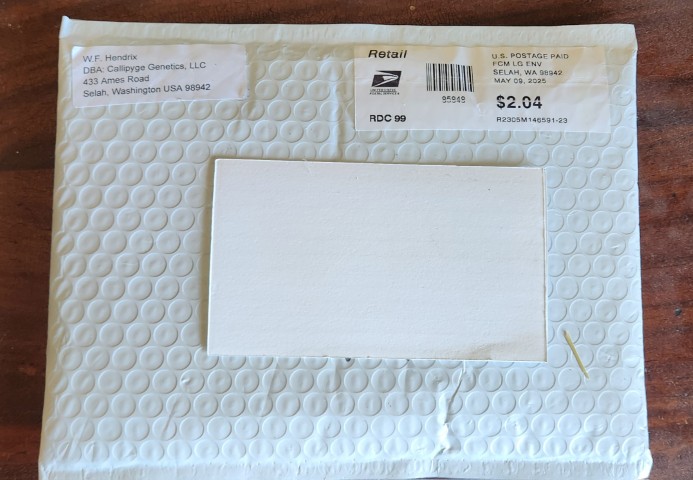
The package is from W.F. Hendrix, DBA (Doing Business As) Callipyge Genetics, LLC. The first thing I noticed is it cost $2.04 to send it to me in Calfornia, which is just south of Washington State. I ordered a set of 25 Tenet Certification Cards for $47.50, including postage, from their website April 22, 2025 and they were able to ship it May 9th. So, they have to be really busy.
If you recall, in last month’s Irish Dexter Cattlemen Tips & Tricks Guide, April 2025 Issue, Jeff Reusser, Royal Fare Farm submitted an article titled, “Who Knew Tenderness is Directly Correlated to Easy Keeper“. If you haven’t read the article, just click on the tittle. This article is about predicting exceptional beef tenderness with 100% accuracy. Now that’s exactly what I am looking for!
Our ranch started in 2009 by purchasing 3 Irish Dexters, a bull, a cow, and one male calf. Right away I knew what we would be doing with that calf. Much to our surprise, the day it was being slaughtered on our farm, the guy preparing the steer to be delivered to the butcher looked at our pasture and declared, “This is going to be great tasting beef” Boy was he right. Not only did it have an amazing taste, but it was tender too. Over the years I have learned the techniques to insure the best tasting grass fed, grass finished beef by carefully monitoring the grass they eat. But what good it it to have the best tasting beef when chewing on tack room leather? Both taste and tenderness are critical if you are going to provide a product folks really love. Testing for tenderness? Now that’s a game changer.
After a bit of tugging and pulling, I was able to open the package without cutting it. Sure enough, inside were twenty-five “Tenet Beef” cards. Each one labeled with their logo, bar coded, and included their website address, www.tenetbeef.com.
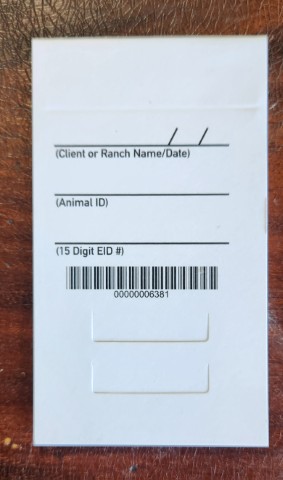
On the back of each card is space to write your Ranch Name and Date. The next line down is for the Animal ID. Then the third line is for a 15 digit EID number. Below this is another bar code, which is the same bar code on the front of the card. Every card has its own unique bar code.
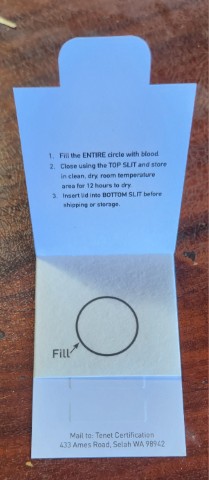
Opening the card, things get a little tricky. There is a list of three things to do and the first thing to do on the list is a globsmack.
Fill the ENTIRE circle with blood – Yup! That’s what it says. How am I suppose to do that? I got this bull. It’s got horns. It’s got WILD eyes. You want me to do WHAT? That’s not a small circle!
Stay tuned. There maybe more to come. Honey, were we serious about doing this testing thing?
I’m not sure if horns, polled or the dwarf incite more spirited conversations in the Dexter world. I am proud to have all of those in our small homestead farm, truly, experiencing all the Dexter has to offer even on our small acreage. I have become frustrated and even angered by some of the reactions to all of these traits, that are all part of our amazing breed. Diversity was defined in our breed standards and have existed since the “birth” of our breed. We have so many things to celebrate… like a unique color mutation in our stunning duns. Our duality, some of the richest milk that is easily digested like the goat. And at the same time some of the best beef, that has found its way into restaurants of the famous Chefs like Ramsay. And a unique BD1 gene, that has given birth to many many other breeds! BD1 is a treasured genetic report on our farm. Our experience with the dwarf has been purely positive, for both dairy and meat. We never breed a carrier to a carrier. So we have never experienced some of the awful things that one person beats to death on one of the FB pages. I do love our non carriers too, as it takes one of each to make the dwarf! It’s interesting that most of the folks that speak out about the dwarf negatively , have never experienced the dwarf…they rely on the propaganda of one! And standing up to him on his site…well the comments disappear or they go into forever pending. He must control the narrative! We have not experienced the arthritis in the Dexters which could occur in both the carrier and the non carrier…or could it be the result of tick borne disease, that affects us humans. There are not good recordings of deaths of all Dexters, so the reports that dwarf pass earlier than non carriers, is only a guess, without documented proof. Again something, that fits a narrative. And let’s talk about the associations and their responsibilities to protect the dwarf and it’s heritage… both have members and board members that share some or all of the detrimental beliefs about the dwarf, hopefully, a balance will be maintained in beliefs or the dwarf is doomed. I have changed my opinions on some aspects over the last 14 years, but one thing I have never changed are my feelings about are the dwarf. The dwarf or carrier, it’s all just terminology that describes a Dexter that truly has stolen my heart.
Building a customer base, rather than selling at the sale barn is essential to our Dexter businesses. In this podcast, they discuss how to build your business and attract your customers .
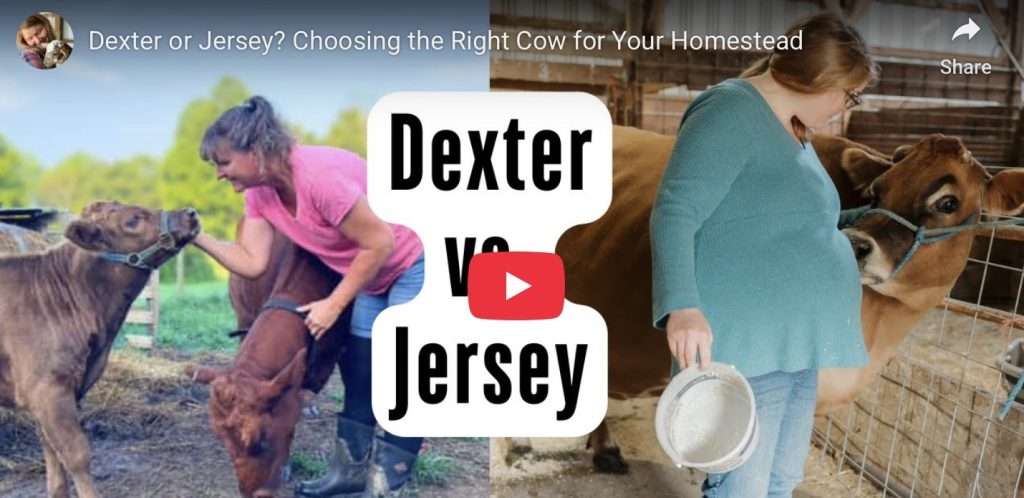
I really enjoyed this podcast about how to choose a milk cow for your homestead. While she is very pro Jersey, they do mention the Dexter and the principles for looking for the right cow for your farm, ranch or homestead are essentially the same.
Interestingly she does recommend the trained cow, she did not take the route, but explains the long game to get there. Which ever route you choose, the Dexter should definitely be considered. Less food, easy keepers, little to no metabolic issues have been my experience.
They talk about Angus Jersey being some of the best beef…someone needs to feed them some Dexter!
Listen up ….remember the Dexter is has been the right choice for many of us….we just need to spread the word!
Homesteading with a milk cow American FarmSteadHers~ Your Homesteading & Gardening Podcast
Jenny asks the questions as someone interested in a future dairy cow, and Donna answers with her experience. We go over the very basics of looking for and keeping a family dairy cow on the homestead.americanfarmsteadhers.com americanfarmsteadconvention.com
The Question is often asked “When is the best time to halter train your calves?”. We put a halter on a calf for our milk cows calves within the first week of life. This gives them time to establish a nursing routine, so the halter won’t risk being an interference in the first few days of life. You can easily pick up a newborn calf and take them to the barn to separate for the morning’s milking but that lasts for a short time. The sooner you get a calf to learn to lead the better off you will be as they only get stronger. If they learn from day one that you are boss, it’s a great start. For us the most preferred time for calving is when there is no grass growing and we are feeding hay. You can have a calf and its mother in a small pasture where the calf learns on a small scale to be caught, lead and released again. Then by the time the grass is green the calf has a better idea of what to expect and has gained more trust in people. You can use a small pasture during the growing season too, but then your feeding hay when they could be eating grass. We also teach our calves to be pushed at a young age. Often times the oldest calf that has been trained the longest will be the leader but temperament also has a play in the matter. If you start in small pastures you can round up the calves and they will all walk together to a location you want them to go to. If one doesn’t get into it’s mini herd, you can clip it’s halter and get it to walk. Training calves to do multiple things at a young age really saves you a lot of headaches later on when they are much larger. I halter train older calves too out of cows we don’t milk. They can be trained just as well in the end but it takes more effort than just integrating it into your everyday routine.
The cattle were enjoyable. Each with their own personality. That seems trite, and I don’t mean it to be, but they are all different. The cattle gathered around the bale ring eating hay was a sight to behold and one that I did not take lightly.
Willow, my beloved heifer, didn’t take too long to climb into the bale ring. Not just once. Not twice. Every single day. There is always one. As a new cattle owner, I was surprised, and somewhat revolted. The cows would crap in their hay. The hay that they are eating, they literally crap in it.
“Honey, what’s for dinner?”
“Steak and baked potato.”
“Mind if I take a deuce on it?” At least I asked. The cattle don’t.
Cattle are different. At first, I would climb into the bale ring everyday to remove the manure as Willow had no manners. The cattle continue to eat it, so I learned to live with it. I was picking the manure out of the hay that the cattle pulled out of the ring and then put the hay back in the ring. A bale of hay is expensive and I was trying to conserve.
The cattle had free access to the unused stables. They took advantage and I was so proud of the fact that the cattle could come in out of the weather or wind at any time. I had plenty of straw and also put hay out. And guess what the cows did? You guessed it. They crapped everywhere. The great news is based on what I was seeing they were taking healthy ones. Some consolation when you are picking it up daily. I didn’t mind.
And here is what I didn’t know but wished I did. Every single cow owner will tell you to have a manure plan. Every single cattle owner starting out who doesn’t have a plan will be sorry if they don’t.
Every morning I would pick up the manure in the stables, put in a bucket, and then take it to a manure bin. Perfect plan right? At the time, it worked. It was a lot of work because every morning I felt as if the number of bucket loads were increasing exponentially. No worries because look at all the fertilizer I was going to have.
Fall and then winter. The cattle were eating, crapping, and seemed genuinely happy. I would not miss a day of petting each one and talking to them. Jubilee was growing by the day and every day I would take a guess as to when the baby was coming. Did the calf drop? Is she puffy on her backside? Have her pins dropped? With the way she is carrying it, it is going to be a heifer. Looking back on it, I had no idea as to what I was looking at but it was so fun to speculate.
A call from my fence guy. I hadn’t purchased a fence yet, but I had a guy. He will start building the fence to the pasture adjoining the horse turnout in the beginning of spring. I had plenty of hay and true to their breed the Dexters were not tearing up the turnout area.
My wife. “Does the hay ring look to be sitting up a lot higher?”
“Optical illusion. All hay. They will eat it.”
Of course it wasn’t. It was an issue that will be dealt with early spring once I move the cattle to the adjoining pasture. It will all work out. Once the fence is secure, I will move the cattle on the 3 acres and keep them there all summer. They will have plenty of grass.
Strike one.
A little bit about the author. I own and operate a small farm called “Our Yellowstone LLC” in Illinois. I couldn’t do it alone, but will keep my wife’s name out of it to protect her innocence.
Renown chefs like Gordon Ramsay and Jamie Oilver, indicate they’ve found something better…and just like diamonds… it comes in small packages. Introducing Dexter cattle.
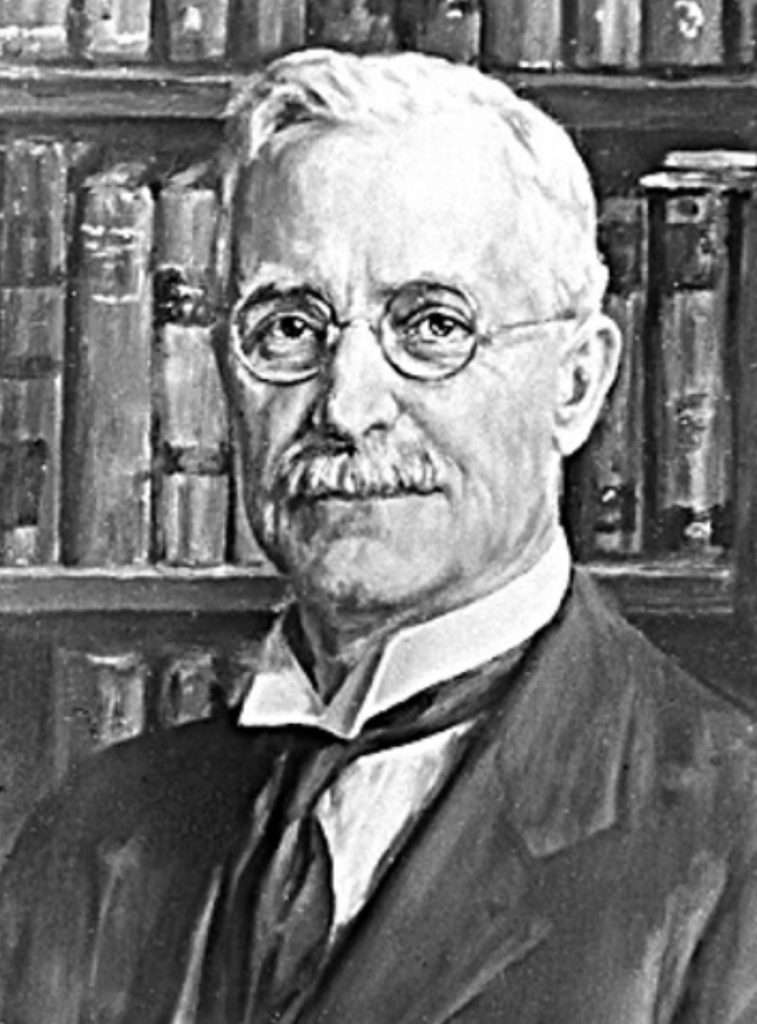
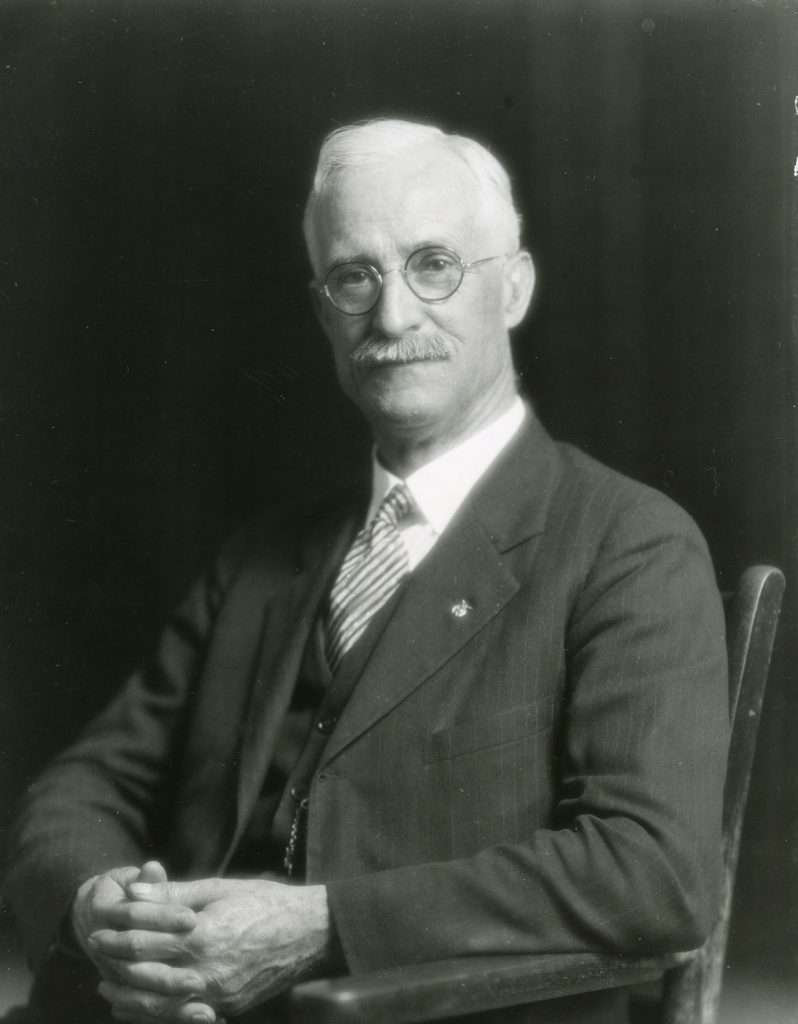
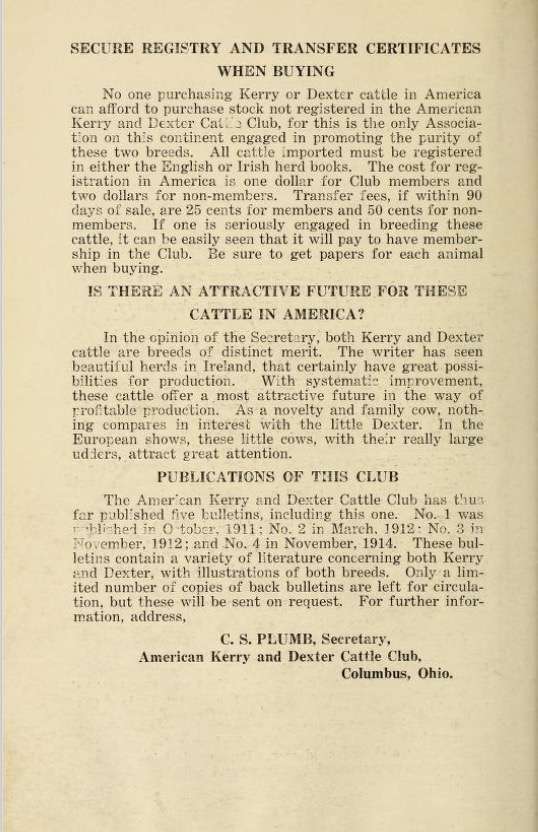
Dr. Charles Sumner Plumb a very Knowledgable Dexter Breeder
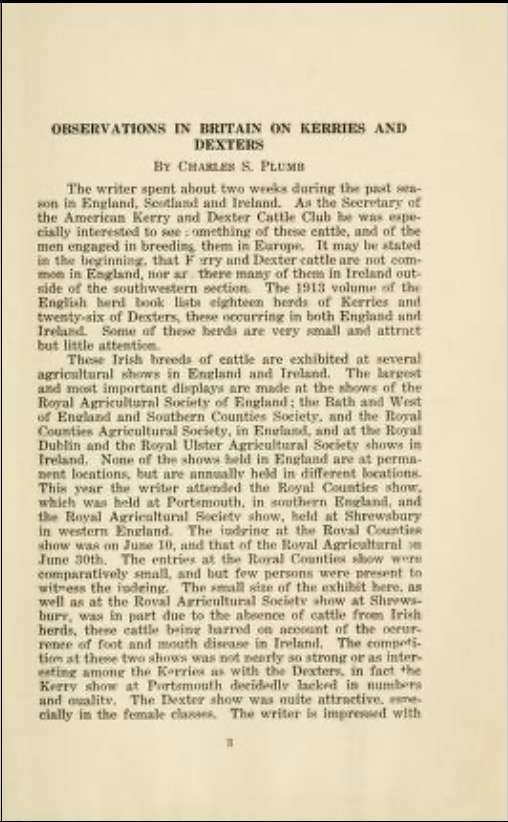
Charles Sumner Plumb was a very accomplished man, not just an influential breeder for Kerry and Dexter cattle, but a man of great learning, who had written books and conducted many studies on farming and livestock. Plumb was born in Massachusetts where he initially went to Massachusetts Agricultural College. His education and studies are extensive but as Dexter breeders we will most likely appreciate him for his influence on The American Kerry and Dexter Cattle Club or latter known as the American Dexter Cattle Association.
Charles Plumb directed experiment stations in Indiana, Tennessee and New York in his work of studying agriculture and farming practices. Once in Indiana he demonstrated his interest in dairy traits and established the Indiana State Dairy Association. It is interesting that the Royal Dublin Society (Irish), The English Dexter Cattle Society and the American Dexter Cattle Society all had founding members that were influential, that had an interest in dairy traits and many seeking to establish dairy records for Kerry and Dexter cattle. In 1902 he became a Professor for The Ohio State University. When you later see Dexters registered you will find that they are being registered with the breeder listed as Ohio State University. When you see Professor Plum being listed in the herd book you will find his location listed as Columbus Ohio, the same location as the Ohio State University where he headed up the Animal Husbandry Department. He may not have a personal herd name appointed to his influence on breeding Dexters, but his hand in the matter is absolutely clear. He was not only the Secretary of the American Kerry and Dexter cattle Club, but the treasurer too. He had a very preserving interest in Kerry and Dexter cattle.
In 1910 Professor Plumb made a search for breeders of both Kerry and Dexter Cattle in America. Less than 20 herds were found, thankfully some of them were larger growing herds. By 1911 a list of Officers was suggested and a very good start was within reach. Charles Plumb even traveled to Ireland, England and Scotland. It is interesting to note that in 1913 Plumb expressed that Kerry and Dexter were not common in England or even Ireland. In Ireland he stated that there were not many outside of the Southwestern Section. This is the location of county Kerry the original famed homeland of Kerry and Dexter cattle. It is alarming to note that by 1920 he concernedly stated that there had been no Kerry cattle registered since 1916. Dexters themselves at that time had extremely low registrations and that publishing a second volume would take years before enough registrations could fill a new volume. With these declining numbers it becomes clear why the American Kerry and Dexter Cattle Club became just the American Dexter Cattle Association over time.
So much more could be said about Professor Plumb, but it is enough to say that he was well received in his profession and appreciated. He held the position Of Professor of Animal Husbandry at the Ohio State University from 1902 to 1931. He only resigned to further conduct studies in animal husbandry. In his life he wrote quite a few books. These works included “Beginnings in Animal Husbandry”, “Biographical Directory of American Agricultural Scientists”, “Indian Corn Culture”, “Judging Farm Animals” and “Types and Breed of Farm Animals”.
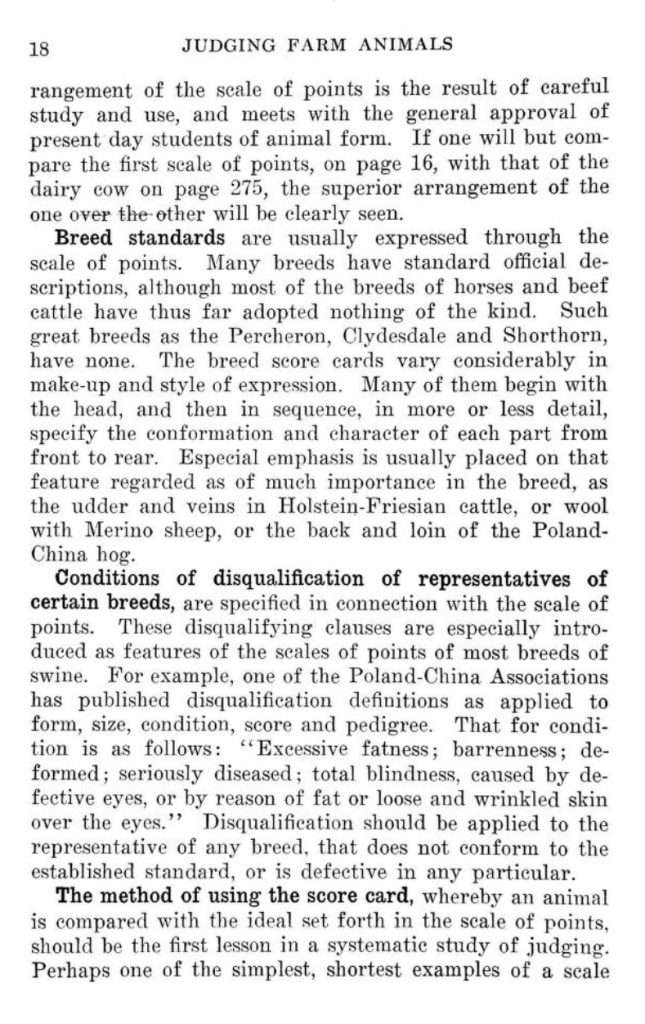
Sample Reading from “Judging Farm Animals”
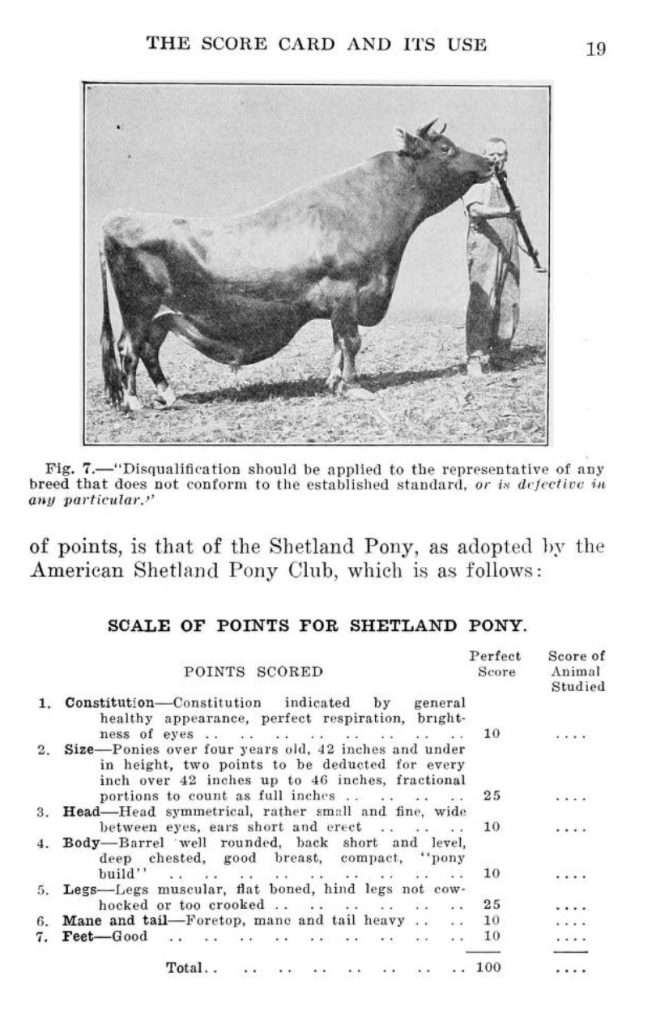
Disqualification for not Conforming to Established Standard
As you can see Plumb like most serious breeders knew that a “Disqualification should be applied to the representative of any breed that does not conform to the established standard” and he was willing to put that in writing, so that others may have the benefit of learning from his knowledge. He valued the Scale of Points for evaluating an animal for perfection. But he would clearly state that no animal is perfect and all animals can be improved upon in some aspect. It is very good to know that Plumb like so many of the founders of Dexters in different countries cared about breed standards for breeding quality Dexter cattle. I hope this may be an inspiration to all who may read it, to keep the standard and breed for quality as Plumb was seeking to do. If you find yourself interested in reading the complete book to get a better understanding, you can find his book on Archive. Judging farm animals : Plumb, Charles S. (Charles Sumner), 1860-1939 : Free Download, Borrow, and Streaming : Internet Archive
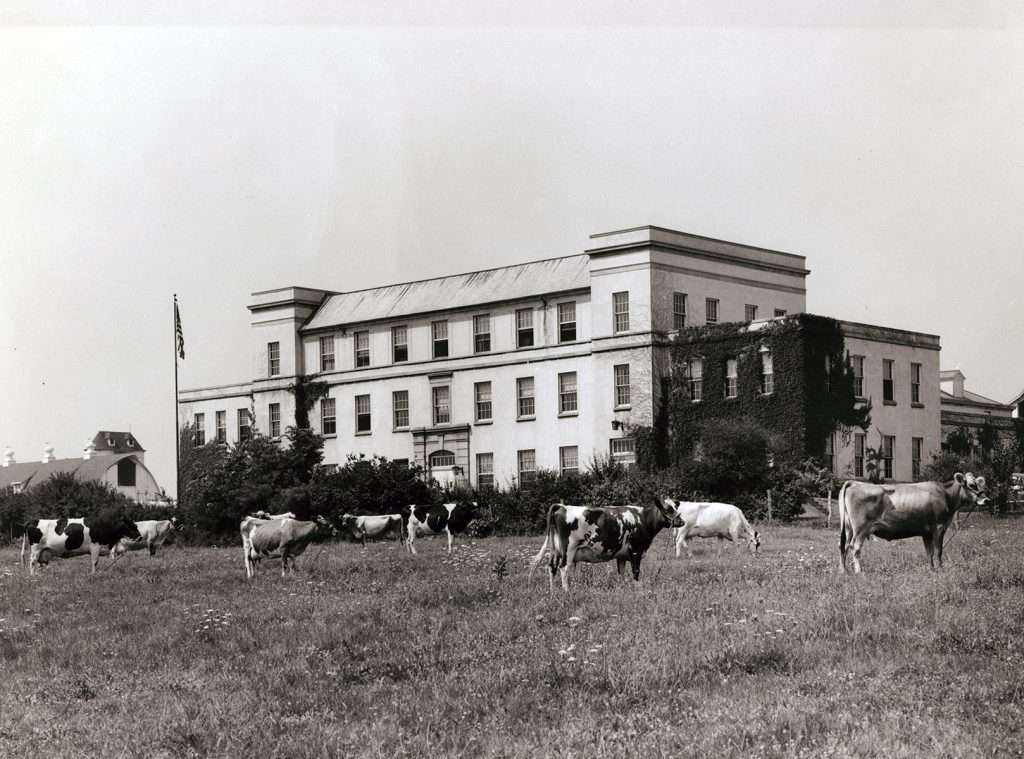
Plumb Hall
Charles Sumner Plumb left his name marked in the History of Dexter and Kerry cattle and on the campus of Ohio State University where Plumb Hall was named in his honor after his death. Today it is still used by the department of Animal Sciences. It is very interesting to consider all of Plumb’s expertise and how men just like him in England and Ireland were establishing the Herd Books, Associations and Societies. These men had their hand in laying the foundations for the breed, gathering pedigreed livestock for herd books, writing detailed descriptions of the breeds and following them, so that people knew what to expect from Kerry and Dexter cattle. It’s a wonderful thing to know our breed was established and promoted by men that were not mere armatures randomly defining terms and organizing registries, but men with the skills to help the breed be better understood.
Thank you for taking time to read my articles. Please do not share these articles without credit being given to Danielle of Bryn Mawr and asking permission to do so.
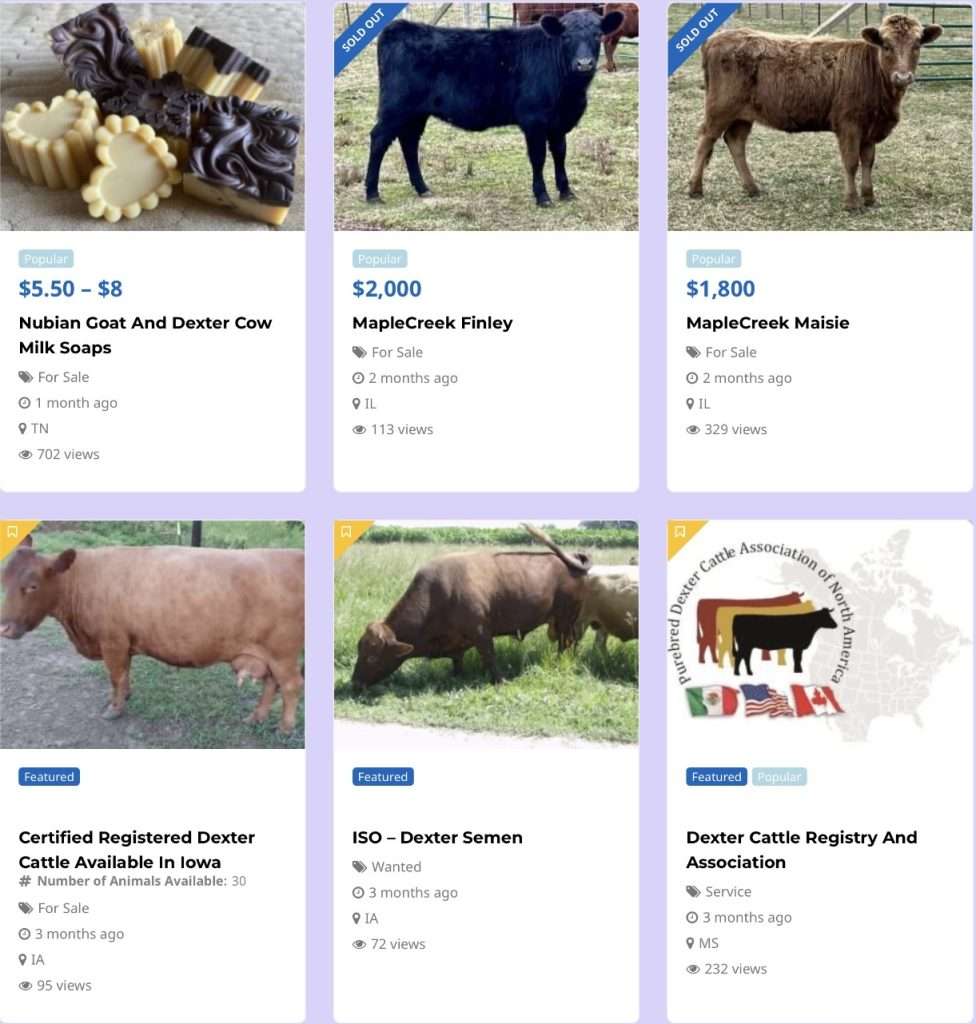
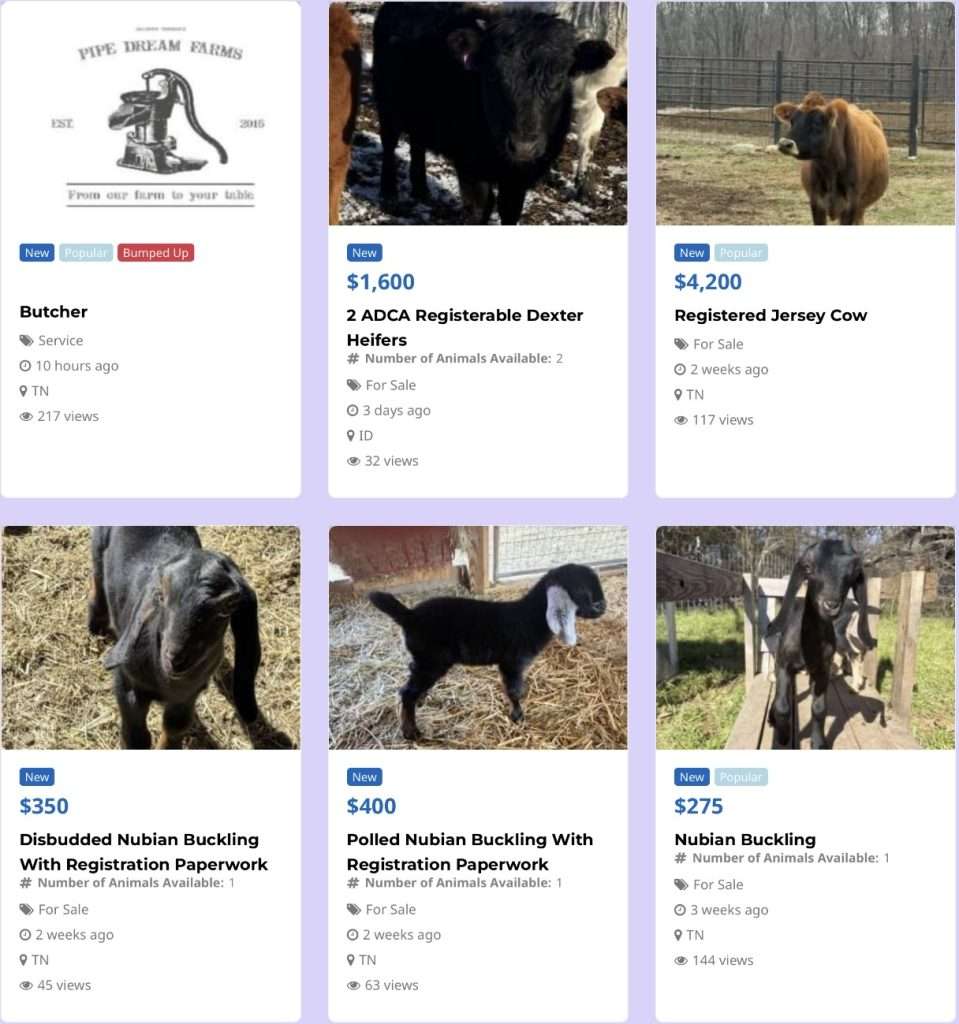
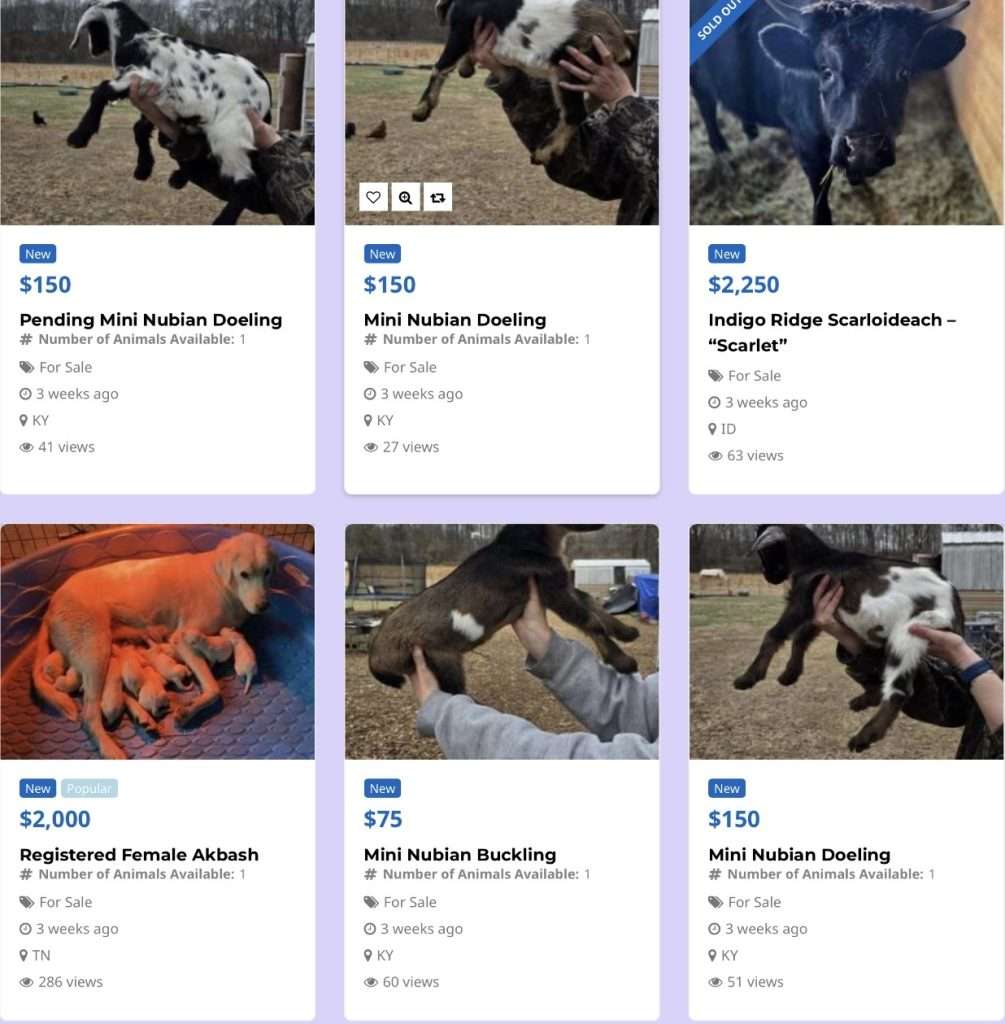
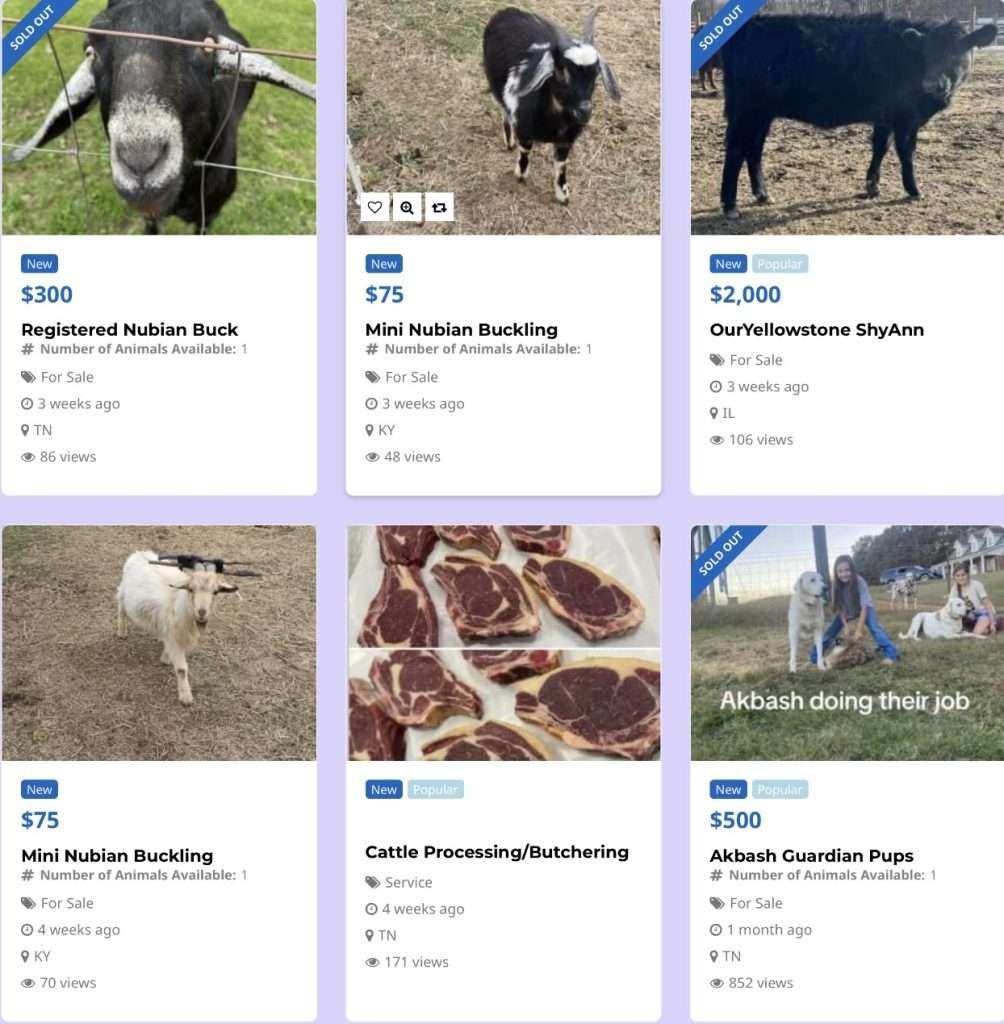
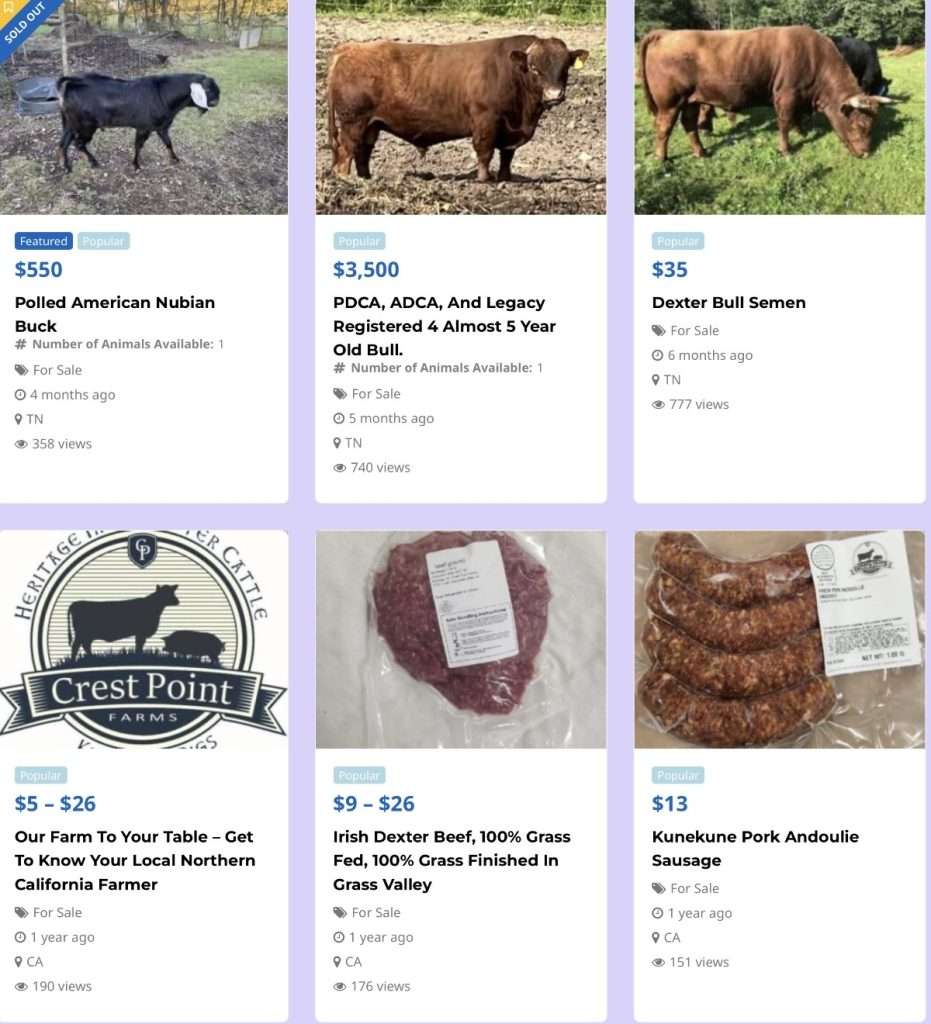
We are happy to report that there are lot of blue SOLD banners on the listings in the marketplace.
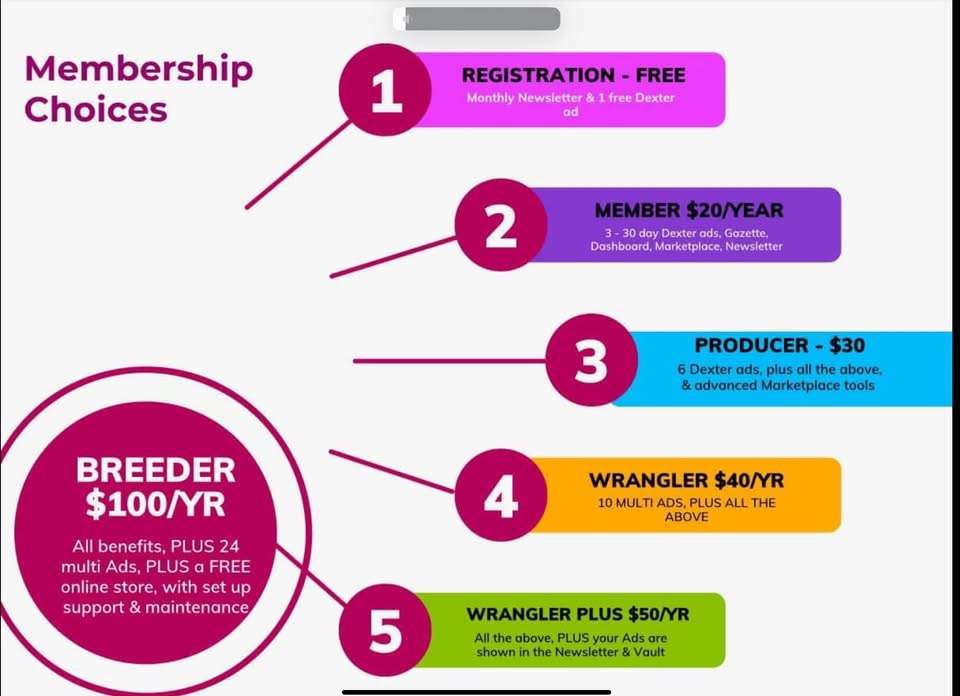
Check them out and notice the first screen shot where you can post your first ad for free.
Feedback from seller and buyers has been great. Write the ad once and then share it with a photo and a link.
Buyers like it because ALL the information is there…pedigree,price, specifics about location and they are able to view it one place,before contacting the the seller.
Sellers like it because by the time they contact you, they have all of the specifics and it’s just a matter of closing the sale and arranging pick up or delivery.
Many have enjoyed their experience so much they have expanded their membership to include more ads, while still enjoying the monthly newsletter and the the gazette…chocked full of podcasts, videos, articles and peer written experiences.
DON’T forget to mark them SOLD …that is our reward for helping you!
Come join us and let us help move things off your farm to another farm or ranch. https://irishdextercattlemen.com/marketplace/
A Deep Dive Podcast, brought to you by Irish Dexter Cattlemen, on topics of interest to all farmers and ranchers. Subscribe to the free, monthly Irish Dexter Cattlemen Tips & Tricks Guide to get early access.
Brought to You by These Breeders, Affiliates, & Sponsores
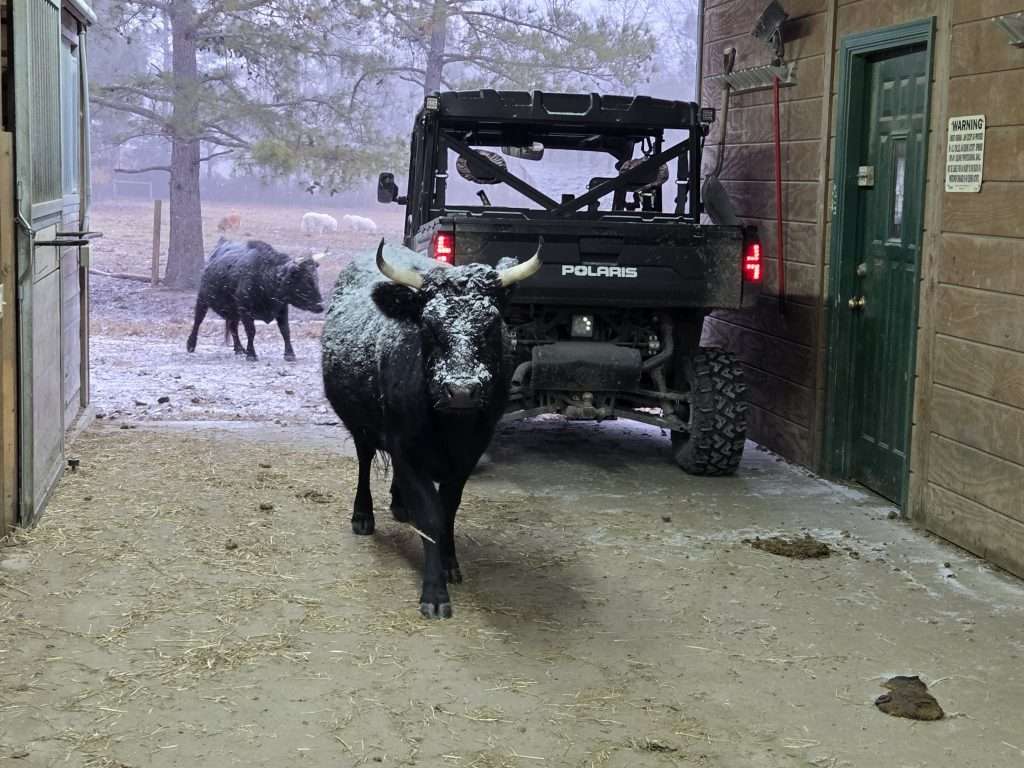
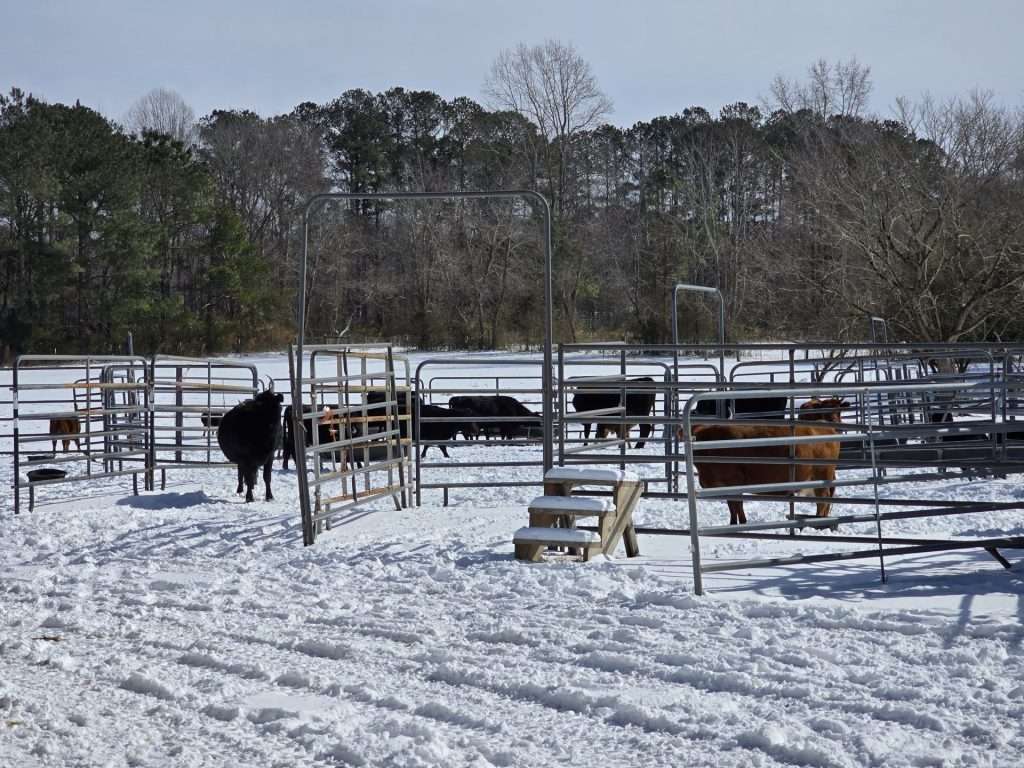
Dexter cattle have a well-earned reputation for being hardy, efficient, and capable of handling conditions that challenge many larger beef breeds. That reputation draws new owners in. It can also quietly set them up for trouble if it leads to the belief that winter preparedness is optional.
It is rarely the Dexter cattle that fail in severe cold. It is systems.
And occasionally, knees, fingers, and judgment before the second cup of coffee.
This article is written as an educational resource for farm organizations, breed associations, and new Dexter owners who want to build operations that function reliably when winter conditions are at their worst. It blends research-based guidance with practical, on-the-ground experience, because winter does not care how things looked on paper in July.
Understanding Dexter Cattle and Cold Stress
Dexter cattle tolerate cold well due to their dense winter coats, efficient metabolism, and generally lower maintenance requirements. Cold tolerance, however, is not immunity.
Research consistently shows that cattle experience cold stress when environmental conditions force them to burn additional energy to maintain normal body temperature. Wind, moisture, inadequate calories, poor body condition, and limited access to water all accelerate this process. Over time, cold stress can lead to weight loss, suppressed immunity, and reproductive impacts.
Dexters can handle winter. Winter still has rules.
Preparedness Starts With Farm Design, Not the Forecast
The most difficult winter situations occur when chores become reactive instead of routine. A well-designed farm reduces emergency labor. A poorly designed one forces risky decisions during storms.
Preparedness begins with infrastructure choices made long before the first weather advisory.
Water Infrastructure: Design for Failure, Not Convenience
Water systems are the most common winter failure point on livestock farms.
Water lines do not fail politely, during daylight, or when conditions are mild.
Water lines
Must be buried below local frost depth, not estimated depth
Long runs to remote pastures increase freeze risk
Fewer reliable water points outperform many marginal ones
Hydrants and valves
Freeze-proof hydrants must be installed correctly with proper drainage
Gravel beds must remain uncompacted
Low areas prone to runoff and drifting snow should be avoided
Heated water troughs
Use livestock-rated heaters only
Protect wiring from moisture and rodents
Always plan for power loss
Solar water systems can work well when designed properly, but winter realities must be considered. Battery capacity must account for short daylight hours, panels must shed snow, and output will be reduced during prolonged storms.
A water system that works flawlessly nine months of the year can still become a liability if it requires wrestling frozen hardware in the dark while livestock observe quietly and reconsider their respect for you.
Power Systems: Assume the Grid Will Fail
Winter storms routinely knock out power for days. Generators should be considered core farm safety equipment, not optional upgrades.
They are rarely purchased because everything is going well.
A generator should be capable of supporting:
Well pumps
Heated water troughs
Essential barn lighting
Minimal equipment needs
Fuel storage should cover multiple days of operation. Electrical layouts should prioritize critical systems and protect wiring and outlets from moisture, snow, and rodents.
Electric Fencing in Winter Conditions
Electric fencing behaves differently in cold weather.
Grid-powered chargers are vulnerable to outages
Frozen ground reduces grounding efficiency
Snow and ice can short fence lines
Solar chargers provide valuable redundancy but must be sized for winter conditions and maintained during snow events.
Frozen ground has very little respect for even the most carefully installed grounding systems.
Redundancy matters more than strength.
Farm Layout and Human Safety
Dexter cattle generally move through snow with impressive confidence. The person carrying feed across ice often does not, even when wearing boots marketed as “winter rated.”
A winter-ready farm layout:
Places water, feed, and shelter within safe walking distance
Avoids slopes and shaded areas that ice over
Uses natural windbreaks around feeding and watering areas
Does not rely on vehicles for daily care
Farm layouts designed on pleasant spring afternoons tend to reveal their weaknesses during January wind events.
Feeding and Watering During Extreme Cold
Cold increases energy requirements. Research indicates cattle may require 7–10% more energy for each degree below their lower critical temperature, particularly when wind and moisture are present.
Preparedness includes:
Staging hay before storms
Reserving higher-quality forage for calves, seniors, and thin animals
Reducing unnecessary cattle movement that increases energy loss
Water intake must be monitored closely. Frozen or inaccessible water leads directly to reduced feed intake and increased cold stress.
Human Safety Is Herd Health
Human safety is often discussed last, despite being the single point of failure that immediately compromises animal care.
Dexter cattle may be perfectly comfortable standing in a snowstorm. The person doing chores is the variable.
Most winter injuries occur due to slips near water sources, fatigue, rushing, or poor visibility. Clothing, lighting, rest, and task consolidation are safety requirements, not luxuries.
Knowing When to Pause
Preparedness includes restraint.
No routine chore improves outcomes when visibility is poor, footing is unsafe, and the operator is one misstep away from becoming the emergency. Calm, consistent care is safer and more effective than heroic effort.
Dexter cattle are resilient. Winter preparedness is not about proving toughness. It is about designing systems that still work when conditions degrade and the person doing the chores is already tired.
Final Perspective
Dexter cattle are resilient. Farms must be designed to match that resilience.
Extreme winter weather does not test commitment. It tests whether systems were built to function when conditions deteriorate. Preparedness is not bravado. It is making sure that when winter does what winter does, both cattle and caretakers come through it intact.
And preferably upright.
Michele DeVinney Schmoll is a Virginia farm owner at DeVine Farms Quality Dexters. She raises Irish Dexter Cattle and writes from firsthand experience, because farms don’t read instruction manuals. http://www.devinefarms.net/
Author’s Note
This article is written from a practical livestock-owner perspective, informed by university extension research and shaped by real-world experience managing animals during prolonged cold, power outages, and severe winter storms. The intent is not to present idealized systems, but to encourage farm designs and management decisions that reduce risk for both cattle and the people responsible for their care. Preparedness is most effective when it reflects what winter actually demands on the ground.
REFERENCE LITERATURE (CLICKABLE LINKS)
Cold stress basics, winter readiness, and management
1) University of Minnesota Extension — Preparing your cattle for severe winter weather