Dexter Beef Cuts
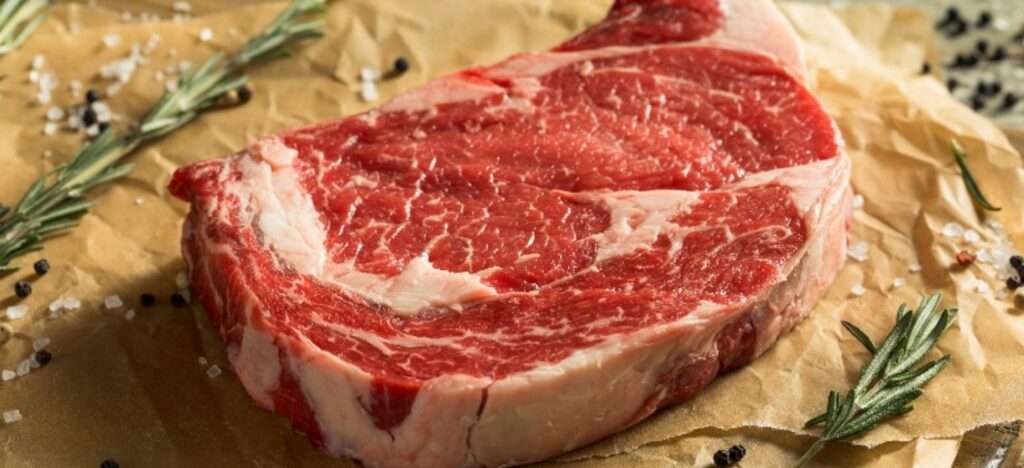
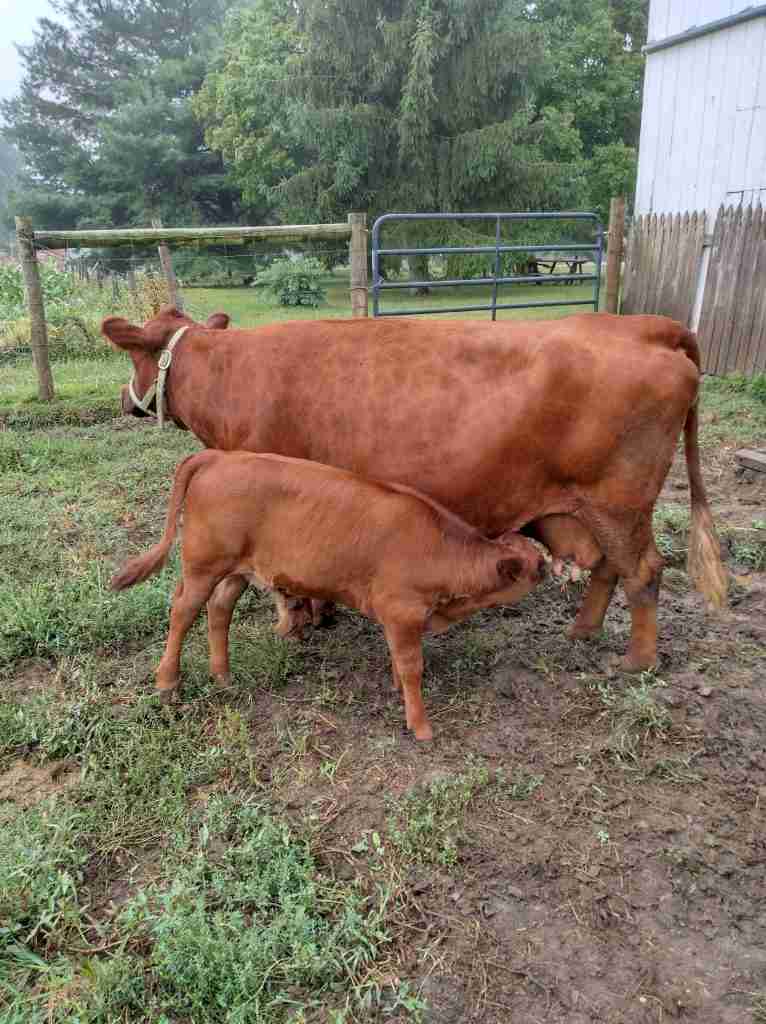
We’ll weigh each and give cooking and selling tips. Dexter beef is the best!
Information on Irish Dexter beef
A discussion on salting your steak. Enhanced crust is just one of the tips.
Why you should salt your steak. Read More »
Beef
Even if you feed a little grain…it is way better than what is in store and being passed off as grass fed. Check out this video from a well known doctor.
Grass Fed Beef Biggest Scam? Read More »
Beef
Tried and true ground beef recipe. Quick and easy! Whip up this cheesy, crowd-pleasing beef enchilada recipe in just about an hour, and bring authentic Tex-Mex flavor straight to your dinner table!
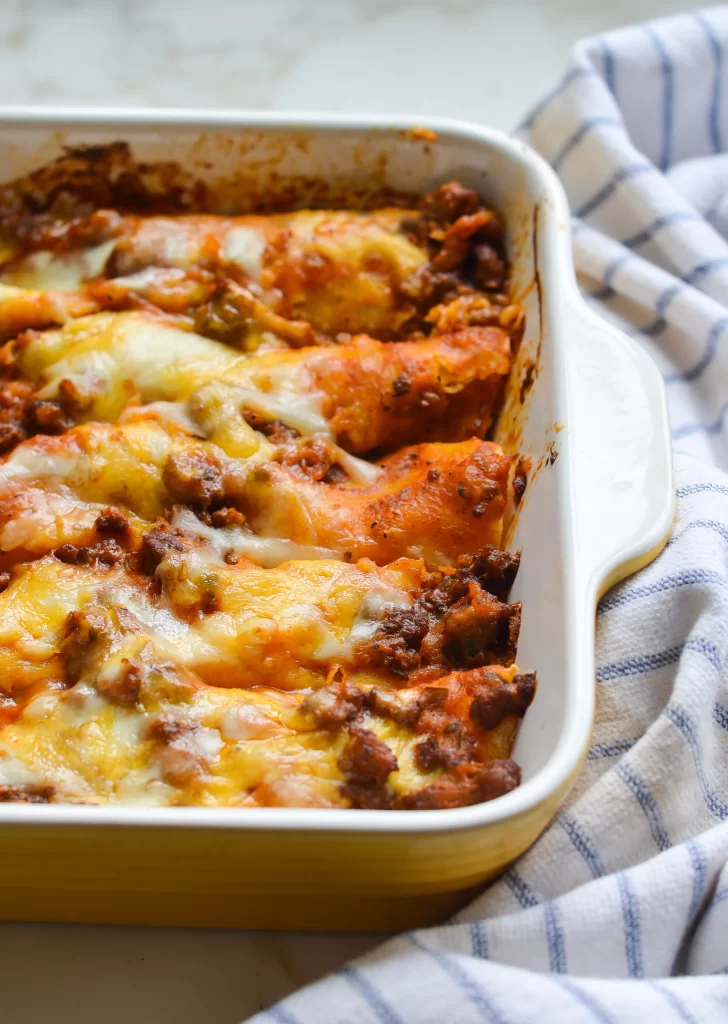
An easy recipe for ground Dexter beef Read More »
Beef
Grocery stores are a great way to put your business into overdrive, giving customers new options in ever-fashionable packaging. Whether you are looking to sell at local convenience stores or big-box wholesale grocers, it presents the perfect opportunity for your product.
Interested in learning more about how to get your product into grocery stores? In this ultimate guide, Mako PKG takes you through the whole process from start to finish.
How to Get Your Product Into Grocery Stores Read More »
Selling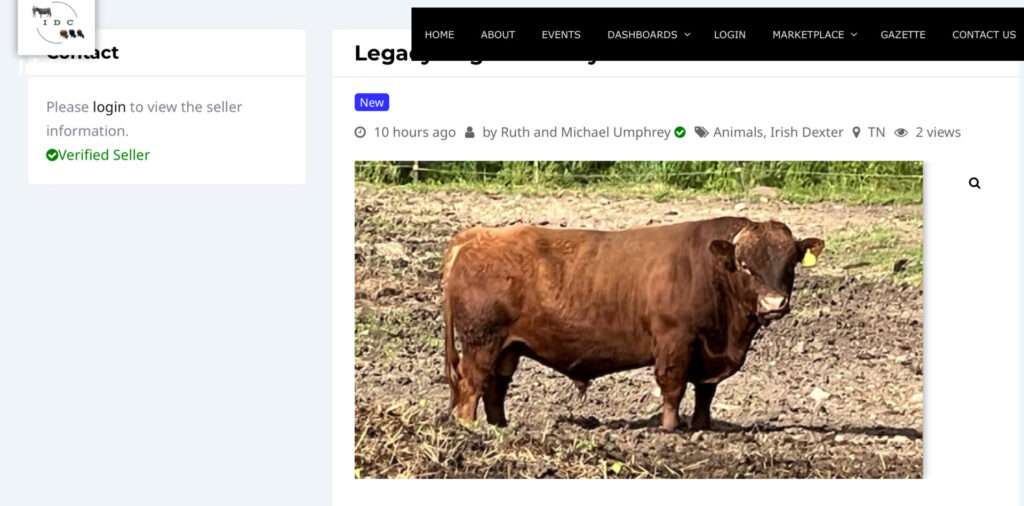
I think one of the hardest things for farmers, ranchers and homesteaders is when they need to sell something off the farm. That journey should start well before you need to sell something.
Let’s look at the model I use for selling of Dexter beef.
I share all of the information about our wonderful breed I can, on social media …especially things like, dropping the names of famous chefs that have come to appreciate the quality of our beef. I also share podcasts, articles and pictures of Dexters in the field, on the plate and in its packaging from the butcher.
So now you have some beef that will be ready to be processed in a few months and you don’t need it for your family. This is when you need to start looking for potential customers.
How to get started
The first thing you need to do is decide what you are going to sell and its value. One of the easiest ways to do this is to look at the market…check out sites like the Irish Dexter Cattlemen, Craig’s List and local social media sites. By comparing what you see on these you will be able to determine what the price point of what is selling in your area.
Things to keep in mind are is it grass-fed and grain finished or grass-fed and grass finished. The grass-fed grass finished tends to command a higher price. Another consideration is vaccinated, as more and more folks are looking for unjabbed…this is a term I see more and more. The more specialized your finished product is, the more you can ask. I say you can ask…because not every customer values that. It’s about building the clientele at this point.
Build your own customer base
Once you start to get customers, you will then need to retain them and encourage them to tell their friends. We always follow up immediately after they get their first quarter or half. Your butcher can also be a big help to you. He sees and works with a lot of different breeds and will have a much bigger customer base than you. A really good butcher is so important to your finished product and especially your yield. My butcher is wonderful about sharing what we have produced and bragging on it for us!
Not everyone knows what Dexter cattle are and that we have, well in my opinion and many of our customer’s opinion, one of best dual purpose , beef and dairy breeds. So, how do you get them to see the value of your beef and our breed? For us, it was finding like minded folks. People who were not looking for meat from the local grocery store. Someone who understood, that by buying the whole, half or quarter of the Dexter they would see an overall better value than the price of just the burger. Our burger is ancestral beef, another differential that sets us apart from many of the other farmers in our area. It includes a percentage of organ meat. This maybe valued by your customer, if they are health conscious…or maybe not important to others or even a put off, to some.
Once they have bought from you, you need to ask them when they will need more. You want to retain that customer and build on that base. If they rave about it…ask them to tell their friends and family. Word of mouth is so much less work and keeps your pipeline full. If you can’t fill their needs, find another Dexter owner who you can work with and help each other. For us, it’s about getting them to buy Dexter.
Dealing with objections
Common objects are:
I don’t know if I have enough freezer space…or how big a freezer do I need. We have many articles, videos and personal writings on the this in the IDC Gazette But the amount of beef produced is a huge selling feature, as the Dexter doesn’t give the average family, too much to deal with.
In many states they need to pay you for the Dexter and the butcher for the processing. In other states, they are done at USDA facilities and payment can be made to you including the processing. Or it can be sold as individual cuts. If selling individual cuts, more homework will need to be done determining the prices of those individual cuts. So, money can be a factor, as some will need to accrue for it unless you are selling individual cuts.
And my all time favorite objection …I need to talk to my husband or my wife…and then you hear crickets. You still need to follow up. Understanding objections can only help you hone your selling skills and prepare you for crazy objections like this last one….lol
Using the Irish Dexter Cattlemen Marketplace
I use the ad I generate using the Irish Dexter Cattlemen for selling. Why? Because it’s looks professional, I don’t have my own website and I don’t want to write a bunch of different ads.To best utilize the ad, I take a picture of it, so they have something to look at and then copy and paste the link of the ad into different social media groups and sometimes even Craig’s list. Not everyone uses social media or Craig’s list. So, by using the IDC Marketplace, I have exposure there on the website and in the FREE monthly newsletter, giving me two more vehicles for selling. By doing it this way, I only write the ad once and then copy and paste, giving it a professional and consistent look. Feed back from some of the buyers off the site have been very positive. They like that everything is in the ad…registration numbers if applicable, location, price and if it is negotiable and that they can have a private conversation.
When sharing on social media I choose local sites, as shipping, is not much of an option with cost of shipping and the need to keep it frozen. I also use the Irish Dexter Cattlemen featured post on FB and some of the cattle groups that serve my area, as it’s just not feasible for people to drive great distances for their beef.
Repetition
Just because you post something once doesn’t get it sold. People don’t typically look back through post from a week ago or a month ago. When they’re wanting to buy something they usually look back maybe a couple of days.
I suggest you post on Thursdays or Fridays and again on the weekend to get people looking at what you have available.
If you are keeping your pipeline full, and you are building your clientele, the repetition will not need to be as much. You will develop wait lists and those lists will need to be worked. Just because they’re on your waitlist doesn’t mean they’re going to buy again. You need to touch base with them periodically and keep it current because they may have decided to buy somewhere else. I find if you touch base with them monthly or every other month, you’re more likely to keep them on your list of potential buyers.
So in conclusion, the important things to remember are
Look professional.
Start to sell before your are taking your Dexter for processing.
Build up the quality of the breed and its beef….you never know you may sell breeding stock too to that beef customer.
Learn to deal with objections in a positive manner.
Remember, posting it once doesn’t get it sold.
Here is one of my favorite podcasts for educating buyers about our wonderful breed.
I sincerely hope this helps you…if you have more ideas, feel free to comment. I would love to hear some of your feedback or unique ways of selling your beef and breeding stock.
Farm Sales…A Way I Find works Read More »
Selling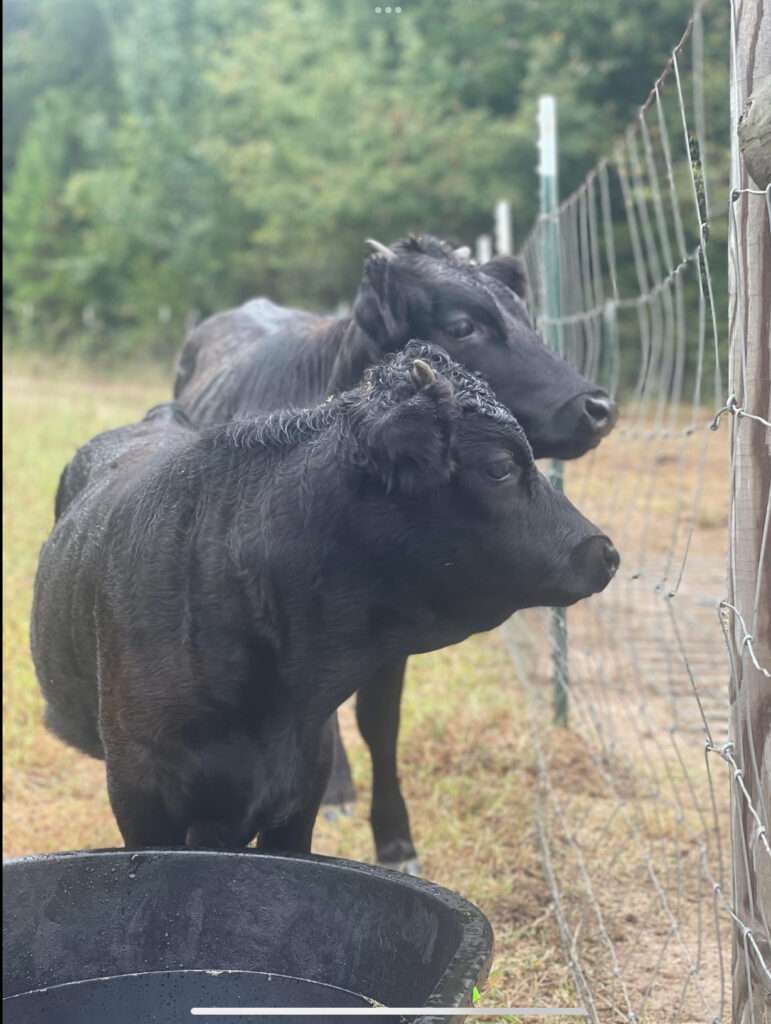
Our journey to homesteading began about five years ago. My husband and I were searching for self-sustainability, a quieter life, and a deeper connection to the land. Raised in the suburbs with every modern convenience, we only knew which grocery store had the freshest beef. That was the extent of our food sourcing knowledge.
Once we acquired our acreage, we started, as many do, with chickens. At the time, I hadn’t even considered milking animals myself, so I went looking for farm-fresh milk. I found a local source, and with it, a whole new world. We began picking up a couple of gallons each week, but it didn’t take long before we wanted to produce our own.
That’s how we ended up with Nubian goats.
I was intimidated by the idea of milking and caring for them, but goats felt less daunting than a full-sized milk cow. Still, I had always loved and admired the Dexters at pickup. Just being around them brought a peace I couldn’t explain. They were a dream, something for “someday.”
Fast forward a few years, and someday finally came.
About a month ago, we brought home our first Dexters: a heifer and a steer. And how’s it going? In a word? beautifully.
The first thing I noticed was their peaceful nature. Just being near them calms my nervous system in a way I can’t begin to describe. I’m absolutely head over heels in love. I’ve started thinning down my goat herd to make room for more Dexters in the future.
I’m learning to be a pasture and grass farmer (also moving fencing, adding pastures) all to better serve my Dexters. I’m excited to contribute to the breed by selecting strong lines and continuing the work that’s already been poured into my girl, Fiona.
Am I still intimidated by the idea of milking them? Absolutely.
Will I do it anyway and love it once the time comes? Without a doubt.
There’s still so much to learn—about pasture management, breeding, and eventually milking—but I’m ready. With the right mentors and a heart full of determination, we’ll thrive. Fiona and Chuck are home now, and so are we. This is just the beginning of a lifelong journey with Dexters, and I couldn’t be more excited to walk it one peaceful step at a time.
I’m looking forward to many years alongside this incredible breed.
Dexter Arrival: A Homesteading Dream Realized, Hayburner Acres Read More »
Homesteading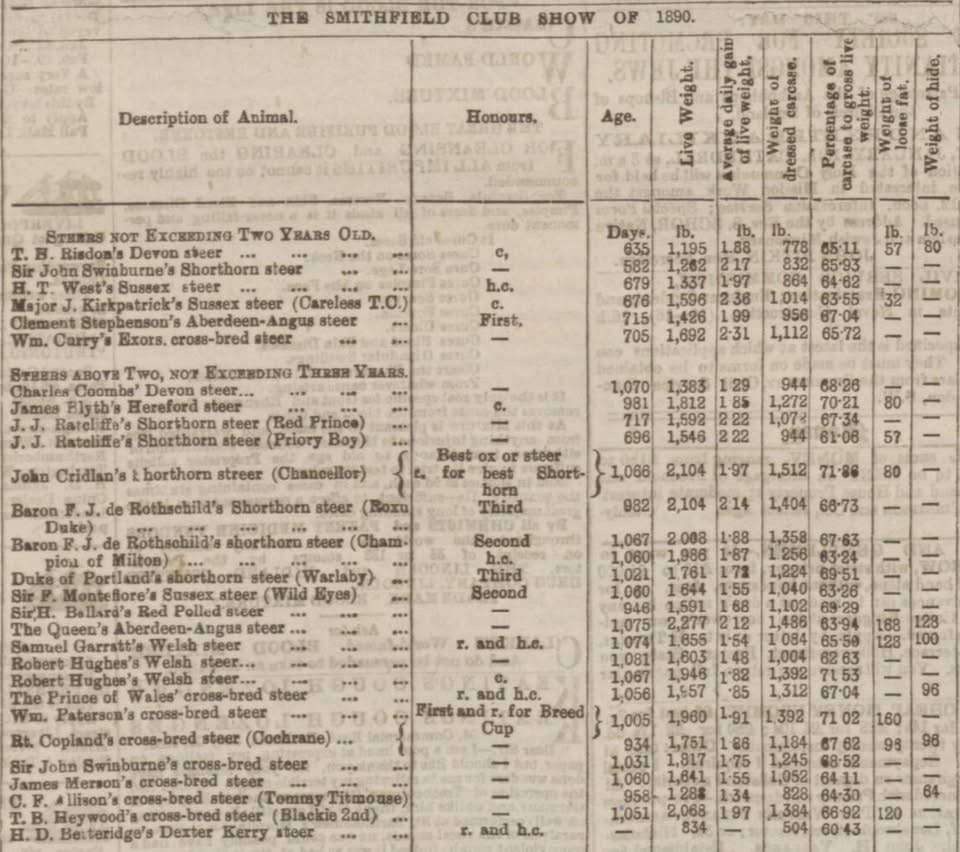
Calling all Beef Breeders!!! For anyone who likes a bit of Beef in their dual-purpose Dexters here’s something for you! Have you ever wondered what the Live weight, the Average daily weight gain of live weight, Weight of dressed Carcass, Percentage of carcass to gross live weight, Weight of loose fat and Weight of hide was on a Dexter Kerry or a Kerry and a Dexter Kerry cross was at the formation of the Royal Dublin Society in 1890? I wish all fields were complete as some are missing but it’s a good start. Well, here are some answers for you, so let’s see how these weights compare today. Comments are welcomed. By the way Tommy Titmouse was an Angus Dexter Kerry cross.
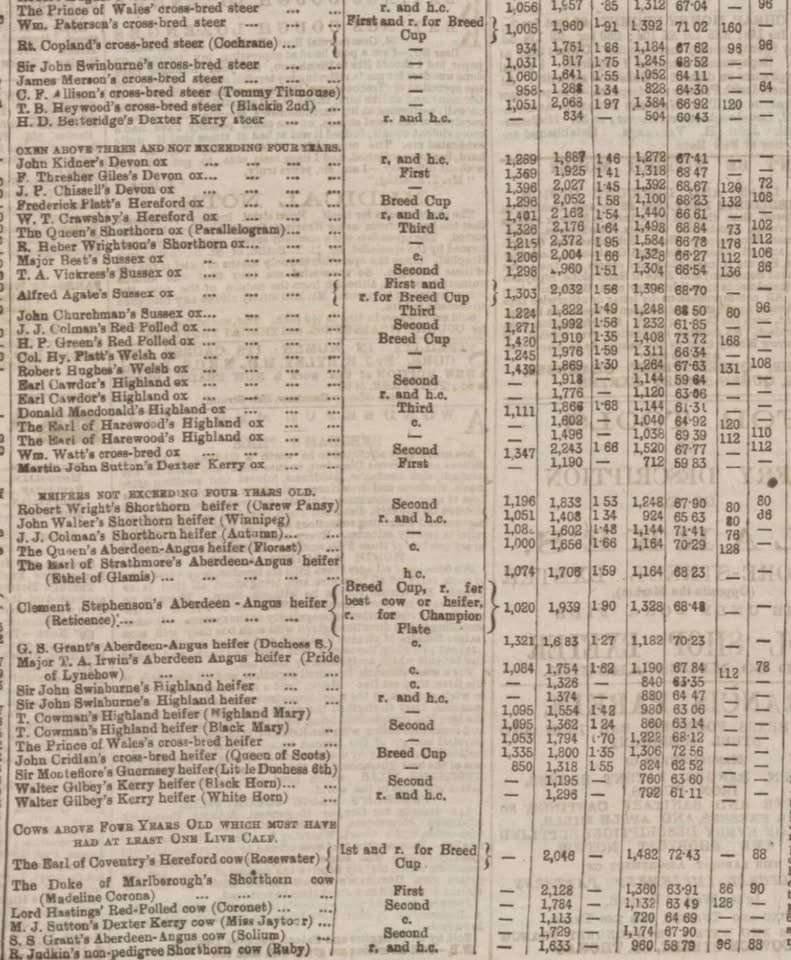
LET’S TALK DEXTER WEIGHTS! Read More »
Historical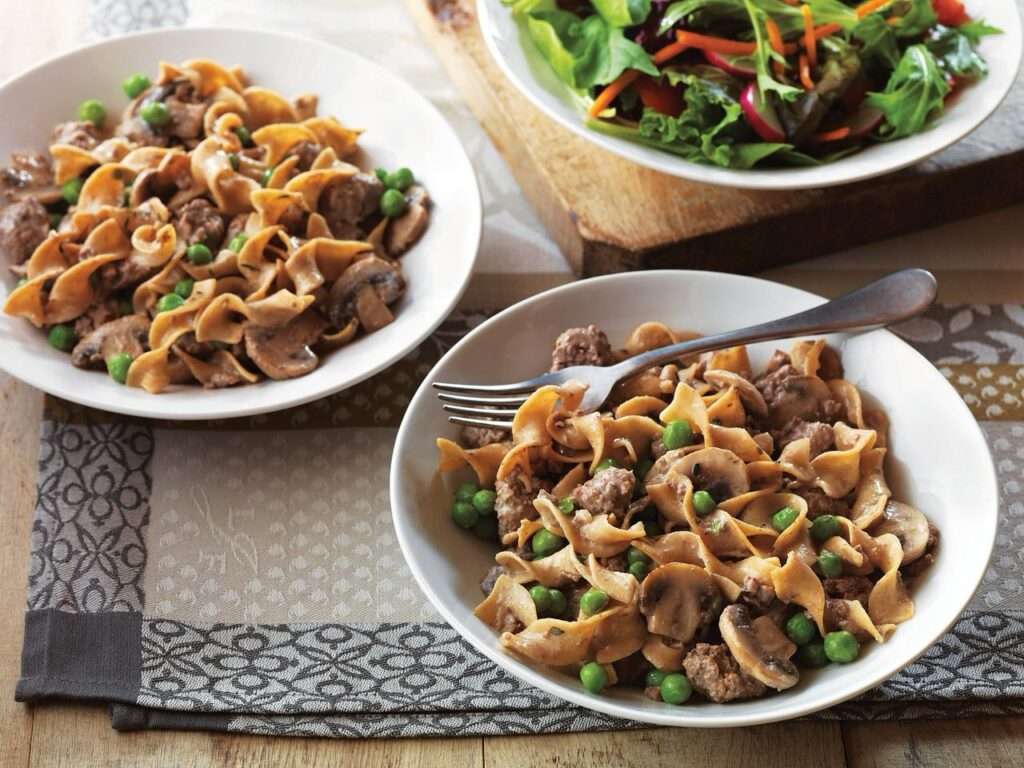
Need a quick week night meal? Check out this tasty beef stroganoff. And it can be made with one dish, so less dishes to do after dinner!
Beef Stroganoff Recipe Read More »
Beef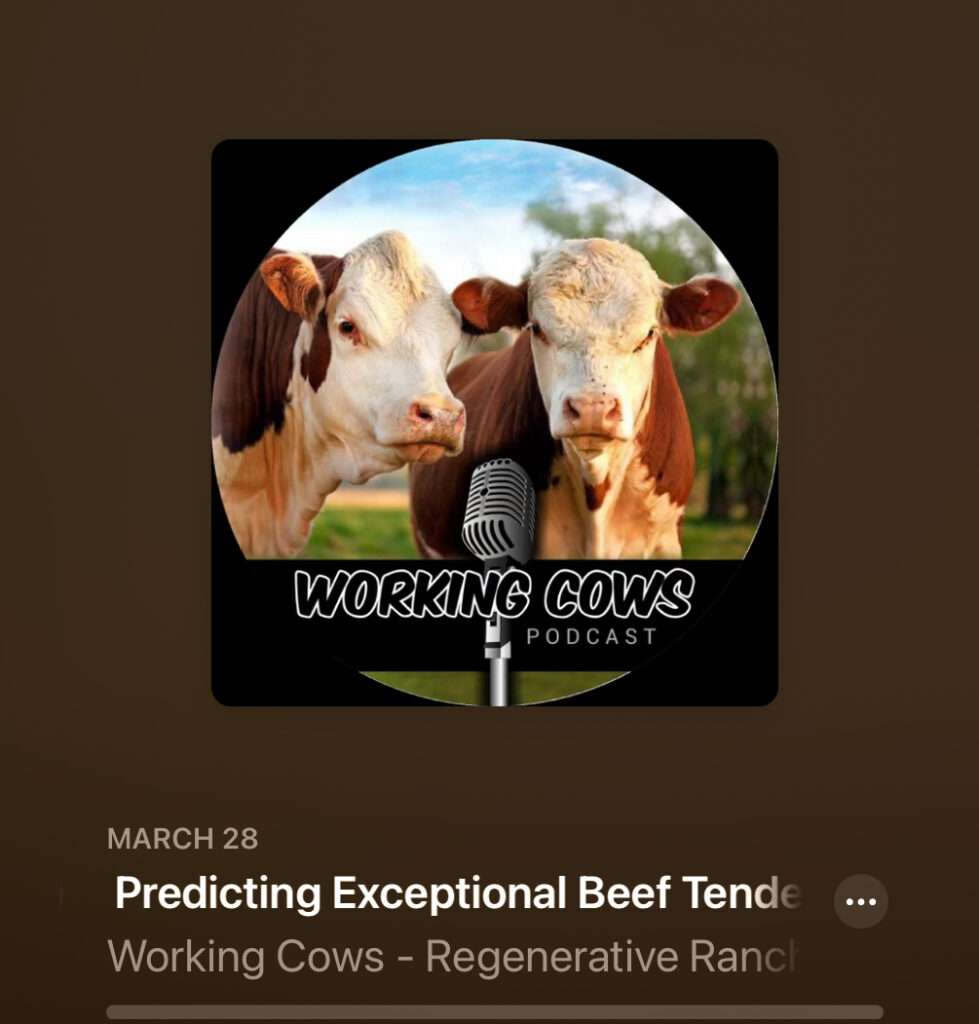
After a small sampling from one herd, it appears that the Dexter breed does have this highly inheritable genetic marker. It appears that the marker is found in those cows with the most milk production. This makes total sense, as they refer to the genetic marker as found in most easy keeping cattle.
Unfortunately no bulls were part of the initial testing and semen is not able to be tested for this marker.
So, now that we know the marker is there for the Dexter breed and that it seems to be in cows with most milk…we need more folks to test. It has been suggested that it maybe easy to get a few drops at ear tagging time and a simple tail stick for the older ones.
If you would like more information on how to get your herd tested, please reach out to the Irish Dexter Cattlemen and we will help you get started. It requires only a few drops of blood on a Tenet card sampler. The card is then sent of for sequencing.
It takes 5 days to get to the lab and 10-30 days for the sequencing to happen after being received. They send your your results by email. Pretty simple procedure.
The thing that was most interesting was it was found in the cows with the most milk production. How cool would it be to be able to predict possibly milk production and beef tenderness? Duality!
In case, you need to brush up on this. Below is the podcast that started this adventure. This is NOT the Neogen testing that has been happening by a group of Dexter breeders.

With all the talk about marbling and beef tenderness, here is something to consider…marbling does not equal tenderness…taste yes…tenderness no. And selecting for easy keepers can be a great step selecting the best beef from your herd.
A CONVERSATION ABOUT PERCEIVED VALUE:
A customer asked me how much it would cost for a gallon of raw milk .
I gave them a price of $15/gallon.
The customer responded: That’s seems really high.
I asked: What do you think is a reasonable price for this?
The customer answered: $4 maximum
I responded: Ok, then I invite you to do it yourself.
The customer answered: I don’t know how to.
I responded: Alright, then how about for $4/gallon, I’ll teach you how to. So besides saving you $11, you’ll learn valuable skills that will benefit you in the future.
The customer answered: Sounds good! Let’s do it!
I responded: Great! To get started, you are going to need some things. You will need a cow (≈$3000), 45# of dry matter quality feed A DAY, feeders, waterers, an area to let her be a cow, a shelter, a clean area to milk, a milking machine or supplies to hand milk into, preferably electricity for this indoor area and heated water, countless gallons of water, fencing to contain this cow, etc.
Not to mention, there is a very real possibility that your single cow gets sick and doesn’t produce, a bull or someone to AI her because no pregnancy, no milk. Injury, illness, and unexpected weather conditions are always present. Now, you are back to square 1 if she doesn’t breed, dries up, get sick, or dies.
The customer answered: But I don’t have any of those things and I can’t justify buying all of these for a gallon of milk.
I responded: Ok. Well then for an additional $11/gallon, I can rent my supplies, building, and supply hay/grain/minerals/pasture to you.
The customer answered: Okay. That’s fair.
I responded: Great! We will start the project on Monday.
The customer answered: I work Monday through Friday. I’m only available on the weekends.
I responded: If you want to learn from me then you will need to work when I work. We milk everyday, 2x day, so you will need to be here at least 2 hours every morning and every night year round.
The customer answered: That means I’m going to have to sacrifice a lot of my time!
I responded: That’s true. Remember, when you do a job yourself you need to account for unproductive factors.
The customer answered: What do you mean by that?
I responded: Milking a cow doesnt just take a couple hours morning and night. It takes time to muck out her area, town trips to pick up cleaning supplies/teat dip, trucking for hay. It takes time to bottle the milk cleanly, it takes jars, it takes more cleaning of equipment and facility, it takes wear and tear on your milking equipment and feeding equipment. And thats all on top of your other chores/responsibilities.
So we will see you Monday morning, 6 am.
The customer answered: At 6am?!! My work day doesn’t usually start until 8am!
I responded: A cow thrives on a set schedule, milking 2x day should be as close to 12 hours apart as can be, so if you want to start later, that’s ok. But you will need to come back in the evening after your full day of work and milk again at that time, so if you want to start at 8 am, you will milk again at 8 pm. After clean up and bottling milk… you can head home around 10 pm. Saturday and Sunday included. Blizzards or 100 F. No days off here.
The customer answered: You know, I’m realizing that a lot more goes in to quality food than what a customer sees in the finished project. Your proposal of $15/gallon is very reasonable. I would like you to milk and have it ready for me to just pick up..
CONCLUSION:
When you pay for a job, especially a custom job, (whether it’s a physical project or digital project or GROWING AND RAISING FOOD) you pay not only for the material and the work to be completed. You also pay for:
✔️ Knowledge
✔️ Experience
✔️ Custom Skills
✔️ Tools
✔️ Time to plan
✔️ Time to prepare
✔️ Professionalism
✔️ Work Ethic
✔️ Excellence
✔️ Discipline
✔️ Commitment
✔️ Integrity
✔️ Taxes
✔️ Licenses
✔️ Sacrifices
✔️ Liabilities
✔️ Insurance
If you desire fresh, healthy, locally grown food, please don’t disrespect a farmer by trying to get them to lower their prices.
If their proposal exceeds your budget, there’s nothing wrong with going elsewhere.
Just remember.. you get what you pay for.
👉🏼 FARMERS: Know your worth and be confident in it.
👉🏼 CONSUMERS: Recognize their worth and be respectful of it.
Sharing this to support all my friends, family and clients who are Farmers, Entrepreneurs, Business Owners and Tradesman.
-Unknown and edited
Perceived value ….true for dexter milk, beef and breeding stock Read More »
Selling
Minerals are very important! We’ve shared several articles on the importance of minerals for your Dexters.
We are discussing it again, as it’s a very important topic for the health of your herd. We cannot express loudly enough how important minerals are for your Dexters. Loose minerals are better than blocks, as they can consume much more in loose form, than they can by licking a block. Minerals are made by several different manufacturers. As with anything, you get what you pay for. We esp. like the VitaFerm brand. Many companies offer minerals that target different seasons or issues, i.e. supporting the reproductive system during breeding, heat stress in the summer, selenium, high mag, and others. Consult with your vet, mentor or a feed rep, to determine what could be lacking in your area and thus what you need to support in your herd.
Some people have their hay tested, so that they can determine what they need to make up for in the minerals they supply for their cows.Next, let’s talk about Kelp. We started using Kelp this year, for the first time. Thorvin Kelp, is an organic, natural supplement that is packed full of bioavailable minerals and vitamins. It can also be fed to other animals on your farm. The benefits of feeding Kelp to your herd are many. Some of those are improving breed back time, helping with weight gain, preventing foot rot & pink eye. It basically boosts the animal’s immune system. In turn, this helps lower your vet bills and helps keep your livestock healthier. Kelp can be fed free choice, alongside your loose mineral or it can be blended into a feed ration. Talk with your vet or feed rep, with any questions you may have for feeding Kelp to your herd.
Apple Cider Vinegar or ACV, is another tool that many use to help build up their animals’ immune systems. We prefer the raw ACV, with “the mother” in it. Some say it helps improve cattle health and feed utilization. Others say it also helps prevent and eliminate parasites and resist disease. It’s also been said to reduce horn flies, by making their skin more acidic. It’s going to depend on the size of your water troughs, on how much to add. One recommendation I found, is to mix in 1-2 cups of ACV, per 20 gallons of water or ¼-1/2 cups per 5 gallons of water. Sick or stressed animals can get more, double or triple the amount of ACV, however I would check with my vet, before increasing it too much.Worming: There are several different types of wormers available, that target different types of worms and parasites. They come in pour ons, oral, injection and block or pellet forms. If you have pregnant or lactating cows, make sure the one you chose is safe to use on them. Ask your vet or a mentor. Some breeders have a yearly worming schedule.If you have a poorly looking animal that is thin & has a dull looking coat, or it might have diarrhea or blood in their feces, the first thing you may want to do is to gather a fecal sample into a clean container and take it to your vet for testing. This isn’t costly and it will tell them/you the correct treatment to use. The problem can range from the animal needing worming, to possibly having coccidia or another disease that needs treated.
A lot of our Country is experiencing high temperatures right now. Usually, any added stress to cattle, can lower their immunity to some things. Higher temperatures can be stressful on animals. If possible, consider moving or working your cattle, during cooler days. Weaning in the hot summer months can be especially stressful for calves. Consider waiting to wean, until cooler months. Make sure they have ample shade to get to, and keep fresh, clean water available, throughout the day.
Veterinarian: YES! You need to establish a veterinary relationship early in your Dexter journey. They are your first go to in an Emergency and for advice. They need to visit your herd and get to know them. This will benefit you & your herd, in the future. Oftentimes, once they get to know you and the herd, you can obtain advice via a phone call and pick up meds, etc. at their office. Like it or not, there will be an occasion where you need an emergent visit. Your investment in your cattle, is worth calling a vet out in an emergency. Lots of breeders, can give advice from experience, but nothing replaces the professional assessment and treatment of a veterinarian who is familiar with your herd.
We hope the ideas above, give you something to ponder, research and consider doing to benefit the health of your herd.
Getting And Keeping Your Dexters In Optimal Condition. Read More »
Herd Health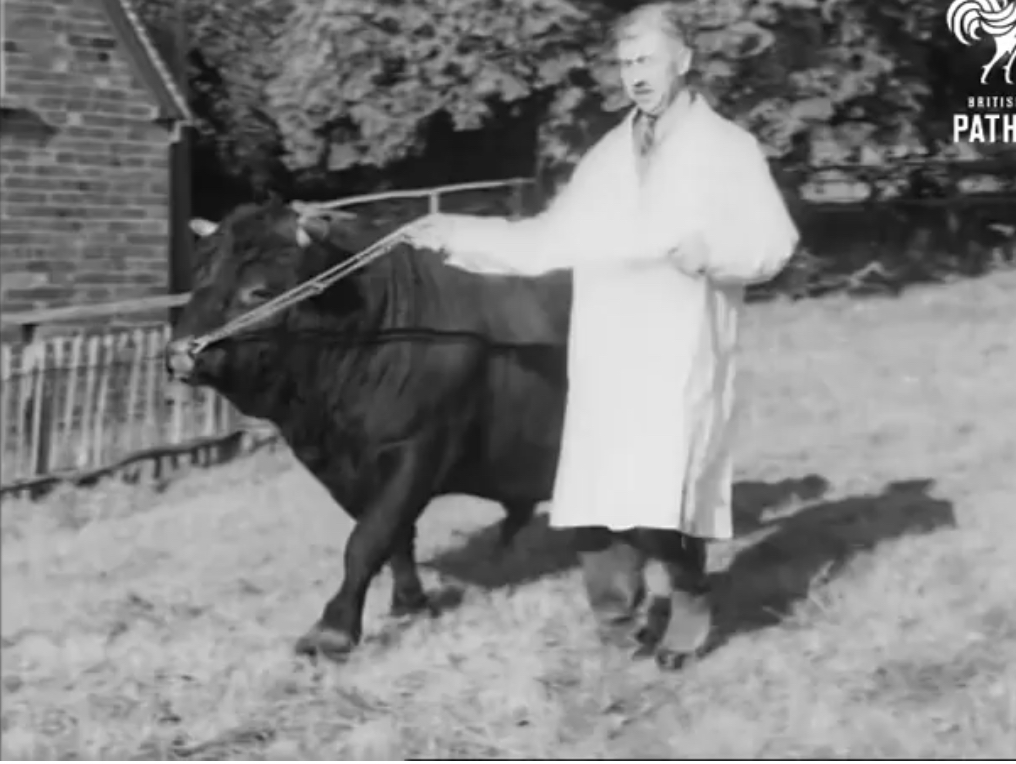
Enjoy this video from 1949 to see what a common herd of Dexters may have looked like at that time. It would be interesting to see what observations new people to the breed would take away from the video if they were to compare them to many Dexters now available for purchase.
Understanding where Your Dexters came from will Give you a vision for their future. Read More »
Historical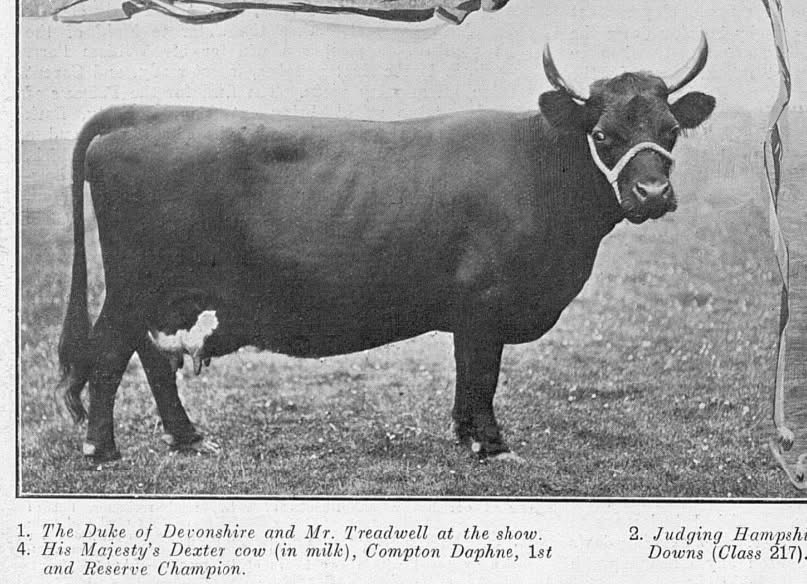
Poor Man’s Cow to Luxury Cow
How did the Poor Man’s Cow become owned by the wealthy and famous. Dexters and Kerry Cattle became recognized for their unique hardy attributes, Kerry for milk and Dexter for milk and meat. Dexters were known to get by on less, produce rich milk and raise a healthy vigorous calf for their owner’s table. Dexters were bred to their breed specific traits transforming them from just any poor Irish cows to these 2 beautiful, registered Dexter cows we see in these two later photos.
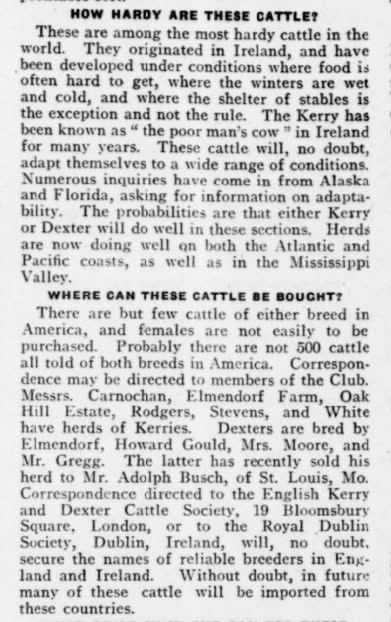
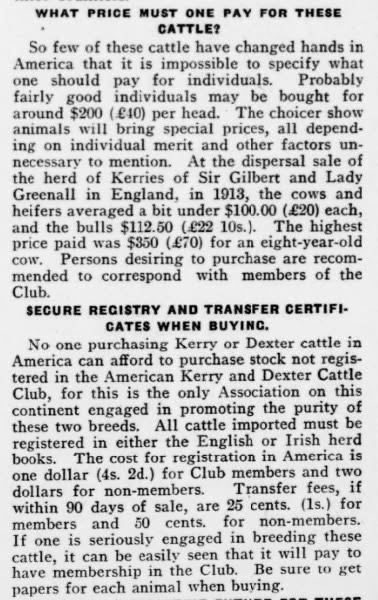
They were rare and they were at risk of being cross bred out of existence, but breeders in Ireland started selecting and registering Dexter cattle with breed defining traits to preserve and register them in a herd book. Once the promotion of Dexters began every wealthy aristocrat wanted one. All of a sudden, they were not the Poor Man’s cow but rather for a short spell until the numbers grew, cattle that only the wealthy could afford. Consider as this article states a $200 dollar Dexter cow from 1915. This is the equivalent of $6221.78. I checked multiple inflation calculators to verify that number as being correct. With the highest price the ad mentions at $350 in 1915, you would pay $10,936.81 today! Consider today we pay less for quality breeding stock. Rarity always drives the price up and just like with the rarity of gold it dictates the price.
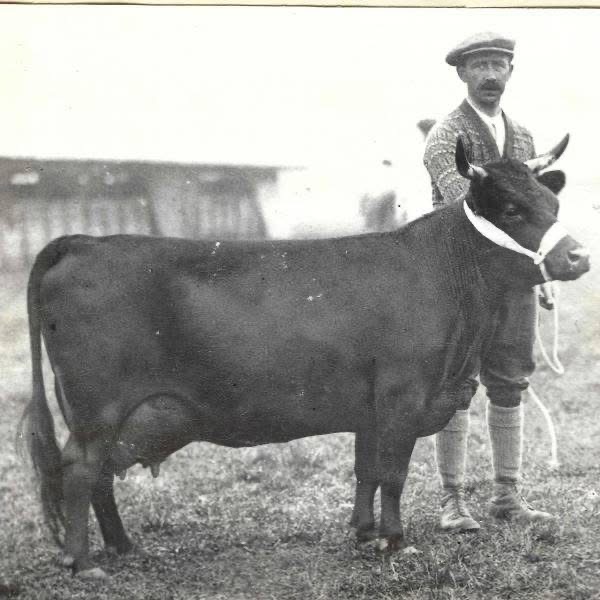
Registered cows were important then and today. Registered Dexters will always hold a higher value than unregistered. Still with Dexters it took devoted breeders to breed Dexters according to the Dexter Standard to the highest quality like the 2 cows you see in the photographs. Not every Dexter cow was nearly as ideal as these two beauties. Compton Daphne, I speculate is a Chondro Carrier while Grinstead Watercress I speculate to be a non-carrier. Of course, we can never go back and test them so it’s just speculation. Both are extremely well bred and both fit the standard well.
So, as you can see Dexters are a dual-purpose breed that can be bred by multiple types of people regardless of fortune because they are a great pick for everyone. Whether you’re a small homesteader trying to save money with a thrifty headache free cow or someone who just wants to raise them as beautiful lawn mowers true Dexters are a great fit for these reasons and so many more!
30 Jan 1915 is the date of article written.
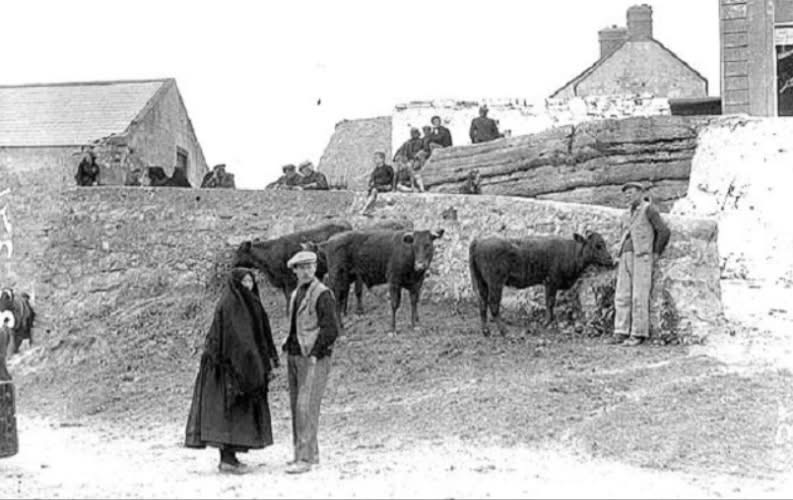
Photo of cattle in town are common type of Celtic cow that roamed Ireland.
Other two photos are of registered Dexters.
Dexters – Poor Man’s Cow to Luxury Cow By Danielle Lowther Read More »
Historical
“The statement “you are what you eat” is actually a biologically correct concept akin to bioaccumulation, in which the nutrients at the bottom of a food chain carry through organism after organism, increasing in concentration as they reach the top of the chain…”
Better Beef Starts in the Soil Read More »
Beef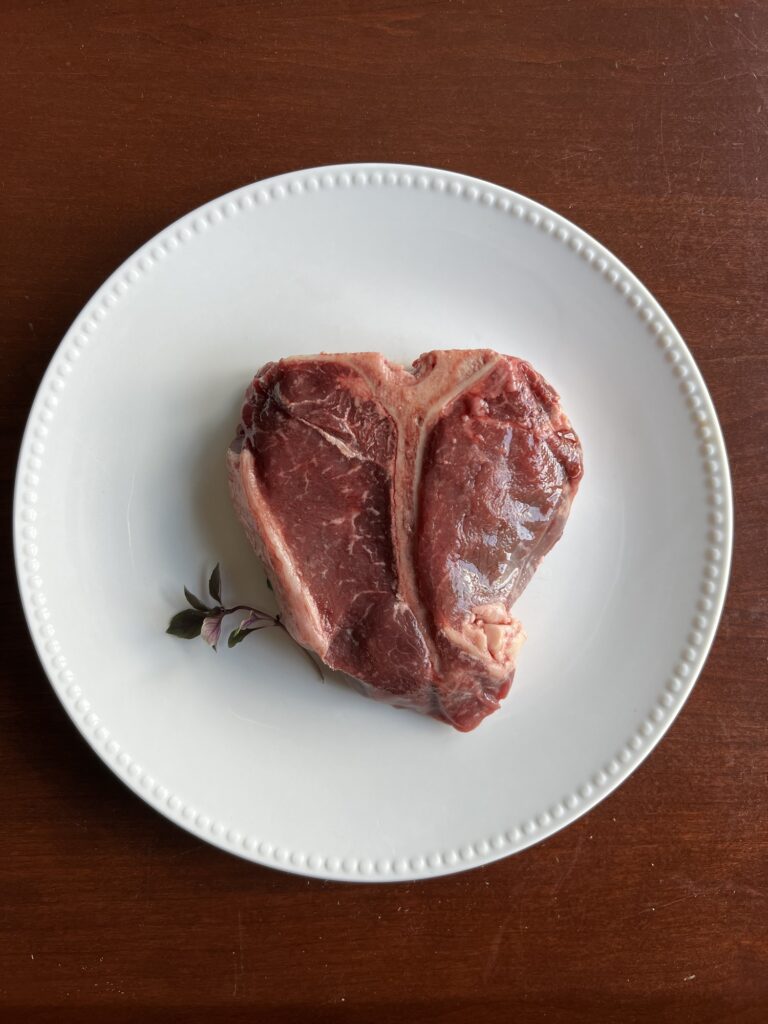
There are plenty more recognizable and branded breeds for beef, but are they the best? I would argue they are not. Am I wrong? Maybe you should taste for yourself…
Beef That Will Blow Your Mind Read More »
Beef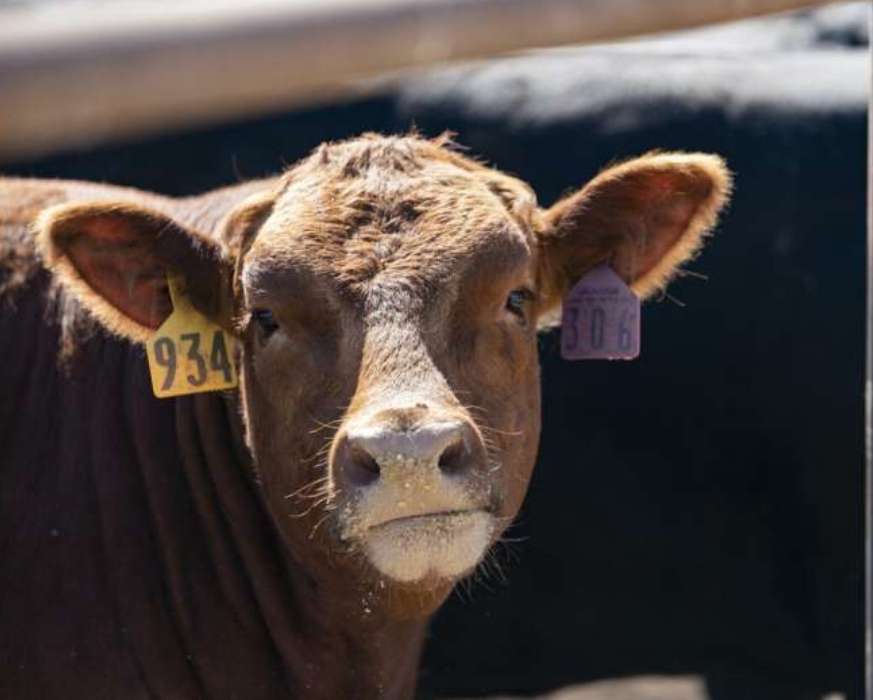
Direct beef purchases from the farm continue to be an emerging trend as consumers want to know both the story and faces behind the products they are purchasing, according to an expert.
Beef with a story to it: Niche market for ranch-raised beef on the rise Read More »
Selling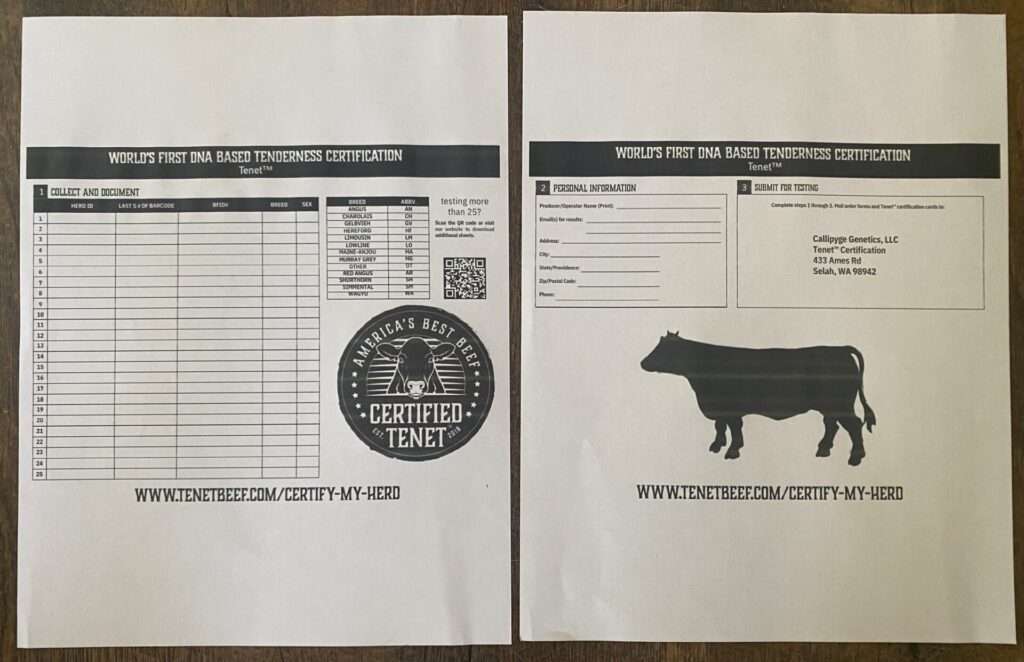
Here is a video that Nancy Bowers, Lonestar Ranch did on blood testing one her Dexters. This the same technique that you will need for testing for Tenet beef tenderness, except you will need much less….lol.
I have sent in 7 tenet tenderness tests to see if our Dexters have this genetic trait. Unlike other testing this is not done on scale and there is no comparison to other breeds. It’s either there or not there.
I truly believe that the tenderness of the beef is correlated to milk and that is sooo important in our dual purpose breed. We are working with them to prove this theory!
I have included what the cards look like, the paperwork that is needed…note it is very little. You can pay on line or send in a check. It is better for the lab if you pay with a check, so that they don’t loose the processing fee, but they are very accommodating.
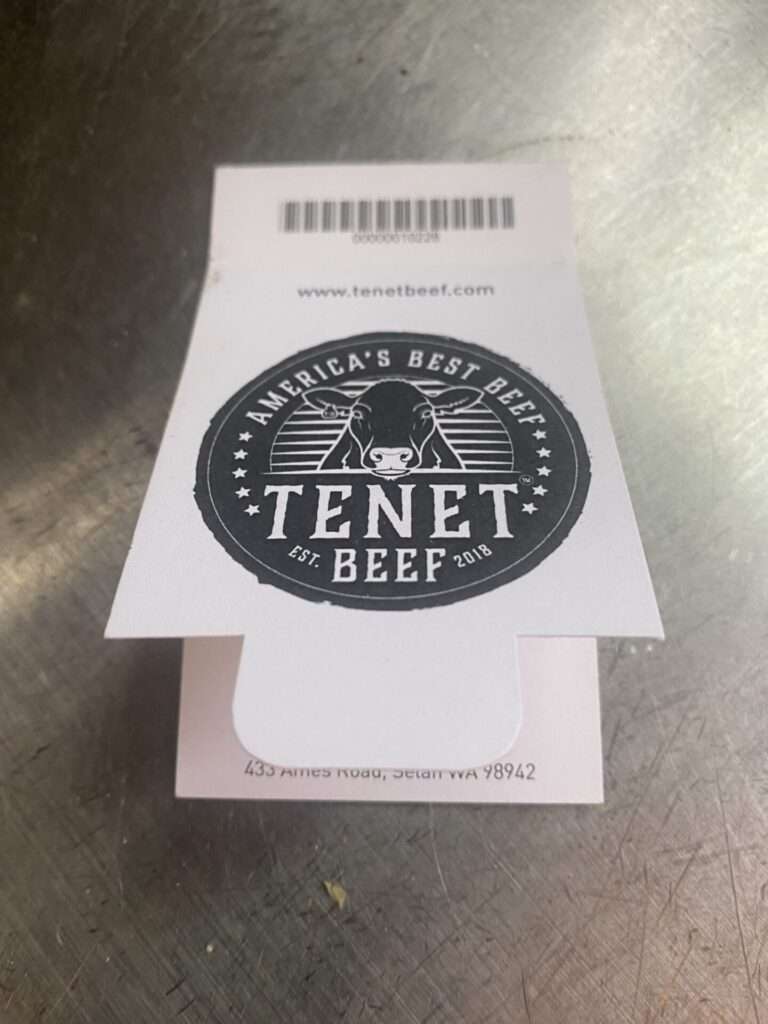
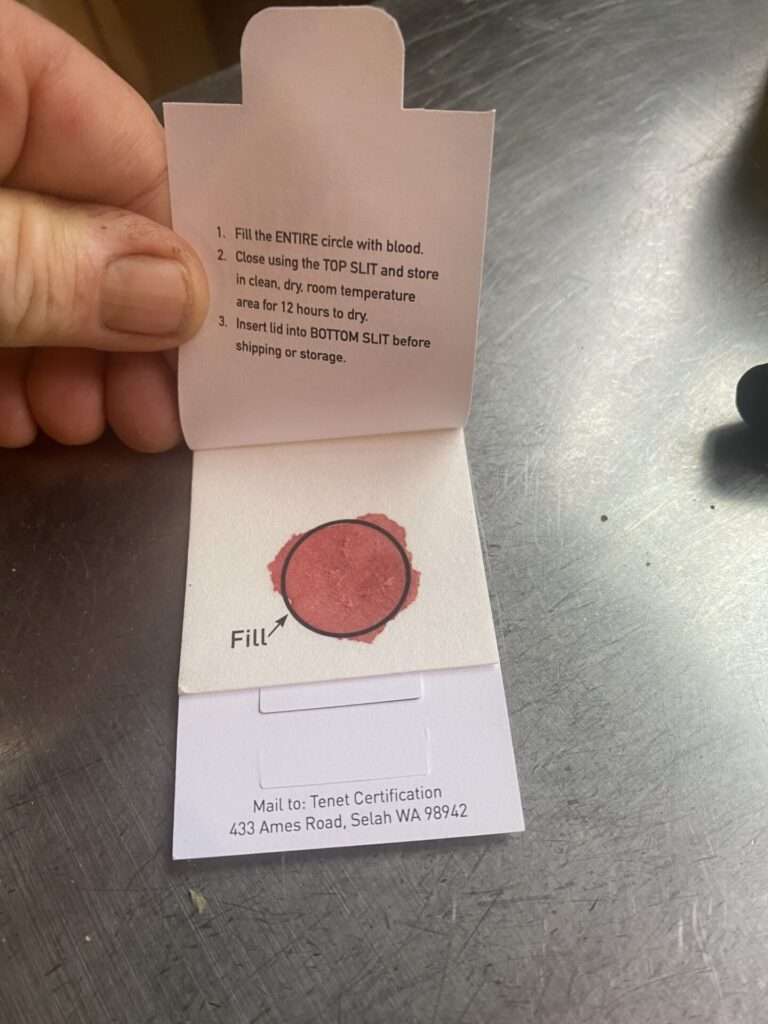
Do you know how to do a tail stick to get blood for Pregnancy and Tenet Beef testing? Read More »
General Selling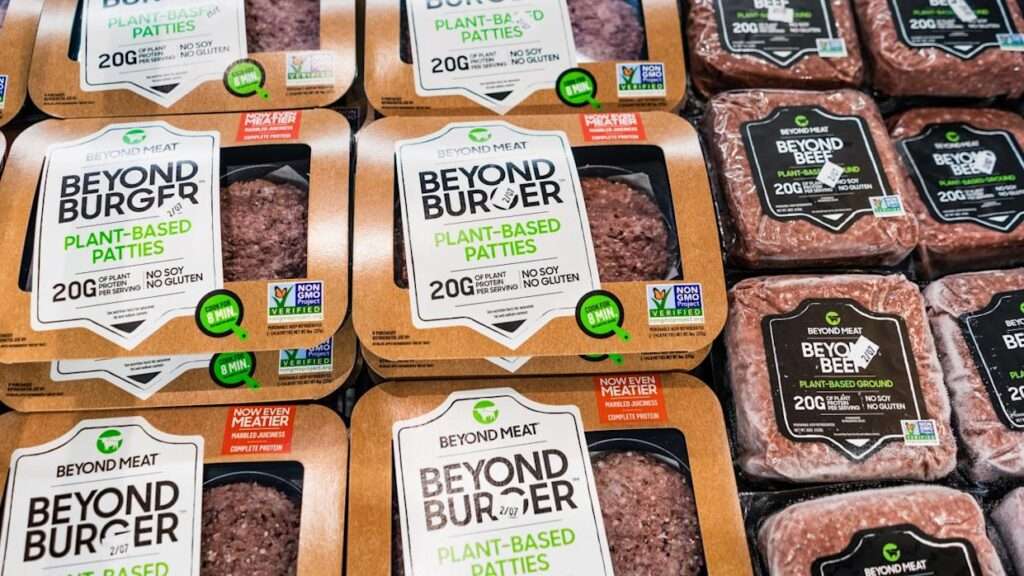
When Beyond Meat (NASDAQ: BYND) went public, there was a broad belief that people wanted meatless meat. It was healthier than meat. It was better for the environment. Beef cattle give off huge amounts of methane. McDonald’s even partnered with Beyond Meat to create a McPlant sandwich.
Beyond Meat Better than Dexter Beef? Read More »
Beef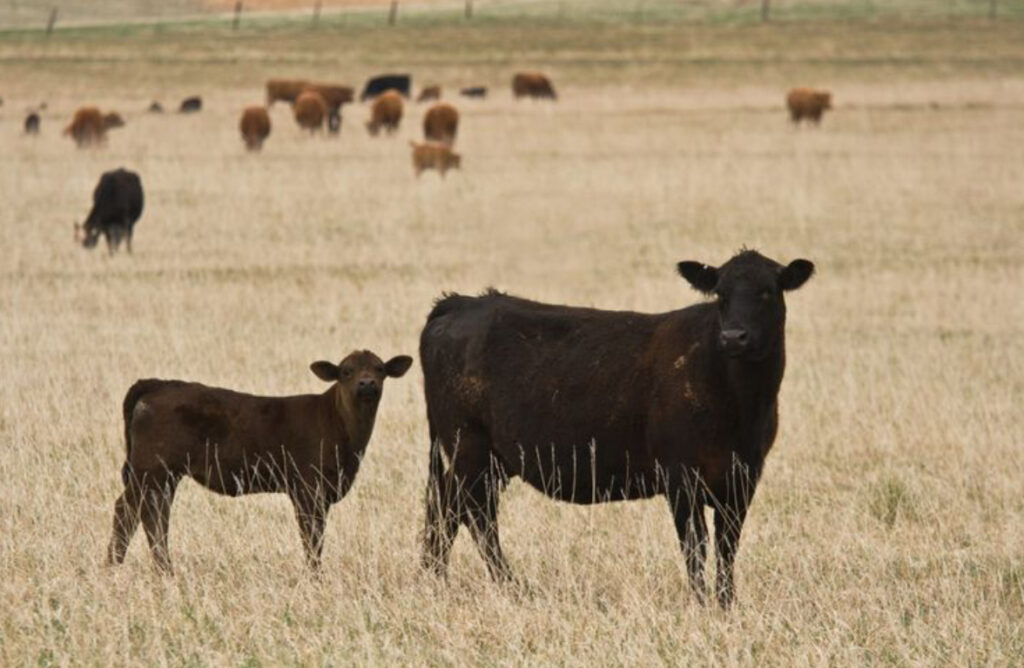
Beef producers can realize major price premiums for grass-fed, pasture-raised, or local meat.
5 Tips For Finishing Cattle on Grass Read More »
Beef
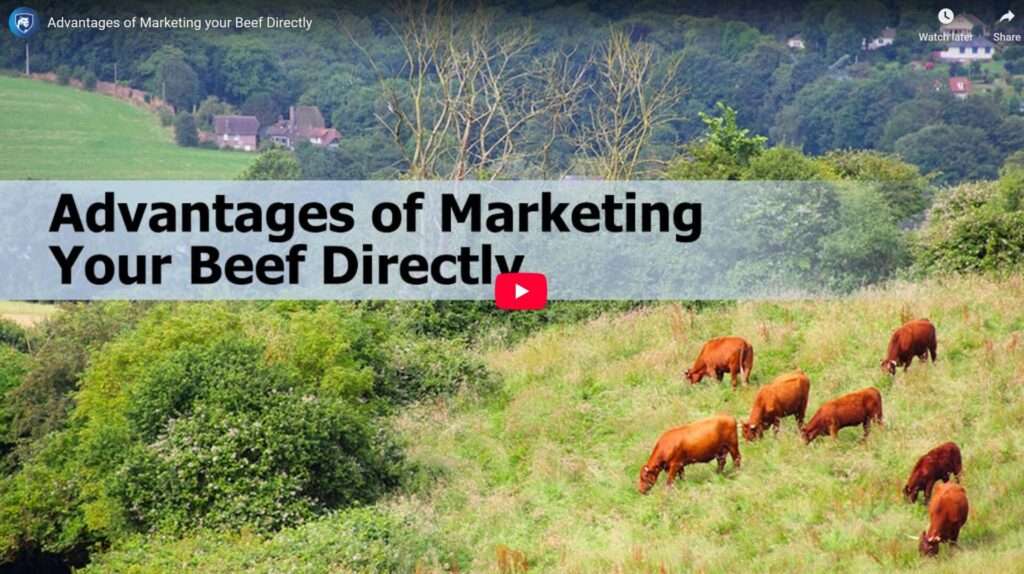
Small-scale livestock producers who direct market their animals or their products have more control over variable market prices and can increase their profit potential.
Advantages of Marketing Your Beef Directly Read More »
Selling
As a farmer, you’re a growth expert. You can turn seeds into delicious produce, coax a bountiful harvest from even the poorest of soil, and take livestock from scrawny to hefty.
But for financial success, you also need to become an expert in growing your customer base.
Grassroots Marketing for Farms: 5 Ways To Reach Customers Read More »
Selling