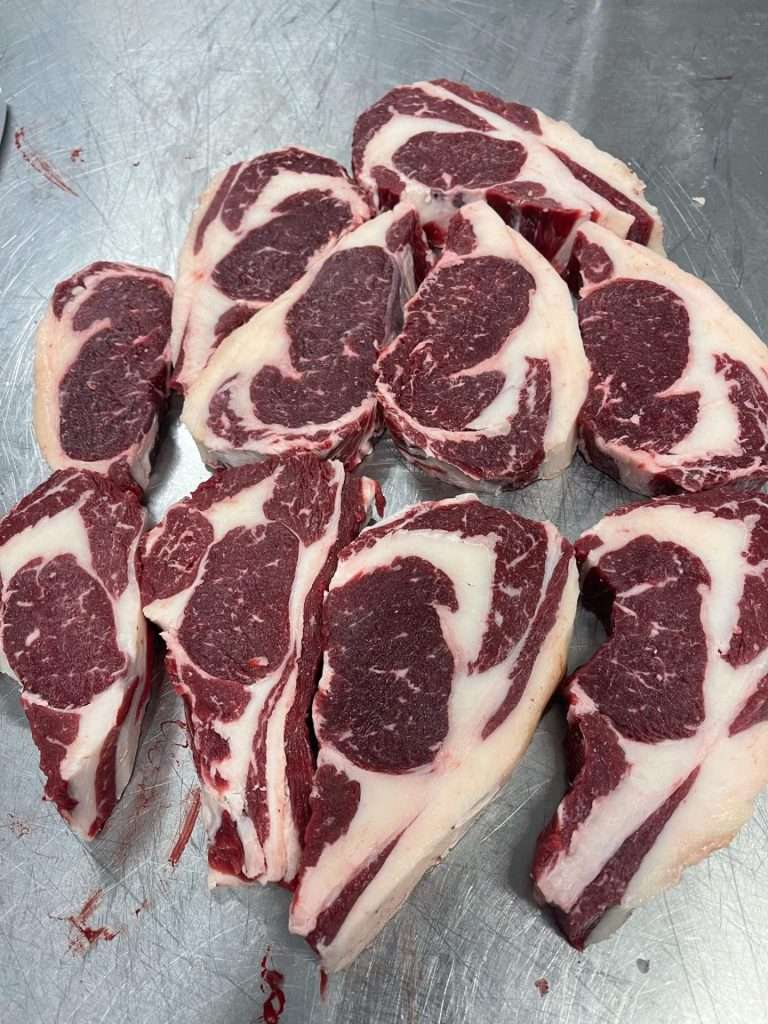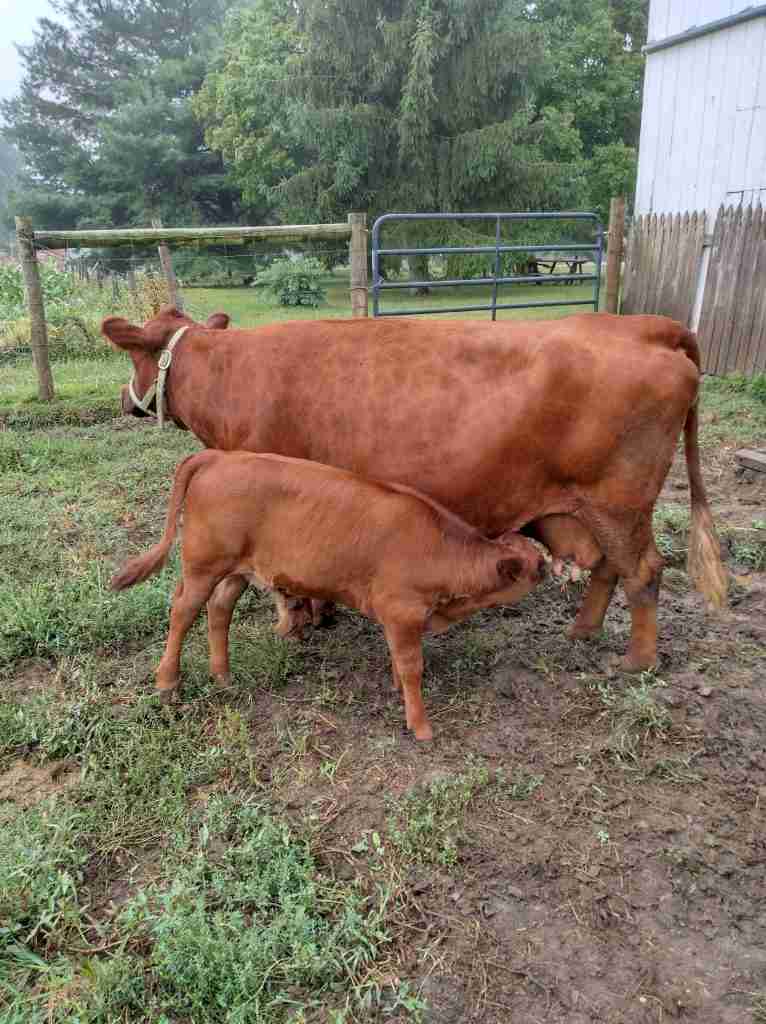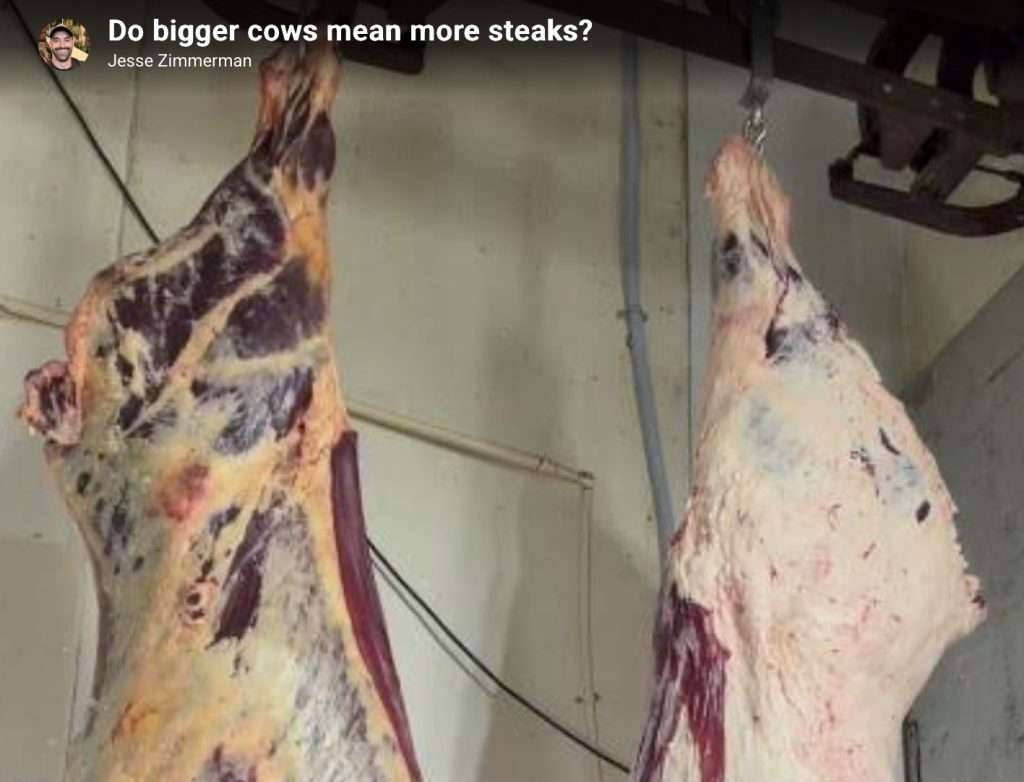
When processing beef…is bigger always better?
When processing beef…is bigger always better? Read More »
BeefInformation on Irish Dexter beef
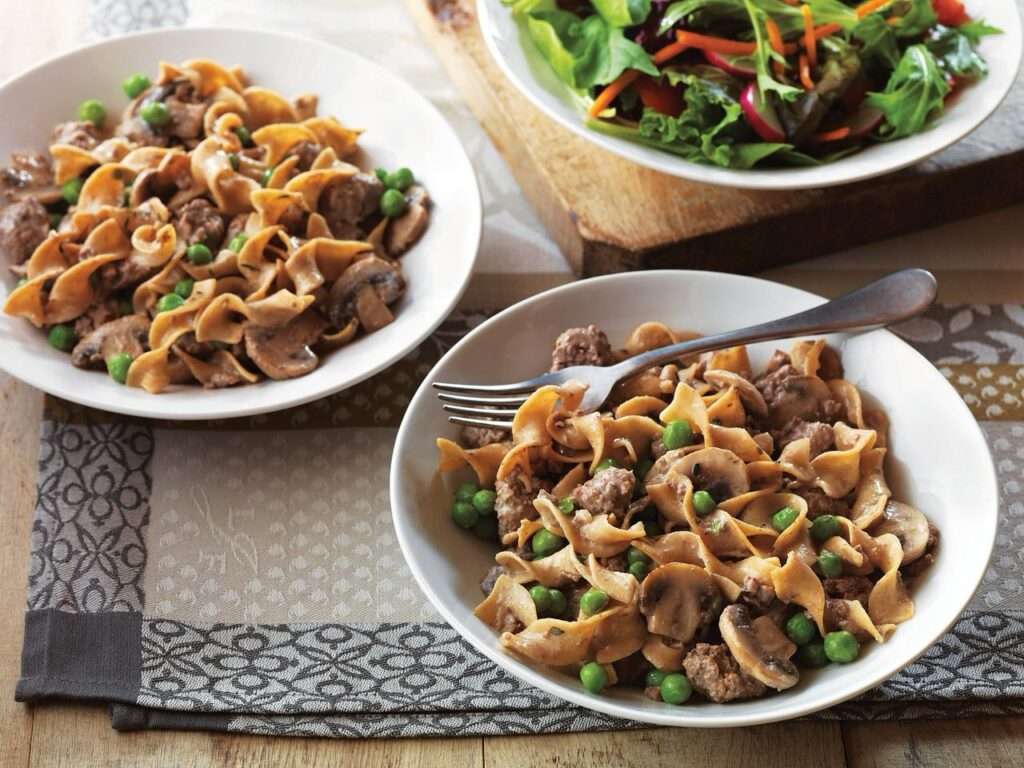
Need a quick week night meal? Check out this tasty beef stroganoff. And it can be made with one dish, so less dishes to do after dinner!
Beef Stroganoff Recipe Read More »
Beef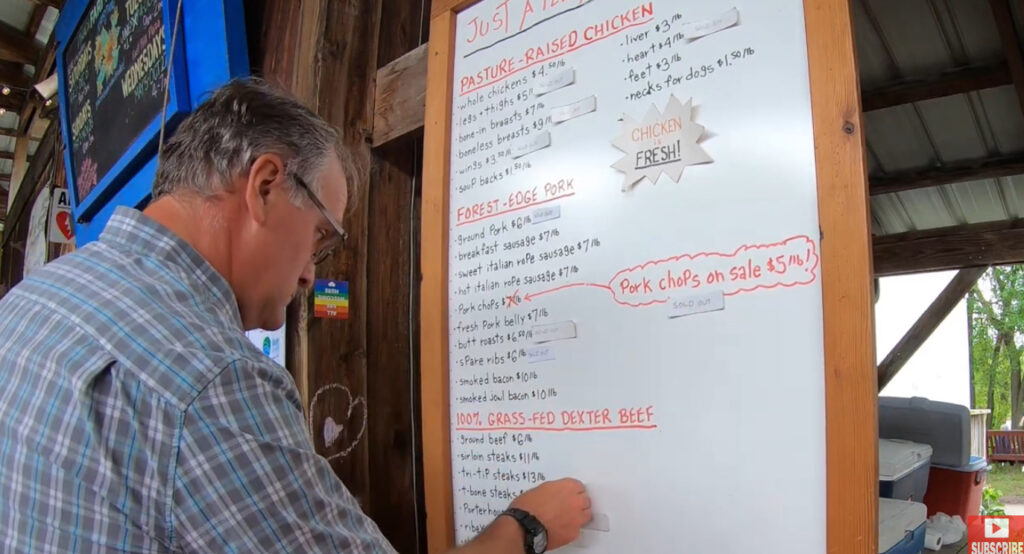
This is the season for selling out at the farmers market!
SELLING OUT at the Farmers Market! Read More »
Beef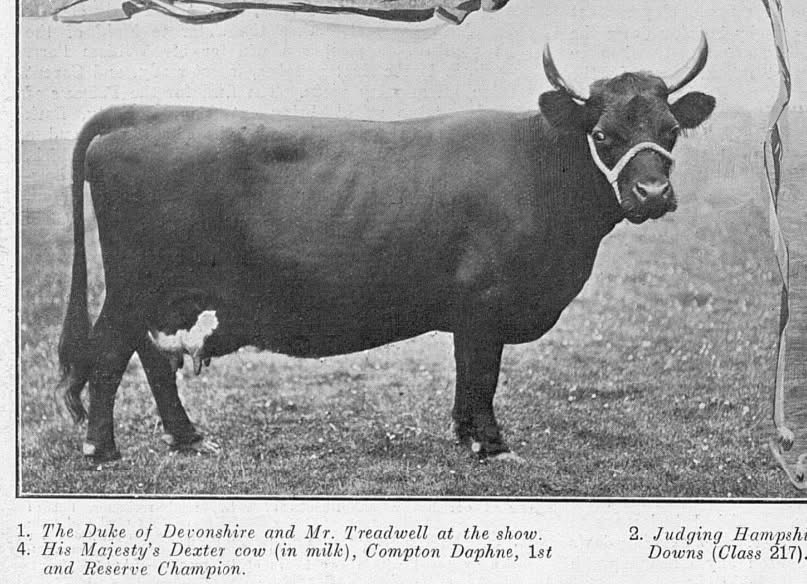
Poor Man’s Cow to Luxury Cow
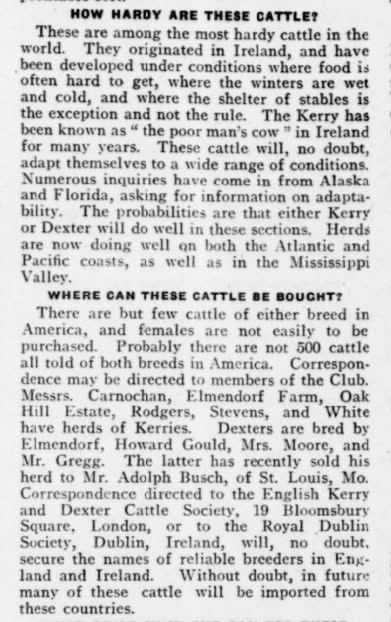
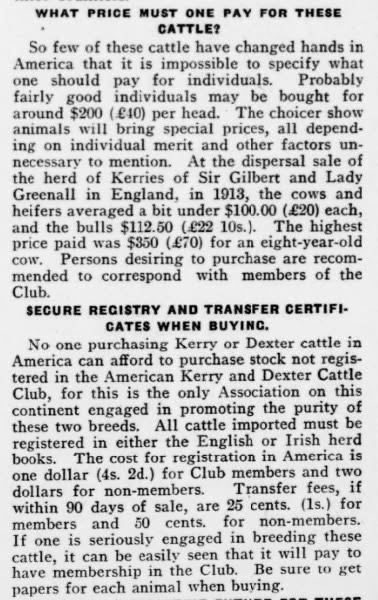
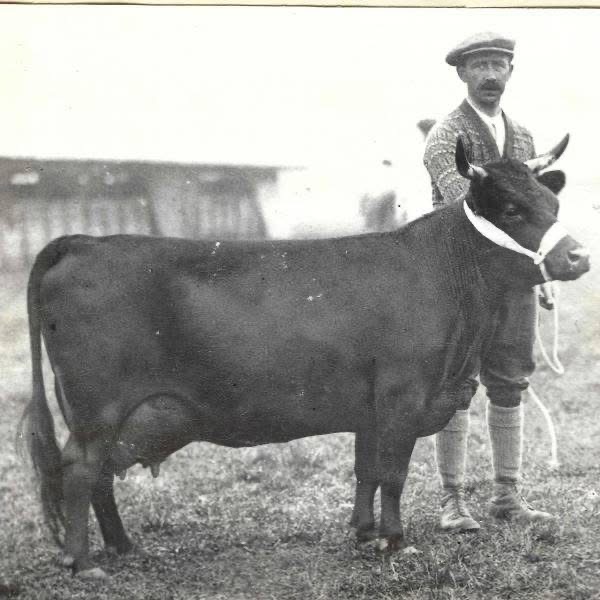
How did the Poor Man’s Cow become owned by the wealthy and famous. Dexters and Kerry Cattle became recognized for their unique hardy attributes, Kerry for milk and Dexter for milk and meat. Dexters were known to get by on less, produce rich milk and raise a healthy vigorous calf for their owner’s table. Dexters were bred to their breed specific traits transforming them from just any poor Irish cows to these 2 beautiful, registered Dexter cows we see in these two later photos.
They were rare and they were at risk of being cross bred out of existence, but breeders in Ireland started selecting and registering Dexter cattle with breed defining traits to preserve and register them in a herd book. Once the promotion of Dexters began every wealthy aristocrat wanted one. All of a sudden, they were not the Poor Man’s cow but rather for a short spell until the numbers grew, cattle that only the wealthy could afford. Consider as this article states a $200 dollar Dexter cow from 1915. This is the equivalent of $6221.78. I checked multiple inflation calculators to verify that number as being correct. With the highest price the ad mentions at $350 in 1915, you would pay $10,936.81 today! Consider today we pay less for quality breeding stock. Rarity always drives the price up and just like with the rarity of gold it dictates the price.
Registered cows were important then and today. Registered Dexters will always hold a higher value than unregistered. Still with Dexters it took devoted breeders to breed Dexters according to the Dexter Standard to the highest quality like the 2 cows you see in the photographs. Not every Dexter cow was nearly as ideal as these two beauties. Compton Daphne, I speculate is a Chondro Carrier while Grinstead Watercress I speculate to be a non-carrier. Of course, we can never go back and test them so it’s just speculation. Both are extremely well bred and both fit the standard well.
So, as you can see Dexters are a dual-purpose breed that can be bred by multiple types of people regardless of fortune because they are a great pick for everyone. Whether you’re a small homesteader trying to save money with a thrifty headache free cow or someone who just wants to raise them as beautiful lawn mowers true Dexters are a great fit for these reasons and so many more!
30 Jan 1915 is the date of article written.
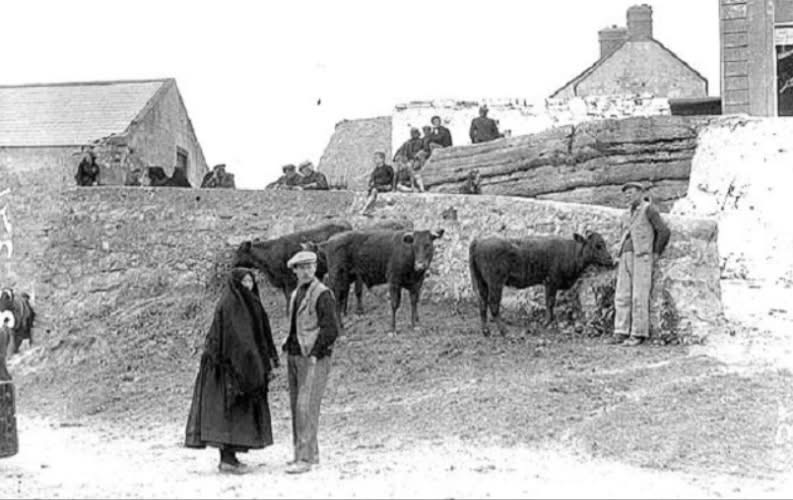
Photo of cattle in town are common type of Celtic cow that roamed Ireland.
Other two photos are of registered Dexters.
Dexters – Poor Man’s Cow to Luxury Cow By Danielle Lowther Read More »
Historical
With all the talk about marbling and beef tenderness, here is something to consider…marbling does not equal tenderness…taste yes…tenderness no. And selecting for easy keepers can be a great step selecting the best beef from your herd.
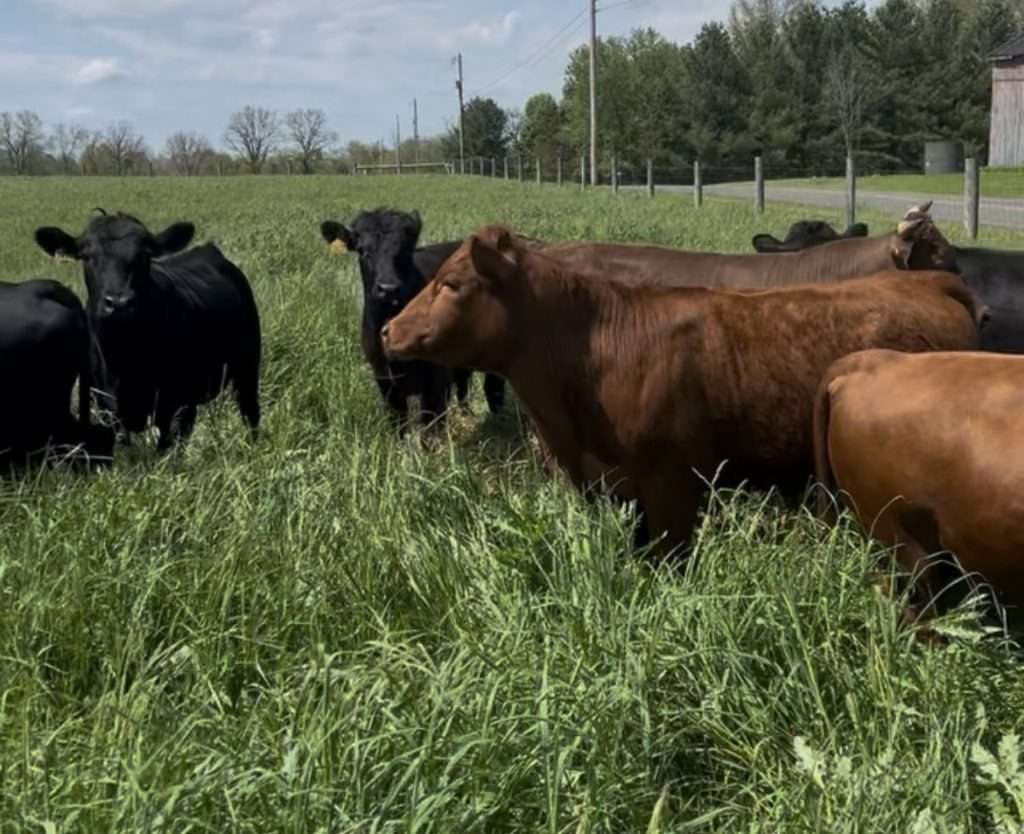
While there is so much to love about Dexter cattle, they aren’t the only small cattle breed out there. With the beef industry looking to push a larger carcass, is a smaller cow worth a producers consideration?
Can smaller cows bring bigger profits? Read More »
General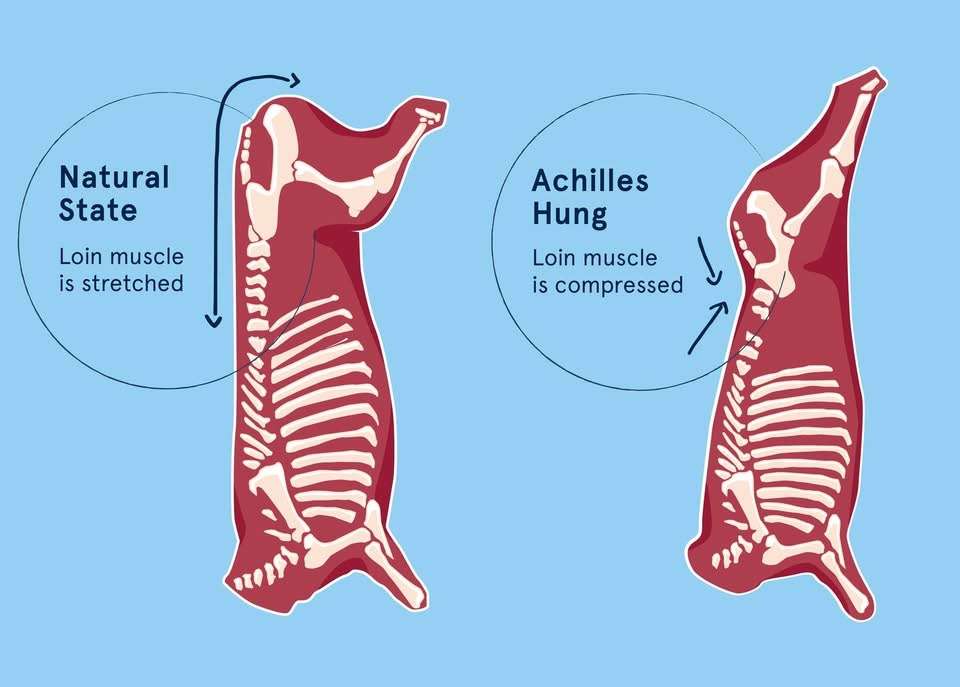
Did you know the way beef is hung during processing can influence eating quality?
Bass Strait Beef uses a Natural State Hanging Method, allowing the carcase to hang like it would stand in the paddock.
This process helps gently stretch the muscles to contribute to improved tenderness in premium cuts like rump and porterhouse. Just one of the many ways we do things differently to deliver you the best beef! 🥩
How your beef hangs matters Read More »
Beef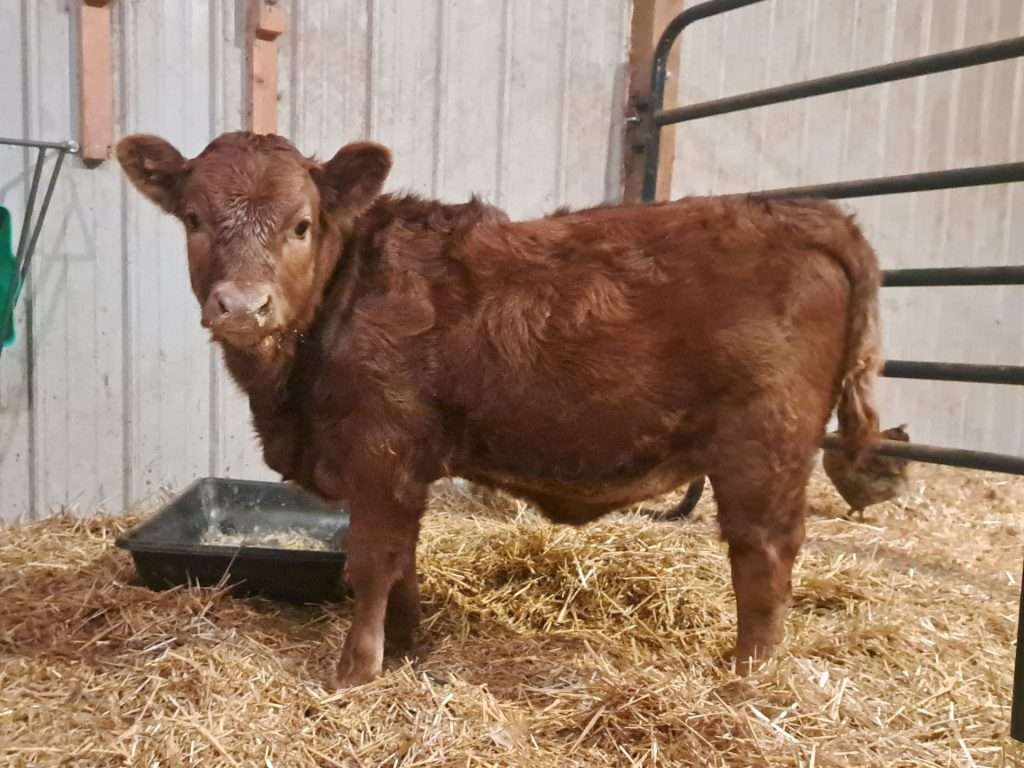
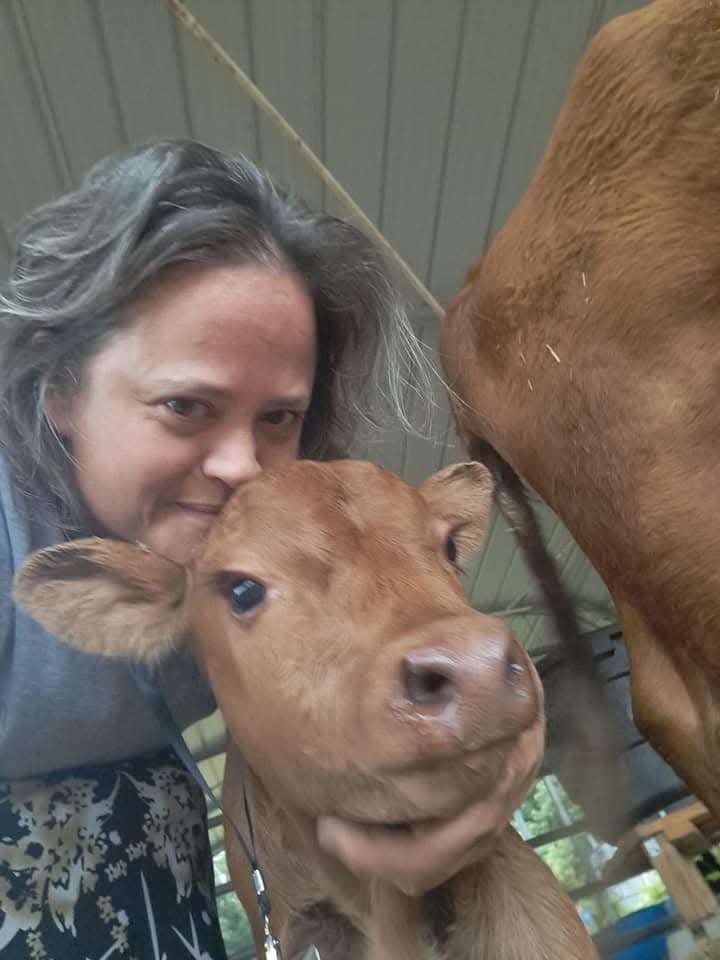
Have you ever tried rose veal? Until last year, I hadn’t either. Like a lot of people, the word veal immediately brought to mind images of calves confined in tiny crates. I wanted nothing to do with it. But after raising my own cattle and learning what rose veal actually is, my perspective completely changed. In fact, it’s the best beef I’ve ever eaten.
Rose veal isn’t the pale white veal most people think of. These calves are raised naturally, with room to run, graze, play, and nurse from their mothers. The meat develops a beautiful rosy color because the calves are active and eating a natural diet. They’re not confined or intentionally kept anemic to produce white meat.
The first calf we processed for rose veal was one of our five month old heifers. She was born with a spinal deformity that made her unsuitable for breeding. Our veterinarian believes it was likely caused by a viral illness during pregnancy and said it’s probably something we’ll never encounter again. As she grew, the deformity became more pronounced. The lump on her spine grew, and her back twisted from her shoulder blades all the way to the tip of her tail, causing her to walk at an angle. While she was able to get around, albeit a little unsteady on her feet, she thrived and enjoyed life alongside her brothers and sisters.
Five months of sunshine, pasture, and a mother’s milk. A life Shorter, but not lesser.
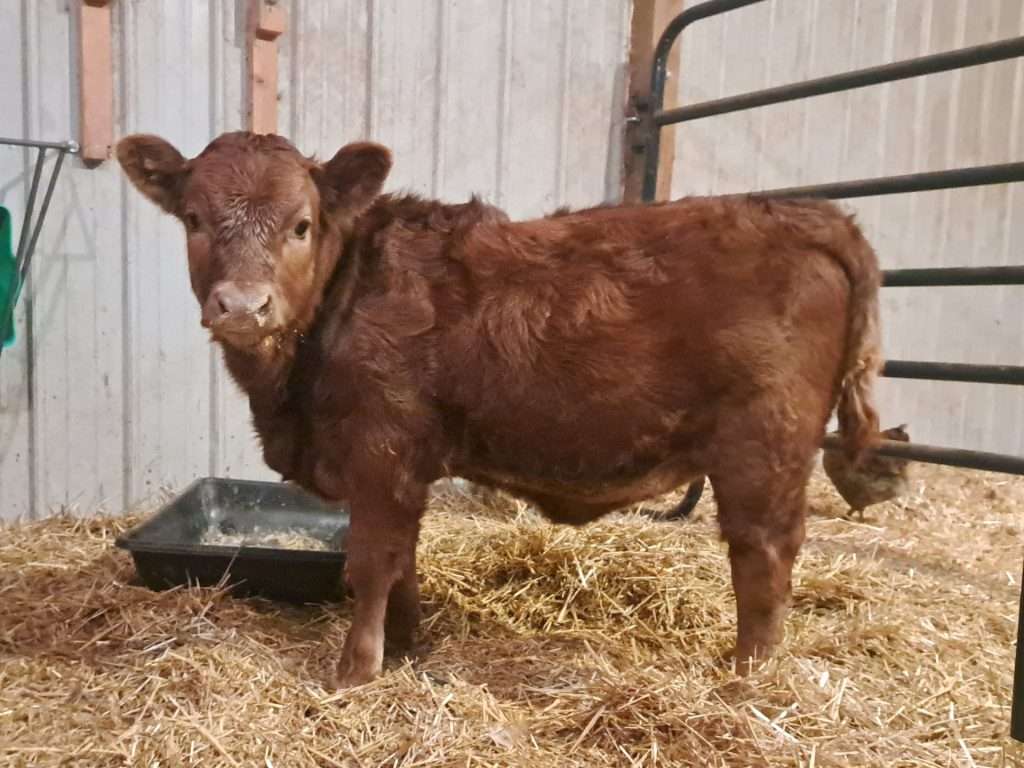
She was a cute little booger, too. But if you look straight up from her elbow and shift your eye slightly to the right, you’ll notice that little tuft of hair sticking up. That’s because she had a rather large lump along her spine. Now look at the beginning of her tail switch—the slight kink there is another clue. Her spine was twisted from the base of her neck all the way to the tip of her tail.
As she got older, we became increasingly concerned about what would happen once she started cycling. If a larger bovine mounted her during a heat cycle, there was a very real risk of a catastrophic spinal injury. It simply wasn’t a chance we were willing to take. When we took her to the processor, she was still nursing her mom while also grazing alongside the rest of the herd. She spent every day out on pasture doing exactly what calves are supposed to do. Her life was no different than any other calf on our farm, it was simply shorter.
Although she was happy and thriving, we knew the risks her spinal deformity would pose as she matured. Making the decision to process her early wasn’t easy, but we believed it was the kindest choice for her. The alternative would have been paying our veterinarian to come euthanize her and then burying her on the farm, which would have cost us around $150. In the end, not only did we save money, but we also gave value and purpose to an animal whose life otherwise would have ended without feeding anyone.
Her full story deserves its own post, and I’ll share that another day.
The next thing we had to consider was the cost. Most butchers charge a fairly large kill fee and offal fee on top of processing charges based on hanging weight. What many people don’t realize is that processors often have flat-rate pricing for goats and sheep, which are frequently about the same size as a young Dexter calf. One butcher I called charges $120 to process goats and sheep of any age or size. Fortunately, my processor gave me an even better deal. I paid just $90 to have her processed. She was 163 days old, weighed 274 pounds live, and had a hanging weight of 166 pounds.
In the end, we brought home just over 100 pounds of beef to stock our freezer. When all was said and done, our total cost came out to approximately 90 cents per pound of beef. It was a decision that not only made sense financially, but one that gave her life continued purpose. A decision well made.
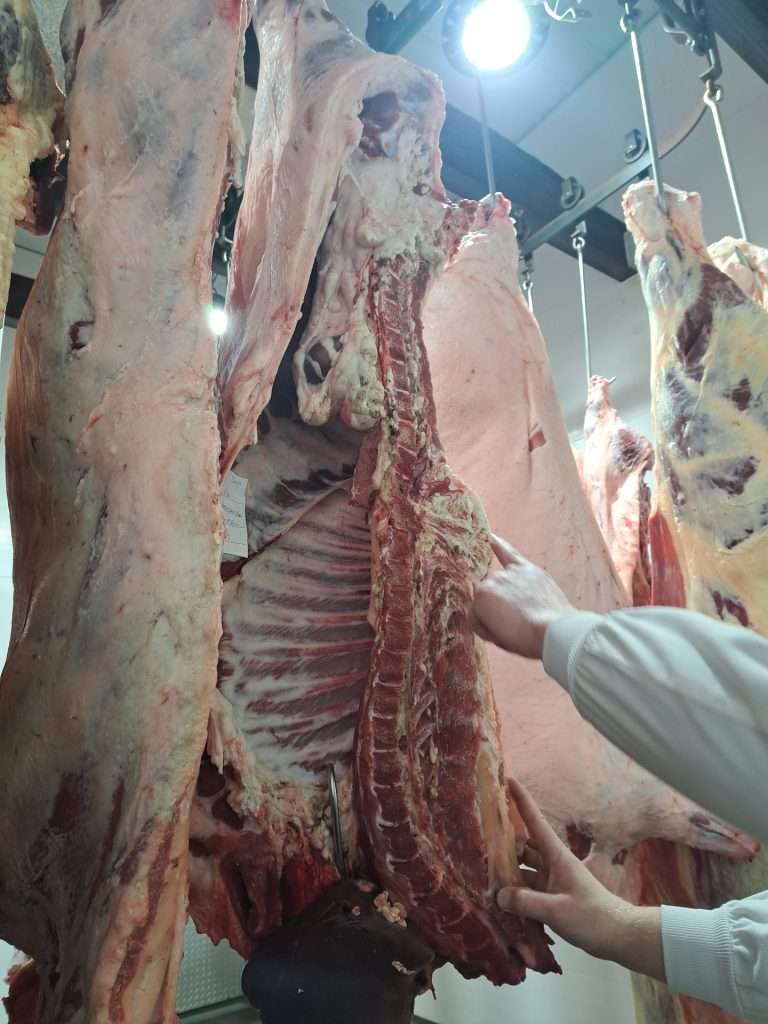
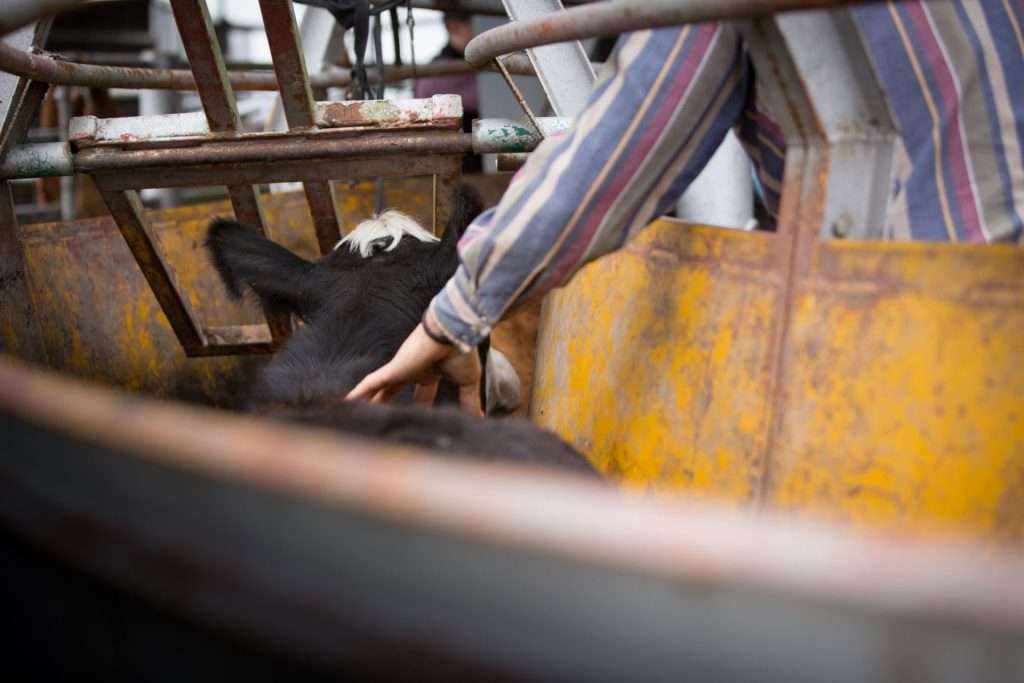
The butcher is pointing out the lump on her back. It turned out to be a mass of bone fragments and fat. You can see how the deformity had pushed and twisted her spine inward.
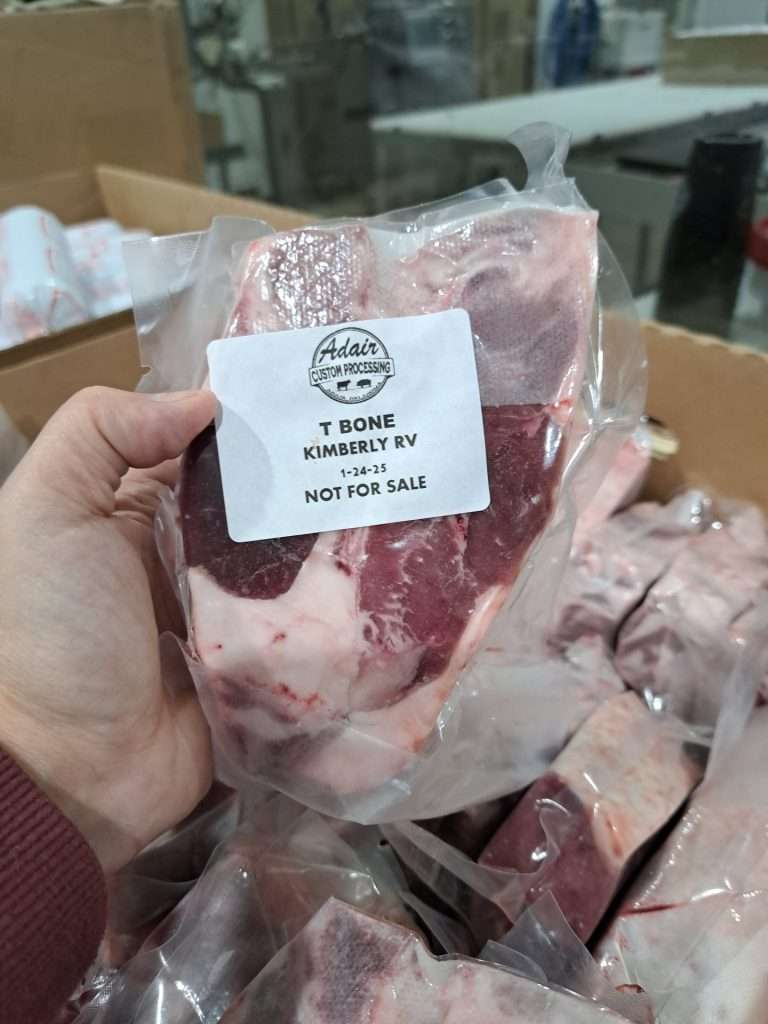
While we didn’t get a ton of beef back, we got far more than I expected. We chose all the usual cuts but had them cut a little thicker. The steaks were cut two inches thick and were the perfect size for one person. The roasts were about two pounds each. Every single cut was spectacular. The steaks were so tender we could literally cut them with our forks. The roasts were nearly as tender. The ground beef tasted just like what we’re used to from our two-year-old steers. The only noticeable difference was that it was slightly lighter in color than our typical Dexter beef.
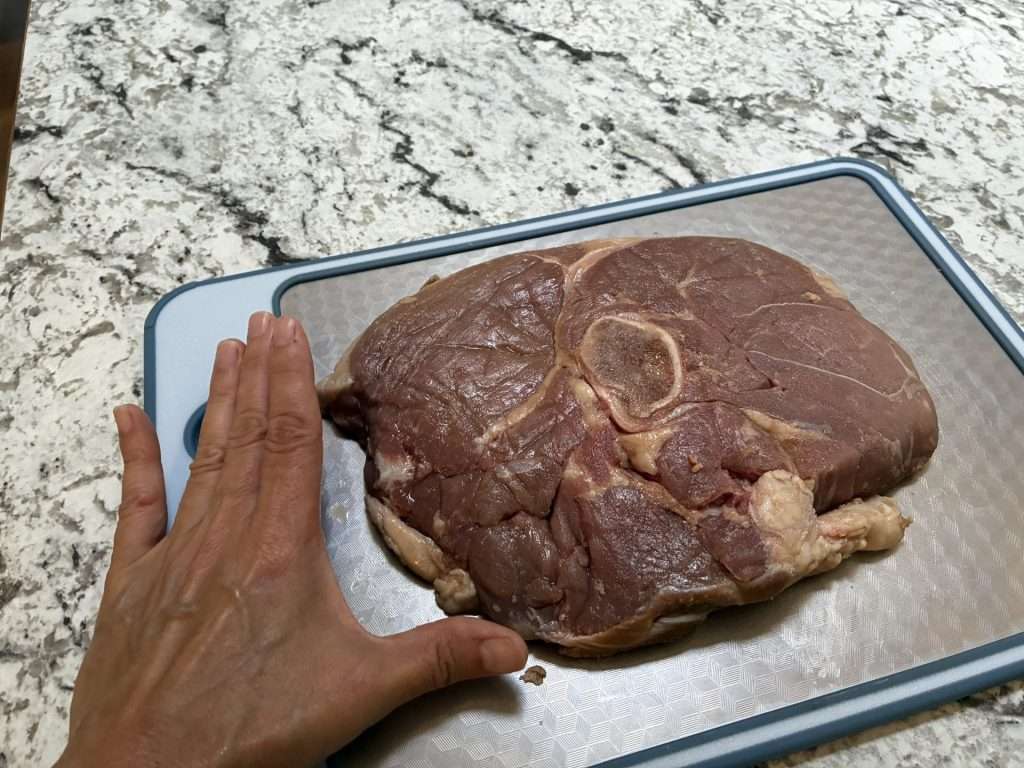
One of the cuts I brought home was a round steak. Normally, I grind round steak into hamburger because it’s simply too chewy for me. Many people mechanically tenderize it for chicken fried steak, but even then I usually find it tough. This steak was different. It wasn’t mechanically tenderized at all. I cooked it just like I would any other steak, fully expecting it to be chewy. Instead, it was incredibly tender with a rich, beefy flavor unlike anything I’d ever had. It completely changed my opinion of what beef can taste like.
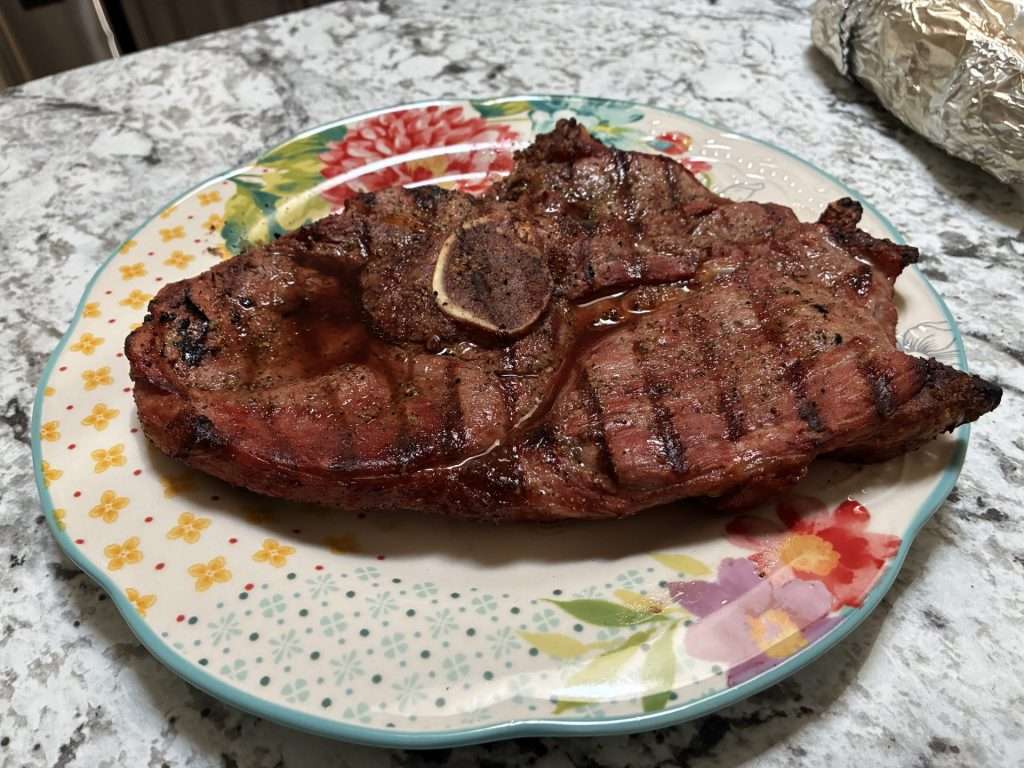
In fact, the entire experience had me secretly hoping our cows would have more bull calves than heifers so we could justify setting aside one or two for rose veal. If the day ever comes that we scale back our herd and only raise beef for ourselves, I may very well only raise rose veal. The only difference is that I’d probably wait until the calves were closer to eight months old for a higher yield.
Behind every cut of meat is an animal. The most respectful thing we can do is make sure that animal had a good life.
I understand why people struggle with the idea of eating a younger animal. It’s an emotional hurdle, and I don’t fault anyone for feeling that way. But I also think there’s value in understanding how that animal was actually raised instead of judging it by outdated assumptions. On our farm, every bovine is cared for the same way, whether it’s processed at five months, two years, or twelve years old. They all have access to fresh pasture, clean water, shade, and the opportunity to simply be cattle. Their quality of life isn’t determined by how old they are when their story ends. Rose veal isn’t about cruelty. It’s about producing exceptional beef from calves that lived good lives on pasture with their mothers.
If you’ve written off veal because of what you’ve heard in the past, it may be worth taking another look. Modern pasture raised rose veal is a completely different product. And if my experience is any indication, you just might discover the best beef you’ve ever tasted.
Kimberly Jepsen is the heart behind MooShine Ridge in Vinita, Oklahoma, where she and her husband, Kevin, have been raising dual-purpose Dexter cows since 2015. Their little farm store is a labor of love, offering Dexter beef, raw milk, and artisan cheeses made from their own cows. Kimberly has a deep passion for the Dexter breed and loves nothing more than sharing what she’s learned over the years whether it’s guiding fellow farmers, helping newcomers discover the joys of small-scale farming, or simply introducing people to the rich, creamy flavors of her handcrafted cheeses. For her, farming isn’t just a business, it’s a way to nurture animals, the land, and the community she cares about. https://mooshineridge.com/
Rose Veal The Best Beef You’re Probably Afraid to Try Read More »
Beef
In this episode I want to talk about the process of selling (what I refer to as) custom freezer beef/pork/lamb etc.
https://www.grazecart.com/blog/how-to-sell-freezer-beef-on-demand
How To Sell 1/4 Beef On Demand, Read More »
Selling
Minerals are very important!
We’ve shared several articles on the importance of minerals for your Dexters.
We are discussing it again, as it’s a very important topic for the health of your herd. We cannot express loudly enough how important minerals are for your Dexters. Loose minerals are better than blocks, as they can consume much more in loose form, than they can by licking a block. Minerals are made by several different manufacturers. As with anything, you get what you pay for. We esp. like the VitaFerm brand. Many companies offer minerals that target different seasons or issues, i.e. supporting the reproductive system during breeding, heat stress in the summer, selenium, high mag, and others. Consult with your vet, mentor or a feed rep, to determine what could be lacking in your area and thus what you need to support in your herd.
Some people have their hay tested, so that they can determine what they need to make up for in the minerals they supply for their cows.
Next, let’s talk about Kelp. We started using Kelp this year, for the first time. Thorvin Kelp, is an organic, natural supplement that is packed full of bioavailable minerals and vitamins. It can also be fed to other animals on your farm. The benefits of feeding Kelp to your herd are many. Some of those are improving breed back time, helping with weight gain, preventing foot rot & pink eye. It basically boosts the animal’s immune system. In turn, this helps lower your vet bills and helps keep your livestock healthier. Kelp can be fed free choice, alongside your loose mineral or it can be blended into a feed ration. Talk with your vet or feed rep, with any questions you may have for feeding Kelp to your herd.
Apple Cider Vinegar or ACV, is another tool that many use to help build up their animals’ immune systems. We prefer the raw ACV, with “the mother” in it. Some say it helps improve cattle health and feed utilization. Others say it also helps prevent and eliminate parasites and resist disease. It’s also been said to reduce horn flies, by making their skin more acidic. It’s going to depend on the size of your water troughs, on how much to add. One recommendation I found, is to mix in 1-2 cups of ACV, per 20 gallons of water or ¼-1/2 cups per 5 gallons of water. Sick or stressed animals can get more, double or triple the amount of ACV, however I would check with my vet, before increasing it too much.
Worming: There are several different types of wormers available, that target different types of worms and parasites. They come in pour ons, oral, injection and block or pellet forms. If you have pregnant or lactating cows, make sure the one you chose is safe to use on them. Ask your vet or a mentor. Some breeders have a yearly worming schedule.If you have a poorly looking animal that is thin & has a dull looking coat, or it might have diarrhea or blood in their feces, the first thing you may want to do is to gather a fecal sample into a clean container and take it to your vet for testing. This isn’t costly and it will tell them/you the correct treatment to use. The problem can range from the animal needing worming, to possibly having coccidia or another disease that needs treated.
A lot of our Country is experiencing high temperatures right now. Usually, any added stress to cattle, can lower their immunity to some things. Higher temperatures can be stressful on animals. If possible, consider moving or working your cattle, during cooler days. Weaning in the hot summer months can be especially stressful for calves. Consider waiting to wean, until cooler months. Make sure they have ample shade to get to, and keep fresh, clean water available, throughout the day.
Veterinarian: YES! You need to establish a veterinary relationship early in your Dexter journey. They are your first go to in an Emergency and for advice. They need to visit your herd and get to know them. This will benefit you & your herd, in the future. Oftentimes, once they get to know you and the herd, you can obtain advice via a phone call and pick up meds, etc. at their office. Like it or not, there will be an occasion where you need an emergent visit. Your investment in your cattle, is worth calling a vet out in an emergency. Lots of breeders, can give advice from experience, but nothing replaces the professional assessment and treatment of a veterinarian who is familiar with your herd.
We hope the ideas above, give you something to ponder, research and consider doing to benefit the health of your herd.
Getting And Keeping Your Dexters In Optimal Condition. Read More »
Herd Health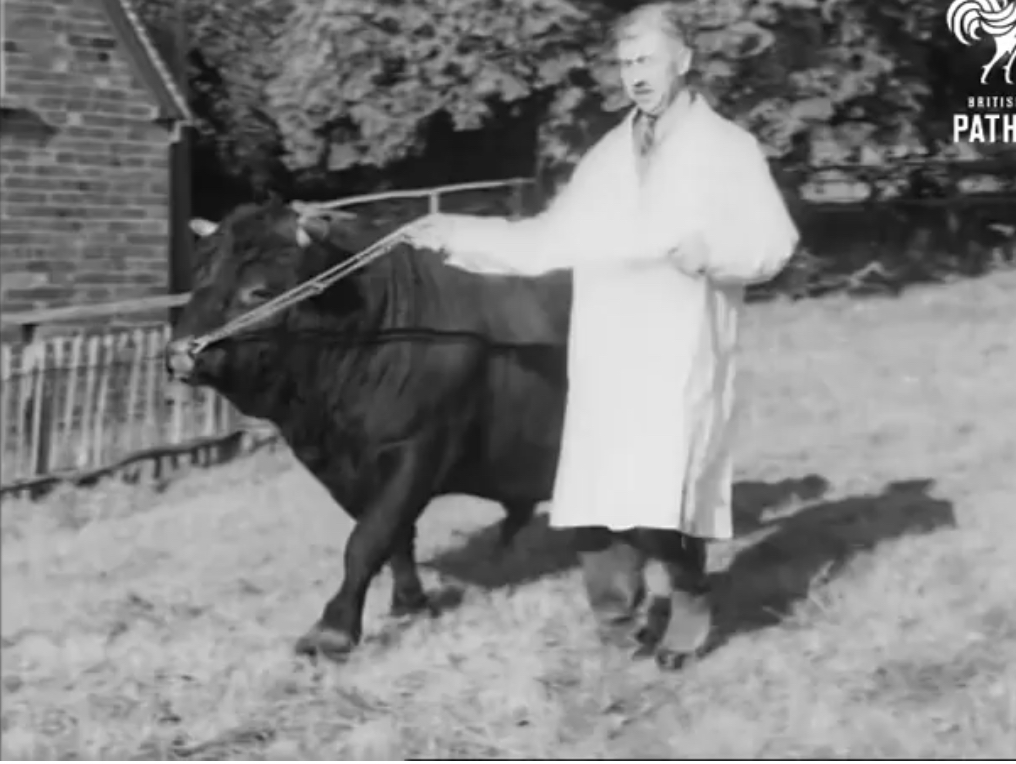
Enjoy this video from 1949 to see what a common herd of Dexters may have looked like at that time. It would be interesting to see what observations new people to the breed would take away from the video if they were to compare them to many Dexters now available for purchase.
Understanding where Your Dexters came from will Give you a vision for their future. Read More »
Historical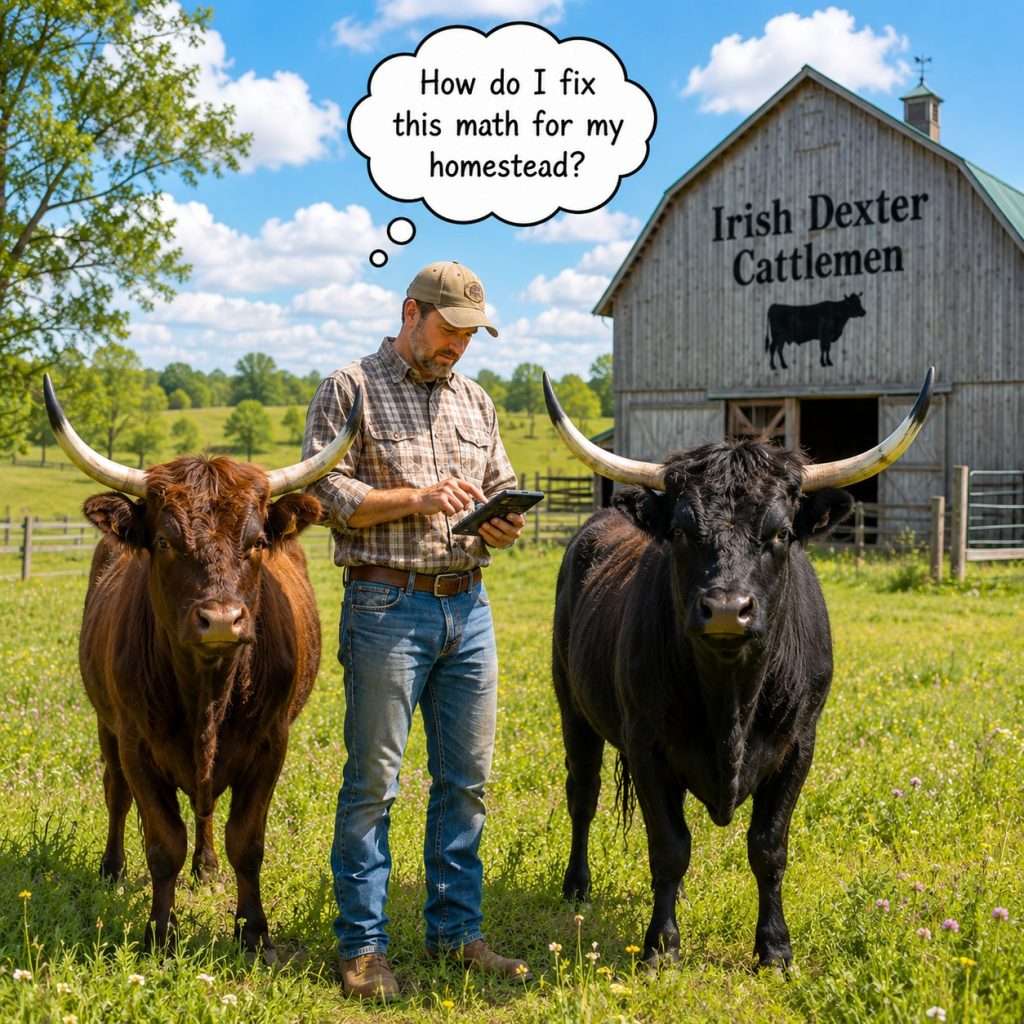
FIXING THE MATH OF HOMESTEAD BEEF Read More »
Podcasts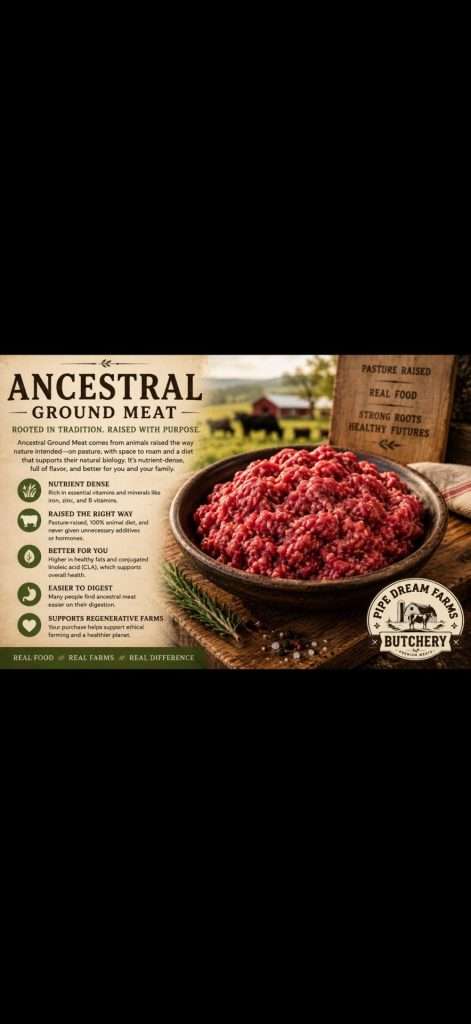
Ancestral ground beef is a simple way to enjoy more of what nature provides. By blending premium ground beef with nutrient-rich organs like beef liver and heart, you get the great taste of ground beef with an extra boost of essential vitamins and minerals.
Organ meats are among the most nutrient-dense foods available. They naturally provide vitamin A, B vitamins, iron, zinc, copper, and other nutrients that support energy, immune function, and overall wellness. Because the organs are blended in at a balanced ratio, most people enjoy all the nutritional benefits without noticing a strong organ meat flavor.
At Pipe Dream Farms Butchery, we believe in honoring the whole animal by making the most of every cut. Our ancestral ground beef reflects that commitment, offering a wholesome, minimally processed product that’s both delicious and nutritious.
Whether you’re making burgers, tacos, meatballs, chili, or spaghetti, ancestral ground beef is an easy way to add more nutrient-dense food to your family’s meals—without changing the recipes you already love.
Eat the way generations before us did: simple, nourishing, and full of flavor.
Why Choose Ancestral Ground Beef? Read More »
BeefThis is a follow up to the article last month. Seems like high grain diets maybe something to watch.
Liver Abscesses in Cattle Read More »
Beef
Cattle-based beef is still chosen in the marketplace about three times more often than plant-based protein alternatives
Give up meat? Not so fast Read More »
Beef
MISSISSIPPI ROAST (INSTANT POT / SLOW COOKER)
BEARDTASTIC RECIPES Read More »
Beef
Dexter beef is a breed of cattle that is known for its quality and taste. It is commonly known in foodie circles that Dexter beef is some of the tastiest around and really good to eat.
The Quality of Dexter Beef Read More »
Beef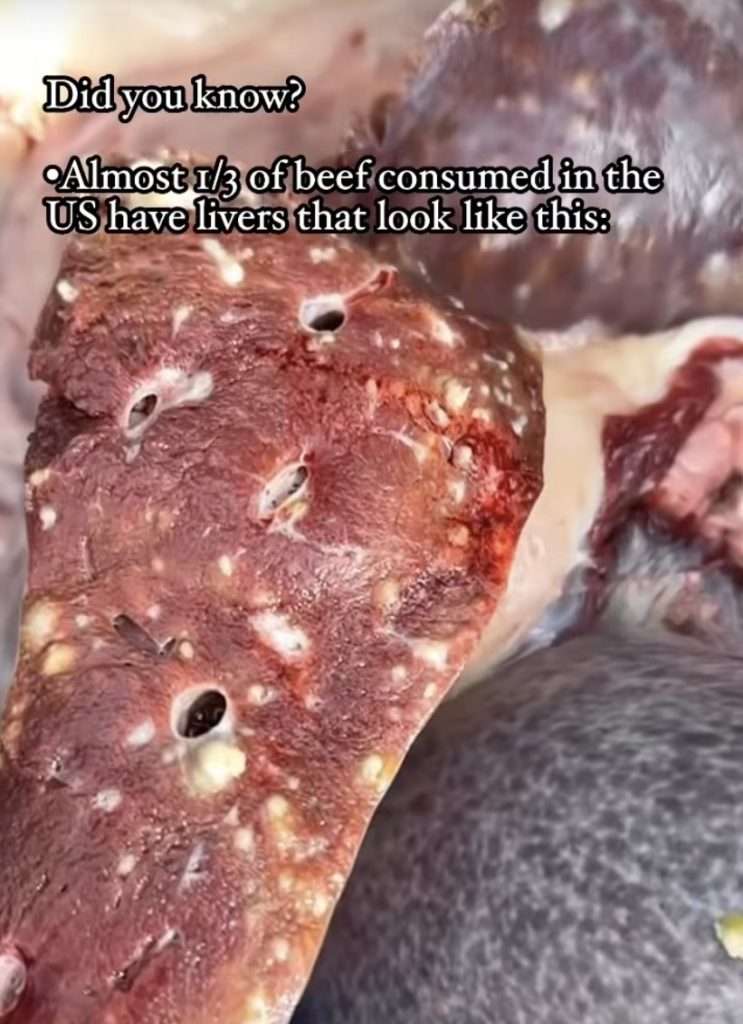
Recently someone complained about not getting their liver back for the processor. Turns out 1/3 of the beef liver may look like the one in this picture above.
This is from the folks at Backyard Butchery and a post from them on Facebook.
A few days ago I posted a video popping a gnarly liver abscess on a steer we processed.
I did not include much for context, mainly because I did not want to end up in a long drawn out grass-fed vs grain-fed debate. Also, because writing such a post requires a good amount of time, hence the now 4-day follow-up post.
So I will preface this post accordingly: as a business, we respect your decision to feed your animal however you choose. (As long as it’s getting fed, we do not care.) You’re the one eating it, after all!
However, what you saw in the previous video, and below, is 100% from an unbalanced diet of “hot feed” grains.
“Hot feeds” are easily digested, high-energy feeds, such as grains like wheat, corn, barley, & sorghum.
*It is important to note that alfalfa is also considered a “hot feed” & should be treated as such- seasonally, with bloat precautions. (I personally feed a lot of alfalfa hay, with zero concerns of liver abscesses.) Feeding alfalfa will increase heat due to those same high digestibility & energy content properties, but is otherwise considered non-problematic because it does not cause acidosis or gut issues the way that grains do.
In the first video I posted, the steer was heavy corn & sweet feed fed for an extended period of time.
In the video below, you see a different type of abscessed liver in a bull (from a feedlot) fed a ration of 50% corn & 50% alfalfa pellet. Both animals referenced with infected livers were young, under 3yrs of age. I can not tell you their breeding, as that information is unknown.
The USDA does NOT deem this meat inedible, only the liver itself. It can extend into the skirt steak & hanger steak areas, which, if affected, would also be thrown away, & the rest of the animal would be processed as normal.
In both cases, we showed our clients the liver, allowed them to contact their large animal vet, & make a decision for themselves. In both cases, vets were unconcerned for the safety of the meat & animals were processed accordingly.
Now, as someone who primarily processes meat for smaller producers & homesteaders, what came as a shock to me was just how commonplace infected livers are in other butcher shops, all over the country. So much so, that I posted the original video in a butcher group online asking the question “How often do you see liver abscesses in your area?”, & the responses I received back left me dumbfounded.
Comments from other whole animal butcher’s included, but not limited to:
-“Every day.”
-“Every Friday on kill day.”
-“When I was inspecting at a high speed facility it was very common to see in both fat cattle and cull cows.”
-“Usually in grain fed in volume and/or for an extended amount of time.”
-“I’ve seen it a lot on the slaughter floor in cattle on grain for 12 to 18 months. Offal condemned was very high.”
-“Get it heaps but never really that bad.”
-“Saw it 10+ times a day in abattoir, caused by grain feeding.”
-“Yes here and there unfortunately”
-“They call that too hot of feed meaning too much corn grain not enough roughage.”
*Pic in comments
This naturally led me to diving head first into a rabbit hole on the topic of liver abscesses & what little information I could find on what is ironically, a huge problem in the industry.
20-32% of beef processed has what we call in the industry, “avocado liver”. (Yes- it has a nickname among butchers.) What is SO disconcerting to me, personally, is how “normal” this is that nobody has even considered that maybe… it isn’t?
A further breakdown:
“According to Michigan State University Extension, liver abscesses are not a new issue, having been associated with cattle consuming primarily grain-based diets as early as the 1930s. But they remain a costly challenge.
Michigan State Extension Beef Specialist Jerad Jaborek noted that livers condemned at slaughter represent an annual loss to the U.S. beef industry of more than $60 million. And that does not take into account the approximately 5-15% ding to average daily gain, and 9.7% reduction in feed efficiency they also actuate.
Further costs are incurred at the harvest level, where carcass tissue around an infected site may need to be trimmed by hand, and a burst abscess can cause chain stoppage in a plant for an hour or more.
Liver abscesses are also on the rise. According to the National Beef Quality Audit 2018, the incidence of liver abscesses in finished animals had risen from 9.9% in 2010-11, to 19.3% in 2016-17. This piles more issues onto the plate of concerns about the issue, because feeding an antibiotic – most commonly tylosin phosphate – is currently the most effective strategy to control the problem.
But more liver abscesses means more prophylactic antibiotic use, at a time when regulatory bodies and consumer groups are calling on livestock producers to reduce their antibiotic use in food animals, not raise it.”
How they emerge on a scientific level:
“Liver abscesses are discrete circumscribed focal sites of bacterial infection within the liver parenchyma, generally due to bacterial translocation from the rumen through the portal circulation to the liver. The causative organism is almost always Fusobacterium necrophorum. Prevention of the causative rumenitis, by minimizing high grain rations, is generally effective as a herd health strategy. Treatment of individual animals is generally not pursued as clinical signs are usually absent; although affected animals do not gain weight as well as healthy cattle, liver abscesses are generally an incidental finding at slaughter.”
For those of you seeking “evidence”:
Please scroll through the screenshots here directly from the USDA website, of a study done on the subject of liver abscesses and their cause, dated March 20, 2024.
“Most people associate liver abscesses in cattle with a high-energy diet. The theory is that when cattle are fed elevated grain levels, highly fermentable starch in the rumen is rapidly fermented by bacteria, causing a drop in rumen pH. This acidity causes damage to the rumen lining, allowing bacteria to travel into the blood, reaching the liver and other organs where they can cause infection. However, it is still unknown with accuracy the exact route that these bacteria take to cause infection or injury to the liver.
The study confirms that an acidotic diet, combined with bacterial inoculation in the rumen, can be used as a model to induce liver abscesses. However, further research is being conducted at USDA to determine the consistency of the model before it can be used to evaluate new interventions to prevent this complex infection.”
You DIDN’T get your liver back…maybe this is why? Read More »
Beef