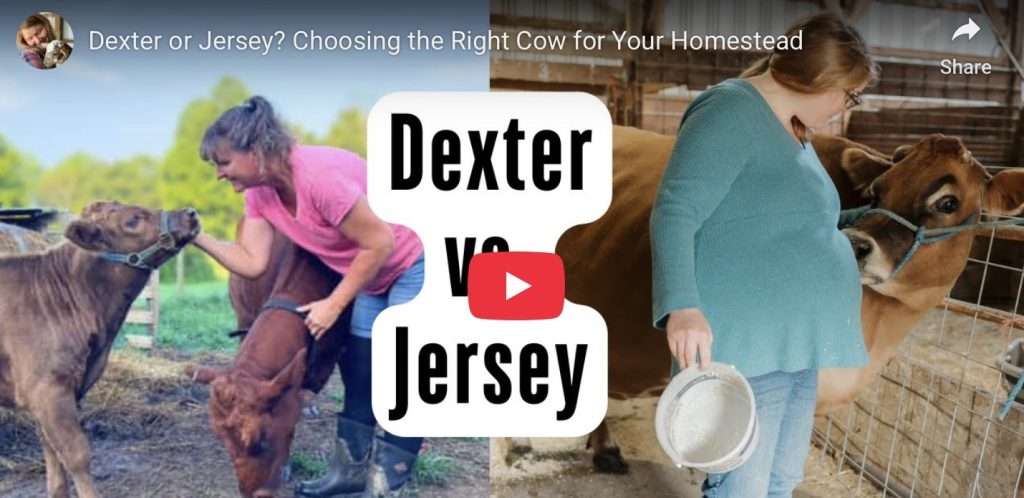
DEXTER OR JERSEY? CHOOSING THE RIGHT COW FOR YOUR HOMESTEAD.
Interesting joint video on the merits of the two breeds.
DEXTER OR JERSEY? CHOOSING THE RIGHT COW FOR YOUR HOMESTEAD. Read More »
HomesteadingInformation on Irish Dexter beef
Interesting joint video on the merits of the two breeds.
DEXTER OR JERSEY? CHOOSING THE RIGHT COW FOR YOUR HOMESTEAD. Read More »
Homesteading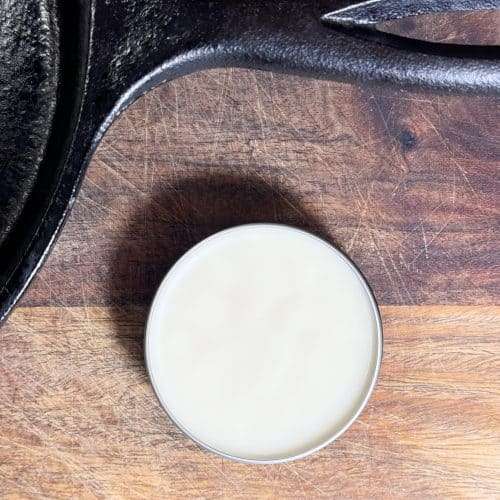
We have always purchased this kind of product for our pans. Well not anymore.
BEEF TALLOW PRODUCTS….Don’t forget your skillet maintenance products! Read More »
Beef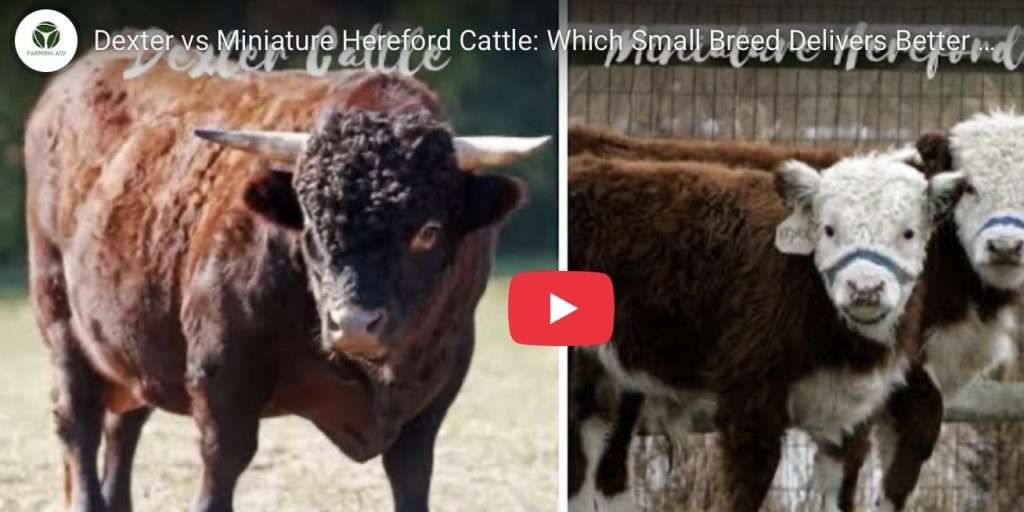
Who wins the crown? An interesting and fair comparison. I think you know who takes the crown!
BREED COMPARISON….DEXTER VS MINATURE HEREFORD Read More »
Homesteading
Here is a good video that gives you some food for thought. Interesting history on the price relationship. Are we valuing our Dexters herds like history has valued the cattle market?
Another thing to think about is we produce a dual purpose animal. There’s value in both the milk and the meat!! This video is really speaking only to the meet when you add the milk and it’s value you get a whole different perspective.
PRICE OF GOLD AND THE PRICE OF CATTLE Read More »
Selling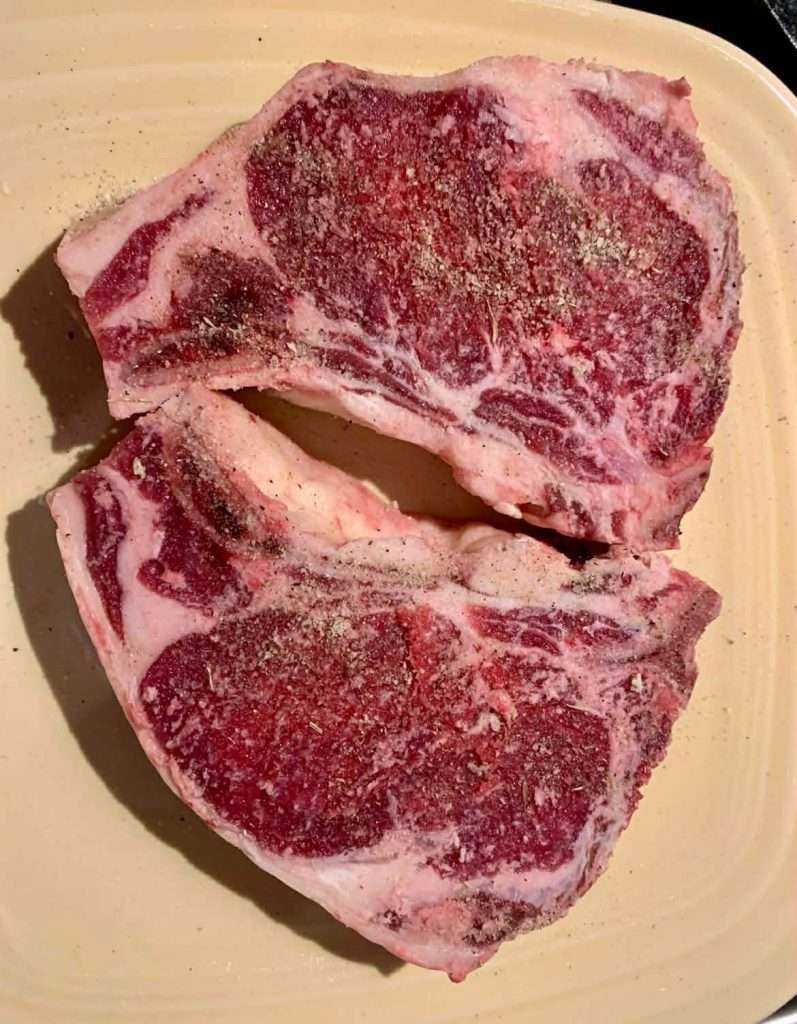
By David Payne
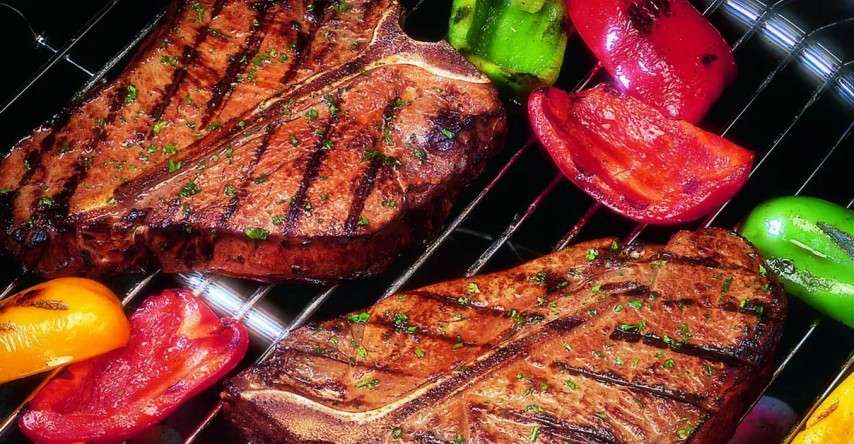
Selecting the finest cut of beef is a debate as old as butchery itself. From white-tablecloth steakhouses to backyard grills, opinions are plentiful and fiercely defended. Yet when judged by flavor, tenderness, and overall culinary performance, one cut consistently distinguishes itself from the rest: the ribeye.
⸻
Defining Excellence in Beef
To identify the best cut on a cow, one must first establish the criteria. A truly exceptional cut should offer:
• Pronounced, natural beef flavor
• A tender but substantial texture
• Reliable juiciness
• Adaptability across cooking methods
While many cuts excel in one or two of these categories, few succeed in all. The ribeye does.
⸻
The Anatomy of Flavor
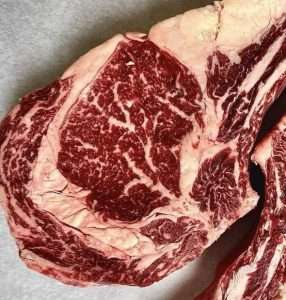
The ribeye is sourced from the rib section of the animal, an area characterized by minimal muscle exertion. This anatomical advantage allows for the development of extensive intramuscular fat, commonly referred to as marbling.
Marbling is widely regarded as the primary driver of flavor in beef. As the steak cooks, the fat slowly renders, permeating the muscle fibers and producing a depth of flavor that is both rich and unmistakably beef-forward.
⸻
Tenderness with Substance
Unlike ultra-lean cuts such as filet mignon, which prioritize softness at the expense of flavor, the ribeye achieves a rare balance. It is tender enough to require minimal effort at the table, yet structured enough to provide a satisfying, hearty bite.
This balance makes the ribeye particularly appealing to diners who value both texture and intensity.
⸻
A Cut That Rewards Simplicity
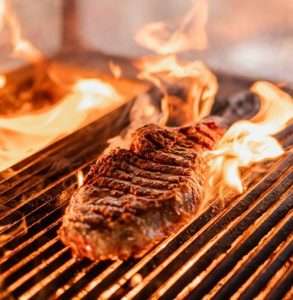
Another defining virtue of the ribeye is its forgiving nature. The generous fat content acts as a natural safeguard during cooking, reducing the risk of dryness and allowing for a wide margin of error.
Whether prepared rare or medium, grilled over open flame or seared in cast iron, the ribeye maintains its succulence with minimal intervention. Salt, heat, and time are often all that is required.
⸻
Bone-In or Boneless: Two Expressions of Excellence
The ribeye is available in both boneless and bone-in forms, each offering a distinct experience:
• Boneless ribeye provides ease of preparation and uniform cooking.
• Bone-in ribeye, including cowboy and tomahawk steaks, delivers enhanced flavor and visual impact.
Both versions exemplify the cut’s inherent strengths and remain staples of high-end steakhouses worldwide.
⸻
How It Compares to Other Premium Cuts
Other cuts deserve recognition for their individual merits:
• Filet mignon offers unmatched tenderness but limited flavor.
• New York strip delivers a firmer texture with less marbling.
• T-bone and porterhouse provide variety but require careful cooking to manage uneven thickness.
• Brisket, while transformative when slow-cooked, demands time and expertise.
Each excels in specific contexts, yet none match the ribeye’s consistency and immediate gratification.
⸻
Conclusion
The ribeye represents beef at its most complete: deeply flavorful, reliably tender, and remarkably versatile. It requires no elaborate preparation to impress, standing confidently on its own merits.
For those seeking the purest and most satisfying expression of beef, the ribeye remains—decisively—the finest cut on the cow.
The Ribeye: Why This Cut Reigns Supreme Read More »
Beef
The Wranglers at Irish Dexter Cattlemen are pleased to announce that we have a butcher on our team now! The folks at PipeDreams Butchery, located near Memphis TN, will be writing articles, doing videos and more. They are familiar with Dexters, as they used own them, milk them and breed them.
They are active on our Facebook group, so if you have a question about processing and post it…don’t be surprised if they answer you. If you have things that you would covered from a butchers perspective, please let us know and we will try to get it covered for you. All contributions, will first appear in the free monthly newsletter and then be archived in the membership Gazzette.
We personally use them for all our processing and are very happy with our cuts, the feedback on our animals and extra services including sausages, ancestral beef, smoking and curing. Very excited to have them participating in our beef community!
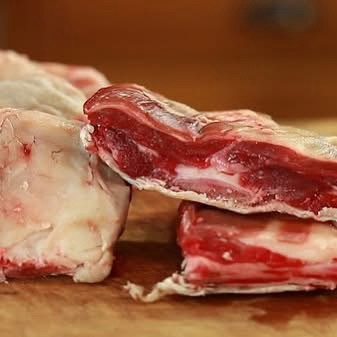
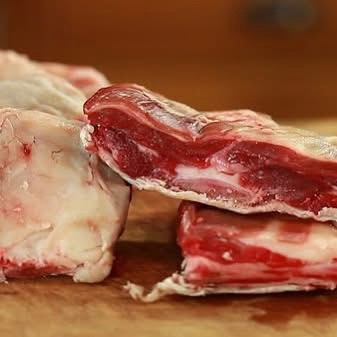
St. Patricks Day is coming up, and what better way to celebrate the day than with some home cooked, Dexter corned beef! The link below is to a recipe I’ve been using for several years with great success. Corning is a traditional way of curing beef meat. It does take time, so you want to give yourself 5-7 days. This recipe does not use curing (also called pink) salt so it is nitrate free. You can add beets if you’d like the traditional color, or leave them out for just as tasty (though less colorful) corned beef.
https://www.growforagecookferment.com/how-to-make-corned-beef/
Corned Beef Recipe Read More »
Beef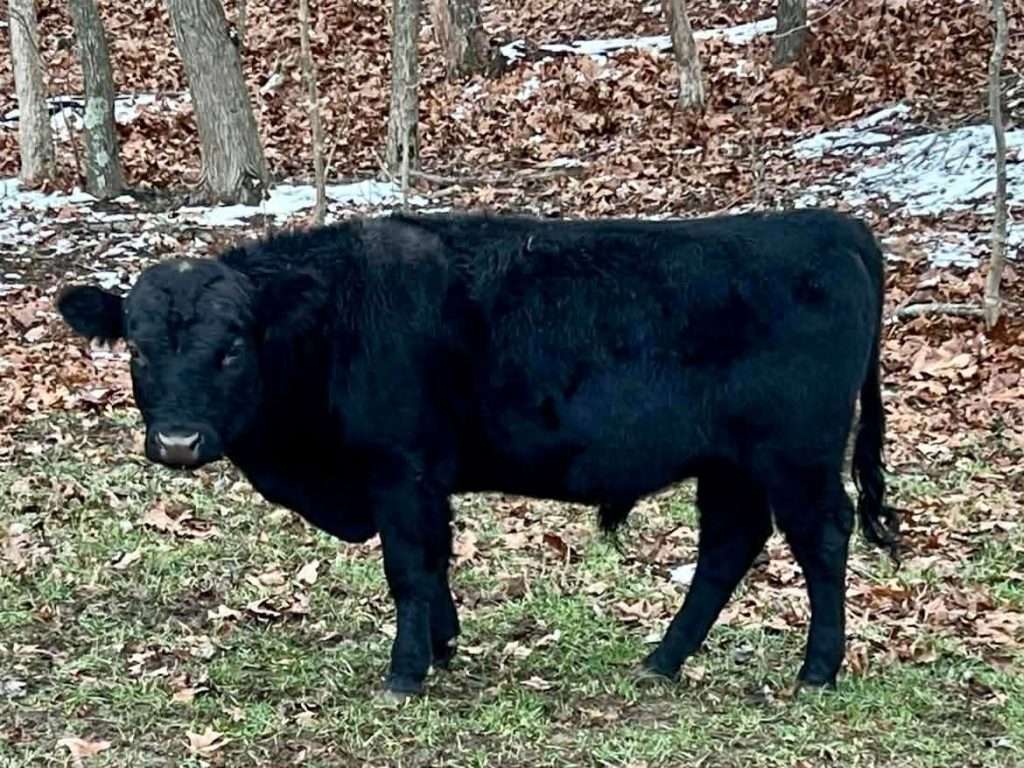
COVID. It sucked. No matter what aisle of the plane that you sit in, even if you just want to stand in the middle, it sucked. There was tragedy, heart ache and despair. Some are still recovering. Some never will. All that said, it was eye opening for me. An introvert by nature (though very few of those that meet me will agree with that description), COVID was somewhat of a respite. It forced, for better or worse, solitude. For me, it brought peace. It got me thinking about our world and my place in it. It was time to start questioning old habits and accepting the norm. It was time to start doing.
Where do I start? As my late Dad would say, at the beginning. I started to look for property in a rural area. That was my first mistake. I didn’t have a solid foundation as to what I wanted to do. I looked at field, woods, and pastures. Some had homes, and others did not. About all of the properties were a good distance from where I lived and some were located in other States. After becoming exhausted and frustrated, I realized that my search was futile. I needed to establish what I wanted to do and with what animals.
My initial thought was horses. My thought is I could breed horses, and/or run a boarding business. It was my wife, ever the cynic, who asked the first pointed question. “Do you know how to ride a horse?”
Contrary to popular opinion in my household, I was a seasoned equestrian and rodeo champion. At least in my mind I dreamed I could be. That said, I scheduled horse back riding lessons. While I enjoyed the lessons, and riding, I started to think it was going to take a lot of time and experience to take other people’s horses in and provide appropriate care. But alas, fate had other plans. My wife quit asking about trivial things such as my ability to take care of horses and we sold our home and bought a home with horse stables and acreage. For me, it was heaven.
Then reality set in. I remembered what the goal was. The goal was to raise our own food. Horses would be welcome, but horse meat will never be in our diet.
The internet, love it or lump it, is a source of a great deal of information. I play the game. In that, I mean, I disregard all the “great” comments, and all the “terrible” comments and seek the middle, I tried to not seek articles that I favored but cast a wide net looking for neutrality. Just the facts, ma’am. What I found intrigued me. Dexter cattle. Ideal for beef, milk, and smaller areas of land. Hearty animals and docile in nature. Not miniature, but smaller in stature. Less intimidating for the new and not an animal that has to be considered a pet.
I compared to different breeds. I was intrigued by grass fed and milk that many argue is better suited to sensitive stomachs. Not only for feeding my family, but the potential of feeding others. I was not looking for marketing gimmicks but trying to fit a niche. My niche. I was told finding the acreage was the hardest part of raising cattle. I can say with 100% certainty, that is a lie. But I am having so much fun living my dreams with our Dexter cattle.
A little bit about the author for those who have read this article or maybe even the first article and scrolled to the bottom of this article just to see if someone had the guts to admit writing this. I own and operate a small farm called “Our Yellowstone LLC” in Illinois. I couldn’t do it alone, but will keep my wife’s name out of it to protect her innocence.
DEXTER CATTLE – JOY, LAUGHTER, AND HEARTBREAK PART II Read More »
Selling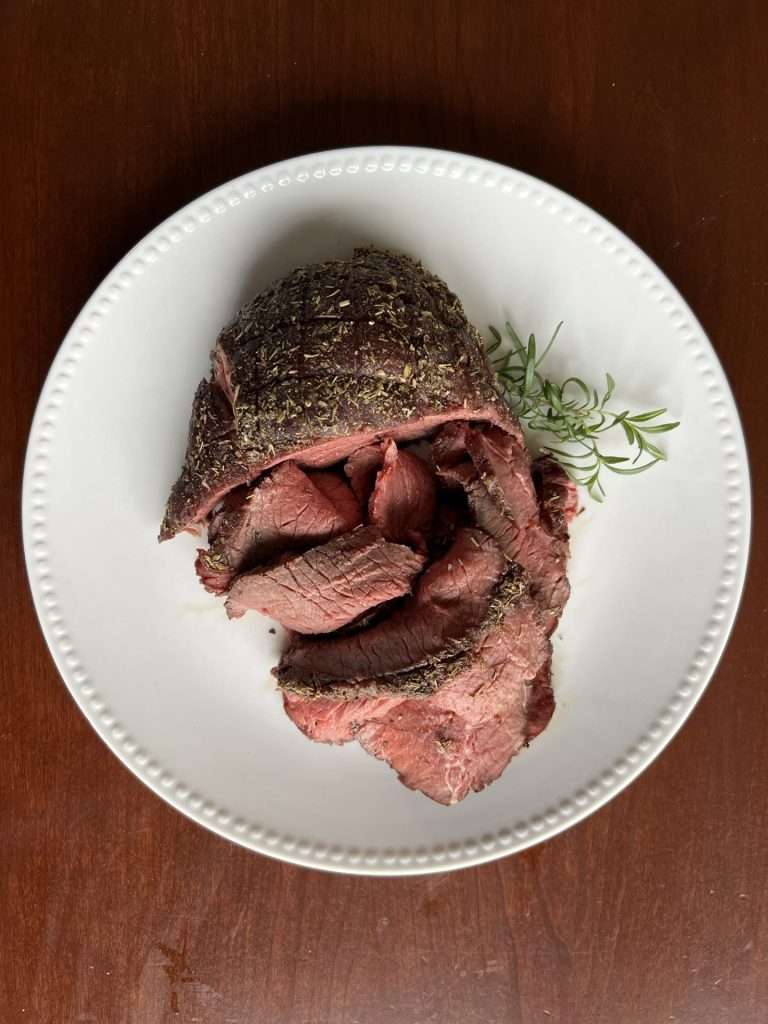
We’ve been raising our own beef for years. Before that, we raised rabbit and chicken, and hunted deer to fill our freezer. It’s been so long since we had to purchase meat from the store, I forget how lucky we are. Especially now that we raise Dexter cattle.
I’m always pleasantly surprised when we get feedback from our beef customers. I take for granted that we get to eat beef this flavorful and tender on a regular basis. My all time favorite message from a new customer is this: “Your beef is fantastic. It tastes the way I remember beef tasting in my childhood.” Delicious beef, reminiscent of a slower time.
A new customer just a few weeks ago texted, “beef is awesome! Color and texture is amazing.” This is really a confirmation of our goal to improve tenderness. The flavor has always been top notch, and we’ve been refining tenderness and marbling with success! Being grass-fed only, this has taken a longer road to accomplish, but what satisfaction!
Another customer recently wrote, “Thank you!!! It’s literally the ONLY meat I trust eating myself or feeding my kids!!!” We are so grateful to be trusted in this way! Our little Dexter cows really make this possible, with their great foraging skills, and ability to convert that forage into flavorful, tender, and nutritious meat for our community.
Have you tried Dexter beef? If not, you really don’t know what you’re missing. But, don’t just take my word for it! Find a Dexter beef producer in your area. We can help with that. Head over to the Irish Dexter Cattlemen Marketplace to look for beef in your area. Keep checking back as we add more producers from across the US.
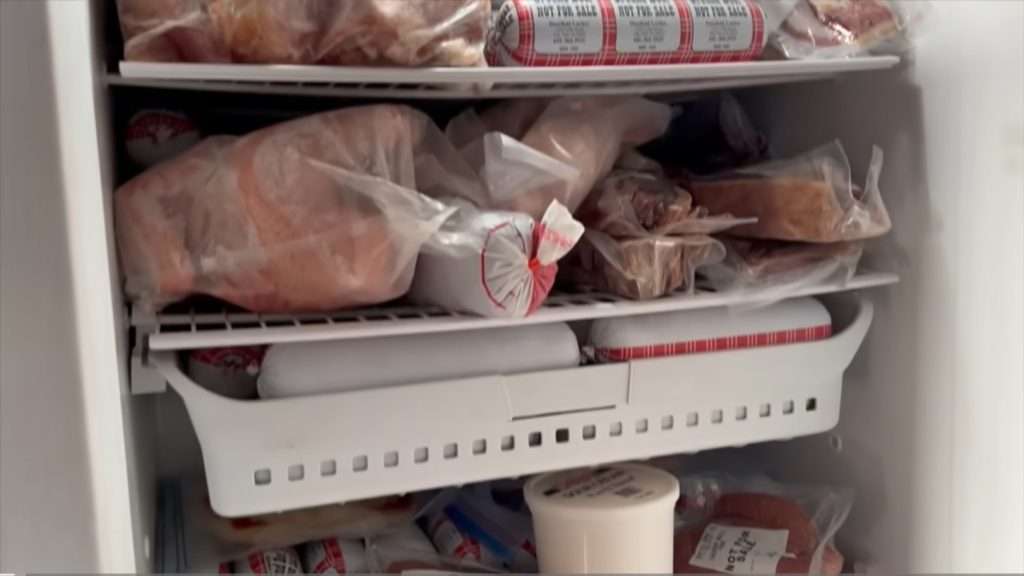
Here is a really good podcast about what you and your customers should expect when getting a cow processed . It can be intimidating to buy beef in bulk for the first time. Share with your customers to help them fully utilize a whole or half cow, which is a big (and worthwhile) investment.
Please keep in mind that these numbers are for a standard breed cow. The numbers for the Dexter will be less, but the return will be a higher ratio. Dexter ratios are closer to 60-65% with less inputs, easier on pastures and a whole lot of personality!
Eat Your Way Through a Cow, Episode 1 Read More »
Beef
Grass Fed beef is higher in beta carotene, vitamin E, conjugated linoleic acid (CLA) and omega 3 fatty acids
Health Benefits of Grass-Fed Beef Read More »
Beef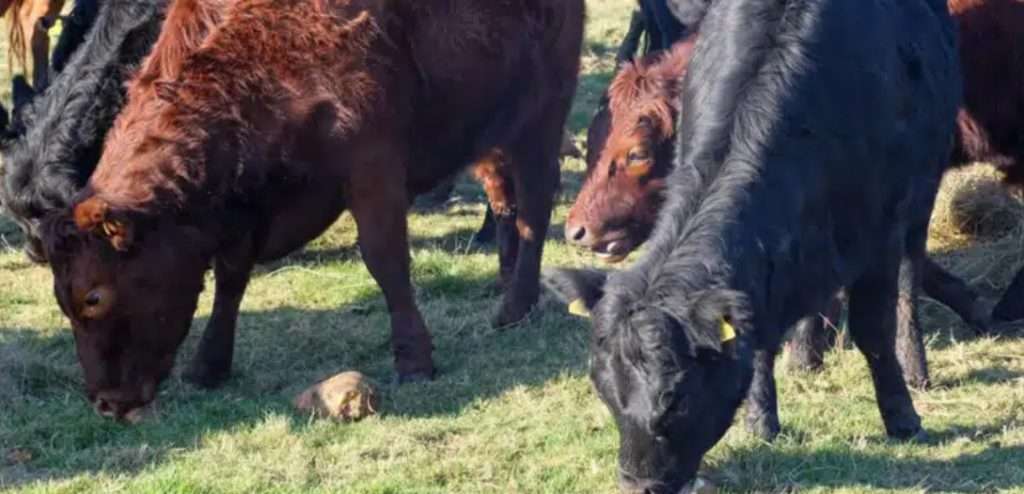
Dexter beef is a breed of cattle that is known for its quality and taste. It is commonly known in foodie circles that Dexter beef is some of the tastiest around and really good to eat.
The Quality Of Dexter Beef Read More »
Beef Selling
”With the rise of farm-to-table eating and artisanal meats many diners are seeking out flavorful beef from non-commercial cattle breeds. One such breed gaining popularity is Dexter beef a tender, succulent meat from small, hardy cows native to Ireland.”
https://redtablemeats.com/fresh-meat/beef/what-is-dexter-beef
What is Dexter Beef? Read More »
Beef
This podcast covers some of the questions we all have when starting out with cuts from our Dexters. The cuts will be the same…just different overall yields.
They have some interesting ideas for selling to your customer base.
Cutting up The Beef podcast Read More »
Beef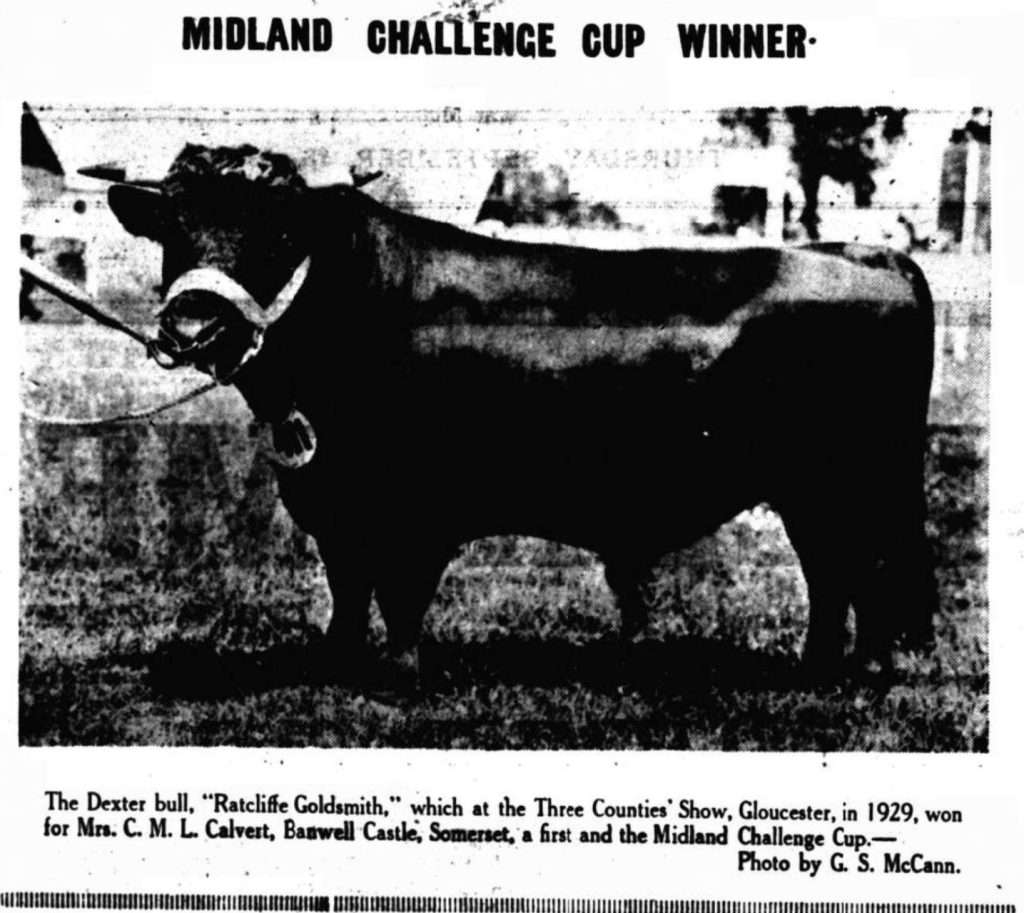
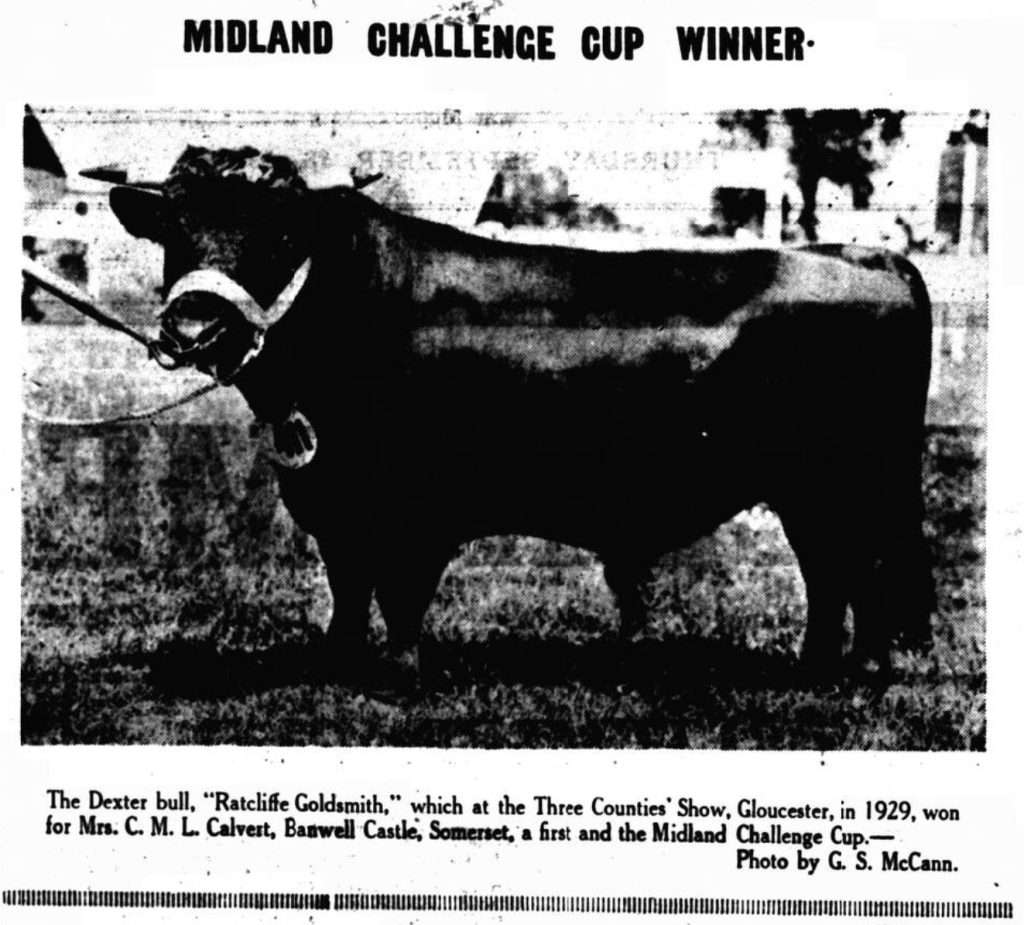
Dexters are well known as Irish Dexters even if many other points about them are debated. The above bull though registered with the Dexter Cattle Society is an Irish Dexter with a “fine type and constitution” as the article states. I checked, he certainly was owned and breed by Mr. W. Lindsay Everard of Ratcliffe. This article holds true to the fact that Dexters are known to be of a small type of cattle. That very small cattle were known to roam Ireland before “Mr. Dexter” was ever penned in History. In Kerry there was known to be some of the smallest type of cattle one can imagine, long before Dexters were ever established or organized into a true breed. So small of an animal that it is mentioned in this paragraph, but yet still producing 2 gallons of milk a day is a marvel indeed. The brown article was written on 14 Nov 1929, it’s from the Western Daily Press Bristol. The picture was taken from a later newspaper published in 1930. Though the Dexter was well known to produce ample milk and was “closely allied to the Kerry breed and very similar to it in general appearance.” The differences being that “Dexters are “more stoutly built and rounder in their contours”.
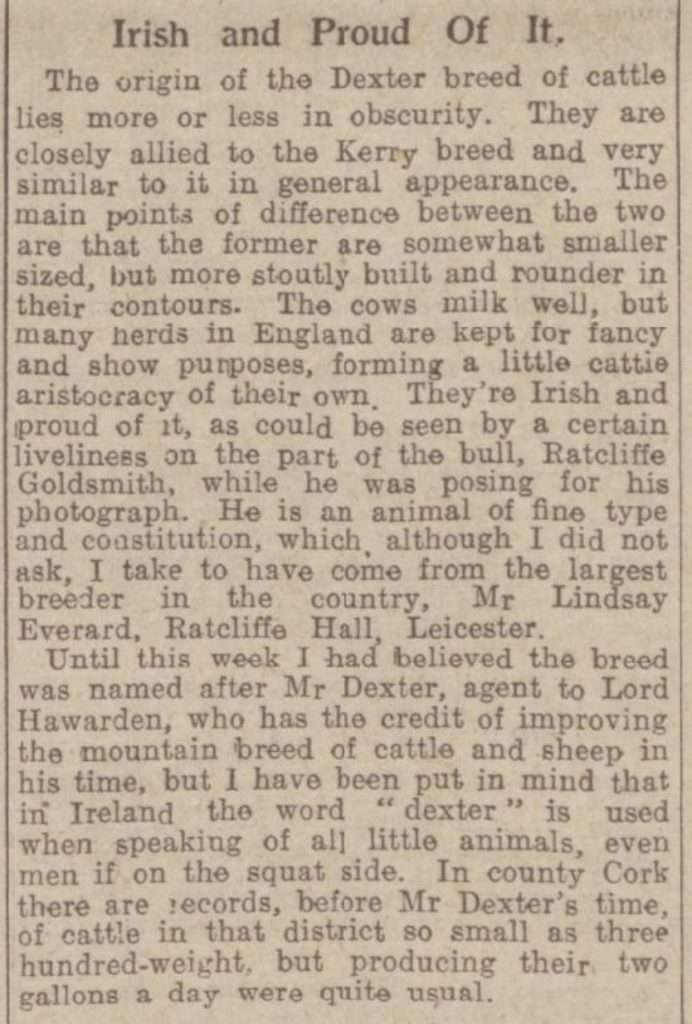
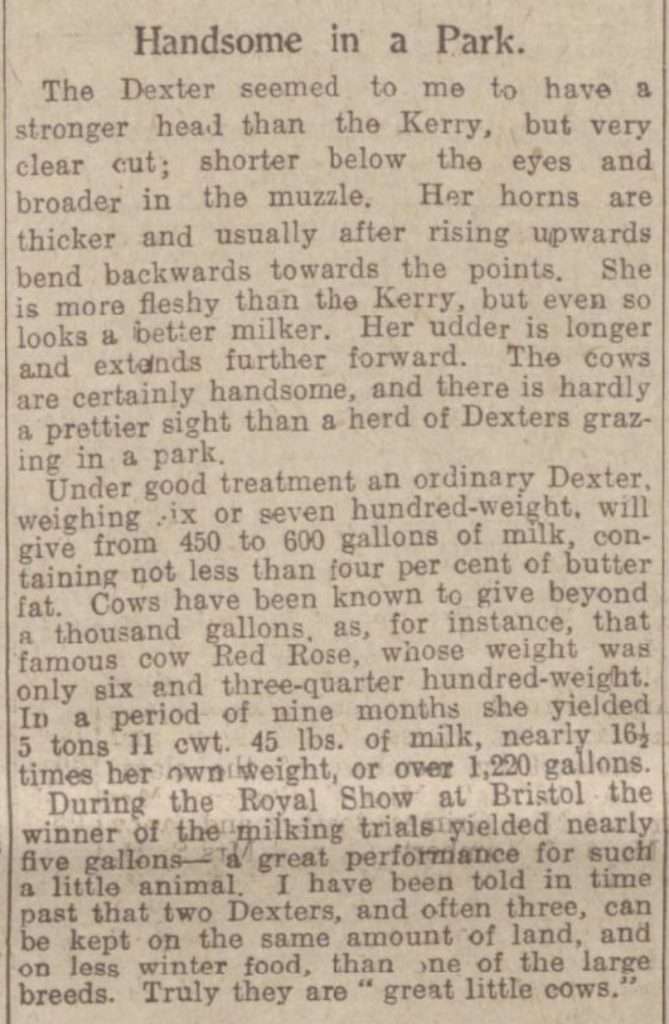
The Dexter has a “stronger head than the Kerry, but very clear cut, shorter below the eyes and broader at the muzzle”. The description of her horns are as follows ” Her horns are thicker and usually after rising upwards bend backwards towards the points”. It is interesting to note that she is even fleshier than the Kerry but was thought to look a better milker than the Kerry. Short cows with large udders seem to showcase the udder in a much more extreme way than a longer legged cow though the udder could be of the same size. The article really goes on to highlight the excellent milking attributes of a Dexter to great lengths. A point worth mentioning is that “there is hardly a prettier sight than a herd of Dexters grazing in a park”. I personally can’t help but look out at my hills and know this rings true to me today, just as much as it must have to the writer of this article in the past! Dexters truly are practical and beautiful when bred for all these amazing Historical traits!
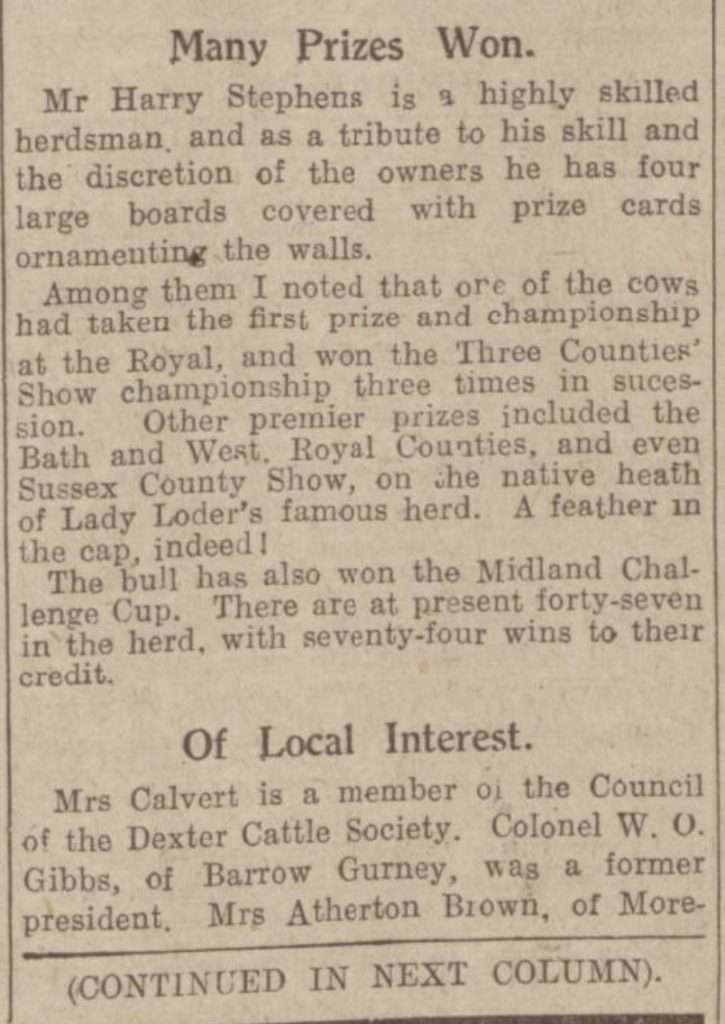
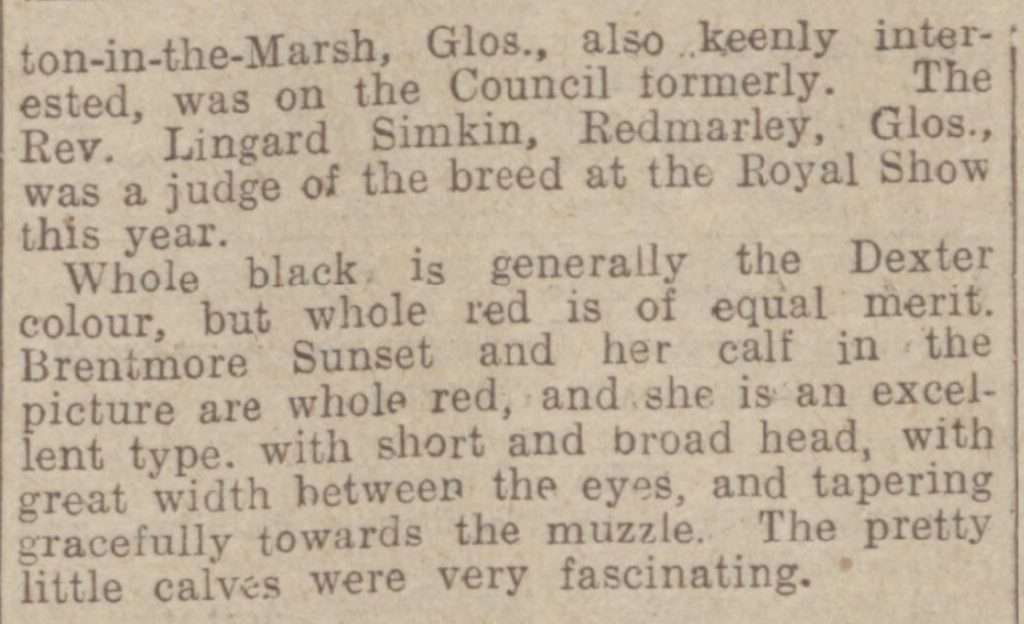
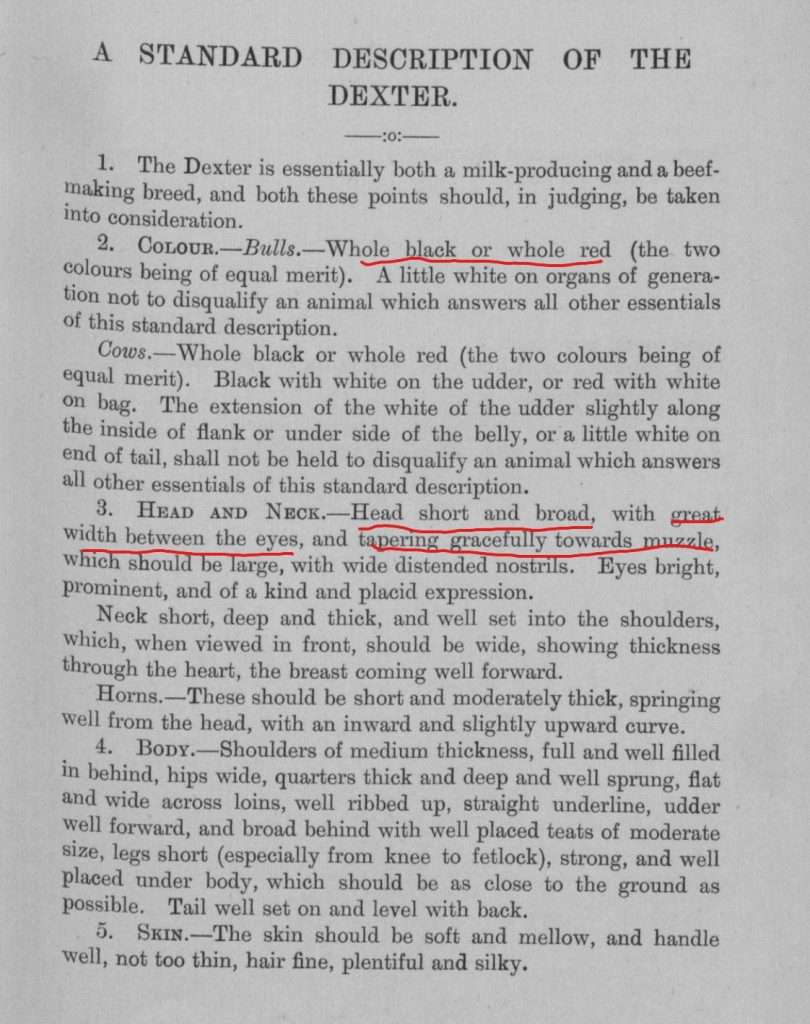
Breeders have long been concerned with breeding to “type” and a few points to mention in this last photo that align with the Standard Description of a Dexter is the color being “Whole black or whole red”. The “Head short and broad” with “great width between the eyes”, and “tapering gracefully twords the muzzle. Dexters definetley impress with their specific beautiful traits and charming ways which took hold of many a wealthy land owner who could aford to buy any exotic cattle they chose. In conclusion Dexters and their “pretty little calves are very fascinating”! They are Irish and Proud of it and those of us who breed them, have been taken by their Irish Charms.
Dexters ARE Irish and Proud of It Read More »
Historical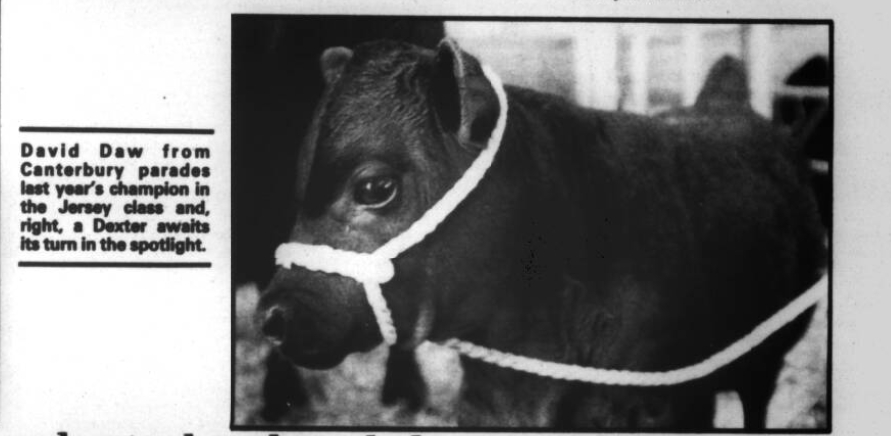
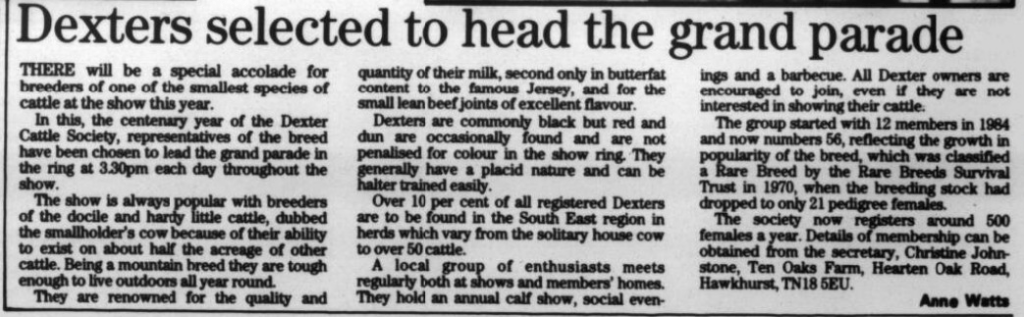
Dexters have long been promoted the same way time and time again, “Docile and Hardy little cattle, dubbed the smallholder’s cow because of their ability to exist on about half the acreage of other cattle.” This is the niche market of a Dexter. They are well suited to beginners because they can endure a bit of accidental neglect from new owners and be a great fit for people who have small acreage. Today when large acreage is becoming increasingly expensive in many areas, but people are feeling a strong draw to get back to the country, the small acreage Dexter cow is the most perfect sell point. This is a Hallmark of the breed and one that should be promoted.
Dexter cattle are also a good fit for people who need a smaller amount of both meat and milk, but yet they are still “renowned for the quality and quantity of their milk, second only in butterfat content to the famous jersey, and for small lean beef joints of excellent flavor”. There are other breeds than Jersey that outperform Dexters in cream content but usually they are not breeds that produce a good quantity of milk. The Highland for instance produces about 10% butterfat, but for its larger size produces quite a bit less by volume for its size. This is why the Dexter is an all-around great little cow.
The current average amount of people in a US family today is 3.15, so in a small 3-person household butchering a Dexter steer goes a very long way. As Dexter beef producers we will have a much easier time selling whole or halves to people. This avoids having to get a USDA certified meat facility which in some areas could save you more money on butchering costs. Many people are more accustomed to the idea of buying meat in a smaller quantity when they need or want it. With smaller sides you can market to people to be able to only fill a portion of their chest freezer and have space left over for other things. If you have a larger family that enjoys eating lots of beef and drinking more milk, no problem, enjoy the benefit of growing out a larger herd with more Dexters!
This article was written 09 July 1992, and you will see the addition of dun is mentioned to the original color of black and red. Dun was added to the allowable Dexter colors and today many people never knew that black and red are the only 2 original colors.
Written By Danielle of Bryn Mawr
The Dexter: The SmallHolder’s Cow Read More »
Historical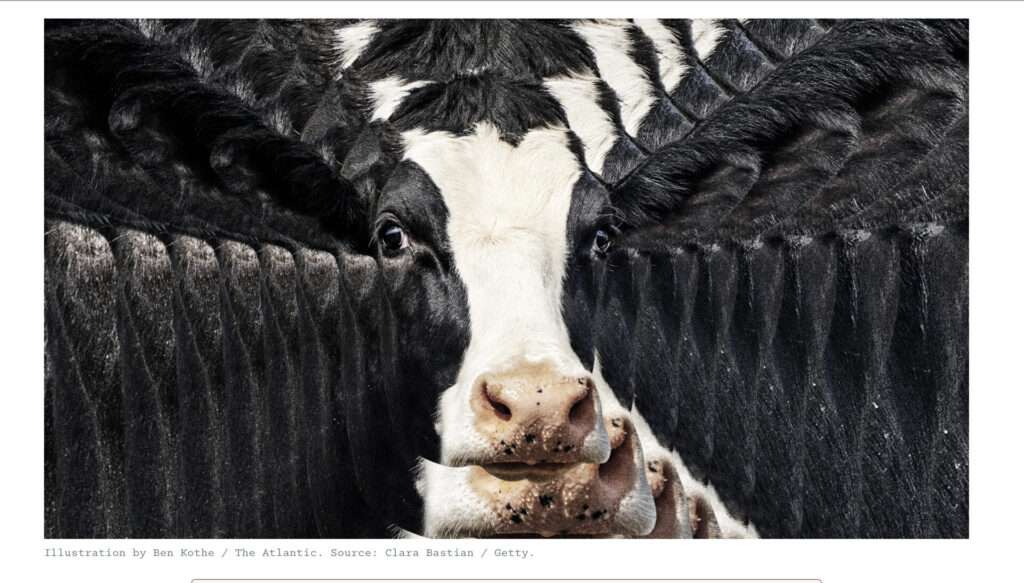
This is an interesting article on how people are returning to the old ways and using more and more of their processed beef. Healthier alternatives are growing in your pastures!
https://www.theatlantic.com/health/archive/2025/08/cowmaxxing-wellness-cow-tallow/683826
How much of your Dexter do you use? Read More »
Beef
Mike Baker describes features of market readiness for both finished and unfinished beef and dairy crosses.
Determining the Market Readiness of Beef Cattle Read More »
Beef Herd Health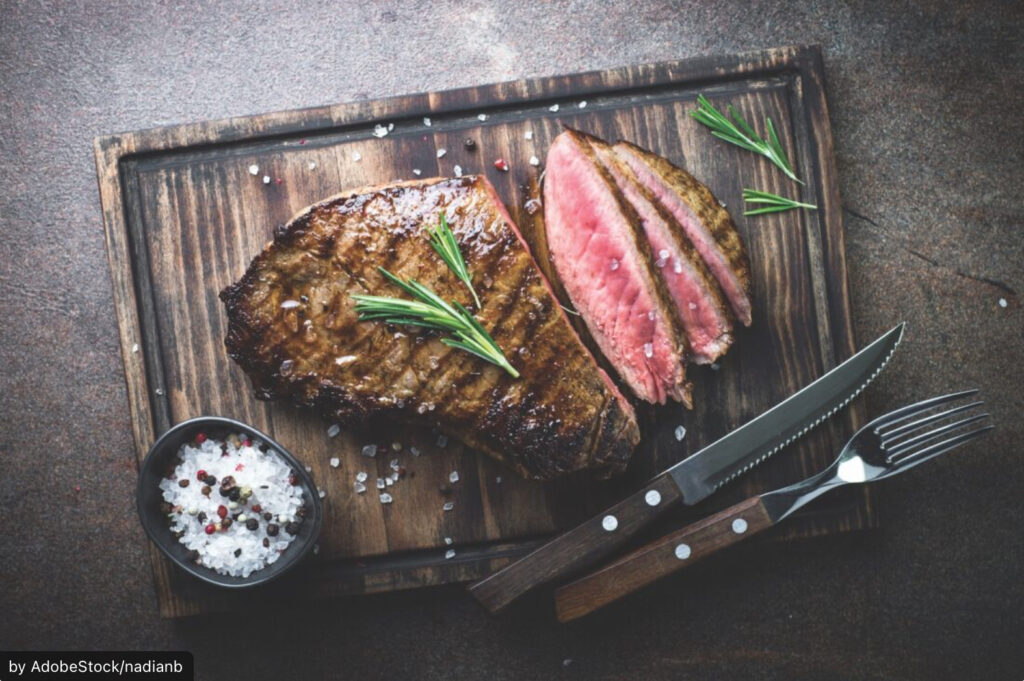
Learn how to have 1/2 a cow butchered for your family to get the right cuts
Half a beef, What cuts to request Read More »
Beef Selling
Selling meat directly to consumers is a popular method of adding value to established ranches. For some ranchers, selling directly to consumers is even the primary method of sale. Regardless of how it fits into the operation, there are some key marketing strategies that will take sales to the next level when applied correctly.
Simple Strategies to Increase Direct-to-Consumer Meat Sales Read More »
PipeDreams Selling
In this podcast, we learn about things we need to consider before we even schedule our meat for processing. Interesting fact is the return on the Dexter is higher than what is stated here. We experience much closer yields to 70% and our carcasses are smaller…so the freezer space issue is not as significant with the larger breeds.
What Do I Need to do Before I Drop off my Meat for Processing? Read More »
Beef PipeDreams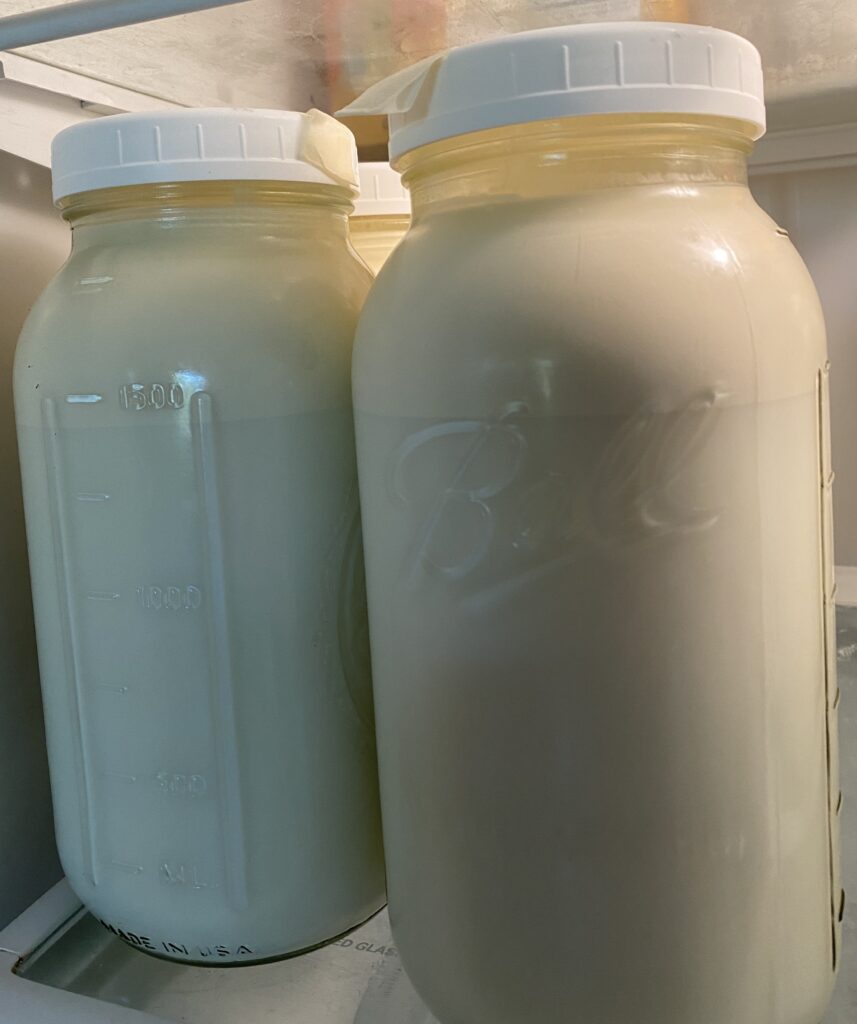
By Eliena Bodtke, Stay’N Put Farm
Since many of us are homesteaders or practice some kind of preserving, I thought I would take a moment to discuss an alternative to canning, pressure canning and dehydrating.
Are you scratching your head, thinking where is she going with this?
Consider freeze drying. While the initial cost seems daunting, it really is an excellent way to preserve your Dexter milk, yogurts, cheeses, colostrum and beef for 25 YEARS! Think about when you’re over loaded with one veggie or another during gardening season. The veggies, herbs or eggs when they are abundant, can be frozen and put into the freeze dryer anytime. We still can and pressure can, but this gives us a whole new option.
We purchased a medium Harvest Right about a year and half ago and have been amazed at all the things we can preserve….it is less time consuming and in our opinion, and better quality product in many cases.
Canning of dairy is frowned upon by the USDA and in some cases consider unsafe, although people do it. Freeze drying on the other hand, processes the dairy at lower temperatures and therefore does not pasteurize it…so if raw is your goal, it is good alternative. If you pasteurize, you still follow the same method. We pour a quart of milk on each tray and let the machine do its thing. We have done it both with cream in and cream out…the choice is yours. We find it needs to be blended when reconstituted, or another favorite is dry in our coffee, just like coffee creamer!
If you’re into selling, freeze dried milk and other products can be a good source income. Take a look at the price of powdered milk in the store! It is not uncommon to see freeze dried milk for $30-40 a gallon. Let’s clarify this. One gallon of freezer dried milk reconstituted into one gallon of drinkable milk…almost quadruples in price.
And don’t forget your Dexter beef! Consider this scenario….you have some cuts left from your last processing and you would really like to eat it before you get into the next one. Well, freeze dry it and then you have preserved it for 25 years. It makes great gifts, as it is so light to ship.
How do you use this freeze dried beef? We like to pour some of our Dexter bone broth over it. Let it sit in refrigerator over night and then use it in the next day or so. The beef will only absorb as much broth as it can. It doesn’t get mushy, which can happen with veggies. Cook with it like you usually do.
Hope this article helps you on your farm, ranch or homestead. I just love this technology and thought I would share.
Preserving Irish Dexter Dairy and Beef Read More »
Beef Milking & Dairy
Today the farm arguably represents America’s premier non-industrial food production oasis.
The Polyface Story Read More »
Beef