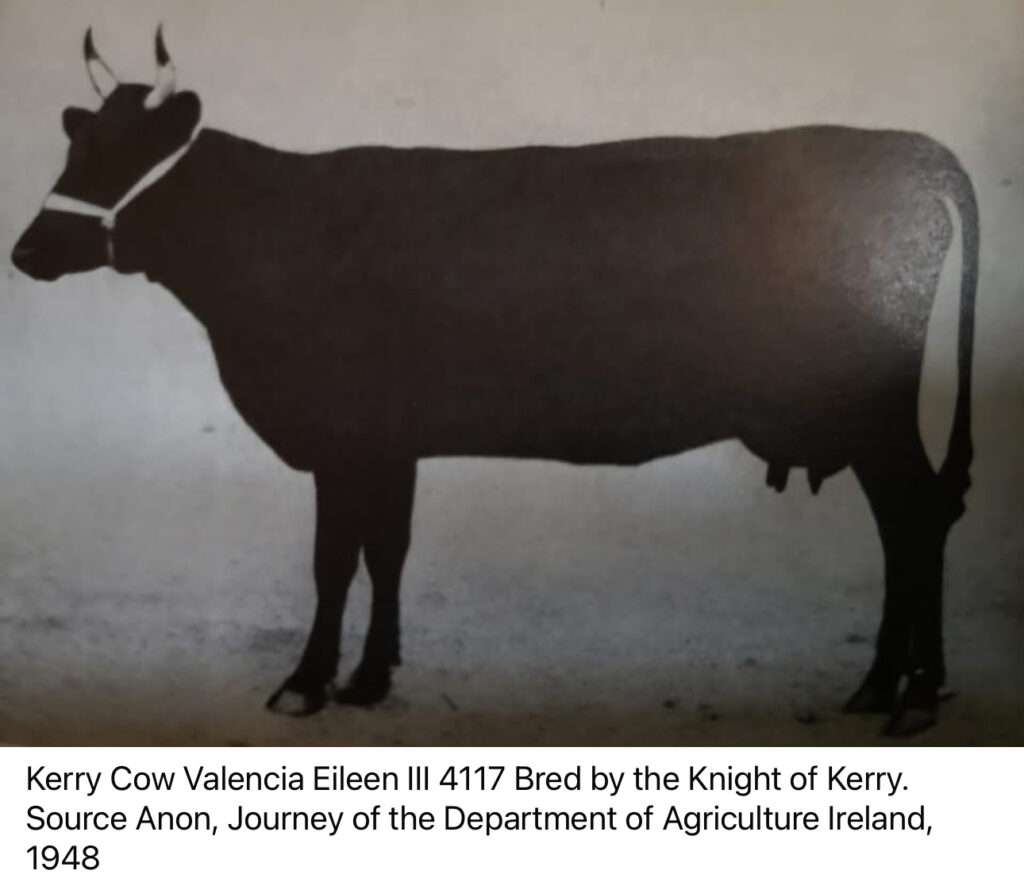
Dexter Cattle: once commonly Known to be Short Black and Horned
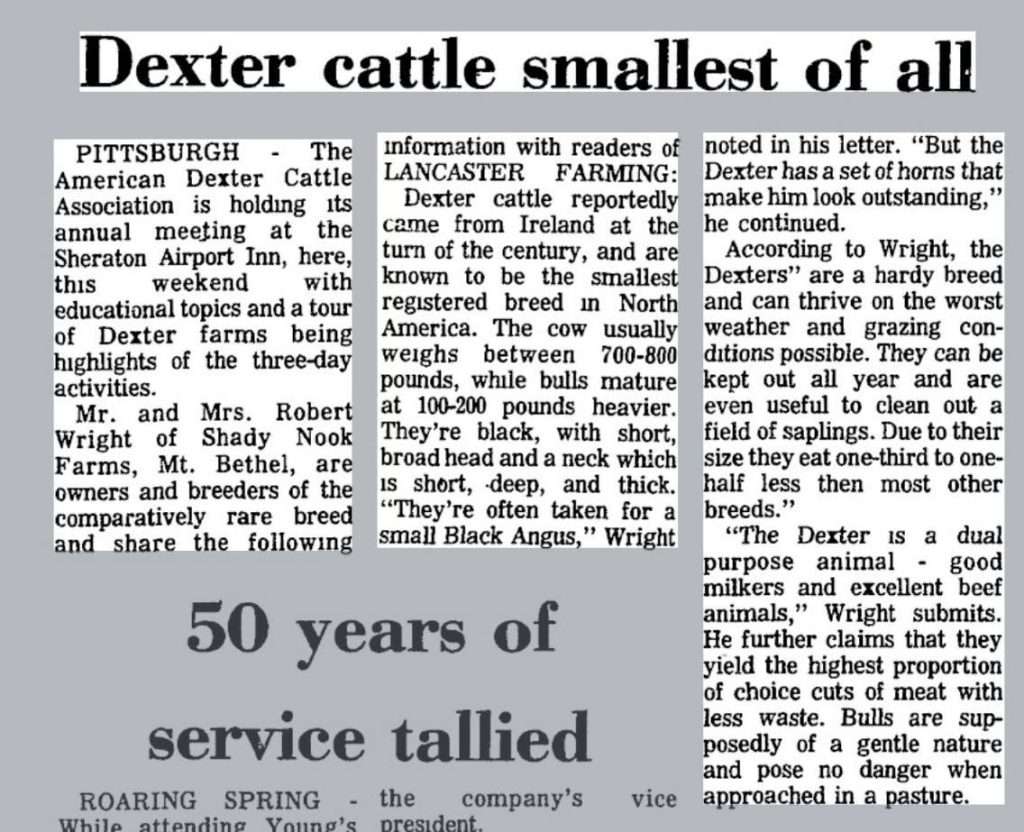
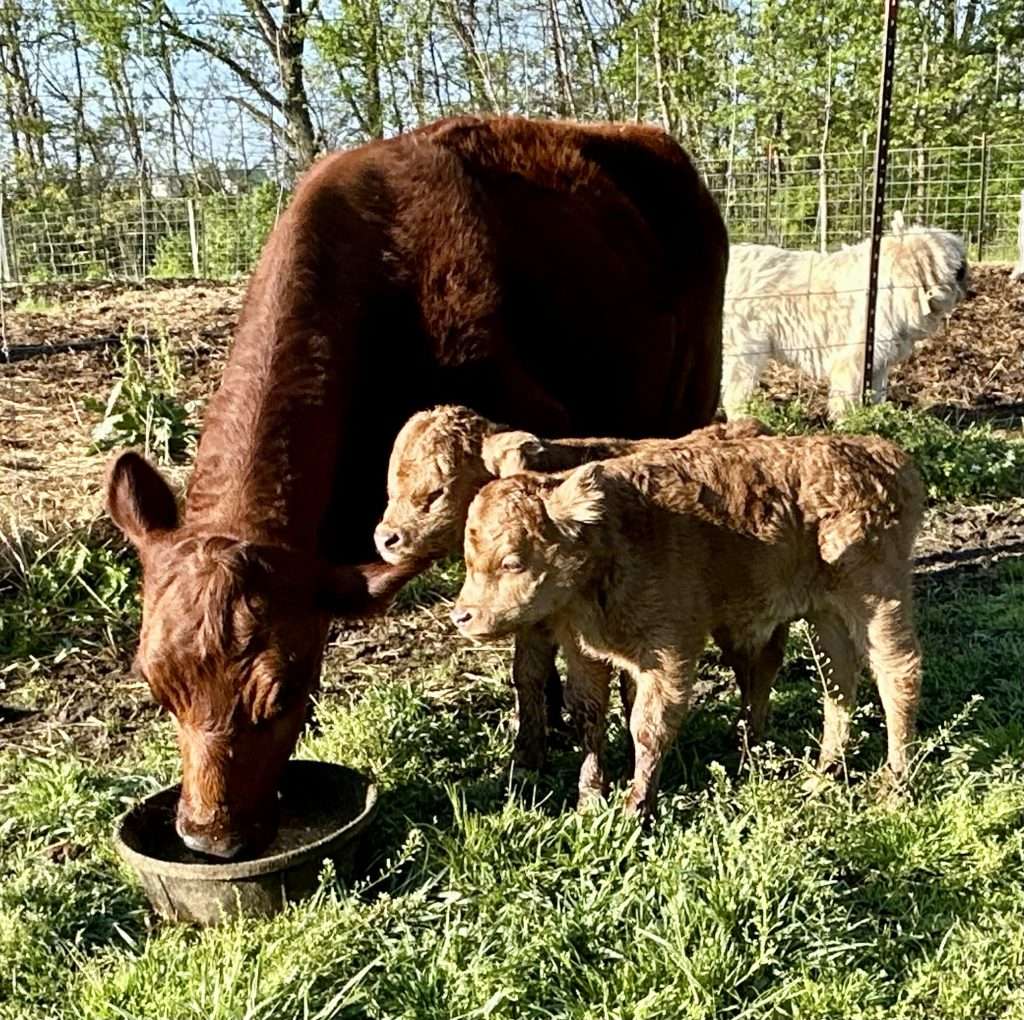
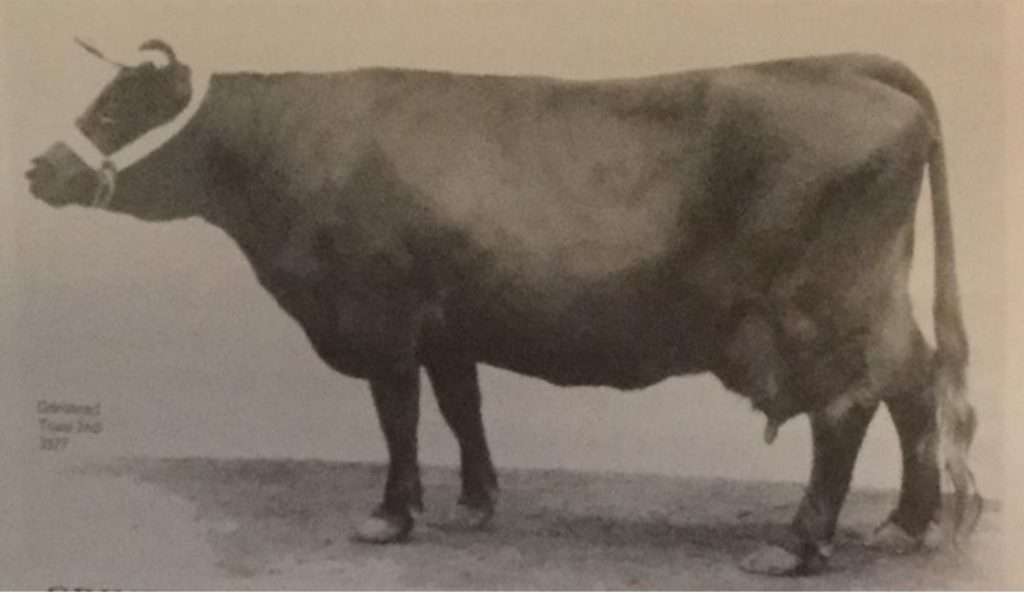
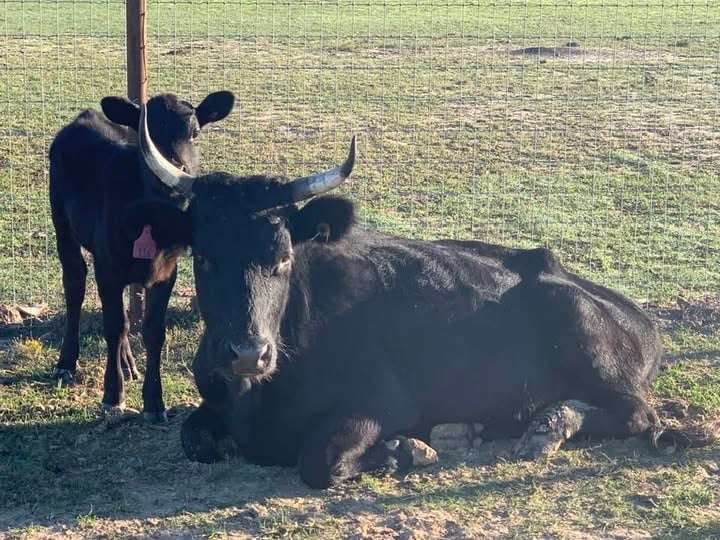
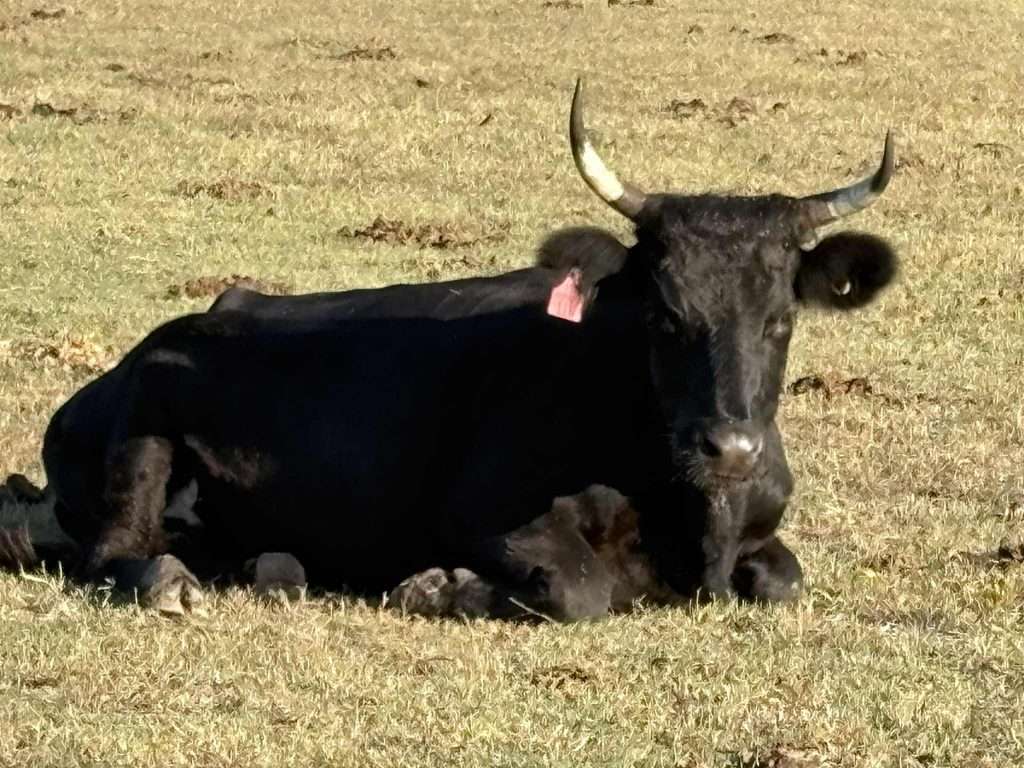
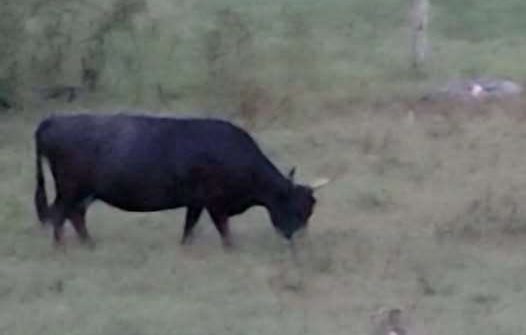
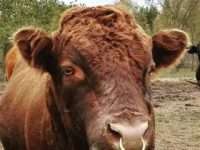
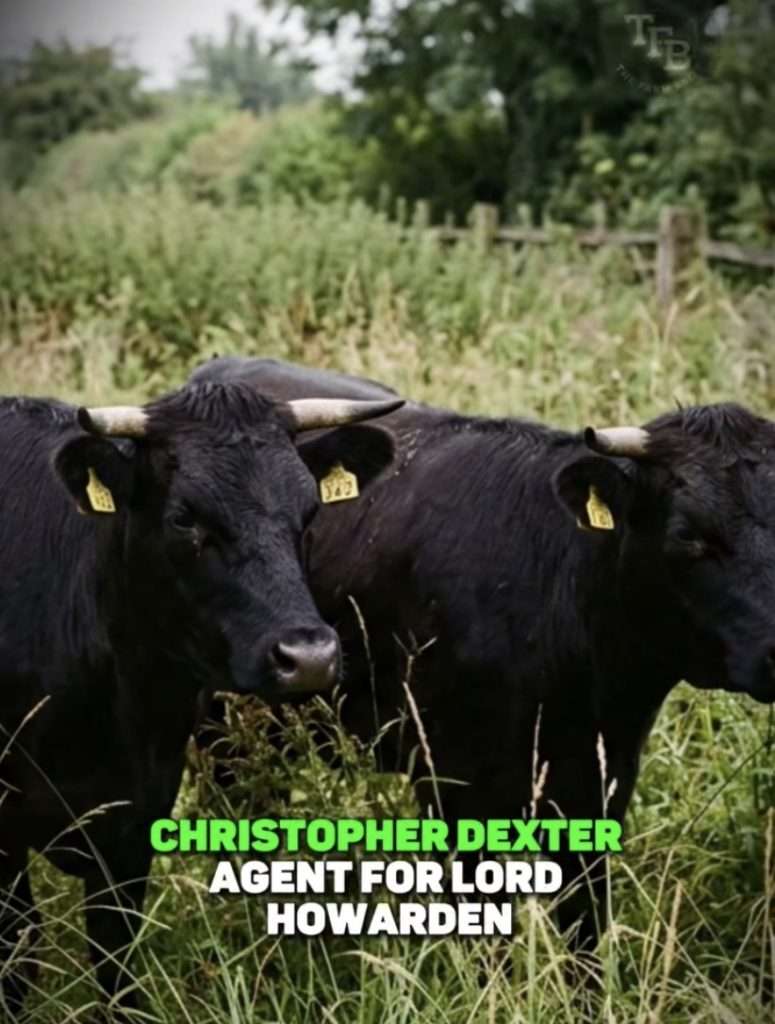
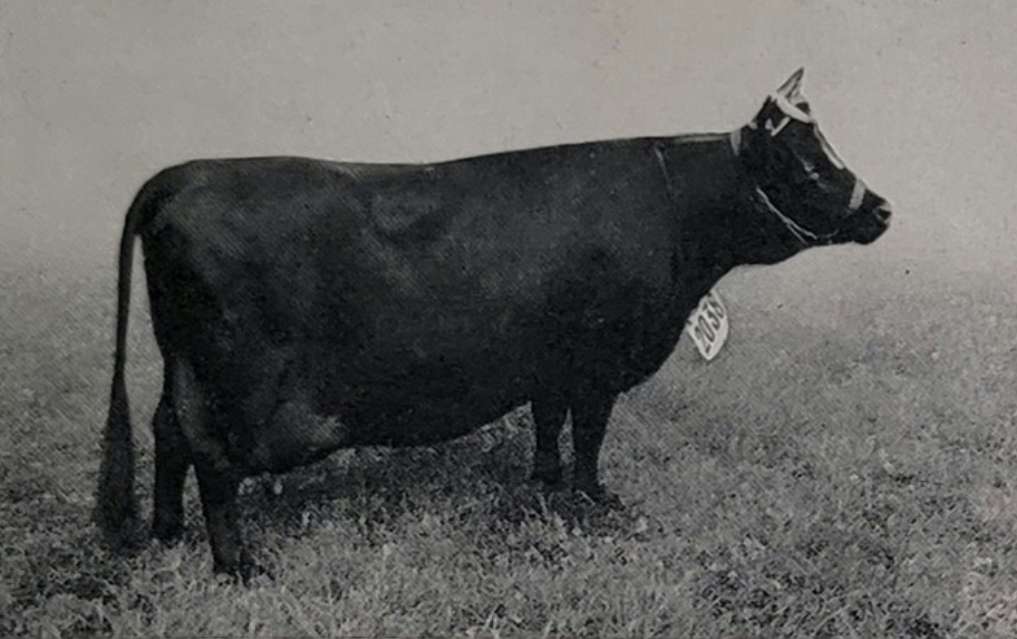
Photo of one of our cows at Bryn Mawr just recently taken, but soon to fade into the mist of time, just like all the Dexters before her.
An Outstanding Description of the Dexter
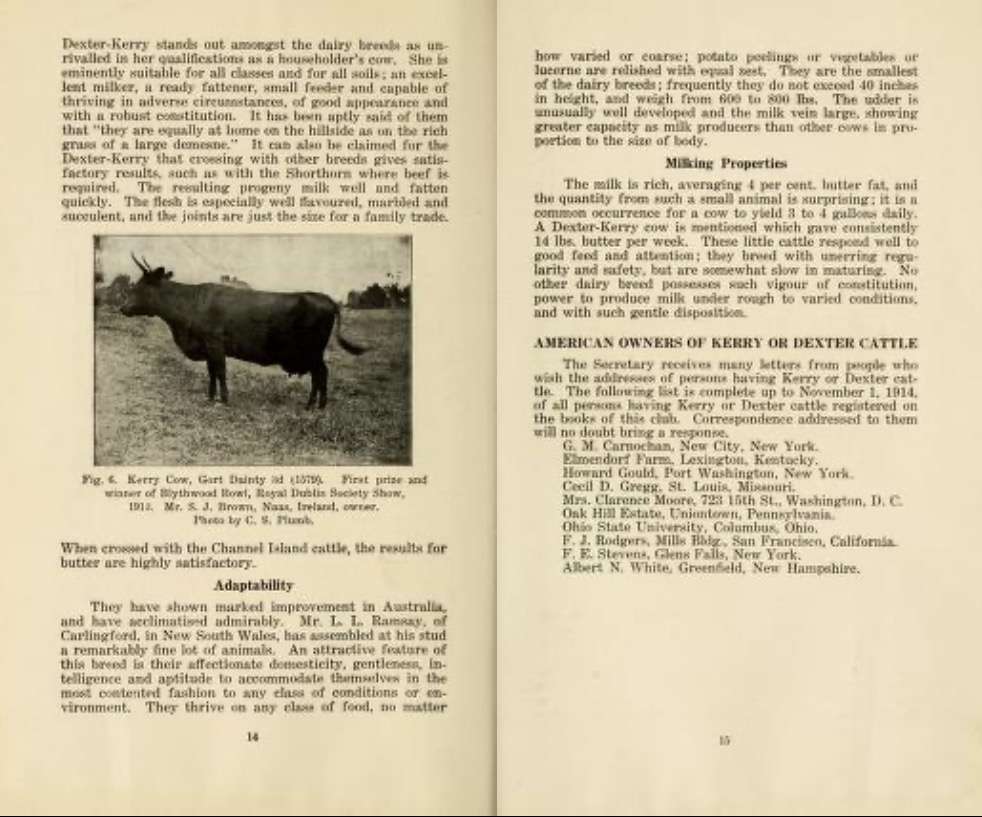
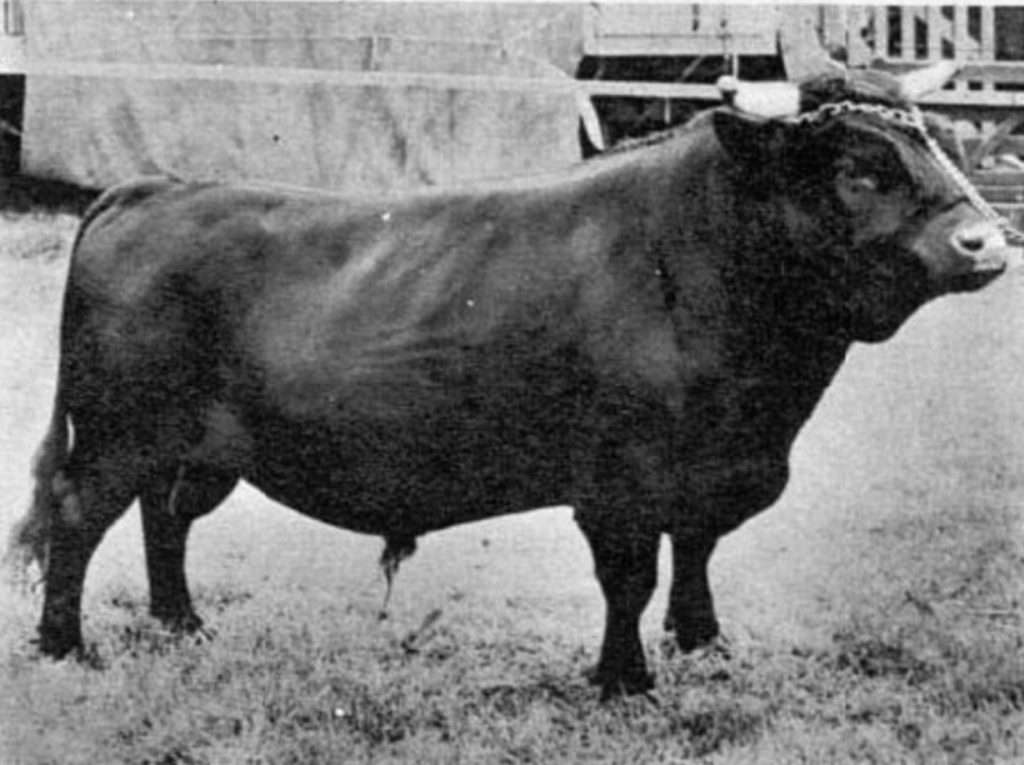
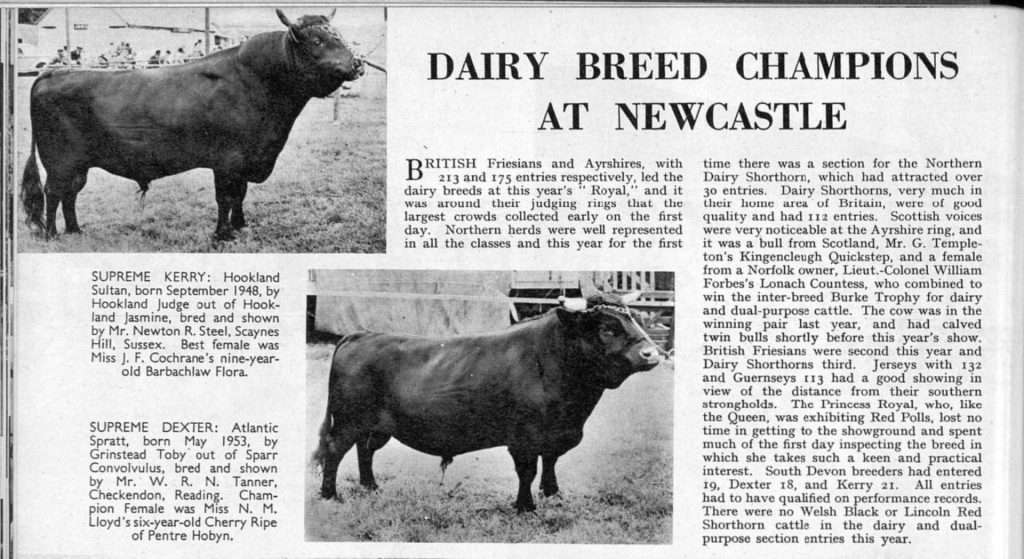
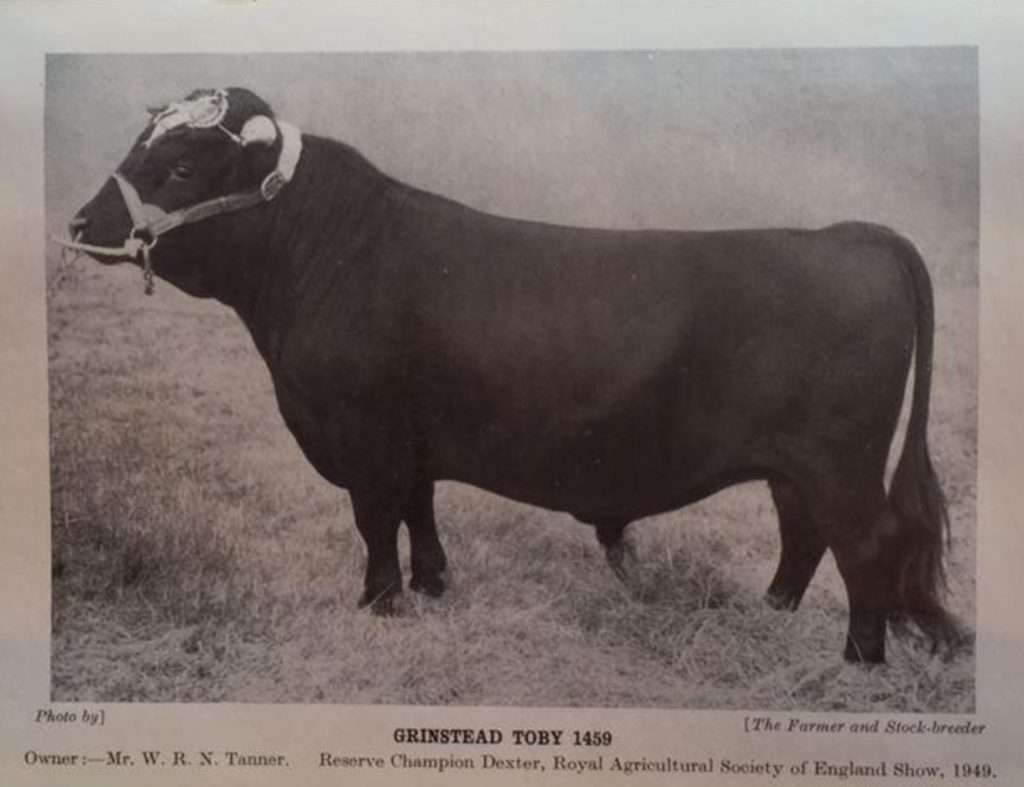
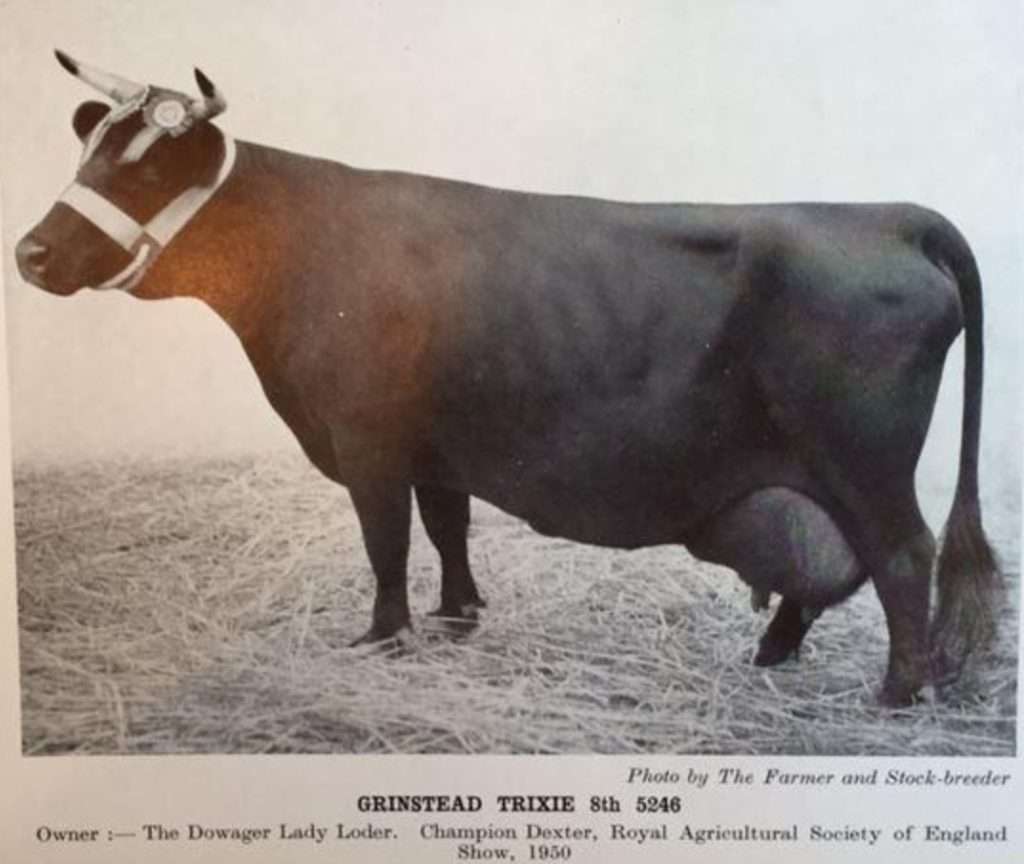
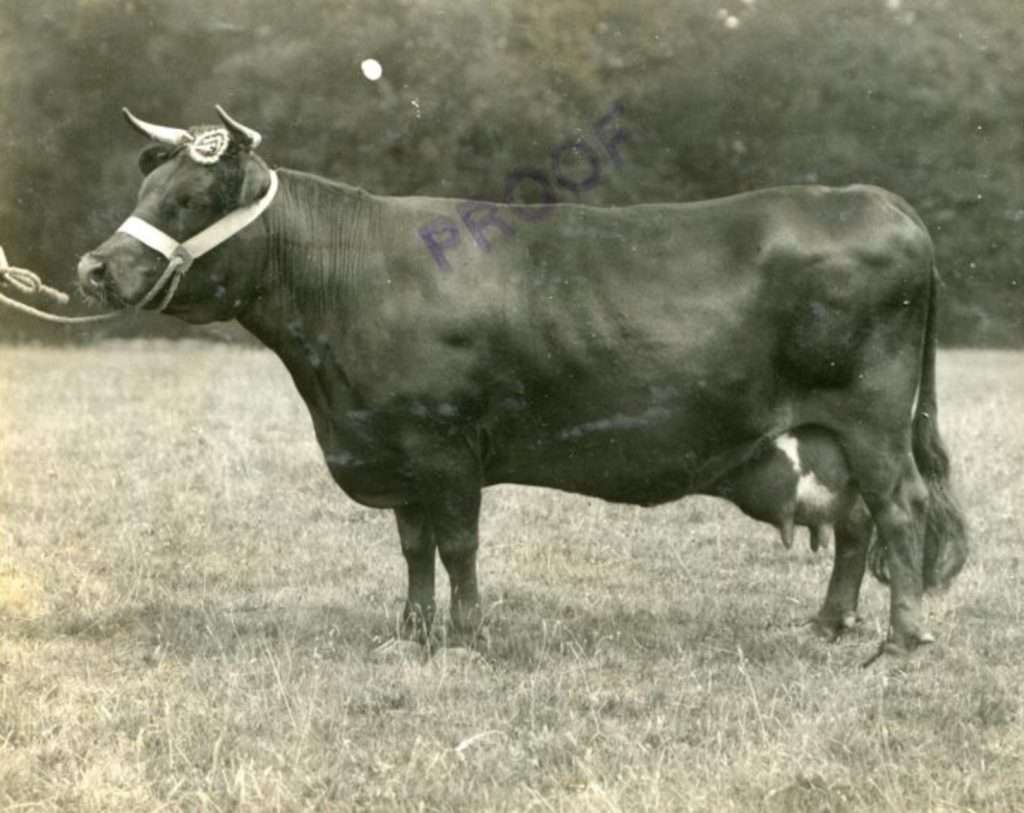
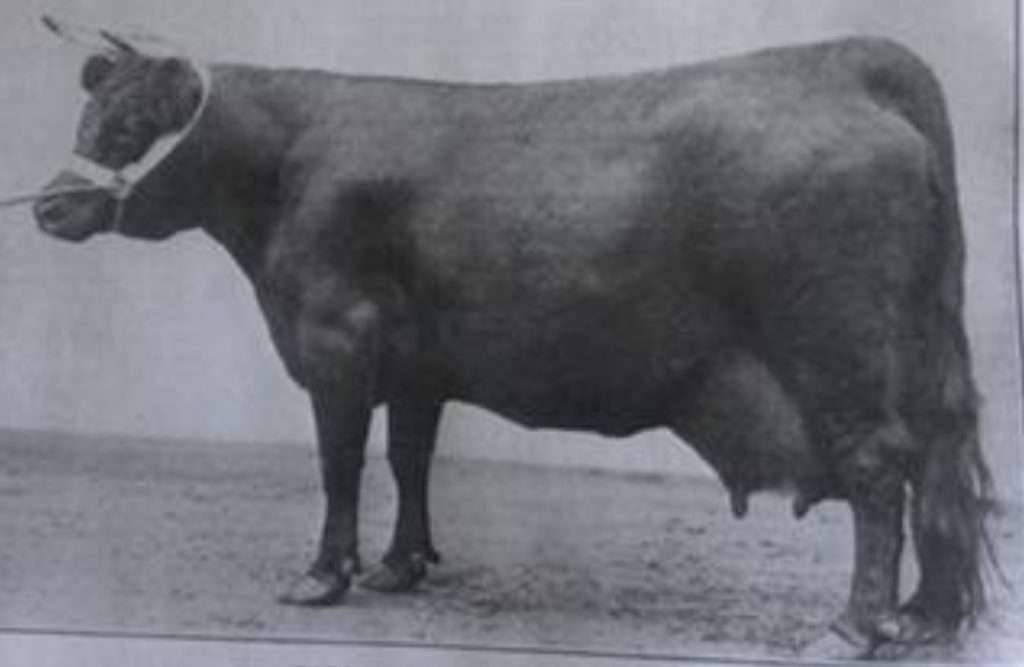
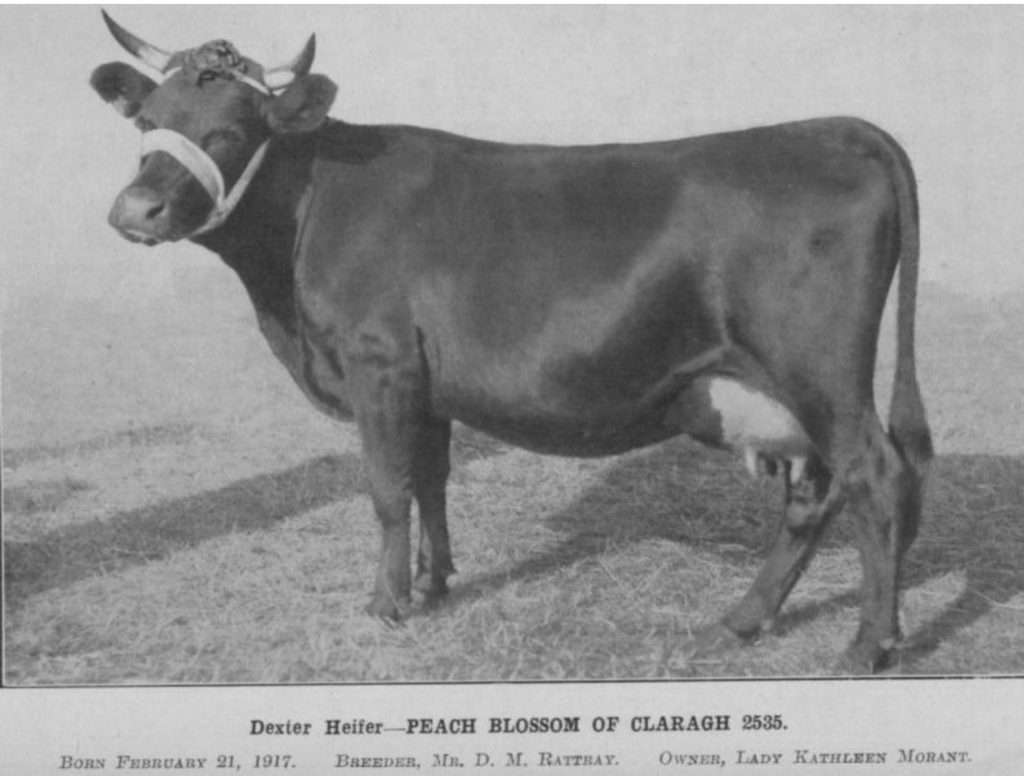
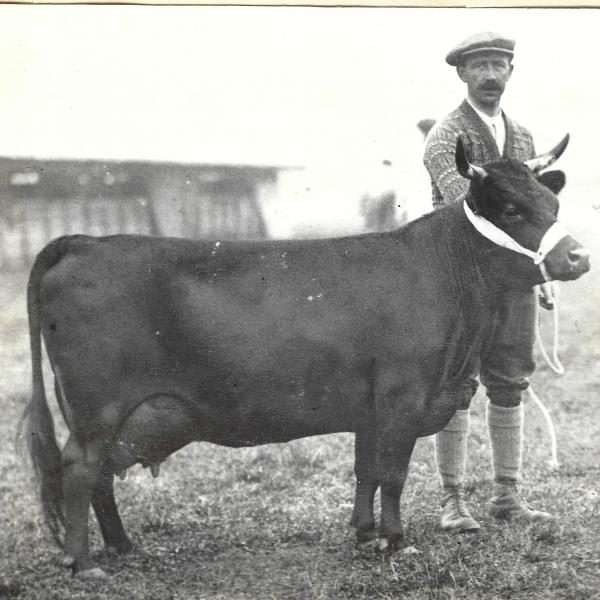
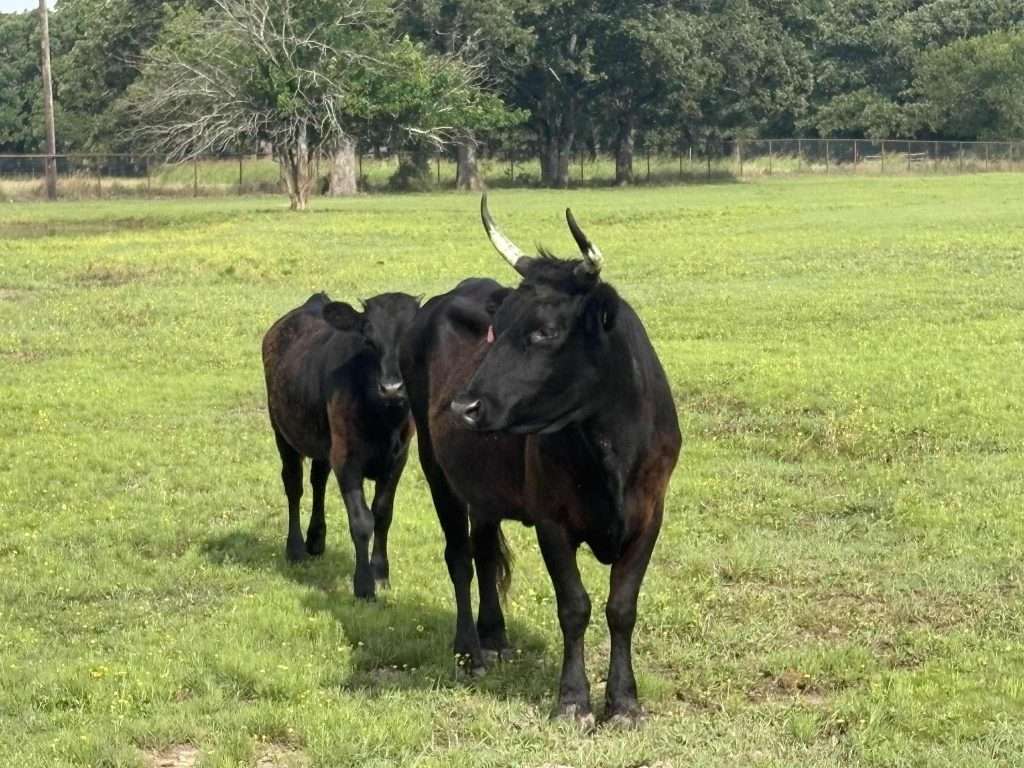
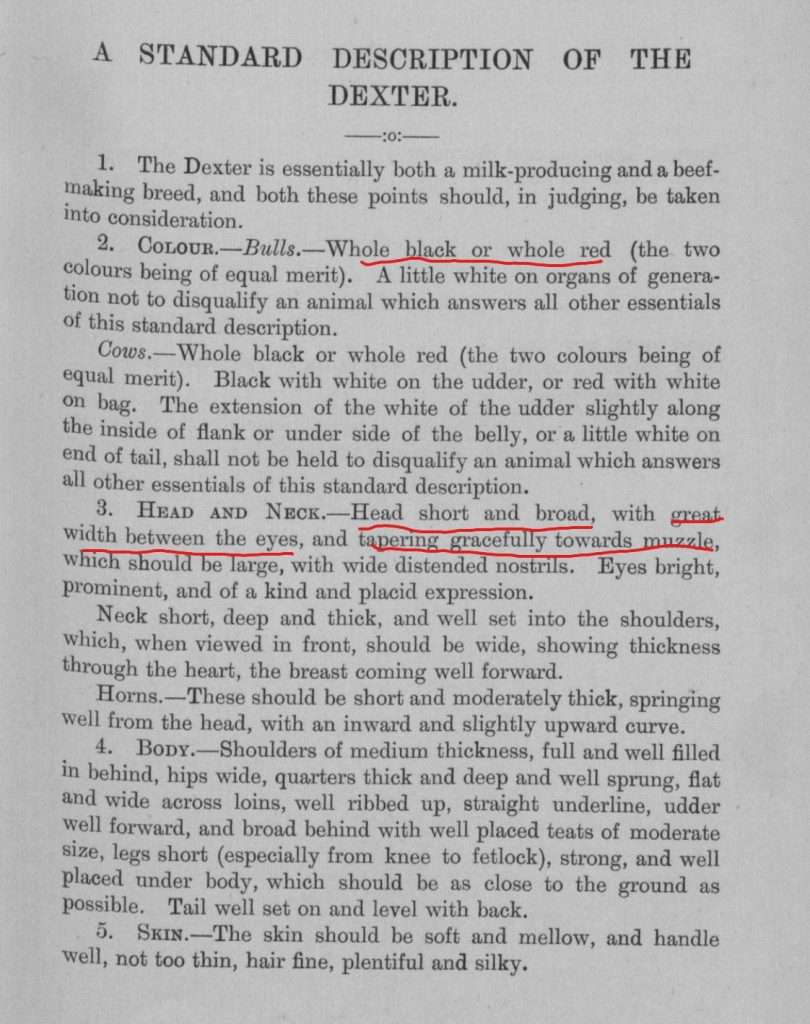
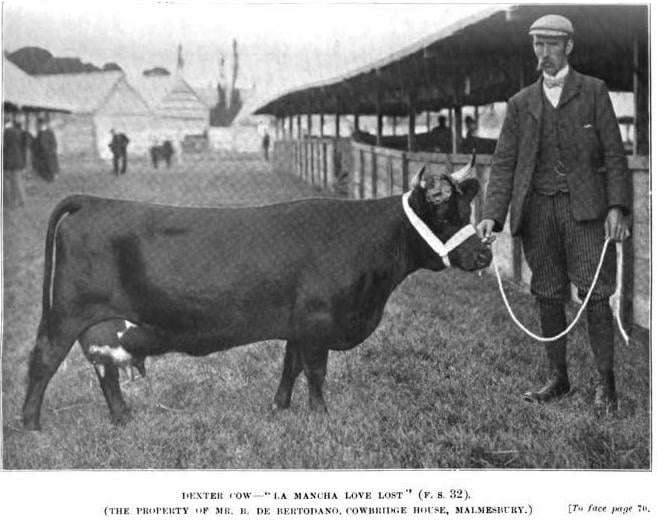
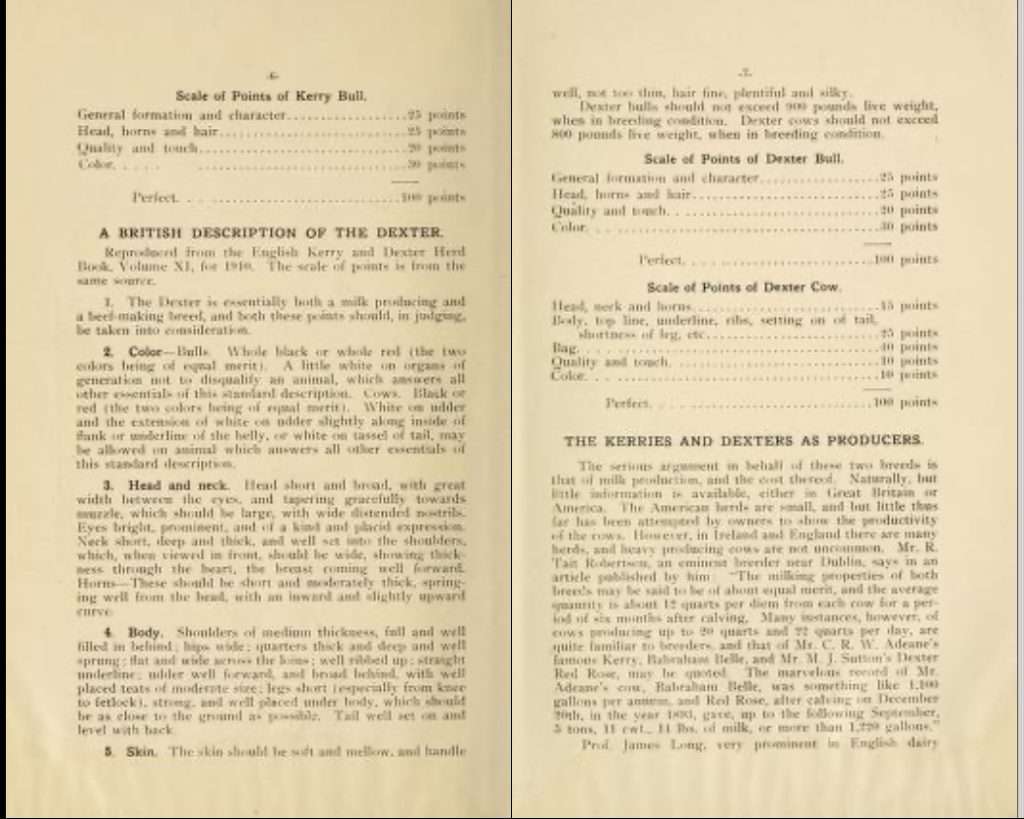
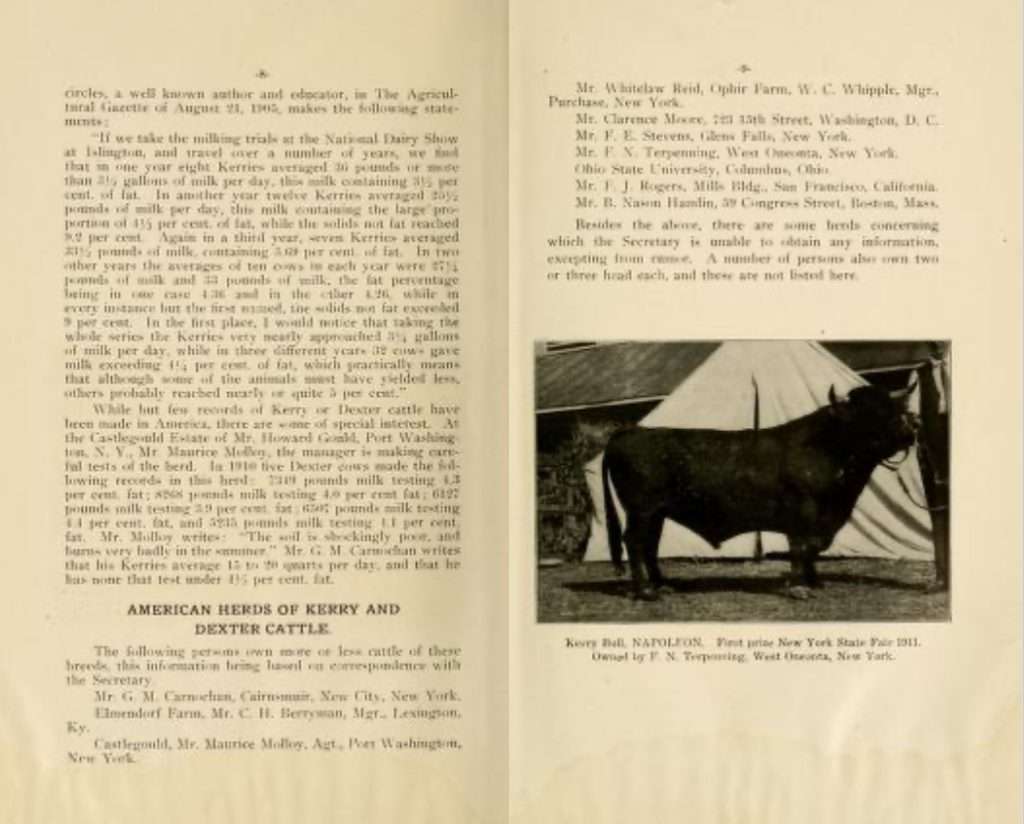
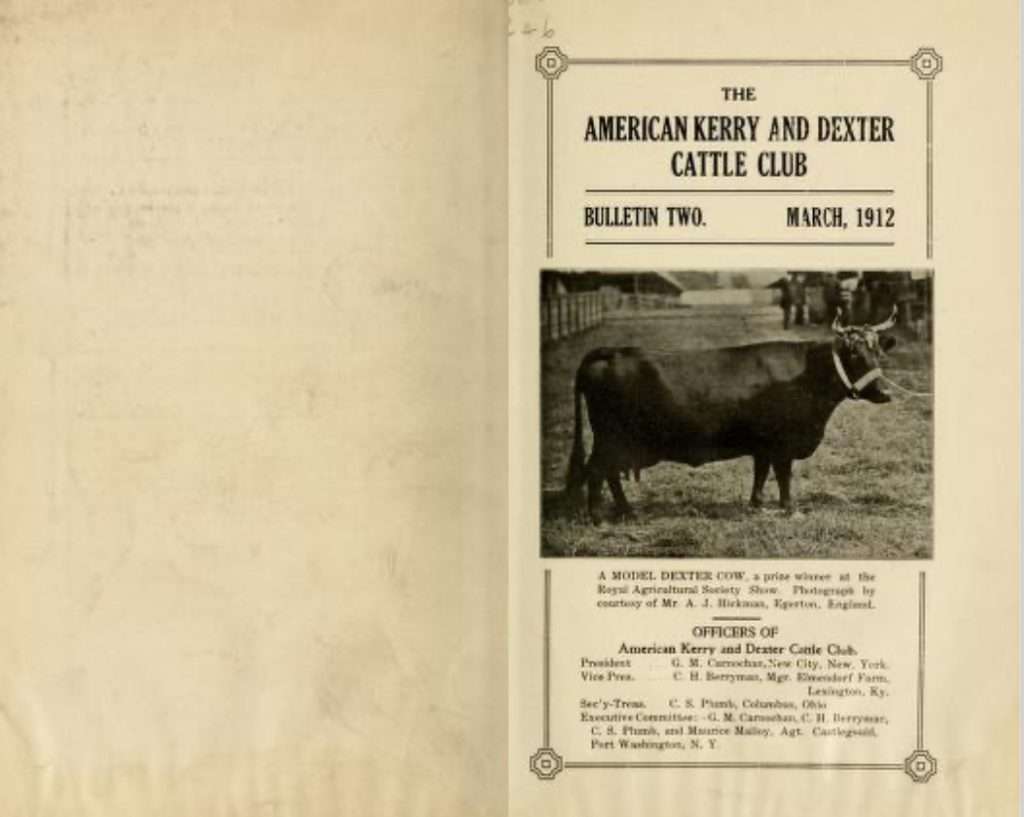
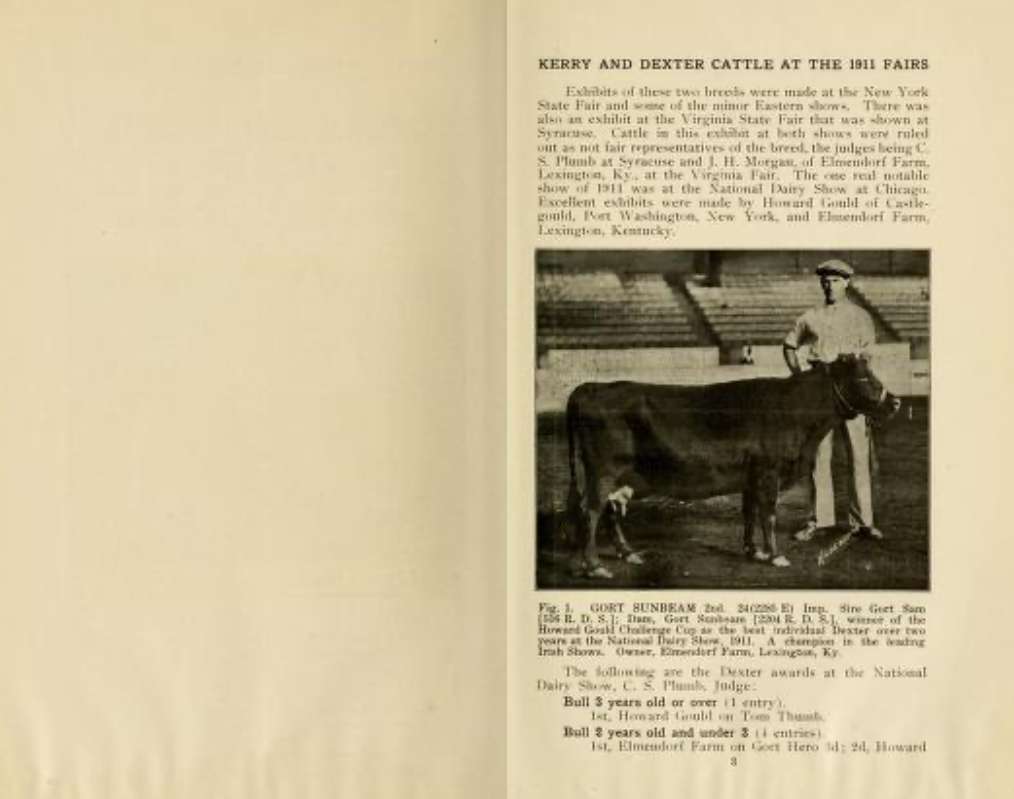
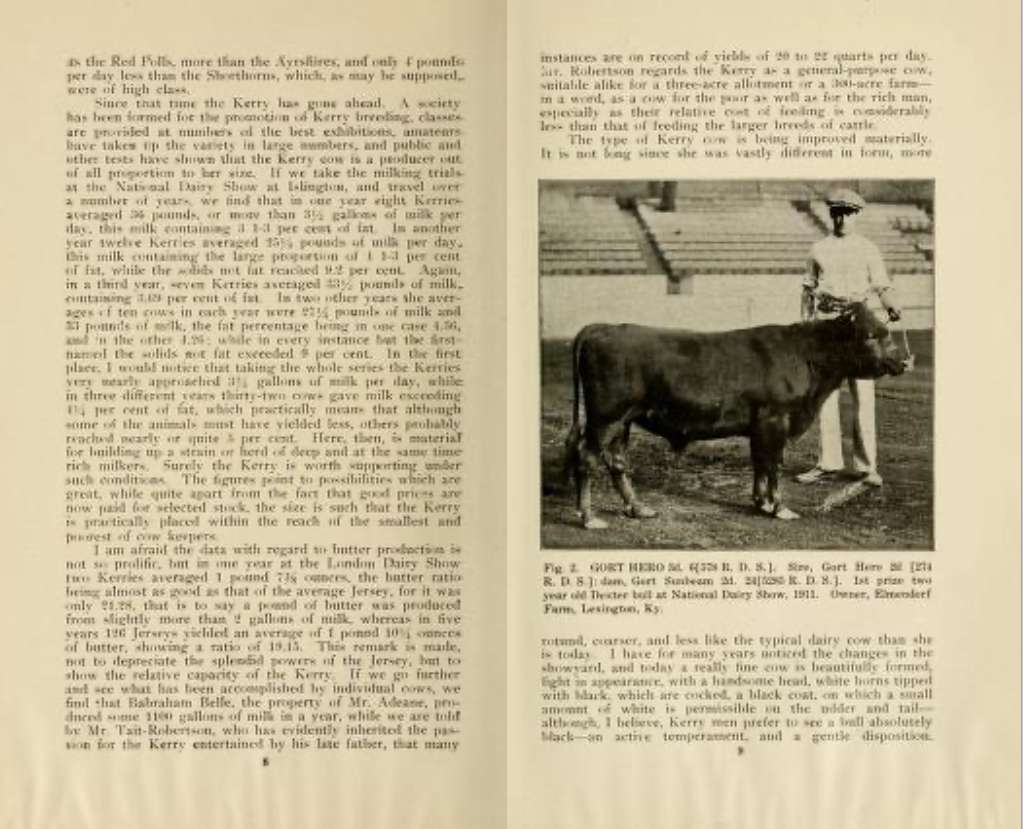
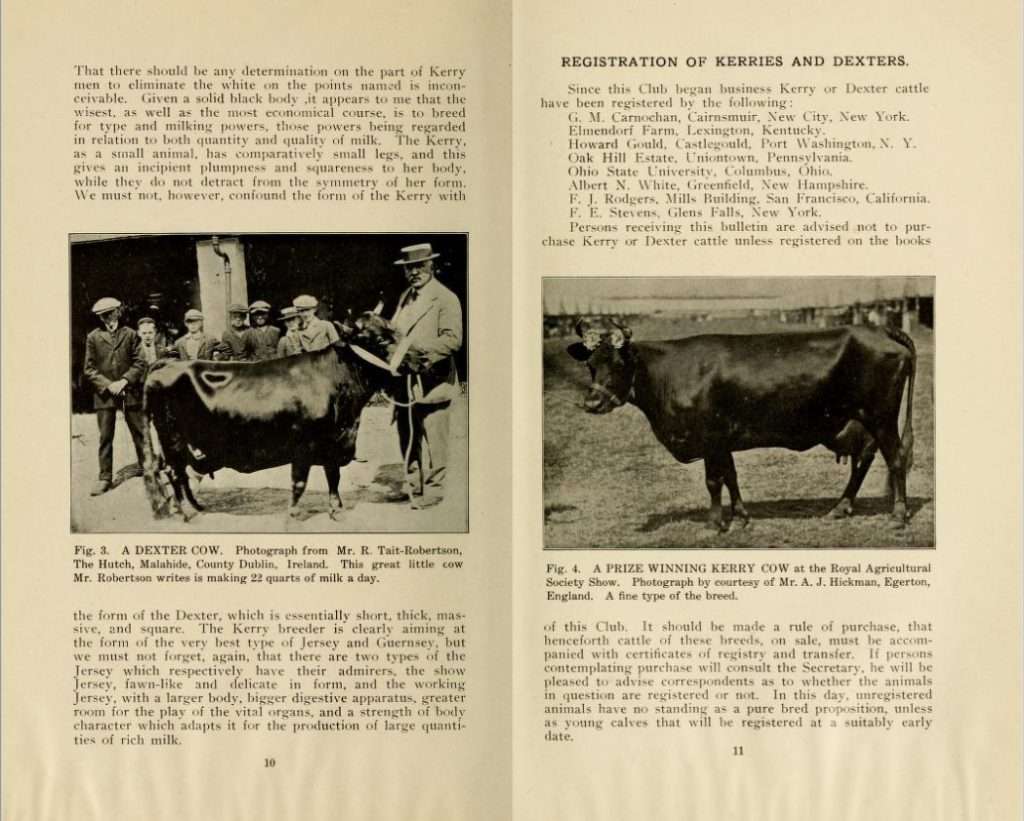
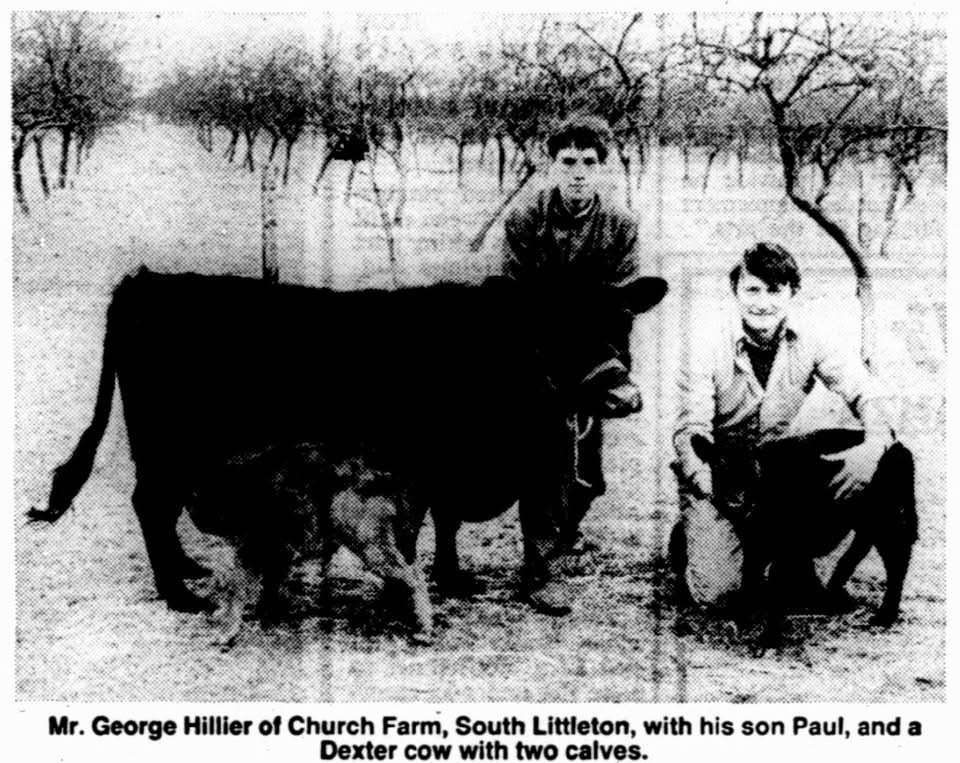
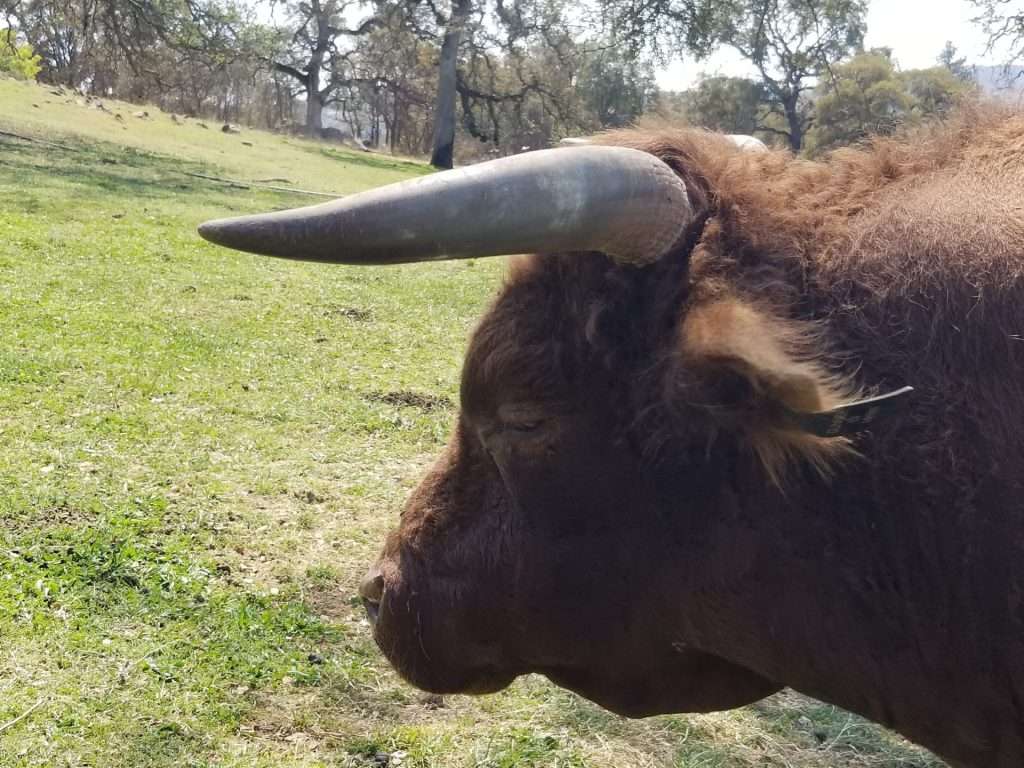
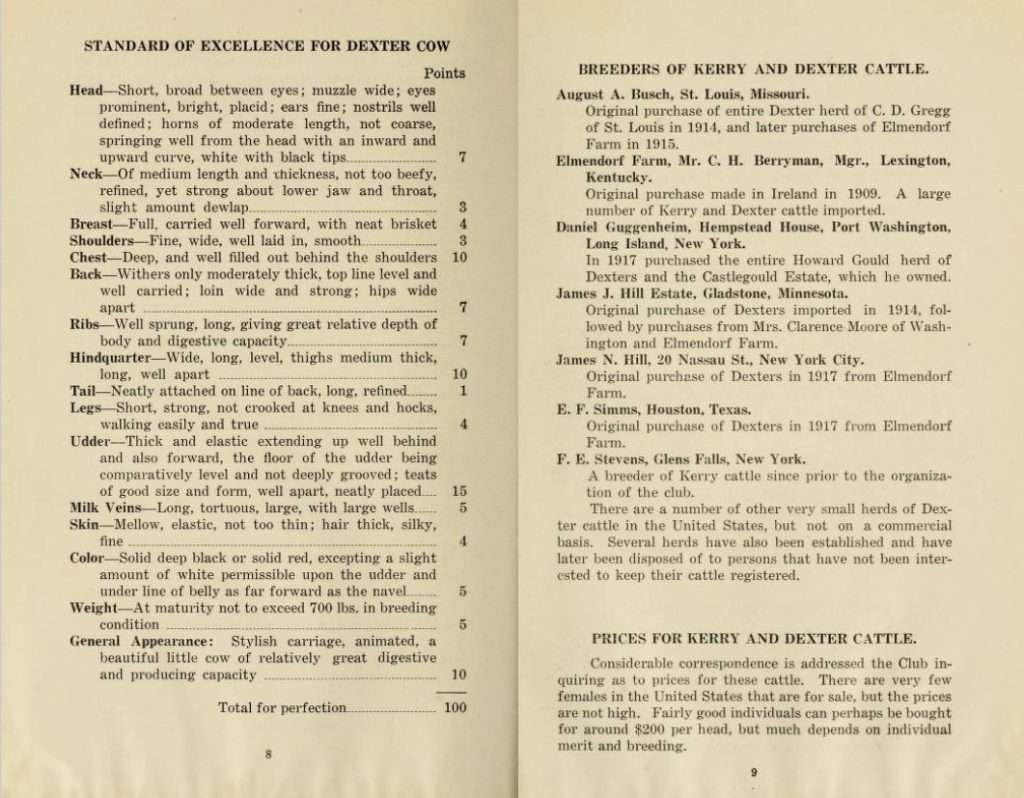
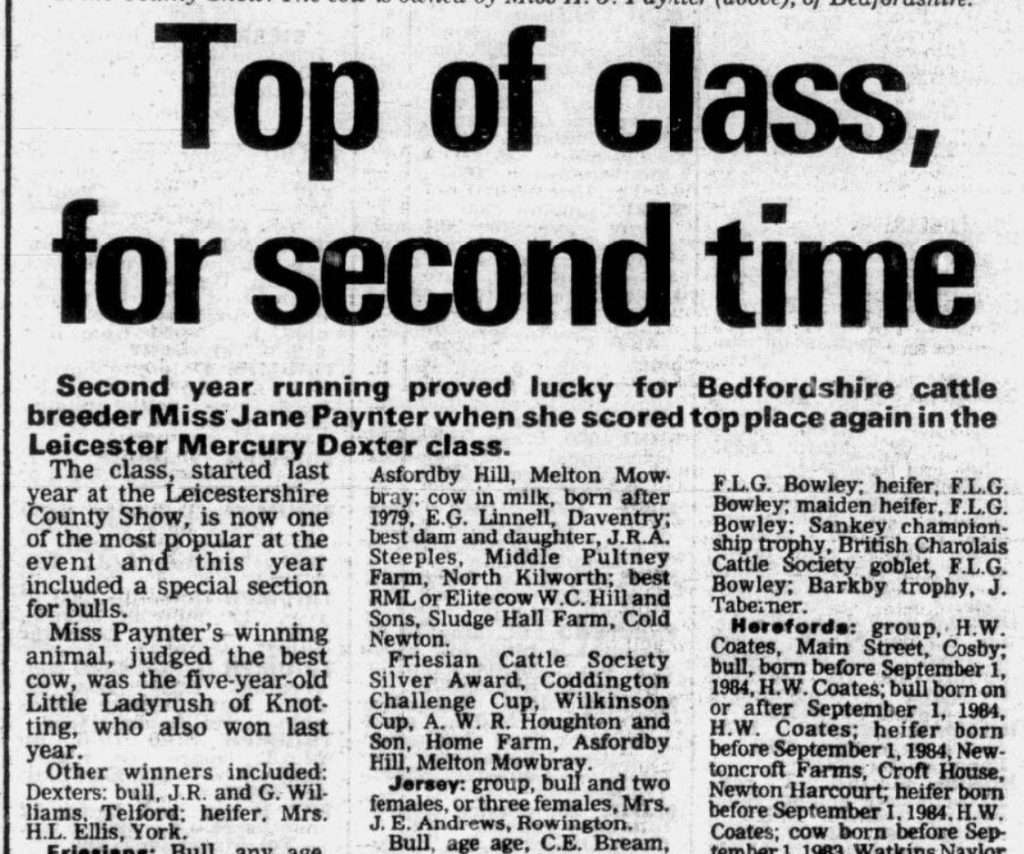
In America and all across the globe, it was much more common for Dexters to be black. So much so, that at one point people even forgot that they were once another color and when asked they may not even have known that the original breed standard allowed for red Dexters to be registered. It was common knowledge that they had horns. This article is 1976 states a fairly common view of what Dexters were before the widespread introduction of polled genetics into the breed. They may have been black like angus and small in size but their horns strikingly set them apart. It was a significant breed identifier that let you know they were not just little angus. As the article states “the Dexter has a set of horns that make them look outstanding”.
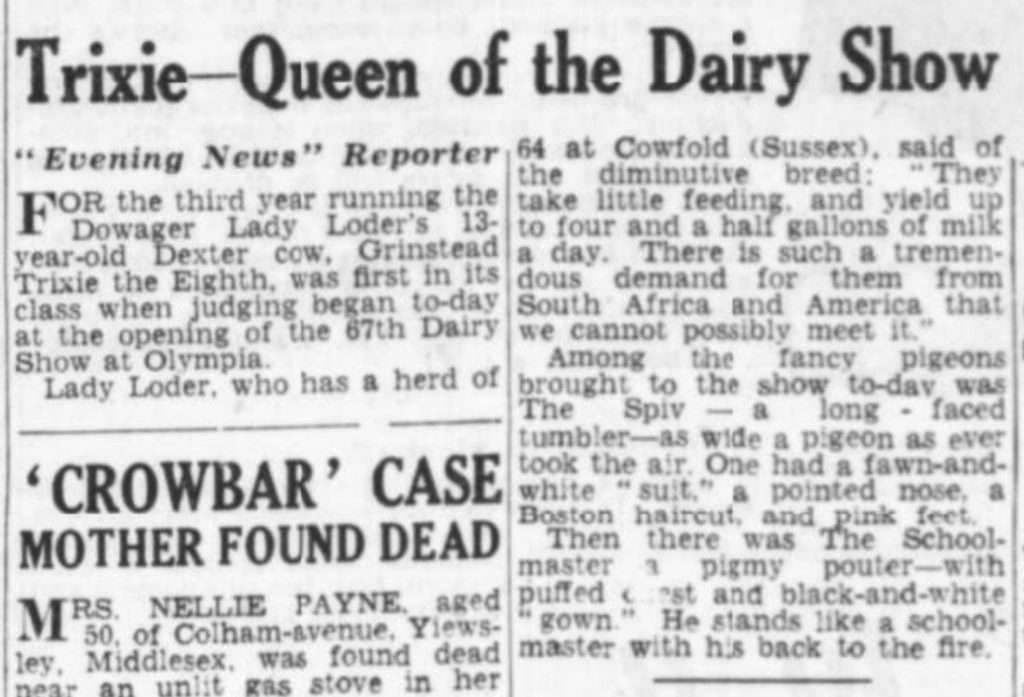
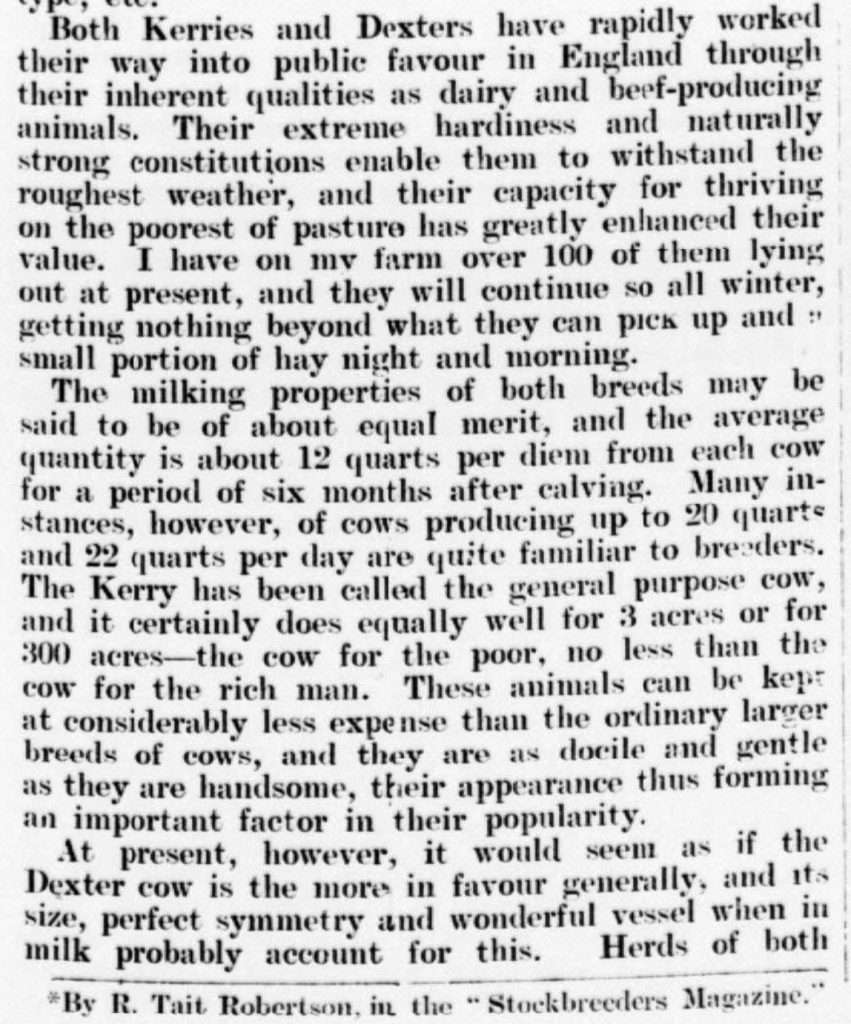
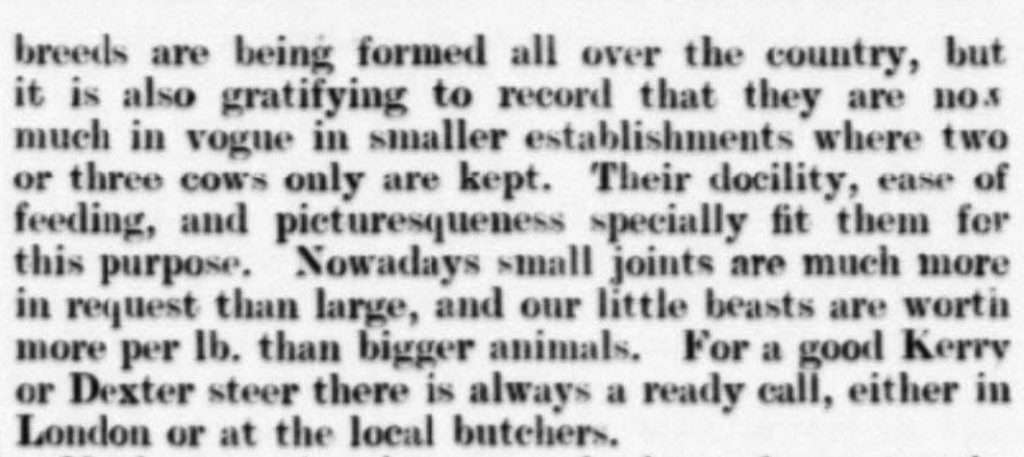
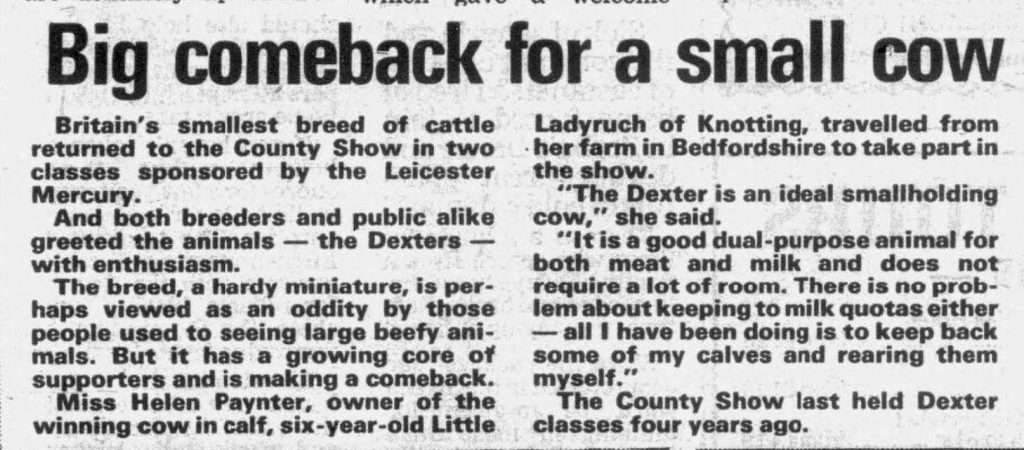
Of course, the size of the Dexter is a breed identifier, but it alone has not been the sole identifier. Today as many small breeds and cross breeds are being developed it becomes more common to see “mini” cattle where the cows are between 700-800 pounds and the bulls are up to a thousand. Size alone is not enough to set Dexters apart as a breed regardless of height or weight. Besides just physical attributes there are practical attributes that this article quickly highlights, that showcases Dexters as a unique small breed. They are not just for eye appeal or for cute pasture ornaments, but rather work well for the true purpose of a dual-purpose breed supplying both milk and beef. Another significant and often reported Dexter identifier is that they will survive on low quality pasture, living outdoors year-round and browse well for cattle. They have very docile bulls, and this is one of the very reasons new cattle owners become attracted to the breed. This trait is so important for the future preservation of the breed as it attracts so many people to cattle in general, due to the ease of handling. This is something we should never loose from the Dexter breed by improper breeding by using bulls with bad temperaments or cross breeding in breeds with bad temperaments spoiling the breed. How ruined could the Dexter be, if the breed became synonymous with poorly behaved and mean-spirited bulls?
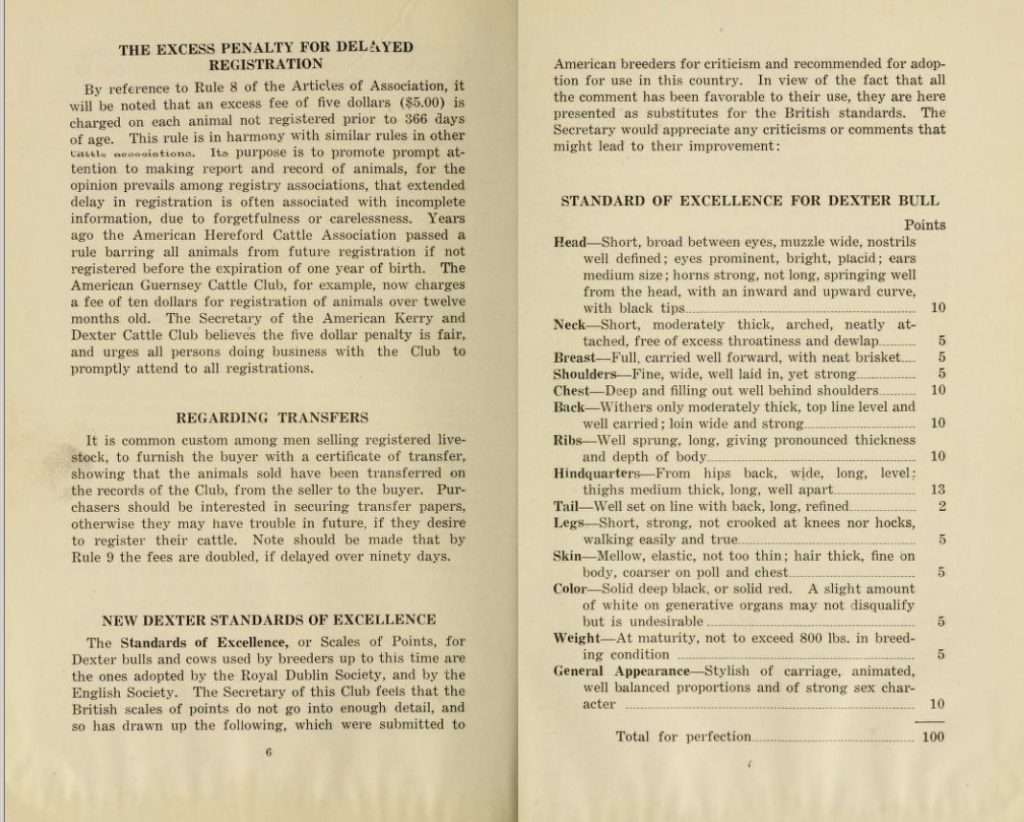
What a beautiful description Mr. and Mrs. Robert Wright of Shady Nook farms has supplied for us 50 years later long after their Dexters have expired. Strange coincidence that the article mentions 50 years for a different remembrance as I look back and read this article 50 years later. When looking them up I found nothing under their names but I did find some Dexters registered to the Farm name Shady Nook, that had to be theirs due to the time of registration. Five Dexters only ever registered under the name of Shady Nook and only one of which ever went on to have registered offspring. A bull named Shady Nook’s Dubar born in 1976 , who sired two registered calves. This is all too common of a story in Dexters, new breeders, small operation, few cattle registered and then Dexters lost to the history of time. It causes one to consider that not only must we hold onto breed identifying traits, but also the very Dexters that bore those traits by putting them in the hands of people who will keep them breeding. Breed them strong and breed them long. Long live the true Irish Dexter!
Article taken from Lancaster Farming, 17 July 1976.
Thank you for reading and considering, Danielle of Bryn Mawr.
Please ask permission before reprinting.
Dexter Cattle: once commonly Known to be Short Black and Horned Read More »
Historical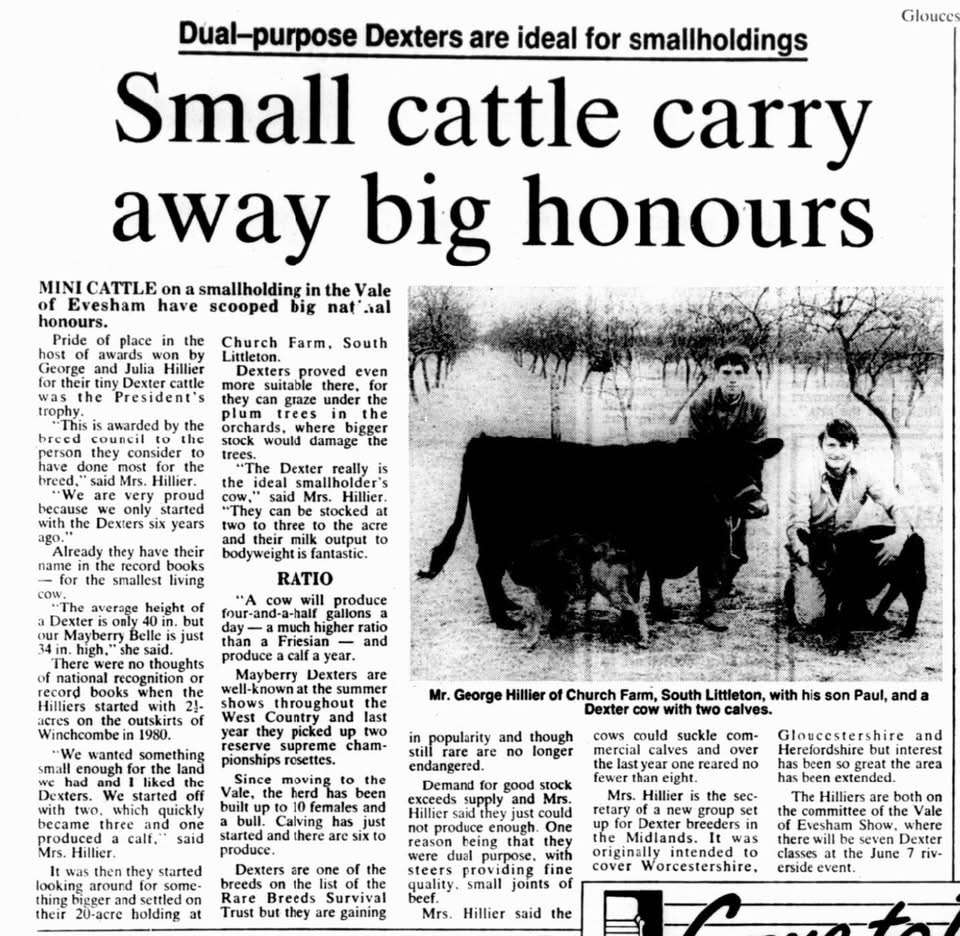

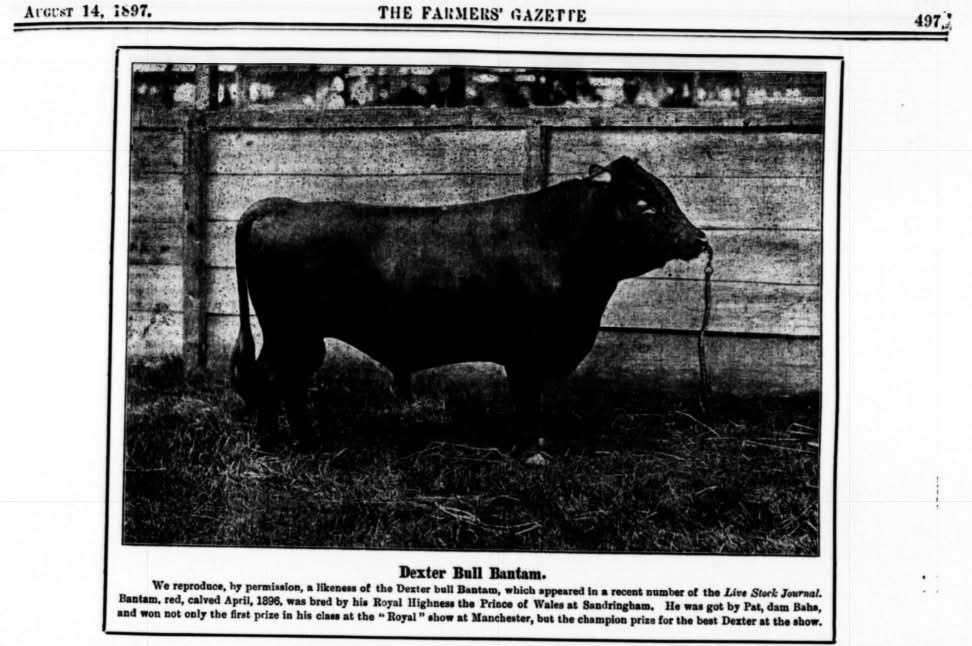
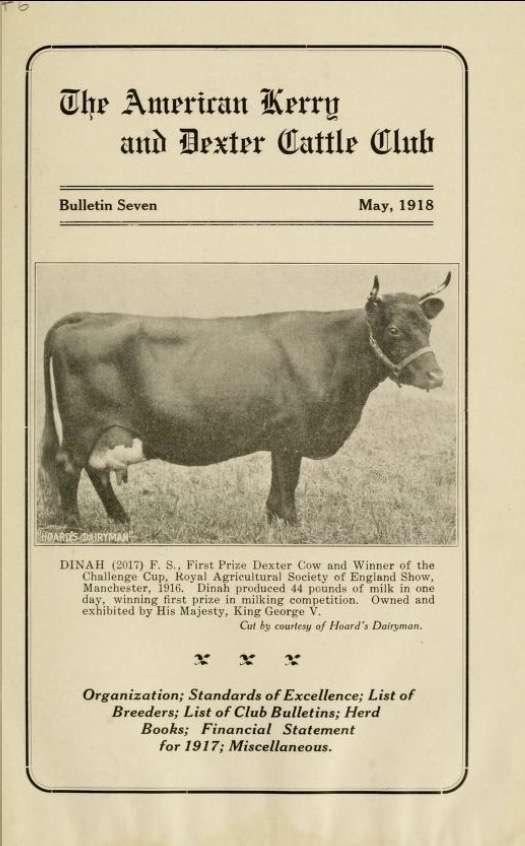
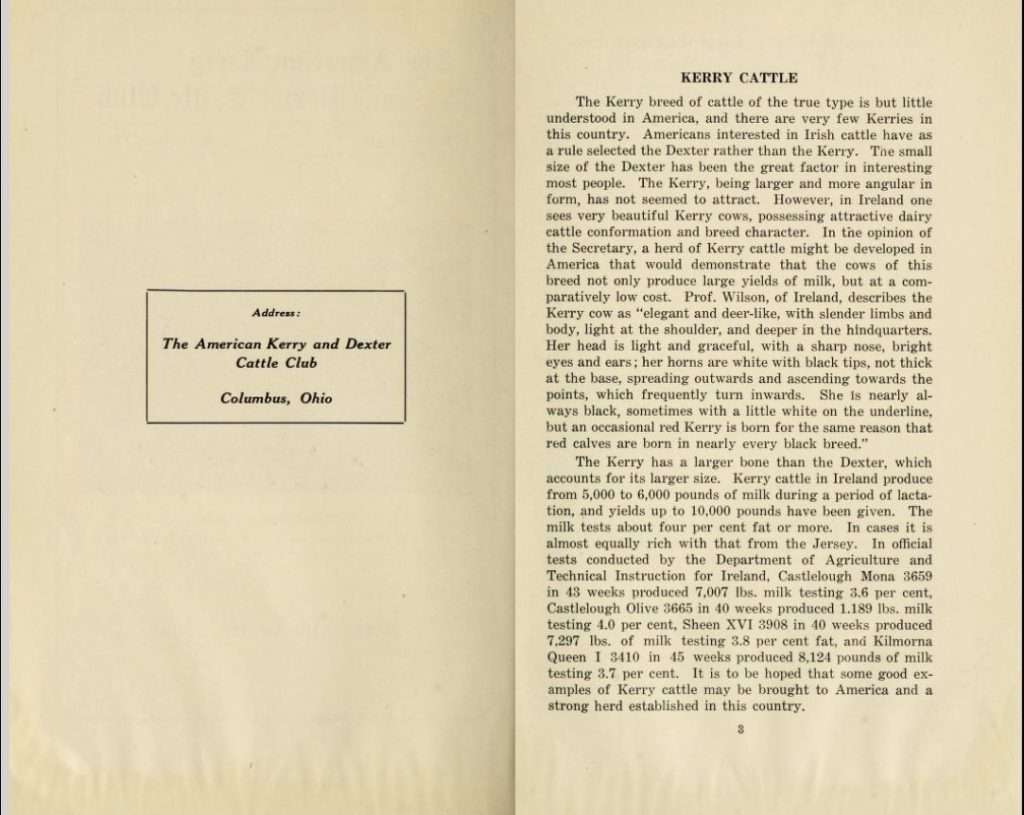
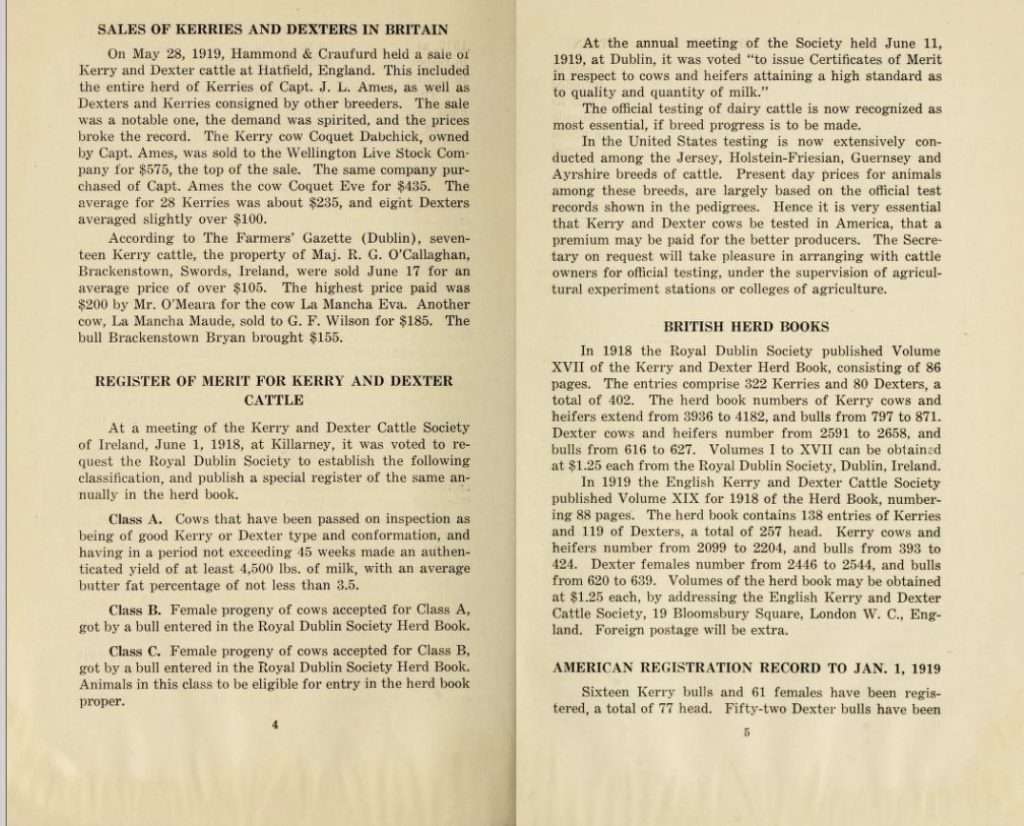
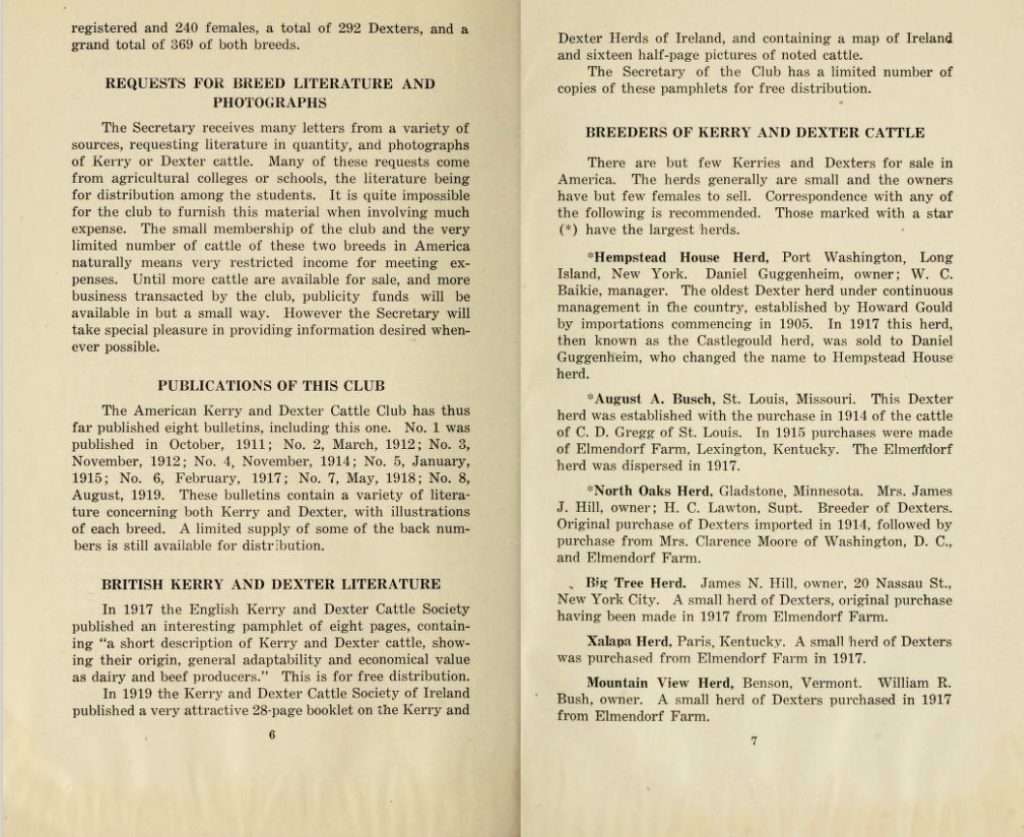
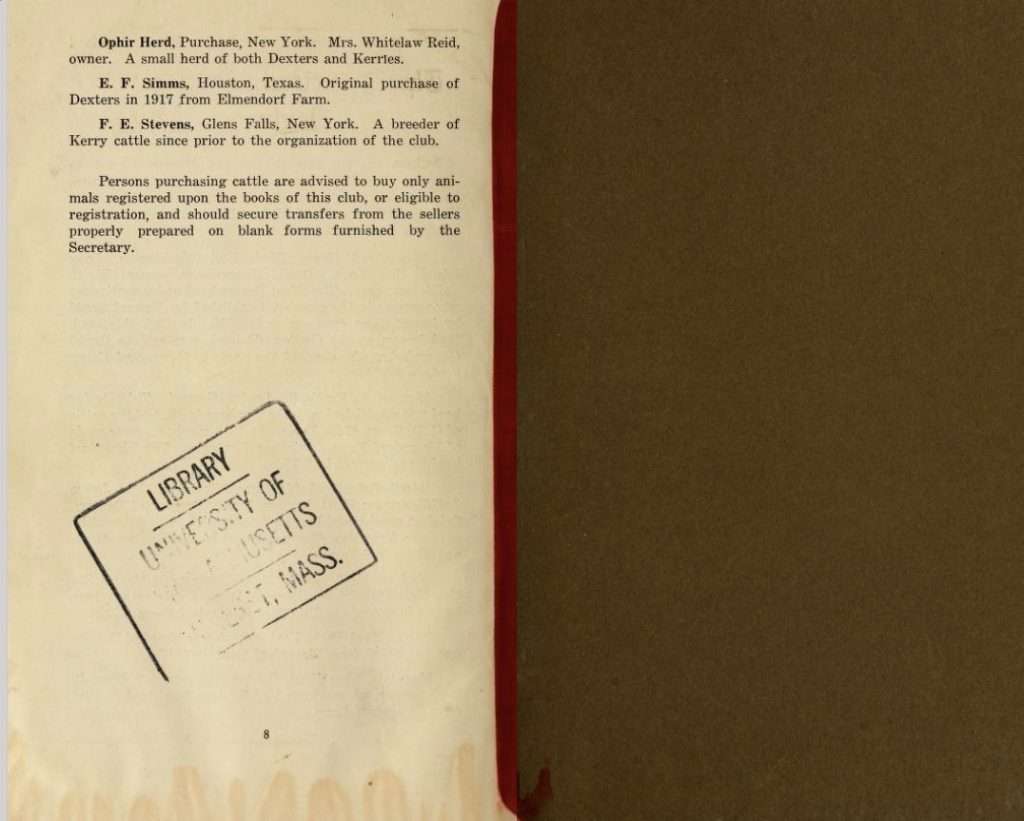
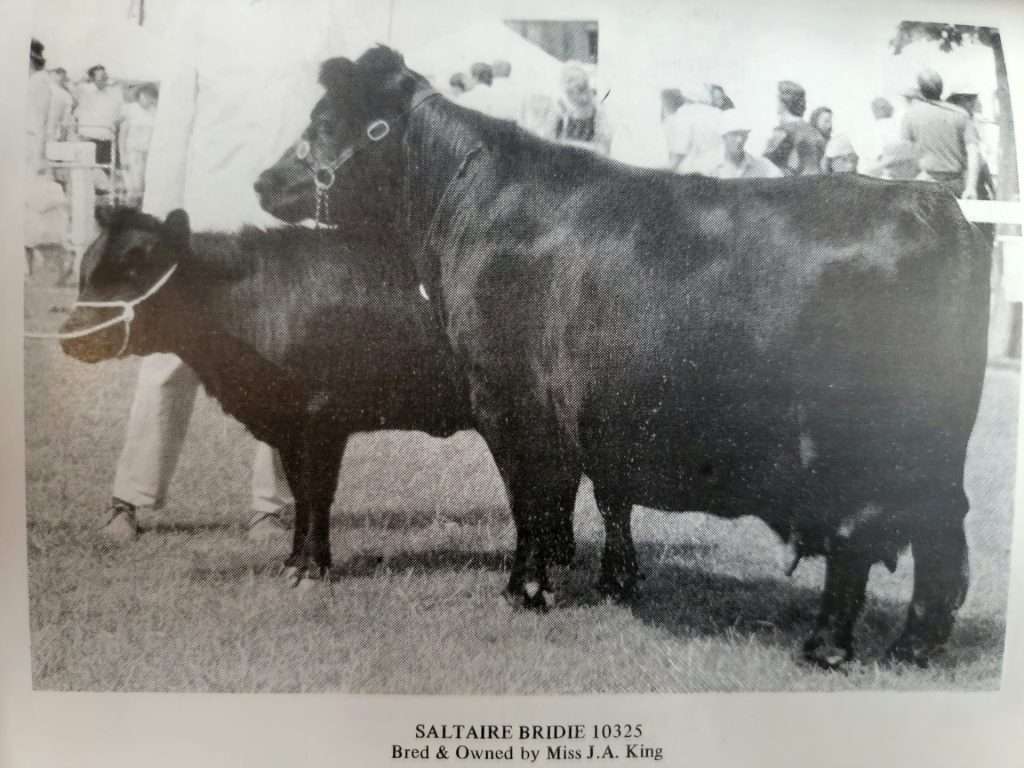
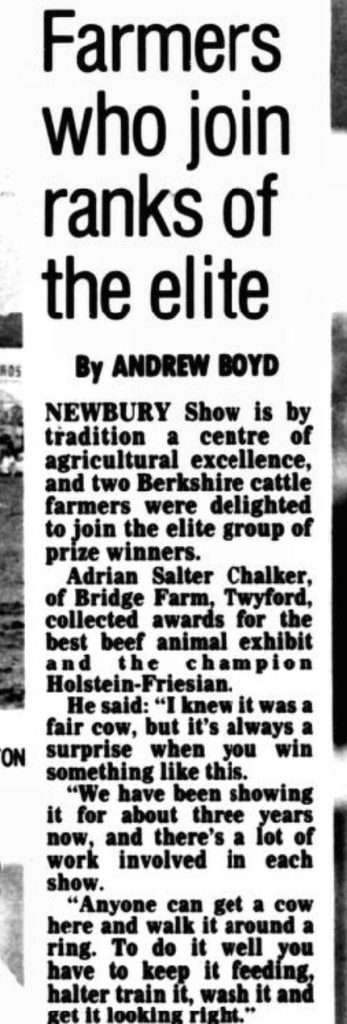
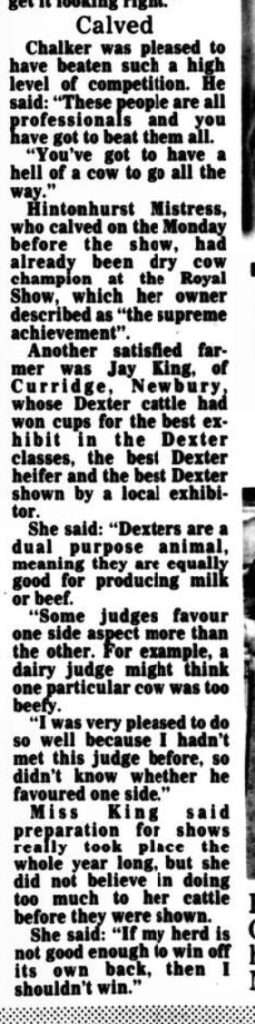
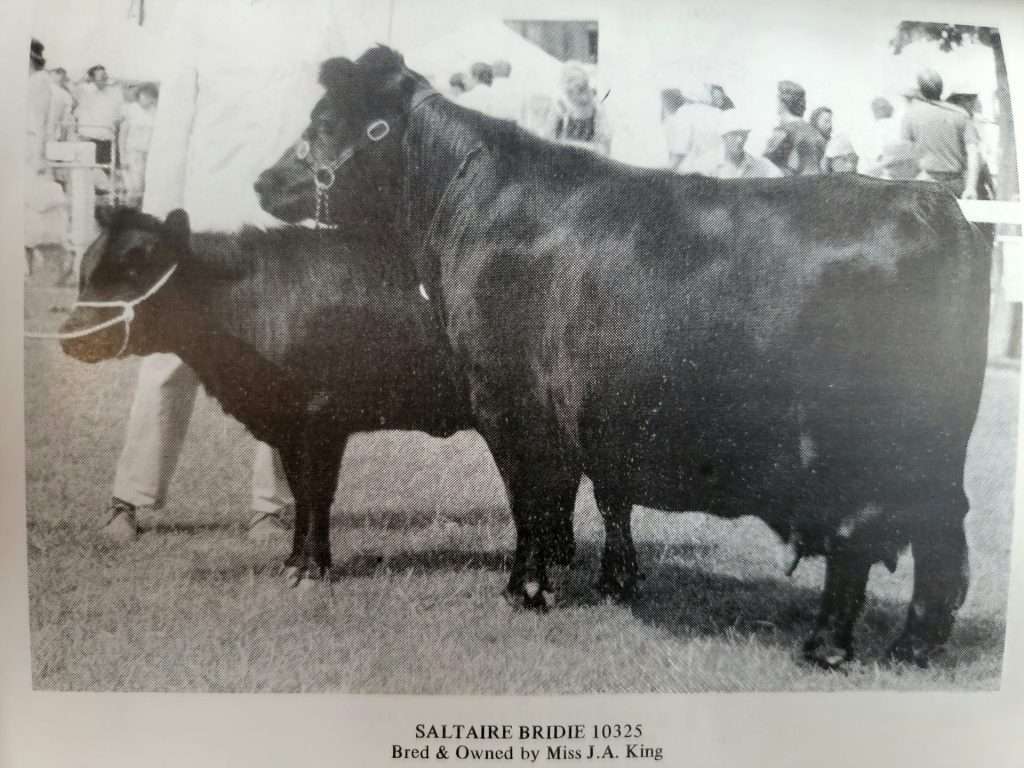
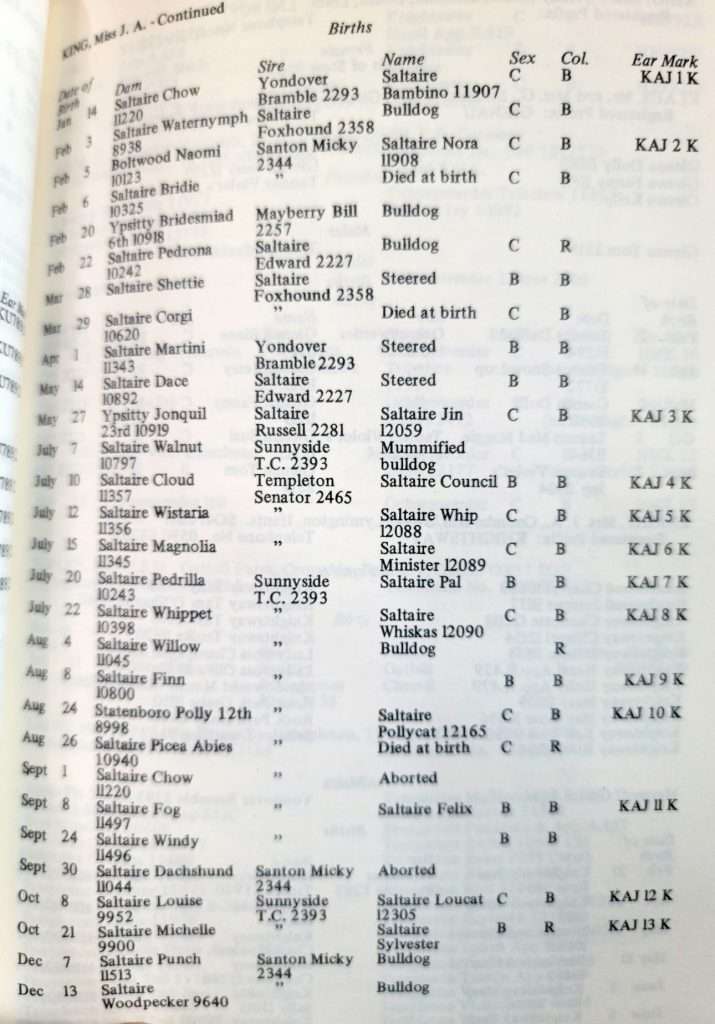
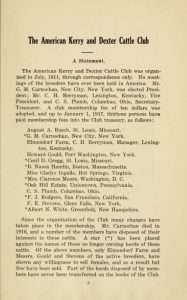
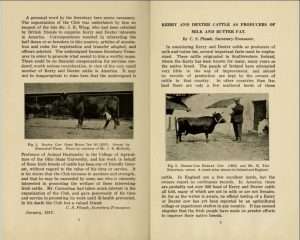
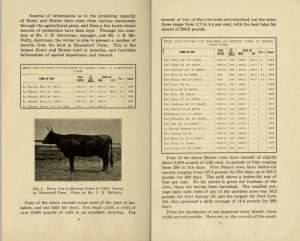
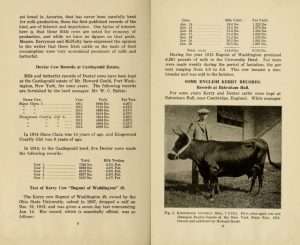
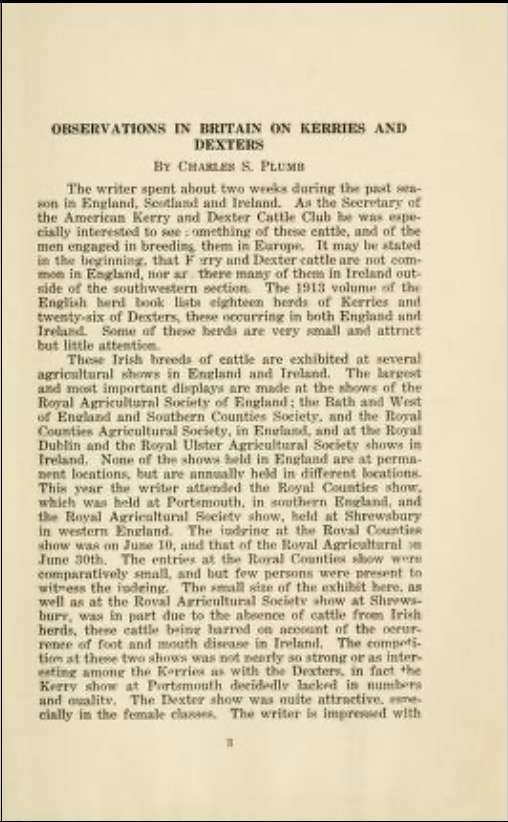
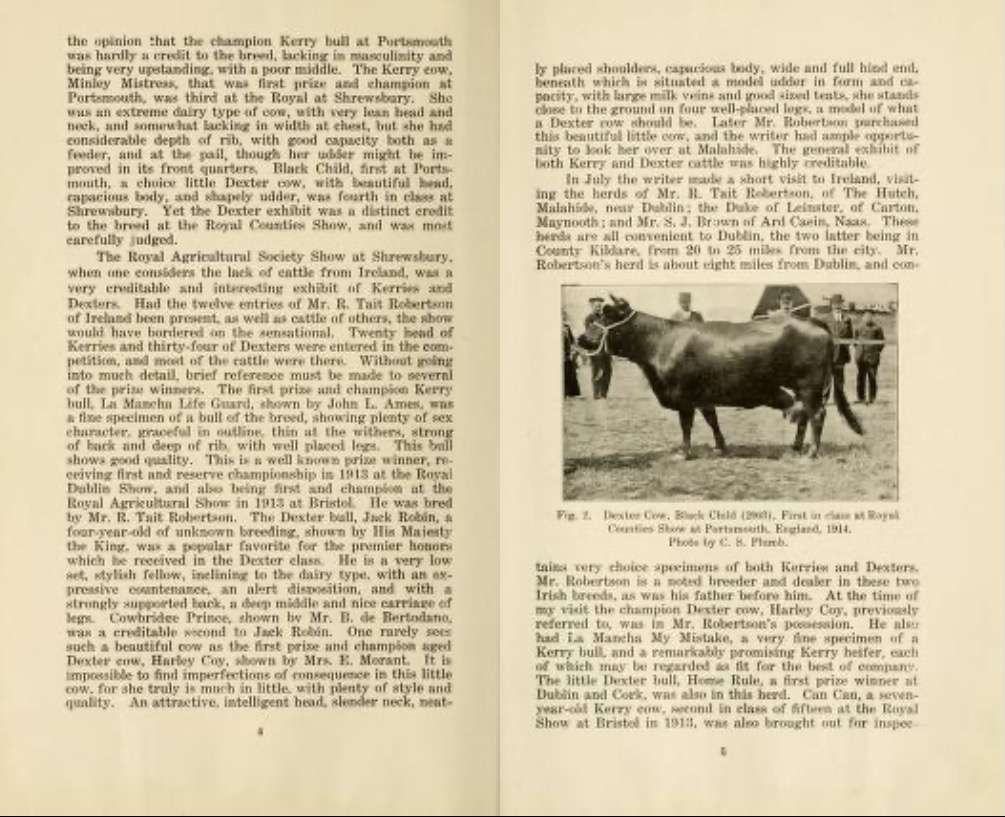
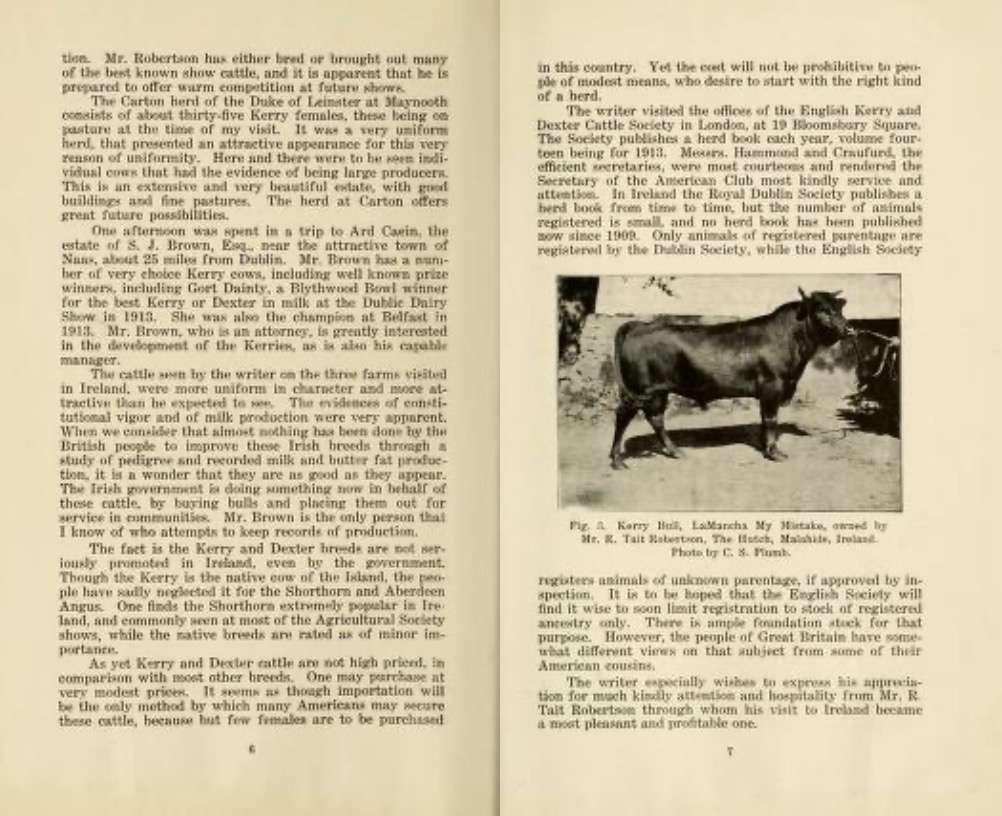
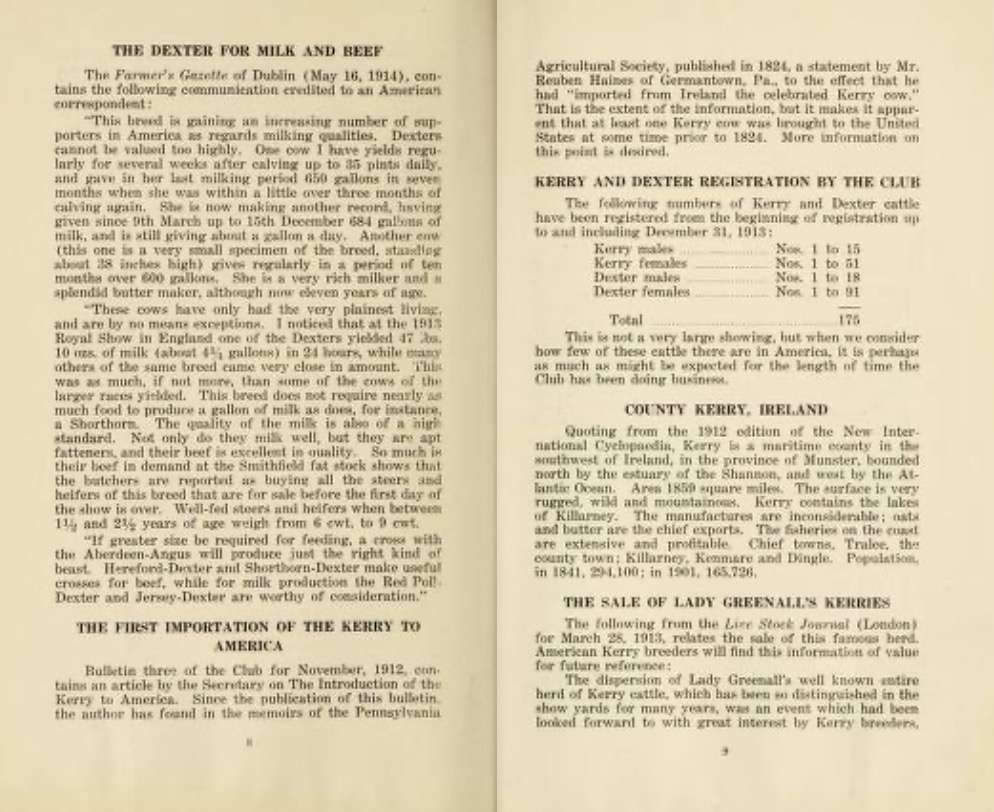
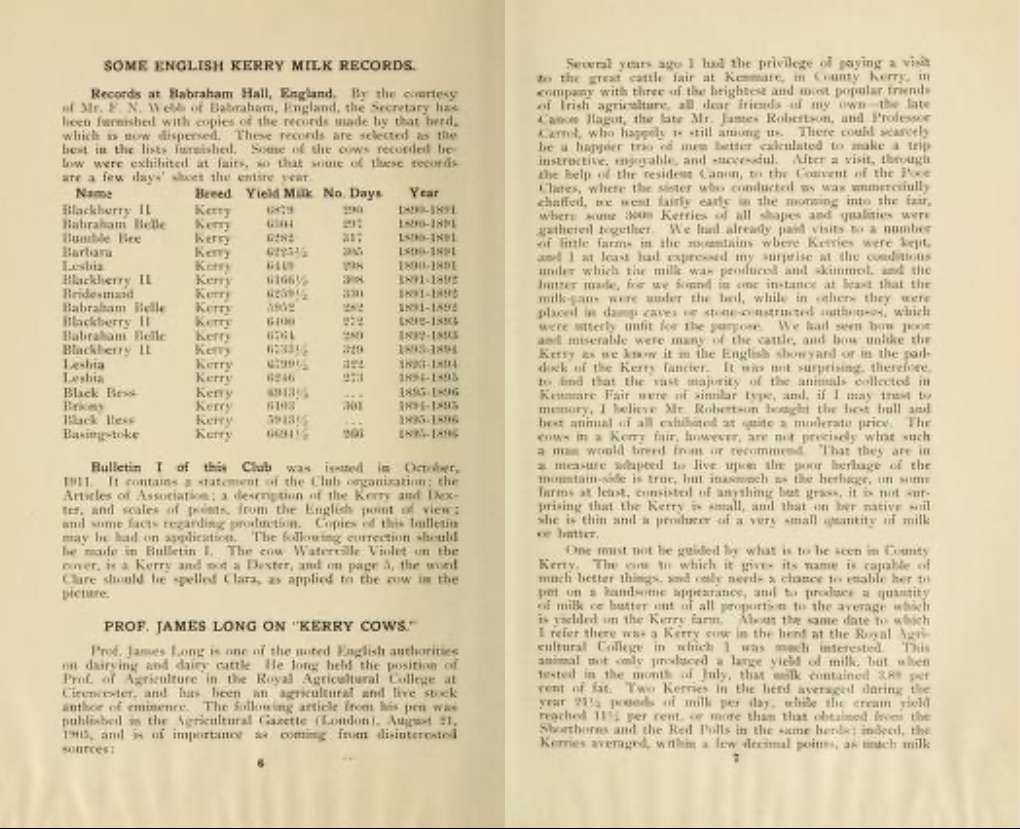
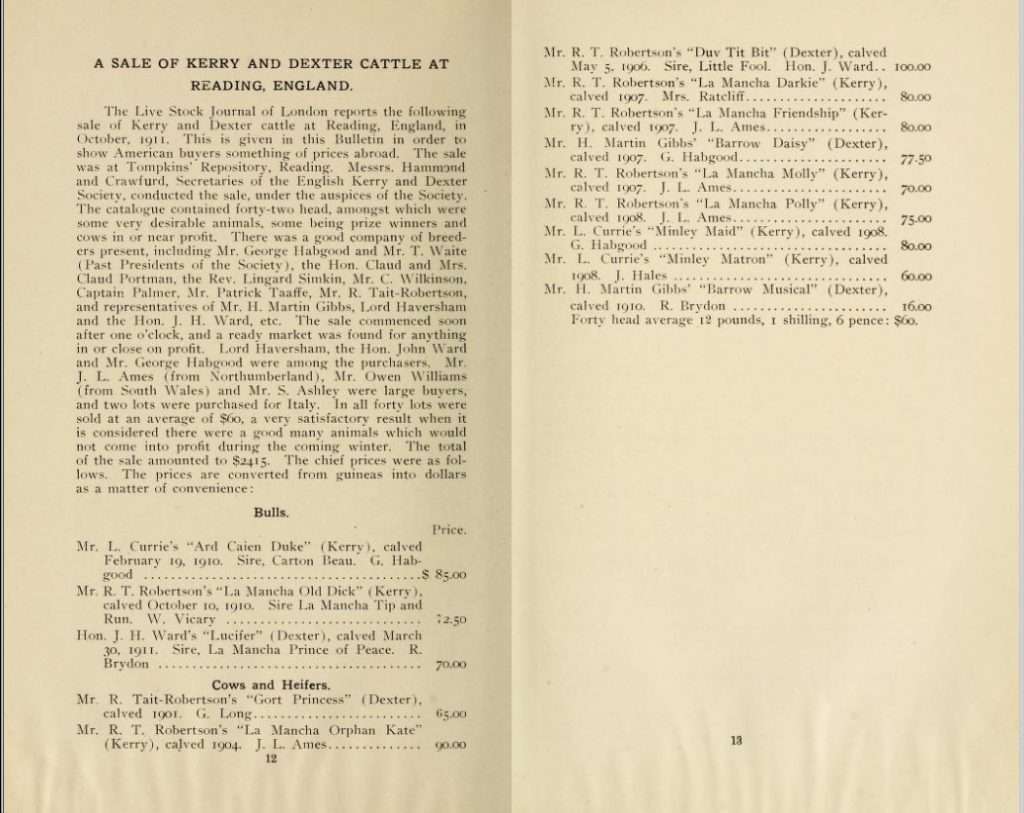
 Milk Yields Record taken from a Dexter Cattle Society Booklet
 Butterfat Content in Dexter cattle