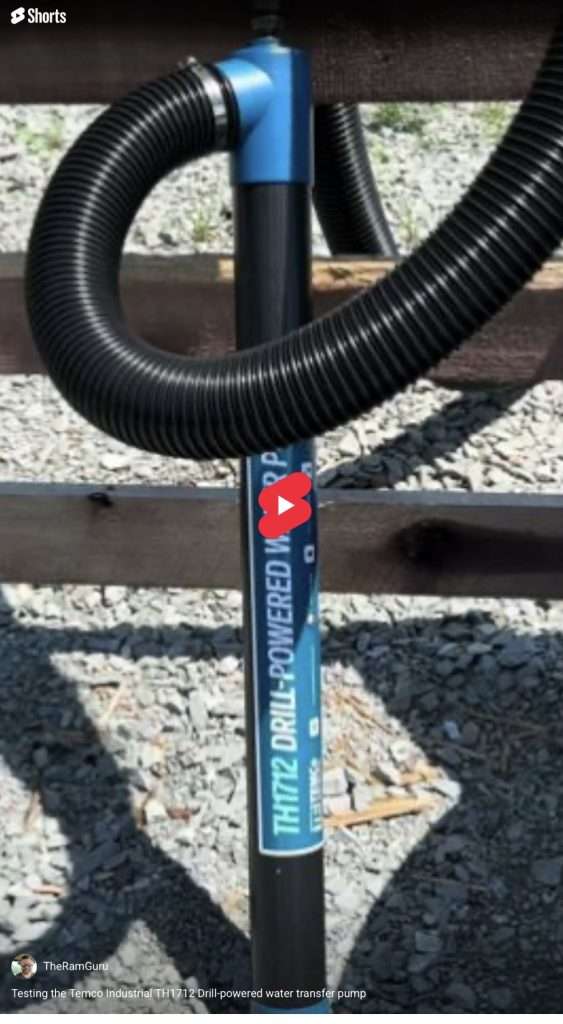
Cool way to empty your stock tank
Cool way to empty your stock tank Read More »
TechnologyFarm equipment
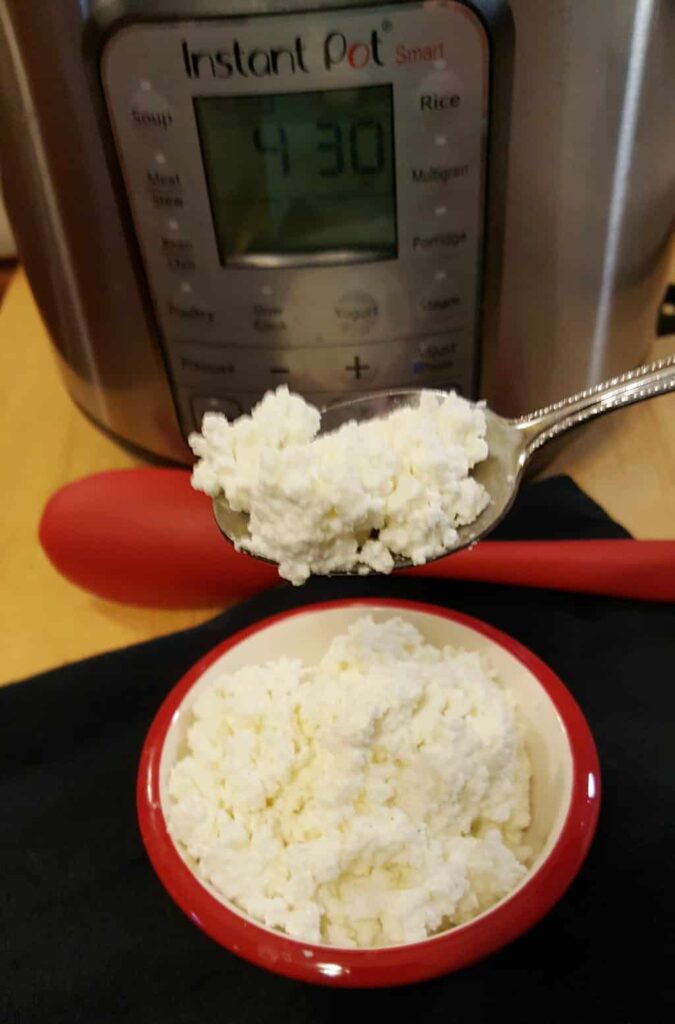
Cottage cheese made the easy whey….
Instant Pot Homemade Cottage Cheese Recipe Read More »
Milking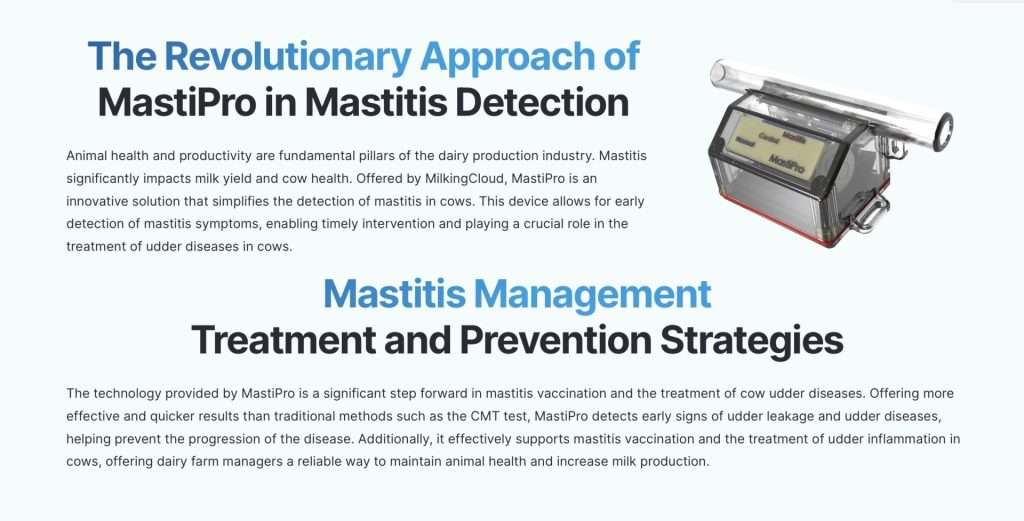
MastiPro is an automatic mastitis detection device compatible with milking machines. Thanks to the intelligent system, it detects early stages of mastitis based on increased Na and Cl ions in the milk. There is no need for expensive laboratory methods such as somatic cell counting. It provides information with colored indicator lights on the device and voice notifications via the MilkingCloud App.
https://www.milkingcloud.com/devices/automated-mastitis-test-mastipro
New Mastitis detection equipment Read More »
Technology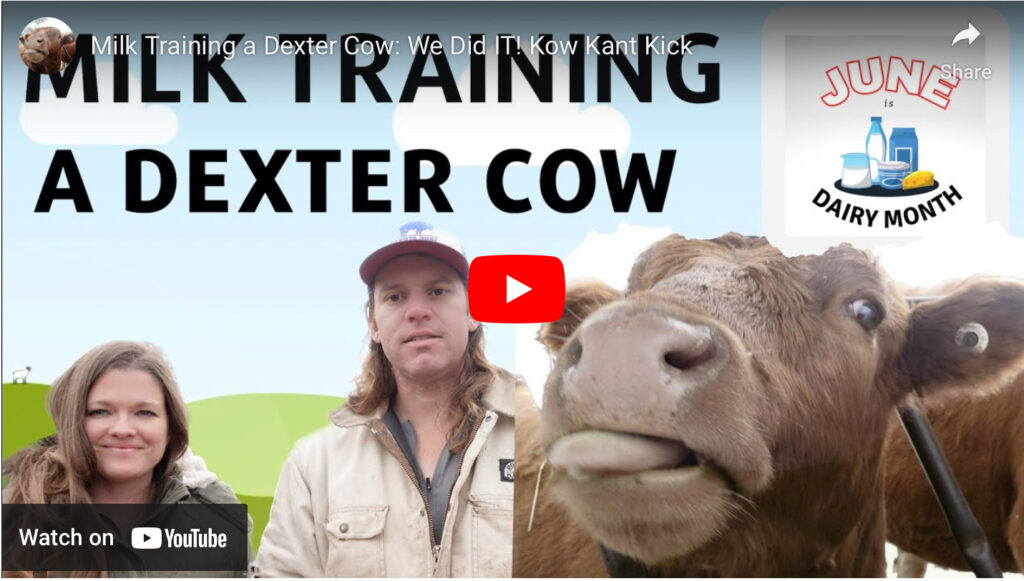
A milk journey from Sweet Briar Farm Submitted by Janelle Soja
https://discover.texasrealfood.com/dexter-cattle/preparing-your-dexter-cow-for-milking
Preparing Your Dexter Cow For Milking Read More »
Milking
When you click the ‘measure’ button, within about 3 seconds you can get an exact reading to one decimal place.
USING REFRACTOMETERS & PENETROMETERS Read More »
Technology
Milk Cow Machine Review!! Part 1 Is It Worth It?
The truth about Amazon milking pumps – Too Complicated Read More »
Milking
Milk Cow Machine Review!! Part 2 Is It Worth It?
The truth about Amazon milking pumps – Needs Modifications Read More »
Milking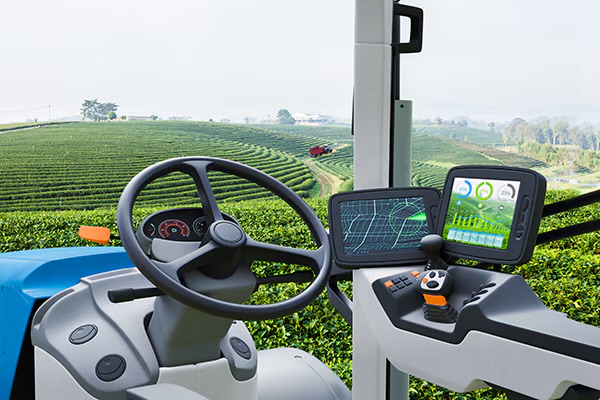
Autonomous tractors, drones, and seed planting, weeding, and harvesting robots
How Autonomous Vehicles Will Improve Sustainability Read More »
Technology
Letting livestock graze among solar panels isn’t a new idea, but it’s mostly been focused on sheep. – Submitted by Lessie Jo Frazier
Coming to a solar farm near you: cows? Read More »
Technology
This one does NOT PULSATE…pulsation is always recommended.
Continuing in the Milk Machine Series Read More »
Milking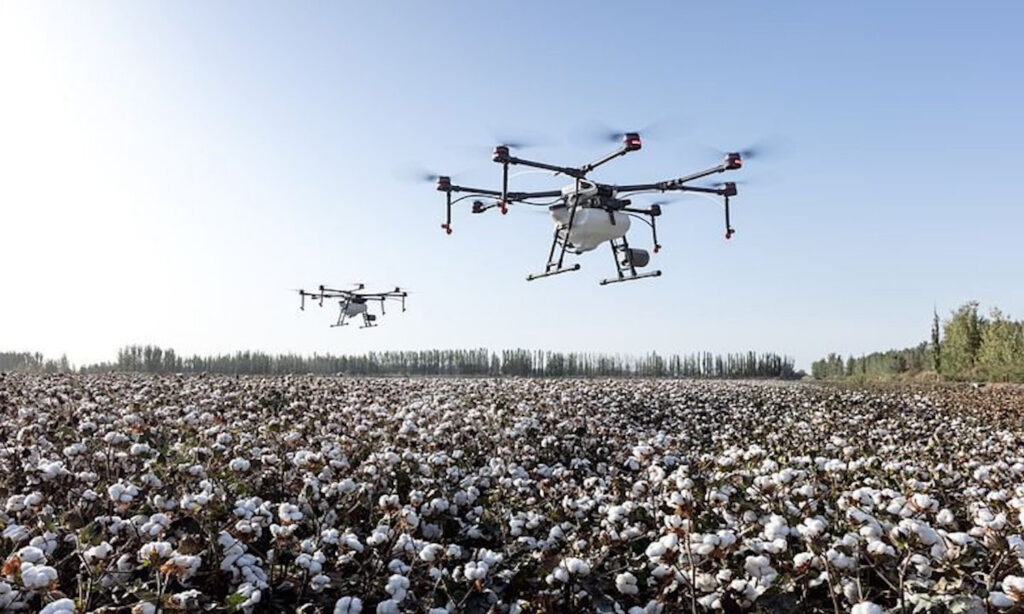
AgFunder finds that 2020 was a record-breaking year for investments in agricultural and food technologies
Dramatic Growth in AgriFoodTech Sector Read More »
Technology
Adding Solar Panels to Farms Is Good for Plants, Animals and People.
Adding Solar Panels Read More »
Technology
Here’s a general explanation of the structure of our stanchion.
Dexter Milking Stanchion Plans Read More »
Milking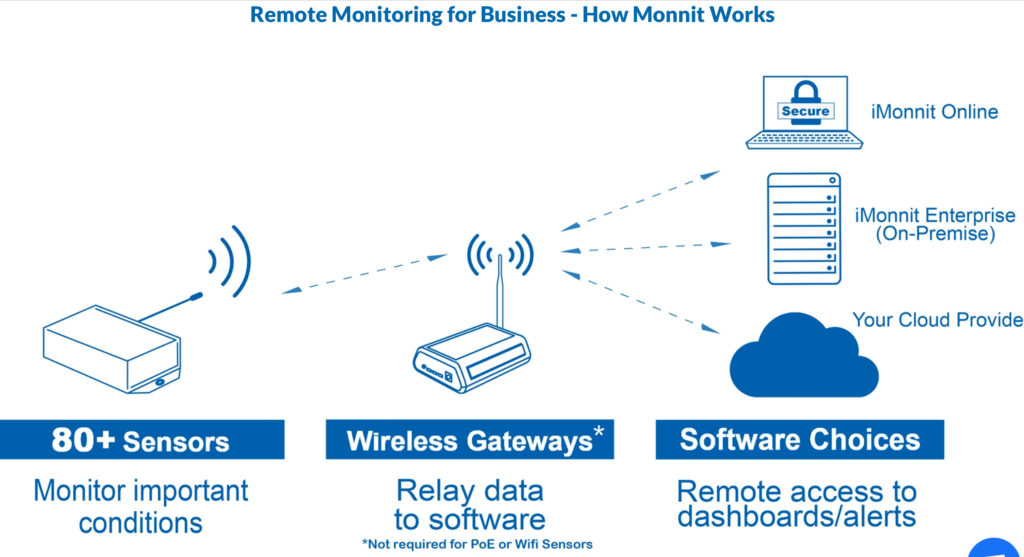
There are many benefits to implementing smart agriculture monitoring solutions.
Let sensors monitor 24/7 & Even After The Cows Come Home Read More »
Technology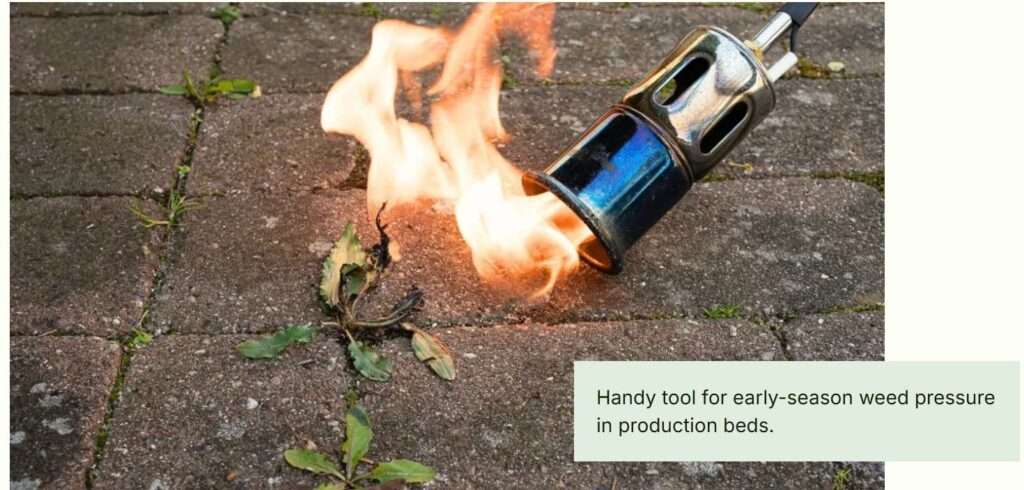
With so many lists and products for small farms out there, it’s hard to know which tools to have on hand. This list covers nine essential tools for small-scale farmers and discusses why each is so important to keep around.
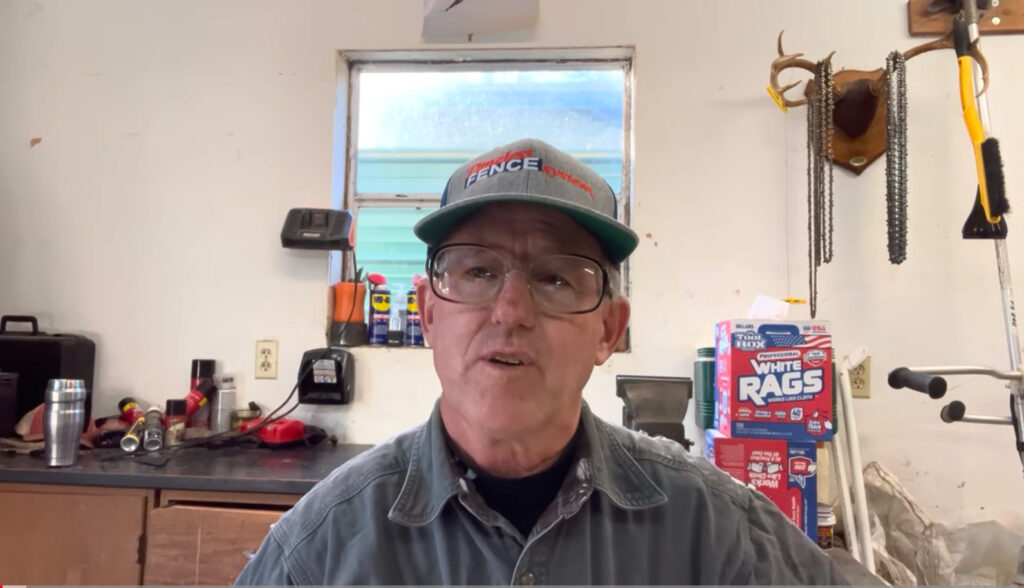
Timeless Fence Post is king!
The Best Electric Fence Post Read More »
Farm Management
Here is a great basic cheese making equipment guide. It is specific to one website, but it is very helpful to get a handle on what is needed for success at home.
https://cheesemaking.com/blogs/learn/equipment-for-cheese-making?_pos=1&_sid=cca5771cd&_ss=r
’
Cheese Making Equipment Read More »
Milking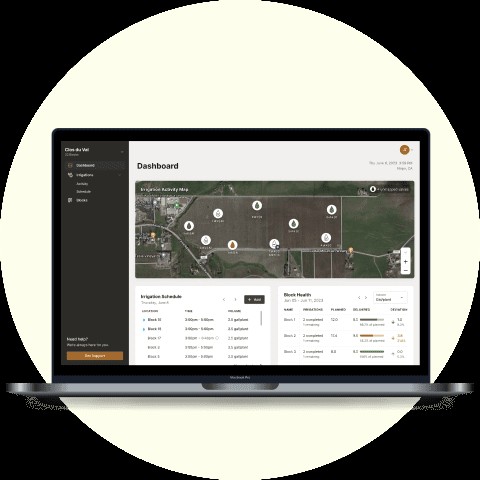
Lumo is an all-in-one precision irrigation system designed to get you up and running quickly and at a lower cost. Wireless, solar-powered, cloud-connected, and US-patented, our smart valves simplify installation and come standard with a built-in flow meter.
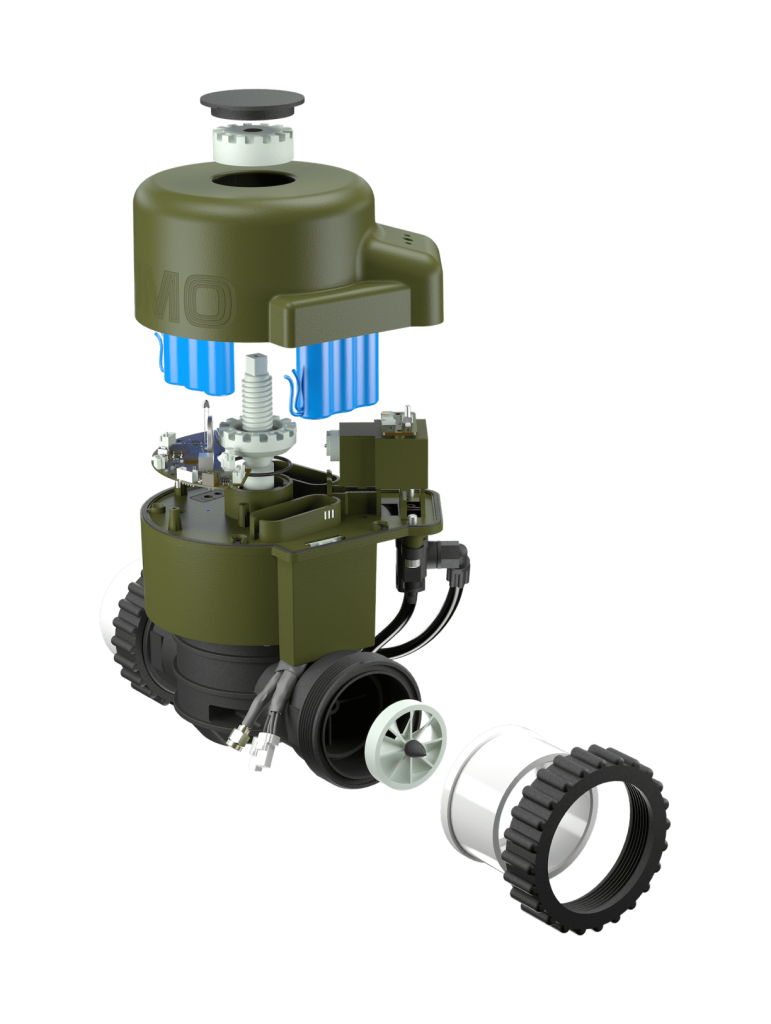
Dial in your irrigation Read More »
Technology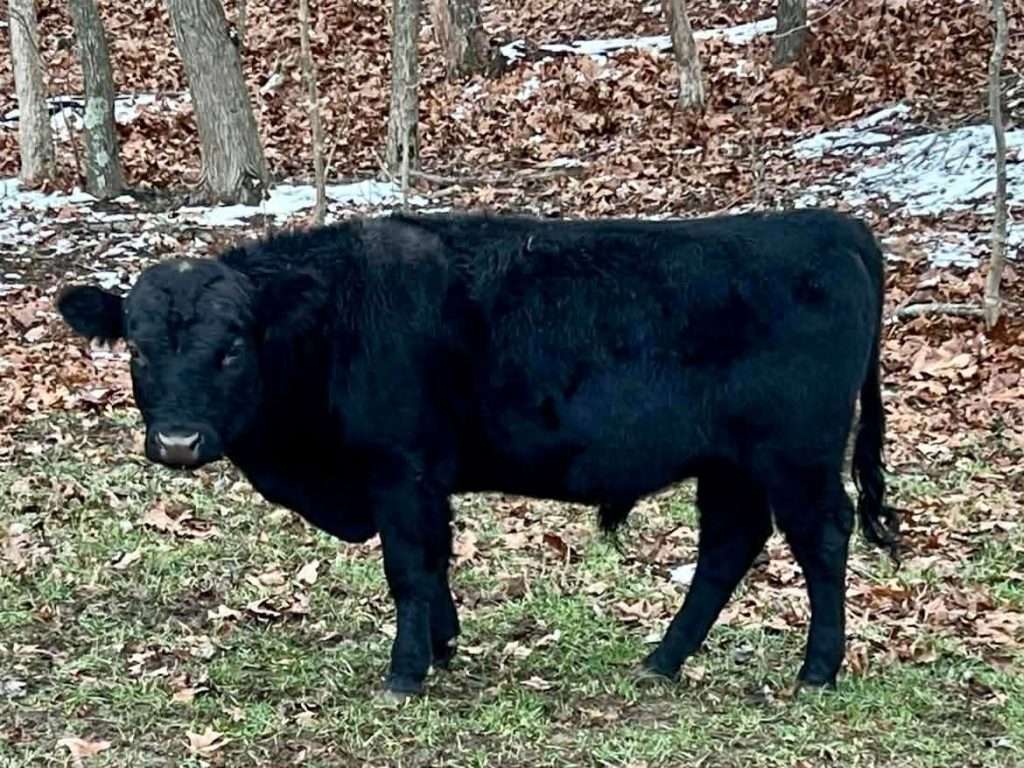
They are here! My wife and I watched the cattle huddle around the hay bale located in the horse turnout next to our stables. The cattle didn’t take long after delivery to settle themselves. I had let the grass in the turnout grow out and with the red and black of the cattle settled against the green grass the scene was picturesque.
Months before, while at the vet for my dog, Bear, I once mentioned that we were considering getting a horse. Our vet said, “get cattle, they are easy.” Could it be that easy? Now what do I do. They pretty much take care of themselves, don’t they?
Yes and no. Mostly no. Grass fed? It was November and hay was needed. Grain fed? I wanted to feed a little grain as a training tool and to get them to follow me.
I had purchased the following equipment and supplies:
Every day I would walk out with the cattle. I didn’t force myself on them in the beginning and let them come to me. It didn’t take long at all for Bitsie to come up to me and gently nudge me looking for a scratch. Jubilee and Liberty gradually came. All wanting attention. Willow, the heifer, was a little slower in her approach. Younger and more cautious. Sometimes it works that way. But once she got used to me, and I got used to her, she never fails, to this day, to give me hugs.
Everything was great. The vet was right. This wasn’t that hard.
Oh crap. I say that literally and figuratively. There was a lot of it. Cattle loved the stable but they didn’t respect the sanctity of the stable bed. What am I going to do with all of that manure? I have a plan.
A little bit about the author. I own and operate a small farm called “Our Yellowstone LLC” in Illinois. I couldn’t do it alone, but will keep my wife’s name out of it to protect her innocence.
DEXTER CATTLE – JOY, LAUGHTER, AND HEARTBREAK – PART 4 Read More »
General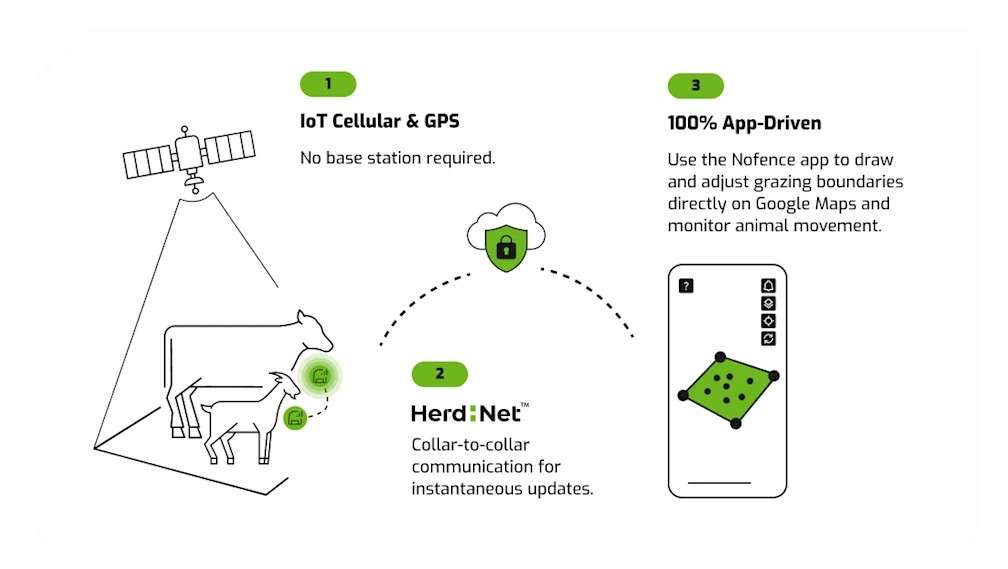
Nofence creates invisible boundaries that safely contain livestock without physical fences. Each mature animal wears a GPS collar that tracks its location and guides it within the virtual pastures you define in the Nofence app. The system combines GPS positioning, cellular connectivity, escalating audio cues, and gentle electric pulses to form a reliable and flexible fencing solution.
TECHNOLOGY creates a fence without A physical Fence Read More »
Technology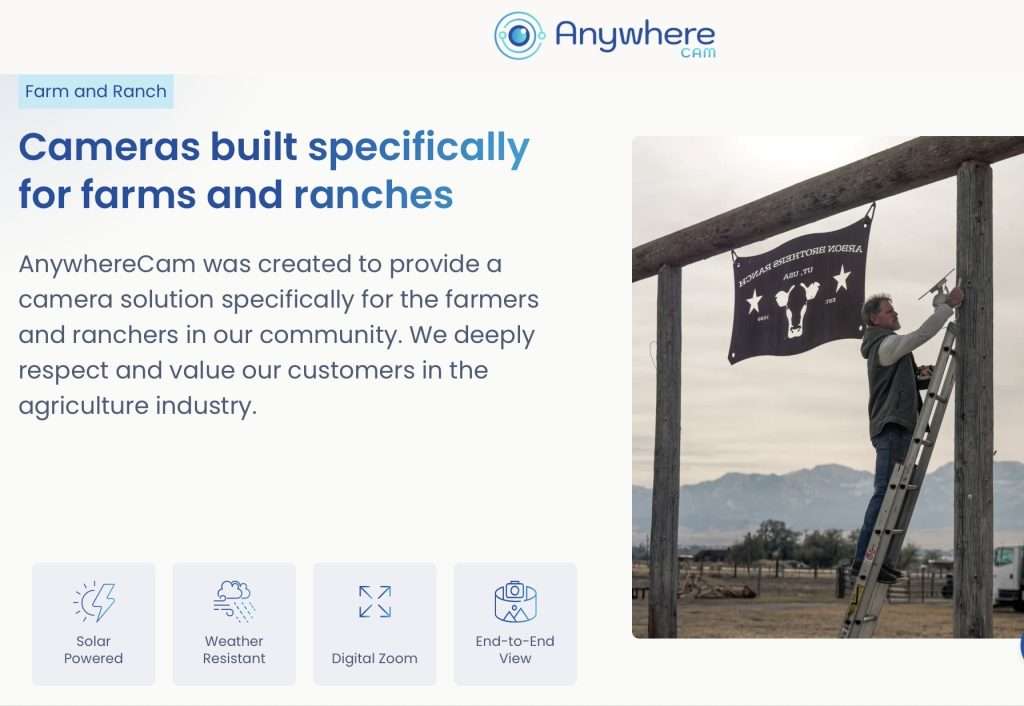
Technology continues to improve the way we can do things on our homesteads, farms and ranches giving us advancements in how we can monitor our precious Dexters. Here is a company that offers a solution.
Cameras built specifically for farms and ranches Read More »
Technology
Technology has improved and capability of drones has greatly increased.
Drones: The 21st century ranch hand Read More »
Technology
Showing a trick to getting a cows approximate weight using your smart phone!
Check Cattle Weight With Smartphone Read More »
Technology
I am a simple man at heart and the equipment I use day-to-day reflects that.
EQUIPMENT THAT WORKS Read More »
Technology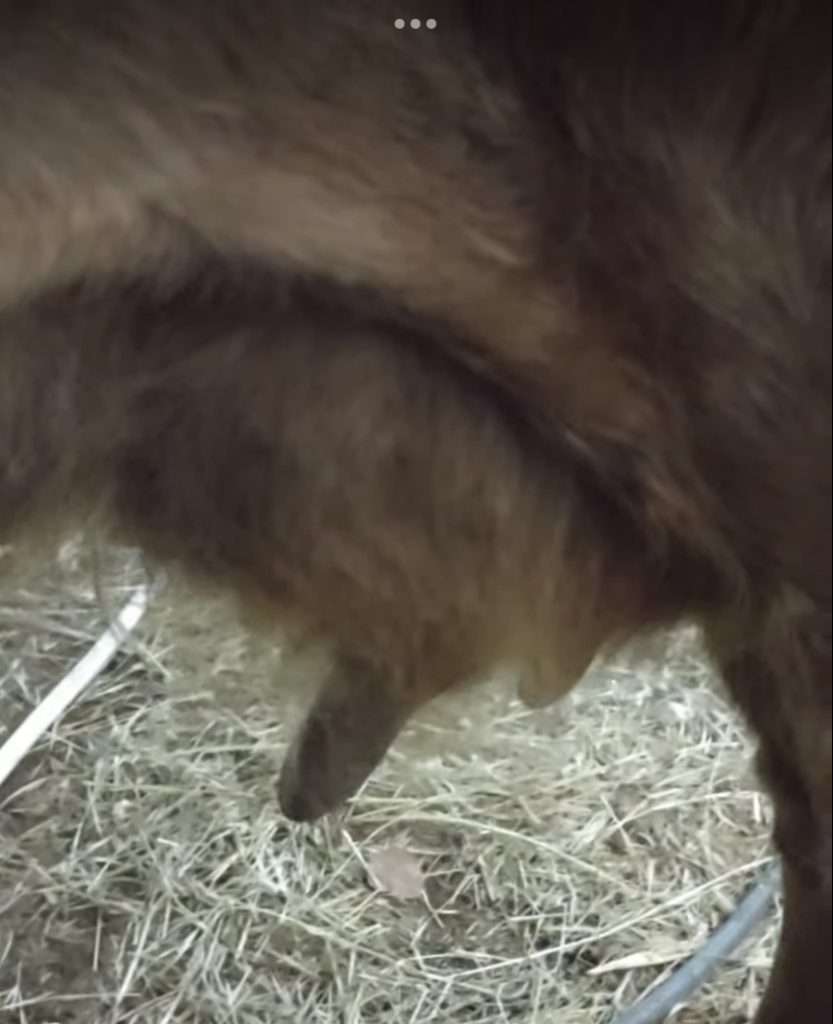
Let’s face facts. Some of our Dexter gals have some pretty hairy udders. All that hair is not something we want if we are trying to milk them and provide a clean product.
I use these handy dandy scissors pictured below, but some folks also use electric clippers, as in the short video below.
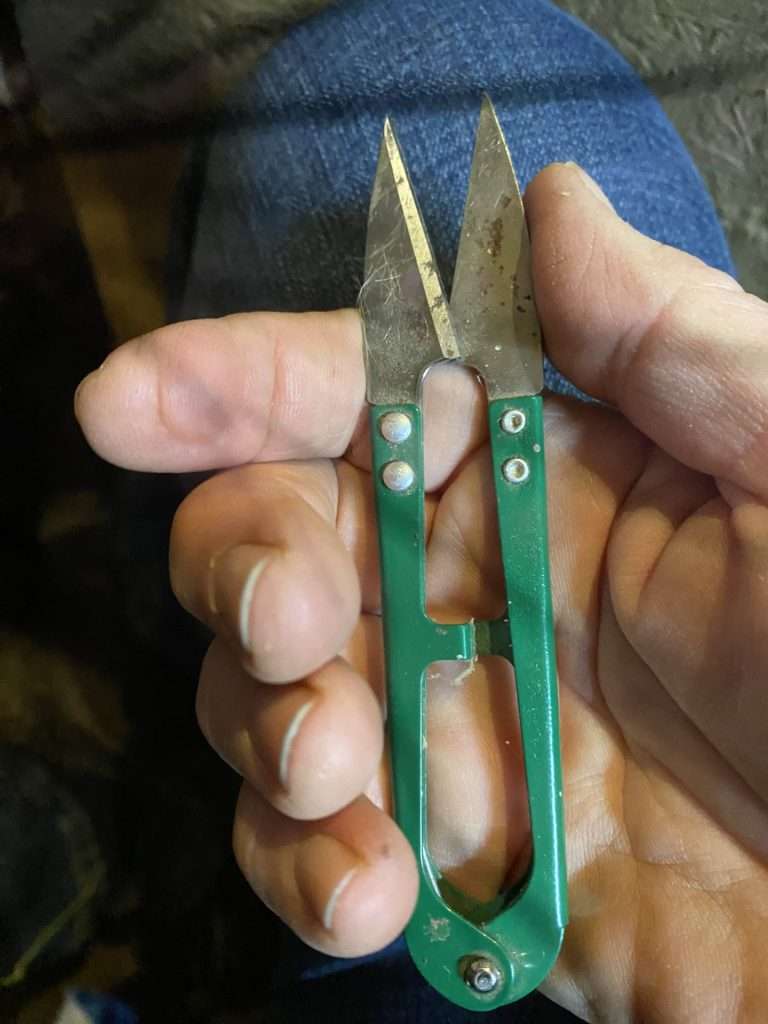
What ever method you choose, make sure you do it, it makes cleaning the udder sooo much easier!
Is Your Dexter Udder Hairy? Read More »
Milking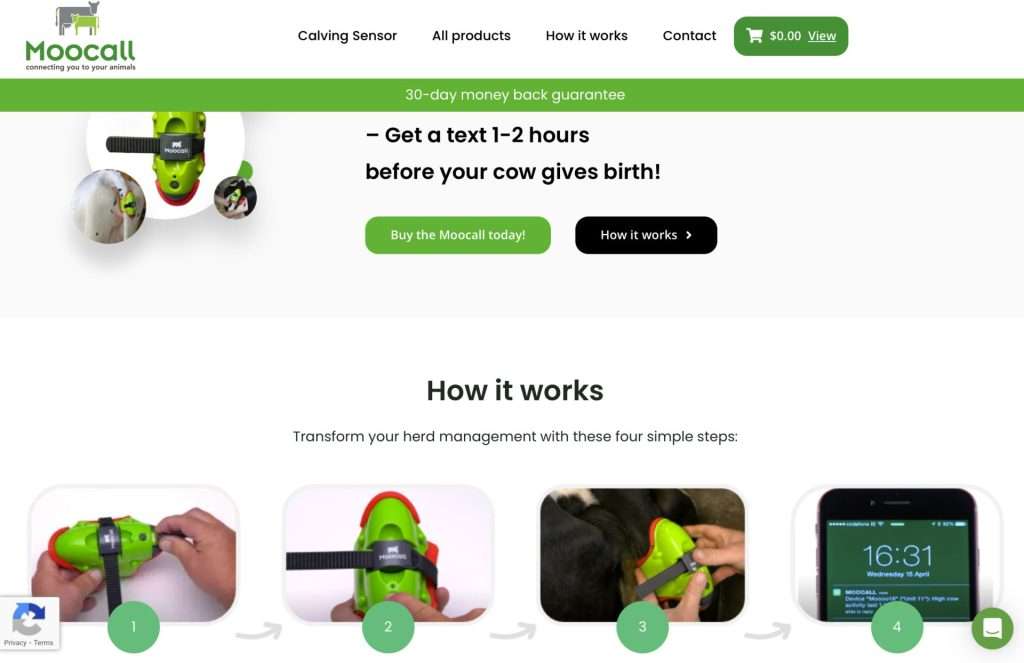
After many nights of interrupted sleep, due to monitoring a heifer and her first calving, I decided to let technology given it a try. I purchased a Moo Call device. Of course it arrived and she went into labor, but I decided to given it a try on my Dexter due.
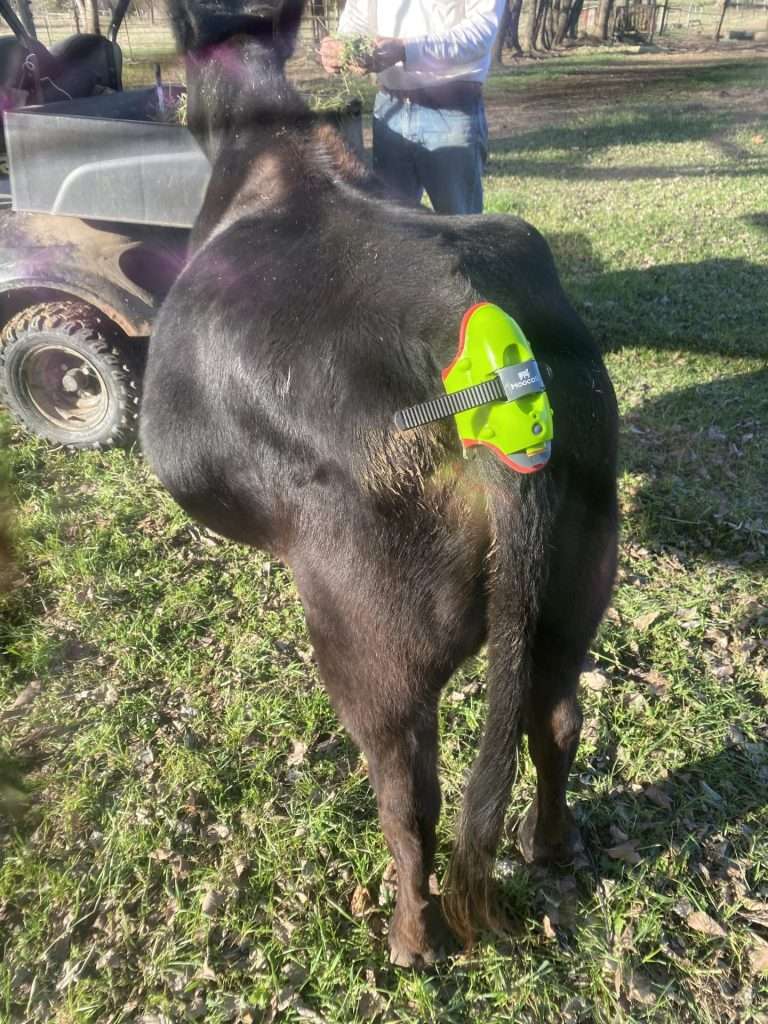
It was pretty simple. I followed the instructions and had to cut off to sections on the red rubber grip to get a proper fit. After that I attached it to her tail and monitored during the day, like I always have. I figured she was a few days out and mostly used it at night, so I could sleep.
After a brief phone call with them, to make sure it was working properly, I relaxed and decided to give it a chance. He due date came and went, but all of my experience told me she was not ready and I slept like a baby.
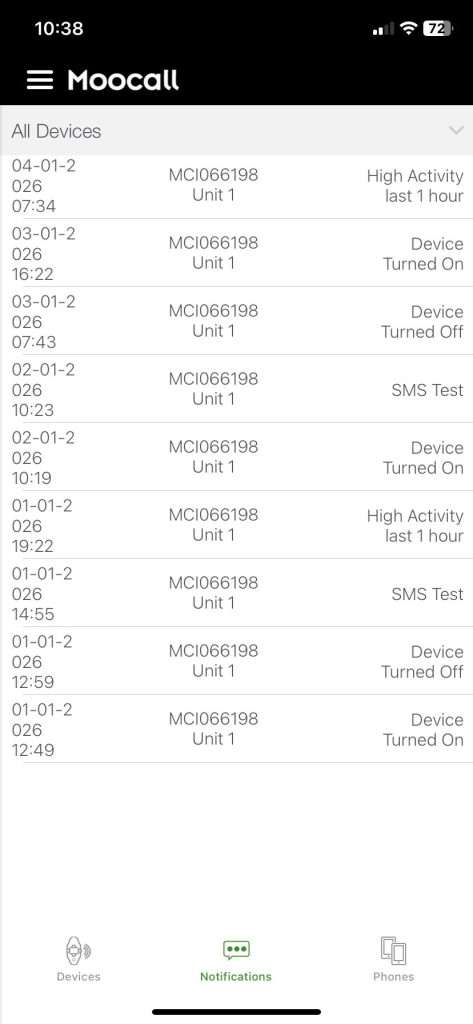
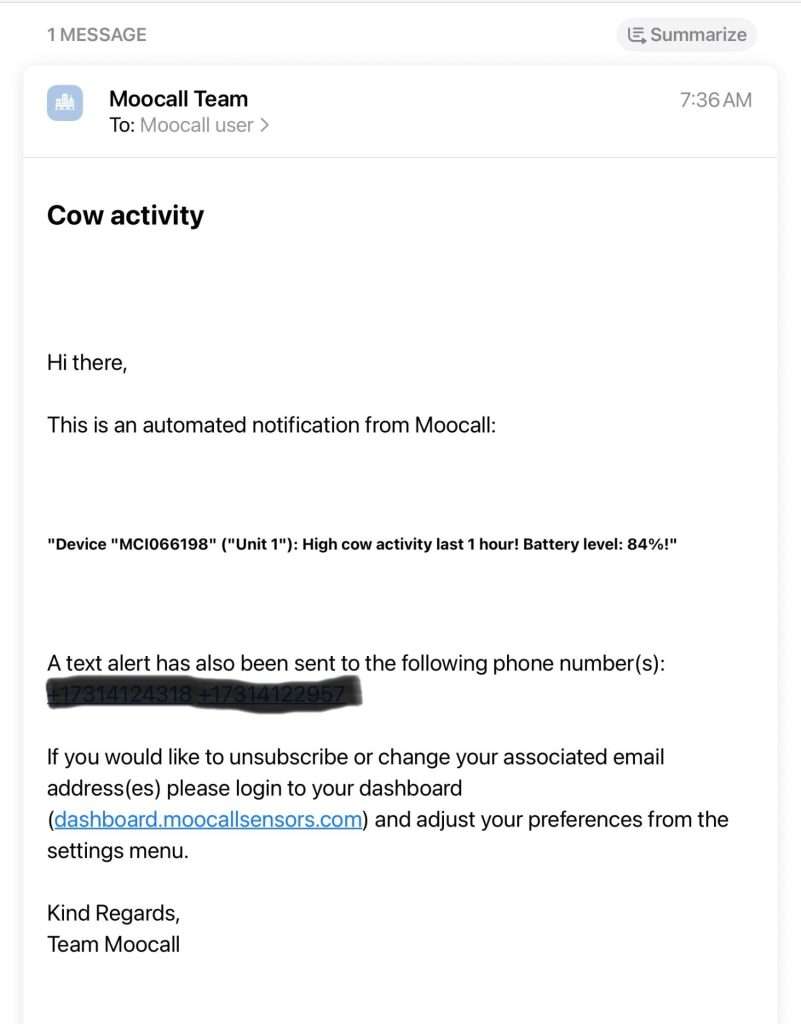
The next morning while finishing up miking, my husband said…Did you just get an email like this? I grabbed my phone only to have it MOOO at me! I had received the email and text…but now it was mooing at me from the APP I had downloaded.
We quickly finished up and went to check on her…and yes she was in the beginning stages of labor. The Moo Call said she would calf within the hour…and she did! The alerts started at 7:34 and the calf arrived at 8:18. Here are some visuals of our experience.
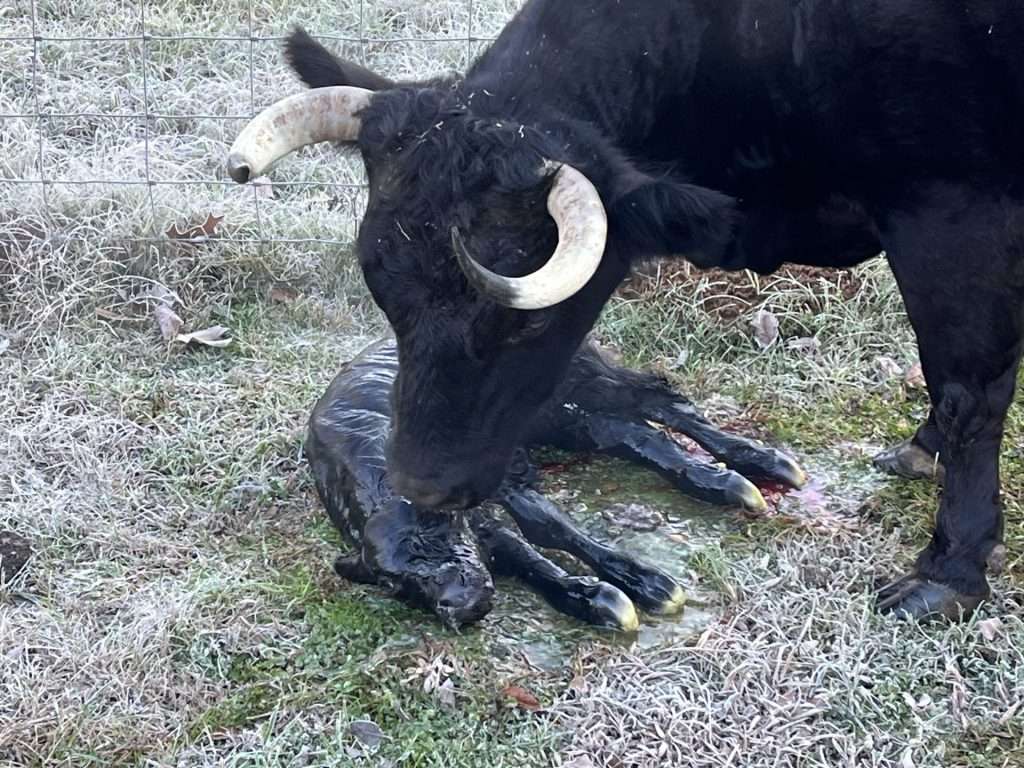
A little help from TECHNOLOGY can help with calving… Read More »
Technology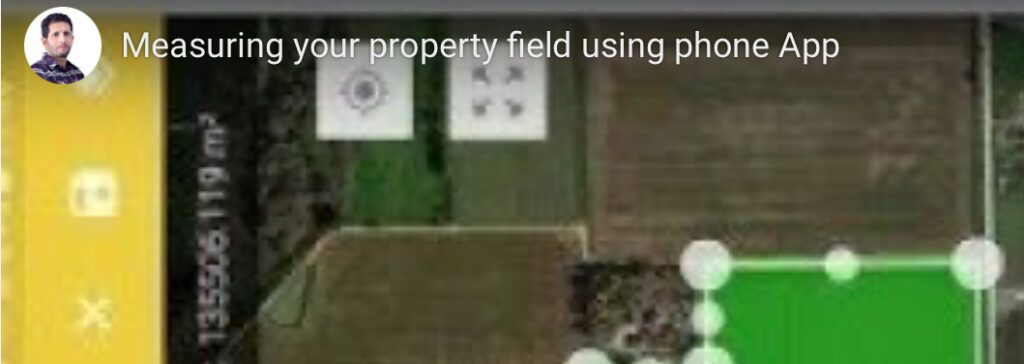
The Distance and Area app on your smartphone will measure any pasture. Search for it in your phone app store.
Measuring your property field using phone App Read More »
Technology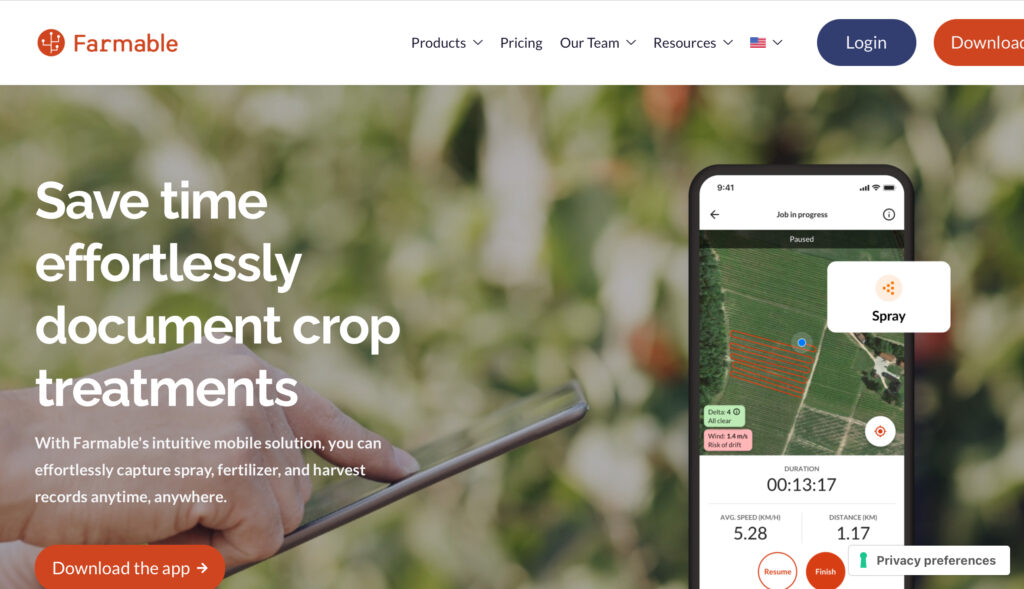
Build an interactive map of your fields for a better overview.
Keep all your information and activities easily connected.
Build a digital field model Read More »
Technology