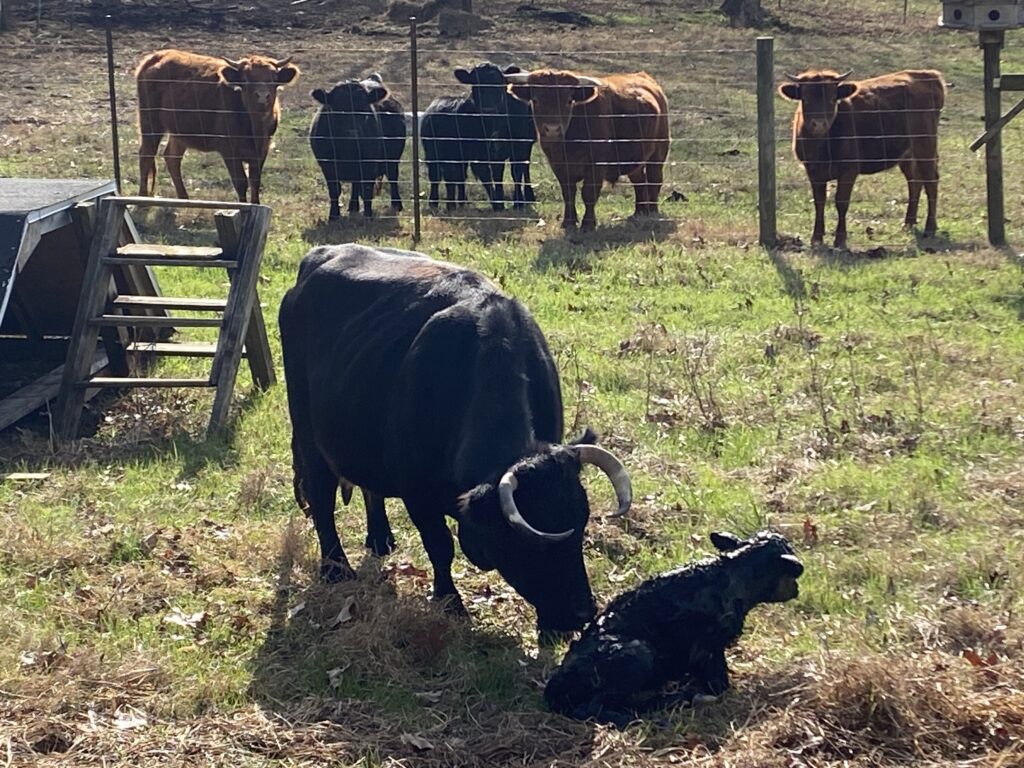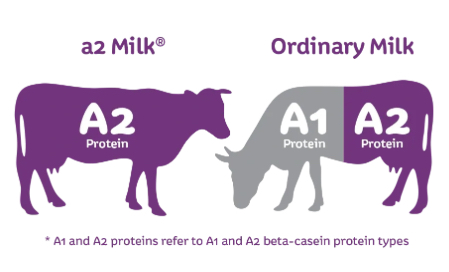
Another reason to milk your Dexters
Another reason to milk your Dexters Read More »
Milking
There are plenty of opinions on raw milk…consider listening to this doctor, who has chosen raw milk for her and her family. I find her perspective on Listeria particularly fascinating.
One Doctor’s perspective on Raw milk Read More »
Milking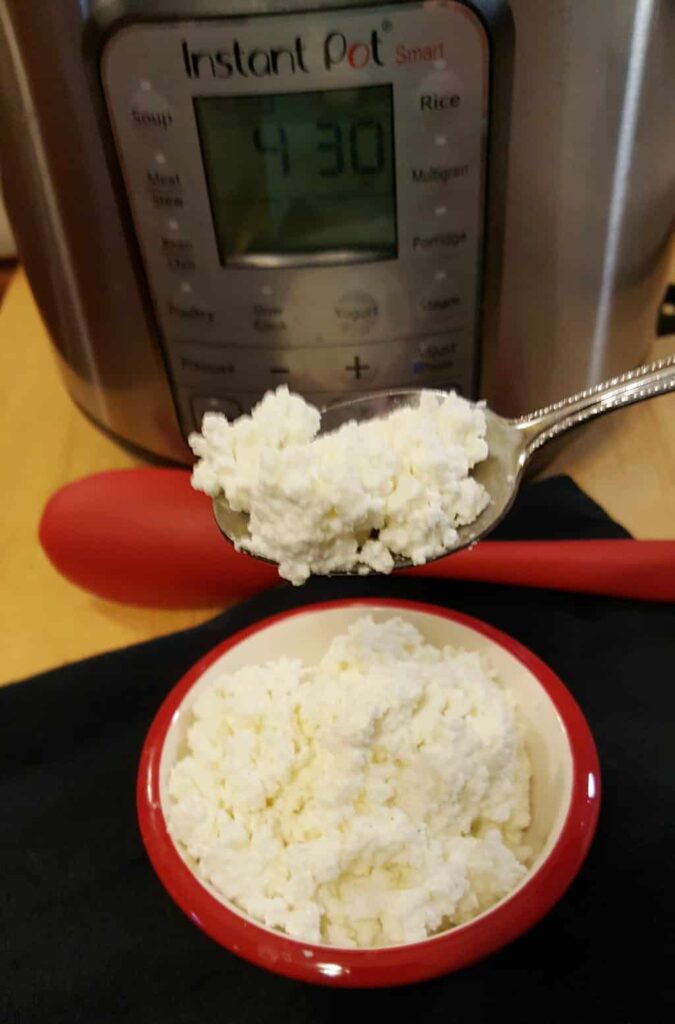
Cottage cheese made the easy whey….
Instant Pot Homemade Cottage Cheese Recipe Read More »
Milking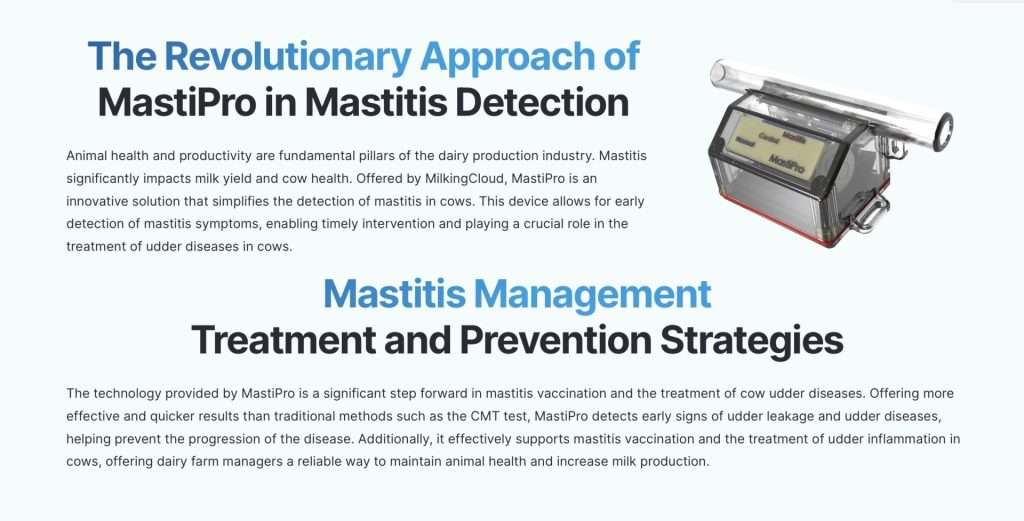
MastiPro is an automatic mastitis detection device compatible with milking machines. Thanks to the intelligent system, it detects early stages of mastitis based on increased Na and Cl ions in the milk. There is no need for expensive laboratory methods such as somatic cell counting. It provides information with colored indicator lights on the device and voice notifications via the MilkingCloud App.
https://www.milkingcloud.com/devices/automated-mastitis-test-mastipro
New Mastitis detection equipment Read More »
Technology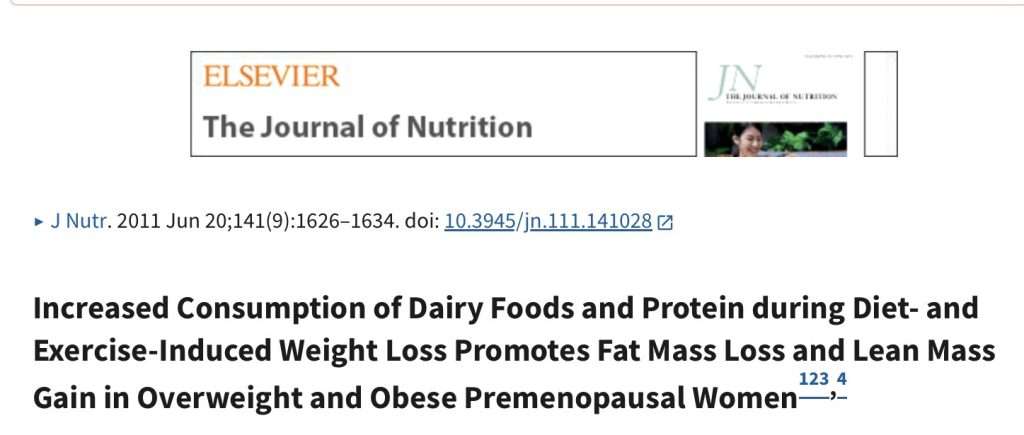
Interesting study from The National Library of Medicine
How raw dairy can possibly positively affect your weight Read More »
Milking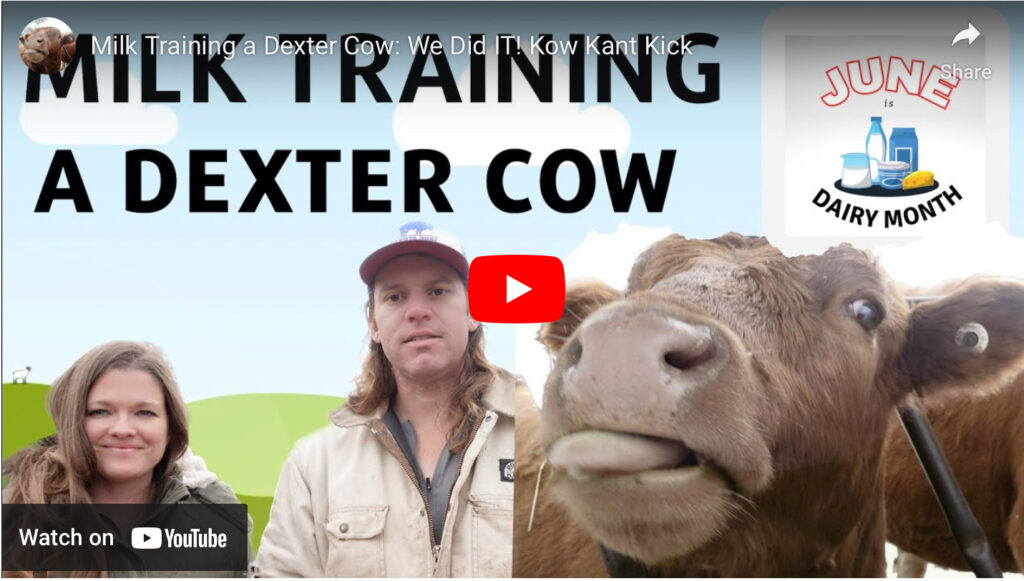
A milk journey from Sweet Briar Farm Submitted by Janelle Soja
https://discover.texasrealfood.com/dexter-cattle/preparing-your-dexter-cow-for-milking
Preparing Your Dexter Cow For Milking Read More »
Milking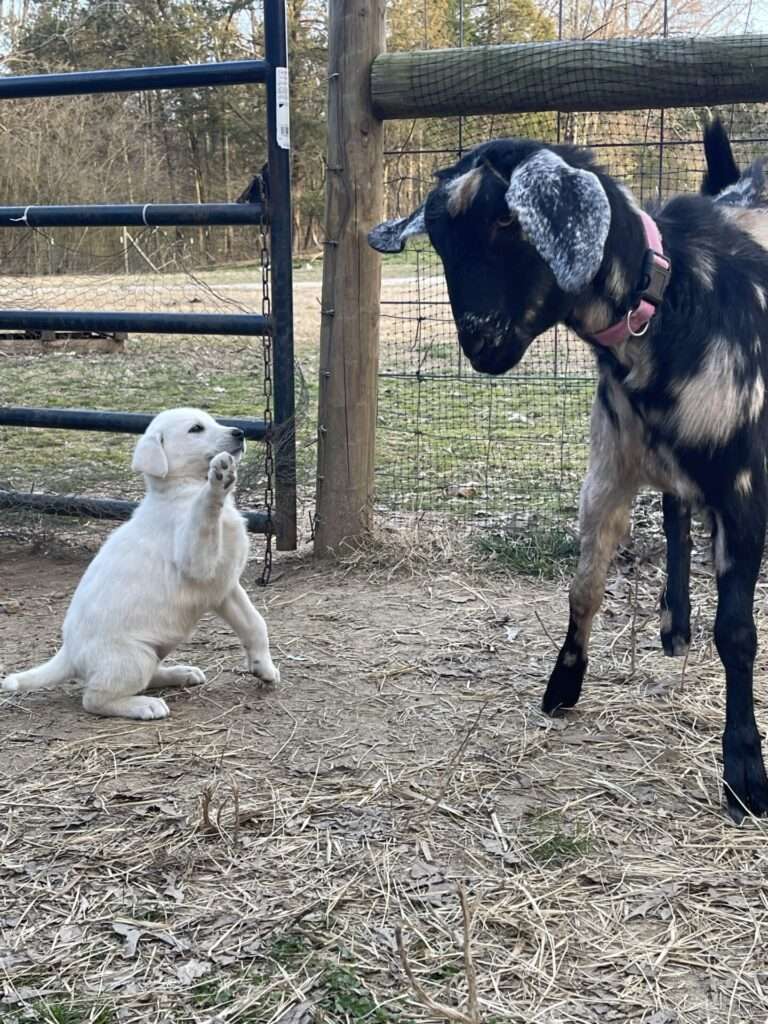
From Curiosity to Confidence: The Power of Mentorship in Homesteading
When we packed up and moved to a new state, we knew we were signing up for a life of hard work. Beyond that? We were flying blind. With little more than enthusiasm and a Pinterest board full of dreams, we dove headfirst into the world of chickens and ducks. But when it came to dairy animals, I hesitated. I didn’t feel ready. I wasn’t sure I ever would be.
Then came a turning point—what began as a simple search for local raw milk turned into something far more valuable: I found a mentor.
And not just any mentor—the perfect one. Local, experienced, generous with her time and wisdom. I had originally envisioned a milk cow (because let’s be honest, that’s what all the idyllic homestead photos show, right?). But after countless visits to her farm and long, thoughtful conversations about what would actually work for our lifestyle, I started with dairy goats instead.
It’s been a whirlwind ever since.
From panicked texts about what to feed, to late-night worries over a listless goat, she’s been there—steady, supportive, and full of insight. Her guidance has been nothing short of a godsend.
If I could offer one piece of advice to anyone considering this lifestyle, it would be this: find a mentor. Not just someone who knows their stuff, but someone who cares deeply about what they do—and about helping others succeed.
And here’s the secret: when you invest in quality animals, you often find that mentor built right in. Breeders who truly care about their stock want to see them thrive, even after they leave the farm. That’s where the real relationships begin.
In just four years, I’ve grown more than I ever imagined—not just in skill, but in confidence. Sure, I could have learned it all the hard way. But would I have come this far, this fast? I doubt it.
Mentorship isn’t just helpful in homesteading—it’s essential. It’s the bridge between dreaming and doing.
Foot note….. Lisa and her husband Matt are members of the Irish Dexter Cattlemen and anxiously awaiting the arrival of their first Dexters next month.

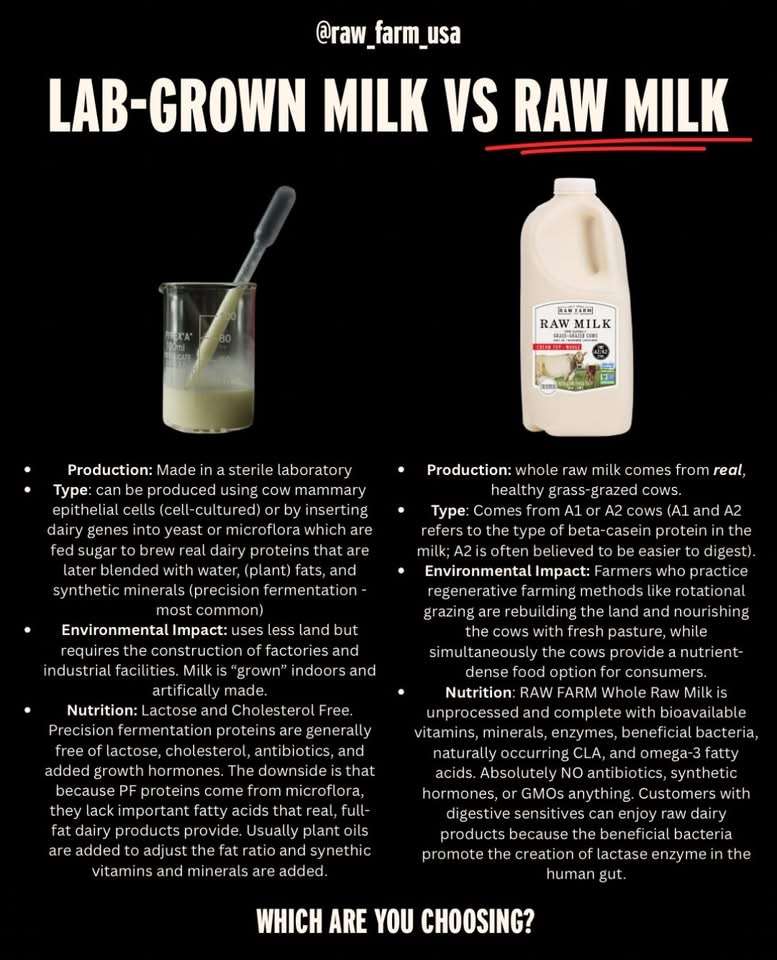
Are you a fan of the new lab grown milk and milk products? If not, here is a list of brands of milk that may contain lab grown milk, that a friend provided. I guess it’s time to read the labels ore closely. Or stick to milk from our Dexters!
Bored Cow: Maker of fluid animal-free dairy milk in various flavors (Original, Chocolate, Strawberry, Vanilla).
Brave Robot: A prominent pioneer in animal-free pint ice creams and frozen desserts.
Strive FREEMILK: A line of protein-enriched milks and nutritional beverages utilizing molecularly identical whey.
Modern Kitchen: A brand specializing in animal-free cream cheese and spreads.
The New Milk: A retail fluid milk line launched in collaborative partnerships with heritage dairy processors like Gad Dairies.
Graeter’s (Perfect Day Collaboration): A legacy ice cream brand that introduced a dedicated “Perfect Indulgence” line featuring lab-grown whey.
Nick’s Ice Cream: A popular light-ice-cream brand that utilizes animal-free dairy bases for several of its varieties.
Orgain Better Whey: A precision-fermented whey protein isolate powder developed under the Nestlé portfolio.
Lab Created Dairy…. Read More »
Milking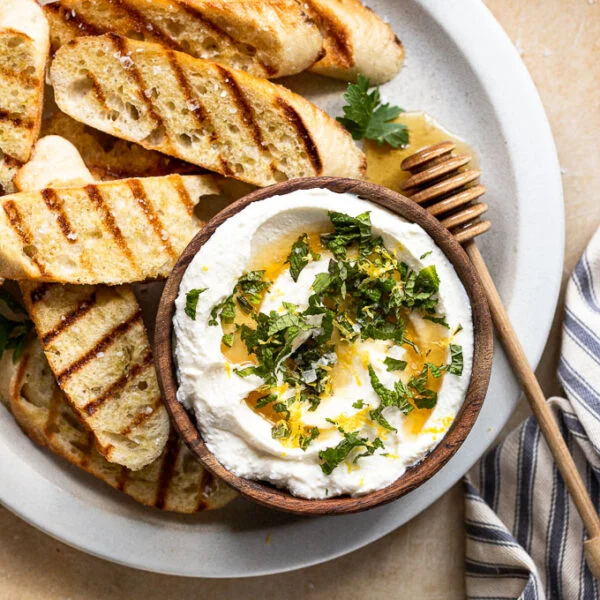
I use my instant pot to make ricotta. A little vinegar and it is one of the easiest cheeses I make. We really liked this with any fresh herbs and of course garlic!
https://www.forkinthekitchen.com/whipped-ricotta-with-herbs-and-honey
Who knew ricotta could be this good? Read More »
Milking
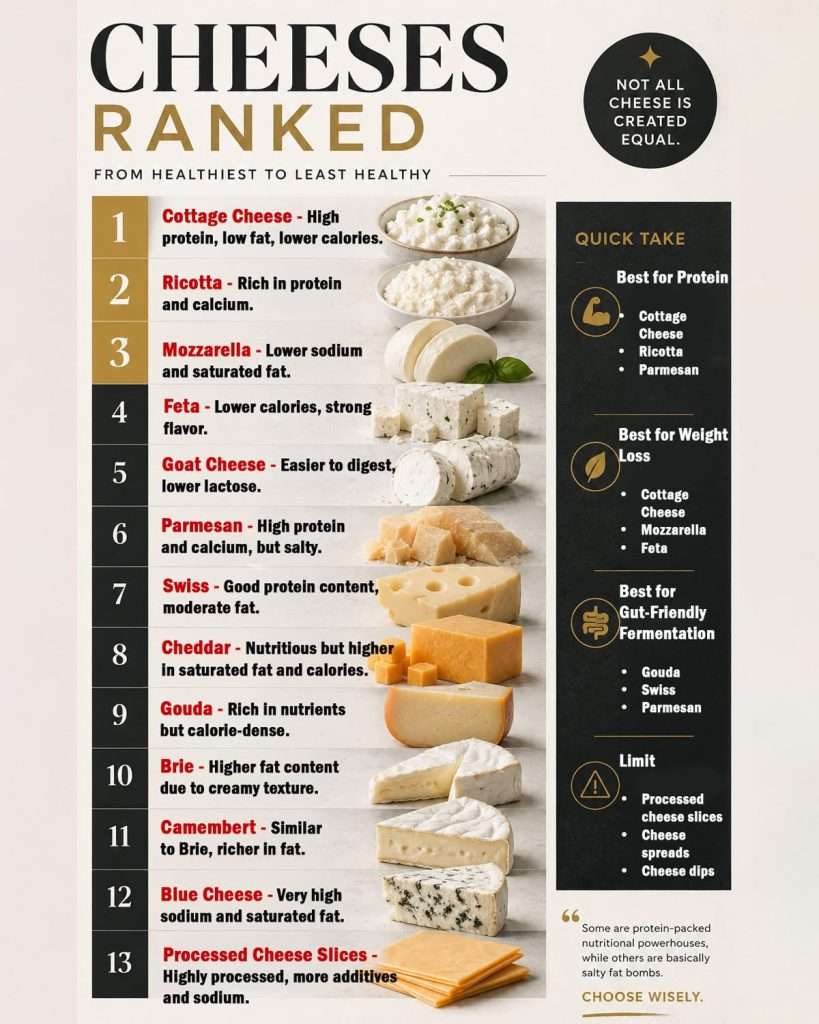
In keeping with June is Dairy Month, here is a chart of the healthiest cheeses. We can make all of these from our Dexter milk!
Healthiest Cheeses Read More »
Milking
The link below provides so many links from fun things for kids to do …to resources …to fact sheets and even some history. Enjoy! Hope you are milking your Dexters! If you need some encouragement or help please reach out to our team, we would love to help you.
June is National Dairy Month Read More »
Milking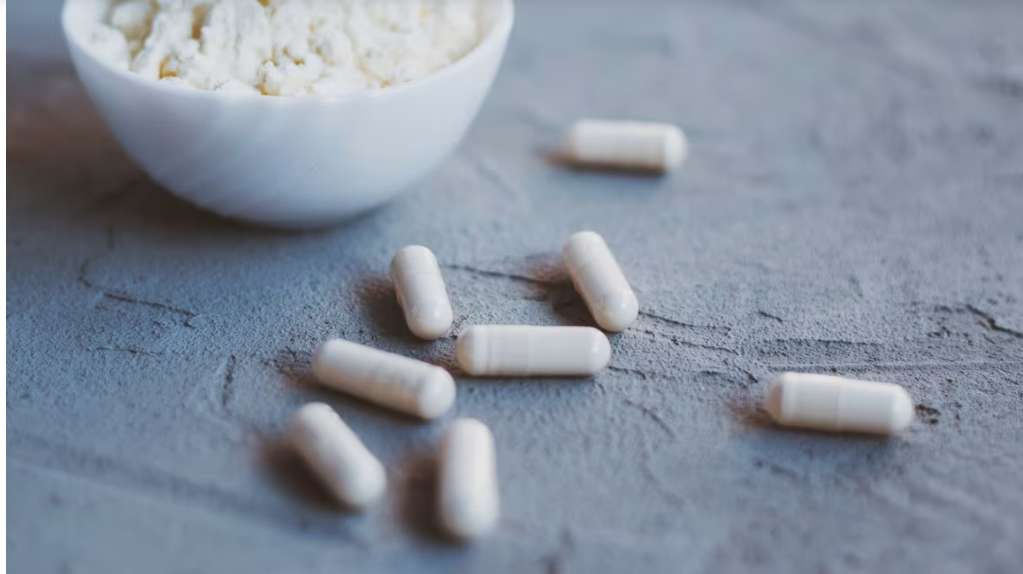
Make sure you’re collecting it!
Submitted by Katie Sears
https://www.cnn.com/2024/08/27/health/colostrum-supplements-pros-cons-wellness/index.html
Liquid Gold Trend! Read More »
Milking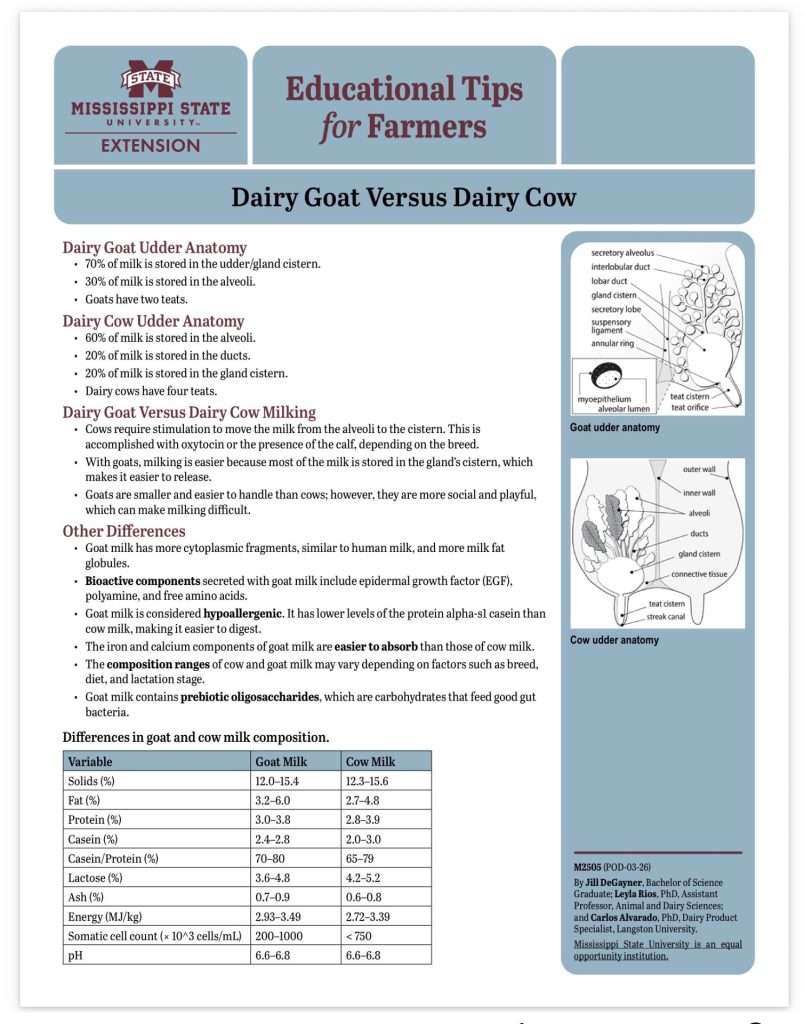
Many of us raise more than one species of livestock on our homesteads. There are many benefits to both the pastures and the livestock worm loads with either running them together or rotationally one after the other.
But there are many differences in them including the udder. Here is a article and graphic explaining the differences in the goat and cow.
https://extension.msstate.edu/publications/educational-tips-for-farmers-dairy-goat-versus-dairy-cow
Udder differences in goat and cow Read More »
Homesteading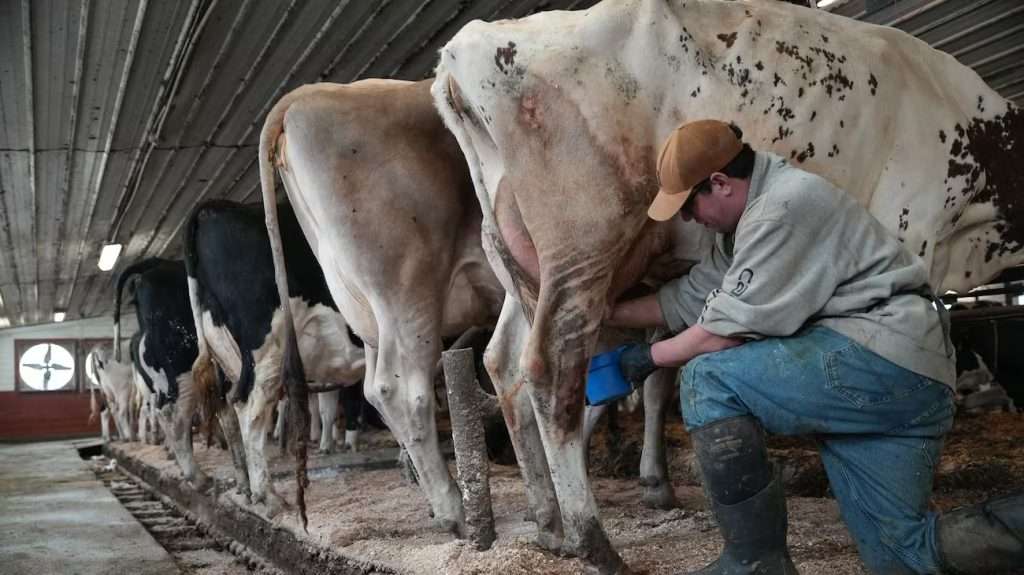
More and ore states are approving the sale of raw milk. It is not for everyone, but the push is real.
Raw Milk Gaining Popularity Read More »
Milking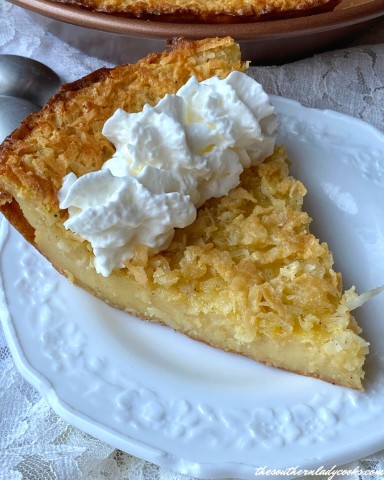
This impossible pie whips up in minutes and uses some of the eggs and milk that are abundant this time of year…pro tip…try it with duck eggs for a fluffier result!

Great homestead dessert Read More »
Homesteading
I really enjoyed this podcast about how to choose a milk cow for your homestead. While she is very pro Jersey, they do mention the Dexter and the principles for looking for the right cow for your farm, ranch or homestead are essentially the same.
Interestingly she does recommend the trained cow, she did not take the route, but explains the long game to get there. Which ever route you choose, the Dexter should definitely be considered. Less food, easy keepers, little to no metabolic issues have been my experience.
They talk about Angus Jersey being some of the best beef…someone needs to feed them some Dexter!
Listen up ….remember the Dexter is has been the right choice for many of us….we just need to spread the word!
Homesteading with a milk cow
American FarmSteadHers~ Your Homesteading & Gardening Podcast
Jenny asks the questions as someone interested in a future dairy cow, and Donna answers with her experience. We go over the very basics of looking for and keeping a family dairy cow on the homestead.americanfarmsteadhers.com americanfarmsteadconvention.com
Listen on Apple Podcasts: https://podcasts.apple.com/us/podcast/american-farmsteadhers-your-homesteading-gardening/id1615836366?i=1000596157232
Choosing the right cow for your homestead Read More »
Homesteading
Here is a great basic cheese making equipment guide. It is specific to one website, but it is very helpful to get a handle on what is needed for success at home.
https://cheesemaking.com/blogs/learn/equipment-for-cheese-making?_pos=1&_sid=cca5771cd&_ss=r
’
Cheese Making Equipment Read More »
Milking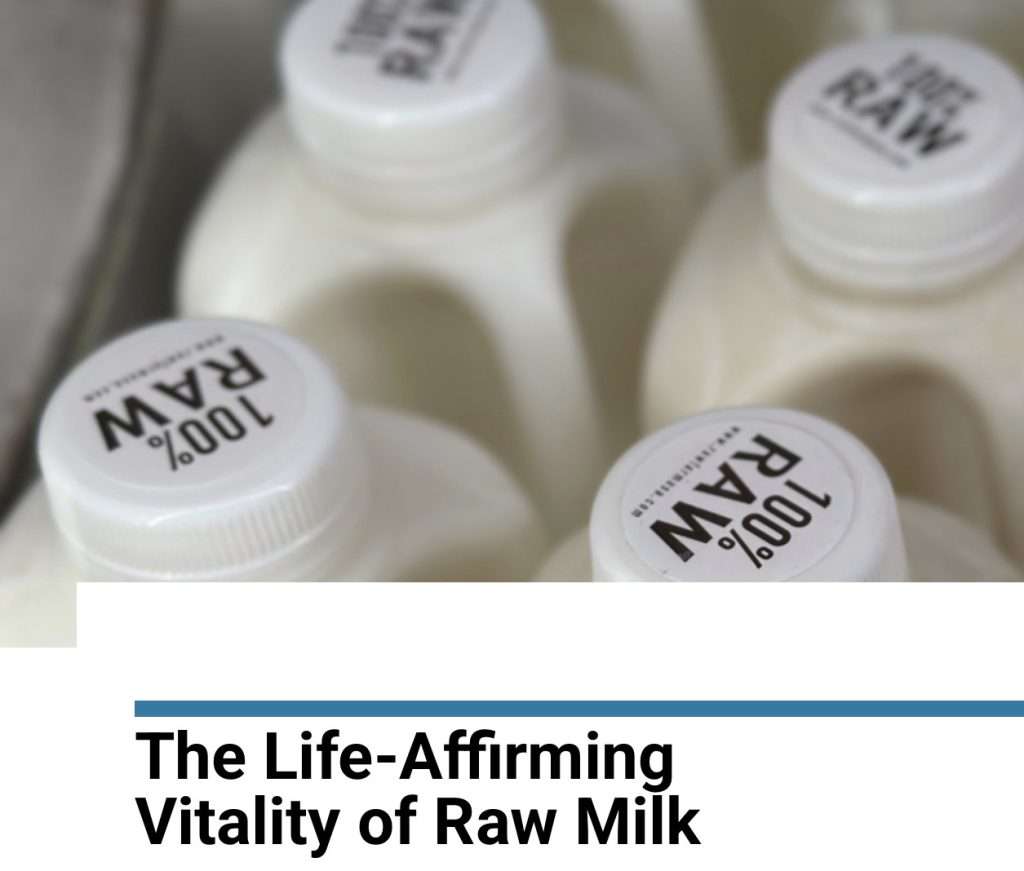
More and more states are allowing the sale of raw milk…but not all. This is a good article on some of the benefits and natural products that you can learn about and decide if they are right for you.
Is Raw Milk For You? Read More »
Milking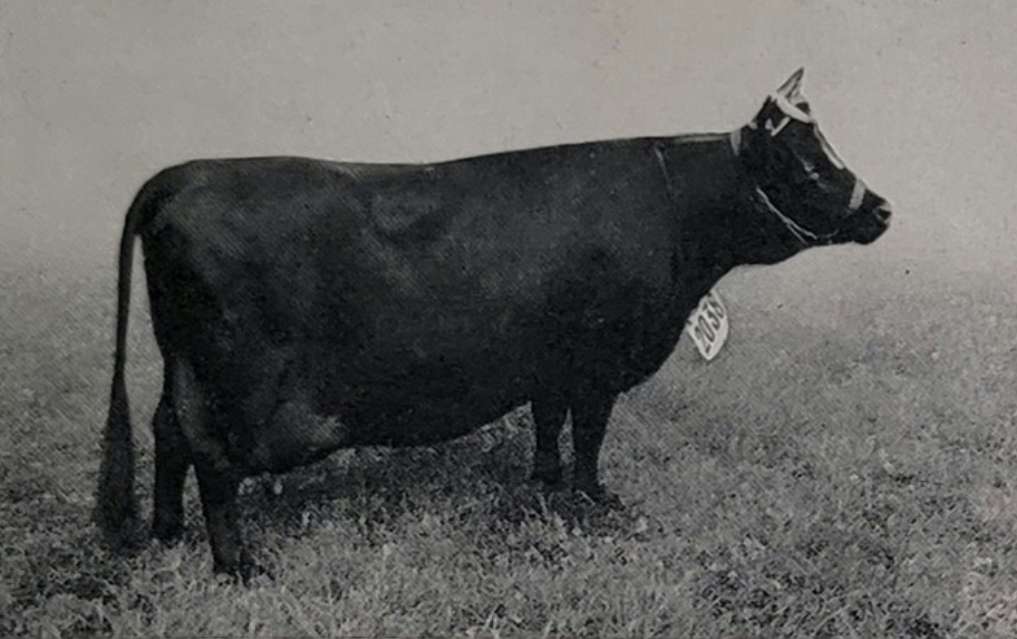
 Milk Yields Record taken from a Dexter Cattle Society Booklet
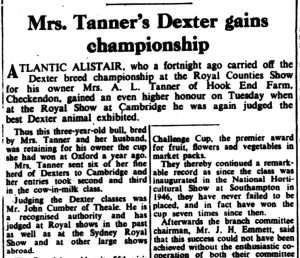
No date was given in this pamphlet but if we consider the Dexters that are pictured we can get a close idea of the date. The top Dexter is Atlantic Alision, she was born Jun 12, 1956. A very beautiful Dexter, but her milk yield was not recorded in the data. The second Dexter looks to be either Atlantic Sprat or his son Atlantic Alistair, I lean towards the latter due to the angle of the legs. You can see some pedigree information on Atlantic Alistair here Legacy | World Dexter Information and it will show you a picture that looks very similar. He was born Jun 9, 1957. The Atlantic Herd was owned by Mrs. W. R. N. Tanner of Hock End Checkendon. Spratt was first in his class and went on to win the Silver Challenge Sheild. Atlantic Alision likewise was a prize winner. Mrs. Tanner had many prize winning Dexters and had a memorable herd of Dexter cattle. Both examples are great pictures to represent Dexter cattle.
 Butterfat Content in Dexter cattle
It is interesting to note that many of these cows had higher butterfat contents. Much higher than a Holstien and some producing as much as some Jersey cattle. The Dexter milk separates cream out slower than a Jersey and some of the butterfat remains in the milk retaining richness to the milk even after skimming the thick cream off the top. These records are a testament to those high butterfat amounts. In order to have a proper milk tests all cows should stay in milk for the same duration of time and ideally be fed a very similar diet. It is very rare today that people will keep their cows in milk for ten months. I however can attest to milking Dexters for 10 months during many lactations and can say there are still Dexters today that will hold a lactation well.
The final consideration I must only discuss for those who may be new to Dexters, so this article does not confuse someone into thinking that Dexters must have a genetic problem that causes them to lose offspring. Some Dexter cattle carry a genetic trait that when two carriers are bred together can be lethal. At one time it was common to breed towards what was considered a Dwarf type. Dwarf being exactly as it sounds, having short and broad features. This trait was widely favored by Dexter breeders and at one time selected for, even eliminating Dexters that were not of the Dwarf type (Chondrodysplasia negative) or so called “long legged”. Of course, during this time there was no test for Chondrodysplasia, so not every Dexter that was selected for that had short legs was Chondrodysplasia positive, but many would have been. Very early on observant breeders recognized that there were sometimes bulldog calves that were being produced from the mating of one dwarf type to another dwarf type, while at times other short and broad looking Dexters when mated together were not producing bulldog calves. With “selective breeding” some people have sought to retain and select shorter and still broad looking Dexters without having bulldog calves. These mid-legged Dexters as some people called them were shorter than the long-legged Dexters but were Chondrodysplasia negative. The long-legged type (Chondrodysplasia negative) some people called the Kerry type. The mid-legged Dexters though they were shorter and fit the breed standard better than the long-legged Dexters still look a little different than Chondrodysplasia positive Dexters. Chondrodysplasia positive Dexters have a look to them that is unique, and there are still people to this day that like them and choose to breed them to retain their unique traits. The two Dexters photographed in my opinion were most likely Chondrodysplasia positive but of course without testing we will never know as there are many short Dexters that have short and broad features that do not have Chondrodysplasia.
Breeding Chondrodysplasia positive Dexters is now simpler than ever because a genetic test was created that identified the gene and now breeders can test to know if their Dexter is Chondrodysplasia positive or negative. With this knowledge comes the ability to breed without the negative outcome of a risk of a bulldog calf. If you only breed a carrier to a non-carrier, you will never end up with a bulldog calf, but instead you have a chance of getting either a Chondrodysplasia positive or negative Dexter from the mating. So, breeders who still like the Chondrodysplasia type can have the chance of obtaining it through wise breeding choices with never having a risk of a bulldog. For anyone who may be reading this who does not know the Chondrodysplasia status of their Dexters you can find the test here. Simple to test and fairly inexpensive but will save you a lot of loss because knowledge is power. Bulldog Dwarfism (Chondrodysplasia) in Dexters | Veterinary Genetics Laboratory
The other benefit of testing is that if you do not want to breed Chondrodysplasia carriers, you can likewise use testing to select for Dexters that do not carry Chondrodysplasia while still maintaining the breed standard. Today with testing being so affordable it makes sense to test all Dexters to make informed breeding choices and help buyers evaluate the genetics of each Dexter a breeder has to offer. From great milk yields, butterfat content, excellent beef and the choice of breeding the dwarf type (chondro) or not, Dexter cattle have a variety of genetic traits that can please people with a various goal.
This article was written By Danielle of Bryn Mawr. This article cannot be copied or reprinted without prior consent.
Dexter Milk records Read More »
Historical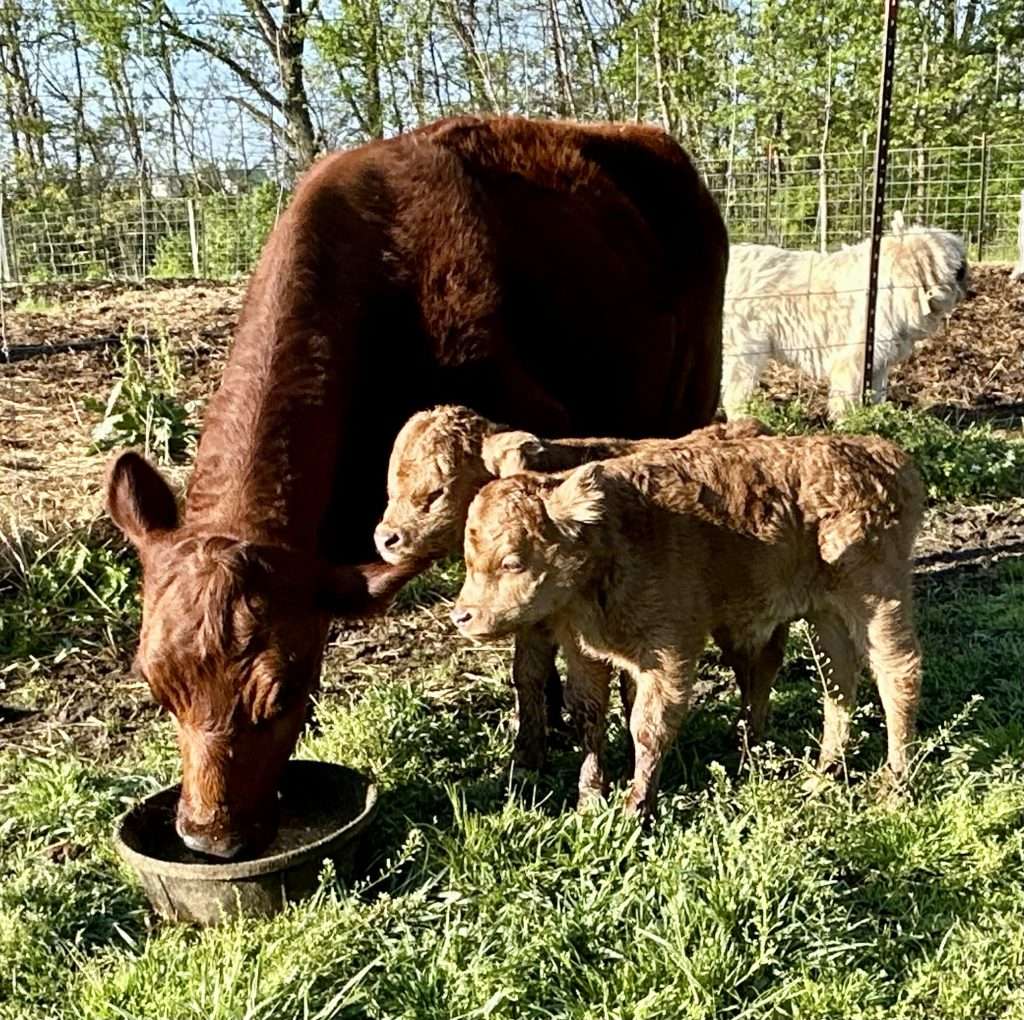
Article I
Fact or Fiction
This is the first of our articles on chondrodysplasia in Dexters. Also called chondro-carriers, shorties, or dwarfs. these terms refer to the same cattle, and will be interspersed throughout the article. Keep in mind, they all mean cattle who are carriers of the dwarf gene.
Per Miriam Webster chondro means cartilage & dysplasia is an abnormal growth or development.
It’s a personal decision to breed chondro carrier Dexters. Of course, it’s your decision what to breed on your farm. But, let’s sort out some of the facts on these endearing little cattle.
Some long time breeders have told me that they believe the dwarf Dexters played an instrumental part in the formation of the breed, as the non-chondro, longer legged Dexters got registered in with the Kerry cattle. They also believe that there are two body types in the dwarves. That will be discussed in a later article.
Just a few of the traits and statements that those who own and experience the pleasures of owning a dwarf believe.
Those that I see exaggerating & spreading the hate for chondro carriers are using human graphics from the internet and applying their own labels. I have found no professional veterinary opinion stating they should be eliminated. Of course, none of those who love them would want or allow them to suffer. Many Dexters I know of are living into their teens. How many commercial breeds do you see living that long?
Some dwarfs will get osteoarthritis later in life. So will some non-chondros. A lot depends on the bloodlines, the terrain they live on and the care they receive. This also applies to the longer legged non-chondros. Humans also tend to get osteoarthritis later in life. They also can get forms of dwarfism. We don’t eradicate them. It can be managed, IF it happens.
So, please…. educate yourself on this genetic mutation, before you make a judgement.
The photo with the article is a 9 year old chondro positive cow, with twins she just had.
The following is a scientific explanation from UC Davis. We choose the BD1 test, when we get any calves from our carriers. The BD2 test is for a specific line from a specific bull.