Homesteading 101
What Is It and the Essential Steps to Get Started
Menu +
Here is a video that Nancy Bowers, Lonestar Ranch did on blood testing one her Dexters. This the same technique that you will need for testing for Tenet beef tenderness, except you will need much less….lol.
I have sent in 7 tenet tenderness tests to see if our Dexters have this genetic trait. Unlike other testing this is not done on scale and there is no comparison to other breeds. It’s either there or not there.
I truly believe that the tenderness of the beef is correlated to milk and that is sooo important in our dual purpose breed. We are working with them to prove this theory!
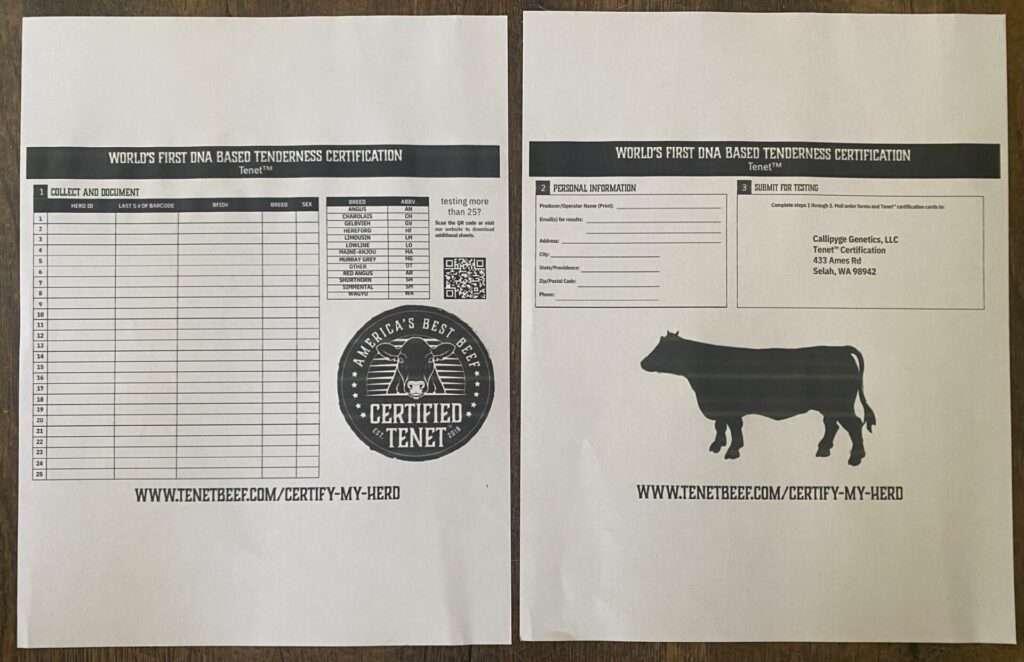
I have included what the cards look like, the paperwork that is needed…note it is very little. You can pay on line or send in a check. It is better for the lab if you pay with a check, so that they don’t loose the processing fee, but they are very accommodating.
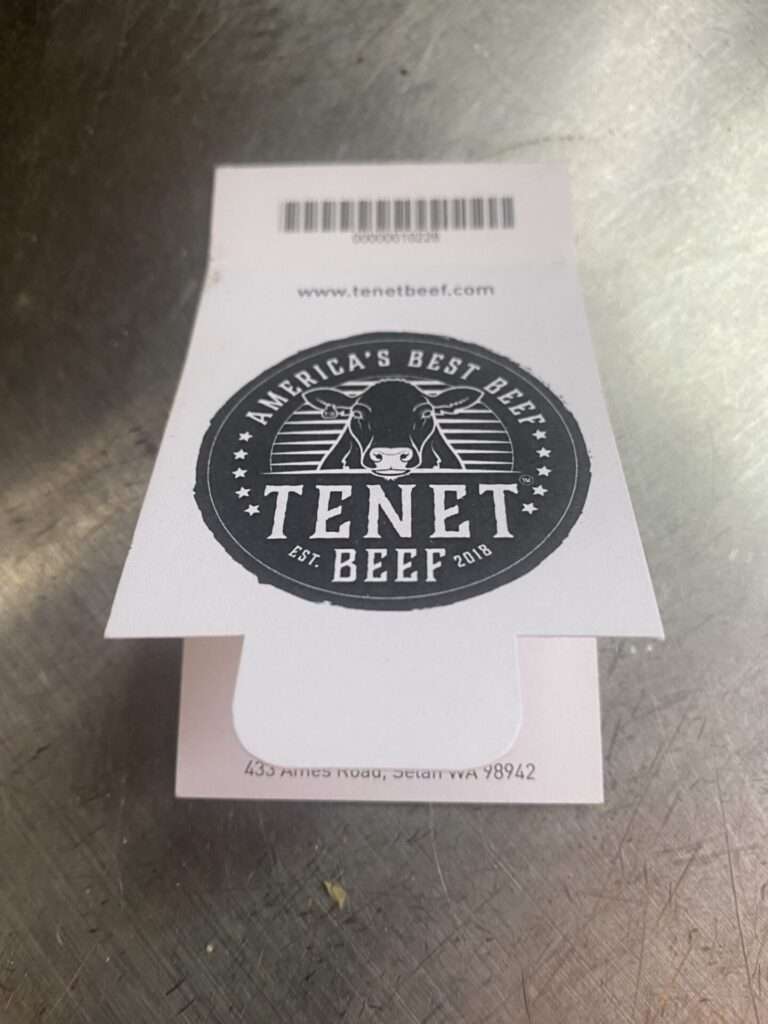
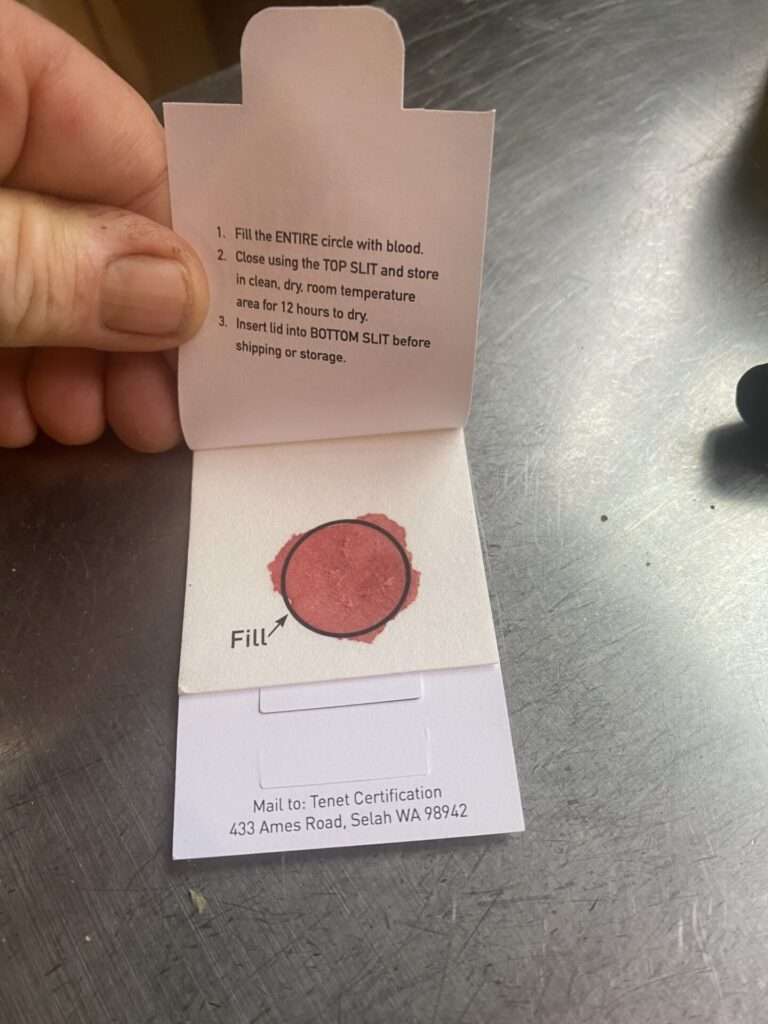
Do you know how to do a tail stick to get blood for Pregnancy and Tenet Beef testing? Read More »
General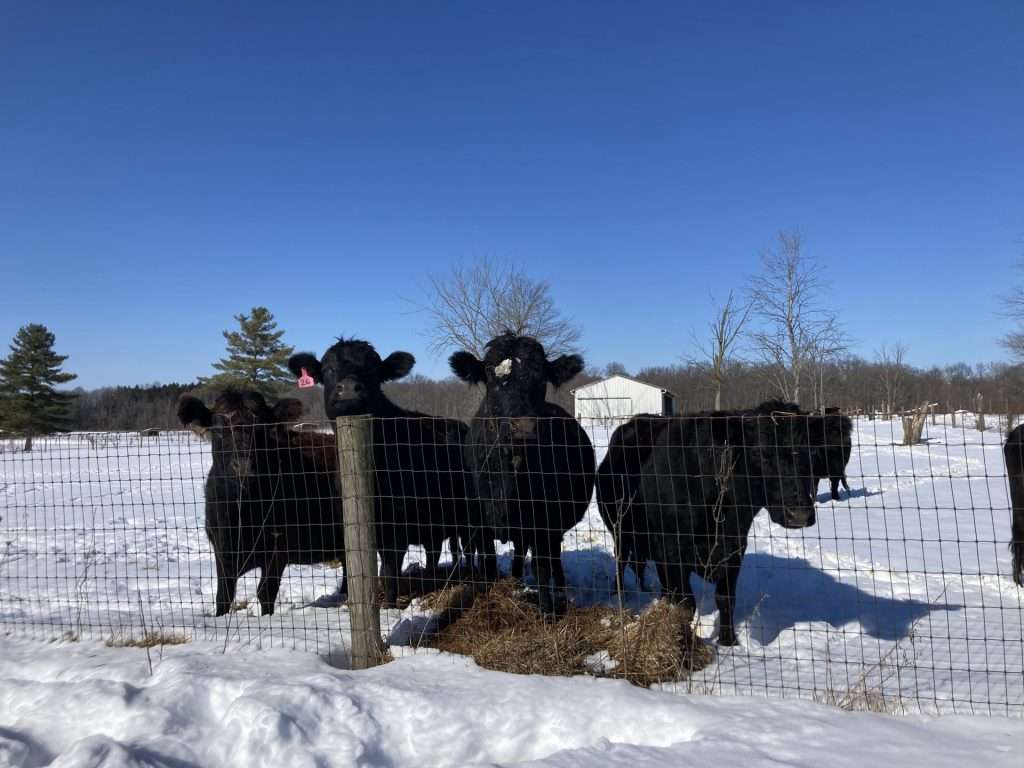
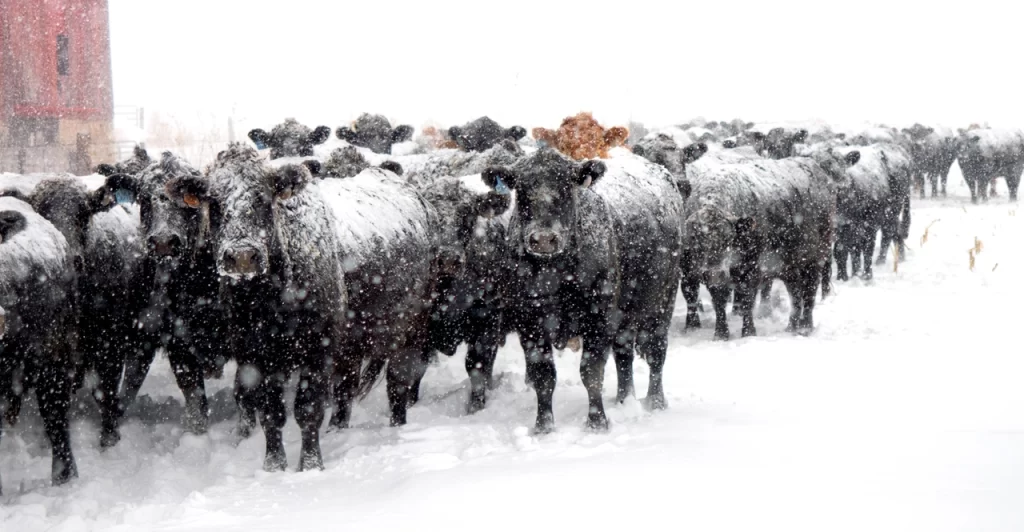
Here is a great video from Greg Judy about the benefits of grazing cattle through snow. He includes tips on keeping water from freezing, looking out for parasite issues, and keeping your operation profitable.
Grazing Through Snow Read More »
Farm Management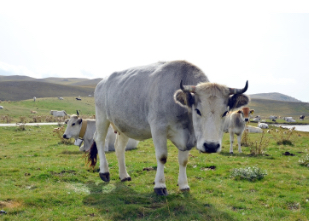
A Comprehensive Guide for Ranchers and Farmers
Bloat PREVENTION in Cattle Read More »
Herd Health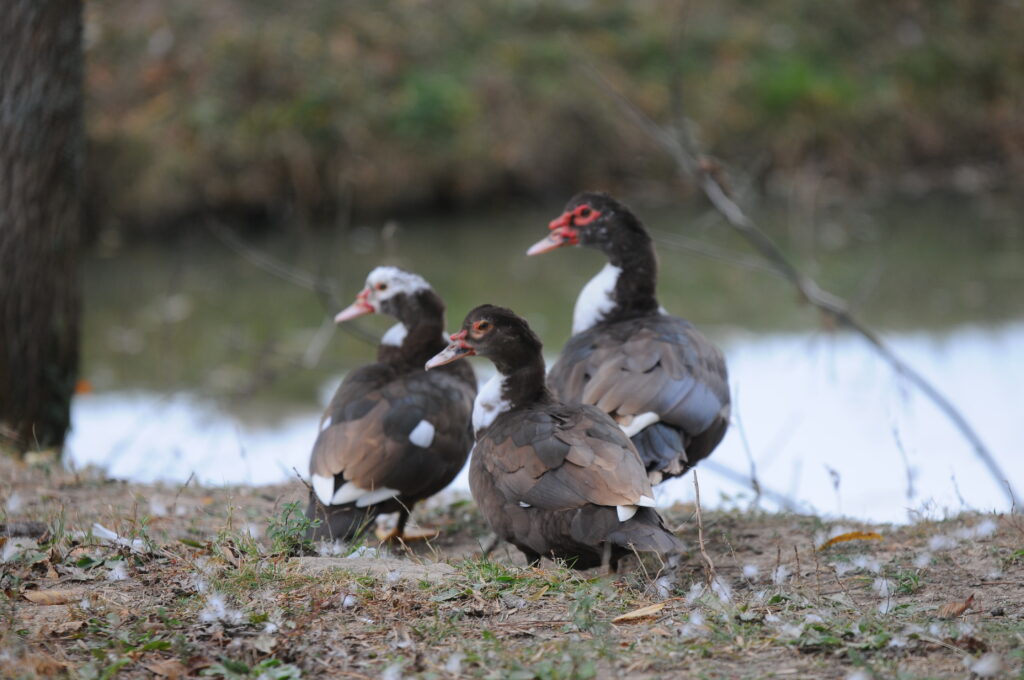
The Muscovy is one of the best egg-laying duck breeds, a meat-producing flytrap—and these quiet ducks won’t make a quacking racket, either!
Consider Muscovy Ducks for your homestead, they Produce Eggs, Meat & Also Control Pests Read More »
Homesteading
A full suite of branding tools to help you build your entire brand.
Create a Business Name Instantly Read More »
Technology
Bone broth elevates dishes with rich flavor and nutritional value
https://articles.mercola.com/sites/articles/archive/2024/04/08/benefits-of-bone-broth.aspx
Bone Broth: Nature’s Collagen Supplement Submitted By Donna Grace Read More »
Beef
Homeopathy for Mastitis …consider natural methods
Homoeopathy for Bovine Mastitis – Submitted by Riley Wohlgemuth Read More »
Milking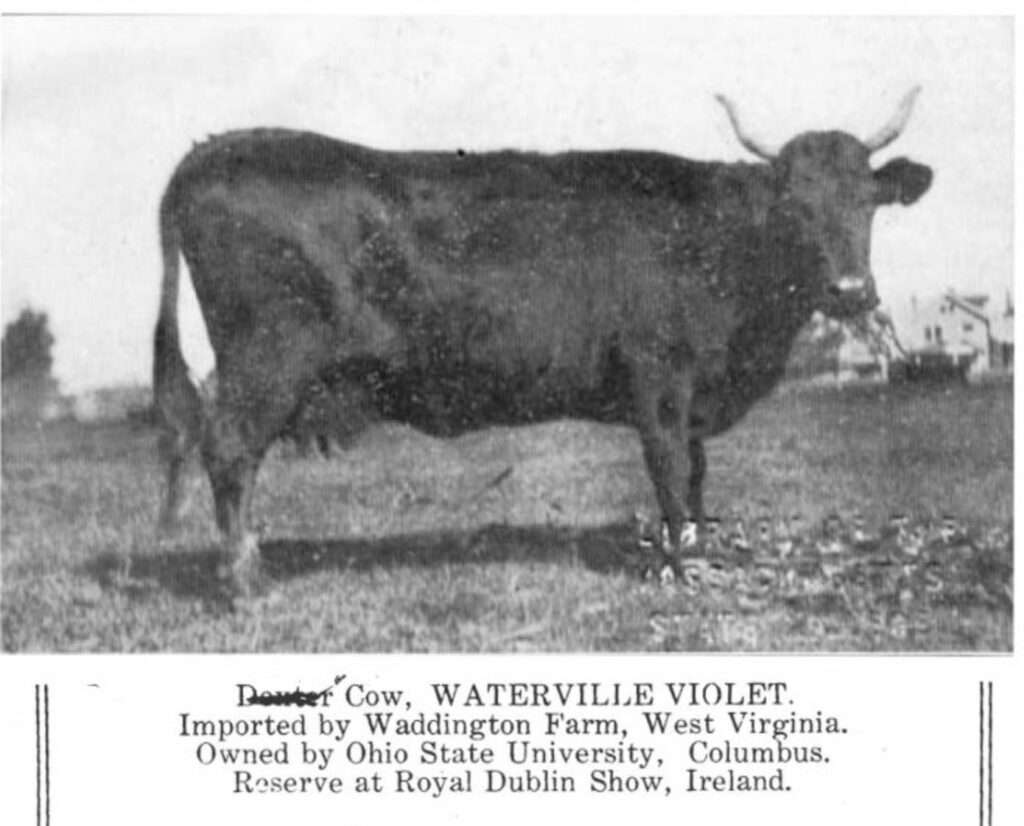
When you consider that people in the past were a bit confused about the difference between a Dexter (Dexter Kerry) and a Kerry you understand why it confuses people now. The fact that Dexters were called Dexter Kerry for many years after the two breeds were split from each other, continued to confuse people, thinking that Dexters were still no different than the Kerry breed. It’s interesting to note that in the Royal Dublin Society Kerry cattle were described as shorter than other cattle, so short that a full-grown cow was said to be the size of just a yearling (that was in 1890 when most breeds of cattle were smaller than they are now). As you can see Dexter cattle were not the only short ones as Kerry cattle have a long history of being smaller in stature too. If you have Dexters you can recognize that there is a strong similarity in the description of size among many of them. I have people come to my farm and confuse a full grown dehorned cow for a yearling of another breed. Once the two breeds were separated there immediately would have been a breeding divergence. Very detailed breed standards were already created that defined Dexters before 1911 at the time of the first printing of The American Kerry and Cattle Club Bulletin one. Following those standards for all the years prior would have helped pave the way for the breeds to be separated and defined as their own, but yet the confusion remained as can be seen in the below picture, because the breeds had so many similarities.

The cow in this photo above is from Bulletin One of The American Kerry and Dexter Cattle Club. It was printed in October 1911. This is the old name for the ADCA (American Dexter Cattle Association). The cow photographed is named Waterville Violet and in her description the title Dexter has been crossed out. Was this just a scribble that someone made at a later date randomly or was it something scratched out to add a correction after it was printed?
If you check the records in the ADCA you will find no Waterville Violet mentioned. If you look for a Kerry cow by the name of Waterville Violet you will turn up multiple citations of her as a Kerry cow. It looks like Violet was a Kerry heifer who calved in 1902 so we can get an idea that she was already quite mature by the time she was mentioned in the 1911 Bulletin. As much as things can be confusing it’s fair to say Dexter or not there are still purebred registered Dexters of today that look like Violet.

James E. Butler owned the Waterville herd. Mr. Butler owned and bred both Kerry Cattle and Dexters, as many of the original breeders of Dexters did because in selection the black more dairy type became Kerry and the cattle a bit thicker, black and red, possessing dual purpose traits became Dexters. Butler was also one of the judges at shows for evaluating Dexters for the entry into the herdbooks. He had a long history in the area. James Butler would have been an excellent choice for a judge due to his first-hand knowledge of Kerry and the native cattle of the land. Waterville is known as Coirean in Gaelic or “Little Cauldron”. It is a village in Kerry. The ring of Kerry passes through this town. It’s good to know that Dexters and Kerry cattle were being selected and registered by men with first-hand knowledge like James E. Butler of Waterville. I would suppose they were far more confident in the difference between a Dexter and Kerry when they were making their evaluations. I hope this has shed a little more light into the past of Dexter and even Kerry cattle.
For Many the Dexter breed may have a confusing Past. Read More »
Historical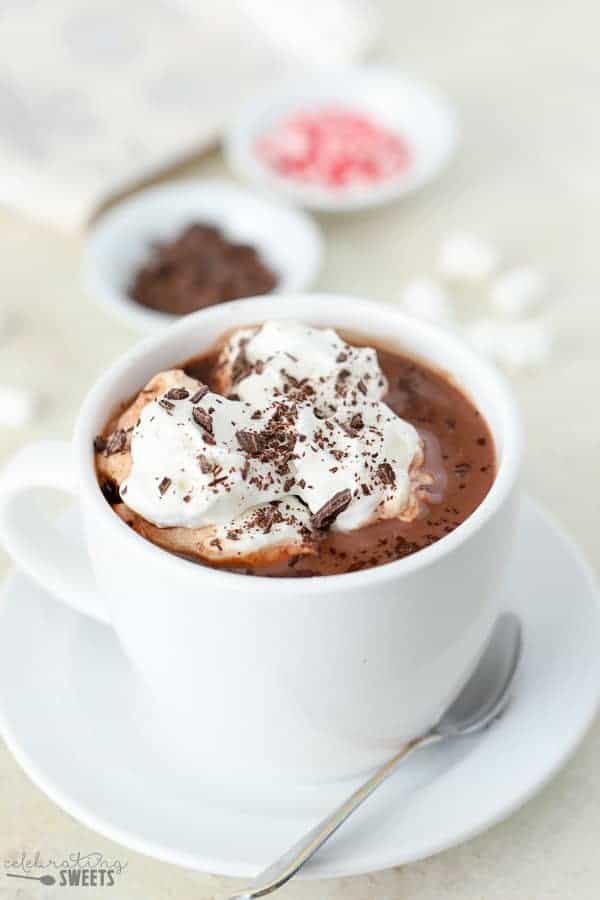
A combination of cocoa powder and chocolate chips make this hot chocolate extra flavorful and delicious!
Homemade Hot Chocolate Read More »
Milking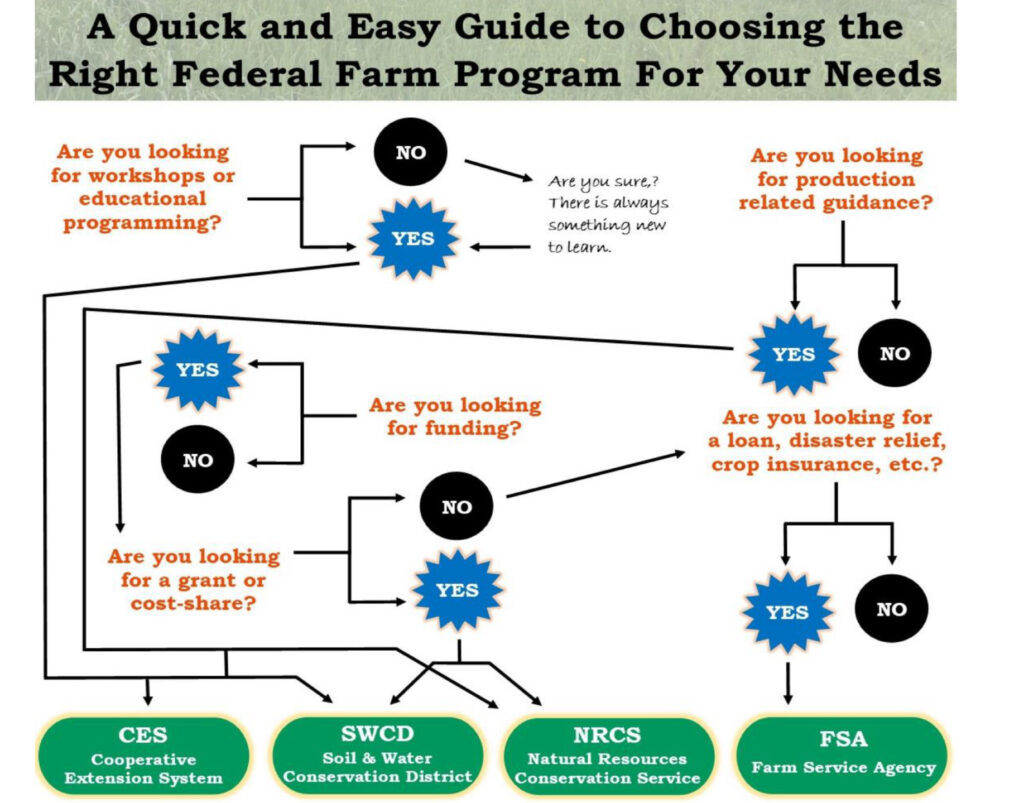
Each of these programs can help you on your farming journey
Understanding Federal Farming Programs Read More »
Farm Management
❄️”Winter-feeding is one of the largest costs for Canadian and US cow-calf producers. How this period is managed can make a big difference in both herd health and an operation’s bottom line.
From extended grazing systems to feeding stored forages, each method has its strengths and challenges. The right strategy depends on the operation, available resources and winter conditions.
Here’s a look at some common winter-feeding strategies, with the pros and cons of each.”
https://www.beefresearch.ca/blog/winter-feeding-strategy-pros-cons
Different Winter Feeding Strategies Read More »
Herd Health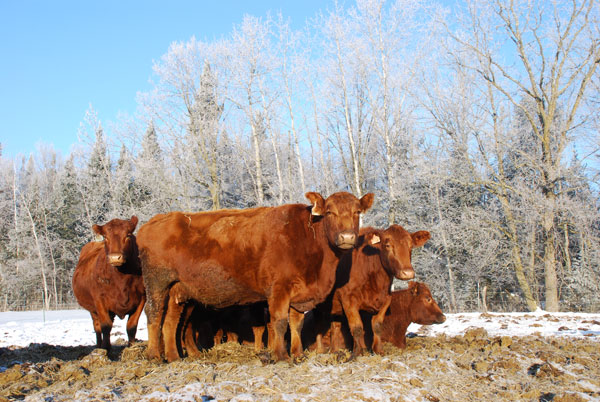
Keeping your cattle healthy during the stress of colder winter temperatures is easy.
https://www.beefmagazine.com/cattle-health/how-to-keep-your-cowherd-healthy-this-winter
Keep Your Cowherd Healthy This Winter Read More »
Herd Health