November 2026

Mr. Plumb’s Trip Across the Pond

In this wonderful little bulletin from the American Kerry and Dexter Cattle Club published in 1914, Secretary Charles Plumb describes his trip to England, Scotland and Ireland. During his trip he attended several Agricultural society shows and prominent Kerry and Dexter cattle herds. He describes his trip, and the cattle he saw there, so charmingly that you’ll wish you had been there too.

I am sharing a little highlight below, but I invite you to go and read it in its entirety:

“One cow I have yields regularly for several weeks after calving up to 35 pints daily, and gave in her last milking period 650 gallons in seven
months when she was within a little over three months of
calving again. She is now making another record, having
given since 9th March up to 15th December 684 gallons of
milk, and is still giving about a gallon a day. Another cow
(this one is a very small specimen of the breed, standing
about 38 inches high) gives regularly in a period of ten
months over 600 gallons. She is a very rich milker and a
splendid butter maker, although now eleven years of age.

These cows have only had the very plainest living,
and are by no means exceptions.”

Mr. Plumb’s Trip Across the Pond Read More »

Historical

Announcing My Farm Dashboard

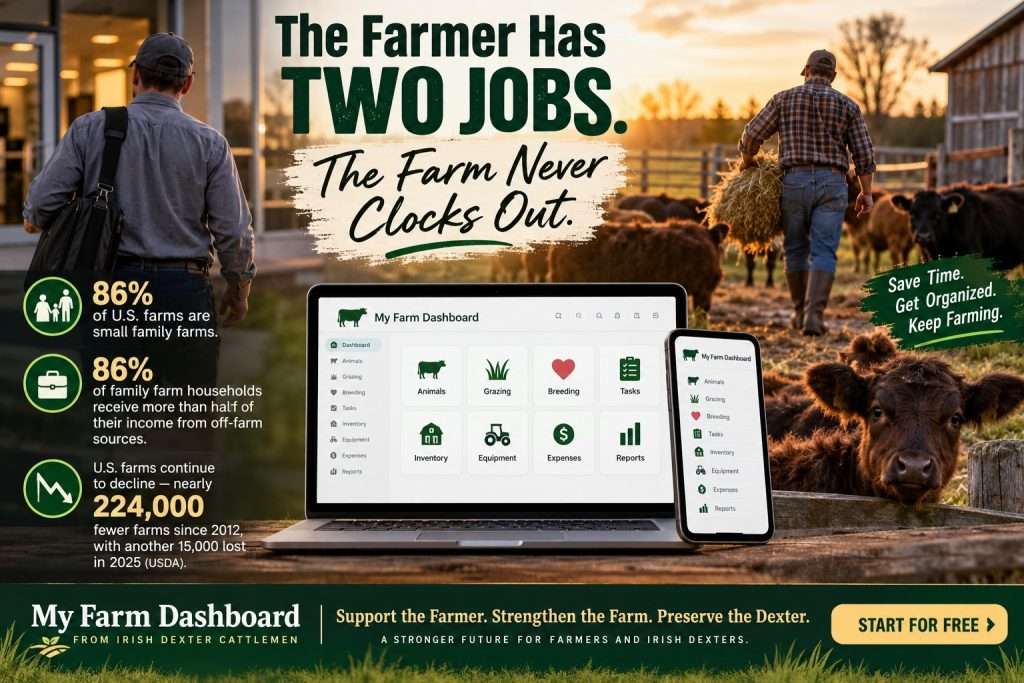
THE FARMER HAS TWO JOBS. THE FARM NEVER CLOCKS OUT.

For many American farmers today, farming isn’t their full-time job.

It’s their second full-time job.

They get up early to feed livestock and handle chores. Then they leave the farm and go to work to earn the income that helps support their family—and often helps support the farm itself.

At the end of the workday, they come home.

But the farm doesn’t clock out.

• Animals still need feeding.
• Fences still need fixing.
• Pastures still need managing.
• Equipment still needs maintenance.
• Farm records still need updating.
• Breeding decisions still need making.
• Hay, feed and supplies still need buying.

And tomorrow morning, it starts all over again.

This isn’t just our impression. USDA data shows how widespread the problem is.

According to the USDA:

• 86% of U.S. farms are small family farms.

• 86% of family farm households receive more than half of their household income from off-farm sources.

• For several categories of small farms, at least 90% of households depend on off-farm income for the majority of their household income.

In other words, the farmer working an outside job while trying to keep the farm going isn’t the exception.

That farmer represents a huge part of American agriculture.

And those farms are disappearing.

America is losing farms.

The USDA’s 2022 Census of Agriculture counted 1,900,487 farms—208,816 fewer farms than just ten years earlier.

That’s nearly a 10% decline in one decade.

The decline has continued.

• 2024: America lost another 14,950 farms.

• 2025: America lost another 15,000 farms.

By 2025, USDA estimated that only 1,865,000 farms remained in the United States.

And the pressure isn’t being felt equally.

USDA data shows that small and mid-sized farms have been declining while the number of farms generating $1 million or more in annual revenue has increased.

That should concern everyone who cares about small farms.

Some of those disappearing farms raise Irish Dexter cattle.

Irish Dexter Cattlemen wants to help change that.

Our mission isn’t simply to promote Irish Dexter cattle.

Our goal is to promote Irish Dexters by supporting the farmers who raise them.

Because preserving and expanding the breed requires something even more fundamental:

We need farmers who can afford—in money AND time—to keep raising them.

That’s Why We’re Building My Farm Dashboard.

The problem facing many small farmers isn’t a lack of willingness to work.

They already work incredibly hard.

The problem is TIME.

When you’re balancing an outside career, family and farm, there are only so many hours available.

Eventually, the urgent jobs take priority.

The other jobs get pushed to:

• Tomorrow
• Next weekend
• Next month
• Or sometimes never

Records fall behind.

Maintenance gets postponed.

Pasture planning becomes less precise.

Expenses aren’t carefully tracked.

Breeding information gets scattered.

Inventory gets checked only when something is almost gone.

And valuable information about the farm often exists in notebooks, spreadsheets, receipts, calendars, phones—and the farmer’s memory.

My Farm Dashboard is being designed to change that.

ONE PLACE TO HELP MANAGE YOUR FARM

My Farm Dashboard is being developed as a practical farm operating system—one place to organize the information you need to manage your farm.

The objective is simple:

Give the farmer better information while requiring LESS of the farmer’s time.

FIVE WAYS MY FARM DASHBOARD CAN HELP

• 1. Spend less time trying to remember everything.

Keep important information about your animals and farm organized in one place instead of relying on notebooks, spreadsheets, scraps of paper, calendars and memory.

• 2. Know what needs your attention.

You shouldn’t come home from an eight-hour workday and spend another hour figuring out what needs to be done.

The goal is for My Farm Dashboard to help identify what needs attention and when.

• 3. Catch problems before they become expensive.

Running out of hay or feed, missing an important breeding date, overlooking maintenance or forgetting a farm task can cost both time and money.

Better records help you see problems coming.

• 4. Make every available farm hour count.

If you only have two hours after work before dark, those two hours are valuable.

Spend them farming—not searching through records or trying to remember what you forgot.

• 5. Turn farm records into farm intelligence.

Animals affect grazing.

Grazing affects forage.

Forage affects feed requirements.

Feed affects costs.

Breeding decisions affect next year’s herd.

Weather affects almost everything.

My Farm Dashboard is being designed to eventually connect those pieces so your records don’t simply tell you what happened.

They can help you decide what to do next.

WHY IS MY FARM DASHBOARD DIFFERENT?

There are already programs that:

• Keep livestock records
• Manage grazing
• Track expenses
• Maintain calendars
• Track equipment
• Manage inventory
• Record breeding information

But a farmer shouldn’t need five or six different programs to understand one farm.

A farm is one interconnected system.

My Farm Dashboard is being built around that idea.

Instead of another piece of software for the farmer to manage, our goal is to create a system that increasingly helps the farmer manage the farm.

THREE REASONS TO START USING THE FREE VERSION TODAY

• 1. YOUR TIME MAY BE YOUR FARM’S SCARCEST RESOURCE.

For the farmer working an outside job, saving time can be every bit as important as saving money.

Start organizing your farm information so less time is spent managing information and more time is spent doing the work that matters.

• 2. THE RECORDS YOU ENTER TODAY BECOME THE INTELLIGENCE YOU CAN USE TOMORROW.

Farm history has value.

Over time, your records can reveal patterns involving:

• Animals
• Breeding
• Grazing
• Feed
• Inventory
• Equipment
• Costs
• Productivity

The sooner you begin building that history, the sooner it can start working for you.

• 3. WE WANT YOU TO KEEP FARMING.

This is ultimately what My Farm Dashboard is about.

Irish Dexter Cattlemen wants more people raising Irish Dexters—not fewer.

We want small farms to succeed.

We want today’s Dexter farmers to be able to continue farming even when another job is paying the household bills.

And we want the next generation to look at raising cattle and say:

“I can do this.”

YOU ALREADY WORK HARD ENOUGH.

Technology shouldn’t give you another job.

It should give you some of your time back.

Start using the FREE My Farm Dashboard.

• Put your farm information in one place.
• Start building your farm history.
• Use the free tools available today.
• Add additional capabilities as your farm needs them.

Because preserving the Irish Dexter isn’t only about preserving genetics.

It’s about preserving the farms—and supporting the farmers—who keep those genetics alive.

SUPPORT THE FARMER.

STRENGTHEN THE FARM.

PRESERVE THE DEXTER.

Start using My Farm Dashboard for FREE.
Announcing My Farm Dashboard Read More »

General

Is Bigger Always Better?

This article from South Dakota State University Extension looks at the impact of Cow size on profitability. It is not always simple to calculate profitability in cow/calf operations, as there are many variables. Let’s look at how mature cow size impacts the amount of beef that can be harvested per acre, and how sometimes smaller cows reap a larger profit.
Is Bigger Always Better? Read More »

Farm Management

Profiting with Cattle

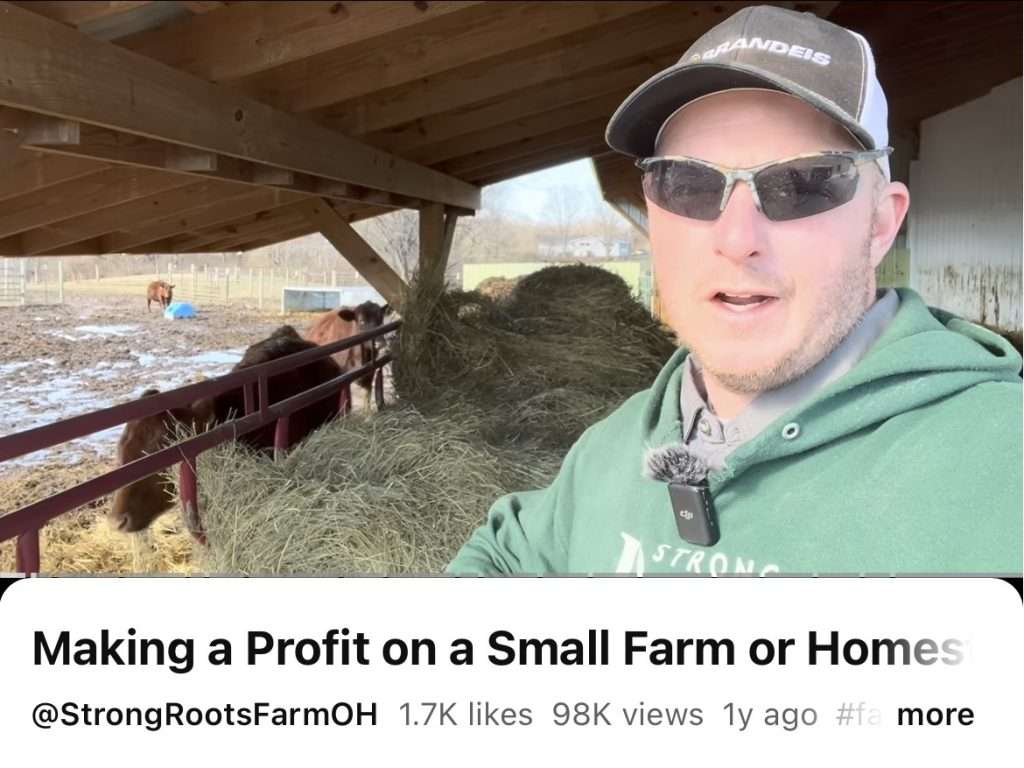
This video from Strong Roots Farm is a great intro to making a profit with cattle on a small farm. He isn’t going to tell you exactly what you need to do, but he is walking through real-life scenarios that can be adapted to your specific situation. I especially appreciate the conversation about community – while self-sufficiency may be a goal, we need one another to succeed! Are you making a profit on your small farm or homestead?

Profiting with Cattle Read More »

Farm Management

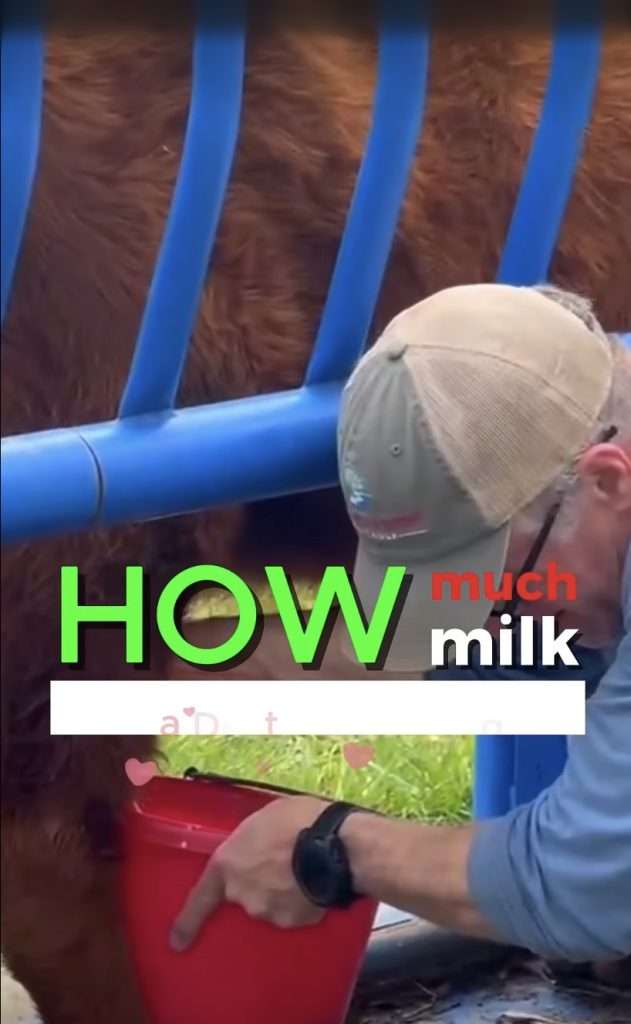
How Calf Sharing Works

How Calf Sharing Works - A Milking Paradigm

SUBSCRIBE TO THE FREE TIPS & TRICKS GUIDE NEWSLETTER

A Deep Dive Podcast, brought to you by Irish Dexter Cattlemen, on topics of interest to all farmers and ranchers. Subscribe to the free, monthly Irish Dexter Cattlemen Tips & Tricks Guide to get early access.

Brought to You by These Breeders, Affiliates, & Sponsors

Crest Point Farms Online

Since 2024
4 ads

Stay’N Put Farm Online

Since 2024
3 ads

Ashrons Acres

Since 2024
0 ads

Stumpys Acres

Since 2024
0 ads

Maple Creek Dexters

Since 2024
0 ads

Grandma's Dexter Farm

Since 2025
0 ads

DeVine Farms

Since 2025
0 ads

How Calf Sharing Works Read More »

Podcasts

🚜 You Work Hard Enough Already. Let Your Farm Dashboard Make Life Easier!

🚜 You Work Hard Enough Already. Let Your Farm Dashboard Make Life Easier!

🐄 Upgrade to Irish Dexter Cattlemen Member — Just $20 Per Year!

Your farm deserves better record keeping. Your family deserves more of your time. And you deserve a little less stress!

Running a small farm or homestead isn’t easy. For many Irish Dexter cattle owners, farming isn’t even their full-time job.

You get up early to feed the animals, check the water, inspect the pastures, and handle whatever surprises the morning brings. Then it’s off to your regular job — the one that helps pay the bills and keeps the farm operating.

When you finally get home, the animals still need attention, equipment needs fixing, fences need repairing, and tomorrow’s chores are already waiting.

And somewhere in the middle of all that, you’re supposed to keep accurate farm records!

Sound familiar?

That’s exactly why we’re developing the Irish Dexter Cattlemen My Farm Dashboard — to make managing a small farm simpler, more organized, and a whole lot less stressful.

🌱 Small Farms Need Better Tools — Not More Work!

Too many small farms struggle financially, not because their owners aren’t working hard enough, but because there simply aren’t enough hours in the day.

Important information gets scattered across notebooks, calendars, spreadsheets, receipts, and scraps of paper.

When was that cow bred? Which pasture was last grazed? When is the next vaccination due? How much feed are we going through? Where did I put that registration number?

Keeping track of everything can become another job all by itself.

We believe technology should make farming easier — not more complicated.

That’s why we’re building My Farm Dashboard around the real needs of small farms, homesteaders, and families who balance farming with outside employment.

💚 What Does Your $20 Annual Member Membership Give You?

Upgrading to the Member level gives you access to additional farm management and record-keeping capabilities designed to help organize your farm in one convenient location.

🐄 1. Keep Your Farm Records Organized

Start replacing scattered notebooks and spreadsheets with a centralized place for your farm information.

Organize important details about your animals, farm activities, and records so they’re easier to find when you need them.

Less searching. Less paperwork. More time for your animals.

📋 2. Simplify Your Daily Farm Management

Keep track of the information that matters to your operation without having to remember everything yourself.

A more organized farm makes it easier to plan daily responsibilities, stay on top of important activities, and avoid overlooking details.

Because your farm shouldn’t depend on how much you can remember after a ten-hour workday!

⏰ 3. Spend Less Time on Paperwork

Every minute spent searching for records or reconstructing information is a minute you could have spent caring for your animals, improving your pastures, or enjoying your family.

Having your information organized can make routine record keeping quicker and more manageable.

Your time is one of your farm’s most valuable resources.

🌾 4. Make Better Farming Decisions

Good records aren’t just paperwork. They’re the foundation for better decisions.

When your farm information is organized, it becomes easier to recognize patterns, evaluate expenses, plan improvements, and identify opportunities to operate more efficiently.

Small improvements in management can make a meaningful difference over time.

💰 5. Help Your Small Farm Become More Sustainable

Sustainability isn’t just about healthy soil, greener pastures, and well-managed livestock.

It’s also about keeping your farm financially viable and your workload manageable.

A farm that continually exhausts its owners becomes difficult to maintain, no matter how much they love farming.

Better organization can help reduce wasted time, unnecessary expenses, and the stress of juggling too many responsibilities.

👨‍👩‍👧‍👦 6. Make More Time for What Matters

Most small farmers didn’t start farming because they wanted another mountain of paperwork.

They started because they love the land, the animals, the independence, and the lifestyle.

Our goal is to help you spend more time enjoying those things — and less time managing the complications that come with them.

🚜 Built for the Farmer Who Also Works a 9-to-5 Job

We understand that many homestead farms depend on income earned away from the farm.

That means every hour counts.

You shouldn’t need an expensive, complicated farm management system designed for a thousand-head cattle operation just to manage a small herd of Irish Dexters.

You need something practical, affordable, and easy to use.

My Farm Dashboard is being developed with that small-farm reality in mind.

And at just $20 per year, the Member level is intended to make better farm organization accessible without adding another significant expense to your budget.

💵 Just $20 a Year — Less Than 6 Cents a Day!

That’s right.

For approximately 5.5 cents per day, you can upgrade from a Free Subscriber to the Member level and gain access to additional farm management capabilities.

Think about what your time is worth.

If better organization saves you even a few hours over the course of a year, the membership could easily be worth far more than its cost.

And the potential benefits go beyond dollars — less frustration, fewer forgotten details, and greater peace of mind.

❤️ Our Mission: Help Keep Small Farms Farming

Across America, small farms face enormous challenges.

Rising operating costs, unpredictable weather, increasing regulations, and the demands of outside employment make it harder every year for families to continue farming.

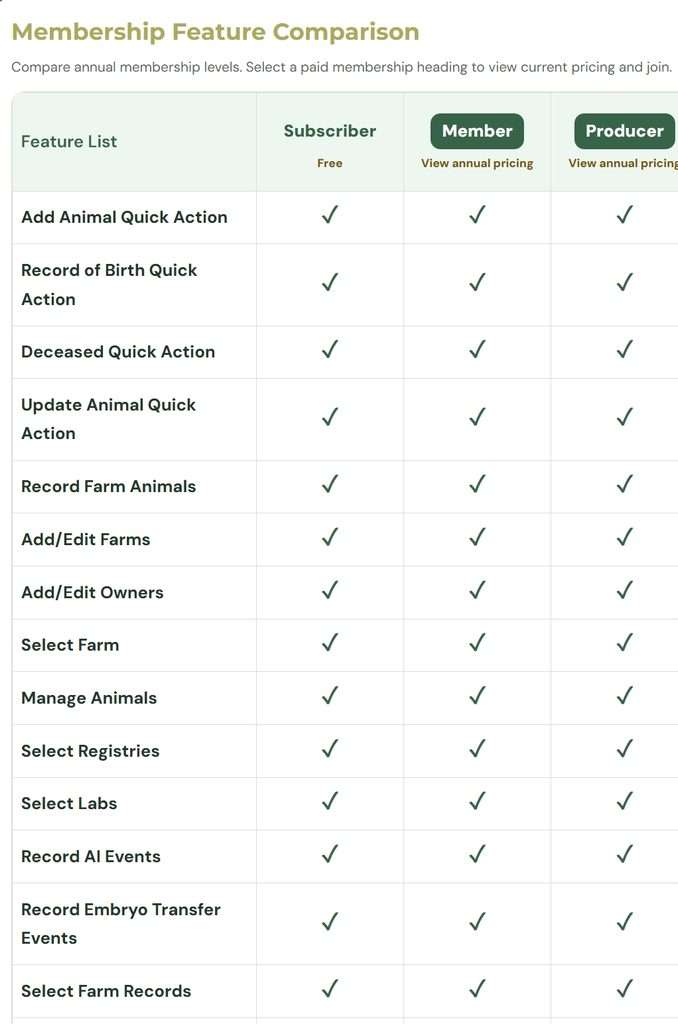
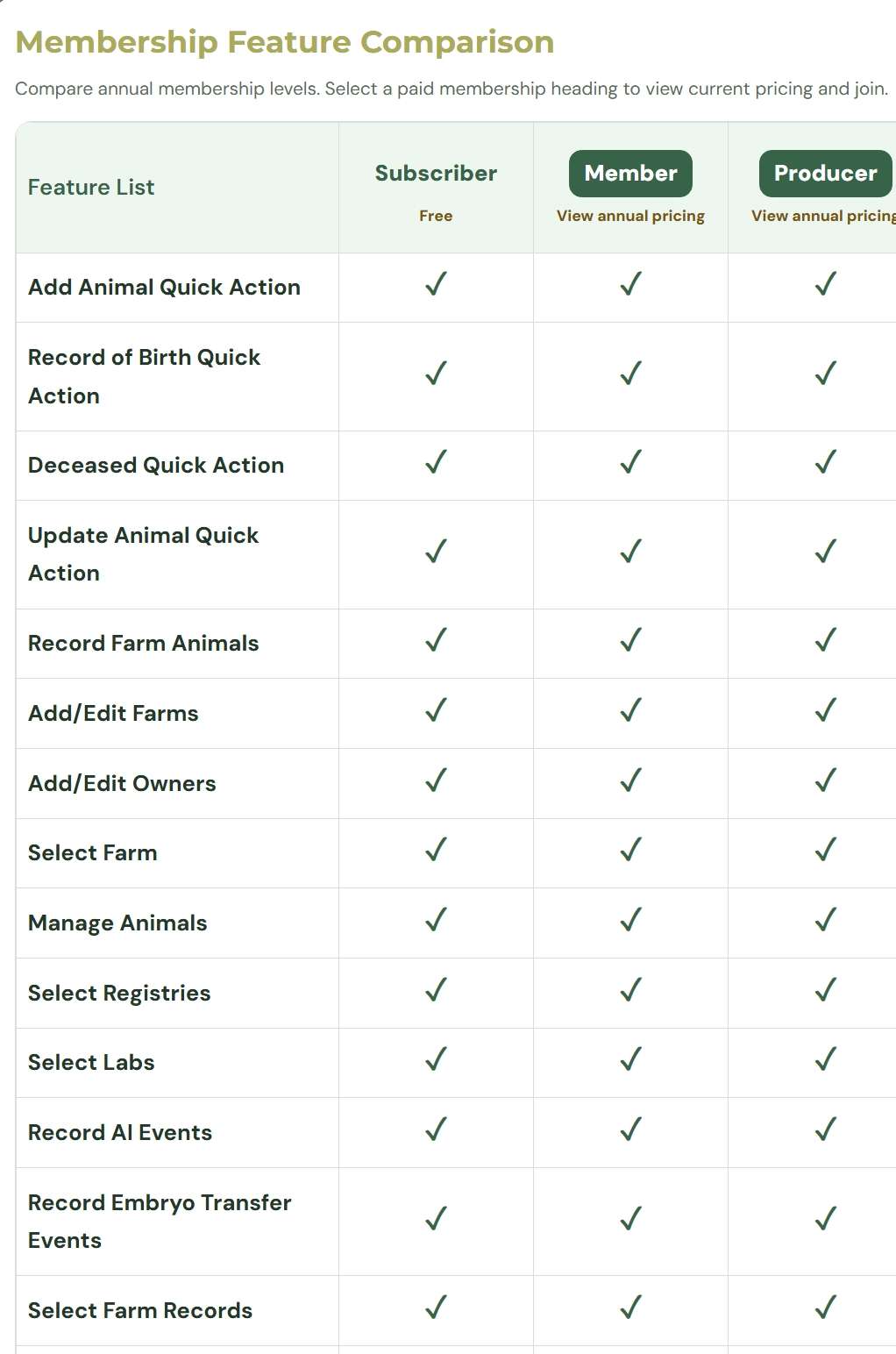
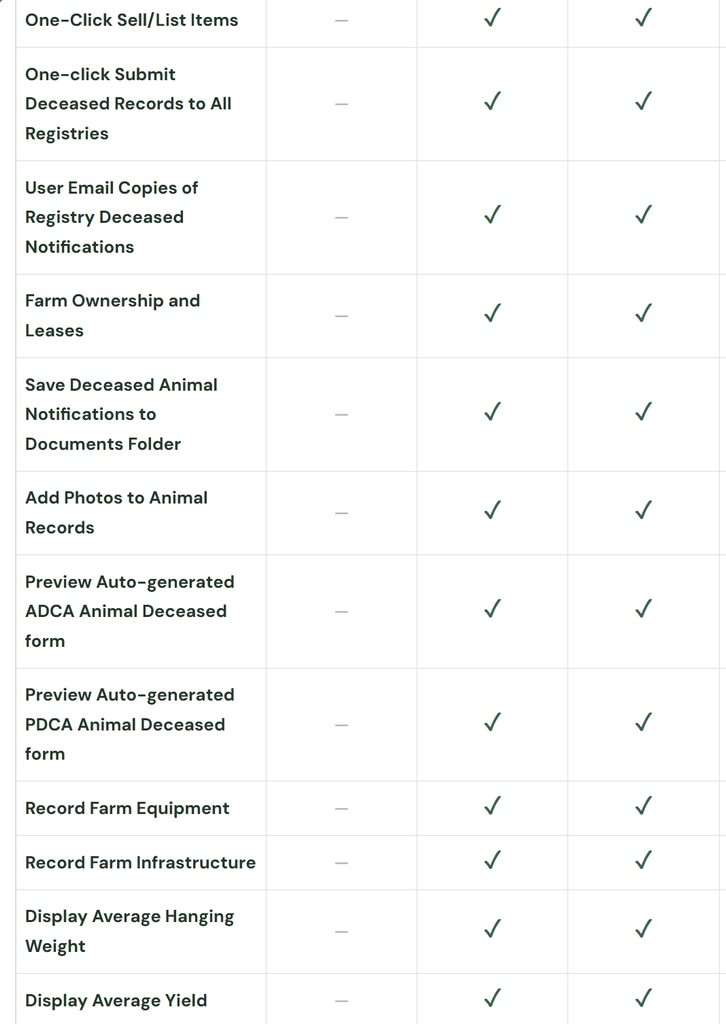
At Irish Dexter Cattlemen, we believe small farms are worth fighting for. These are the added benefits of upgrading to a Member annual subscription plan: Features that will make your job easier!

They preserve agricultural knowledge, care for the land, produce local food, and provide a way of life that deserves to continue for future generations.

Our mission is simple: help small farmers work smarter, reduce unnecessary costs, and make farming a more sustainable part of their lives.

The My Farm Dashboard is an important part of that mission.

📢 Become a Member Today — Your Farm Will Thank You!

<text size=”sm”>Free Subscriber: Access to the Forums Dashboard, monthly Tips & Tricks Guide, farm resource dashboards, and Marketplace.</text>

Member — $20 per year: Enjoy those free benefits plus additional My Farm Dashboard record-keeping and farm management capabilities.

You already work hard enough to keep your farm going.

Let us help make the management side a little easier.

Less paperwork. Less stress. Better organization. More time for farming.

🐄 Upgrade to Member for Just $20 Per Year!

Visit IrishDexterCattlemen.com and upgrade your membership.

Irish Dexter Cattlemen — Your Resource for Everything About Your Farm.

Helping small farms survive, thrive, and remain in the family for generations to come.

🚜 You Work Hard Enough Already. Let Your Farm Dashboard Make Life Easier! Read More »

General

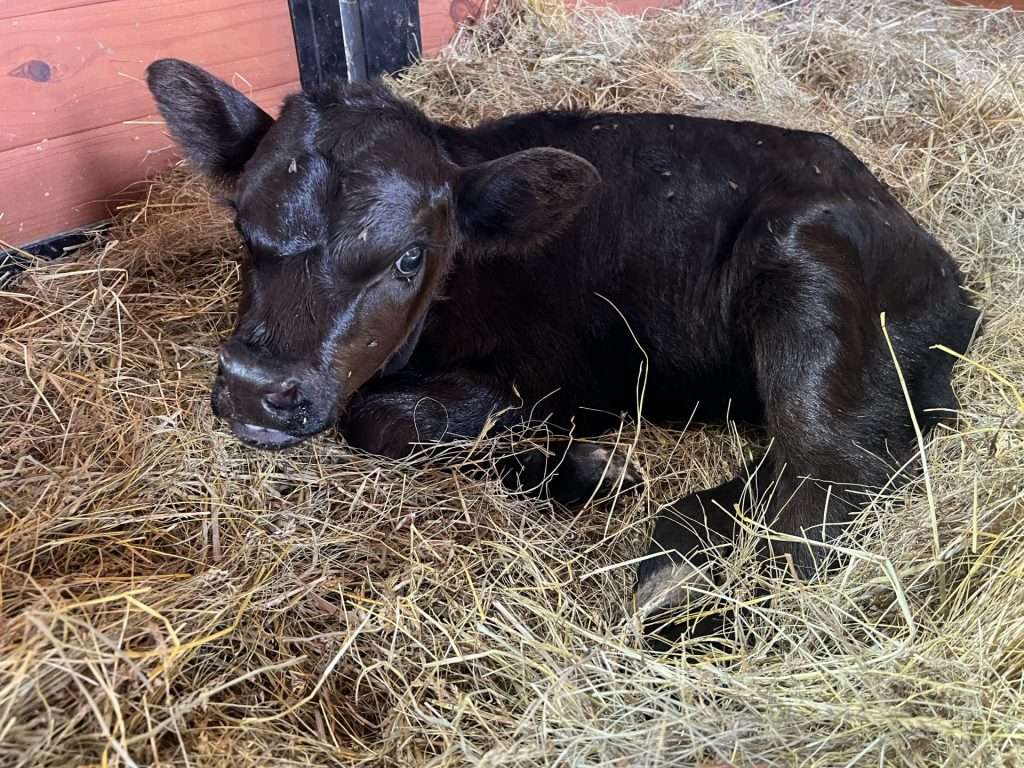
DEXTER CATTLE – JOY, LAUGHTER, AND HEARTBREAK – Baby Dolly Part 1

The plan is simple. Keep track of when the bull is with the exposed cows/heifers. Monitor the behavior. Document the estimated arrival of the calf. Put the cow in the stable when the due date is close so that the cow and the calf can be monitored. Cow has the calf. Simple, right? If only… It was late August and hot. When I say hot, I mean over 100 degrees and feels like close to 110. Missy was showing all the signs of impending birth. Her udder was bagged up, she was very loose in the back and she kept hitting her side with her mouth. It was early morning. I had a couple of meetings that morning and would move her early afternoon. “I have a meeting. I need to move Missy soon as she is about to pop,” I told my wife when I got into the house. After my meetings, I went outside to move Missy into the stable. It was early afternoon and my wife was already outside. “Missy is standing by herself and there is something black laying by her,” my wife stated. “She’s had her calf,” I said. As I walked into the pasture, I saw the calf laying next to the fence. Missy was standing by her calf. The calf had already been dried off and seemed content. I bent down to inspect the calf and all looked well. I did the sex check and noted she was a heifer. Missy seemed proud. I picked her up and while always showing her to Missy, I took her back to the stables. Missy followed dutifully with a couple loud “moos” along the way. Those Dexters have they calves fast, I thought to myself. Once in the stables, I laid her down and allowed Missy to get settled in. The calf tried to stand up multiple times, which is normal, but I noticed that her front legs were bent. The calf could not get her legs under her as he feet were bent in. I tried to help her up, but she couldn’t do it. The calf just laid back down. Missy continued to lick the calf, and also did her best to nudge her to get her up. Missy, in her way, would look at me, as if to say, I need some help here. The calf’s front legs were bent at almost a 45 degree angle at the joints. I tried to manually straighten each joint out with my hands, but it was no use. There were too tight. It was then I realized, I had a problem. How is she going to nurse? I called my veterinarian. He was busy with other patients, but would call me back. If you have animals, you almost certainly will have a time when you are trying to get a response from the veterinarian. My veterinarian is very responsive, but the time waiting is rather maddening, especially if you think it is an emergency. This wasn’t an emergency. Yet. Doctor Kevin called me back. I explained the situation. He asked that I send a photo. I sent a photo. Doctor Kevin indicated that it was hard to tell in the photo, but there is a possibility that the calf has contracted tendons. This occurs when a calf has kept his/her legs in a contracted position in the womb and the tendons tighten up. He told me to bring her in the office first thing in the morning. It was 4pm. “You have to get colostrum in the calf as soon as possible.” “Got it. How do you propose I do that? She can’t stand.” “Do you have a bottle?” “Nope.” “A syringe?” “Yes.” “Milk the cow and then use the syringe to feed the colostrum to the calf. You will need to do this every 3-4 hours.” It was going to be a long night. I love these cattle. A little bit about the author. I own and operate a small farm called “Our Yellowstone LLC” in Illinois. I couldn’t do it alone, but will keep my wife’s name out of it to protect her innocence.

DEXTER CATTLE – JOY, LAUGHTER, AND HEARTBREAK – Baby Dolly Part 1 Read More »

Homesteading

Integrating Artificial Intelligence and Emerging Technologies for Sustainable Livestock Management

Advanced Heading
Advancing Precision Livestock Farming

Integrating Artificial Intelligence and Emerging Technologies for Sustainable Livestock Management

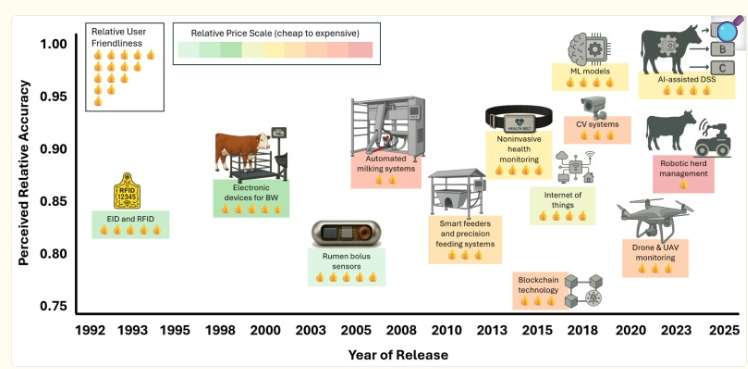
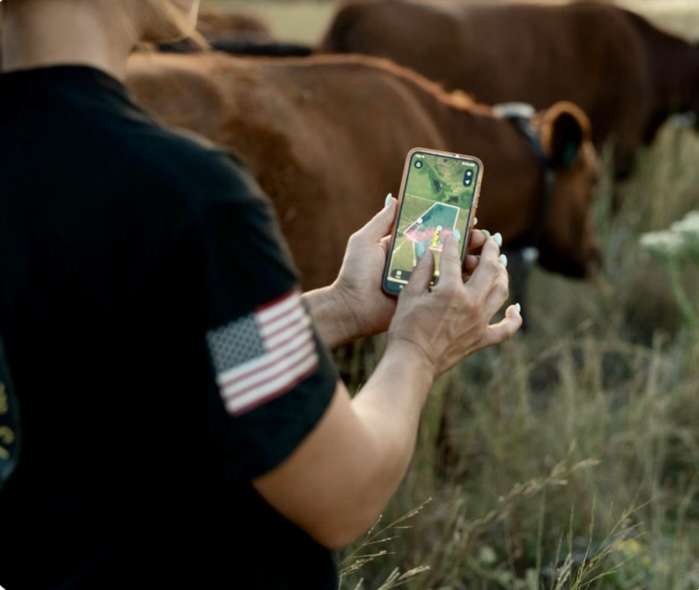
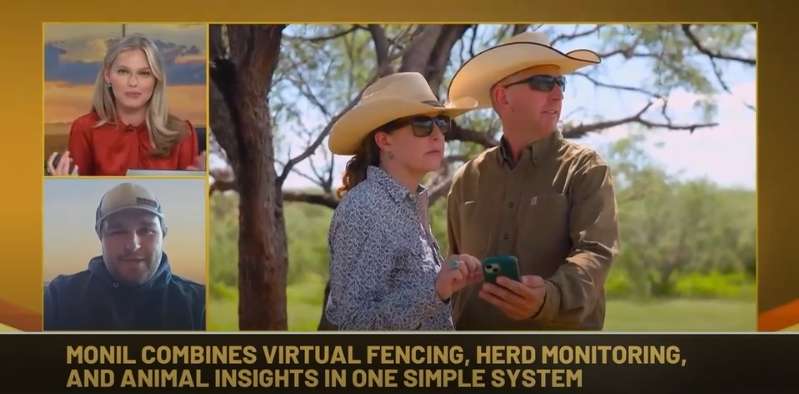
Not all of us are into high tech solutions for our farms, ranches and homesteads. This review explains how AI, computer vision, IoT sensors, and 3D imaging are being used for disease detection, feeding optimization, reproductive management, and animal welfare monitoring.

If you’re looking for a simpler solution, you might want to look to the My Farmers Dashboard on the Irish Dexter Cattlemen site. The My Farmers Dashboard is an extraordinary farm management system that exists no where else. No other system has all the features we have in our My Farmers Dashboard. It comes at a very affordable price…in fact some of it is FREE to you.

Integrating Artificial Intelligence and Emerging Technologies for Sustainable Livestock Management Read More »

Technology

Selling …the Psychology from the cattle’s perspective by the Morgan Cattle company

Imagine being taken from the only home you’ve ever known.

Loaded into a trailer with no idea where you’re going. When the door opens, everything is different. The smells. The sounds. The surroundings. Your herd, the familiar people and voices you’ve known your whole life—all gone.

You don’t know if you’re ever going back.

Now strangers are coming toward you. Reaching for you. Cornering you. Tying you to something you can’t get away from. You’re terrified, and every attempt to get away seems to make them push harder.

Then you’re called crazy. Mean. Dangerous.

They’re animals. We can’t sit them down and explain, “This is your new home. You’re safe here. We aren’t going to hurt you.” We know why they’re there and that we intend to care for them. They don’t know that yet.

And no, this isn’t how every cow reacts. Just like people, some handle stress and change better than others. Some step off the trailer and settle right in. Others are overwhelmed and need more time.

You can know an animal’s personality and how they behave at home. You can’t promise exactly how they’ll react when everything familiar disappears. Even a well-trained, normally gentle cow can get scared and have a bad moment.

An animal can leave one home calm and trusting and arrive at another frightened and defensive. That doesn’t mean the animal you met was a lie. Their entire world just changed, and they had no say in any of it.

Let them look around. Find their hay and water. Get used to your voice and your presence without immediately being caught, restrained, or asked to learn something new. Some settle quickly. Others need more time.

You don’t have to ignore unsafe behavior, but you do need to recognize when you’re asking too much, too soon.

Give them time. Give them patience. Give them a reason to trust you.

You’ve been looking forward to bringing them home. They’re trying to understand where theirs went.

Selling …the Psychology from the cattle’s perspective by the Morgan Cattle company Read More »

Selling

Announcing A Fresh New Look for Irish Dexter Cattlemen!

A Fresh New Look for Irish Dexter Cattlemen!

Same Commitment to Irish Dexters. A Better Experience for the Farmers Who Raise Them.

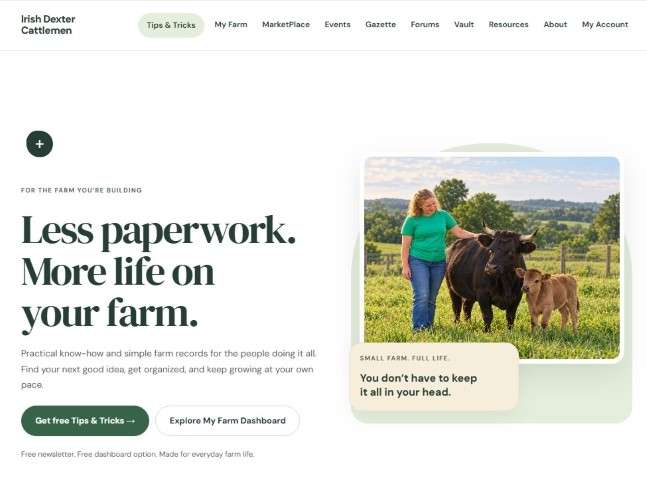
We’re excited to announce the newly redesigned IrishDexterCattlemen.com!

We’ve been working to make Irish Dexter Cattlemen more useful, easier to navigate, and better equipped to support the farmers, ranchers, and homesteaders who raise Irish Dexter cattle.

But this redesign is about more than a fresh appearance. It’s part of a much bigger vision: helping small farms become more productive, profitable, sustainable, and successful.

What’s New?

Our redesigned website brings together the information, resources, tools, and community connections that Irish Dexter owners need—all in one convenient place.

  • A Fresh, Modern Design: Cleaner pages, improved navigation, and easier access to the information you’re looking for, whether you’re using a computer, tablet, or smartphone.
  • Easier Access to Farming Resources: Find practical articles, educational information, management tips, and resources to help you make better decisions for your cattle and your farm.
  • A Stronger Farming Community: Our Forums provide a place to ask questions, share experiences, discuss challenges, and learn from other Irish Dexter owners. Whether you’re a beginner or an experienced breeder, your knowledge matters.
  • A Better Way to Connect: Explore opportunities to connect with breeders, farmers, and others who share your interest in Irish Dexter cattle.
  • Introducing My Farm Dashboard: An exciting part of our larger vision is bringing modern farm-management tools together in one place. My Farm Dashboard is being developed to help farmers organize animal records, manage farm operations, track resources, and make informed decisions. Free and advanced features will be introduced as they become available.

Why Are We Making These Changes?

Small farms are facing increasing challenges.

Many Irish Dexter owners aren’t full-time farmers. They work regular jobs, raise families, and then spend their evenings and weekends caring for livestock, maintaining fences, managing pastures, and keeping their farms operating.

There never seem to be enough hours in the day.

At Irish Dexter Cattlemen, we believe technology, shared knowledge, and a supportive community can help lighten that workload.

Our mission is simple:

Promote the Irish Dexter breed by helping the farmers who raise Irish Dexters succeed.

That means providing practical solutions—not just information. We want to help farmers save time, reduce unnecessary expenses, improve herd management, protect their land, and build farms that can thrive for generations.

More Than a Website—A Growing Resource for Small Farms

Our new website is the foundation for an expanding collection of farming resources and services.

We’re building toward a future where Irish Dexter farmers can find answers, connect with other producers, manage their operations, and discover better ways to farm without having to search through dozens of different websites and applications.

And we’re just getting started!

Come Explore the New Website!

We invite you to visit, explore the redesigned pages, participate in the Forums, and discover what’s new.

We also want your feedback! Tell us what you like, what could be improved, and what additional resources would make your farming life easier.

Your ideas will help shape the future of Irish Dexter Cattlemen.

Visit the Newly Redesigned IrishDexterCattlemen.com

Better Tools. Better Farming. A Stronger Irish Dexter Community.

Irish Dexter Cattlemen — Supporting the Breed by Supporting the Farmer.

Announcing A Fresh New Look for Irish Dexter Cattlemen! Read More »

General

LET’S TALK DEXTER WEIGHTS!

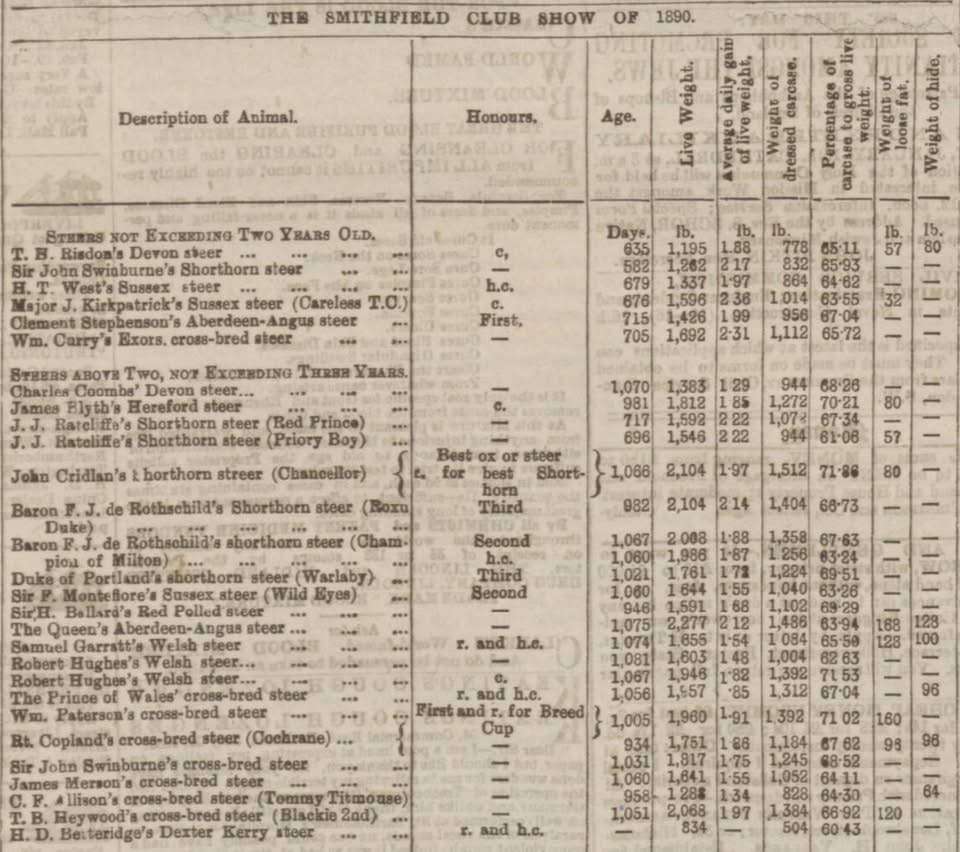
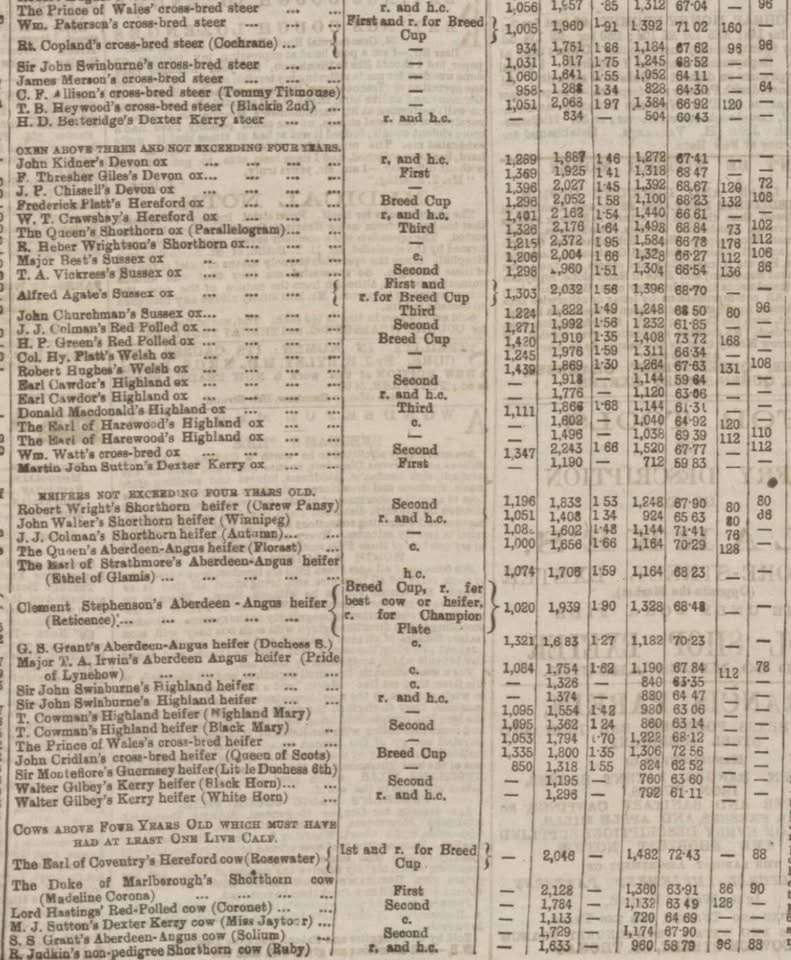
Calling all Beef Breeders!!! For anyone who likes a bit of Beef in their dual-purpose Dexters here’s something for you! Have you ever wondered what the Live weight, the Average daily weight gain of live weight, Weight of dressed Carcass, Percentage of carcass to gross live weight, Weight of loose fat and Weight of hide was on a Dexter Kerry or a Kerry and a Dexter Kerry cross was at the formation of the Royal Dublin Society in 1890? I wish all fields were complete as some are missing but it’s a good start. Well, here are some answers for you, so let’s see how these weights compare today. Comments are welcomed. By the way Tommy Titmouse was an Angus Dexter Kerry cross.

LET’S TALK DEXTER WEIGHTS! Read More »

Historical

The Gift From Our Ancestor

Legacy Dexter Cattle Registry seeks to preserve Irish Dexter bloodlines from the English upgrade/appendix registry. Support Legacy Irish Dexters by registering your Irish Dexters.

The Gift From Our Ancestor Read More »

Historical

Buyer BEWARE of AI Generated Dexter Cattle Books!

Some of these are not like the others!

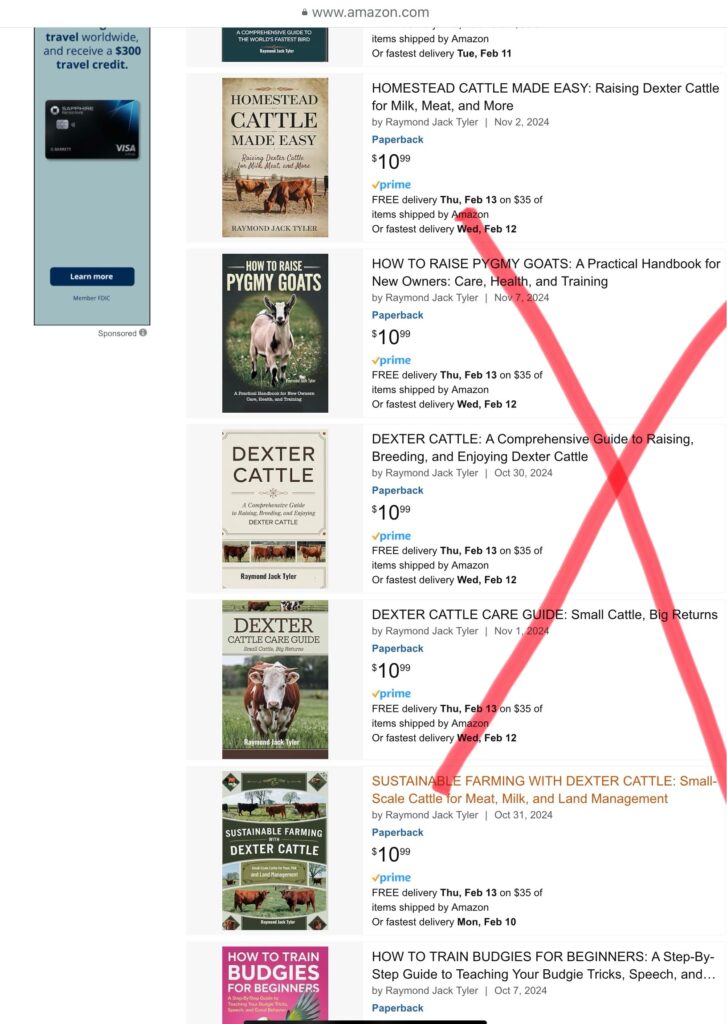
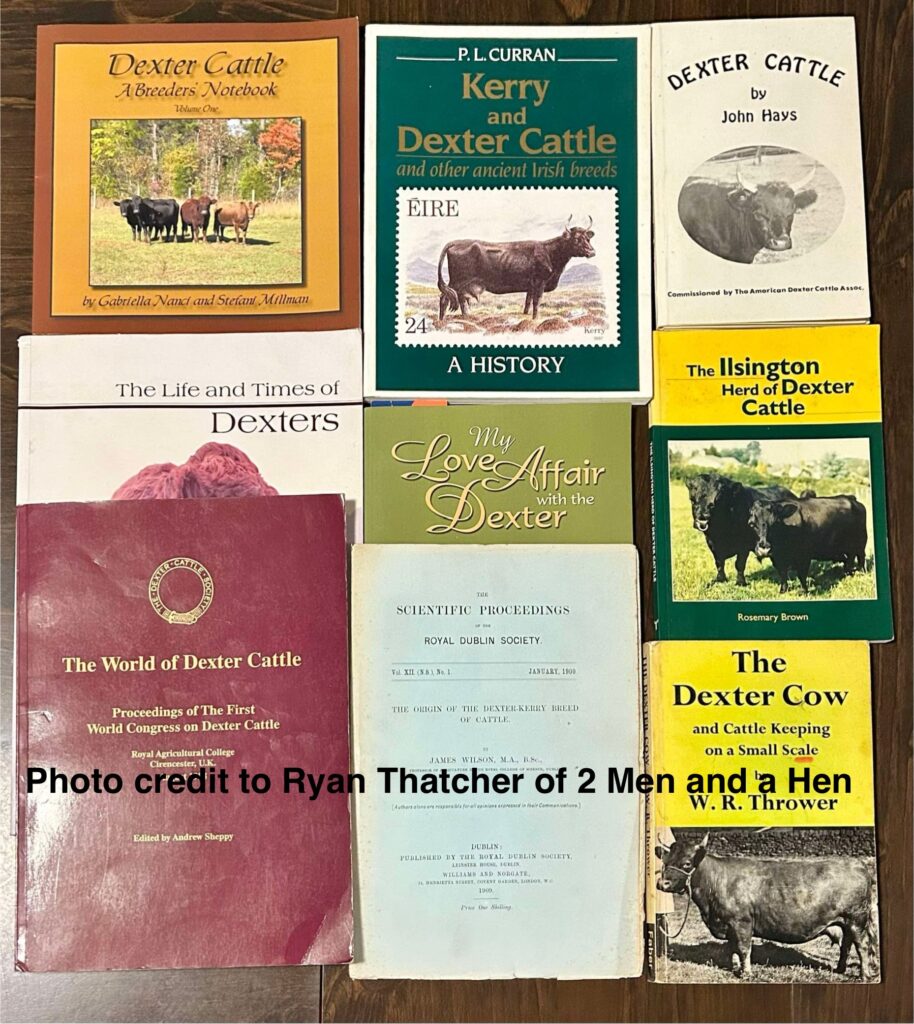
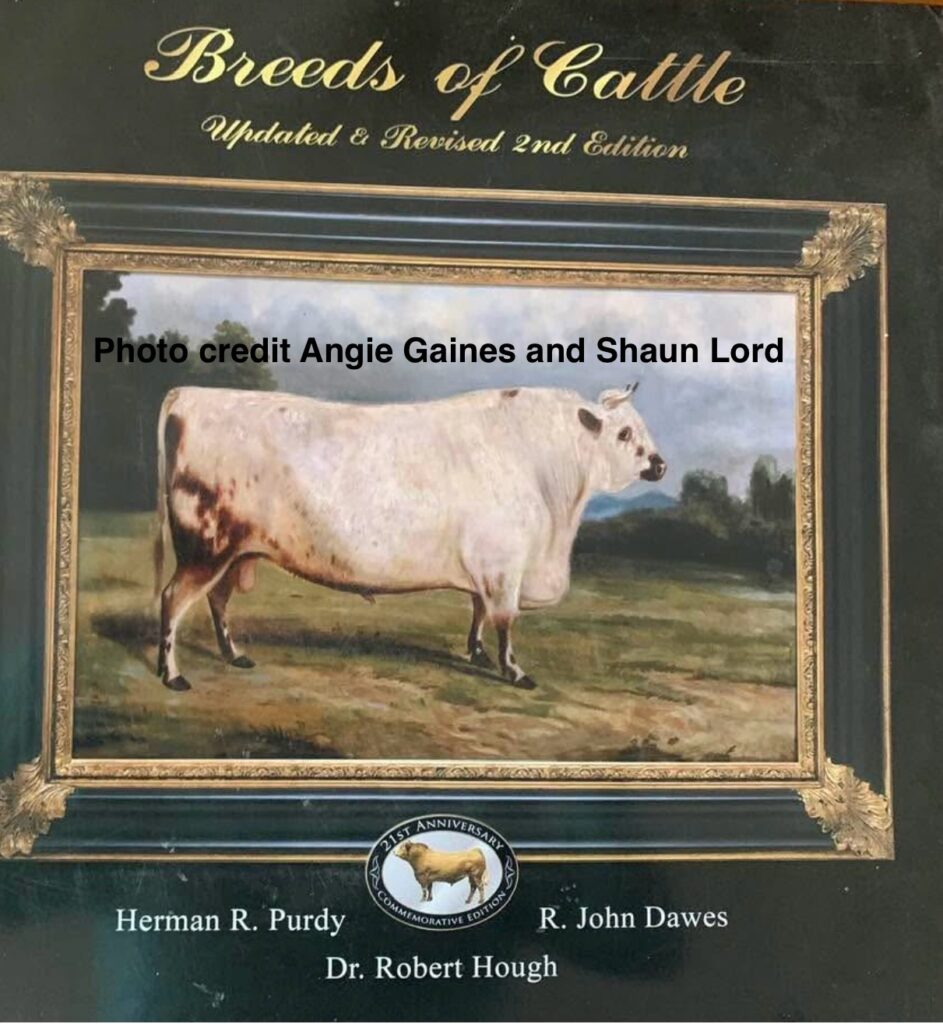
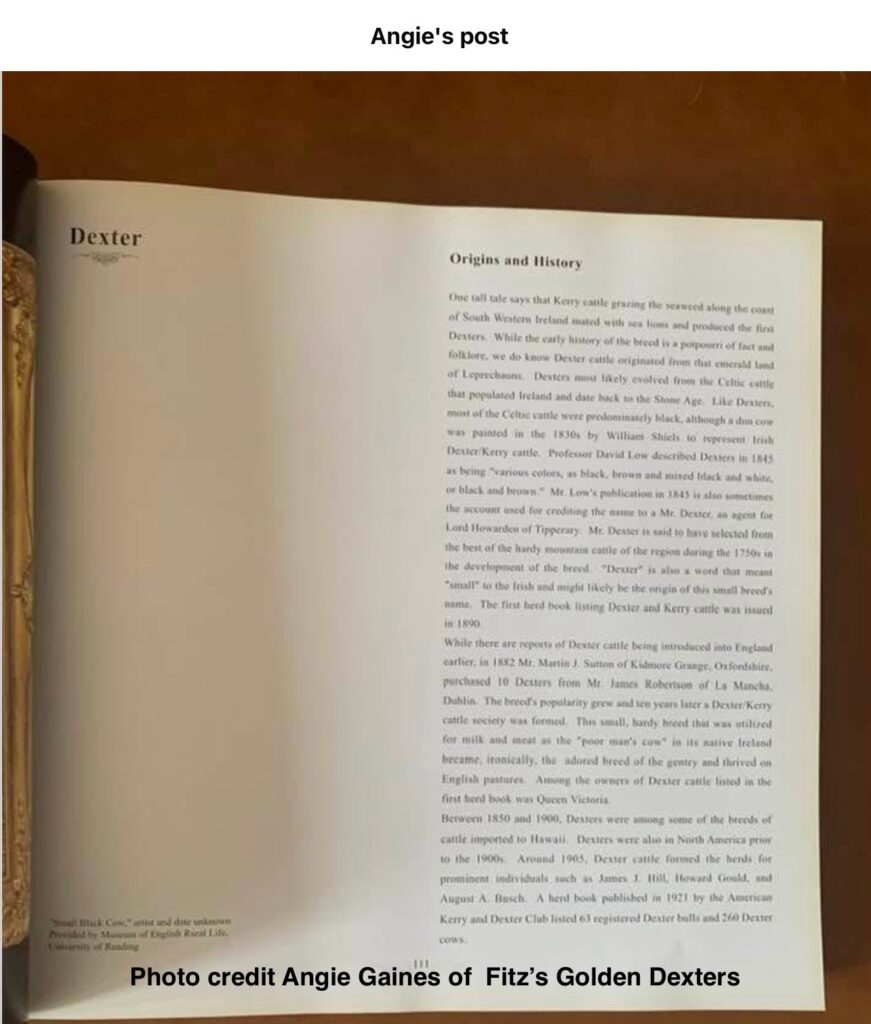
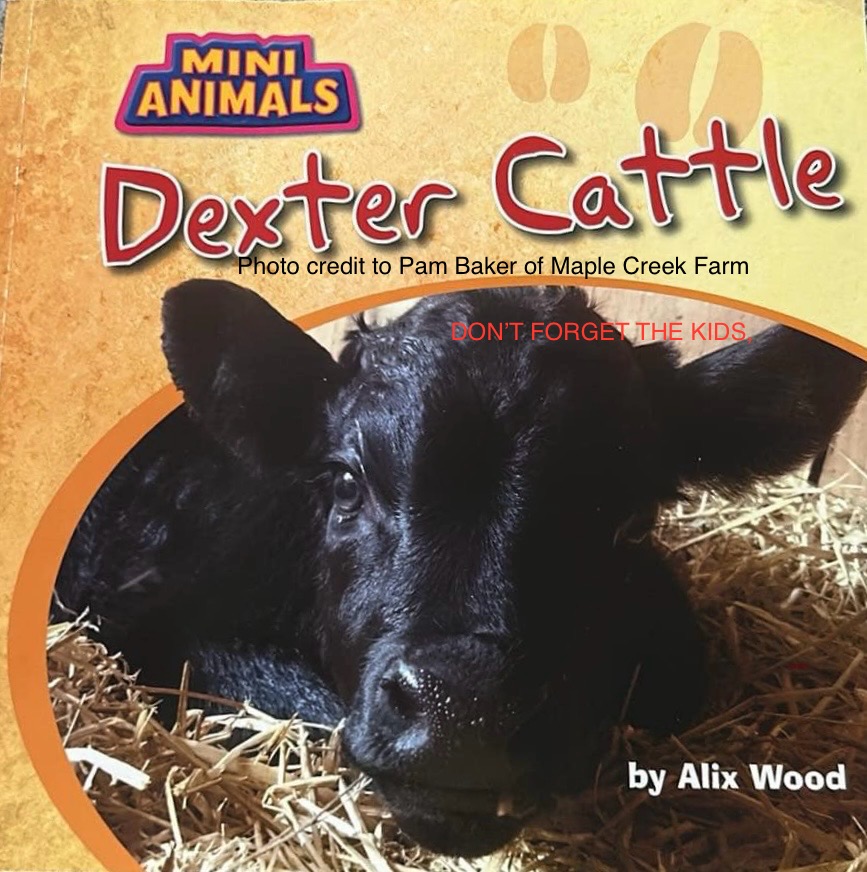
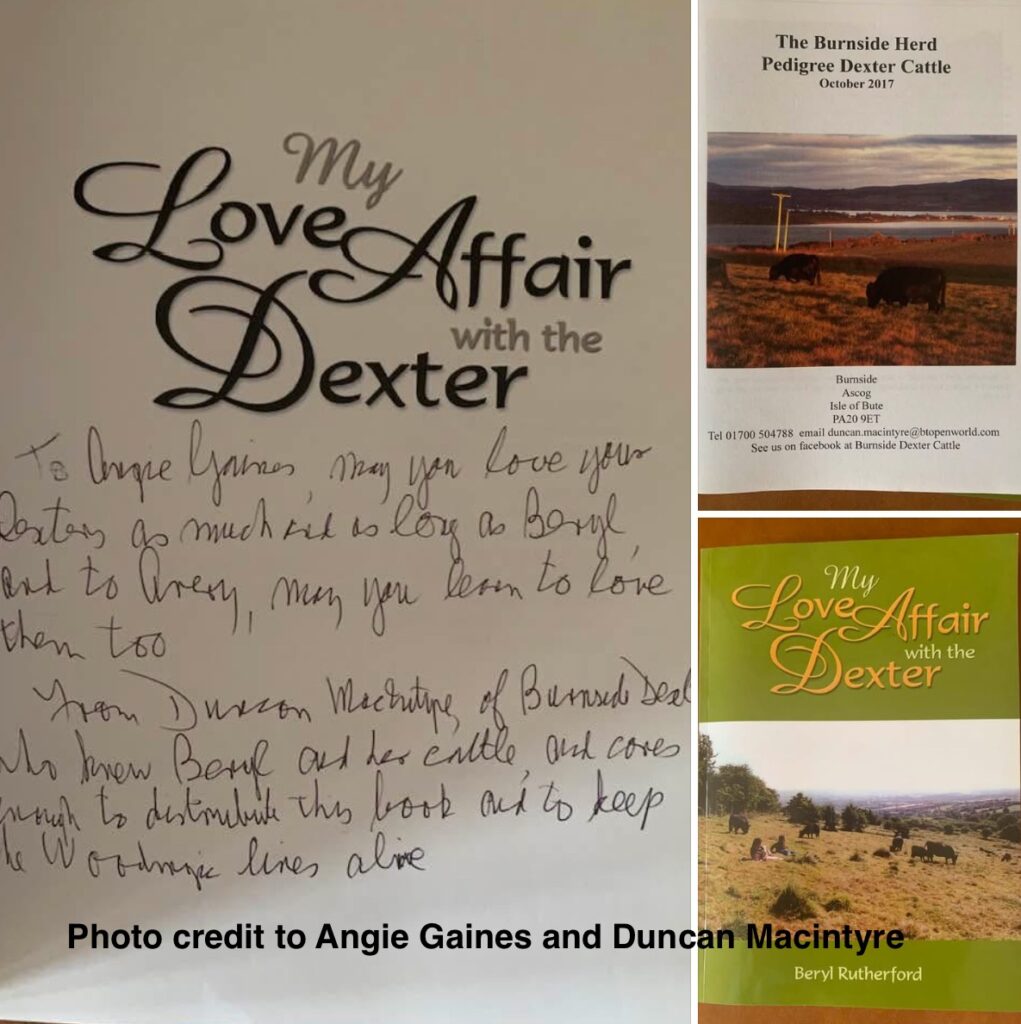
Danielle Lowther of Byrn Mawr Dexter farm sounded the alarms this month. She found a bunch of books listed on Amazon that must be AI generated with little to no knowledge of what a Dexter looks like, let alone how to care for them.

She posted these on a Facebook group she created called the Horned Dexter Cattle and called for Dexter owners and breeders to show what books they had in their libraries. This sparked several breeders to chime in and post on their sites. Dexter owners are very protective of this breed! Below are photos from several Dexter folks with their cherished books. Included are their names and farm names, incase you want to reach out to them. The imposters are the featured image here.

‘But, if you are looking for REAL information on Dexters, the breed and how to care for them, please consider supporting Irish Dexter Cattlemen by subscribing to one of our many membership levels.

Consider spending your money with a team that is working for you, with hundreds of vetted articles, podcasts and videos, stored in an easy to use, farmer designed, Multimedia Relational Database System that you can search thru with just a word or phase. An example: type in “minerals” and 9 different vetted articles show up for you! What’s in this Multimedia Relational Database System which we call the Gazette?
● Links to articles all over the Internet
● Educational, informative videos every farmer should see.
● Agricultural magazines
● Books in an online flip style format you can read on any of your devices.
● Journals produced by your favorite registry in online flip style format.
● Links to interesting podcasts for listening while working or driving.
● Blogs produced by experts in agriculture
● Historical material and Registry Herdbooks.
All of it organized by your particular area of interest, like Farm Management, or Herd Health, or Milk & Dairy, or Historical, or Selling & Marketing, or Homesteading, or New to Farming, or Farming Technology. Because it’s a Relational System, it’s also organized by topic, like grazing, milking, organic, regenerative, fencing, irrigation, breeding, and many more.
Use the code DEX50 for our March special 50% Membership Discount on any membership level!
…
But you may want to check out our Classified Listing System and all of our levels of membership and find an even better option for you and your farm. At the Breeder level…you can sell anything off your farm…heck even the farm!

Buyer BEWARE of AI Generated Dexter Cattle Books! Read More »

General

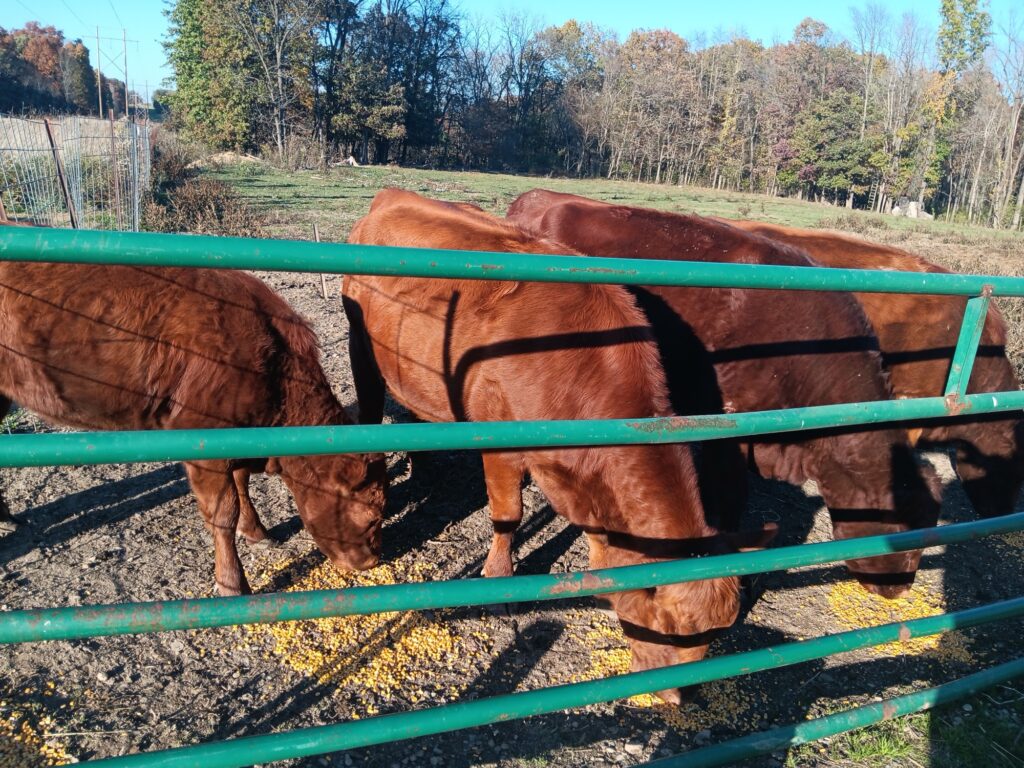
Things necessary to get your cows through the winter – Part 1

Written by Shelley Hatfield/Whippoorwill Pines Farm

I’m going to talk about 6 things needed to help your cows get through the winter.  I’m sure that there are more than 6 things but these are what I think are most important.  The first thing that you need is fresh water!!  Where you are in the United States will determine how hard this will be over the winter.  Some places are warm enough that they just have to make sure it stays full.  But in some places it almost freezes before you get back to the house.  But fresh water is so important in the health of your cows.  It has been said that cows need 1 to 2 gallons of water per 100pd of body weight.  I know some think that maybe they can lick the snow or lick the ice.  But licking the ice would take so much time to get what they need.  It would also take up body energy that they need to keep warm. Cows that don’t have enough water supply can get dehydrated and are susceptible to colic and other issues.  It is just best to keep fresh water out to them daily.  

Not having water can hinder so many areas in a cow.  Whether in summer or winter, water is so important to the health of your cow.  People usually think about water problems for the summer time, but making sure they have water is also very important for winter.  It affects their digestive system.  It keeps their body temp regulated.  It affects milk production.  Water or lack of it can affect the overall health of your herd.  

There are a couple of different tank heaters that you can use.  One is a floating one that has a cage around it.  I used those for several years, but ran into problems with them.  My cows would get bored and chew on the cord as it hung over the tank.  I used a pvc pipe to try to help.  It worked as long as they left it alone.  There is also a tank heater that goes in the drain hole at the bottom.  This is the one that I’m using now.  I can run the cord out the bottom and around so they can’t reach it.  I will warn you that tank heaters can run up your electricity.  But unless you have waterers run to your pastures, it is tank heaters or break the ice!!  I’ve tried all the tricks that people have come up with and I haven’t found any that work for me.  

Whatever method you decide, tank heaters or breaking ice all day, lets just make sure that we are keeping fresh water to our herds this winter!!

Things necessary to get your cows through the winter – Part 1 Read More »

Farm Management

Are cows the new insulin producers?

Excerpt from Veterinarian To Be on Facebook

Scientists created a genetically engineered cow that produces human insulin in its milk:

 Currently, diabetics rely on insulin synthesized in bacteria within complex laboratory settings.

 The new method harnesses the cow’s natural milk-production capabilities as a biological factory for human proinsulin, the precursor to insulin. Surprisingly, the cow’s mammary gland even performed the conversion to active insulin. 

This proof-of-concept study demonstrated the remarkable potential for transgenic cows to produce massive quantities of insulin. The researchers inserted a segment of human DNA responsible for proinsulin production into cow embryos.  The resulting transgenic calf demonstrated the ability to secrete both human proinsulin and insulin in its milk. 

A single liter of milk contains enough insulin that could meet the needs for a diabetic patient for several years. 

Researchers envision a future where relatively small herds of these special cows could drastically lower insulin production costs and potentially meet global demand. 

Unlike current bacterial production methods, this approach wouldn’t require sophisticated facilities. While further research and regulatory approvals are needed, the scientists are optimistic. This development could herald a new era of insulin availability, making this life-saving medication a reality for all diabetics, regardless of location or income.

Are cows the new insulin producers? Read More »

Milking