Why you should salt your steak.
A discussion on salting your steak. Enhanced crust is just one of the tips.
Why you should salt your steak. Read More »
BeefMenu +
A discussion on salting your steak. Enhanced crust is just one of the tips.
Why you should salt your steak. Read More »
Beef
Even if you feed a little grain…it is way better than what is in store and being passed off as grass fed. Check out this video from a well known doctor.
Grass Fed Beef Biggest Scam? Read More »
Beef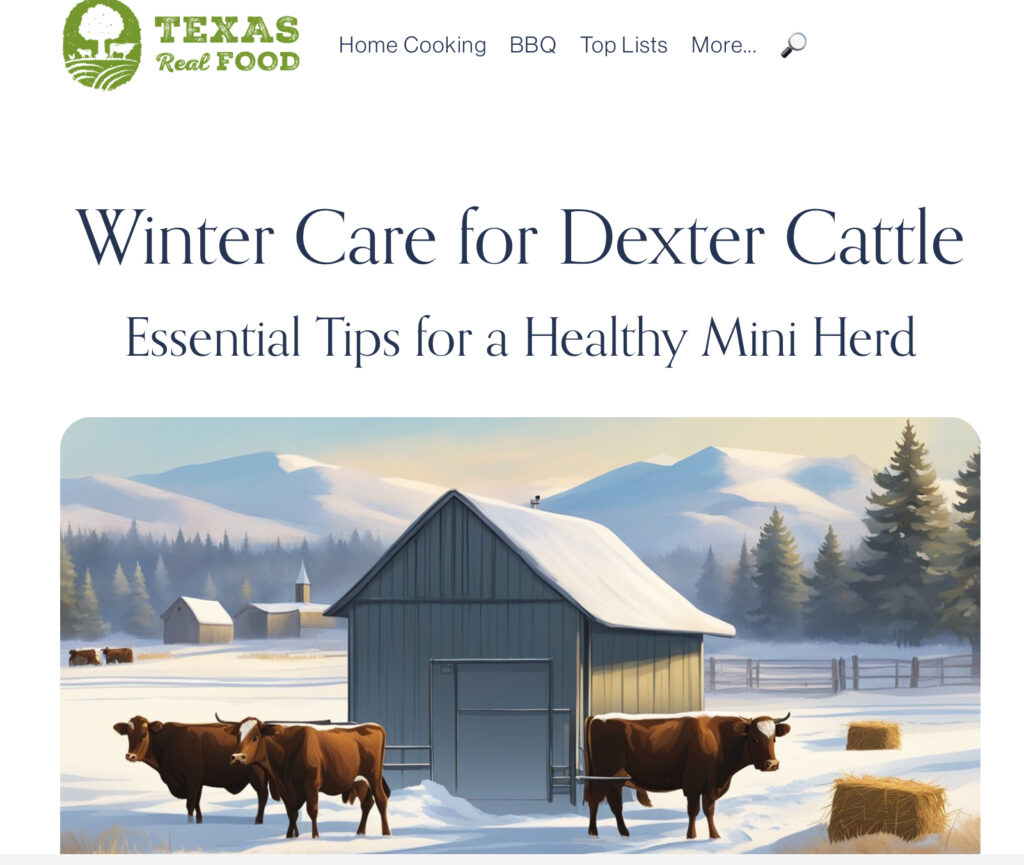
Nutritional needs during winter are critical for maintaining health
https://discover.texasrealfood.com/dexter-cattle/winter-care-for-dexter-cattle
Winter care for Dexter cattle Read More »
Farm Management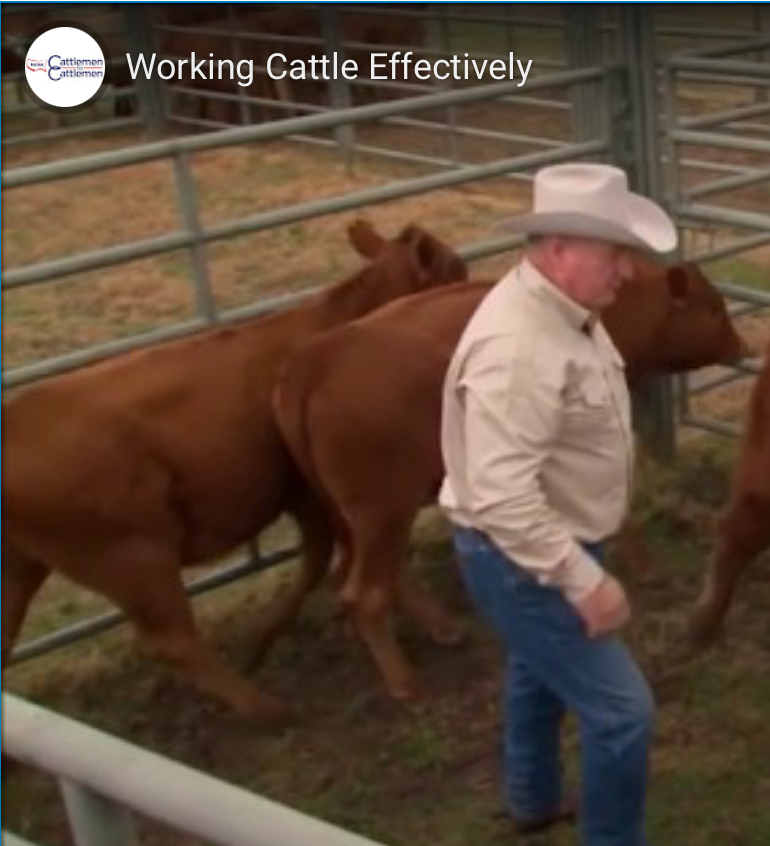
Dr. Ron Gill shares tips on working a cattle
Working Cattle Effectively Read More »
Farm Management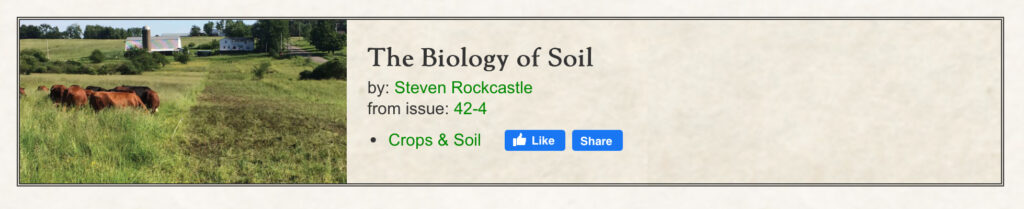
The relationship between ruminants, forage and soil
Ruminants, Forage and Soil Read More »
Farm Management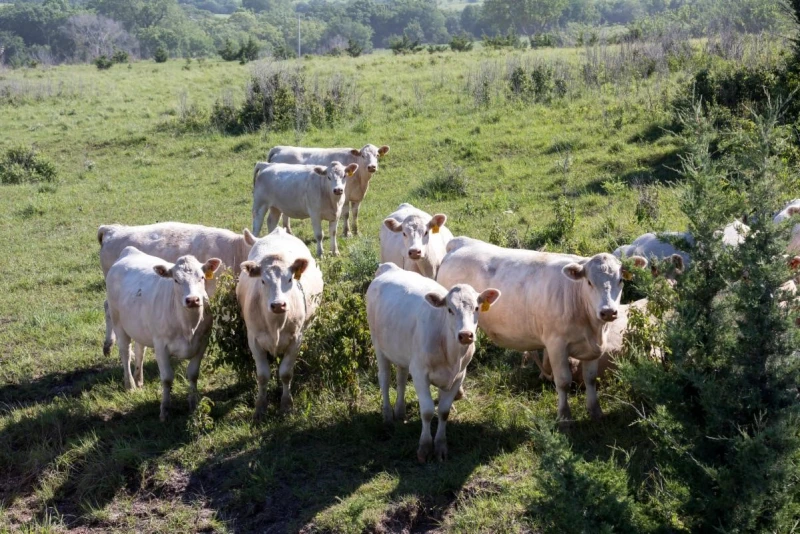
Protecting the health of cattle herds is an important part of a successful plan to have a profitable and sustainable ranching operation.
https://www.bovinevetonline.com/news/education/establish-complete-herd-health-plan
Establish a Complete Herd Health Plan Read More »
Herd Health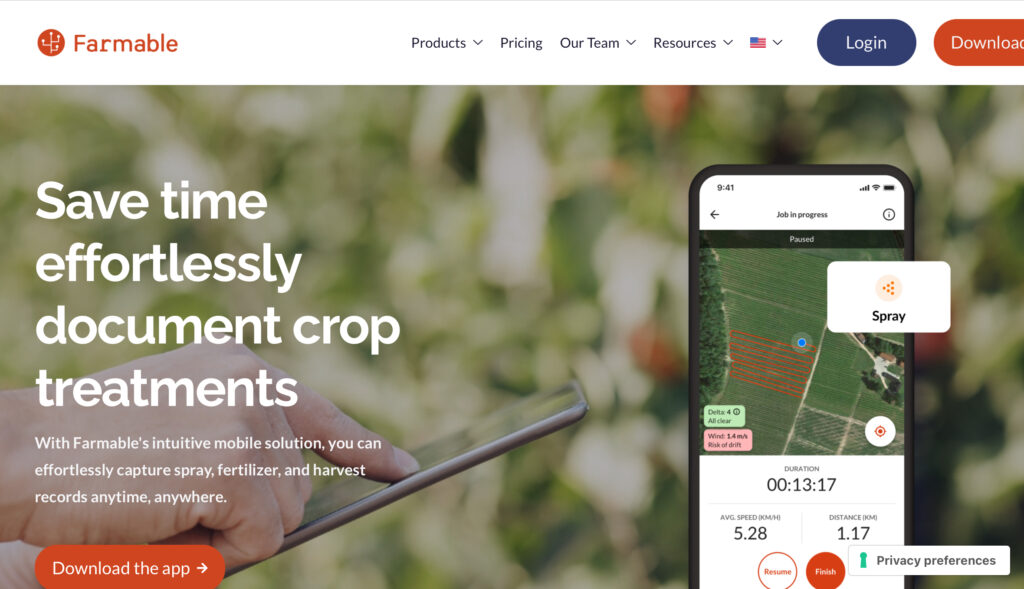
Build an interactive map of your fields for a better overview.
Keep all your information and activities easily connected.
Build a digital field model Read More »
Technology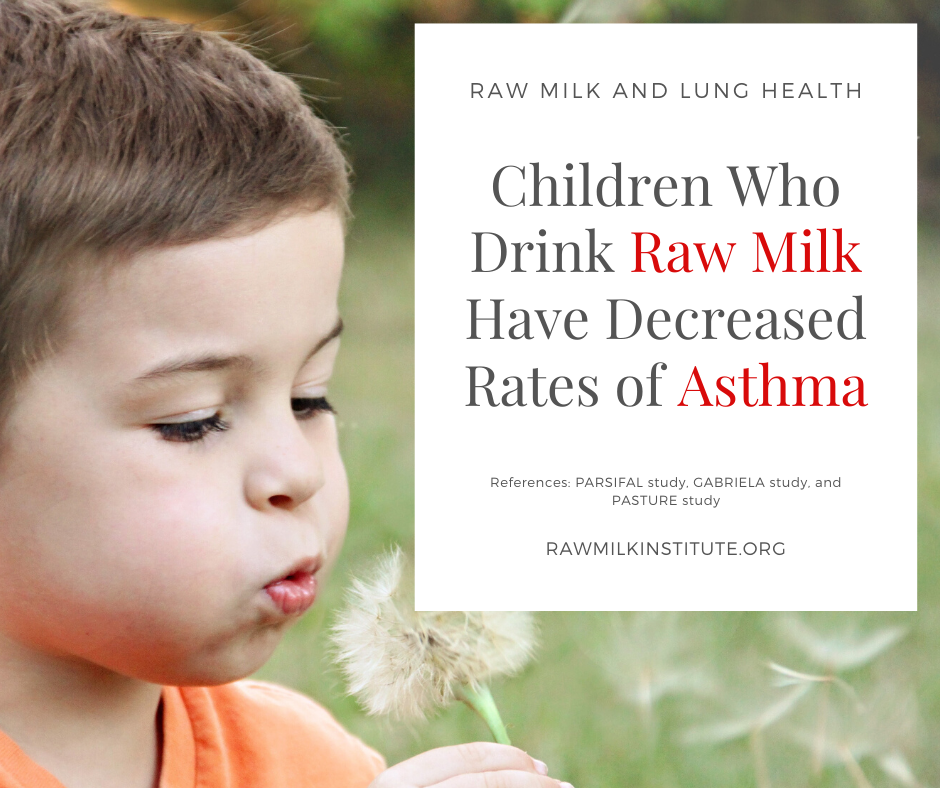
Improved lung health, both in childhood and adulthood.Submitted by Jody Jess
https://www.rawmilkinstitute.org/updates/raw-milk-asthma-and-lung-health
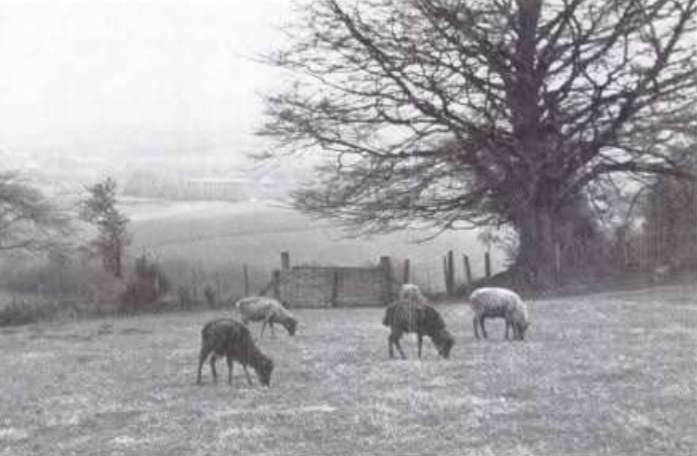
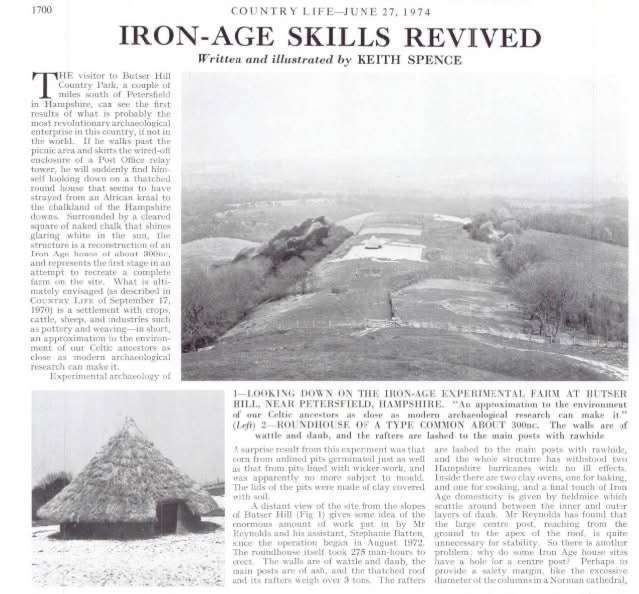
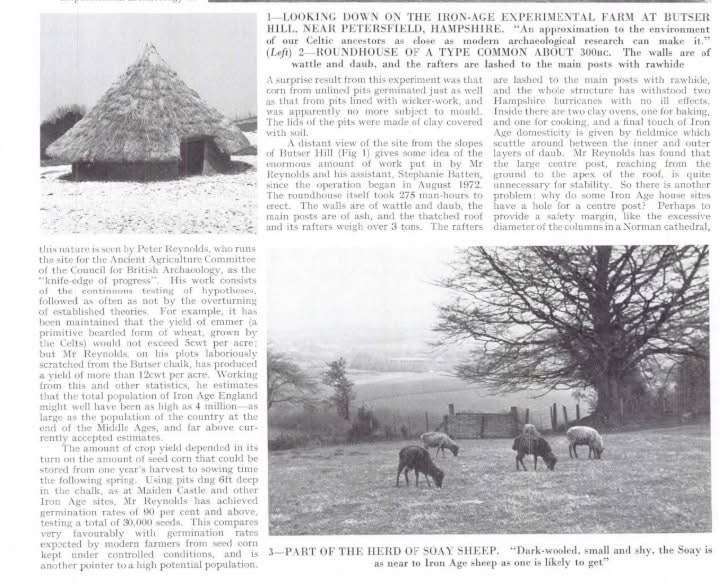
Two long legged Dexters were kept at an Iron Age site to replicate a farm in 300 B.C. The attempt was to recreate what some of our Celtic ancestors would have experienced in their environment as close to what archaeological evidence in 1974 could validate. A round wattle and daub building was constructed with a thatched roof on site, and it withstood two Hampshire hurricanes with no ill effect. A man named Peter Reynolds was testing hypotheses to establish or to refute established theories during his era. He researched to establish accurate theories on the livestock and crops that would have been grown at that time. He wanted to establish facts and create a representation of the time as accurately as he could.
The dark wooled small breed of Soay sheep were kept, as it is commonly believed they are as close as possible to the Iron age sheep genetically, because they remained isolated on St. Kilda for thousands of years. Then there are the two long legged Dexter cattle being kept that are believed to be the same body size and weight as the extinct Bos longifrons. This seems to be what was considered the best match for the time. When researching the subject, I found that McKenny Hughes says “that Bos longifrons was a very small animal; probably not larger than a Kerry cow.” It was likewise believed that the color of the British and Celtic Bos longifrons was black but with a shorter horn shape than is seen in Kerry and Dexter cattle. With those considerations it is understandable that long legged Dexters that have often been called Dexters of the Kerry type would have been used as the best choice for the day. Newspaper article: Country Life 27 June 1974
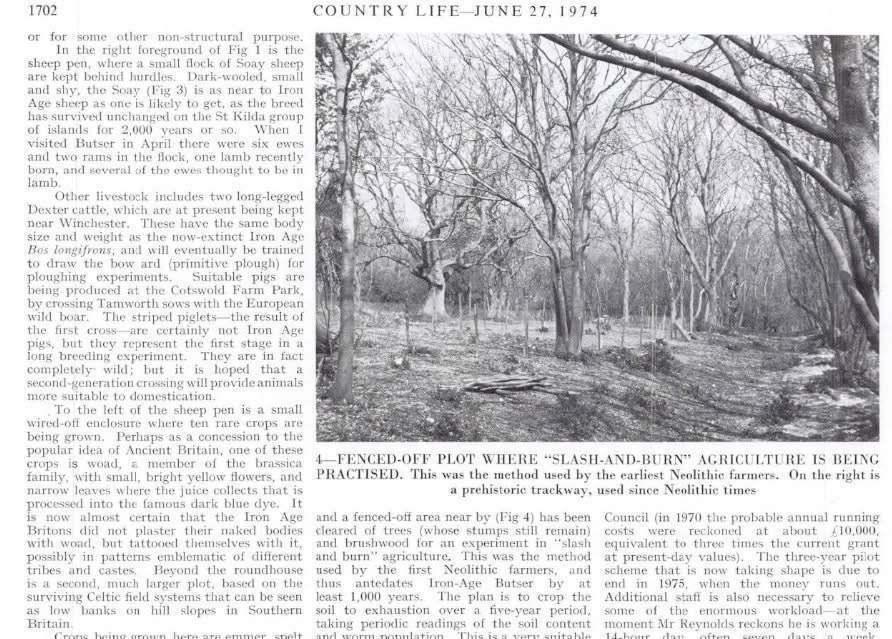
Interesting, Dexters were used to replicate a farm in 300 B.C. Read More »
Historical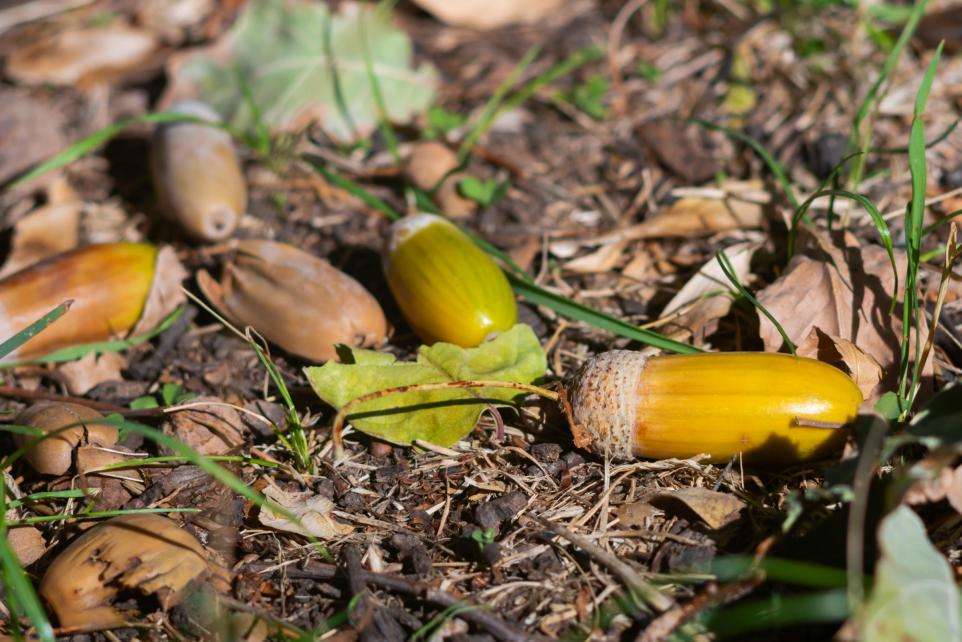
Click the link to read more about this topic.
Perfect storm sparks acorn poisoning warning | The Scottish Farmer
Acorn toxicity poisoning Read More »
Herd Health
Dexters are better at foraging for their food, live long, produce well and rear about 10 calves or more, during their lifetime. Because they are small cattle, you can stock more cattle per acre than you would with conventional cattle breeds.
Dexter Cattle – Ideal Small Cattle Breed for Homesteads and Small Farms Read More »
Homesteading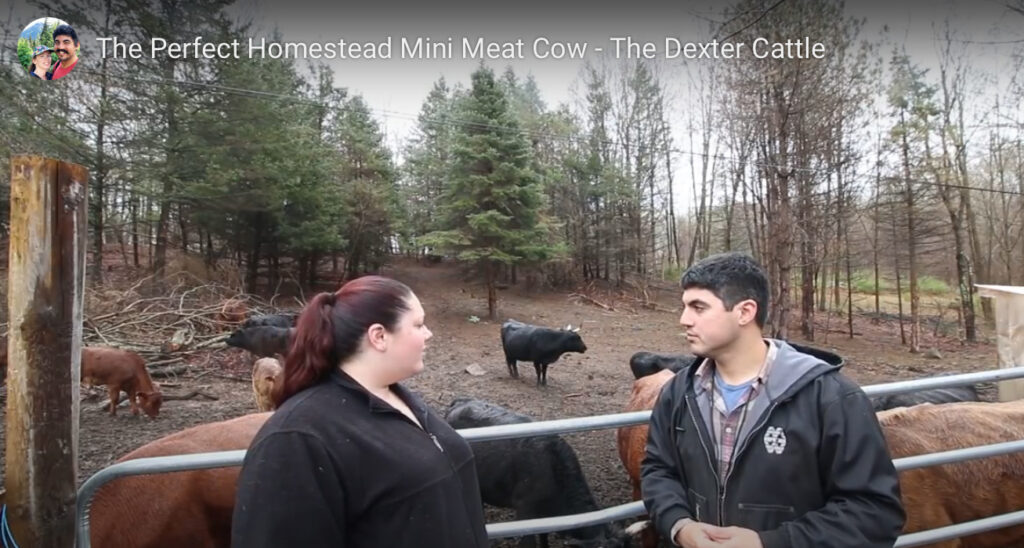
There are some good pointers in this short video. Always breed for duality and you will have a Dexter herd that meets all of your needs.
Please keep in mind many don’t like the term mini cow being applied to our breed, as they are the smallest breed in the world.
Dexter are perfect for the Homesteader Read More »
Homesteading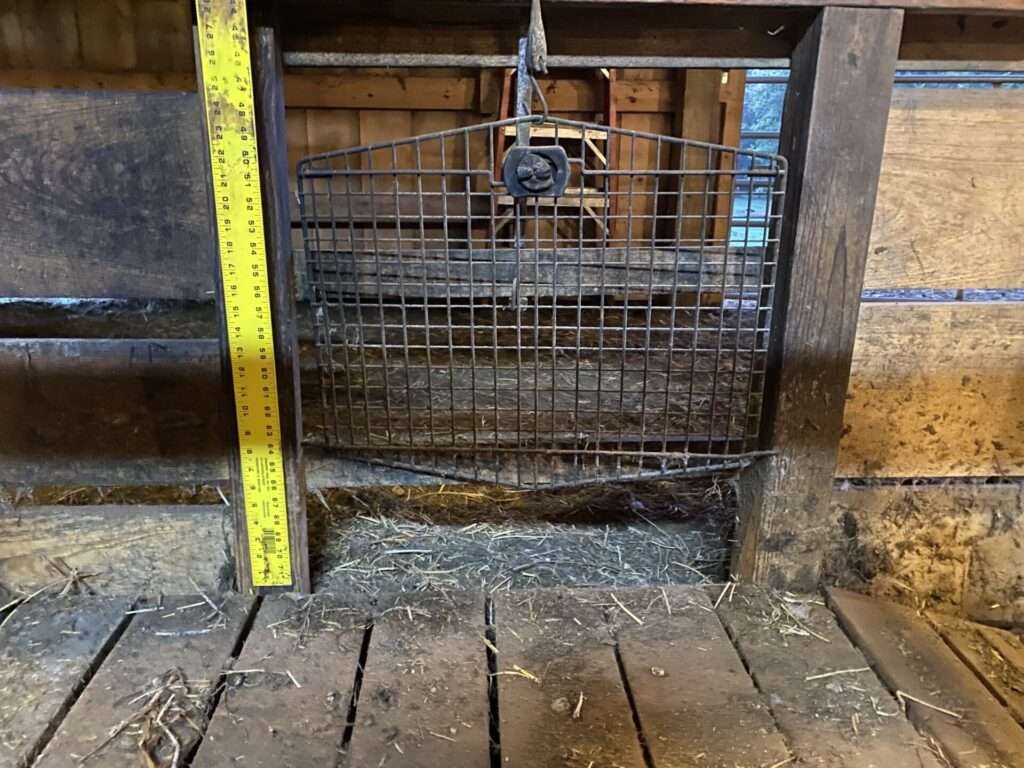
For the first time milker or the heifer that is getting milked for the first time, there are some important things to remember for success. The article below goes over some of the basics.
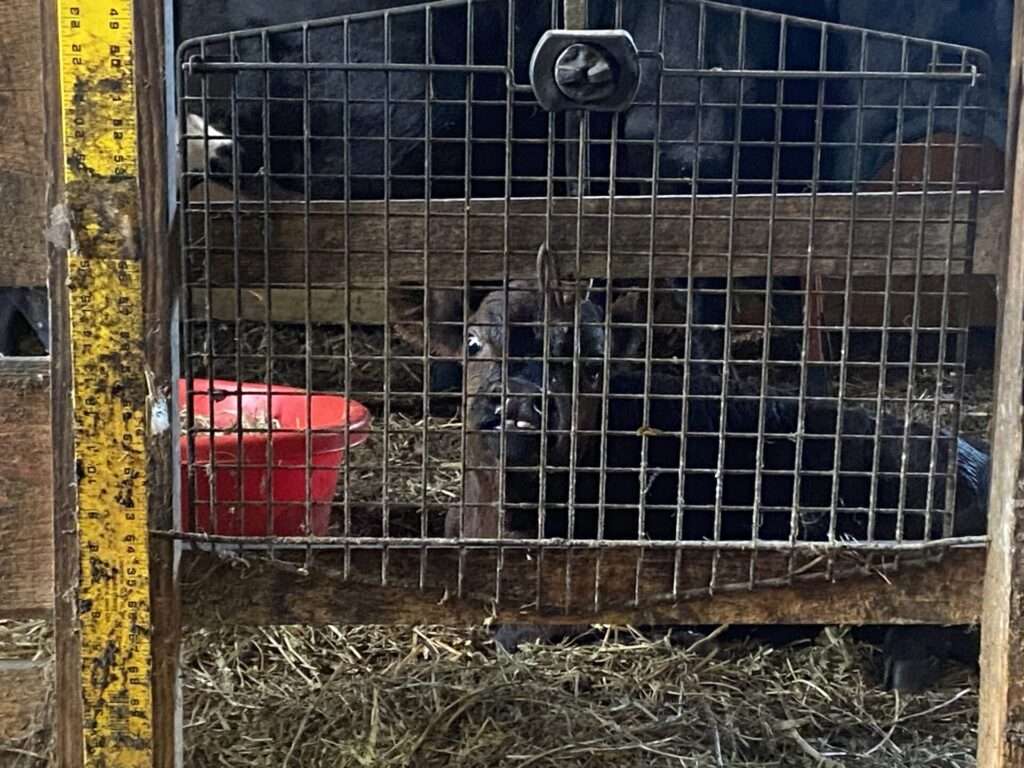
We have, thankfully, only had a few that were very stubborn. We found that putting the calf in front of the cow, so she can see it helps…but when nothing works…we have reverted to letting the calf nurse one side for a short time. I do say short time, as they can drain their moms with amazing speeds.
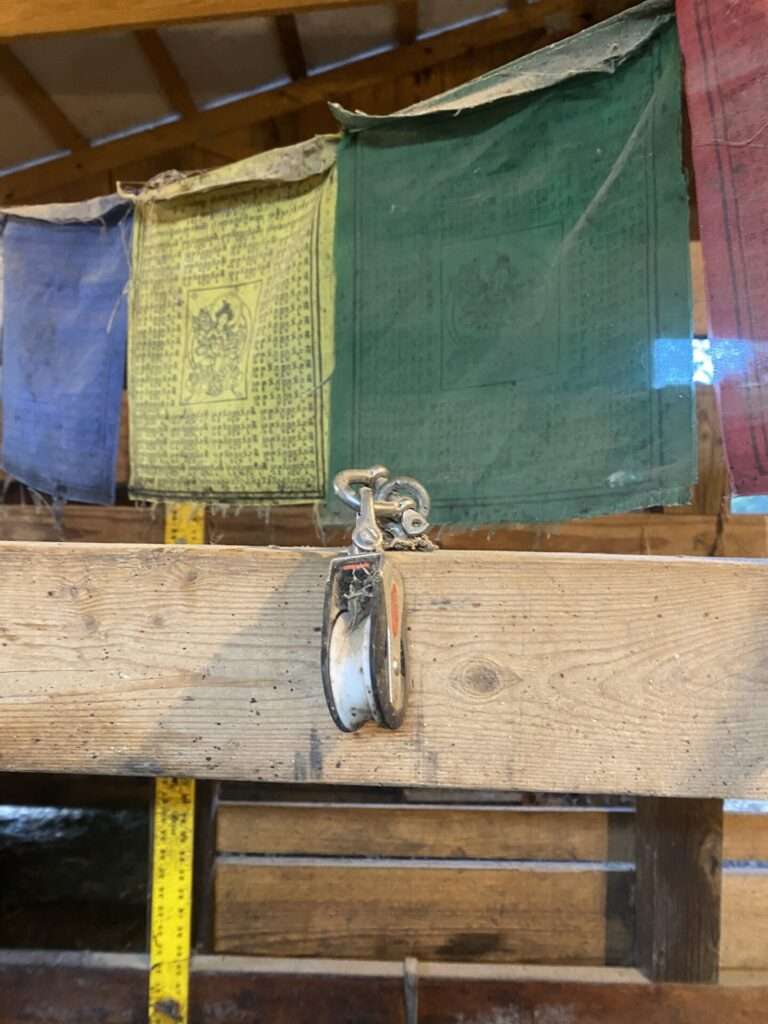
I have included photos of our calf let down gate to give you some ideas that have worked for us. You can see the calf thru the little gate on the first photo. On the second photo you see the pulley. When we need to use this system…which we thankfully have only had to a few times, we tie a rope the the gate, un hook the bungee, feed the rope thru the pulley and the whole gate goes up and down so we can quickly drop it once mom starts to let down.
MILK LET DOWN – HINTS AND TRICKS Read More »
Milking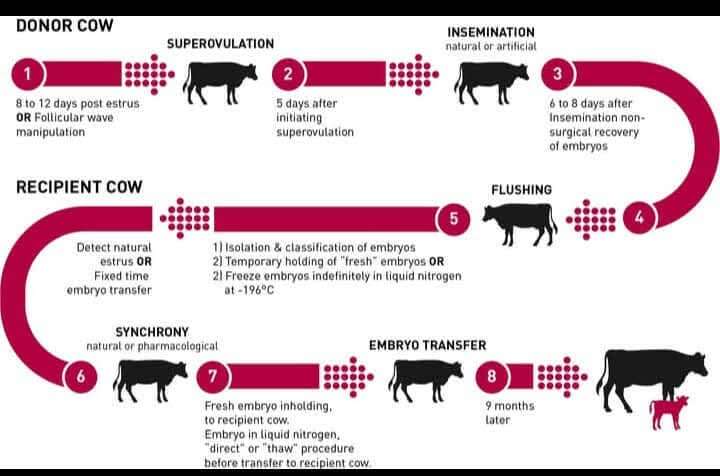
The basics of Embryo Transfer
The “donor dam” is usually a high quality, registered animal.
It begins with FSH (Follitropin) injections, to “super ovulate,” ending in Lutalyse, Estrumate or Estridiol to bring her into heat, followed by insemination and flushing.
Recipients in my world tend to be virgin heifers, but I’ve had older cows successfully carry ETs also. They are synchronized to have the embryos implanted at precisely the right time.
Flushing takes place using a catheter (similar to an AI pipette but longer.) The embryos are then sorted under a microscope, with the ET vet or tech categorizing them 1 (excellent) through 4 (not fertilized.) Grade 1s can be frozen. Grade 2s have a chance but have to be put in immediately.
Success rates vary from 40 to 65 percent. Fresh embryos typically have a higher conception rate then frozen versions.
On a random sidenote it is pretty cool to see a recipient give birth to an ET of a different breed. I’ve had numerous Holsteins carry Swiss calves, and it is an almost surreal experience at the time of delivery.
Embryos offer some the chance to purchase a high type calf with less expense, albeit a bit more risk. They can be a way to get some great genetics into your herd.