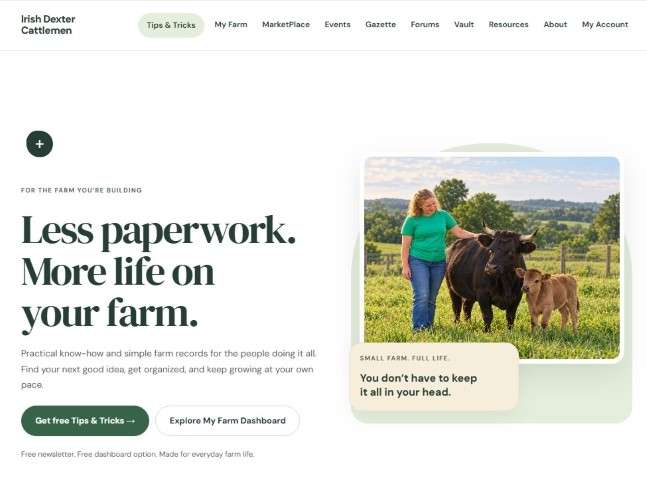
We’ve been working to make Irish Dexter Cattlemen more useful, easier to navigate, and better equipped to support the farmers, ranchers, and homesteaders who raise Irish Dexter cattle.
But this redesign is about more than a fresh appearance. It’s part of a much bigger vision: helping small farms become more productive, profitable, sustainable, and successful.
What’s New?
Our redesigned website brings together the information, resources, tools, and community connections that Irish Dexter owners need—all in one convenient place.
A Fresh, Modern Design: Cleaner pages, improved navigation, and easier access to the information you’re looking for, whether you’re using a computer, tablet, or smartphone.
Easier Access to Farming Resources: Find practical articles, educational information, management tips, and resources to help you make better decisions for your cattle and your farm.
A Stronger Farming Community: Our Forums provide a place to ask questions, share experiences, discuss challenges, and learn from other Irish Dexter owners. Whether you’re a beginner or an experienced breeder, your knowledge matters.
A Better Way to Connect: Explore opportunities to connect with breeders, farmers, and others who share your interest in Irish Dexter cattle.
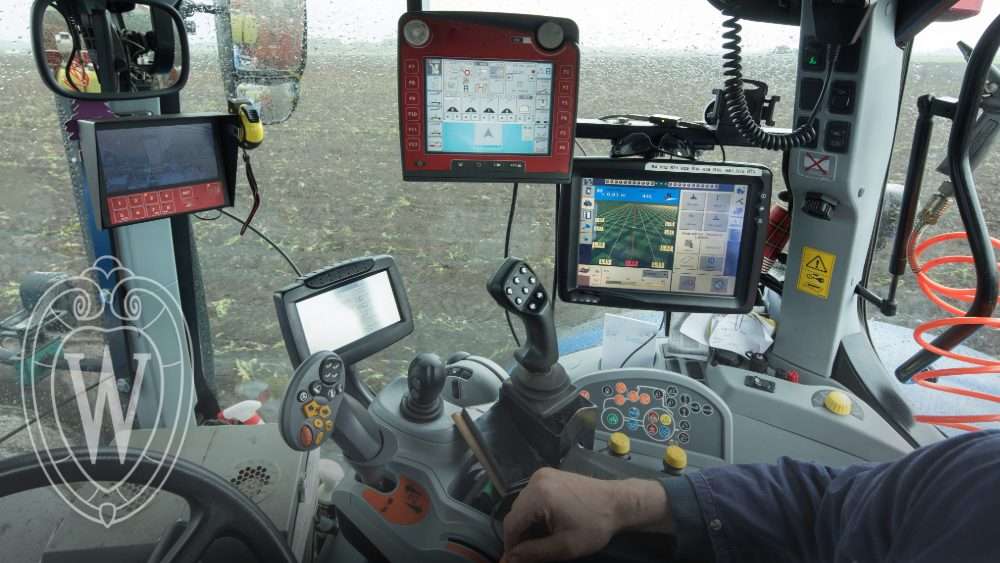
Introducing My Farm Dashboard: An exciting part of our larger vision is bringing modern farm-management tools together in one place. My Farm Dashboard is being developed to help farmers organize animal records, manage farm operations, track resources, and make informed decisions. Free and advanced features will be introduced as they become available.
Why Are We Making These Changes?
Small farms are facing increasing challenges.
Many Irish Dexter owners aren’t full-time farmers. They work regular jobs, raise families, and then spend their evenings and weekends caring for livestock, maintaining fences, managing pastures, and keeping their farms operating.
There never seem to be enough hours in the day.
At Irish Dexter Cattlemen, we believe technology, shared knowledge, and a supportive community can help lighten that workload.
Our mission is simple:
Promote the Irish Dexter breed by helping the farmers who raise Irish Dexters succeed.
That means providing practical solutions—not just information. We want to help farmers save time, reduce unnecessary expenses, improve herd management, protect their land, and build farms that can thrive for generations.
More Than a Website—A Growing Resource for Small Farms
Our new website is the foundation for an expanding collection of farming resources and services.
We’re building toward a future where Irish Dexter farmers can find answers, connect with other producers, manage their operations, and discover better ways to farm without having to search through dozens of different websites and applications.
And we’re just getting started!
Come Explore the New Website!
We invite you to visit, explore the redesigned pages, participate in the Forums, and discover what’s new.
We also want your feedback! Tell us what you like, what could be improved, and what additional resources would make your farming life easier.
Your ideas will help shape the future of Irish Dexter Cattlemen.
I normally like to write a longer intro to articles I share. But, with this one I find myself at a loss for words. It may not be for everyone, but it spoke to me so deeply. I’ll leave you with this little excerpt, and I hope you’ll read more: “In the end we will conserve only what we love; we will love only what we understand; and we will understand only what we are taught.”
This podcast is so enjoyable to listen to. Devin Rose, Author of “Farm Flop: A City Dwellers Guide to Failing on a Farm in Two Years or Less”, talks about his failed experiences in homesteading from a place of humor, humility and faith. His goal is to help beginning homesteaders and farmers avoid the same mistakes he made. I highly encourage you to listen in!
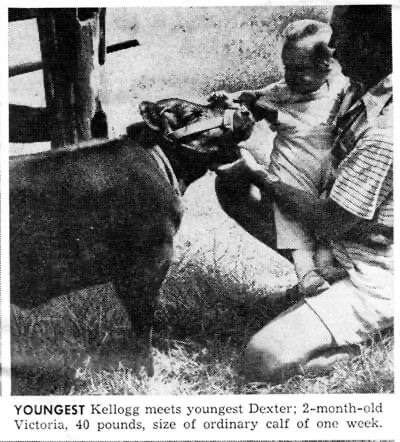
Please enjoy this interesting little article about Mr. Kellogg and the Bedford Herd, which can be traced back in the pedigree of so many Dexter cows here in the US.
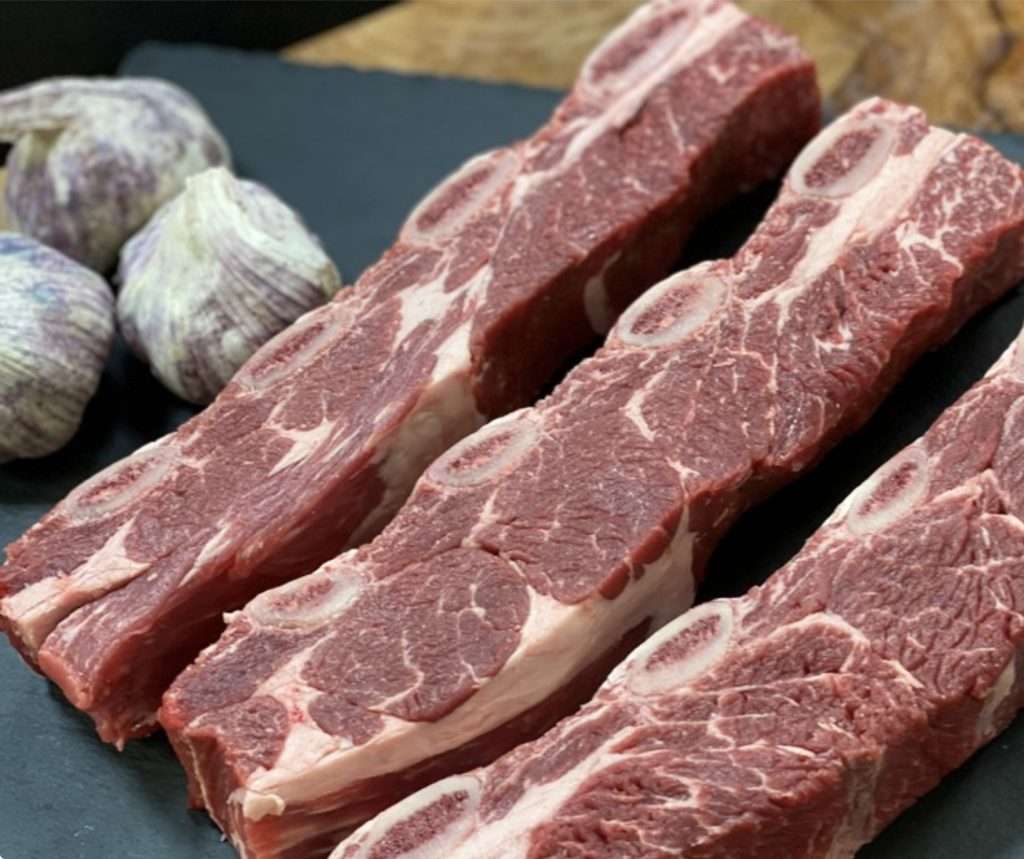
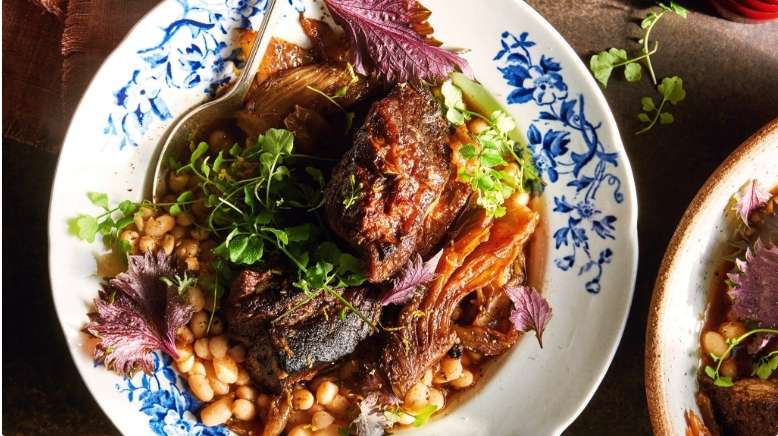
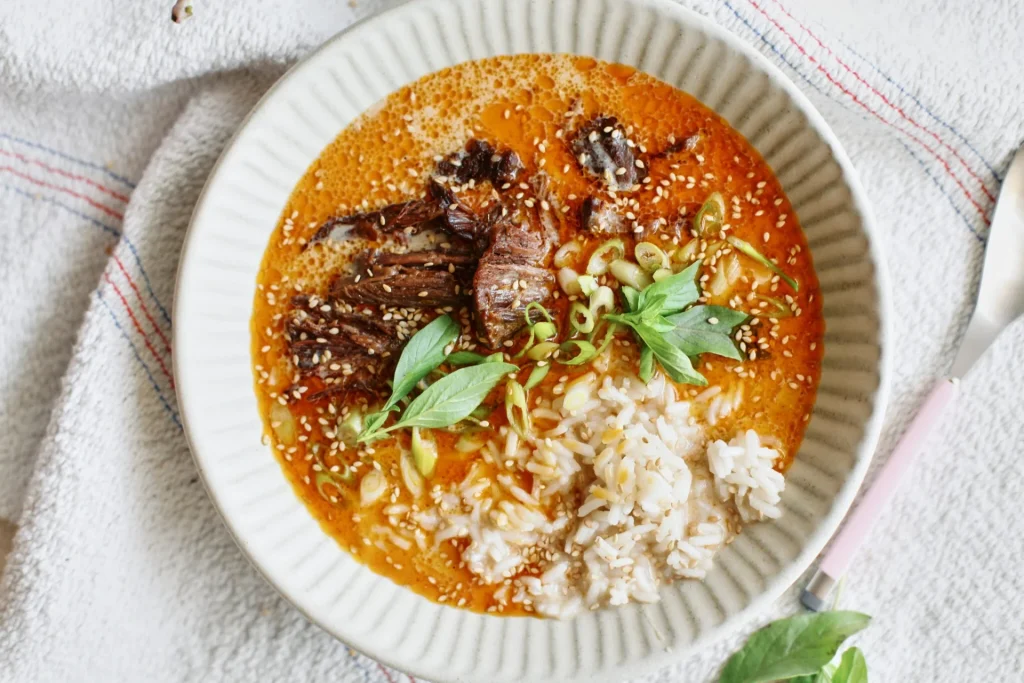
This is a meal I return to again and again – quintessential but with a contemporary flair that amplifies humble ingredients. The braised ribs marry with gochujang (a substitution for tomato paste), anchovies, and fennel. And the creamy beans are a wonderful meal themselves and would make a fine vegetarian feast. These elements mount to some of the most anticipated eating all winter.
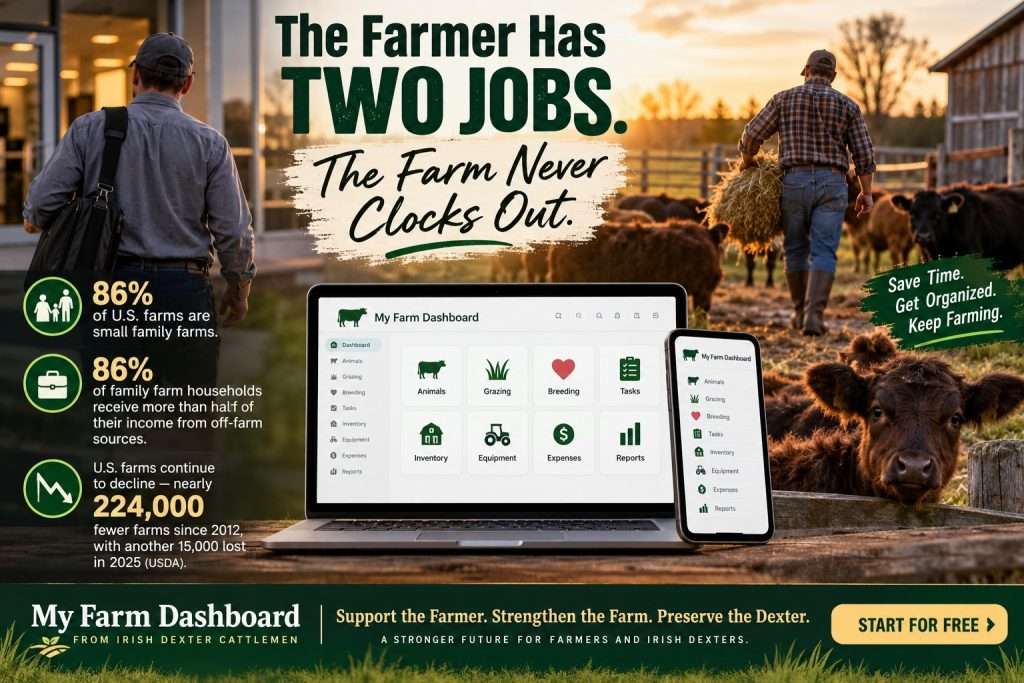
THE FARMER HAS TWO JOBS. THE FARM NEVER CLOCKS OUT.
For many American farmers today, farming isn’t their full-time job.
It’s their second full-time job.
They get up early to feed livestock and handle chores. Then they leave the farm and go to work to earn the income that helps support their family—and often helps support the farm itself.
At the end of the workday, they come home.
But the farm doesn’t clock out.
• Animals still need feeding. • Fences still need fixing. • Pastures still need managing. • Equipment still needs maintenance. • Farm records still need updating. • Breeding decisions still need making. • Hay, feed and supplies still need buying.
And tomorrow morning, it starts all over again.
This isn’t just our impression. USDA data shows how widespread the problem is.
According to the USDA:
• 86% of U.S. farms are small family farms.
• 86% of family farm households receive more than half of their household income from off-farm sources.
• For several categories of small farms, at least 90% of households depend on off-farm income for the majority of their household income.
In other words, the farmer working an outside job while trying to keep the farm going isn’t the exception.
That farmer represents a huge part of American agriculture.
And those farms are disappearing.
America is losing farms.
The USDA’s 2022 Census of Agriculture counted 1,900,487 farms—208,816 fewer farms than just ten years earlier.
That’s nearly a 10% decline in one decade.
The decline has continued.
• 2024: America lost another 14,950 farms.
• 2025: America lost another 15,000 farms.
By 2025, USDA estimated that only 1,865,000 farms remained in the United States.
And the pressure isn’t being felt equally.
USDA data shows that small and mid-sized farms have been declining while the number of farms generating $1 million or more in annual revenue has increased.
That should concern everyone who cares about small farms.
Some of those disappearing farms raise Irish Dexter cattle.
Irish Dexter Cattlemen wants to help change that.
Our mission isn’t simply to promote Irish Dexter cattle.
Our goal is to promote Irish Dexters by supporting the farmers who raise them.
Because preserving and expanding the breed requires something even more fundamental:
We need farmers who can afford—in money AND time—to keep raising them.
• 1. Spend less time trying to remember everything.
Keep important information about your animals and farm organized in one place instead of relying on notebooks, spreadsheets, scraps of paper, calendars and memory.
• 2. Know what needs your attention.
You shouldn’t come home from an eight-hour workday and spend another hour figuring out what needs to be done.
The goal is for My Farm Dashboard to help identify what needs attention and when.
• 3. Catch problems before they become expensive.
Running out of hay or feed, missing an important breeding date, overlooking maintenance or forgetting a farm task can cost both time and money.
Better records help you see problems coming.
• 4. Make every available farm hour count.
If you only have two hours after work before dark, those two hours are valuable.
Spend them farming—not searching through records or trying to remember what you forgot.
• 5. Turn farm records into farm intelligence.
Animals affect grazing.
Grazing affects forage.
Forage affects feed requirements.
Feed affects costs.
Breeding decisions affect next year’s herd.
Weather affects almost everything.
My Farm Dashboard is being designed to eventually connect those pieces so your records don’t simply tell you what happened.
They can help you decide what to do next.
WHY IS MY FARM DASHBOARD DIFFERENT?
There are already programs that:
• Keep livestock records • Manage grazing • Track expenses • Maintain calendars • Track equipment • Manage inventory • Record breeding information
But a farmer shouldn’t need five or six different programs to understand one farm.
• Put your farm information in one place. • Start building your farm history. • Use the free tools available today. • Add additional capabilities as your farm needs them.
Because preserving the Irish Dexter isn’t only about preserving genetics.
It’s about preserving the farms—and supporting the farmers—who keep those genetics alive.
A Deep Dive Podcast, brought to you by Irish Dexter Cattlemen, on topics of interest to all farmers and ranchers. Subscribe to the free, monthly Irish Dexter Cattlemen Tips & Tricks Guide to get early access.
I read a post on Facebook that made me look into the average herd size in North America. Dexters really do seem to be gaining popularity. Are we moving beyond “just the homestead cow”.
There is a perspective among some cattle breeders that in order to keep breeds marketable in the current market climate we need to lean more heavily on beef traits and worry less about dairy traits. The reason being is that beef pays with less labor involved, so more people are turning to all beef cows. That may be just fine in a beef breed but in a dual-purpose breed it’s the destruction of one of the fundamental aspects of what defines a dual-purpose breed. Maintaining dairy traits in a dual-purpose breed is what keeps them marketable and quite frankly as more breeds go the way of beef, it’s a niche market as there are fewer pure-bred cattle that fit the bill today. That’s a good thing if you’re trying to sell cattle.
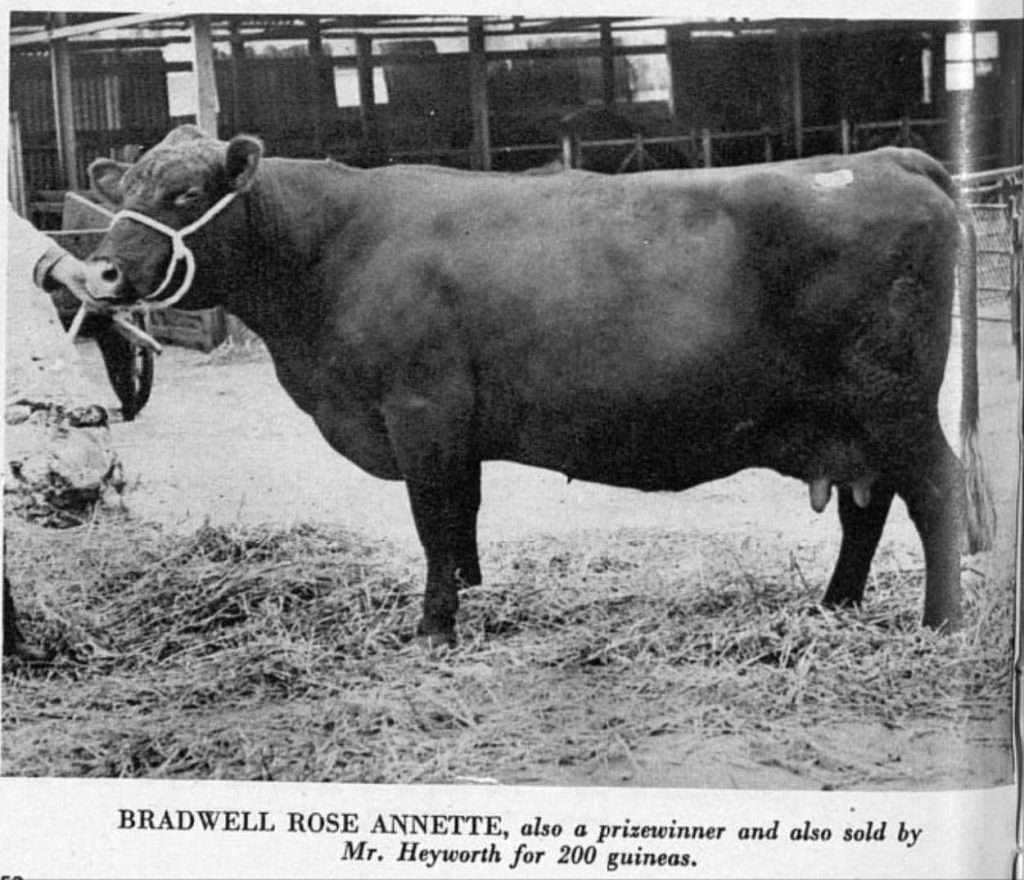
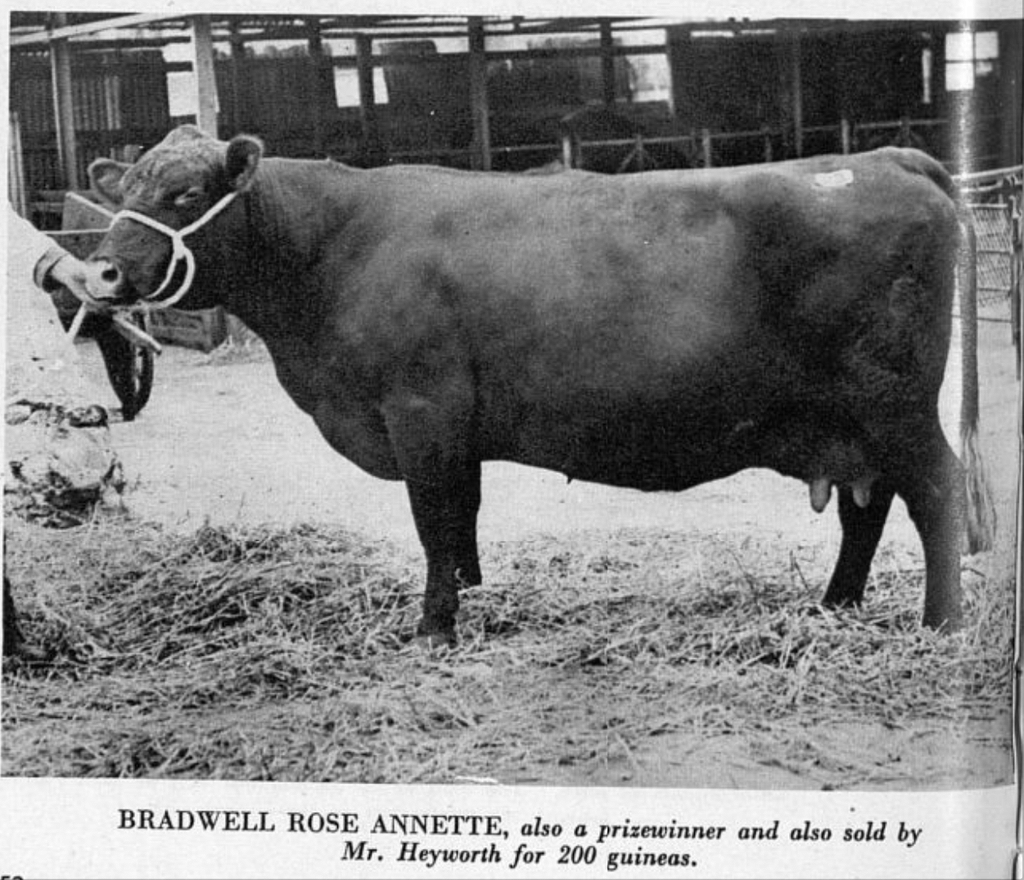
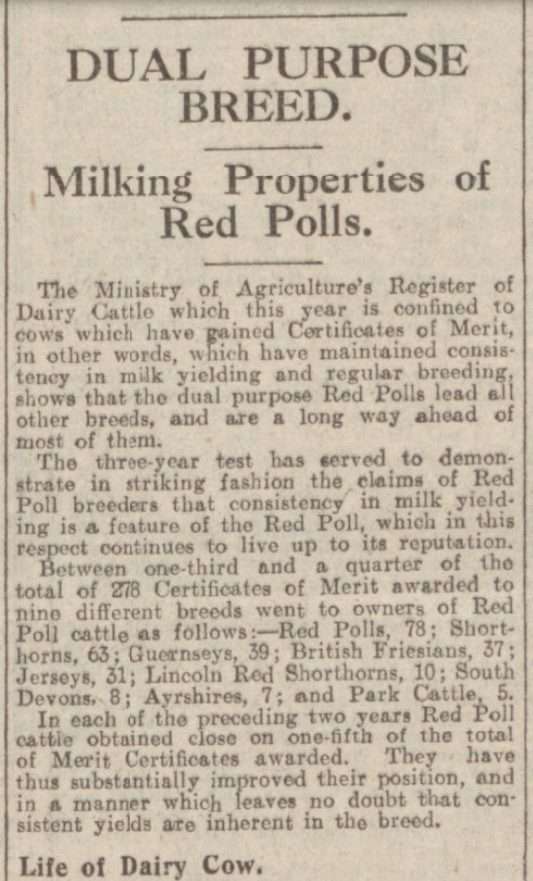
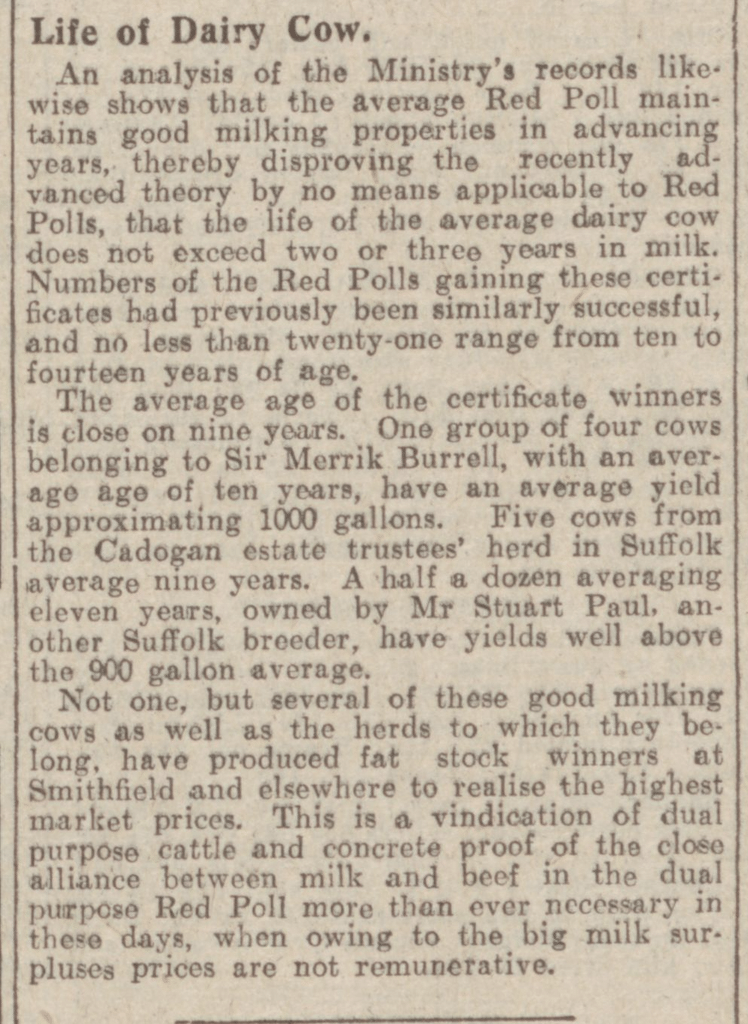
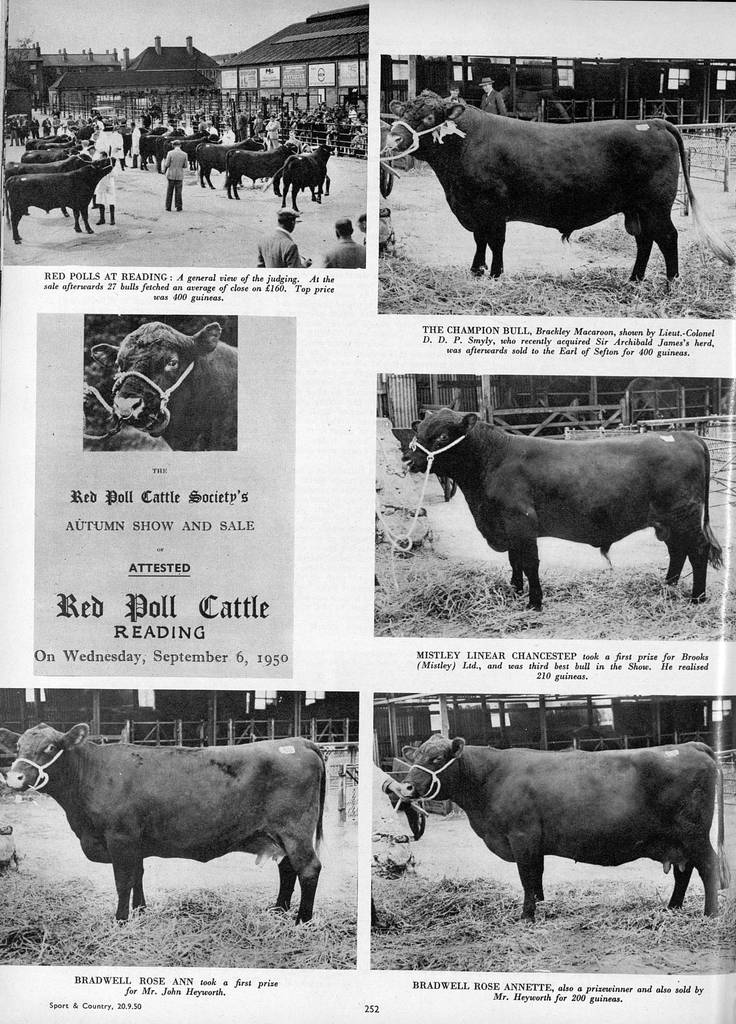
The Red Poll breed in these articles were demonstrating that a dual-purpose breed can be productive in both beef and dairy traits and that having dairy traits helped the calves grow speedily. This dual-purpose breed was able to maintain milking traits later in life that dairy cattle. That the current theory in this article is that dairy cattle could not exceed two or three years in milk. From this newspapers perspective it obviously paints the idea that a dual-purpose breed is much more sustainable and long wearing than a straight dairy breed. It should also be noted that these dual-purpose “dairy cows” were able to produce fat stock therefore realizing high market prices.
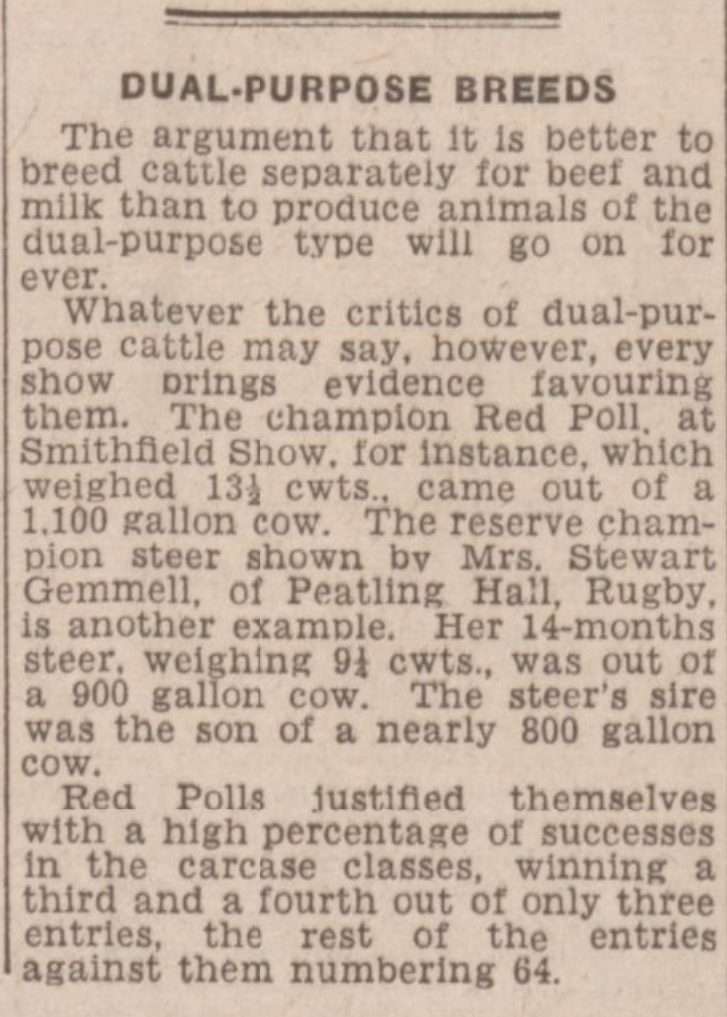
When this article states “ The argument that it is better to breed cattle separately for beef and milk than to produce animals of the dual-purpose type will go on forever”, it is very well spoken, because nearly 100 years later that debate rages on. One thing that that can be clearly seen, is that as time goes on there are more specialized beef or dairy breeds and less of the original dual-purpose breeds remaining true to their roots. Being a dual-purpose breed makes Dexters shine, if we capitalize on that point alone it sets them apart. That’s worth remembering.
Article taken from Aberdeen Press and Journal 2 June 1931
Arguments may arrise over dual-purpose cattle but Red Poll showed that a breed can balance beef and milk well.
Northampton Mercury 24 December 1937 “Dual-Purpose Breeds”
Buying or selling a registered Dexter is more than a handshake and a trailer ride. A good sales contract protects both the buyer and the seller and makes sure everyone understands exactly what was agreed upon before the animal changes hands. A registered Dexter may come with significant value beyond the animal itself: registration status, pedigree, DNA testing, parentage, genetic testing, breeding rights, health documentation, and sometimes specific guarantees or conditions of sale.
These details should never be left to assumptions or verbal conversations. And remember: “registered” does not necessarily mean an animal can be registered with every Dexter cattle association. Different registries have different rules regarding pedigrees, genetics, DNA requirements, and parentage from other registries. If you are buying a Dexter with the intention of building a registered breeding program, do your homework before you buy. Learn which Dexter association or registry best aligns with your breeding goals and make sure the animal you are purchasing meets that organization’s requirements. Don’t assume that because an animal has registration papers from one organization, those papers automatically transfer or qualify elsewhere.
Read the Contract BEFORE You Bring the Trailer
This part is especially important for buyers. Don’t assume there is no purchase contract. Ask the breeder if they have one and request a copy immediately. Read the entire contract before you make the trip to pick up the animal, not when you arrive at the farm with a trailer. Once you’ve driven several hours, loaded your family into the truck, and arrived expecting to take your new Dexter home, it can be uncomfortable to discover a term you didn’t know about or don’t agree with. At that point, there may be pressure to simply sign and move on.
Don’t.
A contract should be reviewed, questions should be asked, and disagreements should be resolved before pickup day. If you don’t understand a clause, ask the seller to explain it. If you want something included that isn’t in the contract, get it in writing before the animal leaves the property. Don’t rely on “But we talked about that” after the sale. If it’s important enough to matter later, it’s important enough to put in writing. A good sales contract isn’t a sign that someone doesn’t trust the other party. It’s a way for both parties to know exactly what they are agreeing to and to prevent misunderstandings later.
Most Dexter breeders are honest, down-home folks who want to see their cattle go to good homes. But, unfortunately, there have been occasional instances of unscrupulous sellers presenting an unexpected or unethical contract after the buyer has arrived and the animal is already loaded. That’s a difficult position to be put in. You’ve made the trip, brought the trailer, committed to the purchase, and now you’re being asked to agree to terms you may never have seen before.
For example, a buyer may discover that they are expected to pay an overly inflated additional fee if they want to register an otherwise qualified animal with another association, or that the contract attempts to restrict the buyer from doing so themselves. A seller may even attempt to require that the same restrictions be passed along and enforced against the next buyer if you later decide to sell the animal. Buying a bull? The breeder may restrict you from having the bull collected. This happened to me only I didn’t know it until the animal had been delivered and was in my pasture. Talk about awkward! Those are terms a buyer needs to know about before purchasing the animal, not after it’s sitting in their trailer.
If a seller has restrictions, requirements, or conditions concerning registration, breeding, transfers, or future use of the animal, those terms should be clearly disclosed and agreed upon before the sale is finalized and certainly before pickup day. A respectable, trustworthy breeder won’t wait until you show up to spring a contract on you. They won’t wait for you to ask either. They will present it to you the moment you’ve made a verbal agreement to purchase the animal. The purpose of a sales contract should be to establish clear expectations and protect both parties, not to surprise a buyer at the last minute.
Know what you’re buying. Know what you expect to do with it. Know what registry you’re buying into. Agree on the terms. Put it in writing. Read it before pickup day.
Then load the cow. 😂
Everyone is better protected when there are no surprises waiting at the end of the trailer ramp.
So, what should my contract say?
I’ve taken the liberty of sharing the sales contract that every buyer of my animals reviews, signs, and sends back to me long before the animal leaves my farm.
Feel free to use it as a foundation for your own future sales agreement.
MOOSHINE RIDGE ANIMAL SALES AGREEMENT
This Animal Sales Agreement (“Agreement”) is entered into between Kimberly & Kevin Jepsen (“Seller”), ADCA Member #9705, and _________________ (“Buyer”) for the purchase of the animals identified below.
1. ANIMALS
Name:
Name:
ADCA Registration #
ADCA Registration #
Sex:
Sex:
Bred to (if applicable):
Bred to (if applicable):
Purchase Price: $
Purchase Price: $
TOTAL PURCHASE PRICE: $
2. DEPOSIT AND PAYMENT
Buyer paid a $(fill in amount) deposit on(fill in date), to hold the above animal(s) until the agreed pickup date. The remaining balance of $(fill in amount) shall be paid in full before or at the time Buyer takes possession of the animals. The animals will not be released to Buyer until the full purchase price and any other applicable charges have been paid. If either animal becomes seriously ill, is injured, or dies while still in Seller’s care and before transfer of possession, Seller shall refund the full total of the deposit to Buyer. Seller reserves the right to cancel the sale prior to transfer of possession if Seller determines, in good faith, that Buyer is unable or unwilling to provide adequate care for the animals. In such event, Seller shall refund the deposit in full.
3. REGISTRATION PAPERS AND RECORDS
Upon receipt of the full purchase price, Seller will transfer the ADCA registration papers for both animal(s) to Buyer at Seller’s expense. Seller will provide Buyer with available medical records and genetic testing documentation pertaining to the animals at the time Buyer takes possession. Seller shall be responsible for reasonable veterinary expenses incurred while the animals remain in Seller’s possession and care prior to transfer.
4. HEALTH AT TIME OF TRANSFER
Seller represents that, to the best of Seller’s knowledge, the animal(s) are healthy and suitable for transport at the time of transfer. Seller will obtain and pay for required travel certificates within 30 days of final sale. Buyer may, at Buyer’s expense, have the animal(s) examined by a state-licensed veterinarian prior to taking possession.
Upon transfer, all responsibility and risk of loss passes to Buyer, subject to the limited post-transfer health provision in this Agreement. Seller makes no guarantees regarding conditions that develop after transfer, except as specifically stated herein.
5. BREEDING AND PREGNANCY GUARANTEE
Seller represents that (animal name), ADCA # (____) has been bred to (sire name), ADCA # (____) and that pregnancy has been confirmed prior to transfer. This guarantee applies only to the animal’s pregnancy status at the time of transfer. Seller does not guarantee that the pregnancy will be carried to term or result in a live, healthy calf. Seller is not responsible for pregnancy loss or reproductive complications occurring after transfer. No guarantees are made regarding the resulting calf’s sex, color, conformation, genetics, size, disposition, or future performance, or the animal’s future fertility or reproductive performance.
6. POST-TRANSFER HEALTH CLAIM
If either animal becomes seriously ill within 48 hours of transfer, Buyer must promptly notify Seller and have the animal examined by a state-licensed veterinarian. A written veterinary report documenting a pre-existing condition must be provided to Seller within 10 days of transfer. If the veterinarian confirms a serious pre-existing condition that was not reasonably apparent at the time of sale, Buyer may return the animal for a full refund of its purchase price. Seller reserves the right to obtain a second veterinary opinion at Seller’s expense. Buyer is responsible for all veterinary, transportation, and other expenses after transfer. After 10 days, all sales are final, and any refund, exchange, or replacement is at Seller’s sole discretion.
7. PICKUP AND TRANSFER OF POSSESSION
The agreed pickup date for these animals is: (Insert Date) Buyer agrees to take possession of the animals on the agreed pickup date unless another date is mutually agreed upon in writing by Seller and Buyer. Possession and responsibility for the animals shall transfer to Buyer when:
Seller has received the full purchase price and any applicable charges; and
Buyer or Buyer’s authorized representative takes physical possession of the animals.
Once possession has transferred, Buyer assumes responsibility for transportation, housing, feeding, water, veterinary care, breeding management, and all other care of the animal(s).
8. PICKUP DELAYS AND BOARDING
If Buyer is unable to pick up the animals on the agreed date, Buyer must notify Seller and obtain Seller’s approval for an alternate pickup date. Unless otherwise agreed in writing, a $25 per animal per day boarding fee will apply until pickup, and all boarding fees must be paid before release.
If Seller has already obtained travel certificates, veterinary inspections, or other required health documents based on the original pickup date, Buyer is responsible for any costs associated with obtaining replacement or updated documents due to a change in the pickup date. If Buyer fails to take possession within 7 calendar days of the agreed pickup date without making acceptable arrangements with Seller, Seller may cancel the sale, retain the deposit, require payment of applicable fees, or establish a new pickup deadline. Any refund of the deposit following Buyer’s failure to complete the purchase shall be at Seller’s discretion.
9. BUYER ACKNOWLEDGMENT
Buyer acknowledges that livestock are living animals and that their health, reproductive status, temperament, and future performance can be affected by circumstances beyond Seller’s control.Buyer acknowledges having had the opportunity to: Inspect the animals; Ask questions regarding the animals; Review available records; Review genetic testing information; Have the animals examined by a veterinarian; and Evaluate whether the animals are suitable for Buyer’s intended use. Buyer understands that no guarantee has been made regarding future milk production, fertility, conception rate, calving ease, calf characteristics, temperament, show performance, longevity, or economic return except as specifically stated in this Agreement.
10. BUYER’S RESPONSIBILITY AFTER TRANSFER
After taking possession, Buyer is solely responsible for providing appropriate care, including adequate feed, water, shelter, pasture, minerals, veterinary care, transportation, and reproductive management. Buyer agrees to seek appropriate veterinary care when reasonably necessary. Seller shall have no ongoing responsibility for the animals after transfer except for obligations specifically stated in this Agreement.
11. ENTIRE AGREEMENT
This Agreement constitutes the entire agreement between Seller and Buyer concerning the animals identified herein and supersedes any prior verbal or written representations concerning the sale, except for representations specifically stated in this Agreement. Any modification, amendment, or additional agreement must be made in writing and acknowledged by both Seller and Buyer. If any provision of this Agreement is determined to be unenforceable, the remaining provisions shall remain in effect to the extent permitted by law.
12. ACKNOWLEDGMENT AND SIGNATURES
By signing below, Seller and Buyer acknowledge that they have read this Agreement, understand its terms, have had the opportunity to ask questions, and voluntarily agree to its provisions.
I, ______________________________ (“Buyer”), hereby acknowledge and agree that if I decide to sell, transfer, or otherwise dispose of the animal identified below, the original Seller, ______________________________, and/or agents of ______________________________ (“Seller”), shall be given the first right of refusal to purchase the animal before it is offered or sold to any other party.
Animal: ______________________________ Registration Number: ______________________________ Date of Sale: ______________________________
Before selling the animal to another purchaser, Buyer shall notify Seller in writing by email of the proposed sale and provide the following information:
Current health and reproductive status, including whether the animal is currently pregnant, open, or otherwise known to be reproductively compromised.
A bona fide written offer from another purchaser, including the purchaser’s name and the agreed purchase price and any other material terms of the proposed sale.
For example, if Jane Doe has made a bona fide offer to purchase the animal for $2,000, Buyer shall first offer the animal to Seller for $2,000 under the same material terms of the proposed sale.
Seller shall have ______ days from receipt of the required written information to notify Buyer in writing whether Seller elects to exercise the right of refusal. If Seller declines the purchase, or fails to respond within the stated period, Buyer may proceed with the sale to the proposed purchaser under the terms disclosed to Seller.
Buyer agrees not to sell or transfer the animal to another party before Seller has been given the opportunity to exercise this right of refusal.
This First Right of Refusal applies specifically to the animal identified above and shall remain in effect for as long as the Buyer owns the animal, unless otherwise agreed to in writing by both parties.
Deposit Paid: $_________________ Balance Due: $__________________ Date Paid in Full: __________________
REGISTRATION & RECORDS
Seller represents that the animal identified above is registered with the (insert Dexter Registry) and that, to the best of Seller’s knowledge, the registration information provided is accurate.
The registration certificate and/or applicable registration transfer will be provided to the Buyer in accordance with the terms of the sale.
Other genetic testing or records included with sale: (fill in blank)
The Buyer acknowledges that the Buyer has had the opportunity to review the animal’s registration information, pedigree, available genetic testing, health information, and any other records provided by the Seller prior to completing the purchase.
The Buyer and Seller agree that this Bill of Sale, together with any additional written terms signed by both parties, represents the terms agreed upon for this transaction.
By signing below, both parties acknowledge that they have read and understand this Bill of Sale and agree to its terms.
In case you are lost, and half the time I run around and don’t know what the heck I am doing, it is back to regularly scheduled programming. The Sweet Caroline saga is concluded and I will return to telling tales of raising Dexter Cattle.
Dexter cows are known for easy births, healthy calves and for being good mothers. It is true. I have seen it. There have been several calves born on my farm, and while each one has it’s own story, for the most part they have been successful. What happens when they are not? Are you prepared? If you aren’t, it could lead to tragedy.
Over the next couple of months, my plan is to tell my stories of the good, bad, and ugly. Thank goodness, most of them are good. There have been a couple of oh my goodness, thank God I was there moments. There has been a couple of instances where I was left sobbing. I admit it. I love these cattle.
First the good. First birth on the farm. Our beloved Jubilee was purchased with her carrying a calf. Jubilee was one of the first cows purchased and I kept her in a small turnout pasture next to our stables.
I suppose, not unlike other first timers, I kept a close eye on her. Every day I would give updates to my wife. “It looks like she is bagging up.” “It looks like she is getting puffy in back.” “I believe the baby is dropping,” “It should be any day now.”
The reality was I didn’t have a clue. I look back now and laugh, but predicting birth is a learned experience. First off, Jubilee was a not a first time Mom. She looks pregnant when she is not pregnant. Experience tells me, now, watch that right side grow. It will.
Because she was purchased pregnant, I relied upon my mentor, whom I bought her from, and their skills in watching when she was with the bull. From my perspective, documenting when the cows/heifers are with the bull, watching every day for mounting or breeding behavior, and then writing it down is invaluable. It allows for planning and preparation, and helps eliminate “surprises” in the pasture. It is not perfect, but it sure helps. If I were relying on my supreme cow watching skills, I had Jubilee’s giving birth about a month before she gave birth. But because I had a general time frame that she was with a bull, and I can count out roughly 283 days, I had a good idea that it was not happening though I kept saying it was happening.
Jubilee looked agitated. She was standing alone in the corner of the turnout. She was laying in the corner of the turnout. She began pawing the ground with her front feet and hitting her belly with her head. The day had come. Her udder was full and she was loose in the back. Her pins had dropped. I had no idea what that meant, until I saw it. The key is to look from the side. For whatever reason, prior to that, I always looked at the back. She had all the classic signs, and it was time.
My wife and I watched the entire time. Nervous, I called my mentor. The advice was, “just let her do it.” The bubble appeared. I was close but not too close. I could see the front hooves and was told that was a good sign. She was standing up. It progressed quickly. First the hooves and then a nose.
Jubilee was certainly mooing loudly, but not as loud as I would be. She laid down. The contractions continued and as countless of other farmers I’m sure say, something beautiful took place. The calf was out. I got down on my knees and helped remove the bag from the calf’s head. The calf was breathing and moving. Jubilee quickly got up and began licking her.
I will never forget this conversation with my mentor. “What do I look for to determine if it is a boy or girl?”
My mentor tried not to laugh and said, “Look to see if there is a small sack in back.”
There wasn’t. Our Yellowstone welcomed our first calf, a heifer, we call her Rosie.
A little bit about the author. I own and operate a small farm called “Our Yellowstone LLC” in Illinois. I couldn’t do it alone, but will keep my wife’s name out of it to protect her innocence.
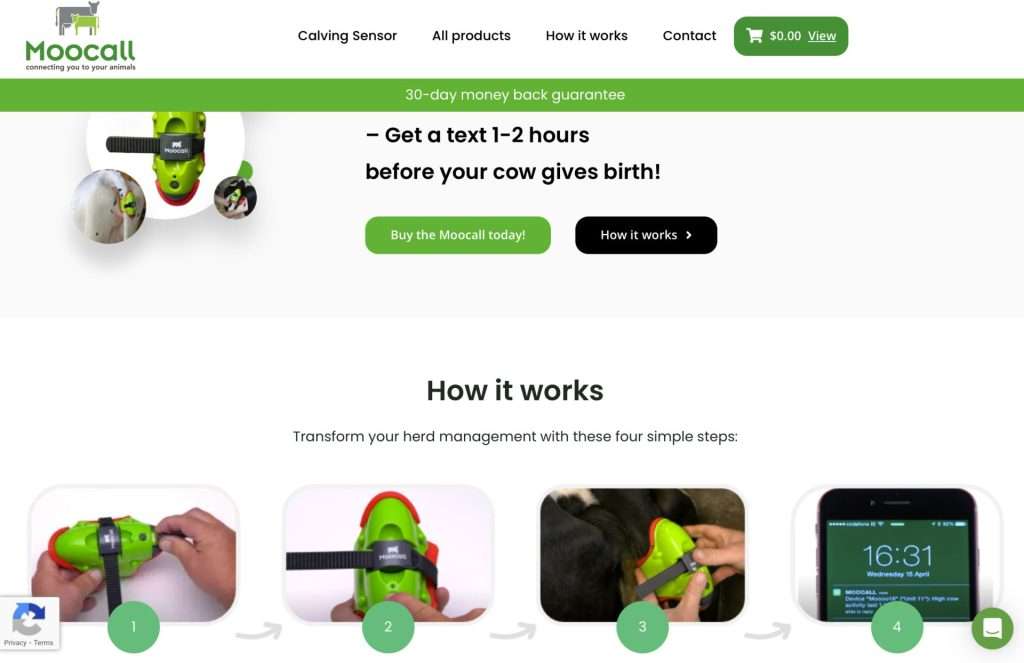
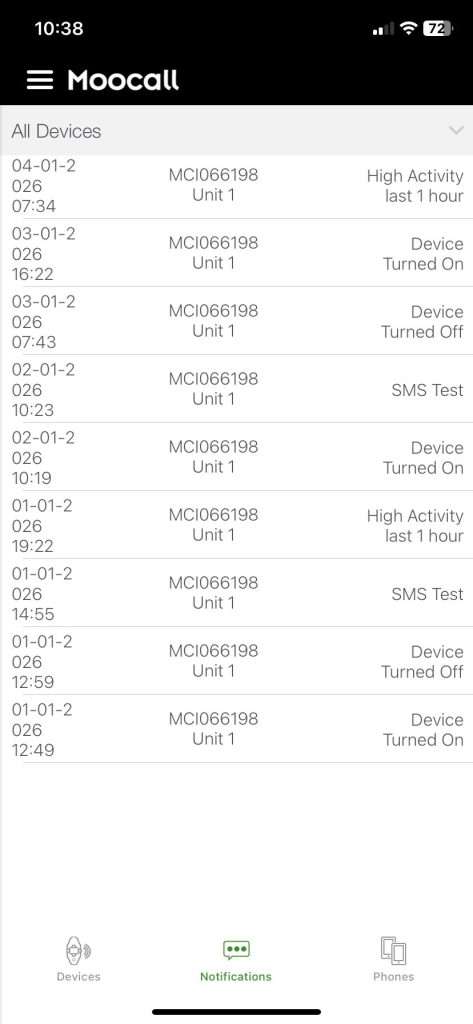
After many nights of interrupted sleep, due to monitoring a heifer and her first calving, I decided to let technology given it a try. I purchased a Moo Call device. Of course it arrived and she went into labor, but I decided to given it a try on my Dexter due.
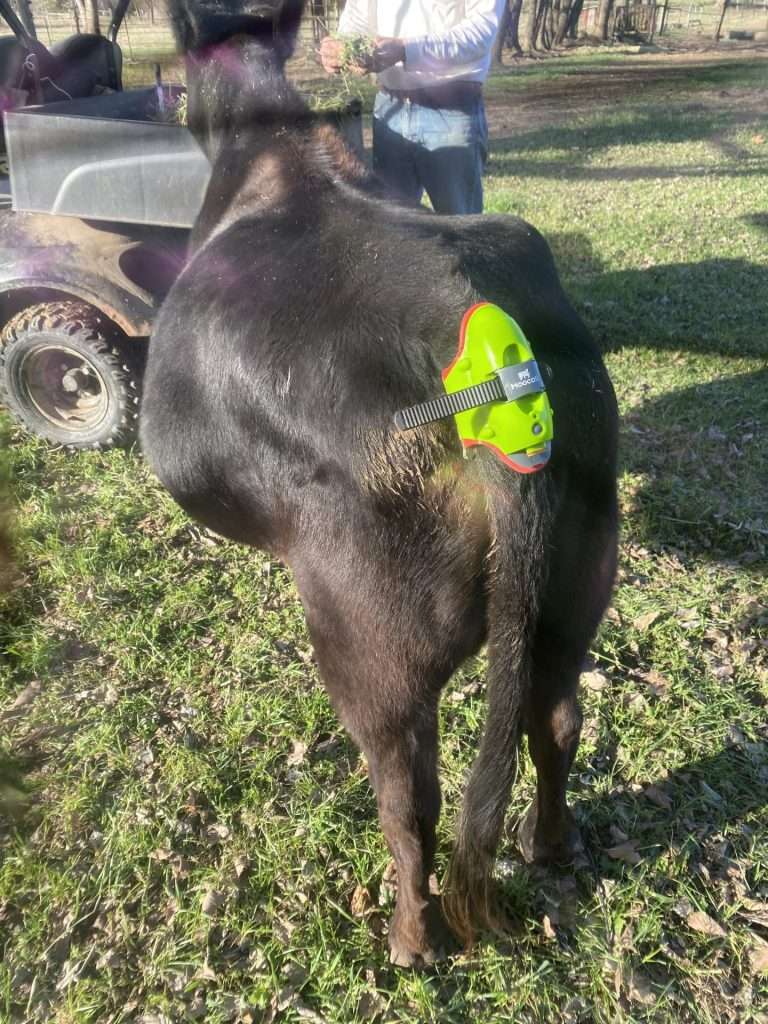
It was pretty simple. I followed the instructions and had to cut off to sections on the red rubber grip to get a proper fit. After that I attached it to her tail and monitored during the day, like I always have. I figured she was a few days out and mostly used it at night, so I could sleep.
After a brief phone call with them, to make sure it was working properly, I relaxed and decided to give it a chance. He due date came and went, but all of my experience told me she was not ready and I slept like a baby.
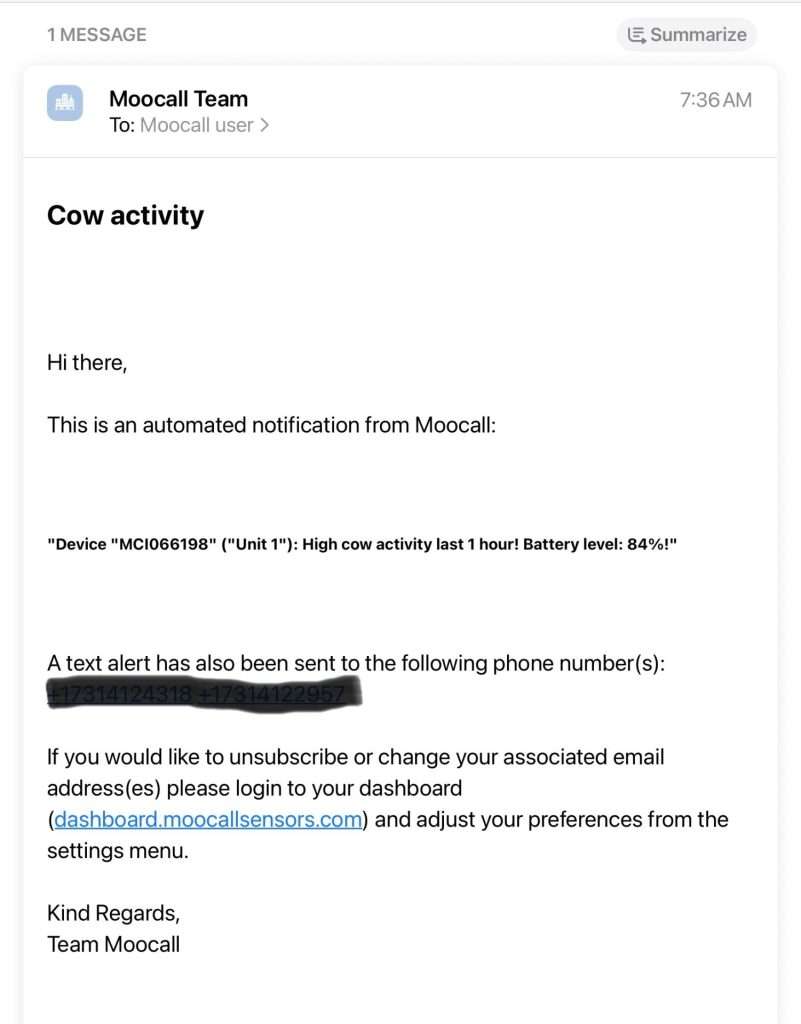
The next morning while finishing up miking, my husband said…Did you just get an email like this? I grabbed my phone only to have it MOOO at me! I had received the email and text…but now it was mooing at me from the APP I had downloaded.
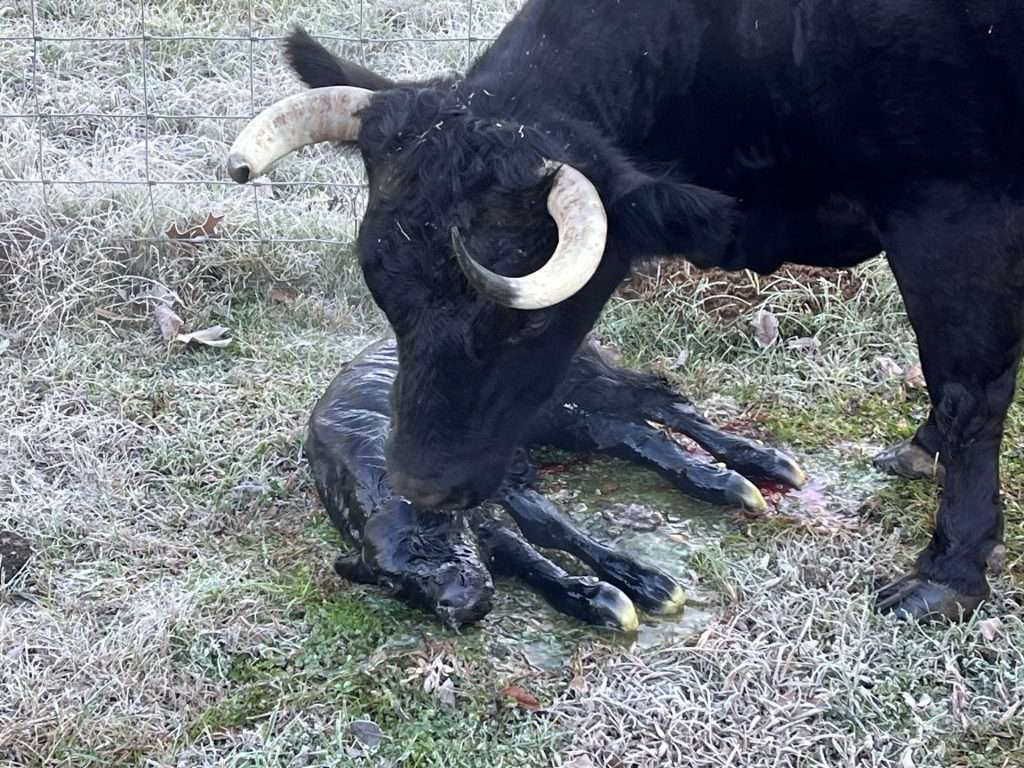
We quickly finished up and went to check on her…and yes she was in the beginning stages of labor. The Moo Call said she would calf within the hour…and she did! The alerts started at 7:34 and the calf arrived at 8:18. Here are some visuals of our experience.
Dexter cattle, with their compact size and delightful appearance, are a top choice for small-scale farmers and homesteaders. The chondrodysplasia trait, resulting in shorter legs and a stout build, is a defining feature often criticized but offers significant benefits when managed responsibly. This article counters negative sentiments about chondrodysplasia by highlighting its advantages—calm temperament, successful calving, efficient pasture use, and aesthetic appeal—using research from agricultural universities and practical insights. Written for those eager to raise charming Dexter cattle but hesitant due to concerns about chondrodysplasia, it provides a clear, evidence-based case for the trait’s value.
Calm and Approachable Nature
Chondrodysplastic Dexters are celebrated for their gentle demeanor, ideal for farmers new to livestock. Oklahoma State University’s Department of Animal and Food Sciences notes that smaller cattle breeds, like Dexters, are typically less intimidating and easier to handle due to their reduced size (Oklahoma State University, Breeds of Livestock, breeds.okstate.edu). The short stature of chondrodysplastic Dexters simplifies tasks like herding, milking, or veterinary care, reducing stress for both the farmer and the cattle. Their docile behavior fosters a safer farm environment, making them a practical choice for hobbyists or families. This temperament aligns with sustainable, low-stress farming practices, enhancing the appeal of chondrodysplastic Dexters for beginners.
Successful and Safe Calving
Critics of chondrodysplasia often cite the risk of bulldog calves, a lethal condition caused by inheriting two copies of the chondrodysplasia gene. However, modern genetic management eliminates this concern, ensuring healthy calving outcomes. Research from the University of Sydney, cited by UC Davis’s Veterinary Genetics Laboratory, demonstrates that breeding a chondrodysplasia carrier with a non-carrier produces healthy offspring with a 50% chance of inheriting the short-legged trait, avoiding bulldog calves entirely (UC Davis VGL, Bulldog Dwarfism in Dexter Cattle, vgl.ucdavis.edu). Dexters’ small size further reduces calving difficulties, with lower dystocia rates compared to larger breeds. A study from Kansas State University’s Agricultural Experiment Station highlights that smaller cattle breeds have fewer birthing complications, supporting Dexter’s reliability in producing healthy calves (K-State Research and Extension, k-state.edu). Responsible breeding ensures chondrodysplastic Dexters thrive as a productive herd.
Optimized Pasture Efficiency
Chondrodysplastic Dexters are exceptionally suited for small farms due to their low land requirements. Their compact size allows for higher stocking rates, maximizing productivity on limited acreage. Oklahoma State University’s Beef Cattle Manual indicates that Dexters can be sustained on 0.5 to 1 acre per cow, compared to 1.5 to 2 acres for standard breeds, making them ideal for resource-conscious farmers (OSU Extension, extension.okstate.edu). Research published in Animal Production Science confirms that smaller cattle breeds like Dexters exert less pressure on pastures, supporting sustainable grazing practices (Anim. Prod. Sci., 2020, doi:10.1071/AN19432). This efficiency lowers feed costs and environmental impact, allowing farmers to maintain more animals without compromising land health—a key advantage for those with small plots.
Charming and Marketable Appearance
The aesthetic allure of chondrodysplastic Dexters is a standout feature. Their short legs, robust bodies, and expressive faces create a “cute” look that captivates farmers and consumers alike. The American Dexter Cattle Association notes that chondrodysplastic Dexters are often “proportionally balanced and visually appealing,” making them a draw for agritourism, farm visits, or niche markets like specialty beef or dairy (American Dexter Cattle Association, Chondrodysplasia Overview, dextercattle.org). Social media posts from groups like “Dexter Cattle – Chondro Cuties” highlight the enthusiasm for their unique appearance, which boosts their marketability (Facebook, Dexter Cattle – Chondro Cuties, facebook.com). This charm translates into economic benefits, as their distinctive look attracts attention and adds value to small-scale operations.
Countering Negative Perceptions
Negative views on chondrodysplasia, such as claims of it being a “painful genetic disease” or calls for its eradication, often stem from misinformation or outdated concerns (Facebook, Dexter Cattle Breeders, facebook.com). These critiques overemphasize the bulldog calf risk while ignoring modern solutions. Genetic testing, available through institutions like Texas A&M University, allows farmers to identify carriers and breed strategically, eliminating the risk of lethal outcomes (American Dexter Cattle Association, Chondrodysplasia Overview, dextercattle.org). A 2007 study in Mammalian Genome from the University of Sydney confirms that heterozygous chondrodysplasia carriers exhibit no health detriments, displaying robust growth and adaptability (Mammalian Genome, 2007, doi:10.1007/s00335-007-9066-9). Posts on platforms like Facebook also clarify that chondrodysplasia is a manageable trait integral to the Dexter breed’s identity, not a flaw to eliminate (Facebook, Dexter Cattle Enthusiasts, facebook.com). With proper management, the trait’s benefits far outweigh any perceived drawbacks.
Conclusion
Chondrodysplastic Dexter cattle are a valuable asset for small-scale farmers. Their gentle nature simplifies management, reliable calving ensures herd vitality, efficient land use maximizes resources, and charming appearance enhances market appeal. Supported by research from Oklahoma State University, Kansas State University, and the University of Sydney, chondrodysplasia is a manageable trait that adds unique value to Dexters. For farmers seeking cute, productive cattle, chondrodysplastic Dexters are an excellent choice when paired with responsible breeding practices.
Featured image
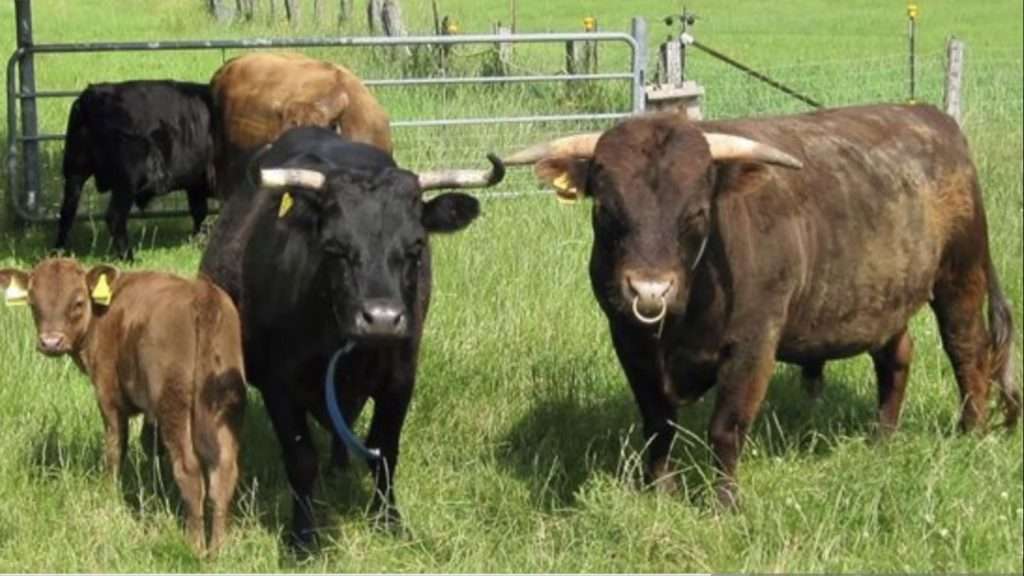
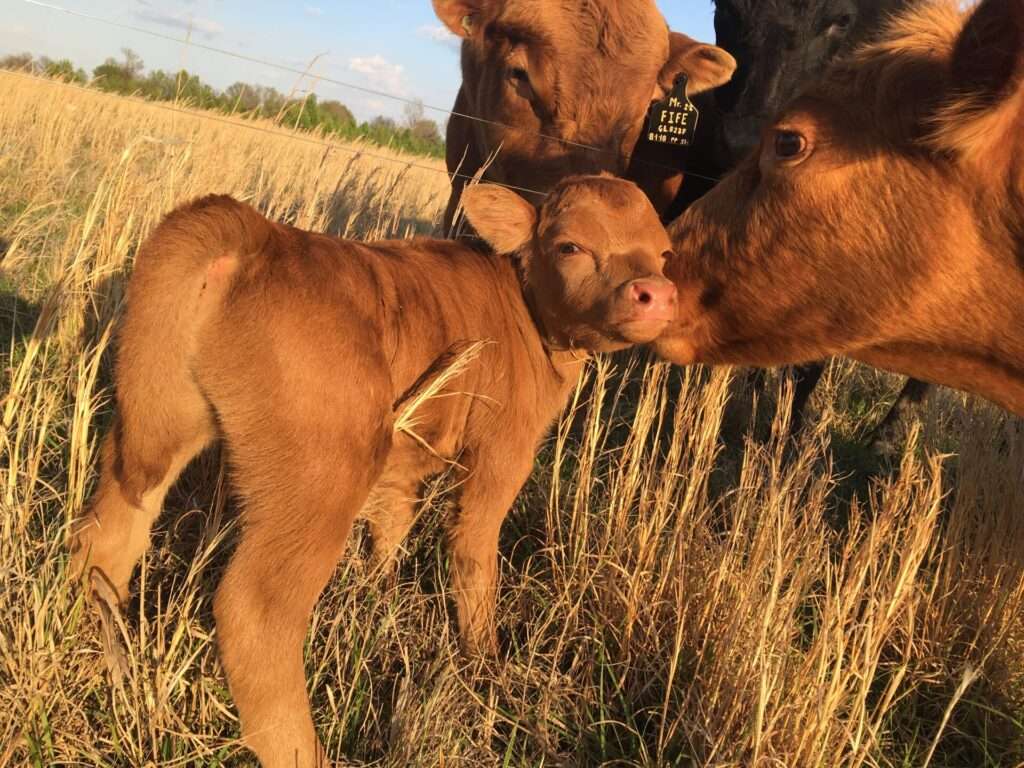
Family picture with herd sire Mr. Fife: 3797
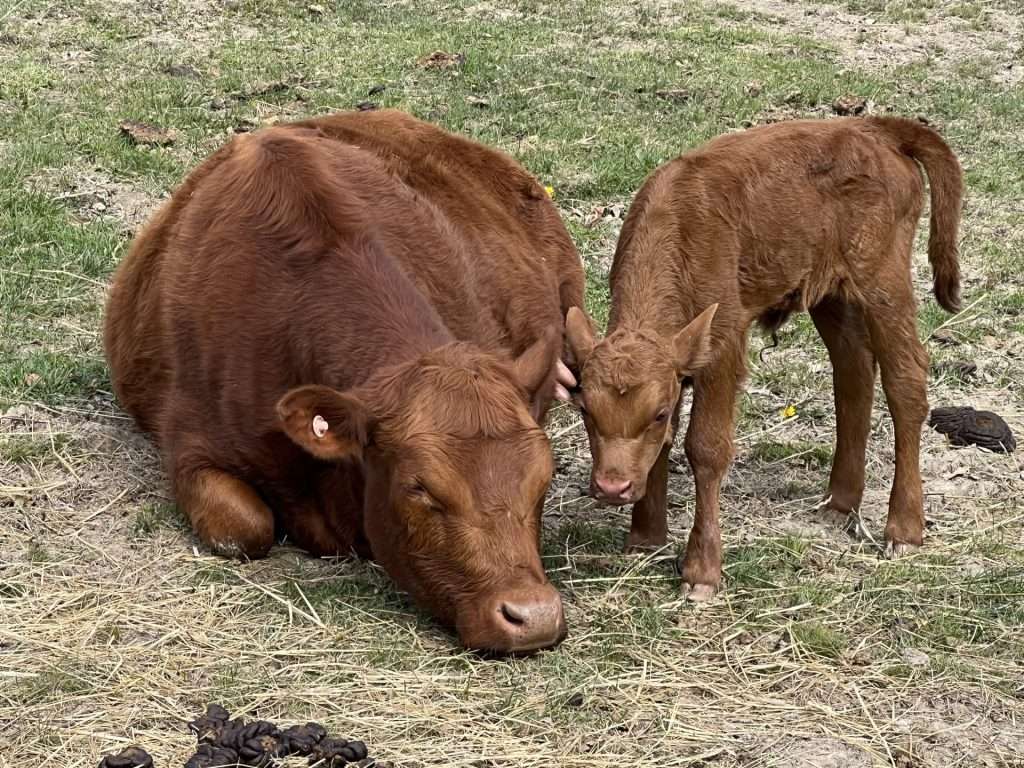
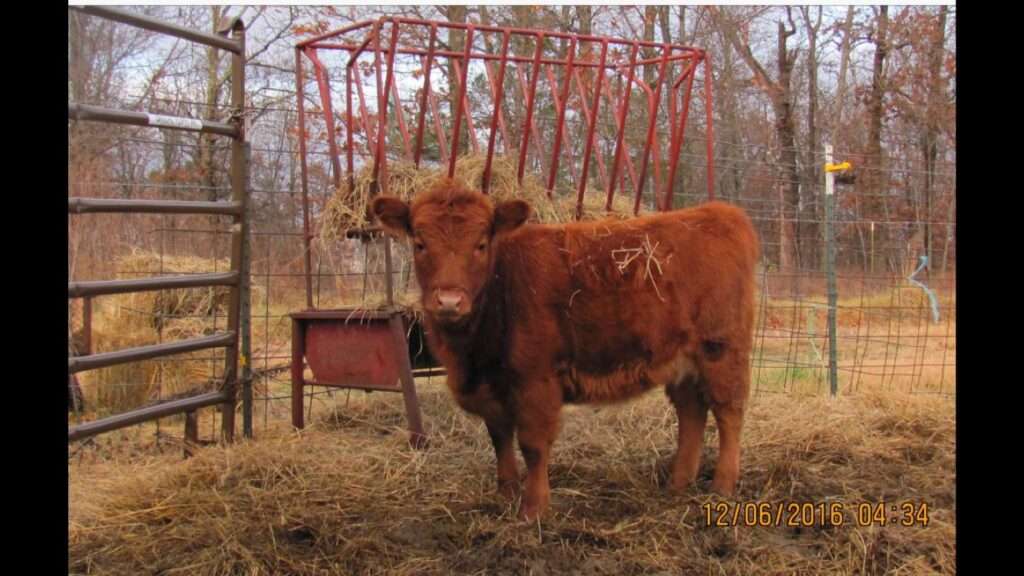
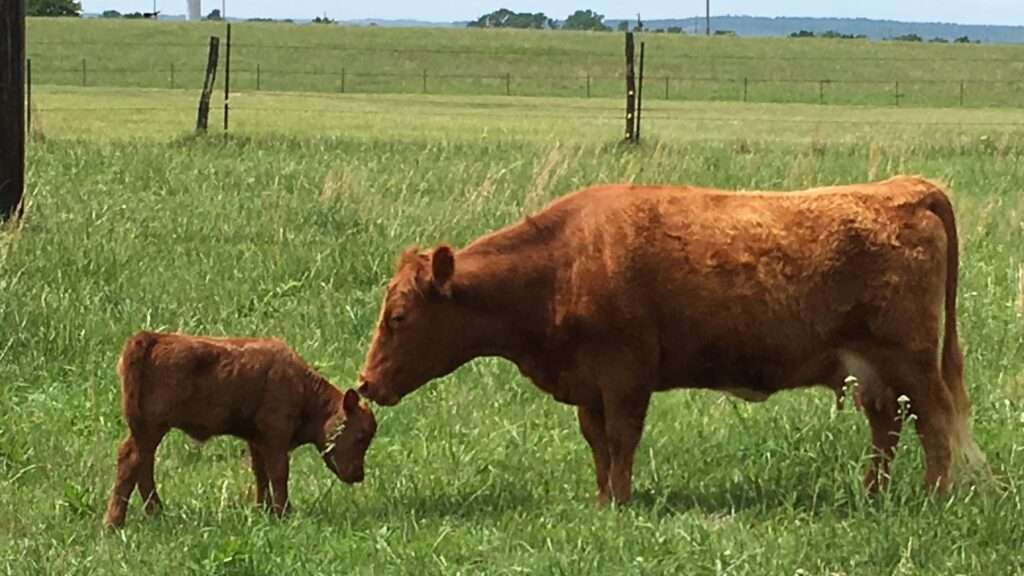
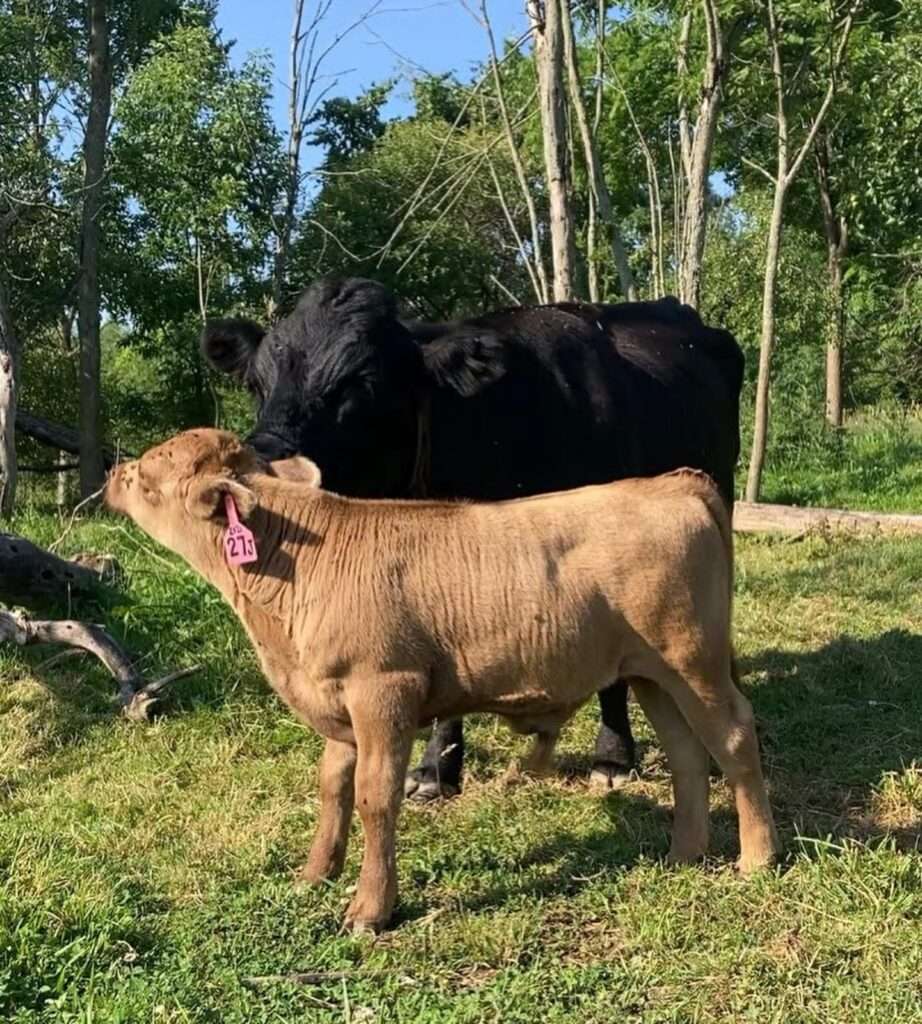
Cow named Butter Diary’s Rosebud ADCA 045563 and her calf Butter Diary’s Lil Bit 049867. 5008 and 2698 (calf in these pictures is Lil Bit)
References
American Dexter Cattle Association. “Chondrodysplasia Overview.” dextercattle.org. Accessed August 11, 2025.
Oklahoma State University. “Breeds of Livestock – Dexter Cattle.” breeds.okstate.edu. Accessed August 11, 2025.
Oklahoma State University Extension. “Beef Cattle Manual.” extension.okstate.edu. Accessed August 11, 2025.
UC Davis Veterinary Genetics Laboratory. “Bulldog Dwarfism in Dexter Cattle.” vgl.ucdavis.edu. Accessed August 11, 2025.
Kansas State University Research and Extension. “Cattle Breeding and Management.” k-state.edu. Accessed August 11, 2025.
Cavanagh, J.A., et al. “Genetic Basis of Bulldog Dwarfism in Dexter Cattle.” Mammalian Genome, 2007, 18, 808-814. doi:10.1007/s00335-007-9066-9.
Animal Production Science. “Grazing Efficiency of Small Cattle Breeds.” 2020. doi:10.1071/AN19432.
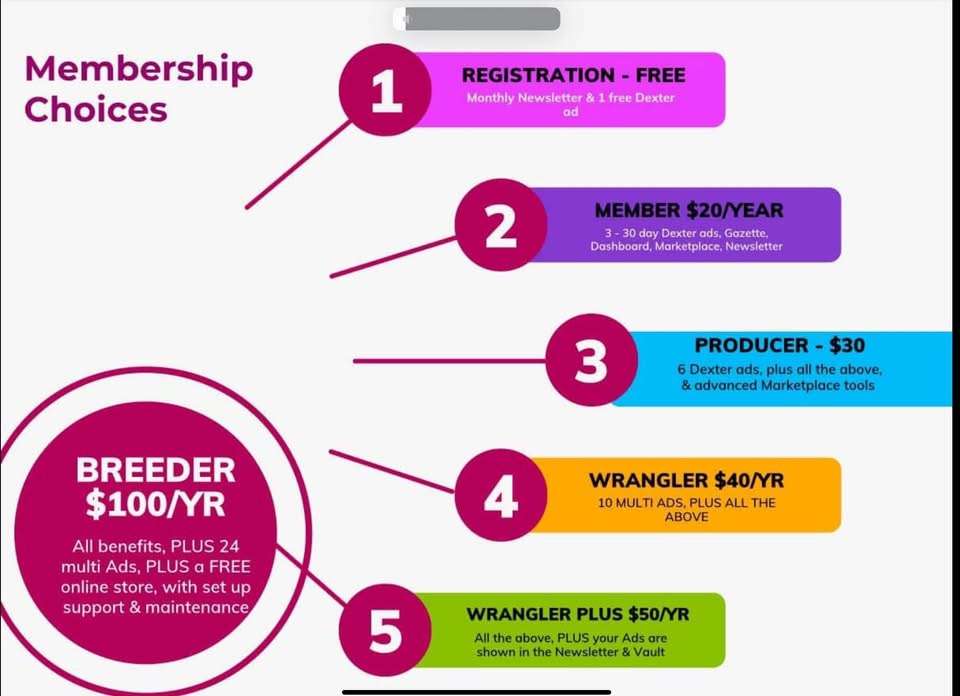
Hope this simple spreadsheet shows you the different levels that you can participate. An example of an entry level participation is … access to our gazette and all the past articles in the Tips and Tricks Newsletter, many magazines , the ADCA, PDCA and Legacy publications in clipboard formats with an easy to use search feature…you will need to spend $20. This feature has allowed me to help so many when they have a specific question about a topic we have already covered.
You will need decide your level of participation, register and then enjoy your subscription benefits.
We are always looking for people to help. If you want to join an exciting and dynamic team…reach out!
Many people ask me, “why Dexter’s?”. I believe it’s no accident that they have survived so long and won a special place in many hearts and minds worldwide, including mine. Dexter’s have always been a small breed which have not been miniaturised, and I believe have special characteristics to offer the people who keep them. Here, briefly is their story..
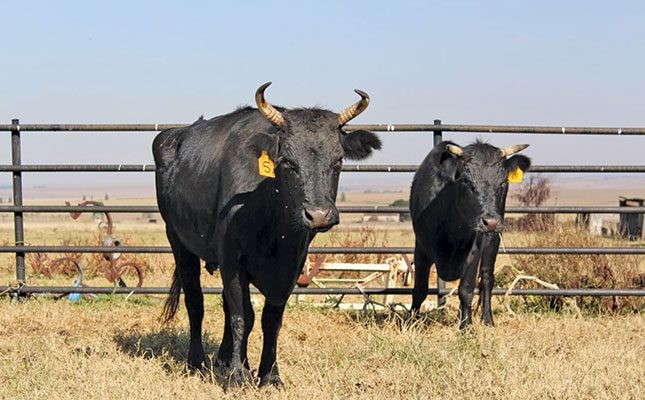
The relocation of a feral herd of 16 Dexters that lived in the Addo Elephant National Park’s Wilderness area has caught the attention of scientists after the South African Dexter Cattle Breeders’ Society became aware of the herd roaming in the park a few years ago. The society initiated the relocation of the animals to Bronkhorstspruit in Gauteng.
An online store is an essential, fundamental building block to launch your ranching and farming business and make it successful and profitable. Grownby.app is an online store designed and operated by farmers and ranchers. It is free to start and use. It includes the tools you will need to manage your inventory, create orders, facilitate CSA’s, accept charge cards, offer farm pickups, and allow your buyers to leave their email addresses for you to do your marketing follow-up. Grownby makes money when a buyer uses their charge card to buy your products. Cash transactions are completely free. Knowing this, you can simply raise your prices to offset the cost of credit card transactions.
Dexters may only rank 5 in this dual-purpose breed list, but when you consider their size, they come out as number one for the small farm. Practical and versatile in being great for beef and milk. Often times people consider Dexters mini cattle, but the whole breed is naturally small with some individuals being extra small. It is interesting to note that Dexters make the list even though they are small in size and no one can discredit them for their diminutive size as though they are nothing more than a toy breed as they hold their own with the big boys.