By David Payne
Selecting the finest cut of beef is a debate as old as butchery itself. From white-tablecloth steakhouses to backyard grills, opinions are plentiful and fiercely defended. Yet when judged by flavor, tenderness, and overall culinary performance, one cut consistently distinguishes itself from the rest: the ribeye.
⸻
Defining Excellence in Beef
To identify the best cut on a cow, one must first establish the criteria. A truly exceptional cut should offer:
• Pronounced, natural beef flavor
• A tender but substantial texture
• Reliable juiciness
• Adaptability across cooking methods
While many cuts excel in one or two of these categories, few succeed in all. The ribeye does.
⸻
The Anatomy of Flavor
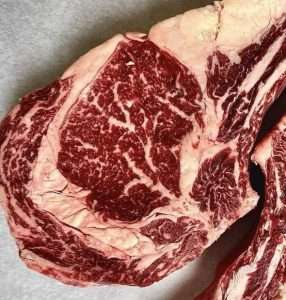
The ribeye is sourced from the rib section of the animal, an area characterized by minimal muscle exertion. This anatomical advantage allows for the development of extensive intramuscular fat, commonly referred to as marbling.
Marbling is widely regarded as the primary driver of flavor in beef. As the steak cooks, the fat slowly renders, permeating the muscle fibers and producing a depth of flavor that is both rich and unmistakably beef-forward.
⸻
Tenderness with Substance
Unlike ultra-lean cuts such as filet mignon, which prioritize softness at the expense of flavor, the ribeye achieves a rare balance. It is tender enough to require minimal effort at the table, yet structured enough to provide a satisfying, hearty bite.
This balance makes the ribeye particularly appealing to diners who value both texture and intensity.
⸻
A Cut That Rewards Simplicity
Another defining virtue of the ribeye is its forgiving nature. The generous fat content acts as a natural safeguard during cooking, reducing the risk of dryness and allowing for a wide margin of error.
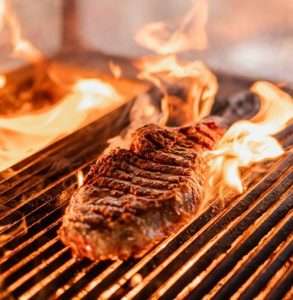
Whether prepared rare or medium, grilled over open flame or seared in cast iron, the ribeye maintains its succulence with minimal intervention. Salt, heat, and time are often all that is required.
⸻
Bone-In or Boneless: Two Expressions of Excellence
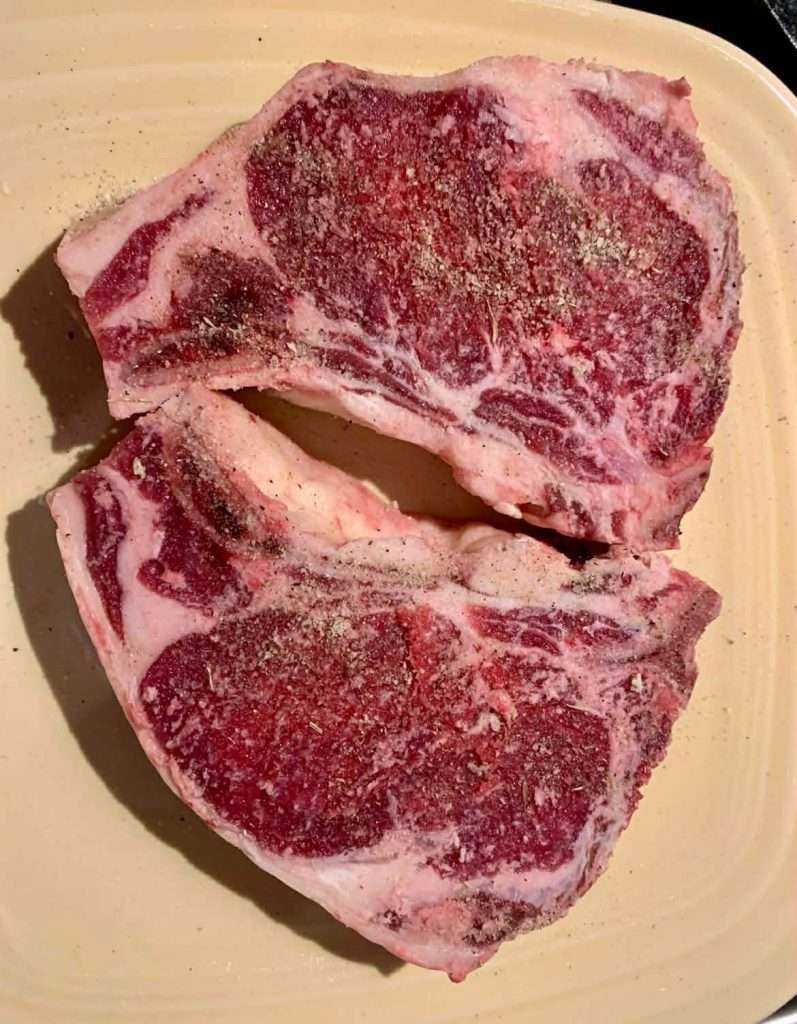
The ribeye is available in both boneless and bone-in forms, each offering a distinct experience:
• Boneless ribeye provides ease of preparation and uniform cooking.
• Bone-in ribeye, including cowboy and tomahawk steaks, delivers enhanced flavor and visual impact.
Both versions exemplify the cut’s inherent strengths and remain staples of high-end steakhouses worldwide.
⸻
How It Compares to Other Premium Cuts
Other cuts deserve recognition for their individual merits:
• Filet mignon offers unmatched tenderness but limited flavor.
• New York strip delivers a firmer texture with less marbling.
• T-bone and porterhouse provide variety but require careful cooking to manage uneven thickness.
• Brisket, while transformative when slow-cooked, demands time and expertise.
Each excels in specific contexts, yet none match the ribeye’s consistency and immediate gratification.
⸻
Conclusion
The ribeye represents beef at its most complete: deeply flavorful, reliably tender, and remarkably versatile. It requires no elaborate preparation to impress, standing confidently on its own merits.
For those seeking the purest and most satisfying expression of beef, the ribeye remains—decisively—the finest cut on the cow.