Making Winter Feed Preparations
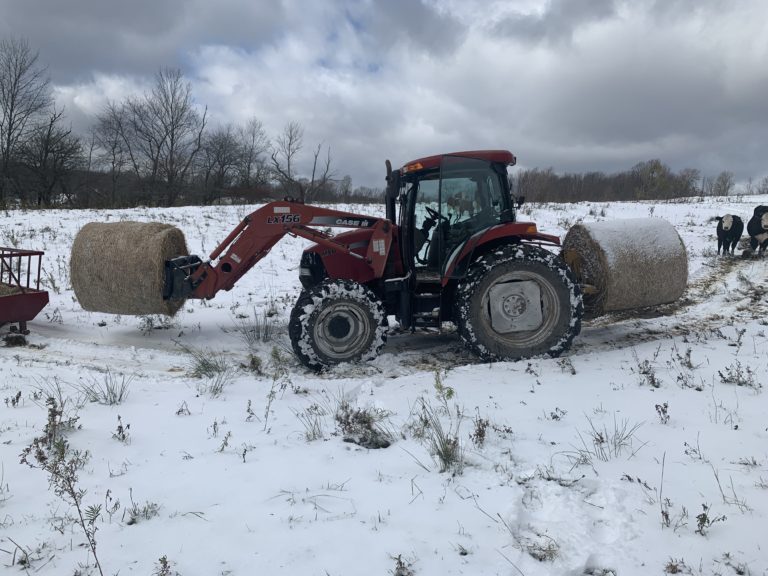
Look at how much hay you need to plan for winter feeding your beef herd.
https://smallfarms.cornell.edu/2021/07/do-the-math-for-winter-feed-preparation
Making Winter Feed Preparations Read More »
Farm Management
Look at how much hay you need to plan for winter feeding your beef herd.
https://smallfarms.cornell.edu/2021/07/do-the-math-for-winter-feed-preparation
Making Winter Feed Preparations Read More »
Farm Management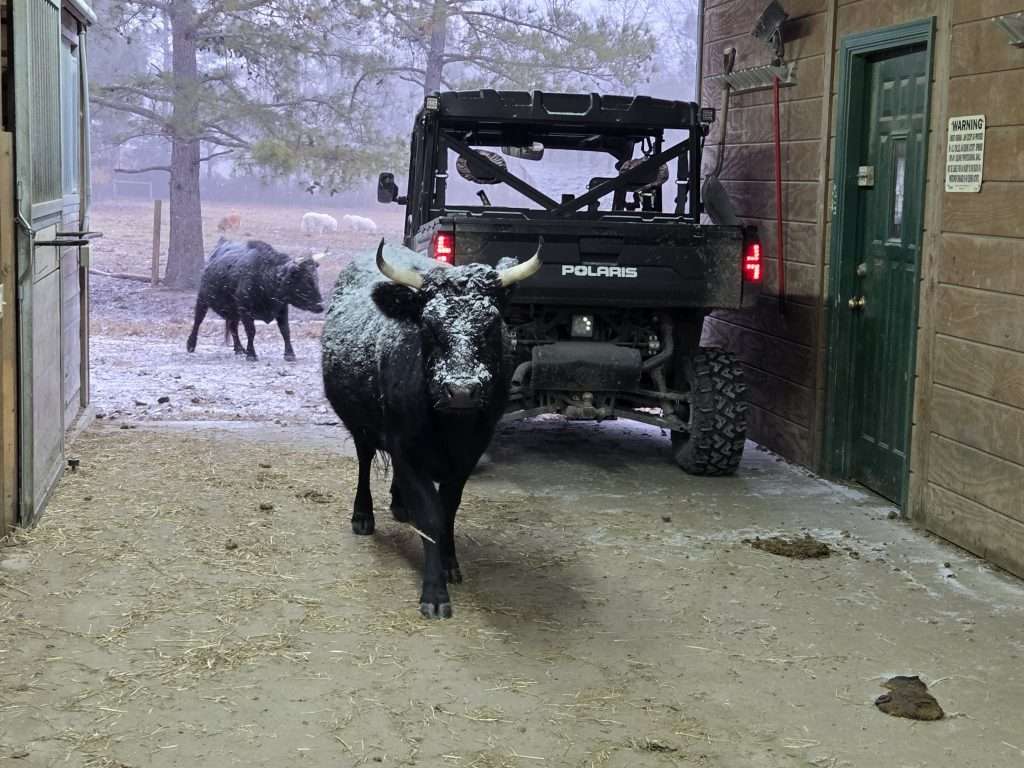
An Educational Resource for New Dexter Owners
Dexter cattle have a well-earned reputation for being hardy, efficient, and capable of handling conditions that challenge many larger beef breeds. That reputation draws new owners in. It can also quietly set them up for trouble if it leads to the belief that winter preparedness is optional.
It is rarely the Dexter cattle that fail in severe cold.
It is systems.
And occasionally, knees, fingers, and judgment before the second cup of coffee.
This article is written as an educational resource for farm organizations, breed associations, and new Dexter owners who want to build operations that function reliably when winter conditions are at their worst. It blends research-based guidance with practical, on-the-ground experience, because winter does not care how things looked on paper in July.
Understanding Dexter Cattle and Cold Stress
Dexter cattle tolerate cold well due to their dense winter coats, efficient metabolism, and generally lower maintenance requirements. Cold tolerance, however, is not immunity.
Research consistently shows that cattle experience cold stress when environmental conditions force them to burn additional energy to maintain normal body temperature. Wind, moisture, inadequate calories, poor body condition, and limited access to water all accelerate this process. Over time, cold stress can lead to weight loss, suppressed immunity, and reproductive impacts.
Dexters can handle winter.
Winter still has rules.
Preparedness Starts With Farm Design, Not the Forecast
The most difficult winter situations occur when chores become reactive instead of routine. A well-designed farm reduces emergency labor. A poorly designed one forces risky decisions during storms.
Preparedness begins with infrastructure choices made long before the first weather advisory.
Water Infrastructure: Design for Failure, Not Convenience
Water systems are the most common winter failure point on livestock farms.
Water lines do not fail politely, during daylight, or when conditions are mild.
Water lines
Hydrants and valves
Heated water troughs
Solar water systems can work well when designed properly, but winter realities must be considered. Battery capacity must account for short daylight hours, panels must shed snow, and output will be reduced during prolonged storms.
A water system that works flawlessly nine months of the year can still become a liability if it requires wrestling frozen hardware in the dark while livestock observe quietly and reconsider their respect for you.
Power Systems: Assume the Grid Will Fail
Winter storms routinely knock out power for days. Generators should be considered core farm safety equipment, not optional upgrades.
They are rarely purchased because everything is going well.
A generator should be capable of supporting:
Fuel storage should cover multiple days of operation. Electrical layouts should prioritize critical systems and protect wiring and outlets from moisture, snow, and rodents.
Electric Fencing in Winter Conditions
Electric fencing behaves differently in cold weather.
Solar chargers provide valuable redundancy but must be sized for winter conditions and maintained during snow events.
Frozen ground has very little respect for even the most carefully installed grounding systems.
Redundancy matters more than strength.
Farm Layout and Human Safety
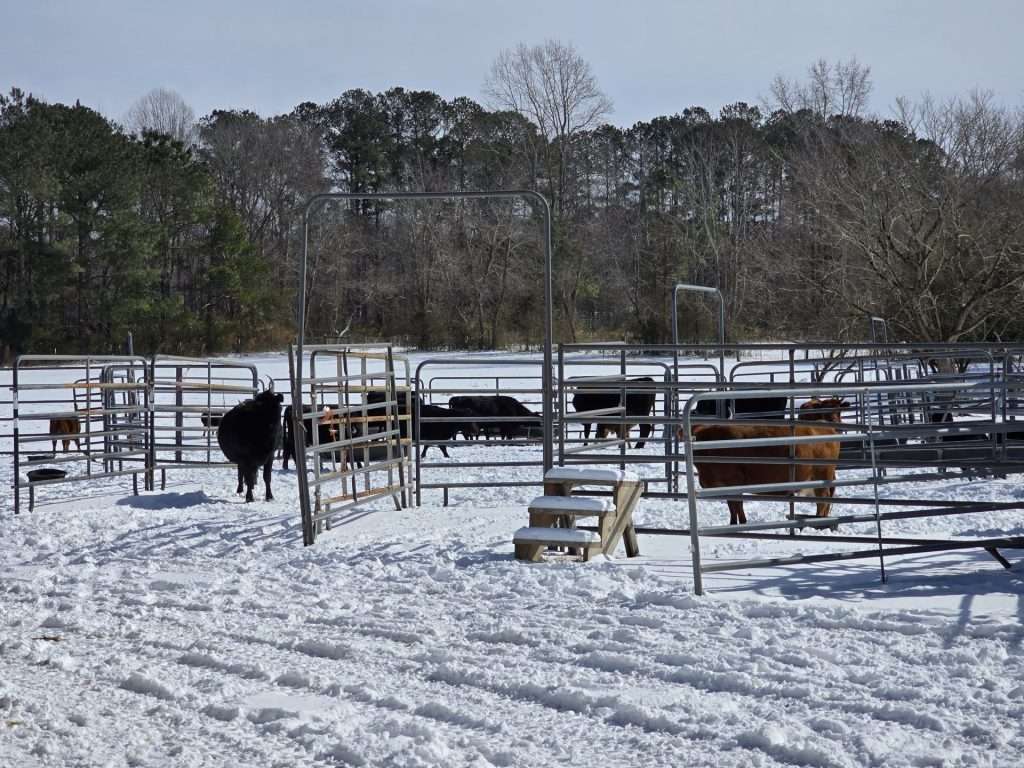
Dexter cattle generally move through snow with impressive confidence.
The person carrying feed across ice often does not, even when wearing boots marketed as “winter rated.”
A winter-ready farm layout:
Farm layouts designed on pleasant spring afternoons tend to reveal their weaknesses during January wind events.
Feeding and Watering During Extreme Cold
Cold increases energy requirements. Research indicates cattle may require 7–10% more energy for each degree below their lower critical temperature, particularly when wind and moisture are present.
Preparedness includes:
Water intake must be monitored closely. Frozen or inaccessible water leads directly to reduced feed intake and increased cold stress.
Human Safety Is Herd Health
Human safety is often discussed last, despite being the single point of failure that immediately compromises animal care.
Dexter cattle may be perfectly comfortable standing in a snowstorm.
The person doing chores is the variable.
Most winter injuries occur due to slips near water sources, fatigue, rushing, or poor visibility. Clothing, lighting, rest, and task consolidation are safety requirements, not luxuries.
Knowing When to Pause
Preparedness includes restraint.
No routine chore improves outcomes when visibility is poor, footing is unsafe, and the operator is one misstep away from becoming the emergency. Calm, consistent care is safer and more effective than heroic effort.
Dexter Cattle Cold Stress Checklist (Quick Reference)
Before the Storm
During the Storm
After the Storm
Dexter cattle are resilient. Winter preparedness is not about proving toughness. It is about designing systems that still work when conditions degrade and the person doing the chores is already tired.
Final Perspective
Dexter cattle are resilient. Farms must be designed to match that resilience.
Extreme winter weather does not test commitment. It tests whether systems were built to function when conditions deteriorate. Preparedness is not bravado. It is making sure that when winter does what winter does, both cattle and caretakers come through it intact.
And preferably upright.
Michele DeVinney Schmoll is a Virginia farm owner at DeVine Farms Quality Dexters. She raises Irish Dexter Cattle and writes from firsthand experience, because farms don’t read instruction manuals. http://www.devinefarms.net/
Author’s Note
This article is written from a practical livestock-owner perspective, informed by university extension research and shaped by real-world experience managing animals during prolonged cold, power outages, and severe winter storms. The intent is not to present idealized systems, but to encourage farm designs and management decisions that reduce risk for both cattle and the people responsible for their care. Preparedness is most effective when it reflects what winter actually demands on the ground.
REFERENCE LITERATURE (CLICKABLE LINKS)
Cold stress basics, winter readiness, and management
1) University of Minnesota Extension — Preparing your cattle for severe winter weather
2) University of Nebraska–Lincoln (UNL) — Feeding Cows for Cold Weather (energy needs vs wind chill; lower critical temp)
3) Virginia Tech / Virginia Cooperative Extension (VCE) — The Cow-Calf Manager: Extra Energy Needed During Cold Weather (archived newsletter)
4) UNL BeefWatch — Winterizing your cowherd: Managing cows through cold stress
Calves and high-risk groups
5) Virginia Tech / VCE — The Cow-Calf Manager: Cold stress on calves (archived newsletter)
Emergency preparedness and disaster planning resources
6) UC Davis School of Veterinary Medicine — Emergency Preparedness and Response (hub)
7) UC Davis Emergency Preparedness & Response — Resources page (includes livestock disaster preparedness links) https://response.vetmed.ucdavis.edu/resources
Optional (useful supporting reading for farm org audiences)
8) West Virginia University Extension — Lingering effects of cold stress (weather + animal factors) https://extension.wvu.edu/agriculture/livestock/beef-cattle/lingering-effects-of-cold-stress
Designing a Dexter Cattle Operation for Extreme Winter Weather Read More »
Farm Management
❄️”Winter-feeding is one of the largest costs for Canadian and US cow-calf producers. How this period is managed can make a big difference in both herd health and an operation’s bottom line.
From extended grazing systems to feeding stored forages, each method has its strengths and challenges. The right strategy depends on the operation, available resources and winter conditions.
Here’s a look at some common winter-feeding strategies, with the pros and cons of each.”
https://www.beefresearch.ca/blog/winter-feeding-strategy-pros-cons
Different Winter Feeding Strategies Read More »
Herd Health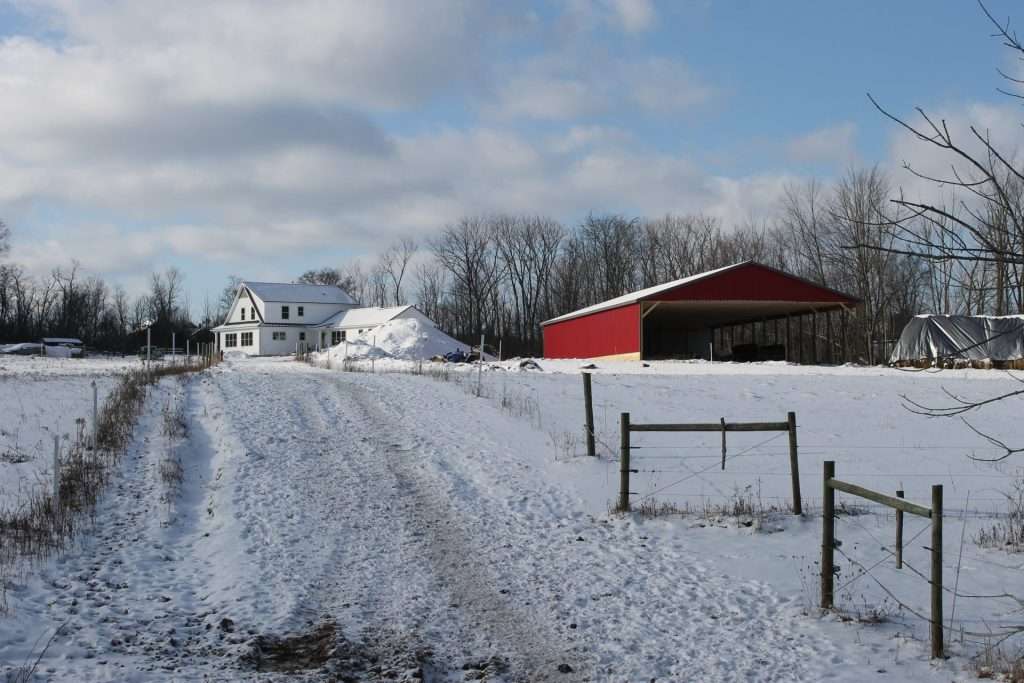
There are some chores and activities that are more effective in the winter months. Like, for instance, the soil’s freezing and thawing causing seeds to be drawn in, and seeding to be more productive. Some farm tasks are just more enjoyable in the chilly winter air (who wants to split wood in the summer heat?). Dormant invasive plants can be cut back and pulled out (hopefully before the soil freezes). The article below does a great job of providing some farm tasks to keep you warm and working in the winter months. What farm chores are exclusively done on your farm in the winter?
Chores to Keep You Warm in Winter Read More »
Farm Management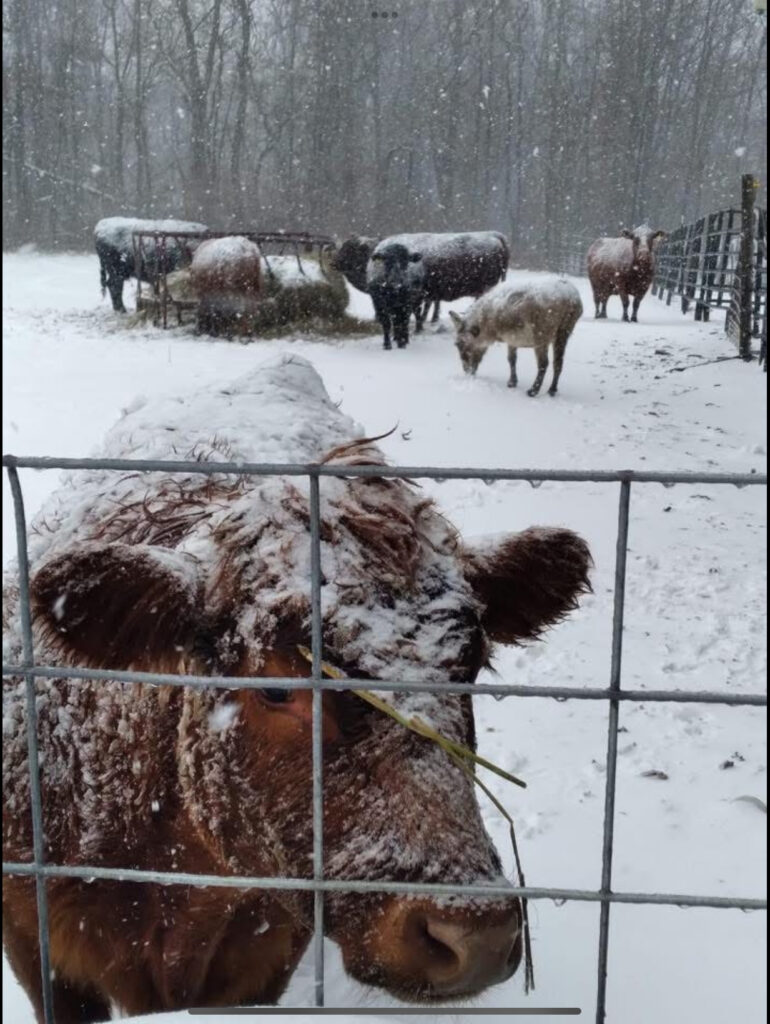
Cattle expected to live outside during the winter should remain outside to adjust to the changing conditions as winter approaches.
https://extension.umn.edu/beef-cow-calf/preparing-your-cattle-severe-winter-weather
Cattle and Severe Weather Read More »
Herd Health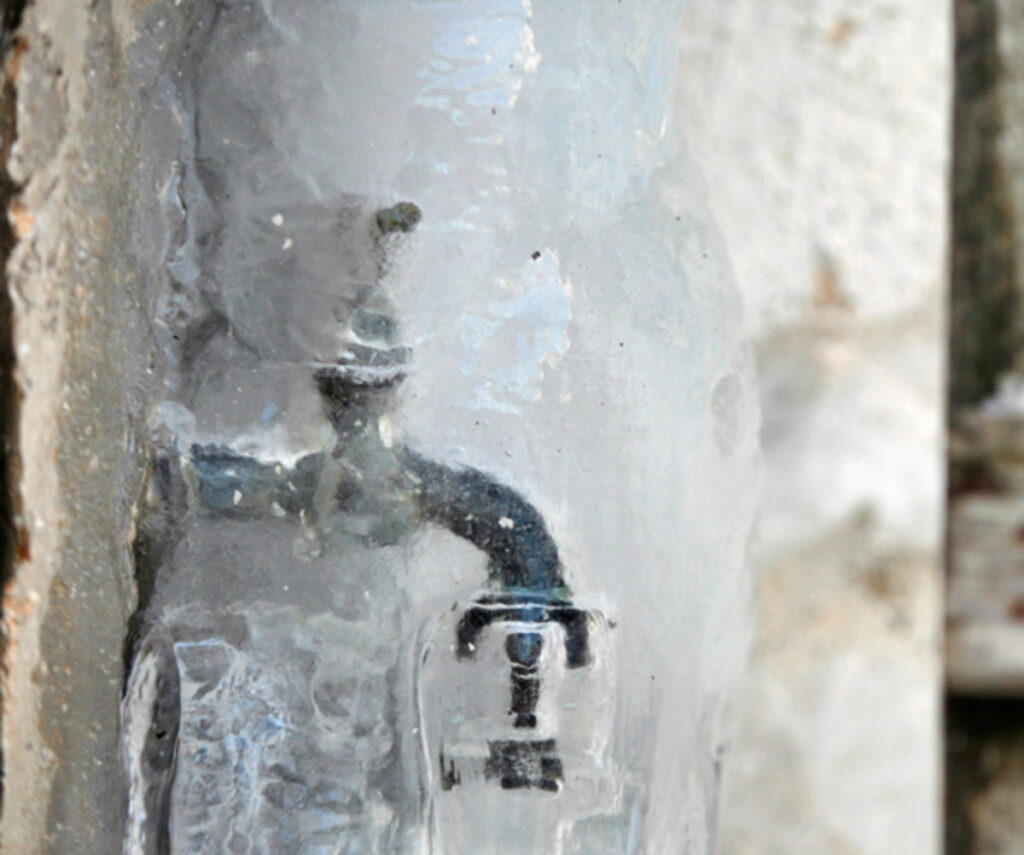
Devising a way to keep the stock tanks from freezing solid.
Guide To Ice Free Livestock Water Read More »
Farm Management
The temptation is there, to graze fall pastures too short in hopes of prolonging feeding hay. But, grazing fall pasture too short before the dormant season can actually affect plant health and growth next spring.
Click the link to read more
A compilation of advice for fall/winter grazing
https://www.beefmagazine.com/cattle-nutrition/fall-winter-feed-strategies-for-cattle#
Fall to winter forage options Read More »
Farm Management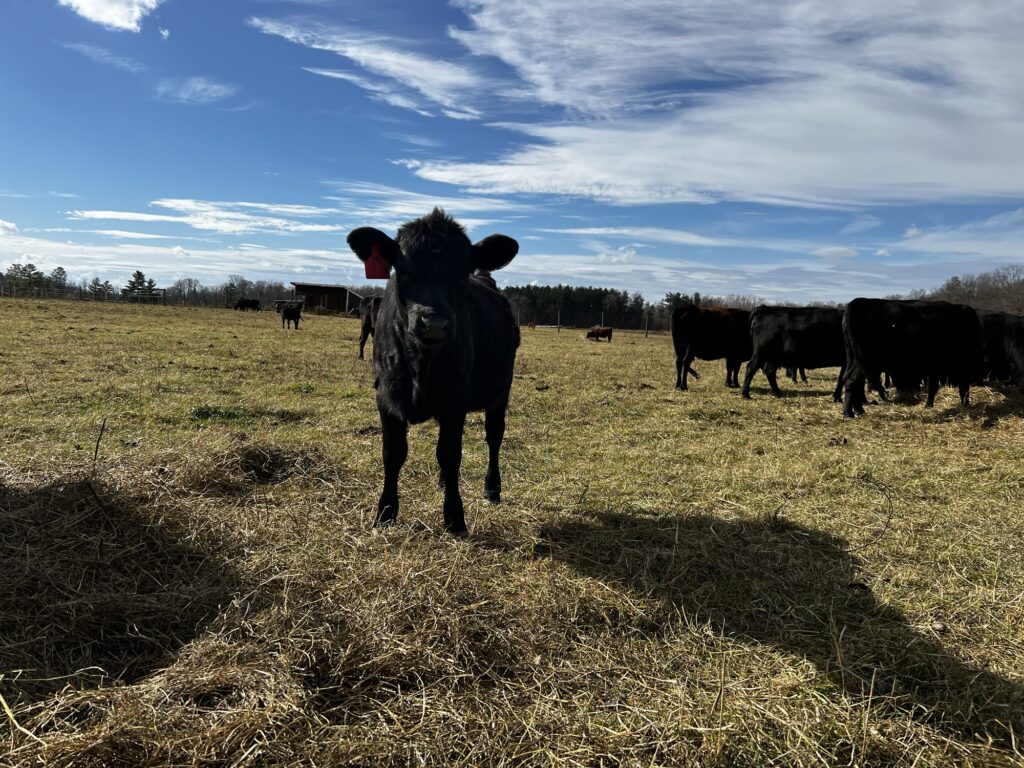
When you are considering trying something new it is always helpful to have the wisdom of others who have tried and failed or succeeded. We’ve done a little winter bale grazing with our Dexter herd, and the effects on the pasture are dramatic and obvious (a swath of lush green and clover through a mostly browning pasture). Here is a great farmer led study on the benefits of bale grazing that I have found compelling. Have you or would you try bale grazing?
Farmer-led research Read More »
Farm Management
A Guide to Feeding Cattle in Winter: the Importance of Protein Supplementation
Protein Supplementation Read More »
Herd Health
Keeping Cows in the Winter Part #2
I’m going to write about the second part of this series of keeping cows in the winter. The first one was about making sure they have adequate water. I’m going to talk about shelter in the winter. This will once again depend on where you are in this great United States. We have such diverse weather conditions.
I think that this could end up being a great debate, but I’m not wanting that. I know some people think that the cows need a 5 Star barn and others think a few trees are plenty. I’m just going to do a basic all around article on what the cows should have. Then you can go from there and do what you feel is necessary.
Starting with the milder states, you still should have at least a covering for them to get out of the sun in the summer and wind in the winter. If you live in the colder states you will at least need a wind block. It is also good for you to have at least a 3 sided building. It doesn’t have to be fancy. It just needs to be something that they can get in out of the wind and rain/snow. Now if you have had cows very long you will know that they will just stand outside in the weather. They have grown coats for the weather that you have in your area.
You will notice cows standing out in the winter weather and have their backs covered in snow. That is a good sign. That means that they are well insulated!! Dexters in particular were created to weather more difficult situations.
Each person knows what they want for their herd. This is just some basic advice on what to have. Happy Winter!!!
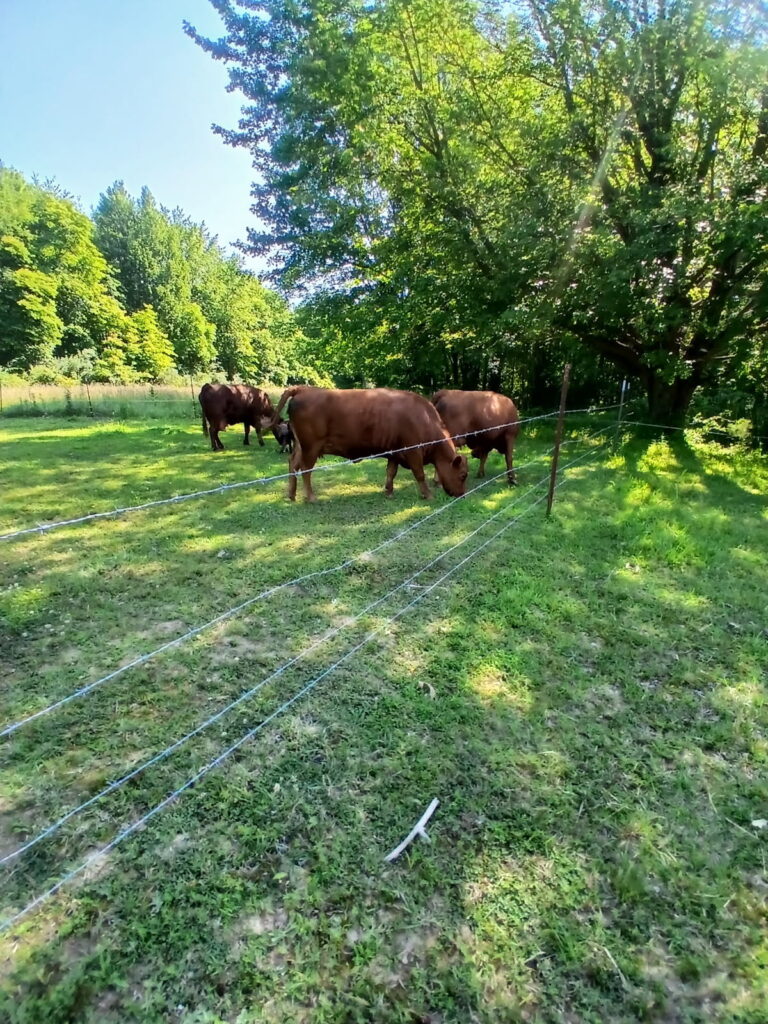
Keeping Cows in the Winter Part #2 – By Shelley HatField Of Whippoorwill Pines Farm Read More »
Beef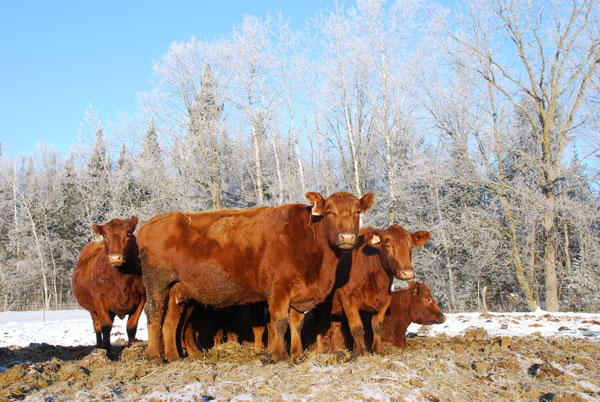
Keeping your cattle healthy during the stress of colder winter temperatures is easy.
https://www.beefmagazine.com/cattle-health/how-to-keep-your-cowherd-healthy-this-winter
Keep Your Cowherd Healthy This Winter Read More »
Herd Health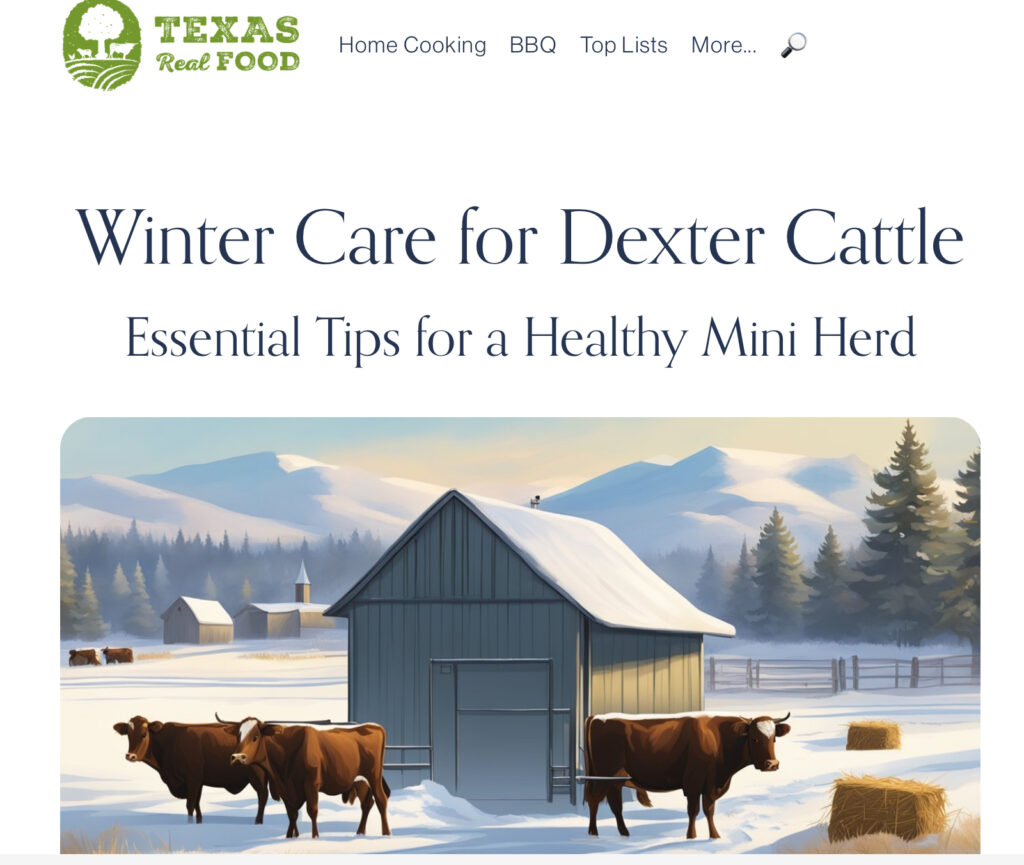
Nutritional needs during winter are critical for maintaining health
https://discover.texasrealfood.com/dexter-cattle/winter-care-for-dexter-cattle
Winter care for Dexter cattle Read More »
Farm Management
Dexter cattle don’t need much from their owners in the winter. Here is the few things they do.
Dexter Cattle Winter Needs Read More »
Farm Management