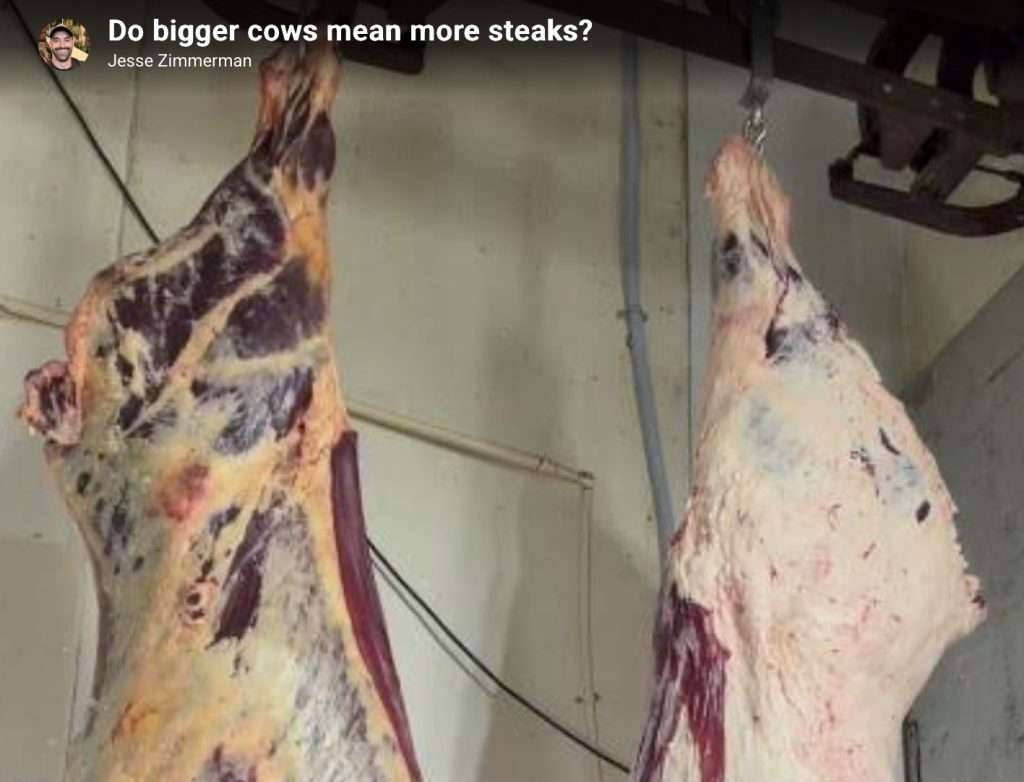
When processing beef…is bigger always better?
When processing beef…is bigger always better? Read More »
Beef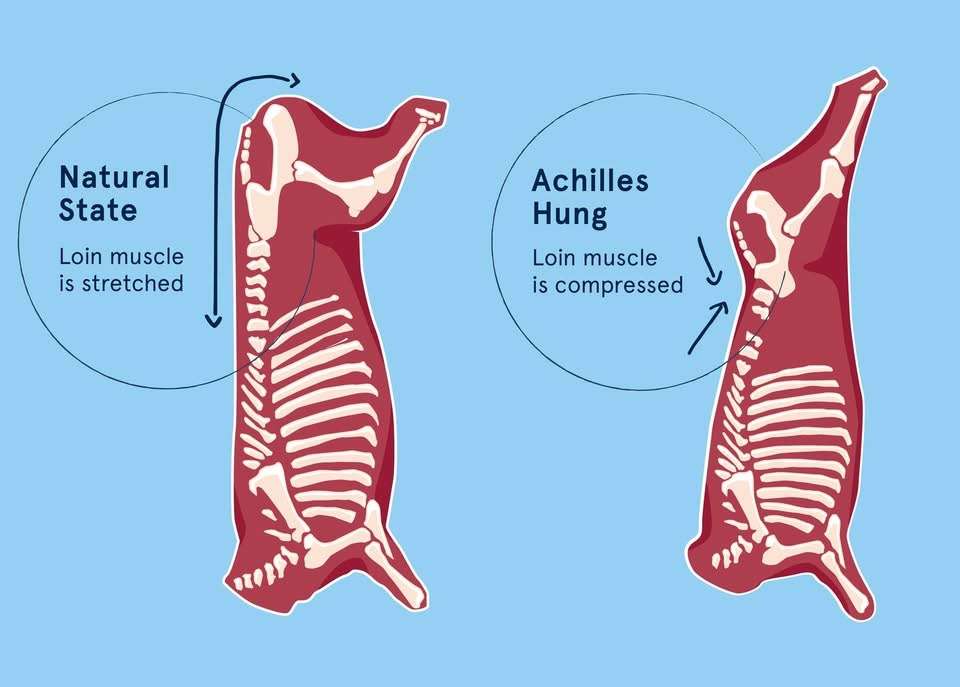
Did you know the way beef is hung during processing can influence eating quality?
Bass Strait Beef uses a Natural State Hanging Method, allowing the carcase to hang like it would stand in the paddock.
This process helps gently stretch the muscles to contribute to improved tenderness in premium cuts like rump and porterhouse. Just one of the many ways we do things differently to deliver you the best beef! 🥩
How your beef hangs matters Read More »
Beef
Once rabbits reach processing size, timing, preparation, and efficiency matter. The goal is a humane, clean process that results in usable meat.
When to Process
Most rabbits are ready around 12 weeks of age.
Beginner Tip: Research breed growth rates before buying rabbits so your expectations match reality.
Some people withhold food for 24 hours before processing to keep things cleaner. Do what works best for your setup. We do not find this necessary with rabbits.
Dispatch Methods (Overview)
Choose the method you are comfortable and confident using. Speed and accuracy matter most.
Beginner Tip: Practice and confidence matter more than the method itself. Hesitation causes problems.
Basic Tools You’ll Need
Beginner Tip: Sharp knives make the entire process faster, cleaner, and safer.
Processing Overview
Some people spray rabbits with water after dispatch to control loose hair. This is optional, do what works for you.
Beginner Tip: Go slower your first few times, but don’t stop moving. Confidence comes with repetition.
Gutting & Butchering
There isn’t a ton of meat on a rabbit, even a large one, use as much as possible.
Beginner Tip: If cuts aren’t perfect, don’t stress. Rabbit works great for stew, soup, or sausage.
Feeding to Dogs
At almost any stage, rabbits can be fed to dogs.
Beginner Tip: Test with one rabbit before committing to feeding whole animals regularly.
Final Notes
Beginner Tip: Clean, cool, and quick = better meat and fewer problems.
Rabbit Raising – Part 2: Not Keeping Them Alive Read More »
Homesteading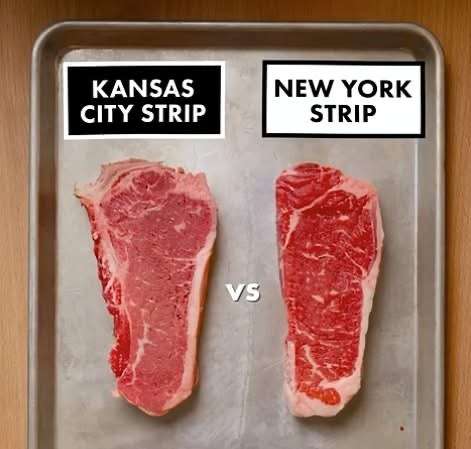
Here is a cut that is not so well known.
In the battle of Kansas City steak vs New York strip steak, they are in fact, the same cut. The Kansas City strip bone attached, New York does not. The New York strip typically has the tail section removed, the Kansas City does not. The cut originated in Kansas City and gained popularity when chefs in New York started calling it the New York strip.
Source Matthew Eads
The Wranglers at Irish Dexter Cattlemen are pleased to announce that we have a butcher on our team now! The folks at PipeDreams Butchery, located near Memphis TN, will be writing articles, doing videos and more. They are familiar with Dexters, as they used own them, milk them and breed them.
They are active on our Facebook group, so if you have a question about processing and post it…don’t be surprised if they answer you. If you have things that you would covered from a butchers perspective, please let us know and we will try to get it covered for you. All contributions, will first appear in the free monthly newsletter and then be archived in the membership Gazzette.
We personally use them for all our processing and are very happy with our cuts, the feedback on our animals and extra services including sausages, ancestral beef, smoking and curing. Very excited to have them participating in our beef community!
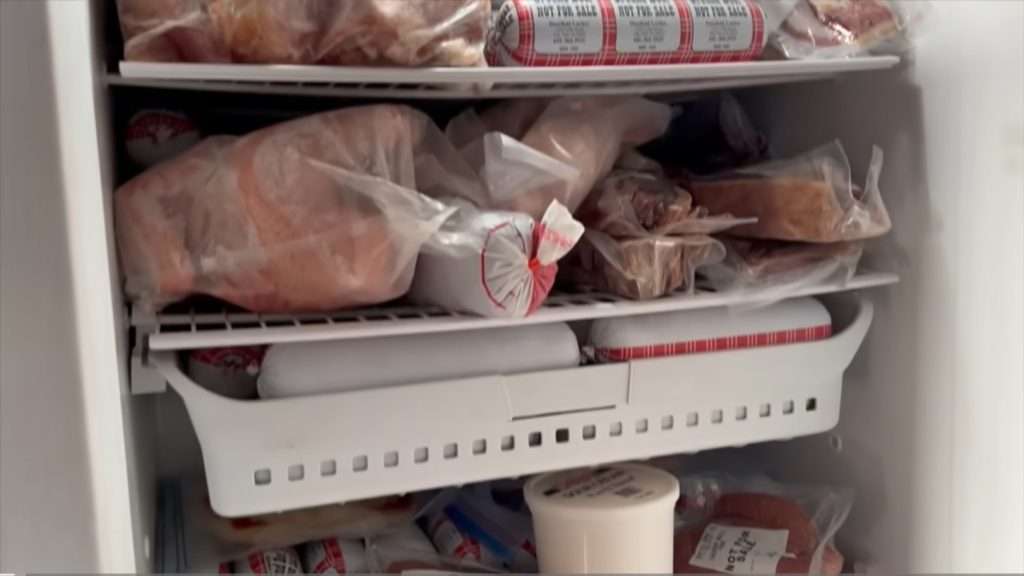
Here is a really good podcast about what you and your customers should expect when getting a cow processed . It can be intimidating to buy beef in bulk for the first time. Share with your customers to help them fully utilize a whole or half cow, which is a big (and worthwhile) investment.
Please keep in mind that these numbers are for a standard breed cow. The numbers for the Dexter will be less, but the return will be a higher ratio. Dexter ratios are closer to 60-65% with less inputs, easier on pastures and a whole lot of personality!
Eat Your Way Through a Cow, Episode 1 Read More »
Beef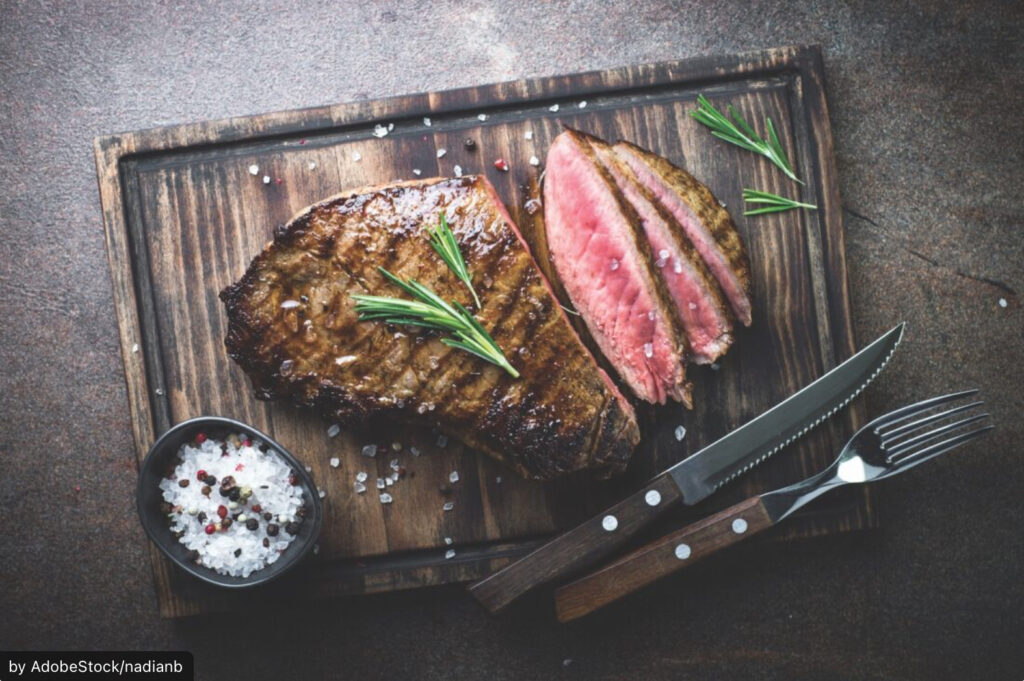
Learn how to have 1/2 a cow butchered for your family to get the right cuts
Half a beef, What cuts to request Read More »
Beef Selling