CALF SHARING
Here is an interesting approach to calf sharing. We do a much similar approach, which works really well for us and our Dexters.
Here is an interesting approach to calf sharing. We do a much similar approach, which works really well for us and our Dexters.
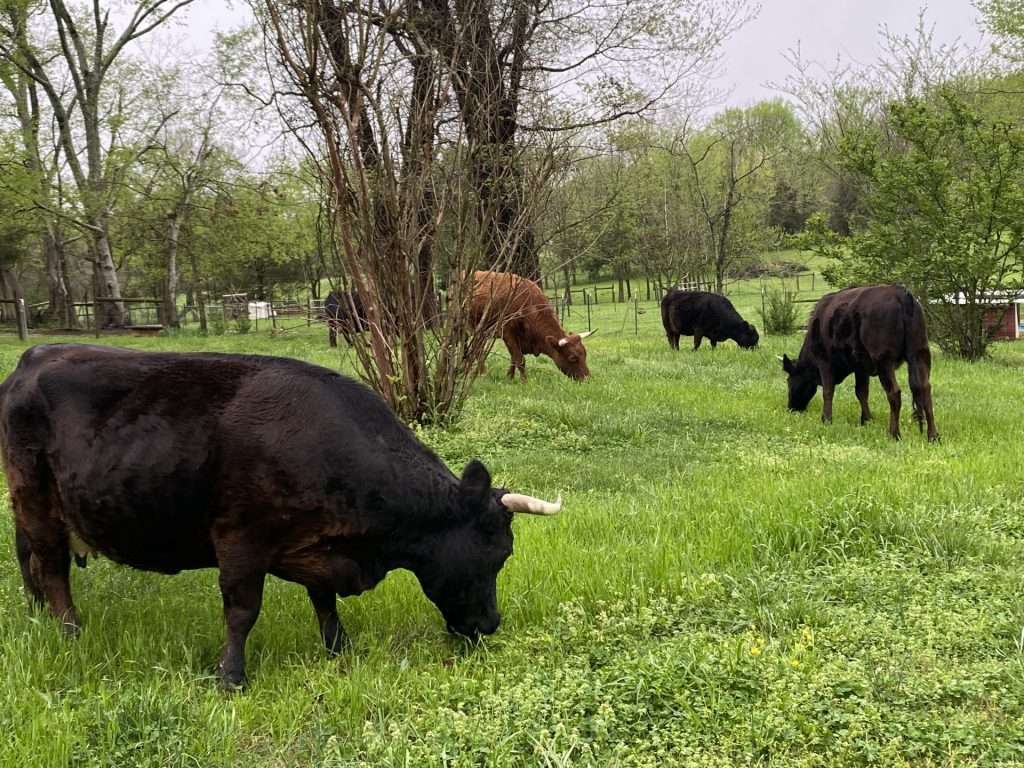
This is an interesting read about horns and their possible importance to the dairy cow. Wonder if this holds true in our Dexters that we milk?
https://www.researchgate.net/publication/377750796_Importance_of_horns_in_dairy_cattle
Importance Of Horns In Dairy Read More »
Milking & Dairy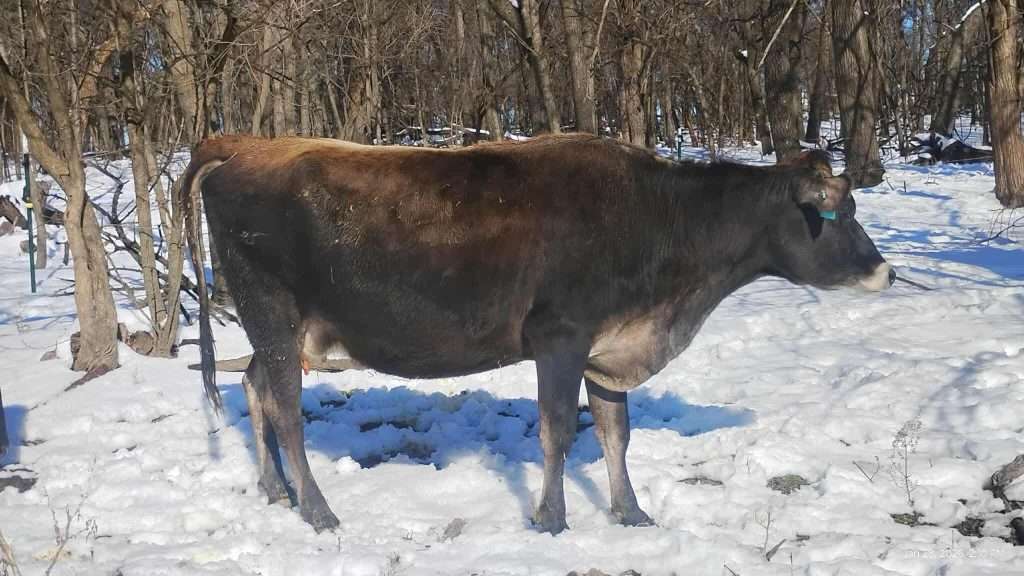
Spring is right around the corner, but for many you are still dealing with cold and snow. Caring for a dairy cow during the winter can be a challenge, but it doesn’t need to be insurmountable!
Teats chap and freeze when wind-chills are at zero and below. You may choose not to post dip at all, which is fine. You can also use products like Winterset, or Revive (from IBA.)
Treat chapped teats with Udder Balm or similar, and be careful to not over milk your cow.
Providing plenty of hay and water, plus a bedded shelter or tree line for wind protection is all she needs otherwise! She heats up from the inside out, with rumination serving as her furnace. She is very likely much more comfortable than you are in this weather!
Juliette is a monthly contributor to the Irish Dexter Cattlemen Newsletter and the author behind many of the articles on the FB group The Science of Owning. Dairy Cow.
Here is a link to other suggestions for dealing with it.
https://www.agproud.com/articles/19093-tips-for-dealing-with-frostbite-and-other-teat-health-issues
UDDER CARE. HOW TO AVOID FROST BITE OR DAMAGE Read More »
Milking & Dairy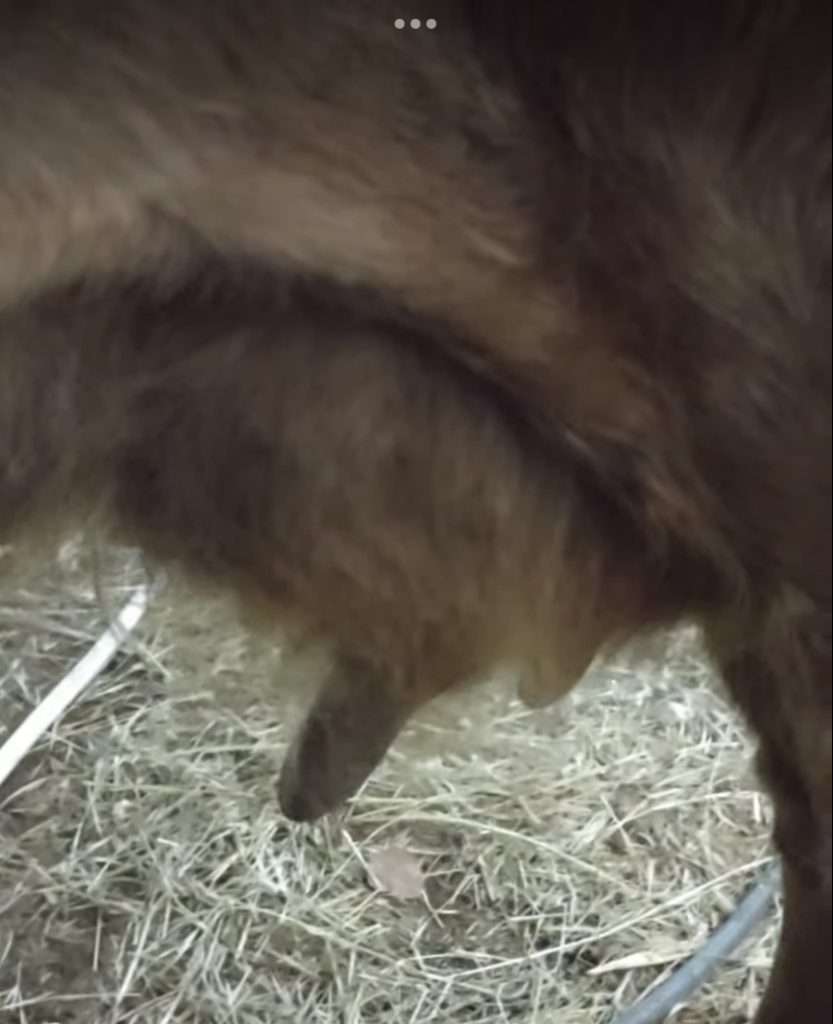
Let’s face facts. Some of our Dexter gals have some pretty hairy udders. All that hair is not something we want if we are trying to milk them and provide a clean product.
I use these handy dandy scissors pictured below, but some folks also use electric clippers, as in the short video below.
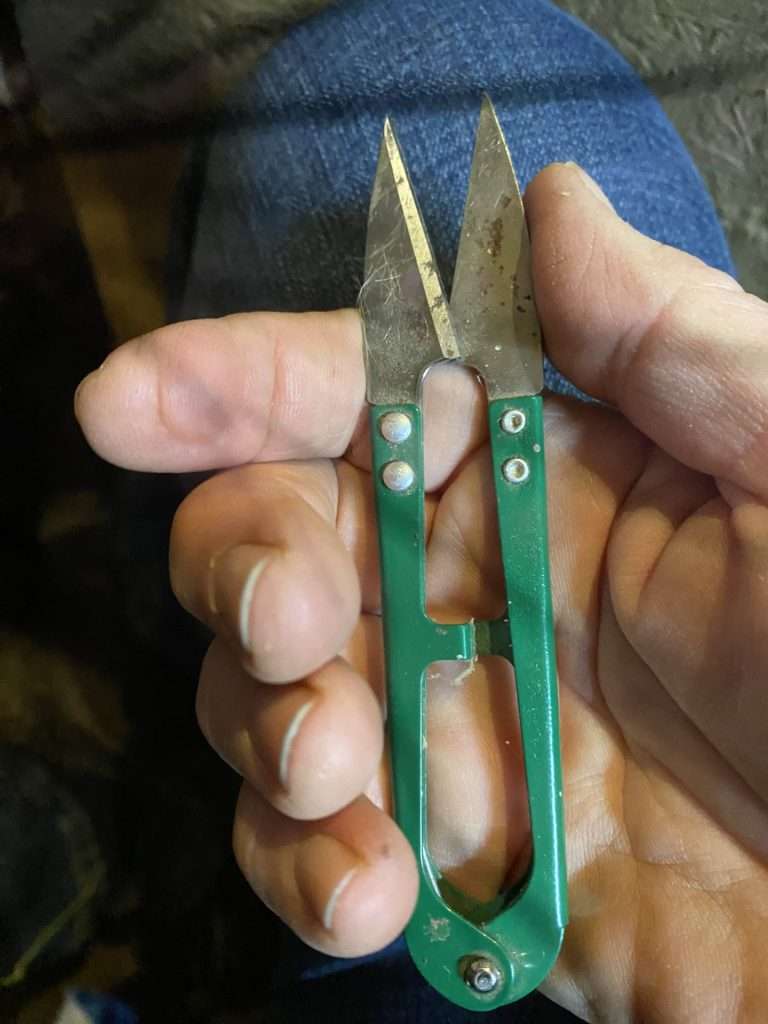
What ever method you choose, make sure you do it, it makes cleaning the udder sooo much easier!
Is Your Dexter Udder Hairy? Read More »
Milking & Dairy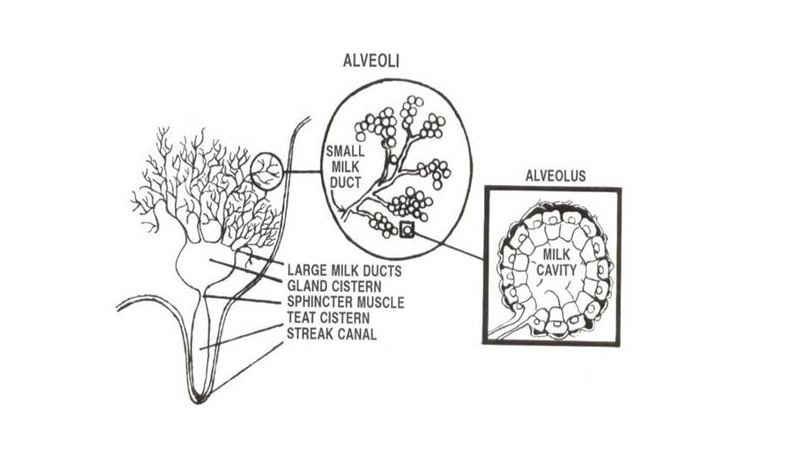
The benefits of ensuring milk letdown has occurred include improved milking efficiency and max milk production.
https://www.dairynz.co.nz/milking/fundamentals/enhancing-milk-let-down/
Enhancing Milk Let-Down Read More »
Milking & Dairy
We now know that paying top dollar will come back to us. We no longer look at price. A healthy cow will give us many lactations to come.
How Can A Milk Cow Pay for Herself? Read More »
Milking & Dairy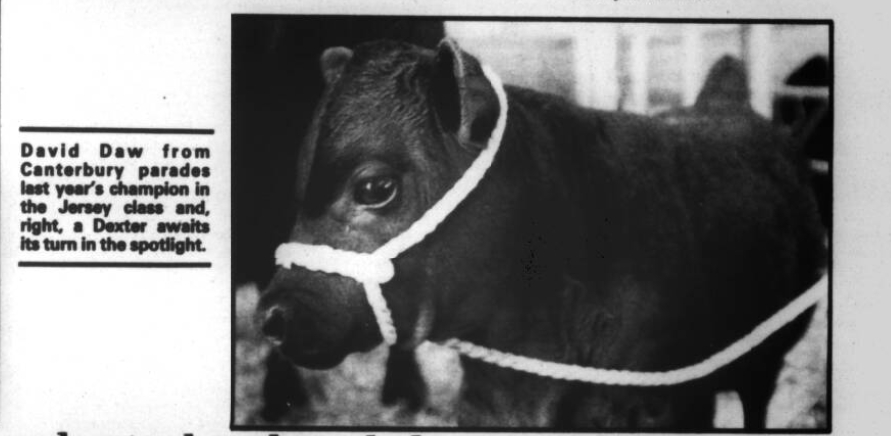

Dexters have long been promoted the same way time and time again, “Docile and Hardy little cattle, dubbed the smallholder’s cow because of their ability to exist on about half the acreage of other cattle.” This is the niche market of a Dexter. They are well suited to beginners because they can endure a bit of accidental neglect from new owners and be a great fit for people who have small acreage. Today when large acreage is becoming increasingly expensive in many areas, but people are feeling a strong draw to get back to the country, the small acreage Dexter cow is the most perfect sell point. This is a Hallmark of the breed and one that should be promoted.
Dexter cattle are also a good fit for people who need a smaller amount of both meat and milk, but yet they are still “renowned for the quality and quantity of their milk, second only in butterfat content to the famous jersey, and for small lean beef joints of excellent flavor”. There are other breeds than Jersey that outperform Dexters in cream content but usually they are not breeds that produce a good quantity of milk. The Highland for instance produces about 10% butterfat, but for its larger size produces quite a bit less by volume for its size. This is why the Dexter is an all-around great little cow.
The current average amount of people in a US family today is 3.15, so in a small 3-person household butchering a Dexter steer goes a very long way. As Dexter beef producers we will have a much easier time selling whole or halves to people. This avoids having to get a USDA certified meat facility which in some areas could save you more money on butchering costs. Many people are more accustomed to the idea of buying meat in a smaller quantity when they need or want it. With smaller sides you can market to people to be able to only fill a portion of their chest freezer and have space left over for other things. If you have a larger family that enjoys eating lots of beef and drinking more milk, no problem, enjoy the benefit of growing out a larger herd with more Dexters!
This article was written 09 July 1992, and you will see the addition of dun is mentioned to the original color of black and red. Dun was added to the allowable Dexter colors and today many people never knew that black and red are the only 2 original colors.
Written By Danielle of Bryn Mawr
The Dexter: The SmallHolder’s Cow Read More »
Historical
I believe that you should learn to hand milk your Dexters and other dairy animals. For me the journey was to master hand milking. I moved on to a machine after I was milking several Nubians and Dexters. My body was telling me I needed help.
I have never regretted this, as you have to strip out after the machine and I am prepared for days with no power.
Here is a podcaster from the Family Milk Cow and her perspective.
Man vs Machine When Milking a Cow Read More »
Milking & Dairy
Make sure you’re collecting it!
Submitted by Katie Sears
https://www.cnn.com/2024/08/27/health/colostrum-supplements-pros-cons-wellness/index.html
Liquid Gold Trend! Read More »
Milking & Dairy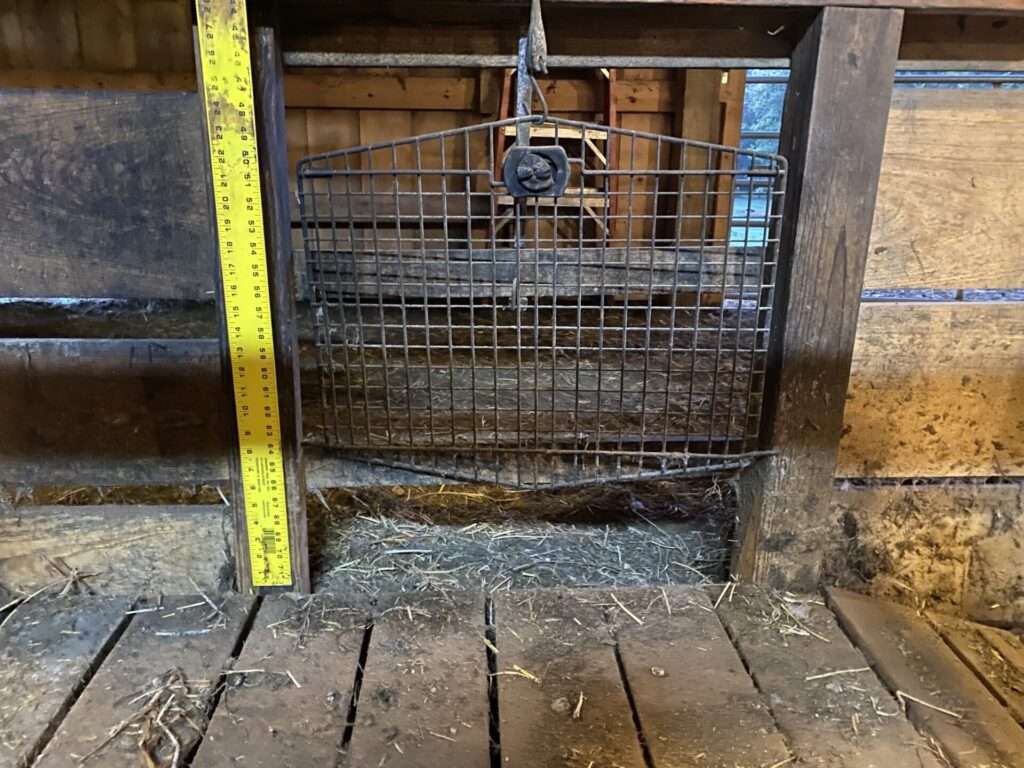
For the first time milker or the heifer that is getting milked for the first time, there are some important things to remember for success. The article below goes over some of the basics.
We have, thankfully, only had a few that were very stubborn. We found that putting the calf in front of the cow, so she can see it helps…but when nothing works…we have reverted to letting the calf nurse one side for a short time. I do say short time, as they can drain their moms with amazing speeds.
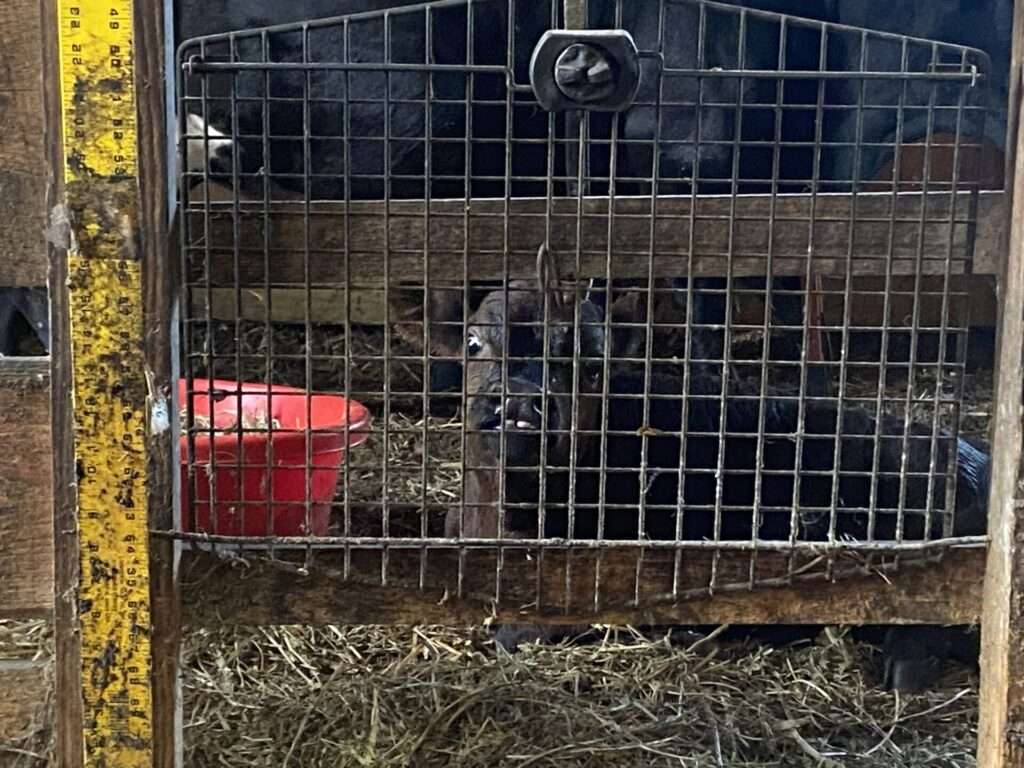
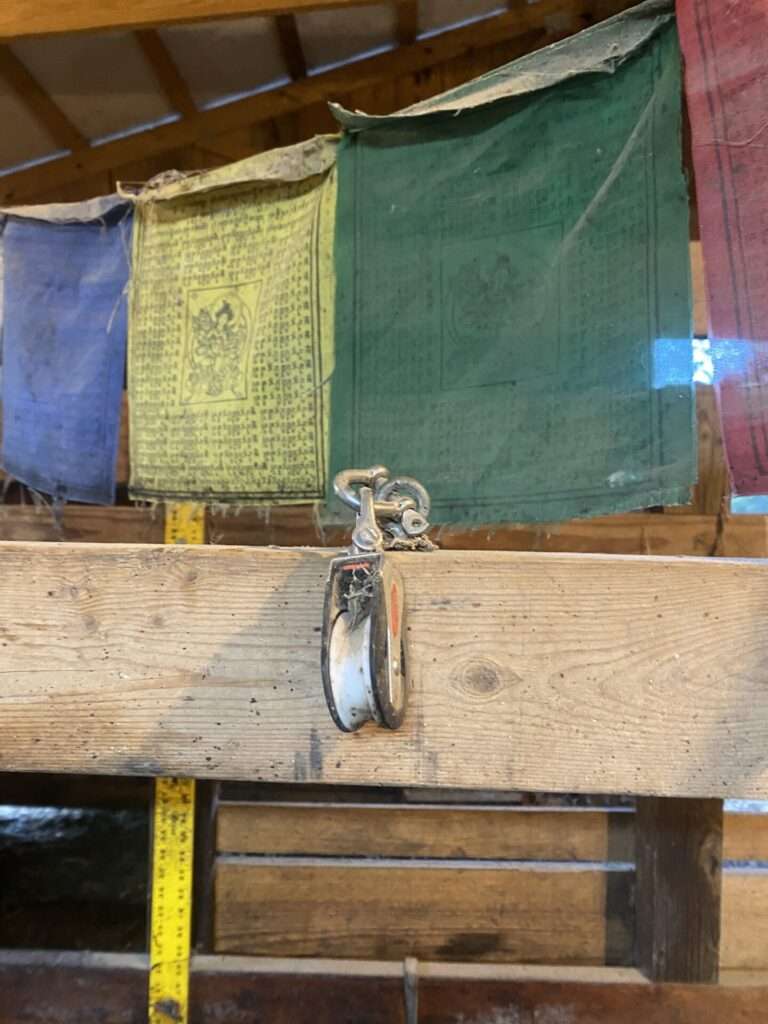
I have included photos of our calf let down gate to give you some ideas that have worked for us. You can see the calf thru the little gate on the first photo. On the second photo you see the pulley. When we need to use this system…which we thankfully have only had to a few times, we tie a rope the the gate, un hook the bungee, feed the rope thru the pulley and the whole gate goes up and down so we can quickly drop it once mom starts to let down.
MILK LET DOWN – HINTS AND TRICKS Read More »
Milking & Dairy
” The disease can be treated with antibiotics and supportive measures. The mastitis can be prevented by taking adequate measures like maintaining udder hygiene, sanitation of the cow barn, clean food and water supplement, and maintaining a milking schedule.”
If you are looking for a more holistic approach, there is another article in the Gazette about homeopathy and mastitis.
Mastitis …while not common in Dexters an ounce of prevention can go a long way. Read More »
Milking & Dairy
A milk journey from Sweet Briar Farm Submitted by Janelle Soja
https://discover.texasrealfood.com/dexter-cattle/preparing-your-dexter-cow-for-milking
Preparing Your Dexter Cow For Milking Read More »
Milking & Dairy
This article is jammed packed with recipes…some I have yet to try and some great activities for children. If you have a favorite recipe, please comment with your recipe and help grow our recipe box and more.
DID YOU KNOW June is National Dairy Month? Read More »
Milking & Dairy
Make sure you’re collecting it!
Submitted by Katie Sears
https://www.cnn.com/2024/08/27/health/colostrum-supplements-pros-cons-wellness/index.html
Liquid Gold Trend! Read More »
Milking & Dairy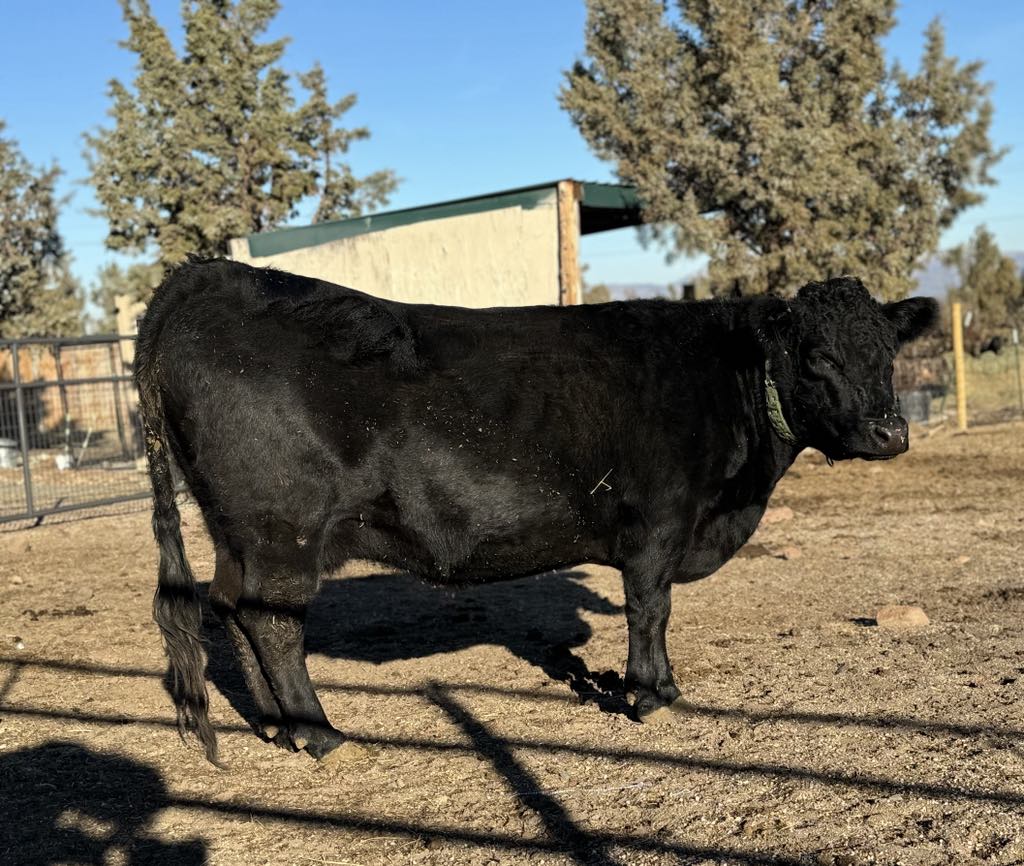
Photo from Deanna Clark, Lane’s End Iggy
There are over 270 million cows producing milk across the world with about 10 million in North America alone and now you own one or more of those milk cows, congratulations! I bet you spent lots of time considering age, breed, reproductive status and temperament before you got your precious new cow and now I’m here to offer you a general rundown of a basic milking procedure.
Everything starts with routine. Cows are very much creatures of habit and will do best with a set time schedule for milkings. A good routine starts well before its time to actually milk, especially for 1st time heifers. Begin by setting up your milking area and bringing the heifer or cow into the area at least once a day before she calves and feeding grain or brushing her. Once she does calve, it is important to stick to that routing, milking every 12 hours is the industry standard for time between milkings.
Cleanliness is next to Godliness. Making sure your udder is clean before attaching the milk machine is a must! Start with a warm damp rag or dairy towel and vigorously clean each teat and the udder around it to remove any manure or debris. The key here is to not be shy about really getting in there. This action is the first thing that will trigger a cows let down. Unlike some animals, cows seem to have a will of their own and if they don’t want to give you their milk, they wont! Only happy cows give milk is a true statement. You will notice her teats turn from small prunes to a plump shape as you are cleaning her off. Sometimes they even begin to stream milk on their own. This is the sign she has let down her milk.
After she is all clean it is time to apply the pre-dip. Iodine or chlorhexidine
are the two most common used. Both sanitizes the teats before the machine goes on. When you apply it, make sure to let it sit on for the recommend amount of time so it can do its work, don’t rush this step. Use a clean paper towel,1 per cow, to wipe off the disinfectant. Next you should milk out a small amount of milk from each teat into a container or strip cup. Pay special attention to its color, smell, and consistency; checking for any lumps or strings which can be a first sign of mastitis. If all looks good you are now you are ready to attach your claws/inflations.
Milking with a good machine like the SimplePulseshould only take 6-10 min from start to finish. Any longer than this and you have a settings or pressure issue. Cows liked to be milked at around 60 pulses per minute of the pulsator. When you first get a machine from SimplePulsethe pulsator is set for goats which is slightly higher at 90 pulses. To adjust this down, turn the set screw on the back of the pulsator using a flat head screwdriver until you hear the clicks start to get further apart and it times to 60 pulses in 1 minute.
When attaching the inflations to the udder align the entrance of the inflation with the teat opening and then depress the bottom claw button. This will suck the teat into the inflation shell to the proper depth and begin milking instantly. Repeat with the other 3 inflations. Continue allowing the machine to milk until you notice milk no longer flowing. At the point you think she is done milking, her udder should look noticeably deflated and you no longer see milk flowing into the claws, go ahead and pull down gently on each inflation in turn. This will open the milk canal and allow that last bit of milk to come out which is the highest in butterfat. Continue to apply slight downward traction until you don’t see a steady stream of milk anymore before turning the machine off.
After milking, a cows teat canals stay open for around 30 minutes after so be sure to apply a good post-milking teat dip like iodine or if its below freezing, Winterset powder, to coat the teat ends and prevent bacteria from entering once you turn her out.
Having a good routine, sanitation practice and procedure in place by following these simple steps will set you and your cows up for a successful milking journey.
Tips for milking cows By Deanna Clark from Simple Pulse Read More »
Milking & Dairy