homesteading

Soap Making

Getting Into Soap Making: A Farm-Rooted Approach

by Lexy Schussler

    On the farm, there’s always a project going on.

    Whether it’s fixing fence, feeding animals, or figuring out how to use what we already have, farm life keeps our hands busy and our minds curious. It’s no surprise that so many homesteaders eventually find themselves asking about soap making.

    Soap making fits naturally into farm life. It’s practical, creative, and deeply tied to stewardship. Rendered tallow, lard, fresh milk — these aren’t just byproducts, they’re opportunities. For families, soap making becomes a teachable skill. For kids in 4-H or FFA, it can turn into a fundraiser or small business. For farms, it can quietly support feed bills, hay costs, and seasonal income without adding chaos to daily chores.

    This isn’t about chasing trends or building something overnight. It’s about using what you already have and building a rhythm that works with the farm, not against it.

    The best place to begin isn’t shopping — it’s inventory. What do you have the most of? For many farms, the answer is pork fat or beef fat. Tallow and lard make exceptional soap bases, producing hard, long-lasting bars with a creamy lather. They also connect modern soap making to generations before us who relied on exactly what their land and livestock provided.

    From there, balance becomes the focus. While animal fats form a strong foundation, additional oils help fine-tune how a bar feels and performs. Coconut oil contributes cleansing and bubbles. Olive oil adds gentleness and conditioning. Shea butter and castor oil bring richness and lather, but both are best kept at around five percent or less. Too much of either can leave soap sticky or soft. Thoughtful formulation matters more than complexity.

    That balance extends to structure as well. Hard oils like tallow, lard, coconut oil, and small amounts of shea butter give soap durability and longevity. Soft oils such as olive oil and castor oil improve skin feel and conditioning. Superfat also plays an important role. A superfat range of five to seven percent creates a bar that lasts in the shower, doesn’t melt away quickly, and still treats skin kindly — especially important for hardworking hands.

    Liquid choice offers another place for creativity. Goat’s milk, cow’s milk, and sheep’s milk all produce beautifully gentle soaps, but milk isn’t required. Water, herbal teas, and even regional beer can all be used successfully. Soap making allows room for both tradition and experimentation.

    As recipes take shape, batch size and molds come into focus. Loaf molds are a favorite for good reason — they create consistent bars that are easy to cut, label, and package. Silicone molds can be expressive and fun, but they often complicate packaging, so it helps to think ahead to how the soap will actually be sold.

    Many makers begin with batches in the thirty-six to fifty-four ounce range, which are manageable and forgiving. Larger batches become appealing as confidence grows. Consistency matters, especially when selling, but inspiration matters too. Soap making should feel grounding, not exhausting.

    No matter how carefully batches are measured, there’s almost always a little extra batter. Keeping small molds on hand for overpours is one of those quiet tricks that prevents waste and creates opportunity. Overpours make excellent samples, donation pieces, market giveaways, and gift add-ins.

    Selling soap introduces a new layer of thought: understanding who you’re selling to. Most homesteaders quickly discover they don’t have just one demographic. Many blue-collar households want soap that lasts, doesn’t melt into mush, and doesn’t dry skin out. Clean, familiar scents often outperform trendy blends in rural and family-centered communities, while boutique spaces may invite more experimentation. The goal isn’t to chase every preference — it’s to know your audience.

    Fragrance oils deserve special attention. Reading soap notes is essential. Reputable suppliers document how fragrances behave in cold process soap, including acceleration and discoloration. Vanilla-based scents almost always darken to tan or brown. That doesn’t mean they can’t be beautiful, but it does mean planning ahead. One common technique is reserving a small portion of unscented soap — usually four to ten ounces — to color and swirl for contrast.

    When starting out, slow-moving fragrances are your friend. Acceleration leaves little working time and can overwhelm beginners. Reviews written by other soap makers are just as valuable as official notes, often offering real-world insight that saves time and frustration.

    Many homesteaders source fragrance oils from companies like Midwest Fragrance Company, Aztec Candle & Soap Supply, and Nurture Soap for their balance of performance and price. Higher-priced suppliers such as Bramble Berry also offer standout scents, but every fragrance should be priced per ounce and accounted for in the batch cost.

    When the numbers are done correctly, soap making becomes a powerful fundraising and income tool. Many bars can be produced for under two dollars and sold for five to eight dollars depending on the market. With a four-to-six-week cure time, soap aligns well with typical fundraising timelines — but offers far more education and pride than traditional campaigns. For youth involved in animal projects, soap sales can directly support feed, bedding, and show expenses.

    Seasonal planning makes all the difference. For the first year or two, minimal production throughout the year paired with heavier production starting in August works well. October through December becomes the main selling season, with the goal of covering a full year of hay or grain costs. Once that foundation is built, growth feels steady rather than stressful.

    Valentine’s Day soap is often made in late November or December, allowing plenty of cure time and avoiding post-holiday burnout. Smaller molds, gift sets, and overpours shine during this season. Trying to produce year-round before infrastructure is in place often leads to burnout. Building slowly builds longevity.

    Presentation matters, too. A strong logo and consistent label help people recognize your soap instantly. Tools like OnlineLabels allow makers to experiment with shapes and sizes without large upfront costs. Keeping a variety of labels on hand makes it easier to create gift baskets and seasonal packaging as inspiration strikes.

    Marketing doesn’t always require advertising. Many homesteaders find success through community involvement — donation baskets, raffles, church events, and silent auctions. Handmade items are especially prized at livestock shows and fundraisers, including those hosted by the American Dairy Goat Association, where quilts, soap baskets, and farm goods are both competitive and deeply appreciated.

    What began for me as a way to use farm abundance and offset costs slowly grew into something much bigger. Soap making turned into soap making classes, and those classes opened the door to agritourism — inviting people onto the farm to learn, slow down, and reconnect with where everyday goods come from.

    This past year, our farm was voted top five for best day trip, farm, and soap in the Kansas City area — something I never imagined when I first poured a small batch at the kitchen counter. We’re just 35–45 minutes outside the bustle of the city, yet people are willing to make the drive for something wholesome, hands-on, and real.

    That’s the quiet power of building something intentionally. Soap was never just soap — it became an invitation. An education. A bridge between rural life and curious hands looking to learn.

    And like most good farm projects, it all started small.

    One good bar at a time.

    Soap Making Read More »

    Homesteading

    Why Rabbits Might Beat Chickens on a Small Homestead

    When we started our homestead, we began with chickens. That feels like the natural order of things for most people. Later, we added rabbits. While it was a learning curve, now that we’ve figured out the best care and have our colonies settled, I can confidently make the case for rabbits over chickens.

    Here’s why:

    • Cleaner – Rabbits are tidier and produce manure that’s garden-ready without composting.
    • Easier to Handle – They’re quiet, gentle, and simple to manage.
    • Simpler to Process – Butchering rabbits is less labor-intensive than chickens.
    • Excellent Mothers – Rabbits are attentive and reliable breeders.
    • Extraordinary compost – Rabbit waste is ready for use immediately and truly enriches soil. 
    • Highly Prolific – With just two does and a buck, you can raise over 200 lbs of organic meat in a year.
    • Delicious – In my opinion, rabbit meat tastes better than chicken!

    I’ll admit, fresh eggs from chickens are nice but meat chickens don’t typically provide eggs. Rabbits, on the other hand, offer consistent meat production year-round.

    We raise ours colony style, though many prefer cages. Both methods have advantages, and it’s all about finding what works for you. All in all, raising rabbits is a rewarding endeavor for any small homestead.


    Rabbits vs. Chickens: Quick Comparison

    FeatureRabbitsChickens
    Space NeededMinimal (stackable hutches or colony space)Larger coop and run required
    Noise LevelSilentClucking and crowing
    ManureGarden-ready immediatelyRequires composting
    Meat Yield200+ lbs/year (2 does + buck)Varies; meat birds only. no reproduction of meat crosses
    EggsNoneYes (layers only)
    ProcessingEasier, less messyMore labor-intensive
    BreedingYear-round, very prolificSeasonal, less frequent. Meat crosses do not breed true.

    Why Rabbits Might Beat Chickens on a Small Homestead Read More »

    Homesteading

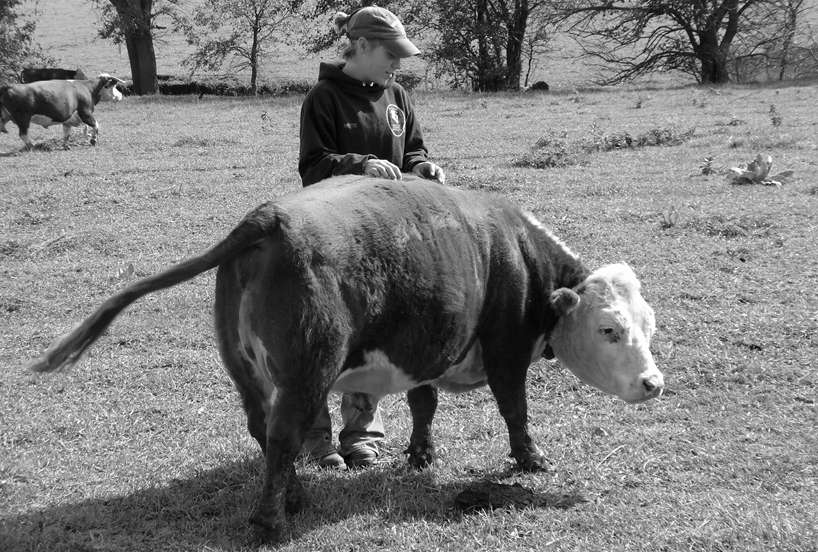
    The Dexter: The SmallHolder’s Cow

    Great for Small Acreage

    Dexters have long been promoted the same way time and time again, “Docile and Hardy little cattle, dubbed the smallholder’s cow because of their ability to exist on about half the acreage of other cattle.” This is the niche market of a Dexter. They are well suited to beginners because they can endure a bit of accidental neglect from new owners and be a great fit for people who have small acreage. Today when large acreage is becoming increasingly expensive in many areas, but people are feeling a strong draw to get back to the country, the small acreage Dexter cow is the most perfect sell point. This is a Hallmark of the breed and one that should be promoted.

    Quality and Quantity of their Milk and Beef

    Dexter cattle are also a good fit for people who need a smaller amount of both meat and milk, but yet they are still “renowned for the quality and quantity of their milk, second only in butterfat content to the famous jersey, and for small lean beef joints of excellent flavor”. There are other breeds than Jersey that outperform Dexters in cream content but usually they are not breeds that produce a good quantity of milk. The Highland for instance produces about 10% butterfat, but for its larger size produces quite a bit less by volume for its size. This is why the Dexter is an all-around great little cow.

    Great for Small and Big families alike

    The current average amount of people in a US family today is 3.15, so in a small 3-person household butchering a Dexter steer goes a very long way. As Dexter beef producers we will have a much easier time selling whole or halves to people. This avoids having to get a USDA certified meat facility which in some areas could save you more money on butchering costs. Many people are more accustomed to the idea of buying meat in a smaller quantity when they need or want it. With smaller sides you can market to people to be able to only fill a portion of their chest freezer and have space left over for other things. If you have a larger family that enjoys eating lots of beef and drinking more milk, no problem, enjoy the benefit of growing out a larger herd with more Dexters!

    This article was written 09 July 1992, and you will see the addition of dun is mentioned to the original color of black and red. Dun was added to the allowable Dexter colors and today many people never knew that black and red are the only 2 original colors.

    Written By Danielle of Bryn Mawr

    The Dexter: The SmallHolder’s Cow Read More »

    Historical

    How Can my Ranch or Homestead Pay For Itself

    The best advice I can give to those who are starting out….GO SLOW! You can still go slow and work toward your homestead, farm or ranch paying for itself. This podcast from Homesteaders of America gives some good solid advice…including paying yourself and your family for its efforts. These principles can be applied to any of your produced products.

    [data-source-id=”source-e6116c2c-5efd-4b14-b4a0-a1020c40530c”] .ose-embedpress-responsive{ width: 600px!important; height: 600px!important; max-height: 600px!important; } [data-source-id=”source-e6116c2c-5efd-4b14-b4a0-a1020c40530c”] iframe{ width: 600px!important; height: 600px!important; max-height: 600px!important; } [data-source-id=”source-e6116c2c-5efd-4b14-b4a0-a1020c40530c”] .embedpress-yt-subscribe iframe{ height: 100%!important; } [data-source-id=”source-e6116c2c-5efd-4b14-b4a0-a1020c40530c”] .ose-youtube > iframe{ height: 600px!important; width: 600px!important; } [data-source-id=”source-e6116c2c-5efd-4b14-b4a0-a1020c40530c”] .ose-youtube{ height: 600px!important; width: 600px!important; } [data-source-id=”source-e6116c2c-5efd-4b14-b4a0-a1020c40530c”] .ose-giphy img{ height: 600px!important; width: 600px!important; } [data-source-id=”source-e6116c2c-5efd-4b14-b4a0-a1020c40530c”] .ose-google-docs img{ height: 600px!important; width: 600px!important; } [data-source-id=”source-e6116c2c-5efd-4b14-b4a0-a1020c40530c”] .ose-embedpress-responsive.ose-google-photos{ height: 100% !important; max-height: 100% !important; } [data-source-id=”source-e6116c2c-5efd-4b14-b4a0-a1020c40530c”] .embera-embed-responsive-provider-gettyimages, [data-source-id=”source-e6116c2c-5efd-4b14-b4a0-a1020c40530c”] .embera-embed-responsive-provider-gettyimages iframe, [data-source-id=”source-e6116c2c-5efd-4b14-b4a0-a1020c40530c”] .getty{ width: 600px!important; height: 600px!important; max-height: 600px!important; max-width: 100%!important; }

    How Can my Ranch or Homestead Pay For Itself Read More »

    Homesteading PipeDreams

    Dexter Arrival: A Homesteading Dream Realized, Hayburner Acres

    Our journey to homesteading began about five years ago. My husband and I were searching for self-sustainability, a quieter life, and a deeper connection to the land. Raised in the suburbs with every modern convenience, we only knew which grocery store had the freshest beef. That was the extent of our food sourcing knowledge.

    Once we acquired our acreage, we started, as many do, with chickens. At the time, I hadn’t even considered milking animals myself, so I went looking for farm-fresh milk. I found a local source, and with it, a whole new world. We began picking up a couple of gallons each week, but it didn’t take long before we wanted to produce our own.

    That’s how we ended up with Nubian goats.

    I was intimidated by the idea of milking and caring for them, but goats felt less daunting than a full-sized milk cow. Still, I had always loved and admired the Dexters at pickup. Just being around them brought a peace I couldn’t explain. They were a dream, something for “someday.”

    Fast forward a few years, and someday finally came.

    About a month ago, we brought home our first Dexters: a heifer and a steer. And how’s it going? In a word? beautifully.

    The first thing I noticed was their peaceful nature. Just being near them calms my nervous system in a way I can’t begin to describe. I’m absolutely head over heels in love. I’ve started thinning down my goat herd to make room for more Dexters in the future.

    I’m learning to be a pasture and grass farmer (also moving fencing, adding pastures) all to better serve my Dexters. I’m excited to contribute to the breed by selecting strong lines and continuing the work that’s already been poured into my girl, Fiona.

    Am I still intimidated by the idea of milking them? Absolutely.
    Will I do it anyway and love it once the time comes? Without a doubt.

    There’s still so much to learn—about pasture management, breeding, and eventually milking—but I’m ready. With the right mentors and a heart full of determination, we’ll thrive. Fiona and Chuck are home now, and so are we. This is just the beginning of a lifelong journey with Dexters, and I couldn’t be more excited to walk it one peaceful step at a time.

    I’m looking forward to many years alongside this incredible breed.

    Dexter Arrival: A Homesteading Dream Realized, Hayburner Acres Read More »

    Homesteading

    Dexter Cattle: Mini Cows Are Perfect For Preppers and Small Homesteads

    There is no better way to ensure the survival of the family in case of a SHTF scenario and to create a sustainable homestead than to grow and raise your own groceries. There are a plethora of traditional farm animals which can help keep the family well-fed year around or during a long-term disaster, but when both space and budget are limited, one stands out above many of the rest – Dexter cattle.

    Dexter Cattle: Mini Cows Are Perfect For Preppers and Small Homesteads Read More »

    Homesteading

    Miniature Cattle: For Real, For Pets, For Production

    Near Seattle, Washington, Richard and Arlene Gradwohl were seeing the effects of urban sprawl, as housing developments started
    to sprout up around their property. Arlene, having grown up on a farm, wished to maintain a rural lifestyle. Richard, a community college business professor, investigated the possibilities with an entrepreneurial eye. He soon saw the potential smaller cattle could have on their smaller property. Always stressing new product development, Richard soon was educating himself on miniature and small cattle breeds, acquiring breeding stock, and utilizing linebreeding techniques. Beginning with Dexter cattle and keeping some of their smallest Herefords, his new product focus became developing new breeds of miniature cattle. To date he has developed 18—yes 18—new breeds of miniature cattle and is enjoying his working retirement as a Professor Emeritus (Gradwohl interview 2007).

    Miniature Cattle: For Real, For Pets, For Production Read More »

    Homesteading
    Keeping Cows in the Winter Part #2 – By Shelley HatField Of Whippoorwill Pines Farm

    Keeping Cows in the Winter Part #2
     
    I’m going to write about the second part of this series of keeping cows in the winter.  The first one was about making sure they have adequate water.  I’m going to talk about shelter in the winter.  This will once again depend on where you are in this great United States.  We have such diverse weather conditions.

    I think that this could end up being a great debate, but I’m not wanting that.  I know some people think that the cows need a 5 Star barn and others think a few trees are plenty.  I’m just going to do a basic all around article on what the cows should have.  Then you can go from there and do what you feel is necessary. 

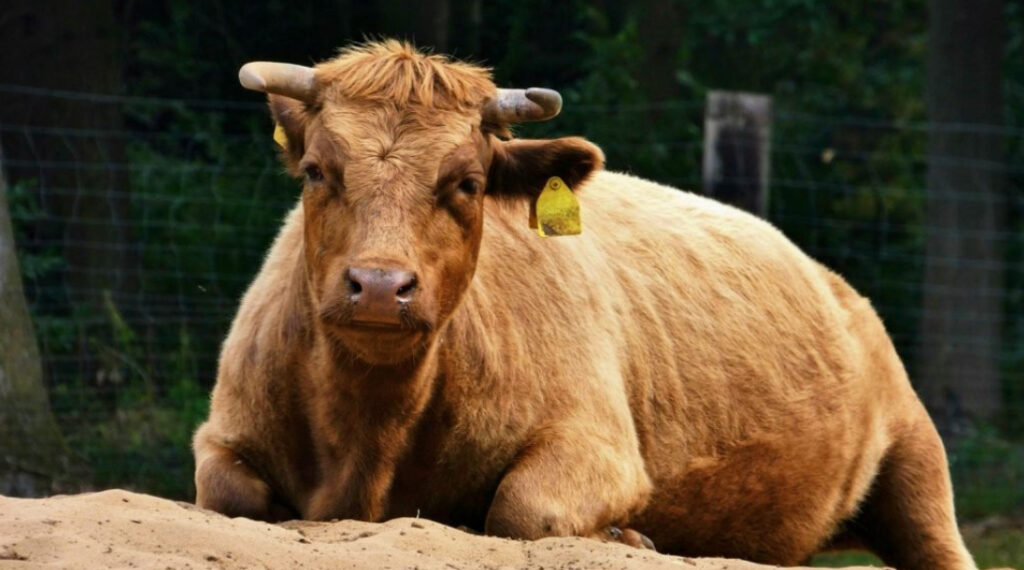
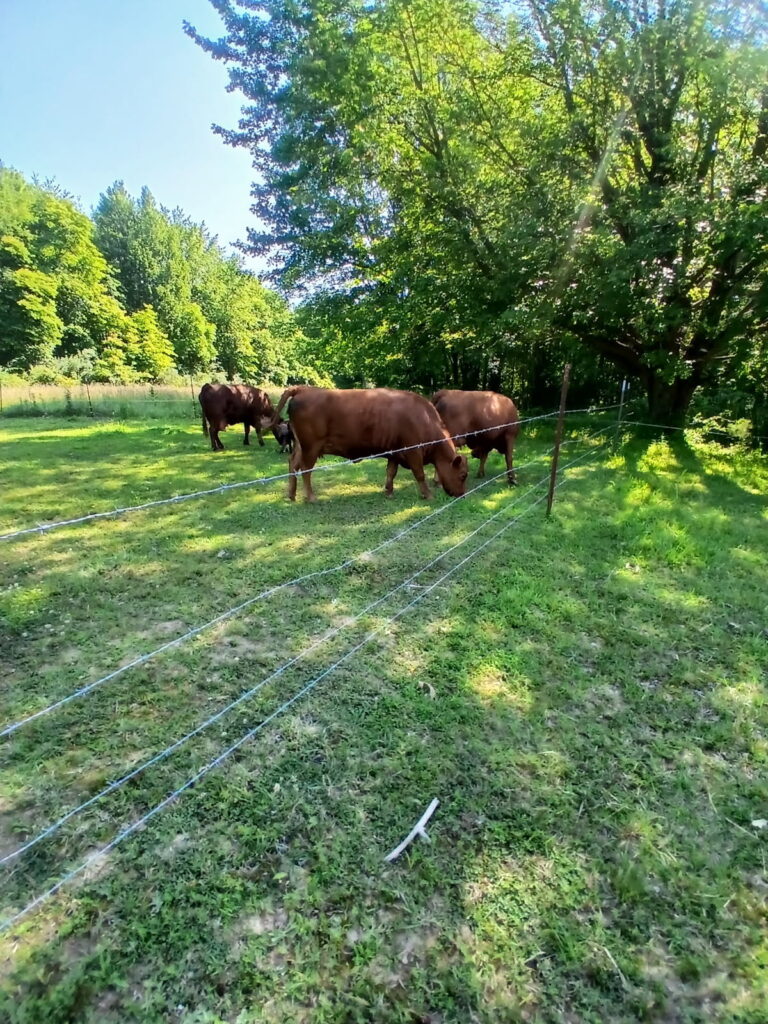
    Starting with the milder states, you still should have at least a covering for them to get out of the sun in the summer and wind in the winter.  If you live in the colder states you will at least need a wind block.  It is also good for you to have at least a 3 sided building.  It doesn’t have to be fancy.  It just needs to be something that they can get in out of the wind and rain/snow.  Now if you have had cows very long you will know that they will just stand outside in the weather.  They have grown coats for the weather that you have in your area.  
     
    You will notice cows standing out in the winter weather and have their backs covered in snow.  That is a good sign.  That means that they are well insulated!!  Dexters in particular were created to weather more difficult situations. 

    Each person knows what they want for their herd.  This is just some basic advice on what to have.  Happy Winter!!!
    Keeping Cows in the Winter Part #2 – By Shelley HatField Of Whippoorwill Pines Farm Read More »

    Beef
    Content is for Members Only

    Become a Member of Irish Dexter Cattlemen

    1. Register First for free newsletter
    2. Go to Dashboard/My Account
    3. Then At bottom, Buy a membership
    Enable Notifications OK No thanks