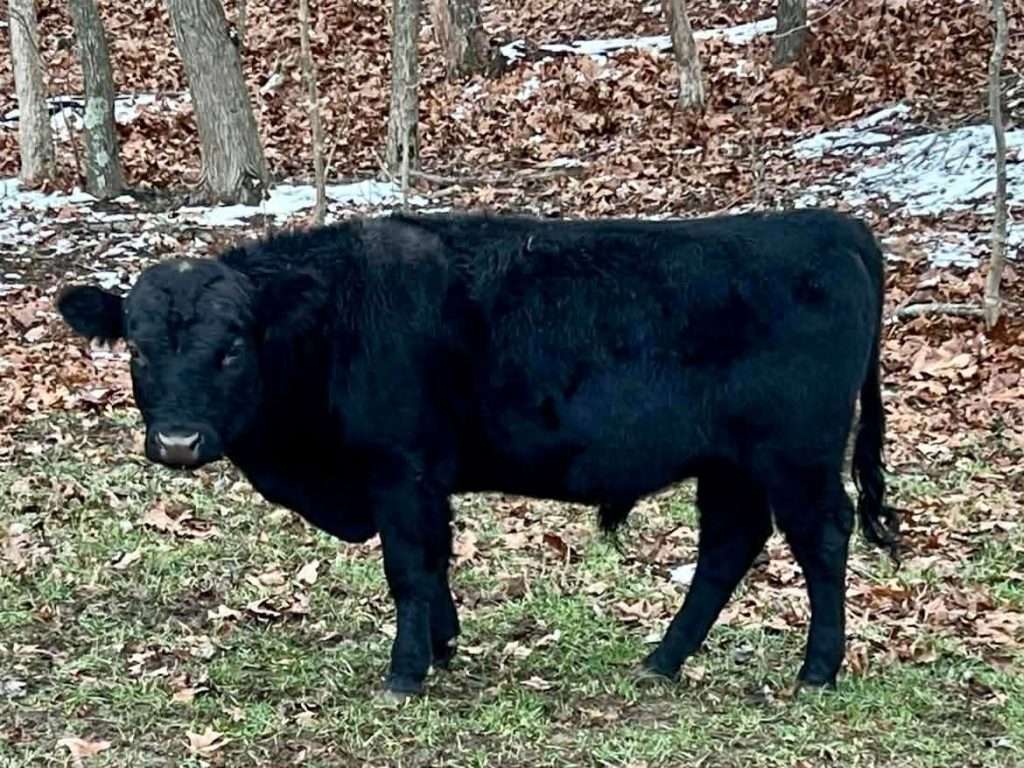
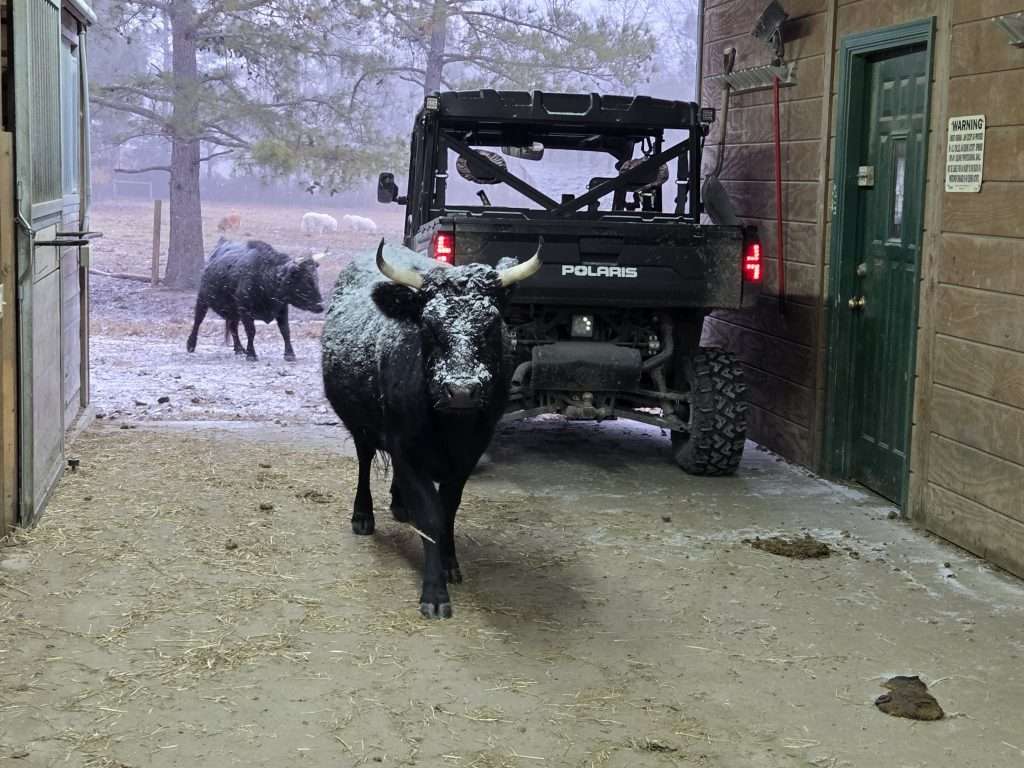
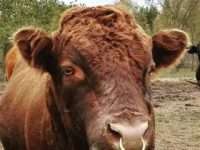
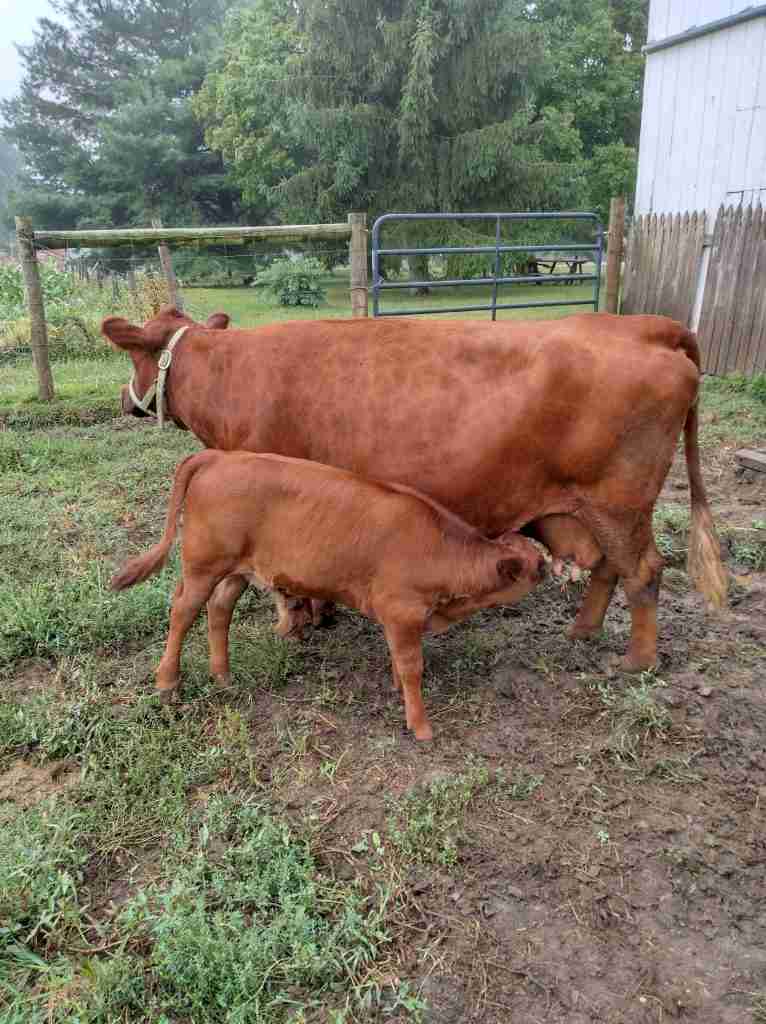
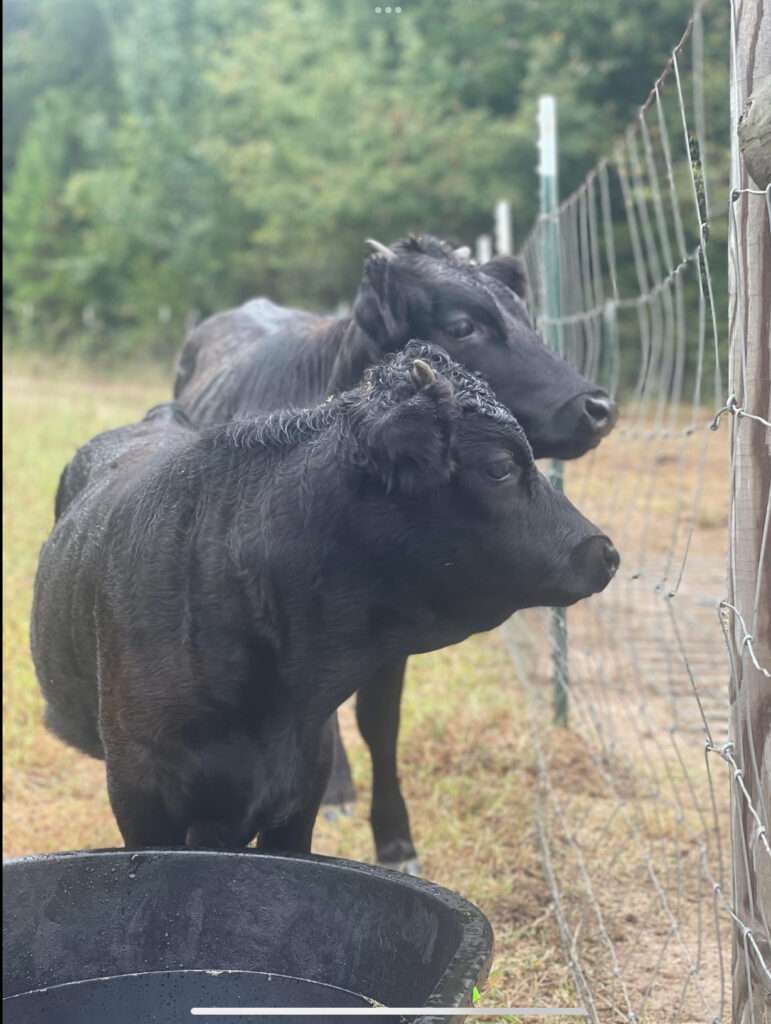
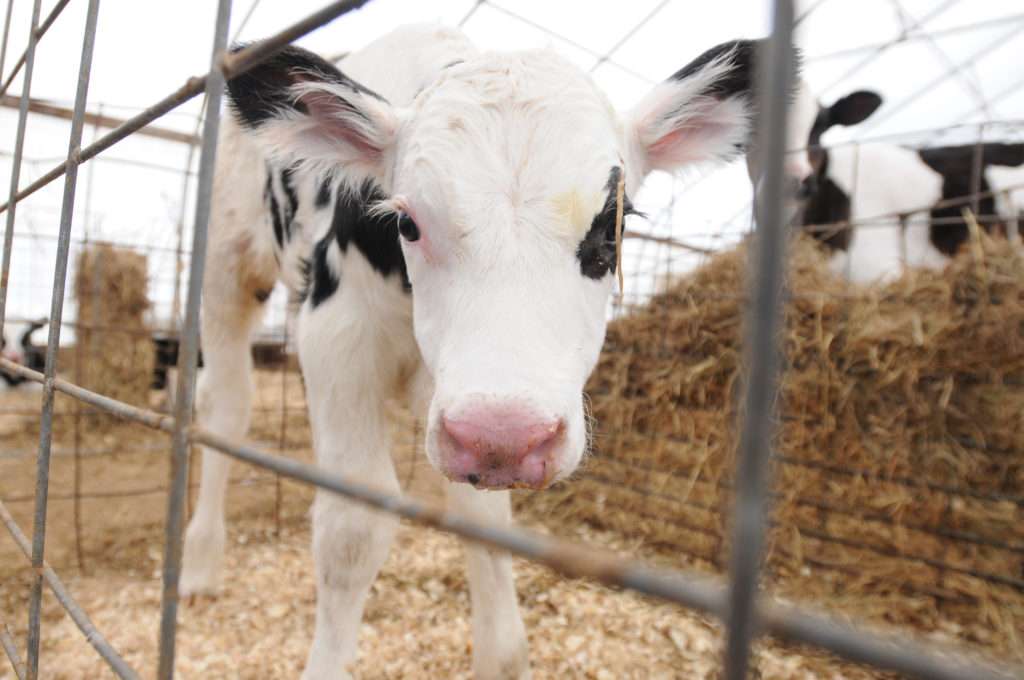
They are here! My wife and I watched the cattle huddle around the hay bale located in the horse turnout next to our stables. The cattle didn’t take long after delivery to settle themselves. I had let the grass in the turnout grow out and with the red and black of the cattle settled against the green grass the scene was picturesque.
Months before, while at the vet for my dog, Bear, I once mentioned that we were considering getting a horse. Our vet said, “get cattle, they are easy.” Could it be that easy? Now what do I do. They pretty much take care of themselves, don’t they?
Yes and no. Mostly no. Grass fed? It was November and hay was needed. Grain fed? I wanted to feed a little grain as a training tool and to get them to follow me.
I had purchased the following equipment and supplies:
Tractor. Don’t need too big, but didn’t want too small. I elected to buy new and take advantage of zero interest. Bucket. Bale fork. Mower. Expensive. But I was in this for long haul. What the heck? You only live once.
Hay. I have come to learn that this is one of the biggest expenses. I contracted with a local farmer to cut the hay on our pasture. He took 2/3rds and I got a 1/3. At the time, I didn’t have any other options. With 4 head of cattle, and no equipment, the arrangement would iwork, but not for long. I learned that quickly. I also started questioning whether or not some folks were looking out for my best interests. Sneak peak. They were not.
100 gallon steel water tank. I bought one and then quickly learned I was going to need more,. When the cattle move, the tank does too.
Hay bale ring. The idea was to minimize hay waste. See water tank. I quickly learned I would need more.
Grain. I started with an all natural variety from a local farm store. Apparently all natural is a heck of a lot more expensive to produce as it was more than 3 times the price more than a product that is not natural per bag, It adds up. So does the weight. 50 pound bags. One bag at the time. Is it worth? It might be for you or your customers.
Fencing. The cattle were fine for the winter. In fact, they were spoiled. Complete access to our stables to come in and out as they please. I heard Jubilee whisper to Liberty, “don’t tell him, but I could get used to this.” Given it was said in a series of moos, that conversation is subject to interpretation. I got my first quote on the high tensile fencing. Prepare yourself for sticker shock. That said, one of the best things that I did. My advice, don’t go cheap. Got on the list. The installer would be here sometime this fall. That didn’t work out.
Every day I would walk out with the cattle. I didn’t force myself on them in the beginning and let them come to me. It didn’t take long at all for Bitsie to come up to me and gently nudge me looking for a scratch. Jubilee and Liberty gradually came. All wanting attention. Willow, the heifer, was a little slower in her approach. Younger and more cautious. Sometimes it works that way. But once she got used to me, and I got used to her, she never fails, to this day, to give me hugs.
Everything was great. The vet was right. This wasn’t that hard.
Oh crap. I say that literally and figuratively. There was a lot of it. Cattle loved the stable but they didn’t respect the sanctity of the stable bed. What am I going to do with all of that manure? I have a plan.
A little bit about the author. I own and operate a small farm called “Our Yellowstone LLC” in Illinois. I couldn’t do it alone, but will keep my wife’s name out of it to protect her innocence.
Dexter cattle have a well-earned reputation for being hardy, efficient, and capable of handling conditions that challenge many larger beef breeds. That reputation draws new owners in. It can also quietly set them up for trouble if it leads to the belief that winter preparedness is optional.
It is rarely the Dexter cattle that fail in severe cold. It is systems.
And occasionally, knees, fingers, and judgment before the second cup of coffee.
This article is written as an educational resource for farm organizations, breed associations, and new Dexter owners who want to build operations that function reliably when winter conditions are at their worst. It blends research-based guidance with practical, on-the-ground experience, because winter does not care how things looked on paper in July.
Understanding Dexter Cattle and Cold Stress
Dexter cattle tolerate cold well due to their dense winter coats, efficient metabolism, and generally lower maintenance requirements. Cold tolerance, however, is not immunity.
Research consistently shows that cattle experience cold stress when environmental conditions force them to burn additional energy to maintain normal body temperature. Wind, moisture, inadequate calories, poor body condition, and limited access to water all accelerate this process. Over time, cold stress can lead to weight loss, suppressed immunity, and reproductive impacts.
Dexters can handle winter. Winter still has rules.
Preparedness Starts With Farm Design, Not the Forecast
The most difficult winter situations occur when chores become reactive instead of routine. A well-designed farm reduces emergency labor. A poorly designed one forces risky decisions during storms.
Preparedness begins with infrastructure choices made long before the first weather advisory.
Water Infrastructure: Design for Failure, Not Convenience
Water systems are the most common winter failure point on livestock farms.
Water lines do not fail politely, during daylight, or when conditions are mild.
Water lines
Must be buried below local frost depth, not estimated depth
Long runs to remote pastures increase freeze risk
Fewer reliable water points outperform many marginal ones
Hydrants and valves
Freeze-proof hydrants must be installed correctly with proper drainage
Gravel beds must remain uncompacted
Low areas prone to runoff and drifting snow should be avoided
Heated water troughs
Use livestock-rated heaters only
Protect wiring from moisture and rodents
Always plan for power loss
Solar water systems can work well when designed properly, but winter realities must be considered. Battery capacity must account for short daylight hours, panels must shed snow, and output will be reduced during prolonged storms.
A water system that works flawlessly nine months of the year can still become a liability if it requires wrestling frozen hardware in the dark while livestock observe quietly and reconsider their respect for you.
Power Systems: Assume the Grid Will Fail
Winter storms routinely knock out power for days. Generators should be considered core farm safety equipment, not optional upgrades.
They are rarely purchased because everything is going well.
A generator should be capable of supporting:
Well pumps
Heated water troughs
Essential barn lighting
Minimal equipment needs
Fuel storage should cover multiple days of operation. Electrical layouts should prioritize critical systems and protect wiring and outlets from moisture, snow, and rodents.
Electric Fencing in Winter Conditions
Electric fencing behaves differently in cold weather.
Grid-powered chargers are vulnerable to outages
Frozen ground reduces grounding efficiency
Snow and ice can short fence lines
Solar chargers provide valuable redundancy but must be sized for winter conditions and maintained during snow events.
Frozen ground has very little respect for even the most carefully installed grounding systems.
Redundancy matters more than strength.
Farm Layout and Human Safety
Dexter cattle generally move through snow with impressive confidence. The person carrying feed across ice often does not, even when wearing boots marketed as “winter rated.”
A winter-ready farm layout:
Places water, feed, and shelter within safe walking distance
Avoids slopes and shaded areas that ice over
Uses natural windbreaks around feeding and watering areas
Does not rely on vehicles for daily care
Farm layouts designed on pleasant spring afternoons tend to reveal their weaknesses during January wind events.
Feeding and Watering During Extreme Cold
Cold increases energy requirements. Research indicates cattle may require 7–10% more energy for each degree below their lower critical temperature, particularly when wind and moisture are present.
Preparedness includes:
Staging hay before storms
Reserving higher-quality forage for calves, seniors, and thin animals
Reducing unnecessary cattle movement that increases energy loss
Water intake must be monitored closely. Frozen or inaccessible water leads directly to reduced feed intake and increased cold stress.
Human Safety Is Herd Health
Human safety is often discussed last, despite being the single point of failure that immediately compromises animal care.
Dexter cattle may be perfectly comfortable standing in a snowstorm. The person doing chores is the variable.
Most winter injuries occur due to slips near water sources, fatigue, rushing, or poor visibility. Clothing, lighting, rest, and task consolidation are safety requirements, not luxuries.
Knowing When to Pause
Preparedness includes restraint.
No routine chore improves outcomes when visibility is poor, footing is unsafe, and the operator is one misstep away from becoming the emergency. Calm, consistent care is safer and more effective than heroic effort.
Dexter cattle are resilient. Winter preparedness is not about proving toughness. It is about designing systems that still work when conditions degrade and the person doing the chores is already tired.
Final Perspective
Dexter cattle are resilient. Farms must be designed to match that resilience.
Extreme winter weather does not test commitment. It tests whether systems were built to function when conditions deteriorate. Preparedness is not bravado. It is making sure that when winter does what winter does, both cattle and caretakers come through it intact.
And preferably upright.
Michele DeVinney Schmoll is a Virginia farm owner at DeVine Farms Quality Dexters. She raises Irish Dexter Cattle and writes from firsthand experience, because farms don’t read instruction manuals. http://www.devinefarms.net/
Author’s Note
This article is written from a practical livestock-owner perspective, informed by university extension research and shaped by real-world experience managing animals during prolonged cold, power outages, and severe winter storms. The intent is not to present idealized systems, but to encourage farm designs and management decisions that reduce risk for both cattle and the people responsible for their care. Preparedness is most effective when it reflects what winter actually demands on the ground.
REFERENCE LITERATURE (CLICKABLE LINKS)
Cold stress basics, winter readiness, and management
1) University of Minnesota Extension — Preparing your cattle for severe winter weather
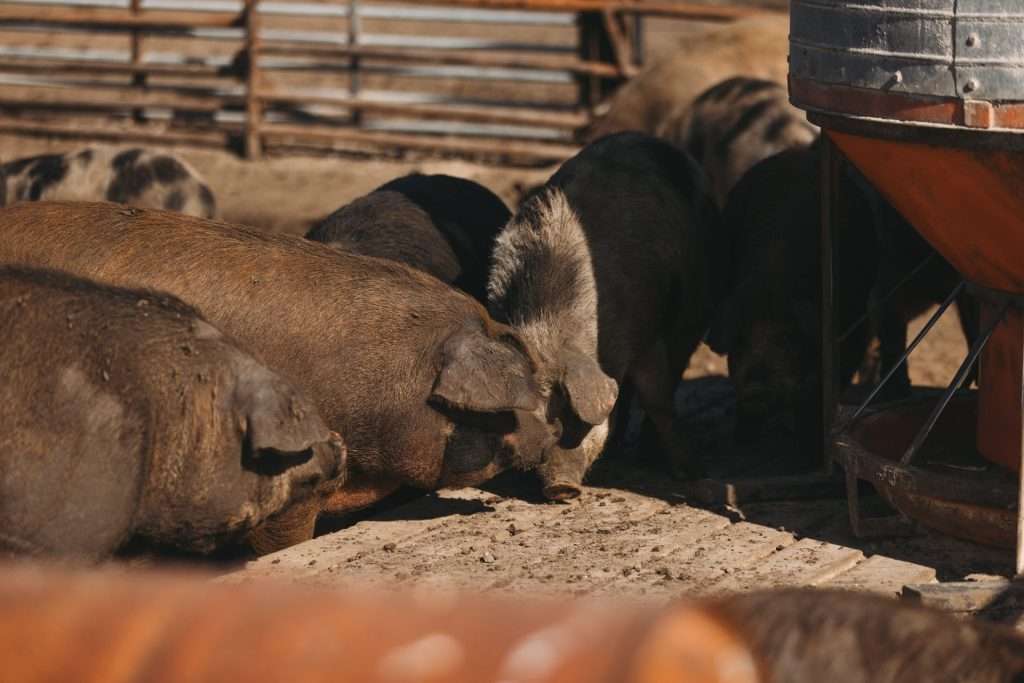
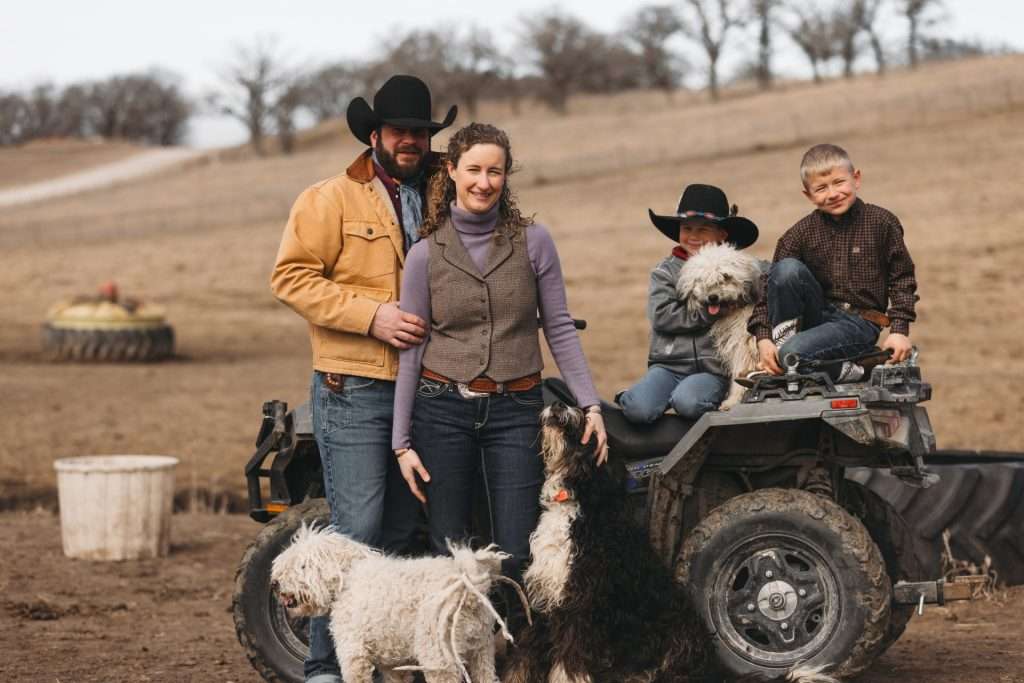
Broken Arrow “A” Livestock is a small farm in Southwest Iowa owned and operated by Aaron and Erica Lantz and their two sons. Aaron represents the 5th generation of Lantz’s who have produced livestock on the property since 1872. In 2009, we decided to begin producing our own pork because we were disenchanted with purchased commercial pork. Aaron’s father and grandfather both raised hogs in a 60 sow farrow to finish program as he was growing up. In the 1970’s and 1980’s, their program was to buy a non-descript black hog out of Missouri known locally as “Missouri Acorn Hogs”. They were an old lard-type crossbred hog that could be purchased cheap. They had excellent mothering abilities and when crossed with Farmer’s Hybrid boars, produced strong litters of hogs that performed well. These hogs were fatty, but not necessarily fatty enough to be considered a lard style hog. Beginning in the 1980’s, buyers would dock these hogs as being too fatty in favor of leaner breeds. For a while, it was worthwhile to take a dock at the buyers and justify the loss as the price paid for ease of management. Eventually, these hogs were refused at the buyers and we had to stop raising them since there was no way to sell them. We retained gilts from our program and began introducing leaner breed boars. We used various breeds to build our program including: Hampshire, Landrace, Duroc, and Berkshire. Every two years we would retain new gilts and buy a new breed of boar from a reputable breeder to maximize heterosis. Eventually, even these hogs did not meet market demands and we were forced to stop raising them. Eventually, these hogs were sold and the Lantz family purchased Yorks and began raising a true commercial hog. This endeavor was short lived, since the hog market crashed in the late 1990’s and the family decided to exit hog production entirely.
Aaron knew what good pork was supposed to taste like, but it wasn’t possible to replicate the breeding program originating from the Missouri Acorn Hog sows and Farmer’s Hybrid boars. We had an ideal carcass in mind and began researching which heritage breed would most likely result in the ideal carcass type. This lead us to purchase our first Red Wattles in 2009. We learned quickly that Red Wattles are VERY large and between the slow growth curve, small litters, and large feed inputs…we would be challenged to be profitable. However, we also found that we absolutely loved the carcass. It is not as deeply red as Berkshire, but has a rich and distinctive flavor with an ideal balance of fat. We decided that Kune Kune would be a good compliment to the extreme size of the Red Wattle without compromising carcass quality or the docility and easy handling nature of the hogs. Red Wattles are thought to be a Polynesian breed that made it to New Orleans by way of the French and the breed was resurrected from wild hogs used to homestead Texas. Kune Kune are also Polynesian and share some attributes like wattling, so it made sense to us to make the cross. This launched us on a path of dialing in our genetics with the goal of achieving the perfect carcass using a hog ideal to manage. We have strategically introduced the following breeds:
Mangalitsa for carcass attributes including a low collagen fat complex. This breed can be challenging to raise in the summer heat of Iowa and can be challenging to handle.
Iowa Swabian Hall is a similar composite program to our own and we sought to add the work done by other breeders to consolidate the value.
Meishan was introduced for their prolific litters and early maturation in addition to carcass flavor attributes and fat distribution in the carcass.
Mulefoot and Ossabaw are Spanish type genetics known for their carcass complex ideal for curing.
Gloucestershire Old Spot and Large Black are old British breeds known for their balance of carcass attributes and management attributes.
A very small amount of Berkshire was used in the program. To obtain the genetics we sought, we sometimes had to use crossbred animals. Berkshire is a popular breed to make heritage type crosses and, while we didn’t actively seek to use Berkshire specifically, we were not opposed to these genetics for their carcass color and flavor attributes.
At first, we had a significant amount of variety in our crossbred animals. After having obtained the genetics we thought we needed to create the ideal hog, we closed the program. We didn’t actively make a decision to close the program, but rather ran out of need to obtain animals from outside programs. To standardize our hogs, we began using a program to select for replacement breeding stock within our own herd and rotating males and females strategically to use linebreeding to concentrate ideal attributes in a consistent “type”. We’ve maintained this program for approximately the last 10 years. We still get some variety in the offspring, but we are becoming more consistent for type and performance with each rotation. The program goes as follows: We obtain a group of like gilts the same age. The goal is to start with 40 gilts, but cull over the coarse of 3 litters to the 10 most ideal and productive females. We retain the boars we were using for the previous breeding that sired the current group of gilts. We use those boars on the new group of gilts for one breeding. There is a chance a sire could breed a daughter, but the pairings are left to chance and often times the boar that breeds any given gilt is not that gilt’s sire. From this first set of litters we select 6-9 boar prospects and begin growing them with the intention that 2-3 of these will be used to propagate more breeding stock. We get a second set of litters from the aged boars and all of those offspring are terminal. We will sell breeding stock females from this group that people can use in their own “heritage type” programs. After the second set of litters we cull the older boars. The younger boars take over for the third and fourth sets of litters. This means that the new boars are sons of the females used to breed. Again, random pairings ensure some genetic diversity and there is no guarantee that a son breeds his dam…though it is possible. The third set of litters is also terminal. We don’t save anything from these litters, but we do assess their quality and use this to arrive at our 10 best sows. It is from these sows bred to the new boars that we save back a new group of 40 females and begin growing them. We will get a 5th and 6th set of litters from the older sows so that we remain productive while growing the replacement gilt group, but these offspring will all be terminal. It is at this point we part with all the older female breeding stock and start over with the same boars we’d been using and a new group of gilts to repeat the process again. Each cycle, we select animals that meet our ideals and the offspring become more consistent in type and performance. Because random pairings are utilized, this program can be maintained indefinitely with little detriment to the performance of the hogs and over time the risk of recessive disorders cropping up decreases. We are just very careful to cull any animals that produce issues and only select ideal animals to reproduce. Eventually, we will have achieved a proprietary “landrace” breed that we could consider recognizing as a true breed. At this time, creating a new, recognized breed is not part of our plans. We are just happy to raise a hog that we are proud to feed our family with.
Producers wishing to obtain genetics have lots of options for utilizing those genetics to benefit their personal production goals. We suggest breeding our seedstock to Hereford, Tamworth, Berkshire, or Idaho Pasture Pigs. These breeds are complimentary and offer lots of heterosis. We are very confident in performance and carcass quality. We expect our hogs to grow to a normal marketable weight at about 300 lbs with a reasonably significant fat layer without being excessive and low in collagen. Meat should be darker complected (though not as dark as to be comparable to beef or called “red”) and show good marbling with a texture and juiciness more comparable to beef than to commercial pork. Cuts will be disproportionate in size to comparable commercial breed cuts, because these heritage-type hogs will flesh and grow differently with a different frame structure that impacts cut size and shape. The flavor should be rich and distinct. While not technically either “beefy” or “porky”, the flavor should parallel the mouth appeal and richness of beef though it is not the same flavor as beef. Producers could also choose to breed to any of the genetics used to develop these hogs in an effort to strengthen certain key attributes. Breeding to Red Wattle, Iowa Swabian Hall, or Mangalitsa are good choices to enhance management attributes while keeping the carcass attributes of the paired breed. Really, these hogs are very versatile and could be successfully leveraged to add benefit to just about any program with any goals.
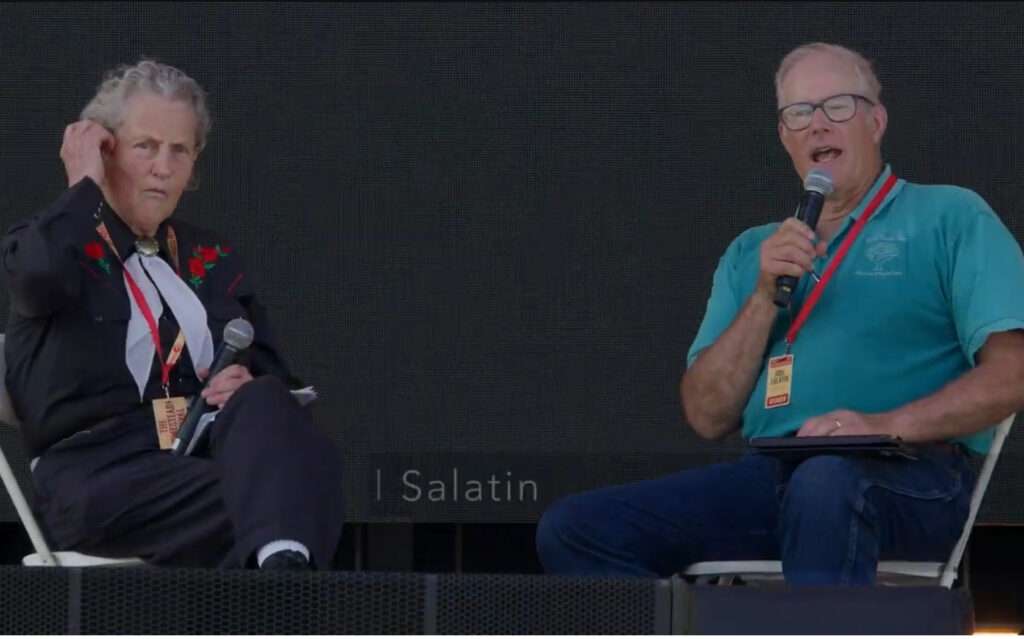
Do you have the Homesteading/Hobby farming down, and now you’re wondering what’s next? Is making 100% of a living on the farm a dream? Joel Salatin talks about the essentials, an ingredient list if you will, for transitioning from weekend farming to full-time farming.
A Deep Dive Podcast, brought to you by Irish Dexter Cattlemen, on topics of interest to all farmers and ranchers. Subscribe to the free, monthly Irish Dexter Cattlemen Tips & Tricks Guide to get early access.
Brought to You by These Breeders, Affiliates, & Sponsors
What an idyllic picture kids and animals paint. County fairs are full of animals, including cattle, being lead around the show ring by their young owners.
The homestead dream, complete with family milk cow, gives off major romantic vibes. But what does it actually take for children and cattle to interact safely on the farm or homestead?
Here are a few tips and suggestions from our family farm:
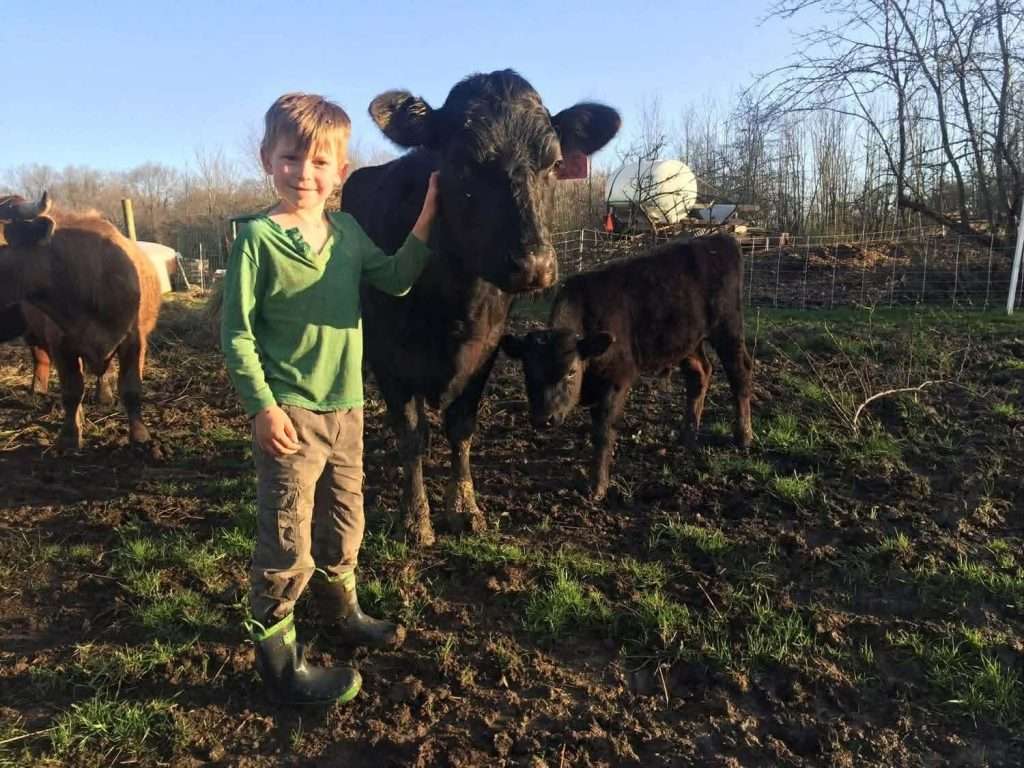
Because children are low to the ground, and their movements tend to be quick, cattle can view them as predators. Talk to kids about how important it is to move slowly/deliberately and to behave calmly and quietly when they’re around cows (especially a cow that is not familiar to them).
When introducing kids to a new cow, be sure the cow is safely restrained. I like to tie our cows on a halter with a slip knot. Kids can approach from the side or front of the cow (not the back), and talk to the cow.
Cows in a herd will groom each other, and mother cows will also bond with their calves by grooming them. A great way for kids to get to know and bond with a cow is to spend time brushing them. Our cows prefer to be brushed on the neck, shoulders and along the back.
If you have children and are purchasing a cow for the first time, it is helpful to look for a cow that has been handled/shown by children and is familiar with them.
And my final tip is to be confident! Fear teaches us to expect the worst. Set yourself up for success by following these tips, and be confident when you and your kids interact with cattle. If you find yourself becoming fearful, remove yourself from the situation, and try again another time.
I hope these tips and suggestions help you build a strong bond with between your cattle, yourself and your children!
Whether it’s fixing fence, feeding animals, or figuring out how to use what we already have, farm life keeps our hands busy and our minds curious. It’s no surprise that so many homesteaders eventually find themselves asking about soap making.
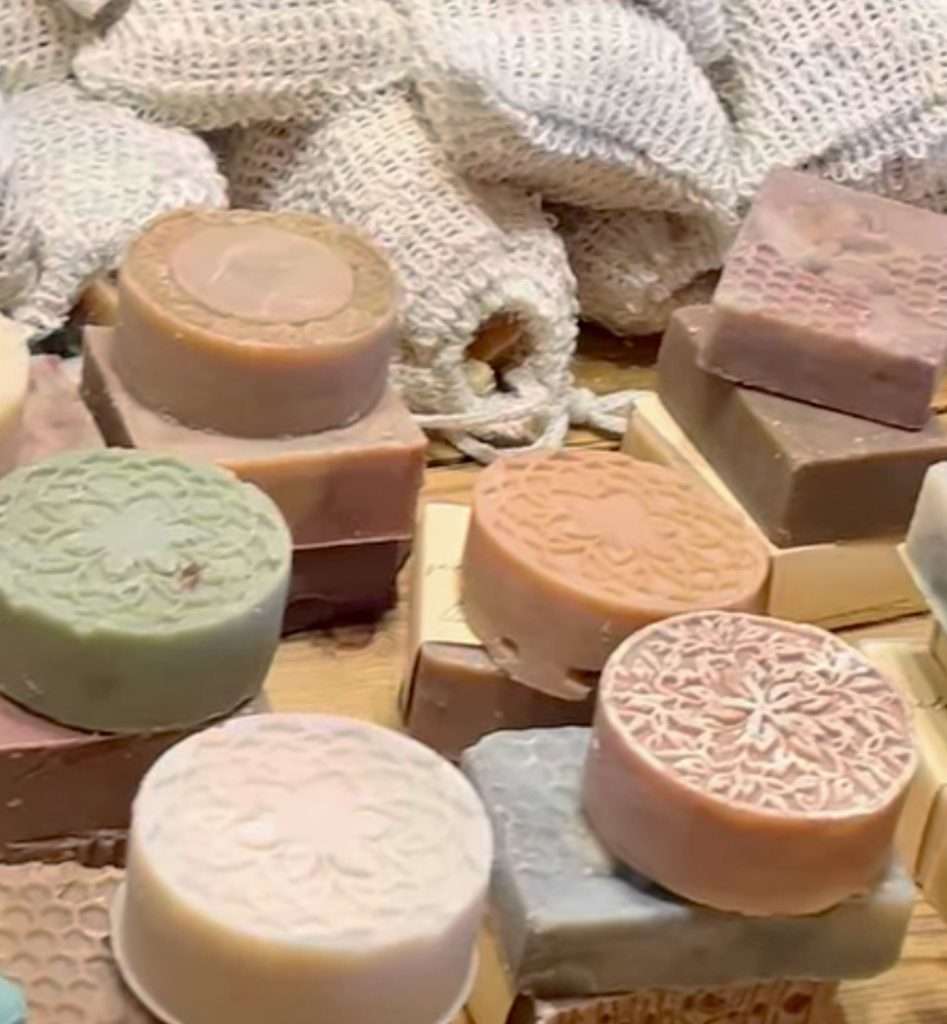
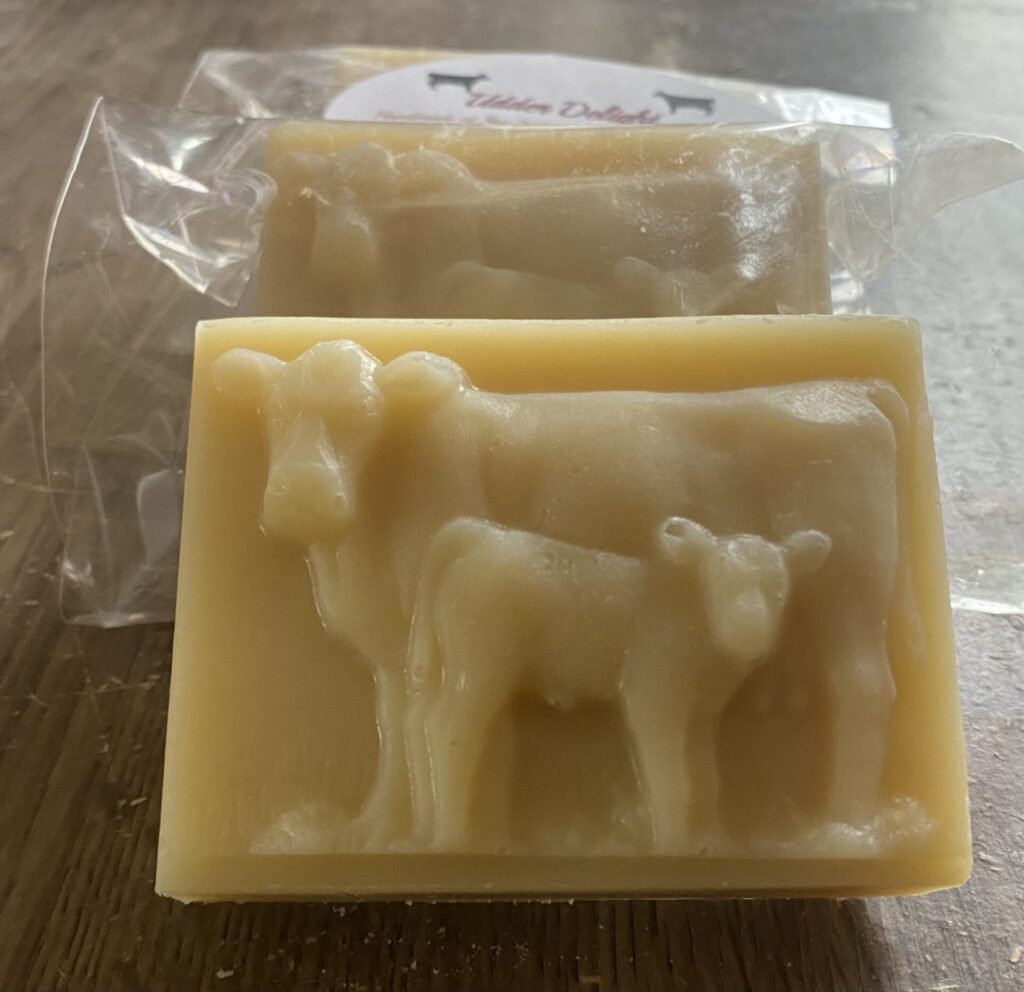
Soap making fits naturally into farm life. It’s practical, creative, and deeply tied to stewardship. Rendered tallow, lard, fresh milk — these aren’t just byproducts, they’re opportunities. For families, soap making becomes a teachable skill. For kids in 4-H or FFA, it can turn into a fundraiser or small business. For farms, it can quietly support feed bills, hay costs, and seasonal income without adding chaos to daily chores.
This isn’t about chasing trends or building something overnight. It’s about using what you already have and building a rhythm that works with the farm, not against it.
The best place to begin isn’t shopping — it’s inventory. What do you have the most of? For many farms, the answer is pork fat or beef fat. Tallow and lard make exceptional soap bases, producing hard, long-lasting bars with a creamy lather. They also connect modern soap making to generations before us who relied on exactly what their land and livestock provided.
From there, balance becomes the focus. While animal fats form a strong foundation, additional oils help fine-tune how a bar feels and performs. Coconut oil contributes cleansing and bubbles. Olive oil adds gentleness and conditioning. Shea butter and castor oil bring richness and lather, but both are best kept at around five percent or less. Too much of either can leave soap sticky or soft. Thoughtful formulation matters more than complexity.
That balance extends to structure as well. Hard oils like tallow, lard, coconut oil, and small amounts of shea butter give soap durability and longevity. Soft oils such as olive oil and castor oil improve skin feel and conditioning. Superfat also plays an important role. A superfat range of five to seven percent creates a bar that lasts in the shower, doesn’t melt away quickly, and still treats skin kindly — especially important for hardworking hands.
Liquid choice offers another place for creativity. Goat’s milk, cow’s milk, and sheep’s milk all produce beautifully gentle soaps, but milk isn’t required. Water, herbal teas, and even regional beer can all be used successfully. Soap making allows room for both tradition and experimentation.
As recipes take shape, batch size and molds come into focus. Loaf molds are a favorite for good reason — they create consistent bars that are easy to cut, label, and package. Silicone molds can be expressive and fun, but they often complicate packaging, so it helps to think ahead to how the soap will actually be sold.
Many makers begin with batches in the thirty-six to fifty-four ounce range, which are manageable and forgiving. Larger batches become appealing as confidence grows. Consistency matters, especially when selling, but inspiration matters too. Soap making should feel grounding, not exhausting.
No matter how carefully batches are measured, there’s almost always a little extra batter. Keeping small molds on hand for overpours is one of those quiet tricks that prevents waste and creates opportunity. Overpours make excellent samples, donation pieces, market giveaways, and gift add-ins.
Selling soap introduces a new layer of thought: understanding who you’re selling to. Most homesteaders quickly discover they don’t have just one demographic. Many blue-collar households want soap that lasts, doesn’t melt into mush, and doesn’t dry skin out. Clean, familiar scents often outperform trendy blends in rural and family-centered communities, while boutique spaces may invite more experimentation. The goal isn’t to chase every preference — it’s to know your audience.
Fragrance oils deserve special attention. Reading soap notes is essential. Reputable suppliers document how fragrances behave in cold process soap, including acceleration and discoloration. Vanilla-based scents almost always darken to tan or brown. That doesn’t mean they can’t be beautiful, but it does mean planning ahead. One common technique is reserving a small portion of unscented soap — usually four to ten ounces — to color and swirl for contrast.
When starting out, slow-moving fragrances are your friend. Acceleration leaves little working time and can overwhelm beginners. Reviews written by other soap makers are just as valuable as official notes, often offering real-world insight that saves time and frustration.
Many homesteaders source fragrance oils from companies like Midwest Fragrance Company, Aztec Candle & Soap Supply, and Nurture Soap for their balance of performance and price. Higher-priced suppliers such as Bramble Berry also offer standout scents, but every fragrance should be priced per ounce and accounted for in the batch cost.
When the numbers are done correctly, soap making becomes a powerful fundraising and income tool. Many bars can be produced for under two dollars and sold for five to eight dollars depending on the market. With a four-to-six-week cure time, soap aligns well with typical fundraising timelines — but offers far more education and pride than traditional campaigns. For youth involved in animal projects, soap sales can directly support feed, bedding, and show expenses.
Seasonal planning makes all the difference. For the first year or two, minimal production throughout the year paired with heavier production starting in August works well. October through December becomes the main selling season, with the goal of covering a full year of hay or grain costs. Once that foundation is built, growth feels steady rather than stressful.
Valentine’s Day soap is often made in late November or December, allowing plenty of cure time and avoiding post-holiday burnout. Smaller molds, gift sets, and overpours shine during this season. Trying to produce year-round before infrastructure is in place often leads to burnout. Building slowly builds longevity.
Presentation matters, too. A strong logo and consistent label help people recognize your soap instantly. Tools like OnlineLabels allow makers to experiment with shapes and sizes without large upfront costs. Keeping a variety of labels on hand makes it easier to create gift baskets and seasonal packaging as inspiration strikes.
Marketing doesn’t always require advertising. Many homesteaders find success through community involvement — donation baskets, raffles, church events, and silent auctions. Handmade items are especially prized at livestock shows and fundraisers, including those hosted by the American Dairy Goat Association, where quilts, soap baskets, and farm goods are both competitive and deeply appreciated.
What began for me as a way to use farm abundance and offset costs slowly grew into something much bigger. Soap making turned into soap making classes, and those classes opened the door to agritourism — inviting people onto the farm to learn, slow down, and reconnect with where everyday goods come from.
This past year, our farm was voted top five for best day trip, farm, and soap in the Kansas City area — something I never imagined when I first poured a small batch at the kitchen counter. We’re just 35–45 minutes outside the bustle of the city, yet people are willing to make the drive for something wholesome, hands-on, and real.
That’s the quiet power of building something intentionally. Soap was never just soap — it became an invitation. An education. A bridge between rural life and curious hands looking to learn.
And like most good farm projects, it all started small.
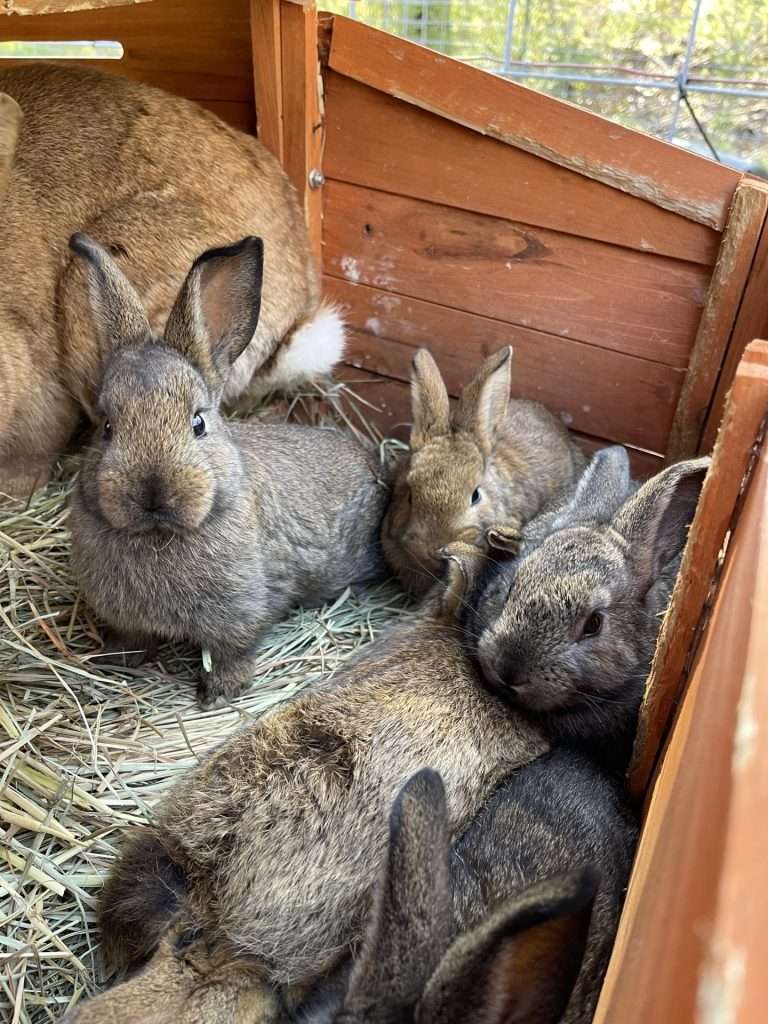
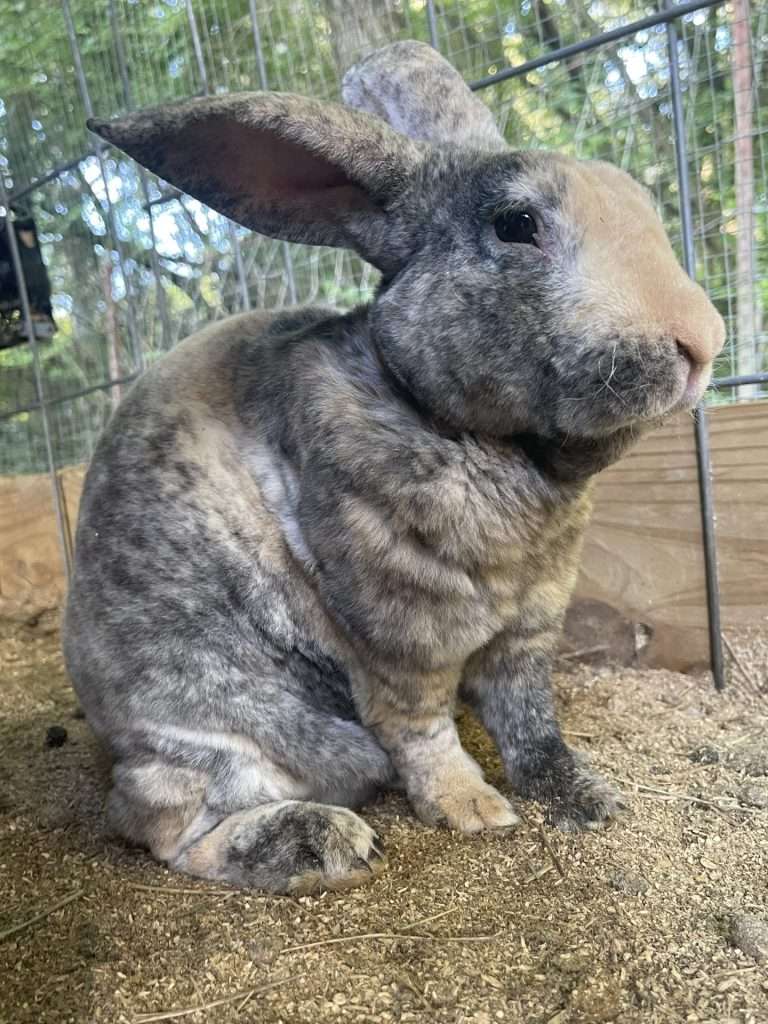
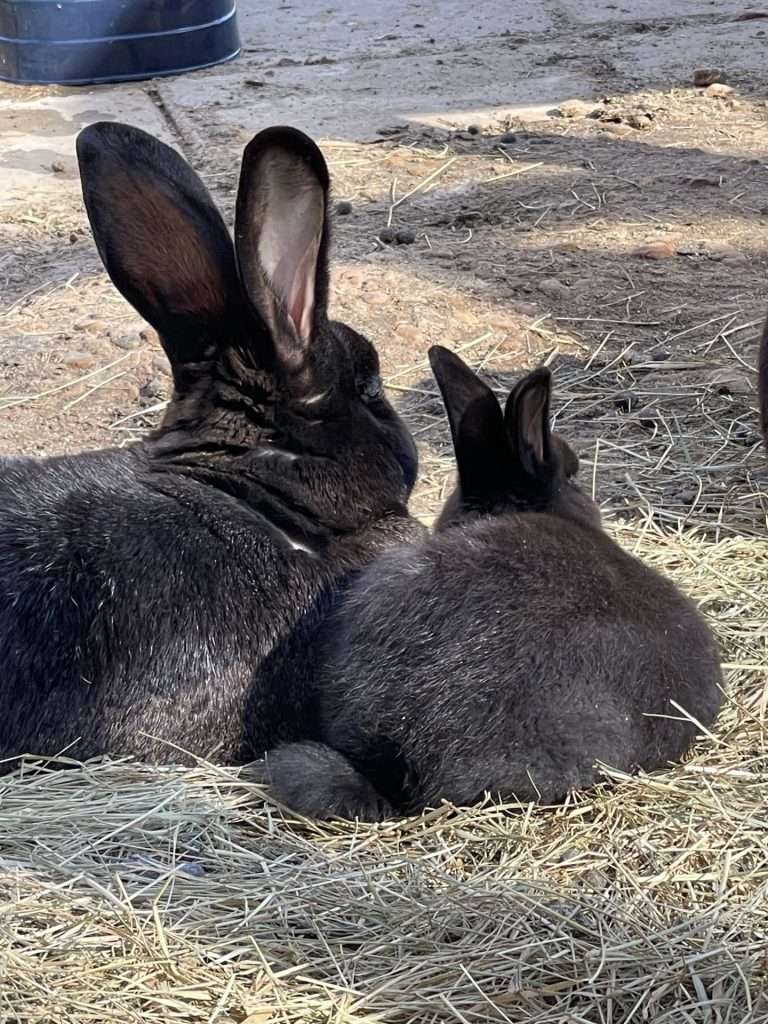
When we started our homestead, we began with chickens. That feels like the natural order of things for most people. Later, we added rabbits. While it was a learning curve, now that we’ve figured out the best care and have our colonies settled, I can confidently make the case for rabbits over chickens.
Here’s why:
Cleaner – Rabbits are tidier and produce manure that’s garden-ready without composting.
Easier to Handle – They’re quiet, gentle, and simple to manage.
Simpler to Process – Butchering rabbits is less labor-intensive than chickens.
Excellent Mothers – Rabbits are attentive and reliable breeders.
Extraordinary compost – Rabbit waste is ready for use immediately and truly enriches soil.
Highly Prolific – With just two does and a buck, you can raise over 200 lbs of organic meat in a year.
Delicious – In my opinion, rabbit meat tastes better than chicken!
I’ll admit, fresh eggs from chickens are nice but meat chickens don’t typically provide eggs. Rabbits, on the other hand, offer consistent meat production year-round.
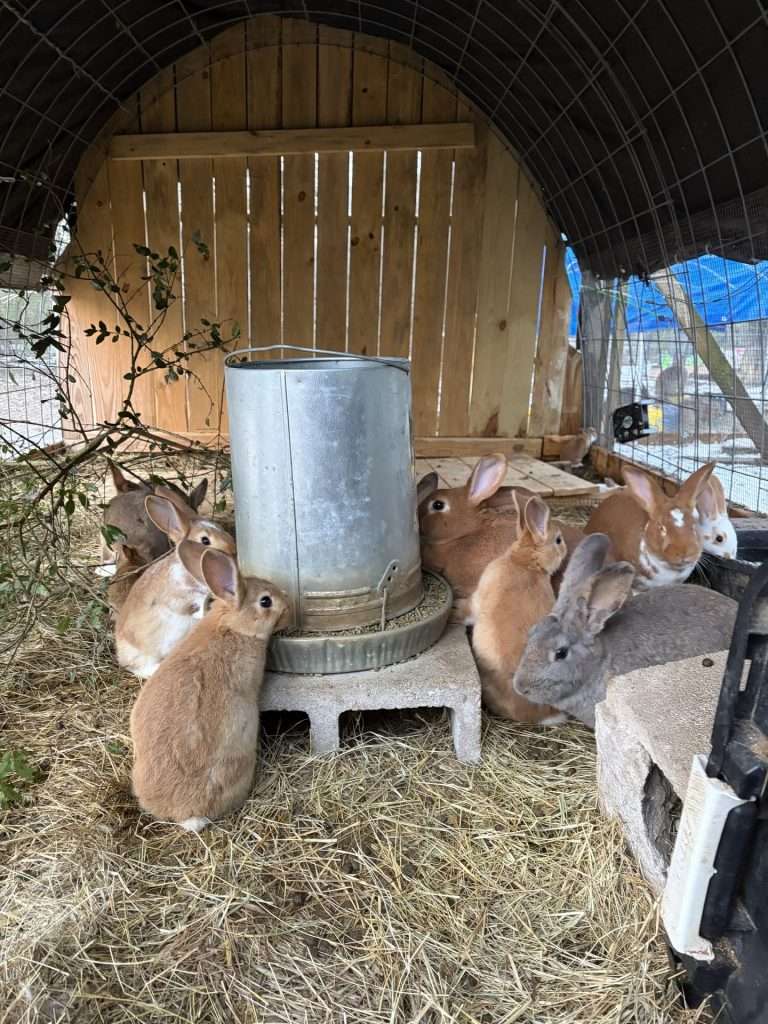
We raise ours colony style, though many prefer cages. Both methods have advantages, and it’s all about finding what works for you. All in all, raising rabbits is a rewarding endeavor for any small homestead.
Rabbits vs. Chickens: Quick Comparison
Feature
Rabbits
Chickens
Space Needed
Minimal (stackable hutches or colony space)
Larger coop and run required
Noise Level
Silent
Clucking and crowing
Manure
Garden-ready immediately
Requires composting
Meat Yield
200+ lbs/year (2 does + buck)
Varies; meat birds only. no reproduction of meat crosses
Eggs
None
Yes (layers only)
Processing
Easier, less messy
More labor-intensive
Breeding
Year-round, very prolific
Seasonal, less frequent. Meat crosses do not breed true.
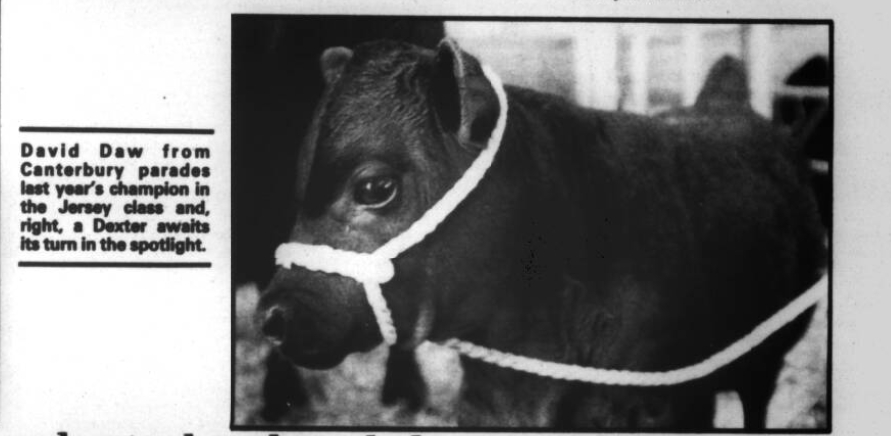
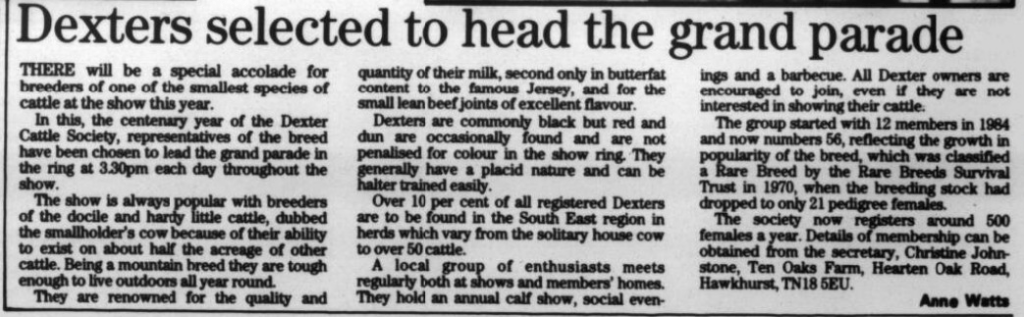
Dexters have long been promoted the same way time and time again, “Docile and Hardy little cattle, dubbed the smallholder’s cow because of their ability to exist on about half the acreage of other cattle.” This is the niche market of a Dexter. They are well suited to beginners because they can endure a bit of accidental neglect from new owners and be a great fit for people who have small acreage. Today when large acreage is becoming increasingly expensive in many areas, but people are feeling a strong draw to get back to the country, the small acreage Dexter cow is the most perfect sell point. This is a Hallmark of the breed and one that should be promoted.
Quality and Quantity of their Milk and Beef
Dexter cattle are also a good fit for people who need a smaller amount of both meat and milk, but yet they are still “renowned for the quality and quantity of their milk, second only in butterfat content to the famous jersey, and for small lean beef joints of excellent flavor”. There are other breeds than Jersey that outperform Dexters in cream content but usually they are not breeds that produce a good quantity of milk. The Highland for instance produces about 10% butterfat, but for its larger size produces quite a bit less by volume for its size. This is why the Dexter is an all-around great little cow.
Great for Small and Big families alike
The current average amount of people in a US family today is 3.15, so in a small 3-person household butchering a Dexter steer goes a very long way. As Dexter beef producers we will have a much easier time selling whole or halves to people. This avoids having to get a USDA certified meat facility which in some areas could save you more money on butchering costs. Many people are more accustomed to the idea of buying meat in a smaller quantity when they need or want it. With smaller sides you can market to people to be able to only fill a portion of their chest freezer and have space left over for other things. If you have a larger family that enjoys eating lots of beef and drinking more milk, no problem, enjoy the benefit of growing out a larger herd with more Dexters!
This article was written 09 July 1992, and you will see the addition of dun is mentioned to the original color of black and red. Dun was added to the allowable Dexter colors and today many people never knew that black and red are the only 2 original colors.
The best advice I can give to those who are starting out….GO SLOW! You can still go slow and work toward your homestead, farm or ranch paying for itself. This podcast from Homesteaders of America gives some good solid advice…including paying yourself and your family for its efforts. These principles can be applied to any of your produced products.
Our journey to homesteading began about five years ago. My husband and I were searching for self-sustainability, a quieter life, and a deeper connection to the land. Raised in the suburbs with every modern convenience, we only knew which grocery store had the freshest beef. That was the extent of our food sourcing knowledge.
Once we acquired our acreage, we started, as many do, with chickens. At the time, I hadn’t even considered milking animals myself, so I went looking for farm-fresh milk. I found a local source, and with it, a whole new world. We began picking up a couple of gallons each week, but it didn’t take long before we wanted to produce our own.
That’s how we ended up with Nubian goats.
I was intimidated by the idea of milking and caring for them, but goats felt less daunting than a full-sized milk cow. Still, I had always loved and admired the Dexters at pickup. Just being around them brought a peace I couldn’t explain. They were a dream, something for “someday.”
Fast forward a few years, and someday finally came.
About a month ago, we brought home our first Dexters: a heifer and a steer. And how’s it going? In a word? beautifully.
The first thing I noticed was their peaceful nature. Just being near them calms my nervous system in a way I can’t begin to describe. I’m absolutely head over heels in love. I’ve started thinning down my goat herd to make room for more Dexters in the future.
I’m learning to be a pasture and grass farmer (also moving fencing, adding pastures) all to better serve my Dexters. I’m excited to contribute to the breed by selecting strong lines and continuing the work that’s already been poured into my girl, Fiona.
Am I still intimidated by the idea of milking them? Absolutely. Will I do it anyway and love it once the time comes? Without a doubt.
There’s still so much to learn—about pasture management, breeding, and eventually milking—but I’m ready. With the right mentors and a heart full of determination, we’ll thrive. Fiona and Chuck are home now, and so are we. This is just the beginning of a lifelong journey with Dexters, and I couldn’t be more excited to walk it one peaceful step at a time.
I’m looking forward to many years alongside this incredible breed.
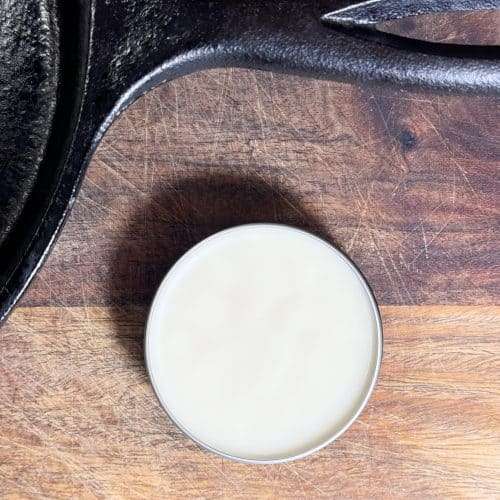
Here is a simple video that shows you how to make soap from tallow…you can replace the water part with milk or 50% milk and 50% water. Go ahead give it a whirl…your skin will love it!
There is no better way to ensure the survival of the family in case of a SHTF scenario and to create a sustainable homestead than to grow and raise your own groceries. There are a plethora of traditional farm animals which can help keep the family well-fed year around or during a long-term disaster, but when both space and budget are limited, one stands out above many of the rest – Dexter cattle.