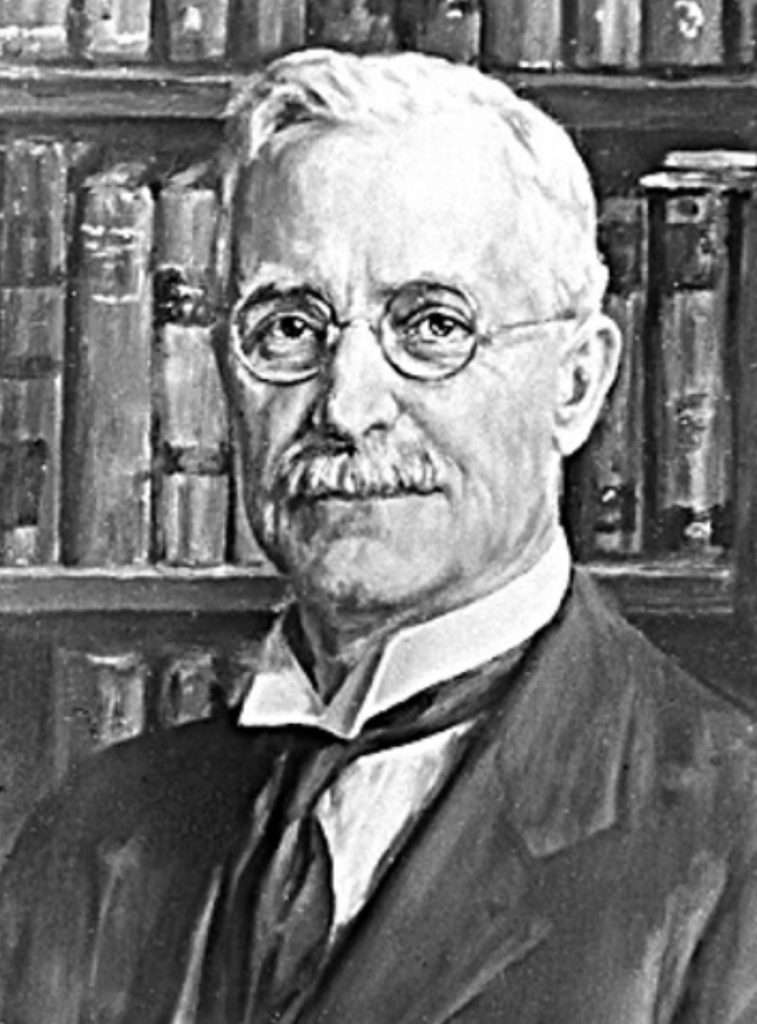
A Plumb Good Dexter Breeder
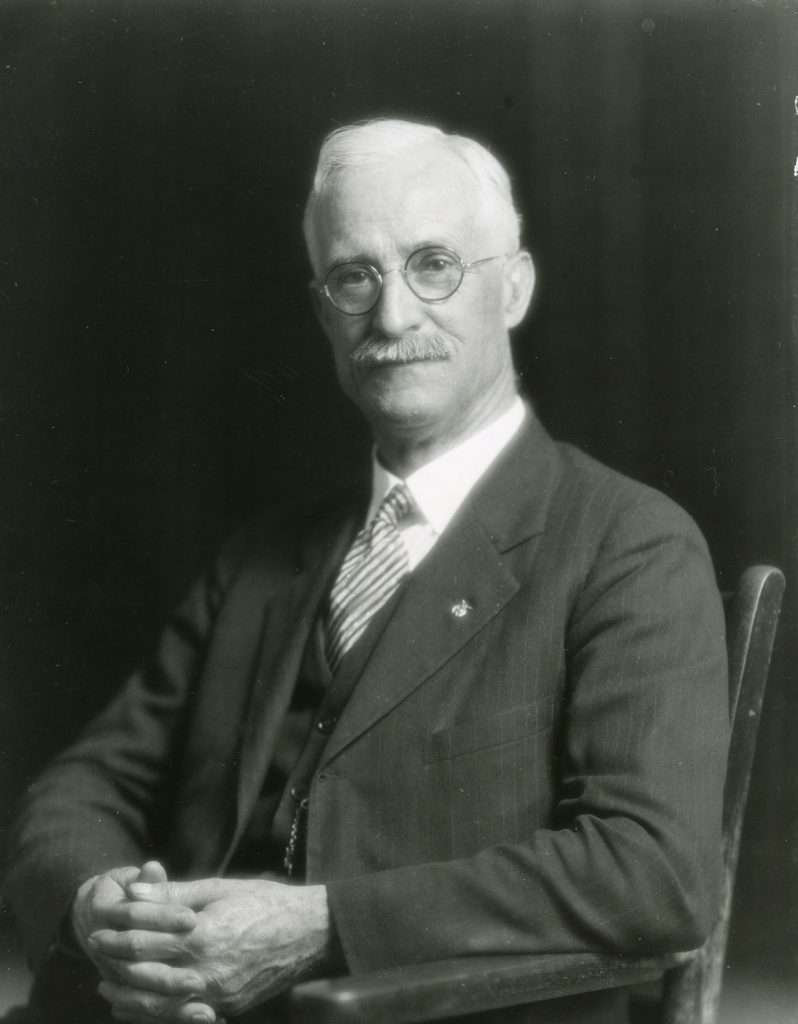
Dr. Charles Sumner Plumb a very Knowledgable Dexter Breeder
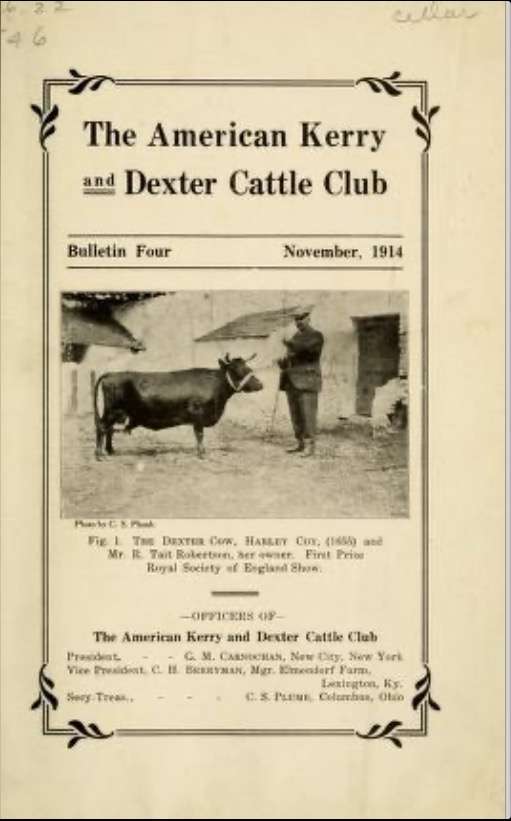
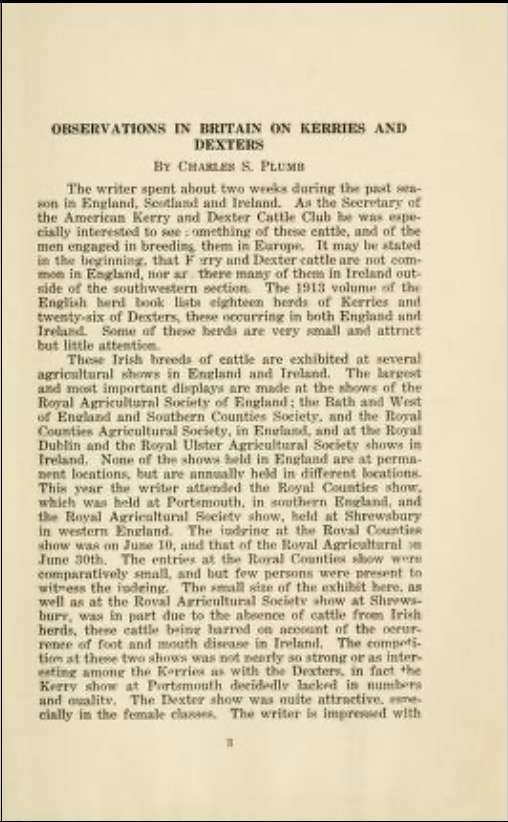
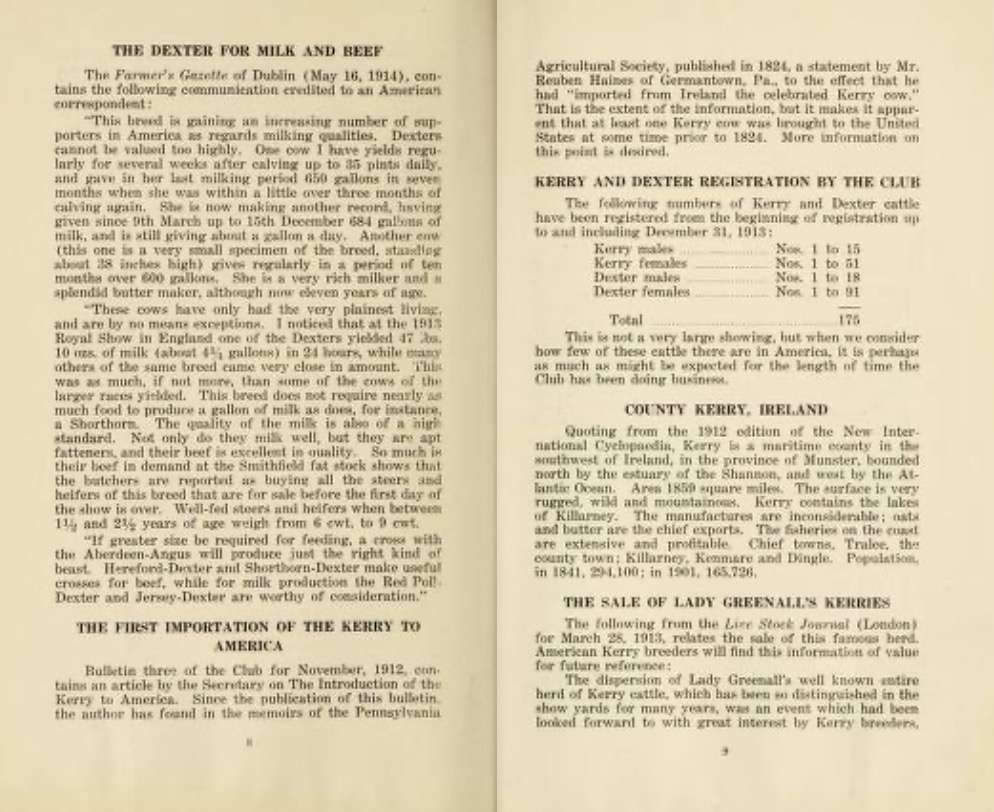
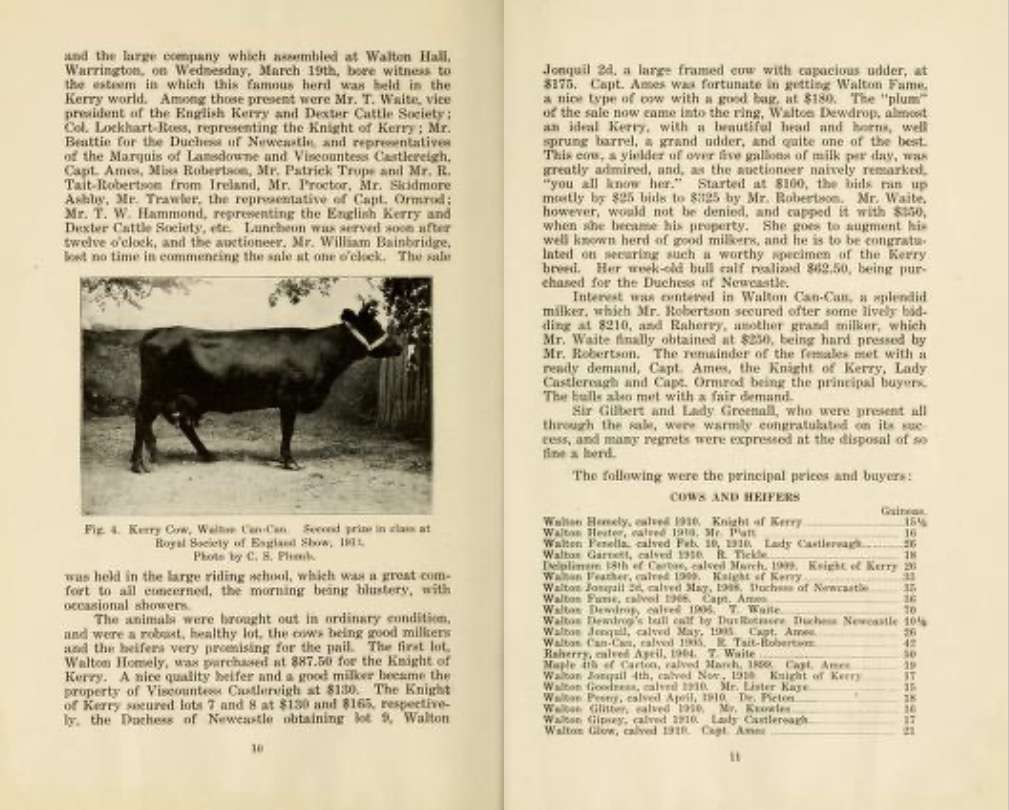
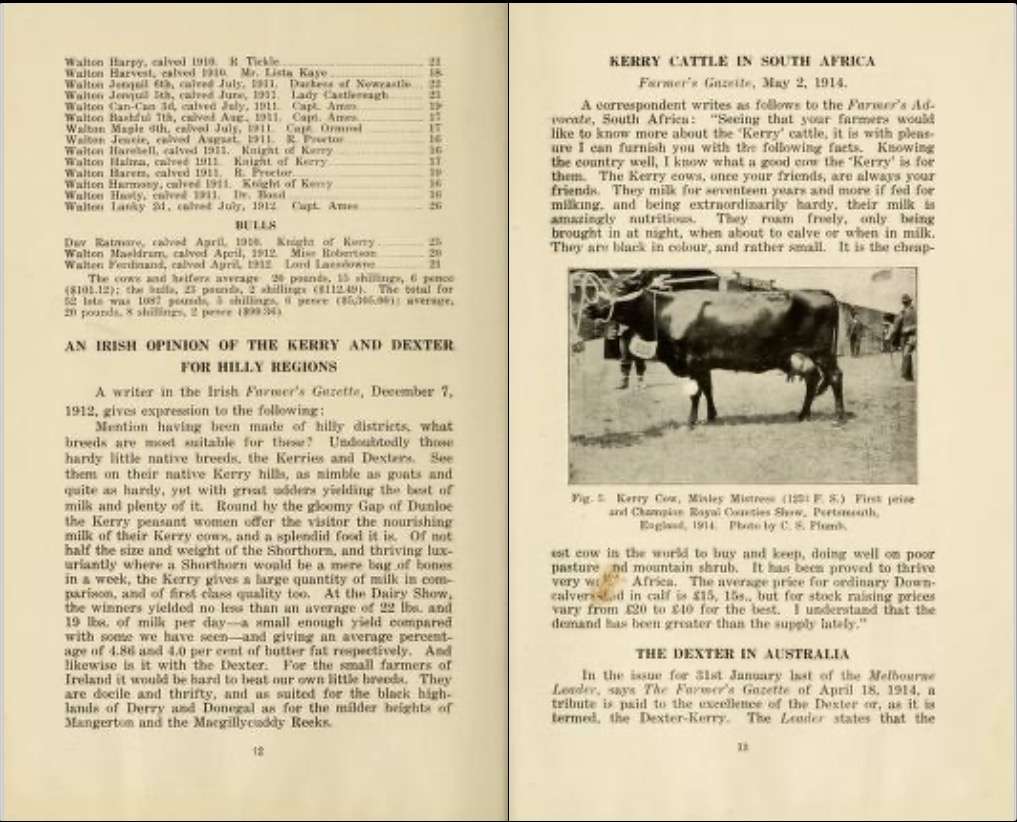
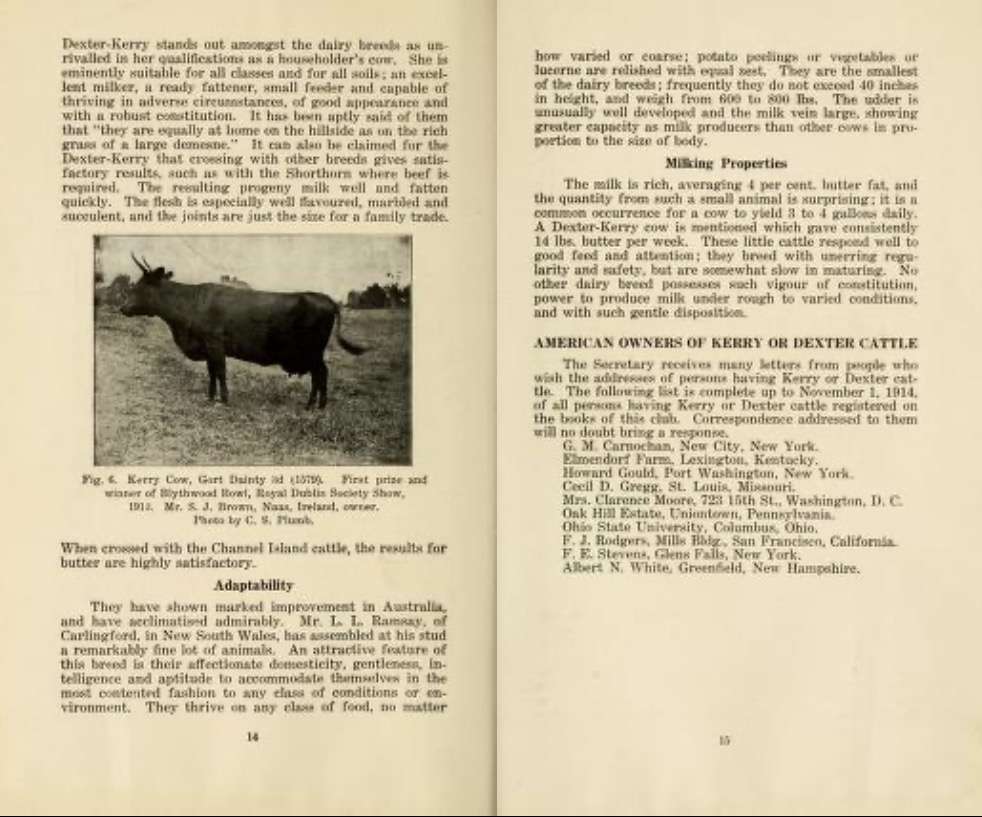
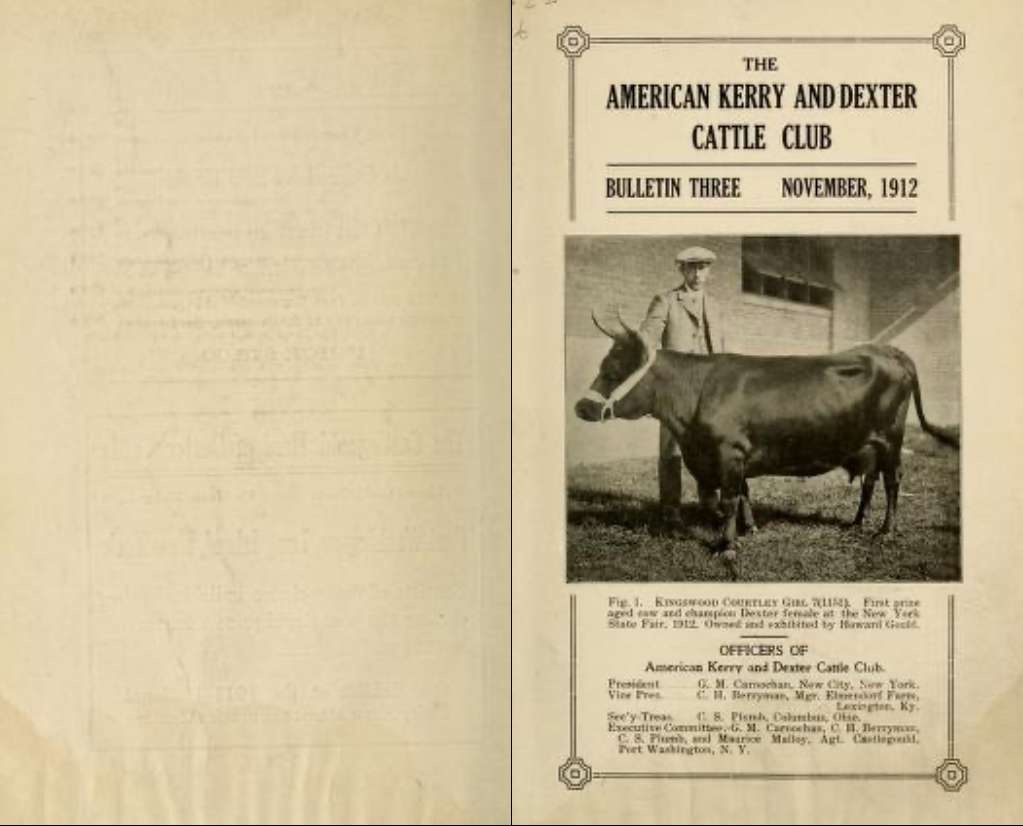
Charles Sumner Plumb was a very accomplished man, not just an influential breeder for Kerry and Dexter cattle, but a man of great learning, who had written books and conducted many studies on farming and livestock. Plumb was born in Massachusetts where he initially went to Massachusetts Agricultural College. His education and studies are extensive but as Dexter breeders we will most likely appreciate him for his influence on The American Kerry and Dexter Cattle Club or latter known as the American Dexter Cattle Association.
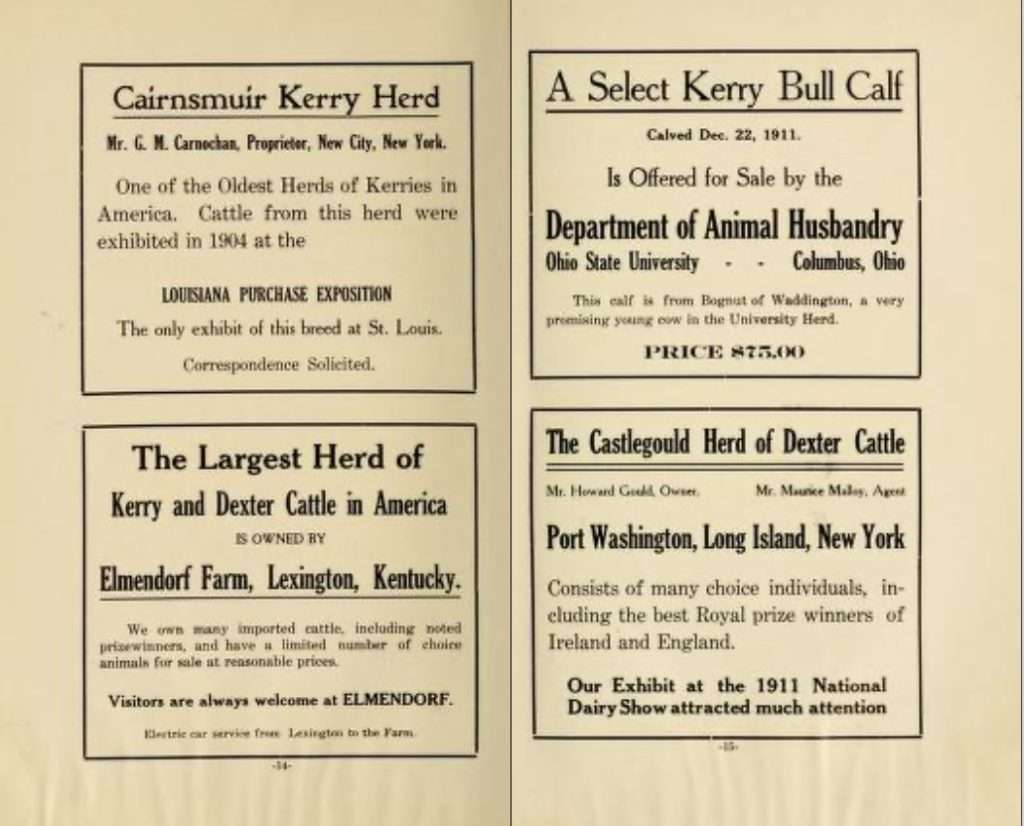
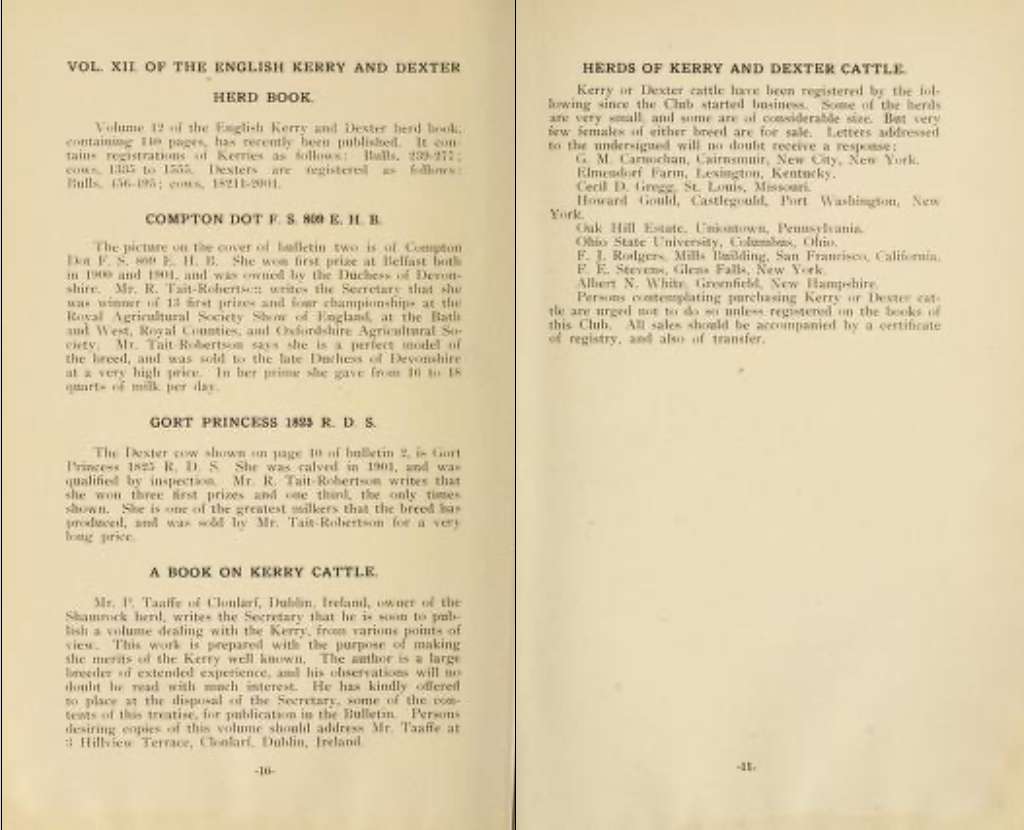
Charles Plumb directed experiment stations in Indiana, Tennessee and New York in his work of studying agriculture and farming practices. Once in Indiana he demonstrated his interest in dairy traits and established the Indiana State Dairy Association. It is interesting that the Royal Dublin Society (Irish), The English Dexter Cattle Society and the American Dexter Cattle Society all had founding members that were influential, that had an interest in dairy traits and many seeking to establish dairy records for Kerry and Dexter cattle. In 1902 he became a Professor for The Ohio State University. When you later see Dexters registered you will find that they are being registered with the breeder listed as Ohio State University. When you see Professor Plum being listed in the herd book you will find his location listed as Columbus Ohio, the same location as the Ohio State University where he headed up the Animal Husbandry Department. He may not have a personal herd name appointed to his influence on breeding Dexters, but his hand in the matter is absolutely clear. He was not only the Secretary of the American Kerry and Dexter cattle Club, but the treasurer too. He had a very preserving interest in Kerry and Dexter cattle.
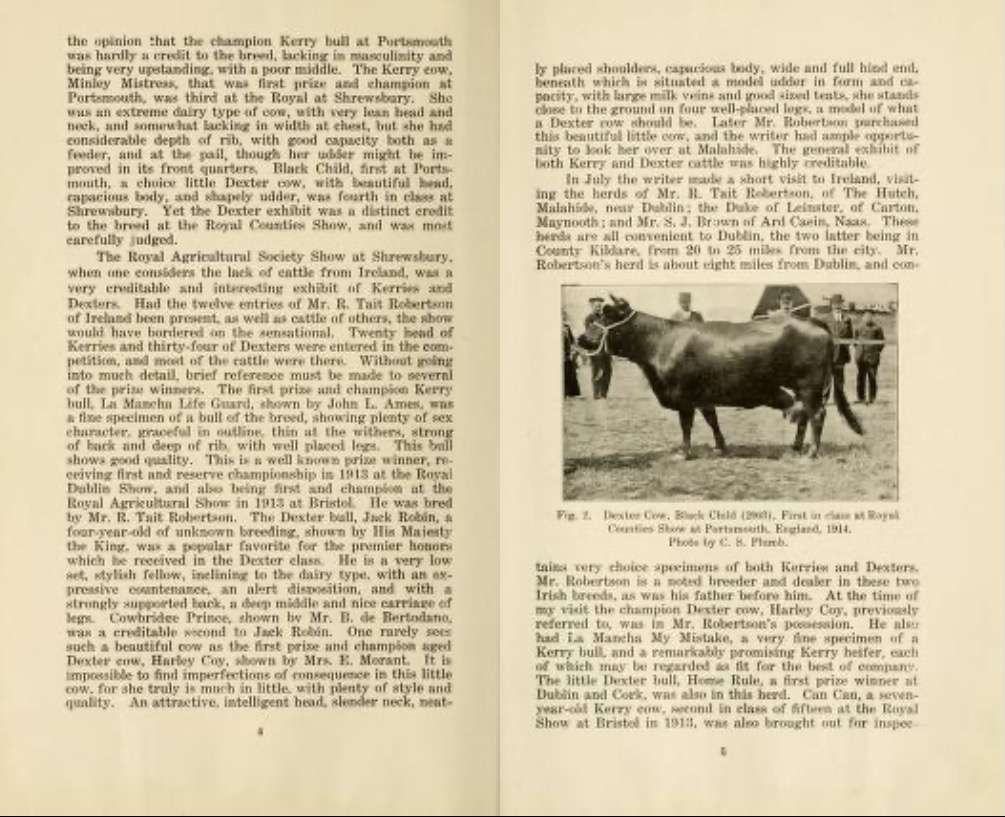
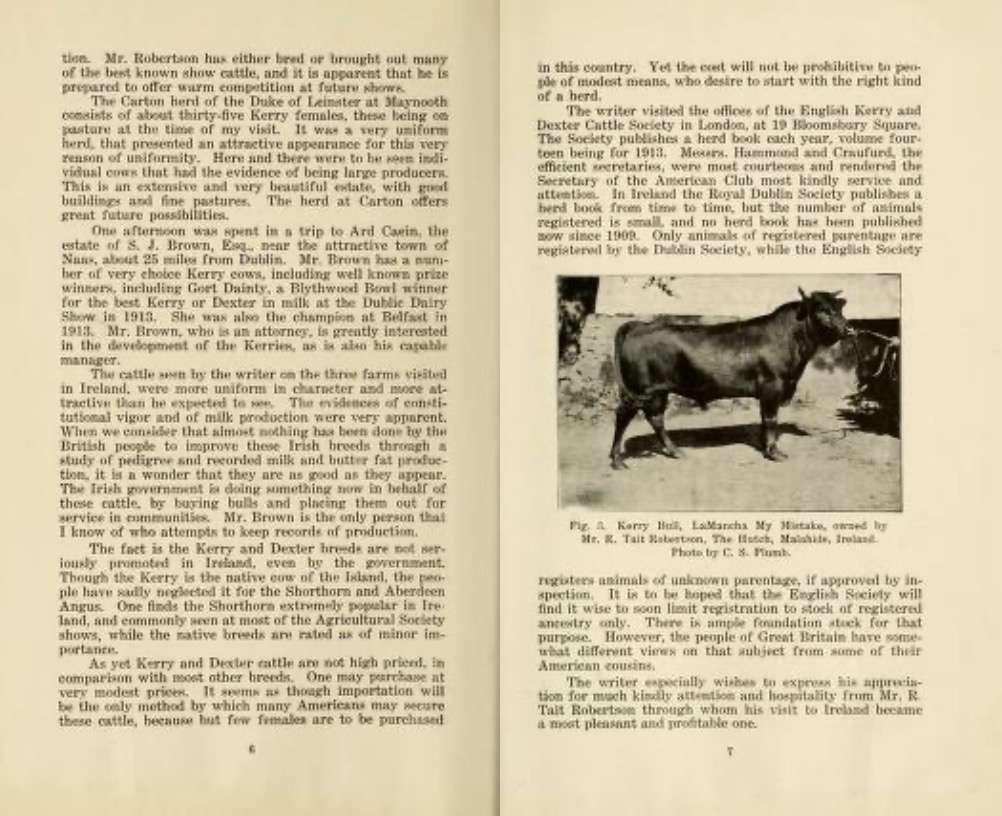
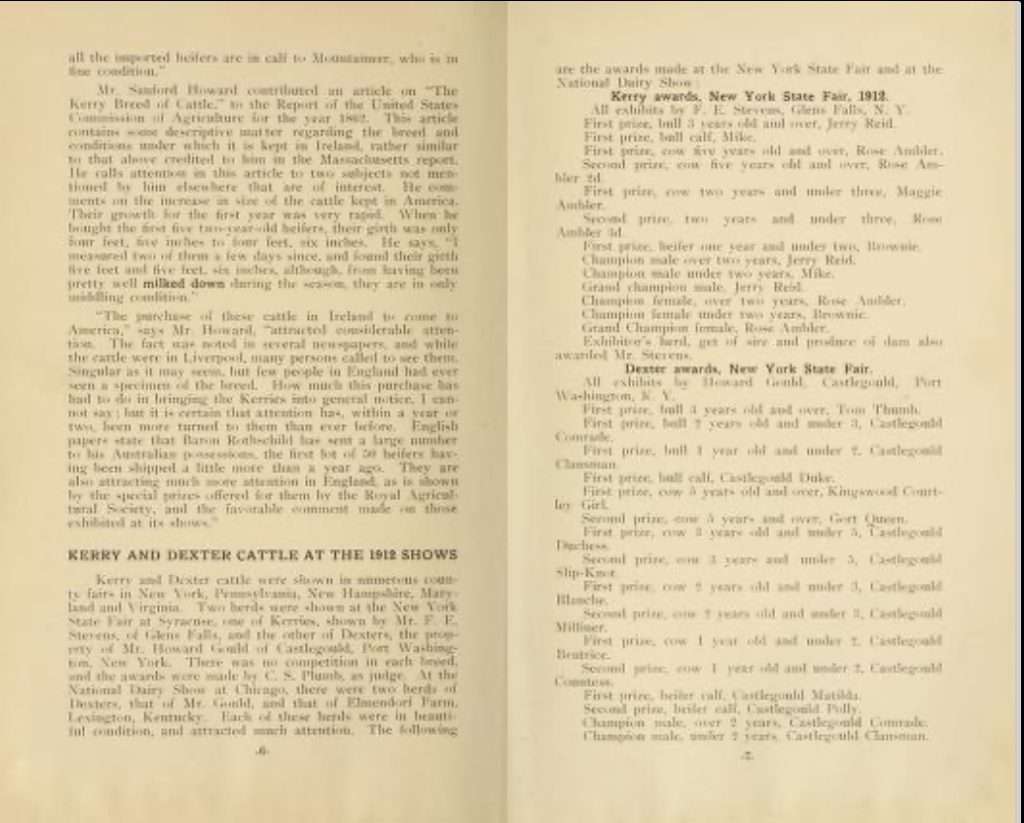
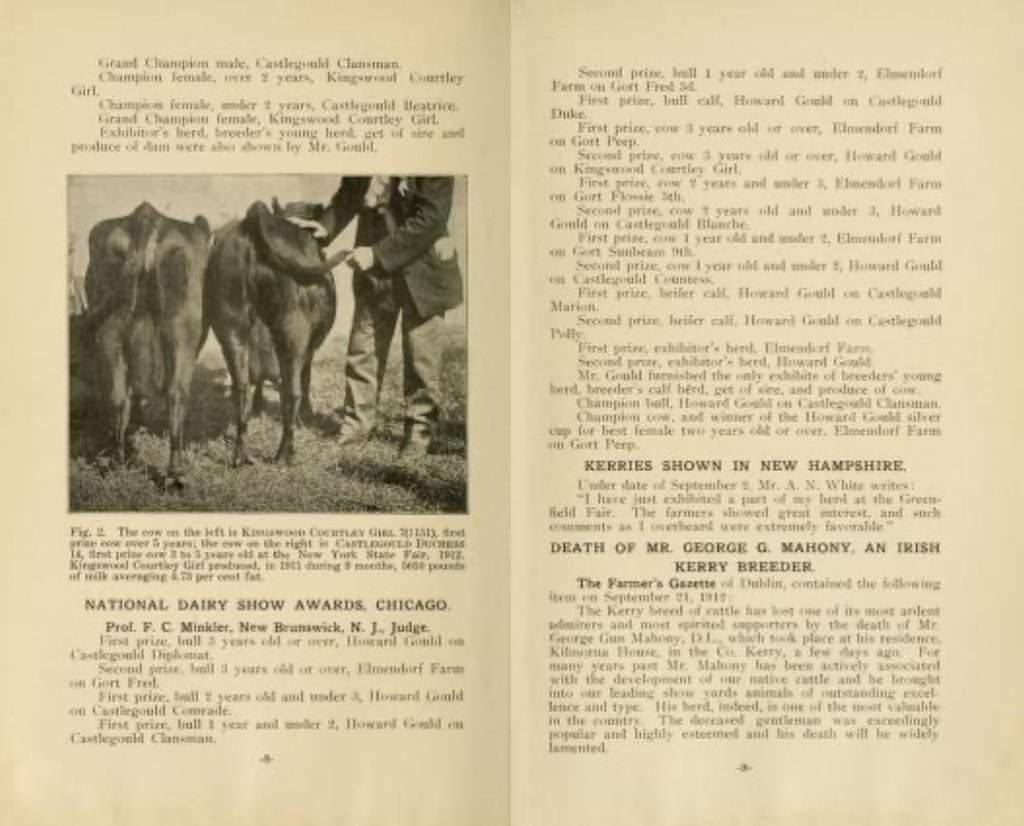
In 1910 Professor Plumb made a search for breeders of both Kerry and Dexter Cattle in America. Less than 20 herds were found, thankfully some of them were larger growing herds. By 1911 a list of Officers was suggested and a very good start was within reach. Charles Plumb even traveled to Ireland, England and Scotland. It is interesting to note that in 1913 Plumb expressed that Kerry and Dexter were not common in England or even Ireland. In Ireland he stated that there were not many outside of the Southwestern Section. This is the location of county Kerry the original famed homeland of Kerry and Dexter cattle. It is alarming to note that by 1920 he concernedly stated that there had been no Kerry cattle registered since 1916. Dexters themselves at that time had extremely low registrations and that publishing a second volume would take years before enough registrations could fill a new volume. With these declining numbers it becomes clear why the American Kerry and Dexter Cattle Club became just the American Dexter Cattle Association over time.
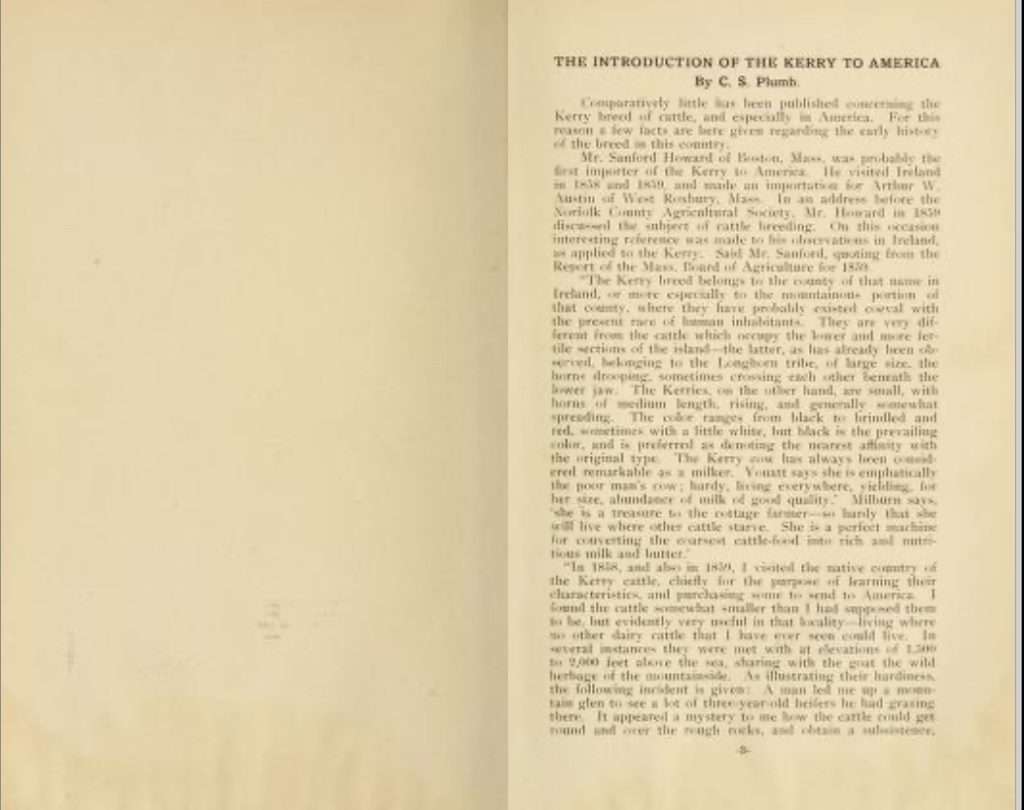
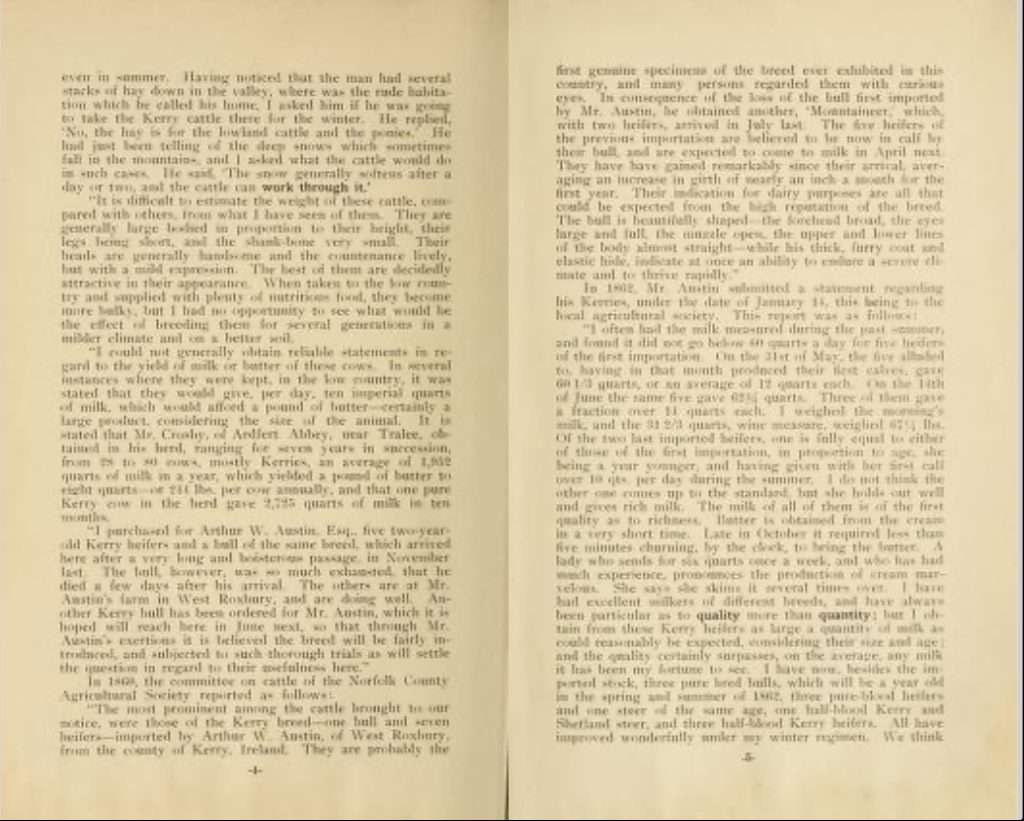
So much more could be said about Professor Plumb, but it is enough to say that he was well received in his profession and appreciated. He held the position Of Professor of Animal Husbandry at the Ohio State University from 1902 to 1931. He only resigned to further conduct studies in animal husbandry. In his life he wrote quite a few books. These works included “Beginnings in Animal Husbandry”, “Biographical Directory of American Agricultural Scientists”, “Indian Corn Culture”, “Judging Farm Animals” and “Types and Breed of Farm Animals”.
Sample Reading from “Judging Farm Animals”
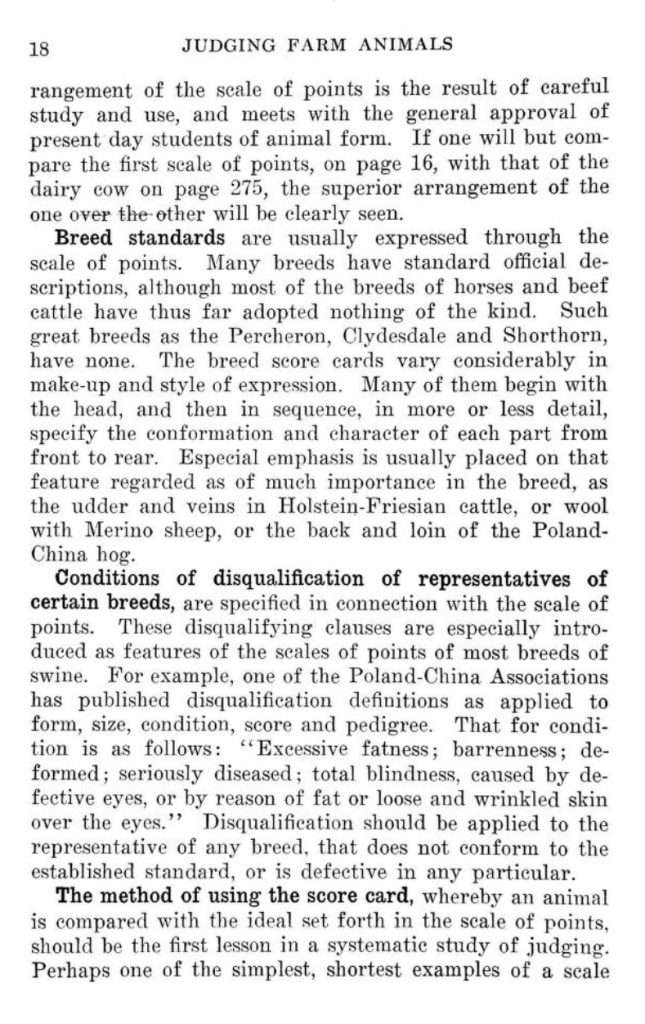
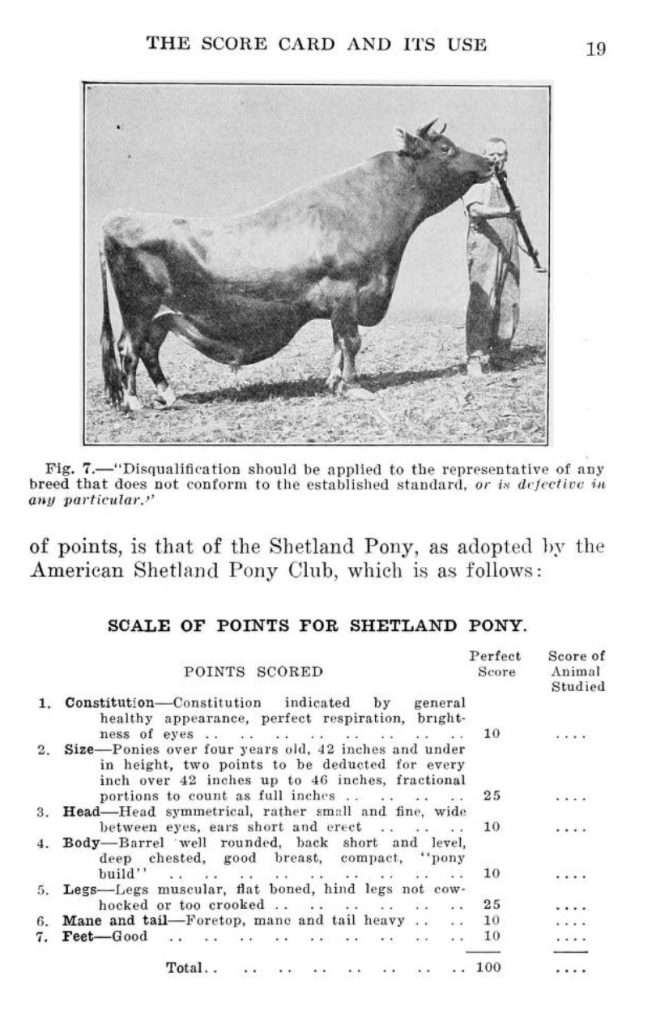
Disqualification for not Conforming to Established Standard
As you can see Plumb like most serious breeders knew that a “Disqualification should be applied to the representative of any breed that does not conform to the established standard” and he was willing to put that in writing, so that others may have the benefit of learning from his knowledge. He valued the Scale of Points for evaluating an animal for perfection. But he would clearly state that no animal is perfect and all animals can be improved upon in some aspect. It is very good to know that Plumb like so many of the founders of Dexters in different countries cared about breed standards for breeding quality Dexter cattle. I hope this may be an inspiration to all who may read it, to keep the standard and breed for quality as Plumb was seeking to do. If you find yourself interested in reading the complete book to get a better understanding, you can find his book on Archive. Judging farm animals : Plumb, Charles S. (Charles Sumner), 1860-1939 : Free Download, Borrow, and Streaming : Internet Archive
Plumb Hall
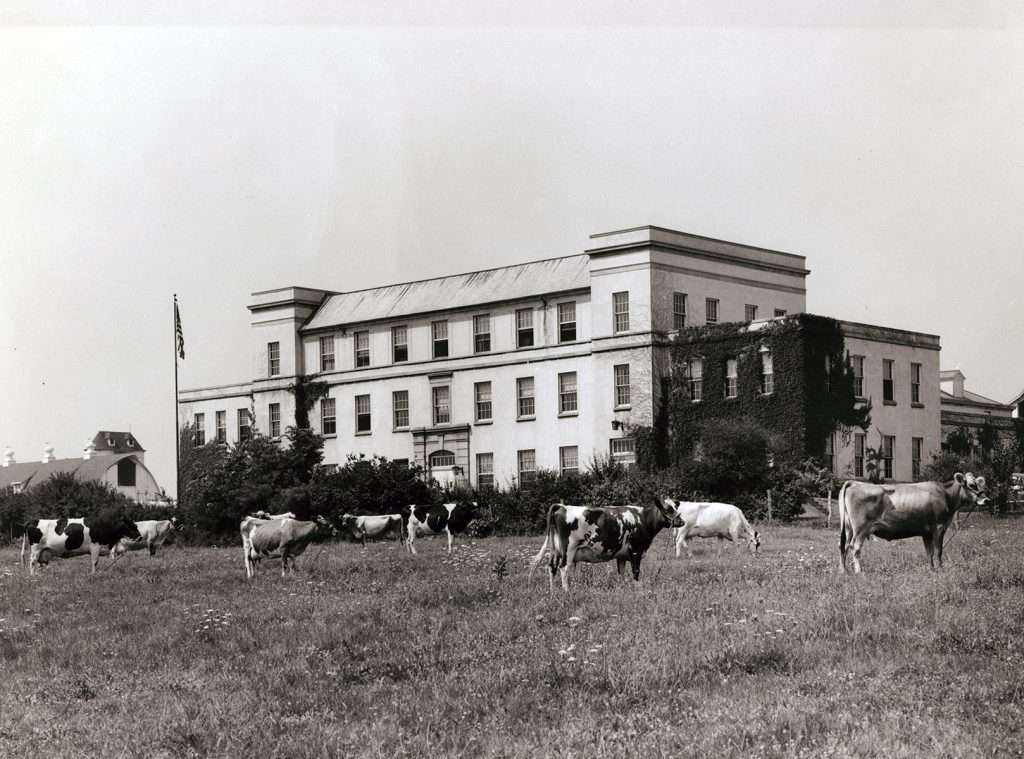
Charles Sumner Plumb left his name marked in the History of Dexter and Kerry cattle and on the campus of Ohio State University where Plumb Hall was named in his honor after his death. Today it is still used by the department of Animal Sciences. It is very interesting to consider all of Plumb’s expertise and how men just like him in England and Ireland were establishing the Herd Books, Associations and Societies. These men had their hand in laying the foundations for the breed, gathering pedigreed livestock for herd books, writing detailed descriptions of the breeds and following them, so that people knew what to expect from Kerry and Dexter cattle. It’s a wonderful thing to know our breed was established and promoted by men that were not mere armatures randomly defining terms and organizing registries, but men with the skills to help the breed be better understood.
Thank you for taking time to read my articles. Please do not share these articles without credit being given to Danielle of Bryn Mawr and asking permission to do so.
A Plumb Good Dexter Breeder Read More »
Historical