Tips for Fall & Winter Management
Tips for Fall & Winter Management Read More »
Herd HealthThis is a follow up to the article last month. Seems like high grain diets maybe something to watch.
Liver Abscesses in Cattle Read More »
Beef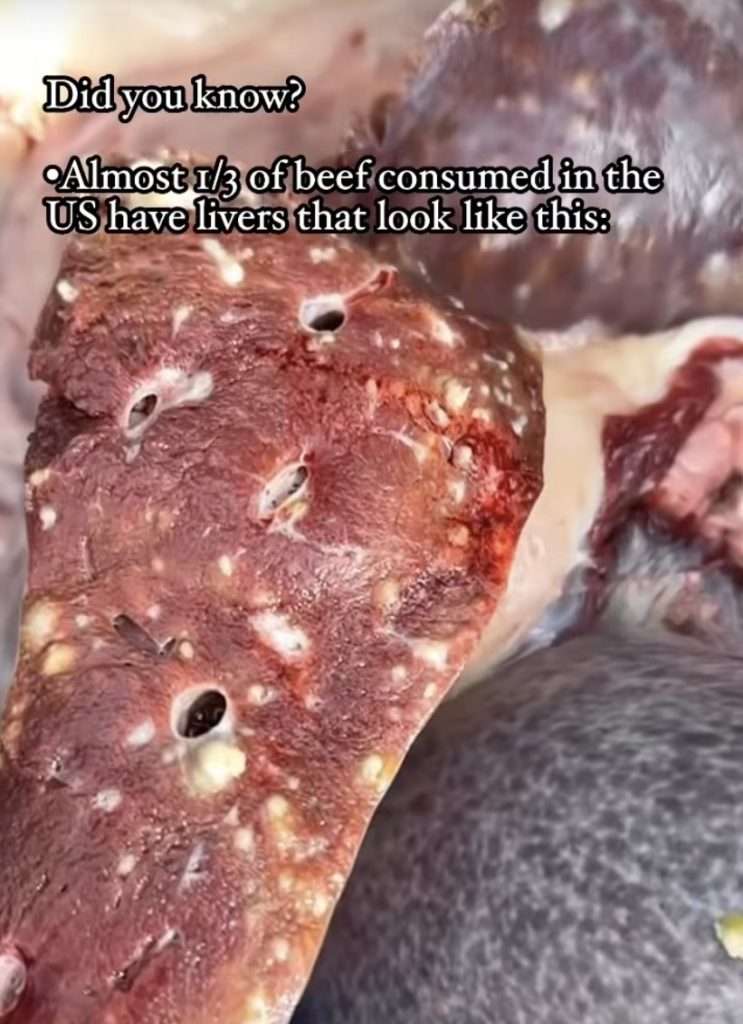
Recently someone complained about not getting their liver back for the processor. Turns out 1/3 of the beef liver may look like the one in this picture above.
This is from the folks at Backyard Butchery and a post from them on Facebook.
A few days ago I posted a video popping a gnarly liver abscess on a steer we processed.
I did not include much for context, mainly because I did not want to end up in a long drawn out grass-fed vs grain-fed debate. Also, because writing such a post requires a good amount of time, hence the now 4-day follow-up post.
So I will preface this post accordingly: as a business, we respect your decision to feed your animal however you choose. (As long as it’s getting fed, we do not care.) You’re the one eating it, after all!
However, what you saw in the previous video, and below, is 100% from an unbalanced diet of “hot feed” grains.
“Hot feeds” are easily digested, high-energy feeds, such as grains like wheat, corn, barley, & sorghum.
*It is important to note that alfalfa is also considered a “hot feed” & should be treated as such- seasonally, with bloat precautions. (I personally feed a lot of alfalfa hay, with zero concerns of liver abscesses.) Feeding alfalfa will increase heat due to those same high digestibility & energy content properties, but is otherwise considered non-problematic because it does not cause acidosis or gut issues the way that grains do.
In the first video I posted, the steer was heavy corn & sweet feed fed for an extended period of time.
In the video below, you see a different type of abscessed liver in a bull (from a feedlot) fed a ration of 50% corn & 50% alfalfa pellet. Both animals referenced with infected livers were young, under 3yrs of age. I can not tell you their breeding, as that information is unknown.
The USDA does NOT deem this meat inedible, only the liver itself. It can extend into the skirt steak & hanger steak areas, which, if affected, would also be thrown away, & the rest of the animal would be processed as normal.
In both cases, we showed our clients the liver, allowed them to contact their large animal vet, & make a decision for themselves. In both cases, vets were unconcerned for the safety of the meat & animals were processed accordingly.
Now, as someone who primarily processes meat for smaller producers & homesteaders, what came as a shock to me was just how commonplace infected livers are in other butcher shops, all over the country. So much so, that I posted the original video in a butcher group online asking the question “How often do you see liver abscesses in your area?”, & the responses I received back left me dumbfounded.
Comments from other whole animal butcher’s included, but not limited to:
-“Every day.”
-“Every Friday on kill day.”
-“When I was inspecting at a high speed facility it was very common to see in both fat cattle and cull cows.”
-“Usually in grain fed in volume and/or for an extended amount of time.”
-“I’ve seen it a lot on the slaughter floor in cattle on grain for 12 to 18 months. Offal condemned was very high.”
-“Get it heaps but never really that bad.”
-“Saw it 10+ times a day in abattoir, caused by grain feeding.”
-“Yes here and there unfortunately”
-“They call that too hot of feed meaning too much corn grain not enough roughage.”
*Pic in comments
This naturally led me to diving head first into a rabbit hole on the topic of liver abscesses & what little information I could find on what is ironically, a huge problem in the industry.
20-32% of beef processed has what we call in the industry, “avocado liver”. (Yes- it has a nickname among butchers.) What is SO disconcerting to me, personally, is how “normal” this is that nobody has even considered that maybe… it isn’t?
A further breakdown:
“According to Michigan State University Extension, liver abscesses are not a new issue, having been associated with cattle consuming primarily grain-based diets as early as the 1930s. But they remain a costly challenge.
Michigan State Extension Beef Specialist Jerad Jaborek noted that livers condemned at slaughter represent an annual loss to the U.S. beef industry of more than $60 million. And that does not take into account the approximately 5-15% ding to average daily gain, and 9.7% reduction in feed efficiency they also actuate.
Further costs are incurred at the harvest level, where carcass tissue around an infected site may need to be trimmed by hand, and a burst abscess can cause chain stoppage in a plant for an hour or more.
Liver abscesses are also on the rise. According to the National Beef Quality Audit 2018, the incidence of liver abscesses in finished animals had risen from 9.9% in 2010-11, to 19.3% in 2016-17. This piles more issues onto the plate of concerns about the issue, because feeding an antibiotic – most commonly tylosin phosphate – is currently the most effective strategy to control the problem.
But more liver abscesses means more prophylactic antibiotic use, at a time when regulatory bodies and consumer groups are calling on livestock producers to reduce their antibiotic use in food animals, not raise it.”
How they emerge on a scientific level:
“Liver abscesses are discrete circumscribed focal sites of bacterial infection within the liver parenchyma, generally due to bacterial translocation from the rumen through the portal circulation to the liver. The causative organism is almost always Fusobacterium necrophorum. Prevention of the causative rumenitis, by minimizing high grain rations, is generally effective as a herd health strategy. Treatment of individual animals is generally not pursued as clinical signs are usually absent; although affected animals do not gain weight as well as healthy cattle, liver abscesses are generally an incidental finding at slaughter.”
For those of you seeking “evidence”:
Please scroll through the screenshots here directly from the USDA website, of a study done on the subject of liver abscesses and their cause, dated March 20, 2024.
“Most people associate liver abscesses in cattle with a high-energy diet. The theory is that when cattle are fed elevated grain levels, highly fermentable starch in the rumen is rapidly fermented by bacteria, causing a drop in rumen pH. This acidity causes damage to the rumen lining, allowing bacteria to travel into the blood, reaching the liver and other organs where they can cause infection. However, it is still unknown with accuracy the exact route that these bacteria take to cause infection or injury to the liver.
The study confirms that an acidotic diet, combined with bacterial inoculation in the rumen, can be used as a model to induce liver abscesses. However, further research is being conducted at USDA to determine the consistency of the model before it can be used to evaluate new interventions to prevent this complex infection.”
You DIDN’T get your liver back…maybe this is why? Read More »
Beef
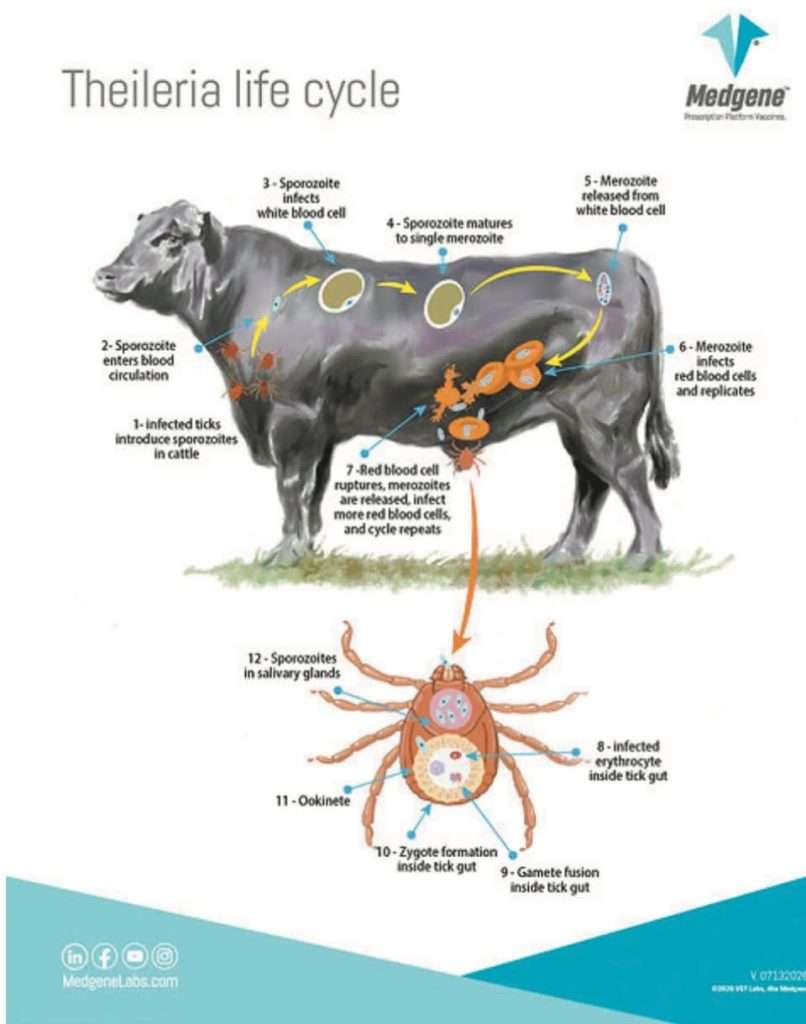
With all this publicity on ticks in the news lately. Here is another take on them, brought to us by a family member.
Another take on ticks Read More »
Herd Health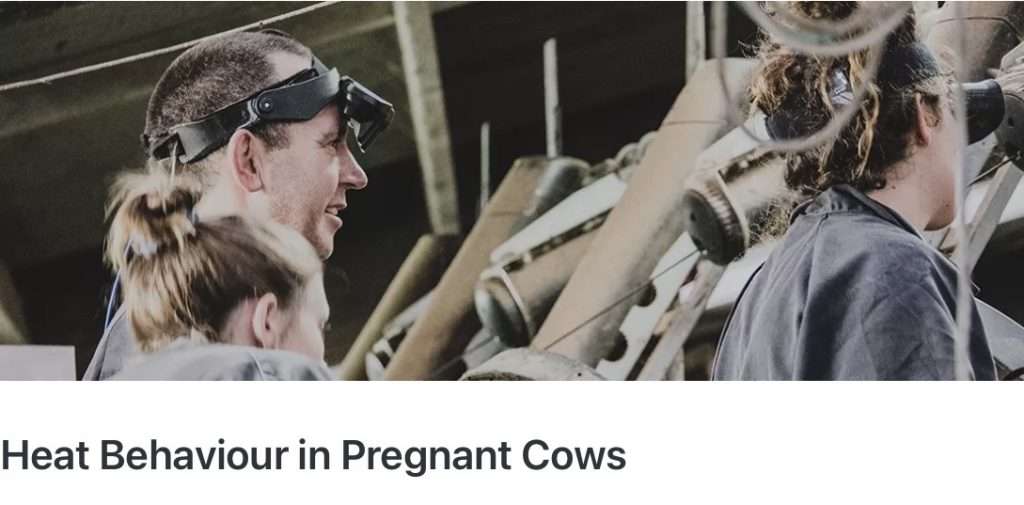
I recently experienced this …and may have once or twice in the last 15 years.
Does your cow heat…but she is pregnant? Read More »
Herd Health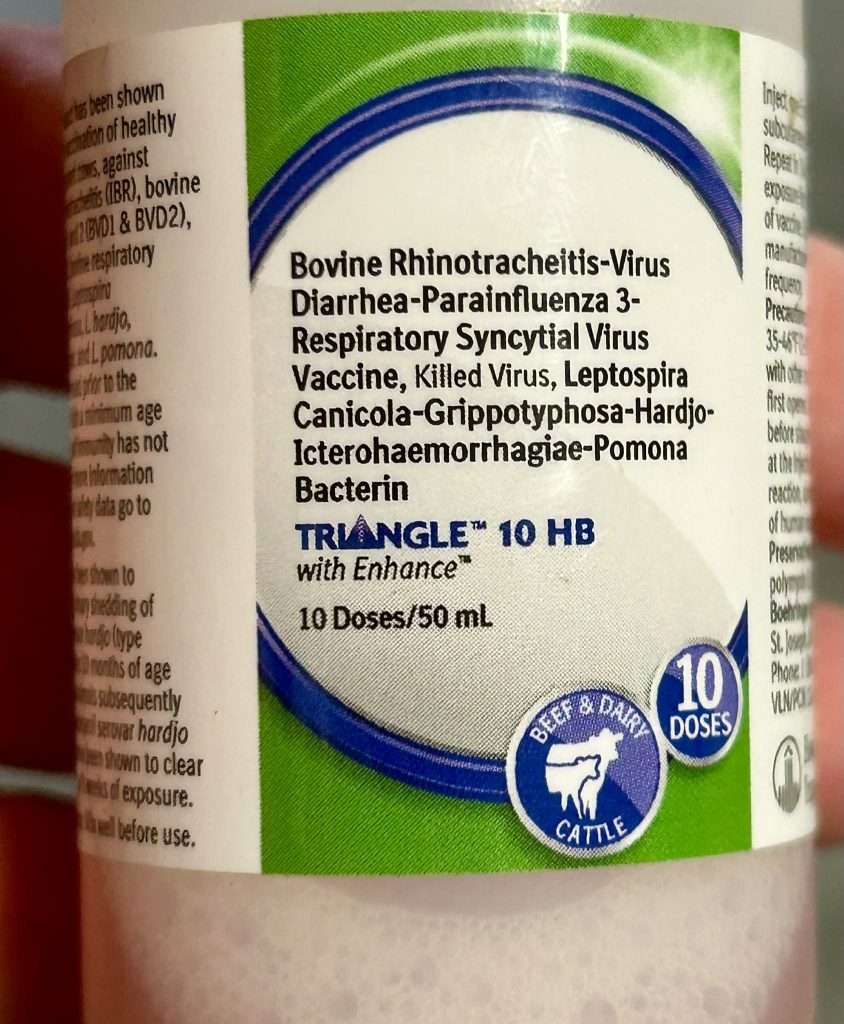
To vaccinate or not is a big debate. Even if you’re a closed herd, there are things in the environment your cattle can be exposed to and you will have consequences to deal with if they are not immune to it.
Combination vaccines can cover several diseases including black leg, tetanus, pink eye, respiratory diseases and more.
We can’t protect our cattle from all disease with vaccines, but we can avoid many of them and therefore eliminate heartache and loss.
https://extension.umn.edu/beef-cow-calf/cattle-vaccine-basics
The importance of vaccines Read More »
Herd Health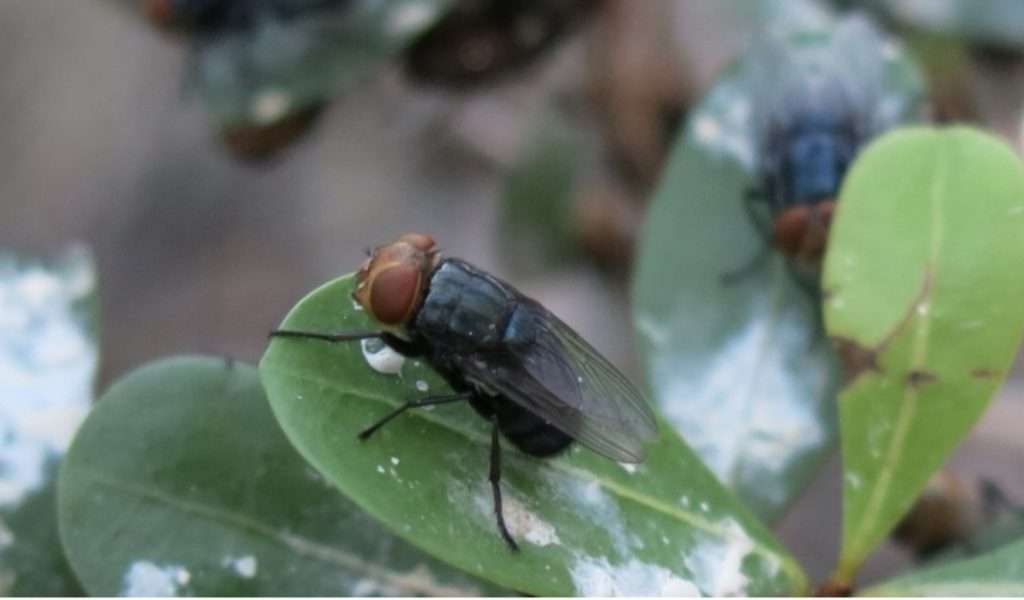
Screwworm found on an imported horse in Florida…
https://ruralradio.com/rrn/news/usda-screwworm-found-on-imported-horse-no-u-s-outbreak-detected/
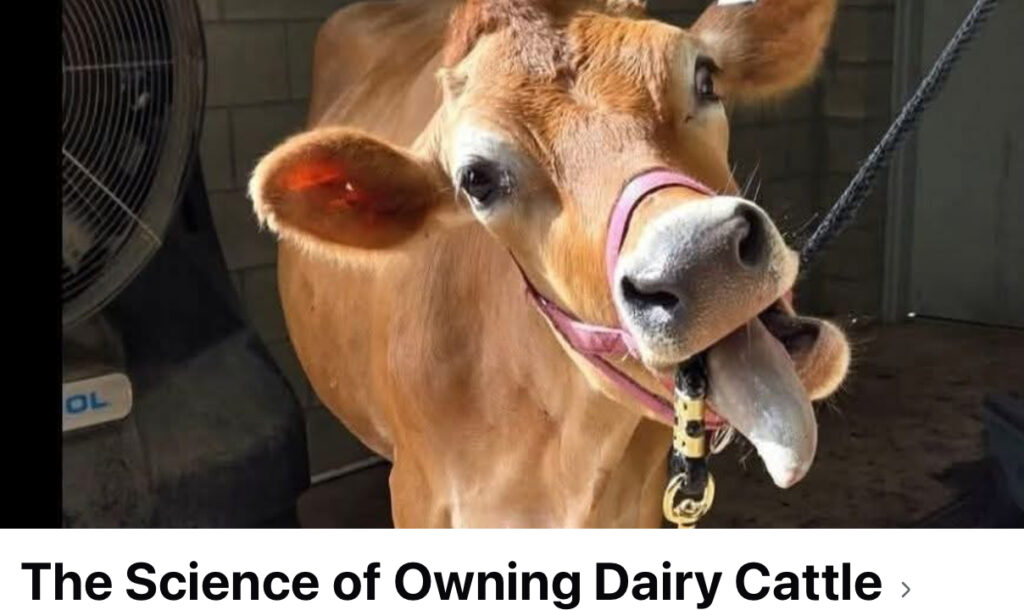
Juliette Albrecht is a contributing member of the Irish Dexter Cattlemen, who was born and raised in the dairy industry. She has helped a fellow IDC member save their cow. Look for her articles each month and for past articles in the Gazette.
Juliette also runs two Facebook groups. One is under her name. The other is called The Science of Owning Dairy Cattle.
☆☆ Milk Fever
It scares so many dairy cow owners, and for a rightful reason. However I hope that I can shed some light on it and take away a bit of that fear. Hypocalcemia (milk fever) is brought on by the sudden demand for calcium that comes prior to delivery and directly afterwards. This taps her muscles, which carry that, heavily. In a pre calving scenario it will affect labor, since the cow needs muscles to contract. Often in this case she will need assistance. Characterized by lethargic movement, dull, dark eyes, and drop in body temperature, it can also lead to her going “down.”
●● Prevention
First calf heifers are less prone to this, but it CAN happen in them. Commonly it affects 3rd lactation and beyond. From the time she delivers her calf you are either setting her up for a great following lactation, or one doomed to fail. It all start with NUTRITION. Dairy cattle are beautiful, but oh so delicate. She needs fiber, energy, starch, protein, bypass protein and minerals to simply survive. (Keep an eye out for Mariah Gull and her weekly posts regarding this subject!) When a cow calves in she loses body weight rather rapidly. During this time she “milks off” condition. Peak is considered to be day 30 to 90 in milk. If she is being fed correctly, she will not become too thin. Coupled with a good deworming protocol, she will slowly regain weight. At roughly day 80 she ideally will be bred back, and than her body weight will continue to rise. Grain should rise as she peaks to meet her milk volume, than slowly decrease as it falls. If she goes into late stage lactation either too thin or on the alternate, overweight, she is being setup for metabolic problems. During the dry period I either cut grain off completely (during spring and summer grazing, when forage quality is high) or feed a 2 to 3 lb per head feeding rate during the fall and winter.
Transition refers to the time before estimated due date. This commonly starts at 3 weeks out from calving, and technically extends to 30 days in milk. This is my protocol.
1) stop salt access, as it increases the chance of edema.
2) feed either a high fiber, grassy hay or have her graze similar.
3) feed 3 lbs a day of our parlor grain (18 percent protein)
4) top dress with the negative DCAD Soy Chlor
Five to seven days prior to delivery her appetite will drop. If it is significant I give B Complex.
On this protocol I see very little metabolic problems. However I always give Bovikalc to…
A) an assisted birth
B) twins
C) a cow with a known history for metabolic problems (milk fever, metritis, ketosis)
Should she go down, IV calcium is the only way to get her back up.
A cow that has had milk fever typically never reaches her full potential in milk volume for that lactation.
Milk Fever – Prevention and treatment By Juliette Albrecht Read More »
Milking
Winter is coming, and it’s time to think about how you can make winter farming/ranching easier on you and easier on your Livestock.
“Winter Prep for your Herd” Read More »
Farm Management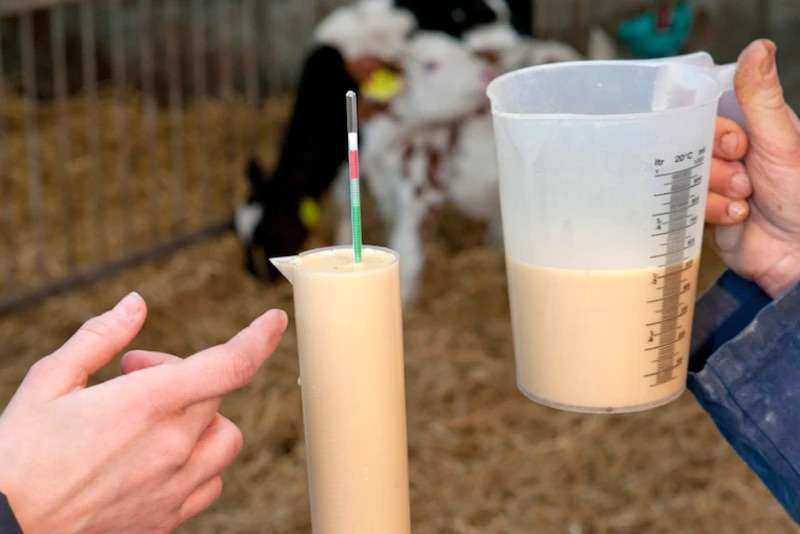
When our Dexters calve, they usually have a surplus of colostrum. We milk some to freeze and have on hand for emergencies. Having this liquid gold on hand can now help with treating scours in calves…
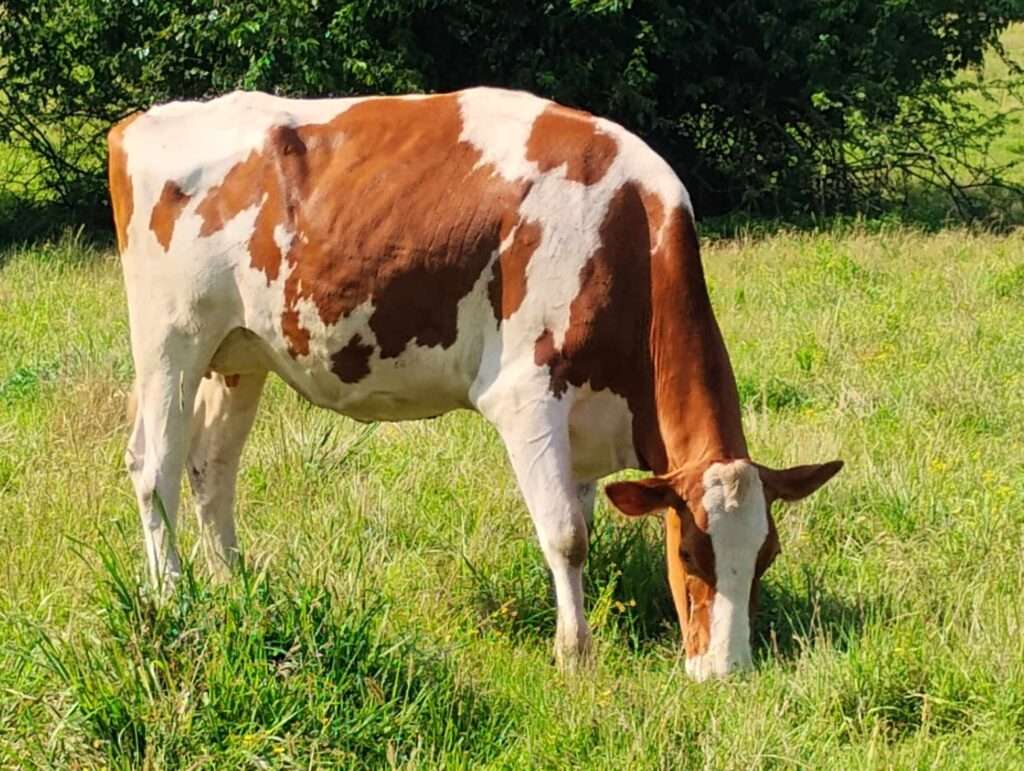
Juliette is one of the principles behind The Science of Owing Dairy Cattle Facebook group and has opened a consultant group Happy Cow Consulting. https://www.happycowconsulting.org/
Think of a lactating cow’s nutritional demands as a pyramid. The very base consists of fiber, which is the rumen mat. This is grass, or grassy hay. Next is the protein derived from the fiber. Some, like alfalfa, are high in NDF (non detergent fiber) which although great for a protein kick, burns up fast and offers little in the way of actual fiber. Use alfalfa sparingly, and in my opinion, not at all during the first 30 days of her lactation. Not all grass is created equal. Acid Detergent Fiber (ADF) is high in cellulose and lignin, offering little use for a dairy cow. Knowing what your fiber is can help you adjust the following components. Energy follows that, which is usually corn. Energy is a MUST for a healthy cow. Bypass protein is normally dried distillers (which also filters into the energy class), soybean meal, cottonseed meal etc. Black Oil Sunflower Seeds offer fat and protein. Minerals top the pyramid. Dry Matter Intake (DMI) is where all the water is squeezed out of the feed. This is what remains. A Jersey should be getting around 40 lbs a day, larger breeds such as Swiss and Holstein 50 plus. Fiber is the bulk of that diet, but it cannot be fed alone. The rest of this combination fuels a healthy cow. With that in mind, tomorrow’s post will be explaining the lactation curve, and how feed demands change throughout days in milk. Feel free to ask questions.
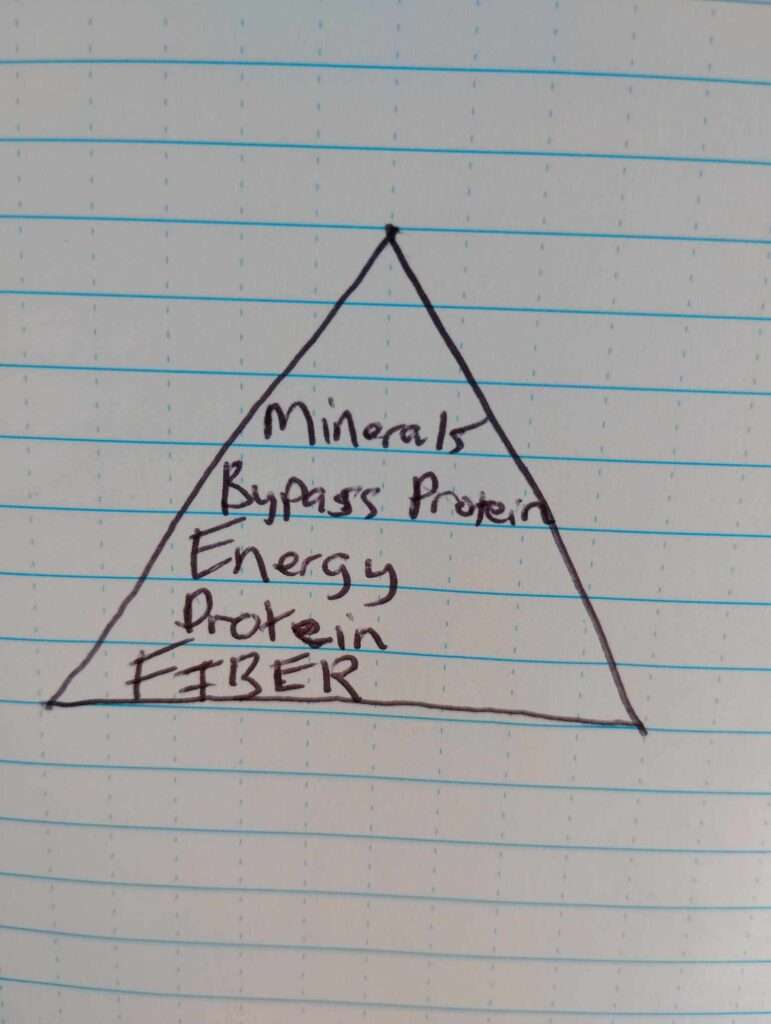
Nutrition and milking by Juliette Albrecht Read More »
Milking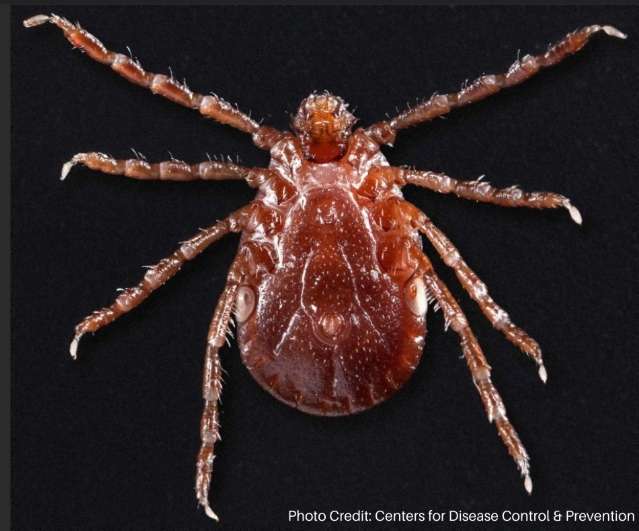
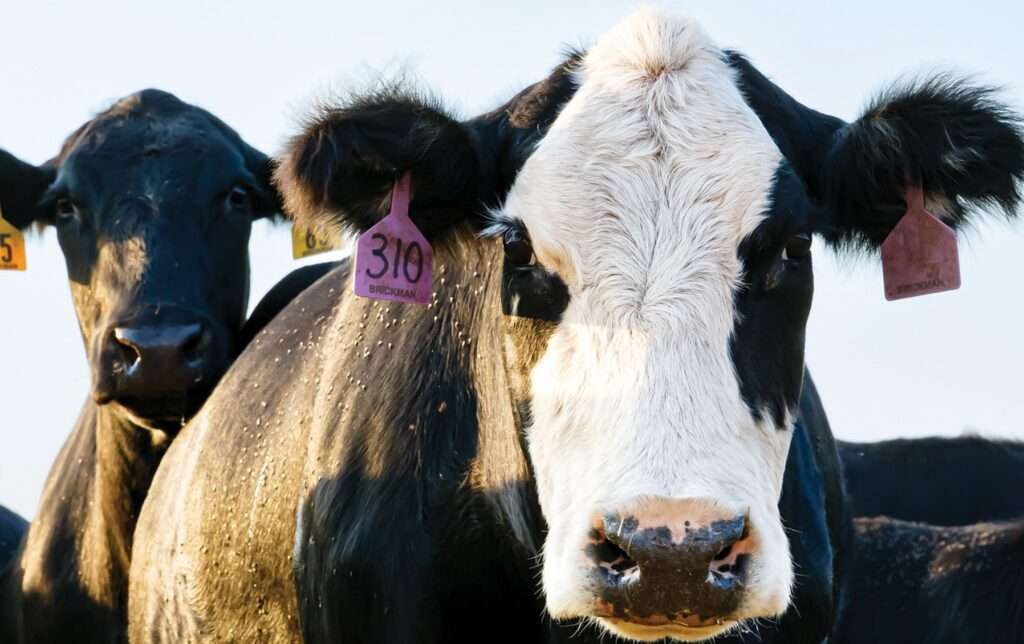
The Asian longhorned tick, once confined to distant regions, is crawling into the state, sounding alarms for livestock producers
The Asian Tick is in the US Read More »
Herd Health
US Department of Agriculture (USDA) secretary Brooke Rollins yesterday suspended the import of live cattle, horses, and bison across the United States’ border with Mexico due to the rapid northward spread of New World screwworm (NWS), which can cause cattle loss and has also been linked to sporadic infections in people.

Homeopathy for Mastitis …consider natural methods
Homoeopathy for Bovine Mastitis – Submitted by Riley Wohlgemuth Read More »
Herd Health Milking
Protecting the health of cattle herds is an important part of a successful plan to have a profitable and sustainable ranching operation.
https://www.bovinevetonline.com/news/education/establish-complete-herd-health-plan
Establish a Complete Herd Health Plan Read More »
Herd Health