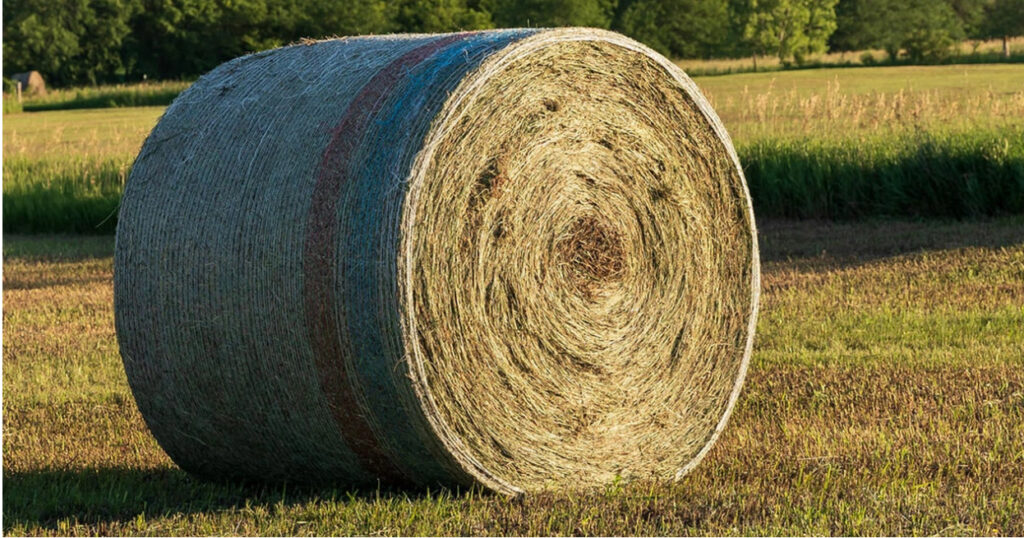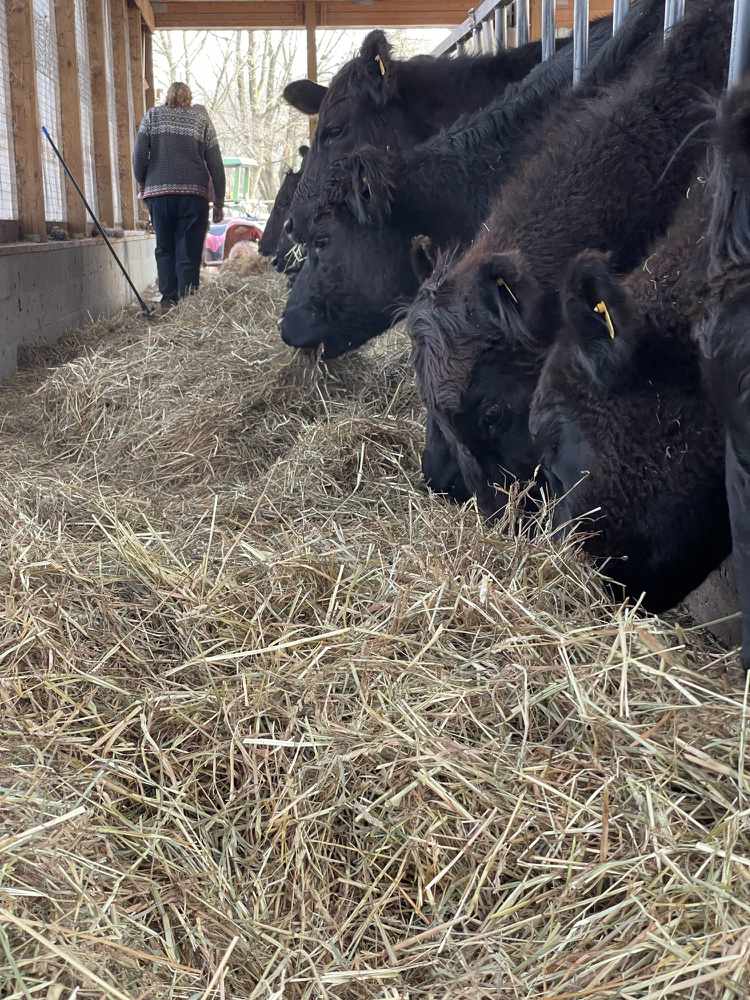
Cheap Hay Isn’t Cheap
| “Poor-quality hay robs cow herds of nutrients and producers of profits. So does poor storage and poor management…” |
Cheap Hay Isn’t Cheap Read More »
Farm Management| “Poor-quality hay robs cow herds of nutrients and producers of profits. So does poor storage and poor management…” |
Cheap Hay Isn’t Cheap Read More »
Farm Management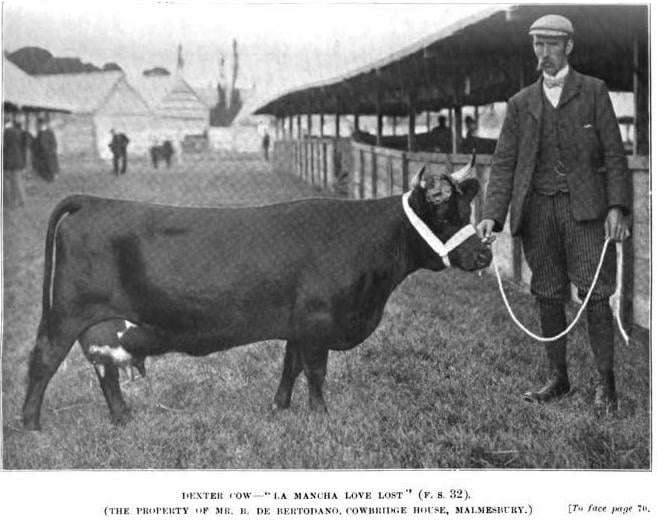
Dexters have long been hailed as hardy and thrifty even adaptable to locations from Africa to snow laden areas. This article I am sharing was written by R. Tait Robertson; he was a famous and most influential Dexter breeder for his day. He was not just any armature Dexter owner, since he was a foundational breeder of Dexter cattle and a generational farmer. He explained that” I have on my farm over 100 of them (Dexters) lying out at present, and they will continue so all winter, getting nothing beyond what they can pick up and a small portion of hay night and morning”. What this means is that Original Dexters could get by on just a little, but of course they could thrive on even more. It was often said that when the Dexters of Ireland went to the manor lands of England they grew greater in size due to the surplus. Dexters can do well on just forage and hay alone with no grain needed. They can excel on the best rations and produce even more, but if times get tough, they can more than get by.
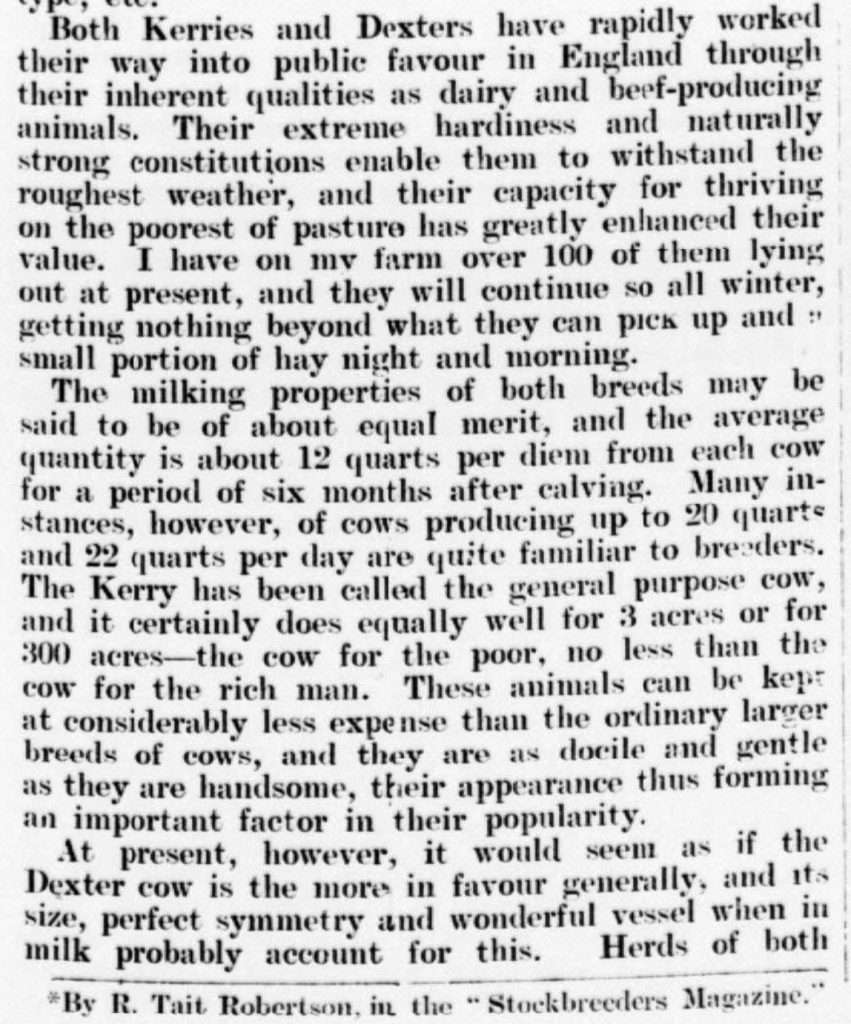
Mr. Roberston was a very influential breeder, breeding in Malahide, County Dublin, Ireland. His family later had Church Farm in Babraham, Cambridge. His Dexters were esteemed as quality and were very sought after by the English who wished to keep them. He is the son of James Robertson. They were not just multigenerational farmers but multi-generational Dexter farmers who helped shape Dexters in their early years by breeding and selection. Dexters as we know them then owed a great degree of tribute to this influential family. Mr. R. Tait Robertson was also a judge for Kerry and Dexter cattle. He judged them by the merit that this article speaks to. Someone may say that Dexters are a beef breed that can milk, but Mr. R Tait Robertson said they have “equal merit” to Kerry cattle. They were not transformed in England to a milking breed but rather selected and bred by breeders like the Robertsons for great dual-purpose traits and were heavy in exceptional dairy traits. When R. Tait Robertson speaks to their equal merit remember that he was a judge for both Kerry and Dexter cattle and those judges gave prizes and entered both Kerry and Dexter cattle into the foundation herd books for the Royal Dublin Society. Dexters are not, nor have they ever been a beef breed that can be milked, but rather a dual-purpose breed with equal merit in milking traits to an ancient breed of dairy cattle (Kerry cattle) that can excel at grass-based feeding.
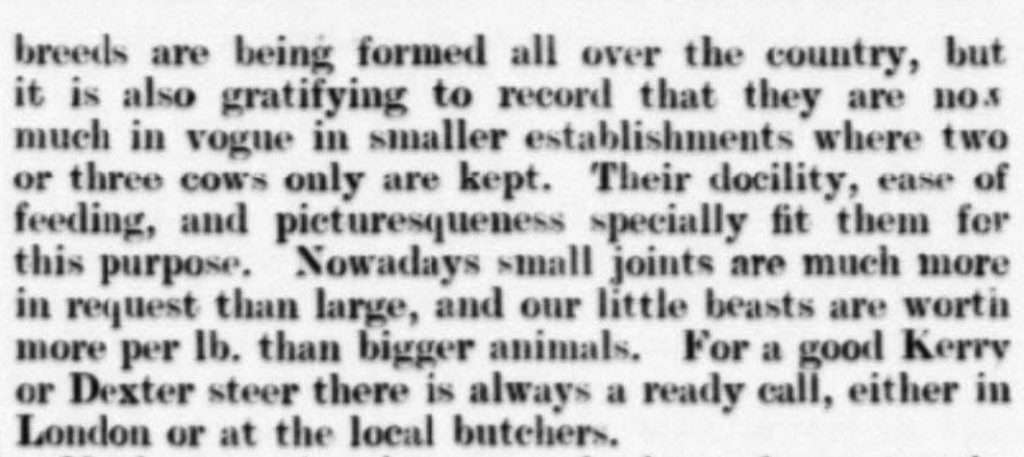
Mr. R. Tait Robertson was the owner and or collector of the cattle in the La Mancha Herd. He or his family may not have bred them all but rather selected some as foundational cattle for the Dexter breed. You will often see La Mancha Dexters registered to him, his father or Robertsons and sons. His Dexters traveled to many countries and those Dexters that could be found “Lying out all winter long, getting nothing more than what they can pick up and a small portion of hay Night and Morning” run in the veins of our Dexters today. This article I shared was written on 16 December 1899 and La Mancha Love Lost was born in 1897. She was qualified by inspection most likely by Mr. R. Tait Robertson and would have spent time in his field while this article was written. It’s nice to think of such a beautiful cow lying out in your pasture all winter long, getting nothing more than what she can pick up and a small portion of hay night and morning then still looking so beautiful! That’s the kind of Dexter I want.
❄️”Winter-feeding is one of the largest costs for Canadian and US cow-calf producers. How this period is managed can make a big difference in both herd health and an operation’s bottom line.
From extended grazing systems to feeding stored forages, each method has its strengths and challenges. The right strategy depends on the operation, available resources and winter conditions.
Here’s a look at some common winter-feeding strategies, with the pros and cons of each.”
https://www.beefresearch.ca/blog/winter-feeding-strategy-pros-cons
Different Winter Feeding Strategies Read More »
Herd Health
Having this information allows beef producers to match the right supplement strategy
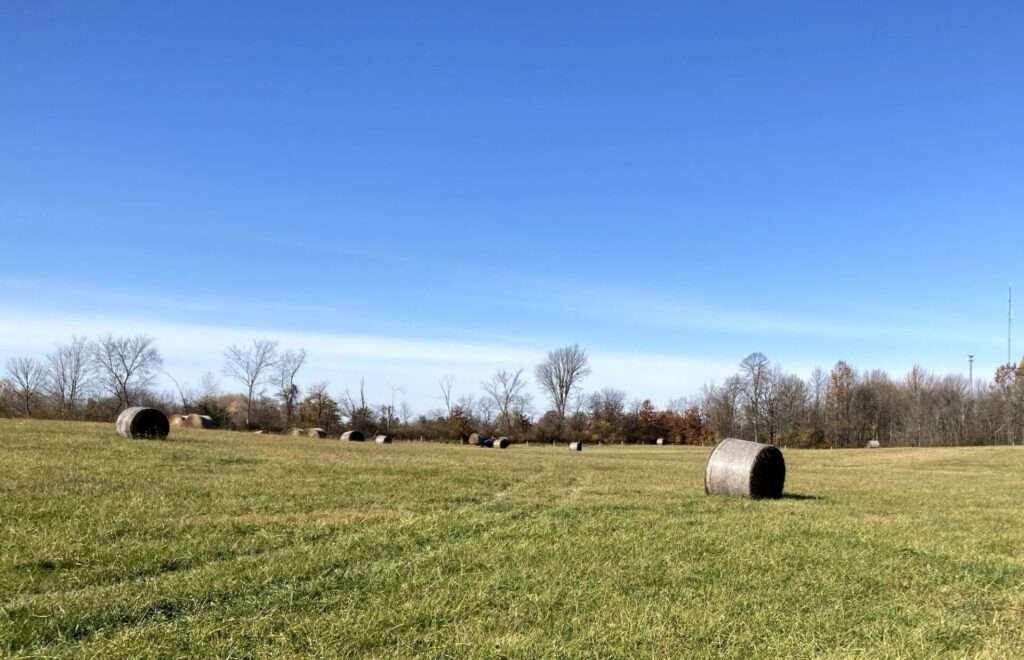
It’s hay season, which is always a hectic time of year in our area. You may not be ready to think about hay or winter, but you can usually get the best deals buying it right out of the field – and now is the time to do that!
Here is an article on tips for hay buying and making, with details on each animal’s nutritional needs.
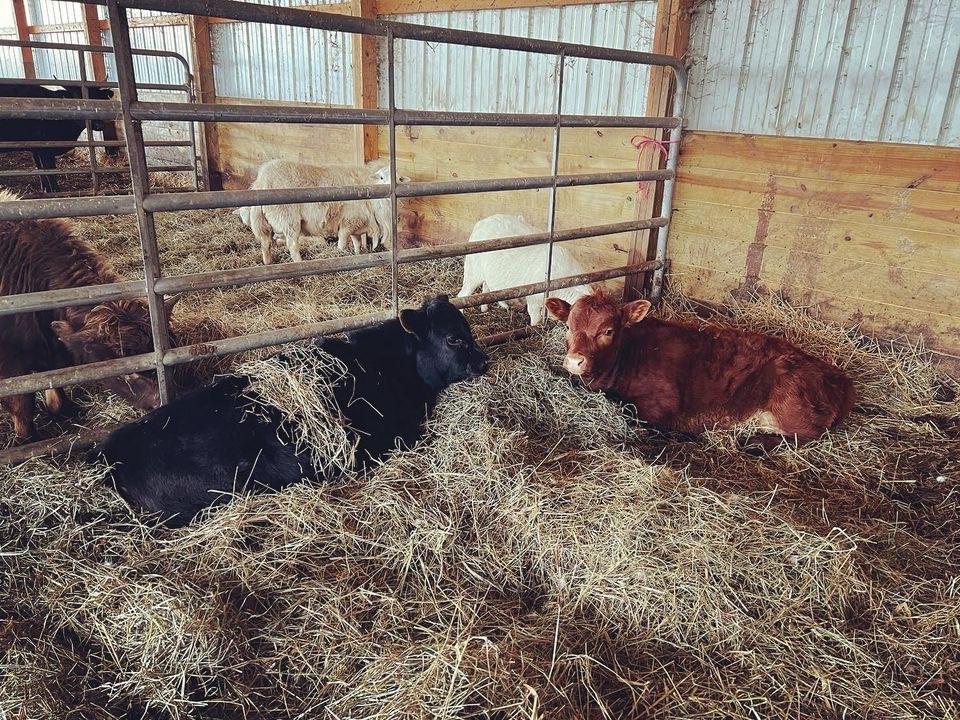
I found this DIY feeder when I was looking for inexpensive options for my sheep. As Dexters are smaller, I could see this working great for them as well. It would also work well if you have mixed species together in the pasture.
https://smallfarms.cornell.edu/2019/10/save-money-with-diy-hay-feeders/
DIY Round Bale Feeder Read More »
Farm Management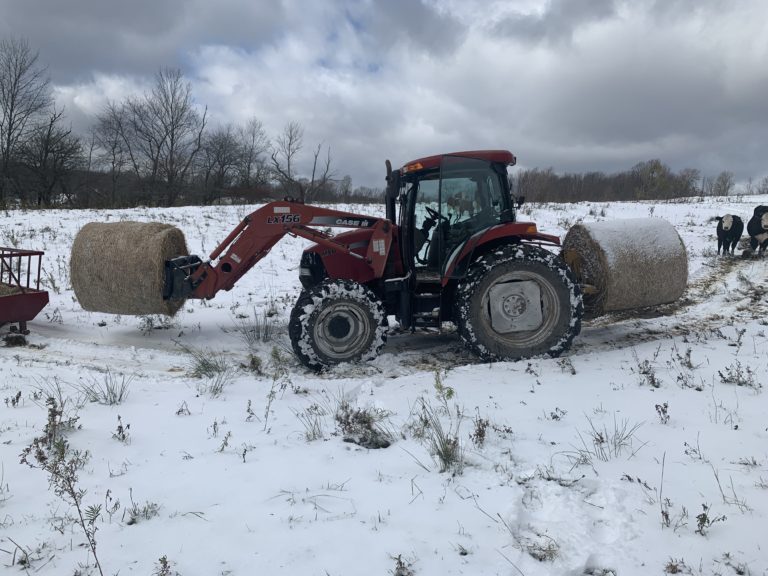
Look at how much hay you need to plan for winter feeding your beef herd.
https://smallfarms.cornell.edu/2021/07/do-the-math-for-winter-feed-preparation
Making Winter Feed Preparations Read More »
Farm Management
Summer annuals are fast-growing, high-quality forages that can be used to supplement tall fescue systems.
Summer Annual Forages Read More »
Farm Management
Dexter cattle don’t need much from their owners in the winter. Here is the few things they do.
Dexter Cattle Winter Needs Read More »
Farm Management