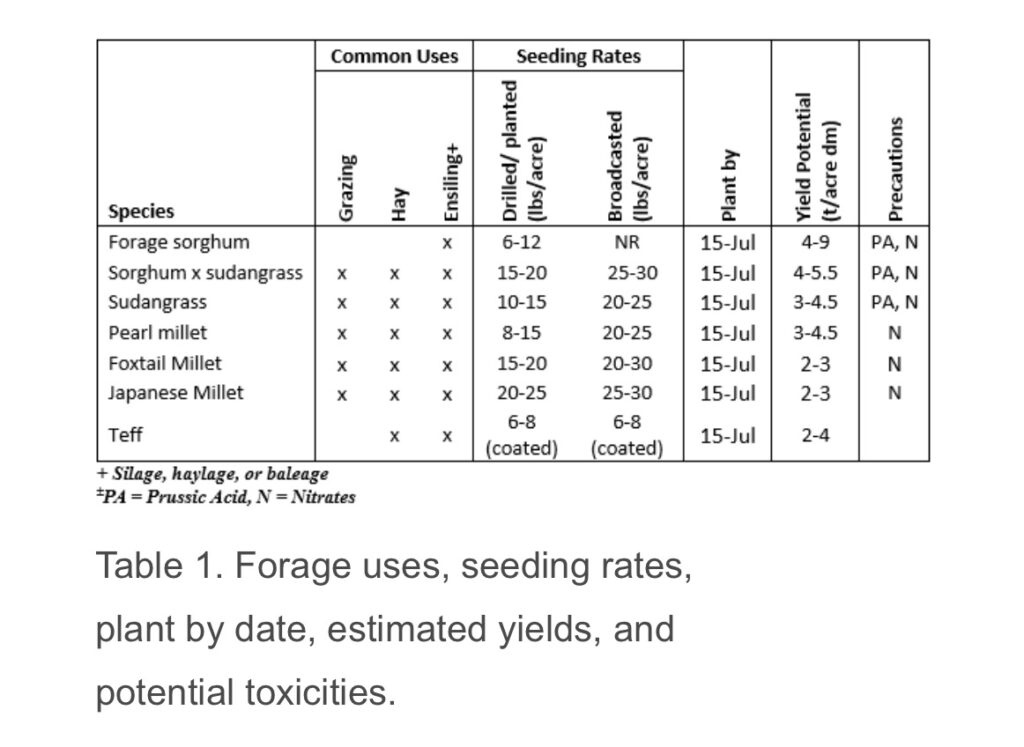
Utilizing Summer Annual Forage
Utilizing Summer Annual Forage Read More »
Farm ManagementInformation on farming and ranching using Irish Dexter cattle
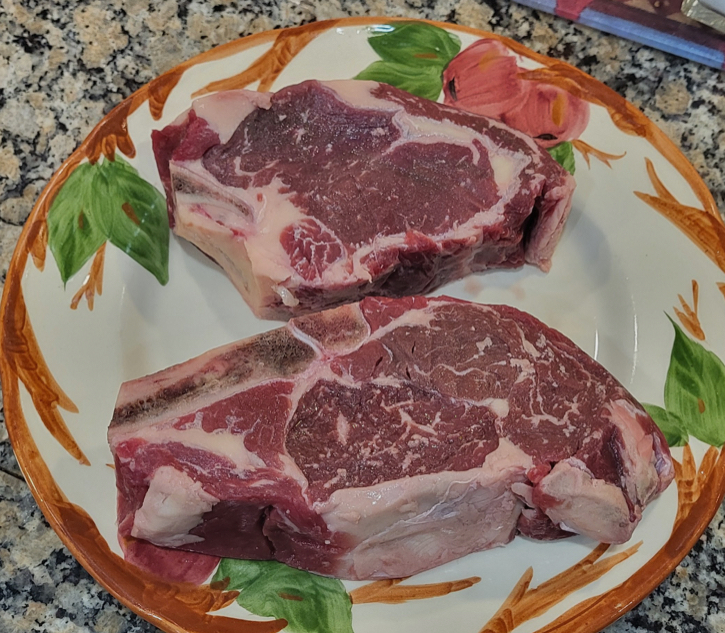
Renown chefs like Gordon Ramsay and Jamie Oilver, indicate they’ve found something better…and just like diamonds… it comes in small packages. Introducing Dexter cattle.
https://www.thenorthcoastranch.com/blog/4-reasons-our-grass-fed-beef-tastes-uncommonly-delicious
Why Dexter Cattle? Read More »
Beef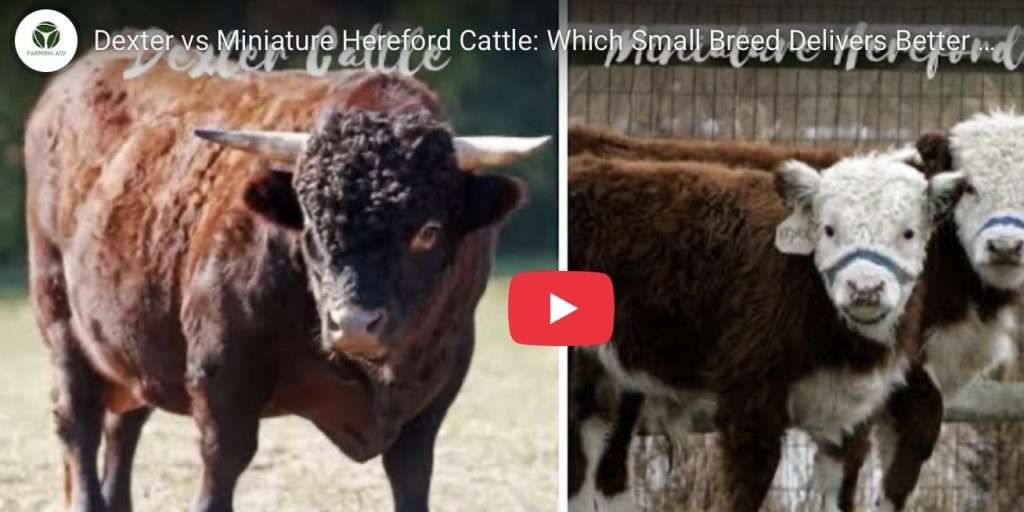
Who wins the crown? An interesting and fair comparison. I think you know who takes the crown!
BREED COMPARISON….DEXTER VS MINATURE HEREFORD Read More »
Homesteading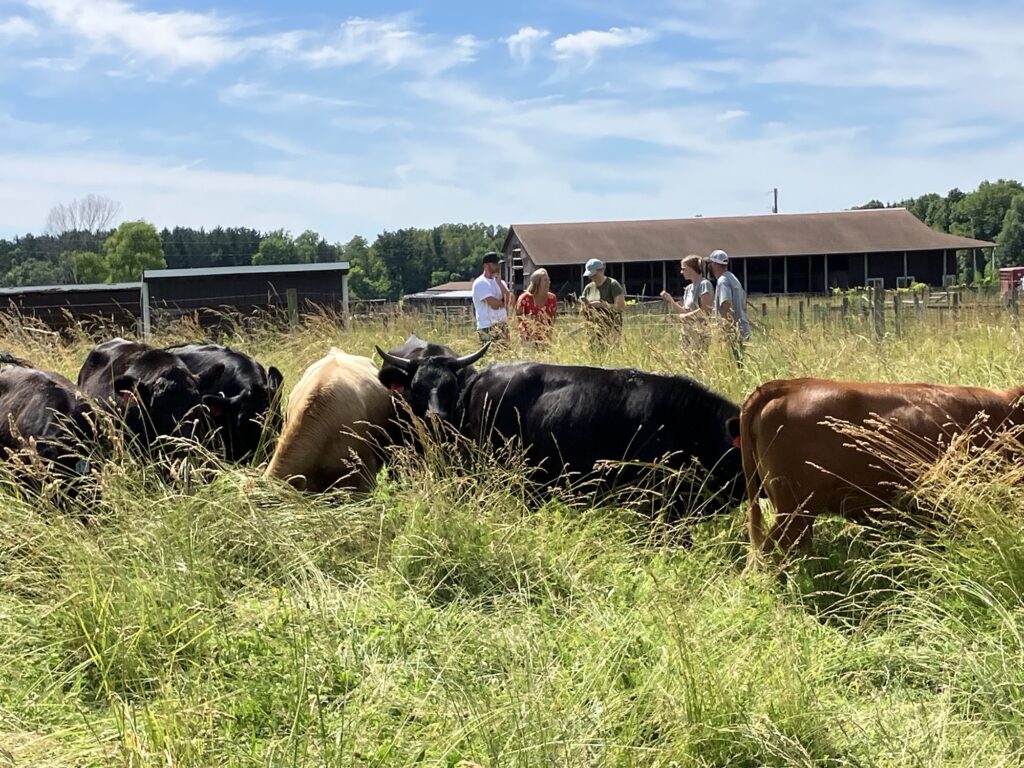
The question that starts rolling around in all our brains the moment the weather turns and we see the fresh green forage poking through the soil is, when can I start grazing my cattle? This is an important question and one that requires some observation. Turning the cows out too soon could have significant impact on the length and quality of forage growth during the entire grazing season. The hay is usually dwindling at this point and everyone is eager to start grazing. But, please pause and read this short article for advice and have a great grazing season!
When Can My Cows Start Grazing? Read More »
Farm Management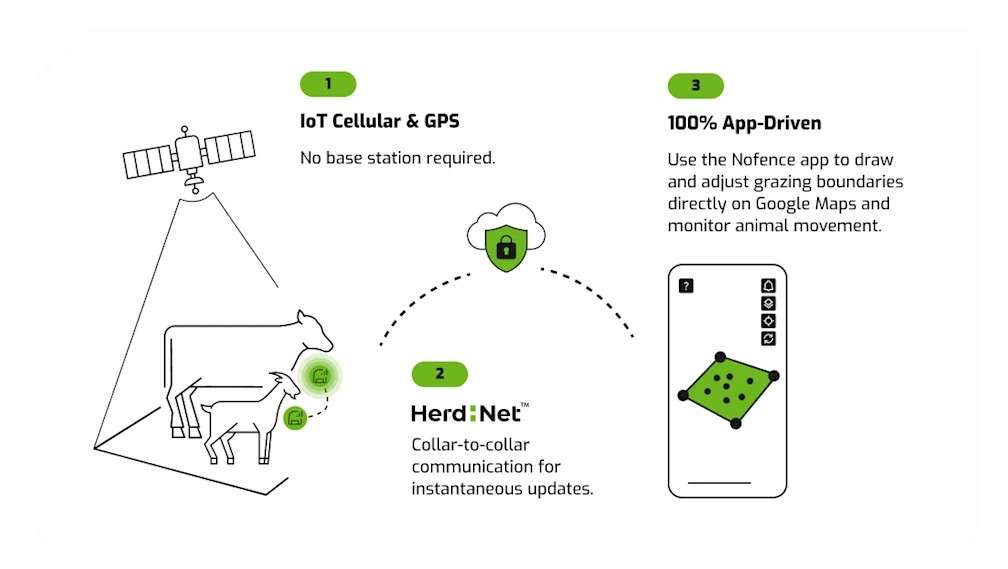
Nofence creates invisible boundaries that safely contain livestock without physical fences. Each mature animal wears a GPS collar that tracks its location and guides it within the virtual pastures you define in the Nofence app. The system combines GPS positioning, cellular connectivity, escalating audio cues, and gentle electric pulses to form a reliable and flexible fencing solution.
TECHNOLOGY creates a fence without A physical Fence Read More »
Technology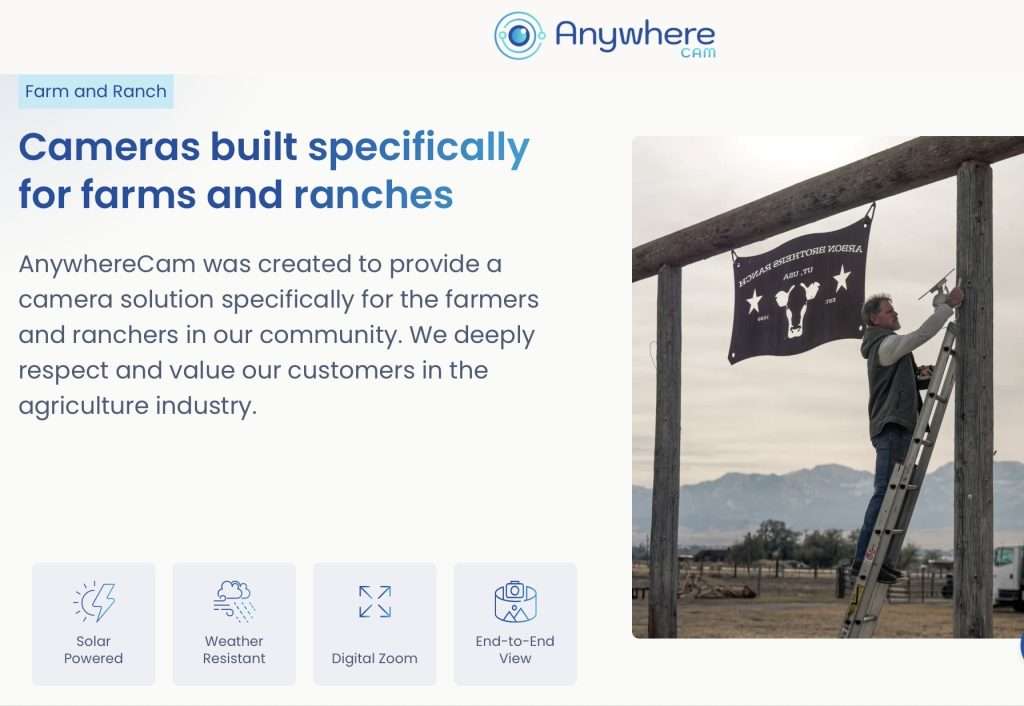
Technology continues to improve the way we can do things on our homesteads, farms and ranches giving us advancements in how we can monitor our precious Dexters. Here is a company that offers a solution.
Cameras built specifically for farms and ranches Read More »
Technology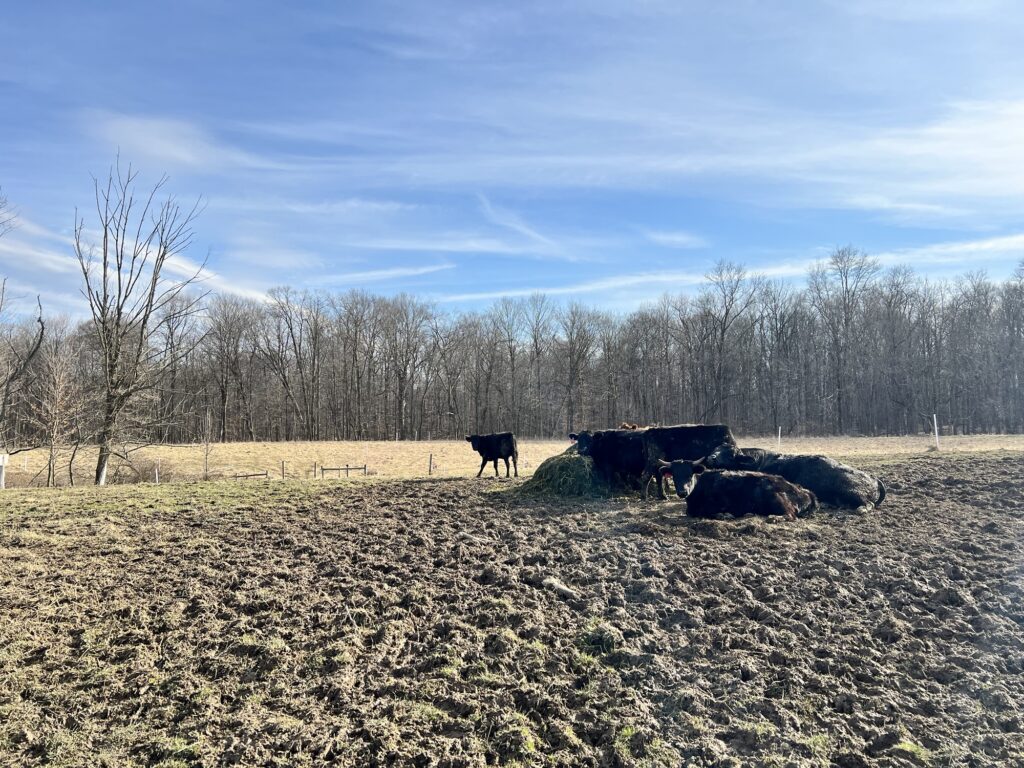
If you raise livestock, chances are you’ve dealt with mud. Every year is different, some more challenging than others when it comes to managing livestock and mud. Here is a great DIY video on building a heavy use pad for feeding or high-traffic areas on your farm or homestead.
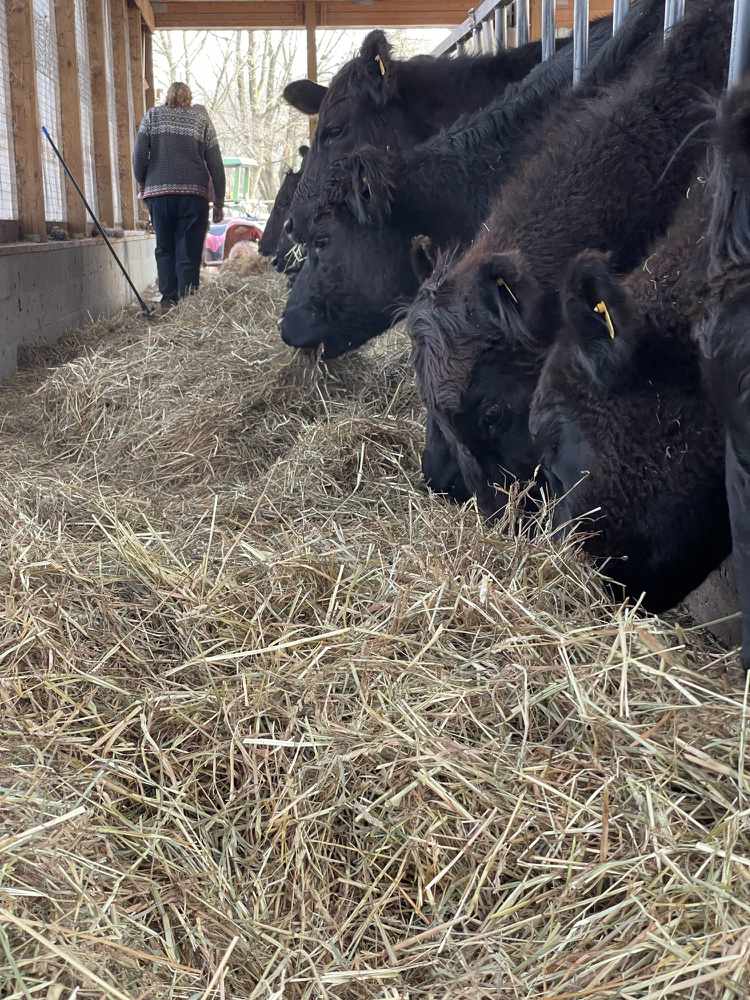
| “Poor-quality hay robs cow herds of nutrients and producers of profits. So does poor storage and poor management…” |
Cheap Hay Isn’t Cheap Read More »
Farm Management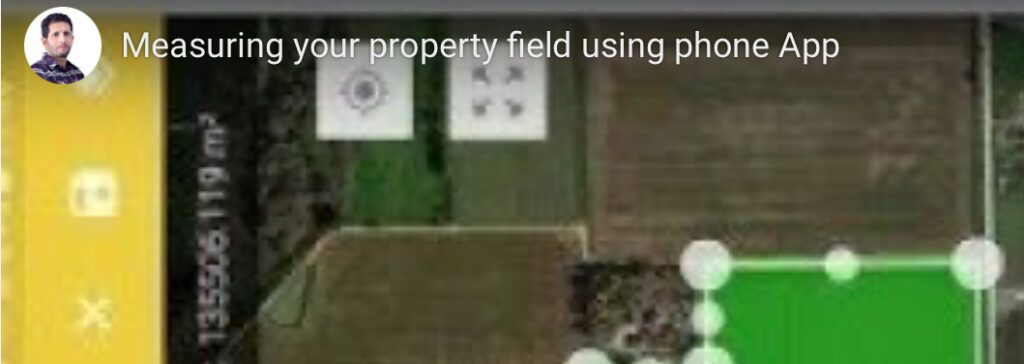
The Distance and Area app on your smartphone will measure any pasture. Search for it in your phone app store.
Measuring your property field using phone App Read More »
Technology
If you have any stockpiled forage left from the previous season,.
How to Know When to Begin Grazing After Winter Dormancy for Optimal Growth and Output Read More »
Farm Management
Selenium-deficient adults tend to have chronic infections and reproductive problems.
Selenium: Essential for Livestock Read More »
Herd Health
Bloat is the other big concern in early spring grazing.
Early Spring Grazing Read More »
Farm Management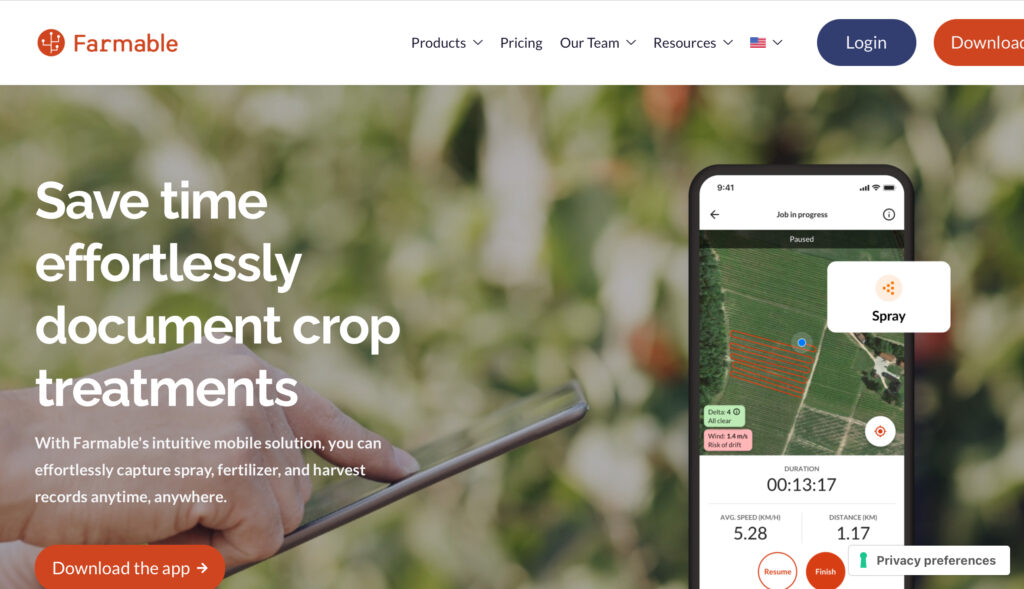
Build an interactive map of your fields for a better overview.
Keep all your information and activities easily connected.
Build a digital field model Read More »
Technology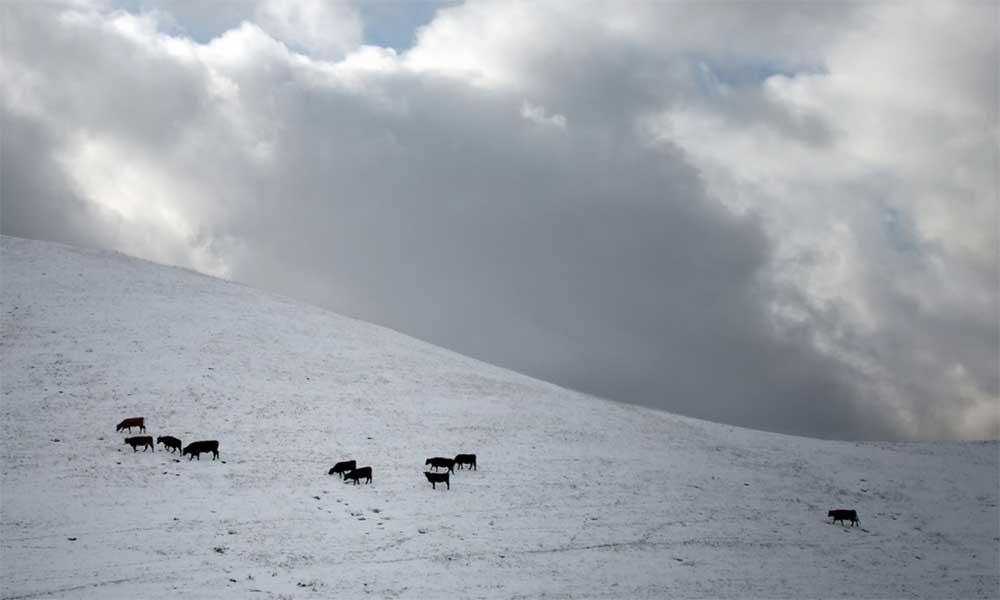
Winter feed represents one of the largest costs for a livestock production enterprise.
Rotational Grazing During Winter Read More »
Farm Management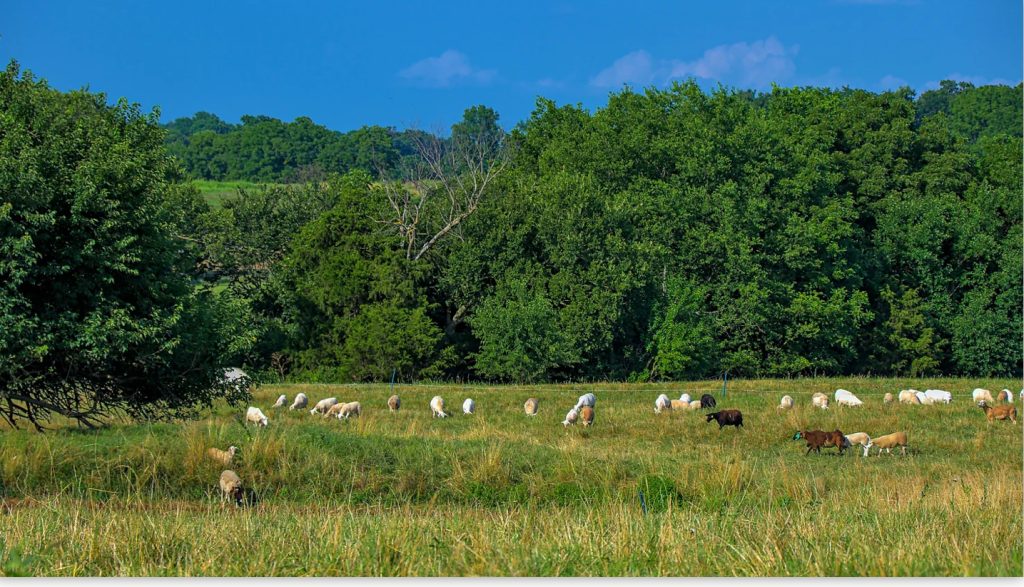
Key considerations to think about
https://www.farmbrite.com/post/benefits-of-multi-species-grazing
Multi-Species Grazing Read More »
Farm Management
❄️”Winter-feeding is one of the largest costs for Canadian and US cow-calf producers. How this period is managed can make a big difference in both herd health and an operation’s bottom line.
From extended grazing systems to feeding stored forages, each method has its strengths and challenges. The right strategy depends on the operation, available resources and winter conditions.
Here’s a look at some common winter-feeding strategies, with the pros and cons of each.”
https://www.beefresearch.ca/blog/winter-feeding-strategy-pros-cons
Different Winter Feeding Strategies Read More »
Herd Health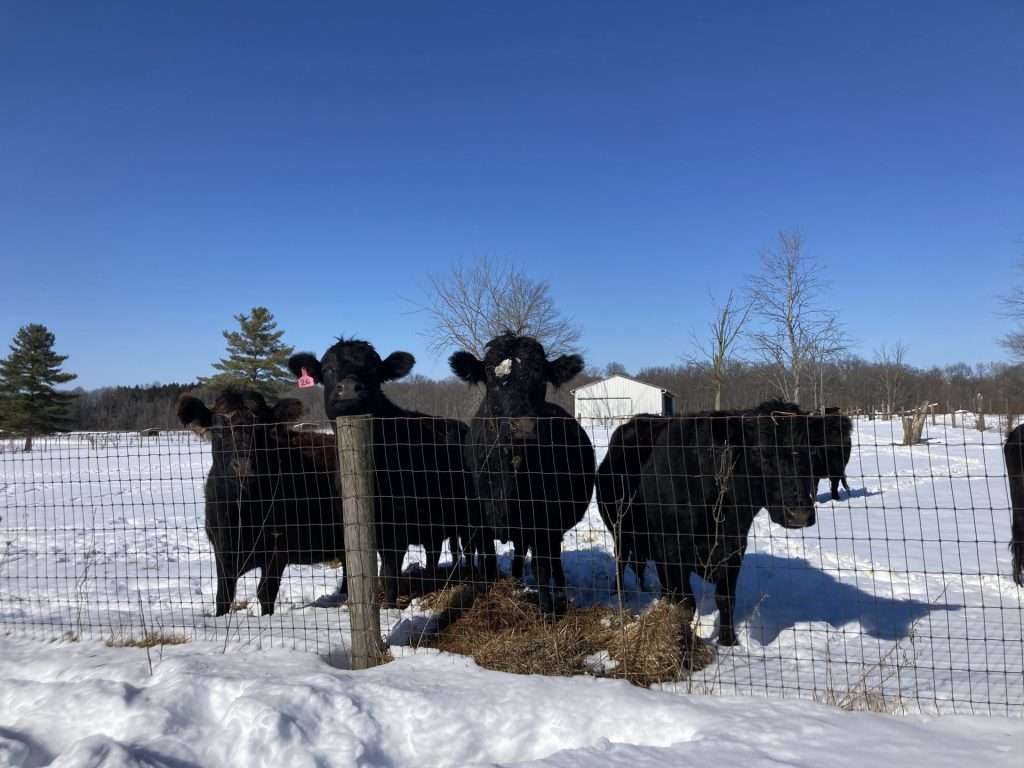
Here is a great video from Greg Judy about the benefits of grazing cattle through snow. He includes tips on keeping water from freezing, looking out for parasite issues, and keeping your operation profitable.
Grazing Through Snow Read More »
Farm Management
Today the farm arguably represents America’s premier non-industrial food production oasis.
The Polyface Story Read More »
Beef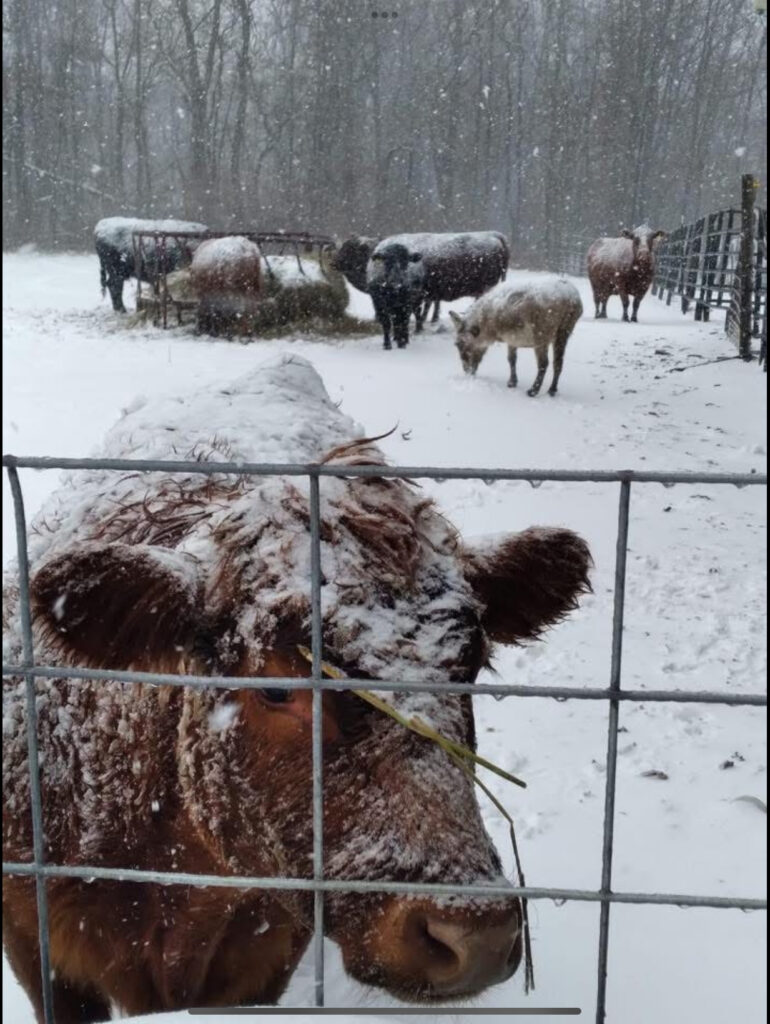
Cattle expected to live outside during the winter should remain outside to adjust to the changing conditions as winter approaches.
https://extension.umn.edu/beef-cow-calf/preparing-your-cattle-severe-winter-weather
Cattle and Severe Weather Read More »
Herd Health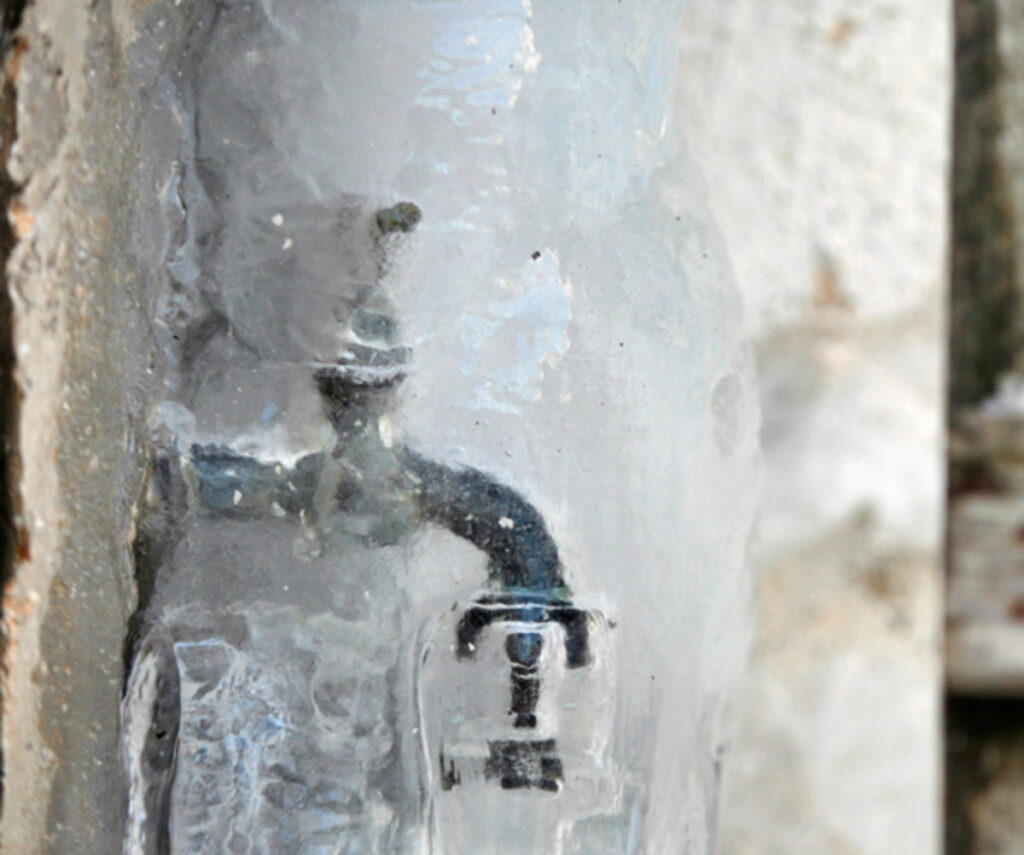
Devising a way to keep the stock tanks from freezing solid.
Guide To Ice Free Livestock Water Read More »
Farm Management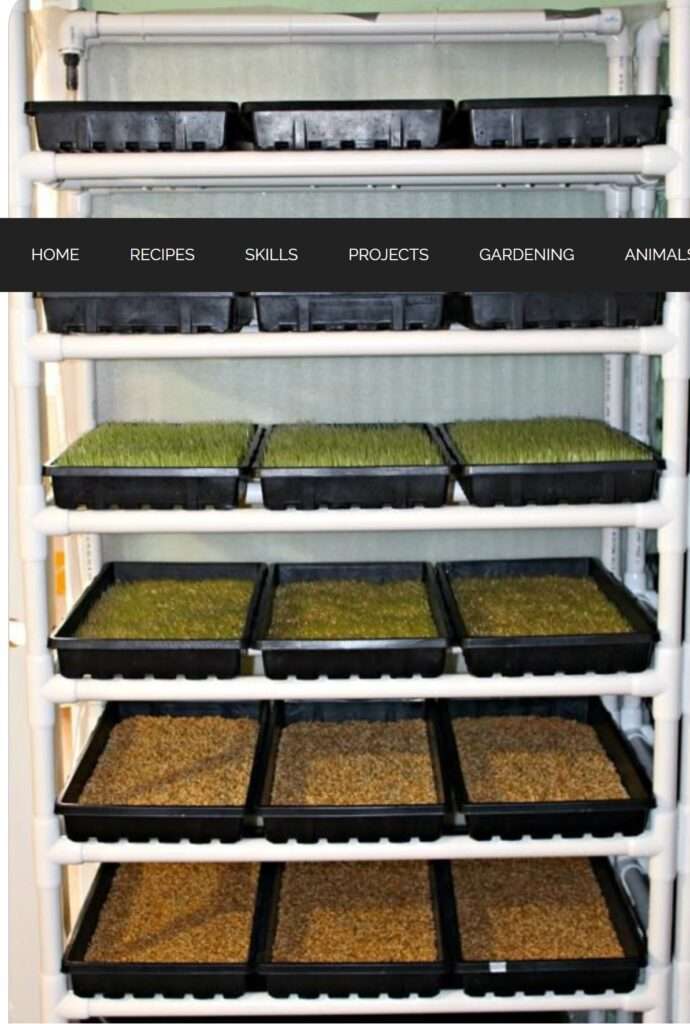
Sprouts (also known as “fodder” when used for animals) are economical to produce. Typical cost of production is less than 6 cents per lb. This includes seed, water, and electricity. Although sprouts cannot replace 100% of an animal’s diet, they have been scientifically proven to increase the digestibility of other feeds in the gut. That means your hay or grain will become more valuable to the animals you feed.
Have You Considered Fodder To Feed Your Livestock? Read More »
Homesteading
The temptation is there, to graze fall pastures too short in hopes of prolonging feeding hay. But, grazing fall pasture too short before the dormant season can actually affect plant health and growth next spring.
Click the link to read more
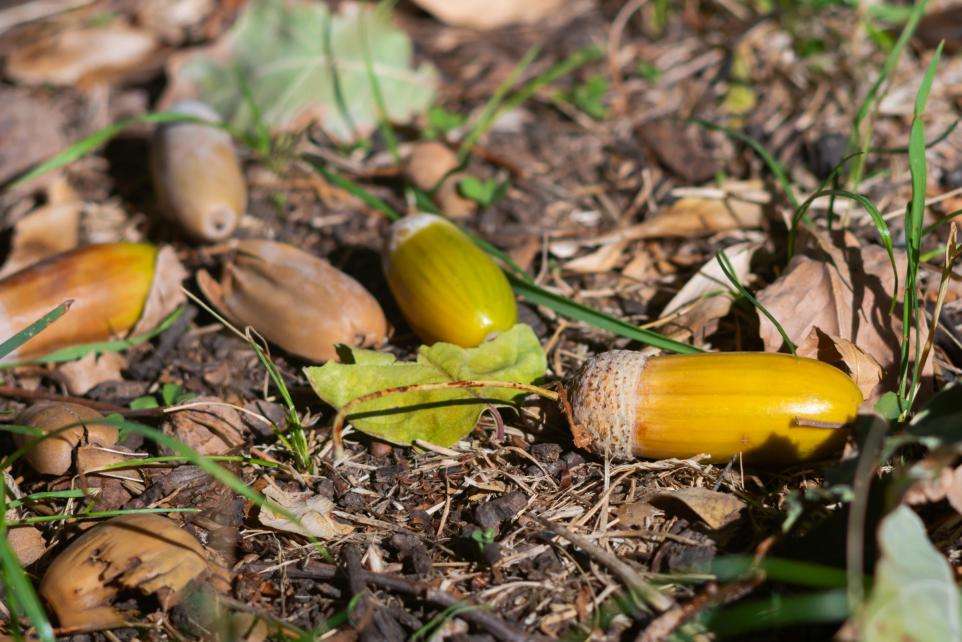
Click the link to read more about this topic.
Perfect storm sparks acorn poisoning warning | The Scottish Farmer
Acorn toxicity poisoning Read More »
Herd Health
A compilation of advice for fall/winter grazing
https://www.beefmagazine.com/cattle-nutrition/fall-winter-feed-strategies-for-cattle#
Fall to winter forage options Read More »
Farm Management
A little on the long side, but packed with great info on everything from experimental crops for grazing, to various methods of bale grazing.
A Conversation on Grazing Read More »
Farm Management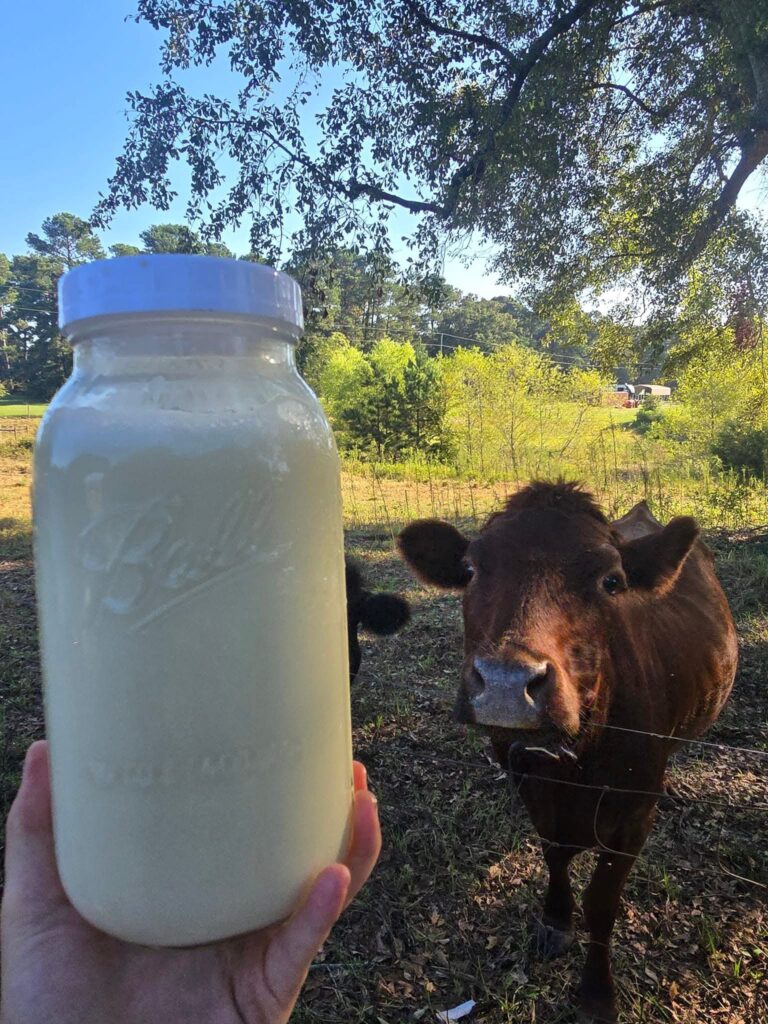
The influence of feeding either hay or silage on amounts of various milk components was investigated. – Submitted by Riley Wohlgemuth
https://www.sciencedirect.com/science/article/abs/pii/S0958694621000522
Does feeding hay positively affect milk composition? Read More »
Milking