farm management

Announcing My Farm Dashboard

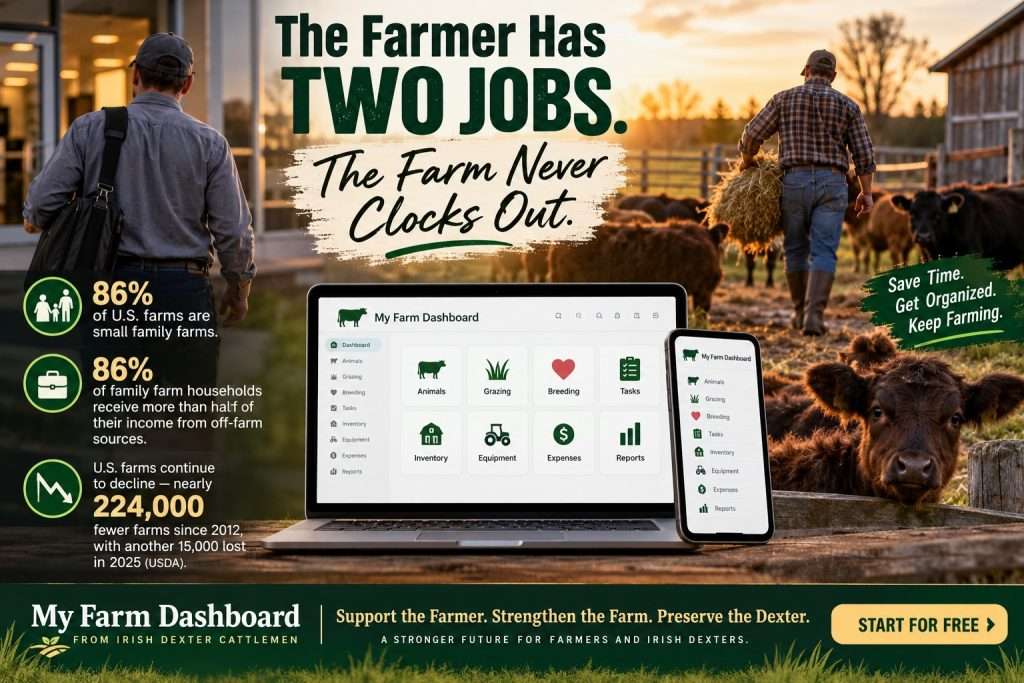
THE FARMER HAS TWO JOBS. THE FARM NEVER CLOCKS OUT.

For many American farmers today, farming isn’t their full-time job.

It’s their second full-time job.

They get up early to feed livestock and handle chores. Then they leave the farm and go to work to earn the income that helps support their family—and often helps support the farm itself.

At the end of the workday, they come home.

But the farm doesn’t clock out.

• Animals still need feeding.
• Fences still need fixing.
• Pastures still need managing.
• Equipment still needs maintenance.
• Farm records still need updating.
• Breeding decisions still need making.
• Hay, feed and supplies still need buying.

And tomorrow morning, it starts all over again.

This isn’t just our impression. USDA data shows how widespread the problem is.

According to the USDA:

• 86% of U.S. farms are small family farms.

• 86% of family farm households receive more than half of their household income from off-farm sources.

• For several categories of small farms, at least 90% of households depend on off-farm income for the majority of their household income.

In other words, the farmer working an outside job while trying to keep the farm going isn’t the exception.

That farmer represents a huge part of American agriculture.

And those farms are disappearing.

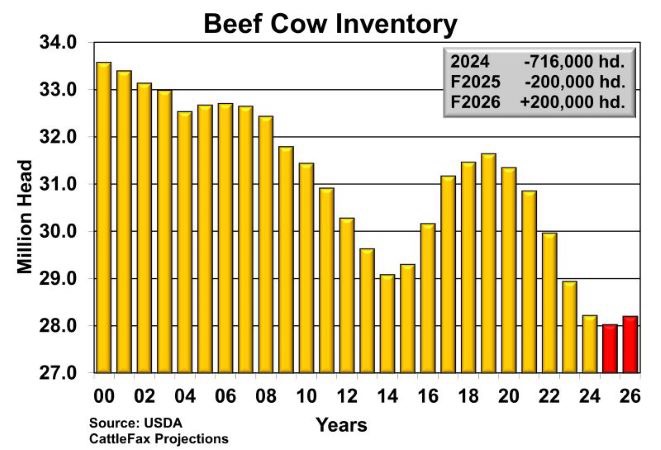
America is losing farms.

The USDA’s 2022 Census of Agriculture counted 1,900,487 farms—208,816 fewer farms than just ten years earlier.

That’s nearly a 10% decline in one decade.

The decline has continued.

• 2024: America lost another 14,950 farms.

• 2025: America lost another 15,000 farms.

By 2025, USDA estimated that only 1,865,000 farms remained in the United States.

And the pressure isn’t being felt equally.

USDA data shows that small and mid-sized farms have been declining while the number of farms generating $1 million or more in annual revenue has increased.

That should concern everyone who cares about small farms.

Some of those disappearing farms raise Irish Dexter cattle.

Irish Dexter Cattlemen wants to help change that.

Our mission isn’t simply to promote Irish Dexter cattle.

Our goal is to promote Irish Dexters by supporting the farmers who raise them.

Because preserving and expanding the breed requires something even more fundamental:

We need farmers who can afford—in money AND time—to keep raising them.

That’s Why We’re Building My Farm Dashboard.

The problem facing many small farmers isn’t a lack of willingness to work.

They already work incredibly hard.

The problem is TIME.

When you’re balancing an outside career, family and farm, there are only so many hours available.

Eventually, the urgent jobs take priority.

The other jobs get pushed to:

• Tomorrow
• Next weekend
• Next month
• Or sometimes never

Records fall behind.

Maintenance gets postponed.

Pasture planning becomes less precise.

Expenses aren’t carefully tracked.

Breeding information gets scattered.

Inventory gets checked only when something is almost gone.

And valuable information about the farm often exists in notebooks, spreadsheets, receipts, calendars, phones—and the farmer’s memory.

My Farm Dashboard is being designed to change that.

ONE PLACE TO HELP MANAGE YOUR FARM

My Farm Dashboard is being developed as a practical farm operating system—one place to organize the information you need to manage your farm.

The objective is simple:

Give the farmer better information while requiring LESS of the farmer’s time.

FIVE WAYS MY FARM DASHBOARD CAN HELP

• 1. Spend less time trying to remember everything.

Keep important information about your animals and farm organized in one place instead of relying on notebooks, spreadsheets, scraps of paper, calendars and memory.

• 2. Know what needs your attention.

You shouldn’t come home from an eight-hour workday and spend another hour figuring out what needs to be done.

The goal is for My Farm Dashboard to help identify what needs attention and when.

• 3. Catch problems before they become expensive.

Running out of hay or feed, missing an important breeding date, overlooking maintenance or forgetting a farm task can cost both time and money.

Better records help you see problems coming.

• 4. Make every available farm hour count.

If you only have two hours after work before dark, those two hours are valuable.

Spend them farming—not searching through records or trying to remember what you forgot.

• 5. Turn farm records into farm intelligence.

Animals affect grazing.

Grazing affects forage.

Forage affects feed requirements.

Feed affects costs.

Breeding decisions affect next year’s herd.

Weather affects almost everything.

My Farm Dashboard is being designed to eventually connect those pieces so your records don’t simply tell you what happened.

They can help you decide what to do next.

WHY IS MY FARM DASHBOARD DIFFERENT?

There are already programs that:

• Keep livestock records
• Manage grazing
• Track expenses
• Maintain calendars
• Track equipment
• Manage inventory
• Record breeding information

But a farmer shouldn’t need five or six different programs to understand one farm.

A farm is one interconnected system.

My Farm Dashboard is being built around that idea.

Instead of another piece of software for the farmer to manage, our goal is to create a system that increasingly helps the farmer manage the farm.

THREE REASONS TO START USING THE FREE VERSION TODAY

• 1. YOUR TIME MAY BE YOUR FARM’S SCARCEST RESOURCE.

For the farmer working an outside job, saving time can be every bit as important as saving money.

Start organizing your farm information so less time is spent managing information and more time is spent doing the work that matters.

• 2. THE RECORDS YOU ENTER TODAY BECOME THE INTELLIGENCE YOU CAN USE TOMORROW.

Farm history has value.

Over time, your records can reveal patterns involving:

• Animals
• Breeding
• Grazing
• Feed
• Inventory
• Equipment
• Costs
• Productivity

The sooner you begin building that history, the sooner it can start working for you.

• 3. WE WANT YOU TO KEEP FARMING.

This is ultimately what My Farm Dashboard is about.

Irish Dexter Cattlemen wants more people raising Irish Dexters—not fewer.

We want small farms to succeed.

We want today’s Dexter farmers to be able to continue farming even when another job is paying the household bills.

And we want the next generation to look at raising cattle and say:

“I can do this.”

YOU ALREADY WORK HARD ENOUGH.

Technology shouldn’t give you another job.

It should give you some of your time back.

Start using the FREE My Farm Dashboard.

• Put your farm information in one place.
• Start building your farm history.
• Use the free tools available today.
• Add additional capabilities as your farm needs them.

Because preserving the Irish Dexter isn’t only about preserving genetics.

It’s about preserving the farms—and supporting the farmers—who keep those genetics alive.

SUPPORT THE FARMER.

STRENGTHEN THE FARM.

PRESERVE THE DEXTER.

Start using My Farm Dashboard for FREE.

Announcing My Farm Dashboard Read More »

General
Keeping Horned Cattle – the Pros and Cons

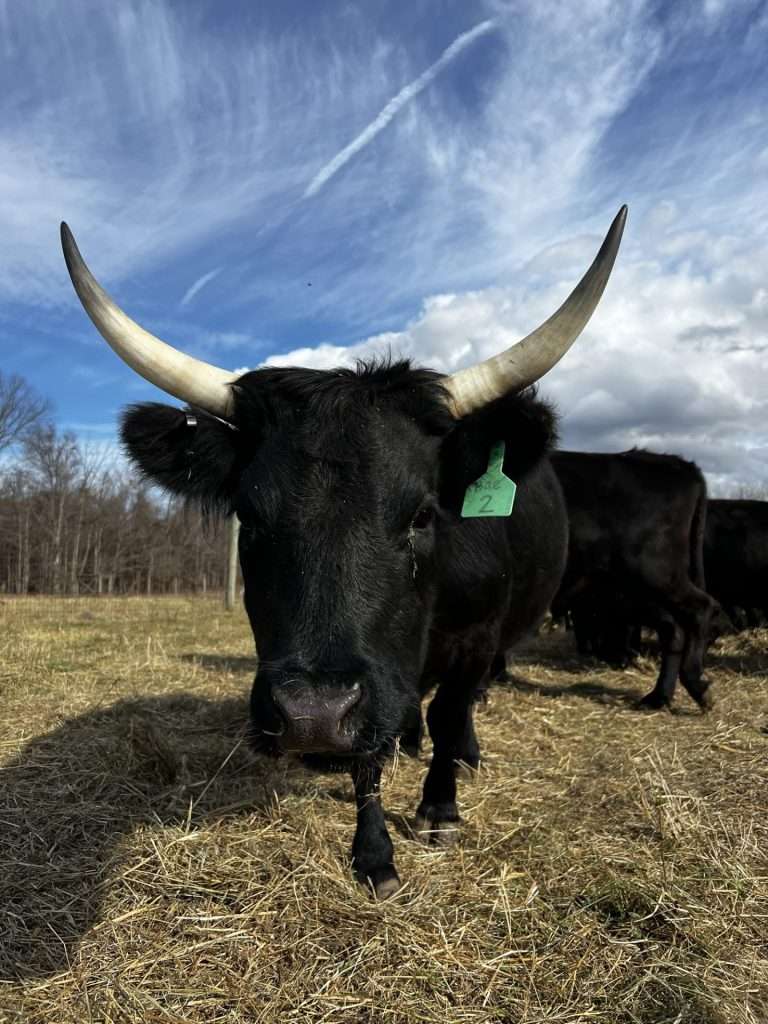
For several years now my family has kept a mixed herd of horned, dehorned and naturally polled Dexter cattle. We rotationally graze, and our cattle have plenty of space to move around. They have gentle personalities, so their horns have not been an issue for us. Horns can also be unique markers with their varying shapes, identifying individual animals in the herd. Whether you are pro horns, against them, or still weighing your options, this is a short article to help shed some light on the pros and cons…

Keeping Horned Cattle – the Pros and Cons Read More »

Farm Management

Tools for Measuring Production

Grass-fed beef producers need to carefully track both production costs and cattle performance to determine whether their operations are truly profitable. With the number of variables between operations, this can be quite a challenge! Rising cattle prices can increase revenue, but higher feed, land, processing, and other input costs can quickly reduce margins. 

The Grass Fed Beef Decision Calculator, linked in the article below is an interactive spreadsheet developed by the Pasture Project. It allows producers to model different types of operations—including cow-calf, stocker, finishing, and direct-market businesses—and see how changes in cattle prices, feed costs, weight gain, processing costs, and selling prices affect profitability. Small changes in costs or animal performance can have a significant impact on profit. Having tools to measure production and profit are a huge asset when making overall management decisions for our cattle operation.

Tools for Measuring Production Read More »

Farm Management

Hairy Indications

Have you noticed how some cows in a herd are the first to shed their winter coats for a glossy summer coat? While others look lacklustre and dull, shedding their winter hair out slowly.

What if I told you the cow who sheds her coat early is one to hold on to! Studies show mama cows that shed their coats early raise heavier calves than those who shed their coat later. This small increase in production can have a big effect on your bottom line, especially in larger herds.

This fascinating podcast discusses the ins and outs of hair shedding and what it means for your herd and management.

Hairy Indications Read More »

Farm Management

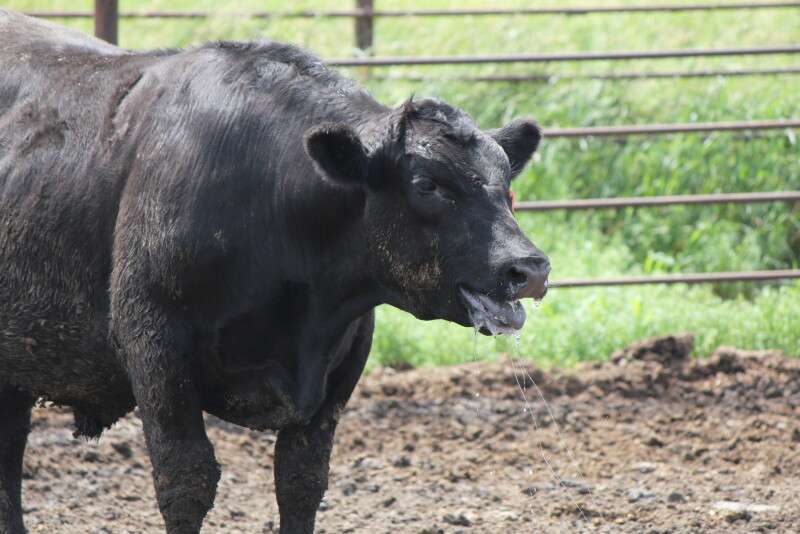
HEAT STRESS IN CATTLE

Prevention, Management, and the Role of Genetics

Recognizing the Signs of Heat Stress

The First Line of Defense: Shade and Water

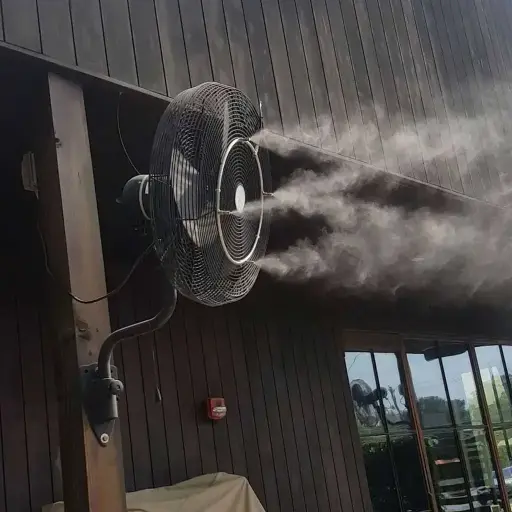
Misting Stations and Cooling Systems

Practical Heat Stress Prevention

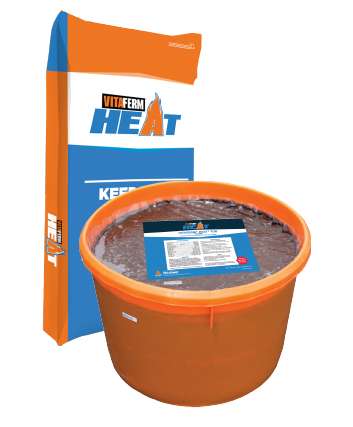
Nutritional Support: Vitafirm Heat Stress Tubs

Genetics: The Often Overlooked Prevention Tool

When to Take Emergency Action

The Bottom Line

About the Author:

HEAT STRESS IN CATTLE Read More »

Herd Health

Shade for Grazing Animals

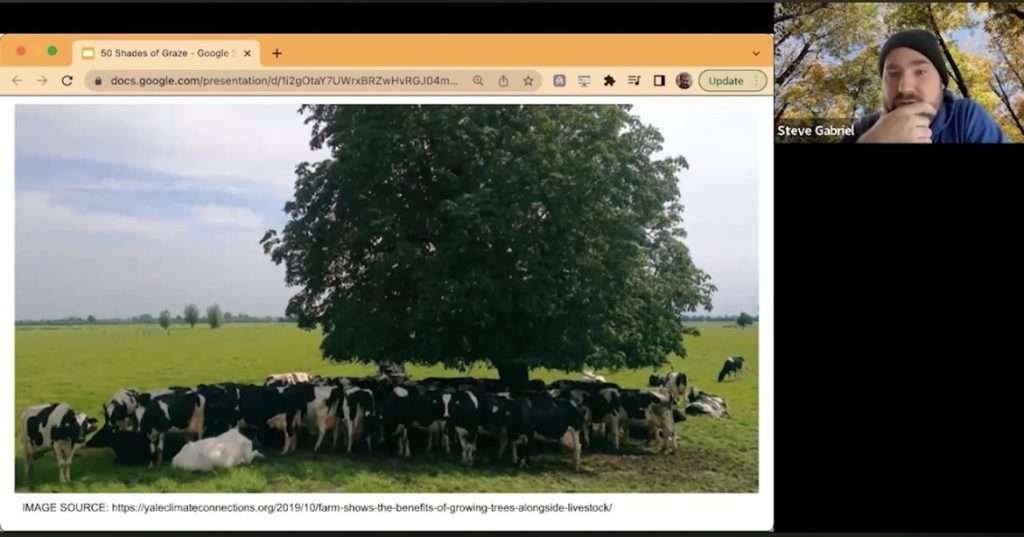
There is nothing I enjoy more than being out in the field, observing and spending time with my animals. During the hot days of summer, both my animals and I migrate to shade for relief from the sun. This webinar talks about how to increase productivity and animal welfare by providing various types of shade for grazing animals. Where is shade most helpful? What methods of shade provide the most bang for your buck? Watch this video to find out more.

Shade for Grazing Animals Read More »

Farm Management

Control Weeds Naturally

As livestock farmers a large percent of our work goes into pasture and forage management. Invasive, non-local weeds can be a big pain, and some are even damaging to our animals (poisonous) and local forage. This article addresses simple, natural solutions to weed control on the farm. We have always had the most success by balancing the nutrients in the soil, and adding grazing animals at the right time.

Control Weeds Naturally Read More »

Farm Management

To Rotate or Not

Below is a great article on the benefits and economics of rotational grazing. I know for many the grazing season has already begun, but it’s never too late to switch to a rotational grazing management system. If it works for the season you are in, and can benefit you economically, why not make the switch?

To Rotate or Not Read More »

Farm Management

Designing a Wind Break

Dexter cattle are hardy, needing very little to thrive. However, if they are to be outdoors all season long they should have a shelter or windbreak. A windbreak in the form of trees and shrubs provides valuable shelter, shade, and even a snack, to a cattle herd. Read more below on the basics of designing, planting and caring for a wind break.

Designing a Wind Break Read More »

Farm Management

Chondrodysplasia

Article I

Fact or Fiction

This is the first of our articles on chondrodysplasia in Dexters. Also called chondro-carriers, shorties, or dwarfs. these terms refer to the same cattle, and will be interspersed throughout the article. Keep in mind, they all mean cattle who are carriers of the dwarf gene.

Per Miriam Webster chondro means cartilage & dysplasia is an abnormal growth or development.

It’s a personal decision to breed chondro carrier Dexters. Of course, it’s your decision what to breed on your farm. But, let’s sort out some of the facts on these endearing little cattle.

Some long time breeders have told me that they believe the dwarf Dexters played an instrumental part in the formation of the breed, as the non-chondro, longer legged Dexters got registered in with the Kerry cattle. They also believe that there are two body types in the dwarves. That will be discussed in a later article.

Just a few of the traits and statements that those who own and experience the pleasures of owning a dwarf believe.

  • “Chondros are the breed. If we lose them we lose the breed.”
  • “Maximum beef on minimum forage.”
  • Personalities are one of a kind
  • Great mothers
  • High milk production
  • Great for first time cattle owners
  • Of course, breed responsibly. Never breed two carriers together and you will never get a bulldog calf. (If you did, the chance is only 25%, but why risk it?)

Those that I see exaggerating & spreading the hate for chondro carriers are using human graphics from the internet and applying their own labels. I have found no professional veterinary opinion stating they should be eliminated. Of course, none of those who love them would want or allow them to suffer. Many Dexters I know of are living into their teens. How many commercial breeds do you see living that long?

Some dwarfs will get osteoarthritis later in life. So will some non-chondros. A lot depends on the bloodlines, the terrain they live on and the care they receive. This also applies to the longer legged non-chondros. Humans also tend to get osteoarthritis later in life. They also can get forms of dwarfism. We don’t eradicate them. It can be managed, IF it happens.

So, please…. educate yourself on this genetic mutation, before you make a judgement.

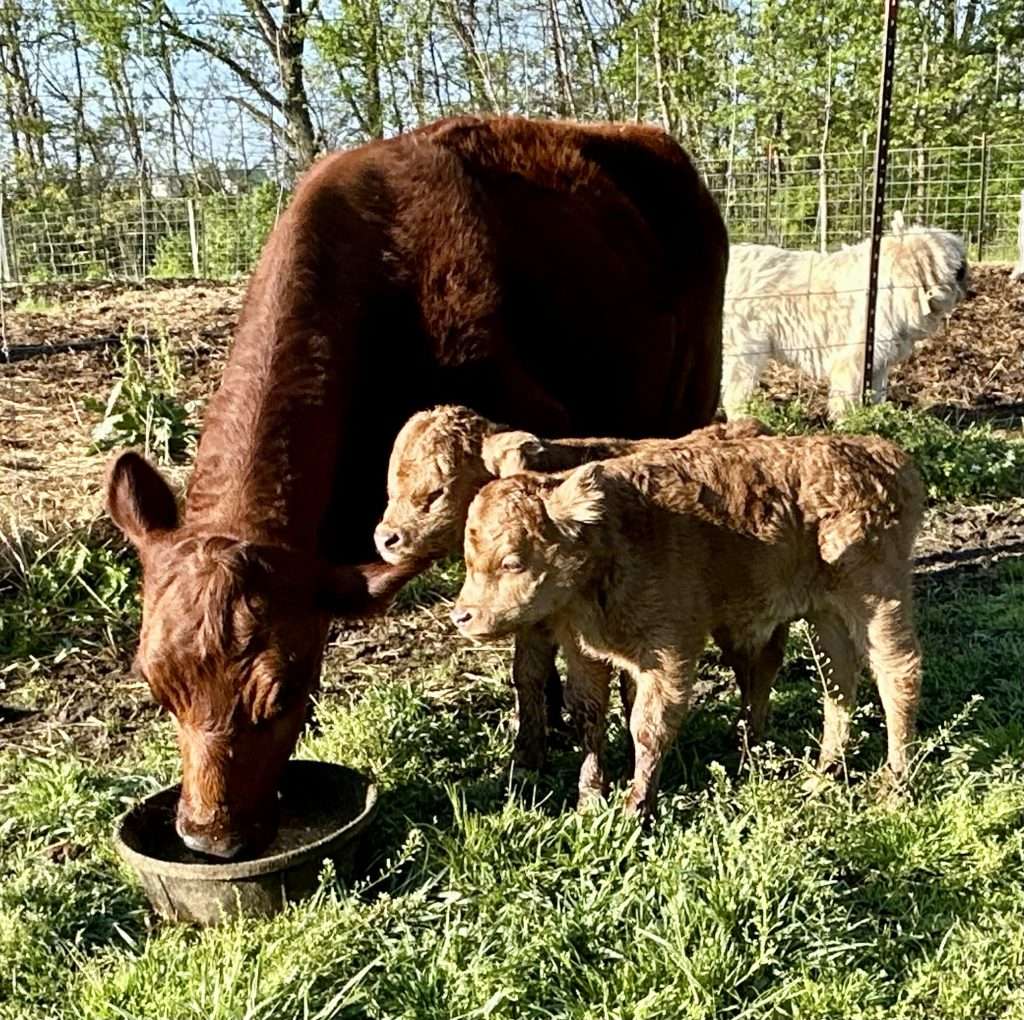
The photo with the article is a 9 year old chondro positive cow, with twins she just had.

The following is a scientific explanation from UC Davis. We choose the BD1 test, when we get any calves from our carriers. The BD2 test is for a specific line from a specific bull.

Chondrodysplasia Read More »

General
Small Herd Spring Considerations

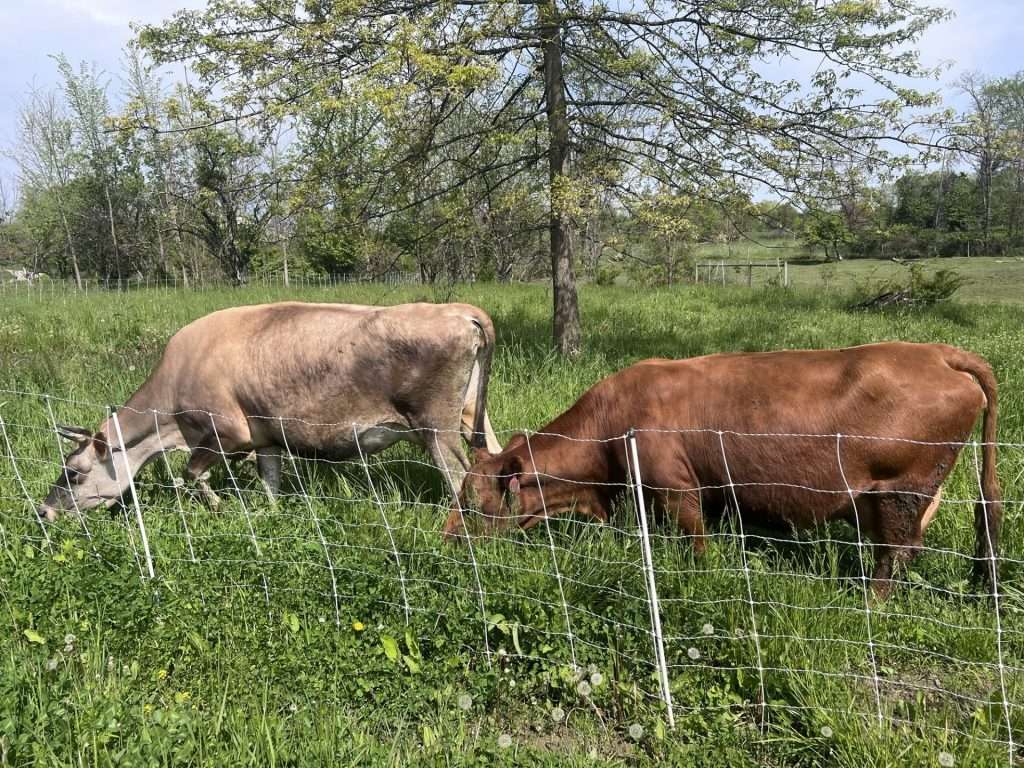
As breeders of dual purpose cattle, it can be hard to find all-encompassing management information. Over the years I have pieced together info and practices from beef and dairy offerings. This is a solid article about managing a small beef herd in the spring, and offers some helpful insight. Is it catered to Dexter cattle specifically? No. It was also written several years ago and the beef market has exploded since then! What differences have you seen in your own management practices of a dual purpose breed, compared to the info that is widely available?
Small Herd Spring Considerations Read More »
Farm Management

Cattle and Kids Safety Tips

What an idyllic picture kids and animals paint. County fairs are full of animals, including cattle, being lead around the show ring by their young owners.

The homestead dream, complete with family milk cow, gives off major romantic vibes. But what does it actually take for children and cattle to interact safely on the farm or homestead?

Here are a few tips and suggestions from our family farm:

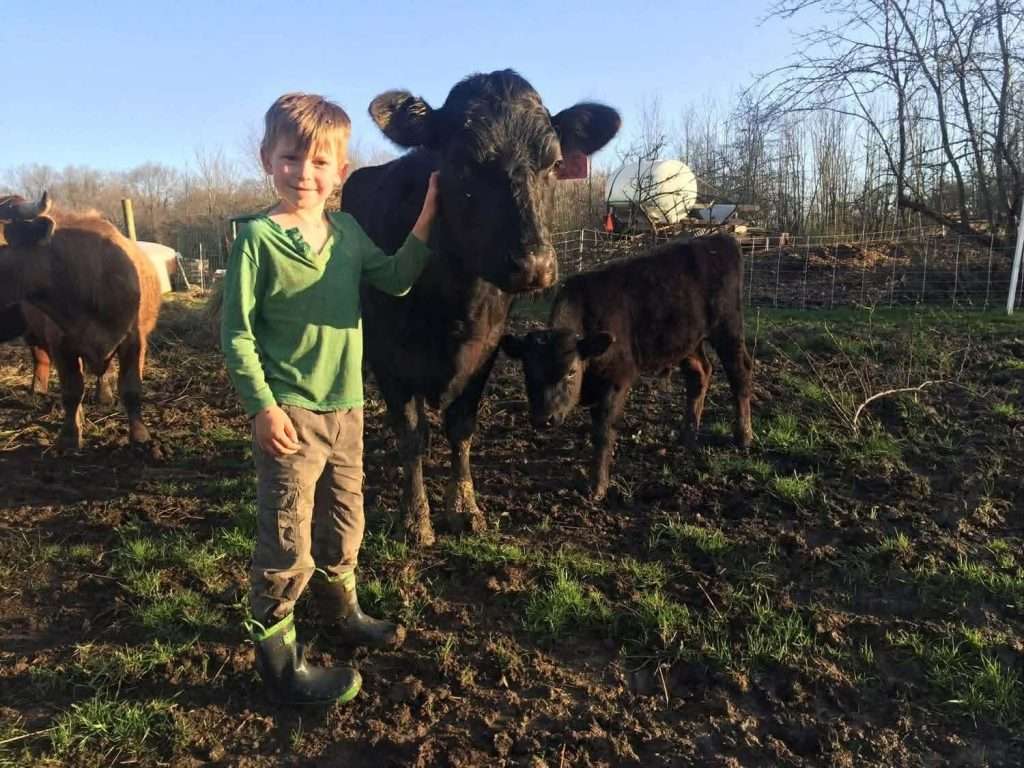
Because children are low to the ground, and their movements tend to be quick, cattle can view them as predators. Talk to kids about how important it is to move slowly/deliberately and to behave calmly and quietly when they’re around cows (especially a cow that is not familiar to them).

When introducing kids to a new cow, be sure the cow is safely restrained. I like to tie our cows on a halter with a slip knot. Kids can approach from the side or front of the cow (not the back), and talk to the cow.

Cows in a herd will groom each other, and mother cows will also bond with their calves by grooming them. A great way for kids to get to know and bond with a cow is to spend time brushing them. Our cows prefer to be brushed on the neck, shoulders and along the back.

If you have children and are purchasing a cow for the first time, it is helpful to look for a cow that has been handled/shown by children and is familiar with them.

And my final tip is to be confident! Fear teaches us to expect the worst. Set yourself up for success by following these tips, and be confident when you and your kids interact with cattle. If you find yourself becoming fearful, remove yourself from the situation, and try again another time.

I hope these tips and suggestions help you build a strong bond with between your cattle, yourself and your children!

Cattle and Kids Safety Tips Read More »

Farm Management

Calving Management

Calving Management: Nutrition, Timing, Profit

A Deep Dive Podcast, brought to you by Irish Dexter Cattlemen, on topics of interest to all farmers and ranchers. Subscribe to the free, monthly Irish Dexter Cattlemen Tips & Tricks Guide to get early access.

Brought to You by These Breeders, Affiliates, & Sponsors

Crest Point Farms Online

Since 2024
4 ads

Stay’N Put Farm Online

Since 2024
3 ads

Ashrons Acres

Since 2024
0 ads

Stumpys Acres

Since 2024
0 ads

Maple Creek Dexters

Since 2024
0 ads

Pipe Dreams Farm Butchery

Since 2025
0 ads

Hayburner Acres

Since 2025
0 ads

Grandma's Dexter Farm

Since 2025
0 ads

DeVine Farms

Since 2025
0 ads

Bryn Mawr

Since 2026
0 ads

Calving Management Read More »

Podcasts

Planning Farm Succession

The hard, but important conversations around family succession on the farm.

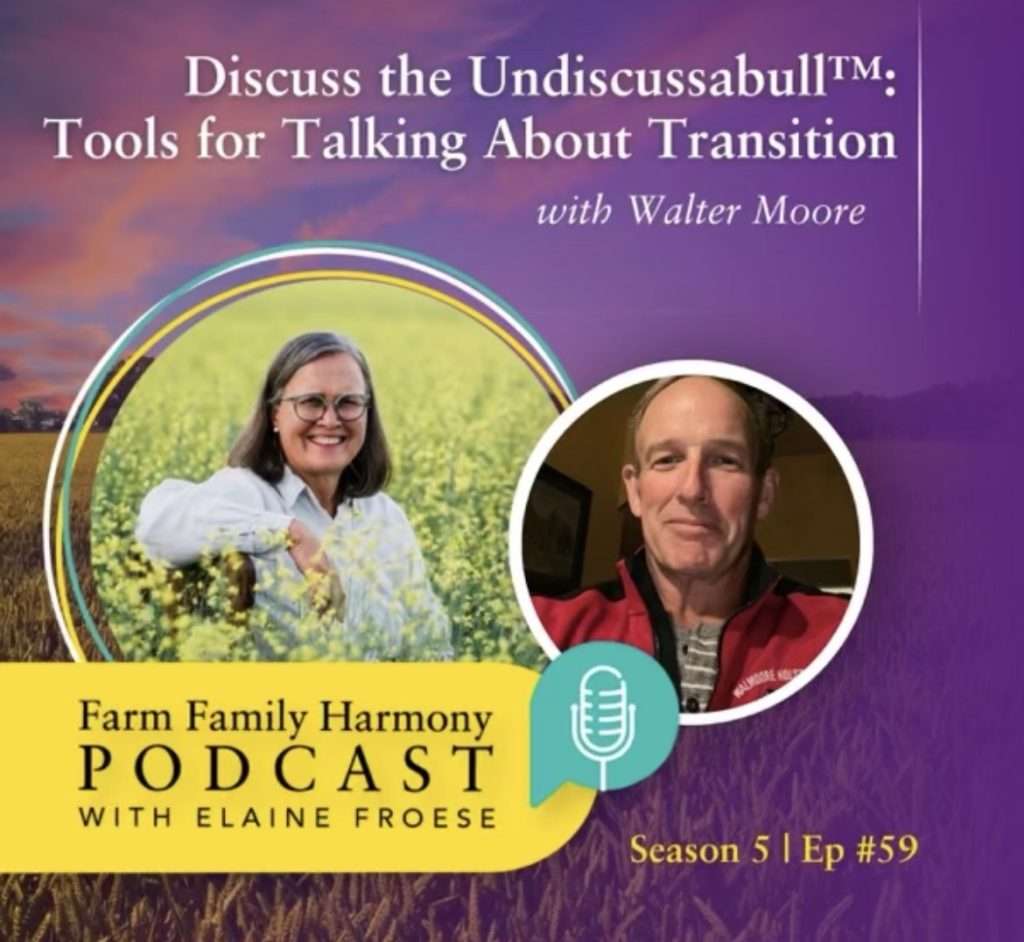
With the price of land and start-up costs at an all time high, it is more difficult than ever to get into farming. In this podcast, Elaine Froese, and her guest, Walt Moore, talk about the key aspects of keeping a farm in the family. They provide such a needed conversation around finances, dreams, and communication so that the farm is around for generations to come.

Planning Farm Succession Read More »

Farm Management