Beef Stroganoff Recipe
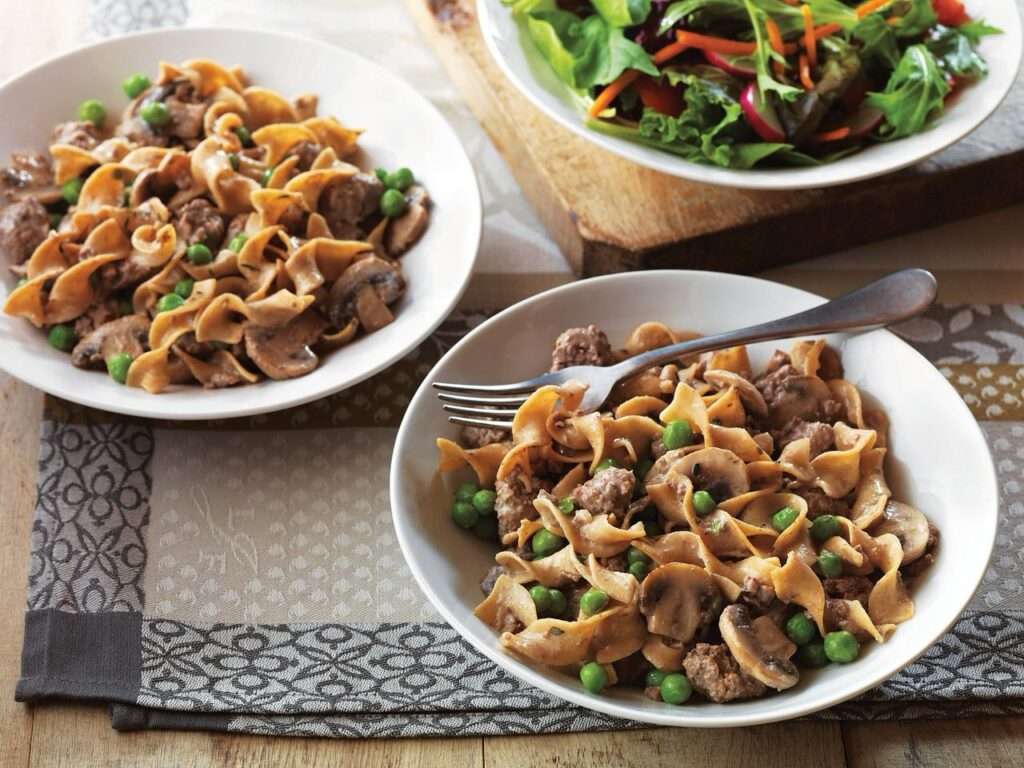
Need a quick week night meal? Check out this tasty beef stroganoff. And it can be made with one dish, so less dishes to do after dinner!
Beef Stroganoff Recipe Read More »
BeefNeed a quick week night meal? Check out this tasty beef stroganoff. And it can be made with one dish, so less dishes to do after dinner!
Beef Stroganoff Recipe Read More »
Beef
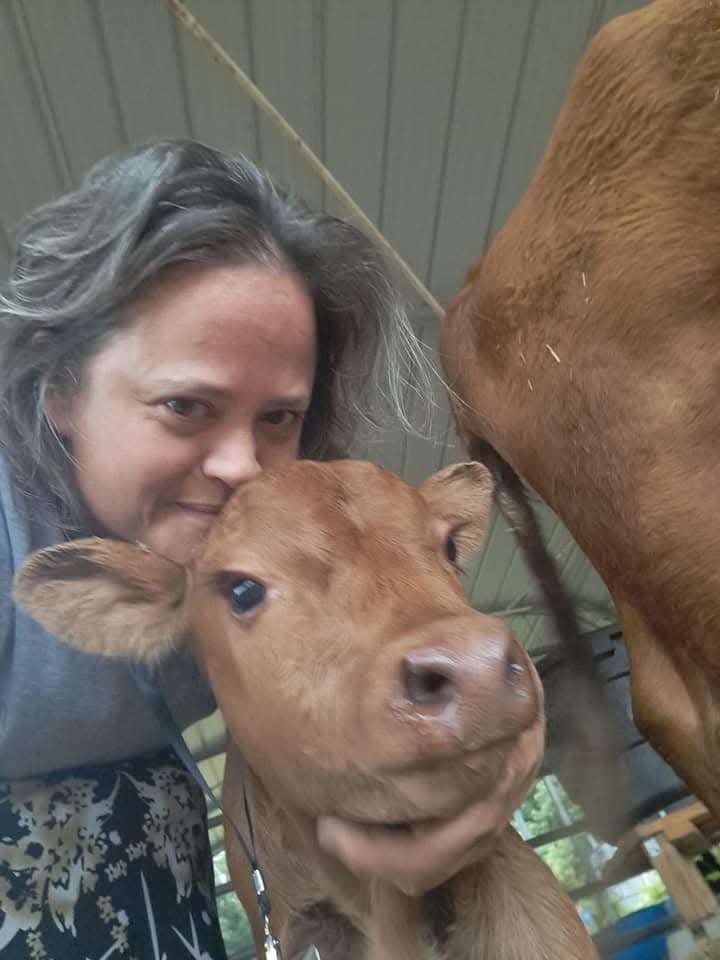
Have you ever tried rose veal? Until last year, I hadn’t either. Like a lot of people, the word veal immediately brought to mind images of calves confined in tiny crates. I wanted nothing to do with it. But after raising my own cattle and learning what rose veal actually is, my perspective completely changed. In fact, it’s the best beef I’ve ever eaten.
Rose veal isn’t the pale white veal most people think of. These calves are raised naturally, with room to run, graze, play, and nurse from their mothers. The meat develops a beautiful rosy color because the calves are active and eating a natural diet. They’re not confined or intentionally kept anemic to produce white meat.
The first calf we processed for rose veal was one of our five month old heifers. She was born with a spinal deformity that made her unsuitable for breeding. Our veterinarian believes it was likely caused by a viral illness during pregnancy and said it’s probably something we’ll never encounter again. As she grew, the deformity became more pronounced. The lump on her spine grew, and her back twisted from her shoulder blades all the way to the tip of her tail, causing her to walk at an angle. While she was able to get around, albeit a little unsteady on her feet, she thrived and enjoyed life alongside her brothers and sisters.
Five months of sunshine, pasture, and a mother’s milk. A life Shorter, but not lesser.
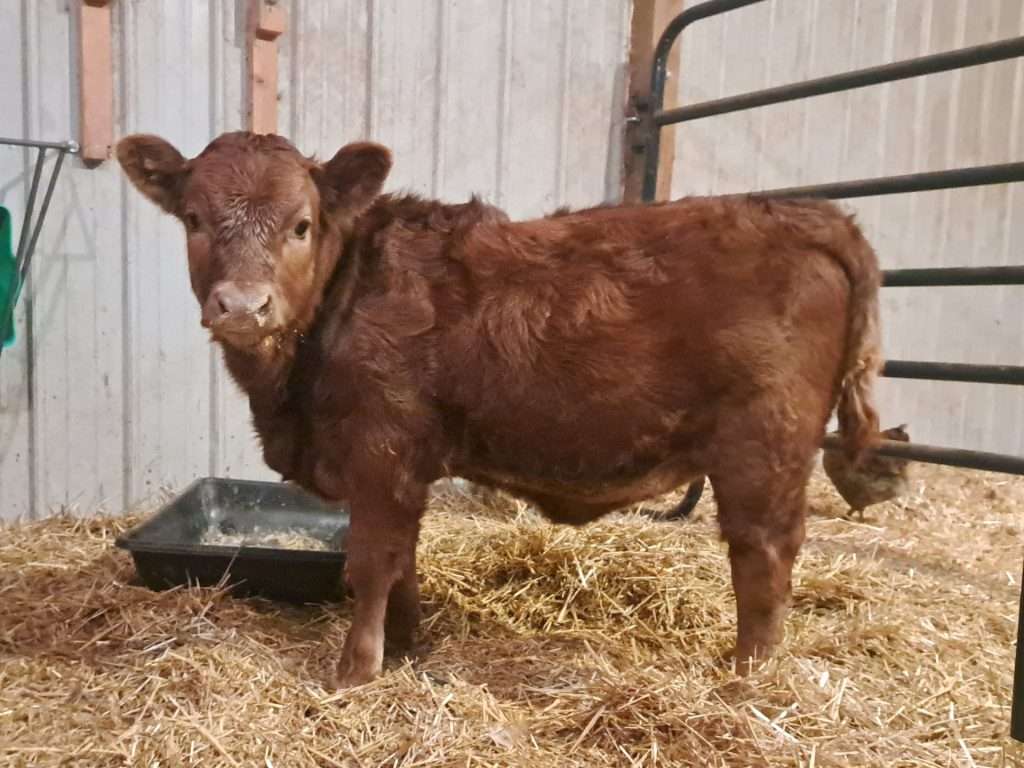
She was a cute little booger, too. But if you look straight up from her elbow and shift your eye slightly to the right, you’ll notice that little tuft of hair sticking up. That’s because she had a rather large lump along her spine. Now look at the beginning of her tail switch—the slight kink there is another clue. Her spine was twisted from the base of her neck all the way to the tip of her tail.
As she got older, we became increasingly concerned about what would happen once she started cycling. If a larger bovine mounted her during a heat cycle, there was a very real risk of a catastrophic spinal injury. It simply wasn’t a chance we were willing to take. When we took her to the processor, she was still nursing her mom while also grazing alongside the rest of the herd. She spent every day out on pasture doing exactly what calves are supposed to do. Her life was no different than any other calf on our farm, it was simply shorter.
Although she was happy and thriving, we knew the risks her spinal deformity would pose as she matured. Making the decision to process her early wasn’t easy, but we believed it was the kindest choice for her. The alternative would have been paying our veterinarian to come euthanize her and then burying her on the farm, which would have cost us around $150. In the end, not only did we save money, but we also gave value and purpose to an animal whose life otherwise would have ended without feeding anyone.
Her full story deserves its own post, and I’ll share that another day.
The next thing we had to consider was the cost. Most butchers charge a fairly large kill fee and offal fee on top of processing charges based on hanging weight. What many people don’t realize is that processors often have flat-rate pricing for goats and sheep, which are frequently about the same size as a young Dexter calf. One butcher I called charges $120 to process goats and sheep of any age or size. Fortunately, my processor gave me an even better deal. I paid just $90 to have her processed. She was 163 days old, weighed 274 pounds live, and had a hanging weight of 166 pounds.
In the end, we brought home just over 100 pounds of beef to stock our freezer. When all was said and done, our total cost came out to approximately 90 cents per pound of beef. It was a decision that not only made sense financially, but one that gave her life continued purpose. A decision well made.
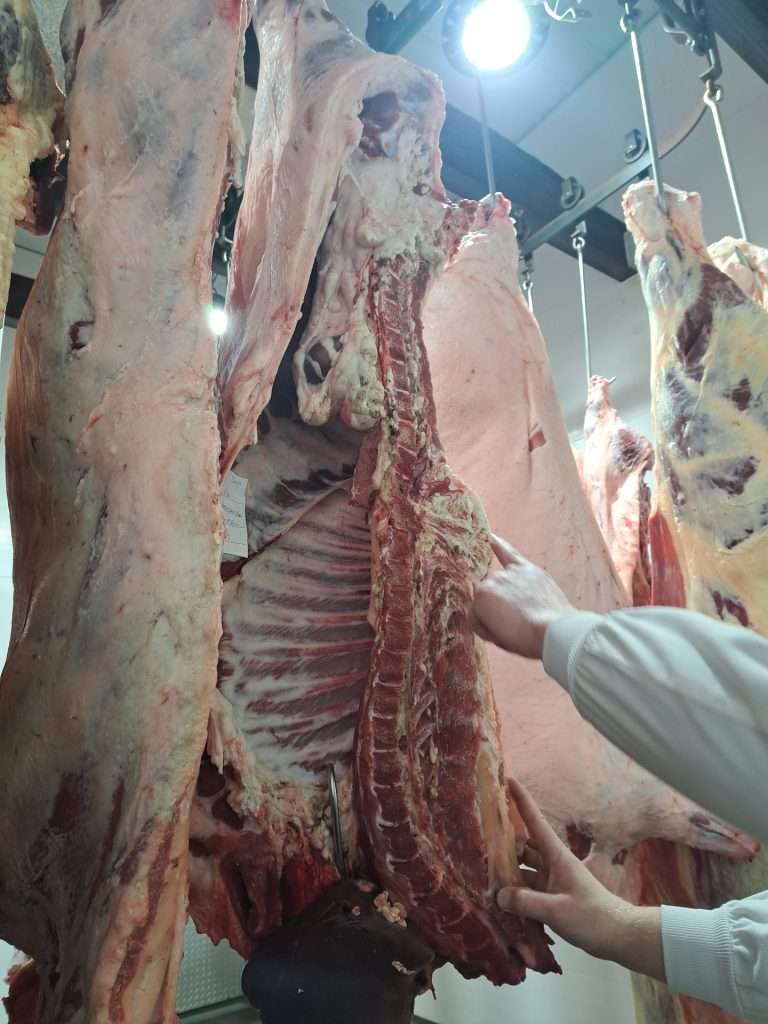
The butcher is pointing out the lump on her back. It turned out to be a mass of bone fragments and fat. You can see how the deformity had pushed and twisted her spine inward.
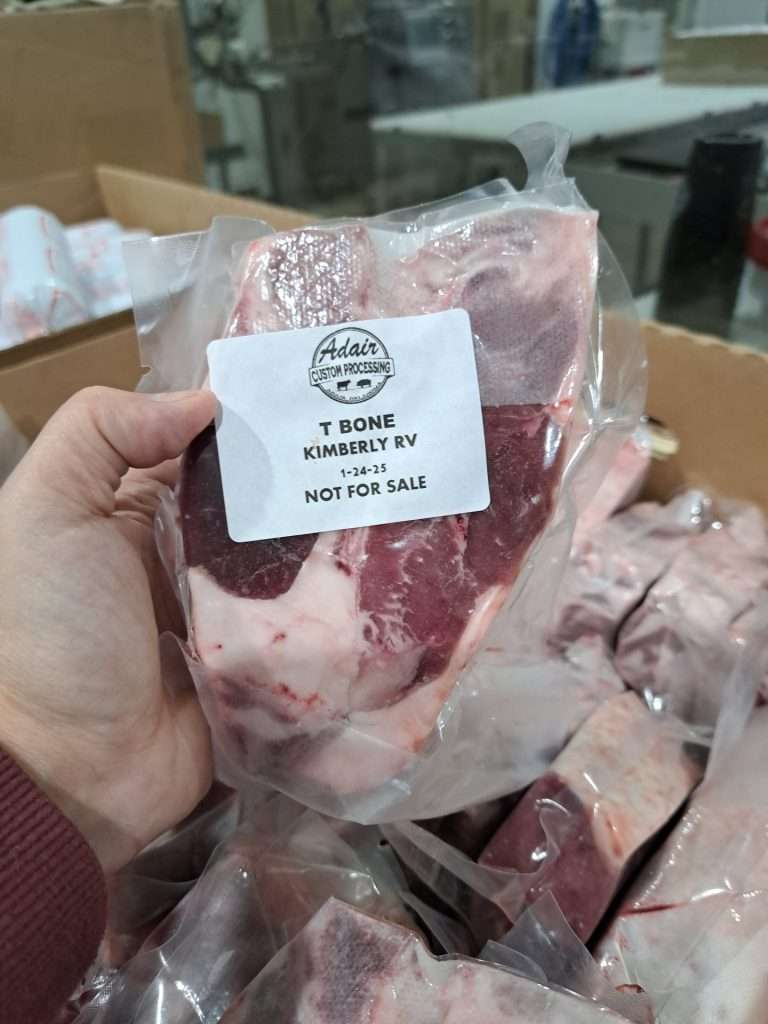
While we didn’t get a ton of beef back, we got far more than I expected. We chose all the usual cuts but had them cut a little thicker. The steaks were cut two inches thick and were the perfect size for one person. The roasts were about two pounds each. Every single cut was spectacular. The steaks were so tender we could literally cut them with our forks. The roasts were nearly as tender. The ground beef tasted just like what we’re used to from our two-year-old steers. The only noticeable difference was that it was slightly lighter in color than our typical Dexter beef.
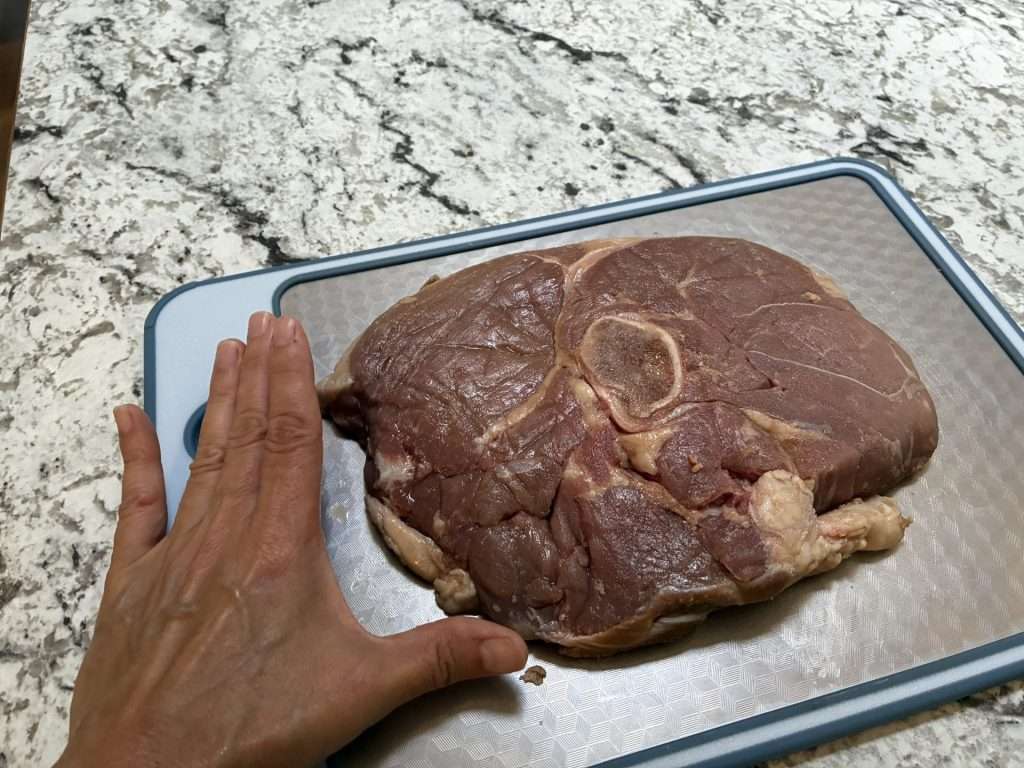
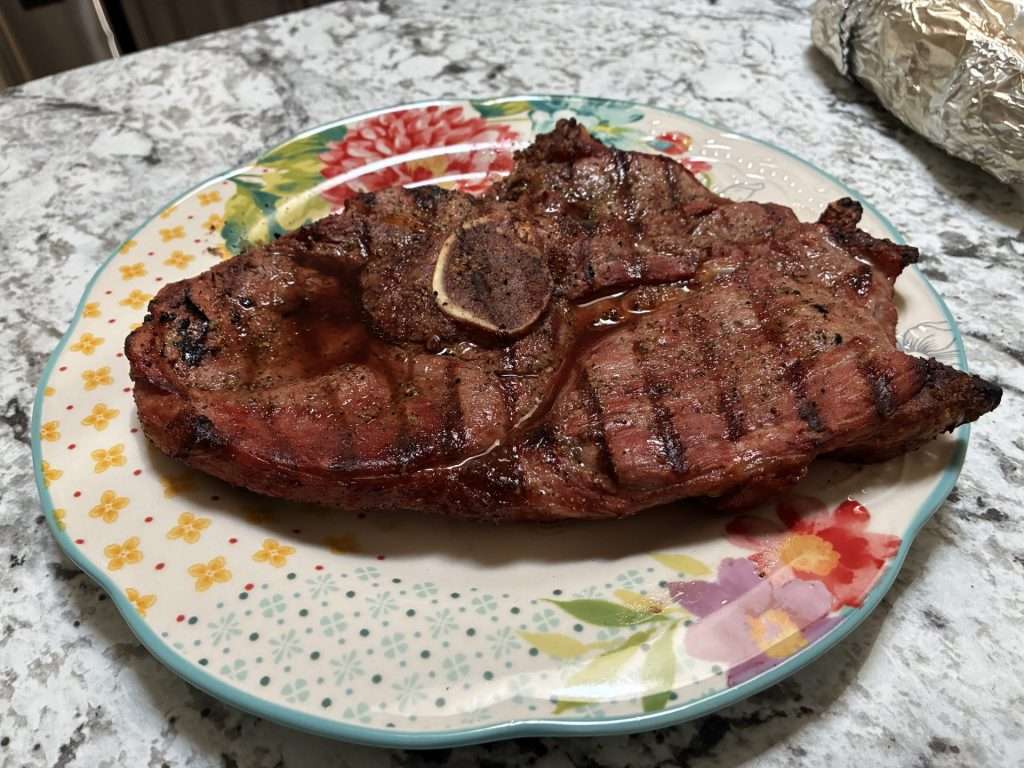
One of the cuts I brought home was a round steak. Normally, I grind round steak into hamburger because it’s simply too chewy for me. Many people mechanically tenderize it for chicken fried steak, but even then I usually find it tough. This steak was different. It wasn’t mechanically tenderized at all. I cooked it just like I would any other steak, fully expecting it to be chewy. Instead, it was incredibly tender with a rich, beefy flavor unlike anything I’d ever had. It completely changed my opinion of what beef can taste like.
In fact, the entire experience had me secretly hoping our cows would have more bull calves than heifers so we could justify setting aside one or two for rose veal. If the day ever comes that we scale back our herd and only raise beef for ourselves, I may very well only raise rose veal. The only difference is that I’d probably wait until the calves were closer to eight months old for a higher yield.
Behind every cut of meat is an animal. The most respectful thing we can do is make sure that animal had a good life.
I understand why people struggle with the idea of eating a younger animal. It’s an emotional hurdle, and I don’t fault anyone for feeling that way. But I also think there’s value in understanding how that animal was actually raised instead of judging it by outdated assumptions. On our farm, every bovine is cared for the same way, whether it’s processed at five months, two years, or twelve years old. They all have access to fresh pasture, clean water, shade, and the opportunity to simply be cattle. Their quality of life isn’t determined by how old they are when their story ends. Rose veal isn’t about cruelty. It’s about producing exceptional beef from calves that lived good lives on pasture with their mothers.
If you’ve written off veal because of what you’ve heard in the past, it may be worth taking another look. Modern pasture raised rose veal is a completely different product. And if my experience is any indication, you just might discover the best beef you’ve ever tasted.
Kimberly Jepsen is the heart behind MooShine Ridge in Vinita, Oklahoma, where she and her husband, Kevin, have been raising dual-purpose Dexter cows since 2015. Their little farm store is a labor of love, offering Dexter beef, raw milk, and artisan cheeses made from their own cows. Kimberly has a deep passion for the Dexter breed and loves nothing more than sharing what she’s learned over the years whether it’s guiding fellow farmers, helping newcomers discover the joys of small-scale farming, or simply introducing people to the rich, creamy flavors of her handcrafted cheeses. For her, farming isn’t just a business, it’s a way to nurture animals, the land, and the community she cares about. https://mooshineridge.com/
Rose Veal The Best Beef You’re Probably Afraid to Try Read More »
Beef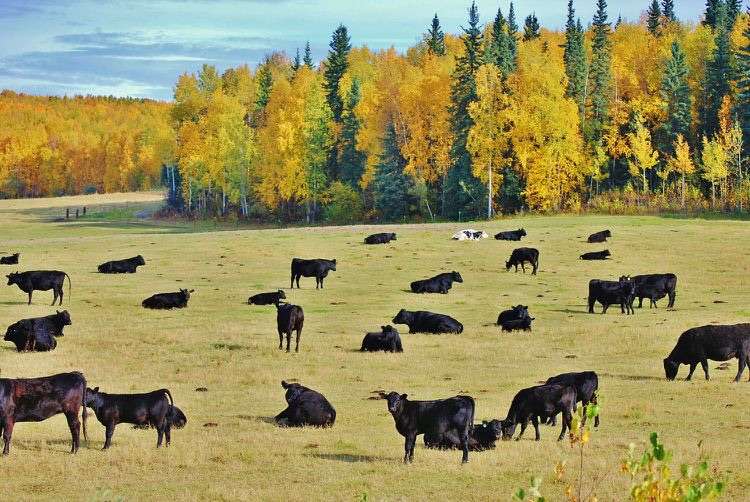
Grass finishing isn’t as easy as sticking some steers out on grass until they’re fat and ready for processing. For really good flavor and tenderness you need a steady rate of gain. For a steady rate of gain you need quality forage – especially leading to finishing. Every beef farmer who finishes on grass is a grass farmer first. Need some tips on finishing your Dexter on grass?
Finishing Beef on Grass Read More »
Beef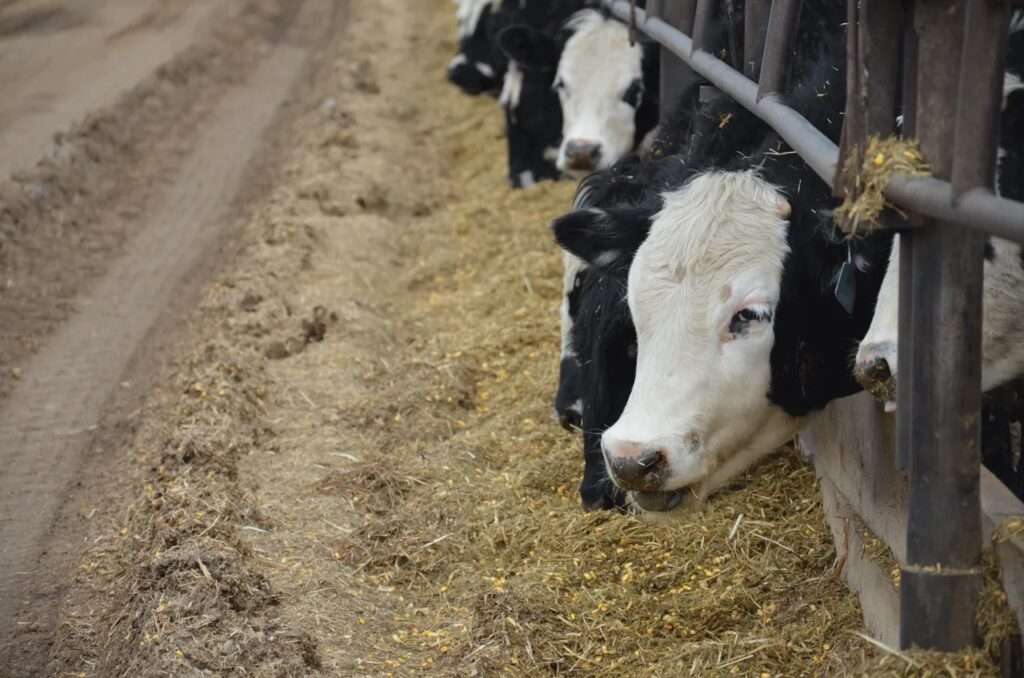
There are as many ways to finish beef as there are farming setups. If you prefer the taste and ease of grain finished beef, here are some great tips for grain finishing your beef steers on the farm and reaching that choice taste and tenderness.
Grain Finishing Beef Read More »
Beef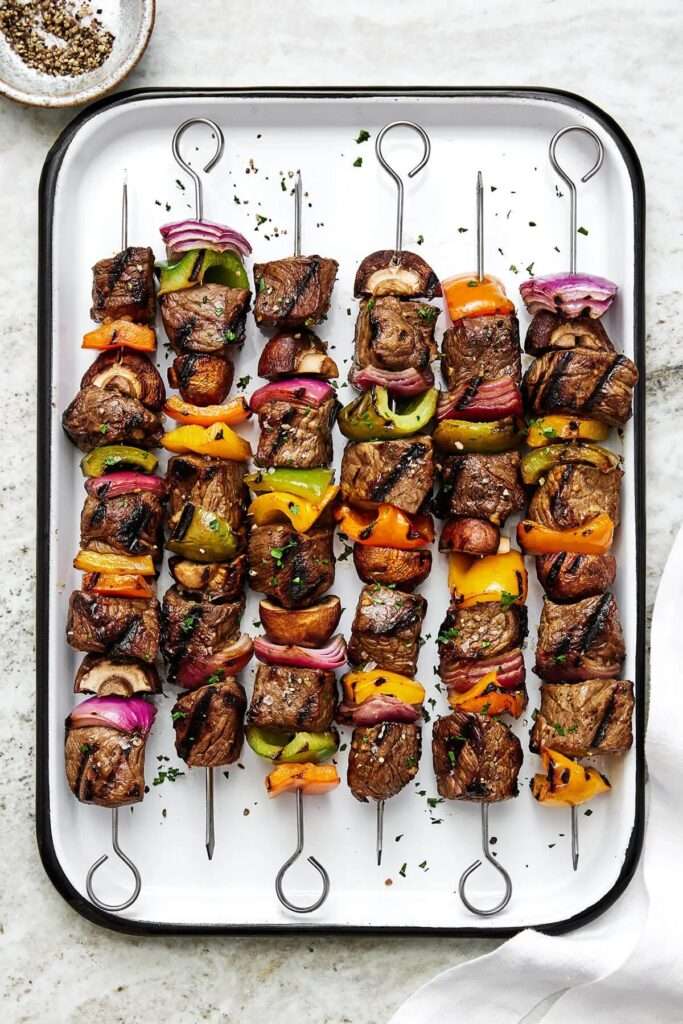
The busyness of summer is blending into the rush of back to school. On the farm or homestead there is plenty to do too, and there isn’t a lot of time to think about dinner. Try these quick, easy beef shish kabobs, perfect for a quick meal. Plus, they can be cooked on the grill so they won’t heat up the kitchen.
This is a follow up to the article last month. Seems like high grain diets maybe something to watch.
Liver Abscesses in Cattle Read More »
Beef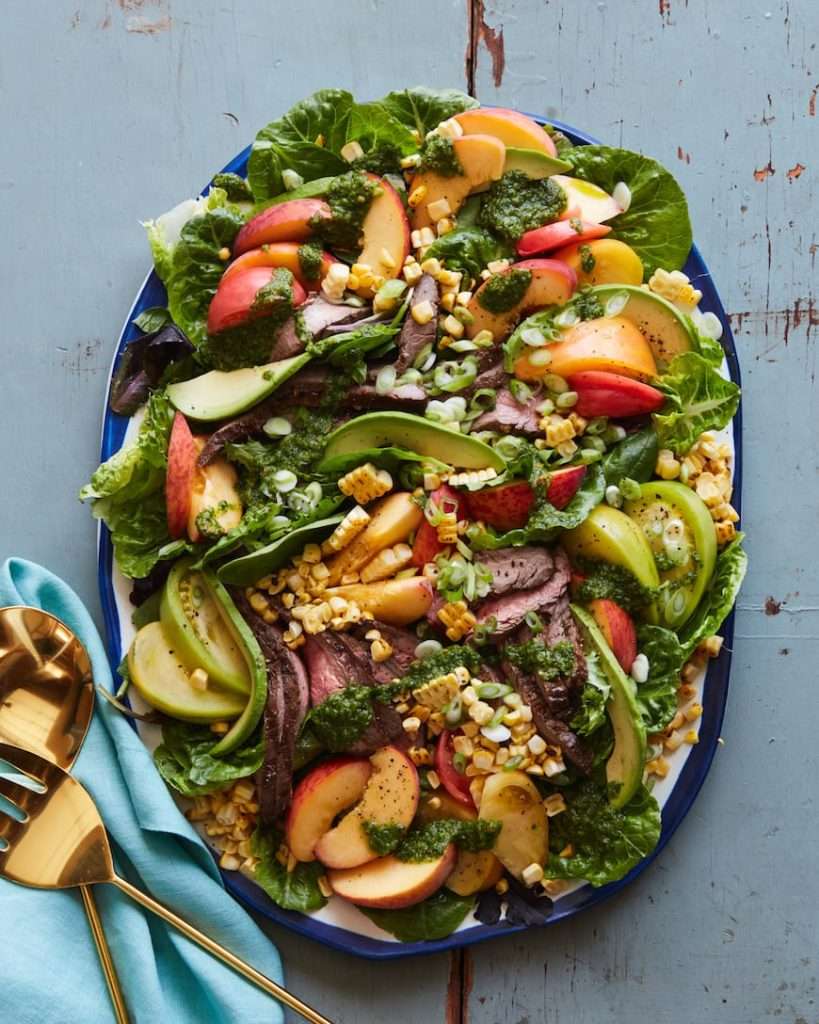
It’s that time of the year when the gardens are providing such goodness. Why not pair it with some great grilled Dexter steak?
Loaded Grilled Steak Salad Read More »
Beef
Higher prices have been a boon for cow/calf have not come without a rise in inp
GRASS FED BEEF: COUNTING THE COSTS Read More »
Beef
A report from The Midwest Messenger…Beef Breeds: Dexter
A breeder’s perspective on our Dexter Read More »
Beef
Learn how Meadow Green Farm runs a profitable beef business, including direct to consumer sales:
Keys to a successful beef business Read More »
Beef
Written by Todd Hightower
The Cow Size Lie Nobody Wants to Talk About
For years, the cattle industry pushed one idea:
Bigger cows. More frame. More pounds.
And on paper, it made sense.
But out in the real world—where feed costs, drought, reproduction, and margins determine whether you stay in business—a different reality has been showing up.
Bigger Cows Eat More. That’s Not an Opinion.
A cow will consume roughly 2–2.5% of her body weight every day.
A 1,200 lb cow will eat around 24–30 pounds per day.
A 1,600 lb cow will eat around 32–40 pounds per day.
That’s 8–10 additional pounds per day.
Over the course of a year, that’s roughly 3,000 pounds more feed per cow, depending on conditions.
Across 100 cows, that’s over 300,000 additional pounds of forage, hay, or purchased feed.
It doesn’t matter if it’s grass, hay, cubes, or silage.
Bigger cows cost more to maintain. Every single day.
What That Actually Costs
That extra 3,000 pounds of feed isn’t just a number.
At current prices, that’s roughly $180–$225 more per cow per year in a hay-based system—and significantly more if you’re feeding supplement.
Across 100 cows, that’s $18,000–$22,000+ in additional cost just to maintain larger cows.
Before you ever sell a single calf.
But Feed Isn’t the Real Problem
Reproduction is.
The most valuable cow in any system is the one that breeds back on time and raises a calf every year.
The 90-Day Breeding Window Tells the Truth
In real-world conditions—whether you are grazing pasture or feeding hay and supplement—cows that maintain body condition breed back more consistently.
Field data and university research show that under limited or variable nutrition:
Moderate-sized cows often achieve 80–95% conception rates within a 90-day breeding season,
while larger-framed cows under the same conditions often fall closer to 65–85%.
Within the first 45 days, it is common to see:
55–70% of moderate cows bred early,
compared to 40–60% in larger cows when body condition is harder to maintain.
That spread may not look big on paper.
But across a herd, it is the difference between:
Cows that calve early, stay on schedule, and remain productive…
And cows that fall behind, slip later every year, or come up open.
That matters more than most people realize.
Run the Numbers
Out of 100 cows:
If 90 breed back, you have 90 calves.
If 75 breed back, you have 75 calves.
That’s 15 open cows.
In today’s market, good 500–600 lb calves are often bringing roughly $2,300–$2,900,
and heavier 600–700 lb calves can push $3,100 or more depending on quality and market conditions.
That’s $34,500–$46,500 in lost revenue from calves that were never born.
But that’s only part of the story.
What an Open Cow Really Costs
An open cow doesn’t just cost you the calf you didn’t get.
She still eats. She still requires care. She still takes up resources all year long.
In a typical cow-calf operation:
Feed alone will often run $600–$900 per cow per year, depending on forage, hay, and supplementation.
Add mineral, health costs, labor, and overhead, and that number climbs to roughly $700–$1,100 per cow annually.
Now put it together:
You lost a calf worth $2,300–$3,100.
And you still spent $700–$1,100 to keep that cow.
That means one open cow is not just a missed opportunity.
It is realistically costing you:
$3,000–$4,200 per head.
And most operations don’t stop to calculate it that way.
Timing Is Everything
Cows that breed early in the cycle calve earlier.
Earlier calves are typically 30–50 pounds heavier at weaning, more uniform, and more marketable.
Late-bred cows fall behind quickly and are often the first ones culled.
What Happens After Calving
Larger cows have higher maintenance requirements.
When conditions are less than ideal, they:
Lose body condition faster
Take longer to resume cycling
Struggle more to breed back on time
Reproduction is the first system to shut down when nutrition is short.
Meanwhile, the Cow That Fits the System
The cow that matches her environment:
Holds her condition
Cycles sooner
Breeds back within the window
Raises a calf every year
Does it on fewer resources
Stays productive longer
This Isn’t About Grass-Fed vs Grain-Fed
A bigger cow can work—if you are willing to feed her enough.
But every extra pound she carries comes with a cost.
And if she doesn’t turn that into:
A live calf
A timely rebreeding
And pounds that pay
Then size is not an advantage.
It is an expense.
Efficiency Is What Pays
Profit is not just measured in pounds per cow.
It is measured in:
Pounds per acre
Pounds per dollar invested
And cows that stay bred year after year
The Truth Most Operations Learn the Hard Way
A larger cow has to wean significantly more pounds just to offset her higher maintenance cost.
Most do not when you factor in real-world conditions.
So Here’s the Real Question
Are you building a herd that looks impressive…
Or one that fits your resources, stays bred, and pays you back every year?
Because when you break it all the way down, one open cow is not just a problem in your herd.
It is a $3,000–$4,200 mistake.
And most people don’t realize how many of those cows they’re carrying until the numbers force them to.
If this made you think about your own herd, share it with someone else who needs to see it.
And follow along—because this is just one of the cow lies most people never question.
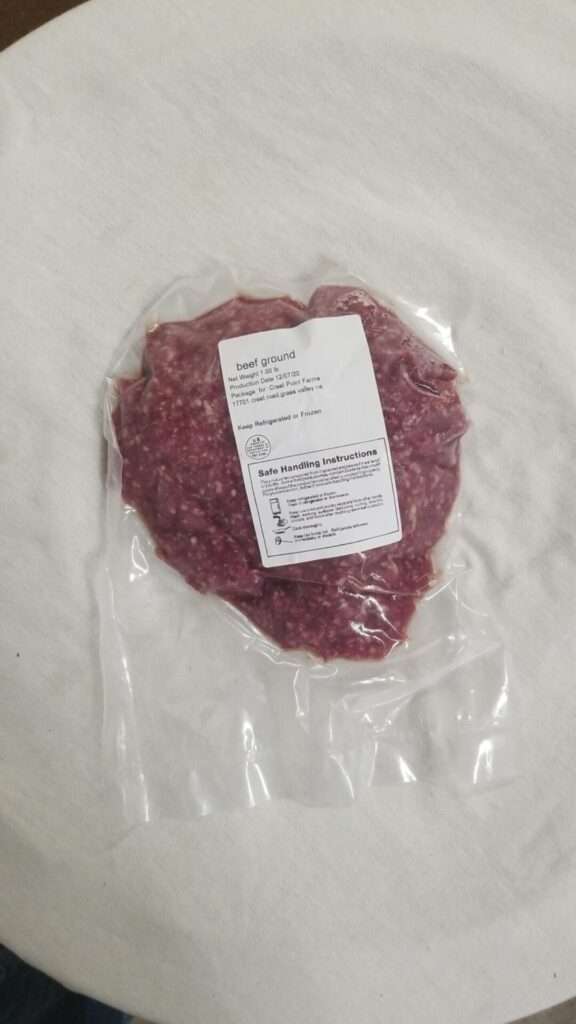
Another reason to raise your own beef! Dexter beef for WIN! You might want to consider Dexter beef sausage for breakfast. There is a recipe in the gazette!
Dexter beef for your health! Read More »
Beef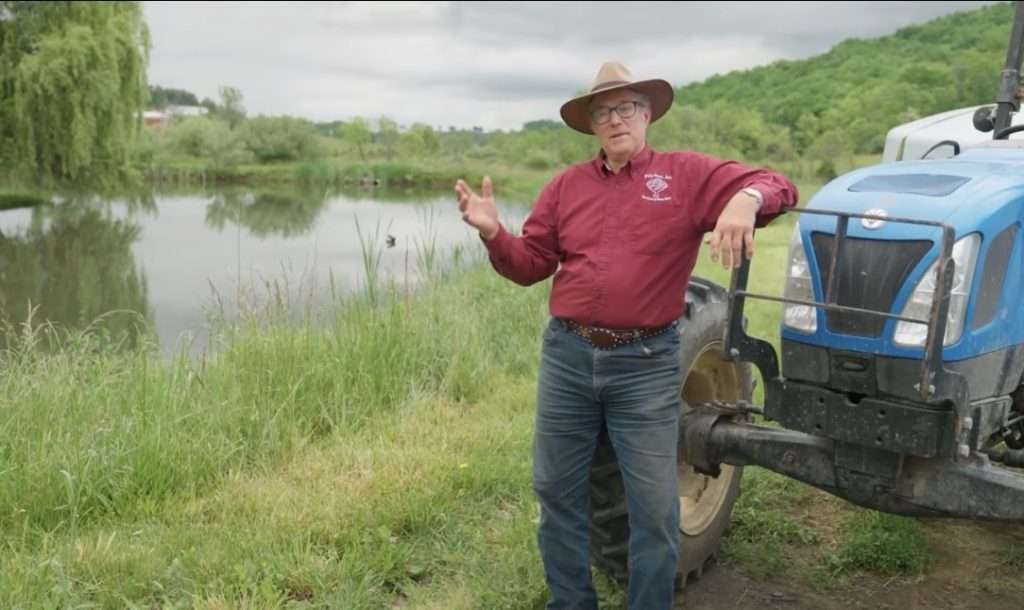
Do you have the Homesteading/Hobby farming down, and now you’re wondering what’s next? Is making 100% of a living on the farm a dream? Joel Salatin talks about the essentials, an ingredient list if you will, for transitioning from weekend farming to full-time farming.
Make the Jump to Full Time Farming Read More »
Farm Management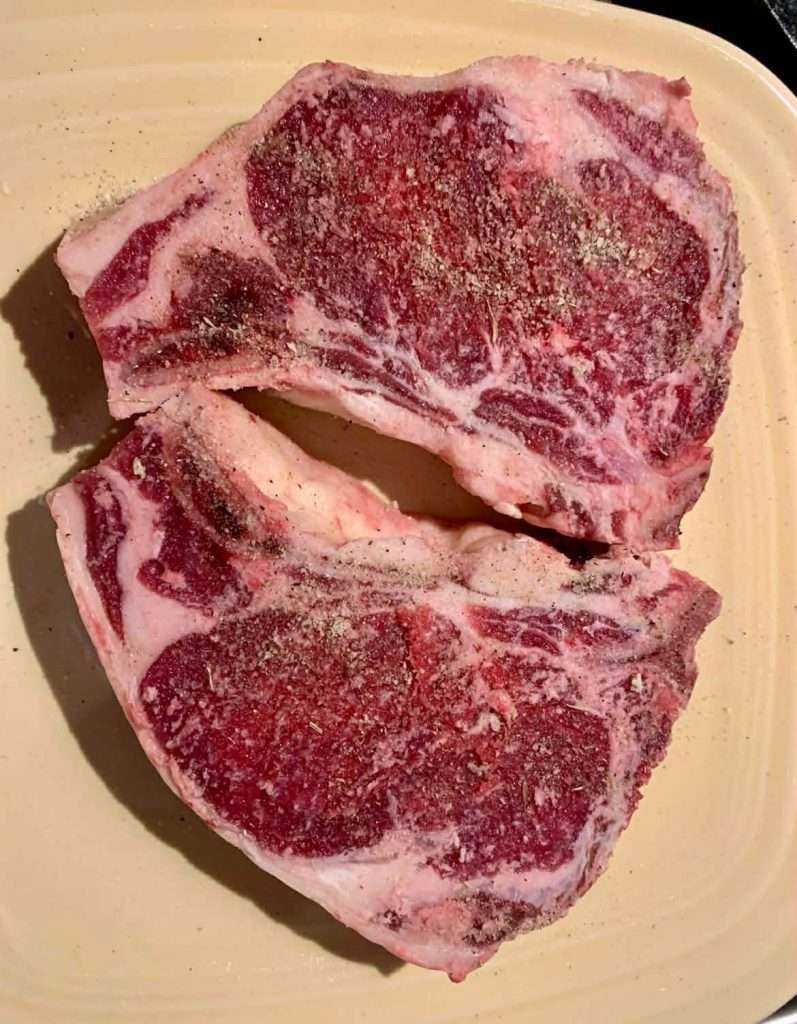
By David Payne
Selecting the finest cut of beef is a debate as old as butchery itself. From white-tablecloth steakhouses to backyard grills, opinions are plentiful and fiercely defended. Yet when judged by flavor, tenderness, and overall culinary performance, one cut consistently distinguishes itself from the rest: the ribeye.
⸻
Defining Excellence in Beef
To identify the best cut on a cow, one must first establish the criteria. A truly exceptional cut should offer:
• Pronounced, natural beef flavor
• A tender but substantial texture
• Reliable juiciness
• Adaptability across cooking methods
While many cuts excel in one or two of these categories, few succeed in all. The ribeye does.
⸻
The Anatomy of Flavor
The ribeye is sourced from the rib section of the animal, an area characterized by minimal muscle exertion. This anatomical advantage allows for the development of extensive intramuscular fat, commonly referred to as marbling.
Marbling is widely regarded as the primary driver of flavor in beef. As the steak cooks, the fat slowly renders, permeating the muscle fibers and producing a depth of flavor that is both rich and unmistakably beef-forward.
⸻
Tenderness with Substance
Unlike ultra-lean cuts such as filet mignon, which prioritize softness at the expense of flavor, the ribeye achieves a rare balance. It is tender enough to require minimal effort at the table, yet structured enough to provide a satisfying, hearty bite.
This balance makes the ribeye particularly appealing to diners who value both texture and intensity.
⸻
A Cut That Rewards Simplicity
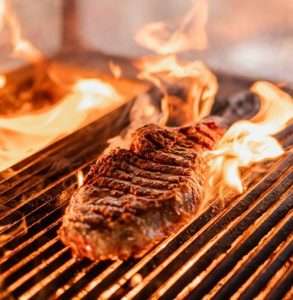
Another defining virtue of the ribeye is its forgiving nature. The generous fat content acts as a natural safeguard during cooking, reducing the risk of dryness and allowing for a wide margin of error.
Whether prepared rare or medium, grilled over open flame or seared in cast iron, the ribeye maintains its succulence with minimal intervention. Salt, heat, and time are often all that is required.
⸻
Bone-In or Boneless: Two Expressions of Excellence
The ribeye is available in both boneless and bone-in forms, each offering a distinct experience:
• Boneless ribeye provides ease of preparation and uniform cooking.
• Bone-in ribeye, including cowboy and tomahawk steaks, delivers enhanced flavor and visual impact.
Both versions exemplify the cut’s inherent strengths and remain staples of high-end steakhouses worldwide.
⸻
How It Compares to Other Premium Cuts
Other cuts deserve recognition for their individual merits:
• Filet mignon offers unmatched tenderness but limited flavor.
• New York strip delivers a firmer texture with less marbling.
• T-bone and porterhouse provide variety but require careful cooking to manage uneven thickness.
• Brisket, while transformative when slow-cooked, demands time and expertise.
Each excels in specific contexts, yet none match the ribeye’s consistency and immediate gratification.
⸻
Conclusion
The ribeye represents beef at its most complete: deeply flavorful, reliably tender, and remarkably versatile. It requires no elaborate preparation to impress, standing confidently on its own merits.
For those seeking the purest and most satisfying expression of beef, the ribeye remains—decisively—the finest cut on the cow.
The Ribeye: Why This Cut Reigns Supreme Read More »
Beef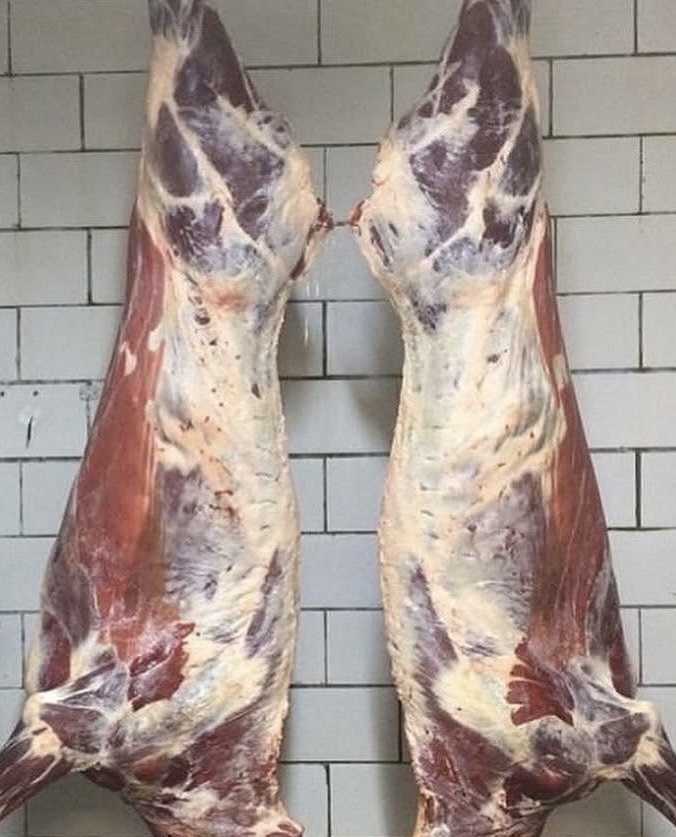
Mobile butchering, also called on-farm butchering definitely has its share of challenges. But, there are a few who are making it work, and excelling in this field! Farmers and producers are looking for options that minimize stress to the animal and cut out long transportation times to a butcher shop. Have you used a mobile butcher unit? Would you be willing to pay for a more costly service if it brought the benefits of an on-farm butchering?
St. Patricks Day is coming up, and what better way to celebrate the day than with some home cooked, Dexter corned beef! The link below is to a recipe I’ve been using for several years with great success. Corning is a traditional way of curing beef meat. It does take time, so you want to give yourself 5-7 days. This recipe does not use curing (also called pink) salt so it is nitrate free. You can add beets if you’d like the traditional color, or leave them out for just as tasty (though less colorful) corned beef.
https://www.growforagecookferment.com/how-to-make-corned-beef/
Corned Beef Recipe Read More »
Beef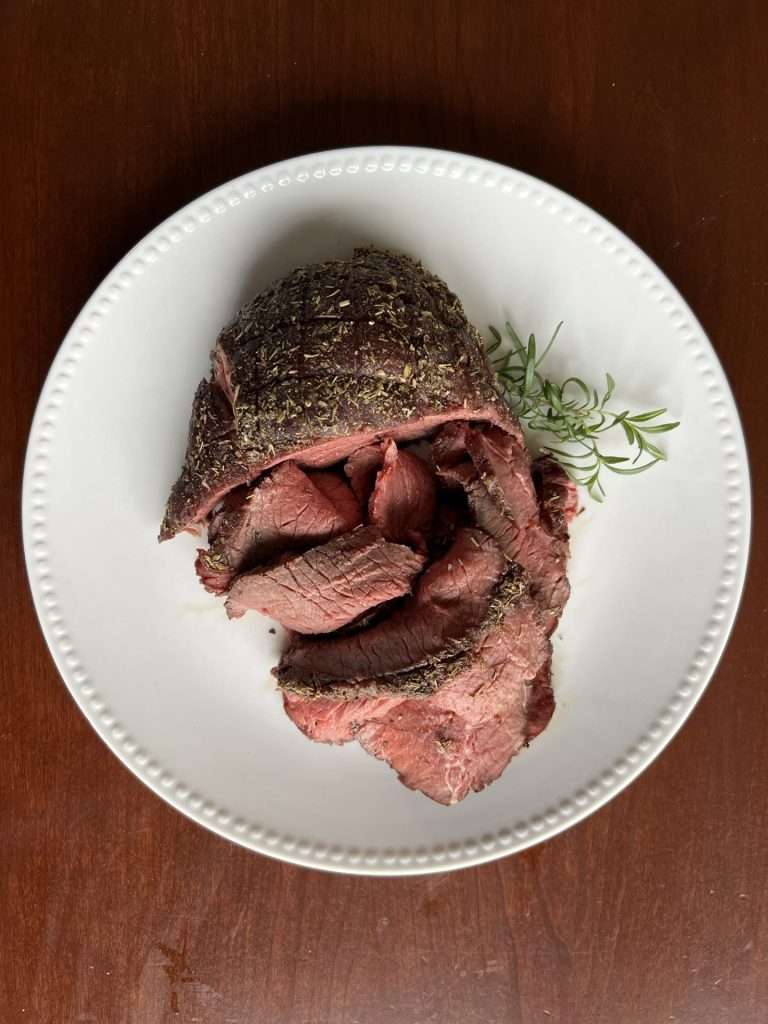
We’ve been raising our own beef for years. Before that, we raised rabbit and chicken, and hunted deer to fill our freezer. It’s been so long since we had to purchase meat from the store, I forget how lucky we are. Especially now that we raise Dexter cattle.
I’m always pleasantly surprised when we get feedback from our beef customers. I take for granted that we get to eat beef this flavorful and tender on a regular basis. My all time favorite message from a new customer is this: “Your beef is fantastic. It tastes the way I remember beef tasting in my childhood.” Delicious beef, reminiscent of a slower time.
A new customer just a few weeks ago texted, “beef is awesome! Color and texture is amazing.” This is really a confirmation of our goal to improve tenderness. The flavor has always been top notch, and we’ve been refining tenderness and marbling with success! Being grass-fed only, this has taken a longer road to accomplish, but what satisfaction!
Another customer recently wrote, “Thank you!!! It’s literally the ONLY meat I trust eating myself or feeding my kids!!!” We are so grateful to be trusted in this way! Our little Dexter cows really make this possible, with their great foraging skills, and ability to convert that forage into flavorful, tender, and nutritious meat for our community.
Have you tried Dexter beef? If not, you really don’t know what you’re missing. But, don’t just take my word for it! Find a Dexter beef producer in your area. We can help with that. Head over to the Irish Dexter Cattlemen Marketplace to look for beef in your area. Keep checking back as we add more producers from across the US.
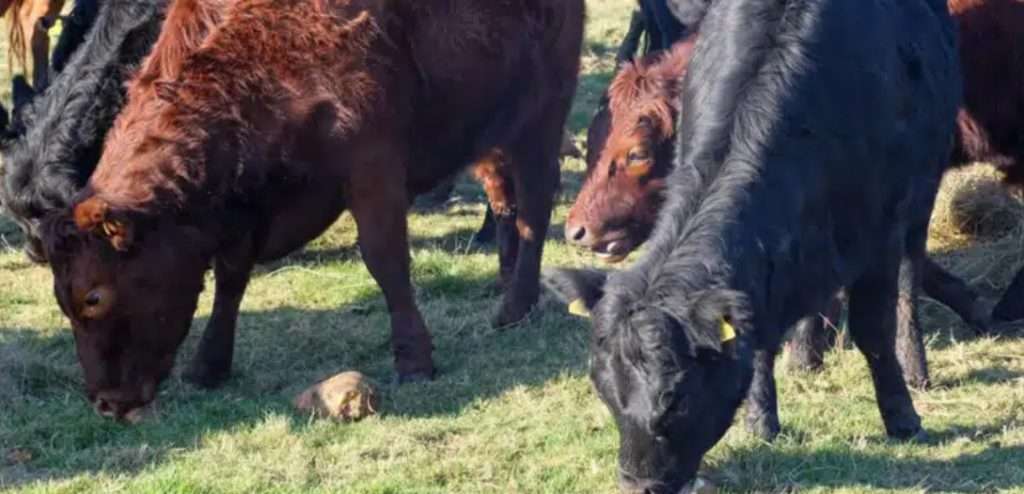
Dexter beef is a breed of cattle that is known for its quality and taste. It is commonly known in foodie circles that Dexter beef is some of the tastiest around and really good to eat.
The Quality Of Dexter Beef Read More »
Beef Selling
Grocery stores are a great way to put your business into overdrive, giving customers new options in ever-fashionable packaging. Whether you are looking to sell at local convenience stores or big-box wholesale grocers, it presents the perfect opportunity for your product.
Interested in learning more about how to get your product into grocery stores? In this ultimate guide, Mako PKG takes you through the whole process from start to finish.
How to Get Your Product Into Grocery Stores Read More »
Selling
Dexters may only rank 5 in this dual-purpose breed list, but when you consider their size, they come out as number one for the small farm. Practical and versatile in being great for beef and milk. Often times people consider Dexters mini cattle, but the whole breed is naturally small with some individuals being extra small. It is interesting to note that Dexters make the list even though they are small in size and no one can discredit them for their diminutive size as though they are nothing more than a toy breed as they hold their own with the big boys.
Click the link below to read the article
Dexters are a TOP-RANKING DUAL-PURPOSE BREED Read More »
Beef
A sales pitch can make or break a deal, which is why yours must be as effective as possible.
In this blog, we’ll show you how to craft irresistible sales pitches that leave jaws dropping, wallets opening, and deals sealed with a smile 🙂
The Ultimate Guide to Delivering an Effective Sales Pitch Read More »
Selling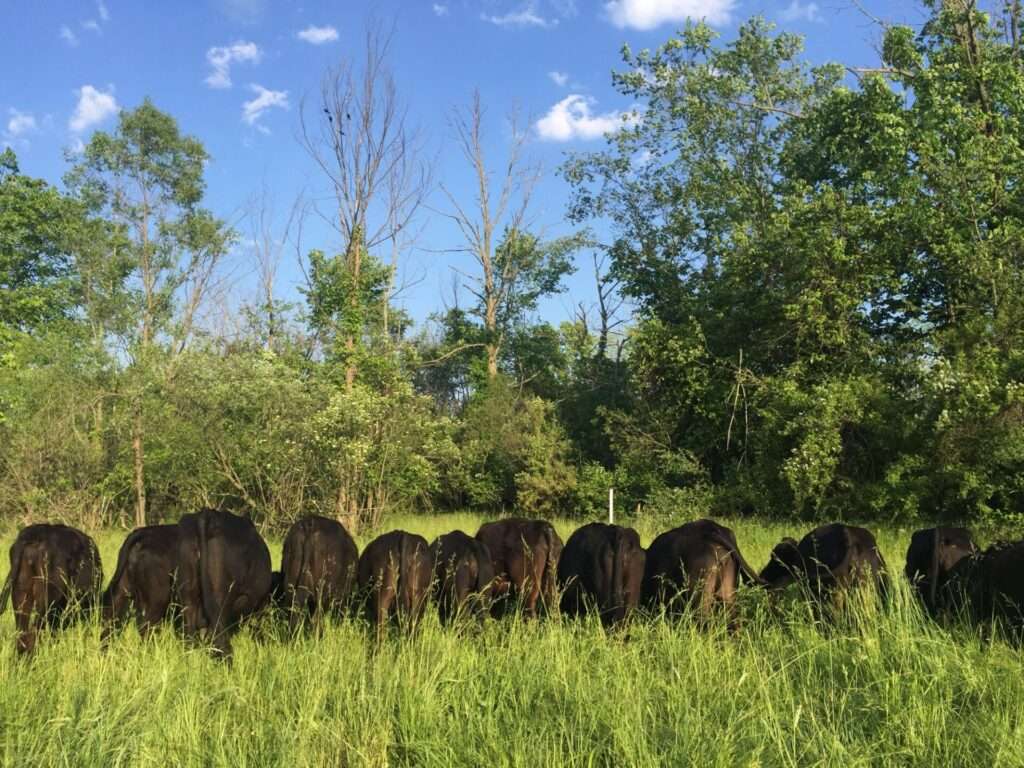
“The statement “you are what you eat” is actually a biologically correct concept akin to bioaccumulation, in which the nutrients at the bottom of a food chain carry through organism after organism, increasing in concentration as they reach the top of the chain…”
Better Beef Starts in the Soil Read More »
Beef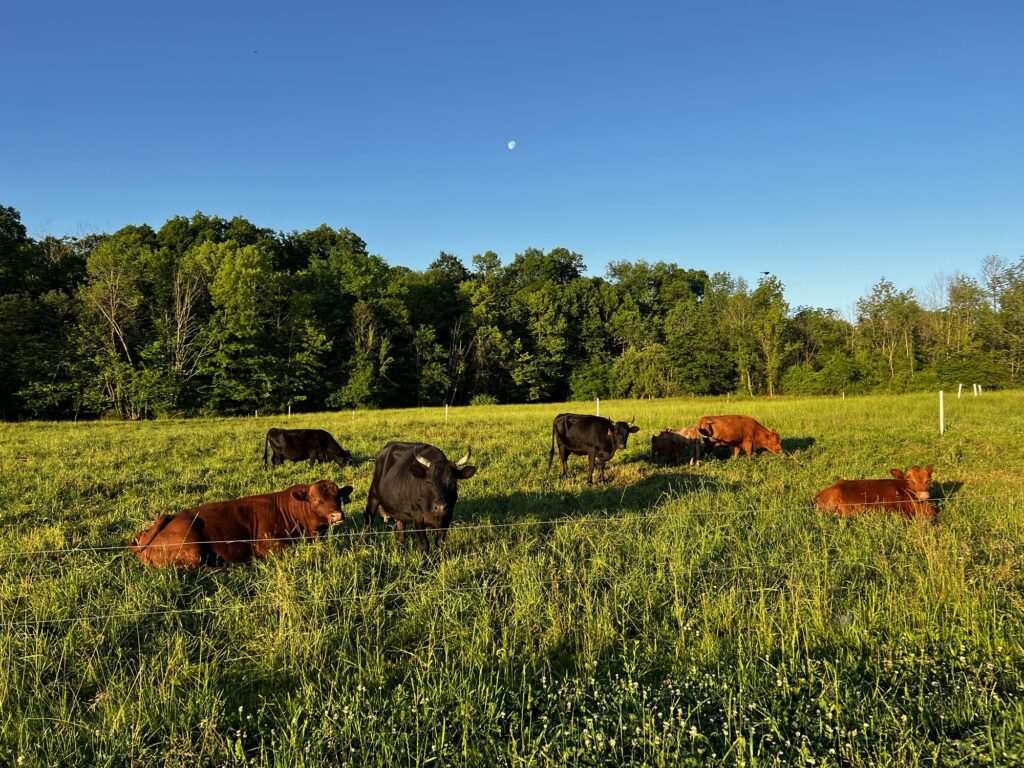
We’ve all seen the push to remove red meat, and especially beef, from our diets. But, is that actually the answer and are the alternatives any better? This article below talks about some of the nuances of beef production and the alternatives like impossible burger.
I love the question the last paragraph asks, “So, what would the world look like based on your food choices?”
Thoughts on Regenerative Beef Read More »
Beef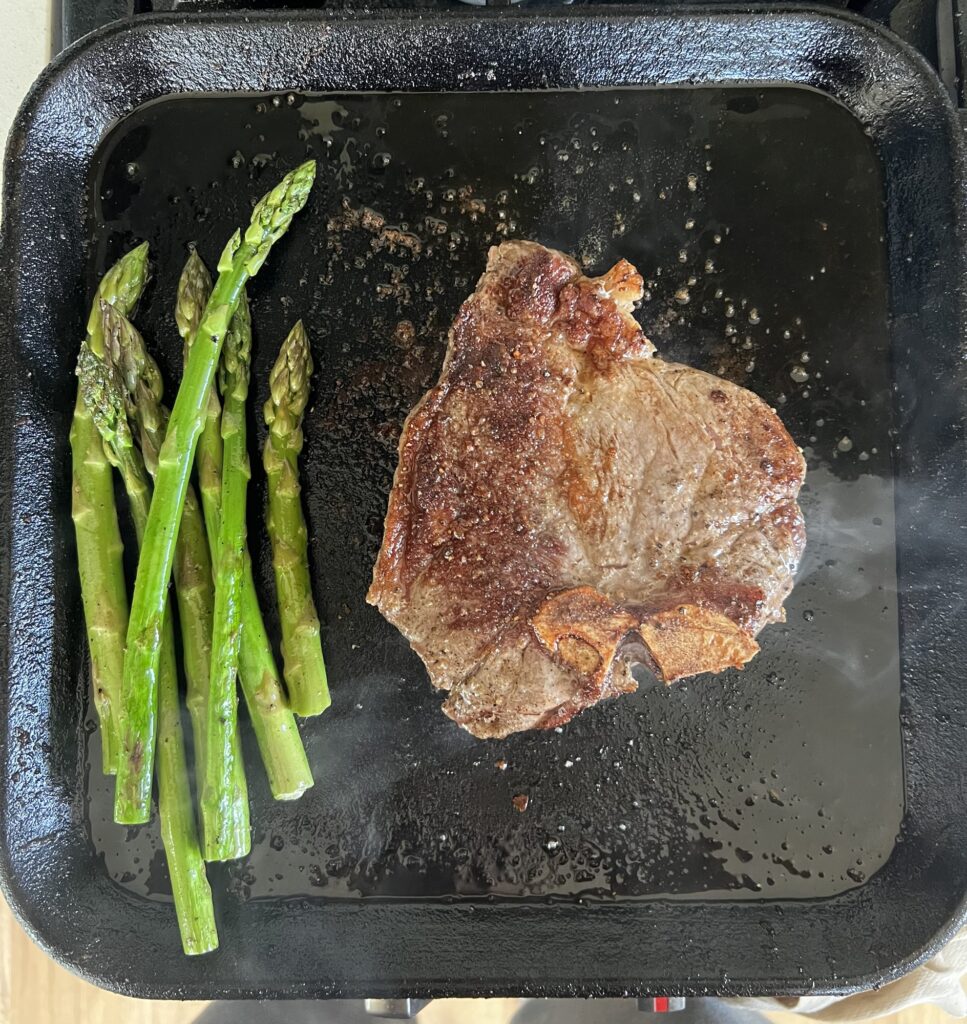
My favorite thing about summer – easy meals on the grill. This steak with herbed butter is delicious! Especially when made with Dexter beef.
https://iowagirleats.com/perfect-grilled-steak-with-herb-butter/
Perfect Grilled Steak Read More »
Beef
I had never tasted Dexter meat previously, so I was very keen to sink my teeth into a nice steak. The first thing I noticed was the flavor. It reminded me of what beef used to taste like when I started as a butcher, 50 years ago.
https://butchermagazine.com/dexter-beef/https://butchermagazine.com/dexter-beef/
Submitted by Pam B
Dexter Beef – The Taste Test Read More »
Beef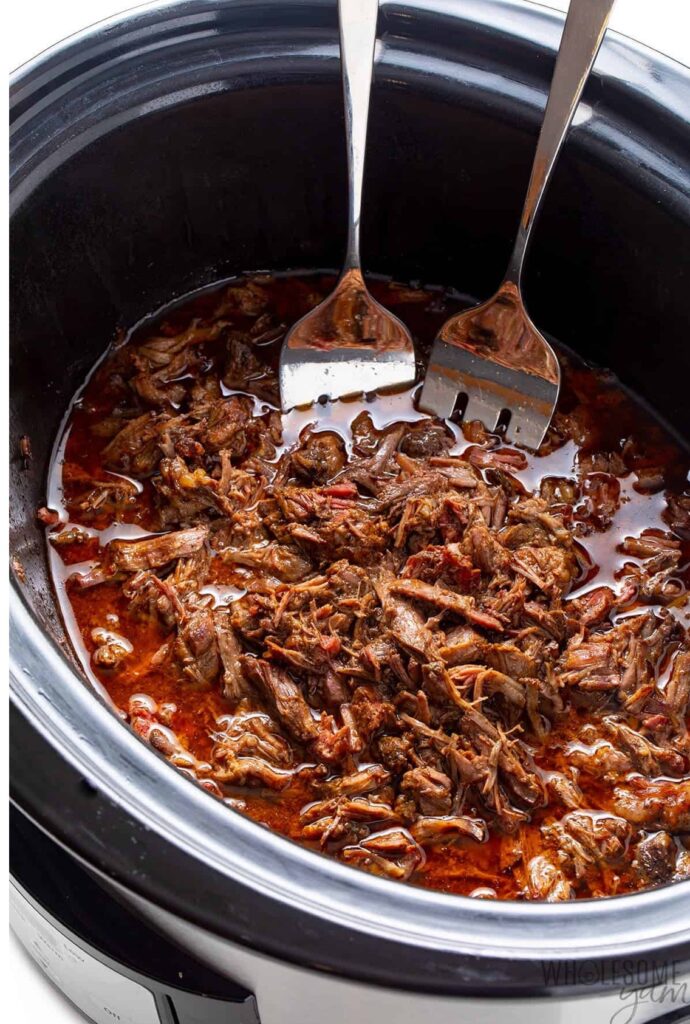
The weather is getting warmer, you’re busy outside and need something easy for dinner. Throw a Dexter chuck roast in the slow cooker and dinner is served! Make a bowl, a burrito or tacos – you can’t go wrong!
https://www.wholesomeyum.com/recipes/copycat-chipotle-barbacoa-slow-cooker-low-carb-paleo/
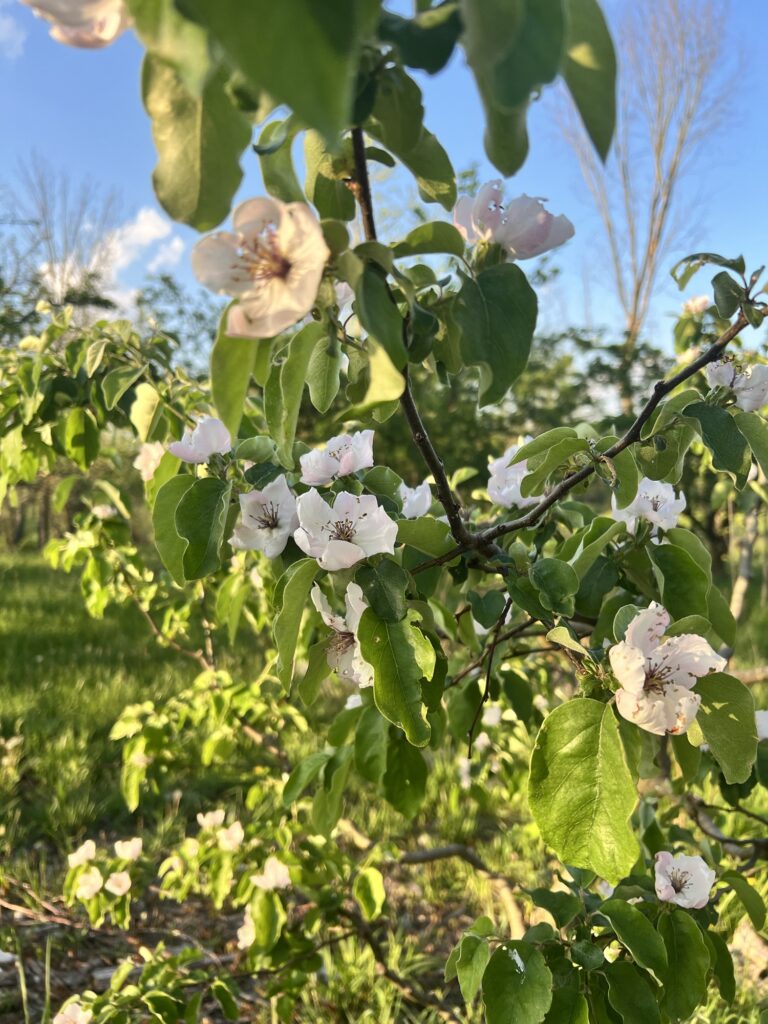
By Shelley Hatfield/Whippoorwill Pines Farm
Spring is a beautiful time of the year!! All the new babies, flowers popping their heads up showing off their colors, everyone itching to get their hands in the dirt!! But that also brings some problems if you have cows. Here are a few things that I have found that make spring not so great.
First thing, with the crazy swings in the weather temps, you need to watch your cows for pneumonia. This is a hard thing to notice but if you keep watch you can start learning the signs. One of the signs is lower head, their sides are “thumping” (meaning catching their breath), not alot of energy. I had a steer go down and die the next day. He had eaten the night before and looked fine. But he was gone the next morning. I asked the vet if I was doing something wrong. She told me that it really doesn’t matter, it’s the big swings in the weather. They have shelter, water and food.
Keeping watch is one thing, but there is also a vaccine that you can give them once or twice a year to help with that. It is a BRD vaccine. Check with your vet to see if that is something that you want to give your cattle.
We have talked about the mud before, but we will mention it again. Make sure that your cattle don’t have to stand in the mud all the time. That is something that can keep them from staying warm in the spring weather. Make sure that they have a dry place to lay down.
I’m not an expert, but I have learned some things along the way. Some of those things I have learned the hard way….lol These are just some things that I have learned on this journey of raising cattle.
Welcome to Spring: Read More »
Beef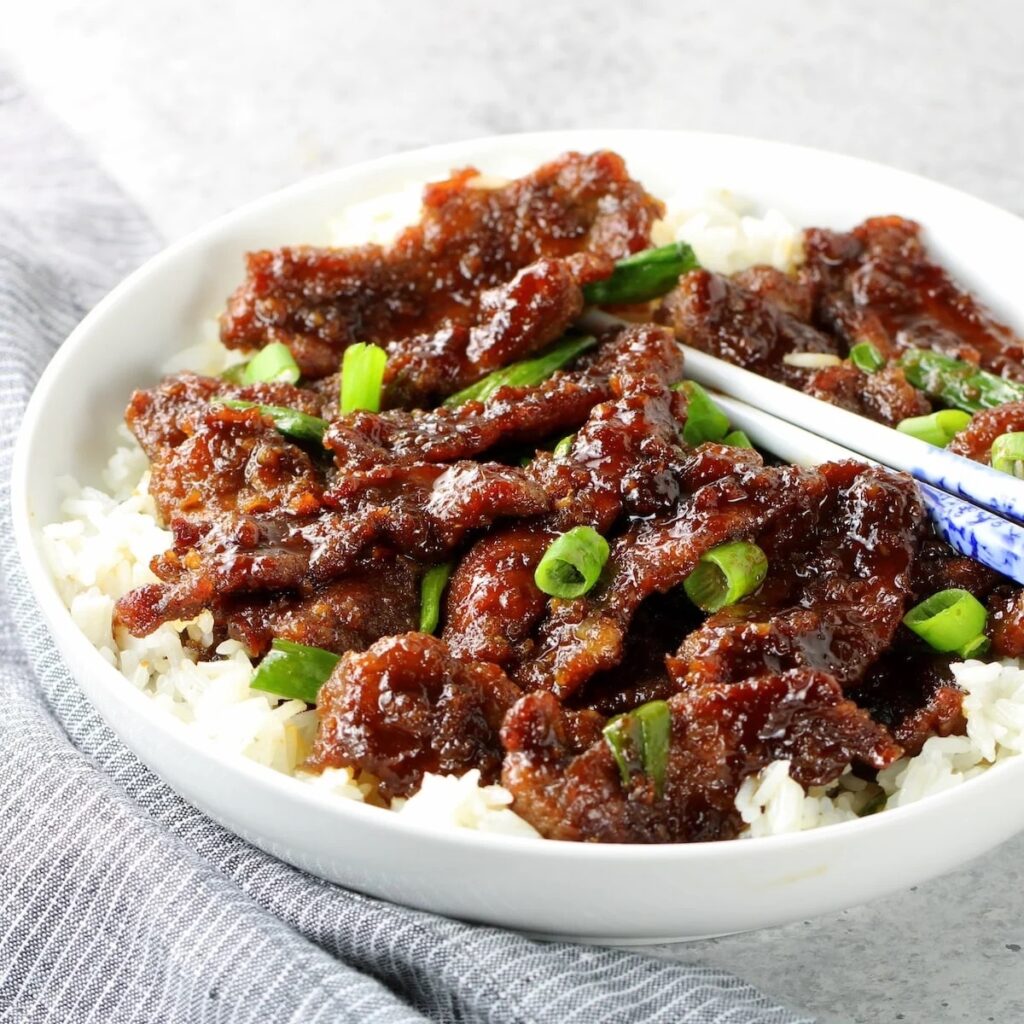
Try this quick (30 minute) and easy beef recipe for dinner tonight:
Mongolian Beef Recipe Read More »
Beef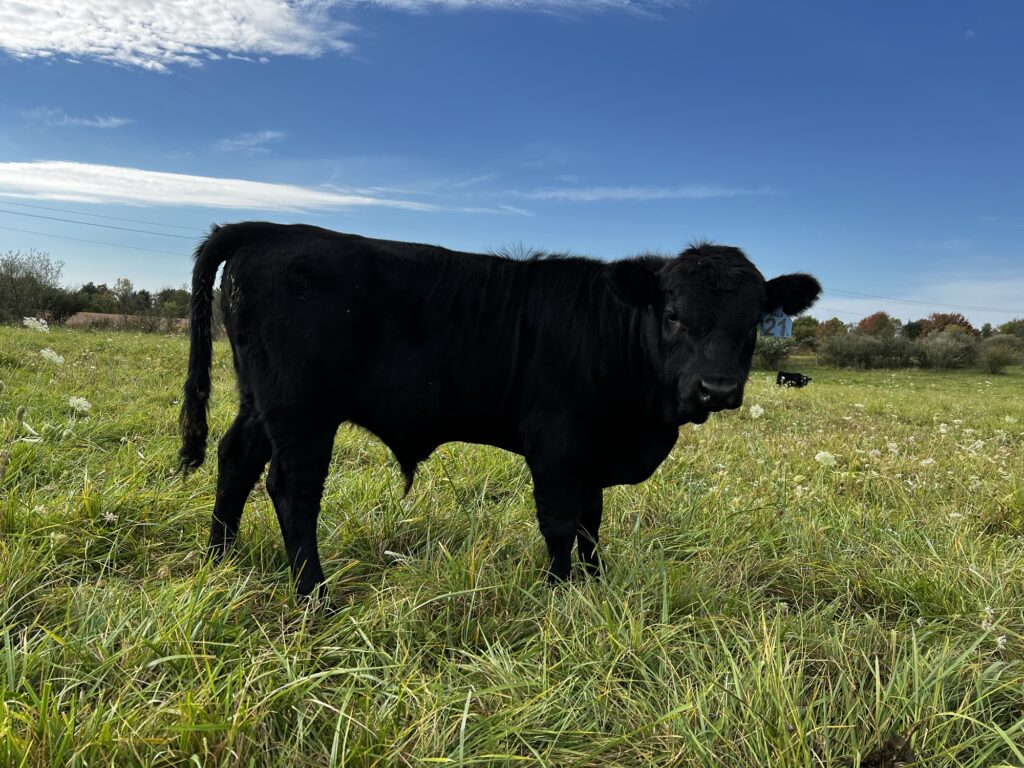
This video was created by Thornbridge Smallholding in England, and is a great intro to butchering a Dexter cow.
Dexter beef butchery Read More »
Beef