Do you have the Homesteading/Hobby farming down, and now you’re wondering what’s next? Is making 100% of a living on the farm a dream? Joel Salatin talks about the essentials, an ingredient list if you will, for transitioning from weekend farming to full-time farming.
Selecting the finest cut of beef is a debate as old as butchery itself. From white-tablecloth steakhouses to backyard grills, opinions are plentiful and fiercely defended. Yet when judged by flavor, tenderness, and overall culinary performance, one cut consistently distinguishes itself from the rest: the ribeye.
⸻
Defining Excellence in Beef
To identify the best cut on a cow, one must first establish the criteria. A truly exceptional cut should offer: • Pronounced, natural beef flavor • A tender but substantial texture • Reliable juiciness • Adaptability across cooking methods
While many cuts excel in one or two of these categories, few succeed in all. The ribeye does.
⸻
The Anatomy of Flavor
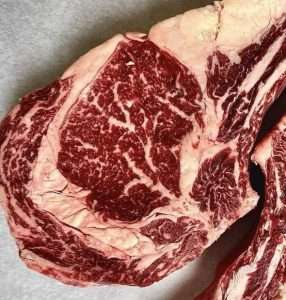
The ribeye is sourced from the rib section of the animal, an area characterized by minimal muscle exertion. This anatomical advantage allows for the development of extensive intramuscular fat, commonly referred to as marbling.
Marbling is widely regarded as the primary driver of flavor in beef. As the steak cooks, the fat slowly renders, permeating the muscle fibers and producing a depth of flavor that is both rich and unmistakably beef-forward.
Fine intramuscular marbling is the hallmark of a high-quality ribeye.
⸻
Tenderness with Substance
Unlike ultra-lean cuts such as filet mignon, which prioritize softness at the expense of flavor, the ribeye achieves a rare balance. It is tender enough to require minimal effort at the table, yet structured enough to provide a satisfying, hearty bite.
This balance makes the ribeye particularly appealing to diners who value both texture and intensity.
⸻
A Cut That Rewards Simplicity
Another defining virtue of the ribeye is its forgiving nature. The generous fat content acts as a natural safeguard during cooking, reducing the risk of dryness and allowing for a wide margin of error.
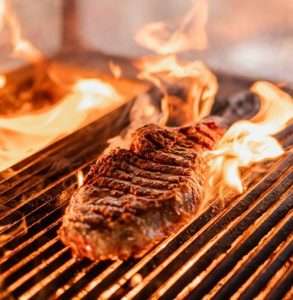
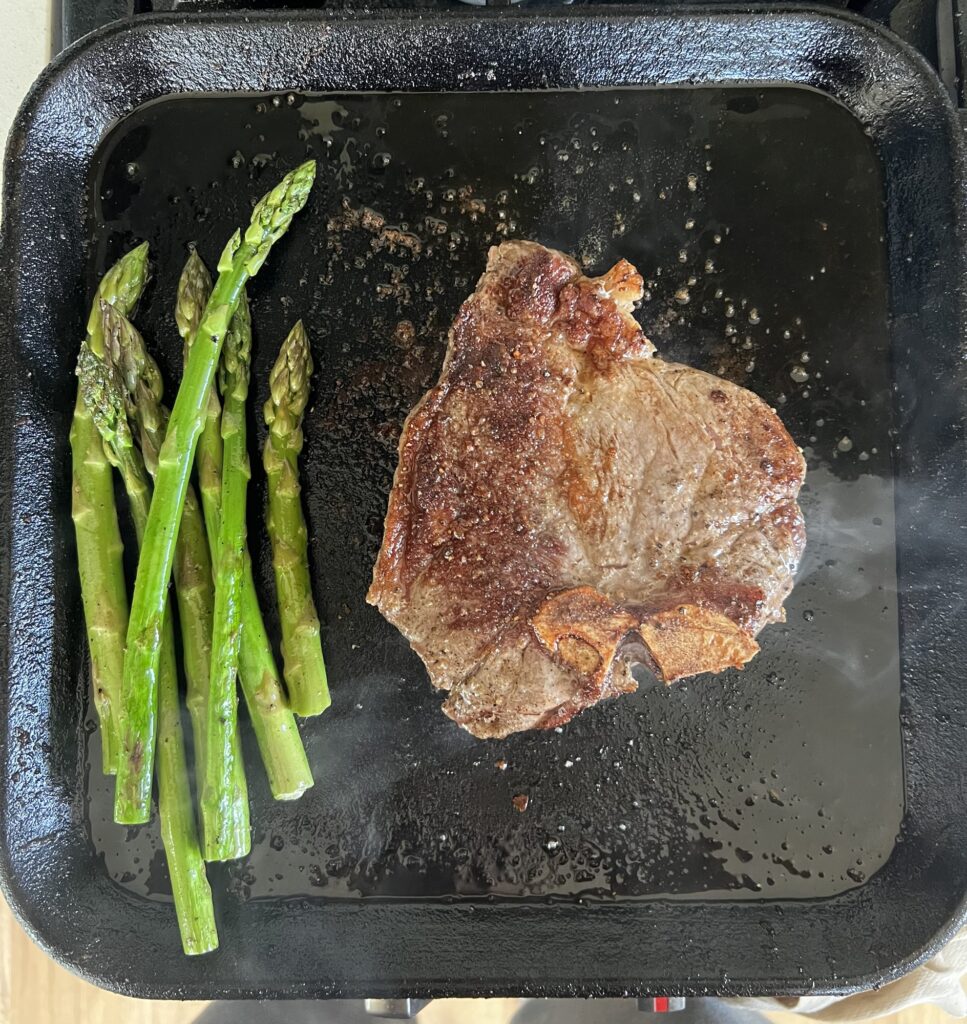
Whether prepared rare or medium, grilled over open flame or seared in cast iron, the ribeye maintains its succulence with minimal intervention. Salt, heat, and time are often all that is required.
High heat and simple seasoning allow the ribeye’s natural qualities to shine.
⸻
Bone-In or Boneless: Two Expressions of Excellence
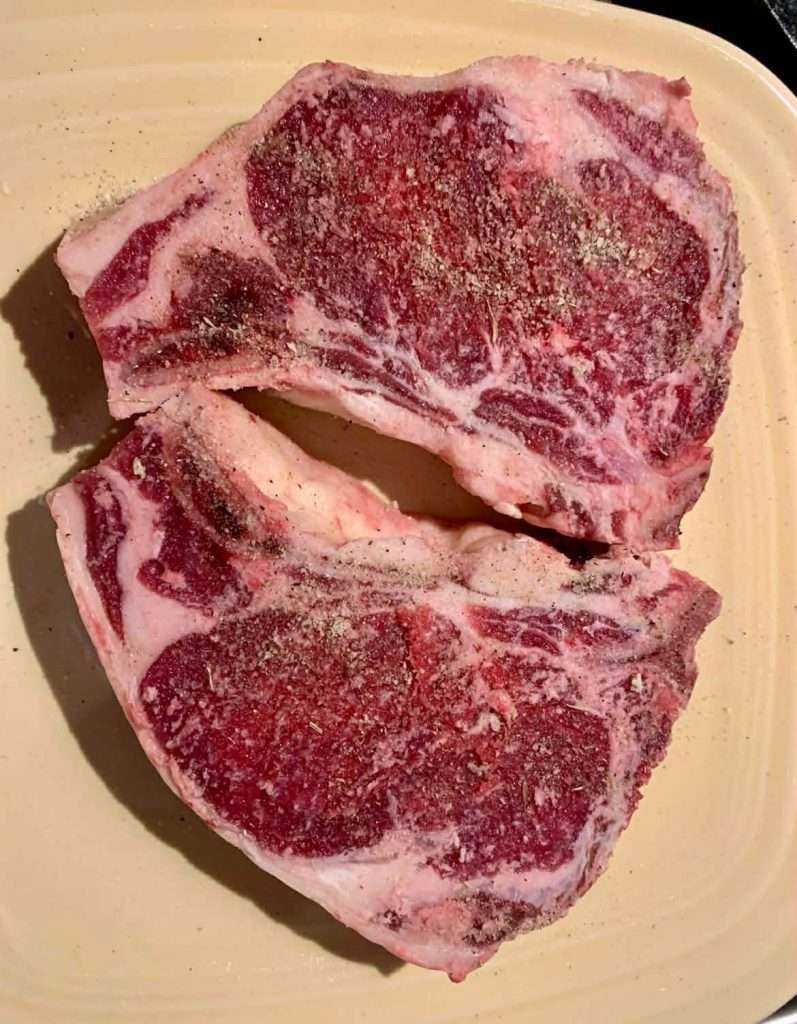
The ribeye is available in both boneless and bone-in forms, each offering a distinct experience: • Boneless ribeye provides ease of preparation and uniform cooking. • Bone-in ribeye, including cowboy and tomahawk steaks, delivers enhanced flavor and visual impact.
Both versions exemplify the cut’s inherent strengths and remain staples of high-end steakhouses worldwide.
⸻
How It Compares to Other Premium Cuts
Other cuts deserve recognition for their individual merits: • Filet mignon offers unmatched tenderness but limited flavor. • New York strip delivers a firmer texture with less marbling. • T-bone and porterhouse provide variety but require careful cooking to manage uneven thickness. • Brisket, while transformative when slow-cooked, demands time and expertise.
Each excels in specific contexts, yet none match the ribeye’s consistency and immediate gratification.
⸻
Conclusion
The ribeye represents beef at its most complete: deeply flavorful, reliably tender, and remarkably versatile. It requires no elaborate preparation to impress, standing confidently on its own merits.
For those seeking the purest and most satisfying expression of beef, the ribeye remains—decisively—the finest cut on the cow.
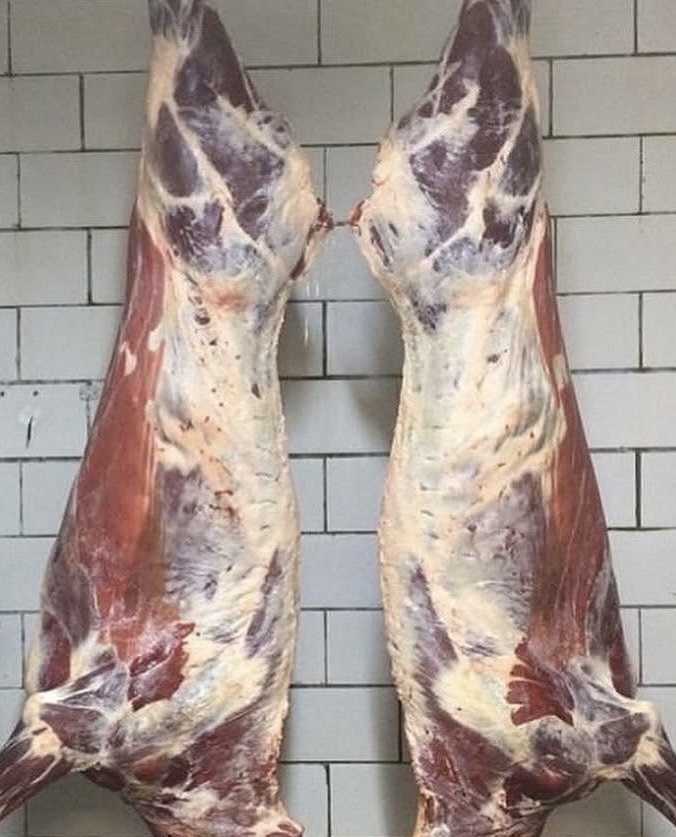
Mobile butchering, also called on-farm butchering definitely has its share of challenges. But, there are a few who are making it work, and excelling in this field! Farmers and producers are looking for options that minimize stress to the animal and cut out long transportation times to a butcher shop. Have you used a mobile butcher unit? Would you be willing to pay for a more costly service if it brought the benefits of an on-farm butchering?
St. Patricks Day is coming up, and what better way to celebrate the day than with some home cooked, Dexter corned beef! The link below is to a recipe I’ve been using for several years with great success. Corning is a traditional way of curing beef meat. It does take time, so you want to give yourself 5-7 days. This recipe does not use curing (also called pink) salt so it is nitrate free. You can add beets if you’d like the traditional color, or leave them out for just as tasty (though less colorful) corned beef.
We’ve been raising our own beef for years. Before that, we raised rabbit and chicken, and hunted deer to fill our freezer. It’s been so long since we had to purchase meat from the store, I forget how lucky we are. Especially now that we raise Dexter cattle.
I’m always pleasantly surprised when we get feedback from our beef customers. I take for granted that we get to eat beef this flavorful and tender on a regular basis. My all time favorite message from a new customer is this: “Your beef is fantastic. It tastes the way I remember beef tasting in my childhood.” Delicious beef, reminiscent of a slower time.
A new customer just a few weeks ago texted, “beef is awesome! Color and texture is amazing.” This is really a confirmation of our goal to improve tenderness. The flavor has always been top notch, and we’ve been refining tenderness and marbling with success! Being grass-fed only, this has taken a longer road to accomplish, but what satisfaction!
Another customer recently wrote, “Thank you!!! It’s literally the ONLY meat I trust eating myself or feeding my kids!!!” We are so grateful to be trusted in this way! Our little Dexter cows really make this possible, with their great foraging skills, and ability to convert that forage into flavorful, tender, and nutritious meat for our community.
Have you tried Dexter beef? If not, you really don’t know what you’re missing. But, don’t just take my word for it! Find a Dexter beef producer in your area. We can help with that. Head over to the Irish Dexter Cattlemen Marketplace to look for beef in your area. Keep checking back as we add more producers from across the US.
Dexter beef is a breed of cattle that is known for its quality and taste. It is commonly known in foodie circles that Dexter beef is some of the tastiest around and really good to eat.
Grocery stores are a great way to put your business into overdrive, giving customers new options in ever-fashionable packaging. Whether you are looking to sell at local convenience stores or big-box wholesale grocers, it presents the perfect opportunity for your product.
Interested in learning more about how to get your product into grocery stores? In this ultimate guide, Mako PKG takes you through the whole process from start to finish.
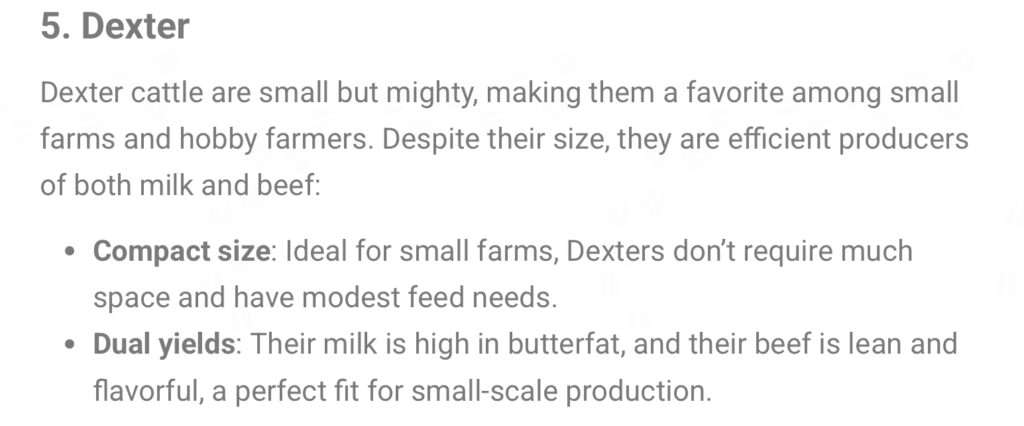
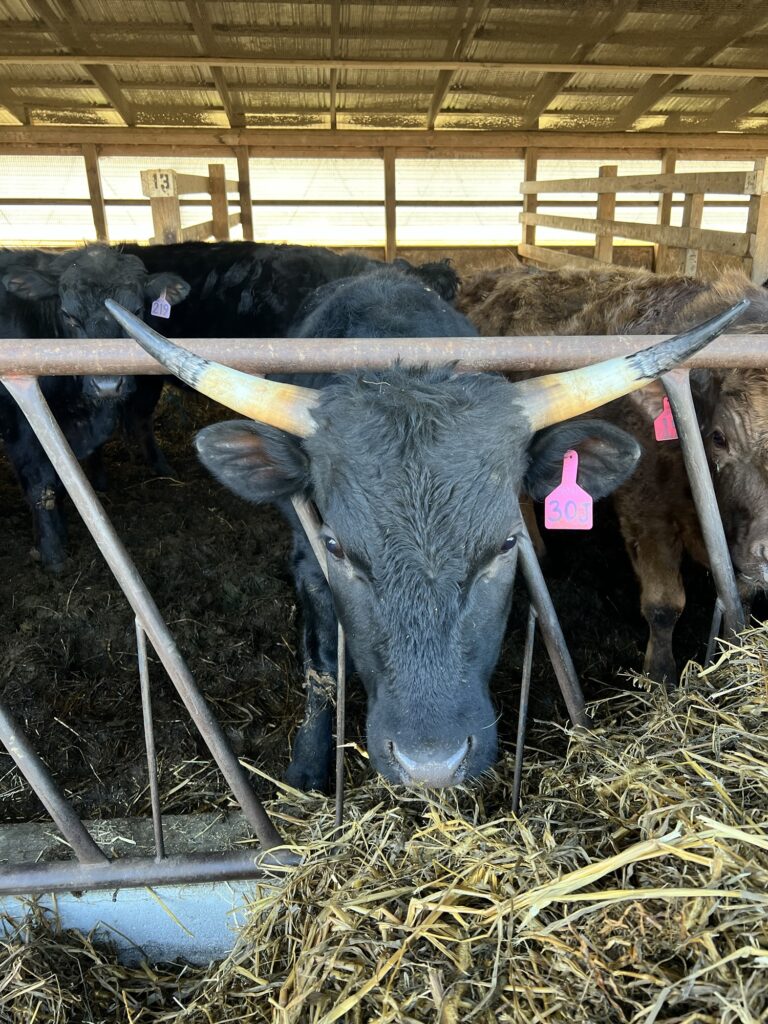
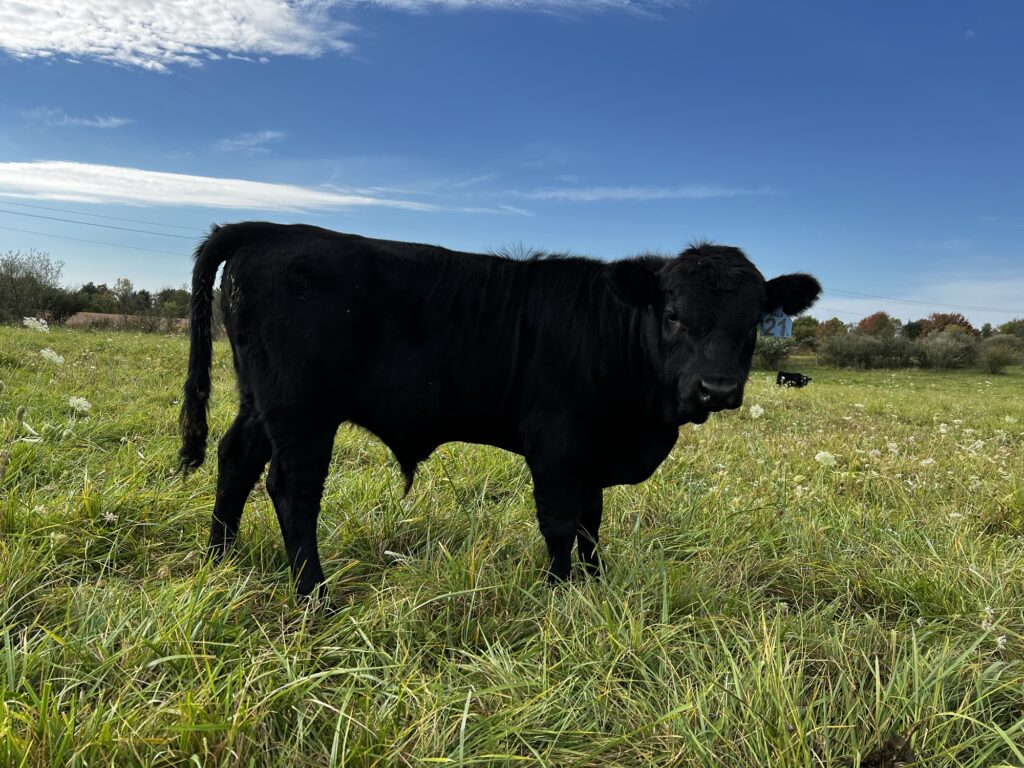
Dexters may only rank 5 in this dual-purpose breed list, but when you consider their size, they come out as number one for the small farm. Practical and versatile in being great for beef and milk. Often times people consider Dexters mini cattle, but the whole breed is naturally small with some individuals being extra small. It is interesting to note that Dexters make the list even though they are small in size and no one can discredit them for their diminutive size as though they are nothing more than a toy breed as they hold their own with the big boys.
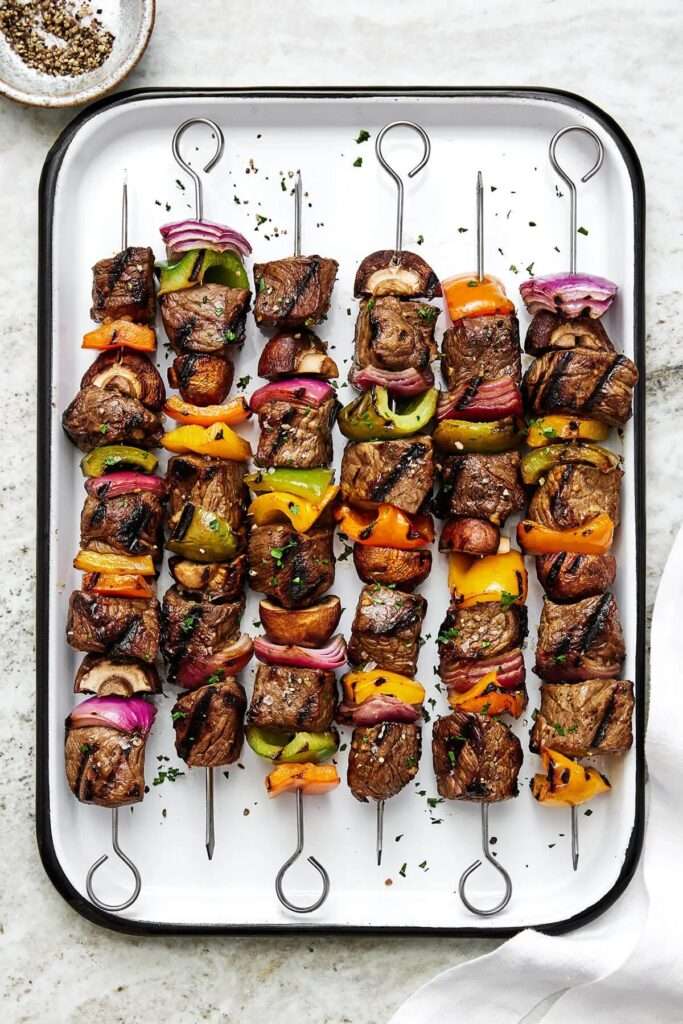
The busyness of summer is blending into the rush of back to school. On the farm or homestead there is plenty to do too, and there isn’t a lot of time to think about dinner. Try these quick, easy beef shish kabobs, perfect for a quick meal. Plus, they can be cooked on the grill so they won’t heat up the kitchen.
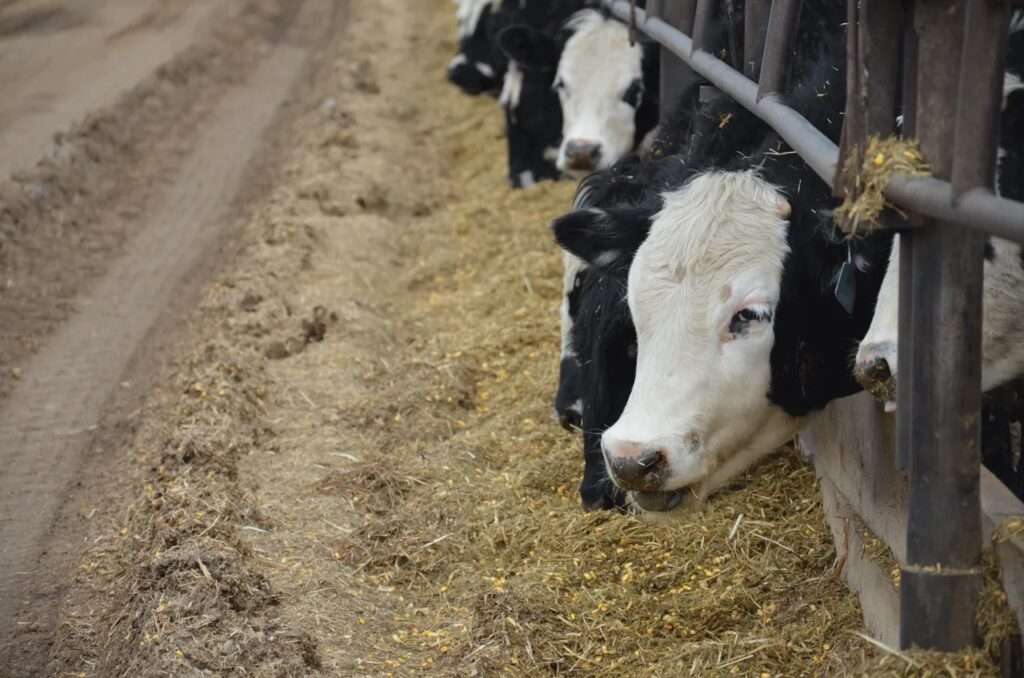
There are as many ways to finish beef as there are farming setups. If you prefer the taste and ease of grain finished beef, here are some great tips for grain finishing your beef steers on the farm and reaching that choice taste and tenderness.
Grass finishing isn’t as easy as sticking some steers out on grass until they’re fat and ready for processing. For really good flavor and tenderness you need a steady rate of gain. For a steady rate of gain you need quality forage – especially leading to finishing. Every beef farmer who finishes on grass is a grass farmer first. Need some tips on finishing your Dexter on grass?
“The statement “you are what you eat” is actually a biologically correct concept akin to bioaccumulation, in which the nutrients at the bottom of a food chain carry through organism after organism, increasing in concentration as they reach the top of the chain…”
We’ve all seen the push to remove red meat, and especially beef, from our diets. But, is that actually the answer and are the alternatives any better? This article below talks about some of the nuances of beef production and the alternatives like impossible burger.
I love the question the last paragraph asks, “So, what would the world look like based on your food choices?”
I had never tasted Dexter meat previously, so I was very keen to sink my teeth into a nice steak. The first thing I noticed was the flavor. It reminded me of what beef used to taste like when I started as a butcher, 50 years ago.
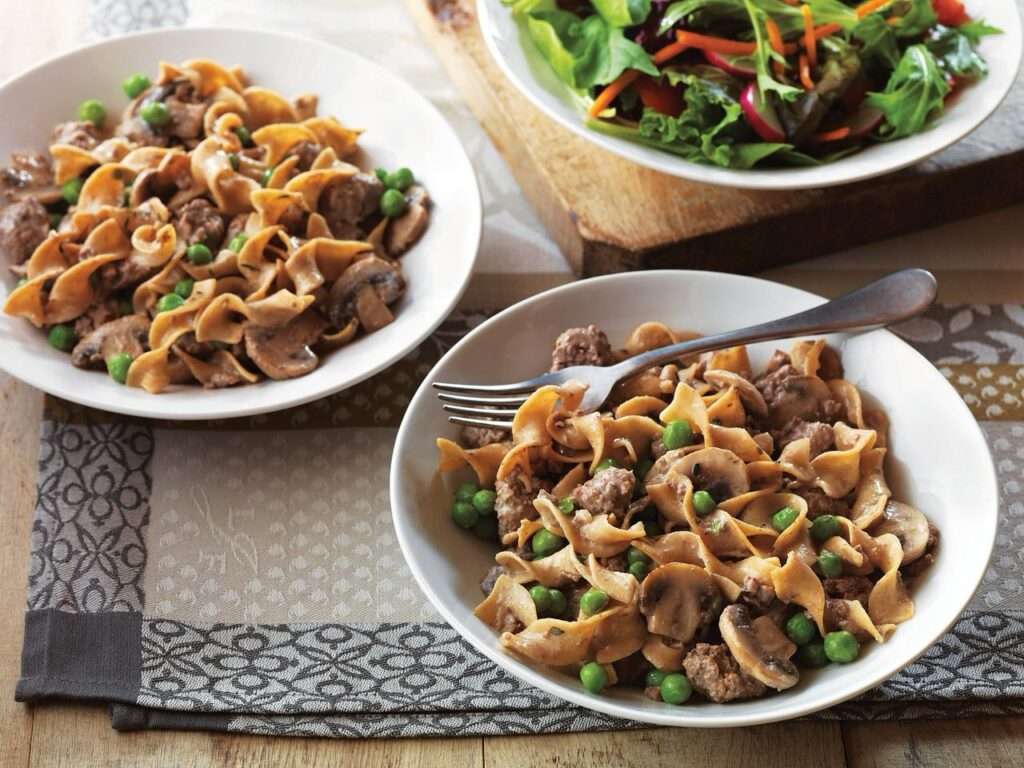
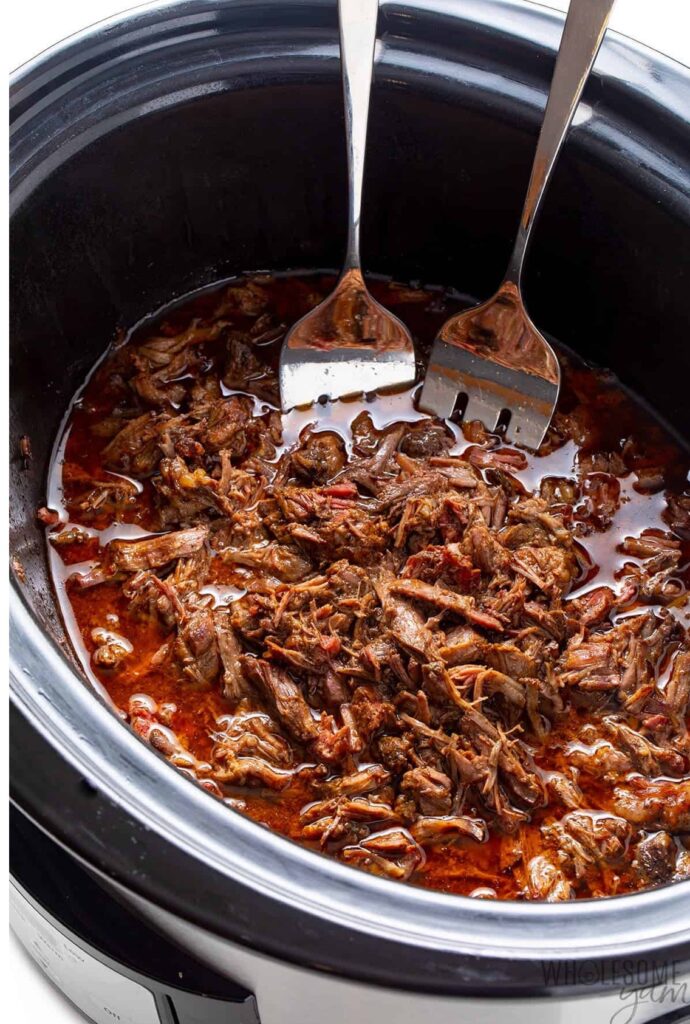
The weather is getting warmer, you’re busy outside and need something easy for dinner. Throw a Dexter chuck roast in the slow cooker and dinner is served! Make a bowl, a burrito or tacos – you can’t go wrong!
Spring is a beautiful time of the year!! All the new babies, flowers popping their heads up showing off their colors, everyone itching to get their hands in the dirt!! But that also brings some problems if you have cows. Here are a few things that I have found that make spring not so great.
First thing, with the crazy swings in the weather temps, you need to watch your cows for pneumonia. This is a hard thing to notice but if you keep watch you can start learning the signs. One of the signs is lower head, their sides are “thumping” (meaning catching their breath), not alot of energy. I had a steer go down and die the next day. He had eaten the night before and looked fine. But he was gone the next morning. I asked the vet if I was doing something wrong. She told me that it really doesn’t matter, it’s the big swings in the weather. They have shelter, water and food.
Keeping watch is one thing, but there is also a vaccine that you can give them once or twice a year to help with that. It is a BRD vaccine. Check with your vet to see if that is something that you want to give your cattle.
We have talked about the mud before, but we will mention it again. Make sure that your cattle don’t have to stand in the mud all the time. That is something that can keep them from staying warm in the spring weather. Make sure that they have a dry place to lay down.
I’m not an expert, but I have learned some things along the way. Some of those things I have learned the hard way….lol These are just some things that I have learned on this journey of raising cattle.
Below is a great article for those getting in to beef production on a small scale. Thinking through resources, knowledge, budget, production, marketing, as well as talent and interest level. There is a great quote from the last point: “You are much more likely to be successful if you are interested in and passionate about what you are doing.”
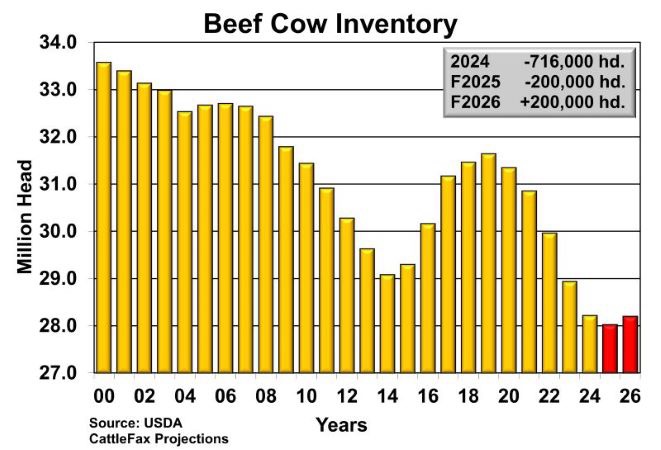
With the US National beef inventory down, and demand for beef remaining steady/increasing slightly, I think we can expect to see continued increase in beef prices through 2025. That is good news for those of us raising beef and selling direct to consumers.
In our own personal Dexter beef sales we have seen a shift from smaller purchases in years 2020-2023, to half and whole beef purchases over the past year and a half.
It is certainly more economical for beef buyers to purchase in bulk and save money. It can be better for farmers/ranchers too, cutting down on time required to inventory and manage smaller orders.
However you sell your beef, here are trends to look for:
Ever wonder if you’re missing out on some great cuts because they’re not as common, or you don’t know how to prepare and cook them? Check out this video and you might learn about a steak cut you haven’t heard of, or gain a new tip on cooking and prepping a tried and true favorite.