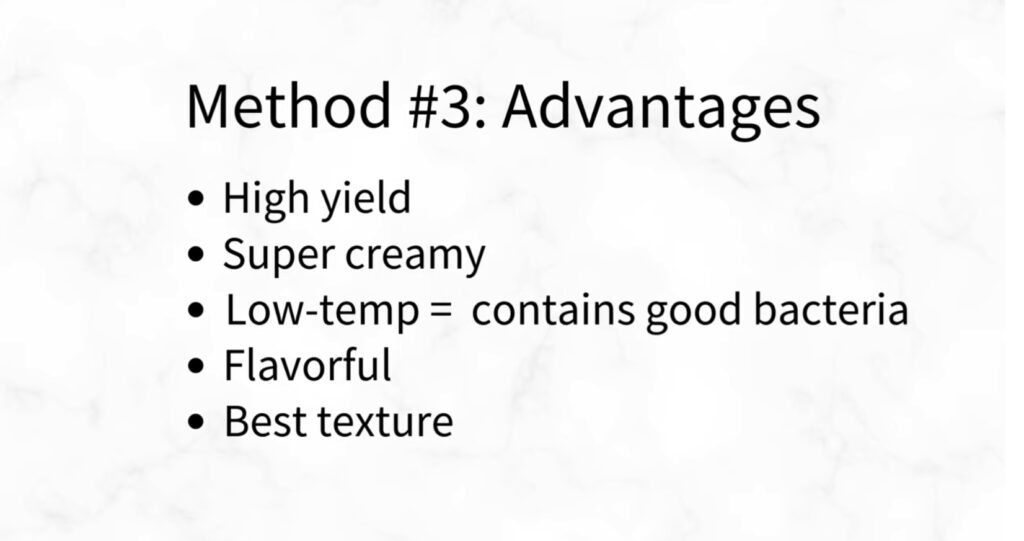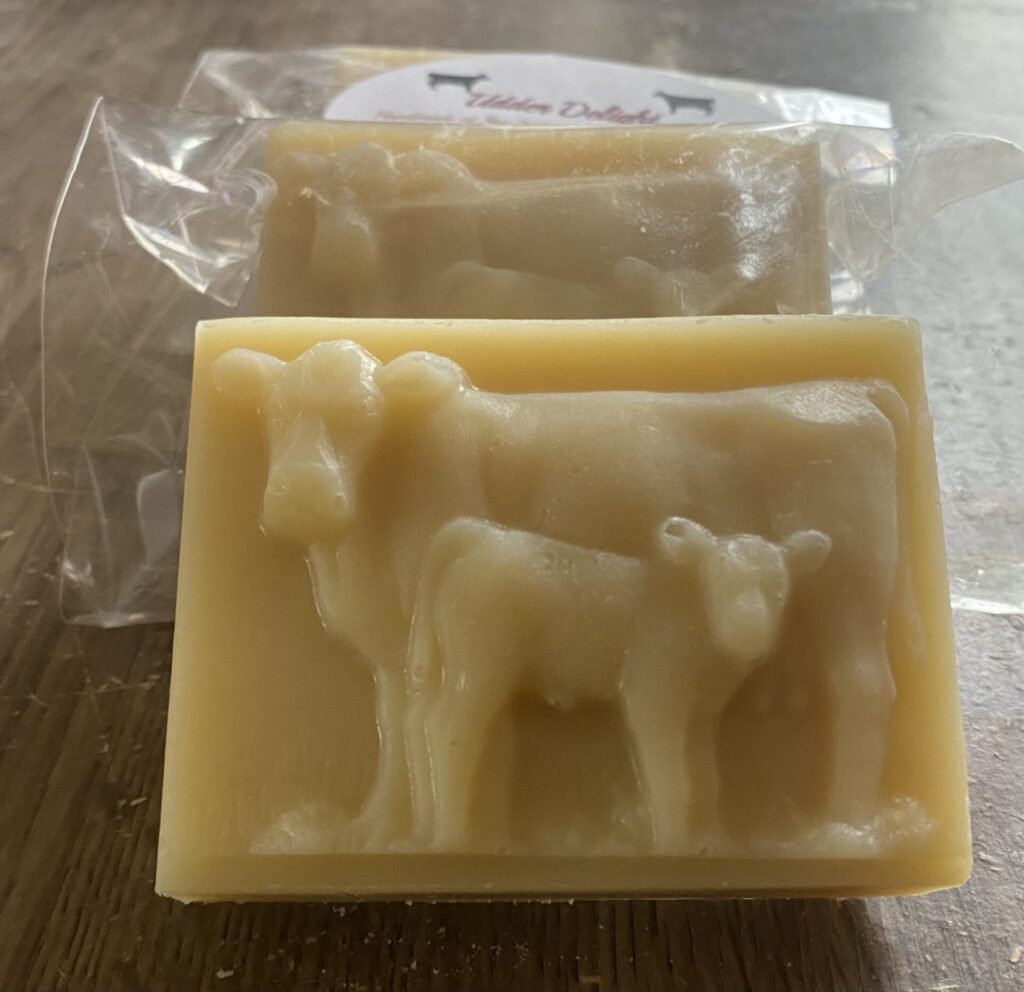
Did You Know That There Are 2 Methods Of Soap Making?
Did You Know That There Are 2 Methods Of Soap Making? Read More »
Homesteading
Grocery stores are a great way to put your business into overdrive, giving customers new options in ever-fashionable packaging. Whether you are looking to sell at local convenience stores or big-box wholesale grocers, it presents the perfect opportunity for your product.
Interested in learning more about how to get your product into grocery stores? In this ultimate guide, Mako PKG takes you through the whole process from start to finish.
How to Get Your Product Into Grocery Stores Read More »
Selling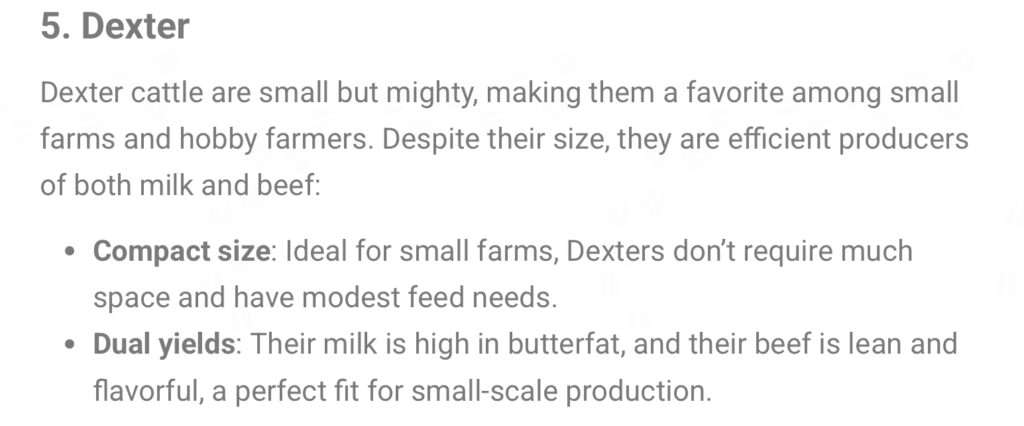
Dexters may only rank 5 in this dual-purpose breed list, but when you consider their size, they come out as number one for the small farm. Practical and versatile in being great for beef and milk. Often times people consider Dexters mini cattle, but the whole breed is naturally small with some individuals being extra small. It is interesting to note that Dexters make the list even though they are small in size and no one can discredit them for their diminutive size as though they are nothing more than a toy breed as they hold their own with the big boys.
Click the link below to read the article
Dexters are a TOP-RANKING DUAL-PURPOSE BREED Read More »
Beef
Not everyone is comfortable with consuming raw milk. No need to buy an expensive pasteurizer if you have an instant pot in your kitchen. This article covers a few ways of doing pasteurization in your home. It can be done even if you don’t have the yogurt button, but it definitely makes it easier if yours does.
DID YOU KNOW AN INSTANT POT CAN PASTEURIZE YOUR RAW MILK? Read More »
Milking & Dairy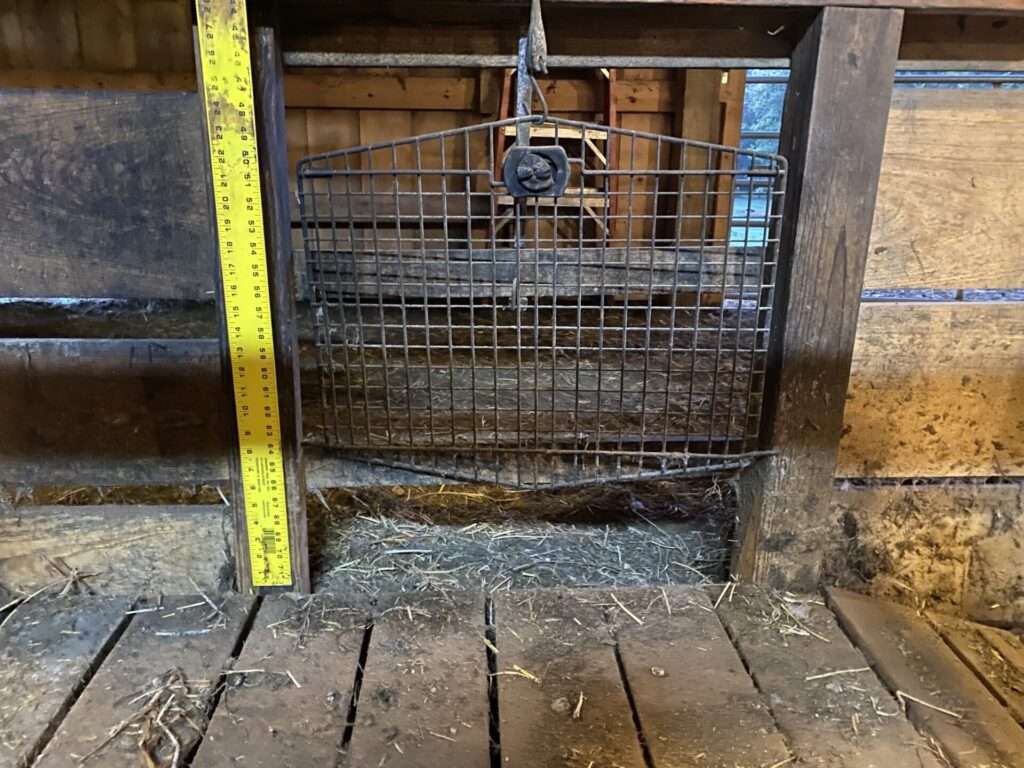
For the first time milker or the heifer that is getting milked for the first time, there are some important things to remember for success. The article below goes over some of the basics.
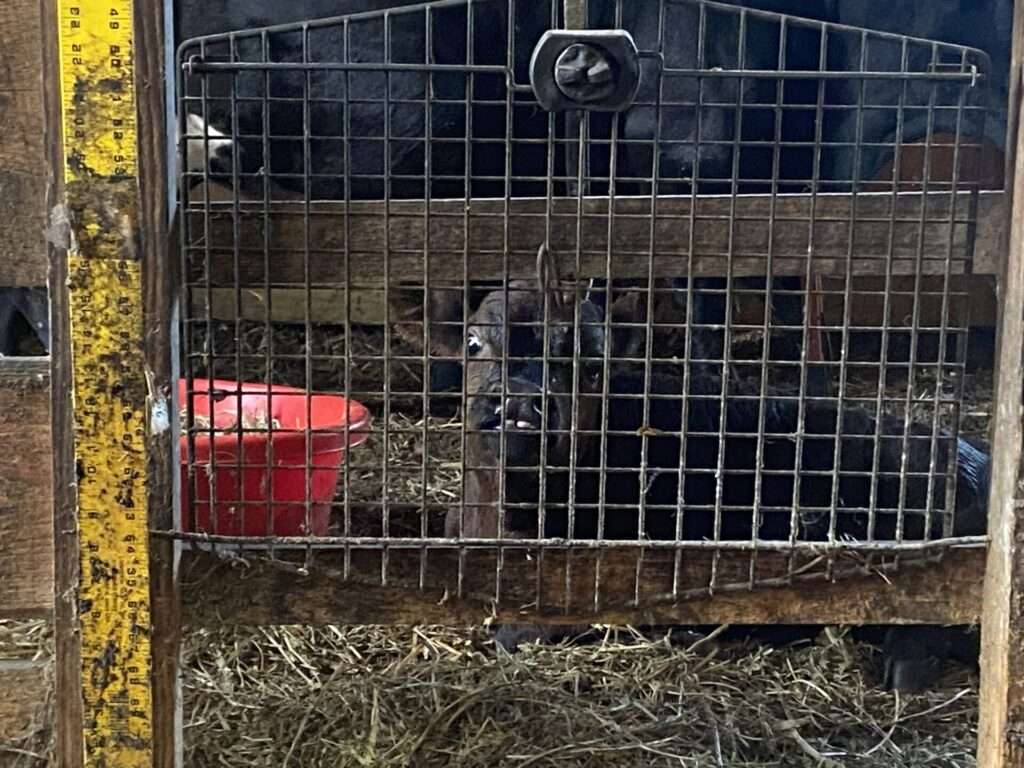
We have, thankfully, only had a few that were very stubborn. We found that putting the calf in front of the cow, so she can see it helps…but when nothing works…we have reverted to letting the calf nurse one side for a short time. I do say short time, as they can drain their moms with amazing speeds.
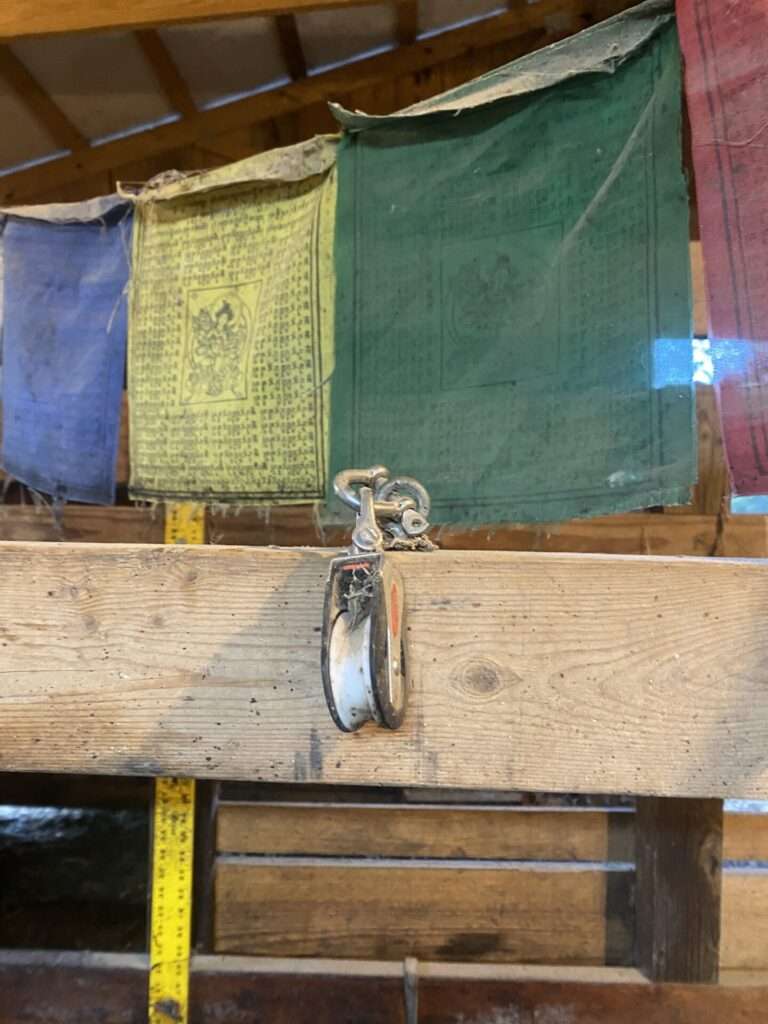
I have included photos of our calf let down gate to give you some ideas that have worked for us. You can see the calf thru the little gate on the first photo. On the second photo you see the pulley. When we need to use this system…which we thankfully have only had to a few times, we tie a rope the the gate, un hook the bungee, feed the rope thru the pulley and the whole gate goes up and down so we can quickly drop it once mom starts to let down.
MILK LET DOWN – HINTS AND TRICKS Read More »
Milking & Dairy
A sales pitch can make or break a deal, which is why yours must be as effective as possible.
In this blog, we’ll show you how to craft irresistible sales pitches that leave jaws dropping, wallets opening, and deals sealed with a smile 🙂
The Ultimate Guide to Delivering an Effective Sales Pitch Read More »
Selling
In Germany, a new wave of farm-to-table convenience is flowing through vending machines — quite literally. Across rural towns and even urban neighborhoods, you’ll find self-serve milk vending machines that dispense fresh, unprocessed milk straight from local farms. Open 24/7, these machines let customers refill their own bottles with creamy, cold milk at any time of day, reducing packaging waste and shortening the distance between farm and consumer.
Typically placed at the edge of dairy farms, village centers, or community markets, these vending machines are restocked daily with milk collected directly from the cows. Customers simply insert a coin or swipe a card, place their bottle under the nozzle, and watch as fresh milk fills it up — often still warm from the morning’s milking, or chilled for instant use.
Many stations also provide reusable glass bottles for purchase, encouraging zero-waste habits. Some even display details about the farm, the cows’ diet, and the time of last milking — giving full transparency in a world often disconnected from food sources.
These milk stations are more than just a novelty — they’re a return to tradition with a modern twist. By cutting out the middlemen and minimizing processing, Germany’s milk vending machines support small farmers, reduce emissions, and give people access to wholesome, local dairy with the push of a button.
Credit: Organic living
Milk dispensers in Germany…interesting …wonder what breeds of cattle are behind this. Read More »
Milking & Dairy
” The disease can be treated with antibiotics and supportive measures. The mastitis can be prevented by taking adequate measures like maintaining udder hygiene, sanitation of the cow barn, clean food and water supplement, and maintaining a milking schedule.”
If you are looking for a more holistic approach, there is another article in the Gazette about homeopathy and mastitis.
Mastitis …while not common in Dexters an ounce of prevention can go a long way. Read More »
Milking & Dairy
This was fabulous…while I made it with goats milk…I could have made it with Dexter milk, but I had it already made from goat.
Don’t skip the rinsing or it will be too salty
Sure to impress you with chips, pita, sourdough bread…….
I use a version of the recipe below to make feta as well….bon appetite!
https://www.americastestkitchen.com/articles/1273-whipped-feta-dip
Feta dip from cows milk feta…easy and quick! Read More »
Homesteading
A CONVERSATION ABOUT PERCEIVED VALUE:
A customer asked me how much it would cost for a gallon of raw milk .
I gave them a price of $15/gallon.
The customer responded: That’s seems really high.
I asked: What do you think is a reasonable price for this?
The customer answered: $4 maximum
I responded: Ok, then I invite you to do it yourself.
The customer answered: I don’t know how to.
I responded: Alright, then how about for $4/gallon, I’ll teach you how to. So besides saving you $11, you’ll learn valuable skills that will benefit you in the future.
The customer answered: Sounds good! Let’s do it!
I responded: Great! To get started, you are going to need some things. You will need a cow (≈$3000), 45# of dry matter quality feed A DAY, feeders, waterers, an area to let her be a cow, a shelter, a clean area to milk, a milking machine or supplies to hand milk into, preferably electricity for this indoor area and heated water, countless gallons of water, fencing to contain this cow, etc.
Not to mention, there is a very real possibility that your single cow gets sick and doesn’t produce, a bull or someone to AI her because no pregnancy, no milk. Injury, illness, and unexpected weather conditions are always present. Now, you are back to square 1 if she doesn’t breed, dries up, get sick, or dies.
The customer answered: But I don’t have any of those things and I can’t justify buying all of these for a gallon of milk.
I responded: Ok. Well then for an additional $11/gallon, I can rent my supplies, building, and supply hay/grain/minerals/pasture to you.
The customer answered: Okay. That’s fair.
I responded: Great! We will start the project on Monday.
The customer answered: I work Monday through Friday. I’m only available on the weekends.
I responded: If you want to learn from me then you will need to work when I work. We milk everyday, 2x day, so you will need to be here at least 2 hours every morning and every night year round.
The customer answered: That means I’m going to have to sacrifice a lot of my time!
I responded: That’s true. Remember, when you do a job yourself you need to account for unproductive factors.
The customer answered: What do you mean by that?
I responded: Milking a cow doesnt just take a couple hours morning and night. It takes time to muck out her area, town trips to pick up cleaning supplies/teat dip, trucking for hay. It takes time to bottle the milk cleanly, it takes jars, it takes more cleaning of equipment and facility, it takes wear and tear on your milking equipment and feeding equipment. And thats all on top of your other chores/responsibilities.
So we will see you Monday morning, 6 am.
The customer answered: At 6am?!! My work day doesn’t usually start until 8am!
I responded: A cow thrives on a set schedule, milking 2x day should be as close to 12 hours apart as can be, so if you want to start later, that’s ok. But you will need to come back in the evening after your full day of work and milk again at that time, so if you want to start at 8 am, you will milk again at 8 pm. After clean up and bottling milk… you can head home around 10 pm. Saturday and Sunday included. Blizzards or 100 F. No days off here.
The customer answered: You know, I’m realizing that a lot more goes in to quality food than what a customer sees in the finished project. Your proposal of $15/gallon is very reasonable. I would like you to milk and have it ready for me to just pick up..
CONCLUSION:
When you pay for a job, especially a custom job, (whether it’s a physical project or digital project or GROWING AND RAISING FOOD) you pay not only for the material and the work to be completed. You also pay for:
✔️ Knowledge
✔️ Experience
✔️ Custom Skills
✔️ Tools
✔️ Time to plan
✔️ Time to prepare
✔️ Professionalism
✔️ Work Ethic
✔️ Excellence
✔️ Discipline
✔️ Commitment
✔️ Integrity
✔️ Taxes
✔️ Licenses
✔️ Sacrifices
✔️ Liabilities
✔️ Insurance
If you desire fresh, healthy, locally grown food, please don’t disrespect a farmer by trying to get them to lower their prices.
If their proposal exceeds your budget, there’s nothing wrong with going elsewhere.
Just remember.. you get what you pay for.
👉🏼 FARMERS: Know your worth and be confident in it.
👉🏼 CONSUMERS: Recognize their worth and be respectful of it.
Sharing this to support all my friends, family and clients who are Farmers, Entrepreneurs, Business Owners and Tradesman.
-Unknown and edited
Perceived value ….true for dexter milk, beef and breeding stock Read More »
Selling
REPRODUCTION AND AI
For those interested in learning more about the bovine reproductive cycle and how we manipulate it, here is a basic summary.
Bovine Estrous Cycle Physiology
The bovine estrous cycle typically consists of 21 days, plus or minus a few days in each direction. Estrus is the period where the cow is receptive to the male or in a standing heat (not to be confused with estrous). Estrus (or heat) typically lasts around 20 hours. Signs of estrus include vocalizing, standing to be mounted, clear discharge from the vulva, increased activity, etc. During the period of estrus, progesterone is low and estrogen is high. Luteinizing hormone (LH for short) also increases during estrus and is the hormone that initiates ovulation. Ovulation is the release of an ovum or egg from the ovary. Ovulation actually occurs 10-15 hours after the end of estrus, in a period called metestrus. Metestrus lasts 3 to 5 days. During this period, an early corpus luteum (CL) is also forming. So where did this CL come from? It came from ovulation! When the ovary releases an egg, the left over structure on the ovary becomes the CL. During metestrus, you may notice a slightly bloody discharge from her vulva. Progesterone is still low during this period but it is starting to rise. The growing CL is actually what is producing the progesterone, and as it grows in size and maturity will be able to produce more progesterone.
As the CL continues to mature, we enter the phase of diestrus. At this point progesterone is high and this period lasts about 12 days.
Next up is proestrus. At this point in the cycle, the CL is regressing and progesterone is decreasing. Estrogen and LH do not like progesterone. They cannot increase until progesterone is low which is why they are increasing at this point as the CL is regressing. Estrogen and LH are increasing and getting the egg on the ovary ready to be released. Then the cycle starts all over again with estrus!
So basically, during heat LH initiates the egg to be released and the leftovers become a structure called a CL that produces progesterone. That CL will grow and produce more progesterone but will eventually fade away. This allows estrogen and LH to increase again and produce another egg.
In order to maintain a pregnancy, there must be a functioning CL. The high progesterone from the CL is what keeps the fetus from being aborted for the first few weeks.
Disclaimer: This is a very basic summary on the estrous cycle. There are other things going on (follicular waves, etc.) but in an effort to simplify things this includes only the major details.
Medications used to change the estrous cycle
Using medications to change the estrous cycle is super common. It can be used for synchronizing a herd to breed them at the same time, using a timed AI approach, or implanting embryos.
Lutalyse or PG: This medication lyses or destroys a CL. Because it gets rid of a CL, it also causes progesterone to decrease.
CIDR: This is an intravaginal device with slowly releasing progesterone. This will increase progesterone in the blood and stop LH and estrogen from increasing.
GnRH also known as Fertagyl or Factrel: This causes an LH surge and thus ovulation.
You’ll hear a lot that lutalyse will bring a cow into heat. While this can be true, it depends on where she’s at in the cycle. If it’s during diestrus where she has a mature CL, great! The CL will lyse, estrogen and LH will rise and then ovulation. If she is in metestrus or proestrus, lutalyse will do nothing for a young maturing or a regressing CL and she will not go back into heat any faster.
There’s many different AI protocols and what works best for you will depend on your cow, labor intensity desire, and cost.
Let’s start with AI on a natural heat. There’s a common AM PM rule when it comes to inseminating cattle. The rule basically states that when a cow comes into heat she should be AI’d 12 hours later. So she is in standing heat in morning, then AI in the evening and vice versa. If we think back to the estrous cycle, this makes sense. Estrus lasts about 20 hours and ovulation occurs 10-15 hours after the end of estrus. Cows typically come into standing heat around the middle of estrus. Let’s say hour 10. So then I would AI at hour 22. The cow should ovulate between hours 30 and 35. You don’t want to AI at the time of ovulation because the sperm have to go through a process before they can fertilize an egg. That process takes several hours. Early AI tends to lead to higher quality embryos but less of them for this reason. Whereas later AI can lead to higher chances of embryos but not great quality so lesser chance of an actual pregnancy. How long sperm last depends on the bull, extender used, and sexed vs conventional. Conventional should last about 24 hours. (Although I’ve played around with semen before and have had it last about 3 days in the fridge.) Sexed will last a little less than that so sometimes people with sexed semen will wait more like 16 hours vs 12 to account for that.
For timed AI…
Double ovsynch can be very useful for high producing first lactation dairy cows. It has about a 10% higher conception rate compared to regular ovsynch. That 10% difference is a little bit less as the cow gets older. The difference of double ovsynch from regular ovsynch is that you are presynchronizing the cow prior to AI to make sure she is at the ideal part of her cycle. For older cows, there’s also some evidence that 2 lutalyse injections 24 hours apart increases conception rates. The 2 injections basically make sure the CL is completely regressed. However, cons to the double ovsynch over regular is that it takes twice as long, more labor, and more drugs are used therefore increasing cost.
Ovsynch does not work as well in heifers. For heifers, I’m partial to 5 day CIDR. I included charts for double ovsynch, regular ovsynch, and 5 day CIDR.
For the girls that have a history of being more difficult to breed, I’ll always give a GNRH injection at time of breeding and AI again 12 hours later. I’ll also check the sperm. Just recently got a batch of brand new straws that only had 10% progressive motility.
I know that was a bunch of information to throw at everyone, so if you have any questions feel free to ask
or check out this site, which was used to write this article https://extension.psu.edu/timed-ai-protocols-double-ovsynch
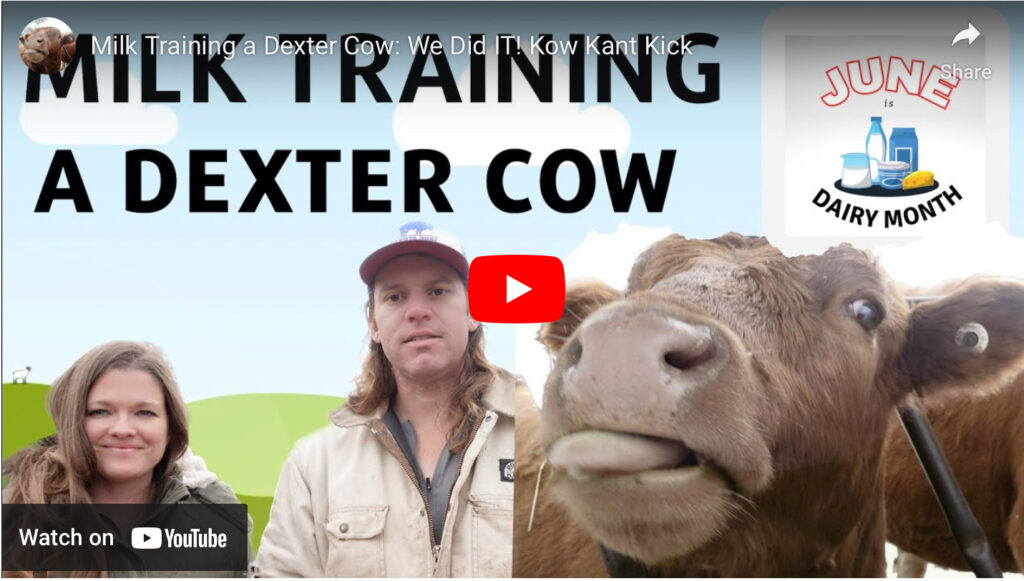
A milk journey from Sweet Briar Farm Submitted by Janelle Soja
https://discover.texasrealfood.com/dexter-cattle/preparing-your-dexter-cow-for-milking
Preparing Your Dexter Cow For Milking Read More »
Milking & Dairy
From Curiosity to Confidence: The Power of Mentorship in Homesteading
When we packed up and moved to a new state, we knew we were signing up for a life of hard work. Beyond that? We were flying blind. With little more than enthusiasm and a Pinterest board full of dreams, we dove headfirst into the world of chickens and ducks. But when it came to dairy animals, I hesitated. I didn’t feel ready. I wasn’t sure I ever would be.
Then came a turning point—what began as a simple search for local raw milk turned into something far more valuable: I found a mentor.
And not just any mentor—the perfect one. Local, experienced, generous with her time and wisdom. I had originally envisioned a milk cow (because let’s be honest, that’s what all the idyllic homestead photos show, right?). But after countless visits to her farm and long, thoughtful conversations about what would actually work for our lifestyle, I started with dairy goats instead.
It’s been a whirlwind ever since.
From panicked texts about what to feed, to late-night worries over a listless goat, she’s been there—steady, supportive, and full of insight. Her guidance has been nothing short of a godsend.
If I could offer one piece of advice to anyone considering this lifestyle, it would be this: find a mentor. Not just someone who knows their stuff, but someone who cares deeply about what they do—and about helping others succeed.
And here’s the secret: when you invest in quality animals, you often find that mentor built right in. Breeders who truly care about their stock want to see them thrive, even after they leave the farm. That’s where the real relationships begin.
In just four years, I’ve grown more than I ever imagined—not just in skill, but in confidence. Sure, I could have learned it all the hard way. But would I have come this far, this fast? I doubt it.
Mentorship isn’t just helpful in homesteading—it’s essential. It’s the bridge between dreaming and doing.
Foot note….. Lisa and her husband Matt are members of the Irish Dexter Cattlemen and anxiously awaiting the arrival of their first Dexters next month.
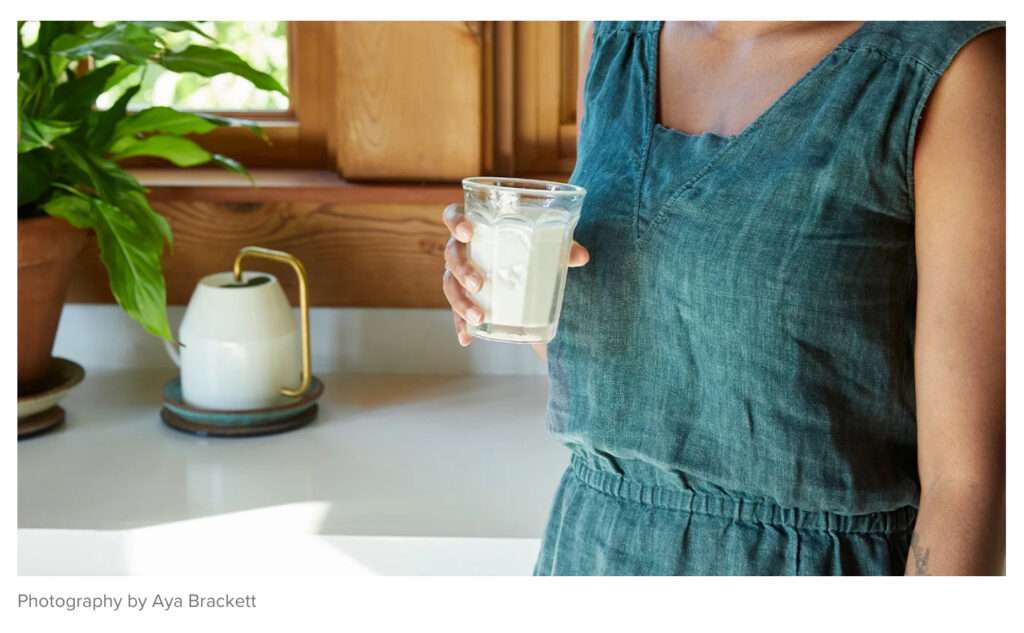
If your trying to beat the summer heat, you might want to enjoy a tall glass of Dexter milk.
”Milk is a decent source of sodium and potassium, the two major electrolytes in your body. These electrically charged minerals are important for maintaining hydration (2Trusted Source
).”
Who knew? Milk is a good for dehydration! Read More »
Milking & Dairy
Juliette is one of the principles behind The Science of Owing Dairy Cattle Facebook group and has opened a consultant group Happy Cow Consulting. https://www.happycowconsulting.org/
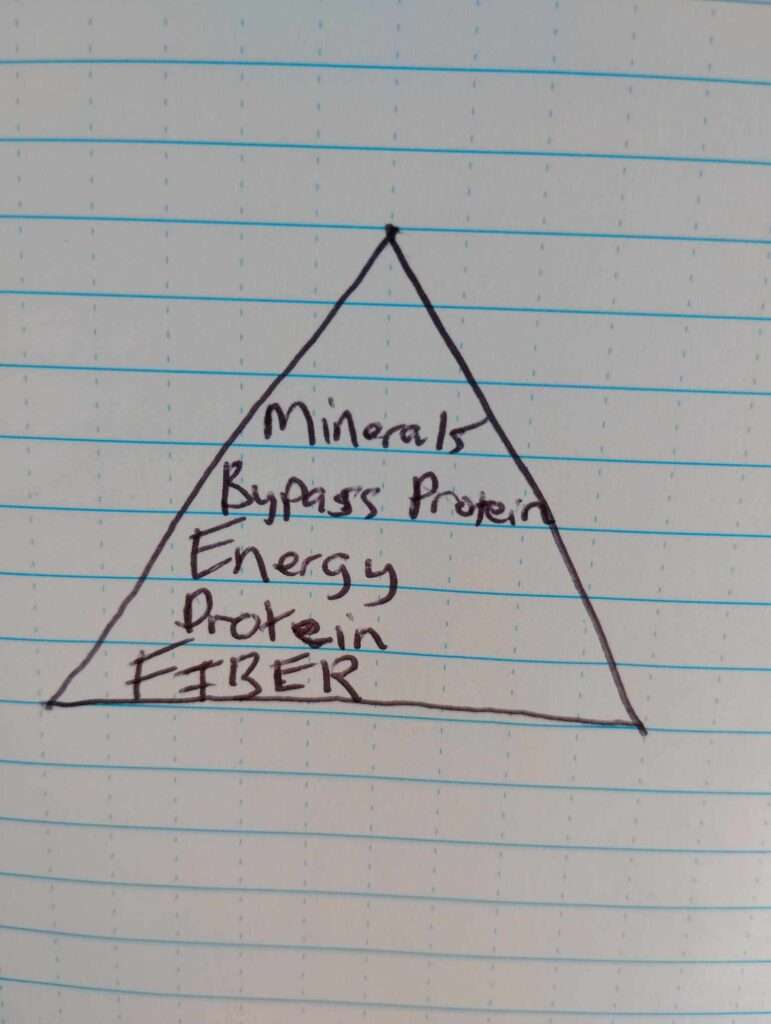
Think of a lactating cow’s nutritional demands as a pyramid. The very base consists of fiber, which is the rumen mat. This is grass, or grassy hay. Next is the protein derived from the fiber. Some, like alfalfa, are high in NDF (non detergent fiber) which although great for a protein kick, burns up fast and offers little in the way of actual fiber. Use alfalfa sparingly, and in my opinion, not at all during the first 30 days of her lactation. Not all grass is created equal. Acid Detergent Fiber (ADF) is high in cellulose and lignin, offering little use for a dairy cow. Knowing what your fiber is can help you adjust the following components. Energy follows that, which is usually corn. Energy is a MUST for a healthy cow. Bypass protein is normally dried distillers (which also filters into the energy class), soybean meal, cottonseed meal etc. Black Oil Sunflower Seeds offer fat and protein. Minerals top the pyramid. Dry Matter Intake (DMI) is where all the water is squeezed out of the feed. This is what remains. A Jersey should be getting around 40 lbs a day, larger breeds such as Swiss and Holstein 50 plus. Fiber is the bulk of that diet, but it cannot be fed alone. The rest of this combination fuels a healthy cow. With that in mind, tomorrow’s post will be explaining the lactation curve, and how feed demands change throughout days in milk. Feel free to ask questions.
Nutrition and milking by Juliette Albrecht Read More »
Milking & Dairy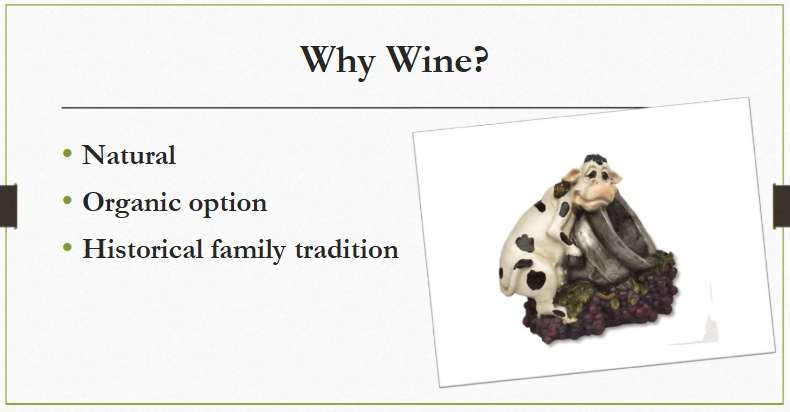
Thankfully, Dexters are not prone to metabolic issues, but you should always be prepared. This study is very interesting. A bottle of wine for your cow!
Have you thought about keeping wine in your medical kit? Read More »
Milking & Dairy
This article is jammed packed with recipes…some I have yet to try and some great activities for children. If you have a favorite recipe, please comment with your recipe and help grow our recipe box and more.
DID YOU KNOW June is National Dairy Month? Read More »
Milking & Dairy
Make sure you’re collecting it!
Submitted by Katie Sears
https://www.cnn.com/2024/08/27/health/colostrum-supplements-pros-cons-wellness/index.html
Liquid Gold Trend! Read More »
Milking & Dairy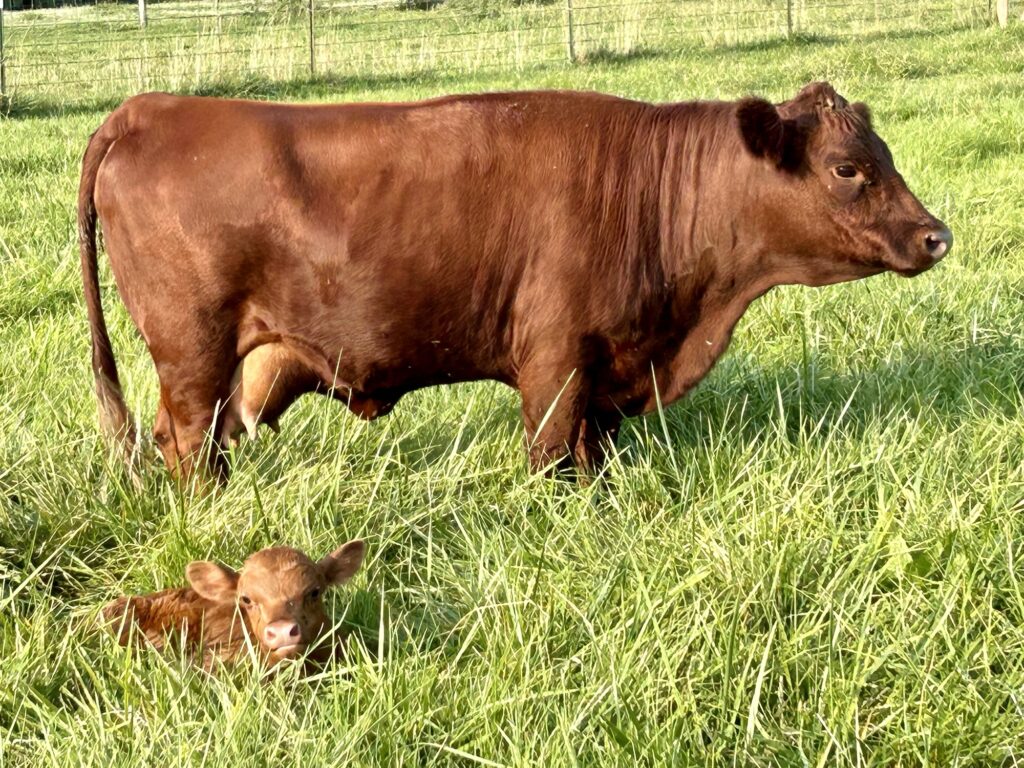
Article I
Fact or Fiction
This is the first of our articles on chondrodysplasia in Dexters. Also called chondro-carriers, shorties, or dwarfs. these terms refer to the same cattle, and will be interspersed throughout the article. Keep in mind, they all mean cattle who are carriers of the dwarf gene.
Per Miriam Webster chondro means cartilage & dysplasia is an abnormal growth or development.
It’s a personal decision to breed chondro carrier Dexters. Of course, it’s your decision what to breed on your farm. But, let’s sort out some of the facts on these endearing little cattle.
Some long time breeders have told me that they believe the dwarf Dexters played an instrumental part in the formation of the breed, as the non-chondro, longer legged Dexters got registered in with the Kerry cattle. They also believe that there are two body types in the dwarves. That will be discussed in a later article.
Just a few of the traits and statements that those who own and experience the pleasures of owning a dwarf believe.
Those that I see exaggerating & spreading the hate for chondro carriers are using human graphics from the internet and applying their own labels. I have found no professional veterinary opinion stating they should be eliminated. Of course, none of those who love them would want or allow them to suffer. Many Dexters I know of are living into their teens. How many commercial breeds do you see living that long?
Some dwarfs will get osteoarthritis later in life. So will some non-chondros. A lot depends on the bloodlines, the terrain they live on and the care they receive. This also applies to the longer legged non-chondros. Humans also tend to get osteoarthritis later in life. They also can get forms of dwarfism. We don’t eradicate them. It can be managed, IF it happens.
So, please…. educate yourself on this genetic mutation, before you make a judgement.
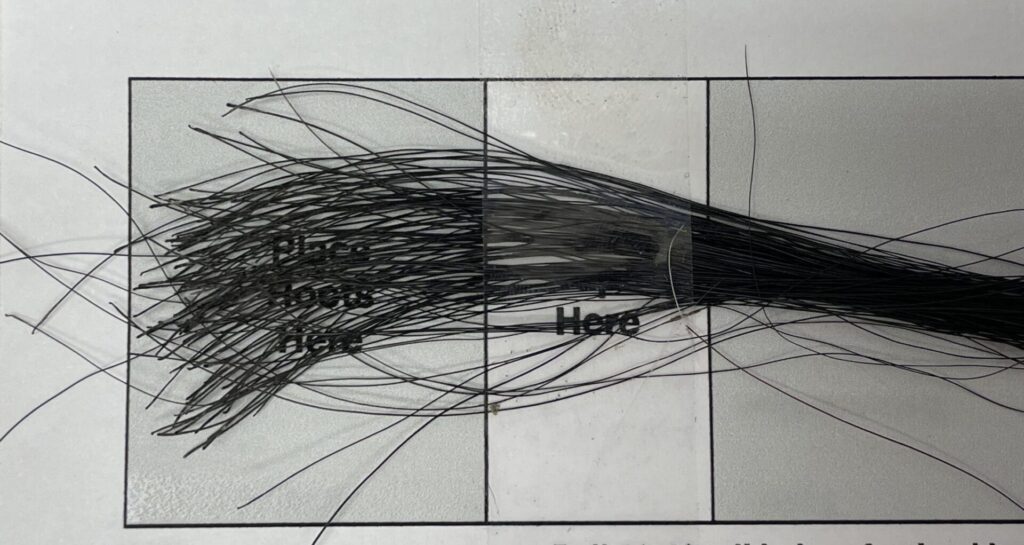
The following is a scientific explanation from UC Davis. We choose the BD1 test, when we get any calves from our carriers. The BD2 test is for a specific line from a specific bull.
I really enjoyed this podcast about how to choose a milk cow for your homestead. While she is very pro Jersey, they do mention the Dexter and the principles for looking for the right cow for your farm, ranch or homestead are essentially the same.
Interestingly she does recommend the trained cow, she did not take the route, but explains the long game to get there. Which ever route you choose, the Dexter should definitely be considered. Less food, easy keepers, little to no metabolic issues have been my experience.
They talk about Angus Jersey being some of the best beef…someone needs to feed them some Dexter!
Listen up ….remember the Dexter is has been the right choice for many of us….we just need to spread the word!
Homesteading with a milk cow
American FarmSteadHers~ Your Homesteading & Gardening Podcast
Jenny asks the questions as someone interested in a future dairy cow, and Donna answers with her experience. We go over the very basics of looking for and keeping a family dairy cow on the homestead.americanfarmsteadhers.com americanfarmsteadconvention.com
Listen on Apple Podcasts: https://podcasts.apple.com/us/podcast/american-farmsteadhers-your-homesteading-gardening/id1615836366?i=1000596157232
Choosing the right cow for your homestead Read More »
Homesteading
This impossible pie whips up in minutes and uses some of the eggs and milk that are abundant this time of year…pro tip…try it with duck eggs for a fluffier result!

Great homestead dessert Read More »
Homesteading
Milking a cow and stripping a teat are two different things. Stripping is done at the end to make sure she has been completely milked out….it is not a good technique for milking the volume out.

Simple graphics on how to hand milk and strip a cow teat Read More »
Milking & Dairy
Afe you just getting started with cheese making..
Basic Cheese making supplies Read More »
Milking & Dairy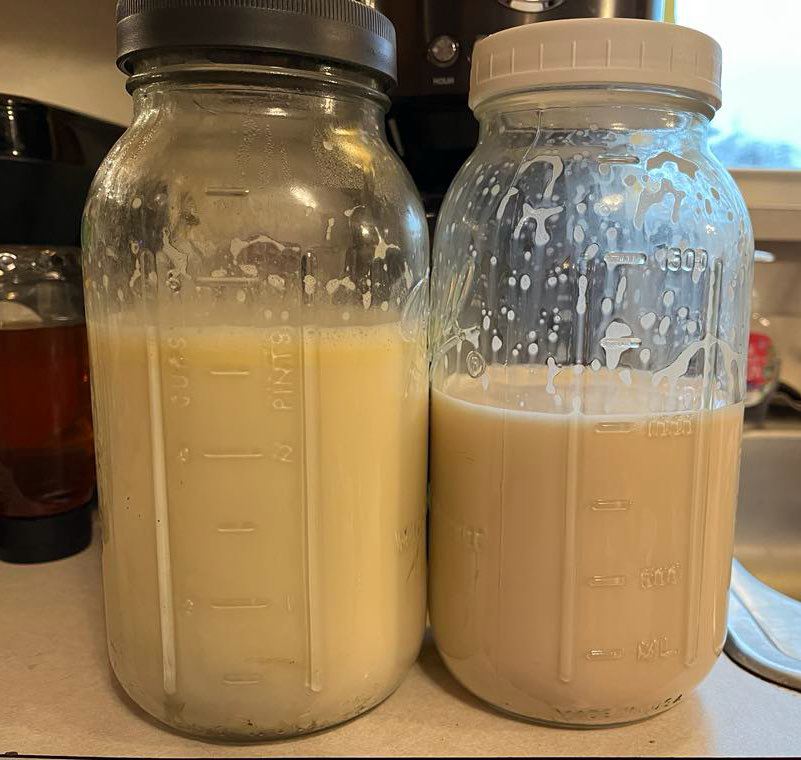
This is called haemalactia….dont worry, read on…..
https://www.sundaynews.co.zw/presence-of-blood-in-your-cows-milk-and-how-to-deal-with-it
Pink milk and what to do about it Read More »
Milking & Dairy