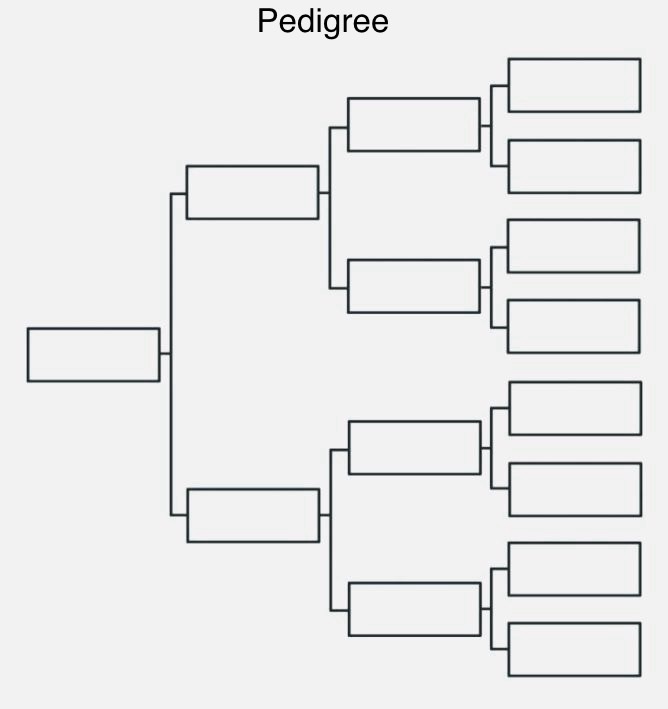
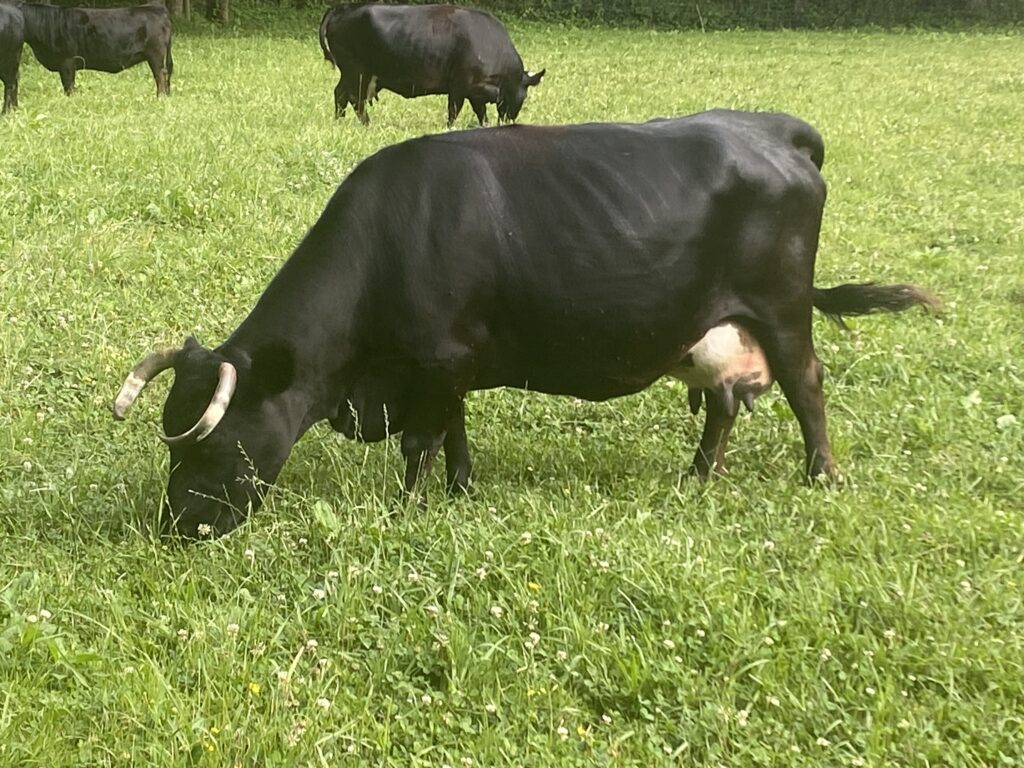
I really enjoyed listening to this Chute Side podcast with Dr. Ryan Rathmann on the definitions and nuances of line breeding vs. inbreeding. As a beef producer he favors cross breeding, but I got a lot of good take-aways for my registered/purebred Dexter breeding program. He talks about the benefits line breeding can add to your herd, such as uniformity in offspring. He also talks about challenges and down sides to line breeding, and how to avoid.
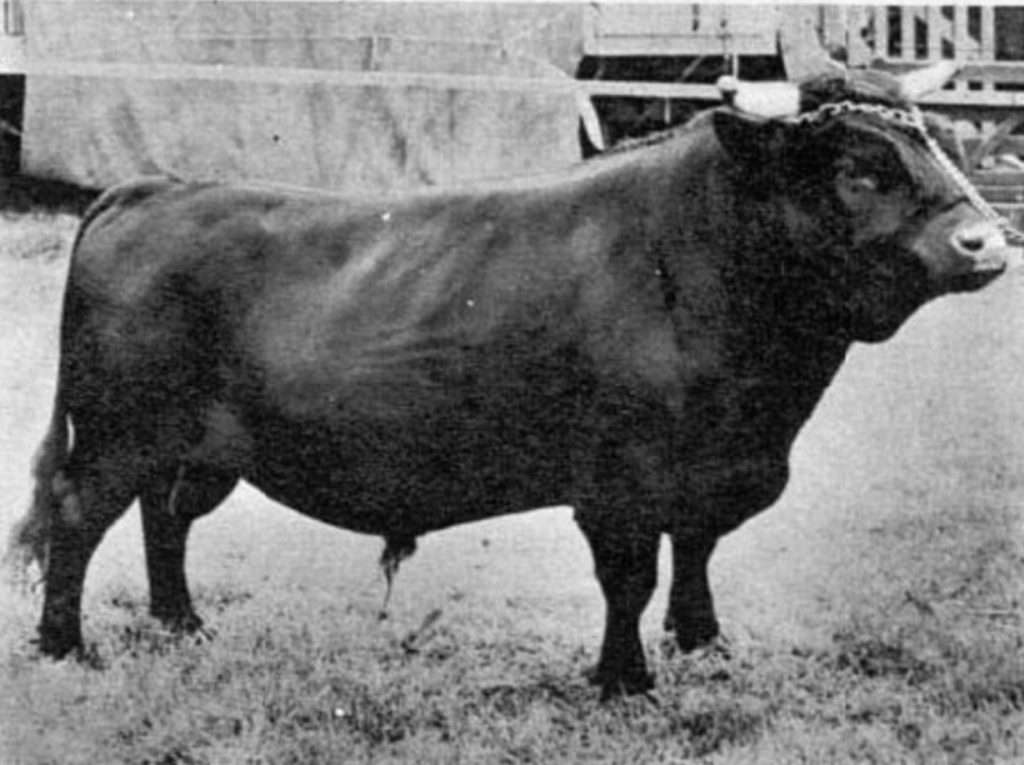
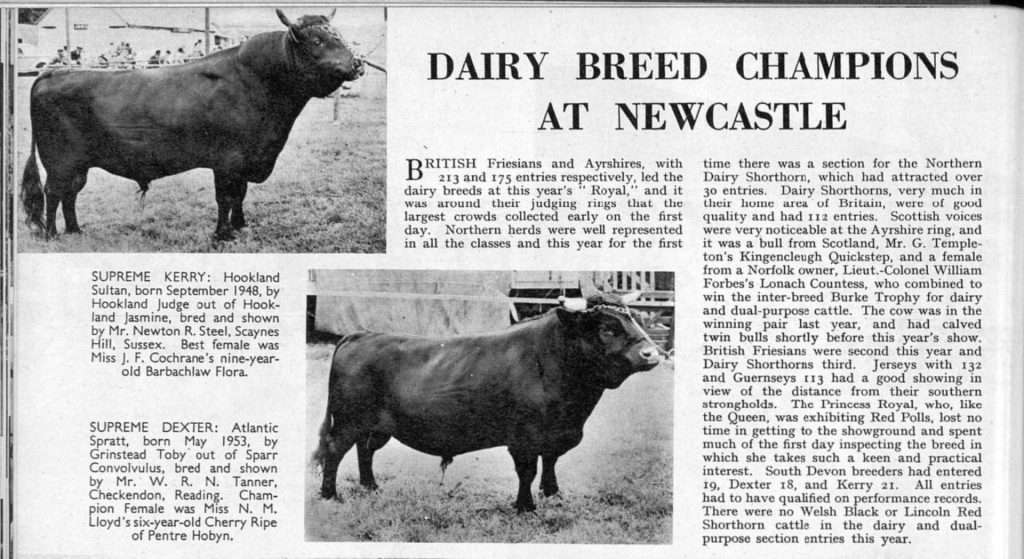
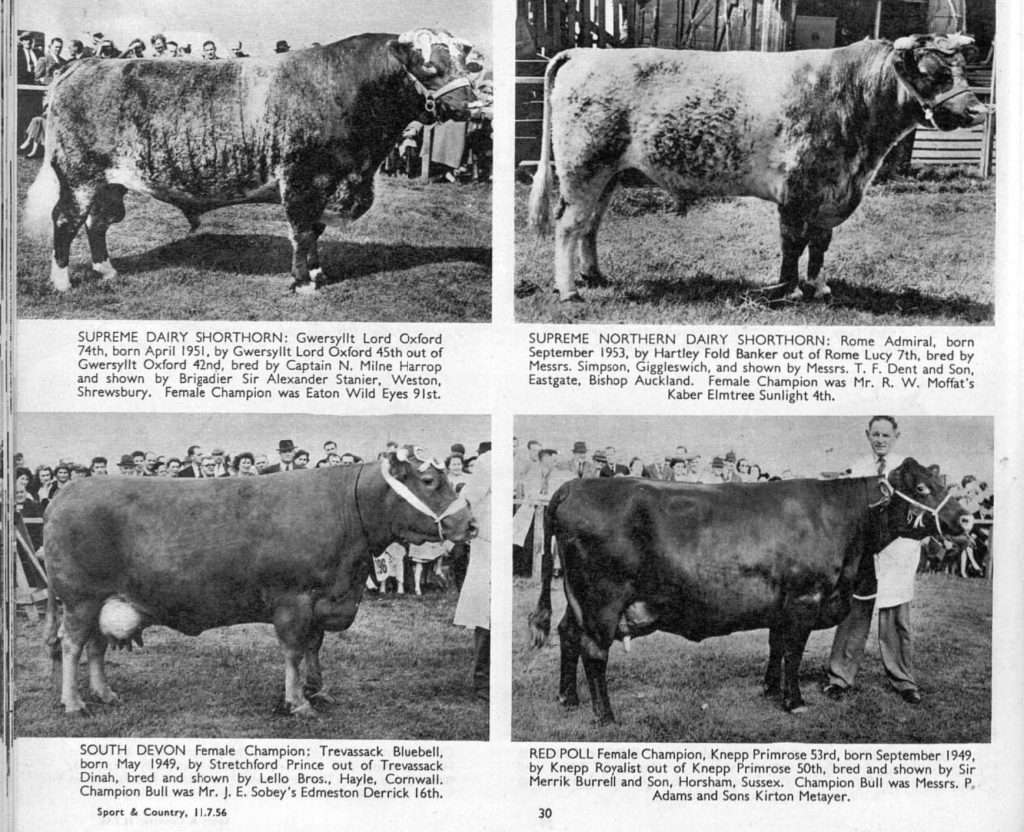
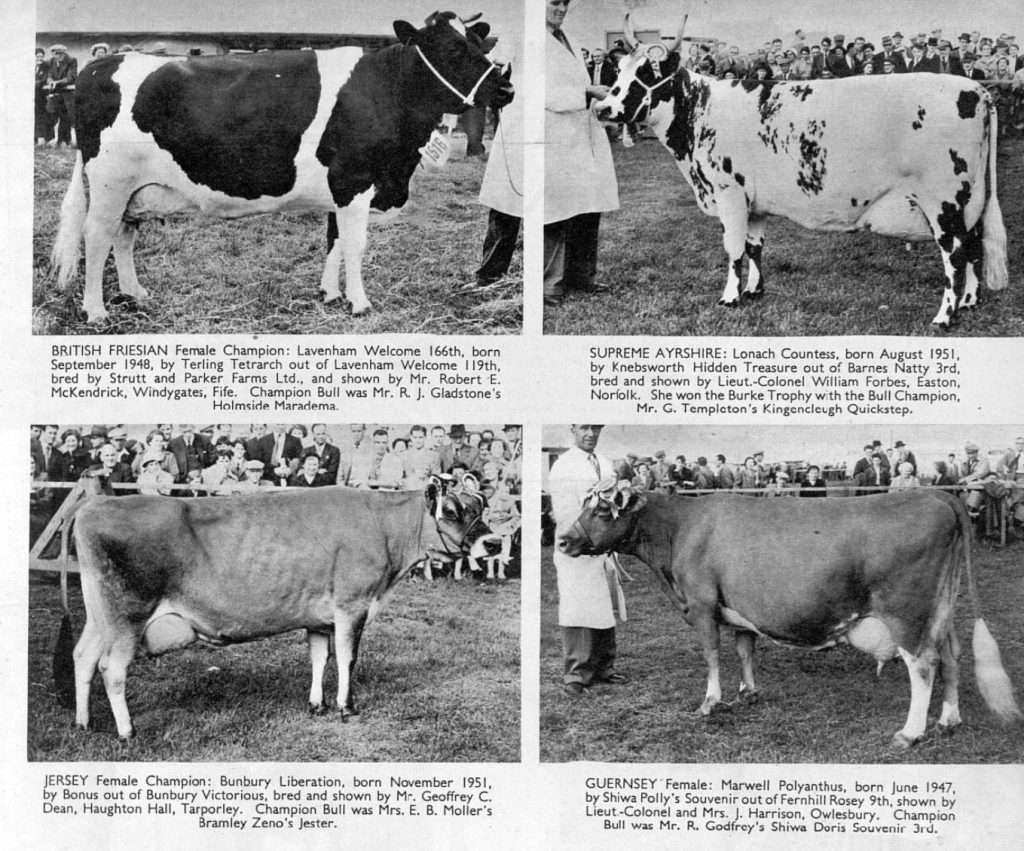
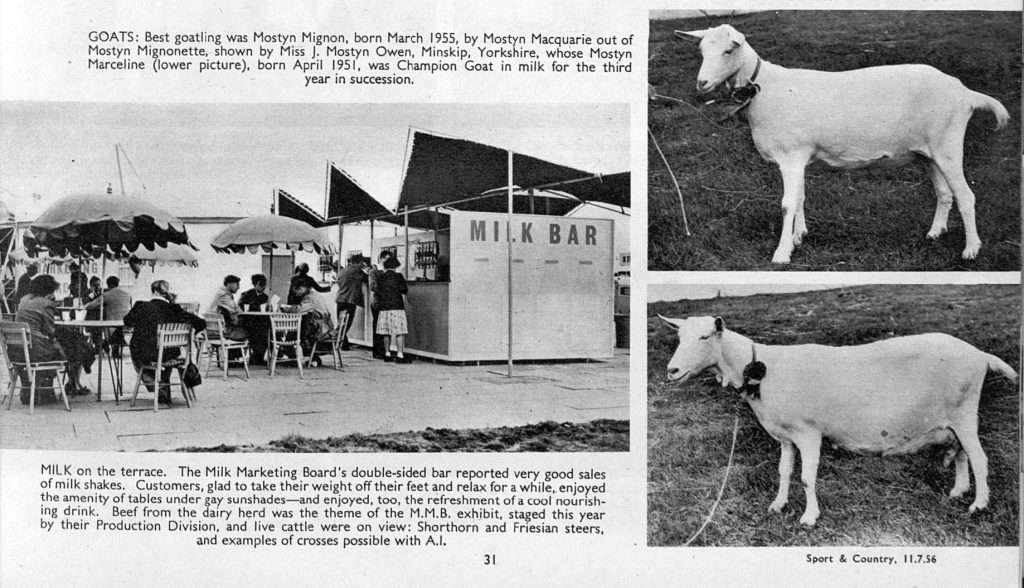
Atlantic Spratt was Shown with these Dairy/ Dual-purpose Breeds in 1956!
All Breeds entering the show had to have qualified performace records to compete.
Dexter Cattle put a High Emphasis on Dairy Traits
Dexter Cattle put a high emphasis on dairy traits and beef traits equally. Thoughtful breeders were honing these Irish cattle to excel in both capacities. One of the ways they were doing this, was by selecting bulls from dams with known milk records. Pedigree information is interesting to reflect on when you see repeated names in pedigrees and photos to document what genes might have been passed on from their ancestors. Looking at a bull alone will never tell you anything deeper about his genetics, than what you can evaluate with your eye. A nice-looking bull tells you nothing about what type of milk production his dam might of possessed. Thankfully with photos we can look back on bulls like Atlantic Spratt and see that he had a lot to offer besides just good looks. The fact that Spratt was presented at the show tells us that his dam was qualified by performance records, because it was a requirement to enter the show. Though none of the cows are perfect and much improvements can still be had in generations to come, evaluating them and their records goes to show that they were cows that could surely fill the pail.
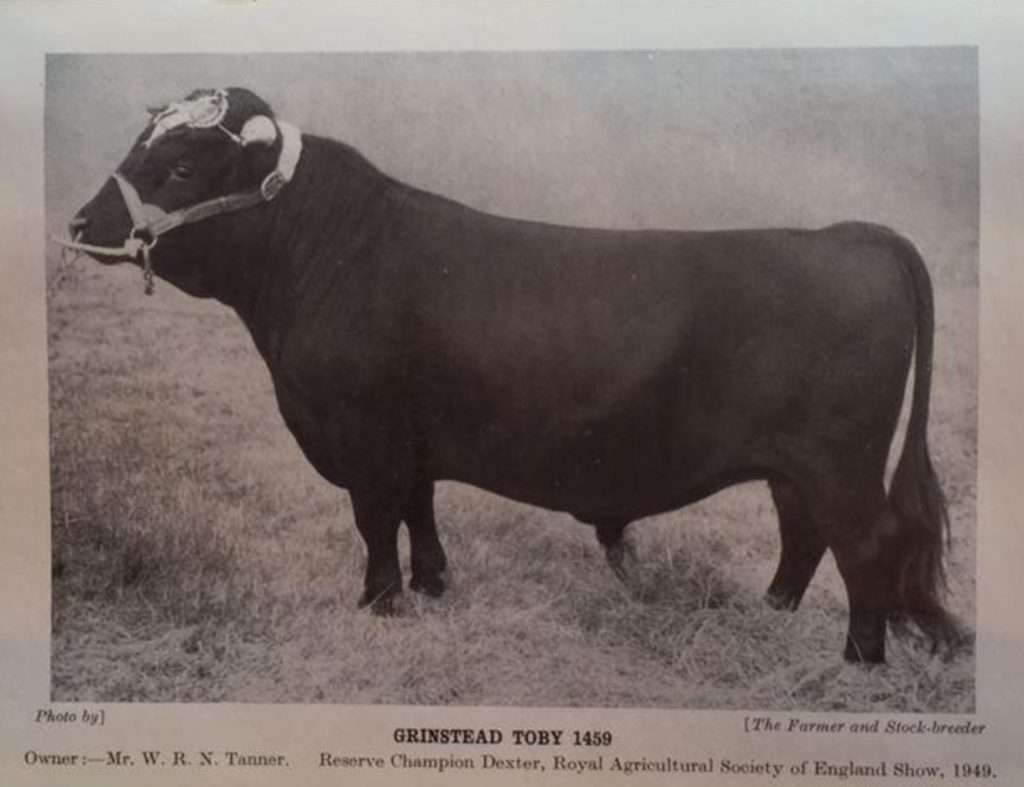
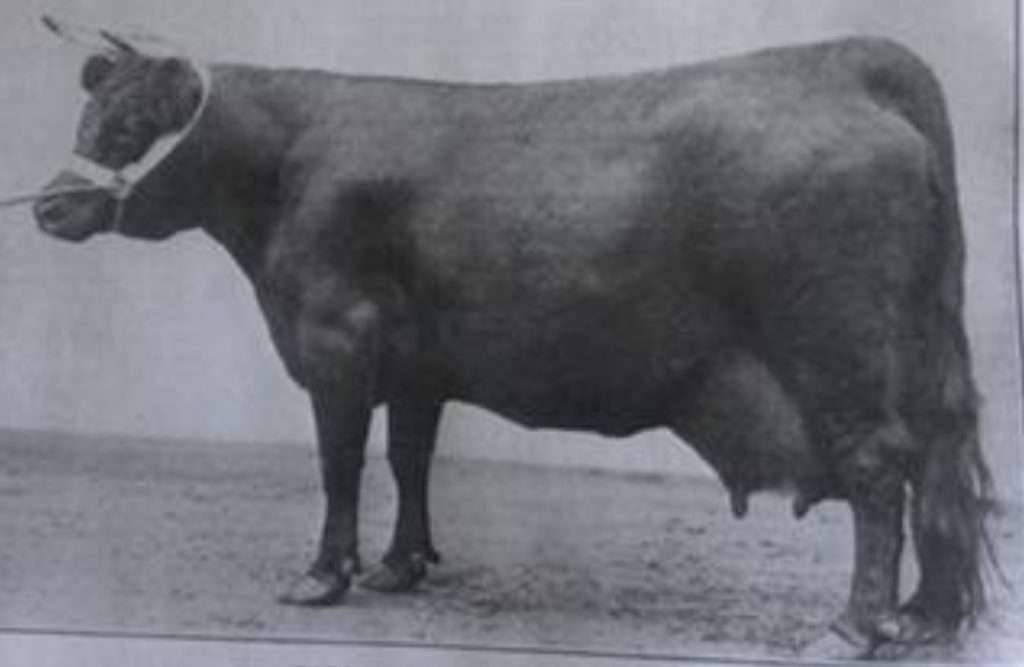
Grinstead Toby Sire of Atlantic Spratt
From this photo we can see where Atlantic Spratt got some of his good looks from. His sire was Grinstead Toby, a Reserve Champion Dexter, but to dig deeper I will investigate some of the females in Toby’s pedigree.
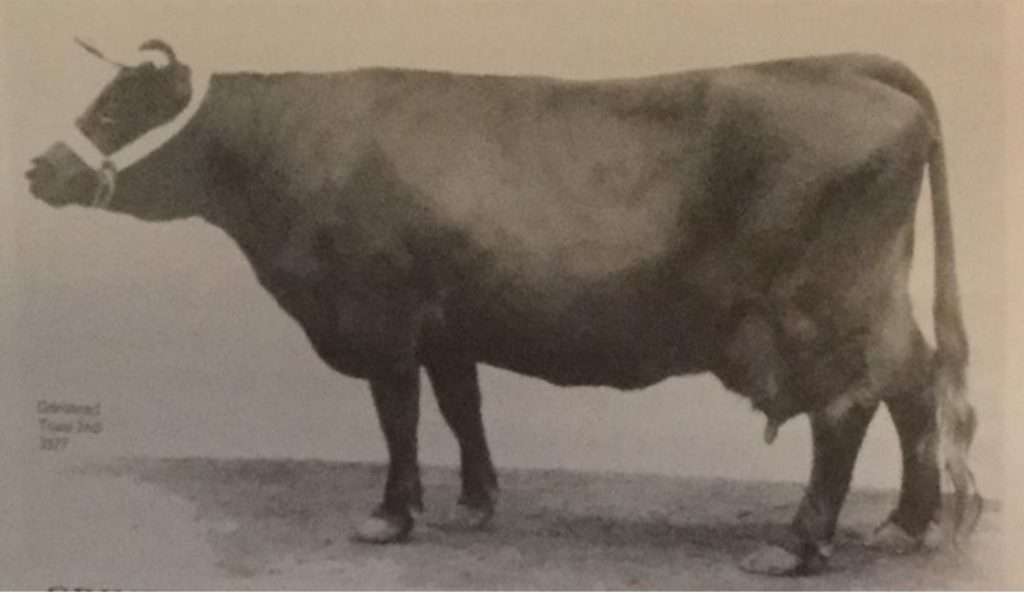
Grinstead Trixie the 8th From a Long Line of Doccumented Milkers
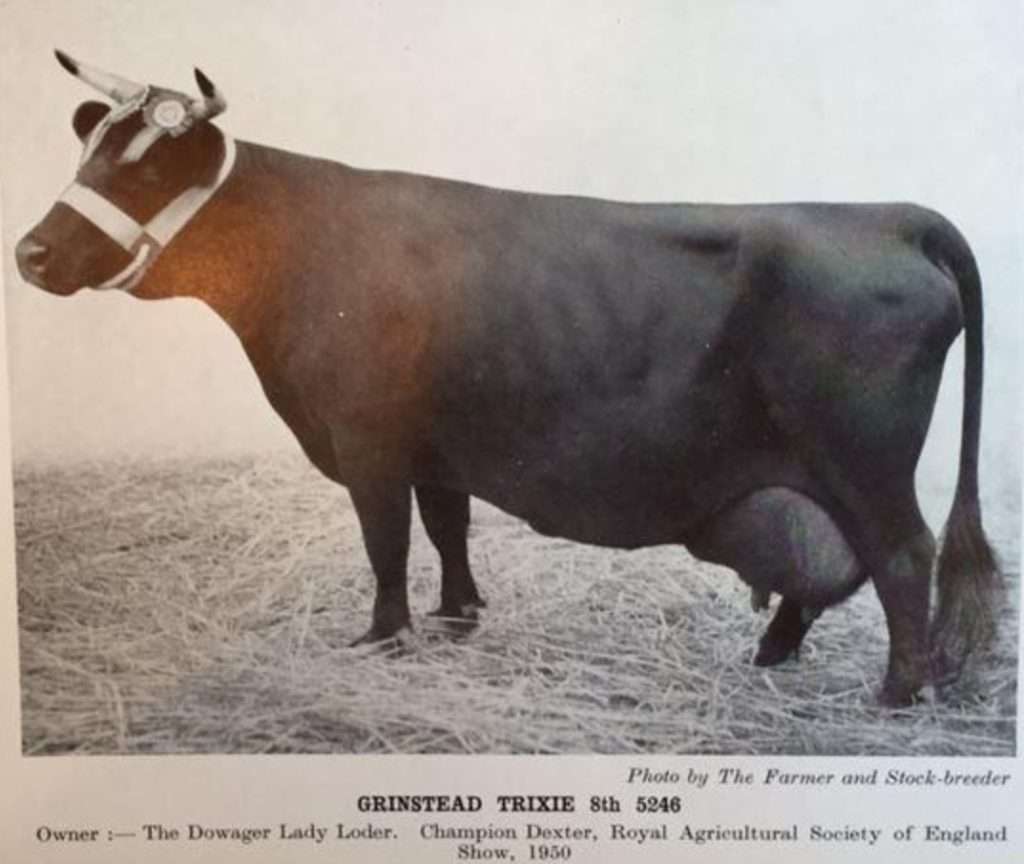
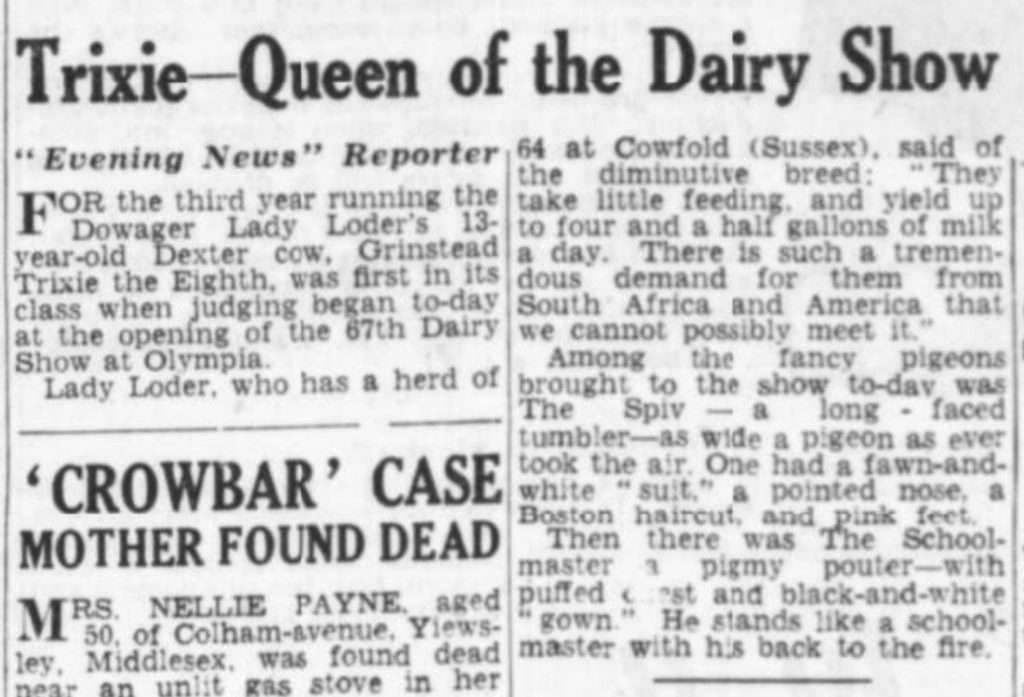
Grinstead Trixie 8th Queen of the Dairy Show
This is Grinstead Trixie the 8th. Lady Loder the breeder, was known for only selecting sires out of cows with proven milking records. Though this cow may seem like she has less than perfect attachment at 10 years old(the age in photo), she looks to have a good amount of volume. You will see in the article above, Trixie is “Queen of the Dairy Show” in October 1953 (then 13 years old and winning first prize for 3 running years). She was a top Dexter cow out of cows that were milking at 4 and a half gallons of milk a day. Lady Loder was known to cull hard and keep to a high standard. Trixie the 8th could have had improved udder attachment, but she definitely filled her part as a solid milk cow. Now I shall dig a bit further back in history to give the reader a greater understanding. Let us next consider Grinstead Trixie the second and likewise the original Trixie herself.
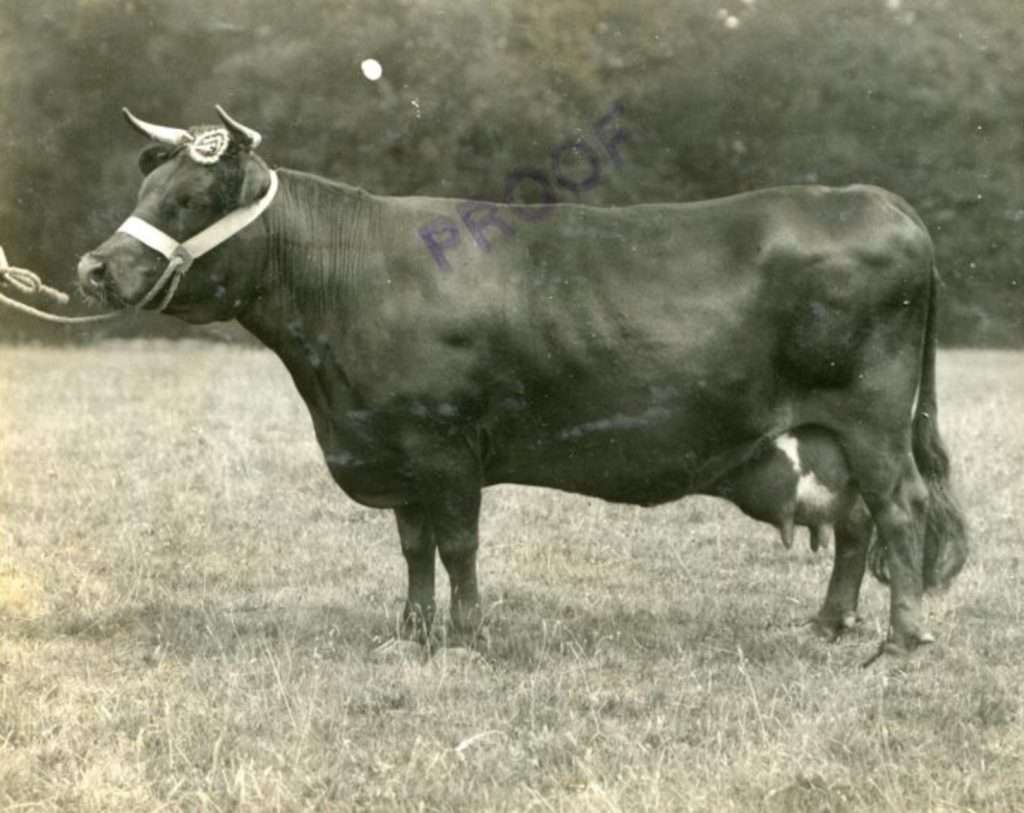
Grinstead Trixie the 2nd
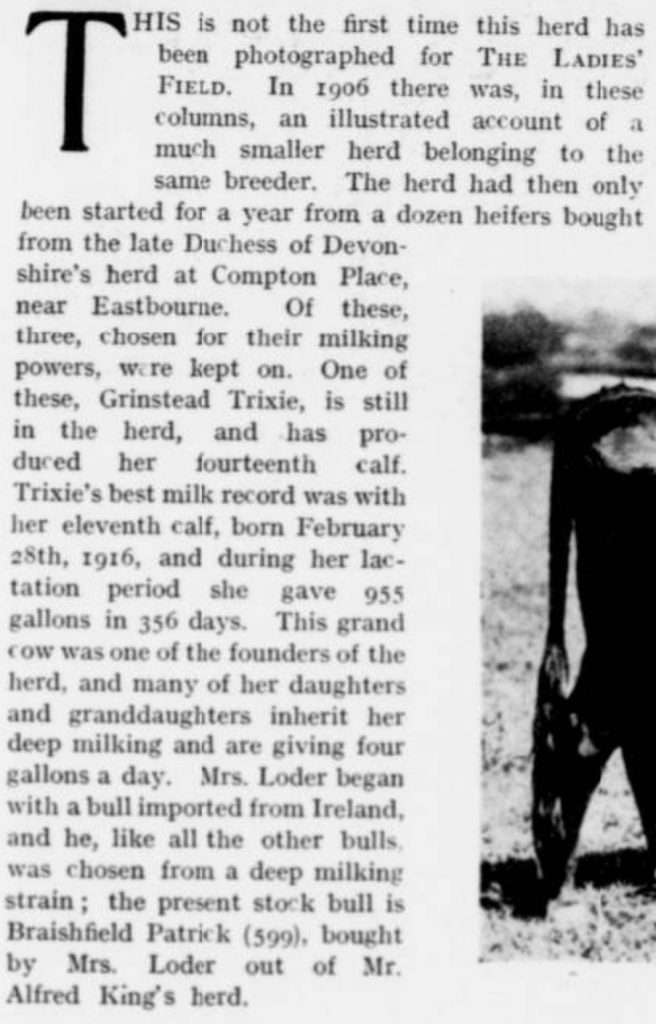
The Original Trixie of 1904 Foundation to Grinstead Herd
Just to give a very interesting historical compass to the full impact of the Grinstead Trixie line, let us delve deep into history, back to November 1919 when the original Trixie was being written about. The original Trixie was one of an original 12 cows that were obtained by Lady Lodger. Of those original cows she only kept three, Trixie being one of three top cows. Those 3 cows were chosen for their milking powers. Trixie was born in 1904 and was a foundation cow for the Royal Dublin Society. By 1919 she had produced her 14th calf, proving to be productive and already fairly long lived. What an exceptional cow to start your herd from. This cow was the foundation of Lady Loders Grinstead herd and imprinted her name on the herd for generations to come. Lady Loder in other statements had complained about some of the low quality Dexters that were being sold. Lady Loder may not have started with the best stock, but she culled down to just three cows to build her herd from and only used proven bulls that possessed dairy traits worth passing on to their offspring. She had a focused eye that considered the breed standard when evaluating and considering her Dexters by. Her legacy is one worth being remembered and replicated, showing you do not need much to start out with, but rather have a quest for quality and be willing to cull to obtain it.
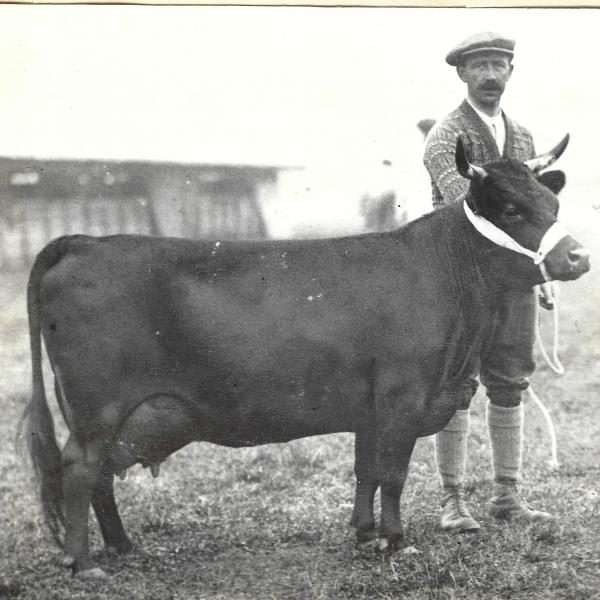
Murrell Peach Blossom: Another cow in Spratts line
Murrel Peach Blossom who was likewise related to Atlantic Spratt was a challenge cup winner.
Grinstead Hawk 5th: Another cow in Spratts line
Grinstead Hawk obtained a register of merit for milk production in 1940, won 1st in the milking trails and won the reserve Nutt challenge cup and many more competitions. Though her flat feet and titlted teat may jump out as not quite perfect, there is much to be appriciated in a cow with solid milk production.
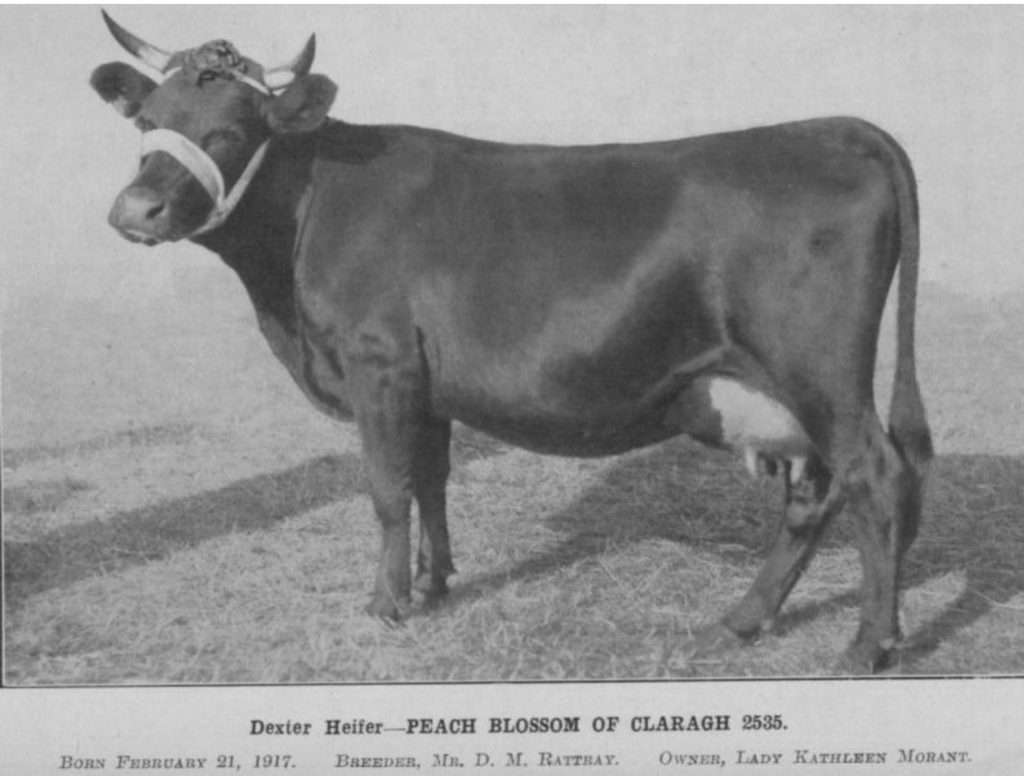
Peach Blossom of Claragh : A heifer in Spratts Line
Peach Blossom of Claragh won 2nd place for a cow in milk while competing against mature cows.
In conclusion to this article, I will leave you with this cow Grinstead Watercress, bred by Lady Loder though not directedly related to Spratt. This cow is graceful and well balanced a testament to her breeding. Some may say that she is not deep enough, but for a cow that I believe to be non chondro born in 1920 I’d say she is quite beautiful indeed. I hope this article inspires people, no matter the size of your herd or no matter how long you have been breeding that their is always room for improvement, no matter the current genetics in your herd. In order to truely preserve the wonderful Dexter traits of yesterday we must also be willing to impove our cattle of today.
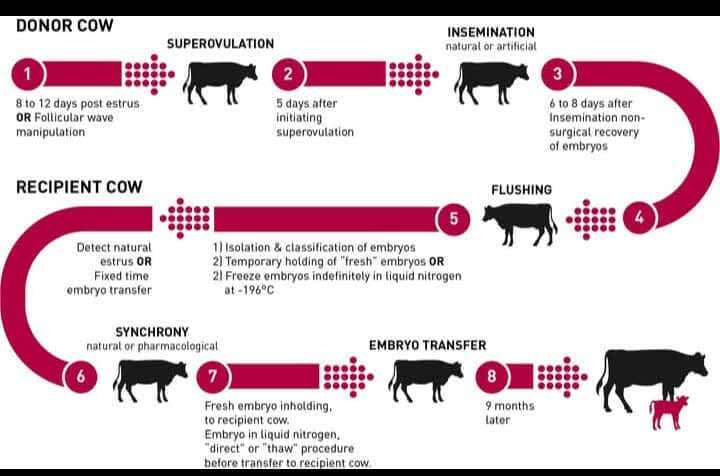
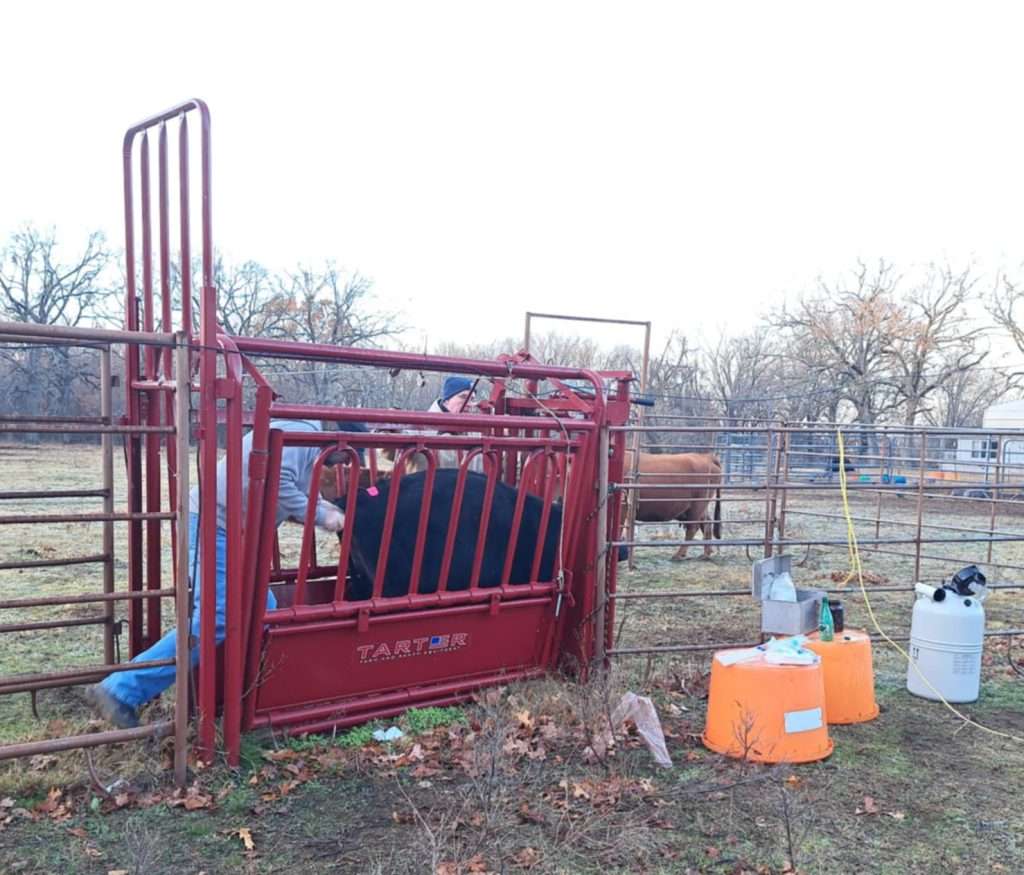
The “donor dam” is usually a high quality, registered animal.
It begins with FSH (Follitropin) injections, to “super ovulate,” ending in Lutalyse, Estrumate or Estridiol to bring her into heat, followed by insemination and flushing.
Recipients in my world tend to be virgin heifers, but I’ve had older cows successfully carry ETs also. They are synchronized to have the embryos implanted at precisely the right time.
Flushing takes place using a catheter (similar to an AI pipette but longer.) The embryos are then sorted under a microscope, with the ET vet or tech categorizing them 1 (excellent) through 4 (not fertilized.) Grade 1s can be frozen. Grade 2s have a chance but have to be put in immediately.
Success rates vary from 40 to 65 percent. Fresh embryos typically have a higher conception rate then frozen versions.
On a random sidenote it is pretty cool to see a recipient give birth to an ET of a different breed. I’ve had numerous Holsteins carry Swiss calves, and it is an almost surreal experience at the time of delivery.
Embryos offer some the chance to purchase a high type calf with less expense, albeit a bit more risk. They can be a way to get some great genetics into your herd.
Three cows—technically two cows and one heifer—were supposed to be prepped for AI. Schedules were coordinated, semen was purchased (expensive, carefully chosen semen), and optimism was high.
And then… cows happened.
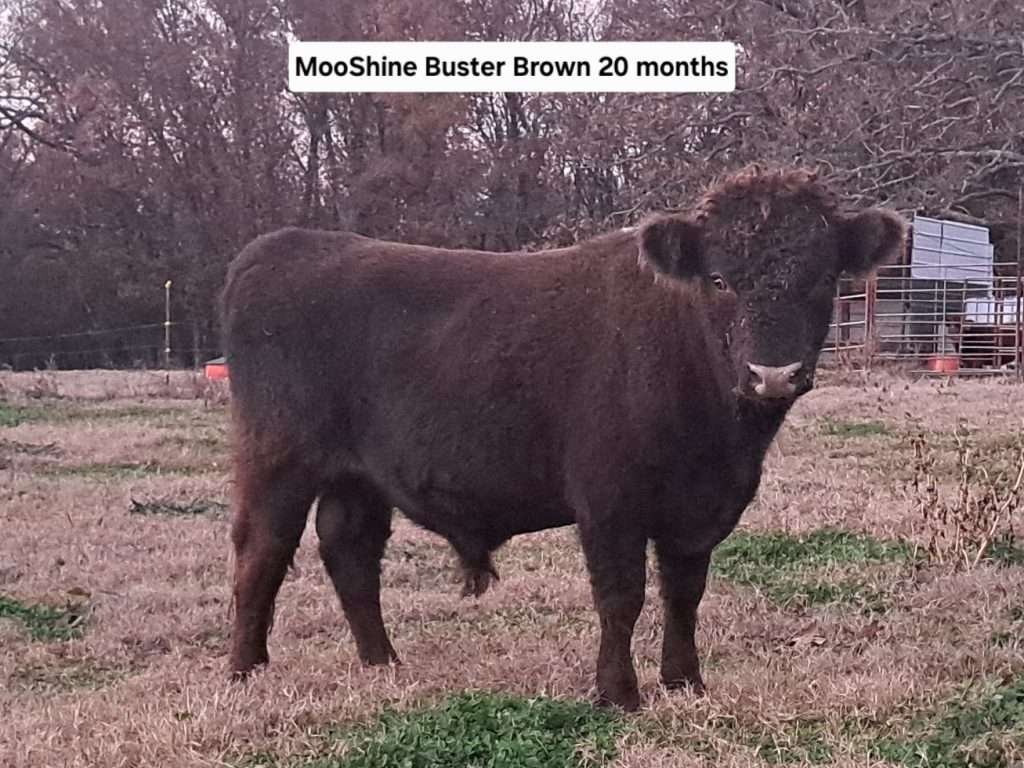
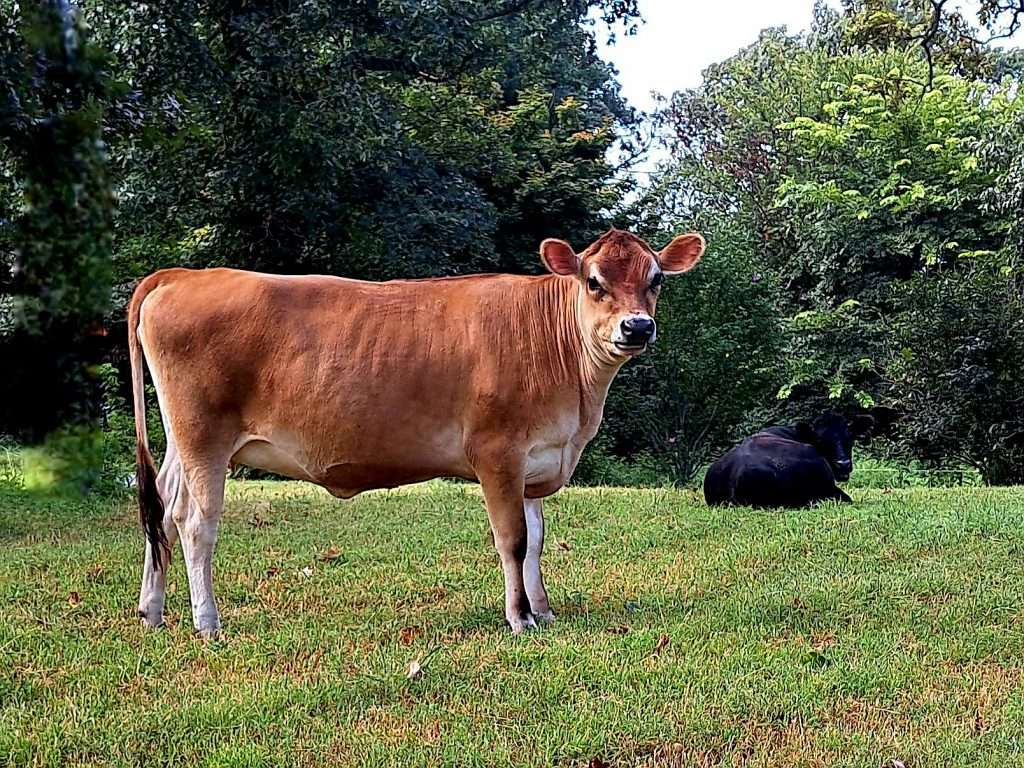
Instead, last night I caught the naughty Jersey heifer giving the Dexter bull a complimentary ride like it was part of a rewards program. No reservation required. Turns out there was the tiniest gap in the fence behind the round pen. The bull, being the logical problem-solver that he is, decided: If my head fits, clearly the rest of me will too. After politely bending the fence to accommodate his shoulders, hips, and audacity, he strutted through like Mr. Joe Cool himself, like he’d planned it all along.
Victorious. Smug. Unbothered.
I saw the whole thing play out with my own two eyes and am convinced that exact thought rolled through his lizard brain.
What followed was a full-blown cattle rodeo.
There I was, holding a gate open, desperately trying to call the heifer into a safe area while simultaneously holding one arm out like a traffic cop to keep the rest of the cows from joining in on the shenanigans. Bless my cows—they listened. This time. Meanwhile, my husband is trying to literally cock block the bull, which is (apparently) far easier to describe in writing than to accomplish in real life.
Round and round the three of them went.
The heifer, absolutely enchanted by the attention, had no intention of listening to me. Foolish wishful thinking on my part, but I had to try. When it became clear she was not coming willingly, I decided to grab a halter and a bucket of treats.
I turned my back and took exactly three steps.
That’s when my husband yelled, “HE GOT IN!”
I won’t lie—I saw red.
This heifer is a full-blood Jersey. I bought special, sexed mini Jersey semen just for her. Two hundred and fifty dollars a straw. In one instant, my carefully laid plans and dreams of a mini were dashed.
Words were said. Loudly. Words I won’t repeat here, but let’s just say I fully earned that shirt that reads, “I’m sorry for what I said while we were working cattle.” The general theme of my rant was questioning why he didn’t put a hand on her lady parts to block the bull.
Listen- if we had traded places, I absolutely would have dove in.
After tempers cooled, my husband informed me that this was clearly a coordinated effort. The heifer and bull had paid off the steer—promising him first choice at the clover.
The steer stepped on my husband’s foot and, in fluent bovinese, declared, “NOW!”—clearly on cue.
The heifer spun. The bull landed. The package was delivered. Mission accomplished and the steer casually stepped off his foot like nothing had happened.
I am not exaggerating when I say it happened in seconds.
Yes, I could give her a lute shot in a few weeks and try again. But my AI tech is coming in less than two weeks, and I hate asking him to come out for just one cow. So… it is what it is. At this point, I’m hoping for a bull calf we can beef. A small victory, but I’ll take it.
And honestly? This is farm life.
You can plan meticulously. You can invest in genetics, schedules, and systems. But animals don’t read calendars, respect budgets, or care about our best intentions. They remind us—sometimes loudly and inconveniently—that we are working with life, not controlling it.
Some days you get exactly what you planned for. Other days, you get a story you’ll be telling for years.
And if nothing else, this one gave us a good laugh, a lesson in humility, and a reminder that the best laid plans often turn into the best memories.
Plus… it helps that they’re so dang cute.
About the Author:
Kimberly Jepsen is the heart behind MooShine Ridge in Vinita, Oklahoma, where she and her husband, Kevin, have been raising dual-purpose Dexter cows since 2015. Their little farm store is a labor of love, offering Dexter beef, raw milk, and artisan cheeses made from their own cows. Kimberly has a deep passion for the Dexter breed and loves nothing more than sharing what she’s learned over the years—whether it’s guiding fellow farmers, helping newcomers discover the joys of small-scale farming, or simply introducing people to the rich, creamy flavors of her handcrafted cheeses. For her, farming isn’t just a business—it’s a way to nurture animals, the land, and the community she cares about. https://mooshineridge.com/
Dexter cattle, with their compact size and delightful appearance, are a top choice for small-scale farmers and homesteaders. The chondrodysplasia trait, resulting in shorter legs and a stout build, is a defining feature often criticized but offers significant benefits when managed responsibly. This article counters negative sentiments about chondrodysplasia by highlighting its advantages—calm temperament, successful calving, efficient pasture use, and aesthetic appeal—using research from agricultural universities and practical insights. Written for those eager to raise charming Dexter cattle but hesitant due to concerns about chondrodysplasia, it provides a clear, evidence-based case for the trait’s value.
Calm and Approachable Nature
Chondrodysplastic Dexters are celebrated for their gentle demeanor, ideal for farmers new to livestock. Oklahoma State University’s Department of Animal and Food Sciences notes that smaller cattle breeds, like Dexters, are typically less intimidating and easier to handle due to their reduced size (Oklahoma State University, Breeds of Livestock, breeds.okstate.edu). The short stature of chondrodysplastic Dexters simplifies tasks like herding, milking, or veterinary care, reducing stress for both the farmer and the cattle. Their docile behavior fosters a safer farm environment, making them a practical choice for hobbyists or families. This temperament aligns with sustainable, low-stress farming practices, enhancing the appeal of chondrodysplastic Dexters for beginners.
Successful and Safe Calving
Critics of chondrodysplasia often cite the risk of bulldog calves, a lethal condition caused by inheriting two copies of the chondrodysplasia gene. However, modern genetic management eliminates this concern, ensuring healthy calving outcomes. Research from the University of Sydney, cited by UC Davis’s Veterinary Genetics Laboratory, demonstrates that breeding a chondrodysplasia carrier with a non-carrier produces healthy offspring with a 50% chance of inheriting the short-legged trait, avoiding bulldog calves entirely (UC Davis VGL, Bulldog Dwarfism in Dexter Cattle, vgl.ucdavis.edu). Dexters’ small size further reduces calving difficulties, with lower dystocia rates compared to larger breeds. A study from Kansas State University’s Agricultural Experiment Station highlights that smaller cattle breeds have fewer birthing complications, supporting Dexter’s reliability in producing healthy calves (K-State Research and Extension, k-state.edu). Responsible breeding ensures chondrodysplastic Dexters thrive as a productive herd.
Optimized Pasture Efficiency
Chondrodysplastic Dexters are exceptionally suited for small farms due to their low land requirements. Their compact size allows for higher stocking rates, maximizing productivity on limited acreage. Oklahoma State University’s Beef Cattle Manual indicates that Dexters can be sustained on 0.5 to 1 acre per cow, compared to 1.5 to 2 acres for standard breeds, making them ideal for resource-conscious farmers (OSU Extension, extension.okstate.edu). Research published in Animal Production Science confirms that smaller cattle breeds like Dexters exert less pressure on pastures, supporting sustainable grazing practices (Anim. Prod. Sci., 2020, doi:10.1071/AN19432). This efficiency lowers feed costs and environmental impact, allowing farmers to maintain more animals without compromising land health—a key advantage for those with small plots.
Charming and Marketable Appearance
The aesthetic allure of chondrodysplastic Dexters is a standout feature. Their short legs, robust bodies, and expressive faces create a “cute” look that captivates farmers and consumers alike. The American Dexter Cattle Association notes that chondrodysplastic Dexters are often “proportionally balanced and visually appealing,” making them a draw for agritourism, farm visits, or niche markets like specialty beef or dairy (American Dexter Cattle Association, Chondrodysplasia Overview, dextercattle.org). Social media posts from groups like “Dexter Cattle – Chondro Cuties” highlight the enthusiasm for their unique appearance, which boosts their marketability (Facebook, Dexter Cattle – Chondro Cuties, facebook.com). This charm translates into economic benefits, as their distinctive look attracts attention and adds value to small-scale operations.
Countering Negative Perceptions
Negative views on chondrodysplasia, such as claims of it being a “painful genetic disease” or calls for its eradication, often stem from misinformation or outdated concerns (Facebook, Dexter Cattle Breeders, facebook.com). These critiques overemphasize the bulldog calf risk while ignoring modern solutions. Genetic testing, available through institutions like Texas A&M University, allows farmers to identify carriers and breed strategically, eliminating the risk of lethal outcomes (American Dexter Cattle Association, Chondrodysplasia Overview, dextercattle.org). A 2007 study in Mammalian Genome from the University of Sydney confirms that heterozygous chondrodysplasia carriers exhibit no health detriments, displaying robust growth and adaptability (Mammalian Genome, 2007, doi:10.1007/s00335-007-9066-9). Posts on platforms like Facebook also clarify that chondrodysplasia is a manageable trait integral to the Dexter breed’s identity, not a flaw to eliminate (Facebook, Dexter Cattle Enthusiasts, facebook.com). With proper management, the trait’s benefits far outweigh any perceived drawbacks.
Conclusion
Chondrodysplastic Dexter cattle are a valuable asset for small-scale farmers. Their gentle nature simplifies management, reliable calving ensures herd vitality, efficient land use maximizes resources, and charming appearance enhances market appeal. Supported by research from Oklahoma State University, Kansas State University, and the University of Sydney, chondrodysplasia is a manageable trait that adds unique value to Dexters. For farmers seeking cute, productive cattle, chondrodysplastic Dexters are an excellent choice when paired with responsible breeding practices.
Featured image
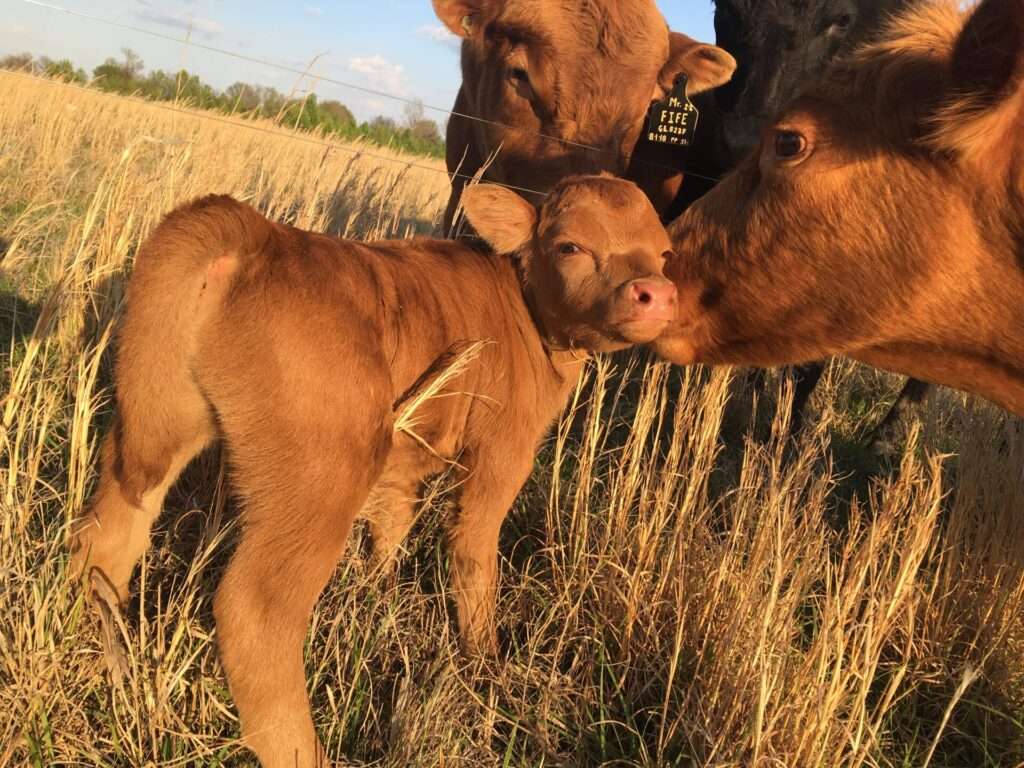
Family picture with herd sire Mr. Fife: 3797
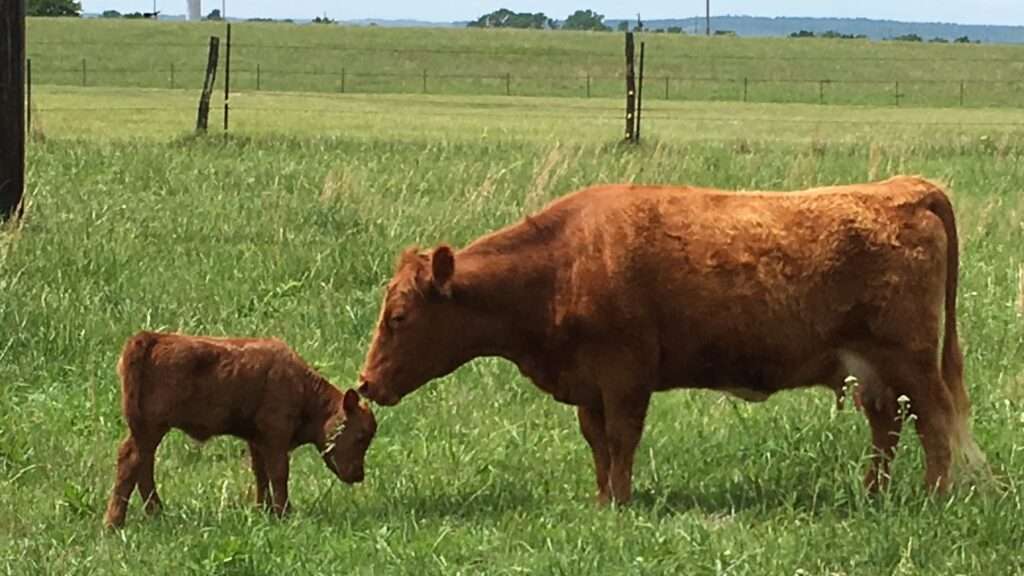
Cow named Butter Diary’s Rosebud ADCA 045563 and her calf Butter Diary’s Lil Bit 049867. 5008 and 2698 (calf in these pictures is Lil Bit)
References
American Dexter Cattle Association. “Chondrodysplasia Overview.” dextercattle.org. Accessed August 11, 2025.
Oklahoma State University. “Breeds of Livestock – Dexter Cattle.” breeds.okstate.edu. Accessed August 11, 2025.
Oklahoma State University Extension. “Beef Cattle Manual.” extension.okstate.edu. Accessed August 11, 2025.
UC Davis Veterinary Genetics Laboratory. “Bulldog Dwarfism in Dexter Cattle.” vgl.ucdavis.edu. Accessed August 11, 2025.
Kansas State University Research and Extension. “Cattle Breeding and Management.” k-state.edu. Accessed August 11, 2025.
Cavanagh, J.A., et al. “Genetic Basis of Bulldog Dwarfism in Dexter Cattle.” Mammalian Genome, 2007, 18, 808-814. doi:10.1007/s00335-007-9066-9.
Animal Production Science. “Grazing Efficiency of Small Cattle Breeds.” 2020. doi:10.1071/AN19432.