HEAT STRESS IN CATTLE
Prevention, Management, and the Role of Genetics
When temperatures climb, cattle don’t simply become uncomfortable. Heat stress is a serious physiological challenge that affects feed intake, milk production, fertility, immune function, and overall performance. In severe cases, it can even become life threatening.
Think of a cow as a large furnace wrapped in a hide. Every bite of forage she digests produces heat. On a cool day, that heat helps keep her warm. On a hot, humid day, however, it becomes excess heat that must be released. When a cow can no longer dissipate heat as quickly as she produces it, her body temperature begins to rise and heat stress sets in.
Humidity plays a major role. A hot, dry day is often easier for cattle to tolerate than a slightly cooler but very humid day because moisture in the air reduces the effectiveness of evaporation, making it much harder for the body to cool itself.
Recognizing the Signs of Heat Stress
Before discussing prevention and treatment, it’s important to recognize when a cow is becoming overheated.
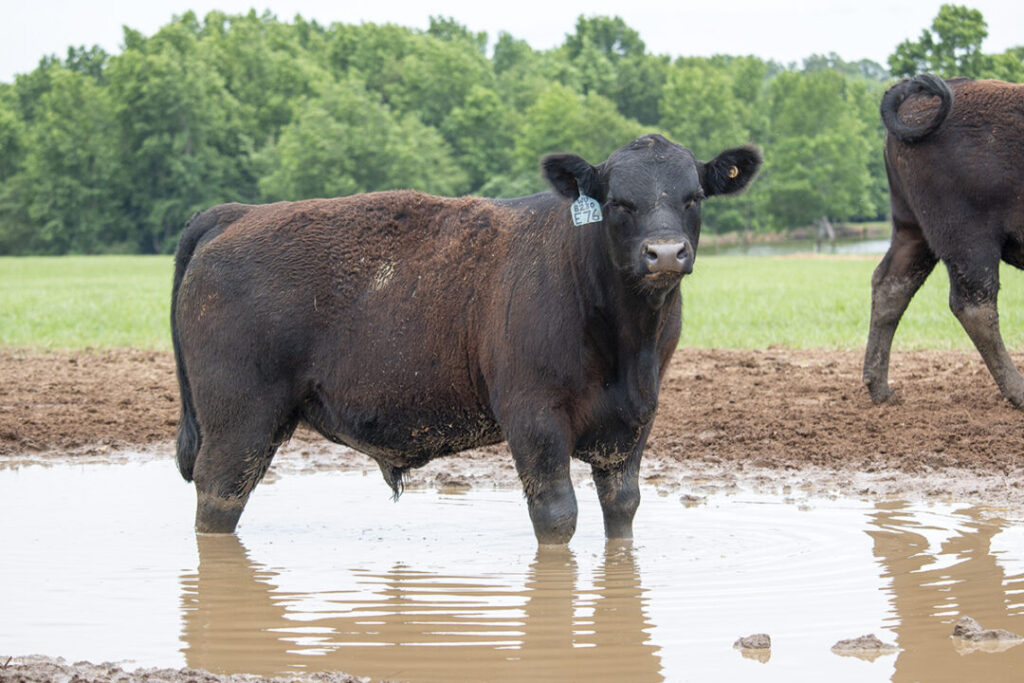
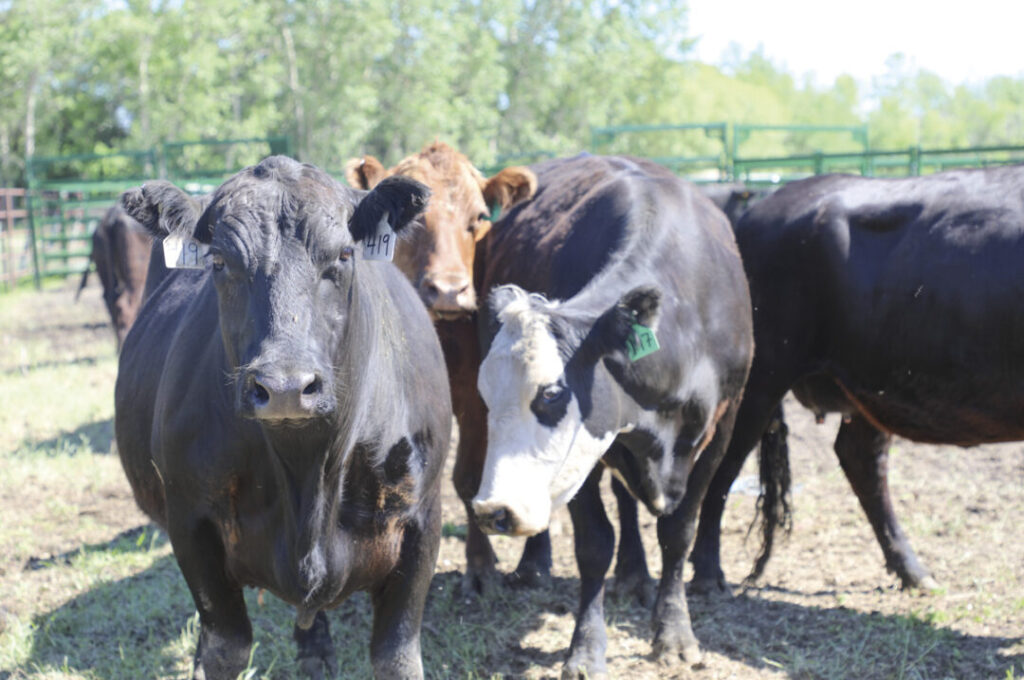
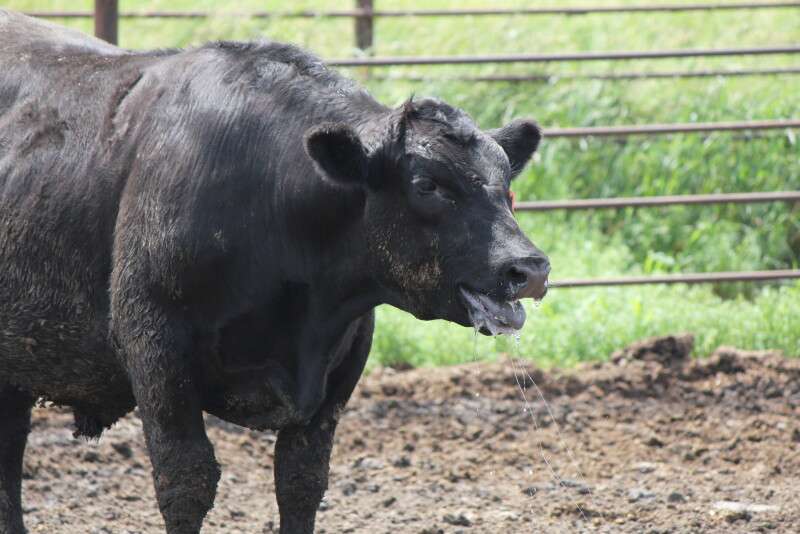
Cattle will naturally seek shade or stand in ponds and streams to cool themselves. If those options aren’t available, they often bunch together in response to stress and begin breathing rapidly. Excessive drooling, reduced grazing, and a decreased interest in grain are common early signs.
As heat stress progresses, milk production drops, resulting in slower weight gains for nursing calves. Fertility also suffers. Poor conception rates become more common, particularly during the early stages of pregnancy. Elevated cortisol levels caused by heat stress can increase the risk of early embryonic loss, especially during the first 45 days of gestation.
Cattle may become lethargic and, in more severe cases, begin open mouth breathing or panting like a dog. Heat stress also suppresses the immune system, making animals more susceptible to disease. If left untreated, severely overheated cattle may stagger, collapse, and ultimately die.
The First Line of Defense: Shade and Water
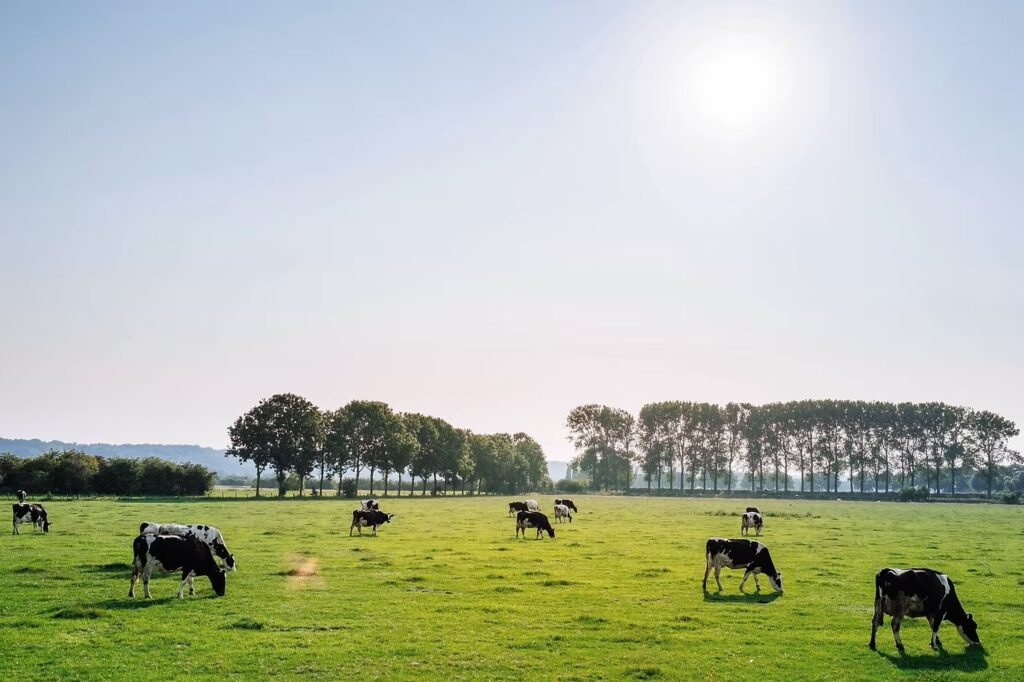
Shade is one of the simplest and most effective ways to reduce heat stress. Trees, shade structures, and covered loafing areas can significantly lower body temperatures. Adding misting stations can make an even greater difference.
Clean, fresh water is equally critical. During periods of extreme heat, a lactating cow may consume more than 20 gallons of water each day. Water should always be clean and readily accessible to encourage intake.
It’s also important to have adequate watering space. If cattle must crowd around a single water source, dominant animals may prevent more timid cattle from drinking enough. Adding additional tanks during periods of extreme heat can help ensure every animal has access. We keep several empty protein tubs around specifically for hot weather. They’re lightweight, easy to dump, clean, and refill as needed.
Misting Stations and Cooling Systems
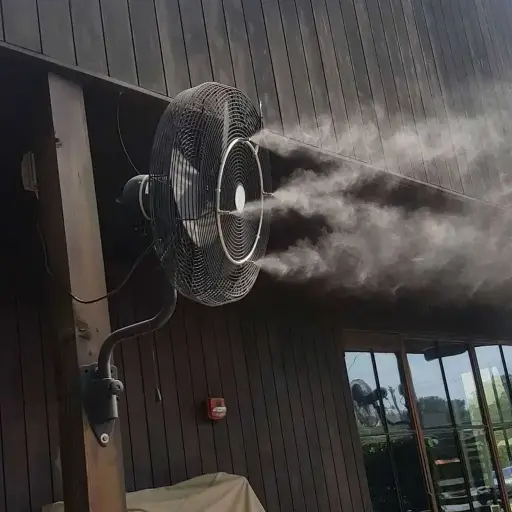
One of the most effective management tools is a misting sprinkler station combined with good airflow. Several years ago, we installed a 40-by-60-foot carport and mounted a couple of misting fans underneath it that run during the hottest part of the day. Although our cows have access to a pond where they enjoy wading, they also spend a great deal of time under the misting station.
The mist lowers the air temperature several degrees while lightly dampening their coat. Combined with the airflow from the fans, evaporation removes body heat much like perspiration cools human skin. When I am out working on the farm during the heat of the day I too hang out under the misting fanst to cool off. It’s much cooler there than anywhere else on the farm.
Practical Heat Stress Prevention
Whenever possible, avoid working cattle during the hottest part of the day. If cattle must be gathered or moved, early morning is the safest time. If you feed grain or other supplemental feeds, consider feeding later in the evening. Digestion generates heat, and feeding late allows the greatest amount of fermentation to occur overnight when temperatures are cooler.
Nutritional Support: Vitafirm Heat Stress Tubs
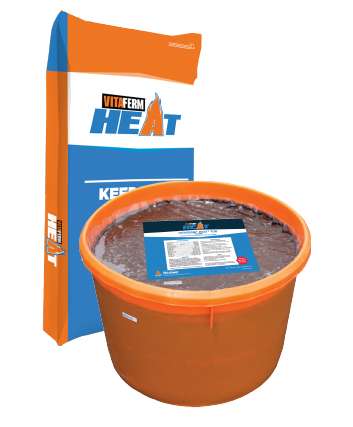
A few years ago, we started buying Vitaferm Heat Stress Tubs during the summer, and our cows will never go another Oklahoma summer without them. These tubs contain essential oils that act as natural vasodilators, helping support healthy blood flow so cattle can dissipate body heat more efficiently. They also provide minerals, electrolytes, and vitamins that help replenish nutrients lost during periods of heat stress.
HEAT comes in tubs and as a loose mineral. While nutritional supplements aren’t a replacement for shade and water, they can be another valuable tool in an overall heat stress management program.
Genetics: The Often Overlooked Prevention Tool
Some cattle simply handle heat better than others. Fortunately for Dexter breeders, our cattle generally have an advantage over larger breeds. Their smaller body size produces less metabolic heat, making them naturally more heat tolerant. Even so, there is still considerable variation between individual animals. Some cattle continue grazing, breeding, and maintaining body condition throughout the hottest months, while others struggle. Many people believe black cattle suffer more in the heat than red or lighter-colored cattle. While darker hair certainly absorbs more solar radiation, our experience suggests there is much more to heat tolerance than color alone.
We have black, red, and dun Dexters, and I’ve had several red and dun cattle struggle far more than my black Dexters. The common denominator wasn’t color it was their hair coat. Some of my black cattle slick off early in the spring, developing the short, shiny, seal like coat Dexters are known for. They handle Oklahoma summers exceptionally well. Others, regardless of color, hold onto a longer, thicker coat much later into the season and have a much harder time staying cool. Hair coat length and density are extremely important. A well bred Dexter should have a short, sleek coat. Animals with excessively heavy coats often experience greater heat stress.
As difficult as it can be to part with good cattle, we simply can’t justify keeping animals that consistently struggle through our hot summers. Besides being unfair to the animal, it also costs us money through reduced fertility, lower production, and increased management. Selecting replacements from cows that consistently maintain body condition, breed back promptly, produce well, and remain comfortable during hot weather will gradually improve your herd’s natural heat tolerance.
When choosing replacement heifers, look for daughters from cows that:
- Breed back consistently, even during the heat of summer.
- Maintain milk production through hot weather.
- Show minimal panting and heat avoidance.
- Hold body condition despite prolonged heat.
Over time, these selection decisions create a herd that is naturally better adapted to your local climate.
When to Take Emergency Action
Immediate intervention is necessary if cattle are:
- Open-mouth panting continuously.
- Unable to rise or walk comfortably.
- Staggering or appearing disoriented.
- Crowding tightly around water while showing severe respiratory distress.
Move affected animals into shade immediately, increase airflow with fans if available, and gently wet their bodies with cool (not ice-cold) water while contacting your veterinarian. I prefer using a garden hose to slowly soak the animal, avoiding the face. Once the panting begins to subside, I brush excess water out of the undercoat so it doesn’t become trapped against the skin, which can actually reduce cooling.
The Bottom Line
Successful heat stress management comes down to three key areas:
- Environmental cooling through shade, abundant clean water, and misting stations with good airflow.
- Nutritional support by feeding later in the day and providing products such as Vitaferm Heat Stress Tubs to help support hydration, circulation, and mineral balance.
- Genetic selection by breeding cattle that consistently perform well in hot, humid conditions and culling those that do not.
Good heat management isn’t about relying on a single product or piece of equipment. It’s about helping cattle maintain their natural ability to regulate body temperature. When shade, water, cooling systems, proper nutrition, and heat tolerant genetics all work together, cattle remain healthier, more productive, and better able to thrive through even the toughest days of summer.
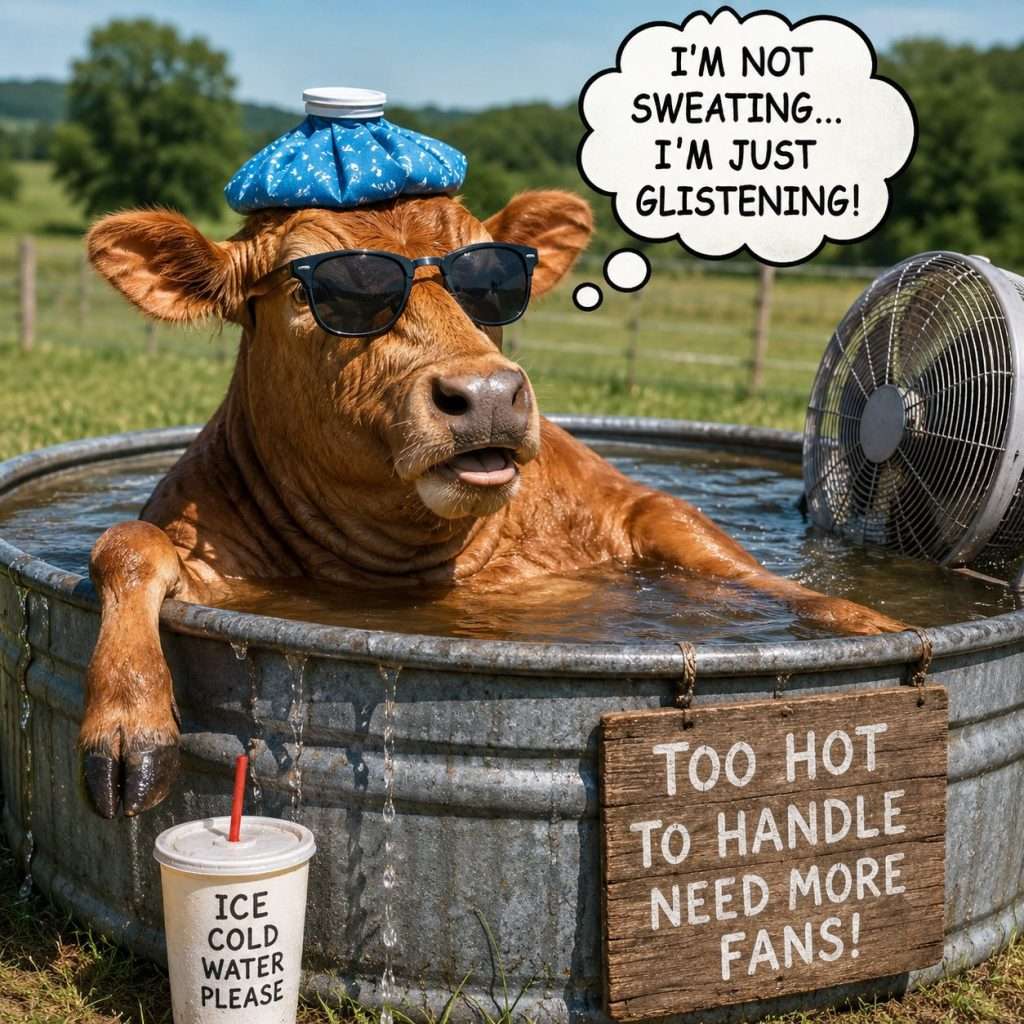
Now I’d love to hear from you. What do you do to keep your cattle cool during the hot summer months? Do you rely on shade trees, ponds, misting systems, fans, nutritional supplements, or another management practice? Share your tips and experiences in the comments. We can all learn from one another.
About the Author:
Kimberly Jepsen is the heart behind MooShine Ridge in Vinita, Oklahoma, where she and her husband, Kevin, have been raising dual-purpose Dexter cows since 2015. Their little farm store is a labor of love, offering Dexter beef, raw milk, and artisan cheeses made from their own cows. Kimberly has a deep passion for the Dexter breed and loves nothing more than sharing what she’s learned over the years whether it’s guiding fellow farmers, helping newcomers discover the joys of small-scale farming, or simply introducing people to the rich, creamy flavors of her handcrafted cheeses. For her, farming isn’t just a business, it’s a way to nurture animals, the land, and the community she cares about. https://mooshineridge.com/
HEAT STRESS IN CATTLE Read More »
Herd Health