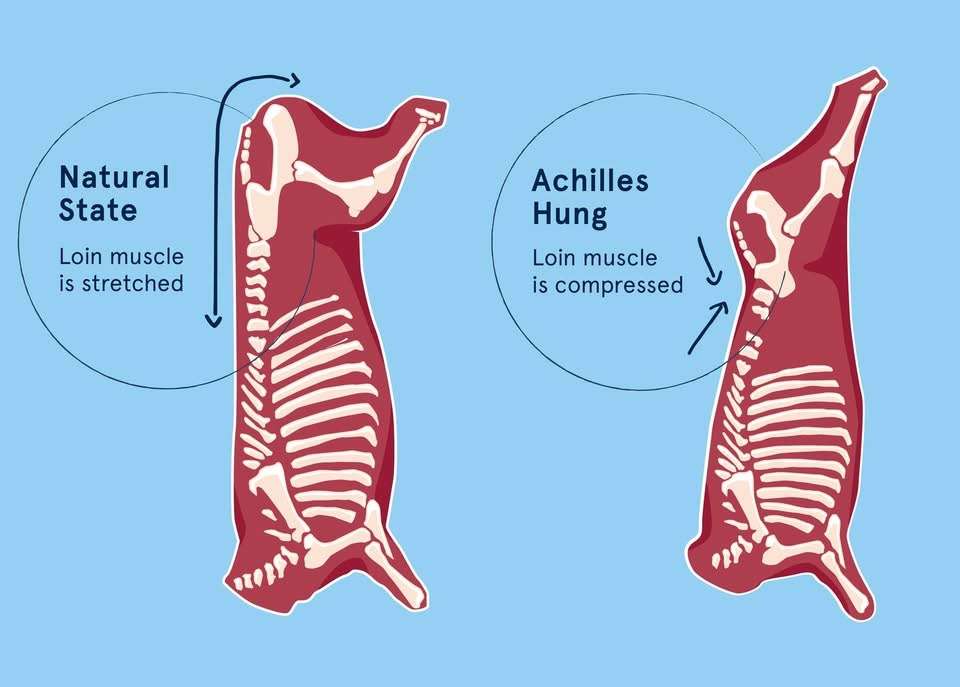
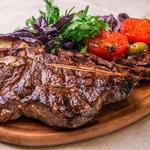
Did you know the way beef is hung during processing can influence eating quality?
Bass Strait Beef uses a Natural State Hanging Method, allowing the carcase to hang like it would stand in the paddock.
This process helps gently stretch the muscles to contribute to improved tenderness in premium cuts like rump and porterhouse. Just one of the many ways we do things differently to deliver you the best beef! 🥩
A Deep Dive Podcast, brought to you by Irish Dexter Cattlemen, on topics of interest to all farmers and ranchers. Subscribe to the free, monthly Irish Dexter Cattlemen Tips & Tricks Guide to get early access.
Brought to You by These Breeders, Affiliates, & Sponsors
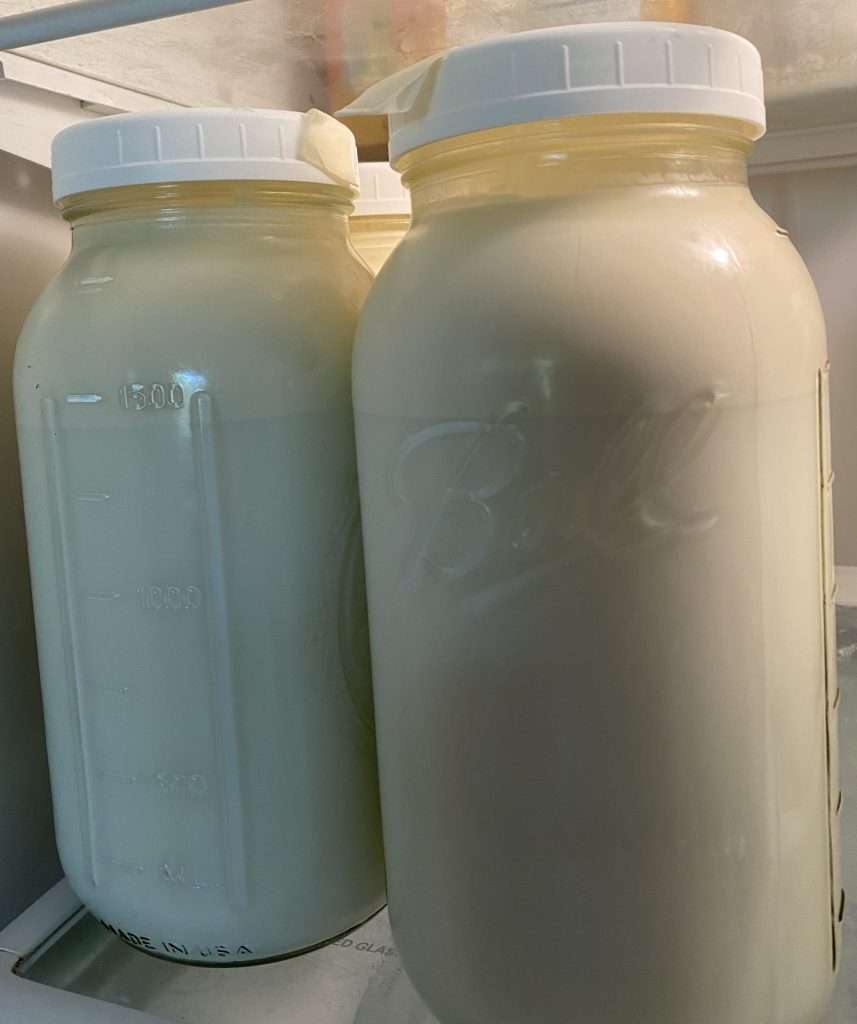
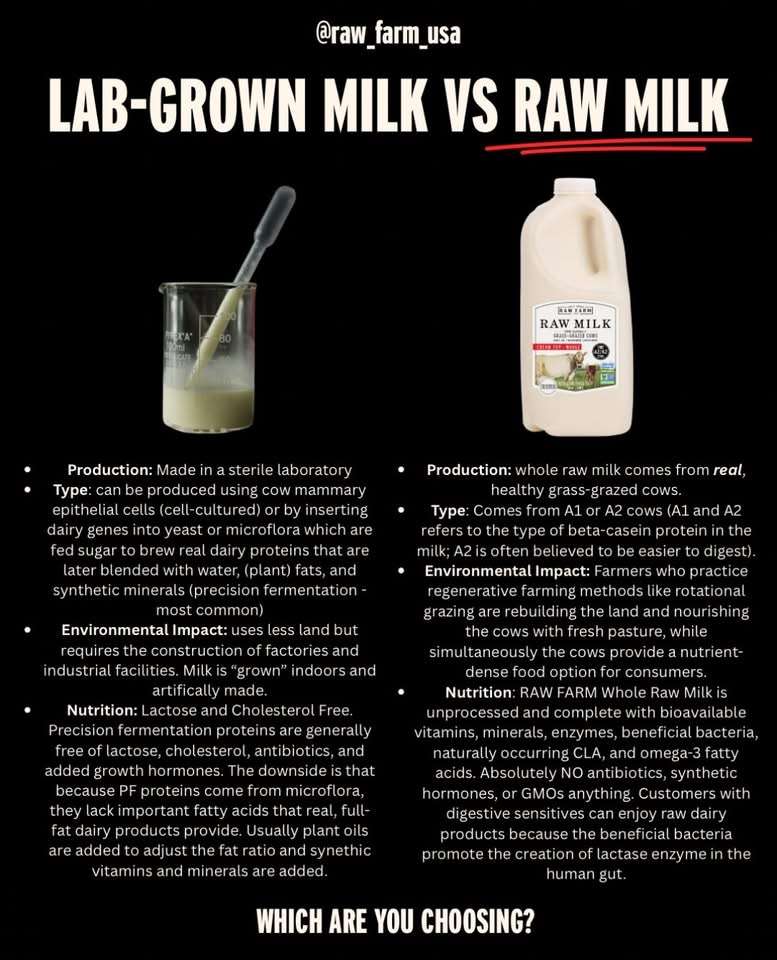
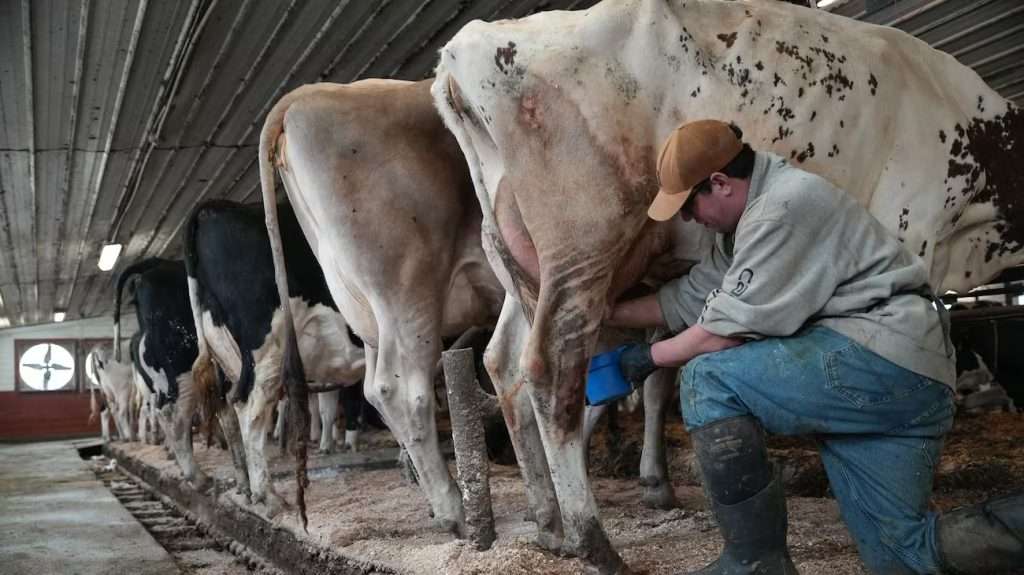
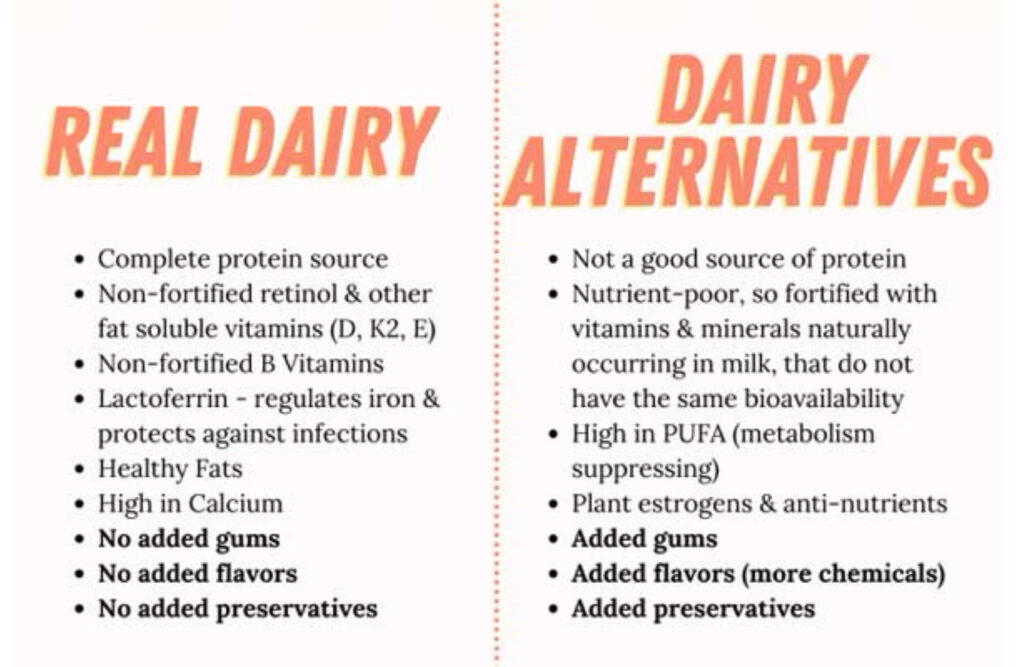
Are you a fan of the new lab grown milk and milk products? If not, here is a list of brands of milk that may contain lab grown milk, that a friend provided. I guess it’s time to read the labels ore closely. Or stick to milk from our Dexters!
Bored Cow: Maker of fluid animal-free dairy milk in various flavors (Original, Chocolate, Strawberry, Vanilla).
Brave Robot: A prominent pioneer in animal-free pint ice creams and frozen desserts.
Strive FREEMILK: A line of protein-enriched milks and nutritional beverages utilizing molecularly identical whey.
Modern Kitchen: A brand specializing in animal-free cream cheese and spreads.
The New Milk: A retail fluid milk line launched in collaborative partnerships with heritage dairy processors like Gad Dairies.
Graeter’s (Perfect Day Collaboration): A legacy ice cream brand that introduced a dedicated “Perfect Indulgence” line featuring lab-grown whey.
Nick’s Ice Cream: A popular light-ice-cream brand that utilizes animal-free dairy bases for several of its varieties.
Orgain Better Whey: A precision-fermented whey protein isolate powder developed under the Nestlé portfolio.
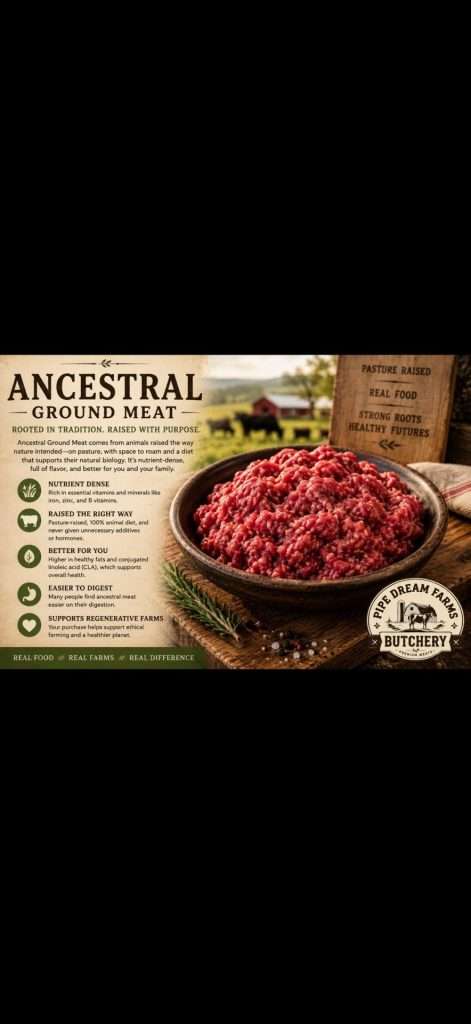
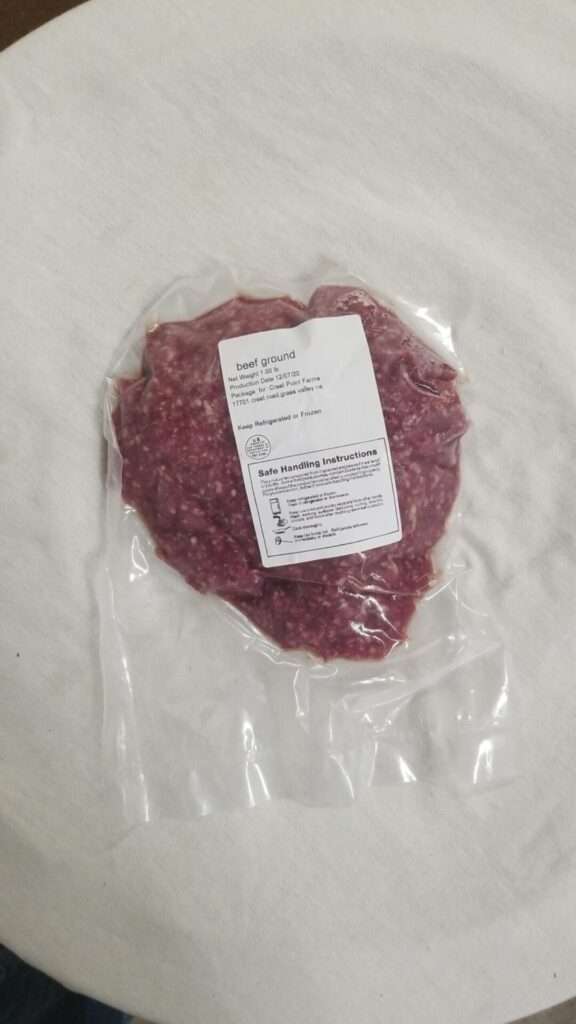
Ancestral ground beef is a simple way to enjoy more of what nature provides. By blending premium ground beef with nutrient-rich organs like beef liver and heart, you get the great taste of ground beef with an extra boost of essential vitamins and minerals. Organ meats are among the most nutrient-dense foods available. They naturally provide vitamin A, B vitamins, iron, zinc, copper, and other nutrients that support energy, immune function, and overall wellness. Because the organs are blended in at a balanced ratio, most people enjoy all the nutritional benefits without noticing a strong organ meat flavor. At Pipe Dream Farms Butchery, we believe in honoring the whole animal by making the most of every cut. Our ancestral ground beef reflects that commitment, offering a wholesome, minimally processed product that’s both delicious and nutritious. Whether you’re making burgers, tacos, meatballs, chili, or spaghetti, ancestral ground beef is an easy way to add more nutrient-dense food to your family’s meals—without changing the recipes you already love. Eat the way generations before us did: simple, nourishing, and full of flavor.
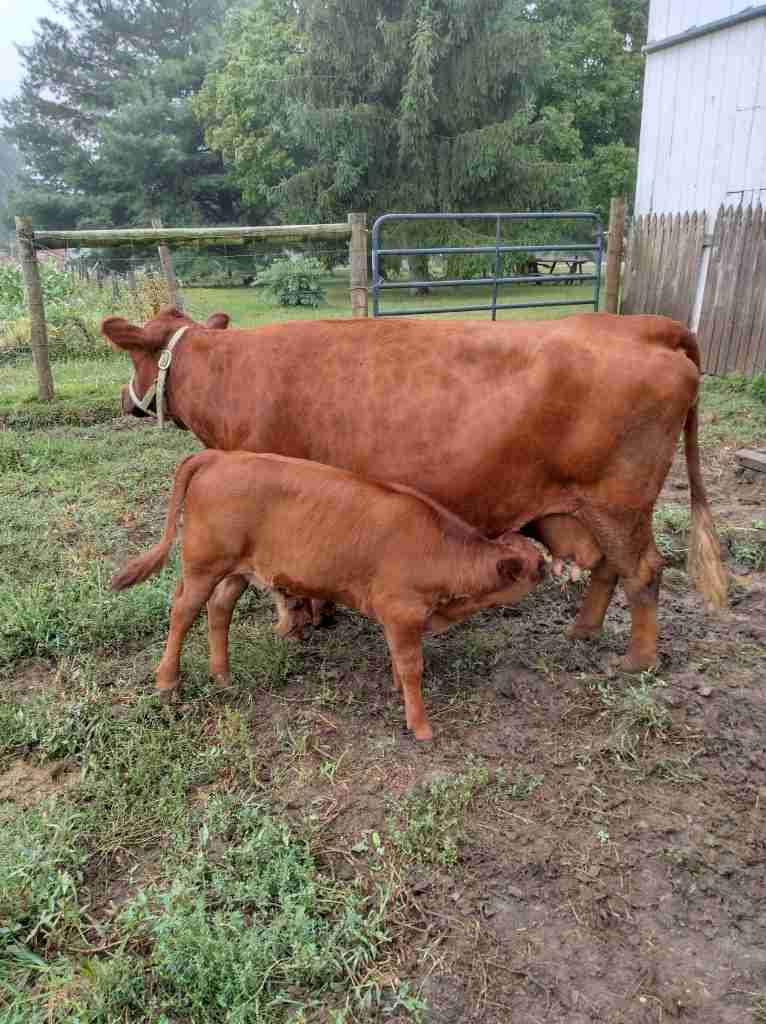
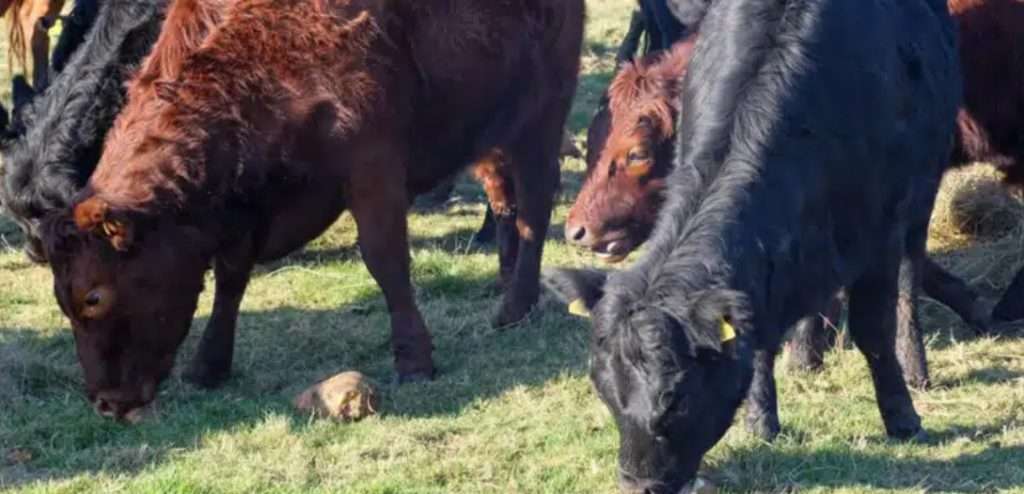
Dexter beef is a breed of cattle that is known for its quality and taste. It is commonly known in foodie circles that Dexter beef is some of the tastiest around and really good to eat.
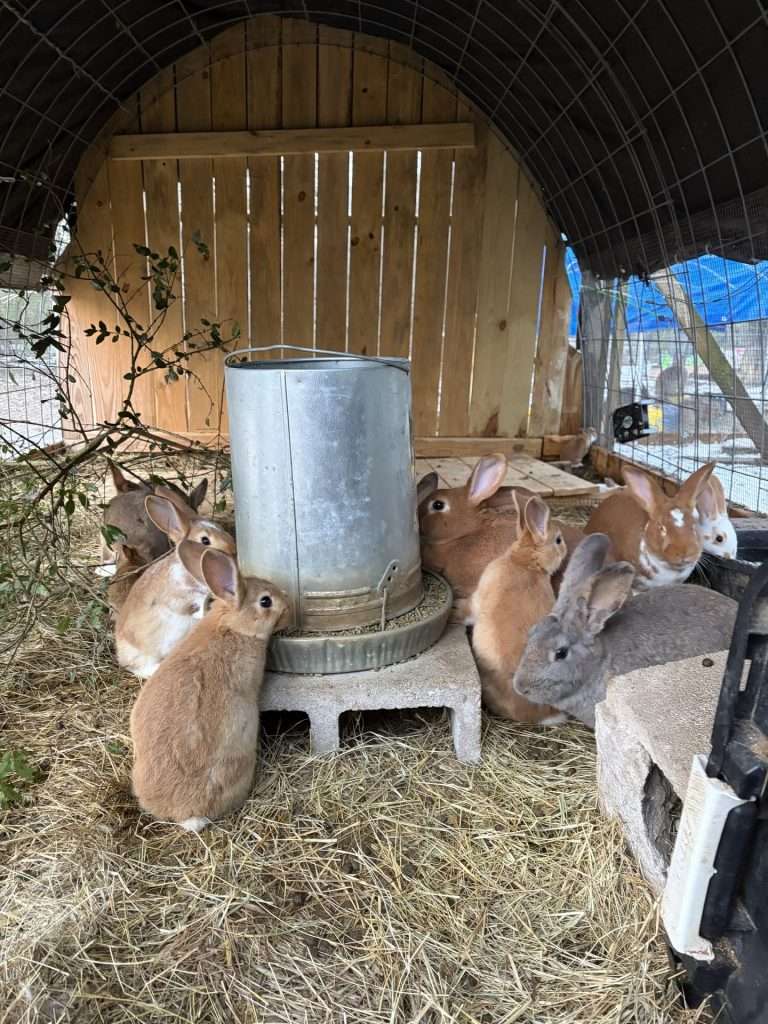
Once rabbits reach processing size, timing, preparation, and efficiency matter. The goal is a humane, clean process that results in usable meat.
When to Process
Most rabbits are ready around 12 weeks of age.
This usually provides a good balance of size and tenderness
Younger rabbits are easier to skin
Growth rate depends on breed—some mature slower than others
Beginner Tip: Research breed growth rates before buying rabbits so your expectations match reality.
Some people withhold food for 24 hours before processing to keep things cleaner. Do what works best for your setup. We do not find this necessary with rabbits.
Dispatch Methods (Overview)
Choose the method you are comfortable and confident using. Speed and accuracy matter most.
Gunshot: Very fast, but not ideal if you plan to use every part of the rabbit
Cervical Dislocation: Manual method; effective but can bruise meat
Commercial Tools: Devices like the “hopper popper” provide consistent cervical dislocation
Bop & Bleed: Render the rabbit unconscious, then bleed out
Beginner Tip: Practice and confidence matter more than the method itself. Hesitation causes problems.
Basic Tools You’ll Need
A way to hang the rabbit (commercial hanger or rope with slipknots)
Hose or clean water source
Cooler with ice
Two sharp knives (one for dispatch, one for processing)
Kitchen shears
Dispatch tool of choice
Beginner Tip: Sharp knives make the entire process faster, cleaner, and safer.
Processing Overview
Dispatch quickly and humanely
Hang by the back legs
Bleed out immediately
Remove head and front feet
Skin the rabbit by pulling the hide downward
Rinse often to keep the carcass clean
Some people spray rabbits with water after dispatch to control loose hair. This is optional, do what works for you.
Beginner Tip: Go slower your first few times, but don’t stop moving. Confidence comes with repetition.
Gutting & Butchering
Open the body cavity carefully—avoid puncturing organs
Remove the intestines and organs
Save usable organs (heart, liver, kidneys) if desired
Remove legs and divide the carcass into manageable pieces
Save bones for stock
There isn’t a ton of meat on a rabbit, even a large one, use as much as possible.
Beginner Tip: If cuts aren’t perfect, don’t stress. Rabbit works great for stew, soup, or sausage.
Feeding to Dogs
At almost any stage, rabbits can be fed to dogs.
Some dogs tolerate fur; some don’t
Organs, heads, feet, and offal can be fed fresh or frozen
Beginner Tip: Test with one rabbit before committing to feeding whole animals regularly.
Final Notes
Rinse the rabbit several times during processing
Cool the meat as quickly as possible
You can pause after gutting and finish butchering later once the carcass is cold
Beginner Tip: Clean, cool, and quick = better meat and fewer problems.
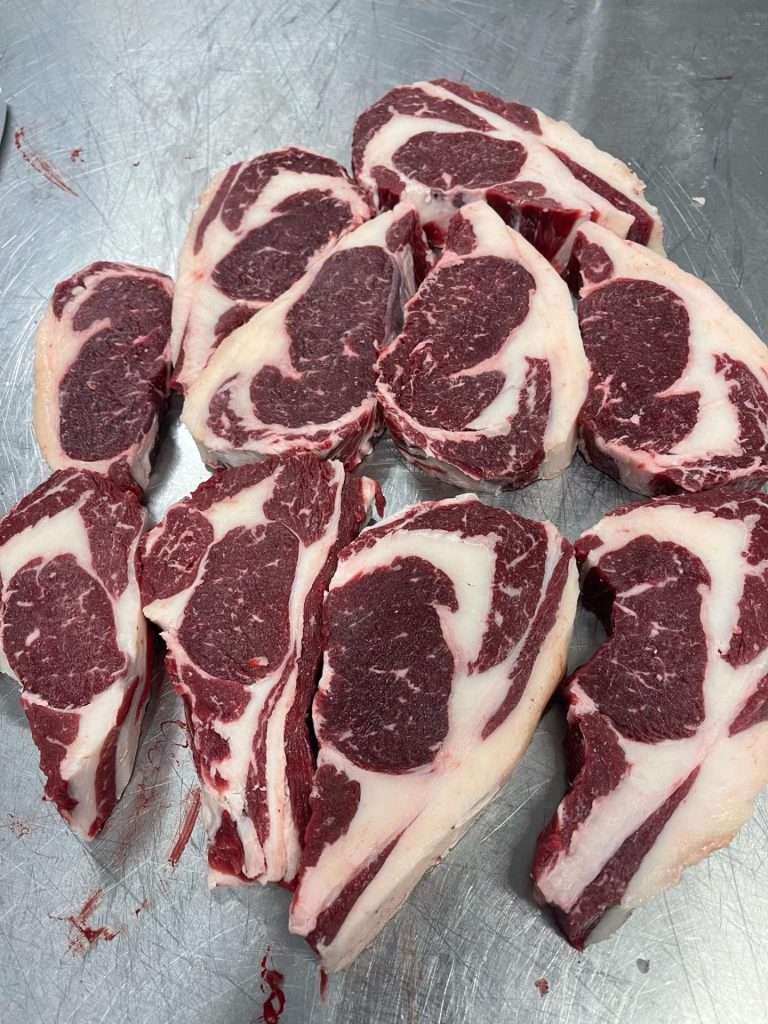
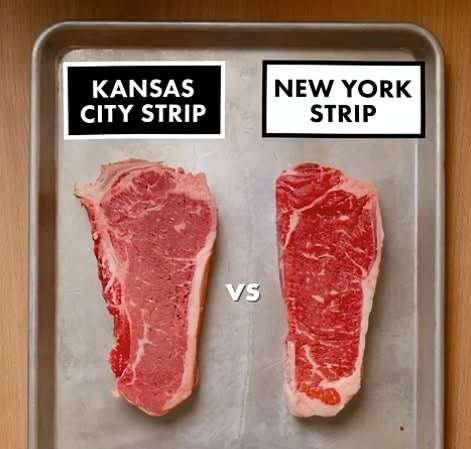
In the battle of Kansas City steak vs New York strip steak, they are in fact, the same cut. The Kansas City strip bone attached, New York does not. The New York strip typically has the tail section removed, the Kansas City does not. The cut originated in Kansas City and gained popularity when chefs in New York started calling it the New York strip.
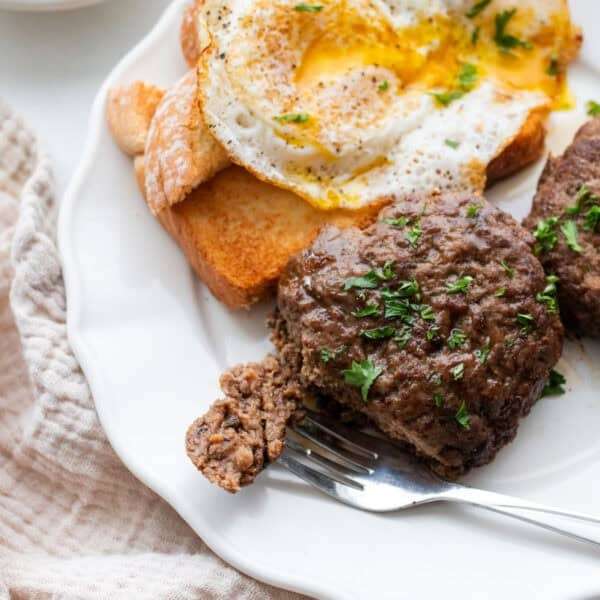
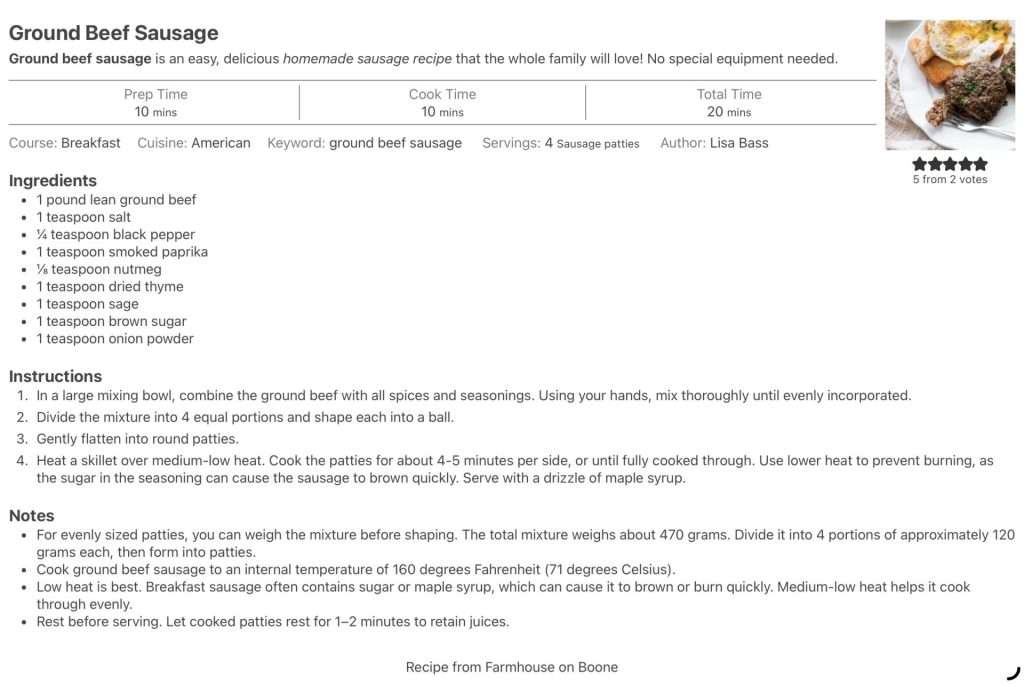
Another reason to raise your own beef! Dexter beef for WIN! You might want to consider Dexter beef sausage for breakfast. There is a recipe in the gazette!
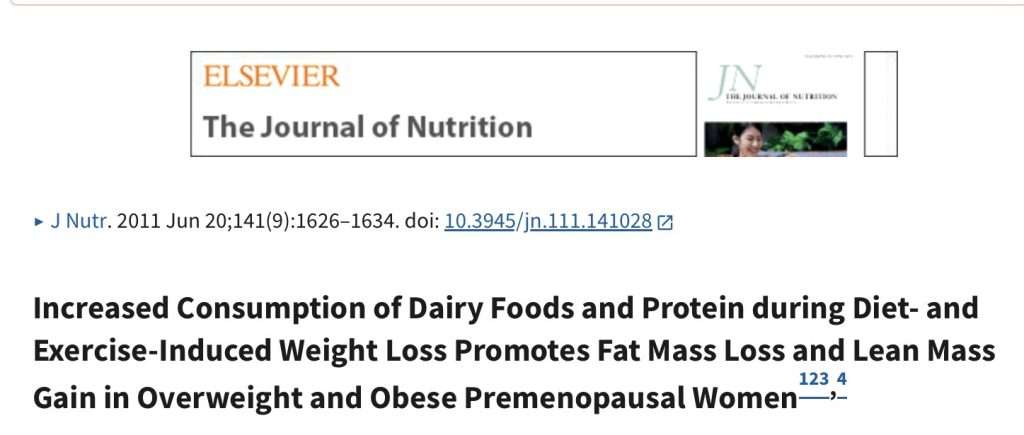
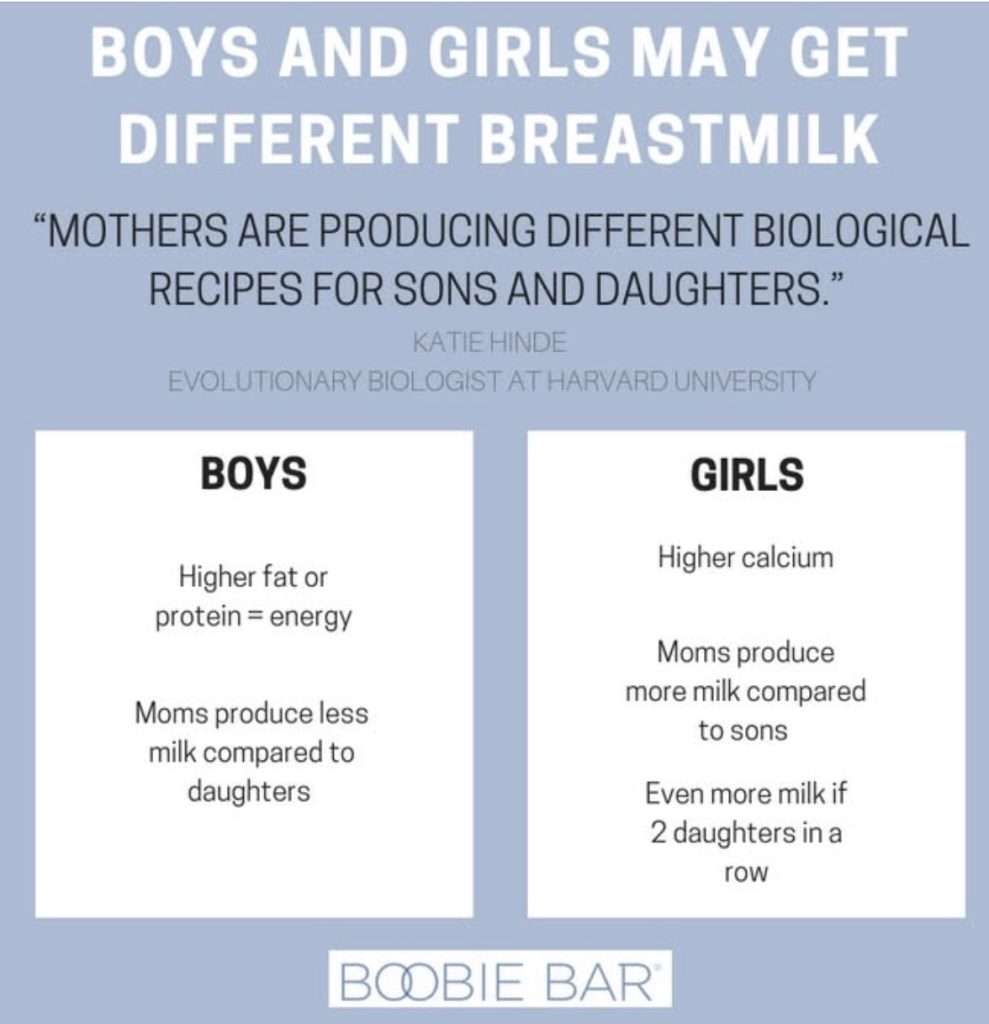
The study below show that there are differences in the milk produced for boys and girls. Could this be true for our Dexters we are miking…and note what it says if there are two girls in a row! This could be very interesting to study.
Dexter beef is a breed of cattle that is known for its quality and taste. It is commonly known in foodie circles that Dexter beef is some of the tastiest around and really good to eat.