Beef

Preserving Irish Dexter Dairy and Beef

By Eliena Bodtke, Stay’N Put Farm

Since many of us are homesteaders or practice some kind of preserving, I thought I would take a moment to discuss an alternative to canning, pressure canning and dehydrating. 

 Are you scratching your head, thinking where is she going with this?

Consider freeze drying.  While the initial cost seems daunting, it really is an excellent way to preserve your Dexter milk, yogurts, cheeses, colostrum and beef for 25 YEARS!  Think about when you’re over loaded with one veggie or another during gardening season.  The veggies, herbs or eggs when they are abundant, can be frozen and put into the freeze dryer anytime.  We still can and pressure can, but this gives us a  whole new option.  

We purchased a medium Harvest Right about a year and half ago and have been amazed at all the things we can preserve….it is less time consuming and in our opinion, and better quality product in many cases.

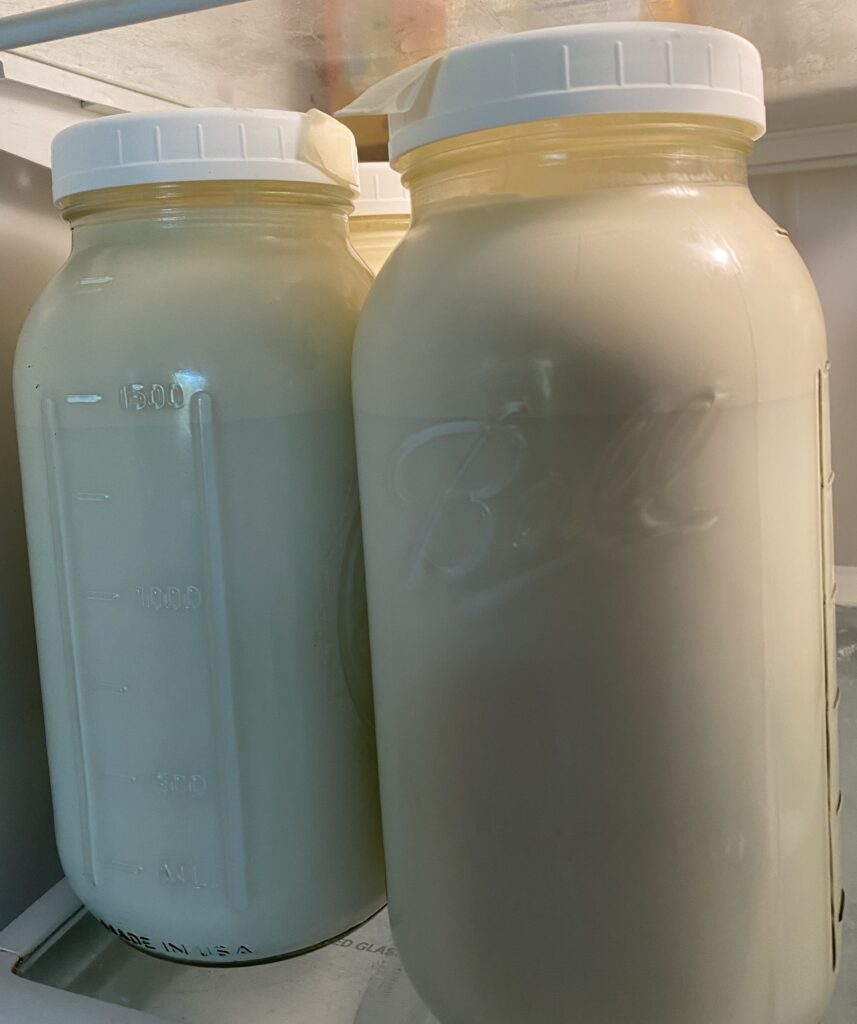
Canning of dairy is frowned upon by the USDA and in some cases consider unsafe, although people do it.  Freeze drying on the other hand, processes the dairy at lower temperatures and therefore does not pasteurize it…so if raw is your goal, it is good alternative.  If you pasteurize, you still follow the same method.  We pour a quart of milk on each tray and let the machine do its thing.  We have done it both with cream in and cream out…the choice is yours.  We find it needs to be blended when reconstituted, or another favorite is dry in our coffee, just like coffee creamer!

If you’re into selling, freeze dried milk and other products can be a good source income.  Take a look at the price of powdered milk in the store!  It is not uncommon to see freeze dried milk for $30-40 a gallon.  Let’s clarify this.  One gallon of freezer dried milk reconstituted into one gallon of drinkable milk…almost quadruples in price.

And don’t forget your Dexter beef!  Consider this scenario….you have some cuts left from your last processing and you would really like to eat it before you get into the next one.  Well, freeze dry it and then you have preserved it for 25 years.  It makes great gifts, as it is so light to ship.

How do you use this freeze dried beef?  We like to pour some of our Dexter  bone broth over it.  Let it sit in refrigerator over night and then use it in the next day or so.  The beef will only absorb as much broth as it can.  It doesn’t get mushy, which can happen with veggies.  Cook with it like you usually do.

Hope this article helps you on your farm, ranch or homestead.  I just love this technology and thought I would share.

Preserving Irish Dexter Dairy and Beef Read More »

Beef Milking

Dexters are a TOP-RANKING DUAL-PURPOSE BREED

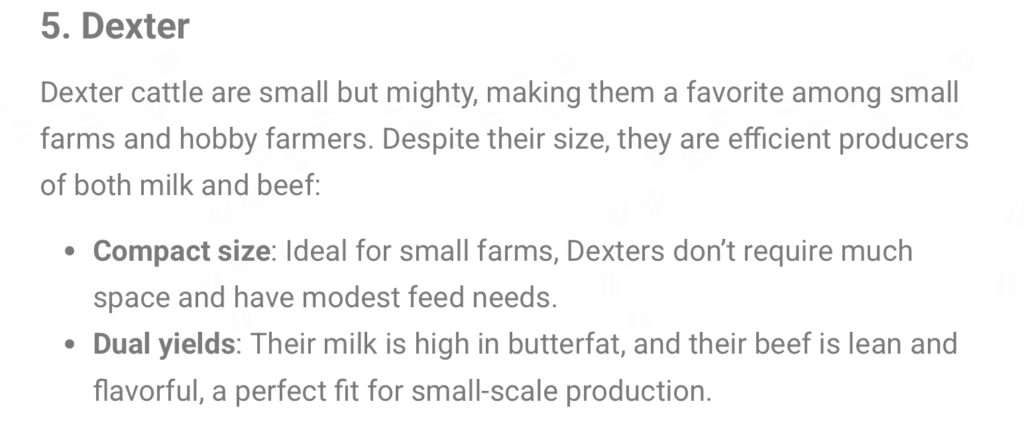
Dexters may only rank 5 in this dual-purpose breed list, but when you consider their size, they come out as number one for the small farm. Practical and versatile in being great for beef and milk. Often times people consider Dexters mini cattle, but the whole breed is naturally small with some individuals being extra small. It is interesting to note that Dexters make the list even though they are small in size and no one can discredit them for their diminutive size as though they are nothing more than a toy breed as they hold their own with the big boys.

Click the link below to read the article

Dual-Purpose Cattle Breeds for Milk and Meat – World Deer

Dexters are a TOP-RANKING DUAL-PURPOSE BREED Read More »

Beef

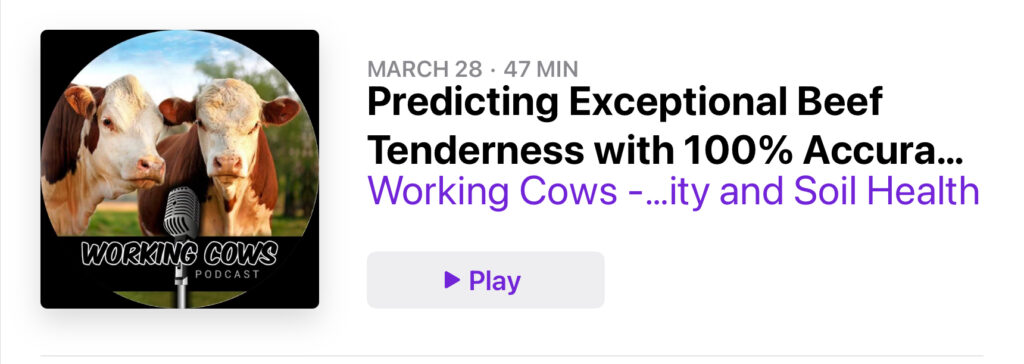
Who knew tenderness is directly correlated to easy keeper Submitted by Jeff Reusser, Royal Fare Farm

With all the talk about marbling and beef tenderness, here is something to consider…marbling does not equal tenderness…taste yes…tenderness no. And selecting for easy keepers can be a great step selecting the best beef from your herd.

https://podcasts.apple.com/us/podcast/working-cows-regenerative-ranching-to-maximize-profitability/id1307361758?i=1000701294394

Who knew tenderness is directly correlated to easy keeper Submitted by Jeff Reusser, Royal Fare Farm Read More »

Beef

Beef Shish Kabobs

The busyness of summer is blending into the rush of back to school. On the farm or homestead there is plenty to do too, and there isn’t a lot of time to think about dinner. Try these quick, easy beef shish kabobs, perfect for a quick meal. Plus, they can be cooked on the grill so they won’t heat up the kitchen.

Beef Shish Kabobs Read More »

Beef

Finishing Beef on Grass

Grass finishing isn’t as easy as sticking some steers out on grass until they’re fat and ready for processing. For really good flavor and tenderness you need a steady rate of gain. For a steady rate of gain you need quality forage – especially leading to finishing. Every beef farmer who finishes on grass is a grass farmer first. Need some tips on finishing your Dexter on grass?

Finishing Beef on Grass Read More »

Beef

6 Grass-Fed Beef Nutrition Benefits that May Surprise You

Maybe up until now you haven’t thought too much about what the animals you eat today were fed yesterday. That’s pretty common for most folks, but there really is a difference between grass-fed beef and the rest.

You may have heard the terms “grass-fed” or “open range” and “grain-fed,” not knowing the real difference between them.

Once you understand the vital differences between grass-fed beef and grain-fed beef, you’ll have a better understanding of why this distinction is so important.

6 Grass-Fed Beef Nutrition Benefits that May Surprise You Read More »

Beef

Thoughts on Regenerative Beef

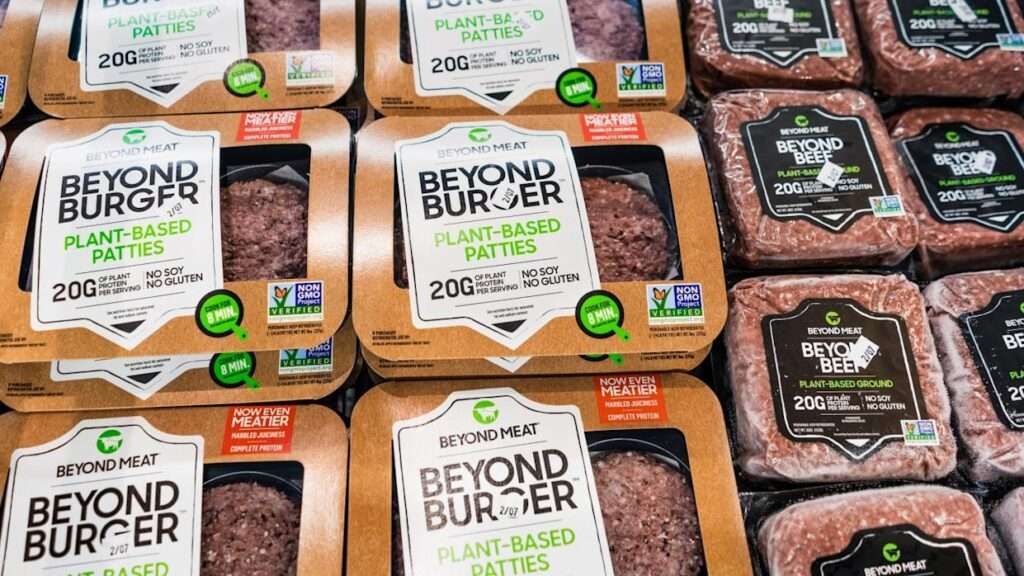
We’ve all seen the push to remove red meat, and especially beef, from our diets. But, is that actually the answer and are the alternatives any better? This article below talks about some of the nuances of beef production and the alternatives like impossible burger.

I love the question the last paragraph asks, “So, what would the world look like based on your food choices?”

Thoughts on Regenerative Beef Read More »

Beef

Welcome to Spring:

By Shelley Hatfield/Whippoorwill Pines Farm

Spring is a beautiful time of the year!!  All the new babies, flowers popping their heads up showing off their colors, everyone itching to get their hands in the dirt!! But that also brings some problems if you have cows.  Here are a few things that I have found that make spring not so great.

First thing, with the crazy swings in the weather temps, you need to watch your cows for pneumonia.  This is a hard thing to notice but if  you keep watch you can start learning the signs.  One of the signs is lower head, their sides are “thumping” (meaning catching their breath), not alot of energy.  I had a steer go down and die the next day.  He had eaten the night before and looked fine.  But he was gone the next morning.  I asked the vet if I was doing something wrong.  She told me that it really doesn’t matter, it’s the big swings in the weather.  They have shelter, water and food. 

Keeping watch is one thing, but there is also a vaccine that you can give them once or twice a year to help with that.  It is a BRD vaccine.  Check with your vet to see if that is something that you want to give your cattle.  

We have talked about the mud before, but we will mention it again.  Make sure that your cattle don’t have to stand in the mud all the time.  That is something that can keep them from staying warm in the spring weather.  Make sure that they have a dry place to lay down.  

I’m not an expert, but I have learned some things along the way.  Some of those things I have learned the hard way….lol  These are just some things that I have learned on this journey of raising cattle. 

Welcome to Spring: Read More »

Beef

Small-scale beef production

Below is a great article for those getting in to beef production on a small scale. Thinking through resources, knowledge, budget, production, marketing, as well as talent and interest level. There is a great quote from the last point: “You are much more likely to be successful if you are interested in and passionate about what you are doing.”

https://www.extension.iastate.edu/smallfarms/top-ten-considerations-small-scale-beef-production

Small-scale beef production Read More »

Beef

Beef Trends in 2025

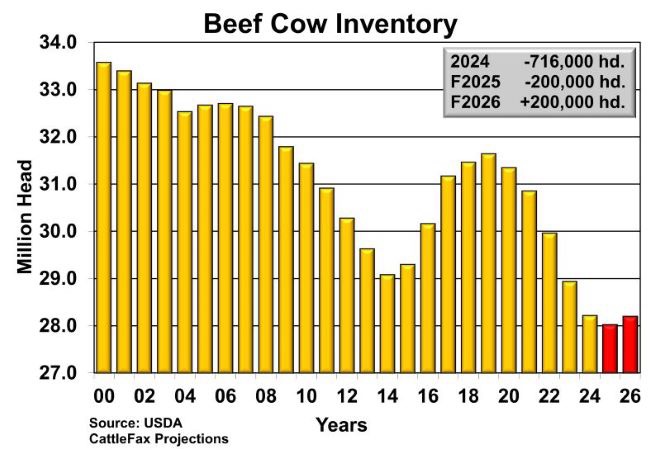
With the US National beef inventory down, and demand for beef remaining steady/increasing slightly, I think we can expect to see continued increase in beef prices through 2025. That is good news for those of us raising beef and selling direct to consumers.

In our own personal Dexter beef sales we have seen a shift from smaller purchases in years 2020-2023, to half and whole beef purchases over the past year and a half.

It is certainly more economical for beef buyers to purchase in bulk and save money. It can be better for farmers/ranchers too, cutting down on time required to inventory and manage smaller orders.

However you sell your beef, here are trends to look for:

https://www.beefitswhatsfordinner.com/foodservice/menu-concepts-diner-insights/market-trends-in-beef-preparing-for-2025#:~:text=In%20short%2C%20reduced%20beef%20production,Various%20report%20dates.

Beef Trends in 2025 Read More »

Beef

Favorite Steak Cuts

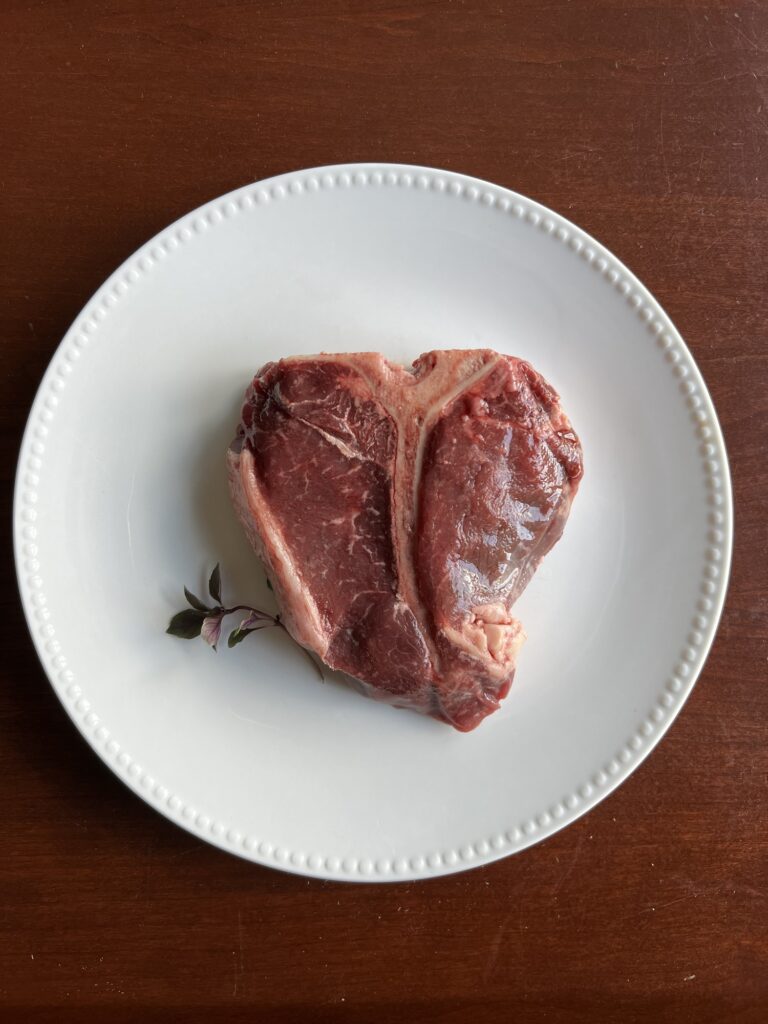
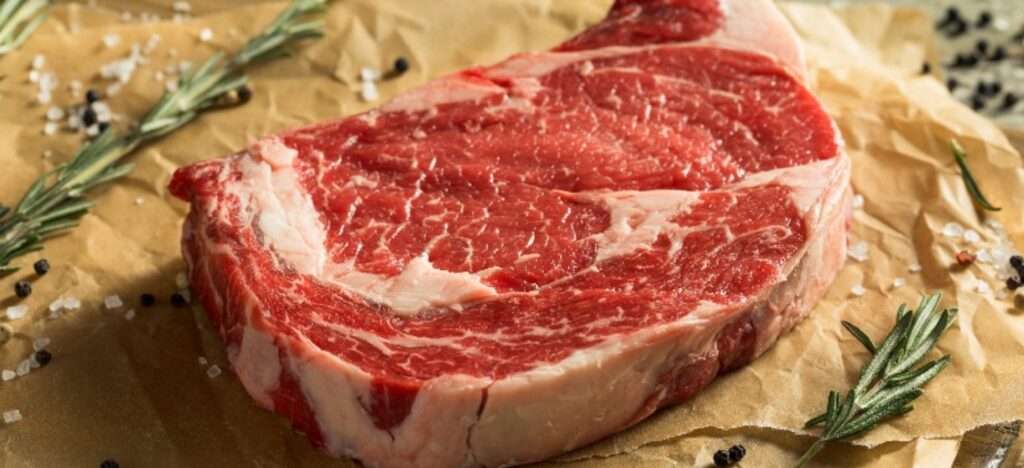
Ever wonder if you’re missing out on some great cuts because they’re not as common, or you don’t know how to prepare and cook them? Check out this video and you might learn about a steak cut you haven’t heard of, or gain a new tip on cooking and prepping a tried and true favorite.

Favorite Steak Cuts Read More »

Beef

Keeping Cows in the Winter Part #4

By Shelley Hatfield/Whippoorwill Pines Farm

Photo courtesy of Royal Fare Farm

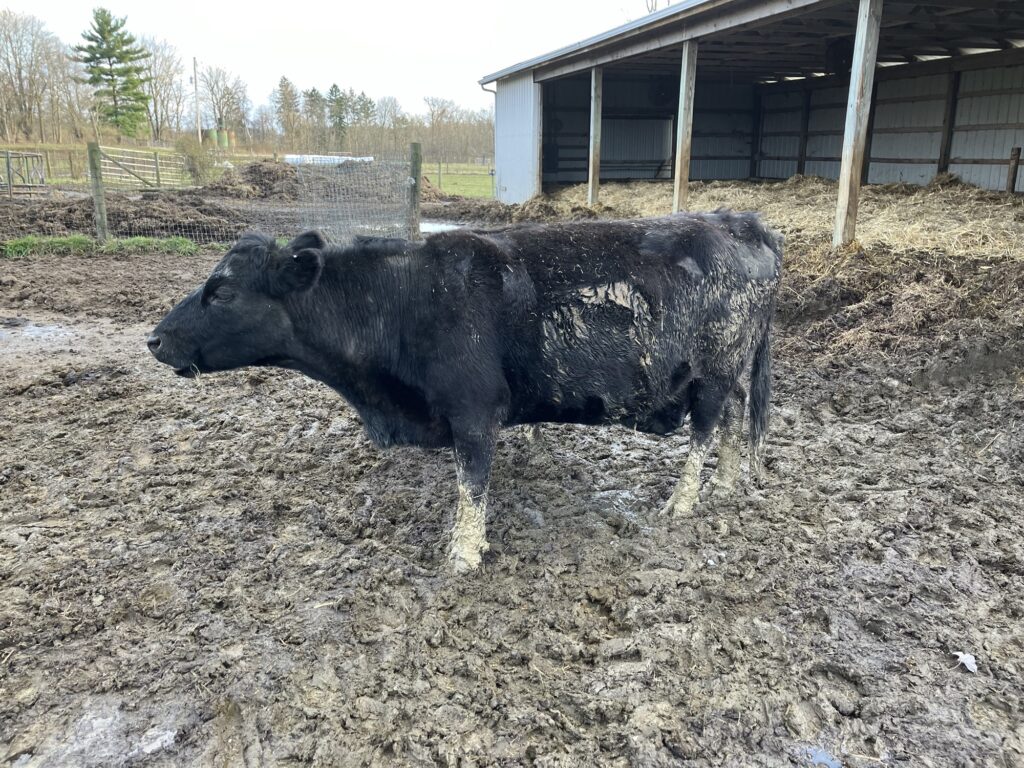
Part #4 of this series is MUD, ugh!!!  I’m thinking that most of us have dealt with mud at one point or another.  Some of us deal with mud more than others.  Right now we are dealing with a lot of mud around my place. You have to really watch foot rot and thrush when you are dealing with mud.  Also you have to make sure they aren’t standing in mud because that makes it hard for them to stay warm.  Even if it is only their legs that are caked in mud.  If you don’t have much room for them to move around, you might want to add gravel and/or wood chips to help with the mud.  Another way to help them stay off mud is to do rotational grazing in the winter.  This lessens the chances that your pastures will turn to mud.  The cows will be moving all the time and won’t be staying in one area.  I hope these little articles are helping you all!!  Happy Winter!!

Keeping Cows in the Winter Part #4 Read More »

Beef
Enable Notifications OK No thanks