PipeDreams

Pipe Dreams Butchery

ASK THE BUTCHER! How To Field Dress A Deer!

Here’s a clear, practical short article on how to properly field dress a deer:

How to Field Dress a Deer Properly

Field dressing a deer is an essential skill for any hunter who wants to preserve high-quality meat and ensure safe handling in the field. Done correctly, it cools the carcass quickly, prevents spoilage, and prepares the animal for transport. The process is straightforward but requires care, cleanliness, and attention to safety.

  1. Prepare Your Tools and Area

Before beginning, ensure you have a sharp knife, gloves, and a stable place to work. Position the deer on its back with the head uphill if possible—this helps control blood flow and keeps the interior clean.

  1. Make the Initial Incision

Start by cutting a small opening at the base of the sternum or just above the pelvis. Pinch the skin upward as you cut to avoid puncturing internal organs. Continue the incision along the midline up toward the ribcage. Many hunters stop at the sternum, but you can split the ribcage if needed for faster cooling.

  1. Open the Body Cavity

Carefully separate hide and muscle from the abdominal wall. Use two fingers to lift the skin and guide the knife to prevent piercing the stomach or intestines, which can contaminate the meat.

  1. Remove the Organs

Begin by freeing the diaphragm—the thin membrane separating the chest cavity from the abdomen. Cut around the esophagus and windpipe, then pull downward to remove the heart, lungs, and other internal organs in one controlled motion. Roll organs away to keep the cavity clean.

  1. Drain and Clean

Tip or roll the deer to drain excess blood and fluids. Wipe debris from the cavity but avoid rinsing with water unless absolutely necessary, as moisture can encourage bacterial growth.

  1. Cool the Carcass

Proper cooling is critical. Prop open the chest cavity with a stick or spreader to allow airflow. In warm weather, consider removing the hide more quickly to speed cooling.

  1. Transport Safely

Once field dressed, move the deer to a clean, shaded location. Use game bags if packing out to keep meat free from dirt and insects.

Proper field dressing is about efficiency, respect for the animal, and food safety. With practice and patience, the process becomes smoother and results in high-quality venison every time.

ASK THE BUTCHER! How To Field Dress A Deer! Read More »

Homesteading PipeDreams

Simple Strategies to Increase Direct-to-Consumer Meat Sales

Selling meat directly to consumers is a popular method of adding value to established ranches. For some ranchers, selling directly to consumers is even the primary method of sale. Regardless of how it fits into the operation, there are some key marketing strategies that will take sales to the next level when applied correctly.

Simple Strategies to Increase Direct-to-Consumer Meat Sales Read More »

PipeDreams Selling

What Do I Need to do Before I Drop off my Meat for Processing?

In this podcast, we learn about things we need to consider before we even schedule our meat for processing. Interesting fact is the return on the Dexter is higher than what is stated here. We experience much closer yields to 70% and our carcasses are smaller…so the freezer space issue is not as significant with the larger breeds.

[data-source-id=”source-c0522901-6157-4e5e-9aa6-d3c2cfdf22e6″] .ose-embedpress-responsive{ width: 600px!important; height: 600px!important; max-height: 600px!important; } [data-source-id=”source-c0522901-6157-4e5e-9aa6-d3c2cfdf22e6″] iframe{ width: 600px!important; height: 600px!important; max-height: 600px!important; } [data-source-id=”source-c0522901-6157-4e5e-9aa6-d3c2cfdf22e6″] .embedpress-yt-subscribe iframe{ height: 100%!important; } [data-source-id=”source-c0522901-6157-4e5e-9aa6-d3c2cfdf22e6″] .ose-youtube > iframe{ height: 600px!important; width: 600px!important; } [data-source-id=”source-c0522901-6157-4e5e-9aa6-d3c2cfdf22e6″] .ose-youtube{ height: 600px!important; width: 600px!important; } [data-source-id=”source-c0522901-6157-4e5e-9aa6-d3c2cfdf22e6″] .ose-giphy img{ height: 600px!important; width: 600px!important; } [data-source-id=”source-c0522901-6157-4e5e-9aa6-d3c2cfdf22e6″] .ose-google-docs img{ height: 600px!important; width: 600px!important; } [data-source-id=”source-c0522901-6157-4e5e-9aa6-d3c2cfdf22e6″] .ose-embedpress-responsive.ose-google-photos{ height: 100% !important; max-height: 100% !important; } [data-source-id=”source-c0522901-6157-4e5e-9aa6-d3c2cfdf22e6″] .embera-embed-responsive-provider-gettyimages, [data-source-id=”source-c0522901-6157-4e5e-9aa6-d3c2cfdf22e6″] .embera-embed-responsive-provider-gettyimages iframe, [data-source-id=”source-c0522901-6157-4e5e-9aa6-d3c2cfdf22e6″] .getty{ width: 600px!important; height: 600px!important; max-height: 600px!important; max-width: 100%!important; }

What Do I Need to do Before I Drop off my Meat for Processing? Read More »

Beef PipeDreams

How Can my Ranch or Homestead Pay For Itself

The best advice I can give to those who are starting out….GO SLOW! You can still go slow and work toward your homestead, farm or ranch paying for itself. This podcast from Homesteaders of America gives some good solid advice…including paying yourself and your family for its efforts. These principles can be applied to any of your produced products.

[data-source-id=”source-e6116c2c-5efd-4b14-b4a0-a1020c40530c”] .ose-embedpress-responsive{ width: 600px!important; height: 600px!important; max-height: 600px!important; } [data-source-id=”source-e6116c2c-5efd-4b14-b4a0-a1020c40530c”] iframe{ width: 600px!important; height: 600px!important; max-height: 600px!important; } [data-source-id=”source-e6116c2c-5efd-4b14-b4a0-a1020c40530c”] .embedpress-yt-subscribe iframe{ height: 100%!important; } [data-source-id=”source-e6116c2c-5efd-4b14-b4a0-a1020c40530c”] .ose-youtube > iframe{ height: 600px!important; width: 600px!important; } [data-source-id=”source-e6116c2c-5efd-4b14-b4a0-a1020c40530c”] .ose-youtube{ height: 600px!important; width: 600px!important; } [data-source-id=”source-e6116c2c-5efd-4b14-b4a0-a1020c40530c”] .ose-giphy img{ height: 600px!important; width: 600px!important; } [data-source-id=”source-e6116c2c-5efd-4b14-b4a0-a1020c40530c”] .ose-google-docs img{ height: 600px!important; width: 600px!important; } [data-source-id=”source-e6116c2c-5efd-4b14-b4a0-a1020c40530c”] .ose-embedpress-responsive.ose-google-photos{ height: 100% !important; max-height: 100% !important; } [data-source-id=”source-e6116c2c-5efd-4b14-b4a0-a1020c40530c”] .embera-embed-responsive-provider-gettyimages, [data-source-id=”source-e6116c2c-5efd-4b14-b4a0-a1020c40530c”] .embera-embed-responsive-provider-gettyimages iframe, [data-source-id=”source-e6116c2c-5efd-4b14-b4a0-a1020c40530c”] .getty{ width: 600px!important; height: 600px!important; max-height: 600px!important; max-width: 100%!important; }

How Can my Ranch or Homestead Pay For Itself Read More »

Homesteading PipeDreams

Discount Available To PipeDream Farms Butchery Customers

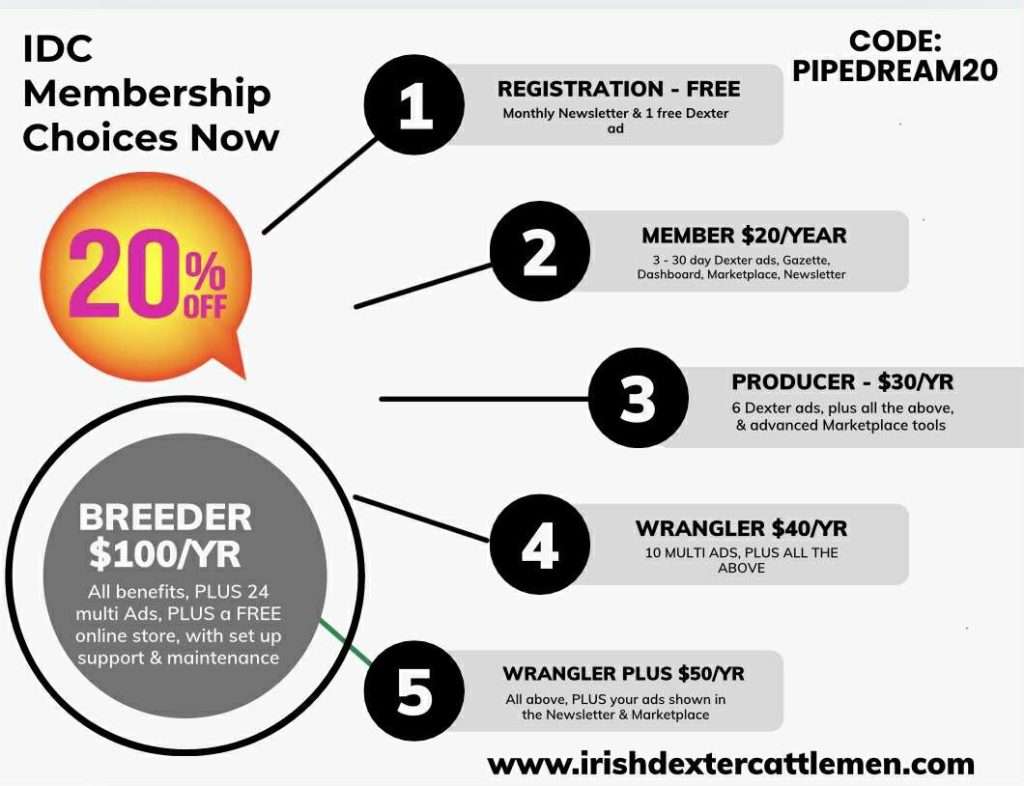
Do you like what you see? Would you like access to more article, podcasts, videos and magazines like you see in this newsletter? Because you are a valued customer of PipeDream Farms Butchery, you have a 20% discount off the memberships at the Irish Dexter Cattlemen. While the name says Irish Dexter Cattlemen, the content is applicable to all farms, ranches and homesteads. All of the content has been scrutinized by The Cattlemen who, collectively have over 50 years of experience in homesteading, farming and ranching. With a simple to use search engine, you can just type in a few words of what you want more information on and it will pull from hundreds of and hundreds pieces of content. Your feedback is welcome, so if you don’t see what you would like more information on, let David and Melissa know and we will make sure it is there for the next newsletter!

Discount Available To PipeDream Farms Butchery Customers Read More »

PipeDreams
Enable Notifications OK No thanks