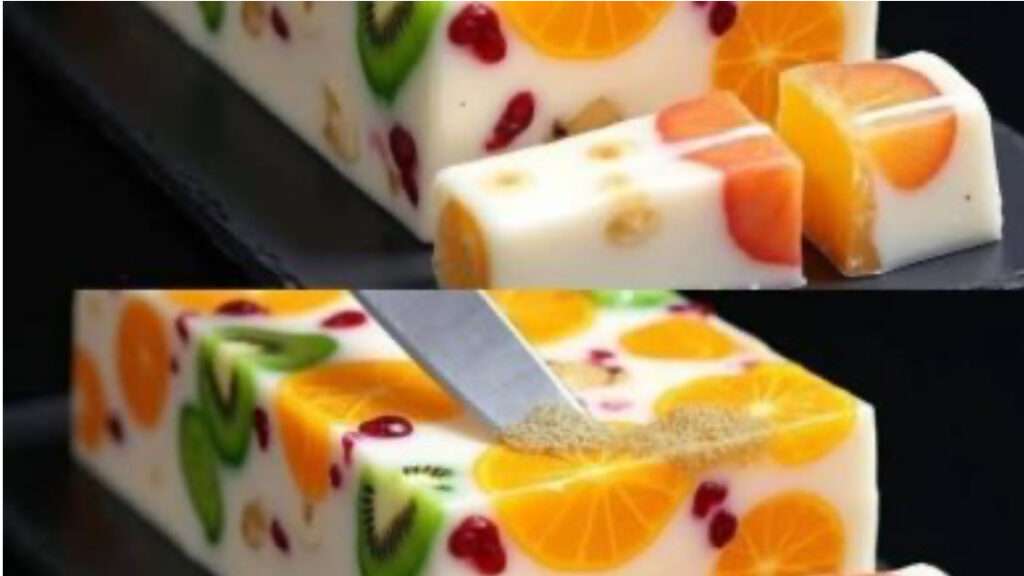
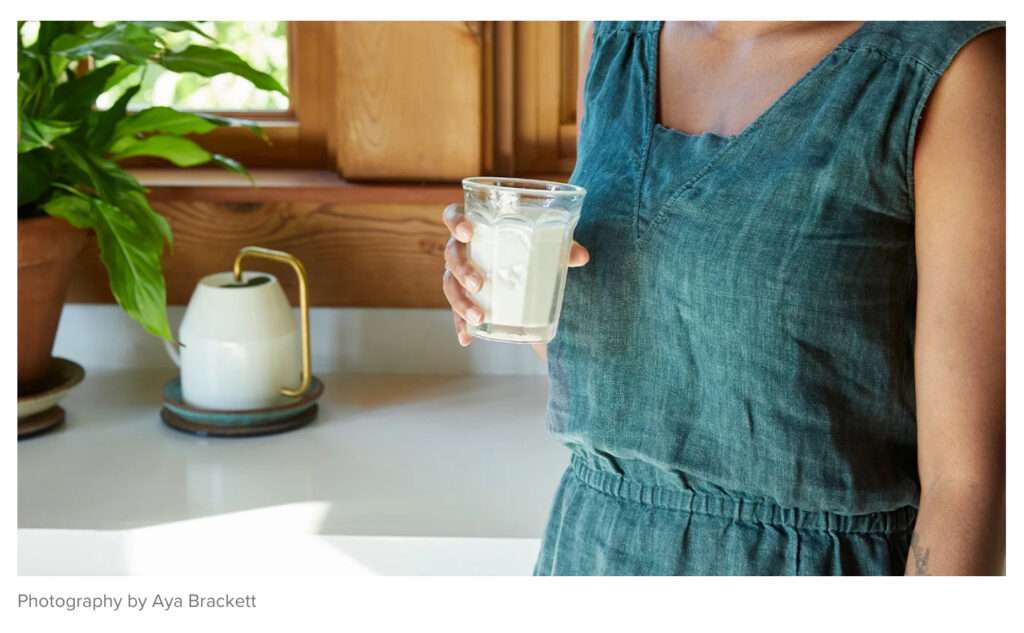
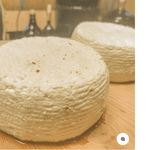
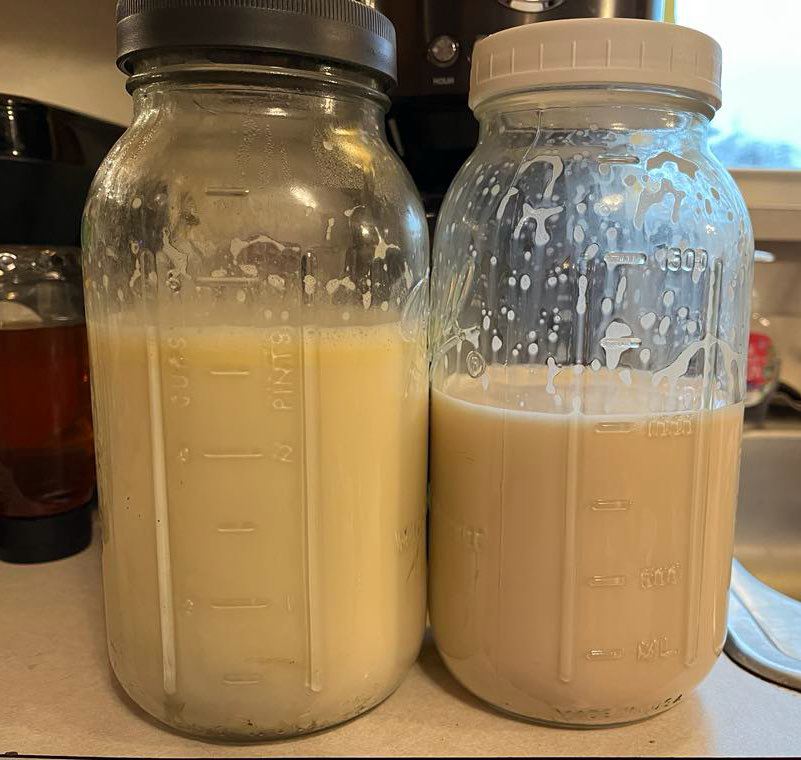
Milk for dessert…this one is amazing visually too!
Milk for dessert…this one is amazing visually too! Read More »
MilkingREPRODUCTION AND AI
For those interested in learning more about the bovine reproductive cycle and how we manipulate it, here is a basic summary.
Bovine Estrous Cycle Physiology
The bovine estrous cycle typically consists of 21 days, plus or minus a few days in each direction. Estrus is the period where the cow is receptive to the male or in a standing heat (not to be confused with estrous). Estrus (or heat) typically lasts around 20 hours. Signs of estrus include vocalizing, standing to be mounted, clear discharge from the vulva, increased activity, etc. During the period of estrus, progesterone is low and estrogen is high. Luteinizing hormone (LH for short) also increases during estrus and is the hormone that initiates ovulation. Ovulation is the release of an ovum or egg from the ovary. Ovulation actually occurs 10-15 hours after the end of estrus, in a period called metestrus. Metestrus lasts 3 to 5 days. During this period, an early corpus luteum (CL) is also forming. So where did this CL come from? It came from ovulation! When the ovary releases an egg, the left over structure on the ovary becomes the CL. During metestrus, you may notice a slightly bloody discharge from her vulva. Progesterone is still low during this period but it is starting to rise. The growing CL is actually what is producing the progesterone, and as it grows in size and maturity will be able to produce more progesterone.
As the CL continues to mature, we enter the phase of diestrus. At this point progesterone is high and this period lasts about 12 days.
Next up is proestrus. At this point in the cycle, the CL is regressing and progesterone is decreasing. Estrogen and LH do not like progesterone. They cannot increase until progesterone is low which is why they are increasing at this point as the CL is regressing. Estrogen and LH are increasing and getting the egg on the ovary ready to be released. Then the cycle starts all over again with estrus!
So basically, during heat LH initiates the egg to be released and the leftovers become a structure called a CL that produces progesterone. That CL will grow and produce more progesterone but will eventually fade away. This allows estrogen and LH to increase again and produce another egg.
In order to maintain a pregnancy, there must be a functioning CL. The high progesterone from the CL is what keeps the fetus from being aborted for the first few weeks.
Disclaimer: This is a very basic summary on the estrous cycle. There are other things going on (follicular waves, etc.) but in an effort to simplify things this includes only the major details.
Medications used to change the estrous cycle
Using medications to change the estrous cycle is super common. It can be used for synchronizing a herd to breed them at the same time, using a timed AI approach, or implanting embryos.
Lutalyse or PG: This medication lyses or destroys a CL. Because it gets rid of a CL, it also causes progesterone to decrease.
CIDR: This is an intravaginal device with slowly releasing progesterone. This will increase progesterone in the blood and stop LH and estrogen from increasing.
GnRH also known as Fertagyl or Factrel: This causes an LH surge and thus ovulation.
You’ll hear a lot that lutalyse will bring a cow into heat. While this can be true, it depends on where she’s at in the cycle. If it’s during diestrus where she has a mature CL, great! The CL will lyse, estrogen and LH will rise and then ovulation. If she is in metestrus or proestrus, lutalyse will do nothing for a young maturing or a regressing CL and she will not go back into heat any faster.
There’s many different AI protocols and what works best for you will depend on your cow, labor intensity desire, and cost.
Let’s start with AI on a natural heat. There’s a common AM PM rule when it comes to inseminating cattle. The rule basically states that when a cow comes into heat she should be AI’d 12 hours later. So she is in standing heat in morning, then AI in the evening and vice versa. If we think back to the estrous cycle, this makes sense. Estrus lasts about 20 hours and ovulation occurs 10-15 hours after the end of estrus. Cows typically come into standing heat around the middle of estrus. Let’s say hour 10. So then I would AI at hour 22. The cow should ovulate between hours 30 and 35. You don’t want to AI at the time of ovulation because the sperm have to go through a process before they can fertilize an egg. That process takes several hours. Early AI tends to lead to higher quality embryos but less of them for this reason. Whereas later AI can lead to higher chances of embryos but not great quality so lesser chance of an actual pregnancy. How long sperm last depends on the bull, extender used, and sexed vs conventional. Conventional should last about 24 hours. (Although I’ve played around with semen before and have had it last about 3 days in the fridge.) Sexed will last a little less than that so sometimes people with sexed semen will wait more like 16 hours vs 12 to account for that.
For timed AI…
Double ovsynch can be very useful for high producing first lactation dairy cows. It has about a 10% higher conception rate compared to regular ovsynch. That 10% difference is a little bit less as the cow gets older. The difference of double ovsynch from regular ovsynch is that you are presynchronizing the cow prior to AI to make sure she is at the ideal part of her cycle. For older cows, there’s also some evidence that 2 lutalyse injections 24 hours apart increases conception rates. The 2 injections basically make sure the CL is completely regressed. However, cons to the double ovsynch over regular is that it takes twice as long, more labor, and more drugs are used therefore increasing cost.
Ovsynch does not work as well in heifers. For heifers, I’m partial to 5 day CIDR. I included charts for double ovsynch, regular ovsynch, and 5 day CIDR.
For the girls that have a history of being more difficult to breed, I’ll always give a GNRH injection at time of breeding and AI again 12 hours later. I’ll also check the sperm. Just recently got a batch of brand new straws that only had 10% progressive motility.
I know that was a bunch of information to throw at everyone, so if you have any questions feel free to ask
or check out this site, which was used to write this article https://extension.psu.edu/timed-ai-protocols-double-ovsynch
A milk journey from Sweet Briar Farm Submitted by Janelle Soja
https://discover.texasrealfood.com/dexter-cattle/preparing-your-dexter-cow-for-milking
Preparing Your Dexter Cow For Milking Read More »
Milking
The influence of feeding either hay or silage on amounts of various milk components was investigated. – Submitted by Riley Wohlgemuth
https://www.sciencedirect.com/science/article/abs/pii/S0958694621000522
Does feeding hay positively affect milk composition? Read More »
Milking
Many uses for your fromage blanc cheese From crowd-pleasing entrées to decadent desserts, find and try some of the best Fromage Blanc recipes around the internet here!
11 Best Fromage Blanc Recipes Read More »
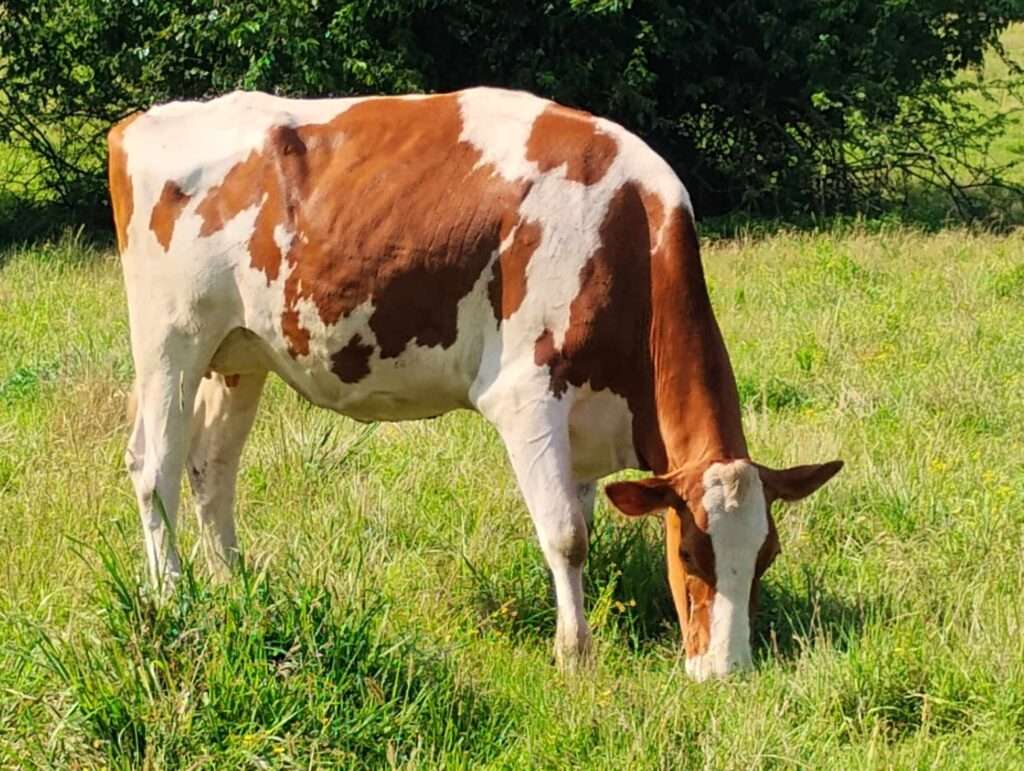
MilkingIf your trying to beat the summer heat, you might want to enjoy a tall glass of Dexter milk.
”Milk is a decent source of sodium and potassium, the two major electrolytes in your body. These electrically charged minerals are important for maintaining hydration (2Trusted Source
).”
Who knew? Milk is a good for dehydration! Read More »
MilkingJuliette is one of the principles behind The Science of Owing Dairy Cattle Facebook group and has opened a consultant group Happy Cow Consulting. https://www.happycowconsulting.org/
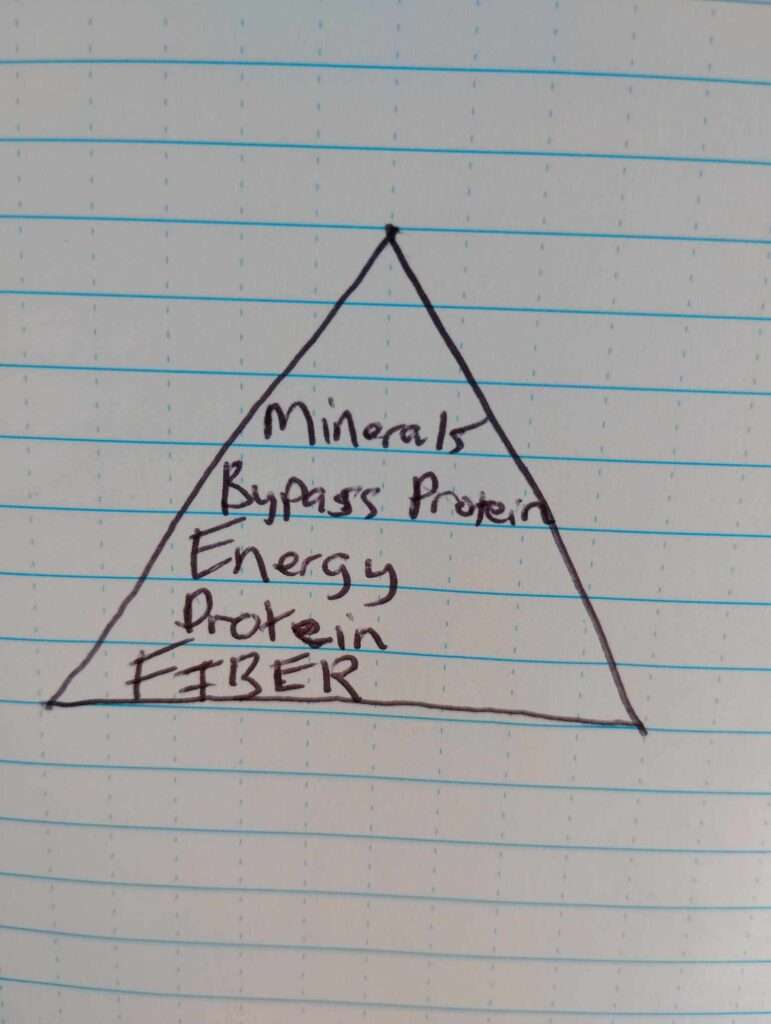
Think of a lactating cow’s nutritional demands as a pyramid. The very base consists of fiber, which is the rumen mat. This is grass, or grassy hay. Next is the protein derived from the fiber. Some, like alfalfa, are high in NDF (non detergent fiber) which although great for a protein kick, burns up fast and offers little in the way of actual fiber. Use alfalfa sparingly, and in my opinion, not at all during the first 30 days of her lactation. Not all grass is created equal. Acid Detergent Fiber (ADF) is high in cellulose and lignin, offering little use for a dairy cow. Knowing what your fiber is can help you adjust the following components. Energy follows that, which is usually corn. Energy is a MUST for a healthy cow. Bypass protein is normally dried distillers (which also filters into the energy class), soybean meal, cottonseed meal etc. Black Oil Sunflower Seeds offer fat and protein. Minerals top the pyramid. Dry Matter Intake (DMI) is where all the water is squeezed out of the feed. This is what remains. A Jersey should be getting around 40 lbs a day, larger breeds such as Swiss and Holstein 50 plus. Fiber is the bulk of that diet, but it cannot be fed alone. The rest of this combination fuels a healthy cow. With that in mind, tomorrow’s post will be explaining the lactation curve, and how feed demands change throughout days in milk. Feel free to ask questions.

Nutrition and milking by Juliette Albrecht Read More »
Milking
A Movement to Redefine Cheese as a Superfood – Submitted by Donna Grace
Bringing Back Traditional Cheese-Making Read More »
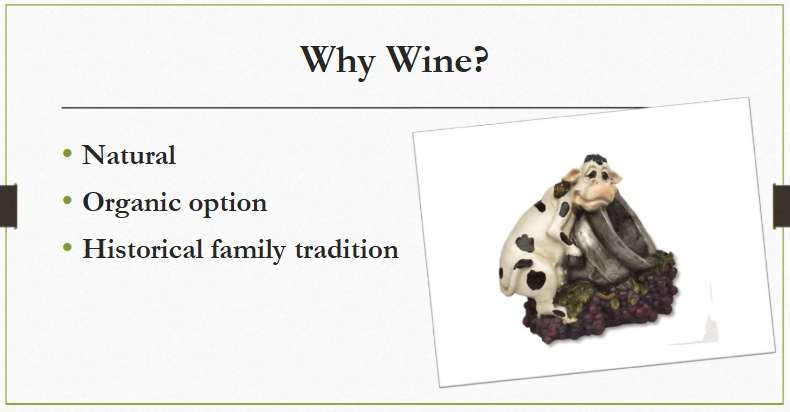
Homesteading MilkingThankfully, Dexters are not prone to metabolic issues, but you should always be prepared. This study is very interesting. A bottle of wine for your cow!
Have you thought about keeping wine in your medical kit? Read More »
Milking
This article is jammed packed with recipes…some I have yet to try and some great activities for children. If you have a favorite recipe, please comment with your recipe and help grow our recipe box and more.
DID YOU KNOW June is National Dairy Month? Read More »
MilkingMilk Cow Machine Review!! Part 1 Is It Worth It?
The truth about Amazon milking pumps – Too Complicated Read More »
Milking
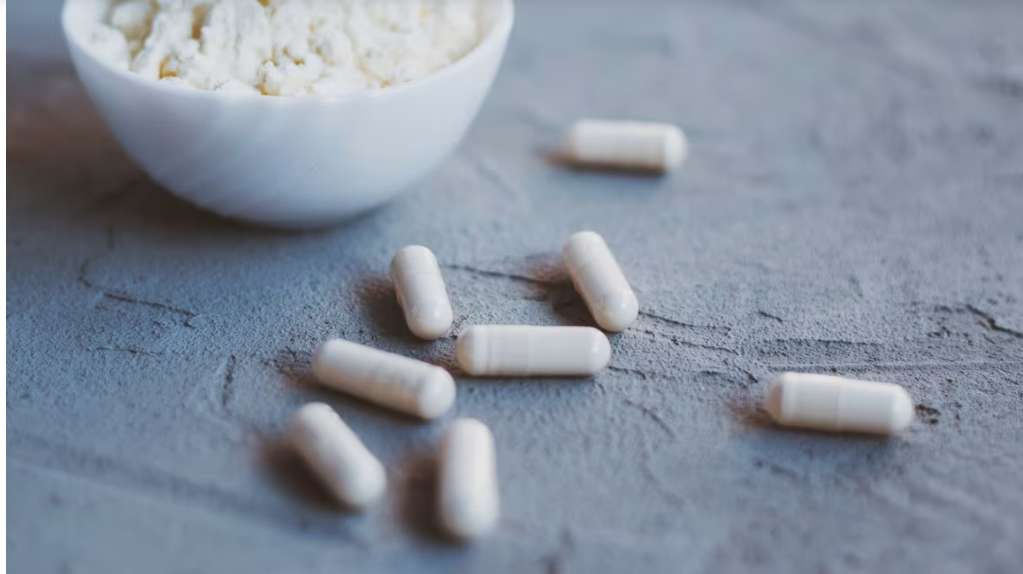
Make sure you’re collecting it!
Submitted by Katie Sears
https://www.cnn.com/2024/08/27/health/colostrum-supplements-pros-cons-wellness/index.html
Liquid Gold Trend! Read More »
MilkingMilking a cow and stripping a teat are two different things. Stripping is done at the end to make sure she has been completely milked out….it is not a good technique for milking the volume out.


Simple graphics on how to hand milk and strip a cow teat Read More »
MilkingSubmitted by Riley Wohlgemuth with the permission of SunStone Orchard Rabbitry
https://www.facebook.com/100064629581910/videos/1263753955047601/?fs=e&s=TIeQ9V&fs=e


Yogurt… Have you tried this method? Read More »
MilkingAfe you just getting started with cheese making..
Basic Cheese making supplies Read More »
MilkingThis is called haemalactia….dont worry, read on…..
https://www.sundaynews.co.zw/presence-of-blood-in-your-cows-milk-and-how-to-deal-with-it
Pink milk and what to do about it Read More »
MilkingCreating a routine is not as hard as you may think..and with a Dexter, you can even skip a session here and there.
The Dexter cow milking routine Read More »
MilkingPhoto from Deanna Clark, Lane’s End Iggy
There are over 270 million cows producing milk across the world with about 10 million in North America alone and now you own one or more of those milk cows, congratulations! I bet you spent lots of time considering age, breed, reproductive status and temperament before you got your precious new cow and now I’m here to offer you a general rundown of a basic milking procedure.
Everything starts with routine. Cows are very much creatures of habit and will do best with a set time schedule for milkings. A good routine starts well before its time to actually milk, especially for 1st time heifers. Begin by setting up your milking area and bringing the heifer or cow into the area at least once a day before she calves and feeding grain or brushing her. Once she does calve, it is important to stick to that routing, milking every 12 hours is the industry standard for time between milkings.
Cleanliness is next to Godliness. Making sure your udder is clean before attaching the milk machine is a must! Start with a warm damp rag or dairy towel and vigorously clean each teat and the udder around it to remove any manure or debris. The key here is to not be shy about really getting in there. This action is the first thing that will trigger a cows let down. Unlike some animals, cows seem to have a will of their own and if they don’t want to give you their milk, they wont! Only happy cows give milk is a true statement. You will notice her teats turn from small prunes to a plump shape as you are cleaning her off. Sometimes they even begin to stream milk on their own. This is the sign she has let down her milk.
After she is all clean it is time to apply the pre-dip. Iodine or chlorhexidine
are the two most common used. Both sanitizes the teats before the machine goes on. When you apply it, make sure to let it sit on for the recommend amount of time so it can do its work, don’t rush this step. Use a clean paper towel,1 per cow, to wipe off the disinfectant. Next you should milk out a small amount of milk from each teat into a container or strip cup. Pay special attention to its color, smell, and consistency; checking for any lumps or strings which can be a first sign of mastitis. If all looks good you are now you are ready to attach your claws/inflations.
Milking with a good machine like the SimplePulseshould only take 6-10 min from start to finish. Any longer than this and you have a settings or pressure issue. Cows liked to be milked at around 60 pulses per minute of the pulsator. When you first get a machine from SimplePulsethe pulsator is set for goats which is slightly higher at 90 pulses. To adjust this down, turn the set screw on the back of the pulsator using a flat head screwdriver until you hear the clicks start to get further apart and it times to 60 pulses in 1 minute.
When attaching the inflations to the udder align the entrance of the inflation with the teat opening and then depress the bottom claw button. This will suck the teat into the inflation shell to the proper depth and begin milking instantly. Repeat with the other 3 inflations. Continue allowing the machine to milk until you notice milk no longer flowing. At the point you think she is done milking, her udder should look noticeably deflated and you no longer see milk flowing into the claws, go ahead and pull down gently on each inflation in turn. This will open the milk canal and allow that last bit of milk to come out which is the highest in butterfat. Continue to apply slight downward traction until you don’t see a steady stream of milk anymore before turning the machine off.
After milking, a cows teat canals stay open for around 30 minutes after so be sure to apply a good post-milking teat dip like iodine or if its below freezing, Winterset powder, to coat the teat ends and prevent bacteria from entering once you turn her out.
Having a good routine, sanitation practice and procedure in place by following these simple steps will set you and your cows up for a successful milking journey.
Tips for milking cows By Deanna Clark from Simple Pulse Read More »
MilkingIn this video I show you how to milk a cow by hand.
How to hand milk a cow Read More »
MilkingClever idea to hold your yogurt at a constant temperature using sous vide!
We love to try different t cooking techniques and have used sous vide for many years with our Dexter steaks. Happy to have found another use for the sous vide immersion circulator. Next thing to try, is using it when making cheese. Thank you New England Cheesemaking Company!
High Tech solution for making yogurt from the New England Cheesemaking Company. Read More »
MilkingAn interesting approach to dairy that should be considered!
https://nodpa.com/n/515/Homeopathy-The-Mechanics-and-Its-Application-for-the-Dairy-Farm
Dairy and Homeopathy submitted by Riley Wohlemuth Read More »
MilkingConsider making this with your DEXTER yogurt…a middle eastern version of our popular yogurt.
This Middle Eastern yogurt drink comes with many different names: ayran, doogh, and tahn. It is a fresh, sparkling, and delicious drink. Perfect for hydrating on a hot summer’s day.
https://www.fermentingforfoodies.com/middle-eastern-yogurt-drink-ayran-doogh
Yogurt with a Twist! Read More »
Milking