Protein Supplementation
A Guide to Feeding Cattle in Winter: the Importance of Protein Supplementation
Protein Supplementation Read More »
Herd Health
A Guide to Feeding Cattle in Winter: the Importance of Protein Supplementation
Protein Supplementation Read More »
Herd HealthWe all should consider having a herd health plan in place. At some point in your journey, you will likely encounter some health issues.
Dexters are hardy cattle and often don’t require any additional help to stay healthy, besides good nutrition. However, if you’re bringing in new cattle or transporting your cattle to other places, you may want to consider some of the ideas below.
It’s always good to have a plan in place, before you need it.
Submitted by Pam Baker, MCD
https://www.bovinevetonline.com/news/education/establish-complete-herd-health-plan
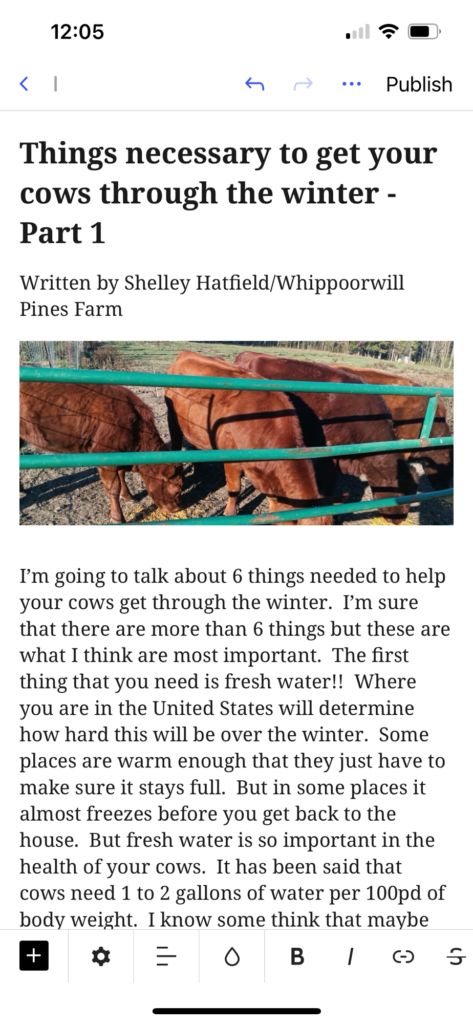
Written by Shelley Hatfield/Whippoorwill Pines Farm
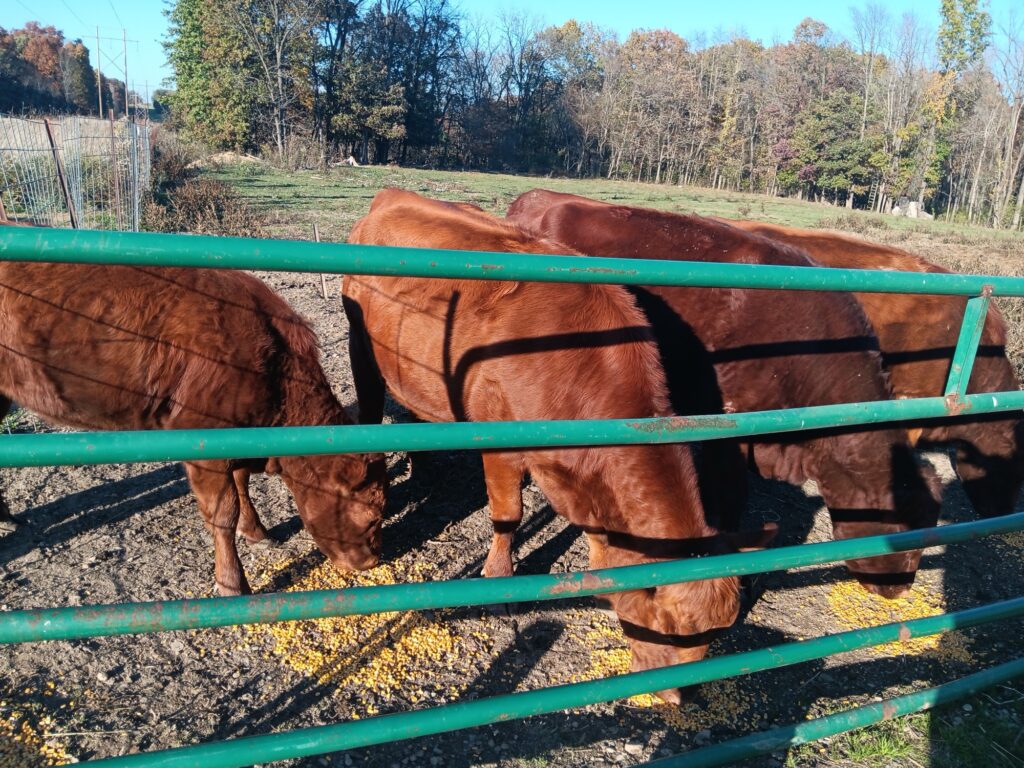
I’m going to talk about 6 things needed to help your cows get through the winter. I’m sure that there are more than 6 things but these are what I think are most important. The first thing that you need is fresh water!! Where you are in the United States will determine how hard this will be over the winter. Some places are warm enough that they just have to make sure it stays full. But in some places it almost freezes before you get back to the house. But fresh water is so important in the health of your cows. It has been said that cows need 1 to 2 gallons of water per 100pd of body weight. I know some think that maybe they can lick the snow or lick the ice. But licking the ice would take so much time to get what they need. It would also take up body energy that they need to keep warm. Cows that don’t have enough water supply can get dehydrated and are susceptible to colic and other issues. It is just best to keep fresh water out to them daily.
Not having water can hinder so many areas in a cow. Whether in summer or winter, water is so important to the health of your cow. People usually think about water problems for the summer time, but making sure they have water is also very important for winter. It affects their digestive system. It keeps their body temp regulated. It affects milk production. Water or lack of it can affect the overall health of your herd.
There are a couple of different tank heaters that you can use. One is a floating one that has a cage around it. I used those for several years, but ran into problems with them. My cows would get bored and chew on the cord as it hung over the tank. I used a pvc pipe to try to help. It worked as long as they left it alone. There is also a tank heater that goes in the drain hole at the bottom. This is the one that I’m using now. I can run the cord out the bottom and around so they can’t reach it. I will warn you that tank heaters can run up your electricity. But unless you have waterers run to your pastures, it is tank heaters or break the ice!! I’ve tried all the tricks that people have come up with and I haven’t found any that work for me.
Whatever method you decide, tank heaters or breaking ice all day, lets just make sure that we are keeping fresh water to our herds this winter!!
Things necessary to get your cows through the winter – Part 1 Read More »
Beef Farm Management Herd Health
Homeopathy for Mastitis …consider natural methods
Homoeopathy for Bovine Mastitis – Submitted by Riley Wohlgemuth Read More »
Herd Health Milking & Dairy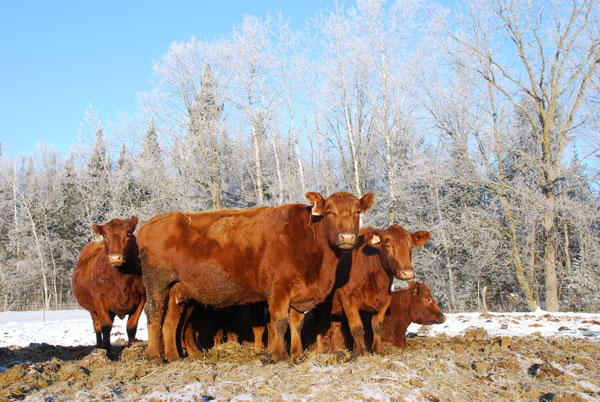
Keeping your cattle healthy during the stress of colder winter temperatures is easy.
https://www.beefmagazine.com/cattle-health/how-to-keep-your-cowherd-healthy-this-winter
Keep Your Cowherd Healthy This Winter Read More »
Herd Health
A Comprehensive Guide for Ranchers and Farmers
Bloat PREVENTION in Cattle Read More »
Herd Health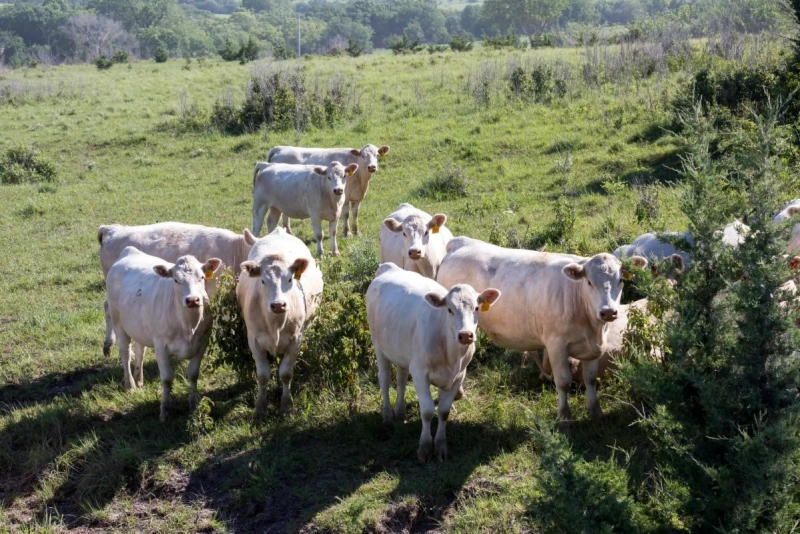
Protecting the health of cattle herds is an important part of a successful plan to have a profitable and sustainable ranching operation.
https://www.bovinevetonline.com/news/education/establish-complete-herd-health-plan
Establish a Complete Herd Health Plan Read More »
Herd Health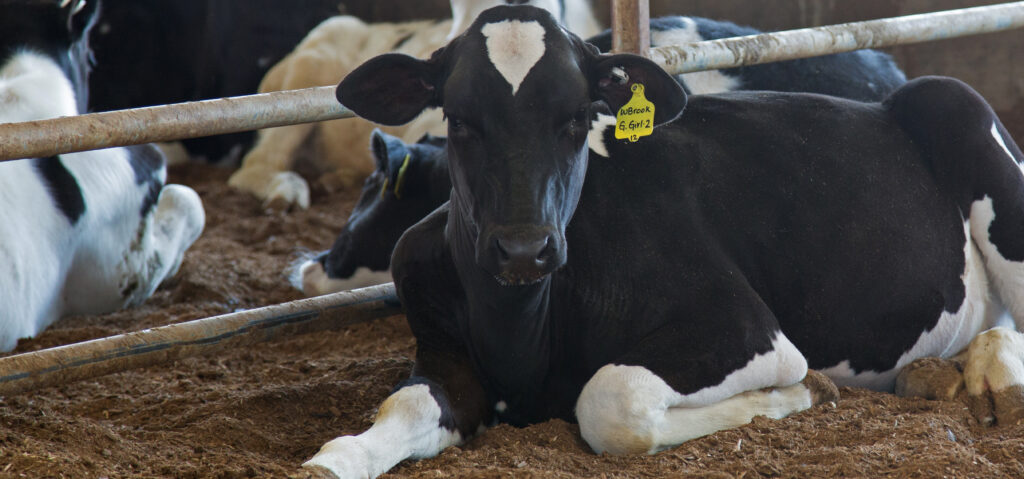
Four Ways to Help Heifers Transition into Motherhood.
https://bi-animalhealth.com/cattle/articles/four-ways-to-help-heifers-transition-into-motherhood
Heifers Transition into Motherhood Read More »
Herd Health
For Clostridial Diseases and Pinkeye, Prevention Is Better than Treatment
https://bi-animalhealth.com/cattle/dairy/clostridial-diseases-pinkeye
Clostridial Diseases and Pinkeye Read More »
Herd Health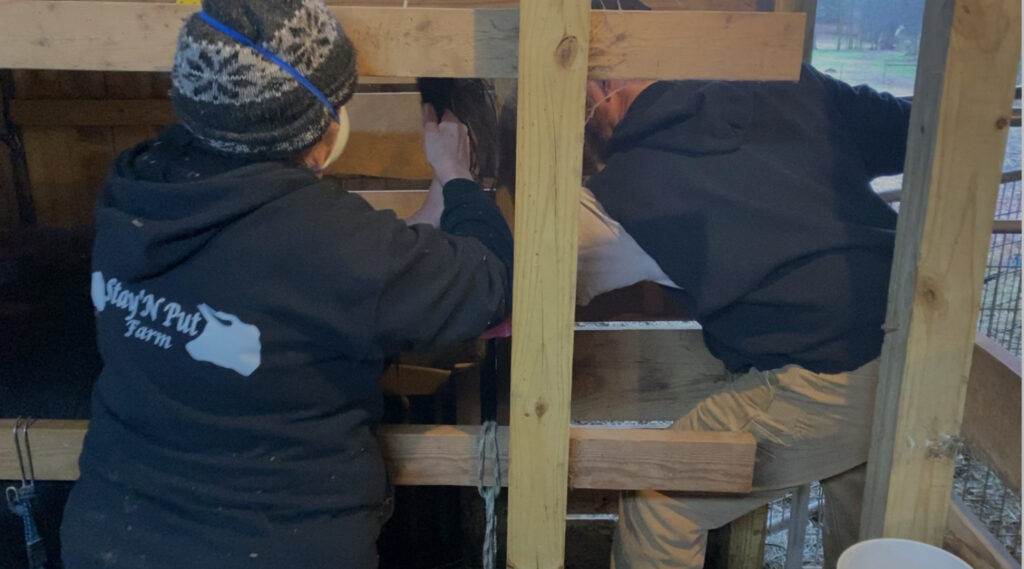
By Eliena Bodtke, Stay’N Put Farm
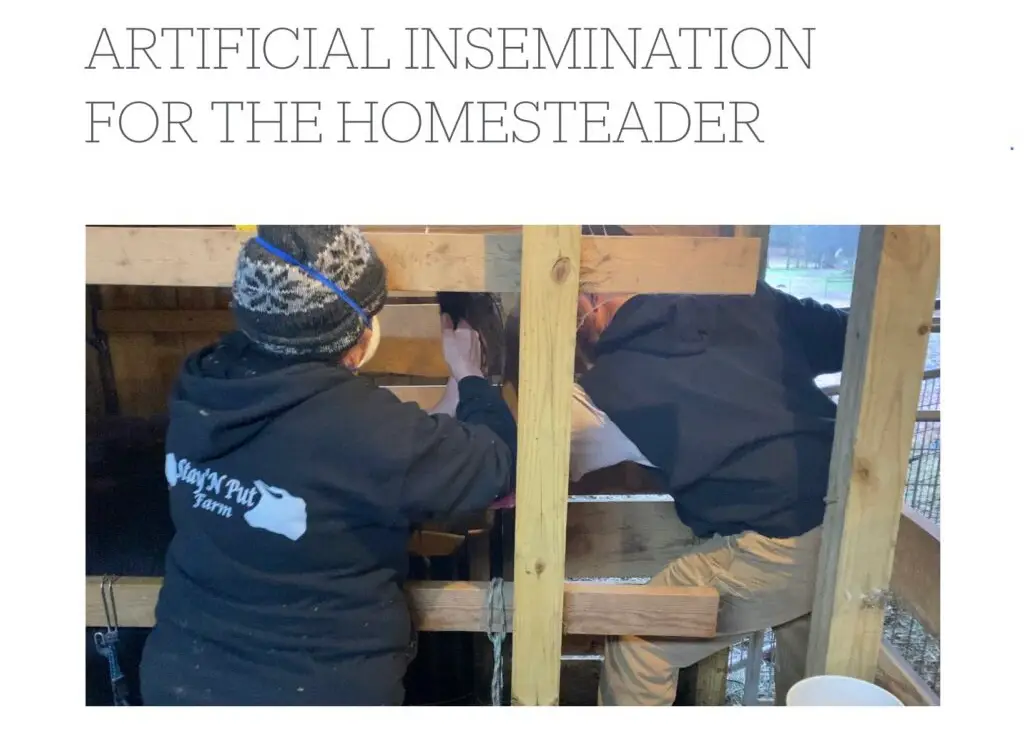
Whit Ashe of Circle A Ranch in Savannah, Tennessee , has been our cowboy, AI tech and friend for over ten years now. Our nick names for him, include Man With The Golden Arm, Mr. One And Done and My Favorite Cowboy to name a few. But, wouldn’t you use those names to describe a perfect heifer record and he only had to come back twice for redos in 10 years. We recommend him for anyone in the area. But after several conversations, it appears that much of our success as team, is not just his technique.
Minerals
For both Circle A Ranch and our little homestead, Stay’N Put Farm, it started with the management program. We both use Vitaferm Concept aid minerals. Whit recommended these right from the beginning, including when we were doing live cover on and off. It is set out free choice for them to utilize at their pleasure. With the success rate like ours, proper nutrients to help them take with one attempt has to be one of the key components . Seeing others succeed when switching to it, seems to us to be part of one of the keys to success. But this is just one of components to this success.
Timing
Timing is very crucial as well. Each Dexter will have its own cycle. Ours are between 18 and 21 days. Signs of coming into heat differ from cow to cow. Some of the signs we look for are loose poops, change in behavior…extra sweet or standoffish behaviors. You will often times see the cows standing close to each other, one appears to be more affectionate than the others. These for us are the start of of the heat cycle and duly noted.
Next we watch for jumping or restless behavior. This could include a nursing calf, jumping on mom or behaving weirdly with mom. If you’re milking, you may see an appreciable drop in milk, we do.
This is when your observation skills are most important. Cows will jump cows. Cows will jump bulls. This behavior is referred to as bulling. If you only have one cow in your herd and no other Dexter or bovine friend, this can be troublesome.
It can help you know that a cow is in heat, but it can’t tell you whether it is in a standing heat.
Telephone conversations and texts happen with Whit Ashe when we see behavior changes, poops getting loose or a milk drop and then we keep in close contact until we are sure that we are in standing heat.
Standing heat
Standing heat is when the cow stands for anyone to mount her. It is at this point you should be ready. We try to AI within the next 12 hours…and close to the 12 hour mark.
When your tech arrives, you should have your cow either in the barn or in the milking stanchion or shoot. You will need to have your straw selected that you want to use. The tech will warm the insertion device, by placing close to their body…down their shirt. The straw will be warmed in a special straw warmer. Once it is thawed, the device will let you know and the fun begins. The attached video will show you what it typically looks like.
Whit Ashe has only had to make two trips back in 10 years, and I would have to say one was probably the semen , which is rare to have a problem with it and the other was my timing. We chased it…knowing it would probably result in a bull, but we were unsuccessful. As of the time writing this article we have only received two bulls by AI, and that was from another AI tech, Weston Williams. Whit Ashe has a perfect heifer record here, very hard to believe, but true.
Here is a video of it
Artificial Insemination at Stay’N Put Farm Read More »
Farm Management Herd Health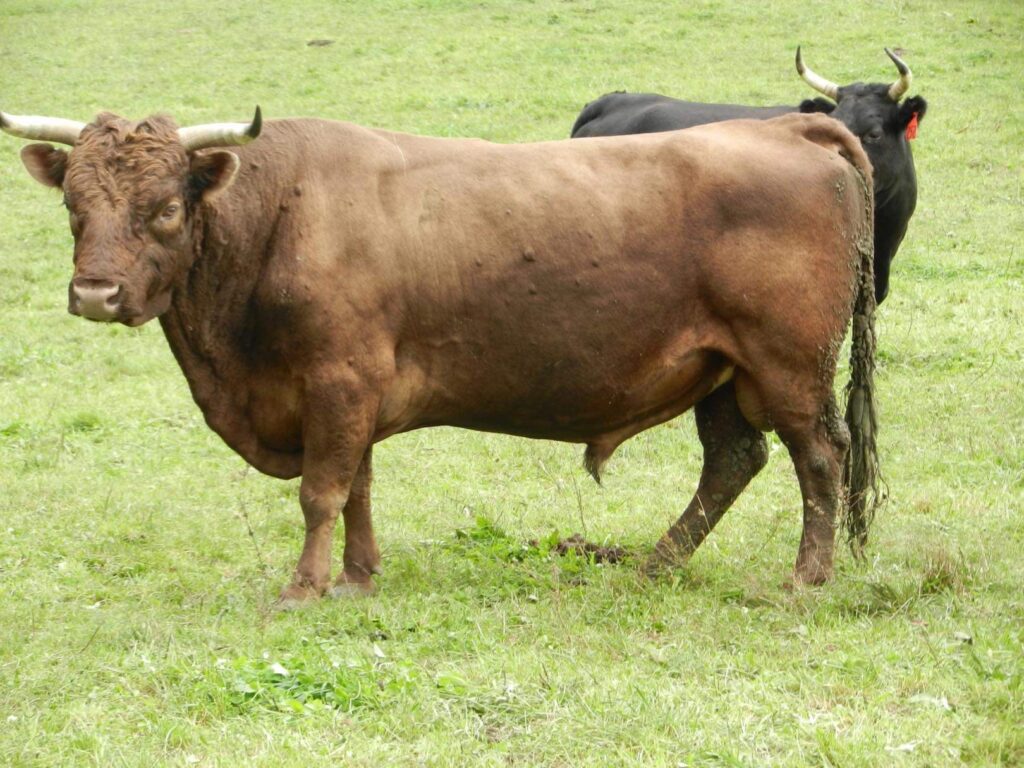
Vaccines provide added insurance for cattle producers to protect their herds from many different diseases.
Cattle Vaccine Basics Read More »
Herd Health
Beef cattle require a number of minerals for optimal growth and reproduction.
Mineral Supplements for Beef Cattle Read More »
Herd Health
Each summer in Texas, farmers and ranchers are on the gambling side of the weather.
Keeping cattle hydrated and healthy Read More »
Herd Health
Eric Zielinski is a health coach and skilled researcher who specializes in natural topics
Feeding Kelp to Livestock Read More »
Herd Health
Homeopathy can be an alternative for your Dexter herd. – Submitted by Riley Wohlgemuth
Homeopathy: The Mechanics Read More »
Herd Health Milking & Dairy
Here are 10 ways to keep your cattle herd cool this summer.
Summer Cattle Checklist Read More »
Herd Health
Seeing the signs of heat stress and being prepared can help your cattle recover.
Heat stress toolbox Read More »
Herd Health
Treat pinkeye and it will get better in a week. Left untreated it will be better in 7 days.
Best Treatments for Pinkeye Read More »
Herd Health
Production objectives may vary considerably between individual producers.
Herd Health Planning Calendar Read More »
Herd Health
The goal is to ensure the optimal care and well-being.
Dairy Cattle Health Management Read More »
Herd Health
CDC believes the current risk to the general public from bird flu viruses is low.
Bird Flu in Dairy Cows? Read More »
Herd Health
Your vigilance and prompt action are crucial.
4 common summer cattle diseases Read More »
Herd Health
Now’s the time to start planning ahead. Here’s a checklist to help you plan and prepare to improve.
Calving refresher + a checklist Read More »
Herd Health
Minerals are a small, but mighty, nutrient requirement for cattle. These elements cannot be made by the body and they are essential for proper function of the skeletal, immune, and muscular systems.
Cattle Nutrition: Minerals Matter Read More »
Herd Health
If a cow can’t support herself or her calf, she won’t rebreed.
BioZyme’s Guide to Reproduction Read More »
Herd Health