⭐ Isolating from the rest of the herd. This is not always the first sign however. I’ve seen more than one cow deliver a calf surrounded by her herd mates.
⭐ Pacing, appearing uneasy, looking at her sides.
⭐ Tail raising occasionally.
Active labor begins…
⭐ Clear, thin vaginal discharge.
⭐ Discharge changes to blood tinged.
⭐ Active contractions become evident, characterized by a rise and fall of her sides. Tail stays up.
⭐ She may continue to get up, lay down, and pace.
⭐ Water breaks.
⭐ In a normal presentation front feet become visible. Head rests on top of them. You should see the nose within 4 to 6 inches of the tips of the hooves.
⭐ Contractions should remain heavy at this point. You want to see progress.
⭐ Delivery of calf.
⭐ Expulsion of placenta.
What are the signs of calving dystocia?
⭐ Soles up (backwards).
⭐ Front feet presenting, no nose evident (head back).
⭐ Heavy labor, no feet, only tail (breech).
⭐ One foot presenting only (leg back to any varying degree).
⭐ Active labor, no water bag evident (uterine torsion).
There are more “bad scenarios” but I’ll stop with the more common issues.
Labor is not a one size fits all. Again, what you’re looking for is progress. Watch for rapid breathing, heavy salivation etc.
Older cows are more predisposed to pre calving milk fever. Check body temp if she has heavy vaginal discharge, dull dark eyes, and is appearing weak. Normal body temp is 101.9 to 102.1, although in warmer weather it can go higher. Milk fever presents as a temp around 100.3 or lower. In this case I go directly to IV calcium. Remember that calcium deficiency to a large degree fuels contractions.
Check for a twin if the calf is smaller than normal.
Hot weather, assisted births, or milk fever inevitably lead into a cow that fails to expel placenta completely. It may LOOK like she’s cleaned, but residual is left behind. This results in metritis and often, subsequent ketosis.
It is that time of year when we are weaning and castrating our bull calves. This article from University of Tennessee talks about the various methods and ages at which to castrate.
We’ve shared several articles on the importance of minerals for your Dexters.
We are discussing it again, as it’s a very important topic for the health of your herd.We cannot express loudly enough how important minerals are for your Dexters. Loose minerals are better than blocks, as they can consume much more in loose form, than they can by licking a block.Minerals are made by several different manufacturers. As with anything, you get what you pay for. We esp. like the VitaFerm brand. Many companies offer minerals that target different seasons or issues, i.e. supporting the reproductive system during breeding, heat stress in the summer, selenium, high mag, and others. Consult with your vet, mentor or a feed rep, to determine what could be lacking in your area and thus what you need to support in your herd. Some people have their hay tested, so that they can determine what they need to make up for in the minerals they supply for their cows.
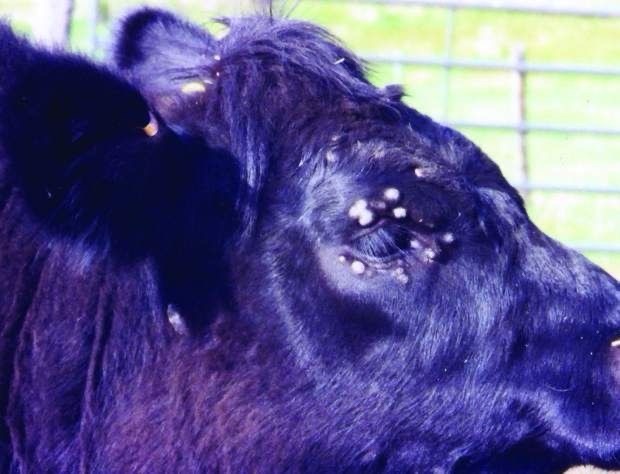
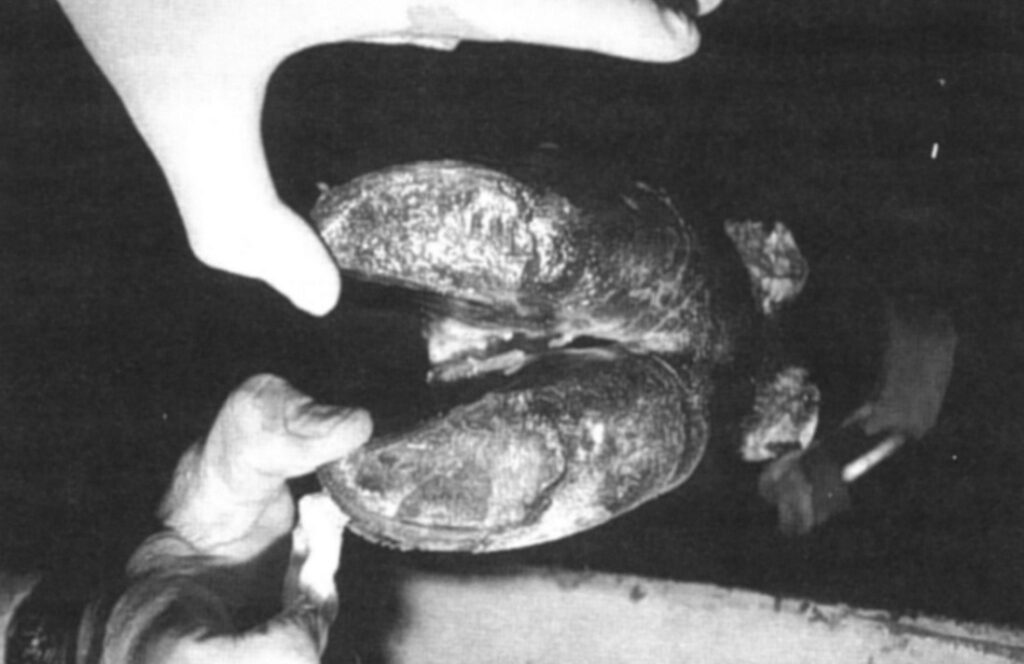
Next, let’s talk about Kelp. We started using Kelp this year, for the first time. Thorvin Kelp, is an organic, natural supplement that is packed full of bioavailable minerals and vitamins. It can also be fed to other animals on your farm. The benefits of feeding Kelp to your herd are many. Some of those are improving breed back time, helping with weight gain, preventing foot rot & pink eye. It basically boosts the animal’s immune system. In turn, this helps lower your vet bills and helps keep your livestock healthier. Kelp can be fed free choice, alongside your loose mineral or it can be blended into a feed ration. Talk with your vet or feed rep, with any questions you may have for feeding Kelp to your herd. Apple Cider Vinegar or ACV, is another tool that many use to help build up their animals’ immune systems. We prefer the raw ACV, with “the mother” in it. Some say it helps improve cattle health and feed utilization. Others say it also helps prevent and eliminate parasites and resist disease. It’s also been said to reduce horn flies, by making their skin more acidic. It’s going to depend on the size of your water troughs, on how much to add. One recommendation I found, is to mix in 1-2 cups of ACV, per 20 gallons of water or ¼-1/2 cups per 5 gallons of water. Sick or stressed animals can get more, double or triple the amount of ACV, however I would check with my vet, before increasing it too much.
Worming: There are several different types of wormers available, that target different types of worms and parasites. They come in pour ons, oral, injection and block or pellet forms. If you have pregnant or lactating cows, make sure the one you chose is safe to use on them. Ask your vet or a mentor. Some breeders have a yearly worming schedule.If you have a poorly looking animal that is thin & has a dull looking coat, or it might have diarrhea or blood in their feces, the first thing you may want to do is to gather a fecal sample into a clean container and take it to your vet for testing. This isn’t costly and it will tell them/you the correct treatment to use. The problem can range from the animal needing worming, to possibly having coccidia or another disease that needs treated.
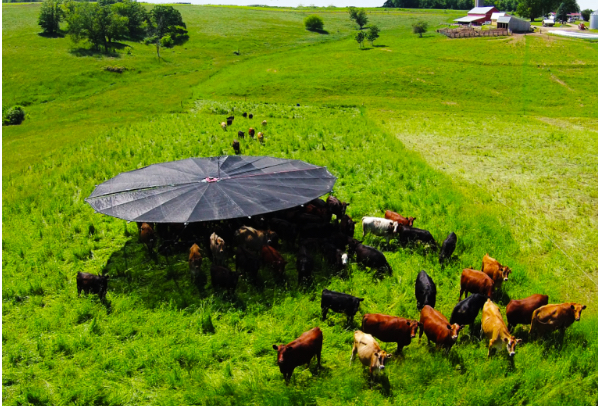
A lot of our Country is experiencing high temperatures right now. Usually, any added stress to cattle, can lower their immunity to some things. Higher temperatures can be stressful on animals. If possible, consider moving or working your cattle, during cooler days. Weaning in the hot summer months can be especially stressful for calves. Consider waiting to wean, until cooler months. Make sure they have ample shade to get to, and keep fresh, clean water available, throughout the day.
Veterinarian: YES! You need to establish a veterinary relationship early in your Dexter journey. They are your first go to in an Emergency and for advice. They need to visit your herd and get to know them. This will benefit you & your herd, in the future. Oftentimes, once they get to know you and the herd, you can obtain advice via a phone call and pick up meds, etc. at their office. Like it or not, there will be an occasion where you need an emergent visit. Your investment in your cattle, is worth calling a vet out in an emergency. Lots of breeders, can give advice from experience, but nothing replaces the professional assessment and treatment of a veterinarian who is familiar with your herd. We hope the ideas above, give you something to ponder, research and consider doing to benefit the health of your herd.
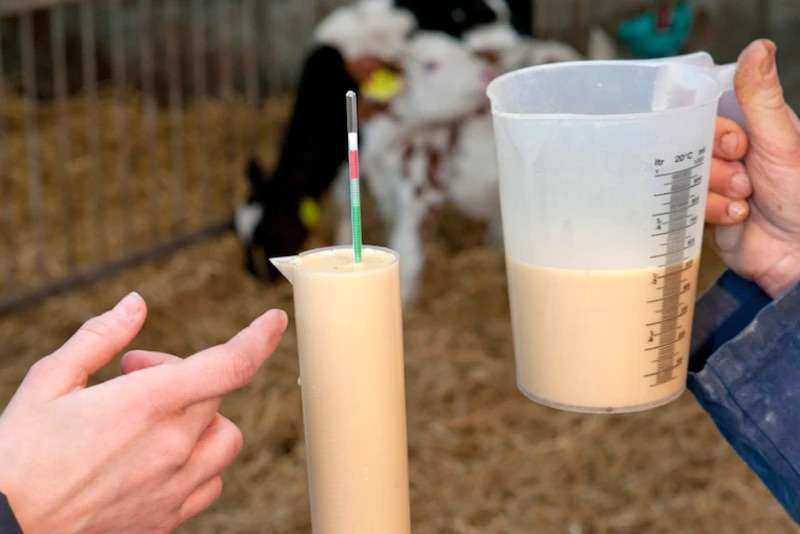
When our Dexters calve, they usually have a surplus of colostrum. We milk some to freeze and have on hand for emergencies. Having this liquid gold on hand can now help with treating scours in calves…
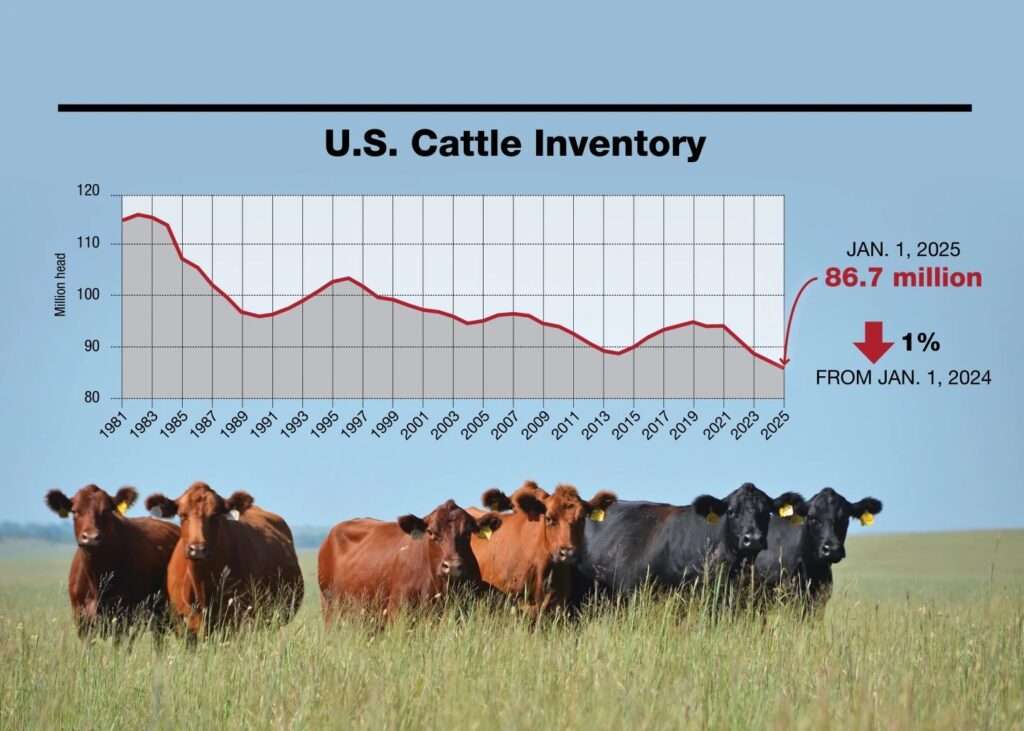
The US cattle herd numbers are the lowest they’ve been in years. Perhaps this is the time for Dexter breeders to up their beef production numbers to snag a share of the market?
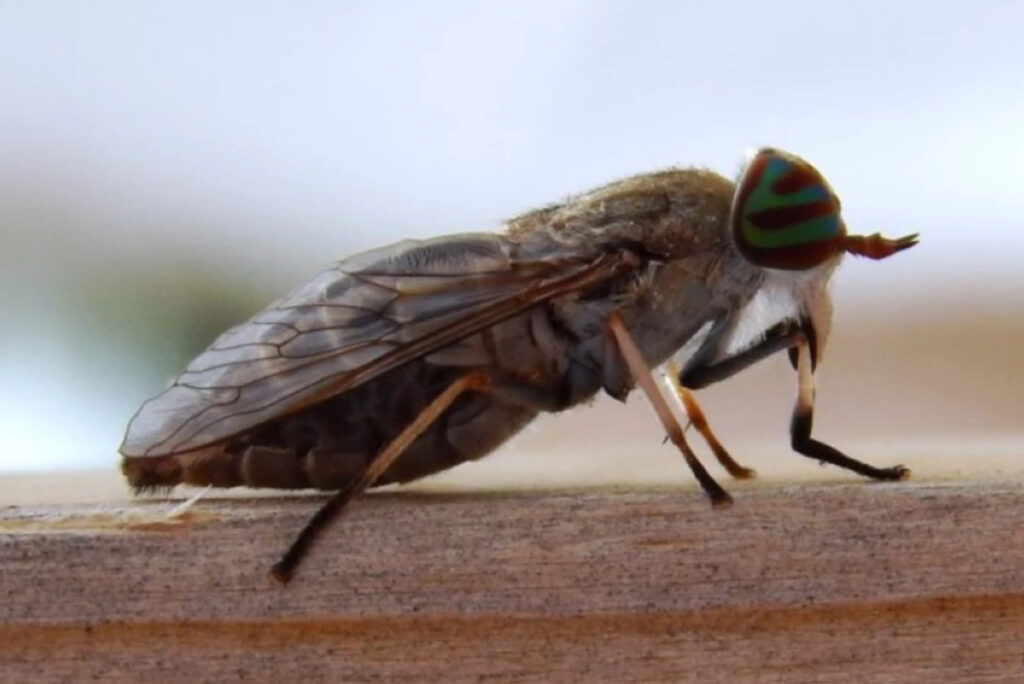
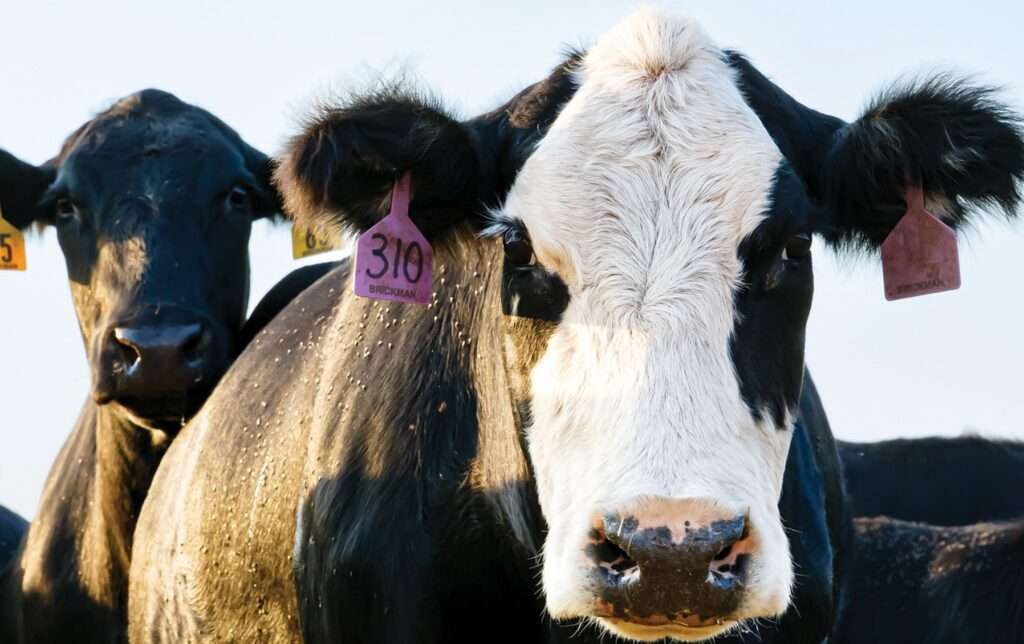
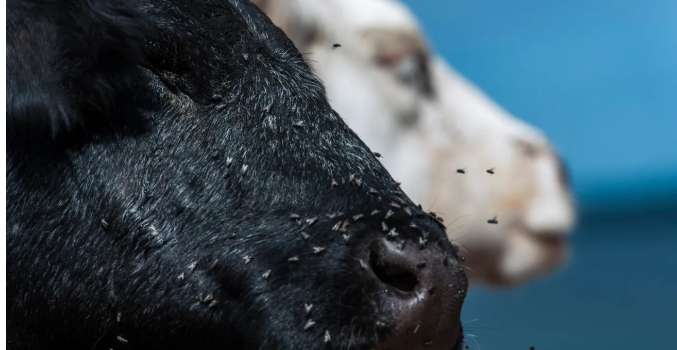
It’s that time of year. The flies have arrived in most US states by now. It takes a multi system approach to keep the fly population down and protect your cattle.
Whether it be a topical pour on, spray on, a feed through mineral, garlic, solar fly traps, fly predators, etc, it takes several different products to reduce your fly load.
US Department of Agriculture (USDA) secretary Brooke Rollins yesterday suspended the import of live cattle, horses, and bison across the United States’ border with Mexico due to the rapid northward spread of New World screwworm (NWS), which can cause cattle loss and has also been linked to sporadic infections in people.
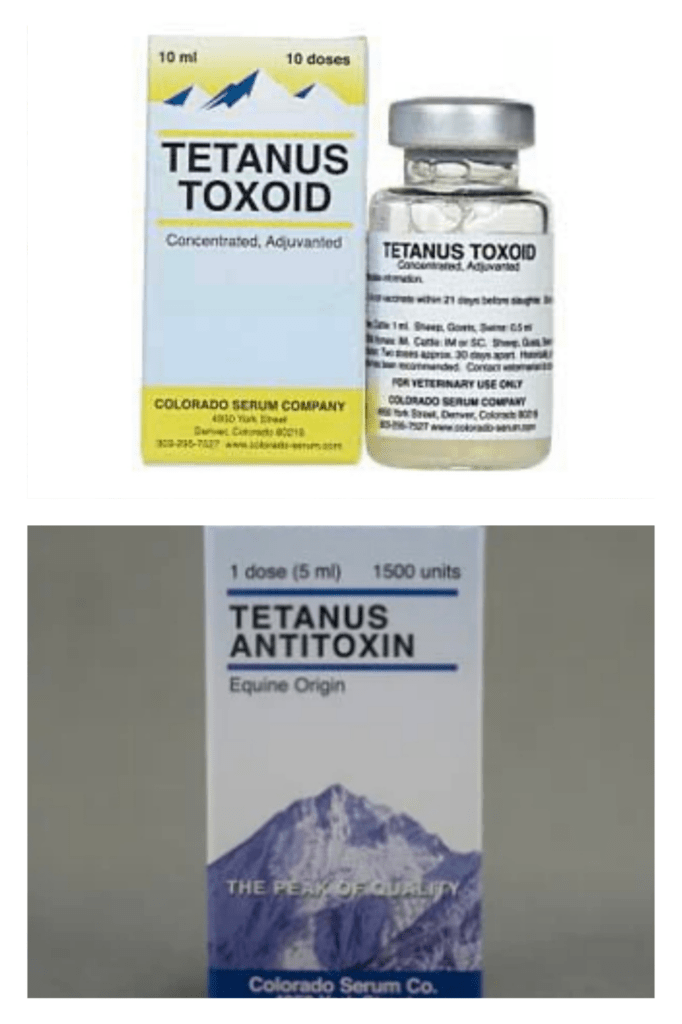
There have been some reports of cattle dying from Blackleg recently. Blackleg is one of a group of usually fatal infections in young calves and lambs caused by bacteria called the Clostridials. These bacteria are coated with a protective shell or spore that protects them and allows them to be potentially infective in the soil and dangerous to livestock for a very long time.
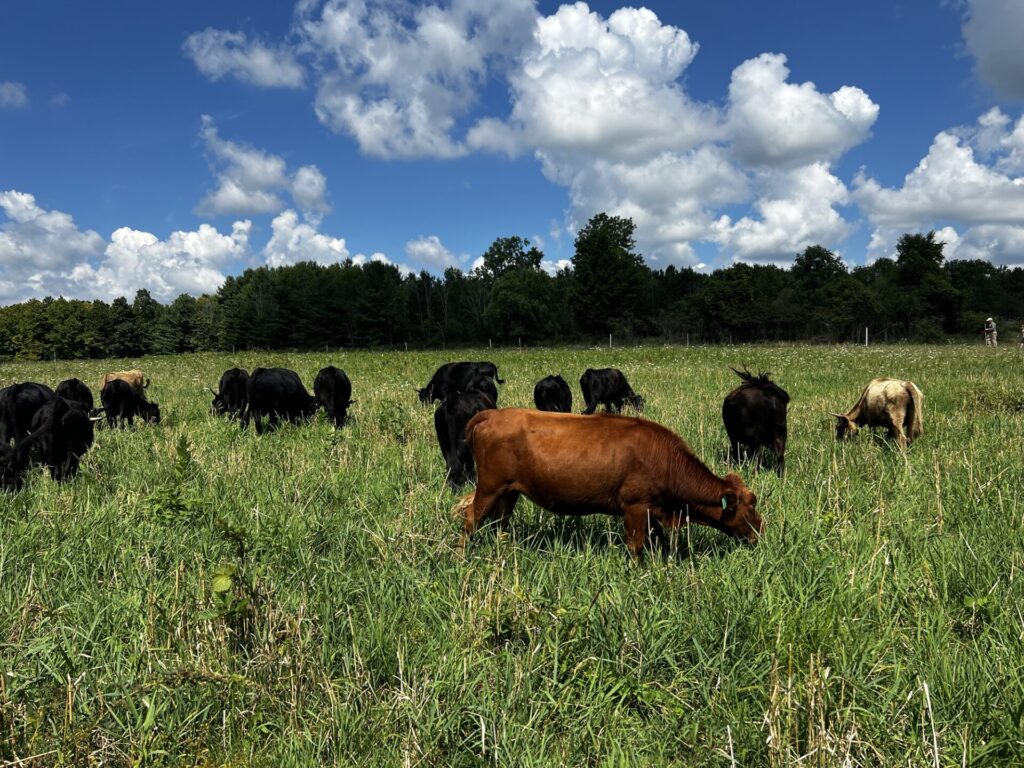
After a winter of feeding hay to cows, there is nothing like turning them out to green grass. After many months of feeding cattle, they can now feed themselves.
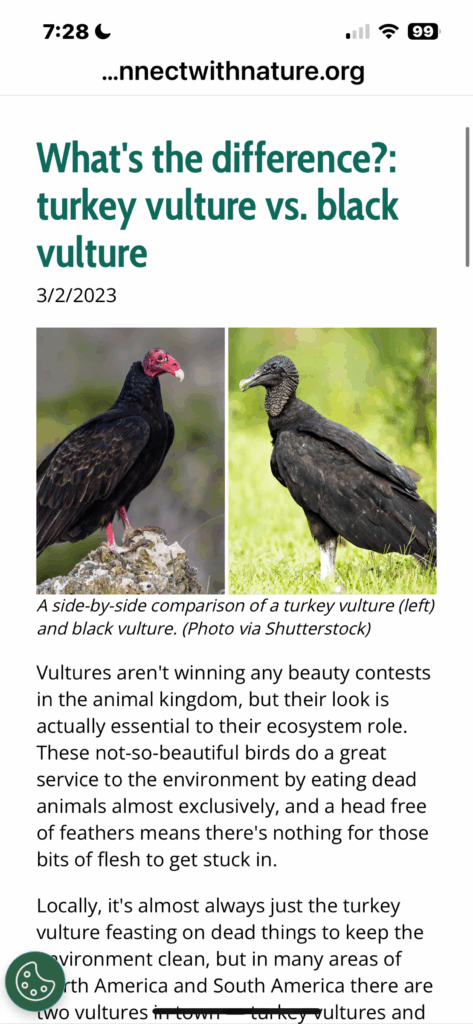
Vultures aren’t winning any beauty contests in the animal kingdom, but their look is actually essential to their ecosystem role. These not-so-beautiful birds do a great service to the environment by eating dead animals almost exclusively, and a head free of feathers means there’s nothing for those bits of flesh to get stuck in.