Affiliate Program
What Is An Affiliate?
If you are an Association with geographically disbursed members. If you are a farm or ranch retail business looking to expand your business. If you are a service catering to farmers and ranchers. If you are a registry searching for ways to promote your breed. Or perhaps you are a large breeder thinking about gaining broader attention. Then an Irish Dexter Cattlemen Affiliate Program is exactly what you need. First, take a look at our current Breeders, Affiliates, & Sponsors. You can click on any one of them and look at their Online Branding Store. Then, further below, you will find more details on the Affiliate Program.
Breeders, Affiliates, & Sponsors
What geographic areas are covered by Irish Dexter Cattlemen?
Irish Dexter Cattlemen has members and subscribers predominantly all over the United States, Canada, and Mexico, We also cover the United Kingdom (England and Scotland), Ireland, South Africa, Brazile, Argentina, Australia, and New Zealand.
What is the focus of Irish Dexter Cattlemen?
Irish Dexter Cattlemen focuses on farmers and ranchers to guide them in ways to be sustainable, productive, and profitable. This can include grazing, fencing, water resources, dairy production, milking, regenerative agriculture, organic practices, animal selection, equipment choices, increasing the value of your operation, the history of Dexter cattle, farm management, your herd health, branding & selling your farm products, implementing technologies to assist you with your operation, and much more.
Why should I become an Affiliate?
Associations, registries, retailers, and services can add significant value to our farmers and ranchers. That is exactly Irish Dexter Cattlemen's mission. The more we help you, the more we help our farmers & ranchers, many of whom buy, sell, raise, show, and promote Irish Dexter cattle.
How Does Irish Dexter Cattlemen Help You?
When you become an Irish Dexter Cattlemen Affiliate, you get:
- An Online Branding Store
- Instant Branding recognition
- 200 Ads for one year
- Sponsorship of every Tips & Trick Guide
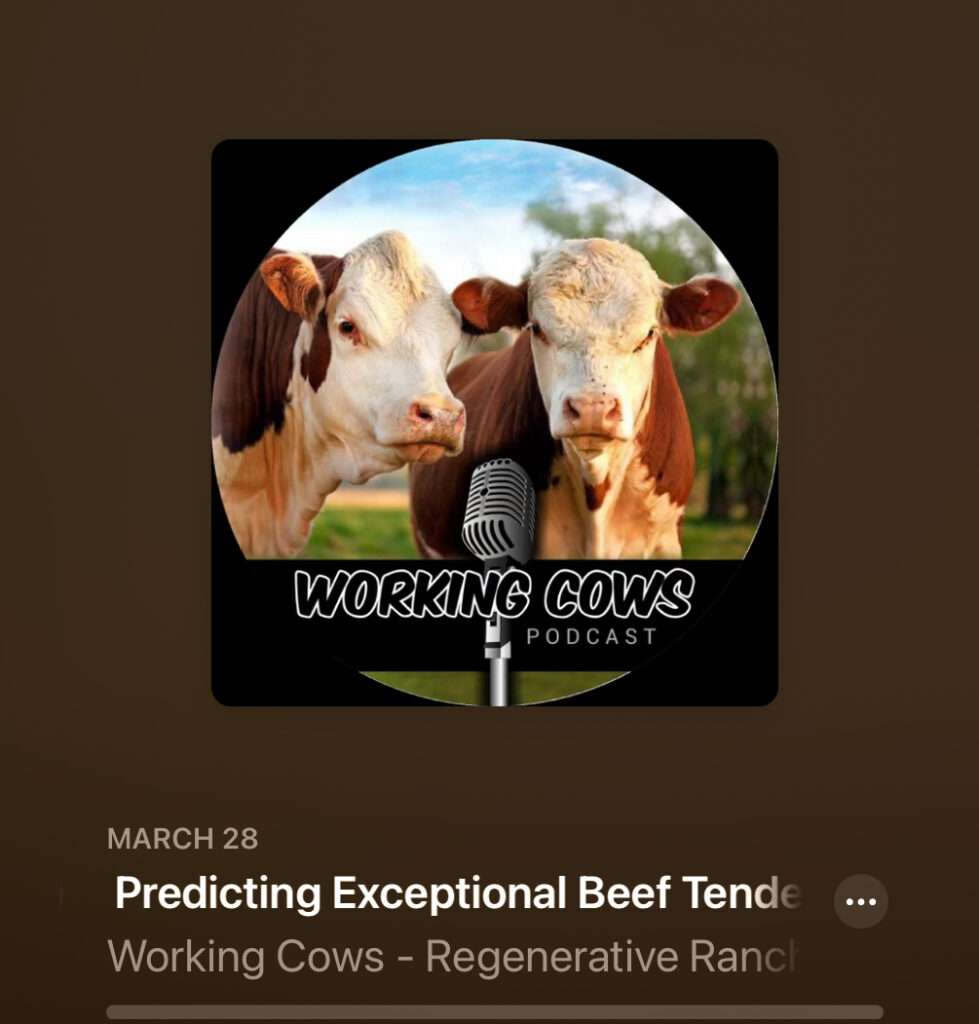
- Sponsorship of every current & past Deep Dive Podcast
- A Private Newsletter for your group
- Author permission to create your own articles for your own newsletter
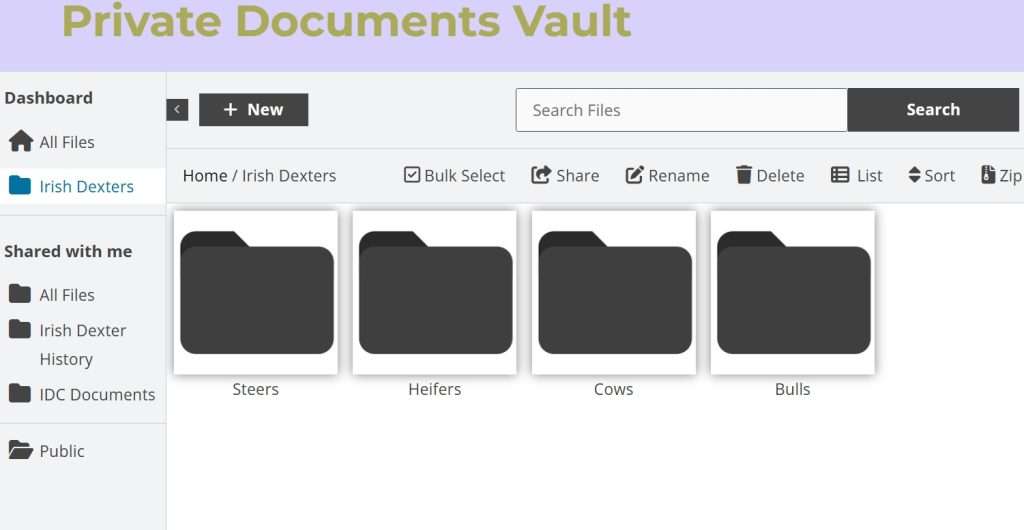
- A Private Documents Vault to store and share documents with your group
- The upgrading of your lengthy material into new technology Flip Books
- Irish Dexter Cattlemen's mission is to leverage new technology in a manner useful to farmers and ranchers. Affiliates provide valuable services to these same farmers & ranchers. Understanding this, Irish Dexter Cattlemen strives to make these new technologies available to Affiliates so that they too can enhance their services and become more successful.
- As we evaluate and implement future technologies, how these technologies can be designed to be useful to Affiliates is at the top of our list. The ability to Share, the ability to share with members, the ability to share between farmers & ranchers is number one.
What is the Branding Store?
- The Irish Dexter Cattlemen Online Branding Store is how you tell your story about your operation or organization. Your Branding Store contains your logo, your banner, your organization's name, the link to your ecommerce store or your website, your contact information and phone number, all your social media links, your slogan, and your organization's description.
- You may want other people in your group to assist with creating your various story line ads and product ads. For this, the Branding Store provides a Manager Function where you invite members to become Branding Store Managers. These Managers can then assist with creating and publishing your ads.
- The Branding Store becomes your hub linking all your ads together. It's where you manage all your ads in one place.
How does the Marketplace Advertising work?
- When a farmer has an Irish Dexter for sale, or a pig for sale, or wants to sell his beef, or needs to sell a tractor, or has produced some soap for sale, or has milk to offer, they need an easy way to create an ad for their product. Plus, they are looking to reach the right buyer. Most importantly, they want the buyers who see their ad to communicate directly with them. All this is what the Irish Dexter Cattlemen Marketplace advertising system provides.
- Ads are easy, simple, fill-in-the blank forms. Every item on the farm has its own ad template that you select when you are creating your ad. Click on a few checkboxes, upload your photos, then write a sentence or two on the item you are selling. Click Publish and you get the widest exposure to exactly the people you most want to see your ad.
- Your ad instantly appears in the Irish Dexter Cattlemen Marketplace. But that's not all. Your ad is automatically published in the monthly Irish Dexter Cattlemen Tips & Tricks Guide distributed that month. Your ad is published in each Affiliate newsletter that is distributed that month.
- Once published, you can see the number of views you have gotten for your ad when you go to your free My Account Dashboard. Any decent technology should put you in direct contact with the buyer, and that's what the My Account Dashboard provides. Buyers can chat directly with you. You get email notifications of each chat message. The My Account Dashboard keeps a complete record of every chat exchange.
- The Irish Dexter Cattlemen Marketplace is an easy-to-use advertising system. It leverages your ad to get the greatest exposure possible using the Marketplace and expands it into multiple newsletters giving you the exposure you need.
What is the Tips & Tricks Guide?
- The Irish Dexter Cattlemen Tips & Tricks Guide is a monthly newsletter chuck full of valuable articles that are links to published material on the Internet. The newsletter is sent to subscribers in the United States, Canada, Mexico, United Kingdom, Ireland, South Africa Brazile, Argentina, New Zealand, and Australia. The vast majority of subscribers are in the United States.
- The Irish Dexter Cattlemen Tips & Trick Guide is a free newsletter catering to farmers & ranchers, some experienced, many seeking for guidance on making their operations more sustainable, plus numerous folks dreaming of becoming a successful farmer. More and more of these folks are subscribing, supporting, and becoming members of Irish Dexter Cattlemen each month to such an extent that Irish Dexter Cattlemen is now the largest organization supporting them in the Irish Dexter world. The Irish Dexter Cattlemen Tips & Tricks Guide newsletter is the primary vehicle that reaches out to them each month.
Will my Online Branding Store be Published in the TIps & Tricks Guide?
Yes. The moment you publish your Online Branding Store, you get instant recognition with thousands of subscribers, readers, buyers, podcast listeners, and recipients of the Irish Dexter Cattlemen Tips & Trick Guide newsletter. Every Irish Dexter Cattlemen Tips & Trick Guide will publish your Branding Store logo. Every Affiliate private newsletter will publish your Branding Store logo. Every podcast in the Irish Dexter Cattlemen Gazette will publish your Branding Store logo. These subscribers, listeners, and readers are the very people you are most wanting to reach. They are experienced farmers. or knowledgeable ranchers, or new to farming, or the folks who dream of becoming farmers. Every click on your published logo will display your Branding Store and all your published Ads. This is what your Online Branding Store can do for you.
What is the Documents Vault and why is it important?
- Every farmer and rancher has critical documents about their operation. Too often these documents are spread across their own desktop, tablet, and cell phone, siloed away. Their farms are frequently small homesteads.
- Farmers stive to manage a successful business by working hard on the farm, and usually off the farm in order to support it. Once every year or perhaps every two years, a critical event occurs that generates important income for their operation. A buyer and seller come together to enact a transaction.
- Wouldn't it be nice if that transaction were to occur simply, smoothly, and efficiently to the benefit of both the buyer and seller? Now it can. This is the fundamental function of the Documents Vault.
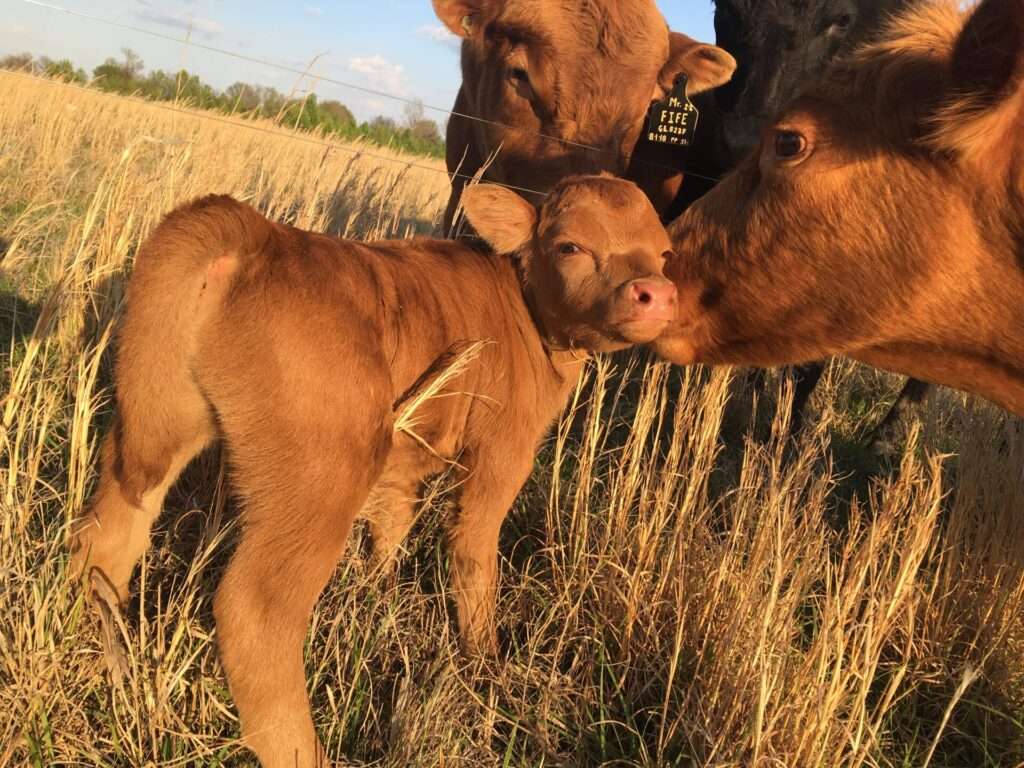
- How does it work? The farmer creates a folder on his newborn calf. Registration papers and certificates are upload to this folder. Calf photos of birth, nursing on its mom, taking its first run across the pasture, head butting its sire to establish dominance are all uploaded. Genetic tests are performed, and the results get uploaded to the calf's folder. The sire has his folder. The dam has her folder. The vet is called, and their work gets uploaded. The buyer calls and has their questions. The sale occurs, the brand inspector provides their paperwork, the Bill of Sale is created, and all this is uploaded.
- Now the magic of the Documents Vault occurs. The seller asks the buyer to register with IrishDexterCattlemen.com. Then the seller selects the calf's folder and shares it to the buyer with read and write permissions. The sire's folder and dam's folder is shared to the buyer with read only permissions. The Documents Vault has created such an unprecedented level of trust with the buyer that they will become the seller's repeat customer and best word-of-mouth advertiser. This is the Irish Dexter Cattlemen Documents Vault and why it is so important.
- Sure, this can be done on your own desktop, or tablet, or phone. What's so special about the Documents Vault is that folders and documents can be all shared with your buyer in such a way that you retain all your documents on the sire, on the dam, and even on the sold calf. Plus, you will see what the buyer adds to the calf's shared folder. The buyer will see all the new documents you add to the sire and dam folders without the buyer being able to change them. This method of sharing makes all the difference and is unique in the word of agriculture.
How can I use the Documents Vault?
The Documents Vaut is designed to be a sharing platform. You can create your own group's private folders. Then upload your Word, pdf, Excel spreadsheet, PowerPoint presentation, photos, or text documents to each folder you create. Once completed, this is where sharing becomes so important and valuable. Each folder, or even each document within each folder can be shared with anyone or everyone, in your group. Board members can have their private folders. Officers can have separate folders. Team members can store their team documents in the team's folders. Finally, certain folders and files can be shared with the entire group. If you have historical files that need to be shared, some kept private and many to be shared with your group, this is the perfect solution for you.
What is the Deep Dive Podcast
Every month, the Irish Dexter Cattlemen Deep Dive Podcast team produces an audio podcast that becomes published on Spotify and on the Irish Dexter Cattlemen Gazette. Anyone visiting IrishDexterCattlemen.com can click on Gazette in the top menubar, and then click Podcasts to listen to any of our published Deep Dive Podcasts. Each of these podcasts will take an often difficult, complex subject and do a deep dive to explain and discuss it in a friendly, positive, easy to understand way. On Spotify, you can search Irish Dexter Cattlemen and find the podcasts there. More and more, people are using their smartphones to listen to and get their news. Podcasts are a perfect way to get to folks who either already have Irish Dexter cattle or who want to become Irish Dexter cattle farmers.
Can Affiliates Request Podcast Topics?
Yes. You can send us your request, and our Deep Dive Podcast team will look at producing it. Podcasts are first published to Spotify, where you can review it. A posting to the Irish Dexter Cattlemen Relational Multimedia Database will then be done with your group's tag so that the podcast is included in your newsletter.
Will my Branding Store be a Sponsor of Podcasts?
Yes. The moment you publish your online Branding Store, every current, and every past Deep Dive Podcast in the Irish Dexter Cattlemen Multimedia Relational Database, called the Gazette, will automatically display you as a Sponsor giving you instant brand recognition. Your Online Branding Store logo will appear immediately below each Deep Dive Podcast. Listeners can click on your logo which will take them to your Online Branding Store where they can learn more about what you do and see all your current Ads that have been posted to the Irish Dexter Cattlemen Marketplace. Your online Branding Store will include your link to your website, your phone number, and a way they can direct message you.
Affiliates get our own private Newsletter?
Yes. A newsletter template is created for you. At the top is your logo and the name of your newsletter. Below this is the General section that will contain all your private General postings. A General posting can be, for example, a flip Book of your group's Journal, or your important announcements., or reminders to everyone. The General section is followed by the articles you have chosen for your group. If you don't have time to write original content, then you can browse thru the Gazette containing hundreds of articles, searchable by topic, and categorize these to be included with your newsletter. Every Affiliate newsletter will contain a list of Sponsors and a list of classified listings for sale. You can tell your group that their advertisements in the Irish Dexter Cattlemen Marketplace will be included in each newsletter. You choose the frequency for sending each newsletter. When you are ready, drafts will be sent to you first to approve. The final is then emailed to each person in your group. If anyone in your group decides they would prefer to not receive your newsletter, they can unsubscribe the bottom of each newsletter. One significant benefit of having your own newsletter is if anyone in your group falls off your group's rolls, they will continue to receive your newsletter. We do not remove them from our subscriber list. This means you can market your service to everyone in your current group and to every past member of your group. You provide us with your group's name and email address list on a frequent basis so that new members will be added to your group. The system will automatically handle any duplicates.
Can Affiliates Create Our Own Articles?
Yes. Just let us know who you want to be designated as an article Author. Your articles can be private to just your members for inclusion in your newsletter or made public.
What's An Irish Dexter Cattlemen Flip Book?
The Irish Dexter Cattlemen Flip Book Generator System is a way to take flat pdf files and re-create them into beautiful online new technology books that visually appear as books with pages that flip just like a physical book. It works on desktops, laptops, tablets, and phones. Readers can resize these books on the fly to zoom in, zoom out, or be full screen if desired. Flip Books can be searched. Readers can share your Flip Book with anyone on Facebook, Twitter, WhatsApp Instagram, Pinterest, or via email.
Can You Convert My Stuff Into Flip Books?
Yes. In most circumstances, anything you provide can be reformatted to a pdf file which is used as input to the Filp Book Generation System. It will automatically scan your file for Internet address URL links and email addresses and then activate them to be clickable links in the output Flip Book.
Can My Newsletters Publish My Flip Books?
Yes. A general posting can be created for you that includes your Flip Book. This posting is positioned at the top of your newsletter. If your group produces a periodic document such as a quarterly Journal, then we can update this posting as you require.
How Do I Sign Up to be an Affiliate?
Signing up means that you have identified a group email address where all system messages will be sent, such as Ad expiration notices, notices of chat requests, and emails from the Ads you have placed. This group email address is then registered on IrishDexterCattlemen.com resulting in the creation of your new My Account that appears under Dashboards on the top menubar after logging in with this new email address. Finally, open your My Account and select "You can buy a membership from here" located at the bottom of the My Account Dashboard. Clicking on "here" will open the membership selector page where you can select and pay for the Affiliate Package. You will need to use your group's credit card or bank ATM card to complete this transaction. We will be notified and will start the setup process for your Affiliate account.
What do I Need to do After I Sign Up?
Provide us with your logo, a banner image for your Branding Store and newsletter, provide us your login username (usually your email address), give us the name for your newsletter, and provide us the names and email addresses of everyone you want to receive your newsletter in Comma Separated Values (CVS) format.
How Much Does All This Cost?
$250 per year using your group's credit card or your bank's ATM card. The Irish Dexter Cattlemen system will automatically charge your account each year and provide you reminders.
What Happens If I Stop Being An Affiliate?
If you choose to stop your automatic annual Affiliate membership, your Online Branding Store will expire, and your primary login will be paused. This means your Branding Store will no longer show as a Store in the Stores Dashboard on the Irish Dexter Cattlemen website. Your branding Store will no longer appear as a sponsor of the Irish Dexter Cattlemen Tips & Ticks Guide. Your Branding Store will no longer appear in any other Affiliate's newsletter. Your Branding Store will no longer appear on any podcasts. Your future private newsletters will not be published. You will no longer be able to upload additional documents to your primary Documents vault. Nothing will be deleted, such as your articles, your Documents Vault folders and stored documents, your podcasts, your flipbooks, your past newsletters will remain, and your members will continue to be able to access everything.