Fall to winter forage options
A compilation of advice for fall/winter grazing
https://www.beefmagazine.com/cattle-nutrition/fall-winter-feed-strategies-for-cattle#
Fall to winter forage options Read More »
Farm Management
A compilation of advice for fall/winter grazing
https://www.beefmagazine.com/cattle-nutrition/fall-winter-feed-strategies-for-cattle#
Fall to winter forage options Read More »
Farm Management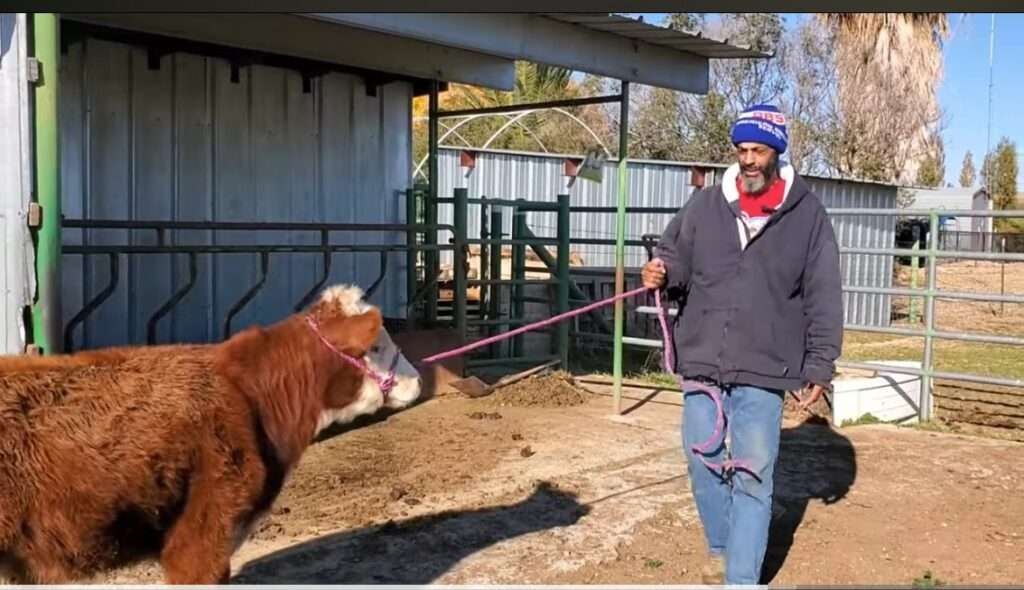
Let’s follow along with Porterhouse and Teal as he shows us how to build a successful working relationship with our cows – including halter breaking.
A little on the long side, but packed with great info on everything from experimental crops for grazing, to various methods of bale grazing.
A Conversation on Grazing Read More »
Farm Management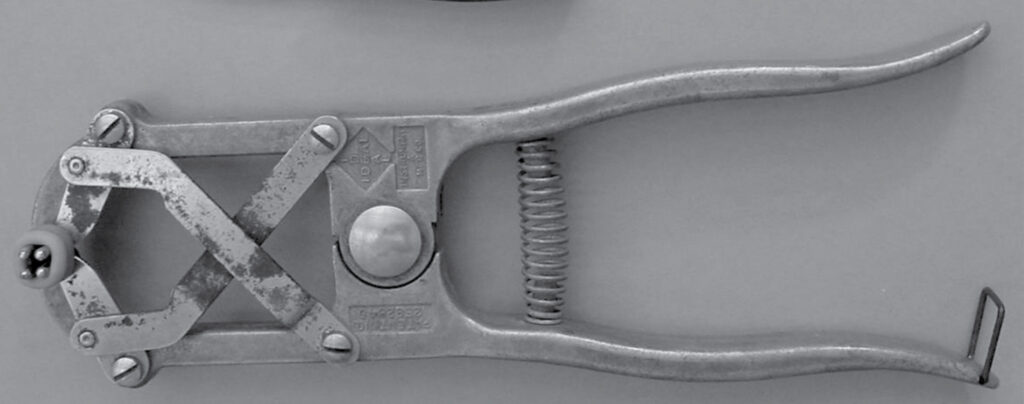
It is that time of year when we are weaning and castrating our bull calves. This article from University of Tennessee talks about the various methods and ages at which to castrate.
Castration Methods for Bull Calves Read More »
Farm Management Herd Health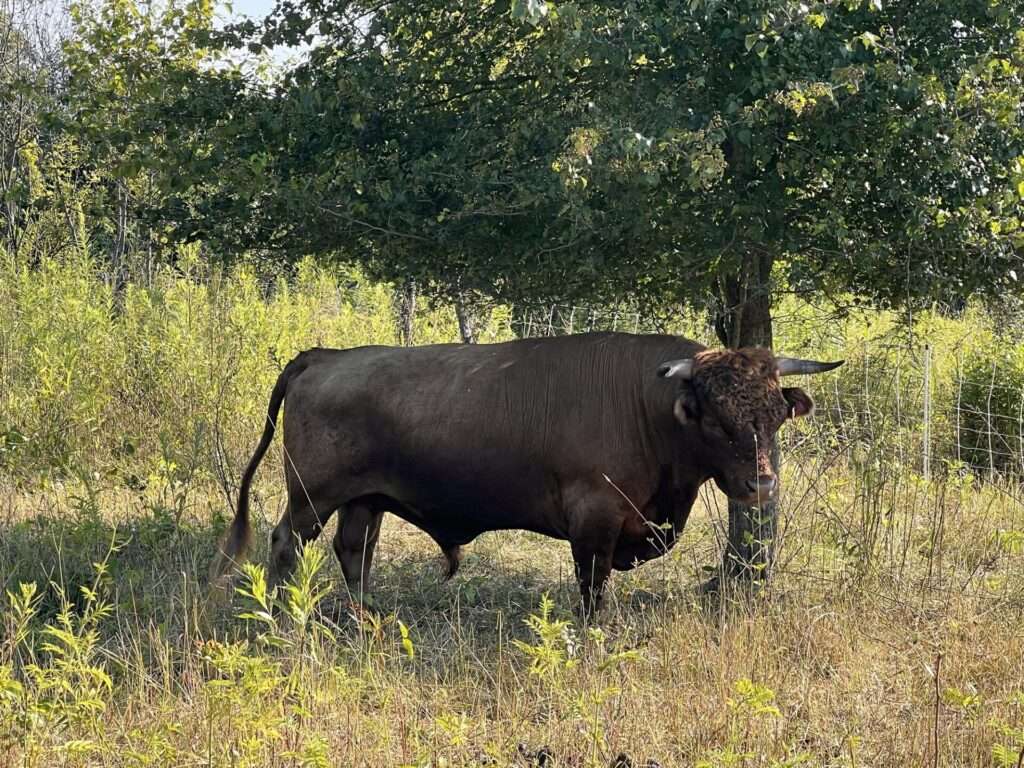
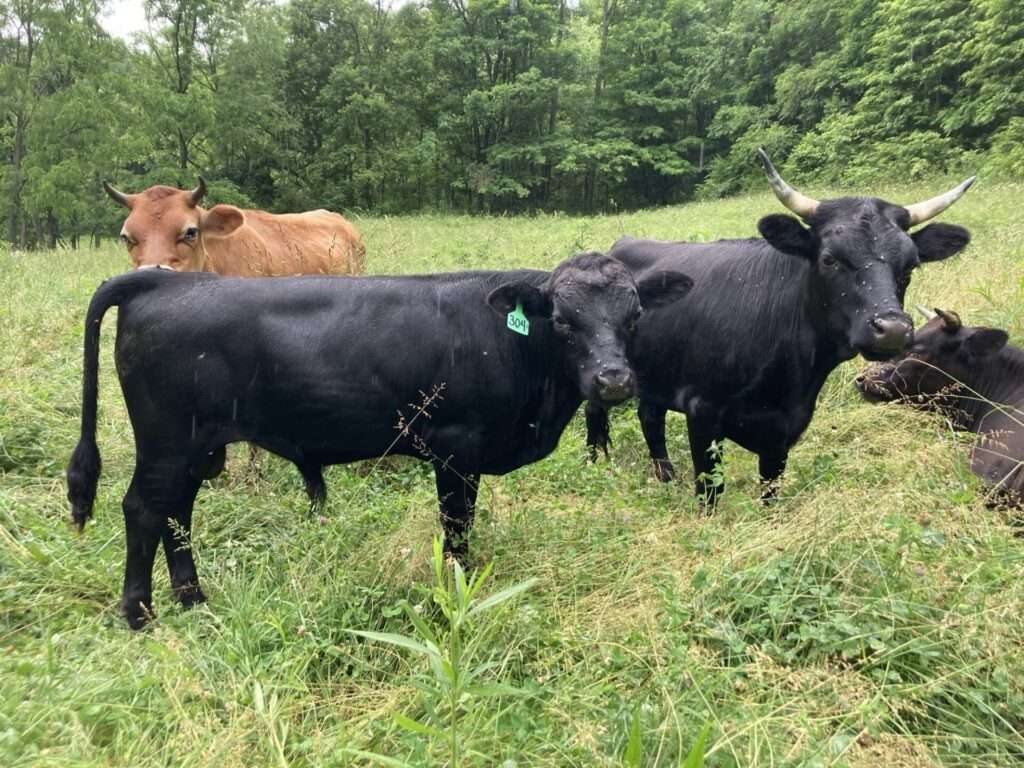
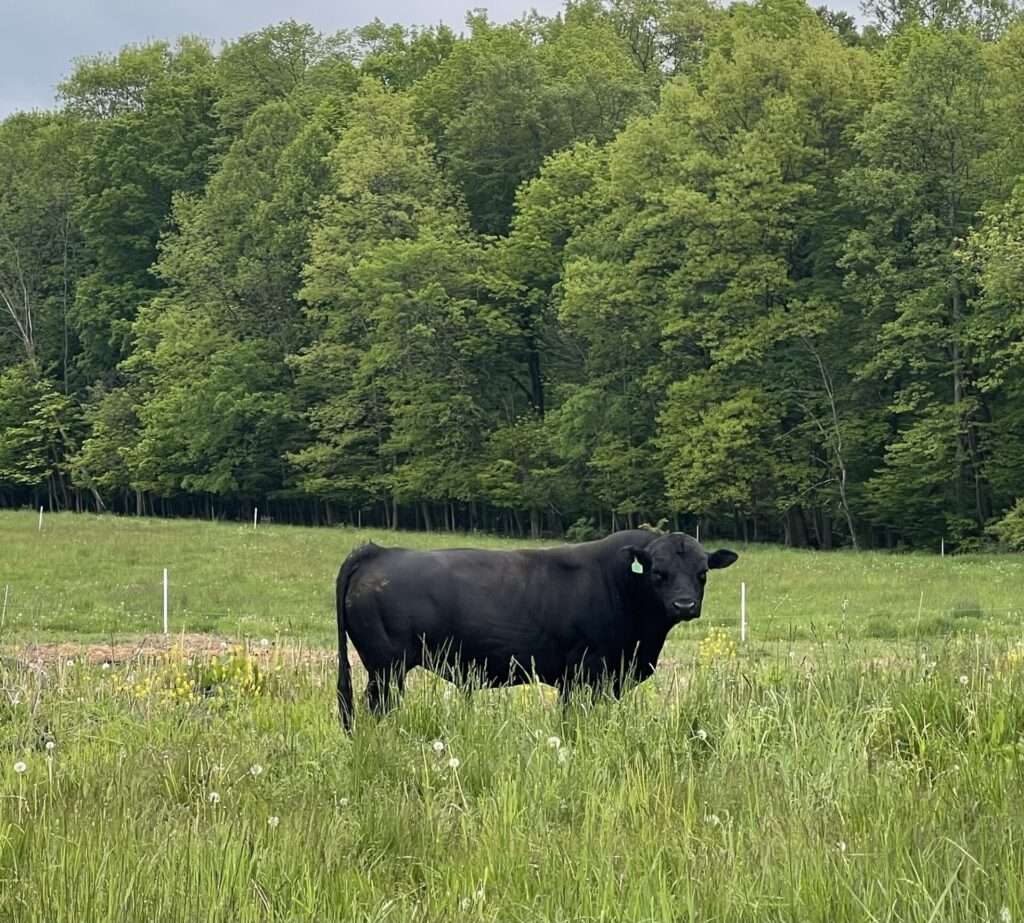
Someone recently asked about selecting a bull calf with traditional Dexter characteristics. Many breeders more experienced than me have covered this topic, but having bred Dexters for quite a few years now (and made plenty of mistakes) I am adding my two cents to the topic.
Selecting a bull calf starts before they are even born – by deciding your breeding goals, doing your research, and by collecting as much information as you can about the parents and as far back in their pedigree as you are able.
Once I have a bull calf on the ground, I am going to be evaluating him from day 1, until his last day on earth. I am looking for him to meet my breeding goals, and the Dexter breed standard. These are the questions I am asking: Is he short and beefy? Is he proportionate? Does he have a nice wide Dexter face with placid eyes? Does he have a shiny coat? Is he curious about humans and his surroundings? I continue asking these questions throughout his life, and then at 10-12 months I’m starting to look for signs of sexual maturity. Is he very bullish looking? Is he getting a thick neck and thick curly hair on his neck and head? Does he have a deep bellow? Are his testicles football shaped, and do they hang evenly? Are his teats evenly spaced and sized? And again when he reaches 3 years of age (this is generally when they have reached their full height), is he in the average range for height and weight? What are his calves like, do I like their birth weight? Were there any calving issues, dystocia, etc? Are the calves vigorous and up nursing quickly? Are the calves growing well? And again when his heifer calves have their first calf, do I like their udder and teat conformation? Are they easy to milk? Do they have good mothering instincts?
If at any time during his life he (or his offspring) stops meeting my goals, I am going to look to replace him with either another bull from my herd who I feel is an improvement (maybe even one of his sons), or an outside bull.
If there is one thing that has helped me most in selecting future herd sires, I think it would be looking at photos of bulls that embody the purebred Dexter (Hint: Try to go as far back in time as you can to get a complete picture).
In an ideal world we would be able to find or breed a great herd sire. But open cows are a financial drain, especially if it is a family milk cow! So, sometimes we have to make do with what is available. In that case, pick the best bull with the info available to you, with a plan to beef the offspring. If you get something extra special out of your bull (hey, we can all win the genetic lottery sometimes), use that calf to replace your bull.
I’ve included photos of two bulls at various ages that we have raised from birth to herd sires in our Dexter breeding program. Feel free to share feedback, I have not reached perfection yet 😄 I hope my experience and photos are helpful.
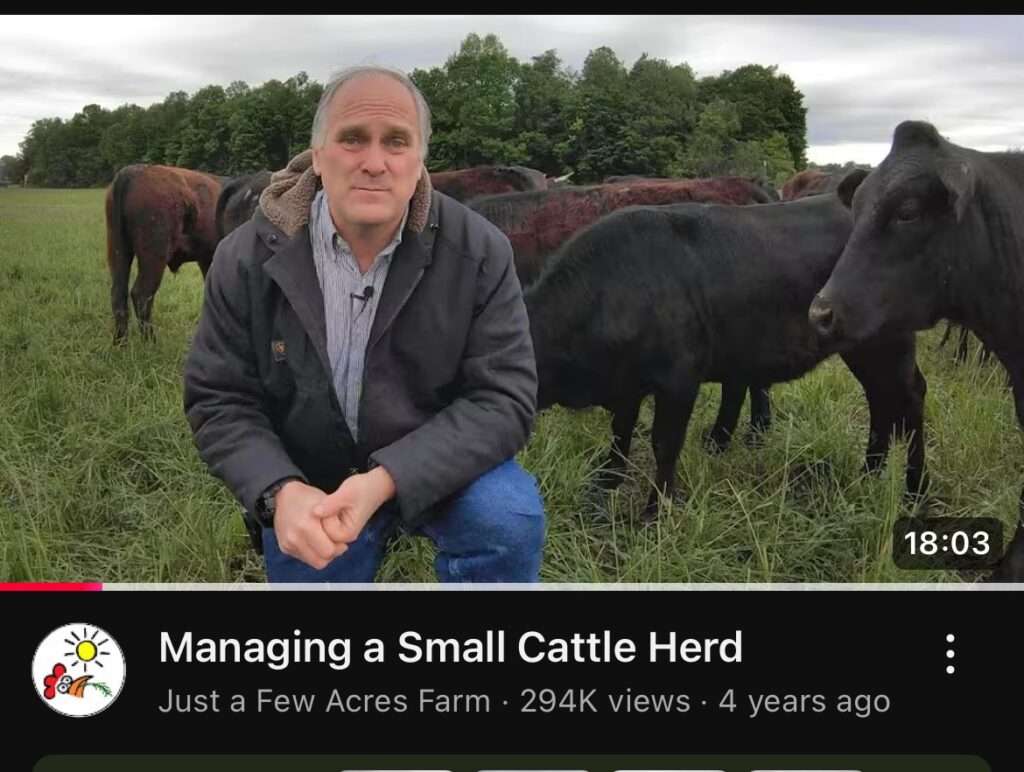
Let’s join Pete from Just A Few Acres as he talks about the nuts and bolts of managing a herd of Dexters.
Managing a small herd of cattle Read More »
Farm Management
Save money by using your cattle to graze remaining forage on hay fields. There are numerous benefits, including cost savings, fertilization, and soil/plant nutrient storage.
Do you have 100 days of grazing left? Read More »
Farm Management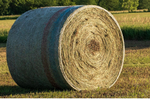
Having this information allows beef producers to match the right supplement strategy
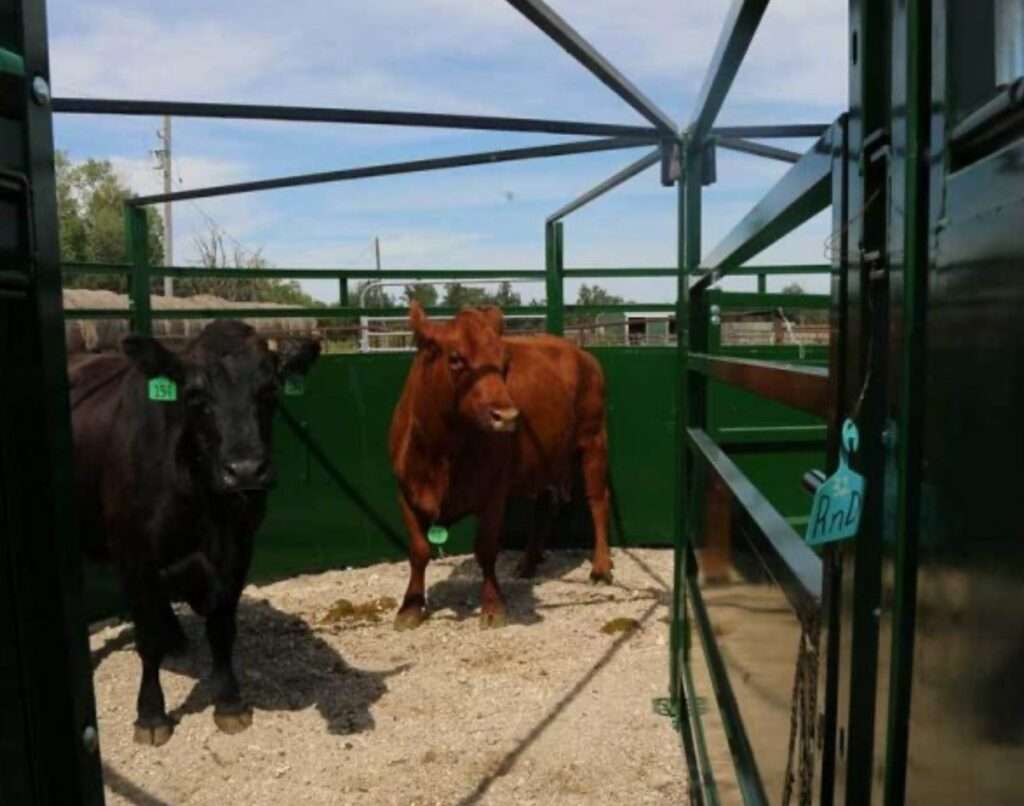
“Slow is fast”, this is the phrase my dad says at least once or twice every time we work cattle. There are some things you just can’t rush, and cattle are one of them. While we have found our Dexters are easy to move and work with, here are some tips to become more proficient in handling cattle.
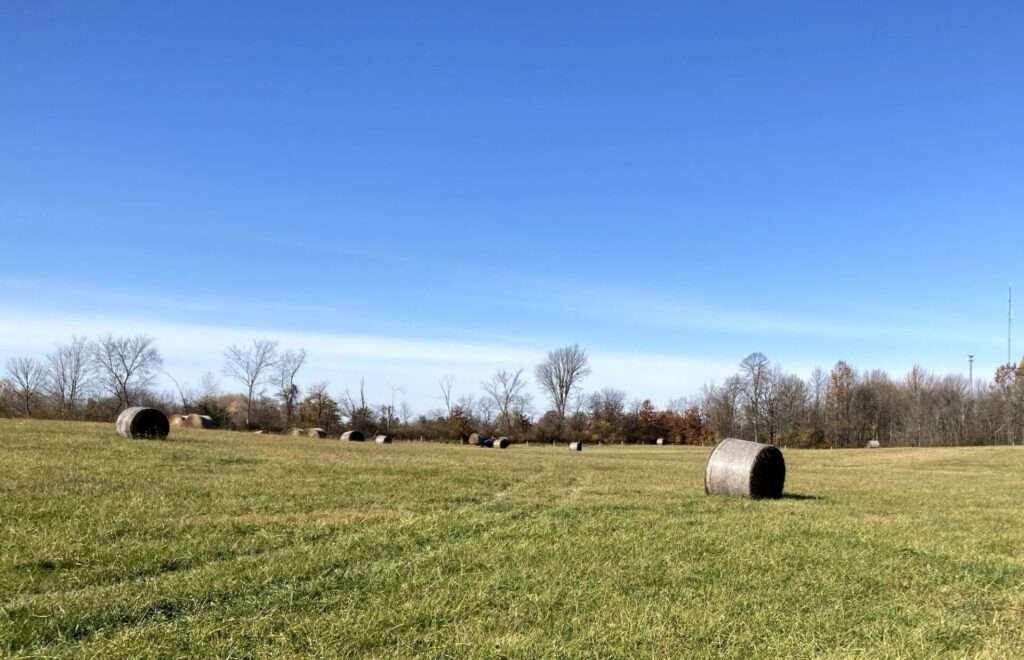
It’s hay season, which is always a hectic time of year in our area. You may not be ready to think about hay or winter, but you can usually get the best deals buying it right out of the field – and now is the time to do that!
Here is an article on tips for hay buying and making, with details on each animal’s nutritional needs.
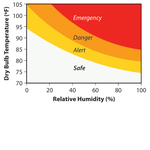
Shade is a must for pasture-based grazing systems. It curtails heat stress,
Shade Options for Cattle Read More »
Farm Management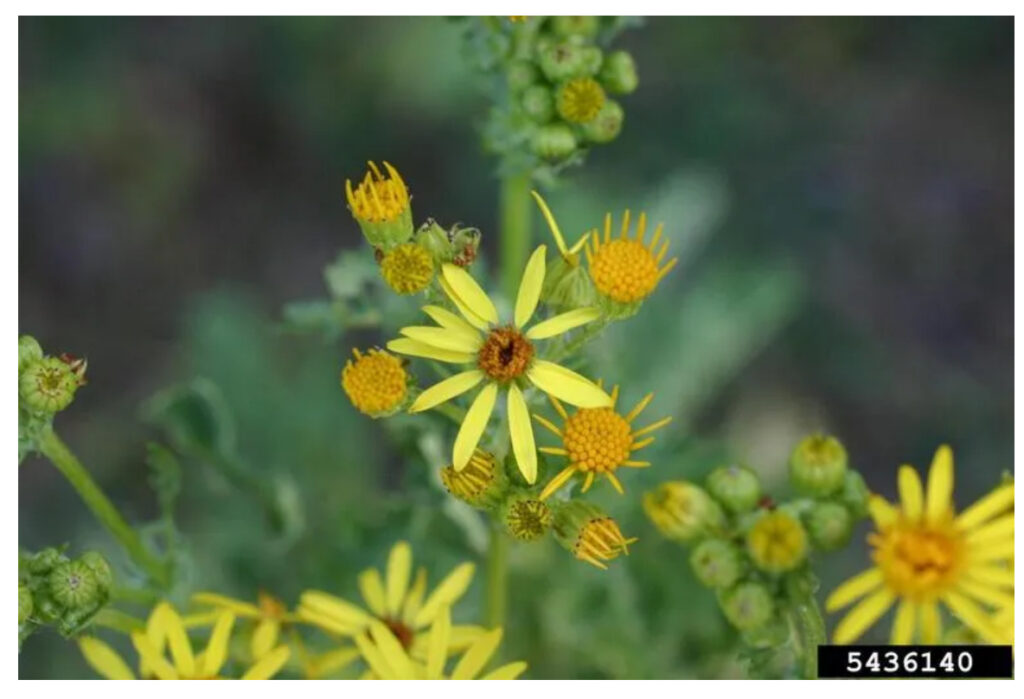
Almost every pasture contains some poisonous plants, or is bordered by trees or shrubs that are toxic.
Managing Toxic Pasture Plants Read More »
Farm Management
How systems-based research can help inform our farming practices, from creating more regenerative systems to helping with water retention in drought affected areas:
Working with Nature Read More »
Farm Management
As livestock farmers a large percent of our work goes into pasture and forage management. Invasive, non-local weeds can be a big pain, and some are even damaging to our animals (poisonous) and local forage. This article addresses simple, natural solutions to weed control on the farm. We have always had the most success by balancing the nutrients in the soil, and adding grazing animals at the right time.
Control Weeds Naturally Read More »
Farm Management
How to keep your homestead in tiptop condition as you run through these summer chores.
13 Essential Summer Chores Read More »
Farm Management
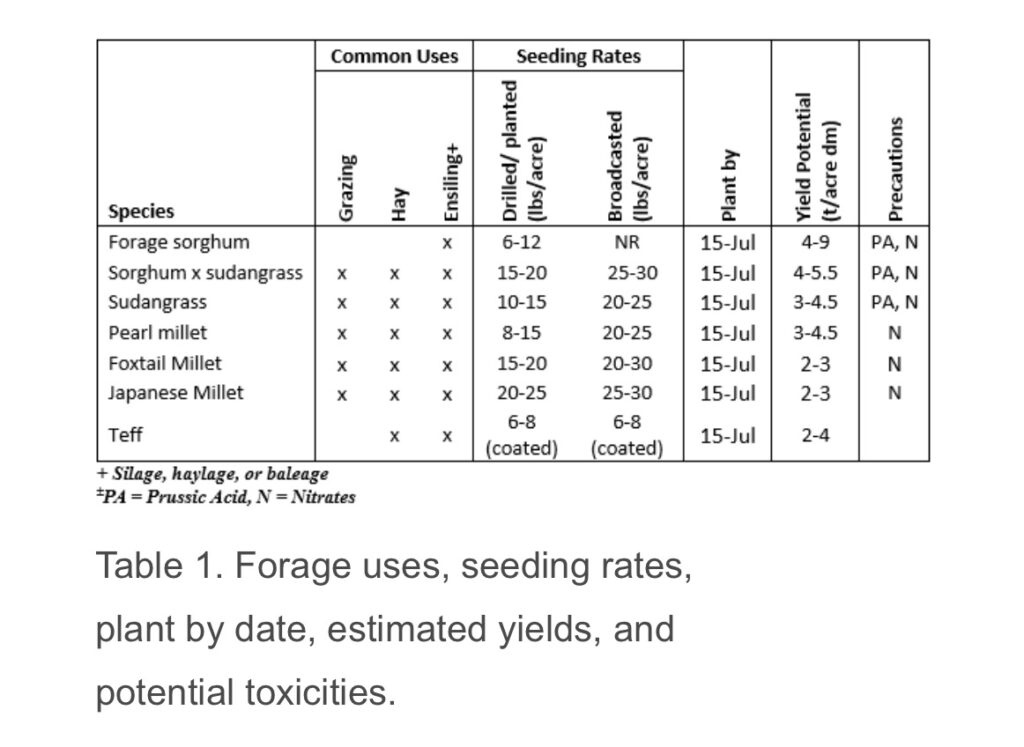
Valerie Tate shares management solutions, including planting warm-season annual forages such as pearl millet and sorghum-sudangrass
Filling the summer forage gap Read More »
Farm Management
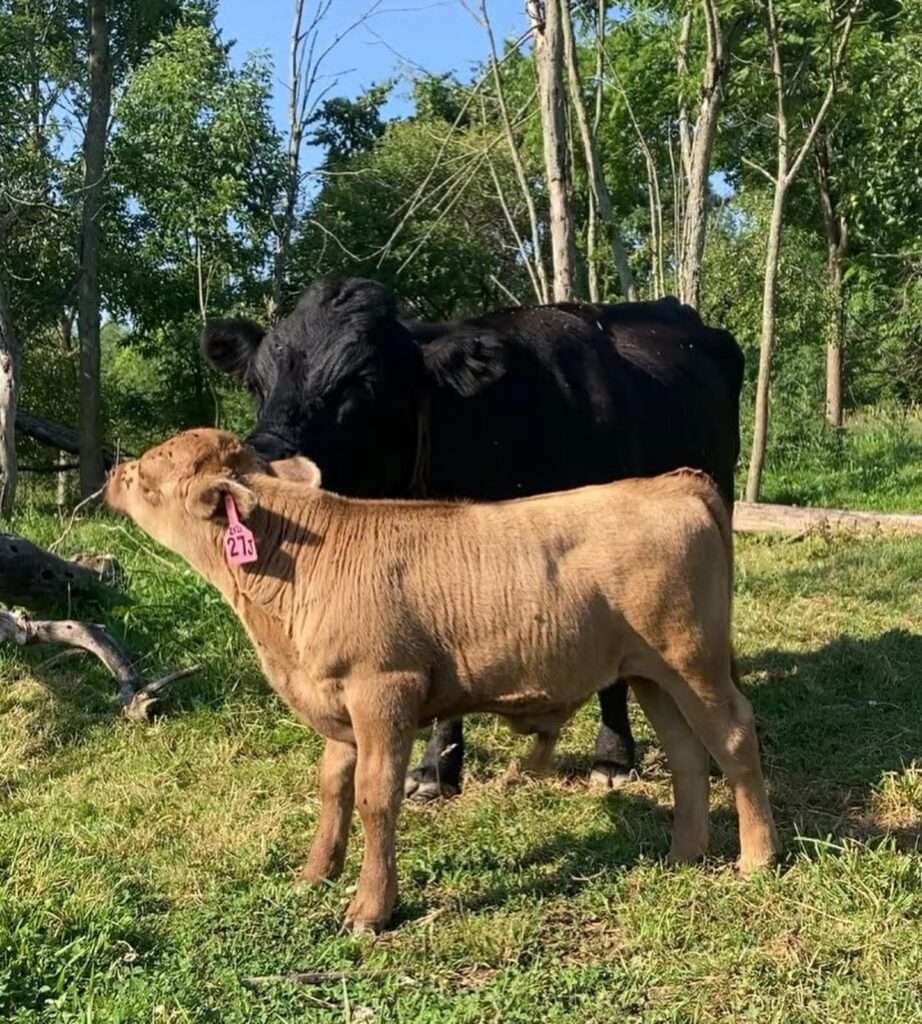
The Question is often asked “When is the best time to halter train your calves?”. We put a halter on a calf for our milk cows calves within the first week of life. This gives them time to establish a nursing routine, so the halter won’t risk being an interference in the first few days of life. You can easily pick up a newborn calf and take them to the barn to separate for the morning’s milking but that lasts for a short time. The sooner you get a calf to learn to lead the better off you will be as they only get stronger. If they learn from day one that you are boss, it’s a great start. For us the most preferred time for calving is when there is no grass growing and we are feeding hay. You can have a calf and its mother in a small pasture where the calf learns on a small scale to be caught, lead and released again. Then by the time the grass is green the calf has a better idea of what to expect and has gained more trust in people. You can use a small pasture during the growing season too, but then your feeding hay when they could be eating grass. We also teach our calves to be pushed at a young age. Often times the oldest calf that has been trained the longest will be the leader but temperament also has a play in the matter. If you start in small pastures you can round up the calves and they will all walk together to a location you want them to go to. If one doesn’t get into it’s mini herd, you can clip it’s halter and get it to walk. Training calves to do multiple things at a young age really saves you a lot of headaches later on when they are much larger. I halter train older calves too out of cows we don’t milk. They can be trained just as well in the end but it takes more effort than just integrating it into your everyday routine.
Halter training your calf….when is the right time? Read More »
Farm Management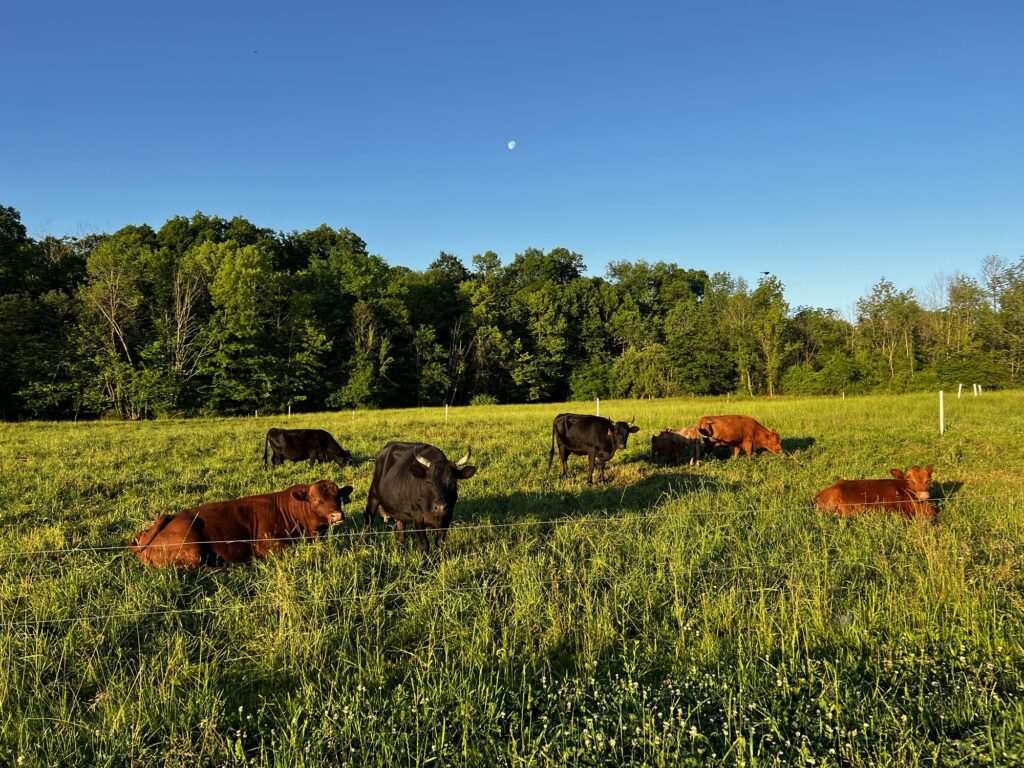
Watch as WR Ranch explains their set up and methods for rotationally grazing their herd of Dexter cattle.
Grazing Dexter Cattle Read More »
Farm Management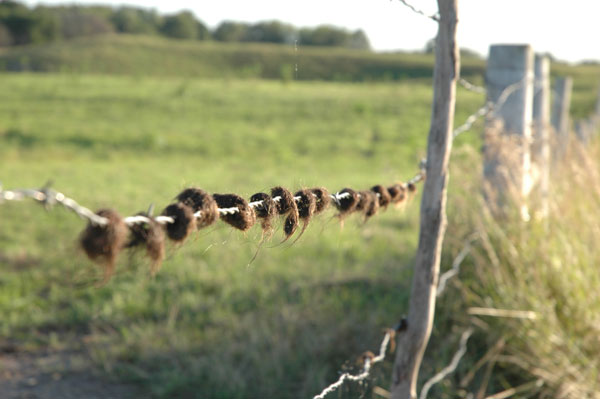
Corner posts are undersized, or not deep enough
https://www.beefmagazine.com/grazing-systems/7-common-cattle-fencing-mistakes

Pricing a Dexter in 2025 is nuanced and regionally dependent. Join David of DK Cattle Co as he talks pricing and the many details that can influence costs in today’s market.
The Cost of a Dexter Read More »
Farm Management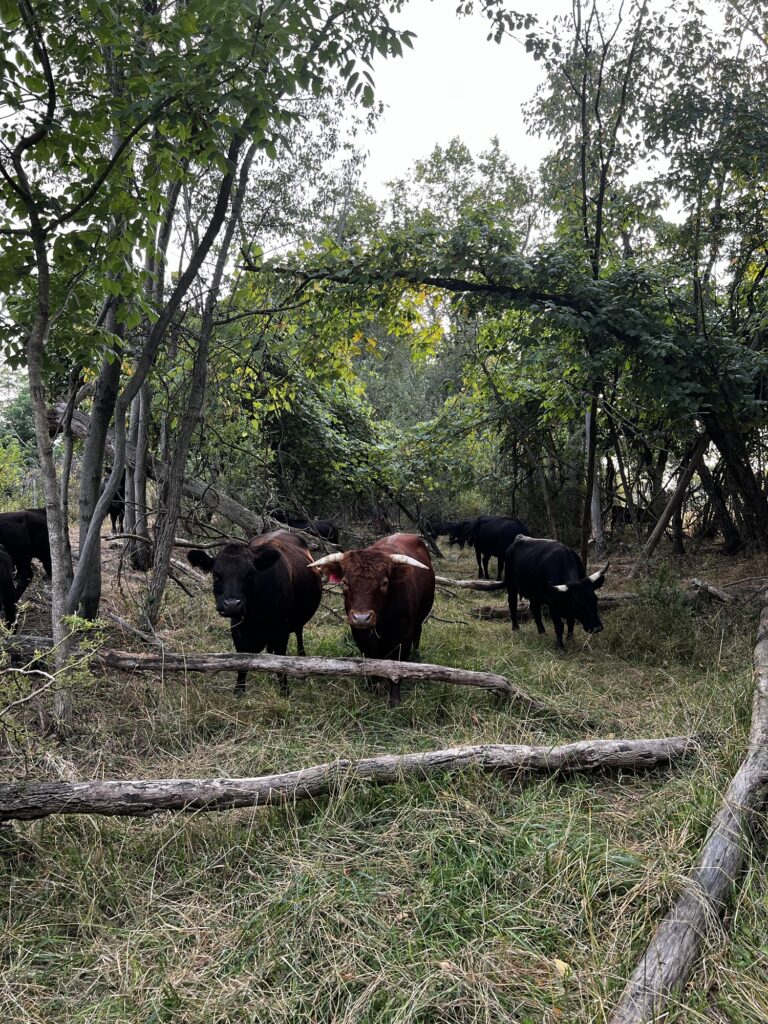
Are cows that eat willow better for the planet? A Queens University research project aims to find out if Willow can make farming more carbon neutral.
One aspect of Agroforestry uses trees as forage for livestock, and is gaining in popularity. Willow contain anti-parasitic compounds, they can be a great buffer around water sources, and have other great benefit to livestock and pasture. Do you graze Willow trees, or would you give it a try?
https://theorkneynews.scot/2021/10/12/willow-as-a-feed-for-livestock-pioneering-research/
Willow for Grazing Read More »
Farm Management
A great podcast by Working Cows, interviewing Bart Carmichael and Pat Guptill of “Principled Land Managers.” Bart and Pat talk about the importance of vision and principles in farming. Practices are flexible can change based on the land, animals and resources available, but having solid principles can set you up for success no matter where you go and/or what you do.
Chasing Fads will Leave You Behind Read More »
Farm Management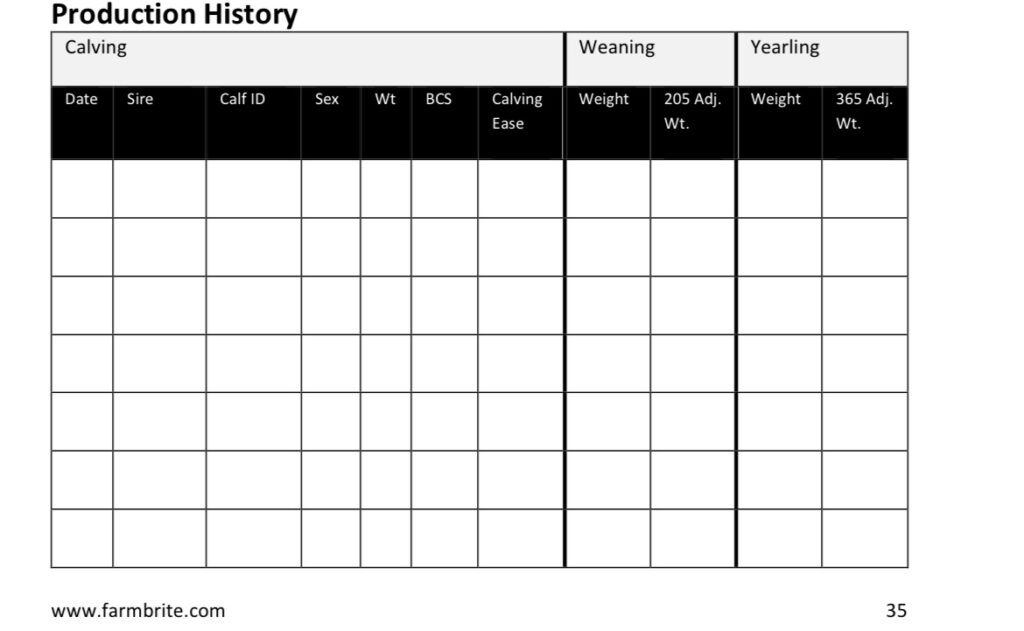
Keeping records is an important aspect of running a successful livestock business. It is even more imperative if you are raising pedigreed and registered animals. But, how do you know what details will be helpful and what details will just add more work to your already full plate? This article is a practical guide to the who, what, why and how of record keeping. And remember, “it’s practically impossible to manage what you do not measure.”
https://www.farmbrite.com/post/the-beginner-s-guide-to-keeping-livestock-records
Basics of Record Keeping Read More »
Farm Management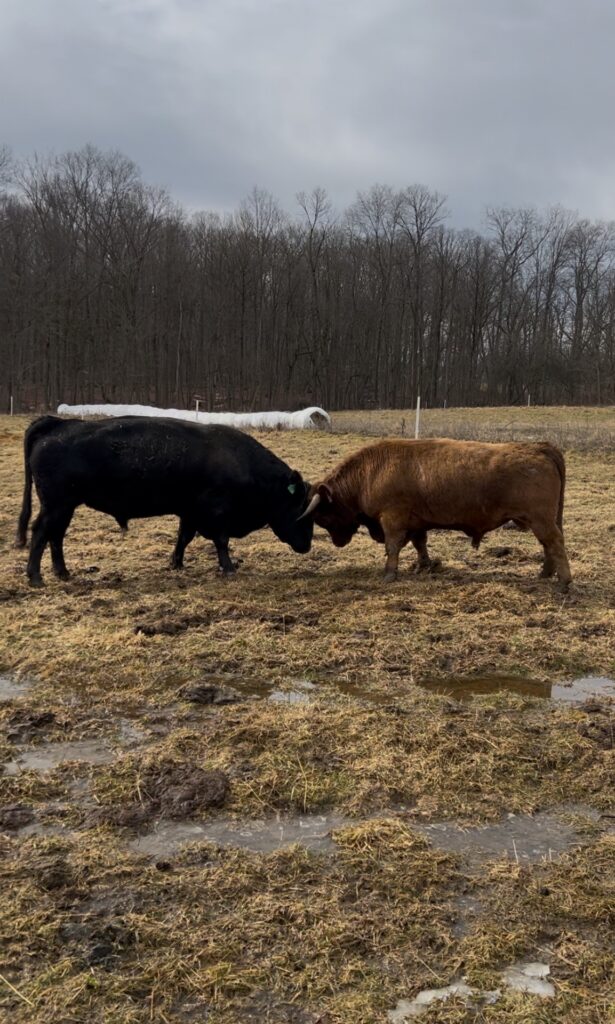
Let’s join Pete at Just A Few Acres Farm as he talks about the decision to start grazing his Dexters in the spring, as well as other spring chores on the farm.
Turning cows out on spring grass Read More »
Farm Management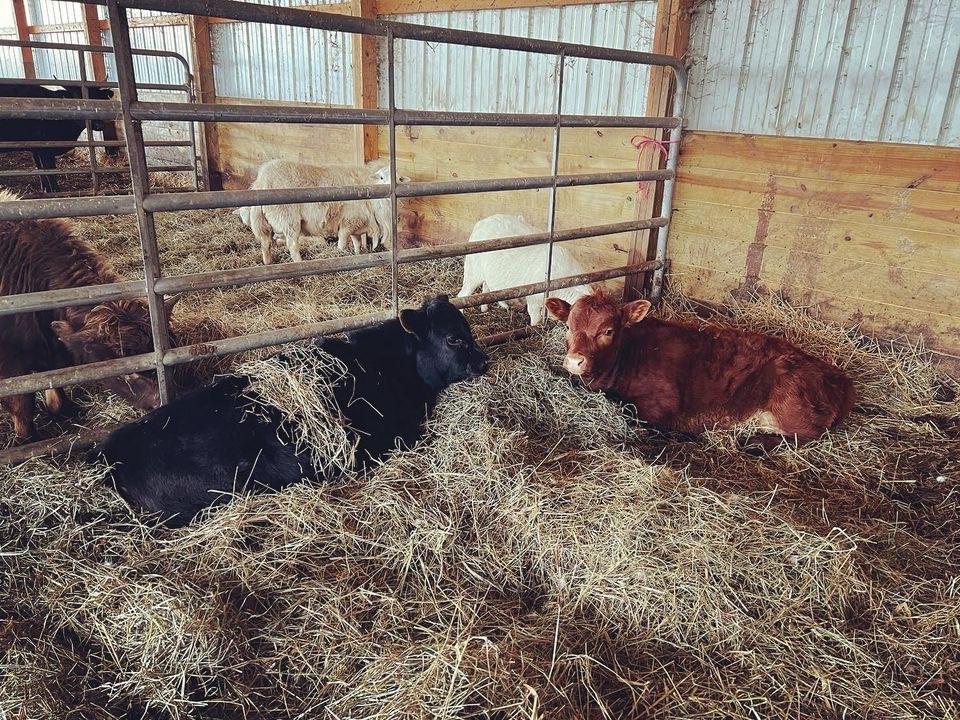
I found this DIY feeder when I was looking for inexpensive options for my sheep. As Dexters are smaller, I could see this working great for them as well. It would also work well if you have mixed species together in the pasture.
https://smallfarms.cornell.edu/2019/10/save-money-with-diy-hay-feeders/
DIY Round Bale Feeder Read More »
Farm Management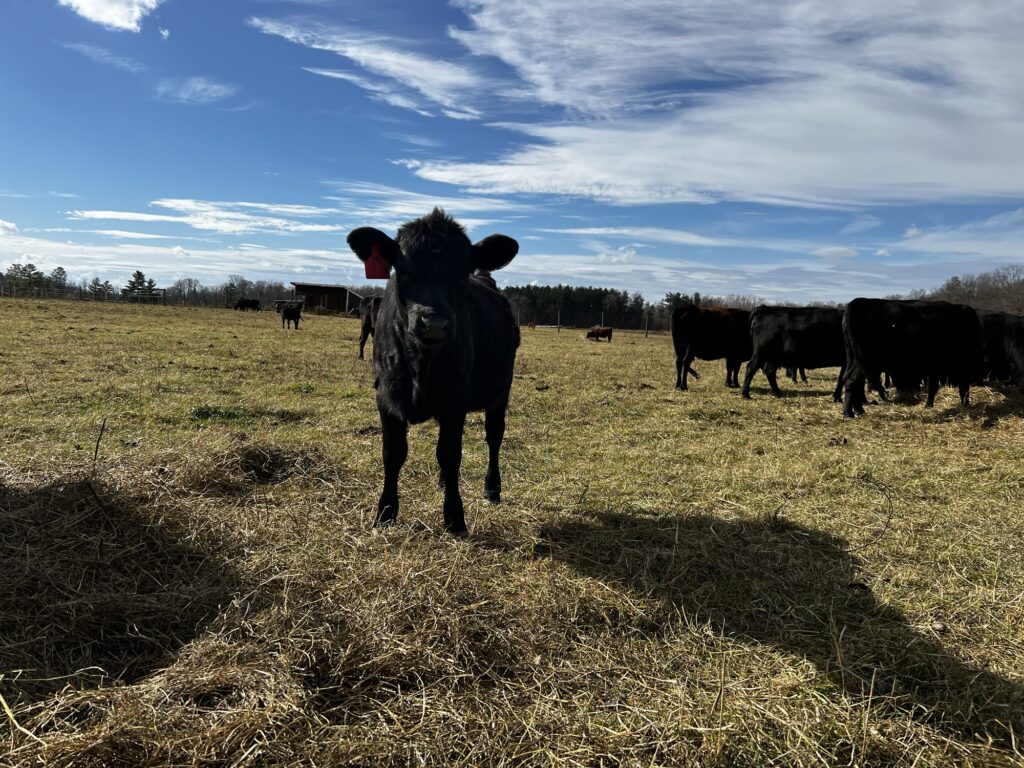
When you are considering trying something new it is always helpful to have the wisdom of others who have tried and failed or succeeded. We’ve done a little winter bale grazing with our Dexter herd, and the effects on the pasture are dramatic and obvious (a swath of lush green and clover through a mostly browning pasture). Here is a great farmer led study on the benefits of bale grazing that I have found compelling. Have you or would you try bale grazing?
Farmer-led research Read More »
Farm Management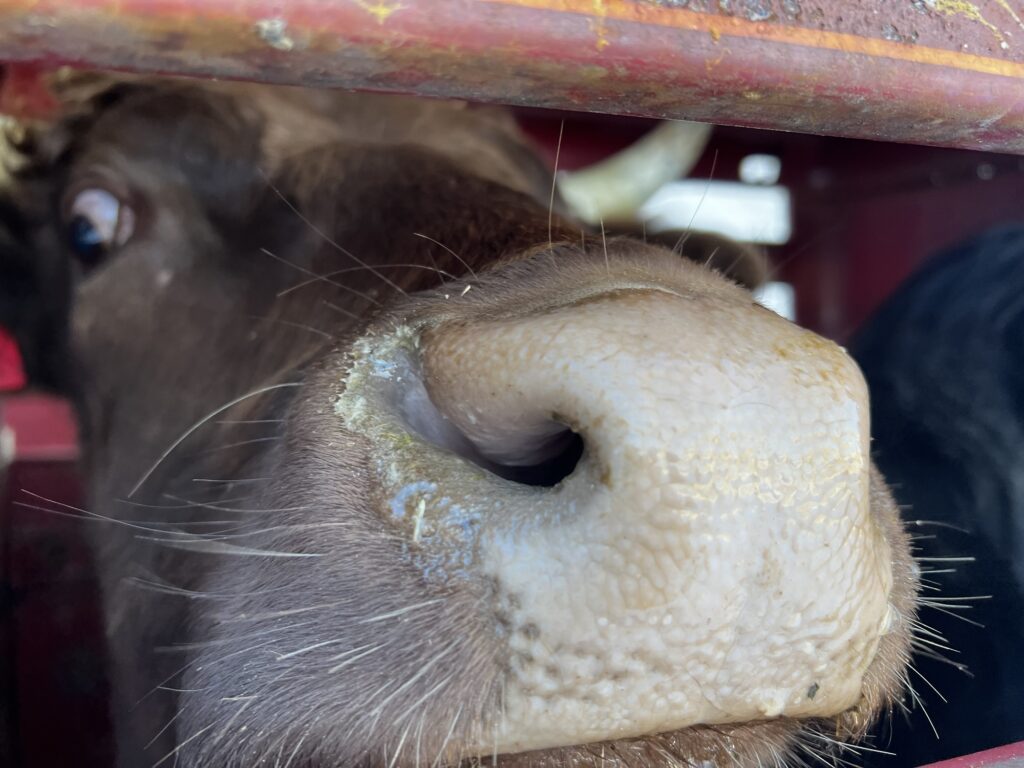
A good read on the current cattle market trends. Understand the market so you can adjust your sales prices and purchases for maximum yield.
Cattle Worth More than Diamonds Read More »
Farm Management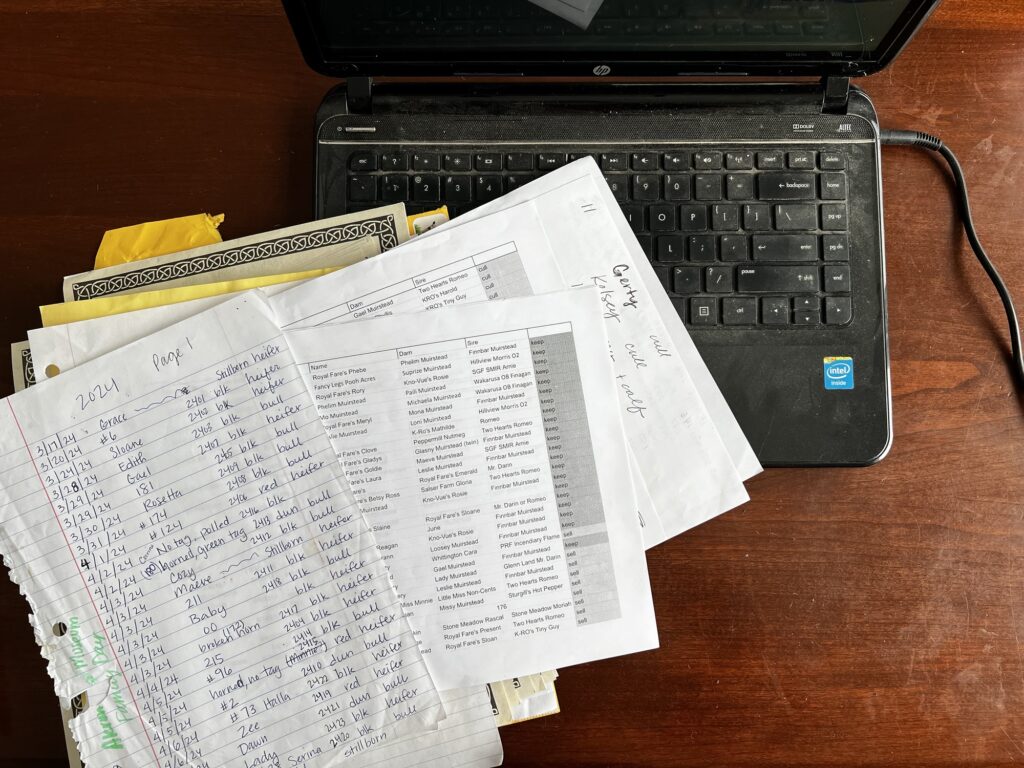
The article below has great tips on keeping helpful information about your livestock. Learn to run your farm, ranch or homestead more efficiently by keeping track various numbers year to year. Measure production in your breeding stock, milk cattle, and beef cattle.