The New Surge in Homesteading



The New Surge in Homesteading Read More »
Podcasts
If you love Dexter cattle as much as we do here at Irish Dexter Cattlemen, you jump at the chance to spend time with them. The American Dexter Cattle Expo is just the place to do that, and is hosted in Ohio this year. The event spans 4 days, July 24-27, and will have workshop speakers, cattle handling facility tours, shows and a live auction! Come to the Wayne County Fairgrounds in Wooster, OH to find out what all the hype is about. For a schedule of events and more info, click the link below.
Upcoming Ohio Event Read More »
General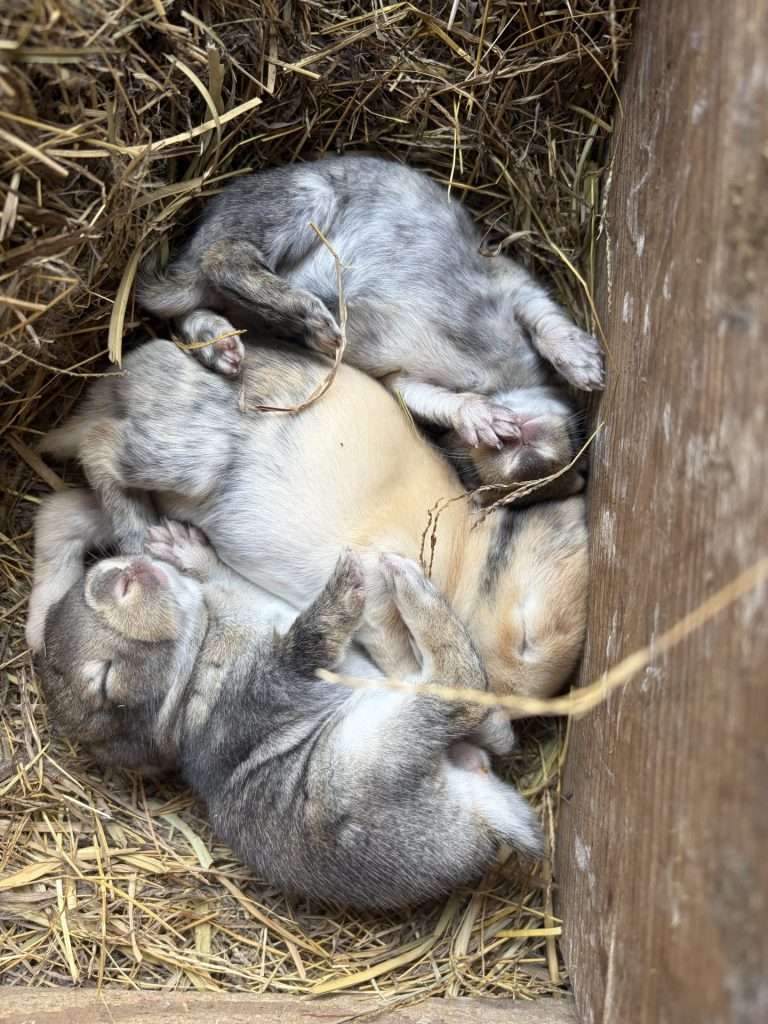
Once rabbits reach processing size, timing, preparation, and efficiency matter. The goal is a humane, clean process that results in usable meat.
When to Process
Most rabbits are ready around 12 weeks of age.
Beginner Tip: Research breed growth rates before buying rabbits so your expectations match reality.
Some people withhold food for 24 hours before processing to keep things cleaner. Do what works best for your setup. We do not find this necessary with rabbits.
Dispatch Methods (Overview)
Choose the method you are comfortable and confident using. Speed and accuracy matter most.
Beginner Tip: Practice and confidence matter more than the method itself. Hesitation causes problems.
Basic Tools You’ll Need
Beginner Tip: Sharp knives make the entire process faster, cleaner, and safer.
Processing Overview
Some people spray rabbits with water after dispatch to control loose hair. This is optional, do what works for you.
Beginner Tip: Go slower your first few times, but don’t stop moving. Confidence comes with repetition.
Gutting & Butchering
There isn’t a ton of meat on a rabbit, even a large one, use as much as possible.
Beginner Tip: If cuts aren’t perfect, don’t stress. Rabbit works great for stew, soup, or sausage.
Feeding to Dogs
At almost any stage, rabbits can be fed to dogs.
Beginner Tip: Test with one rabbit before committing to feeding whole animals regularly.
Final Notes
Beginner Tip: Clean, cool, and quick = better meat and fewer problems.
Rabbit Raising – Part 2: Not Keeping Them Alive Read More »
Homesteading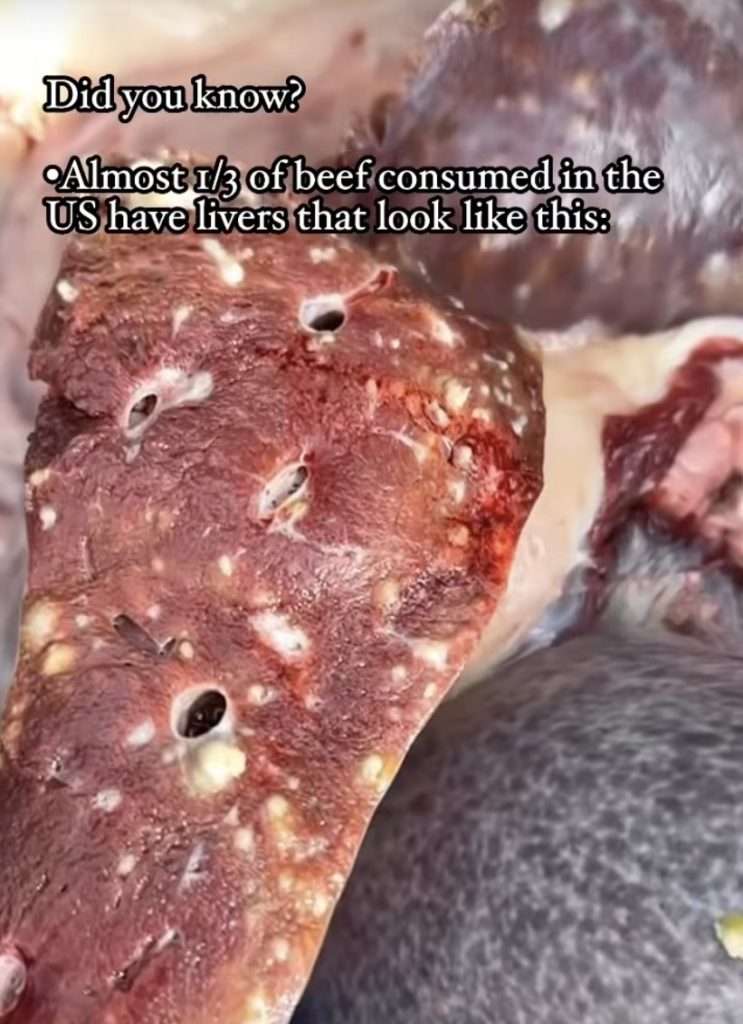
Recently someone complained about not getting their liver back for the processor. Turns out 1/3 of the beef liver may look like the one in this picture above.
This is from the folks at Backyard Butchery and a post from them on Facebook.
A few days ago I posted a video popping a gnarly liver abscess on a steer we processed.
I did not include much for context, mainly because I did not want to end up in a long drawn out grass-fed vs grain-fed debate. Also, because writing such a post requires a good amount of time, hence the now 4-day follow-up post.
So I will preface this post accordingly: as a business, we respect your decision to feed your animal however you choose. (As long as it’s getting fed, we do not care.) You’re the one eating it, after all!
However, what you saw in the previous video, and below, is 100% from an unbalanced diet of “hot feed” grains.
“Hot feeds” are easily digested, high-energy feeds, such as grains like wheat, corn, barley, & sorghum.
*It is important to note that alfalfa is also considered a “hot feed” & should be treated as such- seasonally, with bloat precautions. (I personally feed a lot of alfalfa hay, with zero concerns of liver abscesses.) Feeding alfalfa will increase heat due to those same high digestibility & energy content properties, but is otherwise considered non-problematic because it does not cause acidosis or gut issues the way that grains do.
In the first video I posted, the steer was heavy corn & sweet feed fed for an extended period of time.
In the video below, you see a different type of abscessed liver in a bull (from a feedlot) fed a ration of 50% corn & 50% alfalfa pellet. Both animals referenced with infected livers were young, under 3yrs of age. I can not tell you their breeding, as that information is unknown.
The USDA does NOT deem this meat inedible, only the liver itself. It can extend into the skirt steak & hanger steak areas, which, if affected, would also be thrown away, & the rest of the animal would be processed as normal.
In both cases, we showed our clients the liver, allowed them to contact their large animal vet, & make a decision for themselves. In both cases, vets were unconcerned for the safety of the meat & animals were processed accordingly.
Now, as someone who primarily processes meat for smaller producers & homesteaders, what came as a shock to me was just how commonplace infected livers are in other butcher shops, all over the country. So much so, that I posted the original video in a butcher group online asking the question “How often do you see liver abscesses in your area?”, & the responses I received back left me dumbfounded.
Comments from other whole animal butcher’s included, but not limited to:
-“Every day.”
-“Every Friday on kill day.”
-“When I was inspecting at a high speed facility it was very common to see in both fat cattle and cull cows.”
-“Usually in grain fed in volume and/or for an extended amount of time.”
-“I’ve seen it a lot on the slaughter floor in cattle on grain for 12 to 18 months. Offal condemned was very high.”
-“Get it heaps but never really that bad.”
-“Saw it 10+ times a day in abattoir, caused by grain feeding.”
-“Yes here and there unfortunately”
-“They call that too hot of feed meaning too much corn grain not enough roughage.”
*Pic in comments
This naturally led me to diving head first into a rabbit hole on the topic of liver abscesses & what little information I could find on what is ironically, a huge problem in the industry.
20-32% of beef processed has what we call in the industry, “avocado liver”. (Yes- it has a nickname among butchers.) What is SO disconcerting to me, personally, is how “normal” this is that nobody has even considered that maybe… it isn’t?
A further breakdown:
“According to Michigan State University Extension, liver abscesses are not a new issue, having been associated with cattle consuming primarily grain-based diets as early as the 1930s. But they remain a costly challenge.
Michigan State Extension Beef Specialist Jerad Jaborek noted that livers condemned at slaughter represent an annual loss to the U.S. beef industry of more than $60 million. And that does not take into account the approximately 5-15% ding to average daily gain, and 9.7% reduction in feed efficiency they also actuate.
Further costs are incurred at the harvest level, where carcass tissue around an infected site may need to be trimmed by hand, and a burst abscess can cause chain stoppage in a plant for an hour or more.
Liver abscesses are also on the rise. According to the National Beef Quality Audit 2018, the incidence of liver abscesses in finished animals had risen from 9.9% in 2010-11, to 19.3% in 2016-17. This piles more issues onto the plate of concerns about the issue, because feeding an antibiotic – most commonly tylosin phosphate – is currently the most effective strategy to control the problem.
But more liver abscesses means more prophylactic antibiotic use, at a time when regulatory bodies and consumer groups are calling on livestock producers to reduce their antibiotic use in food animals, not raise it.”
How they emerge on a scientific level:
“Liver abscesses are discrete circumscribed focal sites of bacterial infection within the liver parenchyma, generally due to bacterial translocation from the rumen through the portal circulation to the liver. The causative organism is almost always Fusobacterium necrophorum. Prevention of the causative rumenitis, by minimizing high grain rations, is generally effective as a herd health strategy. Treatment of individual animals is generally not pursued as clinical signs are usually absent; although affected animals do not gain weight as well as healthy cattle, liver abscesses are generally an incidental finding at slaughter.”
For those of you seeking “evidence”:
Please scroll through the screenshots here directly from the USDA website, of a study done on the subject of liver abscesses and their cause, dated March 20, 2024.
“Most people associate liver abscesses in cattle with a high-energy diet. The theory is that when cattle are fed elevated grain levels, highly fermentable starch in the rumen is rapidly fermented by bacteria, causing a drop in rumen pH. This acidity causes damage to the rumen lining, allowing bacteria to travel into the blood, reaching the liver and other organs where they can cause infection. However, it is still unknown with accuracy the exact route that these bacteria take to cause infection or injury to the liver.
The study confirms that an acidotic diet, combined with bacterial inoculation in the rumen, can be used as a model to induce liver abscesses. However, further research is being conducted at USDA to determine the consistency of the model before it can be used to evaluate new interventions to prevent this complex infection.”
You DIDN’T get your liver back…maybe this is why? Read More »
Beef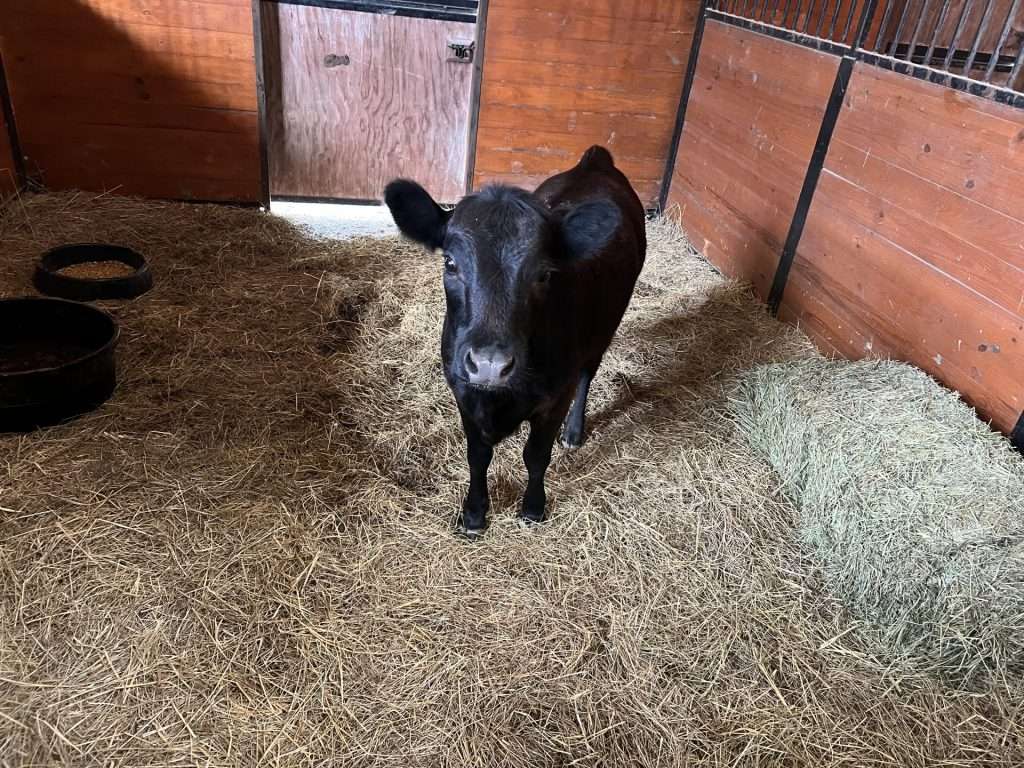
For those who have been following my articles, I have been documenting my experiences with Dexter cattle. I did what my Dad always said to do, which is when you don’t know where to start, start at the beginning.
This month’s article I thought it best to jump to present day. I wanted to tell the story of Sweet Caroline. There is nothing that embodies the title of my articles than her story.
Sweet Caroline is a yearling heifer out of my beloved cow, Willow. She is Willow’s first born and I tend towards names with “Sweet” in them for her calves. You have heard it a million times from cattle owners, but Sweet Caroline is literally the first cow/heifer to meet me when I enter the pasture.
She is the loudest heifer I have ever had. Every morning I come out of our stables (they are attached to our home) and yell, “Good morning everyone!” I also sing a little ditty that I made up. Just being open. I love my animals. Sweet Caroline, without fail, will moo/call loudly in response. I shake my head and smile when I hear it. Every day.
Our Yellowstone LLC is in the business of breeding and selling cattle. I am the type of owner that hates to see them go, but understands that it is a business. Sweet Caroline was put for sale and a deposit was received almost immediately. I was excited for her to be going to her new home. The buyer was a first time cattle owner and was also purchasing another heifer from a Dexter cattle owner in Iowa. The plan was to meet the new owner in Iowa, so that the new owner could pick up both heifers. The location of the farm in Iowa is roughly 6 hours away from my home in Illinois.
The date was picked and my wife and I loaded up Sweet Caroline early on a Wednesday morning. We used a strategy that we have used many times in the past. We put Sweet Caroline in a stable overnight. The trailer was backed up to the stable area and the door opened. Sweet Caroline had not been in a trailer in the past, was alone, and did get agitated. After some gentle prodding, she did get into the trailer, but did seem intent on getting out. She wasn’t kicking or hitting the sides of the trailer, but had the look of fear. The wide eyes are a dead giveaway.
Did I sense something? There is something there but I can’t quite put my finger on it. There is something off. I know my cattle. Admittedly, I hesitated for a moment, but made the decision to begin her journey. It is a decision that I would go back to over and over the next few days.
No matter how long the trip, I always have hay, grain and plenty of water in the trailer for the cattle. This case was no exception. I stopped every 2 hours and checked on her. At one point, Sweet Caroline, was laying down and appeared calm. This made me feel better.
I arrived almost simultaneously with the new owner at the farm in Iowa. I noted right away that my plans to back my trailer up to hers and allow Sweet Caroline to walk in would not work. Her trailer was not a stock trailer and it was much smaller than mine.
I won’t get into all of it, because frankly, it doesn’t matter at all, but a decision was made to put Sweet Caroline into a corral with the other heifer so that they both may be loaded later. It didn’t go well.
I backed my trailer up the corral door. I opened my trailer door and Sweet Caroline immediately exited. I closed the trailer door and walked to the truck to move the trailer up so the corral door was accessible.
Upon walking back to the the corral, Sweet Caroline was running around the corral looking for an exit. When she didn’t see one, she put her head under the lower railing on the corral wall, lifted up, and went under the corral. She was out.
“Is there a fence?”, I asked.
“No. There are no fences.”
I watched as one of my beloved cattle walked/ran, through wide open fields. You can’t imagine what was going through my mind. None of it was good. Heartache, fear, worry. Six hours from home, I lost my Sweet Caroline. For those who don’t know me, and for those who may not know me well, I will tell you this. I won’t give up. Ever.
Next month the story continues. Bring in the drone!
A little bit about the author. I own and operate a small farm called “Our Yellowstone LLC” in Illinois. I couldn’t do it alone, but will keep my wife’s name out of it to protect her innocence.
Dexter Cattle – Joy, Laughter, and Heartbreak – Sweet Caroline (Part 1) Read More »
Selling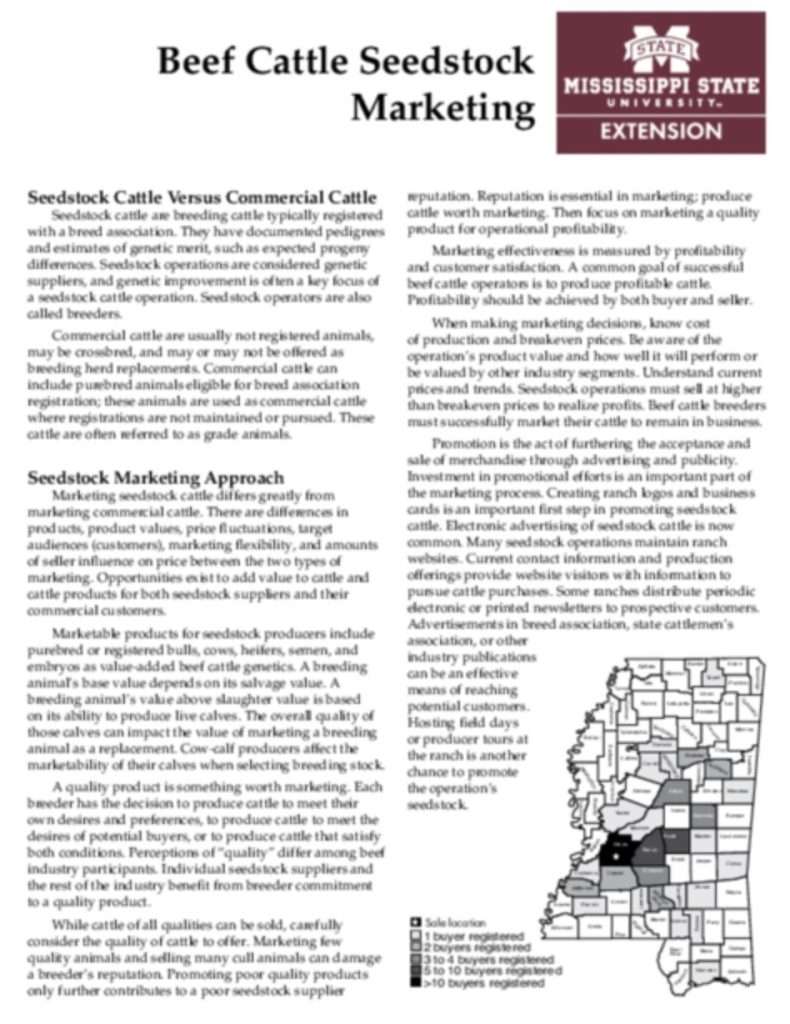
The Cattle Market is changing! Stay informed to make sure are not selling yourself short! Consider posting all your livestock on the Irish Dexter Cattlemen Marketplace. First ad is on us!
https://extension.msstate.edu/publications/beef-cattle-seedstock-marketing
Are you keeping up with the market? Read More »
Selling
Technology for farmers just keeps getting better. Check out these apps!
https://www.agweb.com/news/business/technology/farmers-reveal-their-10-favorite-apps
Are you into Apps? Read More »
Technology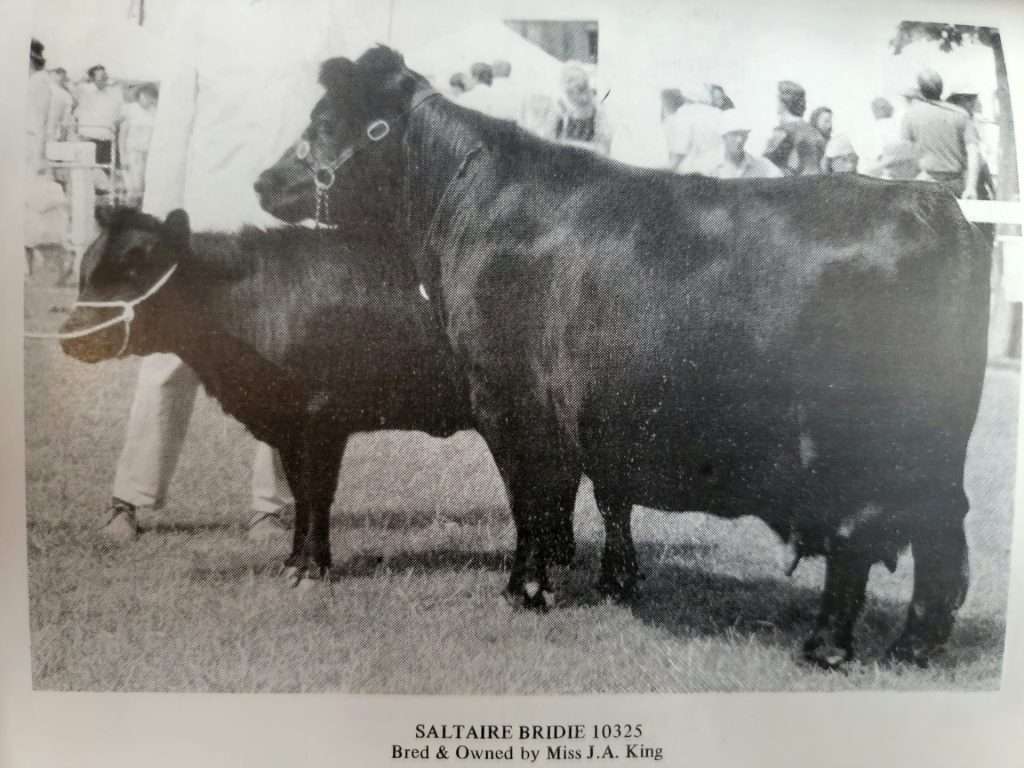
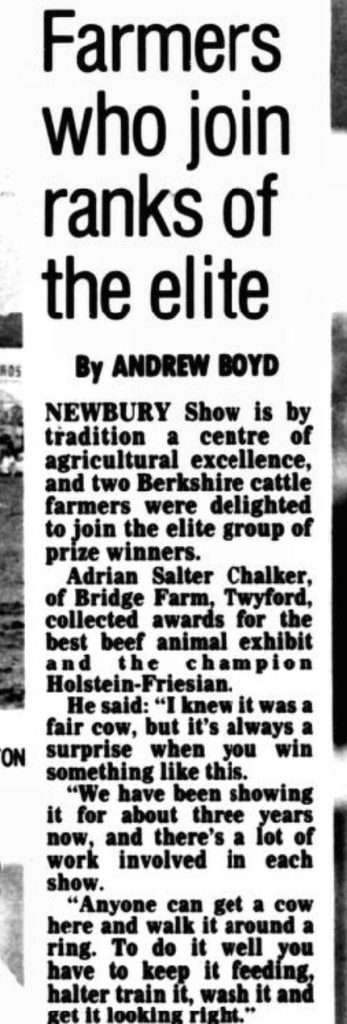
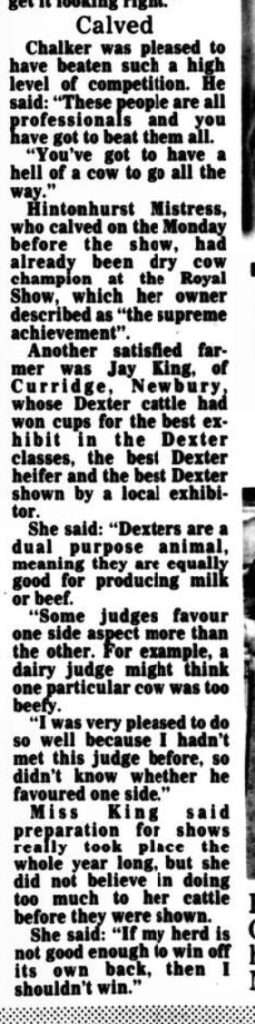
This article written in 18 September 1989 from Reading Evening Post lets us know that much of the confusion on judging dual-purpose Dexters has been around for a long time. Dexters are a dual-purpose breed, so both dairy and beef traits are supposed to be considered equally, therefor a well-balanced Dexter in both traits would be most apt to win a show if a judge were to judge accordingly. The common problem is that when judges consider a Dexter, they will look at it with their beef or dairy perspective and have a hard time balancing the two as many judges are most accustomed to judging one or the other. The only thing that keeps judges in line with a breed is having an accurate standard to breed by and a scale of points to score by. No judge should be asked such a difficult task of judging a breed without the standard of the breed as it sets him up to only fall back on his personal area of expertise which may be dairy or beef.
This article gives a quote by a Miss King, it says “preparation for shows really took place the whole year long, but she did not believe in doing too much to her cattle before they were shown.” She went onto say “If my herd is not good enough to win off its own back, then I shouldn’t win”. The value in this statement is that one must properly care for their livestock all year round if you expect them to win a show, but good quality cattle look great even when just standing unprepared in a pasture.
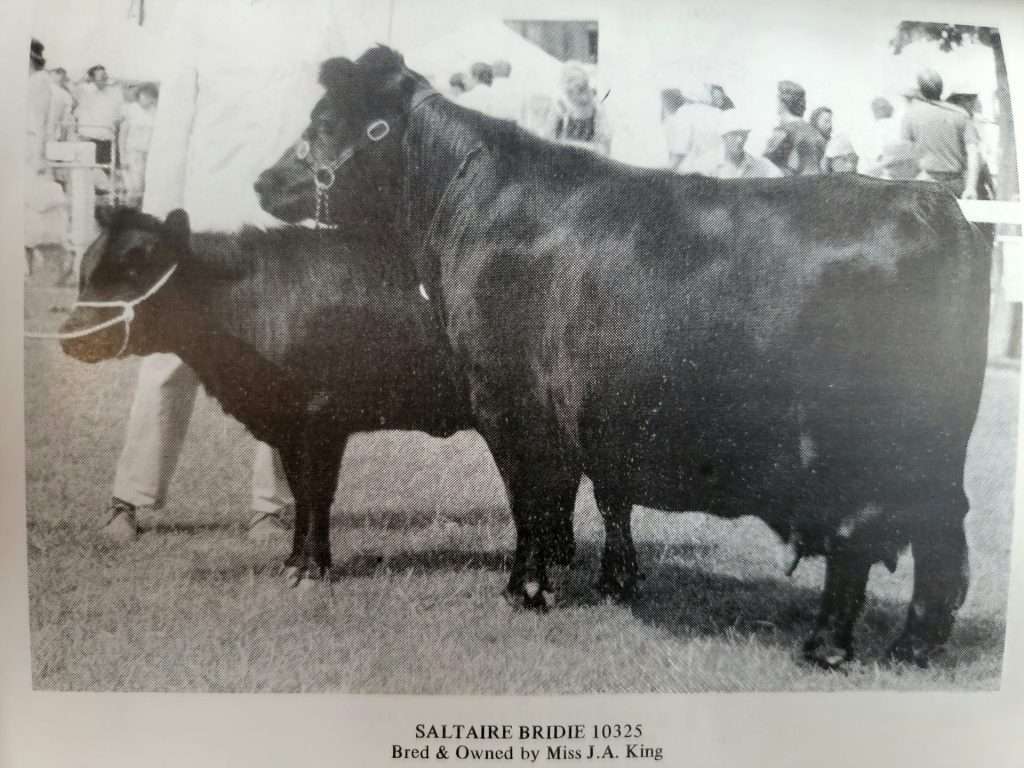
It is interesting to note that this Jay king would have been the woman who owned the Saltaire herd. The Saltaire herd produced one of the most well-known bulls in all of history due to his major impact on the breed by spreading polled genetics far and wide. He was born about 1 year after this article on Sep 29th 1990. Here is a photo out of the 1989 DexterCattle Society Herd book of a Saltaire Bridie both bred and owned by Jay King.
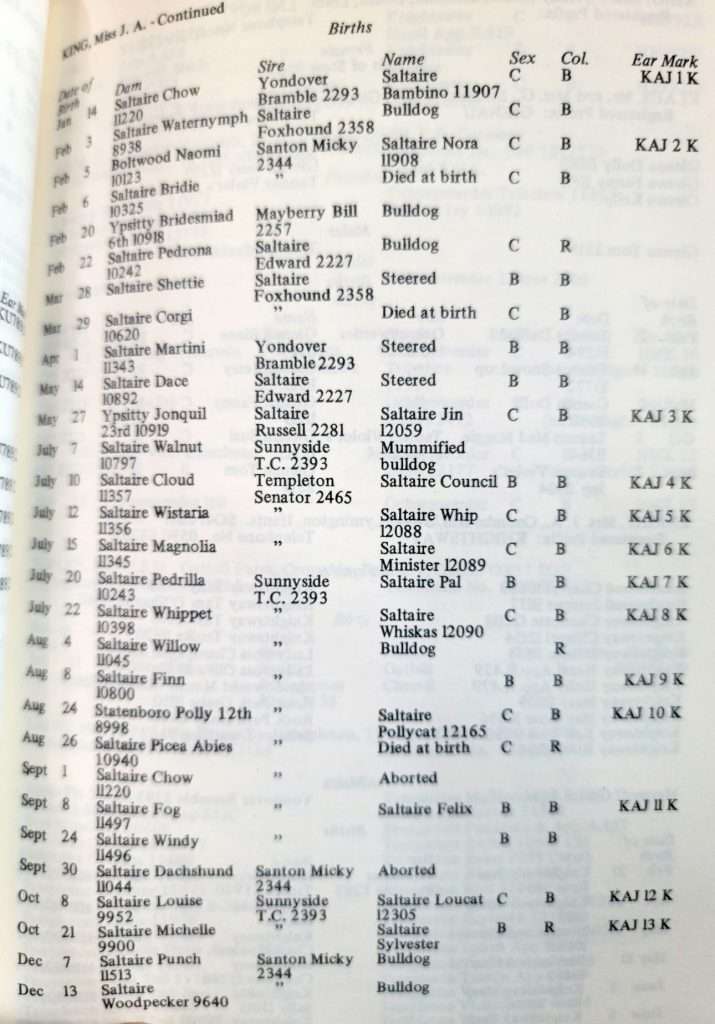
Here is a breeding record for the Saltaire herd in 1989 from the Dexter Cattle Society Herd Book. It is interesting to note that only 15 out of 27 calves were living calves. People often wonder if Chondro carriers were much more prevalent in days past and the answer is yes, they were. We cannot go back and genetically test them to prove their chondro status, but the notes of bulldog calves shows that a large majority of Dexters were chondro carriers, and the pictures tend demonstrate this by their phenotype. For reasons like this, no one could ever deny that the chondro dwarf Dexter had a major role in the History of Dexter cattle.
This Article was written by Danielle of Bryn Mawr. If you wish to reshare this article, please contact the writer first. This article was written to share facts and let the reader use those facts for their own education.
Dual-Purpose Dexters winning off their own backs Read More »
Historical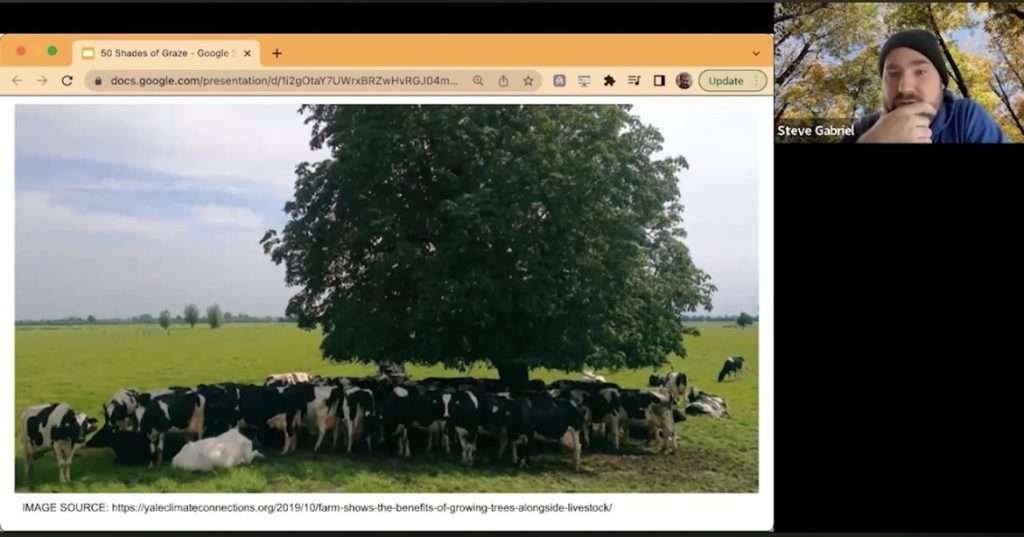
There is nothing I enjoy more than being out in the field, observing and spending time with my animals. During the hot days of summer, both my animals and I migrate to shade for relief from the sun. This webinar talks about how to increase productivity and animal welfare by providing various types of shade for grazing animals. Where is shade most helpful? What methods of shade provide the most bang for your buck? Watch this video to find out more.
Shade for Grazing Animals Read More »
Farm Management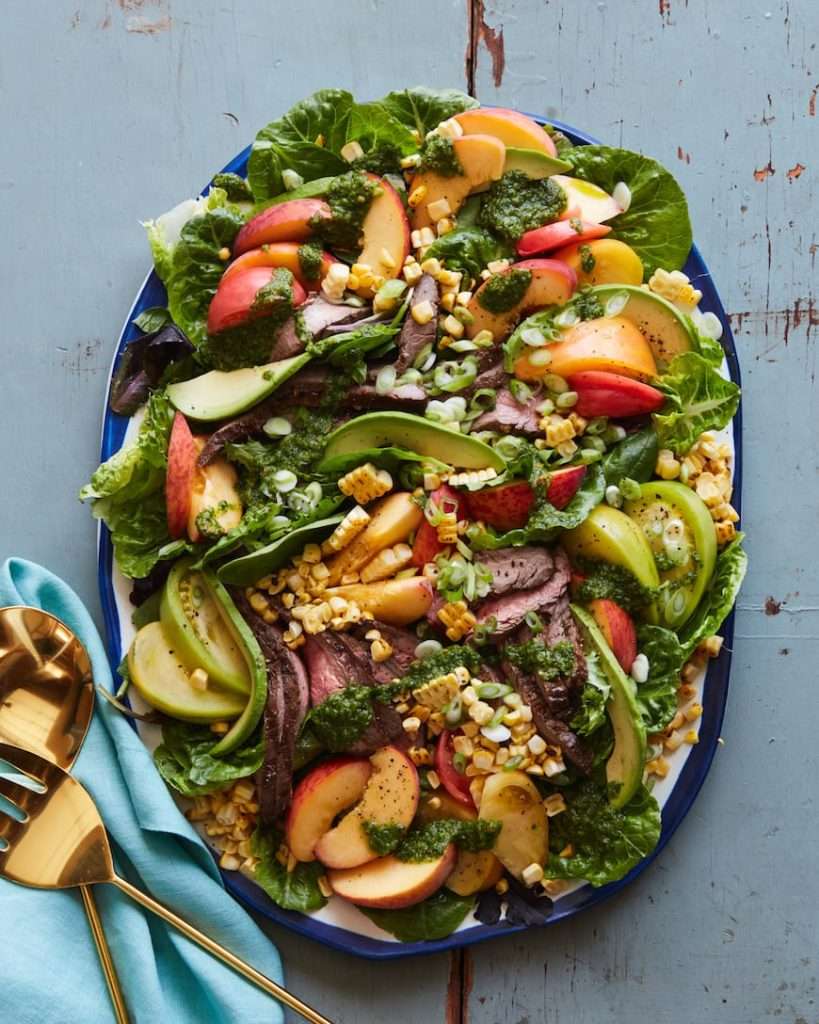
It’s that time of the year when the gardens are providing such goodness. Why not pair it with some great grilled Dexter steak?
Loaded Grilled Steak Salad Read More »
Beef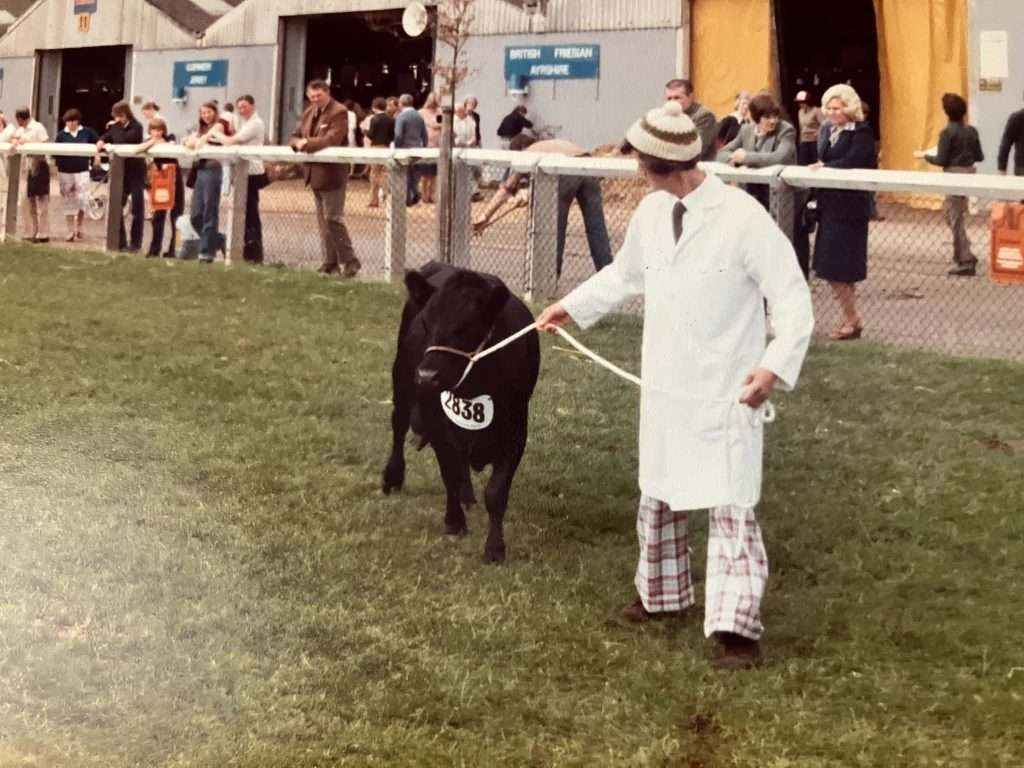
With the recent passing of Helen Jane Paynter breeder of the Knotting herd on Friday the 27th March 2026 I felt inspired to share some information on Jane as every dexter breeders’ life may have a good story to tell. Jane will in no wise disappoint you in her interesting character and attention to detail. I find her devotion to the breed and her ability to focus on small matters inspiring, hopefully likewise inspiring to the next generation of Dexter breeders.
Besides the fact that Jane’s Knotting Herd became extremely well known and won many Championships, there is a story behind the breeder of those Dexters that helped form her herd to be what it was. Knotting was named after a Bedforshire village where her family had lived at the start of the World War. She moved to Devon in 1972 and started her Dexter Knotting herd.
She built up a herd of milk recorded Dexters while many other breeders were not recording. She was meticulous in her selection for good udders along with other important traits, some even small matters that others may overlook. She had an eye for conformation and the breed standard. This is evident in her placement on the linear assessment board during the time of the World Dexter Congress. But it’s the stories that have been shared with me by older long-term breeders that bring home the point and fully paint out her character. I was told by multiple breeders that she was firm on many points but also very generous in sharing her knowledge when helping others to establish a new herd. She was encouraging and helped mentor people new to Dexters, helping them select breeding stock.
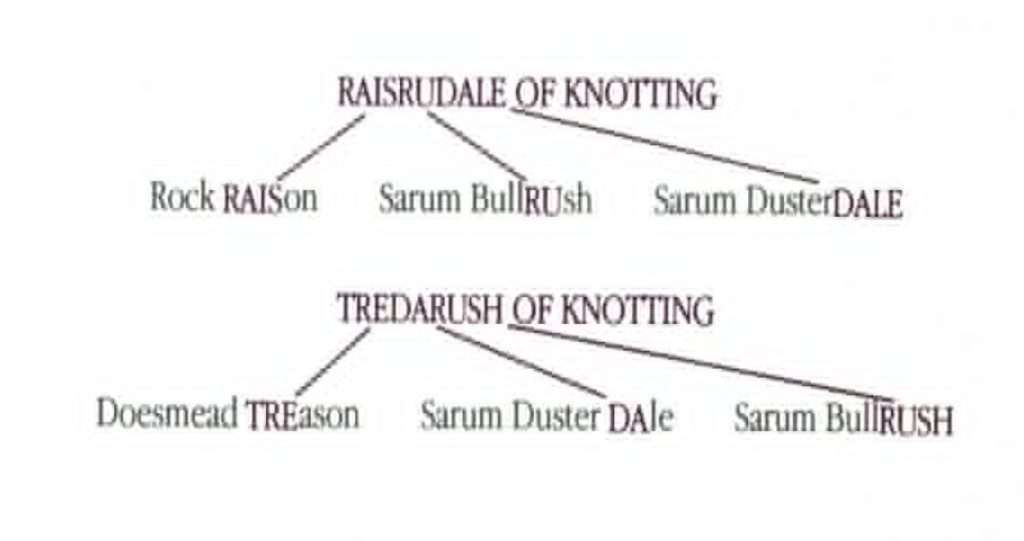
Jane also had a very unique way of naming her Dexters that helped anyone who was reading the name of the Dexter to know the line it was out of. She used small bits and pieces of their name in naming the offspring, making for interesting sounding names very unique to her herd. You will notice some of them in the names of the Dexters pictured in this article. Below I will show an example shared from Ted Neal’s book “The life and Times of Dexters”. There is a whole section in the book just devoted to the Knotting herd.
When I had asked about her exacting eye for details this story was shared with me. “Once at the show and sale at Stoneleigh a heifer misbehaved in the ring and ended up turning herself upside down in front of Judge Jane. This gave a full view of a white patch in forward of the navel, maybe about 2 inches across. I think a lot of judges would just have moved her to the back of the line, but Jane unceremoniously ordered her back to the pens. The owner was affronted. When the judging was all over Jane came to the pens and tried to make her peace with the lady but it was too late!”. This is a common response we see when someone looks to follow the rules and keep the standard. Many people will not care for such attention to details, but Jane’s herd was built by these details and because of it she prospered. The name of her Knotting herd will long be remembered.
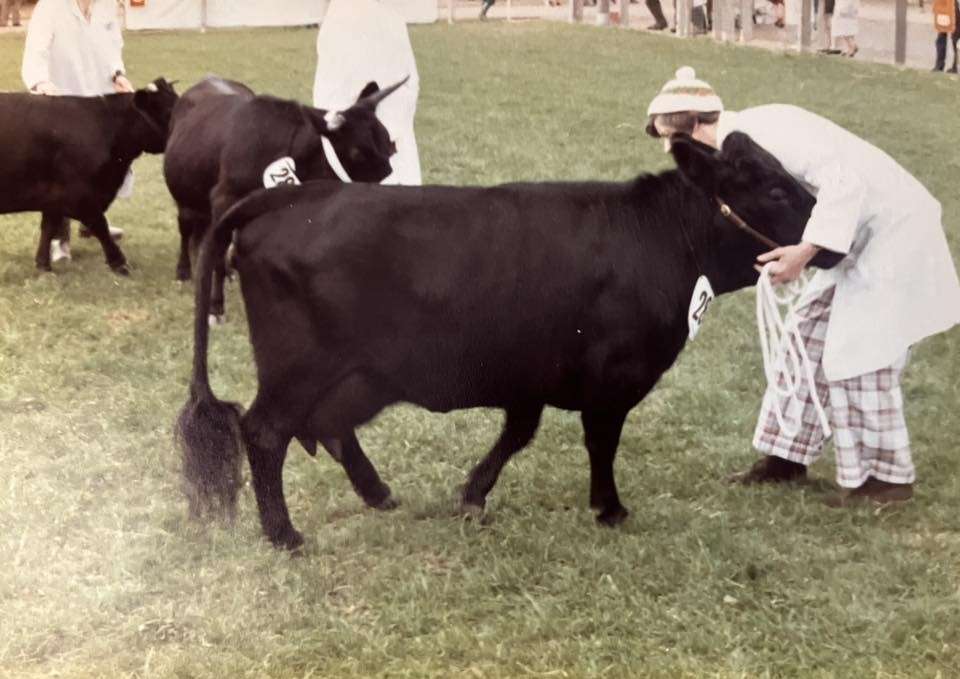
The Royal Show in 1981 with Jane Paynter and Knotting Little Ladyrudale
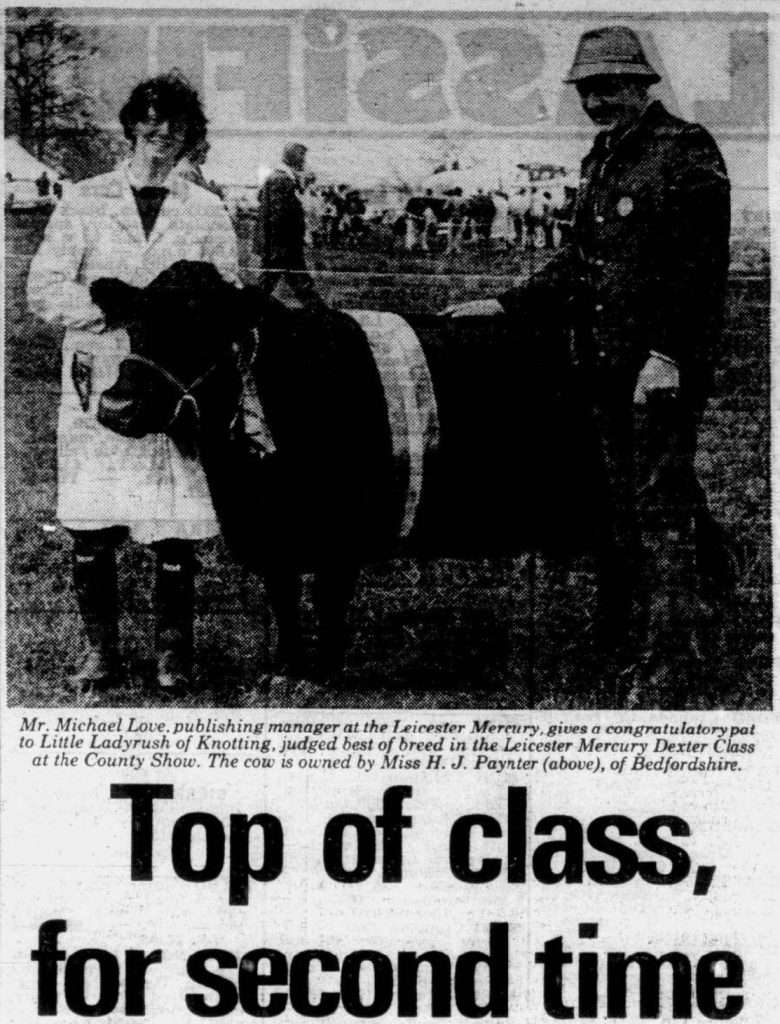
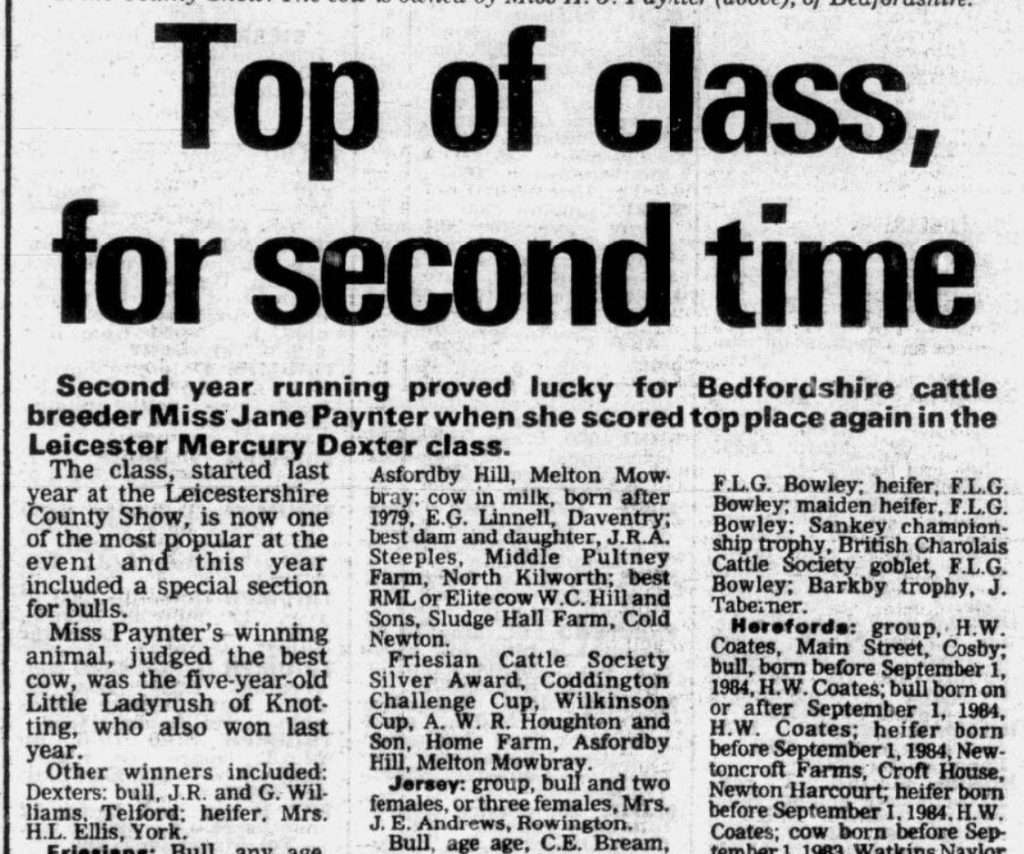
May 1986 Leicester Daily Mercury “Top of the Class, for second time”
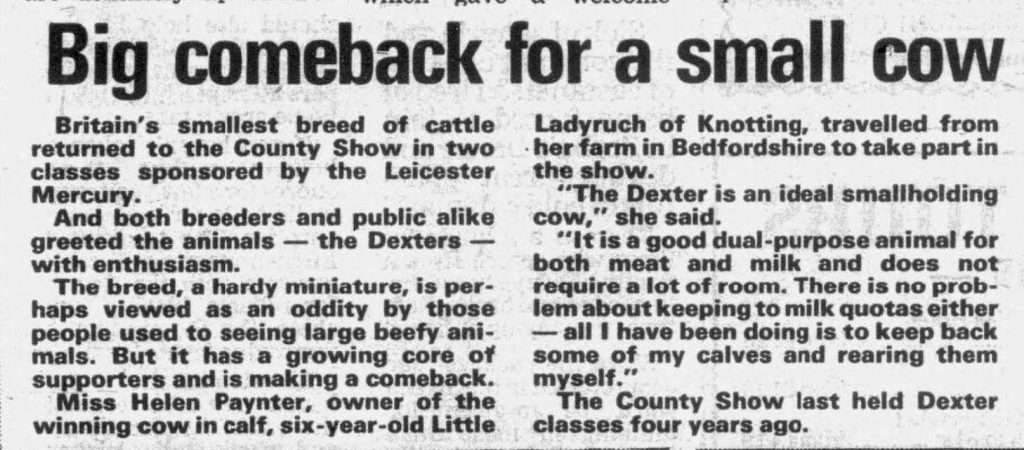
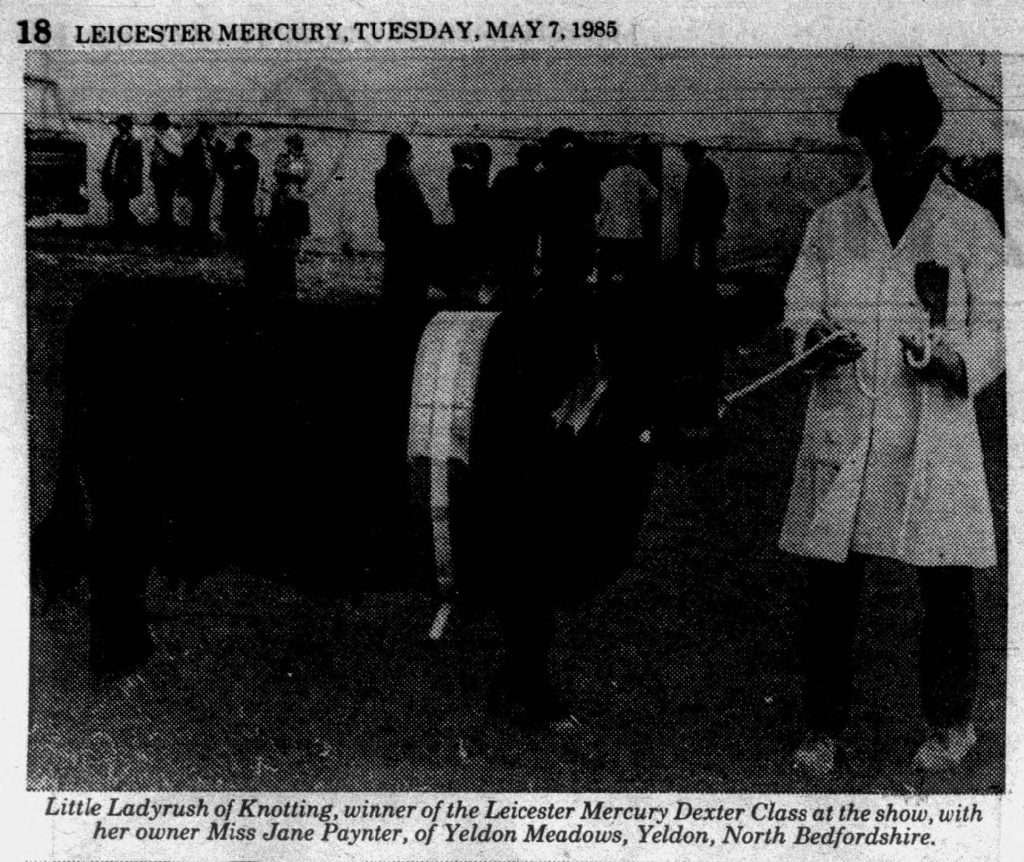
May 7 1985 Leicester Mercury “Big comeback for a small cow” Same aricle included picture of Little Ladyrush of Knotting
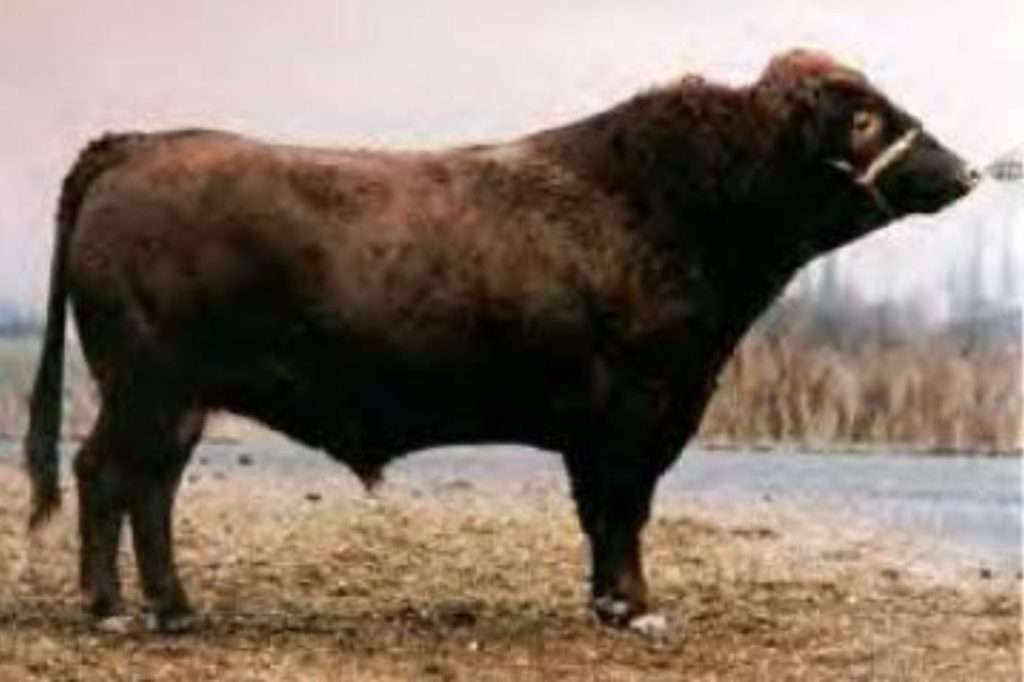
Lucifer of Knotting born Mar 17, 1985. He was grandson to Knotting Little Ladyrush.
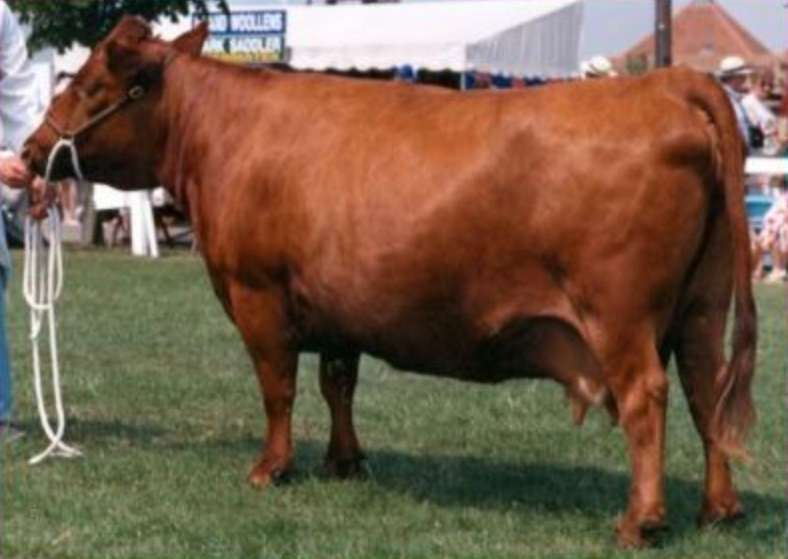
Knotting Rasindajup Aug 2, 1985 Photo taken 1990.
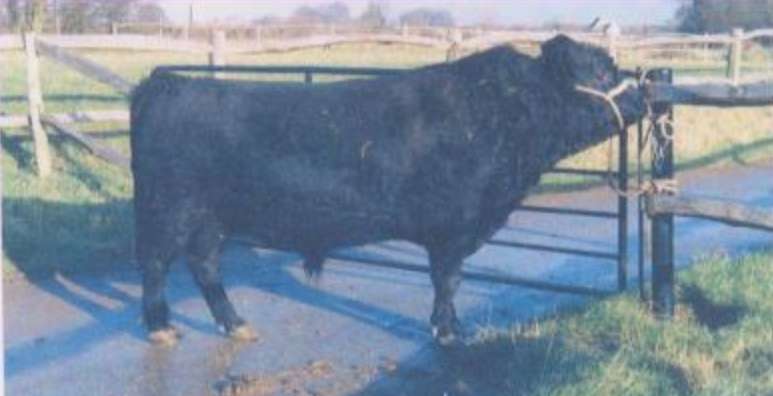
Saturn of Knotting born Sep 9, 1984
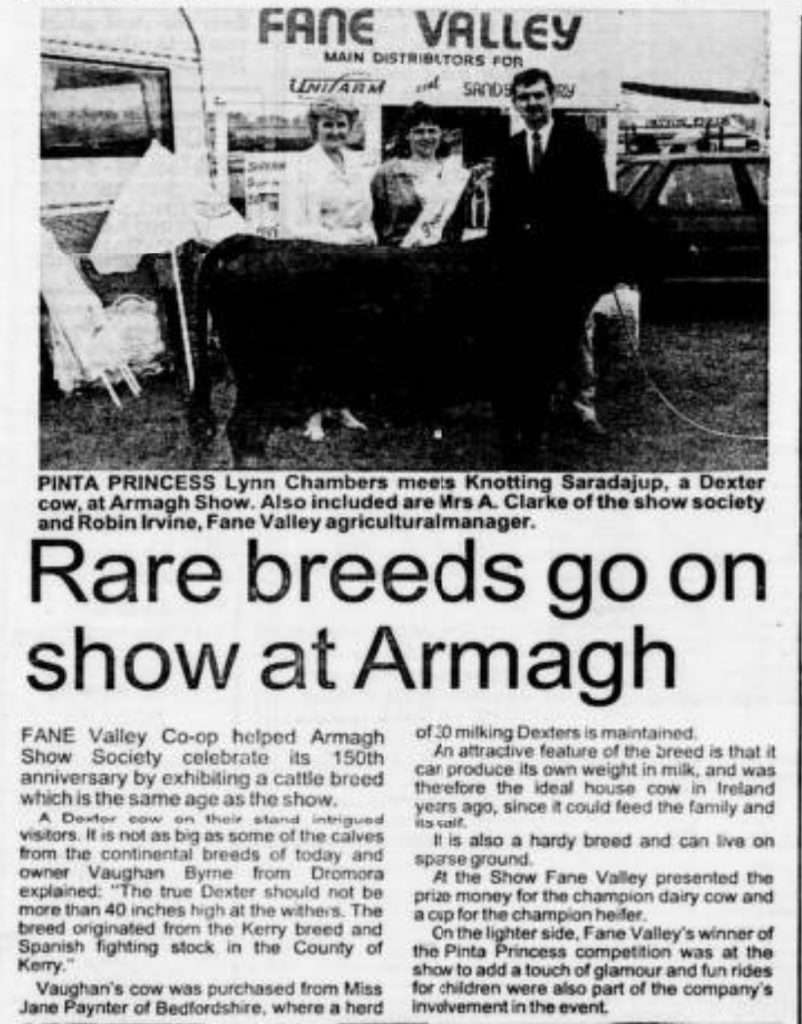
June 15 1991 Rare breeds go on show at Armagh
There are a lot of Interesting stories that were passed on to me of Jane Paynter and I very much enjoyed my time while taking a short jaunt back into the past, that was not so long ago. A big thank you for evryone who took the time to talk with me and may her family find peace in her passing. I would give credit to those who contributed their time but so many said no credit was needed to give as they were just glad to share the memories.
Helen Jane Paynter: Breeder of the Knotting Herd of Dexters Read More »
Historical
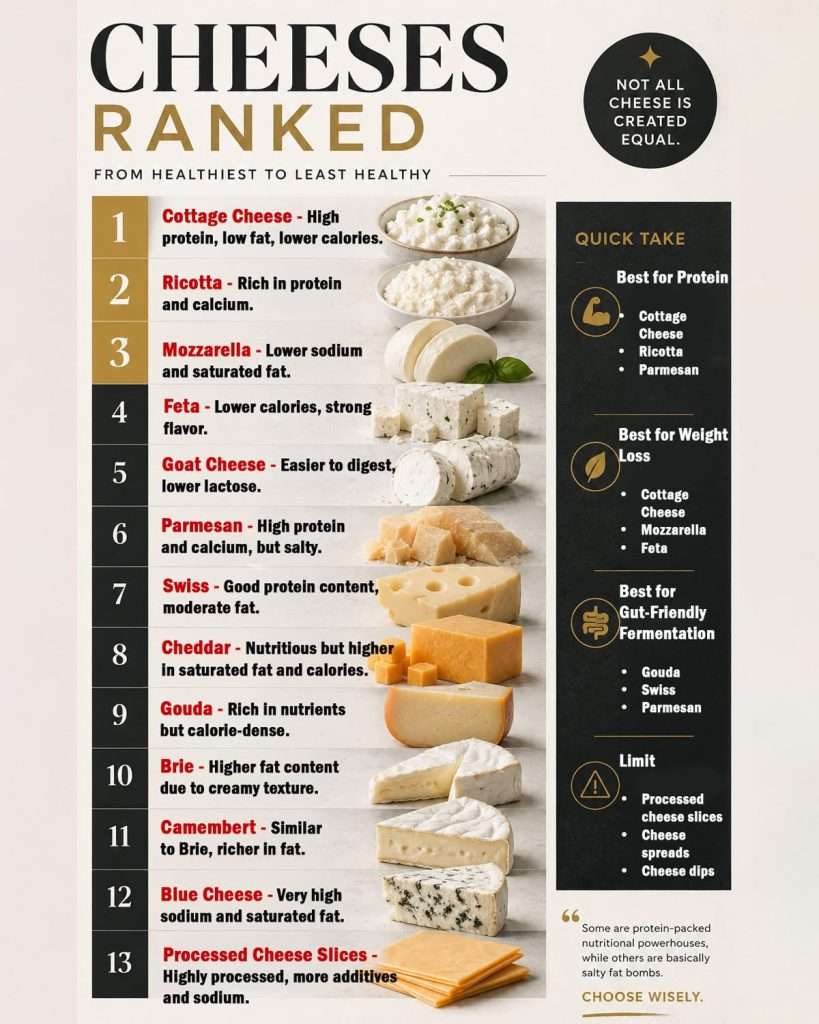
In keeping with June is Dairy Month, here is a chart of the healthiest cheeses. We can make all of these from our Dexter milk!
Healthiest Cheeses Read More »
Milking
The link below provides so many links from fun things for kids to do …to resources …to fact sheets and even some history. Enjoy! Hope you are milking your Dexters! If you need some encouragement or help please reach out to our team, we would love to help you.
June is National Dairy Month Read More »
Milking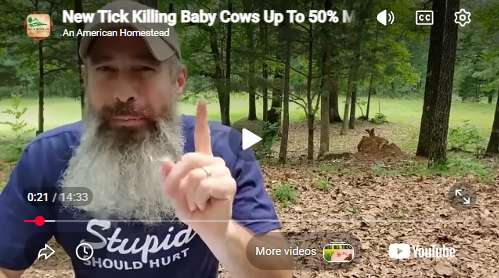
With all this publicity on ticks in the news lately. Here is another take on them, brought to us by a family member.
Another take on ticks Read More »
Herd Health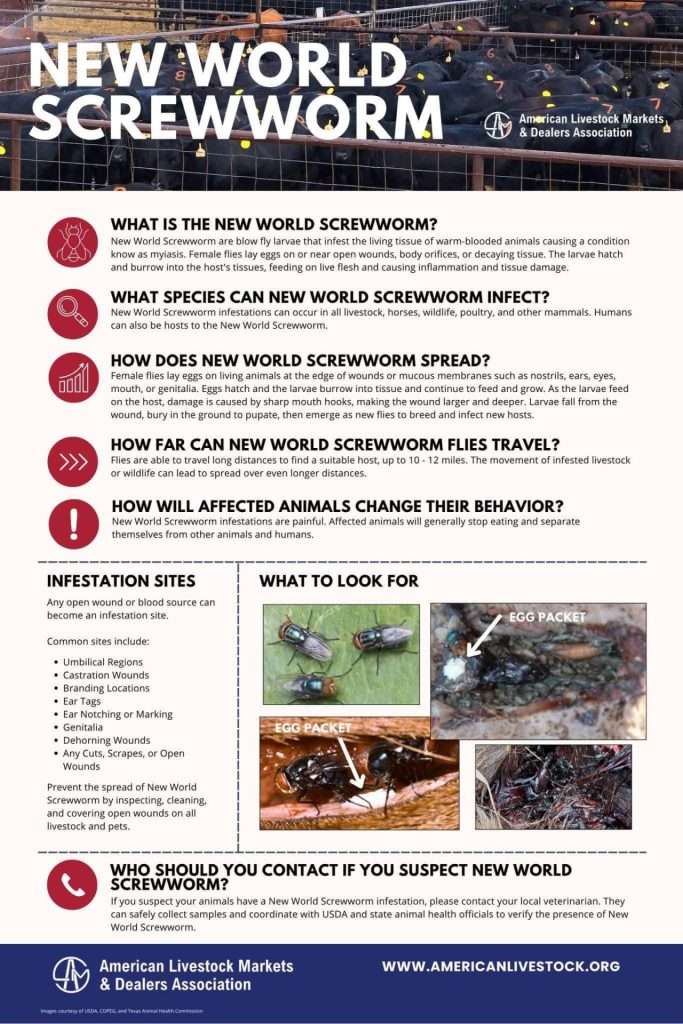
From World News
The screwworm situation in Texas just escalated. Hours after Governor Greg Abbott expanded his statewide disaster declaration to mobilise every available state government resource, the USDA confirmed a second case of New World Screwworm — this one in a one-month-old calf in Zavala County, found less than six miles from the original detection site. The parasite is confirmed, it is spreading, and the federal response is now operating at full emergency tempo.
The USDA’s Animal and Plant Health Inspection Service had already been testing a number of suspected cases inside the established movement control zone when the second confirmation came through. That zone — a 20-kilometre infested area around the original ranch — now prevents any animal from leaving without a mandatory inspection. Surrounding that quarantine is a much wider surveillance area stretching across Uvalde, Lima Grande, and Crystal City. Every animal in that expanded zone is being watched.
What makes this response different from the 1960s eradication campaign — the last time the U.S. defeated this parasite — is the scale and speed of the sterile fly deployment. Beginning June 4, aerial missions began releasing sterile screwworm flies over the infestation area, with 2 million dropped twice a week from the air. On top of that, another 4 million sterile flies per week are being shipped to Texas and deployed through 24 ground release chambers strategically positioned in and around the detection zone. The logic is the same as it was 60 years ago — flood the population with sterile males so females mate without producing viable offspring, collapsing the next generation before it hatches. The federal government is covering the cost of the facilities being built to raise and distribute the flies.
Abbott was blunt at his press conference, saying the country needs “a high volume of sterile flies as quickly as possible” and that all state agencies are now on standby with funding ready if required. USDA Under Secretary Dudley Hoskins pointed out that most models had projected screwworm would breach the U.S. border in 2025 — and that the extra year bought by federal and state preparedness work is the reason a response infrastructure was already in place when the first case hit.
One human case was also recorded in August 2025, in an international traveller who recovered fully with no further spread. The parasite can affect people in rare cases, but livestock remains the primary concern — and the economic exposure for the cattle industry, if this spreads beyond the containment zone, is enormous. Are the sterile flies going to be enough? That question is now being asked in ranches, feedlots, and federal offices across Texas. What do you think?
Sources: USDA APHIS Official Statement / Texas Public Radio / San Antonio Current / ABC News / The Hill / Reuters — Second New World Screwworm Confirmation, Texas, June 2026
New World Screw Worm Read More »
Herd Health
Applications for micro grants are available….don’t miss the deadline
Micro Grants available Read More »
General
One site …all the links!
Have you ever wondered what that little blue button thingy is on the home page of our website? For me it is gold! One site and the links to EVERYTHING DEXTER.
If you think we are missing something let us know
Here is the key.,,,,
P = PDCA
L = Legacy
A = ADCA
I = Irish Dexter Cattle Society
The others should be easy…they are our social media links
TikTok
YouTube
So, I have the Irish Dexter Cattlemen as a favorite and then when I need register, check out a registration from another association or registry…I just click the the button in the semi circle thingy. Sorry, I don’t have more technical term…it is just the best explanation I have for this powerful tool I use. 😂
Irish Dexter Cattlemen website Read More »
General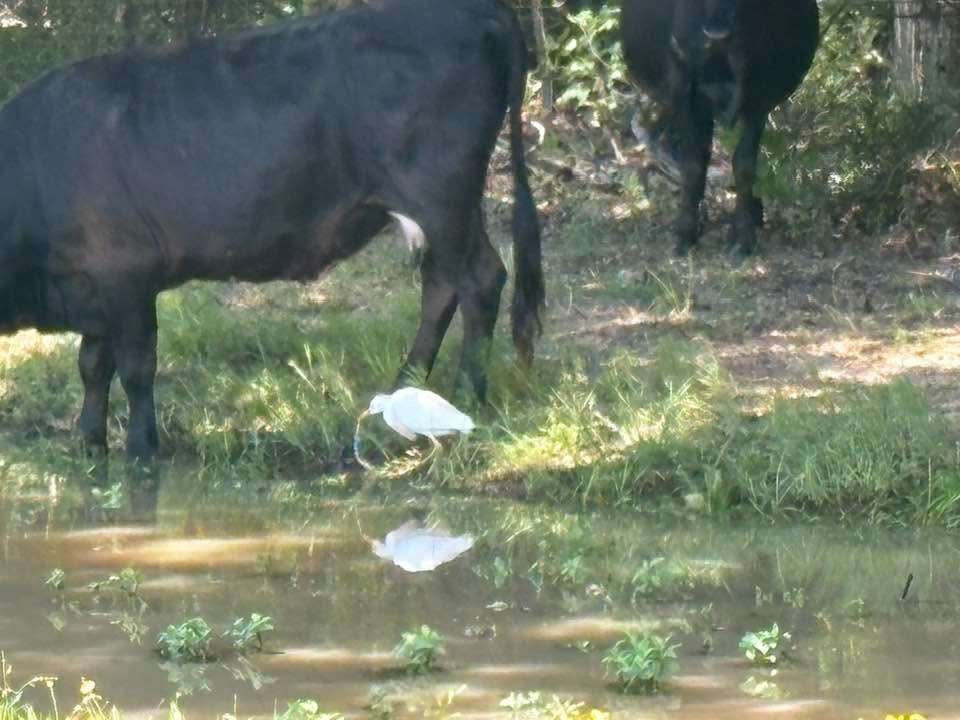
A cattle egret eating small snake. These little white birds are considered good luck and for cattle farmers they are helpful in keeping parasites off our cows. “Cattle egrets are popular birds with cattle ranchers for their perceived role as a biocontrol of cattle parasites such as ticks and flies.[25] A study in Australia found that cattle egrets reduced the number of flies that bothered cattle by pecking them directly off the skin.[71] It was the benefit to stock that prompted ranchers and the Hawaiian Board of Agriculture and Forestry to release the western cattle egret in Hawaii.” Wikipedia.
Unfortunately, they are preyed on by crested caracaras who will chase them to the ground and kill them. We have seen many crested caracaras on the ranch.
Who knew that THESE LITTLE white birds were so important To our homesteads Read More »
Homesteading
As livestock farmers a large percent of our work goes into pasture and forage management. Invasive, non-local weeds can be a big pain, and some are even damaging to our animals (poisonous) and local forage. This article addresses simple, natural solutions to weed control on the farm. We have always had the most success by balancing the nutrients in the soil, and adding grazing animals at the right time.
Control Weeds Naturally Read More »
Farm Management

Small-scale livestock producers who direct market their animals or their products have more control over variable market prices and can increase their profit potential.
Advantages of Marketing Your Beef Directly Read More »
Selling

As a farmer, you’re a growth expert. You can turn seeds into delicious produce, coax a bountiful harvest from even the poorest of soil, and take livestock from scrawny to hefty.
But for financial success, you also need to become an expert in growing your customer base.
Grassroots Marketing for Farms: 5 Ways To Reach Customers Read More »
Selling

Marketing is an important tool for businesses of all sizes. Small businesses can use marketing techniques and strategies to attract more customers, gain market share, boost brand awareness and create new revenue options. Through these techniques, small businesses can market themselves to existing and potential customers, investors and even other businesses. A marketing campaign’s success is determined by its budget, creativity and strategy for connecting with its target audience.
Here are some small business marketing campaigns to inspire your efforts, along with the do’s and don’ts of creating a successful marketing campaign.
Learn by Example: 7 Successful Small Business Marketing Campaigns Read More »
Selling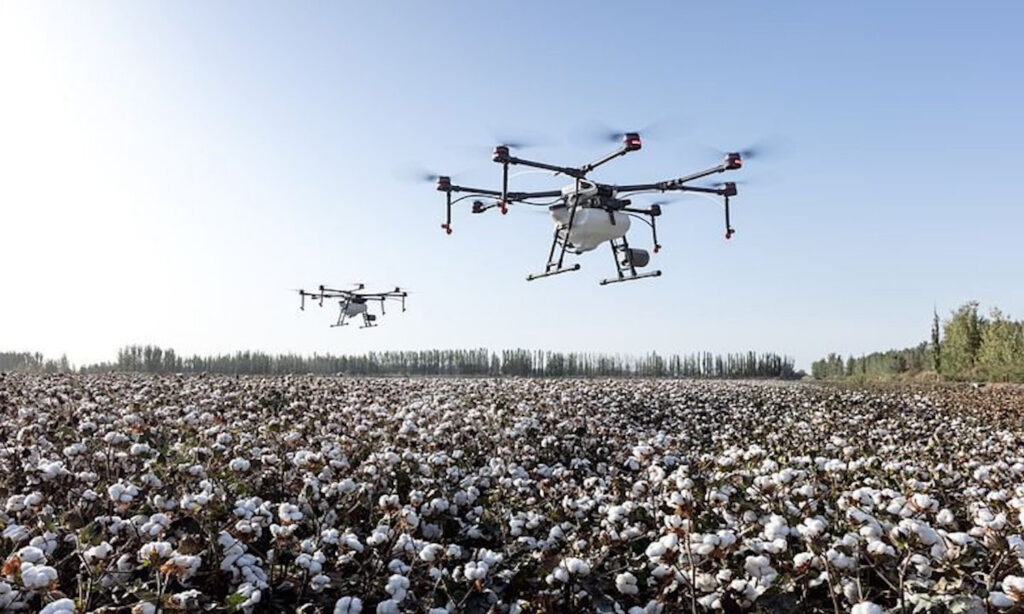
AgFunder finds that 2020 was a record-breaking year for investments in agricultural and food technologies
Dramatic Growth in AgriFoodTech Sector Read More »
Technology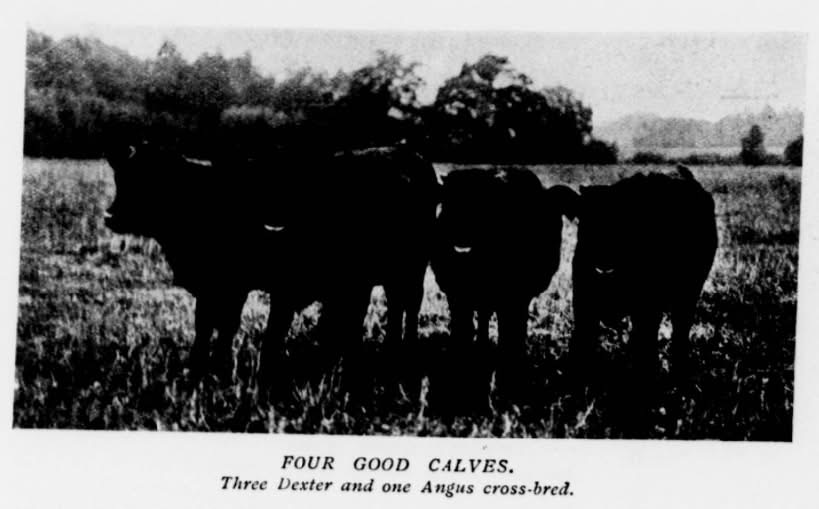
This article mentions some interesting information about Dexters.


Article from 1906 Ladies Field Read More »
Historical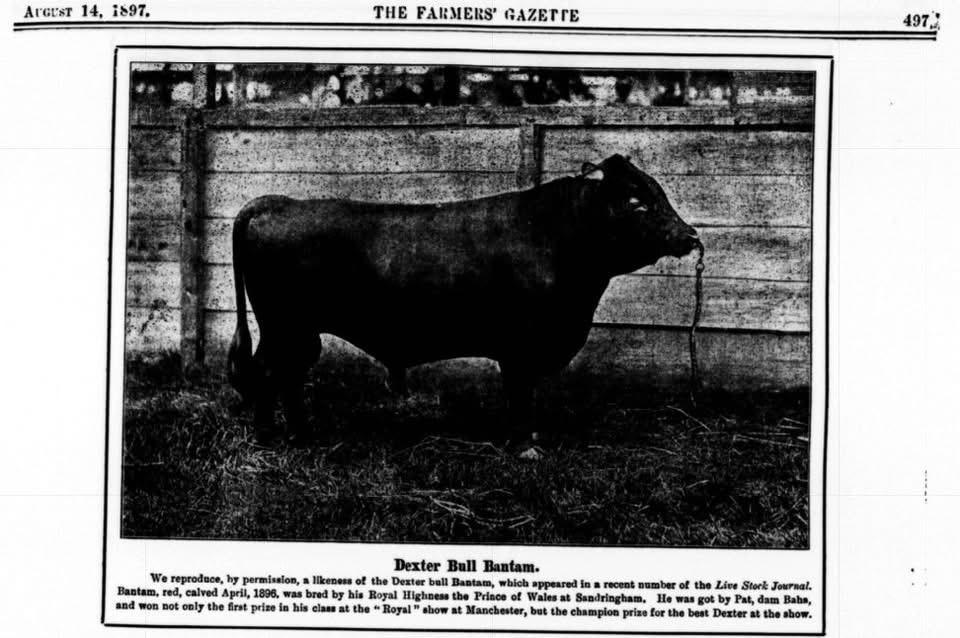
This picture is very interesting for quite a few reasons.
First Dexters though many were black in the early days compared today this bull Bantam was red.
Second and most interesting point to note, this bull was bred by the Prince of Wales at Sandringham in 1896. This location is situated in Sandringham, Norfolk, England. Dexters had a very early start of popularity in England being bred by some very noteworthy people. In 1862 Sandringham Estate was under 8,000 acres were as today the acreage is closer to 20,000 acres. If you look at the second picture you will see that in 1914 Dexters were still being breed at Sandringham by the King. The first bull Bantam has a good broad form for a Dexter of his day but when you compare him to the form of the Dexter bull that the King had in the photograph in 1914 you will see he has a broad back end as well as his front. I do wish this photo was better, but I think you can still make out the bull’s form. While improving on beef traits one must always remember to improve dairy traits equally too so as not to diminish dairy traits in favor of beef. When both traits are in harmony you get a great dual-purpose Dexter.

Bantam is what a Champion prize Dexter looked like in 1897. Read More »
Historical
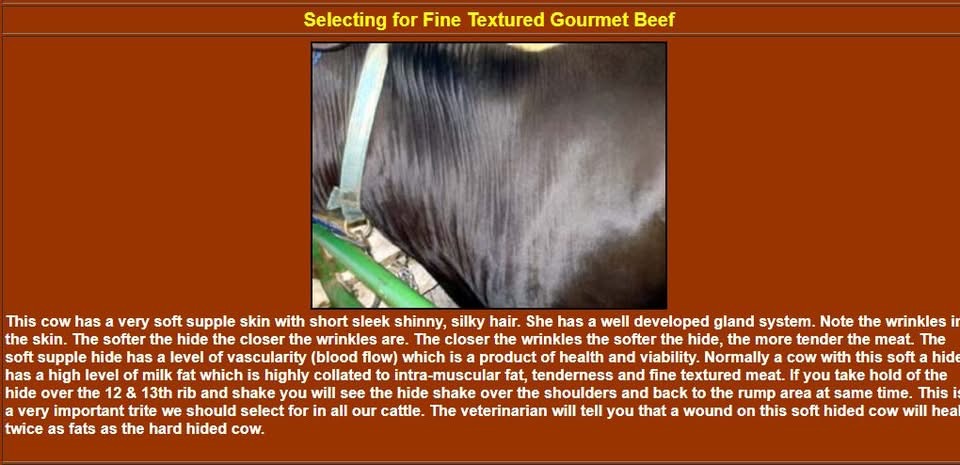
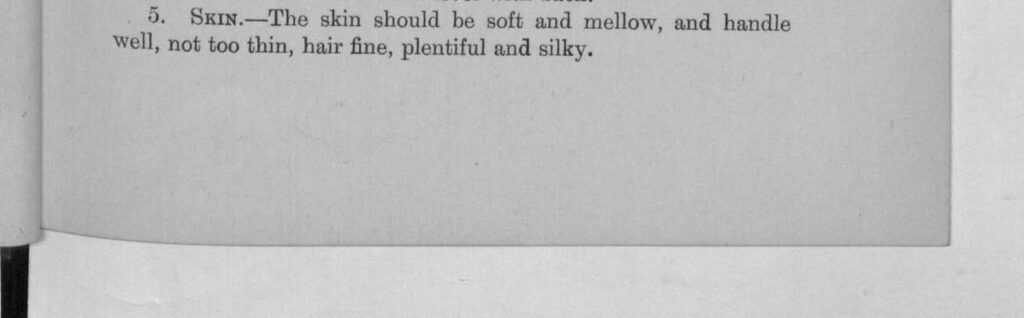
Breed Standards define breeds so that people know what unique traits the breed possess. Dexters were known to have extremely fine quality beef, it turns out that the original genetics Dexters process may actually help them to have finer quality beef because they have “skin that should be soft and mellow, and handle well, not too thin, hair fine, plentiful and silky”. Consider this quote from the first screen shot “This cow has a very soft supple skin with short sleek shiny, silky hair. She has a well developed gland system. Note the wrinkles in the skin. The softer the hide the closer the wrinkles are.” This well describes Dexters, they have both good overall butterfat and fine textured meat, and they are wearing the signs, if properly bred on their backs. Another good reason to not deviate away from the original Dexter breed standard.
Adding Solar Panels to Farms Is Good for Plants, Animals and People.
Adding Solar Panels Read More »
Technology
Make sure you’re collecting it!
Submitted by Katie Sears
https://www.cnn.com/2024/08/27/health/colostrum-supplements-pros-cons-wellness/index.html
Liquid Gold Trend! Read More »
Milking