Artificial Intelligence for Irish Dexter Farmers


Artificial Intelligence for Irish Dexter Farmers Read More »
Podcasts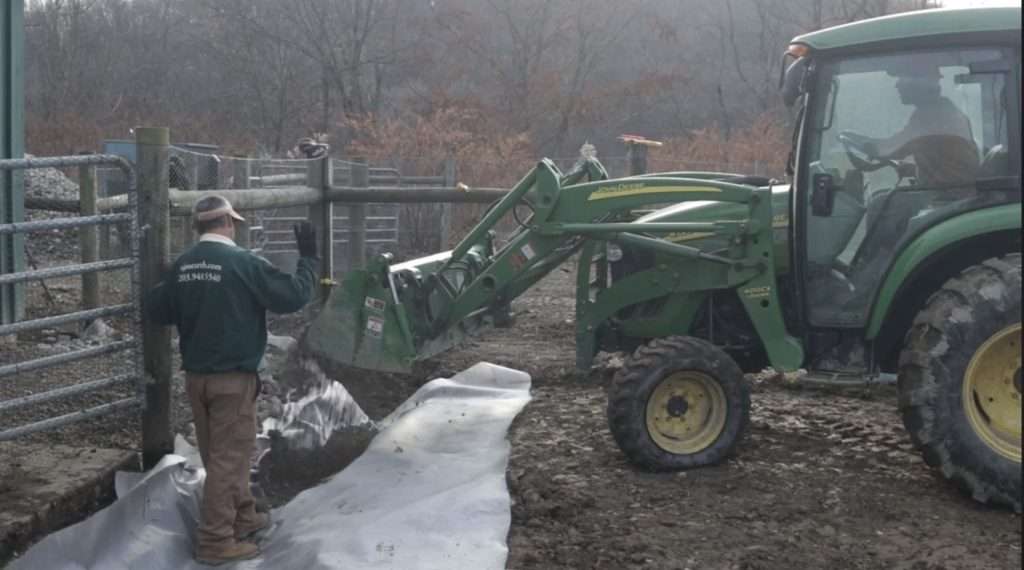
If you have drainage issues and/or standing water in your pastures or around your barn, this DIY is for you! Simple, but professional visual instructions make DIY a breeze.
Fix Your Drainage Issues Read More »
Farm Management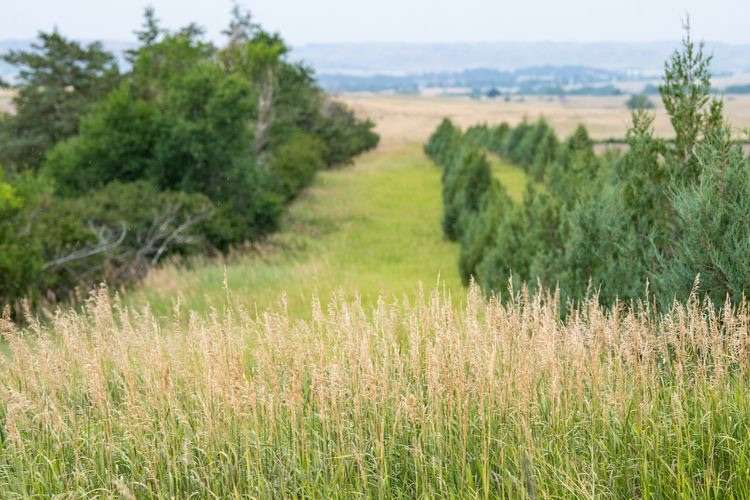
Dexter cattle are hardy, needing very little to thrive. However, if they are to be outdoors all season long they should have a shelter or windbreak. A windbreak in the form of trees and shrubs provides valuable shelter, shade, and even a snack, to a cattle herd. Read more below on the basics of designing, planting and caring for a wind break.
Designing a Wind Break Read More »
Farm Management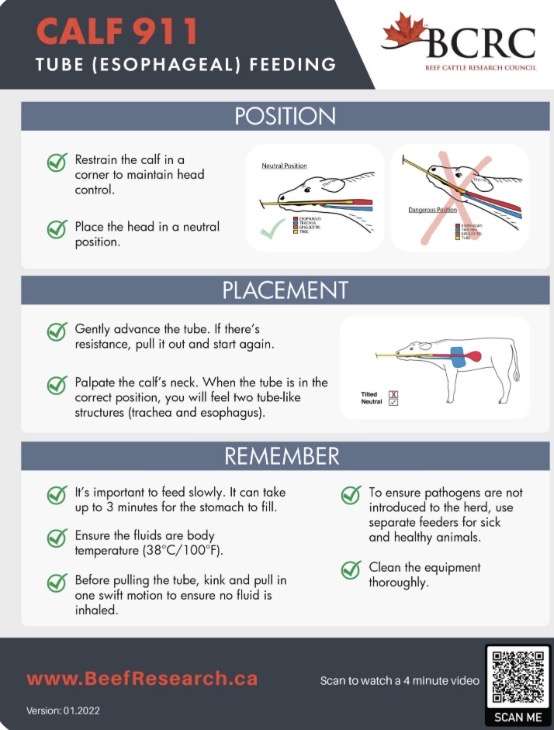
We always encourage contacting your vet first, esp if you don’t have experience with tubing a calf. This video is shared for educational purposes.
Tube Feeding a calf Read More »
Herd Health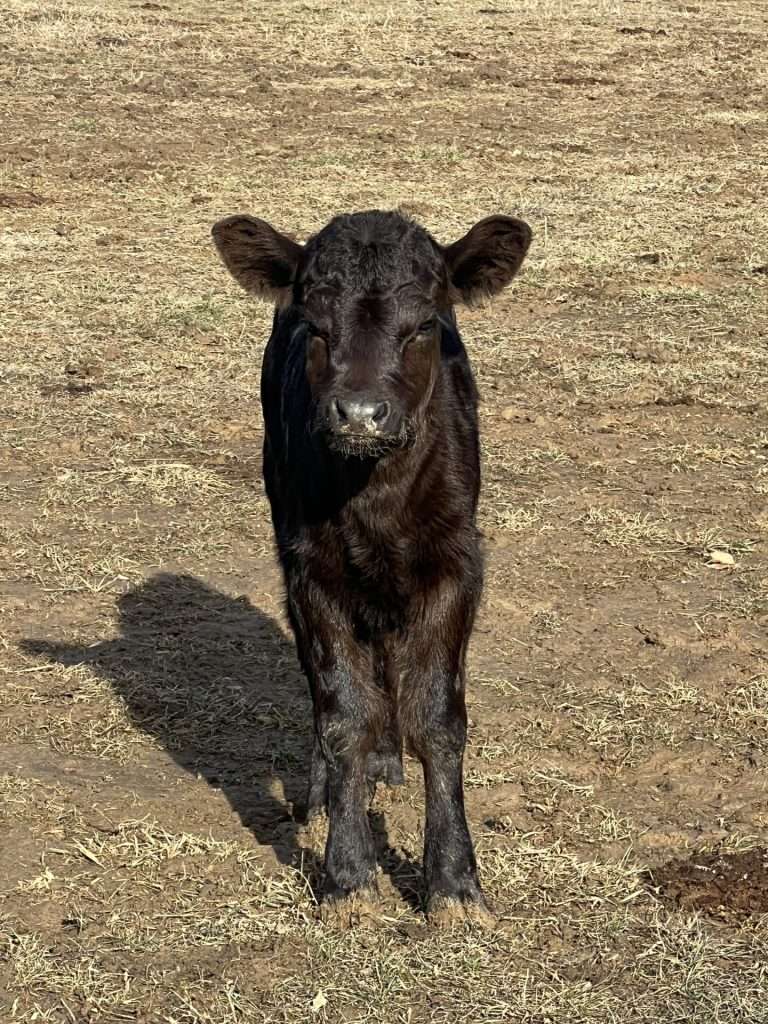
DEXTER CATTLE – JOY, LAUGHTER, AND HEARTBREAK – PART 5 Read More »
General
So you’ve done your research on the Dexter breed and are ready to start looking for your own Dexter’s. Below is a list of paperwork you will want to make sure you get or ask for. I’ve also included some questions you would want to know. Find a mentor & a vet. Two of the first things I would recommend, if you don’t already have those.
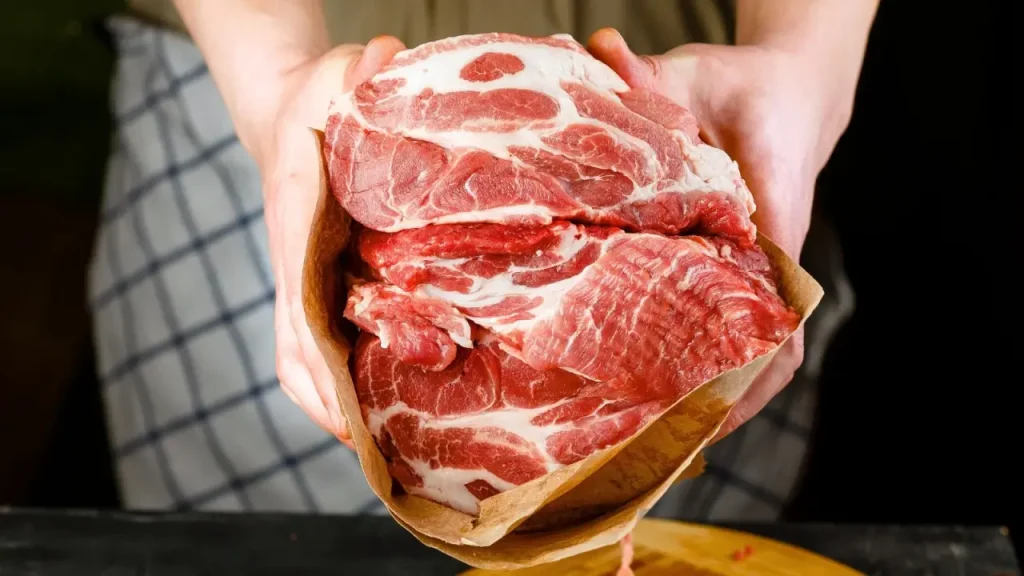
Raising Dexter beef for you and your customer base should make you feel even better after your read this!
How Sustainable Farming Delivers Safer Meat for Consumers Read More »
Beef
Here is a great basic cheese making equipment guide. It is specific to one website, but it is very helpful to get a handle on what is needed for success at home.
https://cheesemaking.com/blogs/learn/equipment-for-cheese-making?_pos=1&_sid=cca5771cd&_ss=r
’
Cheese Making Equipment Read More »
Milking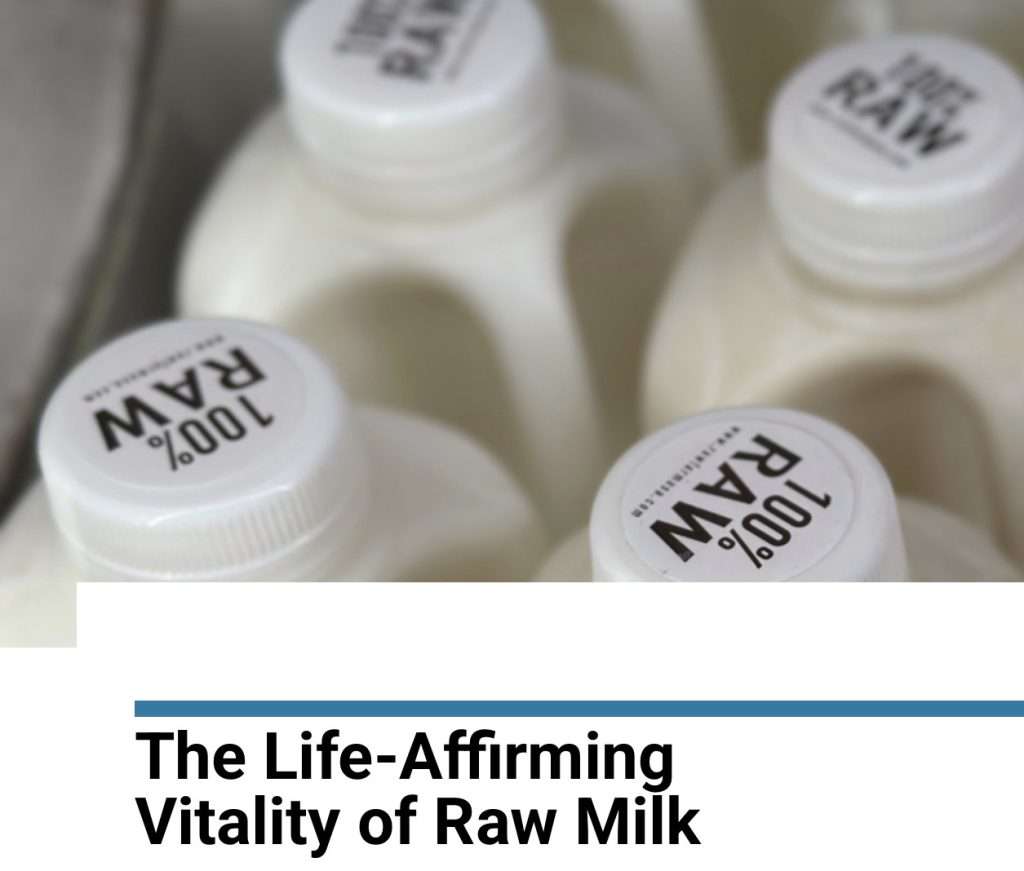
More and more states are allowing the sale of raw milk…but not all. This is a good article on some of the benefits and natural products that you can learn about and decide if they are right for you.
Is Raw Milk For You? Read More »
Milking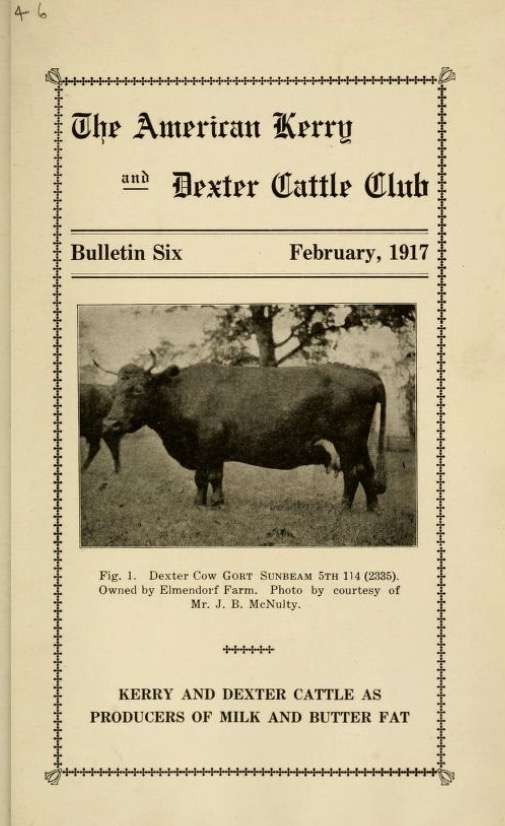
Bulletin 6. Source provided by Judy Sponaugle.
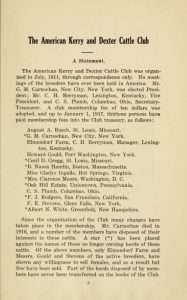
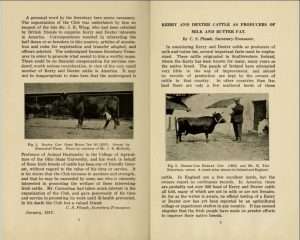
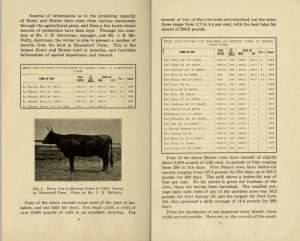
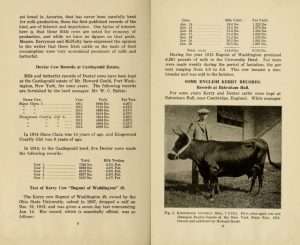
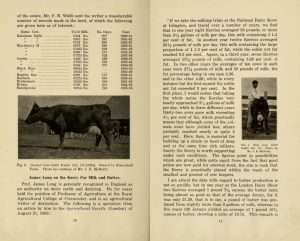
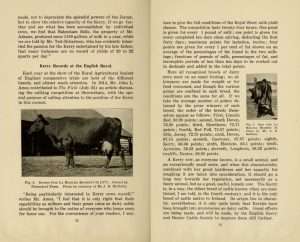
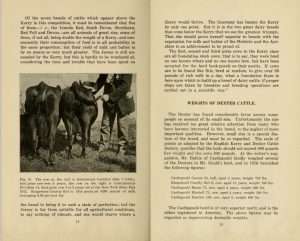
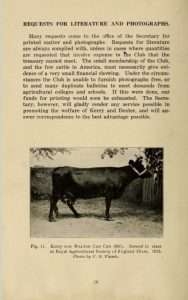
The American Kerry And Dexter Cattle Club Read More »
Historical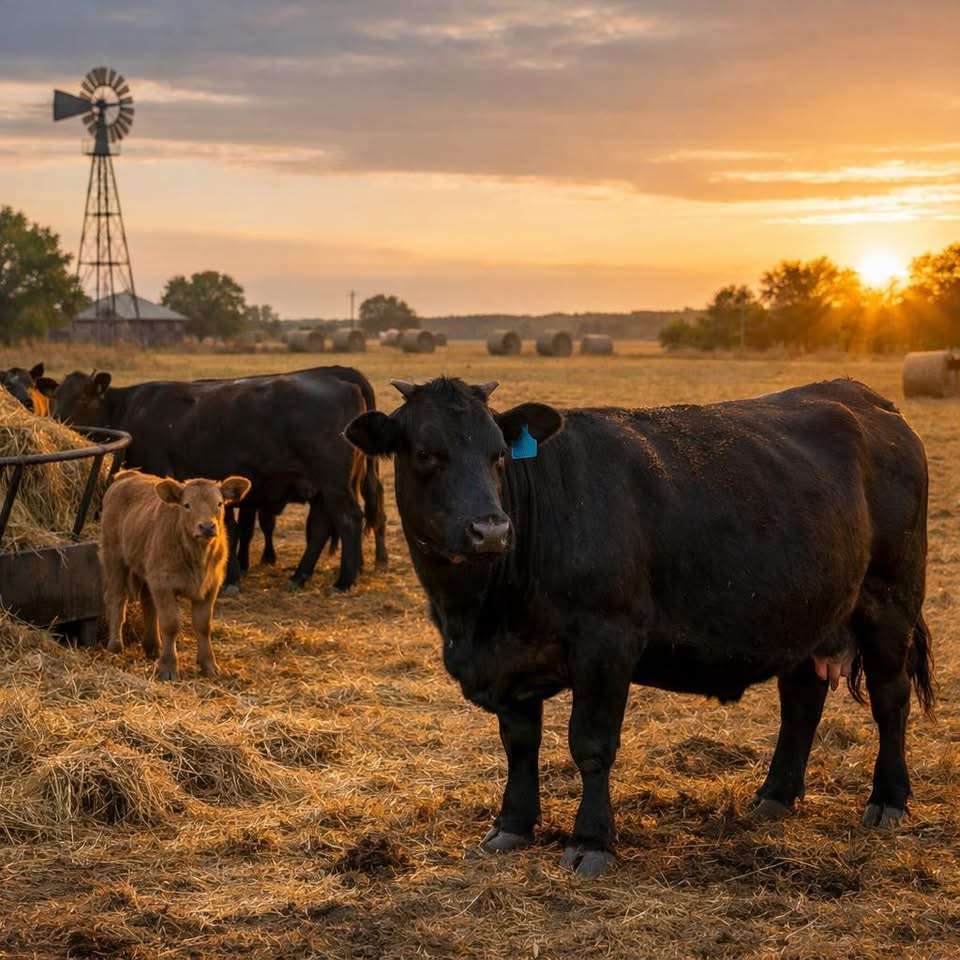
Written by Todd Hightower
The Cow Size Lie Nobody Wants to Talk About
For years, the cattle industry pushed one idea:
Bigger cows. More frame. More pounds.
And on paper, it made sense.
But out in the real world—where feed costs, drought, reproduction, and margins determine whether you stay in business—a different reality has been showing up.
Bigger Cows Eat More. That’s Not an Opinion.
A cow will consume roughly 2–2.5% of her body weight every day.
A 1,200 lb cow will eat around 24–30 pounds per day.
A 1,600 lb cow will eat around 32–40 pounds per day.
That’s 8–10 additional pounds per day.
Over the course of a year, that’s roughly 3,000 pounds more feed per cow, depending on conditions.
Across 100 cows, that’s over 300,000 additional pounds of forage, hay, or purchased feed.
It doesn’t matter if it’s grass, hay, cubes, or silage.
Bigger cows cost more to maintain. Every single day.
What That Actually Costs
That extra 3,000 pounds of feed isn’t just a number.
At current prices, that’s roughly $180–$225 more per cow per year in a hay-based system—and significantly more if you’re feeding supplement.
Across 100 cows, that’s $18,000–$22,000+ in additional cost just to maintain larger cows.
Before you ever sell a single calf.
But Feed Isn’t the Real Problem
Reproduction is.
The most valuable cow in any system is the one that breeds back on time and raises a calf every year.
The 90-Day Breeding Window Tells the Truth
In real-world conditions—whether you are grazing pasture or feeding hay and supplement—cows that maintain body condition breed back more consistently.
Field data and university research show that under limited or variable nutrition:
Moderate-sized cows often achieve 80–95% conception rates within a 90-day breeding season,
while larger-framed cows under the same conditions often fall closer to 65–85%.
Within the first 45 days, it is common to see:
55–70% of moderate cows bred early,
compared to 40–60% in larger cows when body condition is harder to maintain.
That spread may not look big on paper.
But across a herd, it is the difference between:
Cows that calve early, stay on schedule, and remain productive…
And cows that fall behind, slip later every year, or come up open.
That matters more than most people realize.
Run the Numbers
Out of 100 cows:
If 90 breed back, you have 90 calves.
If 75 breed back, you have 75 calves.
That’s 15 open cows.
In today’s market, good 500–600 lb calves are often bringing roughly $2,300–$2,900,
and heavier 600–700 lb calves can push $3,100 or more depending on quality and market conditions.
That’s $34,500–$46,500 in lost revenue from calves that were never born.
But that’s only part of the story.
What an Open Cow Really Costs
An open cow doesn’t just cost you the calf you didn’t get.
She still eats. She still requires care. She still takes up resources all year long.
In a typical cow-calf operation:
Feed alone will often run $600–$900 per cow per year, depending on forage, hay, and supplementation.
Add mineral, health costs, labor, and overhead, and that number climbs to roughly $700–$1,100 per cow annually.
Now put it together:
You lost a calf worth $2,300–$3,100.
And you still spent $700–$1,100 to keep that cow.
That means one open cow is not just a missed opportunity.
It is realistically costing you:
$3,000–$4,200 per head.
And most operations don’t stop to calculate it that way.
Timing Is Everything
Cows that breed early in the cycle calve earlier.
Earlier calves are typically 30–50 pounds heavier at weaning, more uniform, and more marketable.
Late-bred cows fall behind quickly and are often the first ones culled.
What Happens After Calving
Larger cows have higher maintenance requirements.
When conditions are less than ideal, they:
Lose body condition faster
Take longer to resume cycling
Struggle more to breed back on time
Reproduction is the first system to shut down when nutrition is short.
Meanwhile, the Cow That Fits the System
The cow that matches her environment:
Holds her condition
Cycles sooner
Breeds back within the window
Raises a calf every year
Does it on fewer resources
Stays productive longer
This Isn’t About Grass-Fed vs Grain-Fed
A bigger cow can work—if you are willing to feed her enough.
But every extra pound she carries comes with a cost.
And if she doesn’t turn that into:
A live calf
A timely rebreeding
And pounds that pay
Then size is not an advantage.
It is an expense.
Efficiency Is What Pays
Profit is not just measured in pounds per cow.
It is measured in:
Pounds per acre
Pounds per dollar invested
And cows that stay bred year after year
The Truth Most Operations Learn the Hard Way
A larger cow has to wean significantly more pounds just to offset her higher maintenance cost.
Most do not when you factor in real-world conditions.
So Here’s the Real Question
Are you building a herd that looks impressive…
Or one that fits your resources, stays bred, and pays you back every year?
Because when you break it all the way down, one open cow is not just a problem in your herd.
It is a $3,000–$4,200 mistake.
And most people don’t realize how many of those cows they’re carrying until the numbers force them to.
If this made you think about your own herd, share it with someone else who needs to see it.
And follow along—because this is just one of the cow lies most people never question.
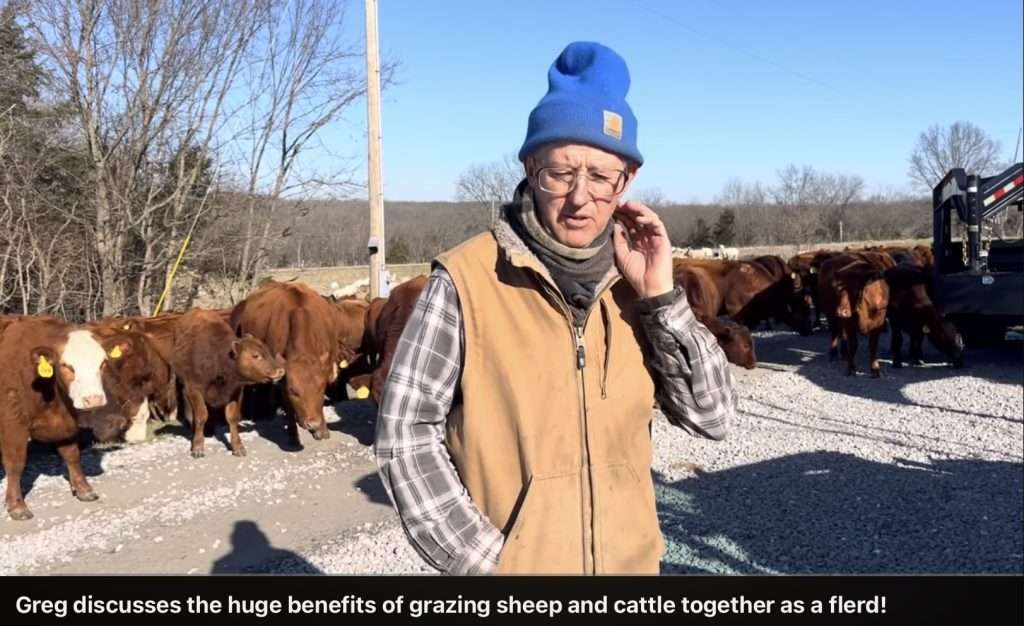
In this video Greg Judy talks about the benefits of grazing sheep and cows together. He down plays the goat, but we have found the benefit of running goats and Dexters following each other works for us. We rarely need to worm either species. We run one and then other thru our paddocks. Choose the right systems for you!
Multi Species Grazing Read More »
Homesteading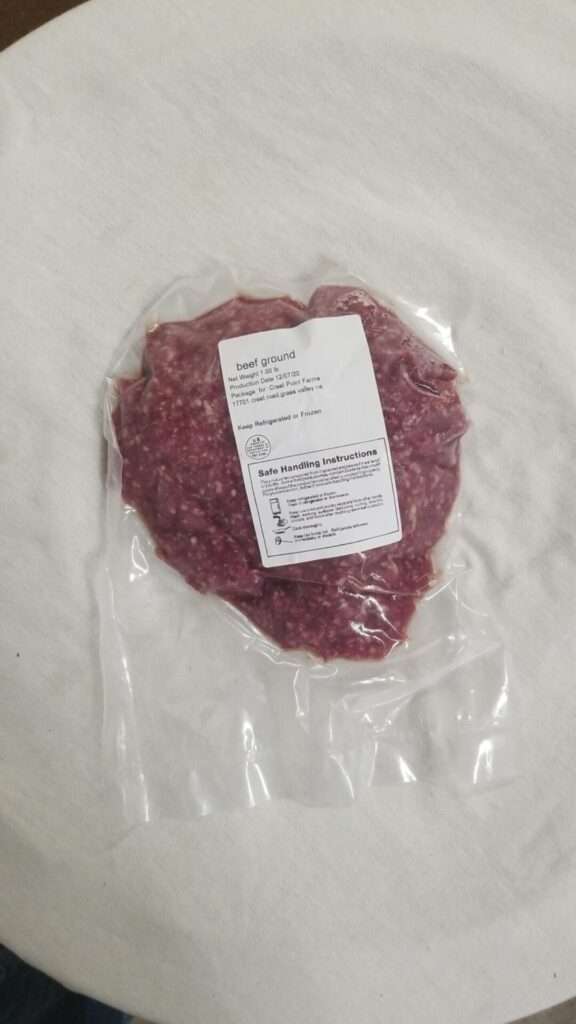
Another reason to raise your own beef! Dexter beef for WIN! You might want to consider Dexter beef sausage for breakfast. There is a recipe in the gazette!
Dexter beef for your health! Read More »
Beef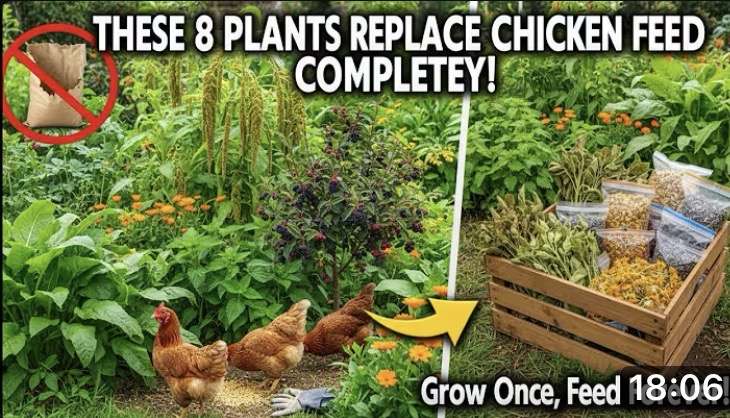
Growing plants for your chickens and other livestock can be really beneficial.
Natural Chicken Feed You Can Grow Read More »
Homesteading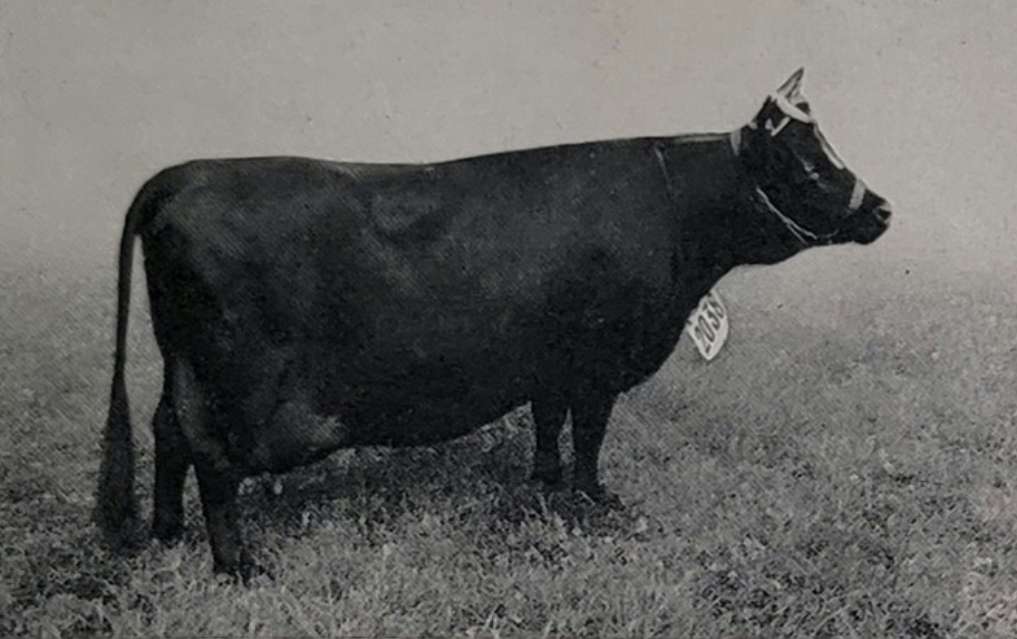
 Milk Yields Record taken from a Dexter Cattle Society Booklet
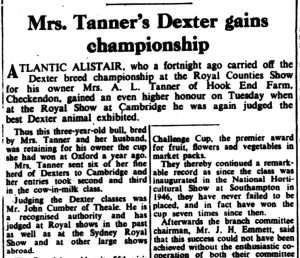
No date was given in this pamphlet but if we consider the Dexters that are pictured we can get a close idea of the date. The top Dexter is Atlantic Alision, she was born Jun 12, 1956. A very beautiful Dexter, but her milk yield was not recorded in the data. The second Dexter looks to be either Atlantic Sprat or his son Atlantic Alistair, I lean towards the latter due to the angle of the legs. You can see some pedigree information on Atlantic Alistair here Legacy | World Dexter Information and it will show you a picture that looks very similar. He was born Jun 9, 1957. The Atlantic Herd was owned by Mrs. W. R. N. Tanner of Hock End Checkendon. Spratt was first in his class and went on to win the Silver Challenge Sheild. Atlantic Alision likewise was a prize winner. Mrs. Tanner had many prize winning Dexters and had a memorable herd of Dexter cattle. Both examples are great pictures to represent Dexter cattle.
 Butterfat Content in Dexter cattle
It is interesting to note that many of these cows had higher butterfat contents. Much higher than a Holstien and some producing as much as some Jersey cattle. The Dexter milk separates cream out slower than a Jersey and some of the butterfat remains in the milk retaining richness to the milk even after skimming the thick cream off the top. These records are a testament to those high butterfat amounts. In order to have a proper milk tests all cows should stay in milk for the same duration of time and ideally be fed a very similar diet. It is very rare today that people will keep their cows in milk for ten months. I however can attest to milking Dexters for 10 months during many lactations and can say there are still Dexters today that will hold a lactation well.
The final consideration I must only discuss for those who may be new to Dexters, so this article does not confuse someone into thinking that Dexters must have a genetic problem that causes them to lose offspring. Some Dexter cattle carry a genetic trait that when two carriers are bred together can be lethal. At one time it was common to breed towards what was considered a Dwarf type. Dwarf being exactly as it sounds, having short and broad features. This trait was widely favored by Dexter breeders and at one time selected for, even eliminating Dexters that were not of the Dwarf type (Chondrodysplasia negative) or so called “long legged”. Of course, during this time there was no test for Chondrodysplasia, so not every Dexter that was selected for that had short legs was Chondrodysplasia positive, but many would have been. Very early on observant breeders recognized that there were sometimes bulldog calves that were being produced from the mating of one dwarf type to another dwarf type, while at times other short and broad looking Dexters when mated together were not producing bulldog calves. With “selective breeding” some people have sought to retain and select shorter and still broad looking Dexters without having bulldog calves. These mid-legged Dexters as some people called them were shorter than the long-legged Dexters but were Chondrodysplasia negative. The long-legged type (Chondrodysplasia negative) some people called the Kerry type. The mid-legged Dexters though they were shorter and fit the breed standard better than the long-legged Dexters still look a little different than Chondrodysplasia positive Dexters. Chondrodysplasia positive Dexters have a look to them that is unique, and there are still people to this day that like them and choose to breed them to retain their unique traits. The two Dexters photographed in my opinion were most likely Chondrodysplasia positive but of course without testing we will never know as there are many short Dexters that have short and broad features that do not have Chondrodysplasia.
Breeding Chondrodysplasia positive Dexters is now simpler than ever because a genetic test was created that identified the gene and now breeders can test to know if their Dexter is Chondrodysplasia positive or negative. With this knowledge comes the ability to breed without the negative outcome of a risk of a bulldog calf. If you only breed a carrier to a non-carrier, you will never end up with a bulldog calf, but instead you have a chance of getting either a Chondrodysplasia positive or negative Dexter from the mating. So, breeders who still like the Chondrodysplasia type can have the chance of obtaining it through wise breeding choices with never having a risk of a bulldog. For anyone who may be reading this who does not know the Chondrodysplasia status of their Dexters you can find the test here. Simple to test and fairly inexpensive but will save you a lot of loss because knowledge is power. Bulldog Dwarfism (Chondrodysplasia) in Dexters | Veterinary Genetics Laboratory
The other benefit of testing is that if you do not want to breed Chondrodysplasia carriers, you can likewise use testing to select for Dexters that do not carry Chondrodysplasia while still maintaining the breed standard. Today with testing being so affordable it makes sense to test all Dexters to make informed breeding choices and help buyers evaluate the genetics of each Dexter a breeder has to offer. From great milk yields, butterfat content, excellent beef and the choice of breeding the dwarf type (chondro) or not, Dexter cattle have a variety of genetic traits that can please people with a various goal.
This article was written By Danielle of Bryn Mawr. This article cannot be copied or reprinted without prior consent.
Dexter Milk records Read More »
Historical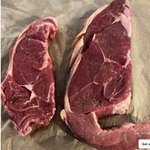
The flavour, it reminded me of what beef used to taste like when I started as a butcher, 50 years ago.
Dexter Beef – The Right Choice Read More »
Selling
Check out my top tips for successfully selling at a farmers market.
Selling At Farmers Markets Read More »
Selling
Learn best practices around how to build a strong early bird CSA sign-up campaign.
Implementing Incredible Early Bird Sign up Campaigns Read More »
Selling
Bone broth elevates dishes with rich flavor and nutritional value – Submitted by Donna Grace
https://www.primaledgehealth.com/the-ultimate-guide-to-bone-broth
The Ultimate Guide to Bone Broth Read More »
Homesteading

Pl@ntNet is a citizen science platform that uses artificial intelligence (AI) to facilitate the identification and inventory of plant species. It is one of the world’s largest biodiversity observatories, with several million contributors in over 200 countries.
The Pl@ntNet application, available in web and smartphone versions (Android, iOS), lets you identify tens of thousands of plant species simply by taking a photo of them.

Daisy’s Home!!! After over a year of waiting and planning, our mini dairy cow, an Irish Dexter named Daisy finally comes home
Bringing Home Our Mini Cow (Irish Dexter) Read More »
Homesteading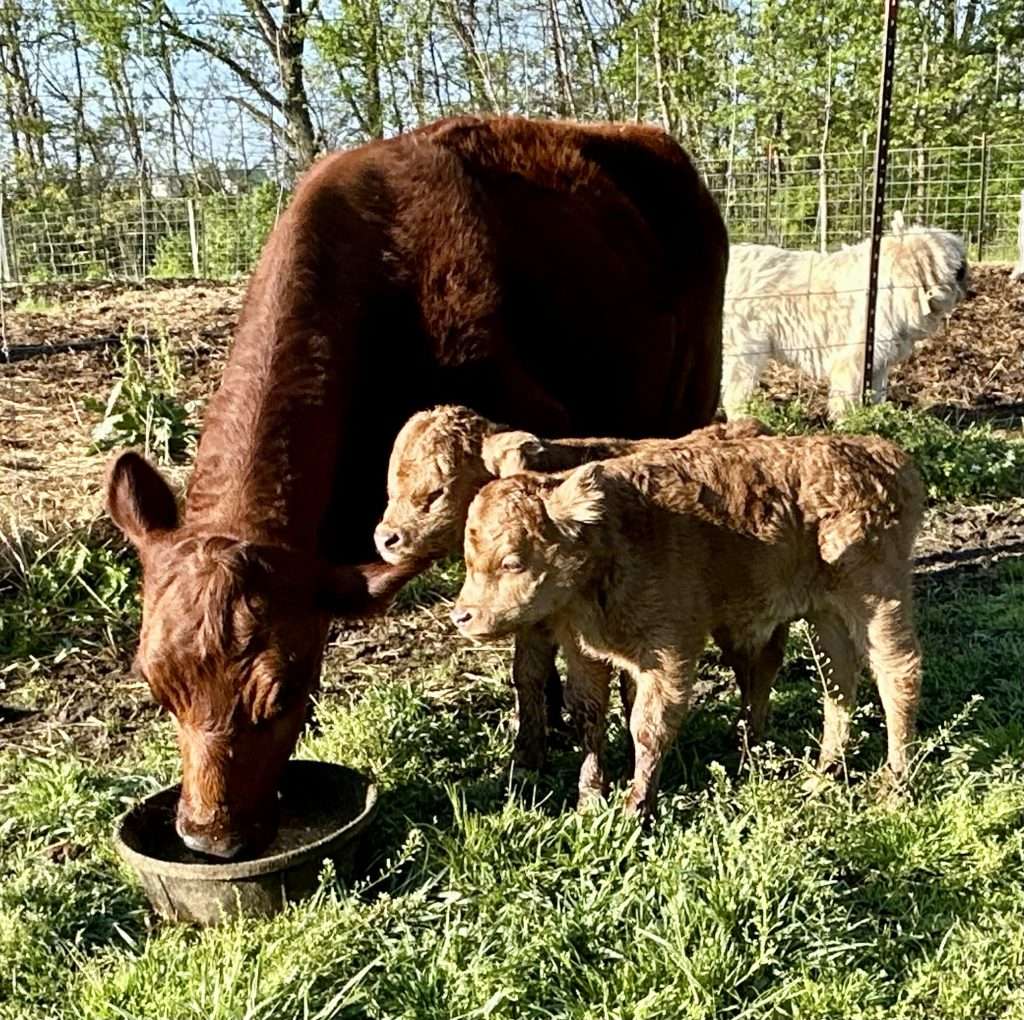
Article I
Fact or Fiction
This is the first of our articles on chondrodysplasia in Dexters. Also called chondro-carriers, shorties, or dwarfs. these terms refer to the same cattle, and will be interspersed throughout the article. Keep in mind, they all mean cattle who are carriers of the dwarf gene.
Per Miriam Webster chondro means cartilage & dysplasia is an abnormal growth or development.
It’s a personal decision to breed chondro carrier Dexters. Of course, it’s your decision what to breed on your farm. But, let’s sort out some of the facts on these endearing little cattle.
Some long time breeders have told me that they believe the dwarf Dexters played an instrumental part in the formation of the breed, as the non-chondro, longer legged Dexters got registered in with the Kerry cattle. They also believe that there are two body types in the dwarves. That will be discussed in a later article.
Just a few of the traits and statements that those who own and experience the pleasures of owning a dwarf believe.
Those that I see exaggerating & spreading the hate for chondro carriers are using human graphics from the internet and applying their own labels. I have found no professional veterinary opinion stating they should be eliminated. Of course, none of those who love them would want or allow them to suffer. Many Dexters I know of are living into their teens. How many commercial breeds do you see living that long?
Some dwarfs will get osteoarthritis later in life. So will some non-chondros. A lot depends on the bloodlines, the terrain they live on and the care they receive. This also applies to the longer legged non-chondros. Humans also tend to get osteoarthritis later in life. They also can get forms of dwarfism. We don’t eradicate them. It can be managed, IF it happens.
So, please…. educate yourself on this genetic mutation, before you make a judgement.
The photo with the article is a 9 year old chondro positive cow, with twins she just had.
The following is a scientific explanation from UC Davis. We choose the BD1 test, when we get any calves from our carriers. The BD2 test is for a specific line from a specific bull.
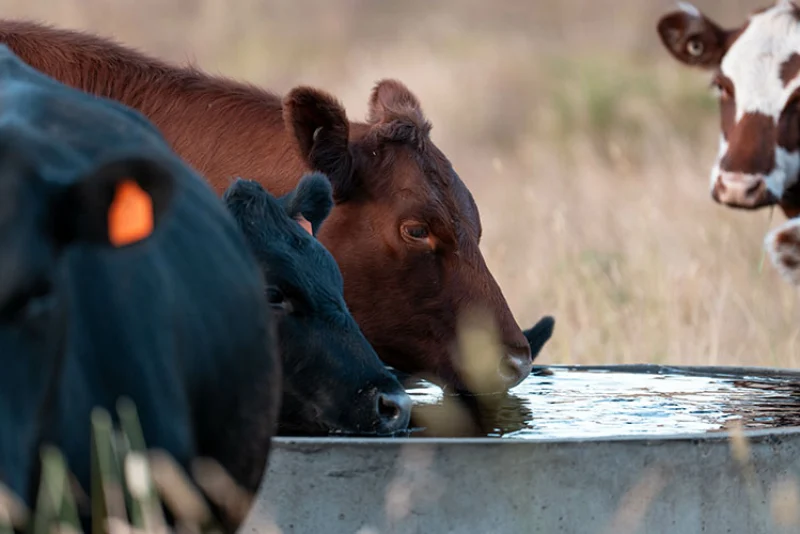
Garlic mineral salts are an effective, all-natural fly control for cattle.
New studies show that the water trough maybe another delivery system for garlic.
Fly Control for Cattle Read More »
Herd Health
Careful treatment of the scouring calf is vital to ensure a rapid recovery.
Treatment of the Scouring Calf Read More »
Herd Health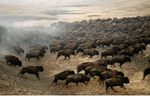
How does this system improve the grass sward?
Getting Started With Rotational Grazing Read More »
Farm Management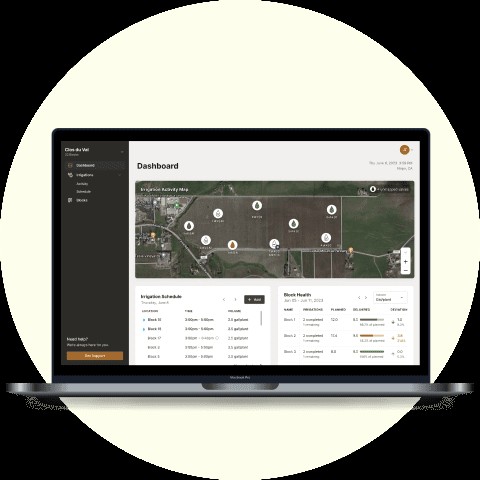
Lumo is an all-in-one precision irrigation system designed to get you up and running quickly and at a lower cost. Wireless, solar-powered, cloud-connected, and US-patented, our smart valves simplify installation and come standard with a built-in flow meter.
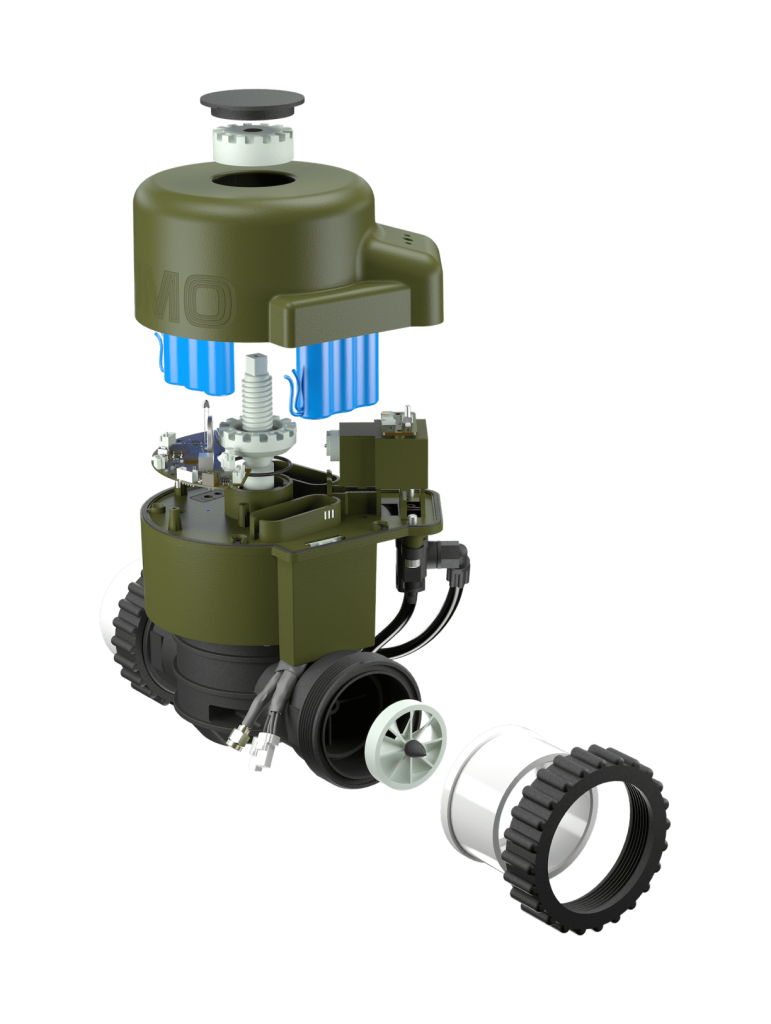
Dial in your irrigation Read More »
Technology