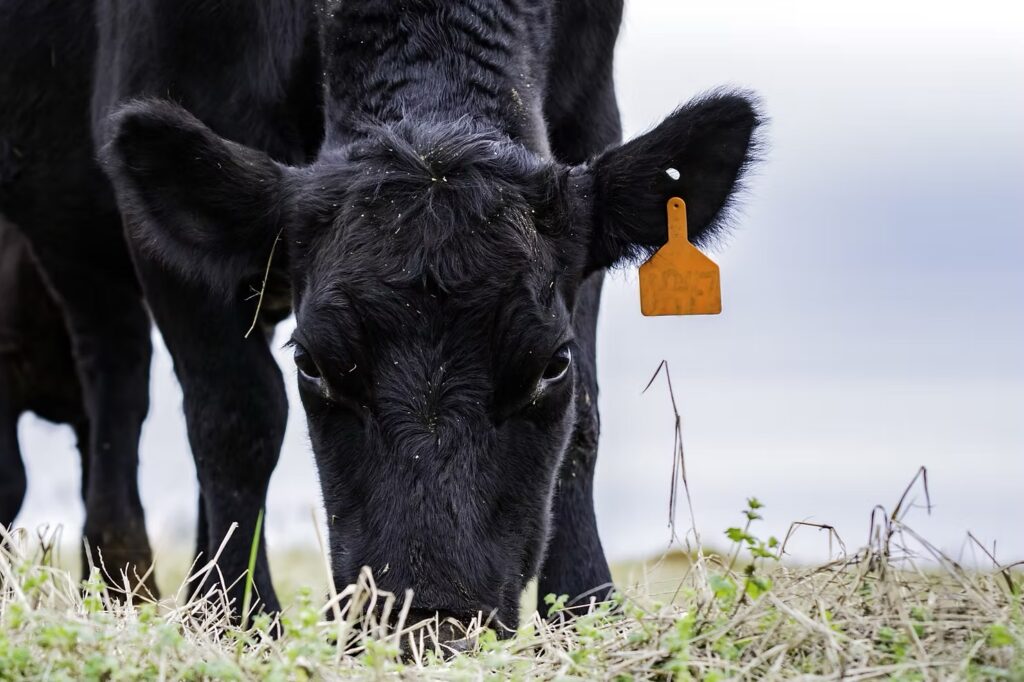
Be ready for Spring Health challenges
Be ready for Spring Health challenges Read More »
Herd Health
What are your best work-smarter-not-harder tips for homesteading? What do you wish you would have known going in?
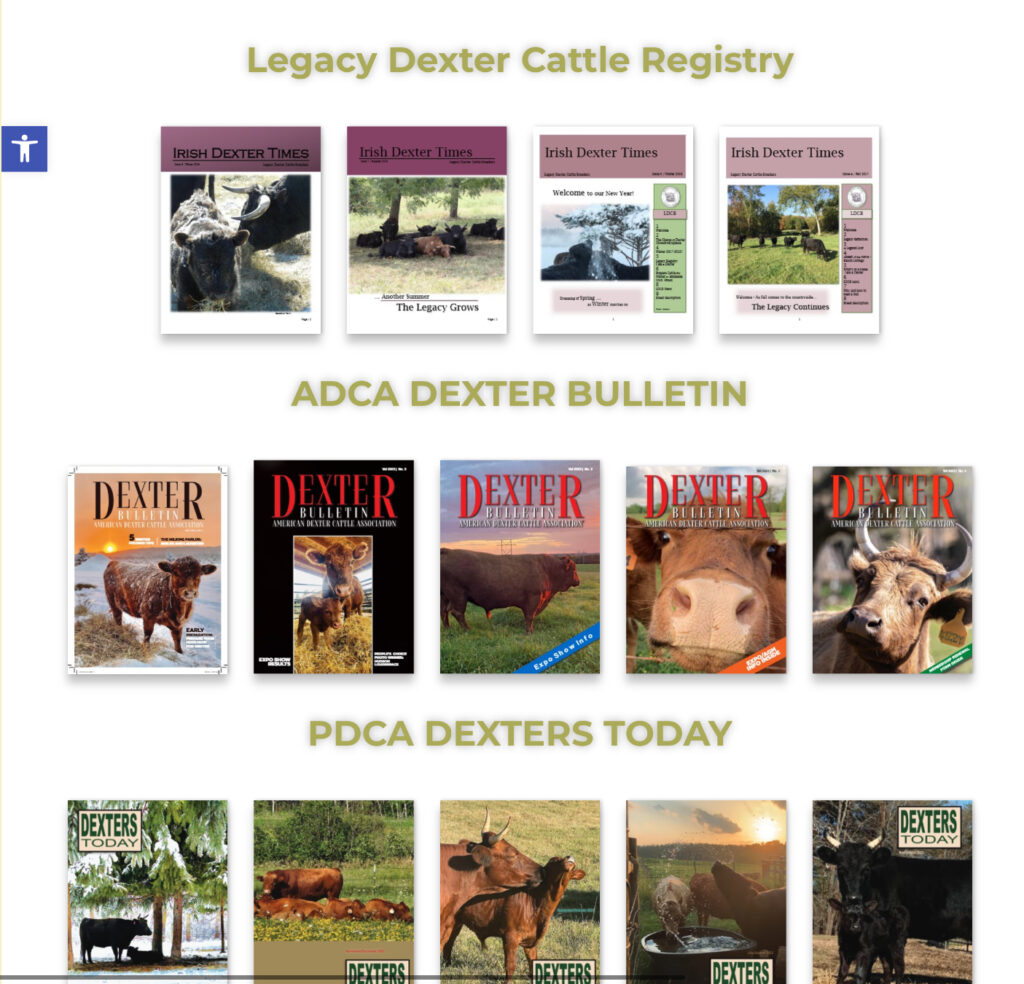
If you looking for more information on our wonderful breed, scroll down past the digital magazines to the flipboard section. There are several of the Dexter Registry Magazines that have been converted into easy to view flipboards. So much history at your fingertips in one place, the IDC Gazette.
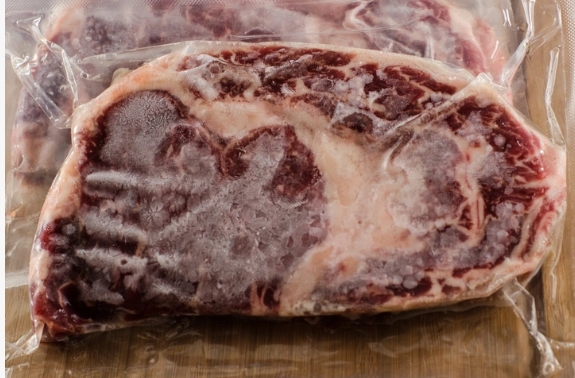
In my last blog, I discussed how to find a plant to process your beef. In this edition, we’ll look at using social media to find customers and setting up a website.
Of course, word-of-mouth advertising is the cheapest way to advertise, but you may live in a small town or have already exhausted your possibilities through your existing network. One rancher friend of mine noted recently, “Many of my neighbors are also trying to sell directly to consumers and my small town is saturated with supply. What I need is more prospects.”
Selling directly to consumers: How to find customers and market your beef Read More »
Selling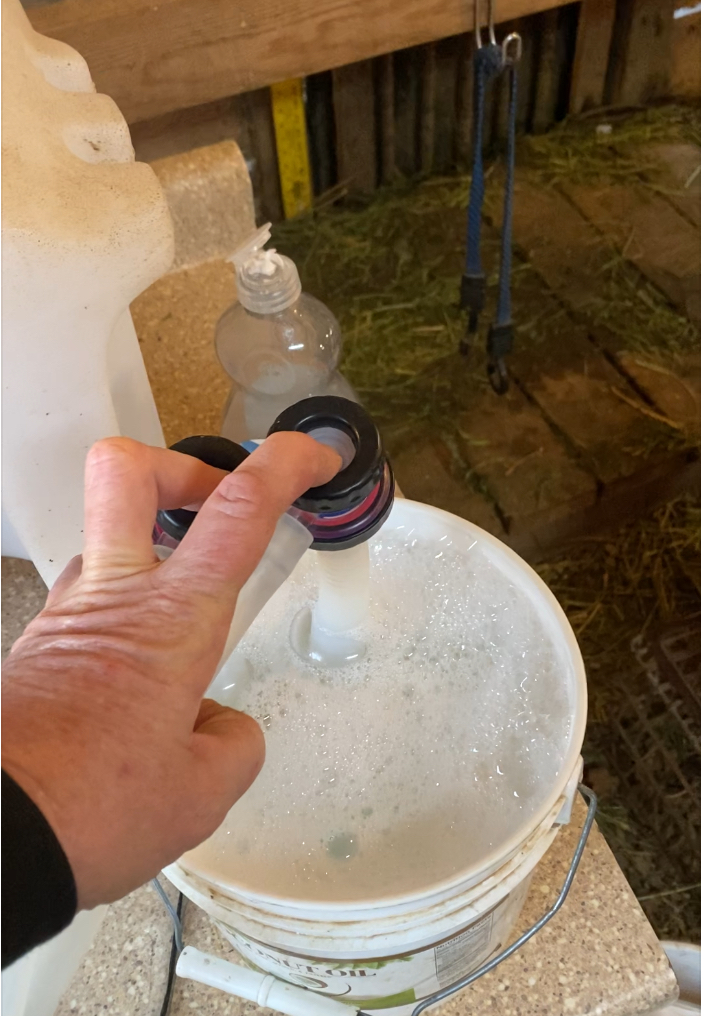
This was part of the reason I purchased a simple pulse machine. Clean up is this easy!
Clean up with a simple pulse machine Read More »
Milking & Dairy
In less than an hour, we’ll show you how we’ve used Facebook to enhance existing marketing campaigns and uncover new opportunities. Whether you’re deep inside of a marketing team or the leader of a small team of salespeople, this webinar will help you understand how to match Facebook‘s advertising platform to your sales cycle to generate more leads and get better results from your ad spend.
USING FACEBOOK TO GENERATE FARM AND RANCH LEADS Read More »
Selling
If I had a dollar for every time I said, “I’ll remember that later” I’d be a millionaire. But, the times I actually do remember are really rare! If you’re like me, and you need a little help creating better permanent records here is a great podcast to listen to:
https://podcasts.apple.com/us/podcast/livestock-walaau/id1580454679?i=1000611070012
Financial Record Keeping Read More »
Farm Management
I really enjoyed listening to this Chute Side podcast with Dr. Ryan Rathmann on the definitions and nuances of line breeding vs. inbreeding. As a beef producer he favors cross breeding, but I got a lot of good take-aways for my registered/purebred Dexter breeding program. He talks about the benefits line breeding can add to your herd, such as uniformity in offspring. He also talks about challenges and down sides to line breeding, and how to avoid.
https://podcasts.apple.com/us/podcast/chute-side/id1468813469?i=1000474332264
Line Breeding vs. Inbreeding Read More »
Farm Management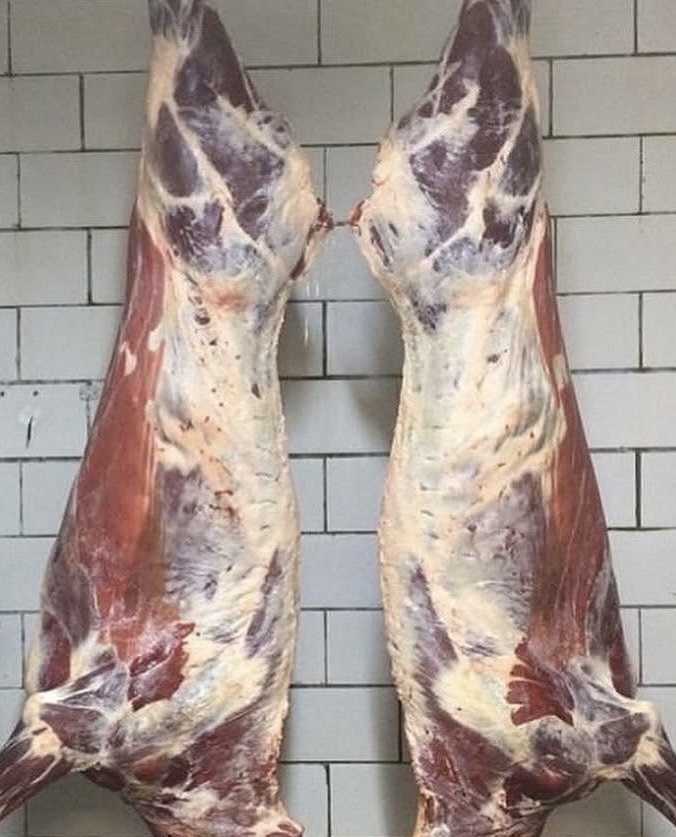
Mobile butchering, also called on-farm butchering definitely has its share of challenges. But, there are a few who are making it work, and excelling in this field! Farmers and producers are looking for options that minimize stress to the animal and cut out long transportation times to a butcher shop. Have you used a mobile butcher unit? Would you be willing to pay for a more costly service if it brought the benefits of an on-farm butchering?
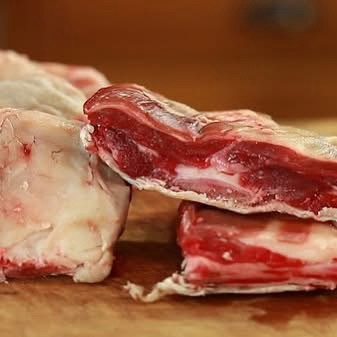
St. Patricks Day is coming up, and what better way to celebrate the day than with some home cooked, Dexter corned beef! The link below is to a recipe I’ve been using for several years with great success. Corning is a traditional way of curing beef meat. It does take time, so you want to give yourself 5-7 days. This recipe does not use curing (also called pink) salt so it is nitrate free. You can add beets if you’d like the traditional color, or leave them out for just as tasty (though less colorful) corned beef.
https://www.growforagecookferment.com/how-to-make-corned-beef/
Corned Beef Recipe Read More »
Beef
Here is what a Dexter family gathering looked like in the 1800s. Notice that the cottage cow is handled pretty much like the family horse. This photo was taken from the Facebook group DexterCattle Historical with the permission of Judy Spongaule. Judy has a wealth knowledge about our wonderful breed.
What a Dexter family gathering! Read More »
Historical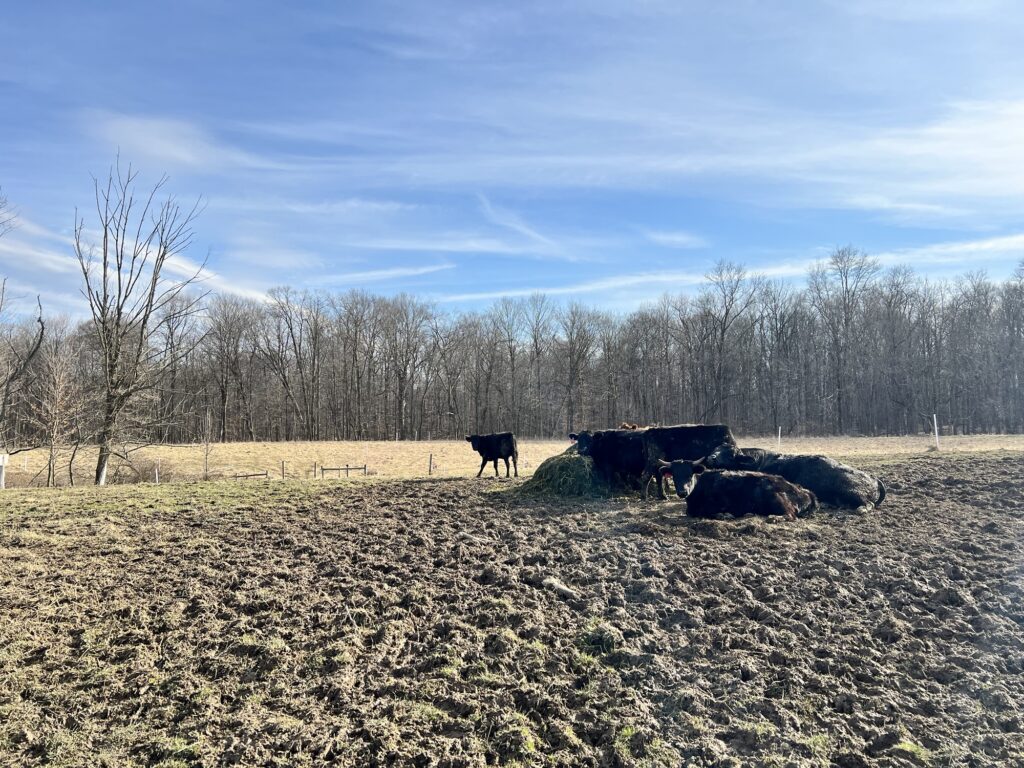
If you raise livestock, chances are you’ve dealt with mud. Every year is different, some more challenging than others when it comes to managing livestock and mud. Here is a great DIY video on building a heavy use pad for feeding or high-traffic areas on your farm or homestead.
Juliette Albrecht is a contributing member of the Irish Dexter Cattlemen, who was born and raised in the dairy industry. She has helped a fellow IDC member save their cow. Look for her articles each month and for past articles in the Gazette.
Juliette also runs two Facebook groups. One is under her name. The other is called The Science of Owning Dairy Cattle.
☆☆ Milk Fever
It scares so many dairy cow owners, and for a rightful reason. However I hope that I can shed some light on it and take away a bit of that fear. Hypocalcemia (milk fever) is brought on by the sudden demand for calcium that comes prior to delivery and directly afterwards. This taps her muscles, which carry that, heavily. In a pre calving scenario it will affect labor, since the cow needs muscles to contract. Often in this case she will need assistance. Characterized by lethargic movement, dull, dark eyes, and drop in body temperature, it can also lead to her going “down.”
●● Prevention
First calf heifers are less prone to this, but it CAN happen in them. Commonly it affects 3rd lactation and beyond. From the time she delivers her calf you are either setting her up for a great following lactation, or one doomed to fail. It all start with NUTRITION. Dairy cattle are beautiful, but oh so delicate. She needs fiber, energy, starch, protein, bypass protein and minerals to simply survive. (Keep an eye out for Mariah Gull and her weekly posts regarding this subject!) When a cow calves in she loses body weight rather rapidly. During this time she “milks off” condition. Peak is considered to be day 30 to 90 in milk. If she is being fed correctly, she will not become too thin. Coupled with a good deworming protocol, she will slowly regain weight. At roughly day 80 she ideally will be bred back, and than her body weight will continue to rise. Grain should rise as she peaks to meet her milk volume, than slowly decrease as it falls. If she goes into late stage lactation either too thin or on the alternate, overweight, she is being setup for metabolic problems. During the dry period I either cut grain off completely (during spring and summer grazing, when forage quality is high) or feed a 2 to 3 lb per head feeding rate during the fall and winter.
Transition refers to the time before estimated due date. This commonly starts at 3 weeks out from calving, and technically extends to 30 days in milk. This is my protocol.
1) stop salt access, as it increases the chance of edema.
2) feed either a high fiber, grassy hay or have her graze similar.
3) feed 3 lbs a day of our parlor grain (18 percent protein)
4) top dress with the negative DCAD Soy Chlor
Five to seven days prior to delivery her appetite will drop. If it is significant I give B Complex.
On this protocol I see very little metabolic problems. However I always give Bovikalc to…
A) an assisted birth
B) twins
C) a cow with a known history for metabolic problems (milk fever, metritis, ketosis)
Should she go down, IV calcium is the only way to get her back up.
A cow that has had milk fever typically never reaches her full potential in milk volume for that lactation.
Milk Fever – Prevention and treatment By Juliette Albrecht Read More »
Milking & Dairy
Maybe this is why we get less milk in the winter months?
https://www.bovinevetonline.com/news/education/light-can-have-huge-impact-milk-production
Is milk production like egg production? Submitted by Janelle Soja, Royal Fare Farm, OH Read More »
Milking & Dairy