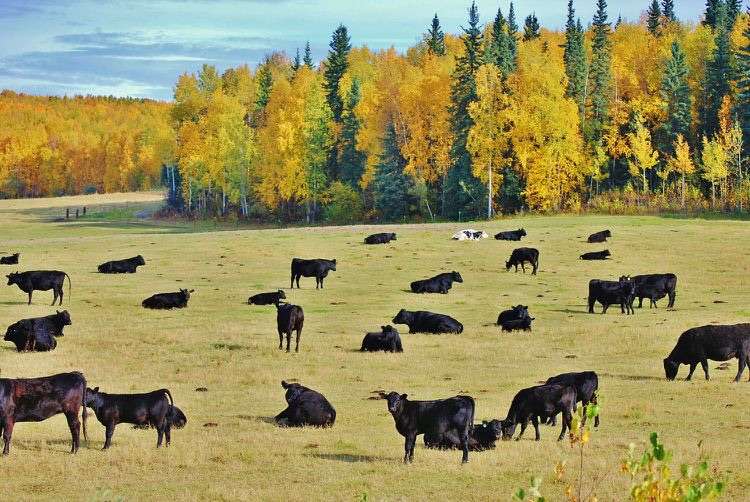
Rotational Grazing Transforms Degraded Land

Rotational Grazing Transforms Degraded Land Read More »
Podcasts
❄️”Winter-feeding is one of the largest costs for Canadian and US cow-calf producers. How this period is managed can make a big difference in both herd health and an operation’s bottom line.
From extended grazing systems to feeding stored forages, each method has its strengths and challenges. The right strategy depends on the operation, available resources and winter conditions.
Here’s a look at some common winter-feeding strategies, with the pros and cons of each.”
Read more: Different Winter Feeding Strategies
https://www.beefresearch.ca/blog/winter-feeding-strategy-pros-cons
Different Winter Feeding Strategies Read More »
Herd Health
Yes! Social media has become an integral part of digital marketing for many businesses.
For farmers, social media can be a dynamic platform to engage with customers, highlight fresh produce for sale, and market meat online.
Social media marketing for farmers is no longer optional, but an essential way to reach your customers, gain valuable insights, and increase sales to your online farm store.
The Ultimate Guide to Social Media for Farmers Read More »
Selling
There are some chores and activities that are more effective in the winter months. Like, for instance, the soil’s freezing and thawing causing seeds to be drawn in, and seeding to be more productive. Some farm tasks are just more enjoyable in the chilly winter air (who wants to split wood in the summer heat?). Dormant invasive plants can be cut back and pulled out (hopefully before the soil freezes). The article below does a great job of providing some farm tasks to keep you warm and working in the winter months. What farm chores are exclusively done on your farm in the winter?
Chores to Keep You Warm in Winter Read More »
Farm Management
Juliette is a regular contributor to the Irish Dexter Cattlemen and has a FB page that she manages to help all cattle owners.
https://www.facebook.com/juliette.albrecht.2025?
BLV….Bovine Leukosis Virus…an opinion from an experienced, large dairy cattle breeder. Read More »
Herd Health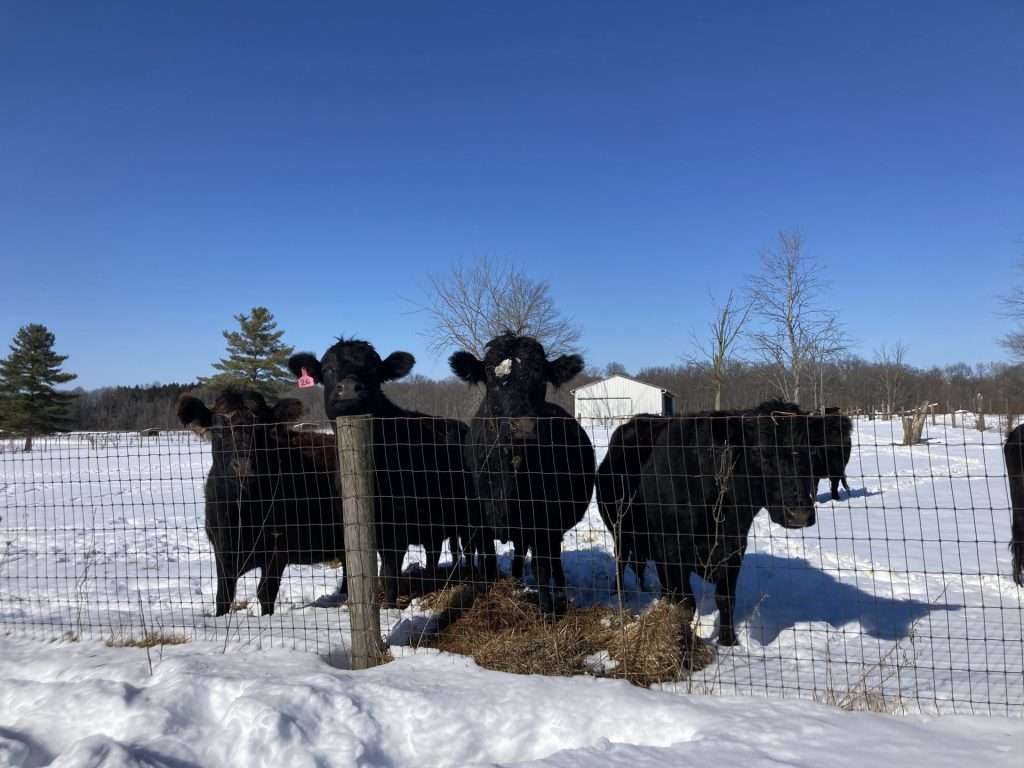
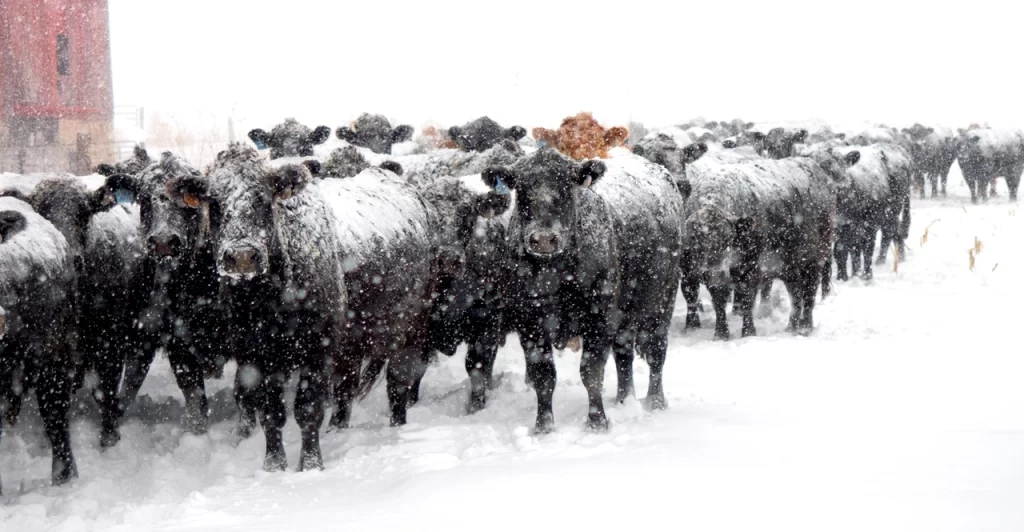
Here is a great video from Greg Judy about the benefits of grazing cattle through snow. He includes tips on keeping water from freezing, looking out for parasite issues, and keeping your operation profitable.
Grazing Through Snow Read More »
Farm Management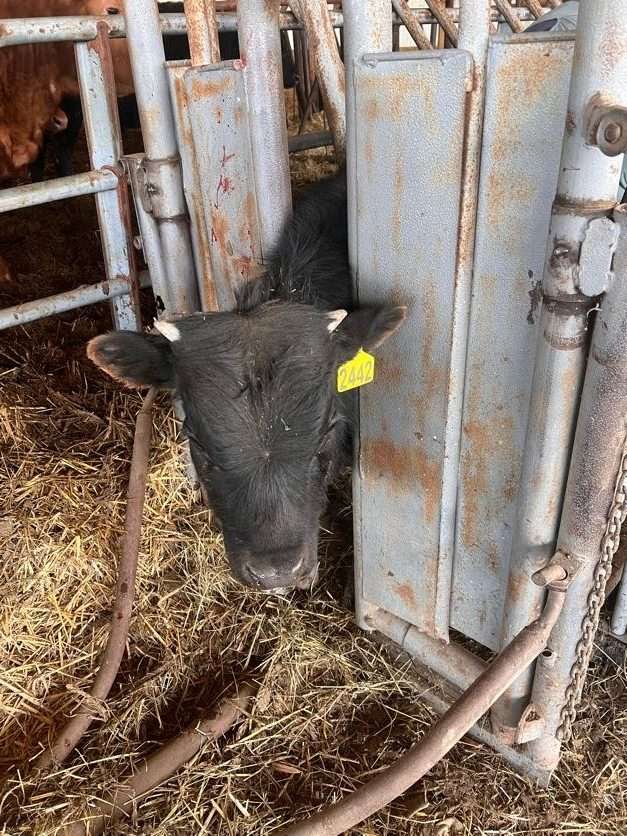
This podcast sent me into a few fits of laughter with the speaker’s dry humor. Obviously this experienced vet has been around, and has seen a few things. And while Dexter cattle (including the bulls) tend to be smaller and easier to handle, I highly recommend implementing the recommendations in this podcast. Not only will it make handling your animals easier, it will set you up for a more successful relationship with your vet and your neighbors.
Building a Solid Foundation Read More »
Farm Management
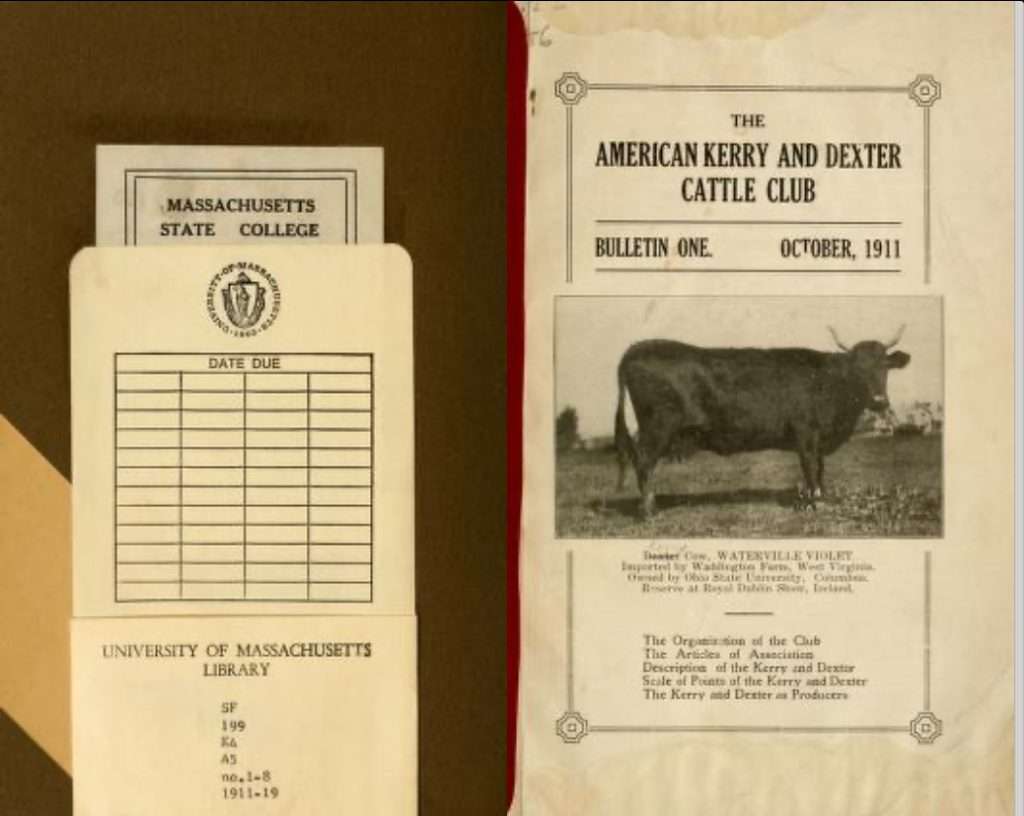
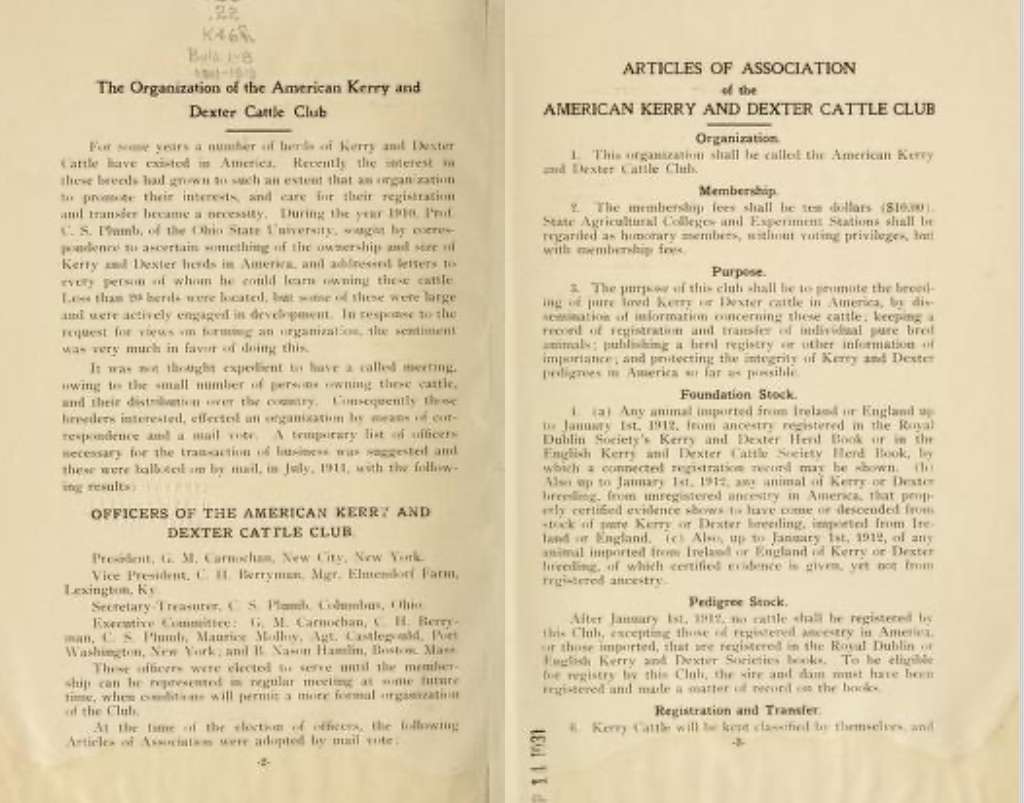
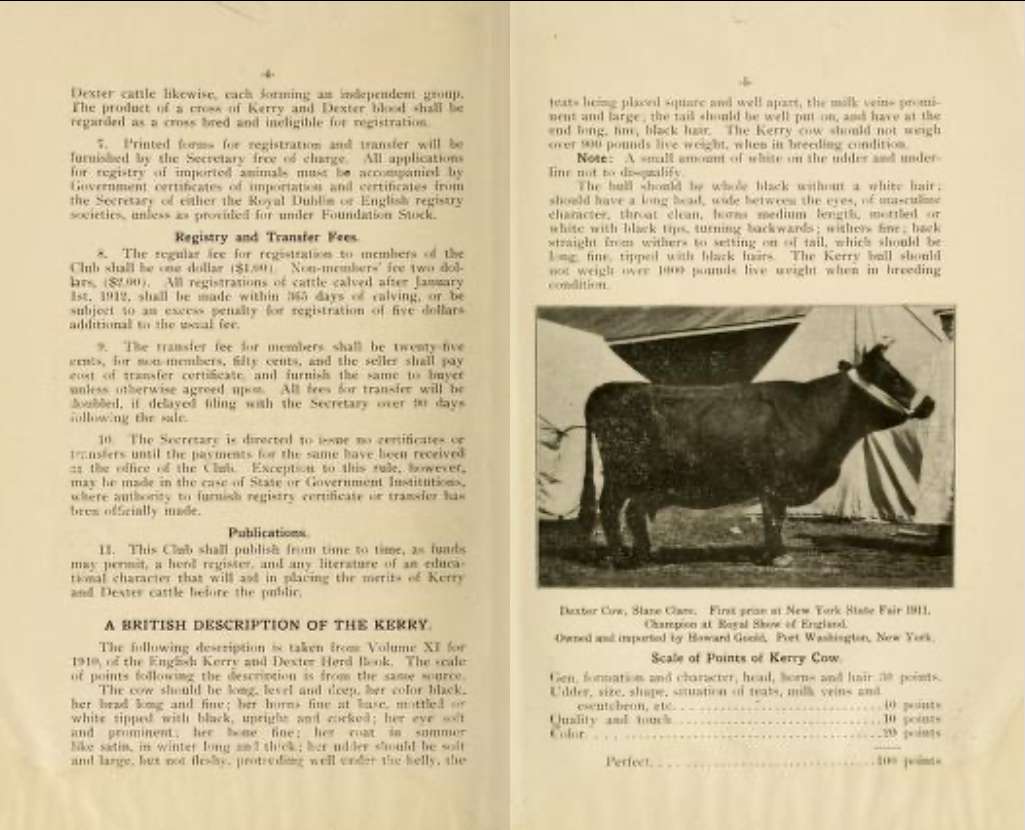
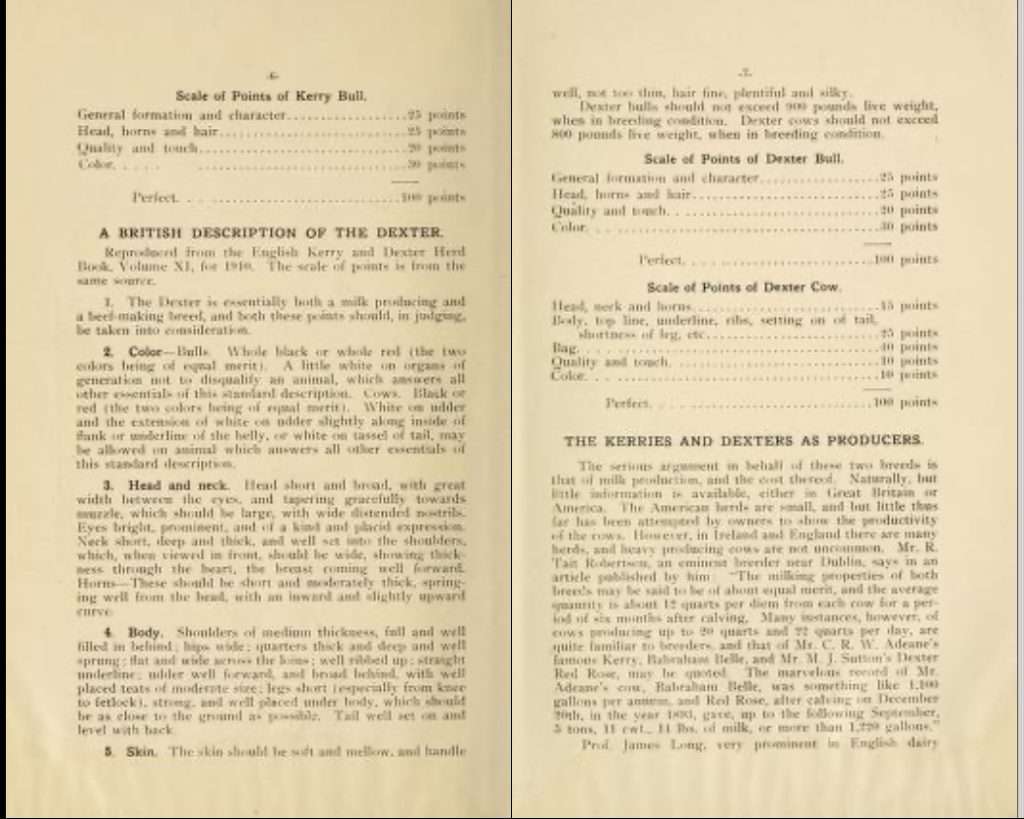
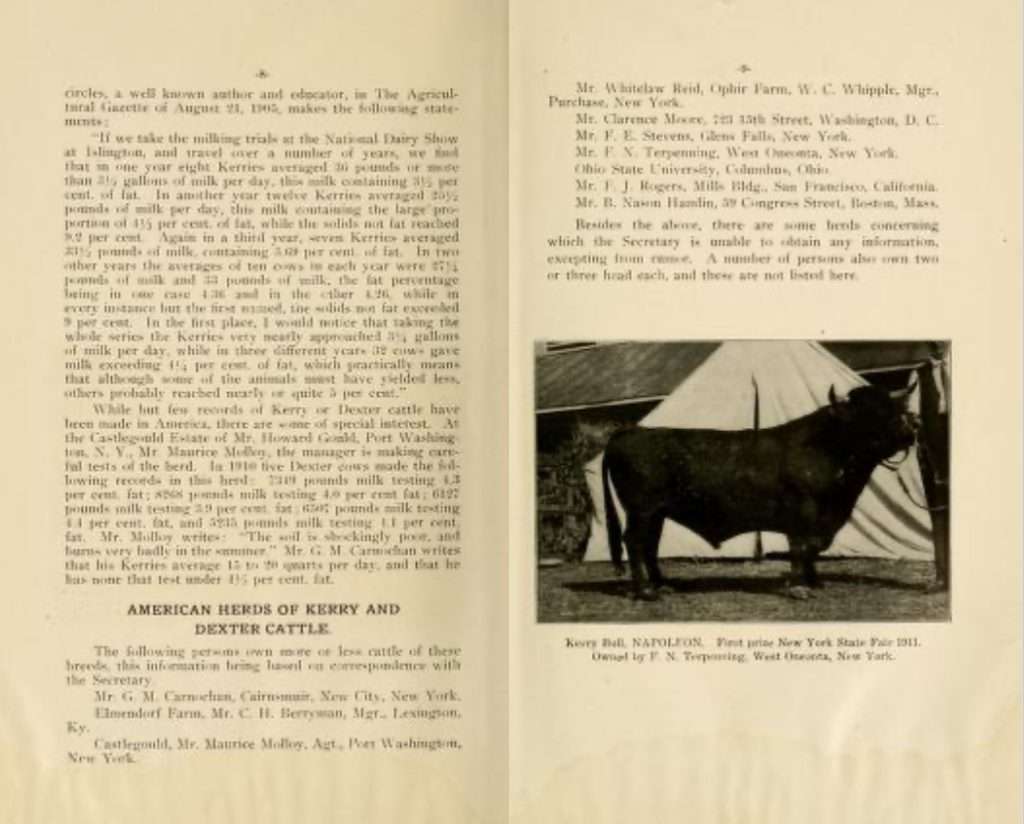
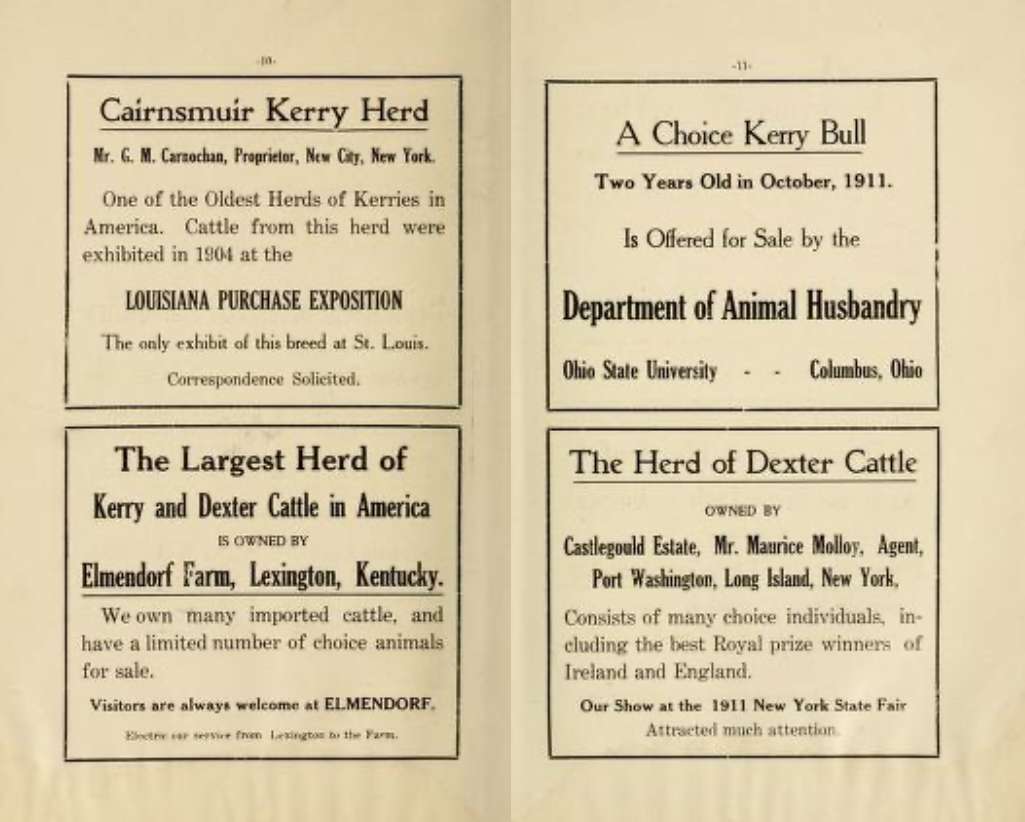
Many thanks to Judy Sponaugle of the Legacy Registry for providing the Irish Dexter Cattlemen with this valuable information. This is the first in a series of excerpts from The American Kerry and Dexter Cattle Club.
It is a great find for all you Dexter history buffs! Seeing some of the old advertisements and recognizing some of those herds was a thrill for me.
The American Kerry and Dexter Cattle Club ….series 1st Installment Read More »
Historical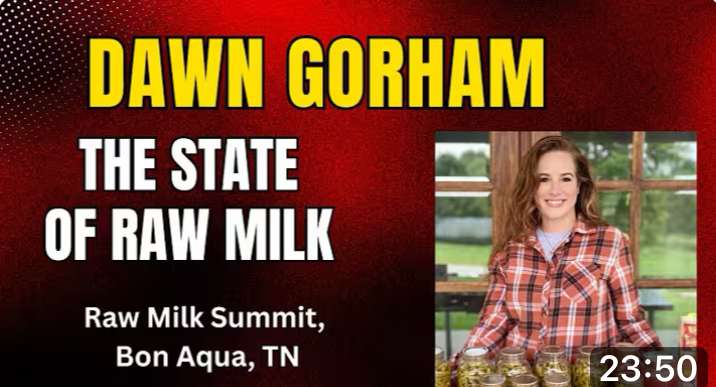
There was a Raw Milk Summit in Bon Aqua, TN. Several guest speakers included politicians, local producers and Dr. Ken Berry. This video is of the organizer Dawn Gorham of The Gorham Homestead.
She has an interesting story and message for people who are trying to sell their milk thru herd shares in Tennessee. You will need to check your State Laws, but has some great advice for everyone.
Raw Milk Summit in Tennessee Read More »
Milking & Dairy
I believe that you should learn to hand milk your Dexters and other dairy animals. For me the journey was to master hand milking. I moved on to a machine after I was milking several Nubians and Dexters. My body was telling me I needed help.
I have never regretted this, as you have to strip out after the machine and I am prepared for days with no power.
Here is a podcaster from the Family Milk Cow and her perspective.
Man vs Machine When Milking a Cow Read More »
Milking & Dairy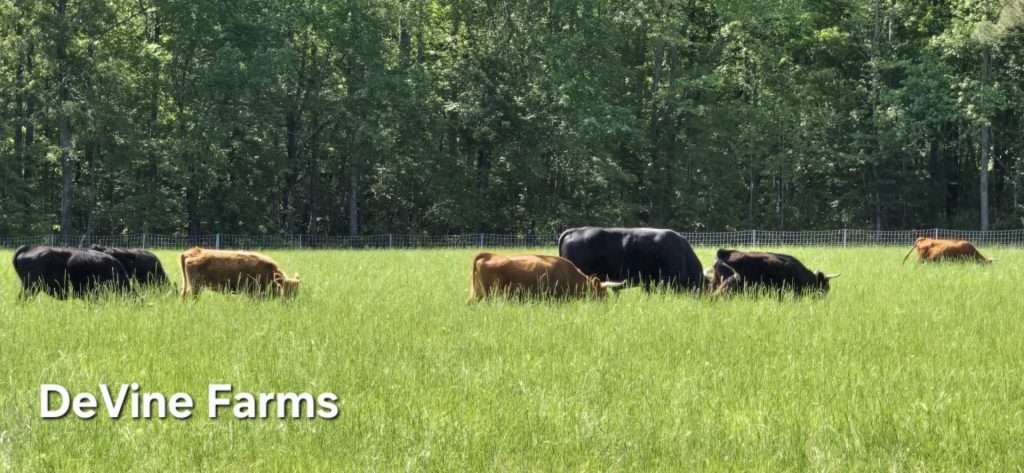
By Michele Schmoll, DeVine Farms, http://www.devinefarms.net
When you start thinking about owning Irish Dexter cattle it is important to consider it as a long-term relationship, time involved, and expenses. One of my favorite things to tease visitors about as we walk or drive through our herd is, “Dexters are like Lay’s potato chips. You cannot have just one.” That slogan idea is from a 1963 Lays ad campaign and it holds true in my book. Dexters are herd animals who feel safer and calmer when they are with others. Once someone meets this docile, charming, and surprisingly efficient miniature breed, it is hard not to fall head over boots for them.
If you are new to the breed, I highly recommend setting up a farm visit with a reputable breeder. Offer to buy some feed or bring a small donation to respect their time. Be warned though. You may not want to leave. This article is meant to give you the broad strokes of what to consider when deciding if Dexters are right for you. I encourage everyone to do additional research on estimated pricing based on your area.
The Real Costs of Starting a Herd
The initial purchase of the cattle is only one part of the investment. You will need to consider land, fencing, shelter, handling equipment, feed, hay, feed and hay storage, a trailer unless you can rent or borrow one, a tractor, breeding costs, parasite and worming management, predator control, veterinary care, and even a reliable pet sitter. It may take several years to recover your startup costs depending on how simple or how fancy you want your operation to be. Dexters are a dual-purpose breed and, when cared for properly, can provide milk and beef for nearly two decades. I personally know of cows that were productive into their late teens and one in her twenties.
Land and Stocking Numbers
The most common question is, “How many Dexters can I have per acre?” The answer depends on your total acreage, pasture quality, rotational grazing practices, growing season, and pasture maintenance. Many Dexter resources recommend one acre for the first cow and half acre for each additional animal. When advising beginners on small acreage, I suggest the 1.5 rule. Multiply your total fenced acres by 1.5 to estimate the number of Dexters you can support with a safety buffer. For example, 4 acres x 1.5 equals 6 Dexters. If you divide your pasture into multiple paddocks and rotate your herd, your grass recovers better, it stronger, and parasites have time to die off.
When done strategically—through rotational or intensive managed grazing—short bursts of high stocking density followed by long rest periods can stimulate stronger root systems. Plants recover fully before being grazed again, resulting in: deeper and denser roots, improved soil structure, better drought resilience, and more balanced plant communities. What this all means to you? You can graze more efficiently and have more Dexters. That is a huge win!
Be prepared to do land maintenance, soil testing, weed control, and fertilization vary by region. Your local USDA or Farm Services Agency office can offer free guidance and resources. They are a great place to start.
Shelter
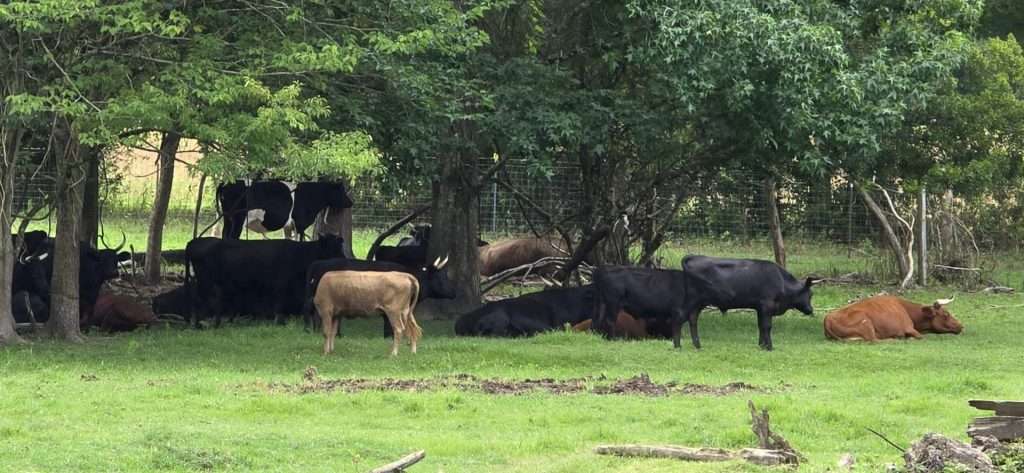
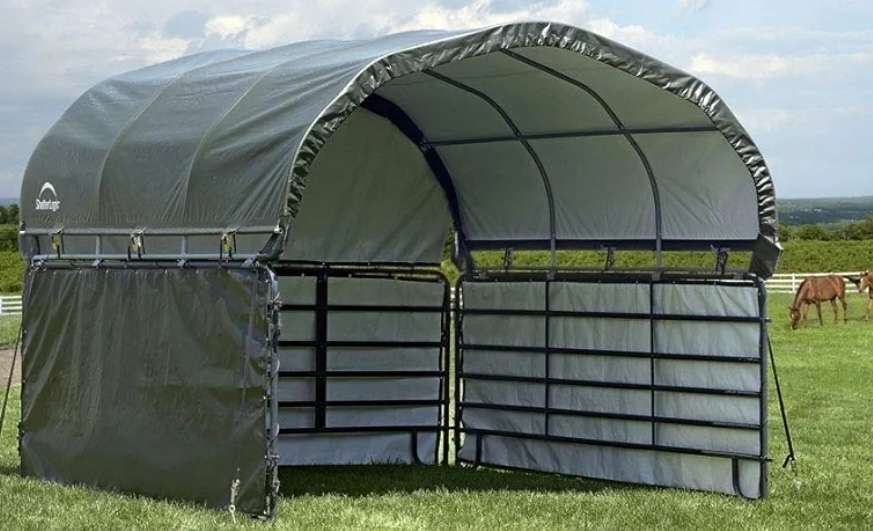
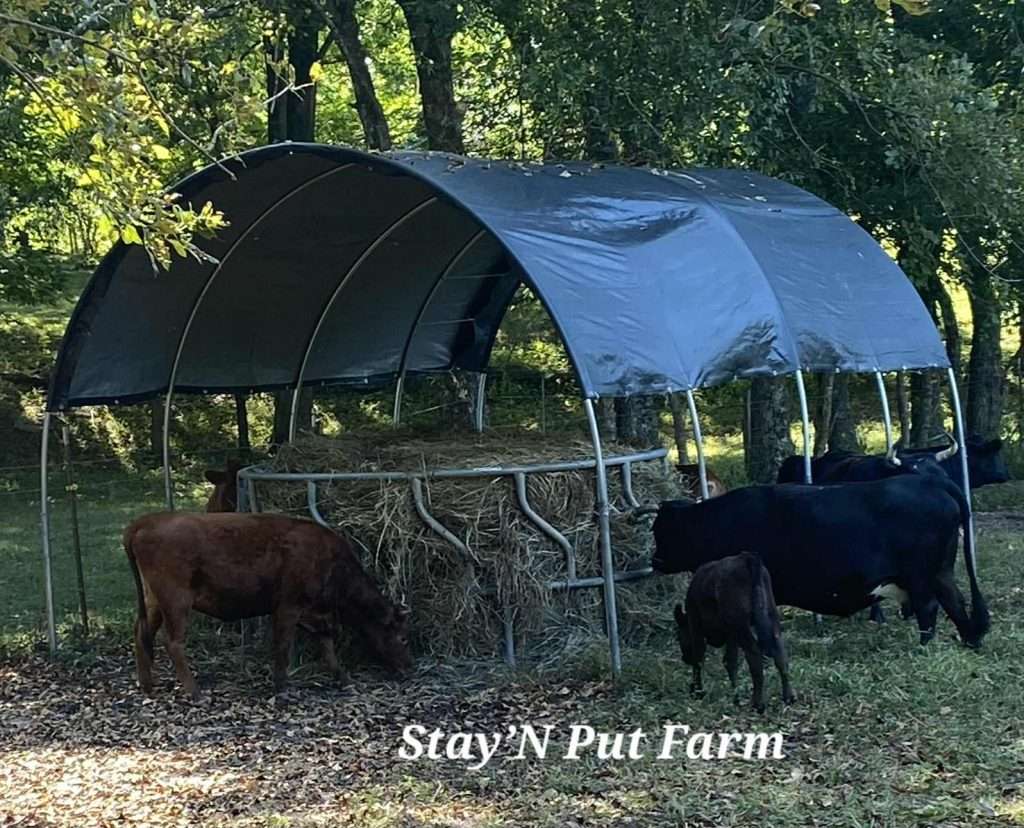
Dexters need protection from heat and extreme weather. A three-sided shelter with the opening facing South is ideal. Even if you have shade trees, build a shelter. When storms roll in, cattle avoid trees because of falling limbs and wind stress. A simple carport-style shelter works well, especially if you need to put a round bale inside for them to eat around it, approximately $2500. You can even do a larger three-sided shelter with hay storage in back and put up gates or doors to keep them away from the hay. Two other options: Shelter Logic 12 ft x 12 ft type, 3-sided run-in around $350 plus, need 3 of the 12 ft corral panels $390 (see photo) or a DIY hoop shelter around $450 depending on materials you use (see photo). Whether, it is wood or metal, I recommend a shelter of some sort.
Feed, Hay, and Storage
Feed and hay costs depend on your climate, seasons, and hay quality. Buying in bulk or buying hay in the summer before winter prices rise can save a significant amount of money. In hot and humid climates, storing hay under cover is essential because mold develops quickly. Never feed moldy hay. Mold can cause respiratory illness, reproductive issues, and long-term immune problems. Avoid storing feed or hay near fuel and farm chemicals because it can absorb fumes that cattle can smell (even when we do not) and can be toxic. Feed should also be rodent free so storing in rodent proof containers is imperative. Feed should also be kept in something raccoon aka “trash pandas” cannot get into.
Handling Equipment and Veterinary Care
One larger investment is a proper headgate and squeeze chute. You can find some great DIY plans online or buy a metal one. Be aware most veterinarians will not treat cattle on-farm without safe handling equipment. Even though Dexters are smaller, they can still injure you or your vet if they are stressed or in pain. A squeeze chute with headgate protects everyone and the squeezing calms the animal during treatment. Corrals or catch pens help immensely when you need to bring them in for vet checks, load them on a trailer, or handle for training.
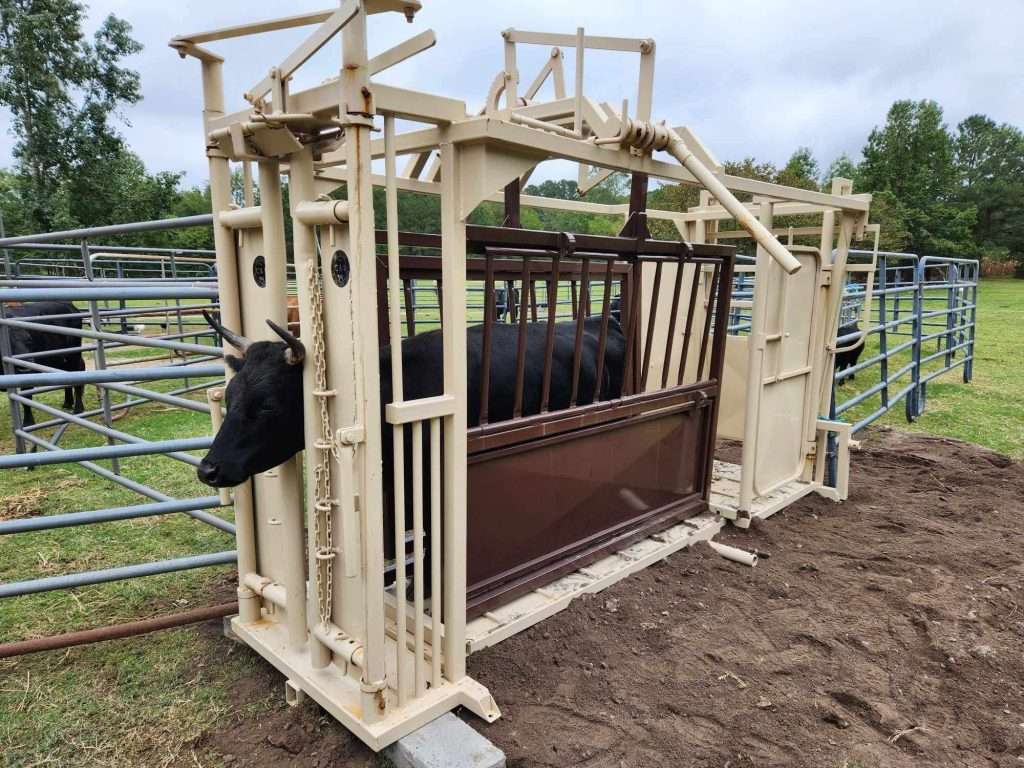
We can call our cattle into the holding pen from 40 acres away just by hollering, “Cow, cow!” They come running because that is where we feed them daily. No halter or chasing needed. We try and teach our clients easy tips like this to be successful.
The Cost of a Good Dexter
Could you go to a livestock auction and buy a “Dexter” cheap? Yes, but you may end up with a sick, stressed, or crossbredDexter that could cost hundreds in vet bills before you even know what you have. Instead, buy from a reputable breeder who DNA tests, registers, and raises animals with known temperament, worming and healthy parents you can see. When you load up your Dexters in the trailer the sale should not end there. When you are buying a Dexter from a reputable breeder, you are buying knowledge, mentorship, and support that lasts past pickup.
Example Startup Costs (Assuming you already have land, fencing, and gates)
• 3 pregnant registered Dexters @ $2,500 each: $7,500
• 1 registered bull calf (6 months old): $1,500
• 3-sided carport shelter: $2,500 or Hoop House $400
• Veterinary Well visit and new client start up: $150 to $250
•Water troughs and miscellaneous items $500
• 1st year feed, hay, minerals, vaccines, protein tubs, veterinary, wormer, grass seed/fertilizer @ $1,500 a Dexter x 4: $6,000
Total basic first-year startup depending on shelter type: $15,000 to $17,500
Final Thoughts
I know it seems over whelming but it really is not if you plan everything out and be clear about your goals. Whether you want to be a breeder, produce milk and meat to sell or raise just for your family, starting a Dexter herd is not just a financial decision, it is a lifestyle choice. You are building self-sufficiency and a rewarding family experience.
The first few years do require patience and planning, but the payoff can be meaningful both financially and personally. If interested in financing reach out to your local USDA/FSA office about farm loans. Farm loans can cover everything you need for start-up including land. When the investment starts to show returns, the feeling is a great sense of accomplishment. Dexters give back what you put into them. It never gets old seeing your herd grazing or the birth of a new calf.
Don’t forget, “Dexters are like Lays you can’t have just one.”
What to Consider When Starting an Irish Dexter Herd Read More »
General
In this podcast, we learn about things we need to consider before we even schedule our meat for processing. Interesting fact is the return on the Dexter is higher than what is stated here. We experience much closer yields to 70% and our carcasses are smaller…so the freezer space issue is not as significant with the larger breeds.
What Do I Need to do Before I Drop off my Meat for Processing? Read More »
Beef PipeDreams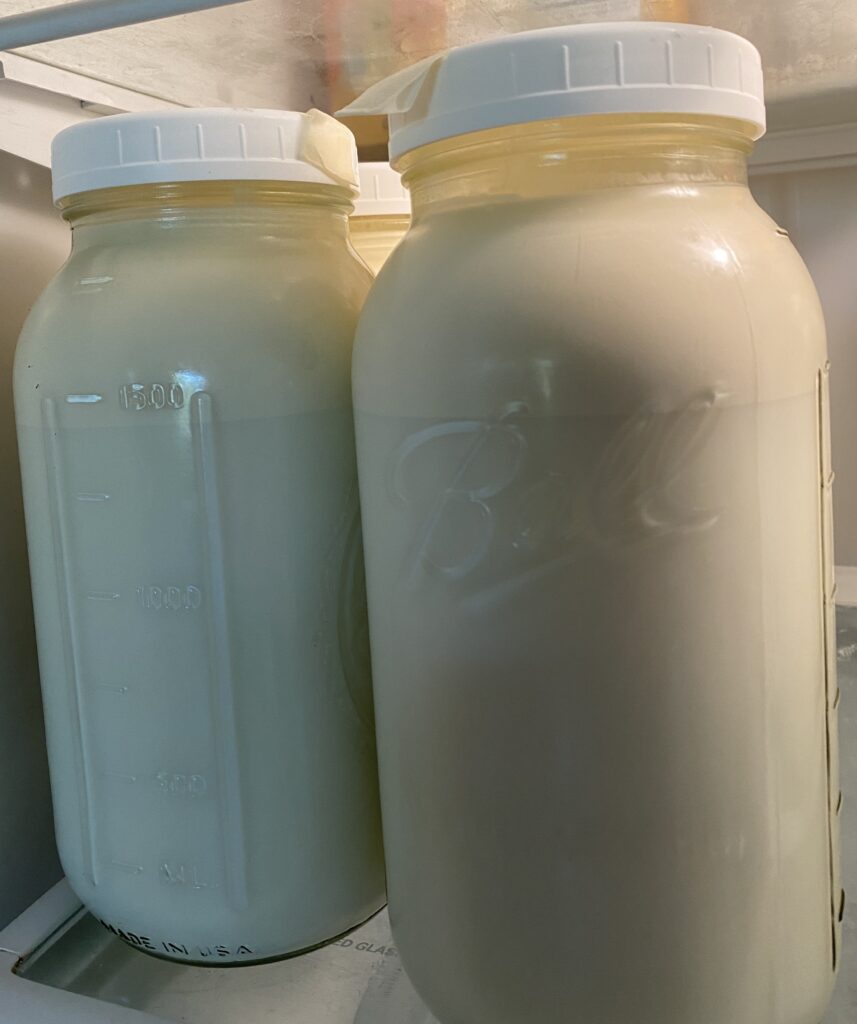
By Eliena Bodtke, Stay’N Put Farm
Since many of us are homesteaders or practice some kind of preserving, I thought I would take a moment to discuss an alternative to canning, pressure canning and dehydrating.
Are you scratching your head, thinking where is she going with this?
Consider freeze drying. While the initial cost seems daunting, it really is an excellent way to preserve your Dexter milk, yogurts, cheeses, colostrum and beef for 25 YEARS! Think about when you’re over loaded with one veggie or another during gardening season. The veggies, herbs or eggs when they are abundant, can be frozen and put into the freeze dryer anytime. We still can and pressure can, but this gives us a whole new option.
We purchased a medium Harvest Right about a year and half ago and have been amazed at all the things we can preserve….it is less time consuming and in our opinion, and better quality product in many cases.
Canning of dairy is frowned upon by the USDA and in some cases consider unsafe, although people do it. Freeze drying on the other hand, processes the dairy at lower temperatures and therefore does not pasteurize it…so if raw is your goal, it is good alternative. If you pasteurize, you still follow the same method. We pour a quart of milk on each tray and let the machine do its thing. We have done it both with cream in and cream out…the choice is yours. We find it needs to be blended when reconstituted, or another favorite is dry in our coffee, just like coffee creamer!
If you’re into selling, freeze dried milk and other products can be a good source income. Take a look at the price of powdered milk in the store! It is not uncommon to see freeze dried milk for $30-40 a gallon. Let’s clarify this. One gallon of freezer dried milk reconstituted into one gallon of drinkable milk…almost quadruples in price.
And don’t forget your Dexter beef! Consider this scenario….you have some cuts left from your last processing and you would really like to eat it before you get into the next one. Well, freeze dry it and then you have preserved it for 25 years. It makes great gifts, as it is so light to ship.
How do you use this freeze dried beef? We like to pour some of our Dexter bone broth over it. Let it sit in refrigerator over night and then use it in the next day or so. The beef will only absorb as much broth as it can. It doesn’t get mushy, which can happen with veggies. Cook with it like you usually do.
Hope this article helps you on your farm, ranch or homestead. I just love this technology and thought I would share.
Preserving Irish Dexter Dairy and Beef Read More »
Beef Milking & Dairy
The best advice I can give to those who are starting out….GO SLOW! You can still go slow and work toward your homestead, farm or ranch paying for itself. This podcast from Homesteaders of America gives some good solid advice…including paying yourself and your family for its efforts. These principles can be applied to any of your produced products.
How Can my Ranch or Homestead Pay For Itself Read More »
Homesteading PipeDreams
Today the farm arguably represents America’s premier non-industrial food production oasis.
The Polyface Story Read More »
Beef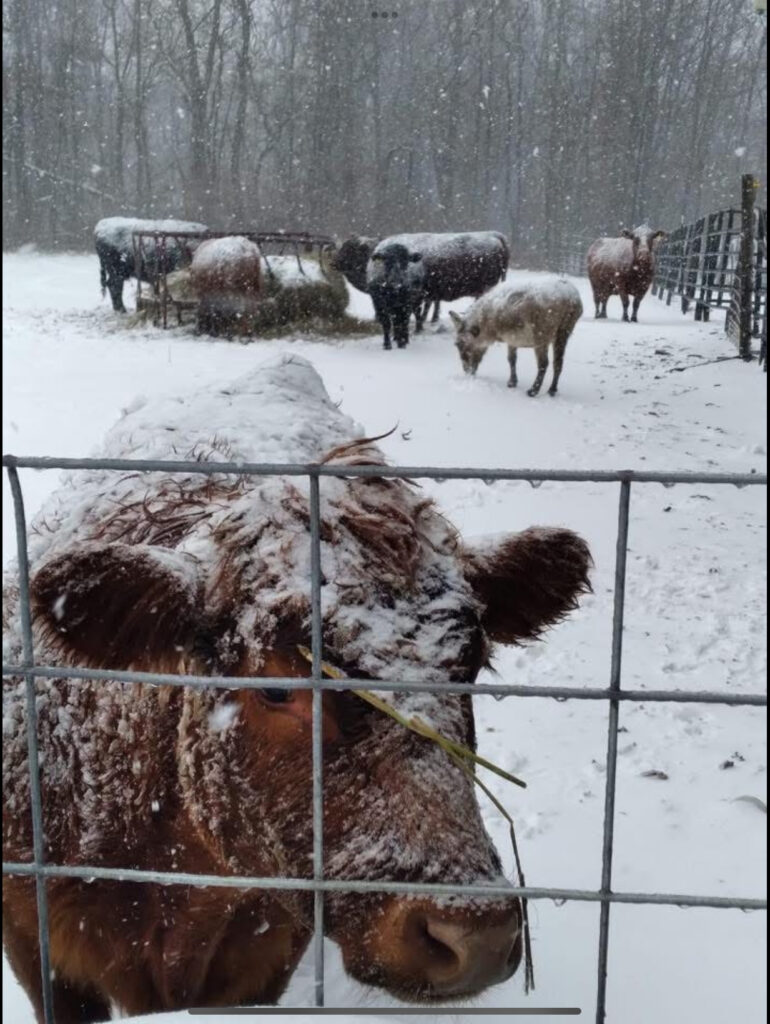
Cattle expected to live outside during the winter should remain outside to adjust to the changing conditions as winter approaches.
https://extension.umn.edu/beef-cow-calf/preparing-your-cattle-severe-winter-weather
Cattle and Severe Weather Read More »
Herd Health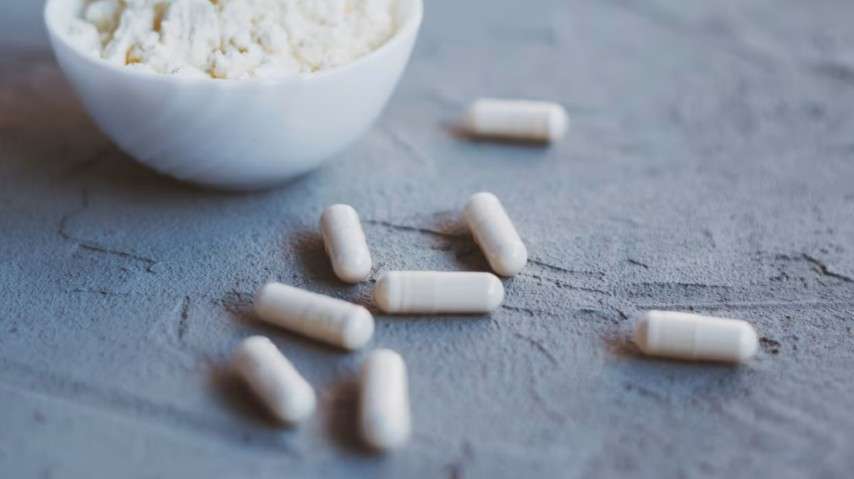
Make sure you’re collecting it!
Submitted by Katie Sears
https://www.cnn.com/2024/08/27/health/colostrum-supplements-pros-cons-wellness/index.html
Liquid Gold Trend! Read More »
Milking & Dairy
A chute that fits the unique type and size of livestock.
The Ideal Squeeze Chute Read More »
Farm Management
Now’s the time to start planning ahead. Here’s a checklist to help you plan and prepare to improve
Calf Refresher & A Checklist Read More »
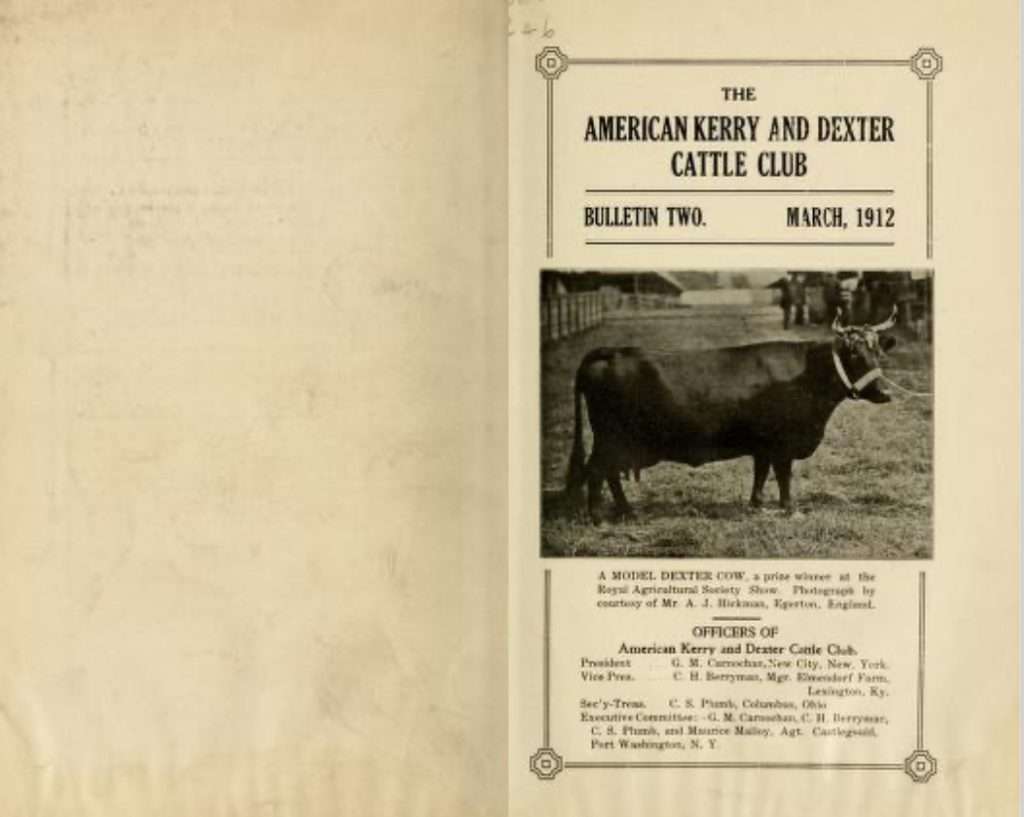
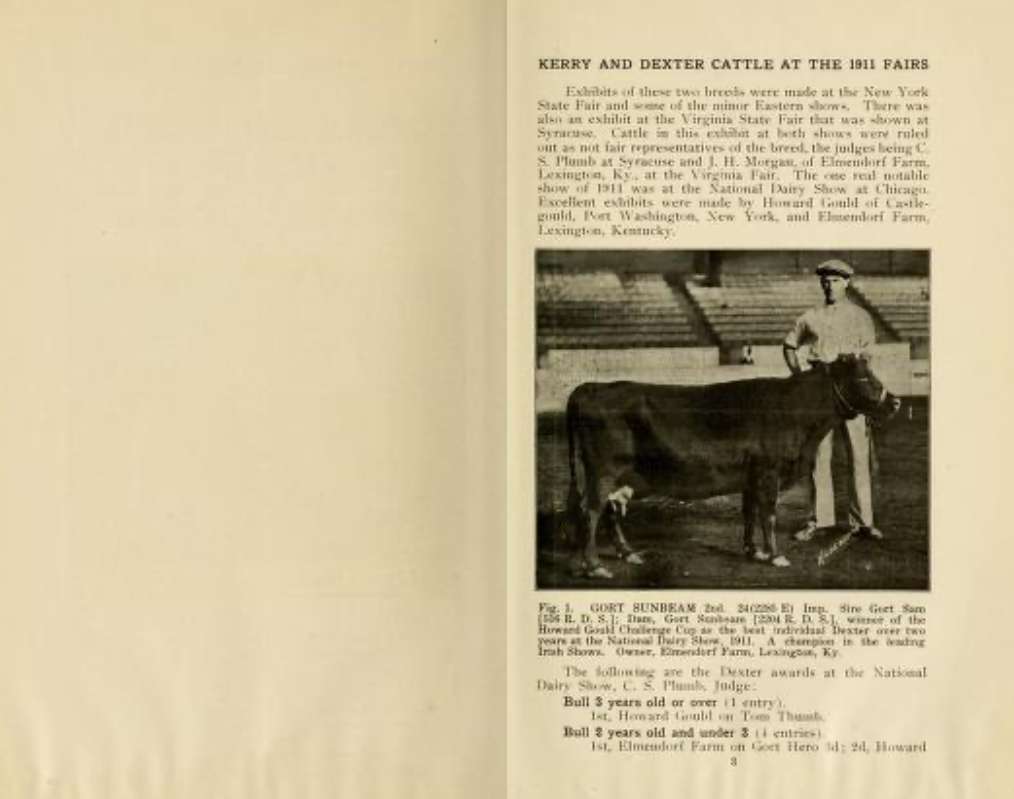
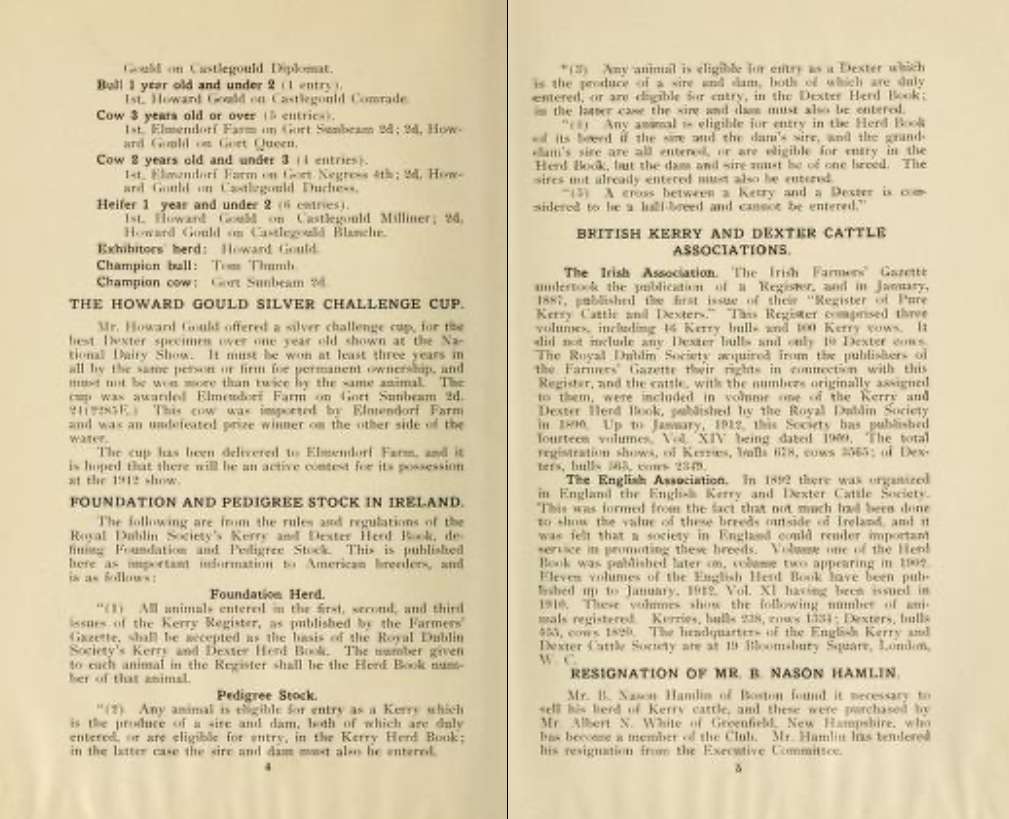
Herd HealthHere is the second installment in the series of The American Kerry and Dexter Cattle Club brought to us by Judy Sponaugle of Legacy. Hope your enjoying the series!
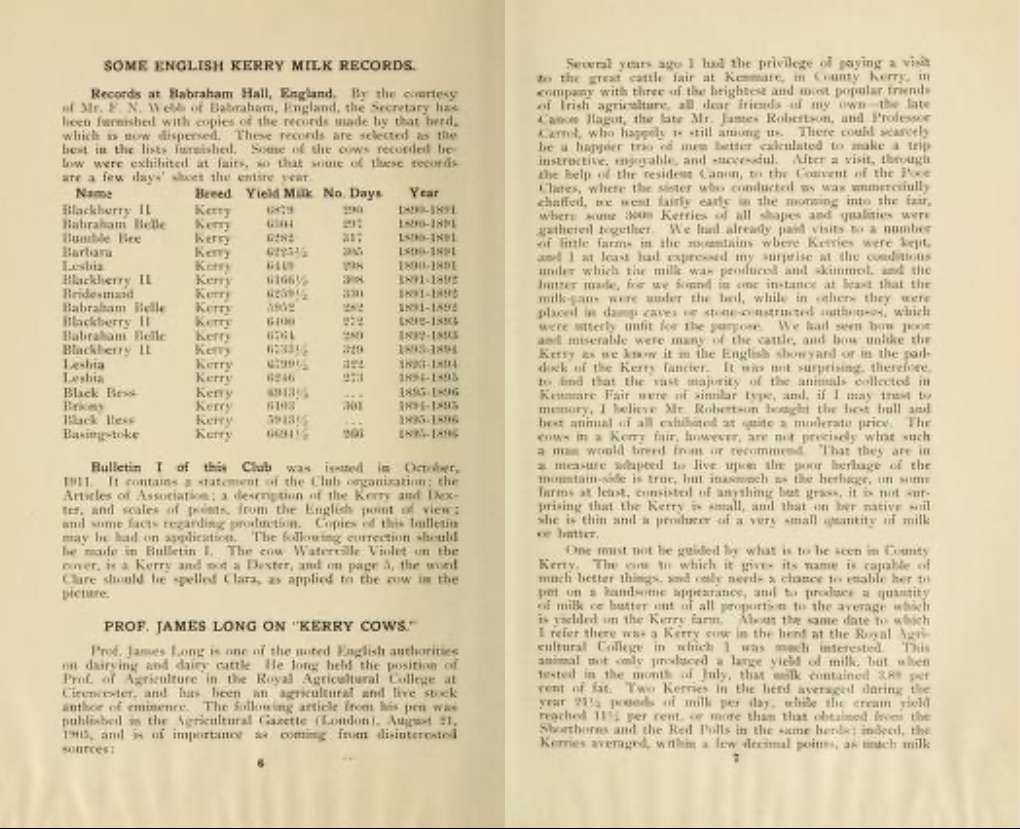
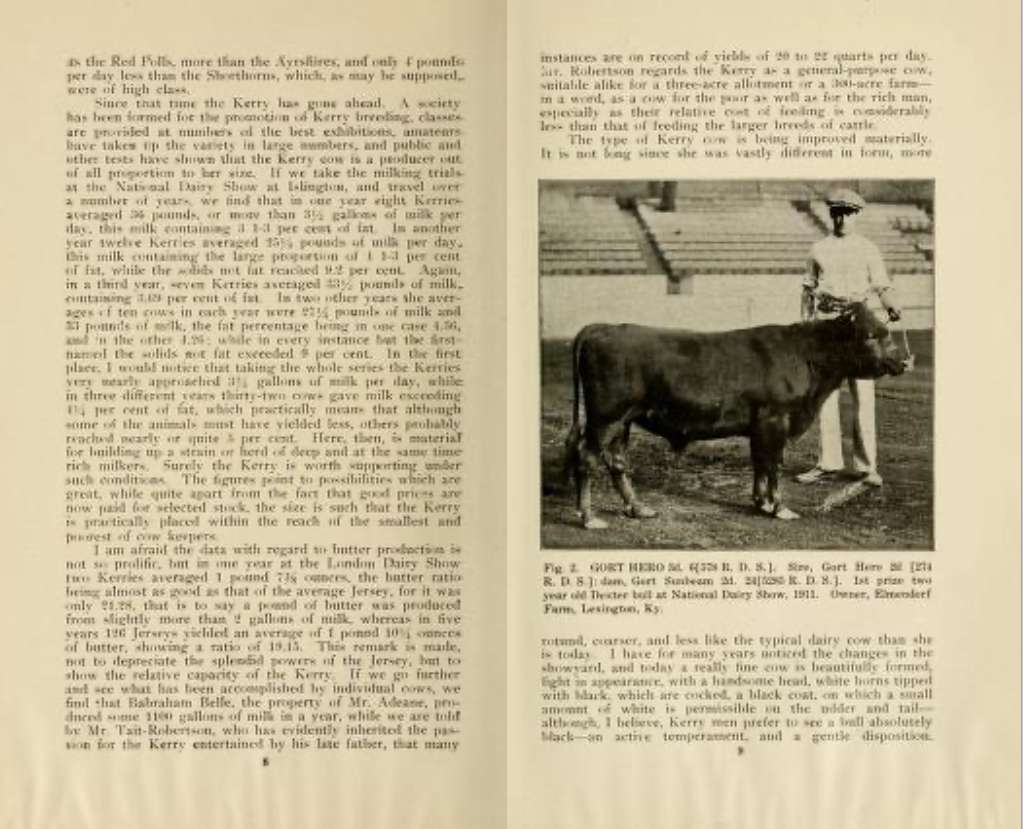
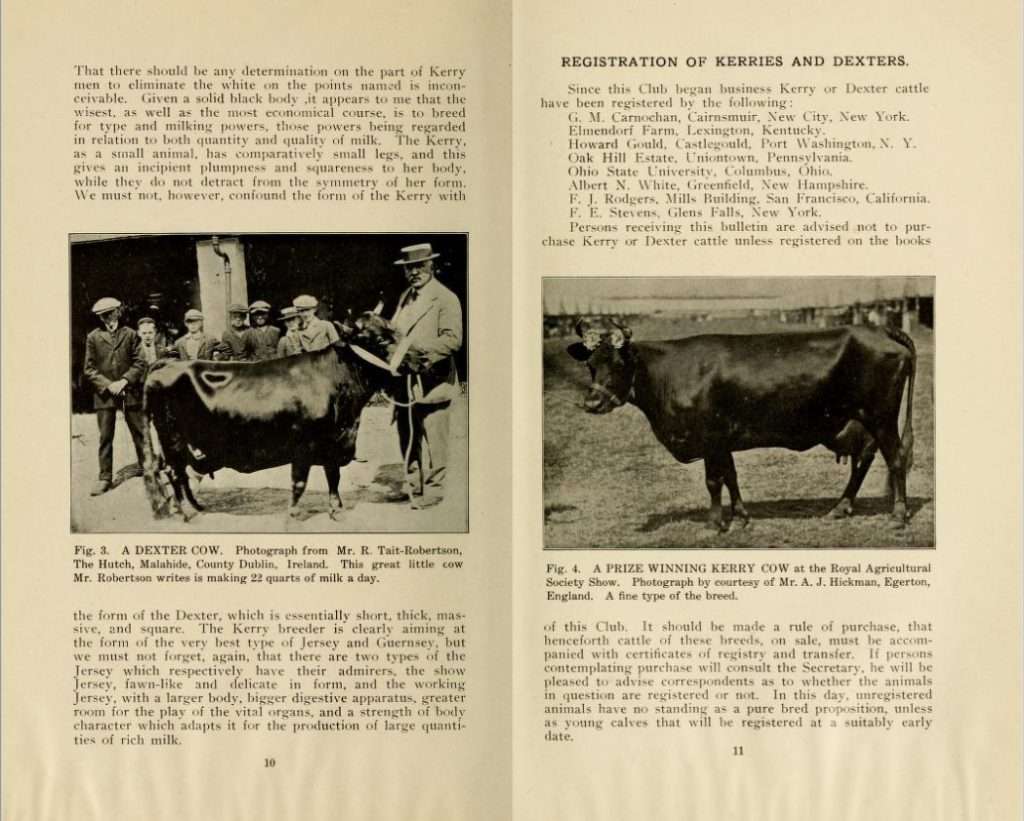
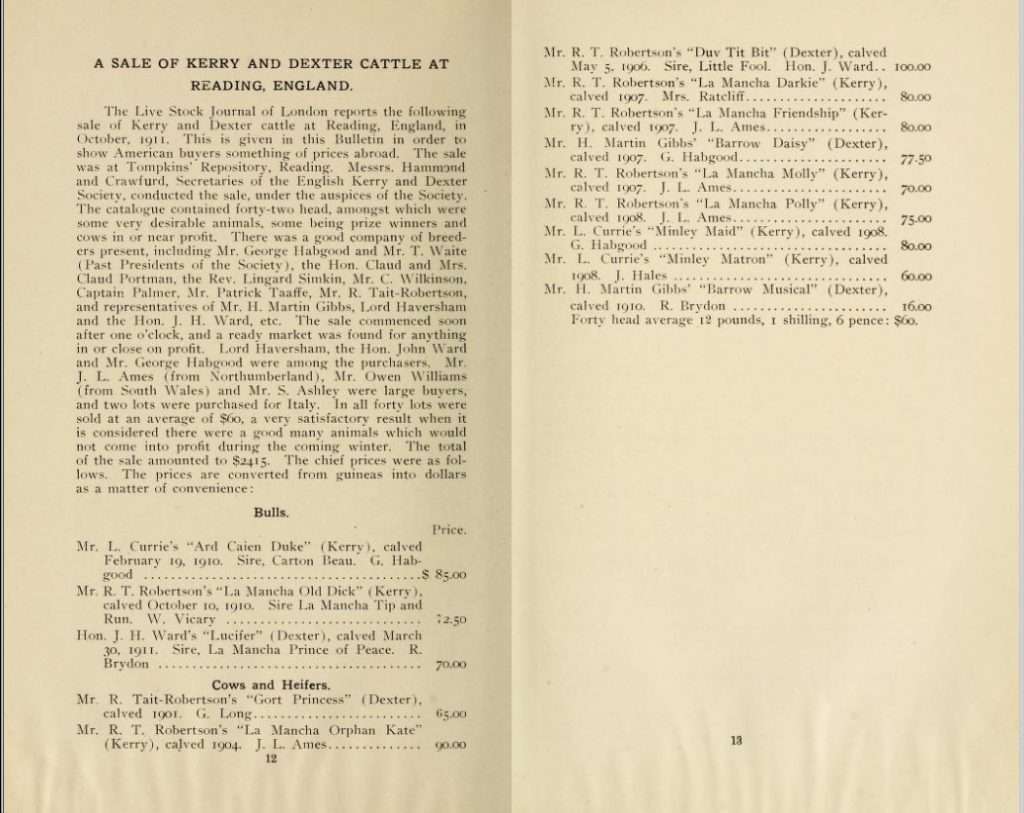
The American Kerry and Dexter Cattle Club….series 2 Installment Read More »
Historical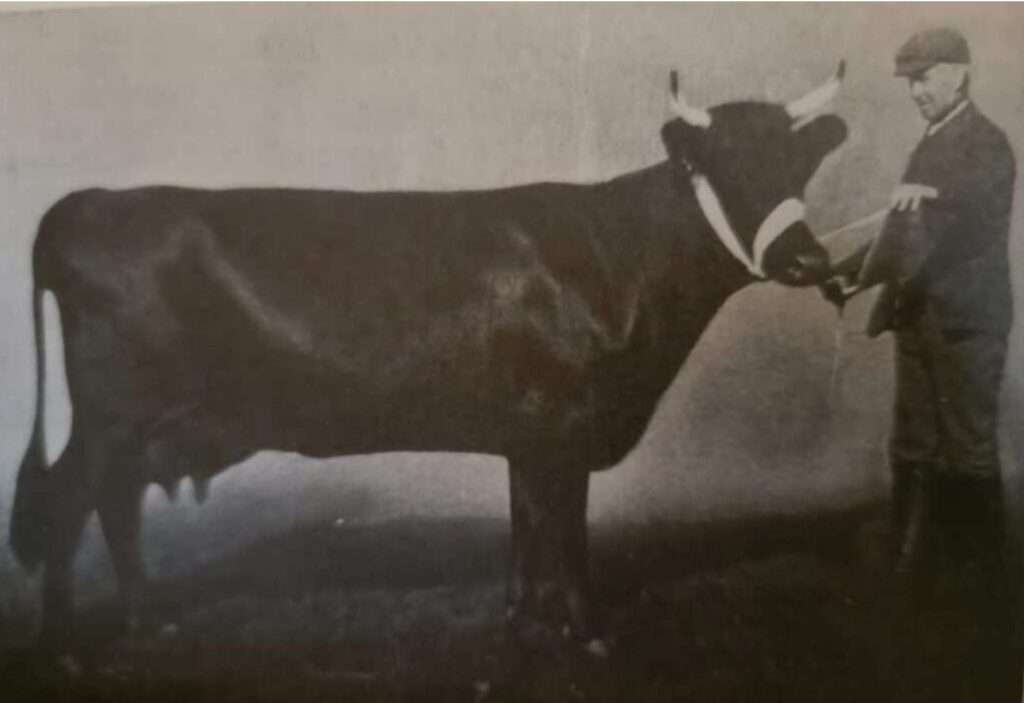
How much dairy should we put in to a Dual purpose Dexter cow. If you were to consult the English herd books they would say 40 percent for the “Bag” with the remaining percents being 15 for the “Head and neck”, 25 for the “Body, top line, under-line, ribs, setting of the tail, shortness of the leg, ect.”, 10 for “Quality and Touch” and 10 for “Colour”. So 40 points goes to the quality of the udder while 25 points gets divided up between the “Body, top line, under-line, ribs, setting of the tail, shortness of the leg, ect.”. It seems to me that in Dexters the focus today tends to fall primarily on mostly two aspects alone: shortness of leg and body type with general conformation coming in at the end. Even with 3 aspects it only accounts for 25 points for a Dexter. So there is a hyper focus on 25 % of a Dexter while the 40 percent in often neglected. The length of a cow’s leg and it’s depth are not the only traits that define a Dexter. Of course, we can’t forget the other traits that almost no one talks about, the “Head and neck”. You don’t get much meat off a head but it adds a distinct breed defining trait to a cattle type to set them apart.
It’s interesting to note that Kerry cattle that became a distinct dairy breed separated from the dual-purpose Dexter also list 40 points for the udder. The only difference is that more details are mentioned about the bag, “Udder, size, situation of teats, milk veins and escutcheon”.
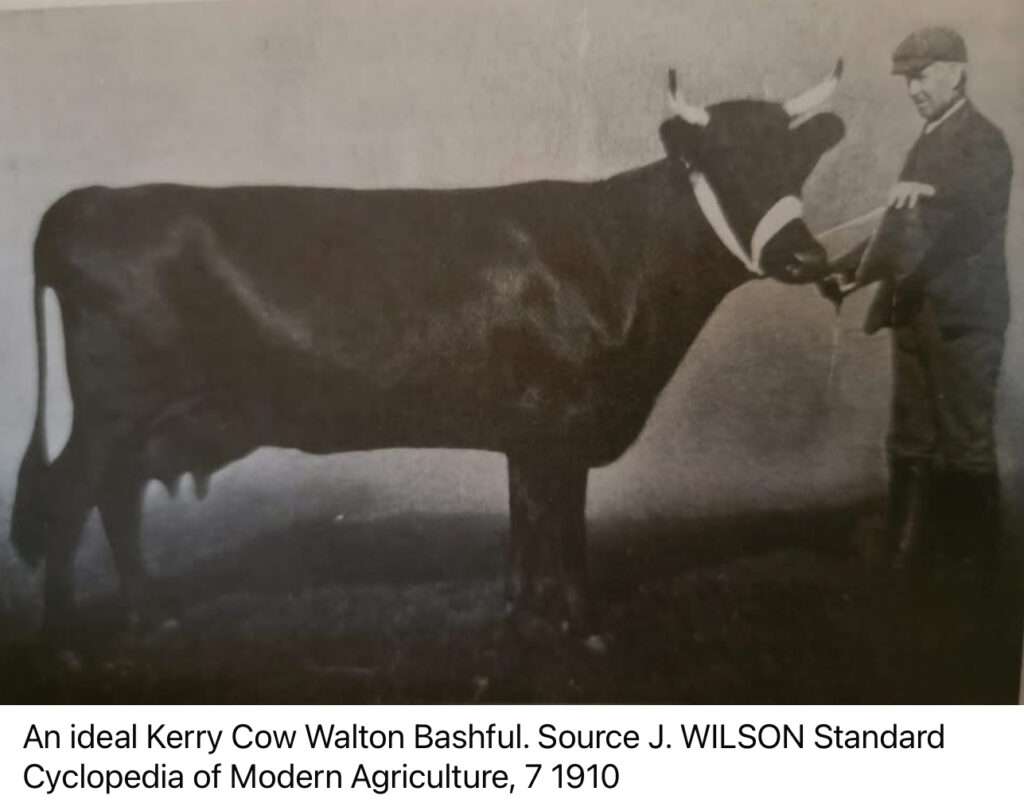
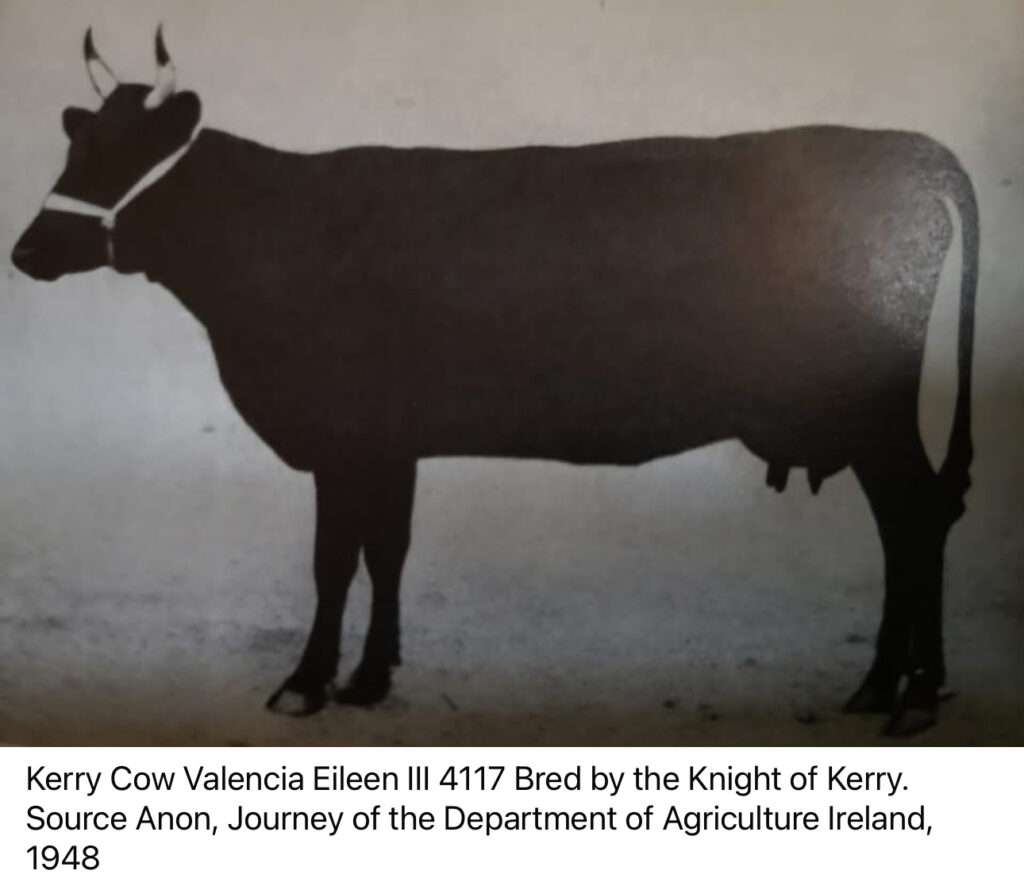
Now before major concern sets in, consider that this point system is based on an ideal cow. There will always be cows in a breed that are not ideal, but the goal is to breed for the ideal cow. If you look at the 3 pictures of Kerry cattle, I will share you will see that Walton Bashful is listed as ideal and her udder is the best of the three cows shown. I’d say if an udder is ideal enough for a Kerry it can likewise be good enough for a Dexter that uses the same 40 percent system. Of course, there is no problem with having an even better udder than this cow does! The next Kerry is Valencia Eileen III. You will immediately see that she could improve on her forward attachment, but she was a Kerry all the same. The final cow is Ard Caeina Una. You will see she has some attachment issues, and you will tell that her udder is hanging lower by her hocks. The placement of her teats are too close and awkward but they were still put to use, as you will see by reading her milk record. Her yield 14,562 lbs with her butterfat at 4.33 percent. Still a valuable Kerry cow. With Dexters we need to seek generational improvement in dairy traits as Dexter’s udder points are just important as Kerry cattle, but we also need to remember that improvement is generational and culling cows with good production and butterfat won’t instantly fix a problem. It could lead us to a breed full of cows with very tight nonproductive udders just because new people think a tight looking udder is an aesthetically pleasing udder.
The Dual Purpose Dexter And The Kerry History Read More »
Historical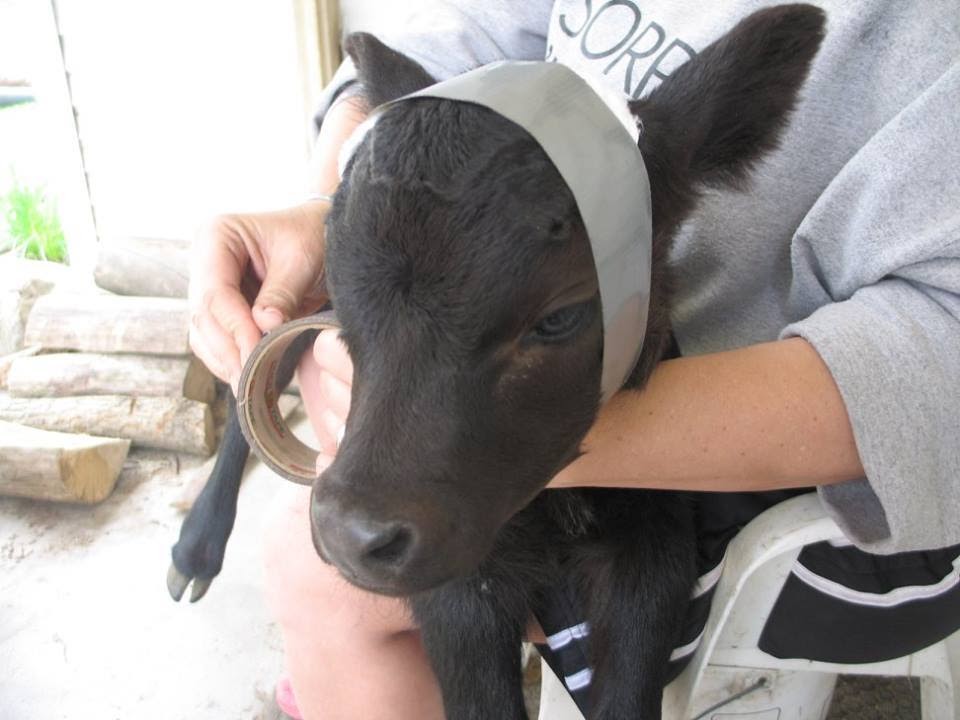
Showing what has worked best for us and for our animals with the least amount of stress
Dehorning with paste – By Janice McKim – McKim Family Farm Read More »
Homesteading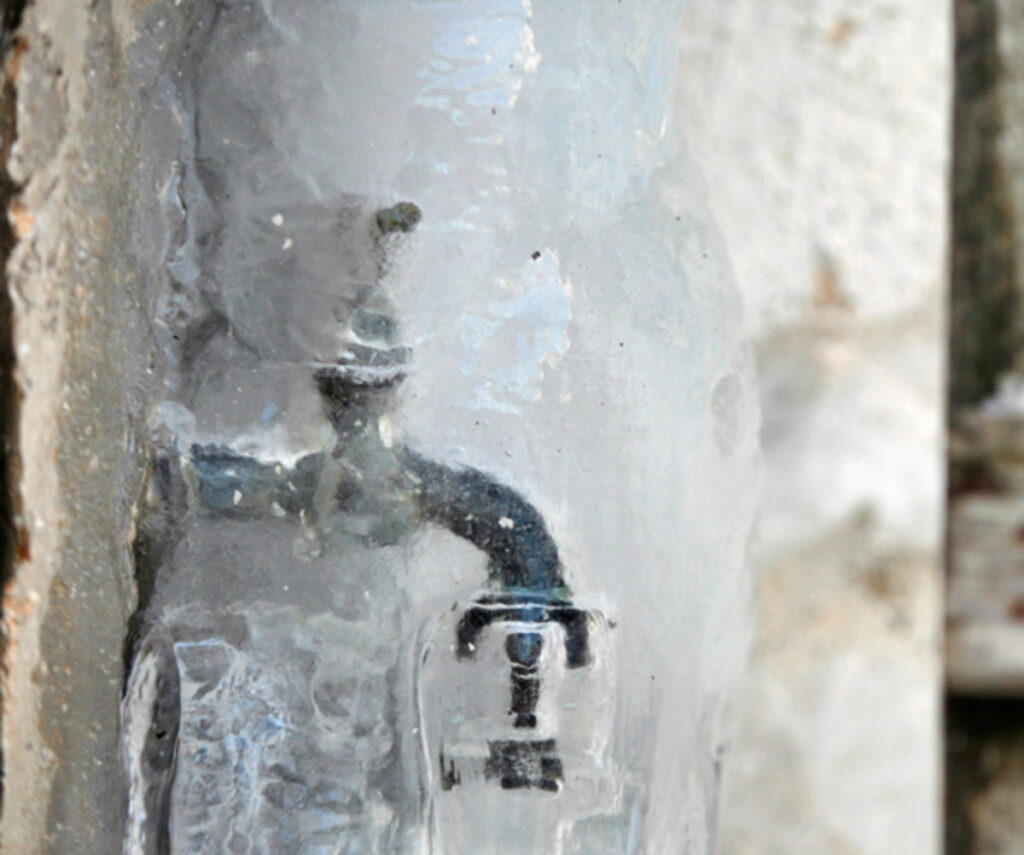
Devising a way to keep the stock tanks from freezing solid.
Guide To Ice Free Livestock Water Read More »
Farm Management
Of Irish origin, the Dexter was highly valued by peasant farmers of the 1800’s
The Smallest Breed – a Long History Read More »
Historical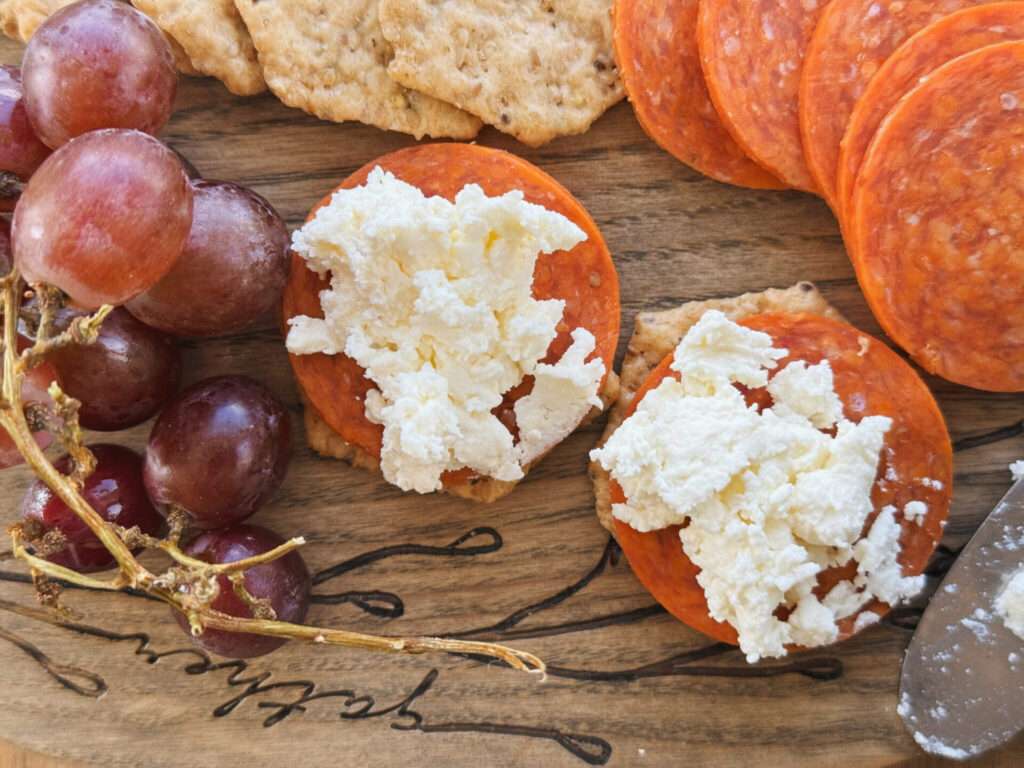
This the name used to describe chèvre cultured cow milk. Traditionally made chèvre is done with goat milk, but the process can be made with cow and sheep milk also. When made with sheep milk it is called brebis. We have experienced all three and love each of them. Give it a try and see what you think.
HAVE YOU EVER HEARD OF BOVRE? Read More »
Milking & Dairy