Halter Breaking
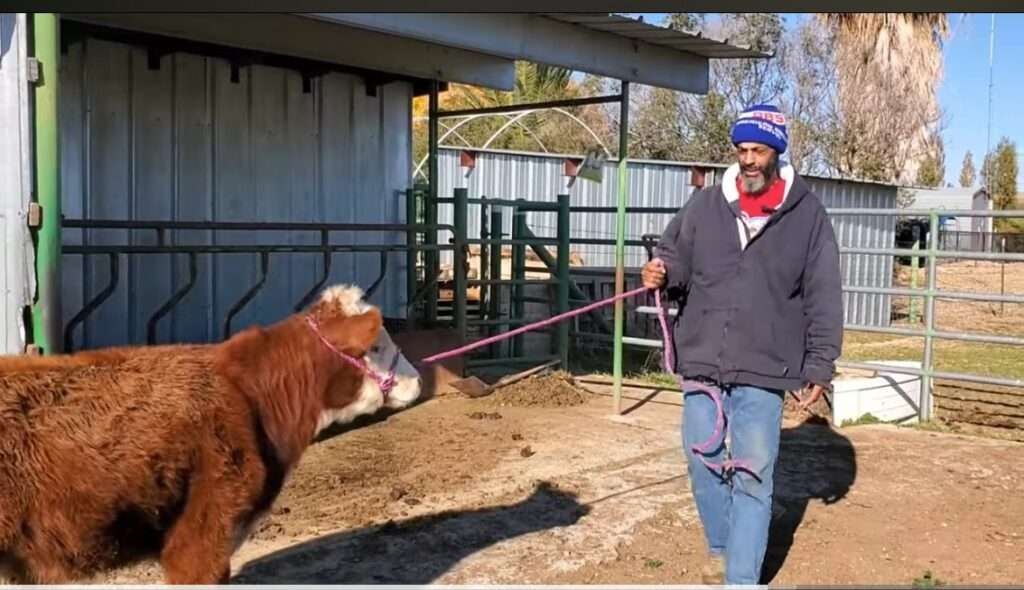
Let’s follow along with Porterhouse and Teal as he shows us how to build a successful working relationship with our cows – including halter breaking.
Let’s follow along with Porterhouse and Teal as he shows us how to build a successful working relationship with our cows – including halter breaking.

A little on the long side, but packed with great info on everything from experimental crops for grazing, to various methods of bale grazing.
A Conversation on Grazing Read More »
Farm Management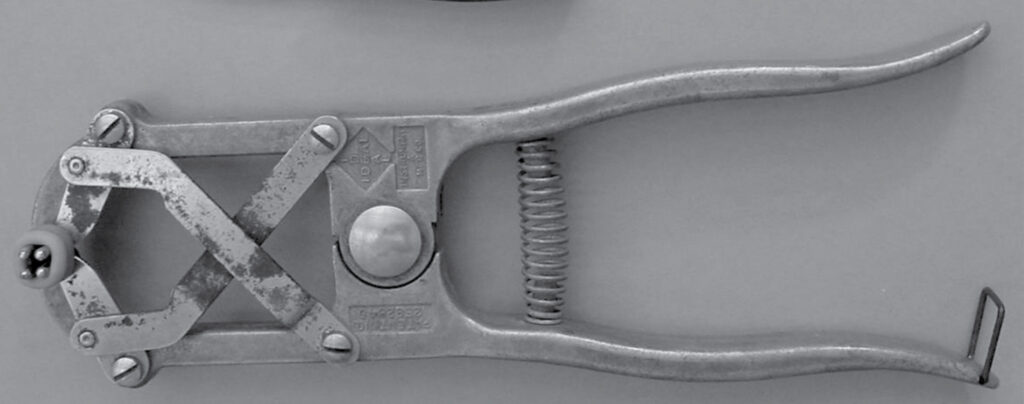
It is that time of year when we are weaning and castrating our bull calves. This article from University of Tennessee talks about the various methods and ages at which to castrate.
Castration Methods for Bull Calves Read More »
Farm Management Herd Health
In Germany, a new wave of farm-to-table convenience is flowing through vending machines — quite literally. Across rural towns and even urban neighborhoods, you’ll find self-serve milk vending machines that dispense fresh, unprocessed milk straight from local farms. Open 24/7, these machines let customers refill their own bottles with creamy, cold milk at any time of day, reducing packaging waste and shortening the distance between farm and consumer.
Typically placed at the edge of dairy farms, village centers, or community markets, these vending machines are restocked daily with milk collected directly from the cows. Customers simply insert a coin or swipe a card, place their bottle under the nozzle, and watch as fresh milk fills it up — often still warm from the morning’s milking, or chilled for instant use.
Many stations also provide reusable glass bottles for purchase, encouraging zero-waste habits. Some even display details about the farm, the cows’ diet, and the time of last milking — giving full transparency in a world often disconnected from food sources.
These milk stations are more than just a novelty — they’re a return to tradition with a modern twist. By cutting out the middlemen and minimizing processing, Germany’s milk vending machines support small farmers, reduce emissions, and give people access to wholesome, local dairy with the push of a button.
Credit: Organic living
Milk dispensers in Germany…interesting …wonder what breeds of cattle are behind this. Read More »
Milking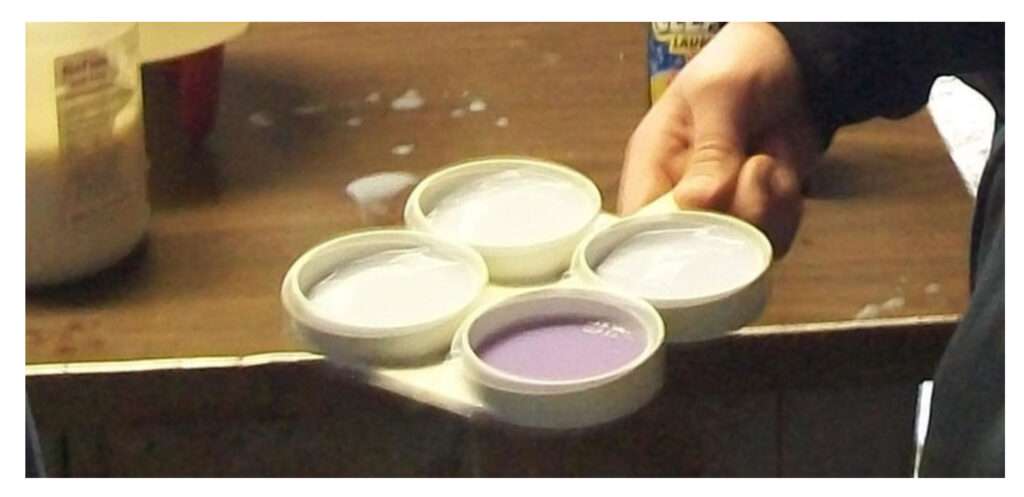
” The disease can be treated with antibiotics and supportive measures. The mastitis can be prevented by taking adequate measures like maintaining udder hygiene, sanitation of the cow barn, clean food and water supplement, and maintaining a milking schedule.”
If you are looking for a more holistic approach, there is another article in the Gazette about homeopathy and mastitis.
Mastitis …while not common in Dexters an ounce of prevention can go a long way. Read More »
Milking
After a small sampling from one herd, it appears that the Dexter breed does have this highly inheritable genetic marker. It appears that the marker is found in those cows with the most milk production. This makes total sense, as they refer to the genetic marker as found in most easy keeping cattle.
Unfortunately no bulls were part of the initial testing and semen is not able to be tested for this marker.
So, now that we know the marker is there for the Dexter breed and that it seems to be in cows with most milk…we need more folks to test. It has been suggested that it maybe easy to get a few drops at ear tagging time and a simple tail stick for the older ones.
If you would like more information on how to get your herd tested, please reach out to the Irish Dexter Cattlemen and we will help you get started. It requires only a few drops of blood on a Tenet card sampler. The card is then sent of for sequencing.
It takes 5 days to get to the lab and 10-30 days for the sequencing to happen after being received. They send your your results by email. Pretty simple procedure.
The thing that was most interesting was it was found in the cows with the most milk production. How cool would it be to be able to predict possibly milk production and beef tenderness? Duality!
In case, you need to brush up on this. Below is the podcast that started this adventure. This is NOT the Neogen testing that has been happening by a group of Dexter breeders.

This was fabulous…while I made it with goats milk…I could have made it with Dexter milk, but I had it already made from goat.
Don’t skip the rinsing or it will be too salty
Sure to impress you with chips, pita, sourdough bread…….
I use a version of the recipe below to make feta as well….bon appetite!
https://www.americastestkitchen.com/articles/1273-whipped-feta-dip
Feta dip from cows milk feta…easy and quick! Read More »
Homesteading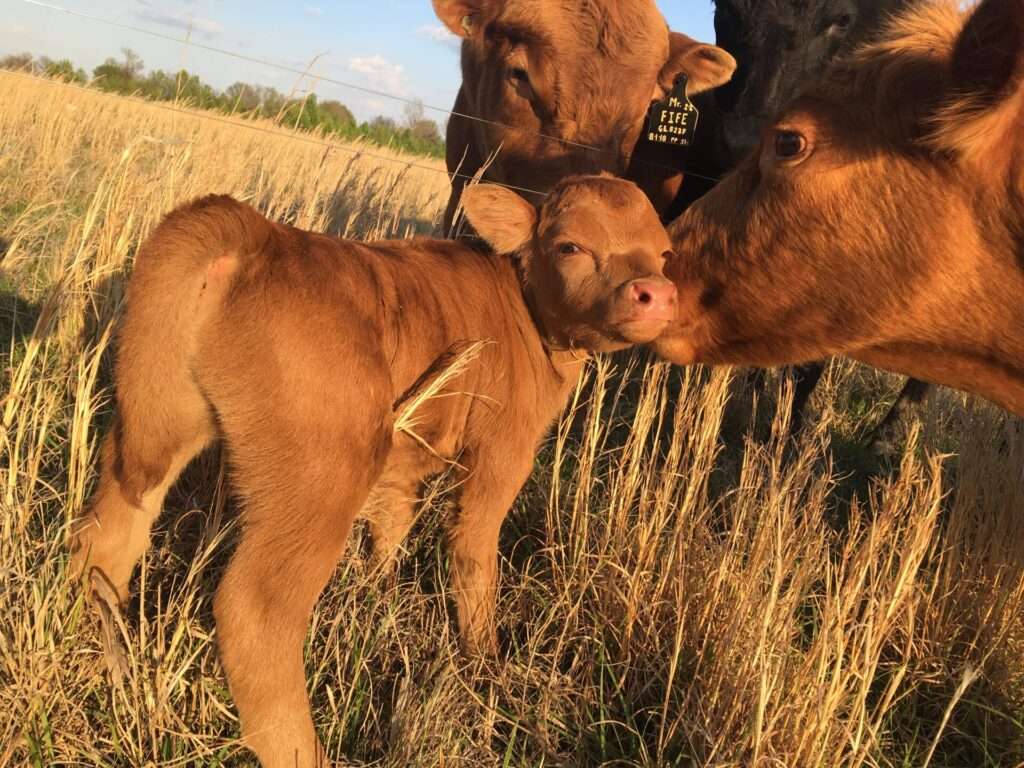
Article written by Dara Dixon as well as photos!
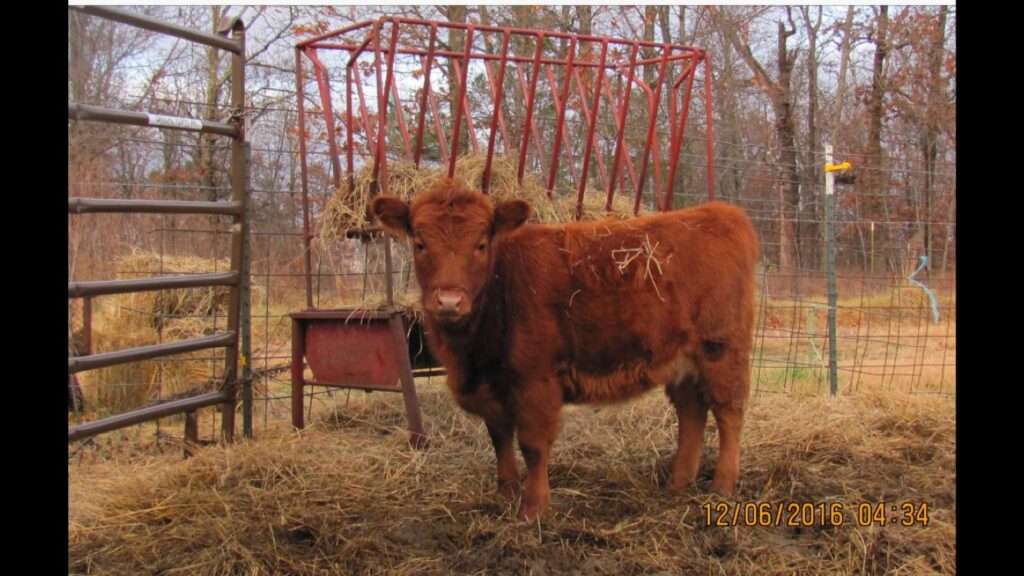
Dexter cattle, with their compact size and delightful appearance, are a top choice for small-scale farmers and homesteaders. The chondrodysplasia trait, resulting in shorter legs and a stout build, is a defining feature often criticized but offers significant benefits when managed responsibly. This article counters negative sentiments about chondrodysplasia by highlighting its advantages—calm temperament, successful calving, efficient pasture use, and aesthetic appeal—using research from agricultural universities and practical insights. Written for those eager to raise charming Dexter cattle but hesitant due to concerns about chondrodysplasia, it provides a clear, evidence-based case for the trait’s value.
Calm and Approachable Nature
Chondrodysplastic Dexters are celebrated for their gentle demeanor, ideal for farmers new to livestock. Oklahoma State University’s Department of Animal and Food Sciences notes that smaller cattle breeds, like Dexters, are typically less intimidating and easier to handle due to their reduced size (Oklahoma State University, Breeds of Livestock, breeds.okstate.edu). The short stature of chondrodysplastic Dexters simplifies tasks like herding, milking, or veterinary care, reducing stress for both the farmer and the cattle. Their docile behavior fosters a safer farm environment, making them a practical choice for hobbyists or families. This temperament aligns with sustainable, low-stress farming practices, enhancing the appeal of chondrodysplastic Dexters for beginners.
Successful and Safe Calving
Critics of chondrodysplasia often cite the risk of bulldog calves, a lethal condition caused by inheriting two copies of the chondrodysplasia gene. However, modern genetic management eliminates this concern, ensuring healthy calving outcomes. Research from the University of Sydney, cited by UC Davis’s Veterinary Genetics Laboratory, demonstrates that breeding a chondrodysplasia carrier with a non-carrier produces healthy offspring with a 50% chance of inheriting the short-legged trait, avoiding bulldog calves entirely (UC Davis VGL, Bulldog Dwarfism in Dexter Cattle, vgl.ucdavis.edu). Dexters’ small size further reduces calving difficulties, with lower dystocia rates compared to larger breeds. A study from Kansas State University’s Agricultural Experiment Station highlights that smaller cattle breeds have fewer birthing complications, supporting Dexter’s reliability in producing healthy calves (K-State Research and Extension, k-state.edu). Responsible breeding ensures chondrodysplastic Dexters thrive as a productive herd.
Optimized Pasture Efficiency
Chondrodysplastic Dexters are exceptionally suited for small farms due to their low land requirements. Their compact size allows for higher stocking rates, maximizing productivity on limited acreage. Oklahoma State University’s Beef Cattle Manual indicates that Dexters can be sustained on 0.5 to 1 acre per cow, compared to 1.5 to 2 acres for standard breeds, making them ideal for resource-conscious farmers (OSU Extension, extension.okstate.edu). Research published in Animal Production Science confirms that smaller cattle breeds like Dexters exert less pressure on pastures, supporting sustainable grazing practices (Anim. Prod. Sci., 2020, doi:10.1071/AN19432). This efficiency lowers feed costs and environmental impact, allowing farmers to maintain more animals without compromising land health—a key advantage for those with small plots.
Charming and Marketable Appearance
The aesthetic allure of chondrodysplastic Dexters is a standout feature. Their short legs, robust bodies, and expressive faces create a “cute” look that captivates farmers and consumers alike. The American Dexter Cattle Association notes that chondrodysplastic Dexters are often “proportionally balanced and visually appealing,” making them a draw for agritourism, farm visits, or niche markets like specialty beef or dairy (American Dexter Cattle Association, Chondrodysplasia Overview, dextercattle.org). Social media posts from groups like “Dexter Cattle – Chondro Cuties” highlight the enthusiasm for their unique appearance, which boosts their marketability (Facebook, Dexter Cattle – Chondro Cuties, facebook.com). This charm translates into economic benefits, as their distinctive look attracts attention and adds value to small-scale operations.
Countering Negative Perceptions
Negative views on chondrodysplasia, such as claims of it being a “painful genetic disease” or calls for its eradication, often stem from misinformation or outdated concerns (Facebook, Dexter Cattle Breeders, facebook.com). These critiques overemphasize the bulldog calf risk while ignoring modern solutions. Genetic testing, available through institutions like Texas A&M University, allows farmers to identify carriers and breed strategically, eliminating the risk of lethal outcomes (American Dexter Cattle Association, Chondrodysplasia Overview, dextercattle.org). A 2007 study in Mammalian Genome from the University of Sydney confirms that heterozygous chondrodysplasia carriers exhibit no health detriments, displaying robust growth and adaptability (Mammalian Genome, 2007, doi:10.1007/s00335-007-9066-9). Posts on platforms like Facebook also clarify that chondrodysplasia is a manageable trait integral to the Dexter breed’s identity, not a flaw to eliminate (Facebook, Dexter Cattle Enthusiasts, facebook.com). With proper management, the trait’s benefits far outweigh any perceived drawbacks.
Conclusion
Chondrodysplastic Dexter cattle are a valuable asset for small-scale farmers. Their gentle nature simplifies management, reliable calving ensures herd vitality, efficient land use maximizes resources, and charming appearance enhances market appeal. Supported by research from Oklahoma State University, Kansas State University, and the University of Sydney, chondrodysplasia is a manageable trait that adds unique value to Dexters. For farmers seeking cute, productive cattle, chondrodysplastic Dexters are an excellent choice when paired with responsible breeding practices.
Featured image
Family picture with herd sire Mr. Fife: 3797
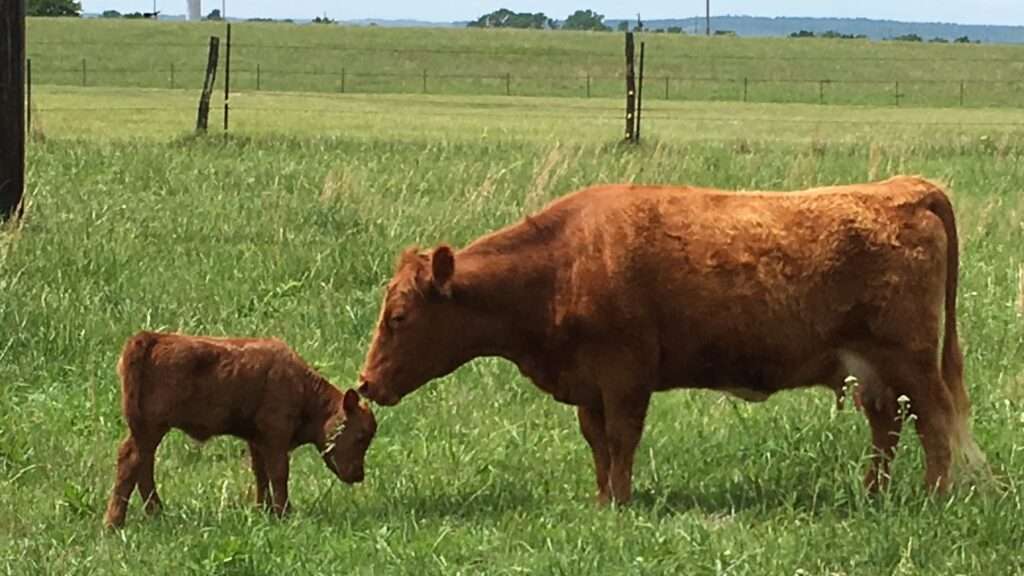
Cow named Butter Diary’s Rosebud ADCA 045563 and her calf Butter Diary’s Lil Bit 049867.
5008 and 2698 (calf in these pictures is Lil Bit)
References
Embracing Chondrodysplasia in Dexter Cattle: A Compelling Choice for Small Farms Read More »
General