June 2025

Thoughts on Regenerative Beef

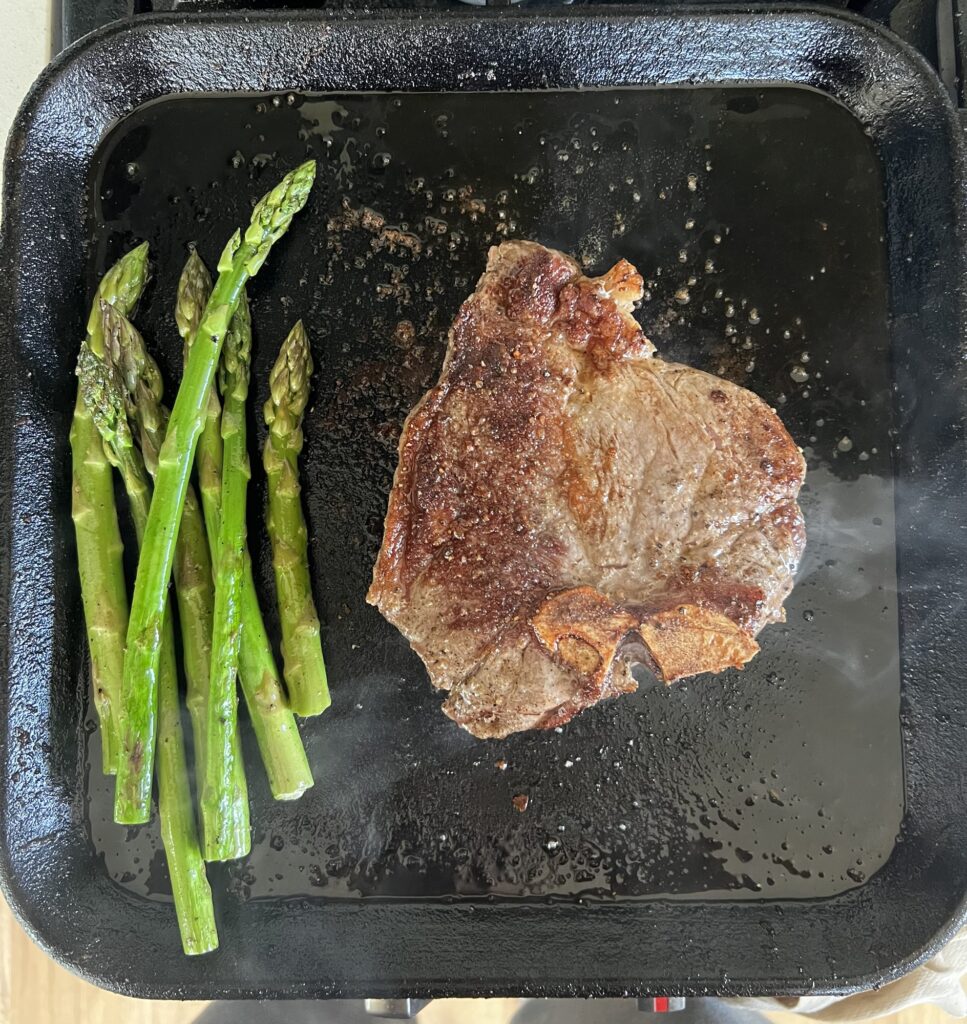
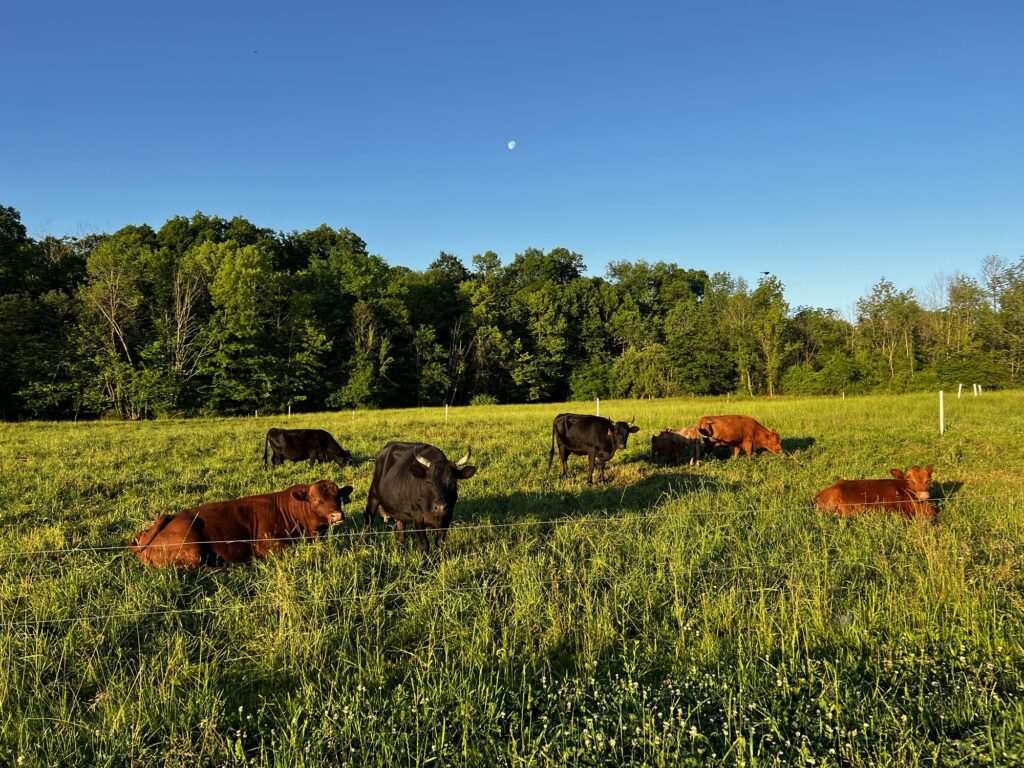
We’ve all seen the push to remove red meat, and especially beef, from our diets. But, is that actually the answer and are the alternatives any better? This article below talks about some of the nuances of beef production and the alternatives like impossible burger.

I love the question the last paragraph asks, “So, what would the world look like based on your food choices?”

Thoughts on Regenerative Beef Read More »

Beef
Learn by Example: 7 Successful Small Business Marketing Campaigns

Marketing is an important tool for businesses of all sizes. Small businesses can use marketing techniques and strategies to attract more customers, gain market share, boost brand awareness and create new revenue options. Through these techniques, small businesses can market themselves to existing and potential customers, investors and even other businesses. A marketing campaign’s success is determined by its budget, creativity and strategy for connecting with its target audience.

Here are some small business marketing campaigns to inspire your efforts, along with the do’s and don’ts of creating a successful marketing campaign.

Learn by Example: 7 Successful Small Business Marketing Campaigns Read More »

Selling

Get Camera Ready: Livestreaming Is the Future of Social Media

Get Camera Ready: Livestreaming Is the Future of Social Media Read More »

Selling

Control Weeds Naturally

As livestock farmers a large percent of our work goes into pasture and forage management. Invasive, non-local weeds can be a big pain, and some are even damaging to our animals (poisonous) and local forage. This article addresses simple, natural solutions to weed control on the farm. We have always had the most success by balancing the nutrients in the soil, and adding grazing animals at the right time.

Control Weeds Naturally Read More »

Farm Management

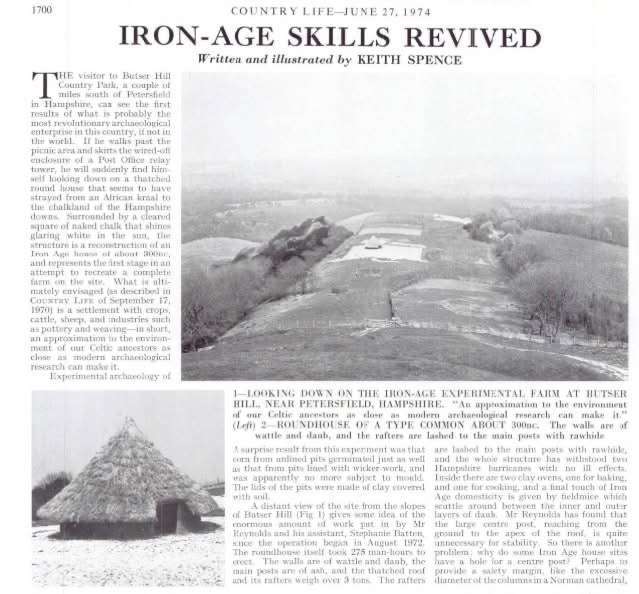
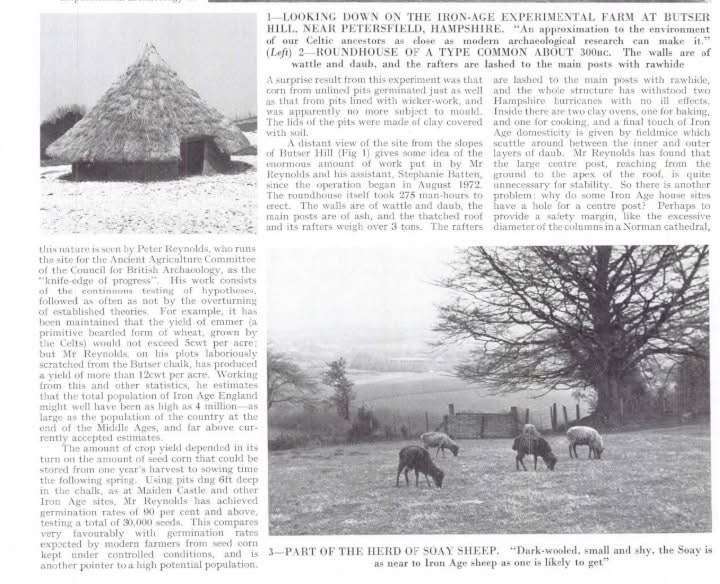
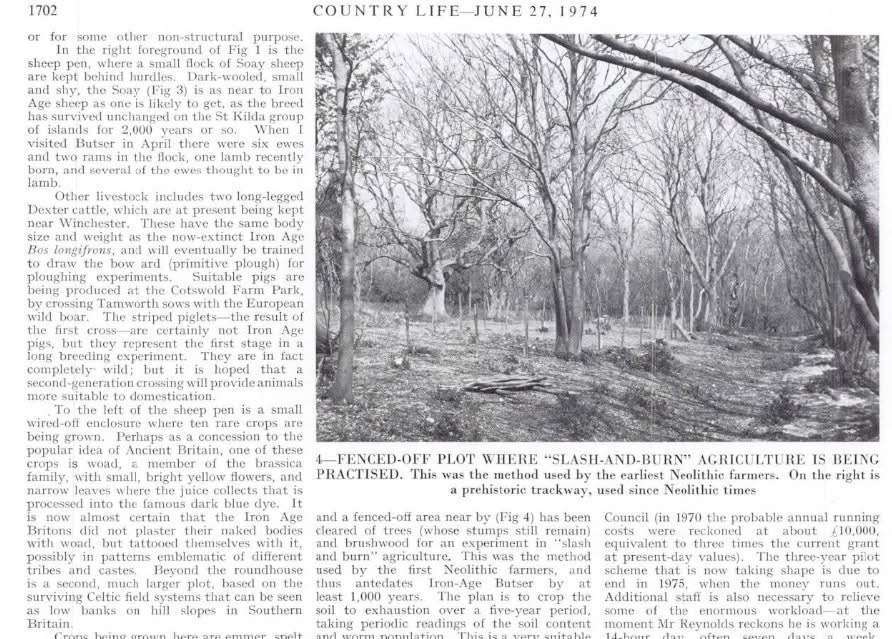
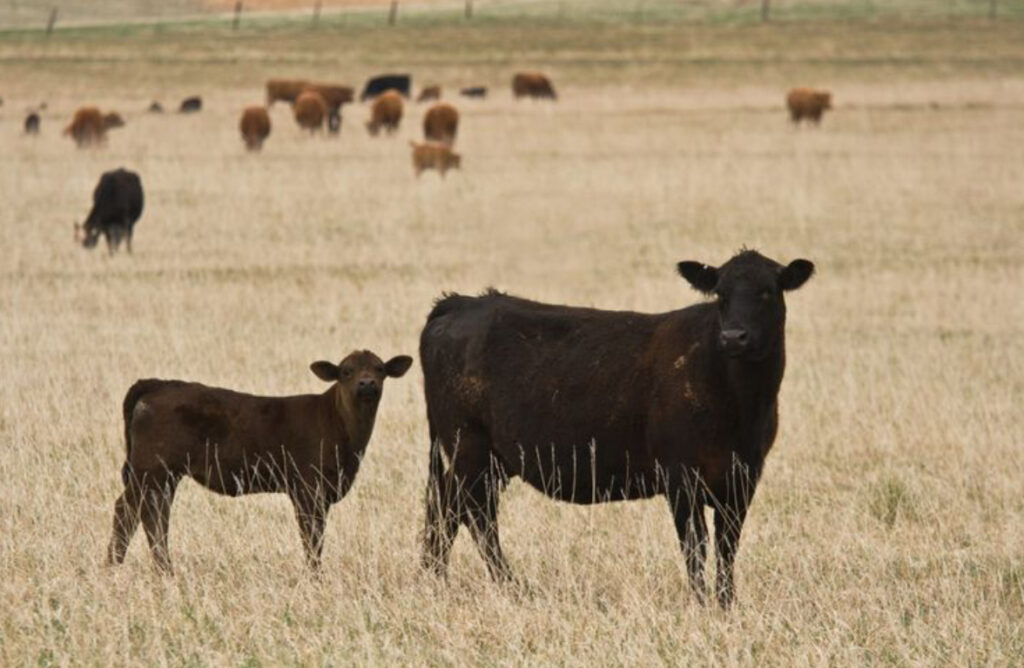
Interesting, Dexters were used to replicate a farm in 300 B.C.

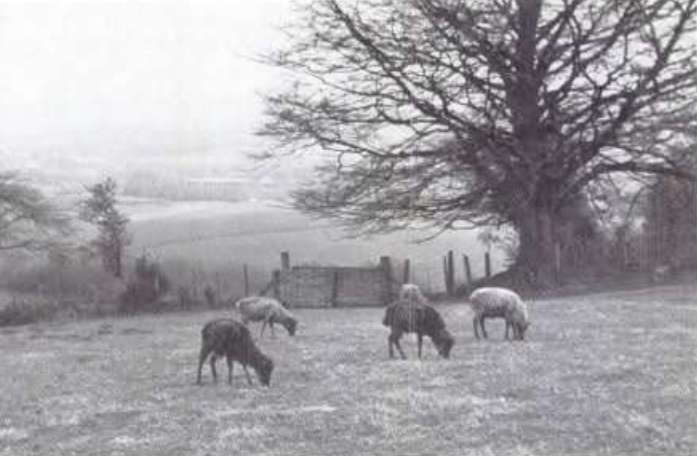
Two long legged Dexters were kept at an Iron Age site to replicate a farm in 300 B.C. The attempt was to recreate what some of our Celtic ancestors would have experienced in their environment as close to what archaeological evidence in 1974 could validate. A round wattle and daub building was constructed with a thatched roof on site, and it withstood two Hampshire hurricanes with no ill effect. A man named Peter Reynolds was testing hypotheses to establish or to refute established theories during his era. He researched to establish accurate theories on the livestock and crops that would have been grown at that time. He wanted to establish facts and create a representation of the time as accurately as he could.
The dark wooled small breed of Soay sheep were kept, as it is commonly believed they are as close as possible to the Iron age sheep genetically, because they remained isolated on St. Kilda for thousands of years. Then there are the two long legged Dexter cattle being kept that are believed to be the same body size and weight as the extinct Bos longifrons. This seems to be what was considered the best match for the time. When researching the subject, I found that McKenny Hughes says “that Bos longifrons was a very small animal; probably not larger than a Kerry cow.” It was likewise believed that the color of the British and Celtic Bos longifrons was black but with a shorter horn shape than is seen in Kerry and Dexter cattle. With those considerations it is understandable that long legged Dexters that have often been called Dexters of the Kerry type would have been used as the best choice for the day. Newspaper article: Country Life 27 June 1974

Interesting, Dexters were used to replicate a farm in 300 B.C. Read More »

Historical

Fly Control

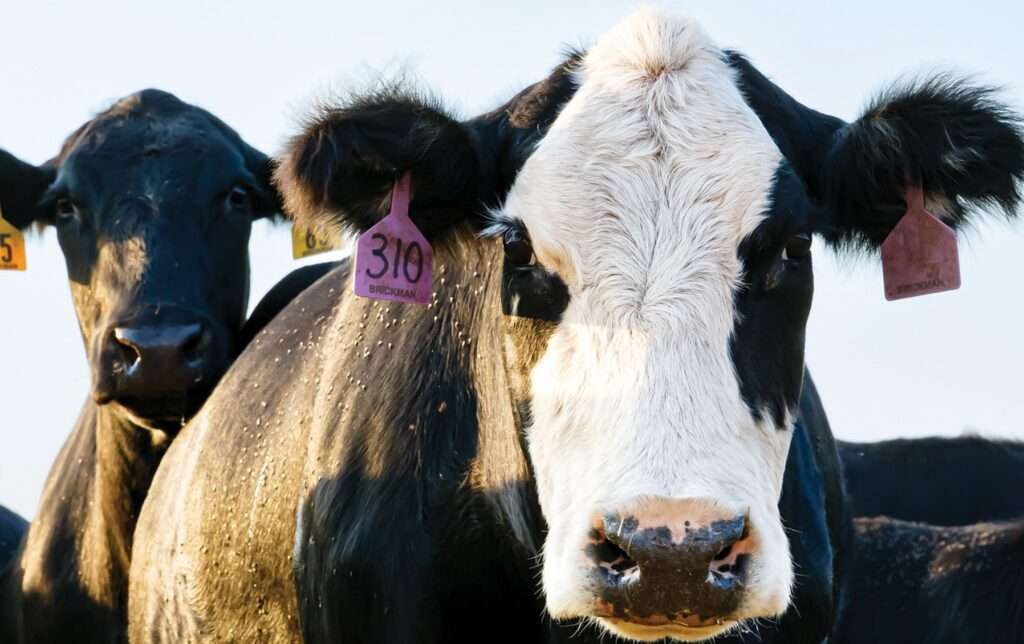
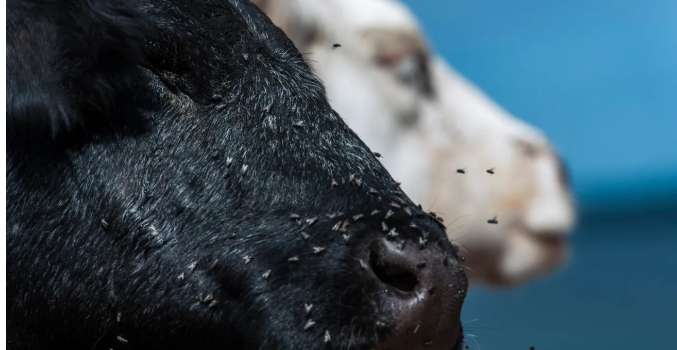
It’s that time of year. The flies have arrived in most US states by now. It takes a multi system approach to keep the fly population down and protect your cattle.

Whether it be a topical pour on, spray on, a feed through mineral, garlic, solar fly traps, fly predators, etc, it takes several different products to reduce your fly load.

Fly Control Read More »

Herd Health
Enable Notifications OK No thanks